Ceramic and Glass Vessels

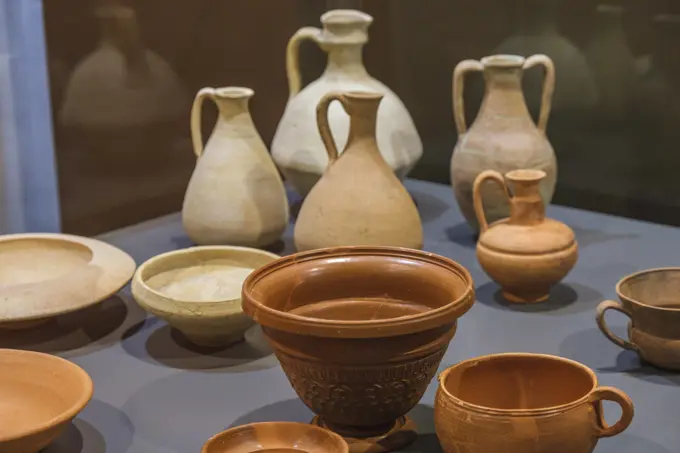
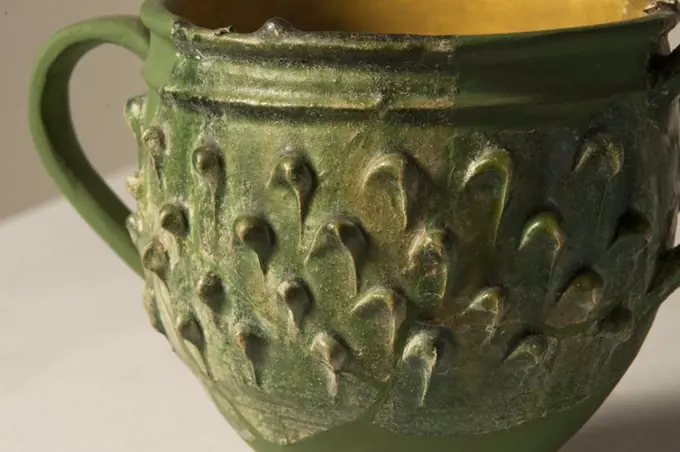
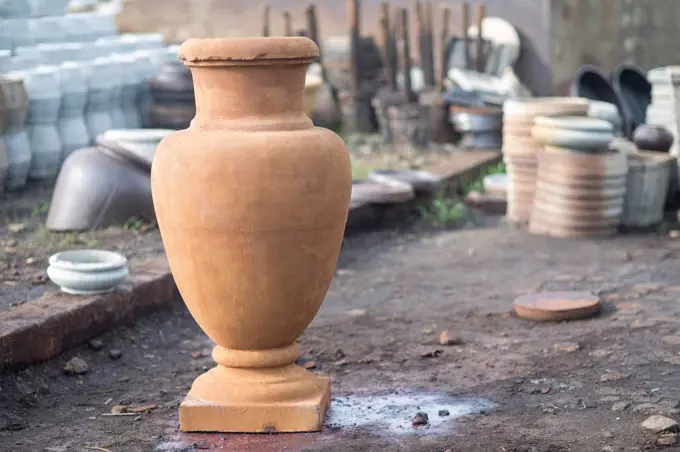
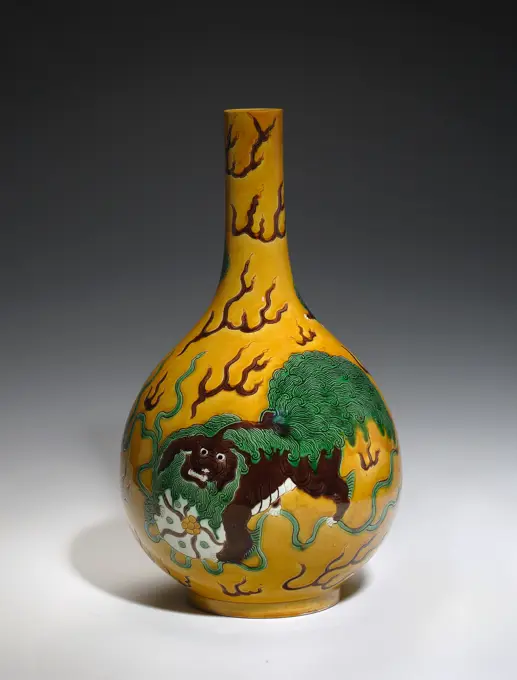
A variety of jars and jugs from different eras and materials, showcasing utilitarian design and historical craftsmanship.
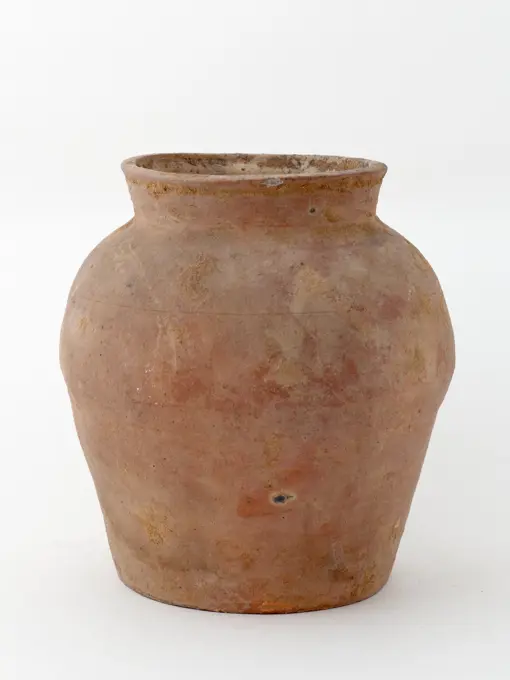
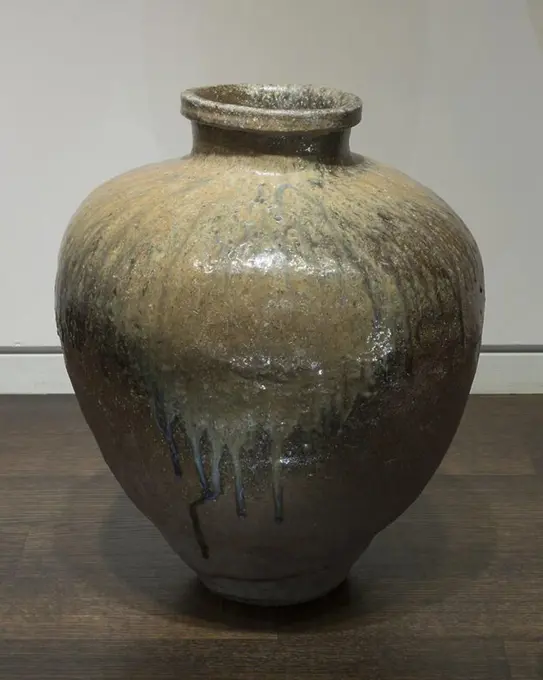
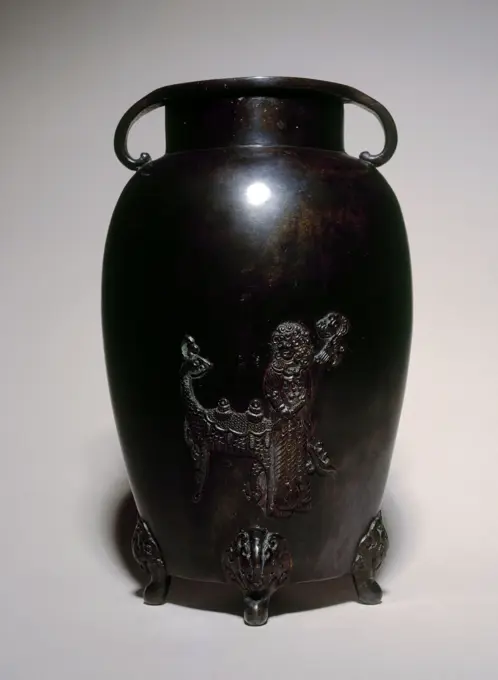
Ovoid jar ". Terracotta. Vietnam-Xe-Xive s. Paris, Cernuschi museum. 72185-7 Jarre Ovow, Vietnamese object, terracotta
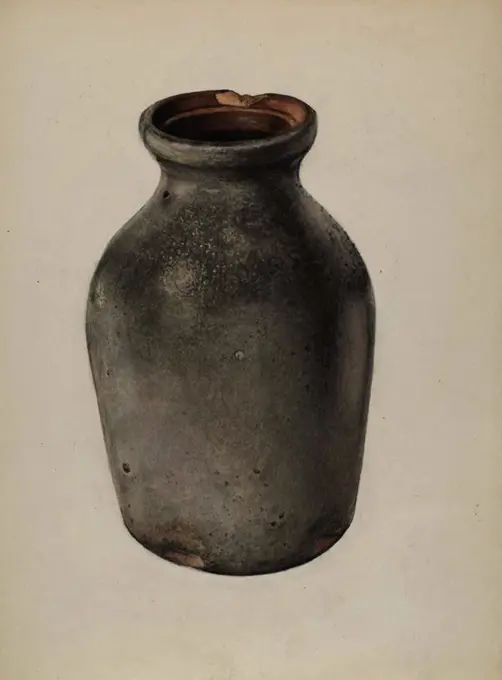
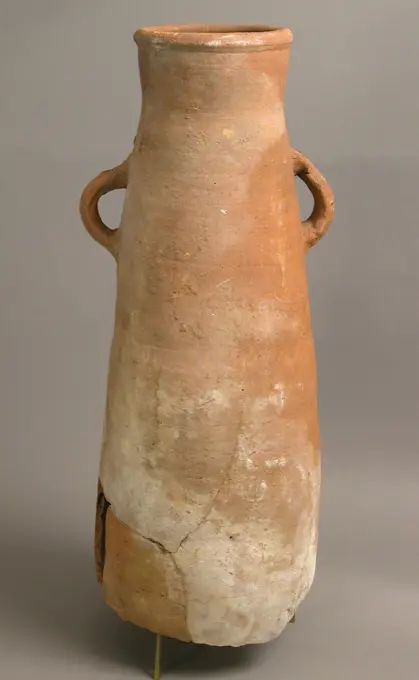
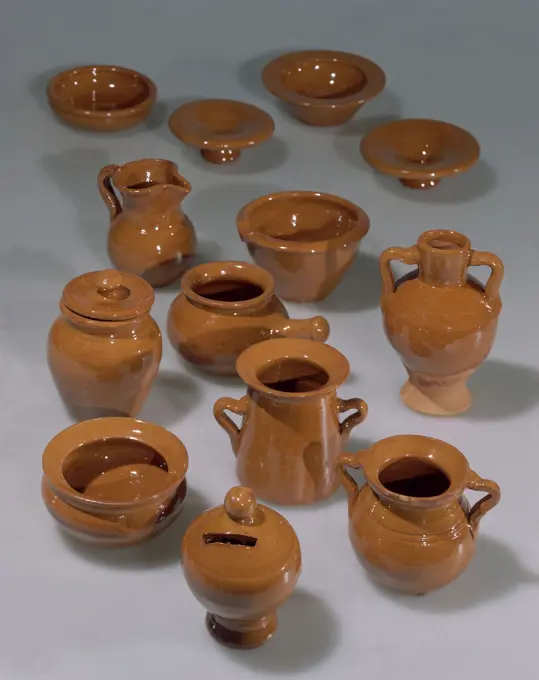
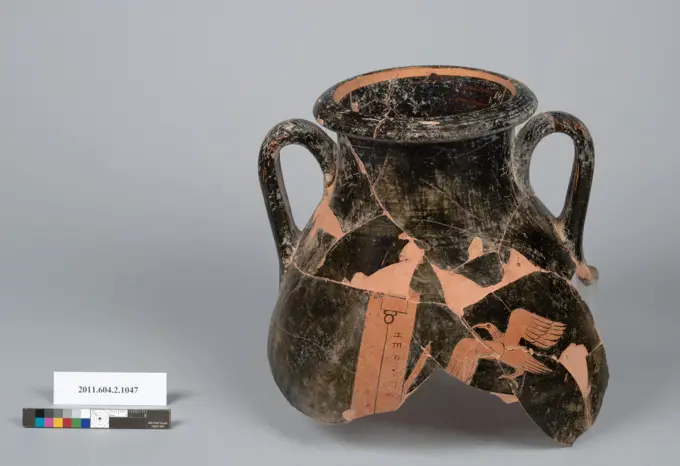
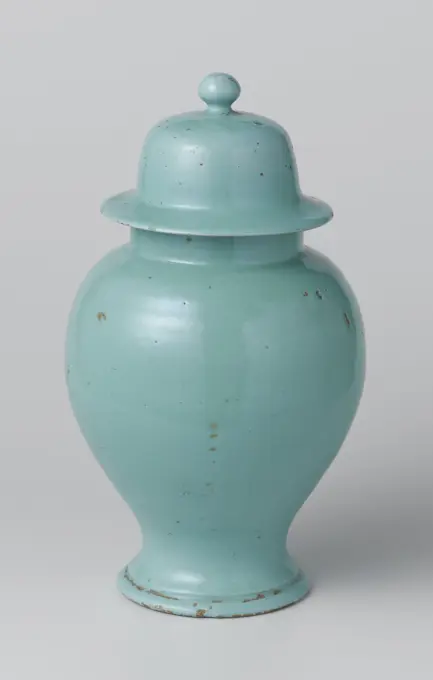
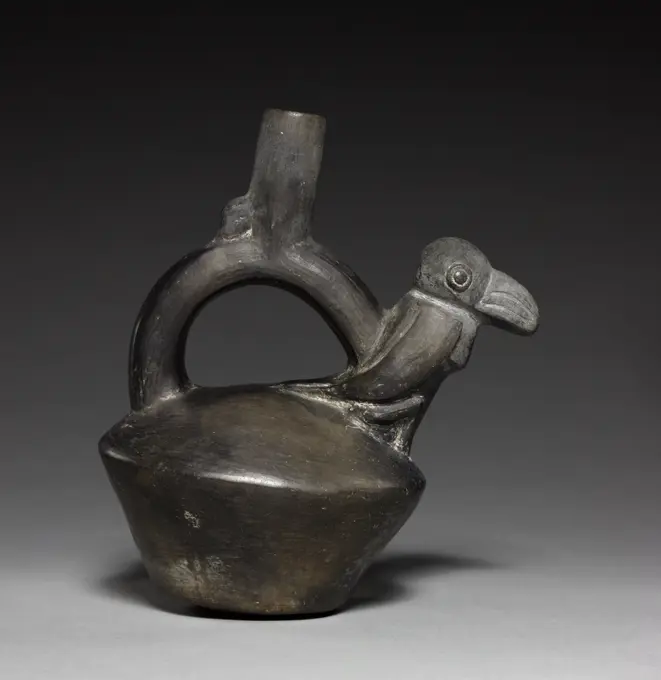
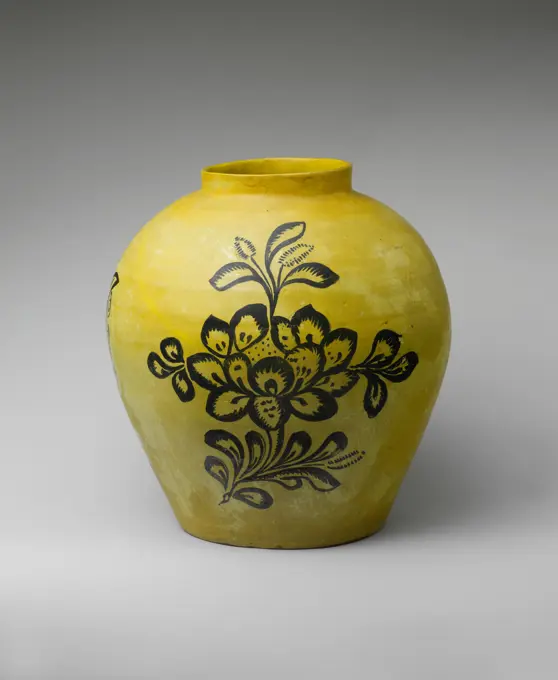
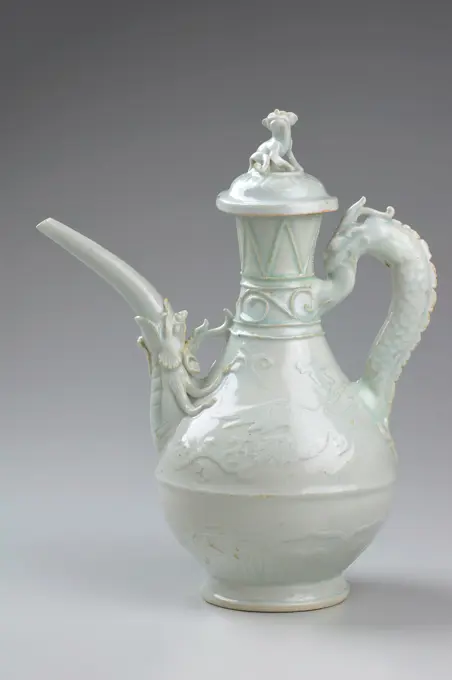
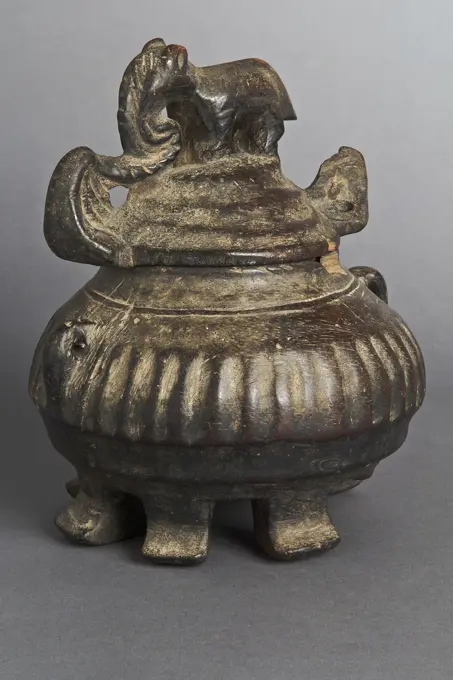
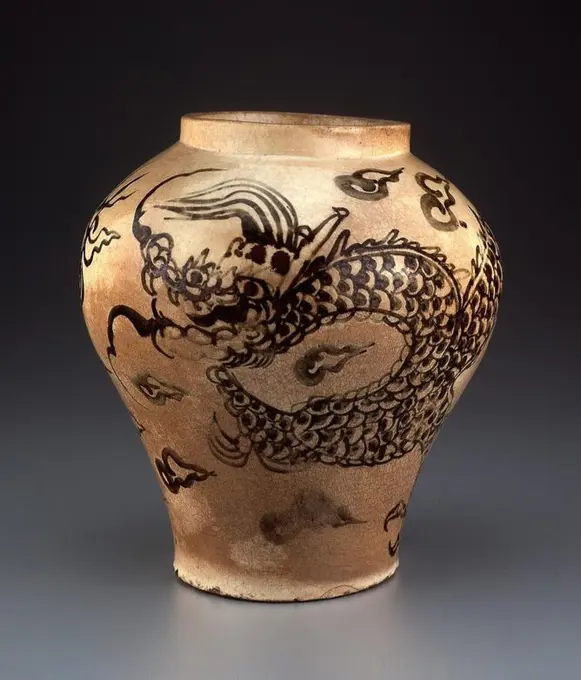
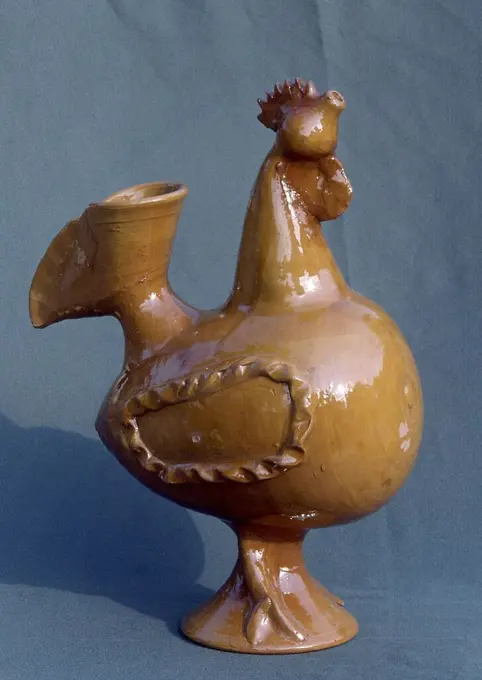
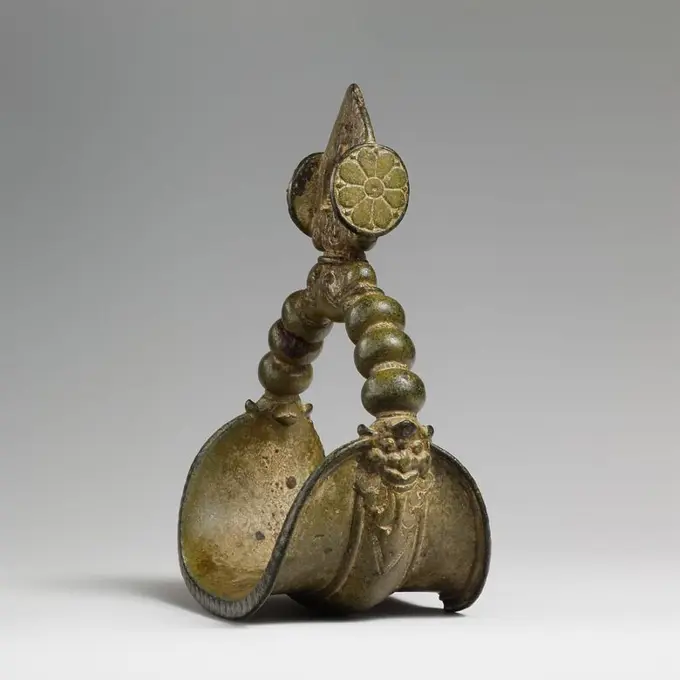
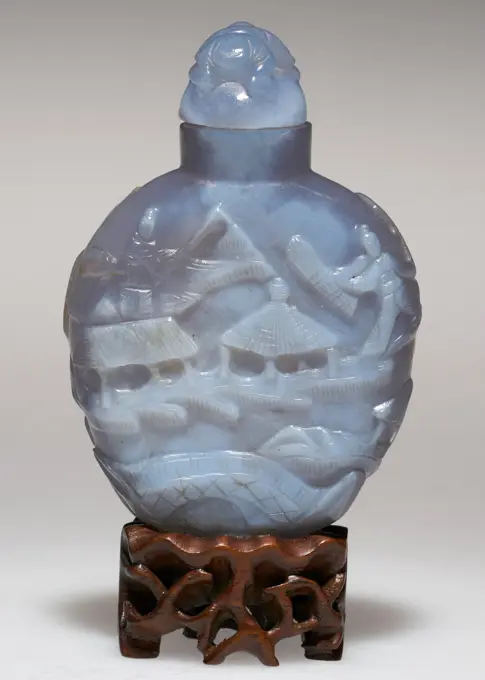
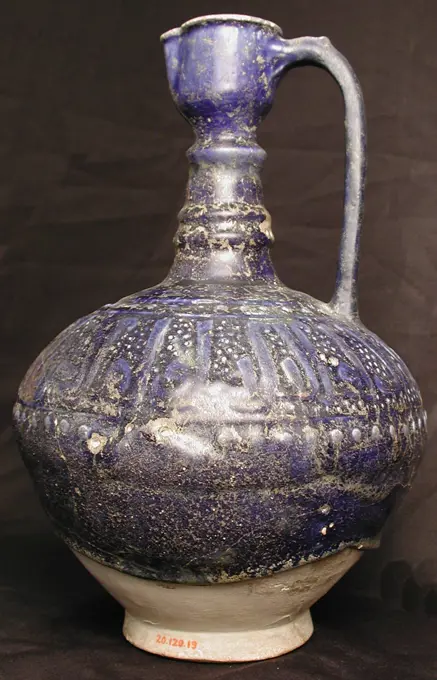
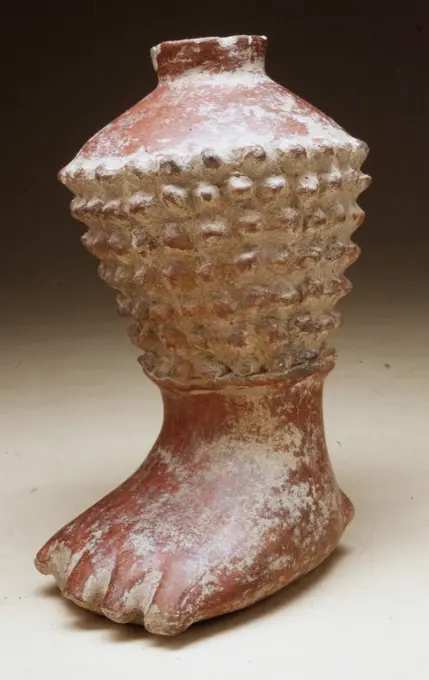
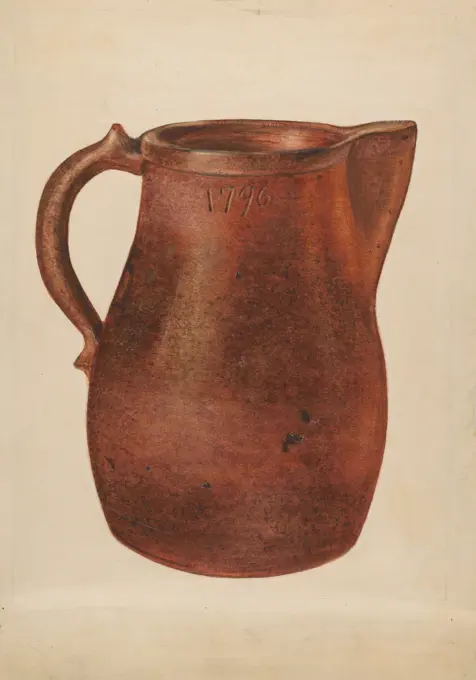
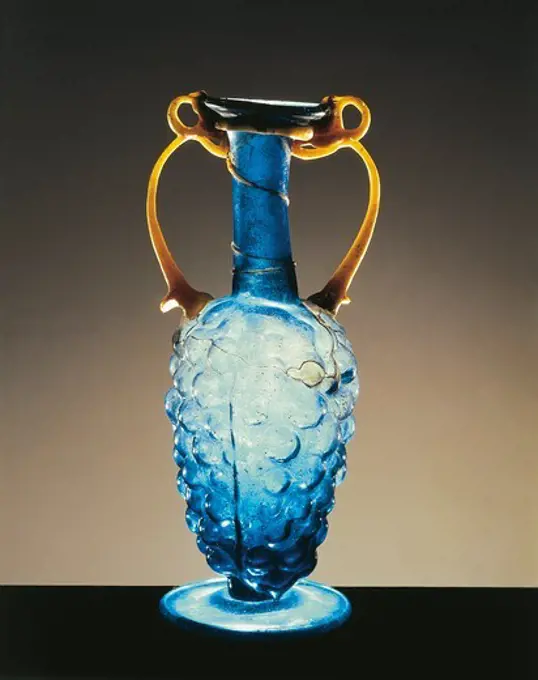
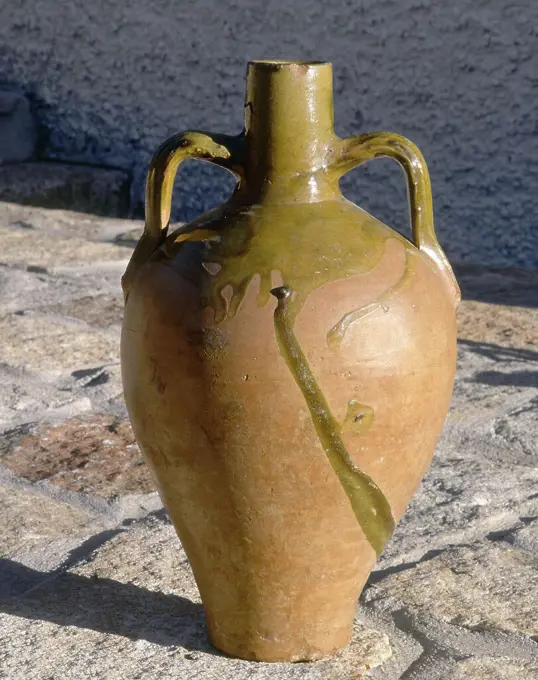
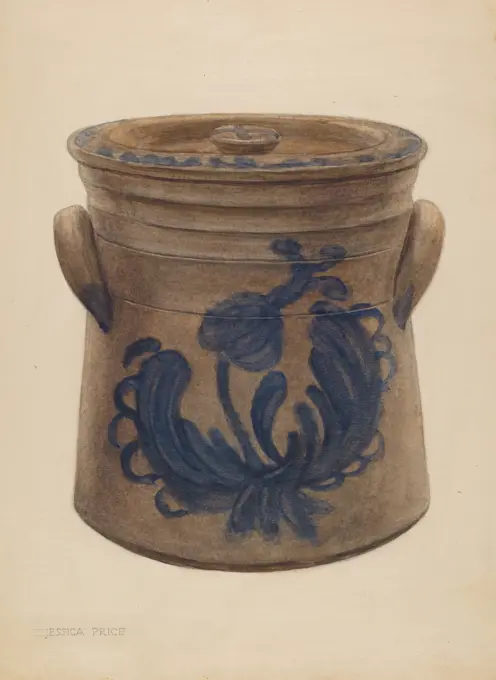
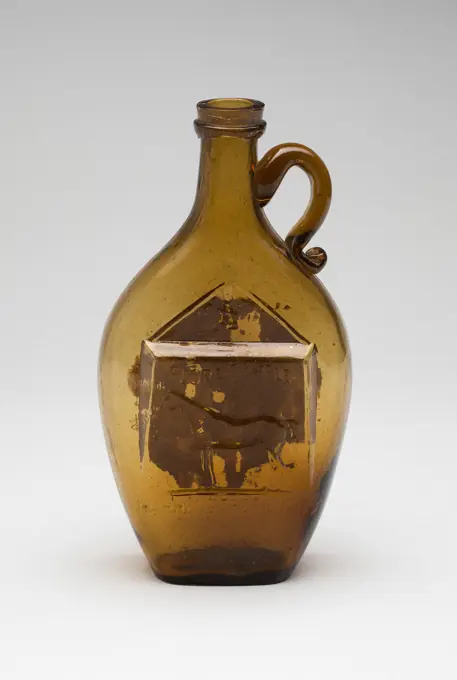
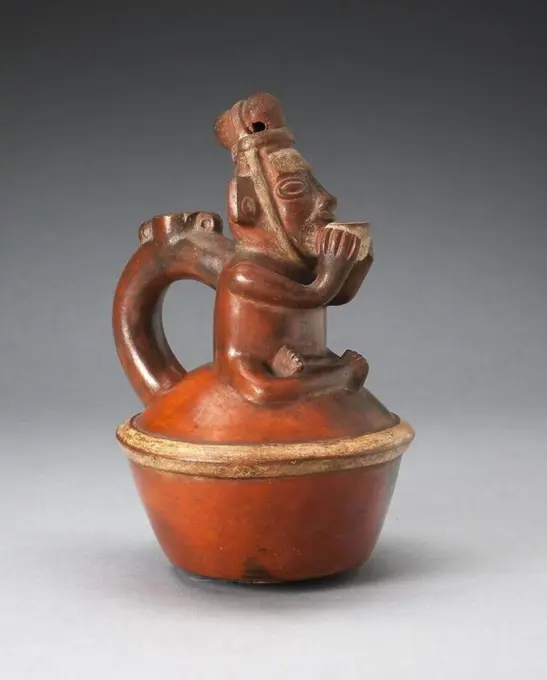
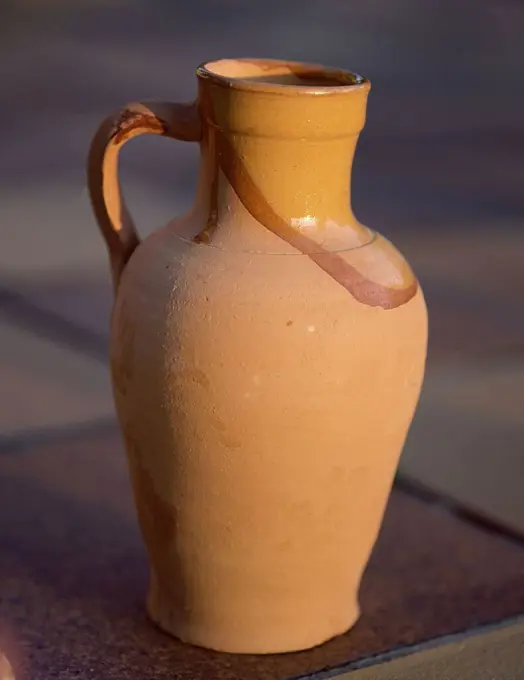
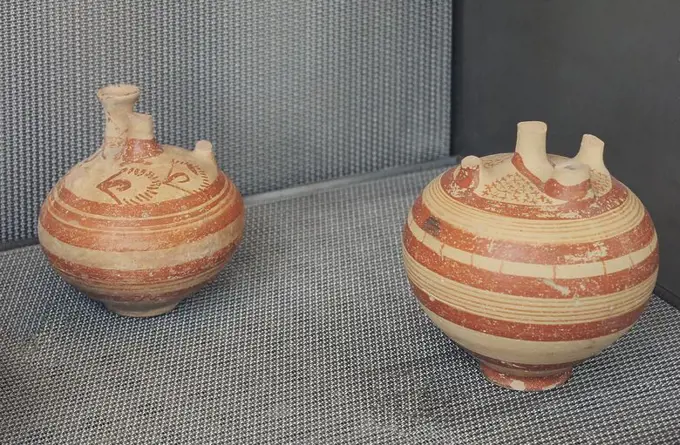
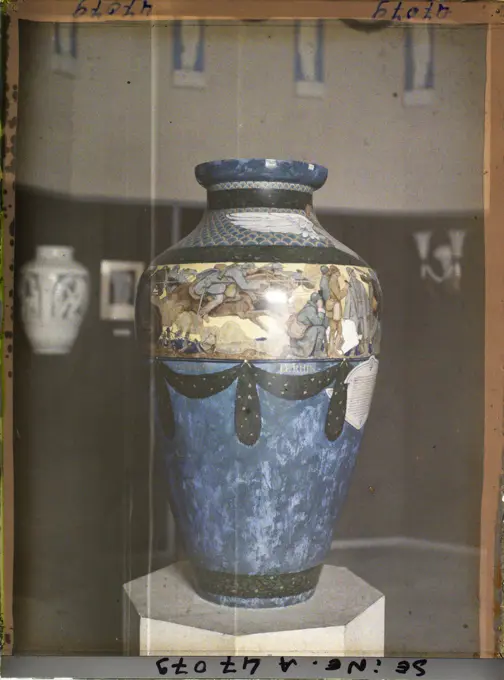
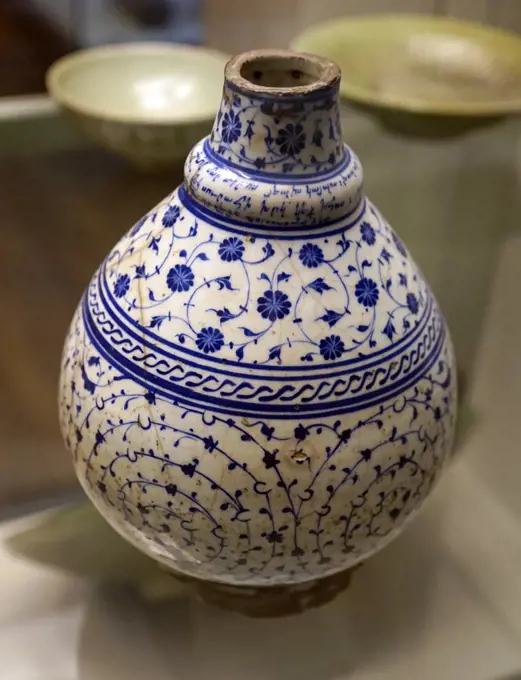
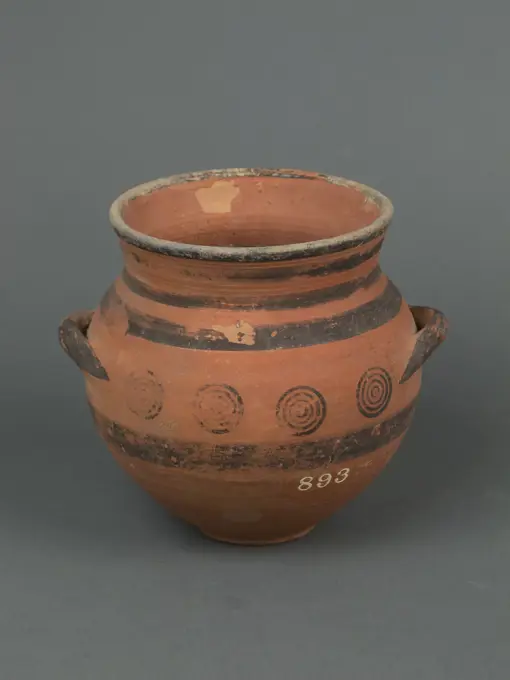
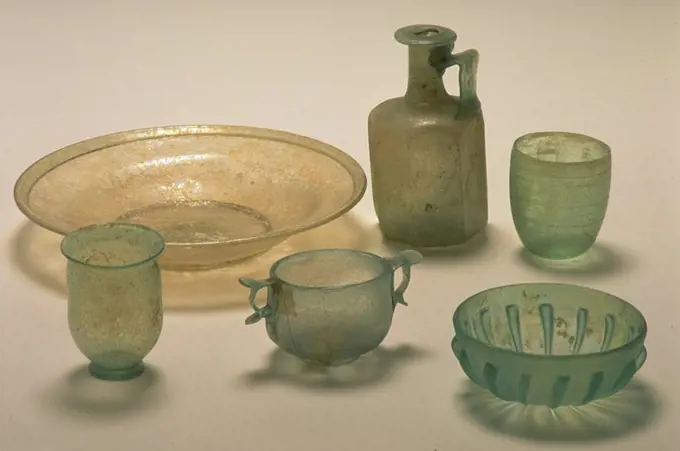
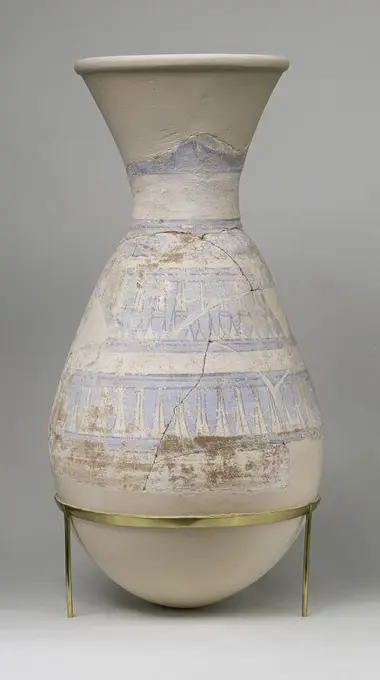
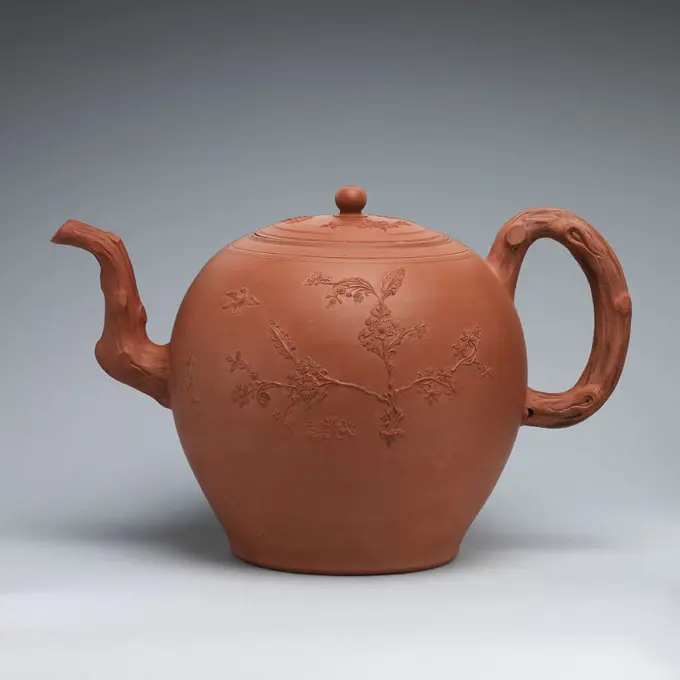
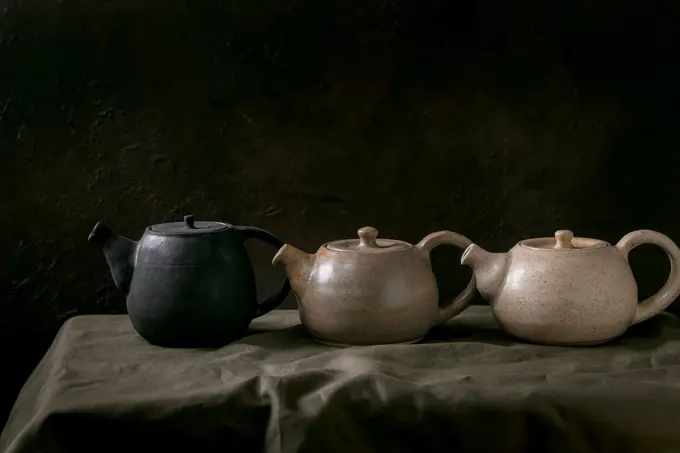
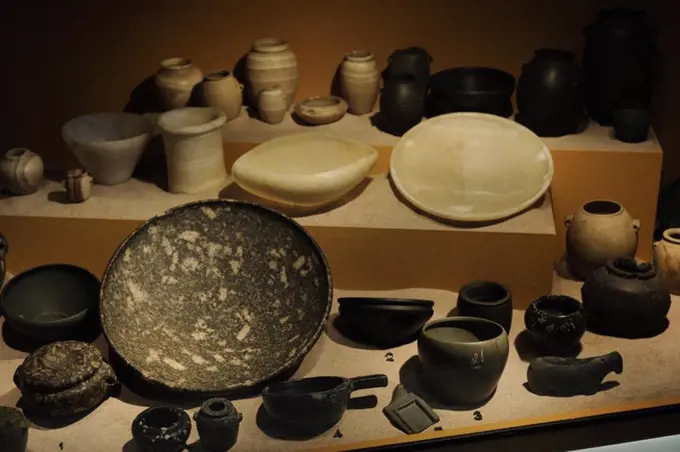
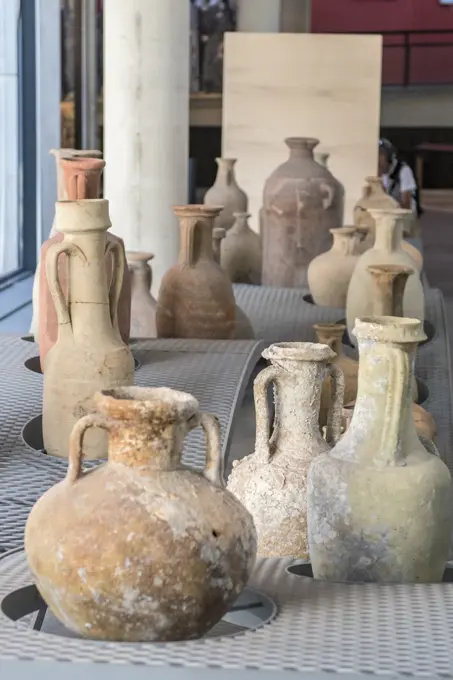
Iberian ceramic fountain Iberian ceramic fountain, V-II BC, Cerro Boyero, Valenzuela, Cordoba, Iberian Museum of Jaén, Andalusia, Spain Copyright: xZoonar.com/BartomeuxBalaguerxRotgerx 21704967JARRA DE AGUA VIDRIADA Y PINTADA EN AZUL AMARILLO Y ROJO - ARTE POPULAR - SIGLO XX. Location: ALFARERIA. Palma. MALLORCA. SPAIN.Jam Crock. Dated: c. 1940. Dimensions: overall: 30.7 x 22.9 cm (12 1/16 x 9 in.). Medium: watercolor, colored pencil, graphite, and gouache on paperboard.. Museum: National Gallery of Art, Washington DC. Author: Carl Buergerniss.Amphora 4th-7th century Coptic. Amphora 475761CANTARO CON DOS ASAS Y DECORACION LINEAL DE DEDO E INCISA DE TEJA. Location: ALFARERIA. CULLAR DE BAZA. GRANADA. SPAIN.Jug 2500-1900 B.C. Cypriot Narrow-necked with handle and incised zigzags.. Jug. Cypriot. 2500-1900 B.C.. Terracotta. Early Cypriot. VasesJUGUETES DE CERAMICA VIDRIADA EN ROJO (OLLA PUCHERO CANTARO JARRA PLATO AZUCAR. Location: ALFARERIA. SPAIN.Mastos cup. UnknownCANTARO SIN VIDRIAR DE CUELLO ANCHO Y ALTO CON UN ASA - CERAMICA POPULAR - SIGLO XX. Location: ALFARERIA. MARIA DE HUERVA. Saragossa Zaragoza. SPAIN.Terracotta fragment of a pelike (jar) 480-470 B.C. Greek, Attic Obverse, herm with the inscription, HERMES; a bird; Reverse, head, neck, shoulders, part of frontal torso, and bent left arm of a youth looking to left. Terracotta fragment of a pelike (jar). Greek, Attic. 480-470 B.C.. Terracotta; red-figure. Early Classical. VasesFaaMence lid jar with blue -green stock, anonymous, c. 1700 - c. 1750  Pot of multicolored painted faience on a blue -green stock. The pot is part of a couple. At the Hornentwee identical pots and two cups. Delft earthenware. tin glaze.Pitcher. Roblin Art Pottery (United States, California, San Francisco, 1898-1906). United States, 1898. Furnishings; Serviceware. EarthenwareVessel, 1300-1400. Peru, Chimú, 14th century. Black ware; overall: 18.7 x 11.9 x 16.2 cm (7 3/8 x 4 11/16 x 6 3/8 in.).Glass double head-shaped jug. Culture: Roman. Dimensions: H. 7 3/8 in. (18.7 cm). Date: 1st half of 4th century A.D..Translucent pale green, with same color handle and trail.Rounded and thickened rim; flaring mouth; cylindrical neck; body in the shape of a double head; irregular thick bottom, with central kick and traces of pontil scar; broad strap handle with combed outer surface attached to side of head above proper left ear, drawn up and slightly outward, then turned in and down, and trailed in folds onto underside of mouth and rim over trail decoration. A continuous mold seam runs from the base of neck, down body, and across bottom.On underside of mouth, a single thick horizontal trail; janiform body comprising two similar youthful heads, each with his ears, back to back: short-cropped, curly hair, circular, rather stylized ears with pendant earrings (), broad forehead, high arched eyebrows, almond-shaped eyes with indented pupils, chubby cheeks, open mouth showing teeth, and sJar ca. 1840 Mexican. Jar 4479bitronconic shaped ceramic glass decorated with prints of nails, Lumentxa cave, Lekeitio, Arkeologi Museoa, aqueologico museum, Bilbao, Bizkaia, Basque Country, Spain.CANTARO DE CUELLO ESTRECHO Y CORTO CON DOS ASAS SIN VIDRIAR. Location: ALFARERIA. TIÑOSILLOS. AVILA. SPAIN.Jug with StyliteSaintPitcher; Boles Avice (ceramic family; Ca 1400-), Altmann, Johann Gottlieb (1780-1851); 1830-1850 (1830-00-00-1850-00-00);Bolesławiec KamionkaInscribedCupWine Ewer and Cover, early 14th century, 13 x 10-1/2 x 6-1/4 in. (33.0 x 26.7 x 15.9 cm), Qingbai ware Porcelain with molded, slip, and appliqué décor beneath a pale blue glaze, China, 14th century, Towards the end of the twelfth century, molded decoration was introduced in Qingbai ware and, by the Yuan dynasty (1280-1368), exceptionally fine molded vessels were being produced. Some of the ewers echoed the forms of Persian and Tibetan metalwork such as this extremely rare example of which only a few are recorded. The slender pear-shaped body displays a pair of phoenix in molded relief above a wide band of lotus petal lappets created in white slip around the base. The upper neck is decorated with strings of beaded relief. The curving tubular spout, rises out of the open jaws of a bearded dragonhead opposite an elaborately molded handle in the form of a dragon carp. In its complexity, the vessel displays several of the innovative Qingbai techniques developed during Yuan including the useVASIJA. Location: MUSEO ARQUEOLOGICO-COLECCION. Oviedo. ASTURIAS. SPAIN.Corinthian columncapital.Prehistory, Italy, Bronze Age. Mycenaean terracotta vases.Vase late 18th-19th century China. Vase. China. late 18th-19th century. Porcelain with crackled yellow glaze (Jingdezhen ware). Qing dynasty (1644-1911). CeramicsGourd-shaped ewer, anonymous, c. 1600 - c. 1800 Lid of stoneware, covered with a red -brown glaze. Japan stoneware. glaze vitrification Lid of stoneware, covered with a red -brown glaze. Japan stoneware. glaze vitrificationJar withLidJar with Dragon Chasing Flaming Pearl. Korean. Date: 1601-1700. Dimensions: H. 31.9 cm; diam. 28.2 cm. Stoneware painted in underglaze iron brown. Origin: Korea. Museum: The Chicago Art Institute, Chicago, USA.Jug. Culture: Cypriot. Dimensions: 11 3/16in. (28.4cm). Date: 750-600 B.C..Elaborate geometric ornament. Museum: Metropolitan Museum of Art, New York, USA.BOTIJO DE GALLO-TIERRA ROJA VIDRIADA-ARTE POPULAR S XX. Location: ALFARERIA. SPAIN.BOTIJO DE TRAMPA CON CINCO ASAS Y DECORACION INCISA - ARTE POPULAR S XX. Location: ALFARERIA. MOVEROS. Zamora. SPAIN.Bottle in the Shape of a Pomegranate ca. 1295-1070 B.C. New Kingdom, Ramesside Pomegranate juice was prized as a drink, but it can also be used as an astringent to shrink tissues and reduce swelling in wounds. This jar depicts the fruit in its unripened state, when the juice is too sour to drink, and may have juice intended for medicinal purposes. Another jar in the collection (26.7.1180) probably held juice for consumption as a drink.. Bottle in the Shape of a Pomegranate 590955Stirrup. Culture: possibly South Indian, Burmese, or Indonesian. Dimensions: H. 8 1/4 in. (21 cm); W. 5 1/4 in. (13.3 cm); D. 3 3/4 in. (9.5 cm); Wt. 2 lb. 9.6 oz. (1179.3 g). Date: 12th-14th century.This rare bronze stirrup is very appealing for its beautiful form and sculptural qualities. However, no closely comparable stirrups have been identified, making it very difficult to place or date this example. The beaded arms and bearded masks that feature prominently on each side are unique three dimensional interpretations of an iconic design comprising masks linked by garlands of pearls. This design was used to decorate architecture, sculpture, and ritual objects in Buddhist cultures throughout much of Asia. Museum: Metropolitan Museum of Art, New York, USA.Snuff Bottle, 19th century, 2 7/8 x 1 7/8in. (7.3 x 4.8cm), Agate, China, 19th centuryCapital decorated with acanthus leaves transformed into a stoup. Alabaster. 7th century. From Cristo de la Luz Shrine (Ermita del Cristo de la Luz), Toledo, Spain. Museum of Visigoth Councils and Culture. Toledo, Castile-La Mancha, Spain.Syrup Jug 1852-58 United States Pottery Company. Syrup Jug 8050CANDIL- CERAMICA SIN VIDRIAR- ARTE POPULAR S XX. Location: ALFARERIA. LA RAMBLA. CORDOBA. SPAIN.Ewer 12th-13th century. Ewer 447137Alabastron (Container for Scented Oil). Egyptian. Date: 664 BC-343 BC. Dimensions: 6.4 × 3.7 × 3.5 cm (2.54 × 1.47 × 1.40 in). Granite. Origin: Egypt. Museum: The Chicago Art Institute, Chicago, USA. Author: Ancient Egyptian.Foot form, 7 1/2 x 5 1/2 x 4 1/2 in. (19.1 x 14.0 x 11.4 cm), Earthenware, MexicoLarge Earthen Jar. Dated: 1935/1942. Dimensions: overall: 44.5 x 35.5 cm (17 1/2 x 14 in.). Medium: watercolor, graphite, colored pencil, gouache, andpen and ink on heavy paper. Museum: National Gallery of Art, Washington DC. Author: Clyde L. Cheney.Yolande Delasser and John Fisk, Pitcher, c 1936 PitcherRoman blue blown glass small flask in shape of bunch of grapes, from Cologne, Germany, 3rd CenturyCanopic Jar Body. Inscribed for Ta-nefert-irty, daughter of the general Psamtek-neb-pehty, born of the lady Ta-Kesh.CANTARO - CUELLO ESTRECHO Y ALTO CON 2 ASAS Y SEMIVIDRIADO - CERAMICA ANTIGUA. Location: ALFARERIA. Alcora. Castellón. SPAIN.. Bowl or crowbar of porcelain with scalloped edge, painted in underglaze blue. The outer wall is divided into wide and narrow compartments with plants blooming in the wide compartments (bamboo, peony) and flying birds; The narrow compartments with bows. On the bottom a bird on a rock. The inner wall also with a trade decoration with flour branches in the wide boxes and dots in the narrow compartments. Cracking porcelain in blue and white.Jessica Price, Earthenware Jar, 1935 1942 Earthenware JarTokoname-Ware Jar. Japanese. Date: 1401-1500. Dimensions: 56.1 × 47 cm (22 × 18 1/2 in.). Stoneware with ash glaze. Origin: Japan. Museum: The Chicago Art Institute, Chicago, USA.Flask c 1859-1900 Glassboro. Glass . Whitney Brothers Glass WorksHandle Spout Vessel Depicting Seated Figure Drinking from Cup. Possibly Chimú; North coast, Peru. Date: 1200-1450. Dimensions: 18.7 x 10.5 x 14 cm (7 3/8 x 4 1/8 x 5 1/2 in.). Ceramic and pigment. Origin: North Coast. Museum: The Chicago Art Institute, Chicago, USA.Vase of Faience with a blue-green fond.Cup of multicolored padded faience on a blue-green fond, with a lid. The cup is part of a couple.CANTARO DE CUELLO ANCHO Y UN ASA - VIDRIADO TIPO BABERO - SIGLO XX. Location: ALFARERIA. ASTUDILLO. PALENCIA. SPAIN.Mycenaean vessels. Small stirrup jars. 1225-1190 BC. Acropolis Museum. Athens. Greece.Snuff Bottle, 17th-19th century, 3 1/2 x 2in. (8.9 x 5.1cm), Rose quartz, China, 17th-19th centuryOinochoe Cypriot "Bird-Jug" type, with maltese cross inside concentric circles.. Oinochoe. Cypriot. Terracotta. Iron Age. VasesTeapot unknownFox Warrior Bottle 7th-8th century Moche The stirrup-spout vesselthe shape of the spout recalls the stirrup on a horse's saddlewas a much favored bottle shape on Peru's northern coast for about 3,000 years. Although the importance and symbolism of this distinctive form is still puzzling to scholars, it has been suggested that the double-branch/single-spout shape may have prevented evaporation of liquids, and/or that it was convenient for carrying. Early in the first millennium A.D., the Moche elaborated stirrup-spout bottles into sculptural shapes depicting a wide range of subjects, including human figures, animals, and plants worked with a great deal of naturalism. About 500 years later, bottle chambers became predominantly globular, providing large surfaces for painting complex multifigure scenes. On this bottle, two animated warriors, their faces covered with fox face masks, carry round shields and war clubs. They are shown running across a hilly desert landscape indicated by a waPlato y sopera de Ribagorça. Museu Català de les Arts i Tradicions Populars.Paris (VIIE arr.), France The exhibition of decorative arts, National Manufacture of Sèvres, the last press release or vase of the war, composed by G. Leroux, executed by Bocquet, 1, 30 m , 1925 - International Exhibition of Modern Decorative and Industrial Arts Paris (French - Paris ( VIIe arr. ) , France L' Exposition des arts décoratifs , Manufacture Nationale de Sèvres , Le Dernier Communiqué ou Vase de la Guerre , composé par G. Leroux , exécuté par Bocquet , 1 ,30 m). Represented animal , fantastic animal, interior view, painted decor, vase, painting, decorative arts, ceramics, forehead, exhibition of decorative arts, ephemeral architecture, Animal, Habitat , Architecture, Art, First World War, France, Paris, Exhibition of decorative arts, Manufre Natle de Sèvres. Large blue vase, subjects from warCERAMICA POPULAR CANTARO. Location: ALFARERIA. SPAIN.Cut down bottle with underglaze from Iznik, Turkey. Dated 16th CenturyVase 1885-90 American. Vase 9224Amphoriskos 750-600 B.C. Cypriot Miniature krater with horizontal bands and concentric circles.. Amphoriskos. Cypriot. 750-600 B.C.. Terracotta. Cypro-Archaic I. Vases. Inserted soul, spherical body, changing into a tapered neck with a drip ring. On the shoulder a seal, stamped with Bacchus Schrijlings seated on a ton and the edge shift: PRVFF.de.Wien and journey.Tonto polychrome pot, Tonto Basin,Museum of Northern Arizona, Flagstaff, ArizonaIncense BurnersVase.  Designer Louis Comfort Tiffany, American, 1848-1933 Manufacturer: Tiffany Studios, American, 1890-1932Bronze vase, Japan, early 19th century (view from face B). Paris, Cernuschi museum. 34993-6 Loop, bronze, hair, face B, woman, Japan, decorative object, vaseCONJUNTO DE VIDRIO DE MESA. ROMANO. (DEPOSITO: MUSEO ARQUEOLOGICO NACIONAL).JAN 12, 2019 Udon Thani, Thailand - Ancient pottery and prehistory ceramic ware exhibits at Ban Chiang MuseumBlue-Painted Jar from Malqata. Dimensions: H. 69.1 cm (27 3/16 in), Diam. 27.5 cm (10 13/16 in). Dynasty: Dynasty 18. Reign: reign of Amenhotep III. Date: ca. 1390-1353 B.C.. Museum: Metropolitan Museum of Art, New York, USA.A Little Devil by Pablo Picasso, painted ceramic, 1881-1973Roman era. Wine amphorae. From Pompeii. Terracotta. 1st century AD.Mug salvaged from the Great Chelsea Fire of 1908 , Fires. Chelsea Public Library Archive CollectionCup, 1900s. Central Africa, Democratic Republic of the Congo, Bushoongo, 20th century. Wood; diameter: 8 cm (3 1/8 in.); overall: 19.9 cm (7 13/16 in.).Prehistory, Italy, Iron Age. Golasecca culture. Situla from the tomb of the warrior at Sesto Calende, province of Varese.Blue Faience 18th Dynasty vessel found in the Tomb of Tutankhamen. Egyptian, circa 1323 BC. found in Tutankhamen's tomb by English archaeologist and Egyptologist, Howard Carter in 1922. Cylindrical (wine) bottle, clock model, bottle holder bottomfound glass, free blown and molded in mold blown glass application Cylindrical (wine) bottle in clear green glass bell model. Pontil mark under broad upset bottom Straight body to convex shoulders and slightly rejuvenated neck with round irregular irregular glass thread and sloppy flattened lip archeology packaging wine transportRoman Period (30 BC-330 AD). Roman glass. Pamukkale Hierapolis Archeological Museum. Turkey.Monographic Museum of Pollentia Monographic Museum of Pollentia, clay pots, Alcudia, Mallorca, Balearic Islands, Spain Copyright: xZoonar.com/BartomeuxBalaguerxRotgerx 21603341Cristal Romano. Torre Llauder. Museo de Mataró.CUENCO ARABE DE PORCELANA. Location: PALACIO TOPKAPI-MUSEO. ISTANBUL. TURQUIA.Clear glass bottle with swan neckVase probably 18th-19th century. Vase 443117Clay amphora at industrial pot factoryOnion vase;  19th century (1701-00-00-1800-00-00);Paderewski, Ignacy Jan (1860-1941), Paderewski, Ignacy Jan (1860-1941)-collection, ceramics, Chinese (culture), gift (provenance), lion (iconogr.), Chinese art, vasesGRILLERA DE BARRO SIN VIDRIAR-ARTE POPULAR S XX. Location: ALFARERIA. Toledo. SPAIN.Punch pot with cover. Culture: British, possibly Burslem, Staffordshire. Dimensions: Overall: 9 1/4 × 14 3/8 in. (23.5 × 36.5 cm). Maker: Josiah Wedgwood (British, Burslem, Stoke-on-Trent 1730-1795 Burslem, Stoke-on-Trent). Date: 1760-65. Museum: Metropolitan Museum of Art, New York, USA.Exhibition of prehistoric Thracian pottery finds in Kazanlak museum, Bulgaria, eastern Europe, Europe. Baluster-shaped lid vase of porcelain, painted in underglaze blue. The belly is divided into five rows of lotus leaf-shaped cartouches with landscapes. A continuous scenery on the neck. The bell-shaped lid is divided into six compartments with landscapes. Above the foot, on the shoulder, the edge and the lid edge a band with a zigzag pattern. Some chips in the edge of the lid. Cover vase is part of a cupboard set. Blue White.Cylindrical wine bottle, clock model, wine bottle bottle holder soil find glass, free blown and molded in mold blown glass application Cylindrical (wine) bottle in clear green glass clock model. Pontil mark under wide upset (h 4.5 cm) bottom Straight body to convex shoulders and slightly rejuvenated neck with round irregularly flattened glass wire and sloppy flattened sloping lip archeology packageItaly - Abruzzo Region - Loreto Aputino - Wooden handicraftBARBONES OREANDOSE ANTES DE COCERLOS - CERAMICA NEGRA. Location: ALFARERIA. FARO. ASTURIAS. SPAIN.Set von handgefertigten Keramik-Teekannen mit dunklem Hintergrund Variety of craft handmade ceramic teapots kettles in row for tea ceremony standing on linen tablecloth in dark room. Copyright: xZoonar.com/NATASHAxBREENx 22738594Teacup. Tomaszów Lubelski (manufaktura fajansu i porcelany ; 1795-1846), factoryChinese, Snuff Bottle, porcelain.Stonecraft objects. Predynastic Period. Egypt. Museum of Mediterranean and Near Eastern Antiquities. Stockholm. Sweden.Amphora, Roman artifact, Arles Museum, Arles, Provence, FranceSackJug