Ceramic Bowls

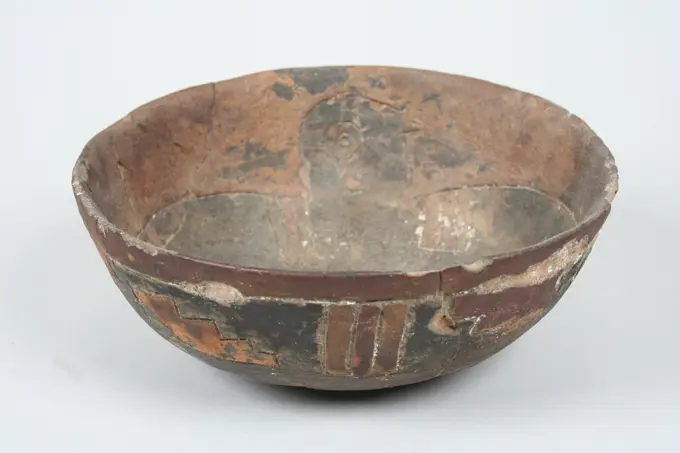
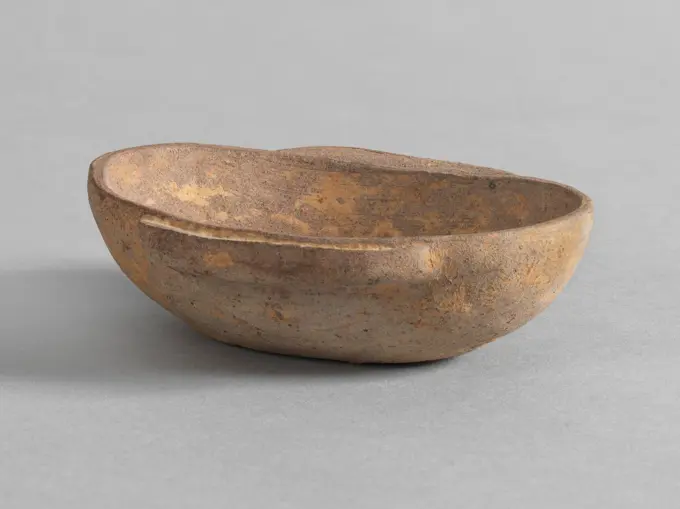
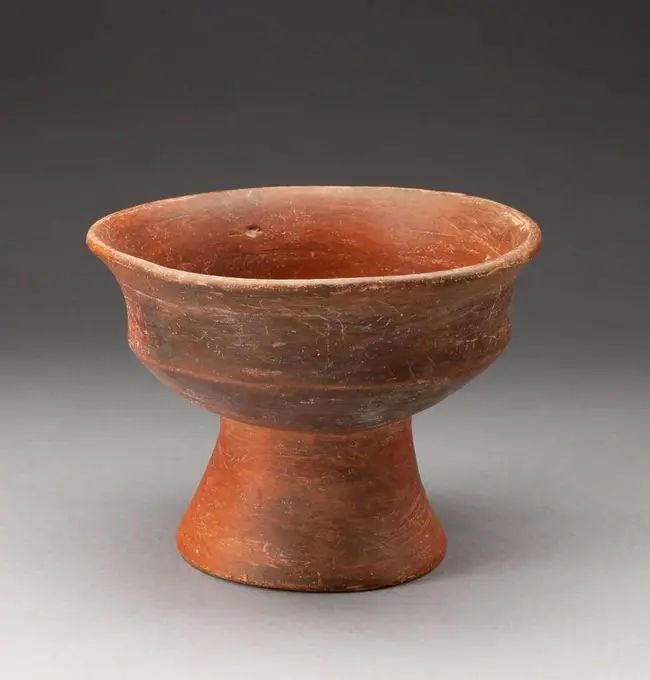
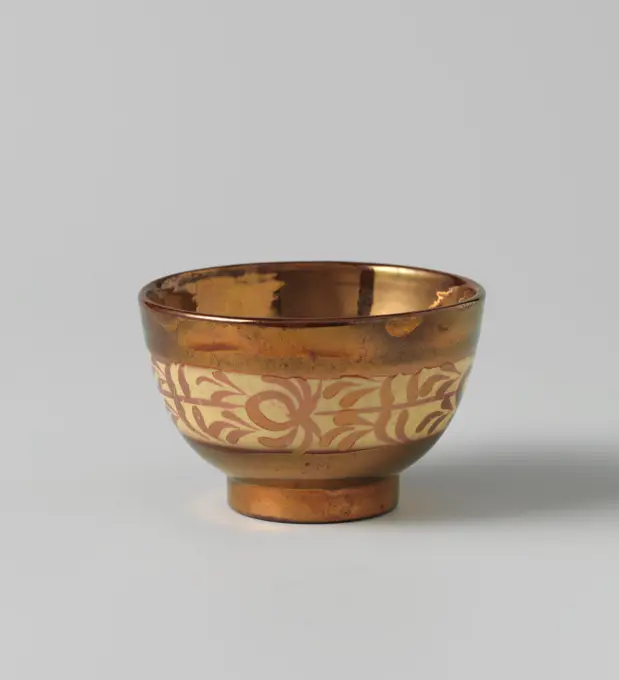
Diverse ceramic bowls with intricate designs and finishes, ranging from traditional to elegantly simple, showcasing historical craftsmanship across cultures.
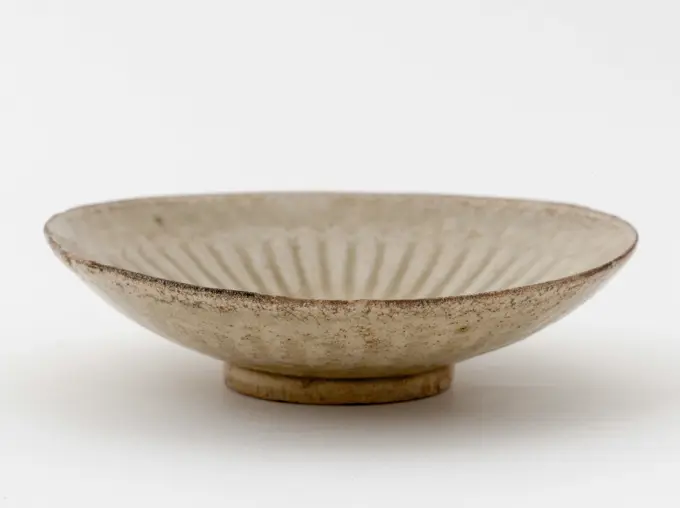
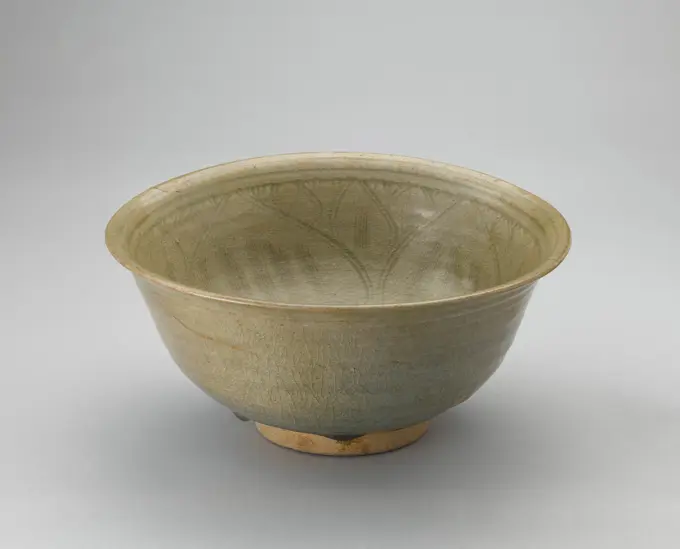
Cup ". GRS covered Cladon. Paris, Muse Cernuschi. Coupe Asian art, extreme-East art, Vietnamese art, ceramic, cut, gres, dishes
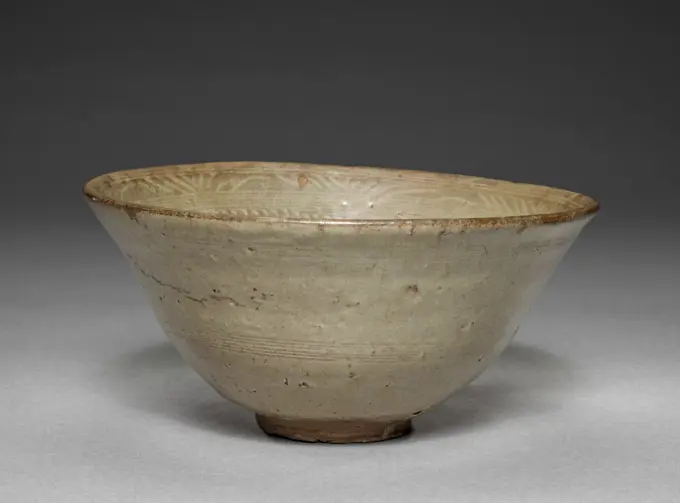
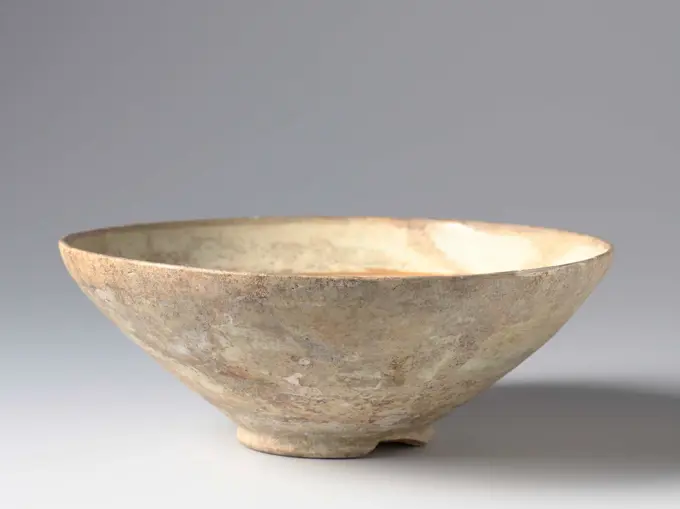
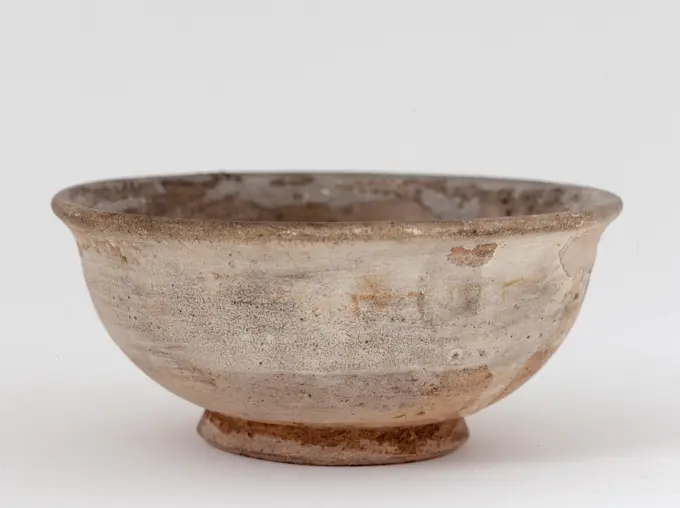
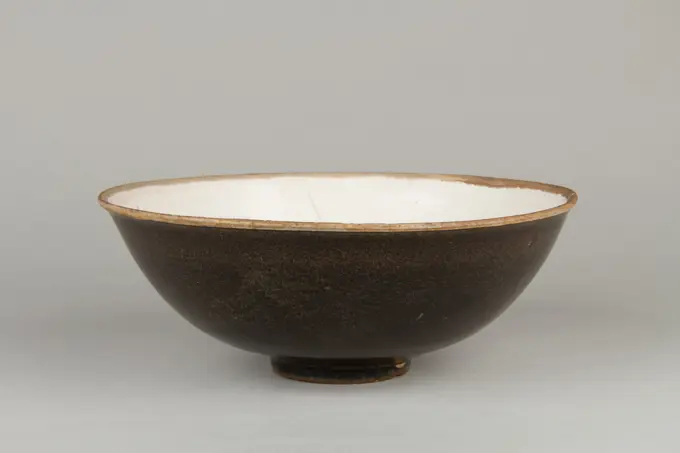
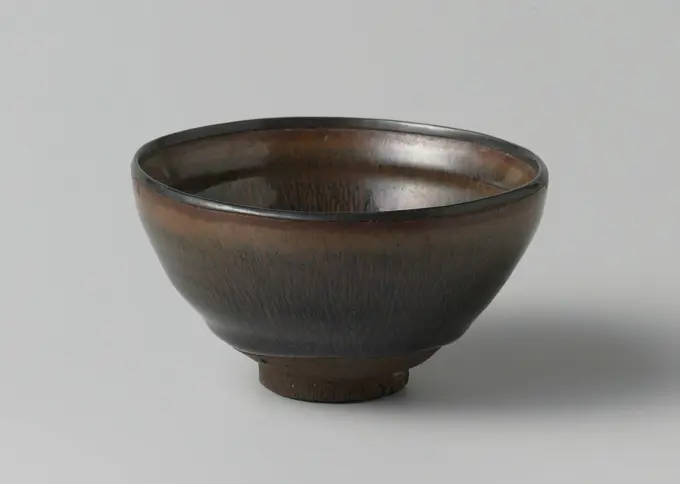
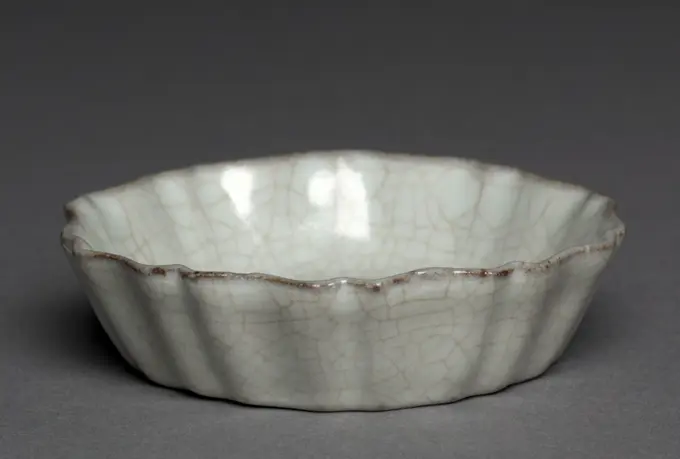
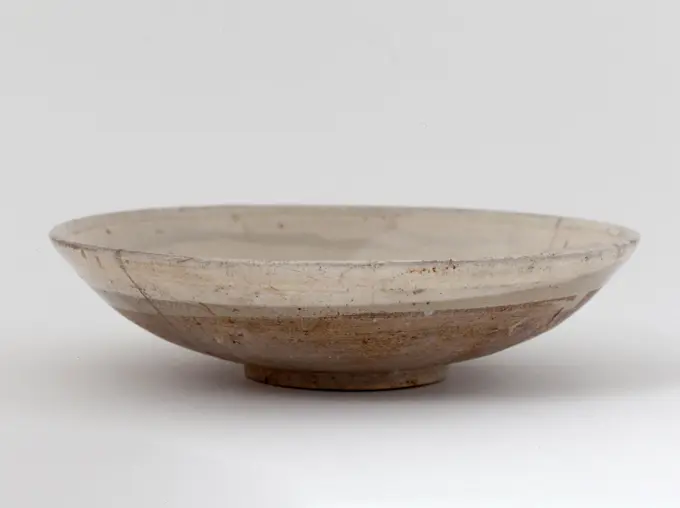
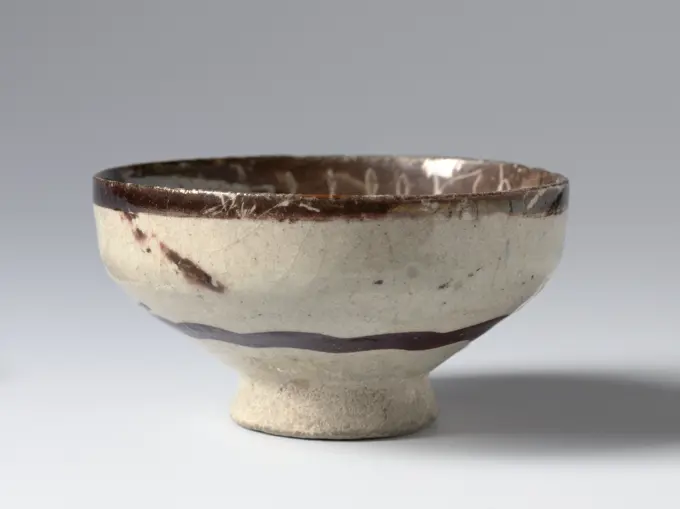
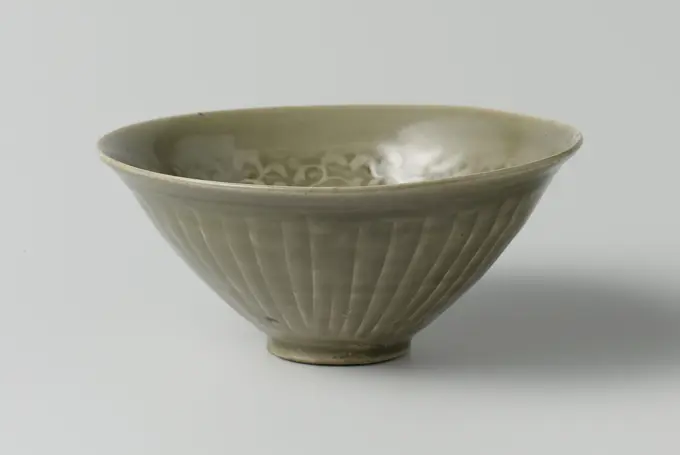
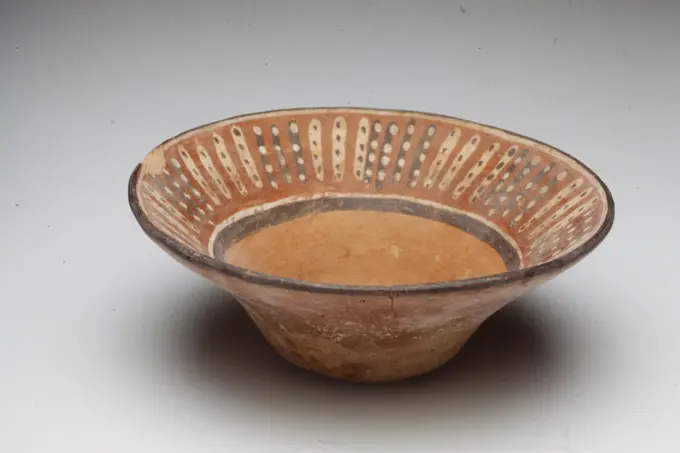
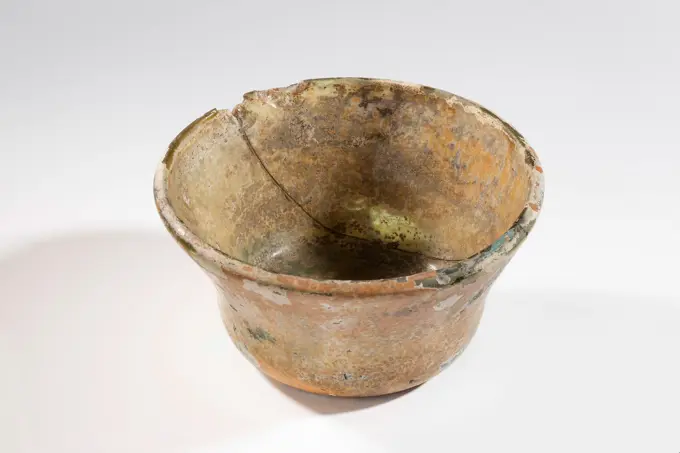
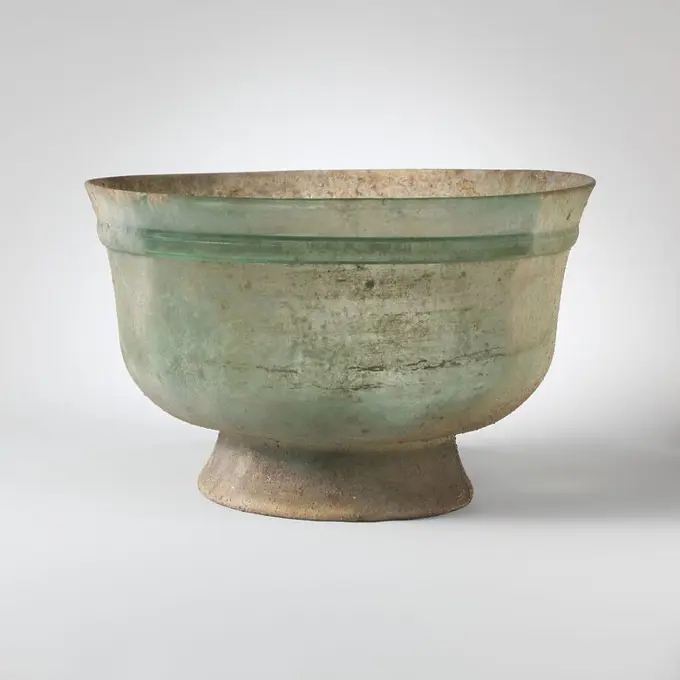
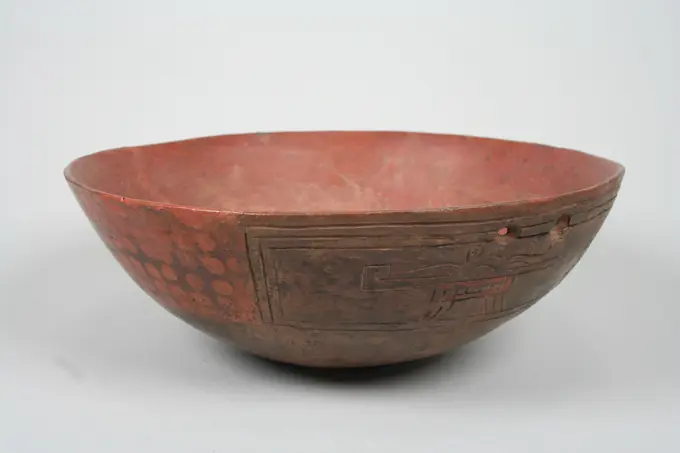
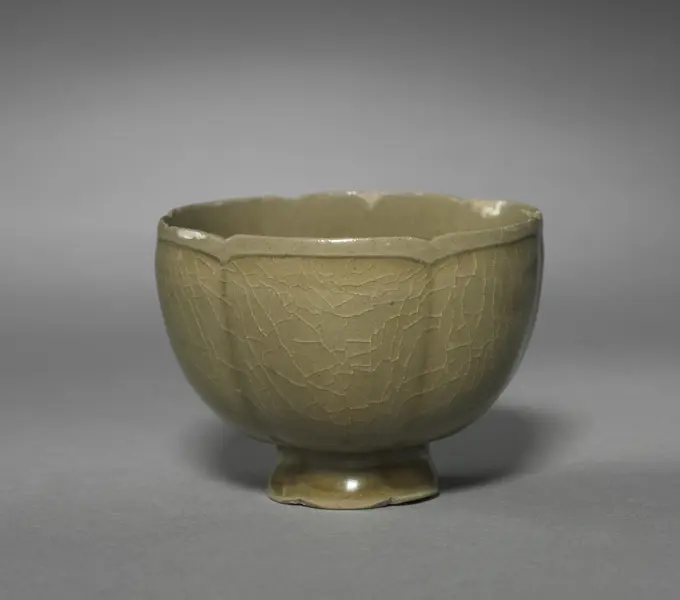
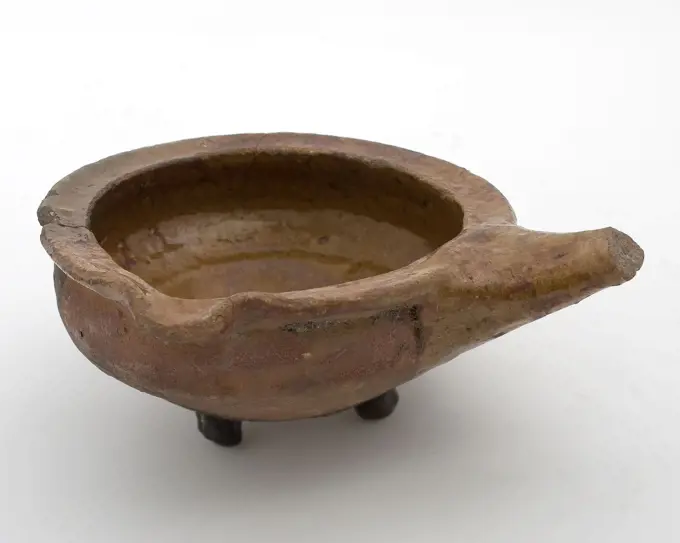
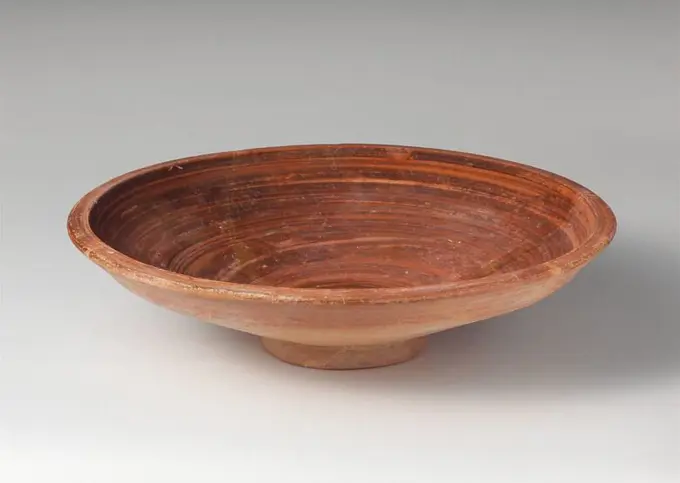
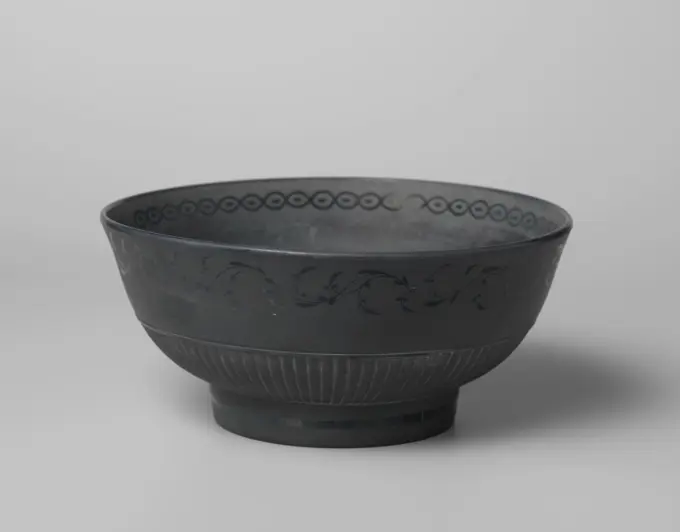
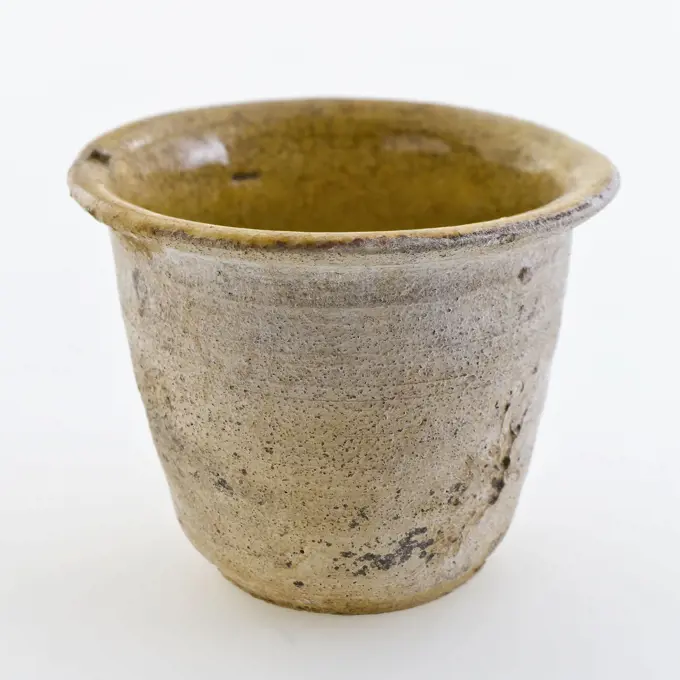
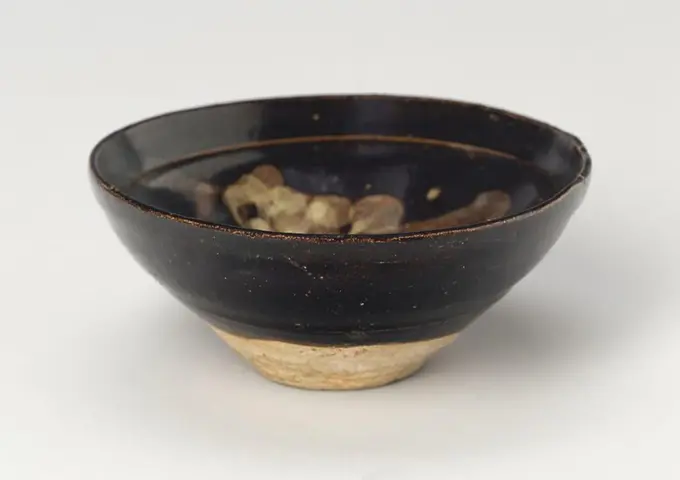
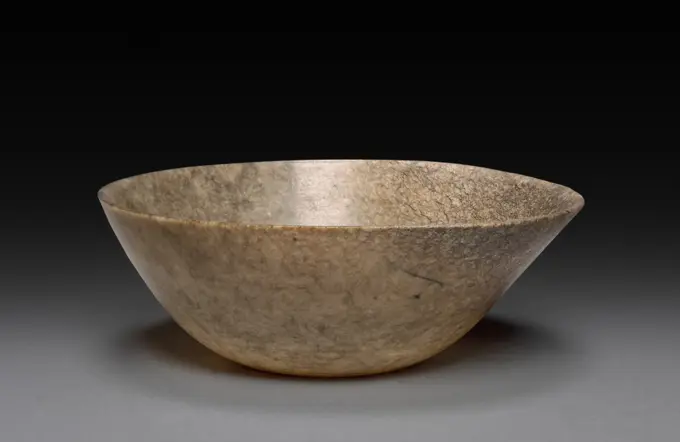
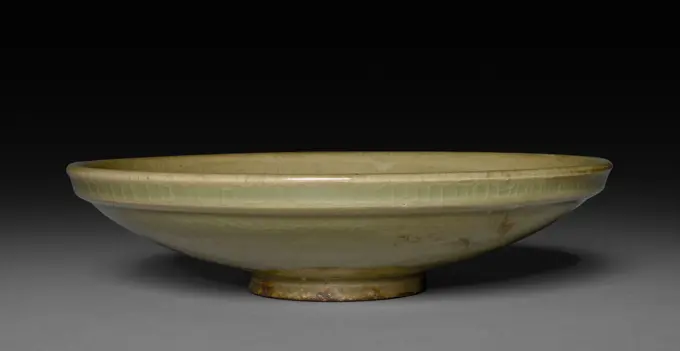
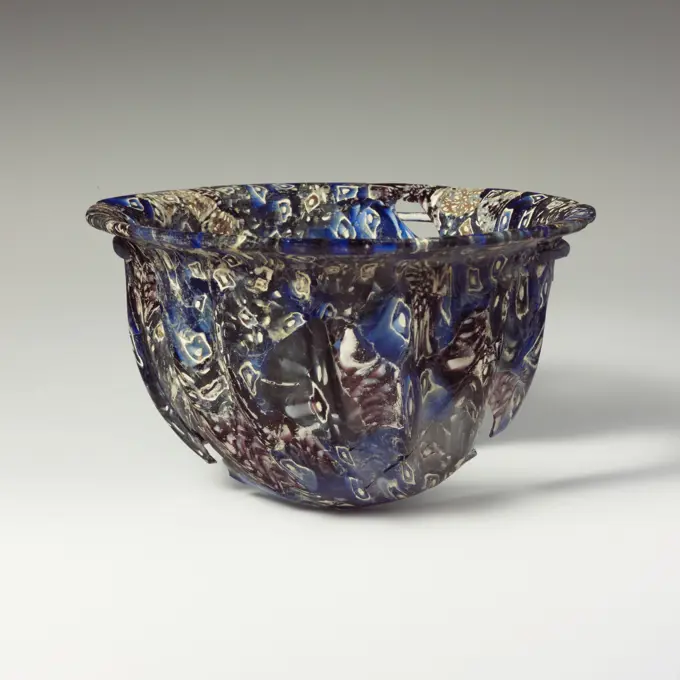
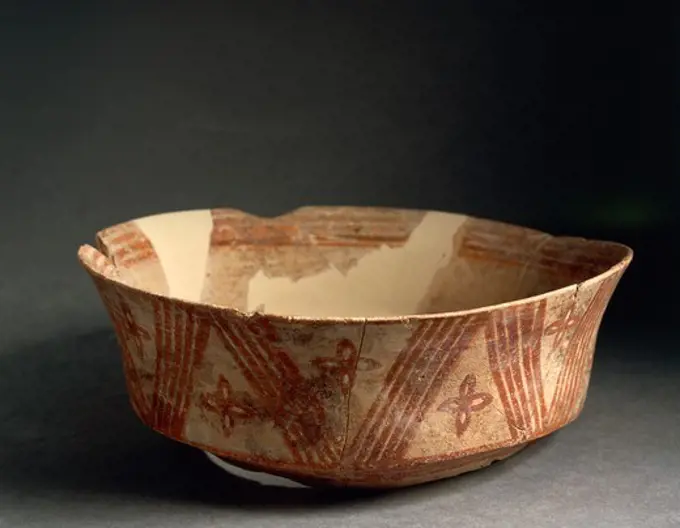
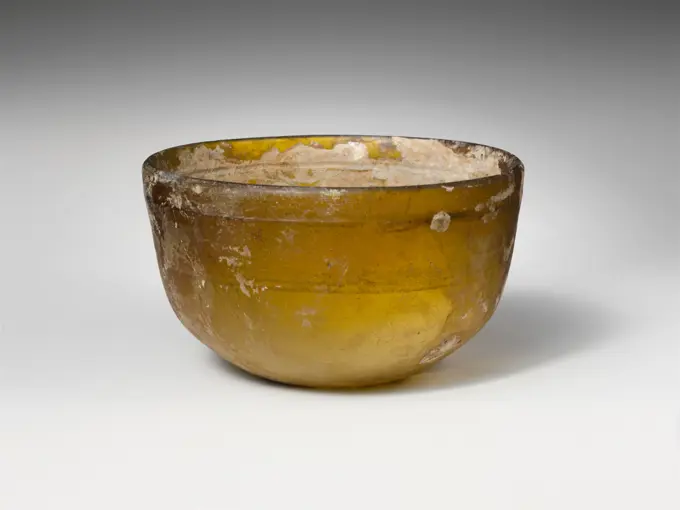
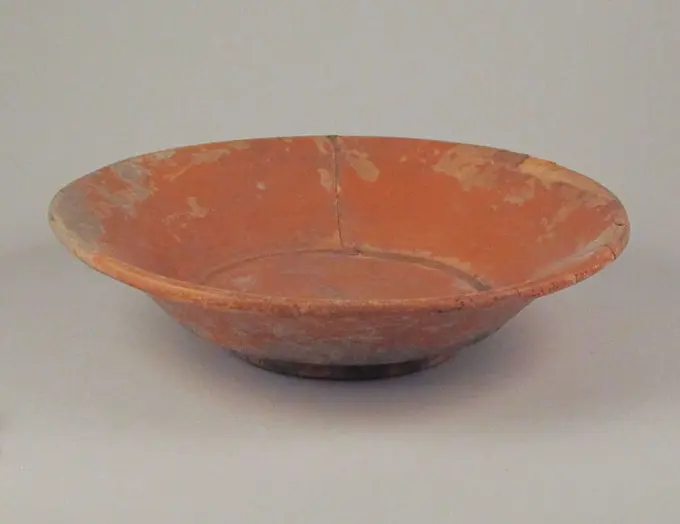
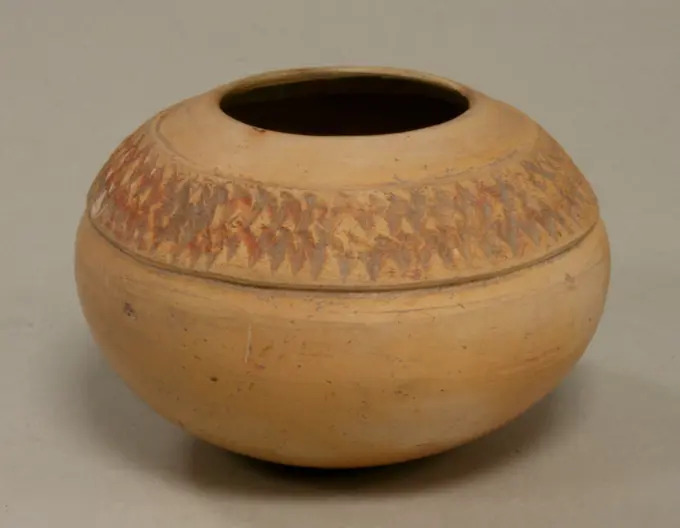
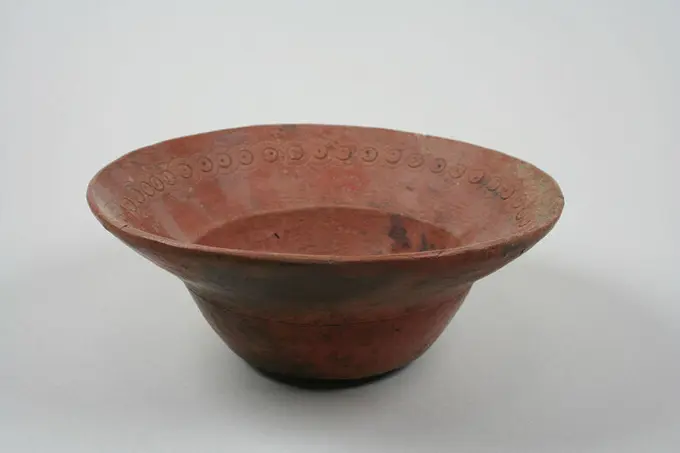
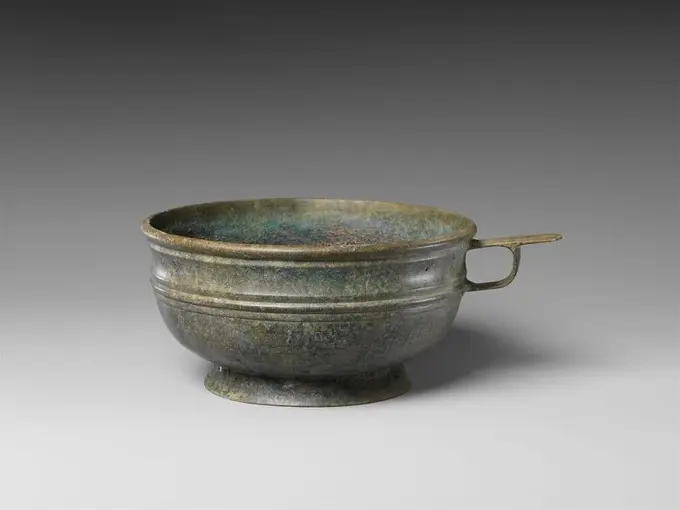
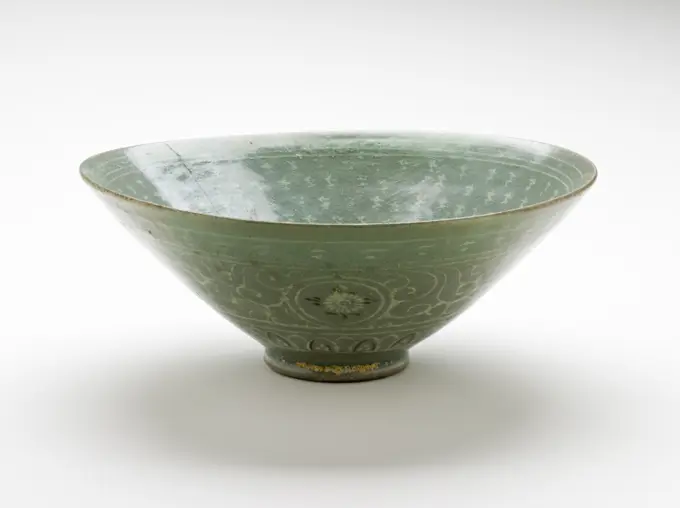
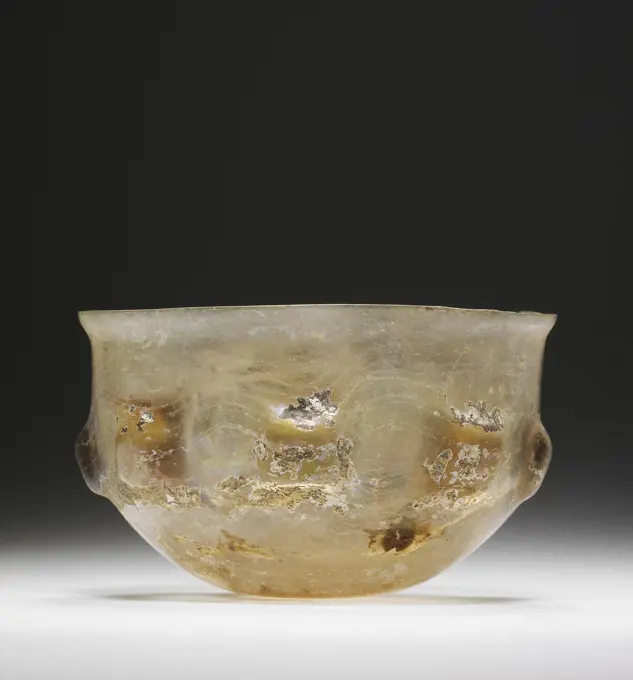
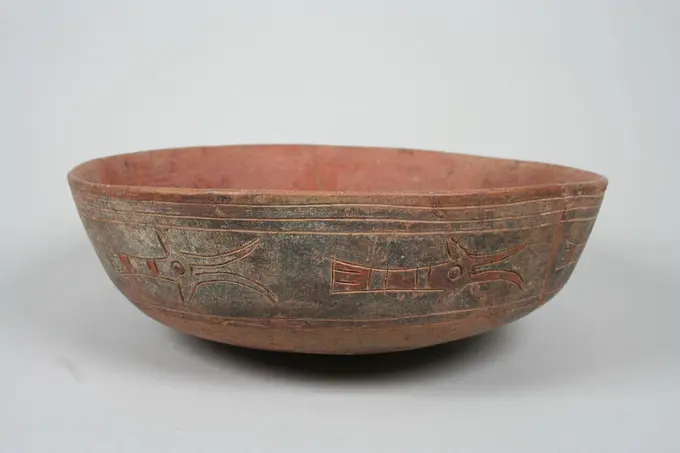
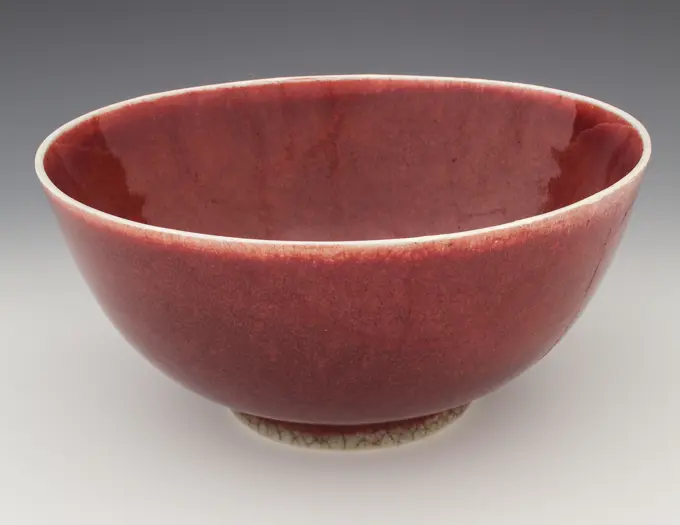
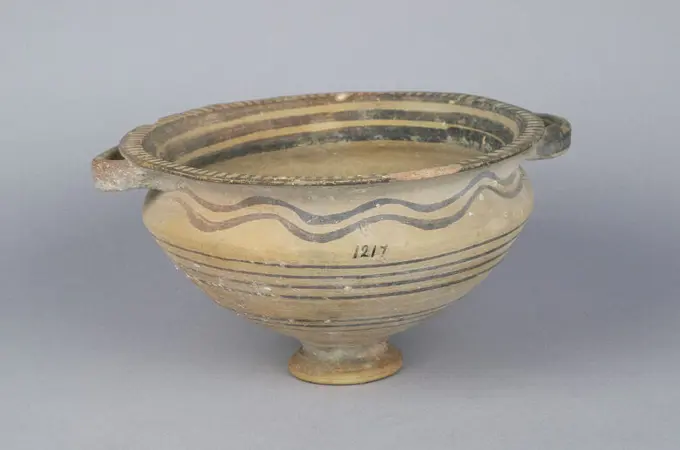
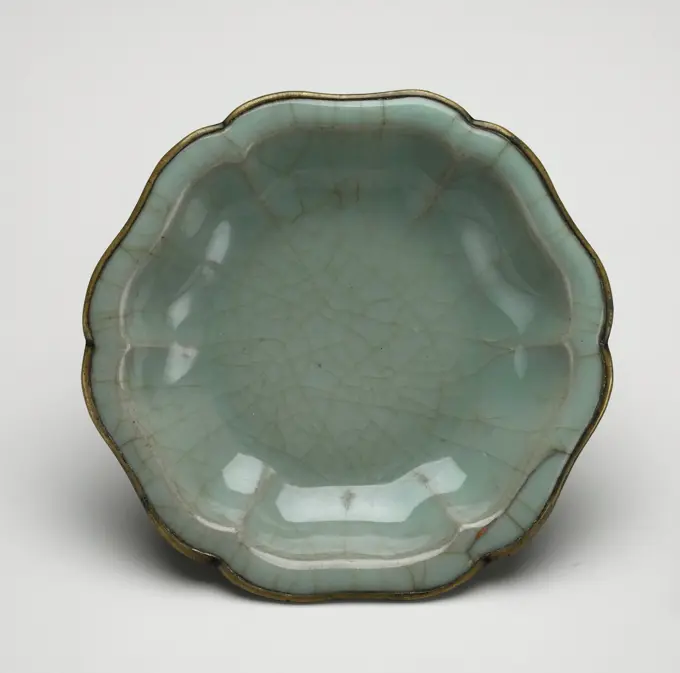
Bowl (common name). Celadon coverage sandstone. Cernuschi Museum, Asia Museum of Asia in the city of Paris.Bowl with Stamped Floral Decoration, 1400s. Korea, Joseon dynasty (1392-1910). Glazed ceramic; overall: 8.8 cm (3 7/16 in.). This type of wide-mouthed bowl was used every day in Korea, not exclusively for tea drinking. But when it was introduced to Japan around the early 16th century, its imperfect appearance evoking the aesthetics of wabi-sabi caused it to be repurposed as a tea bowl. Korean tea bowls were circulated as an item of foreign luxury among Japanese military elites. Many Korean potters were abducted to japan during the Japanese invasions (1592-98) and some settled down in Japan, particularly in the Saga prefecture in Kyushu. A Japanese tea bowl such as 1983.158 in the CMA collection is one example possibly created by the descendants of abducted Korean potters.. Come of pottery covered with an engobe of white sludge from which a decoration is cut, under transparent alkalilation. On the inner wall a bond with leaf rights.Bowl 4th-7th century Coptic. Bowl 478874Terracotta cup ". Terracotta, white slip painted with blue and yellow under covered. China, Tang dynasty (618-907). Paris, Cernuschi museum. Chinese art, Chinese ceramic, container, cup, tang dynasty, container, terracottaCup ". GRS covered Cladon. Paris, Muse Cernuschi. Coupe Asian art, extreme-East art, Vietnamese art, ceramic, cut, gres, dishesBowl 13th-14th century China. Bowl 46645Bowl 4th-7th century Coptic. Bowl 478877. Tea bowl of stoneware, partly covered with a blue black glaze with golden brown stripes (hazel). The lower half of the bowl is unglazed. The edge is caught in a metal band. Jian.Brush Washer, 1200s. China, Southern Song dynasty (1127-1279). Porcelaneous stoneware, Guan ware; diameter: 11.8 cm (4 5/8 in.); overall: 3 cm (1 3/16 in.).Cup with flower sprays near a rock and a dark brown glaze, anonymous, c. 1730 - c. 1770 Porcelain head, partially covered with a brown enamel, painted in underlaze blue and on the glaze in red and gold. Flowering plants in a rock; the edge with servetwork interspersed with a flower branch in a cartouche; The outside is covered with a brown glaze. Chinese imari with monochrome brown. China porcelain. glaze. cobalt (mineral). gold (metal) painting / gilding / vitrification Porcelain head, partially covered with a brown enamel, painted in underlaze blue and on the glaze in red and gold. Flowering plants in a rock; the edge with servetwork interspersed with a flower branch in a cartouche; The outside is covered with a brown glaze. Chinese imari with monochrome brown. China porcelain. glaze. cobalt (mineral). gold (metal) painting / gilding / vitrification. High bowl of stoneware with escaped wall, covered with a gray-white / green, engrowsculated glaze. At the bottom of the bowl three preen. The edge with a Japanese golden slice repair in three places. Bakzand on the bottom. Celadon (Yue) ?.Bowl with a horsemen and scrolls, anonymous, c. 1170 - c. 1199 Come from quartz-fritgoed decorated in polychrome luster with a rider and professional decoration with script, curl or tibaries on the surface of Opaak Wit Tin-Lood-Alkarlaze. is the earthenware. glaze. luster (textile) painting / vitrification Come from quartz-fritgoed decorated in polychrome luster with a rider and professional decoration with script, curl or tibaries on the surface of Opaak Wit Tin-Lood-Alkarlaze. is the earthenware. glaze. luster (textile) painting / vitrificationBowl China. Bowl 48510PLAT ". Grès to Couvere Couvere and detercies and PINT PreCors and brun. Paris, companies. Chinese art, table art, Chinese ceramic, gres, dishBowlBowl with a scroll, anonymous, c. 1170 - c. 1199 Come from quail fritry with a low stand ring, painted in Luster with lines on the outside and lines on the inside and a wide edge in which a continuous curly motif is scratched. is the earthenware. glaze. luster (textile) painting / engraving / vitrification Come from quail fritry with a low stand ring, painted in Luster with lines on the outside and lines on the inside and a wide edge in which a continuous curly motif is scratched. is the earthenware. glaze. luster (textile) painting / engraving / vitrificationGlass bowl 2nd-3rd century A.D. Roman Colorless with pale blue green tingeRounded rim, folded up, out, and down, with exterior horizontal rib below; flaring, broad mouth; double convex sides to body, curving in to integral base ring; bottom with deep, rounded kick and pontil scar.Broken and repaired, with two holes in sides; many pinprick bubbles; some dulling and faint iridescence, with patches of weathering film.. Glass bowl. Roman. 2nd-3rd century A.D.. Glass; blown. Mid Imperial. GlassFluted bowl with floral scrolls, anonymous, c. 960 - c. 1279 Ribbed bowl of stoneware, covered with a green glaze. On the bottom a printed flower rosette with stylized flower vines around it. The outside wall is ribbed. Old label on the bottom with 'Mrs. Verburgt'. Baking sand on the bottom. Yaozhou Celadon. China stoneware. glaze vitrification Ribbed bowl of stoneware, covered with a green glaze. On the bottom a printed flower rosette with stylized flower vines around it. The outside wall is ribbed. Old label on the bottom with 'Mrs. Verburgt'. Baking sand on the bottom. Yaozhou Celadon. China stoneware. glaze vitrificationSmall dish, 3rd century BCE - 7th century CE, 3 x 6 1/2 x 6 1/2 in. (7.6 x 16.5 x 16.5 cm), Earthenware, Peru, 3rd century BCE - 7th century CECup. unknown, craftsmanGlass bowl 2nd-3rd century A.D. Roman Colorless with pale blue green tingeVertical, rounded, and thickened rim; vertical sides to body, then curving in to applied base ring; slightly uneven, flat base with central pontil scar and kick on interior.Broken and repaired, part of rim and upper side missing, and one hole in lower body; pinprick bubbles and blowing striations; pitting, dulling, and iridescent weathering covering entire surfaces.. Glass bowl 239863Bowl, 1271-1368. China, Yuan dynasty (1271-1368). Earthenware; diameter: 16.6 cm (6 9/16 in.); overall: 7.4 cm (2 15/16 in.).Bowl 4th-7th century Coptic. Bowl 478829Glass ribbed bowl. Culture: Roman. Dimensions: Base: 4 1/4 in. (10.8 cm). Date: late 1st century B.C.-mid 1st century A.D..Colorless with pale blue green tinge.Plain vertical rim with top edge ground flat; plain, slightly concave band around top of sides, then bulging outward before curving in sharply to slightly concave bottom.On interior, two concentric grooves around outer edge of bottom and small broader and deeper circle at center; on exterior, seventy-eight vertical ribs of slightly varying length, with tops ground off.Intact; pinprick bubbles; deep pitting and iridescent weathering on interior; similar pitting and iridescence on exterior.Rotary grinding marks on interior and on plain band around top of sides. Museum: Metropolitan Museum of Art, New York, USA.. Come from quartz frying with a partly blue linear painting under transparent alkalilation. On the inside of the bowl of radial lines.Bowl 4th-7th century Coptic. Bowl 478420. Come of pottery with white sludge and a painting of colored sludge under a transparent lead glaze. On the bottom a medallion with a stylized bird. On the inner wall twice a stylized branch.Bowl ca. 1820 American. Bowl 689Glass bowl. Culture: Roman. Dimensions: Height: 6 1/4in. (15.9cm)Diameter: 9 7/8in. (25.1cm). Date: 4th century A.D..Translucent blue green.Rim slightly everted with rounded lip; below, broad tubular cordon made by folding; body tapering downwards with concave side, then curving in to tall, outsplayed tubular foot ring, made by folding; convex bottom with thick central dome and large pontil scar.Intact; some pinprick bubbles; much of surfaces covered with limy encrustation, dulling, and iridescent weathering.Large green bowl with foot and moulded rim; colored blown glass. Museum: Metropolitan Museum of Art, New York, USA.Bowl 15th century China. Bowl 48426Bowl 11th-14th century Mississippian. Bowl 318583Bowl 9th-10th century View more. Bowl. 9th-10th century. Earthenware; white slip with polychrome slip decoration under transparent glaze. Excavated in Iran, Nishapur. CeramicsLi type ceiling;  18th century () (1426-00-00-1435-00-00);Bowl with radial lines, anonymous, c. 1200 - c. 1299 Come from quartz fritry with a partly blue linear painting under transparent alarm laze. Radial lines on the inside of the bowl. Iran earthenware. glaze. cobalt (mineral) painting / vitrification Come from quartz fritry with a partly blue linear painting under transparent alarm laze. Radial lines on the inside of the bowl. Iran earthenware. glaze. cobalt (mineral) painting / vitrificationPewter stacking cup on stand, cup holder soil find tin metal, cast pewter cup on base. Tin holder in the shape of chalice with raised edge Unnoticed archeology Rotterdam rail tunnel drink serving inn archaeological find in the soil Rail Tunnel.Incised bowl with felines 5th-3rd century B.C. Paracas. Incised bowl with felines 308334Floral-shaped Cup, 1100s. Korea, Goryeo period (918-1392). Pottery; diameter of base: 3.8 cm (1 1/2 in.); overall: 5.8 cm (2 5/16 in.).High earthenware bowl, cup, red shard, mouth rim covered with lead glaze, on stand, bowl cup crockery holder soil find ceramic earthenware glaze lead glaze, hand turned glazed baked High earthenware bowl red shard mouth rim covered with lead glaze stand ring Function indistinct archeology indigenous pottery food drink adorn gardenIncised Bowl with Bird Motif 5th-4th century B.C. Paracas. Incised Bowl with Bird Motif 308494Bowl with Tendril Pattern; Eastern Hellenistic Empire; 1st century B.C; Silver with gilding; 7.9 × 22.5 cm, 0.6814 kg (3 1,8 × 8 7,8 in., 1 1,2 lb.);Changsha (Ceramic Production Center) Drinking Cup Er Bei (common name), -100. Rougie gray land for cooking. Cernuschi museum, Asia Museum of Asia in the city of Paris.Toy bowl - Inconnu / UnknownFooted Vessel. Maya; Mexico or Guatemala. Date: 200 AD-700 AD. Dimensions: 15.9 x 15.9 cm (6 1/4 x 6 1/4 in.). Ceramic and pigment. Origin: Mexico. Museum: The Chicago Art Institute, Chicago, USA.Head without ear, with flowers and leaves in gold against a saved yellow band, Peter Regout, c. 1860 - c. 1890 Head without earthenware, gold stone. A band with flowers and leaves in lilaluster runs over the outside of the wall, against a saved yellow background. The rest of the head is covered with lilaluster. Maastricht . Head without earthenware, gold stone. A band with flowers and leaves in lilaluster runs over the outside of the wall, against a saved yellow background. The rest of the head is covered with lilaluster. Maastricht .Pottery toy saucepan, red shard, short handle and shank, on three legs, saucepan pan crockery holder kitchenware toy relaxing agent soil find ceramic earthenware glaze lead glaze, hand turned baked glazed earthenware saucepan toy red shard with lead glaze with greenish spots outside partly unglazed short handle and shank three legs traces on the underside archeology indigenous pottery food prepare cooking play kitchenTerracotta footed bowl. Culture: Lydian. Dimensions: H. 2 7/8 in. (7.3 cm)diameter 11 1/16 in. (28.1 cm). Date: early 6th century B.C..Bowl on low foot decorated inside with concentric circles. Museum: Metropolitan Museum of Art, New York, USA.Bowl with an inscription, birds and geomatrical patterns, anonymous, c. 1200 - c. 1220 Come from quail fritry with a high stand ring, painted in Luster with palmets on the outside and medallions with birds inside hex corners and two ties with Arabic writing on the inside. Old label on the bottom with 'Collection A. Vecht'. is the earthenware. glaze. luster (textile) painting / vitrification Come from quail fritry with a high stand ring, painted in Luster with palmets on the outside and medallions with birds inside hex corners and two ties with Arabic writing on the inside. Old label on the bottom with 'Collection A. Vecht'. is the earthenware. glaze. luster (textile) painting / vitrificationCoarage of earthenware, Neale & Palmer Black Basalt, Neale & Palmer (Hanley), c. 1790 - c. 1825 Half -ball -shaped coil of earthenware, Black Basalt. The bowl has a stand ring. The lower half of the bowl is ribbed, a silver -colored leaf vessel runs along the top edge. On the inside a geometric band runs along the top edge. Hanley earthenware Half -ball -shaped coil of earthenware, Black Basalt. The bowl has a stand ring. The lower half of the bowl is ribbed, a silver -colored leaf vessel runs along the top edge. On the inside a geometric band runs along the top edge. Hanley earthenwarePottery ointment jar, white shard, internally glazed yellow, ointment jar pot holder soil find ceramic earthenware glaze lead glaze, hand-turned glazed baked Pottery ointment white shard internal yellow glazed on stand. Tapered upwards with narrowing above the foot Spinning threads on the inside archeology health care indigenous pottery store pharmacy sell craftGobelet ". Terracotta with green glaze. China, Tang dynasty (618-907). Paris, Cernuschi museum. Chinese art, Chinese ceramic, container, tang dynasty, green glacure, goblet, container, terracottaBowl with Winding Strokes. China. Date: 1100-1199. Dimensions: H. 5.0 cm (2 in.); diam. 11.4 cm (4 1/2 in.). Jizhou ware; light grey stoneware with dark brown glaze and painting in overglaze buff. Origin: China. Museum: The Chicago Art Institute, Chicago, USA.Bowl 11th-14th century Mississippian. Bowl 318587Oil Bottle. Korea. Date: 1100-1135. Dimensions: H. 5.8 cm (2 1/4 in.); diam. 6.7 cm (2 5/8 in.). Celadon-glazed stoneware. Origin: Korea. Museum: The Chicago Art Institute, Chicago, USA.Bowl ca. 1250-1050 B.C. Iran. Bowl 324995Bowl. Iran, 10th century. Metal. Bronze, spun with traced, engraved and punched decorationBowl China. Bowl 48105Come from v.o.c.-ship the 'white lion'. Come from v.o.c.-ship the 'white lion'. Completely preserved bowl, with a thick wall that goes outwards. The shard is white and hardly has any contamination. The glaze has got gray with irregular dirt crackleures and seeds. The outside is decorated with two lion-like creatures, grass pollen and clouds.Conical Bowl. China. Date: 1000-1099. Dimensions: H. 3.8 cm (1 1/2 in.); diam. 9.5 cm (3 3/4 in.). Northern russet ware, Cizhou type; grey stoneware with russet glaze. Origin: China. Museum: The Chicago Art Institute, Chicago, USA.Bowl with Blossoming Vines and the Eight Buddhist Symbols 1723-1735 China. Crizzled glass with engraved decoration .Bowl ca. 1450-1200 B.C. Iran. Bowl 325009Blue bowl with spots of purple unknownLibation Cup, 960-1279. China, Song dynasty (960-1279) or later. Jade; diameter: 12.8 cm (5 1/16 in.); overall: 4.6 cm (1 13/16 in.).Saucer: Northern Celadon Ware, Yaozhou type, 1100s. China, late Northern Song dynasty (960-1127) - Jin dynasty (1115-1234). Glazed stoneware; diameter: 18.4 cm (7 1/4 in.); overall: 4.5 cm (1 3/4 in.).Squat, ovoid vase, anonymous, c. 1400 - c. 1599 Painted, egg -shaped vase of stoneware, covered with a crackled green glaze. The foot is unglazed. Celadon. China stoneware. glaze vitrification Painted, egg -shaped vase of stoneware, covered with a crackled green glaze. The foot is unglazed. Celadon. China stoneware. glaze vitrificationRibbed mosaic glass bowl late 1st century B.C.-early 1st century A.D. Roman, probably Italian Translucent cobalt blue and purple, and opaque white.Outsplayed horizontal rim, with thick, uneven, rounded edge; convex curving side, tapering downwards.Composite mosaic pattern formed from polygonal sections of three canes: one in a blue ground with a white irregular square surrounding a central white dot; another in a blue ground with with white dots around a purple circle outlined in white with a central white dot; and one in a purple ground with an irregular pattern of white dots; on exterior, fourteen obliquely curving ribs extending from below rim to undercurve of side.Broken and repaired, with holes in rim and side, most of bottom, and all of base ring missing; dulling, pitting, and slight iridescent weathering.The bowl originally would have had a base ring similar to 17.194.262.. Ribbed mosaic glass bowl. Roman, probably Italian. late 1st century B.C.-early 1st century A.D.. Glass; caPrehistory, Iraq, Halaf culture. Painted ceramic bowl, late 5th millennium b.C. From Tell Hassan.Glass bowl late 1st century B.C.-early 1st century A.D. Roman Translucent golden brown.Rounded vertical rim; sides tapering downward, then curved in to slightly concave bottom.On interior, three horizontal wheel-cut grooves: one below rim, the other two in a band around middle of body; on exterior, plain slightly recessed band immediately below rim with ridge below.Intact; many pinprick bubbles and striations; dulling, pitting, and large patches of iridescent creamy brown weathering.. Glass bowl 245627Bowl ca. 3rd-7th century A.D. Sasanian. Bowl 323002Bowl. Phoenicia, second half of 8th century B.C.. Furnishings; Serviceware. Bronze, hammeredCanaanite-Type Dish with Ram Protomes ca. 1981-1640 B.C. Middle Kingdom. Canaanite-Type Dish with Ram Protomes. ca. 1981-1640 B.C.. Wood. Middle Kingdom. From Egypt, Memphite Region, Lisht North, Cemetery, Silo 143, MMA excavations, 1915-16. Dynasty 12-13Bowl 4th-7th century Coptic. Bowl 478891Plate. Culture: Roman. Dimensions: Other: 1 5/8 × 6 5/8 in. (4.1 × 16.8 cm).Reddish glaze with stamp in center. Museum: Metropolitan Museum of Art, New York, USA.Bowl (Tecomate) 12th-9th century B.C. Olmec. Bowl (Tecomate) 310444Dish with a dragon in relief and incised floral scrolls, anonymous, c. 1279 - c. 1368 Dish made of stoneware with a flat edge, covered with a green, cracked glaze. On the flat a four-clawy dragon in relief. The inner wall with a continuous entered flower drink. The outside of the wall is ribbed. The edge has been restored. Celadon (Longquan). China stoneware. glaze engraving / vitrification Dish made of stoneware with a flat edge, covered with a green, cracked glaze. On the flat a four-clawy dragon in relief. The inner wall with a continuous entered flower drink. The outside of the wall is ribbed. The edge has been restored. Celadon (Longquan). China stoneware. glaze engraving / vitrificationLi type ceiling;  XVII - XVIIIw. (1601-00-00-1800-00-00);Bowl with Figure Eight. Culture: Paracas. Dimensions: Overall: 3 1/8 in. (7.94 cm)Other: 7 1/4 in. (18.42 cm). Date: 7th-4th century B.C.. Museum: Metropolitan Museum of Art, New York, USA.Pan c 1825 Mantua. Blown glass . Mantua Glass WorksBowl with Handle and Foot Ring. Culture: Korea. Dimensions: H. 3 in. (7.6 cm); Diam. 5 7/8 in. (14.9 cm). Museum: Metropolitan Museum of Art, New York, USA.Bowl with Inlaid Clouds and Crane Design. Korea, Goryeo dynasty (918-1392), 13th-14th century. Furnishings; Serviceware. Wheel-thrown stoneware with incised and slip-filled decoration and green glazeRibbed Bowl; Eastern Mediterranean; 1st century B.C; Glass; 5.6 x 9.3 cm (2 3,16 x 3 11,16 in.)Cup Cypriot Deep cup of thin ware with broad black band on edge of lip.. Cup. Cypriot. Terracotta. Iron Age. VasesBowlFluted Bowl with Chrysanthemum Flower Heads 1265-1299 Korea. Celadon-glazed stoneware with underglaze inlaid decoration of black and white clays .Teapot stand ca. 1740-50 British, Staffordshire. Teapot stand. British, Staffordshire. ca. 1740-50. Salt-glazed stoneware. Ceramics-PotteryBowl ca. 9th century B.C. Iran. Bowl 325029Zalfpot, anonymous, c. 1600 - c. 1750 Fragment of the bottom of an ointment pot of lead glaze pottery. The outside is unglazed and the inside is ocher -colored. Netherlands (possibly) earthenware. lead glaze Fragment of the bottom of an ointment pot of lead glaze pottery. The outside is unglazed and the inside is ocher -colored. Netherlands (possibly) earthenware. lead glazeIncised bowl with birds. Culture: Paracas. Dimensions: Overall: 2 15/16 in. (7.38 cm)Other: 8 3/4 in. (22.23 cm). Date: 3rd-2nd century B.C.. Museum: Metropolitan Museum of Art, New York, USA.A bowl with dark red enamel Lang Yao unknownBowl. Culture: Cypriot. Dimensions: 3 7/8in. (9.9cm)Other: 6 3/4in. (17.2cm). Date: 1200-1050 B.C..Two handles on lip, and straight and wavy bands. Museum: Metropolitan Museum of Art, New York, USA.Dish, 960-1279, 1 x 5 1/2 in. (2.54 x 13.97 cm), Guan ware Stoneware with pale blue glaze and induced crackle, China, 10th-13th century, Among the most rare of all Chinese ceramics, Guan ware vessels are generally small, simple and unadorned, reflecting the subtle artistic taste of the Southern Song (1127-1279) court that sponsored them. Made in Hangzhou, these pieces are characterized by their simple potting and thick glaze applied in so many layers that the glaze is often thicker than the body itself. The overall crackle pattern is caused by differences in cooling rates between the body and glaze. At first, the cracks were likely accidental, but they came to be widely appreciated and the effect was deliberately induced. This dish, possibly used as a scholar's brush washer, is distinguished by its rare shape and jade-like pale blue glaze. The copper rim protector was likely added during the Ming period.. Come of pottery with white sludge and colored painting. The inside is painted with a horror vacuist painting in which a gazelle, panther and probably sequous peacocks. The highly stylized inscriptions can probably read as 'Barakat', 'blessing'.. Come from Quartz Fritgoed covered with a light blue alkalilation.Black storage jar on standing surface, folded top edge above constriction, storage jar pot holder soil found ceramic earthenware, hand-turned baked Black pot on stand. Stock pot with wide neck opening. Necking under the outstanding top edge Rounded and rounded top edge. waised black earthenware archeology Poortugaal Albrandswaard indigenous pottery import save store basement stock Grondvondst Poortugaal.Bowl, 8th-9thcentury, Marbled earthenware with amber lead glaze, 1 5/8 × 4 in. (4.1 × 10.2cm), China, Chinese, Tang dynasty (618-907 C.E.), Containers -CeramicsSmall Jar (Guan). Culture: China. Dimensions: H. 4 1/2 (11.4 cm); Diam. at mouth 3 1/8 in. (7.9 cm). Date: ca. 2300-2000 B.C.. Museum: Metropolitan Museum of Art, New York, USA.Dish (usual name). Sandstone engraved, celadon. Cernuschi Museum, Asia Museum of Asia in the city of Paris.Box with cover. Culture: possibly Egyptian. Dimensions: 3 × 4 1/2 in. (7.6 × 11.4 cm). Date: 15th century.Round bottom boxes with lids are rare in Islamic metalwork but curiously common in the oeuvres of Mahmud al-Kurdi and Zain al-Din. The original function of this elegant little box is unknown. Sweetmeats may have been served in it, but the similarity in its size and capacity to other boxes lends support to the idea that it was used to transport pre-packed speziere minute or sottili (valuable spices exported in small quantities to Europe). Museum: Metropolitan Museum of Art, New York, USA.Bowl. Porcelain cookie with "three-colored" glazes decor, Ming Dynasty (1368-1644) or Qing Dynasty (1644-1912). Provenance: China. Paris, Cernuschi museum. 78846-20 Asian art, Chinese art, living art, tableware, bowl, fine ceramic, ming dynasty, porcelainPrsentoir ". GRS covered green cracks. Paris, Muse Cernuschi. Prs. Vietnamese art, Vietnamese collection, cracker, ebrecher, gres, foot, preseToir, archeological vestige