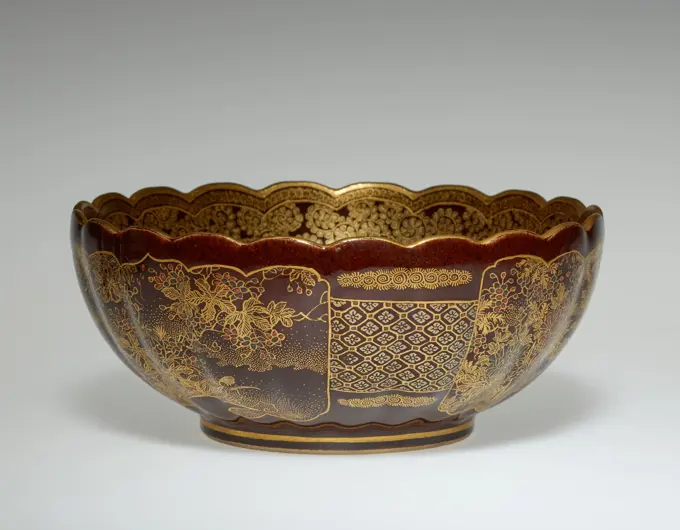
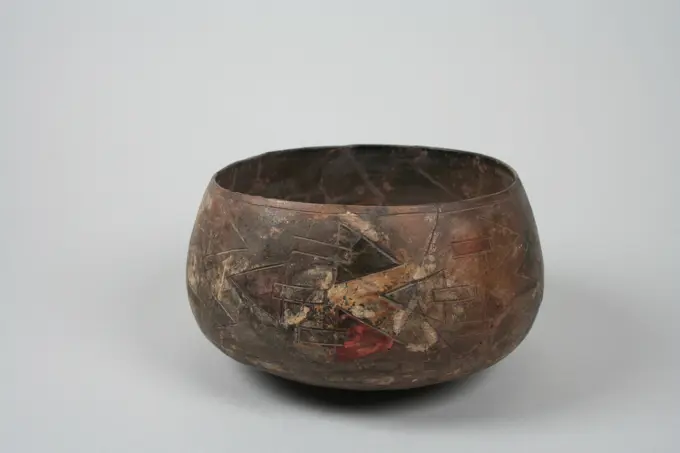
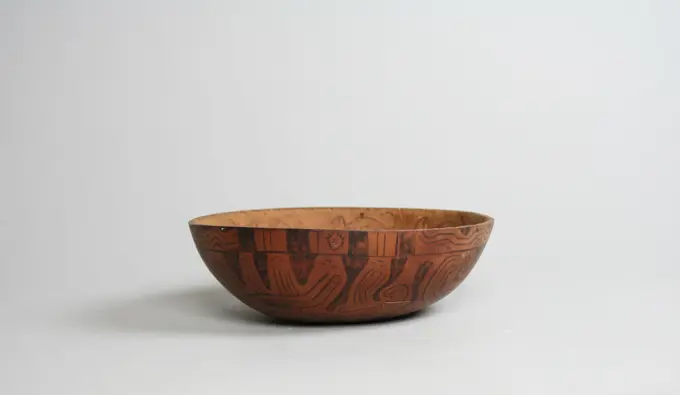
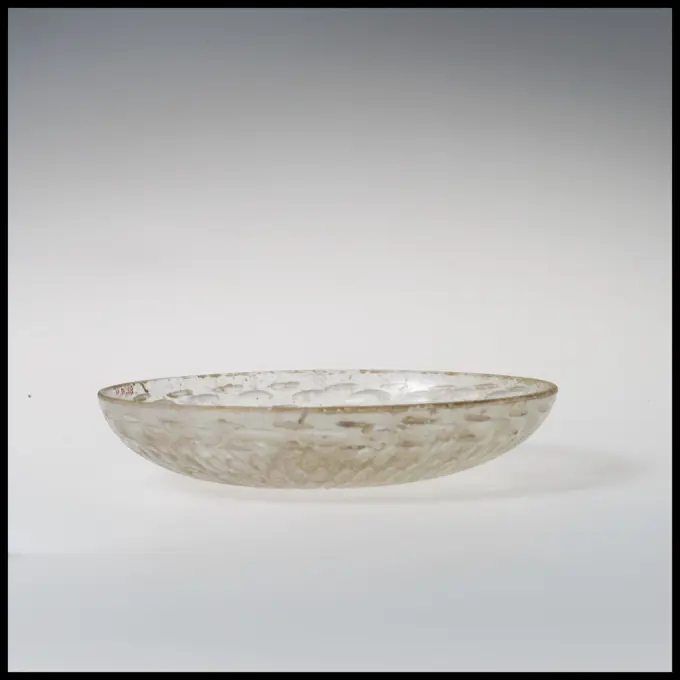
Ceramic Bowls

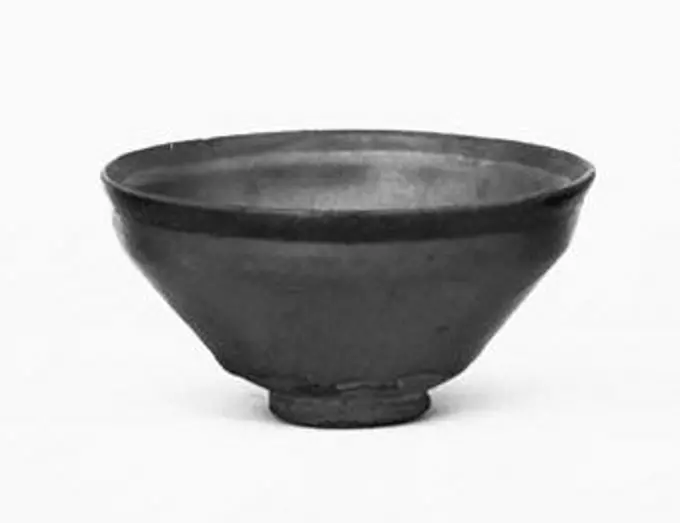
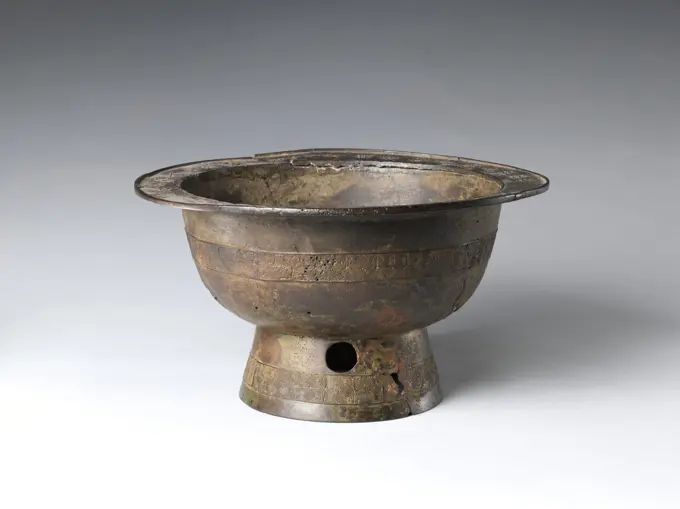
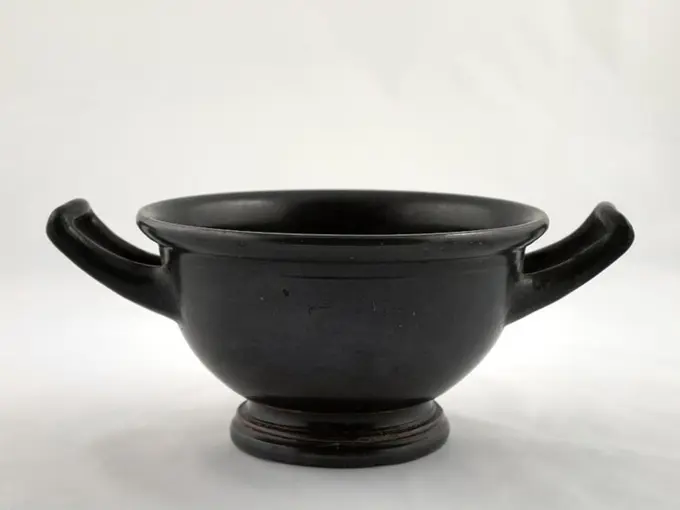
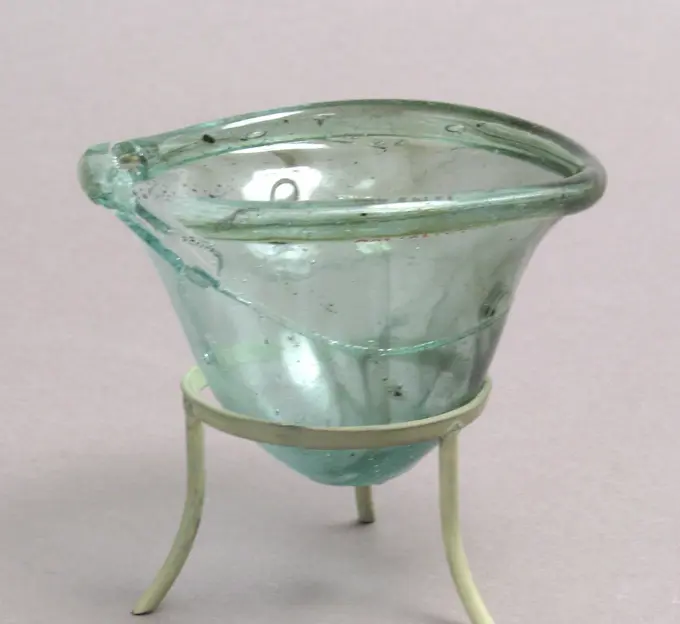
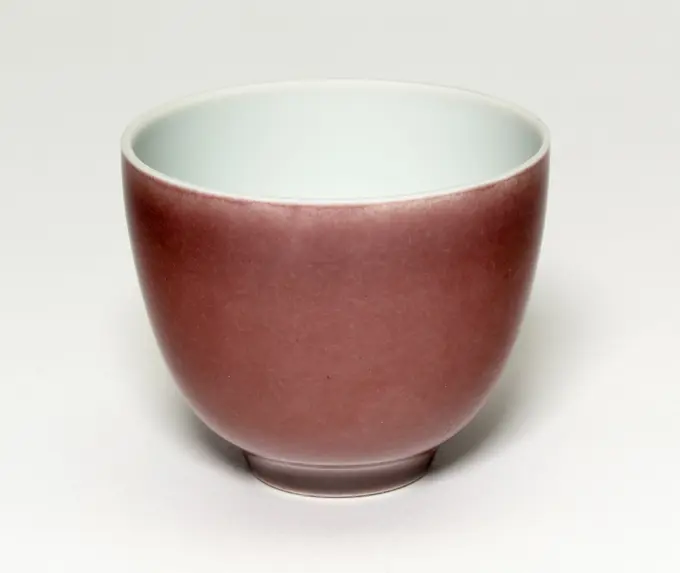
Diverse ceramic bowls with intricate designs and finishes, ranging from traditional to elegantly simple, showcasing historical craftsmanship across cultures.
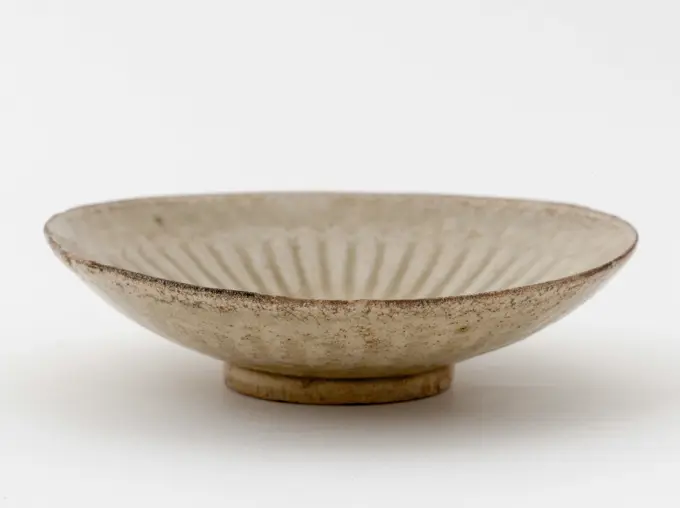
Cup ". GRS covered Cladon. Paris, Muse Cernuschi. Coupe Asian art, extreme-East art, Vietnamese art, ceramic, cut, gres, dishes
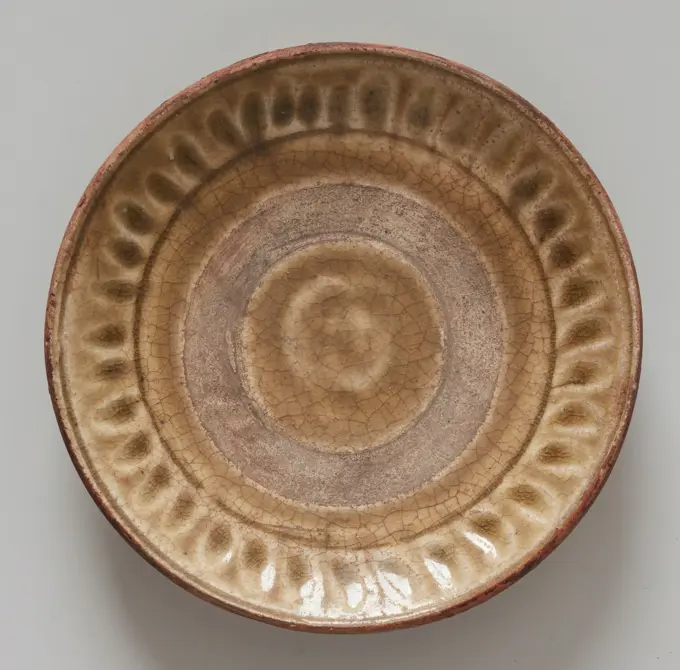
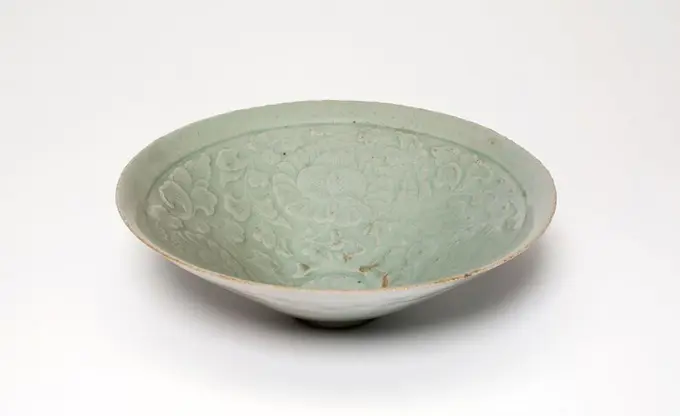
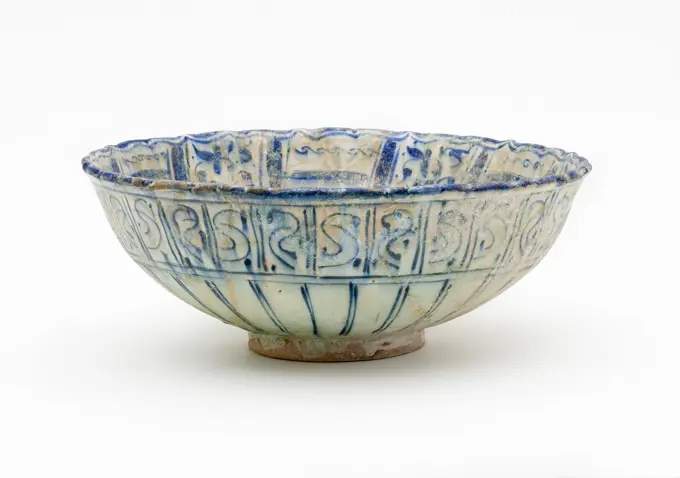
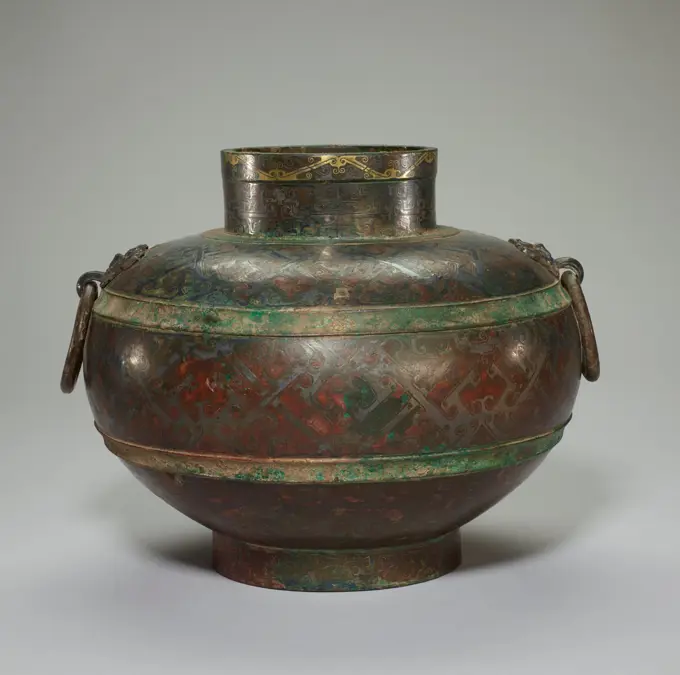
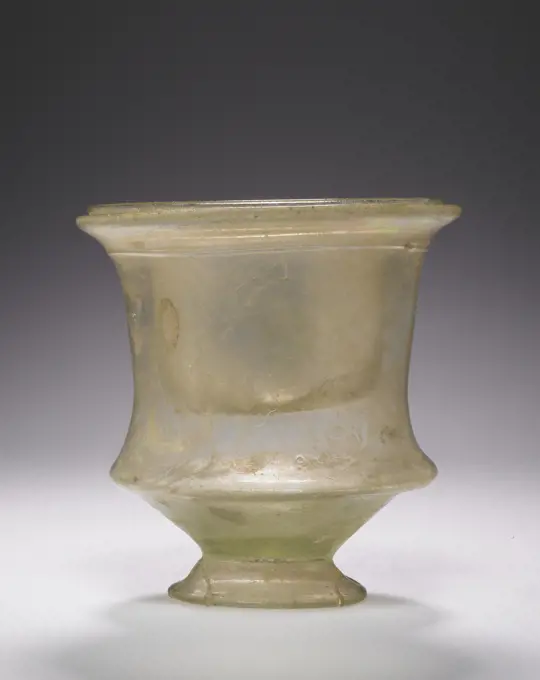
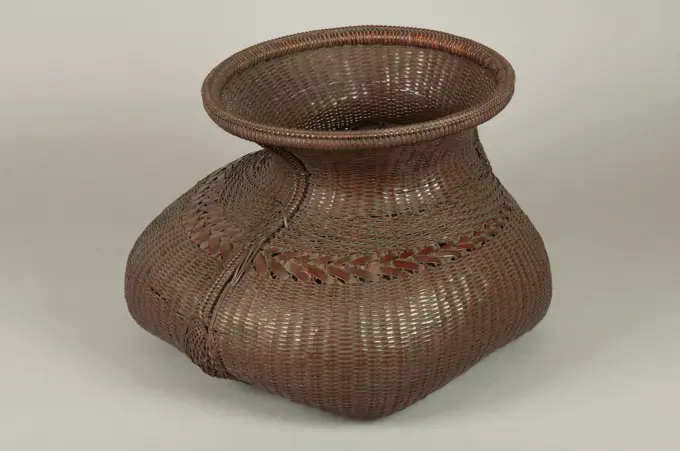
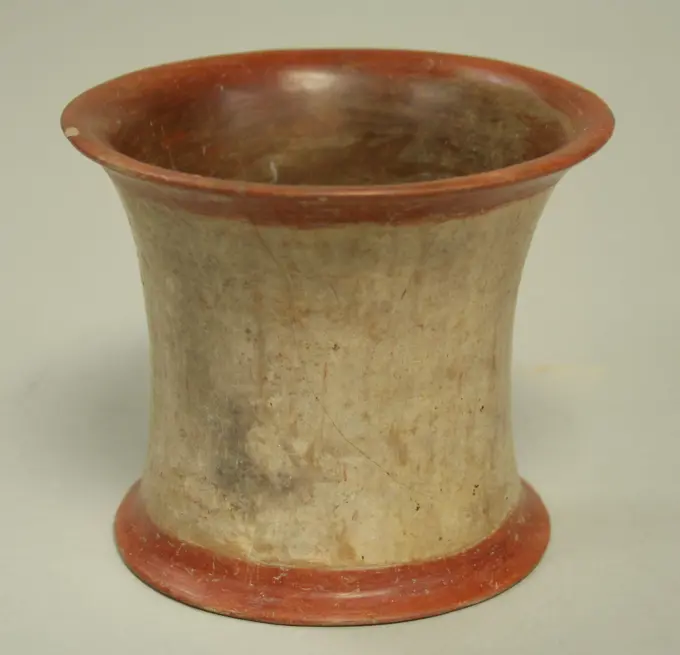
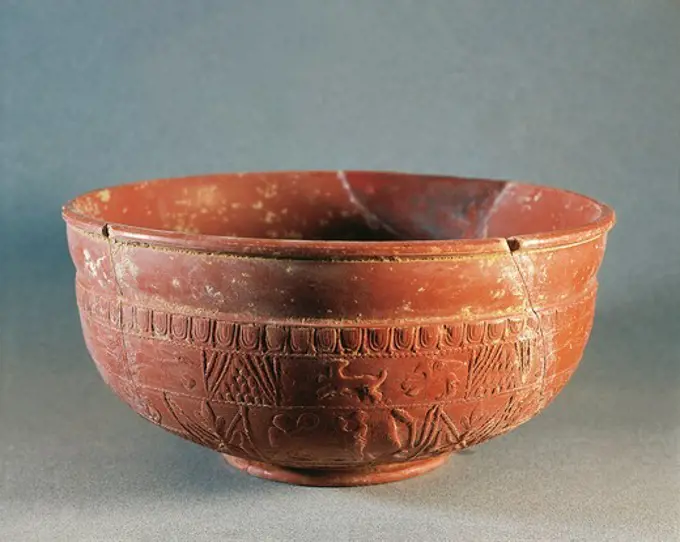
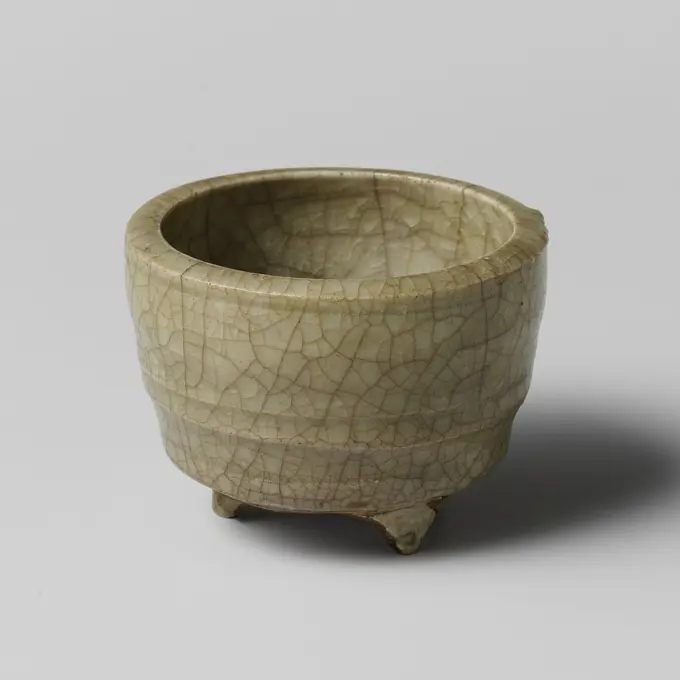
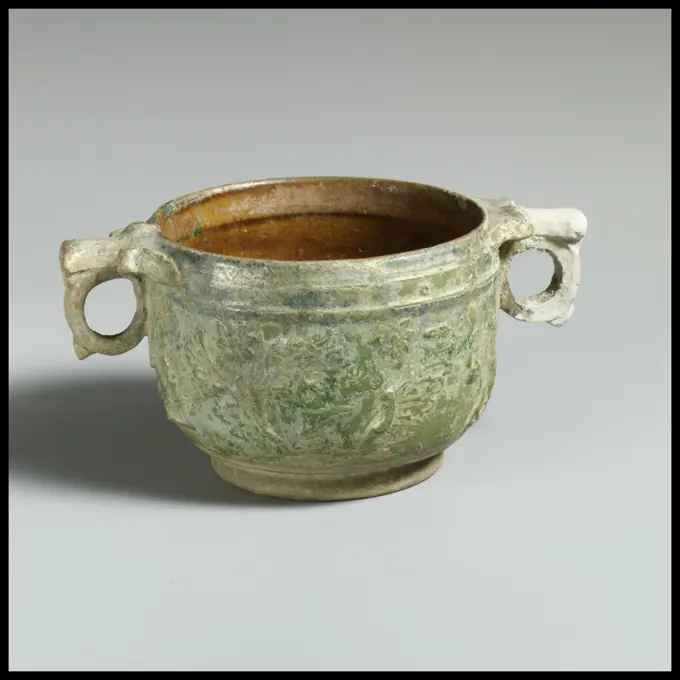
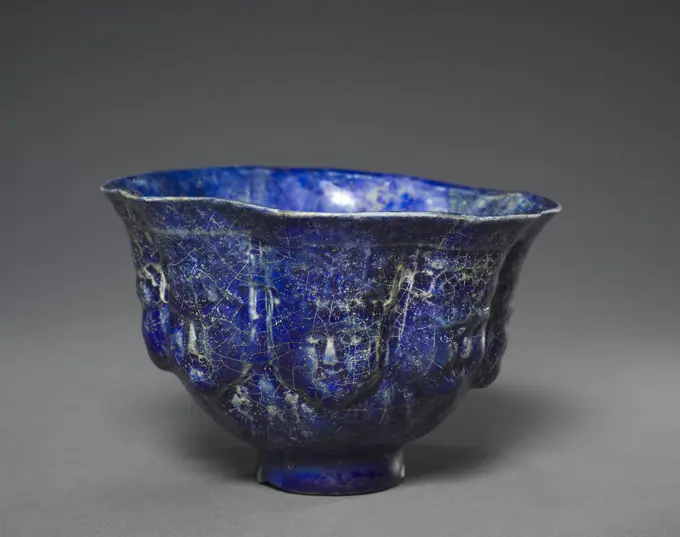
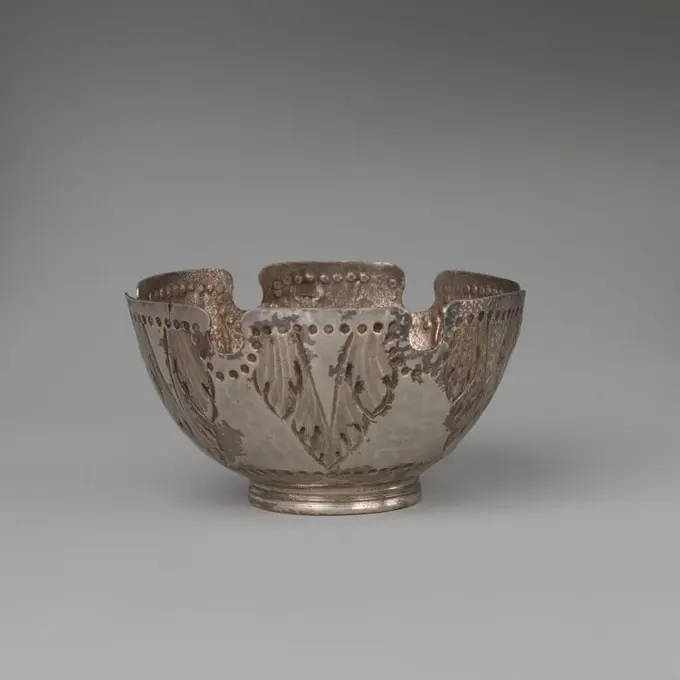
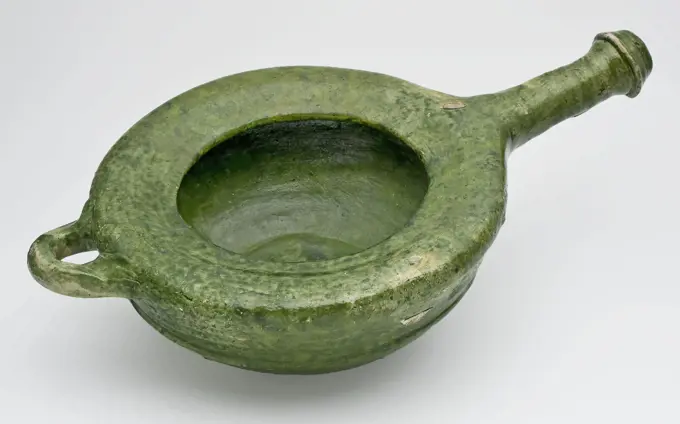
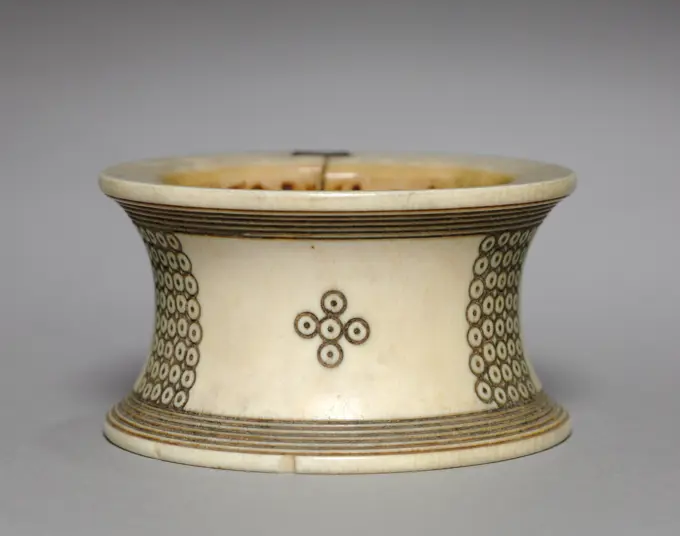
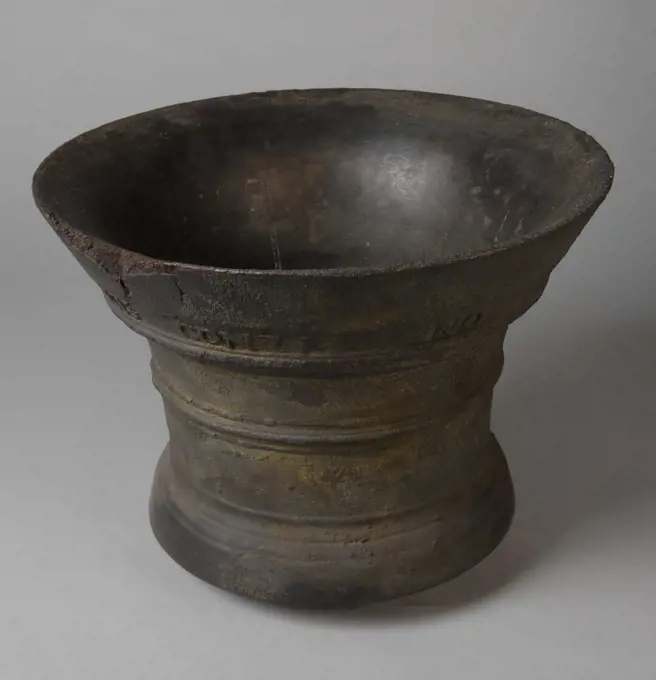
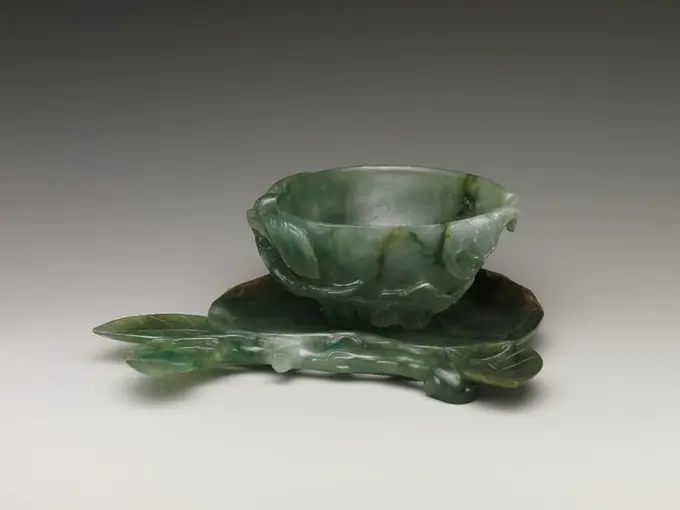
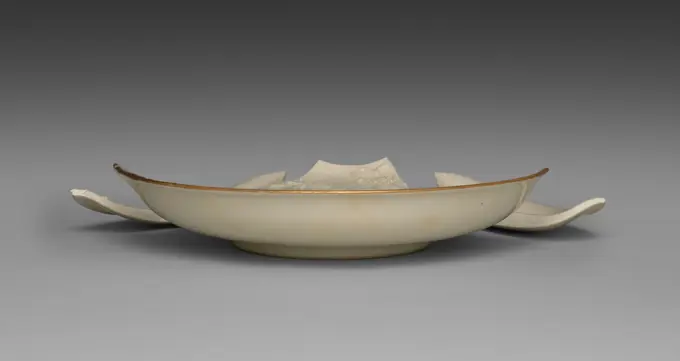
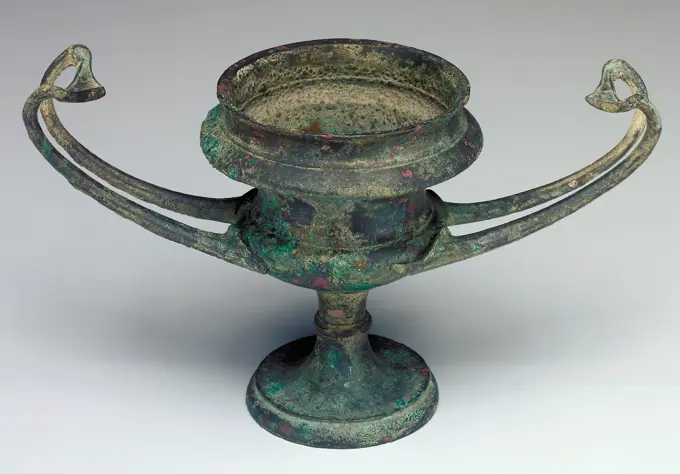
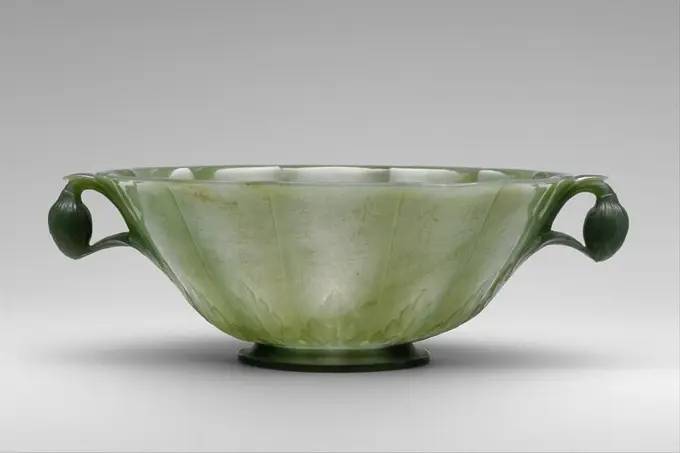
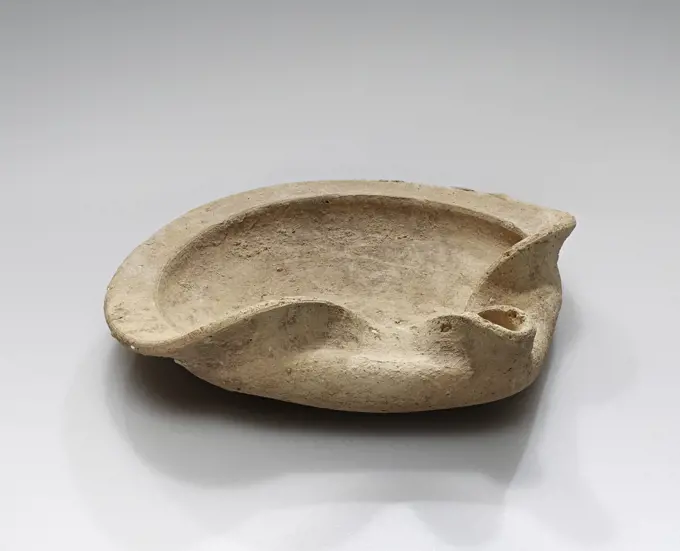
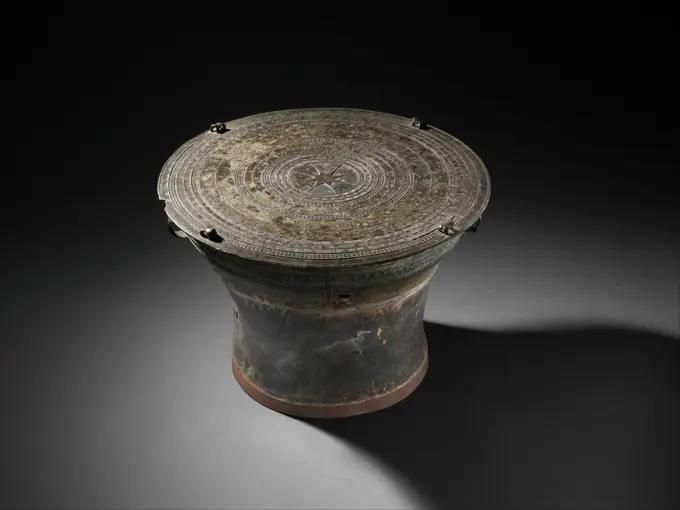
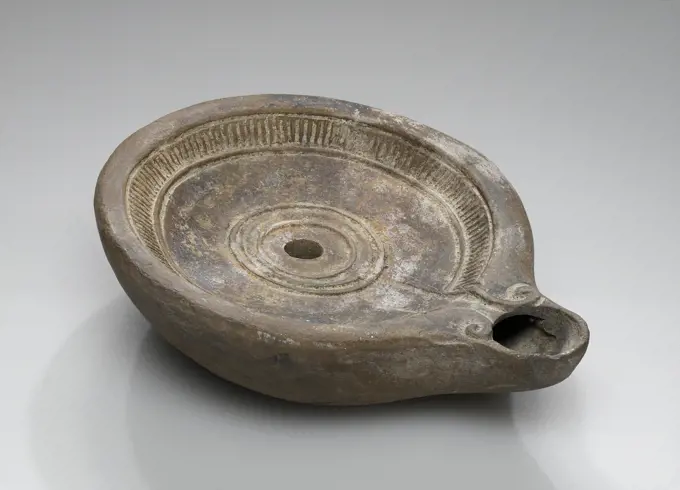
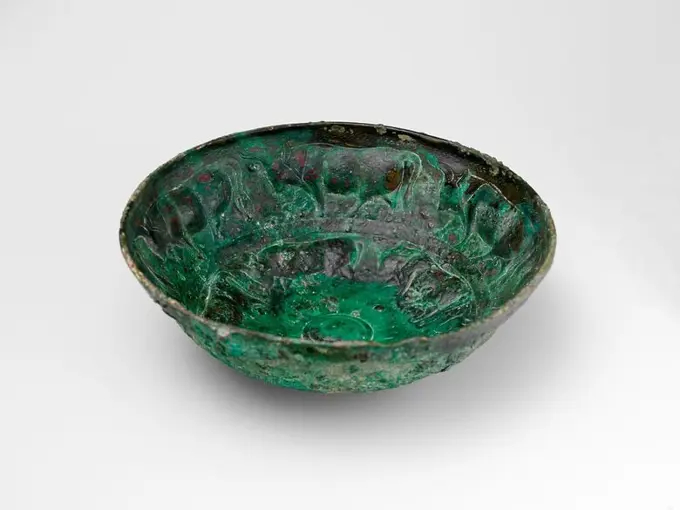
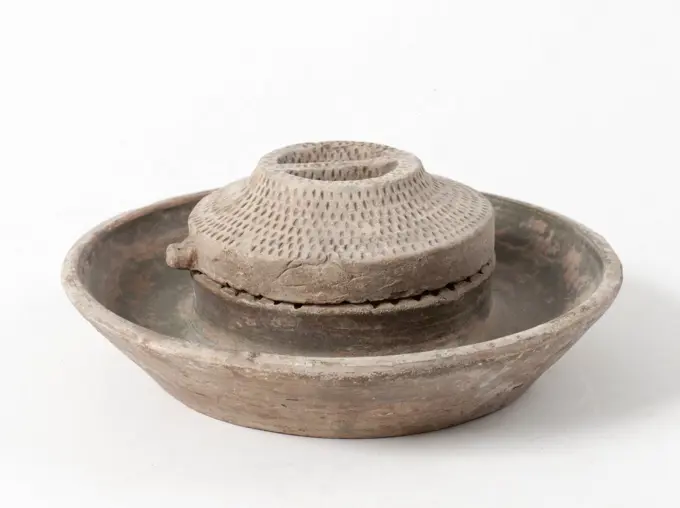
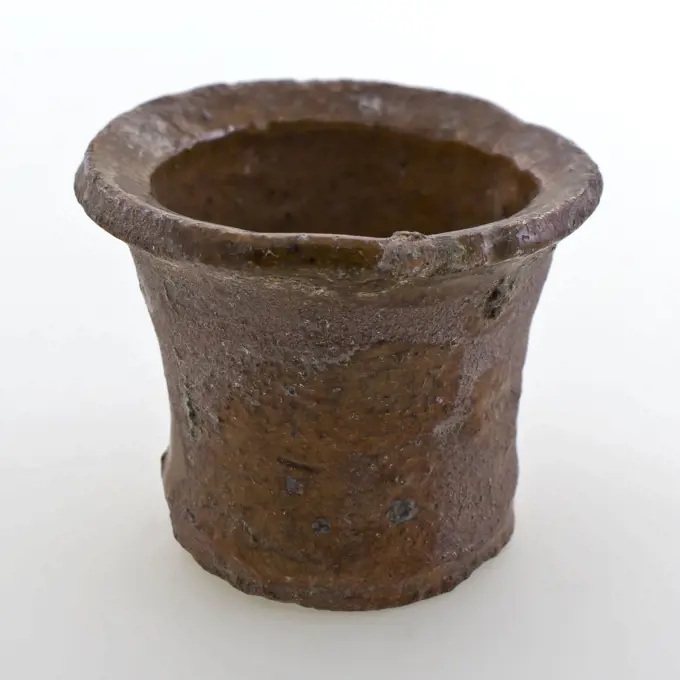
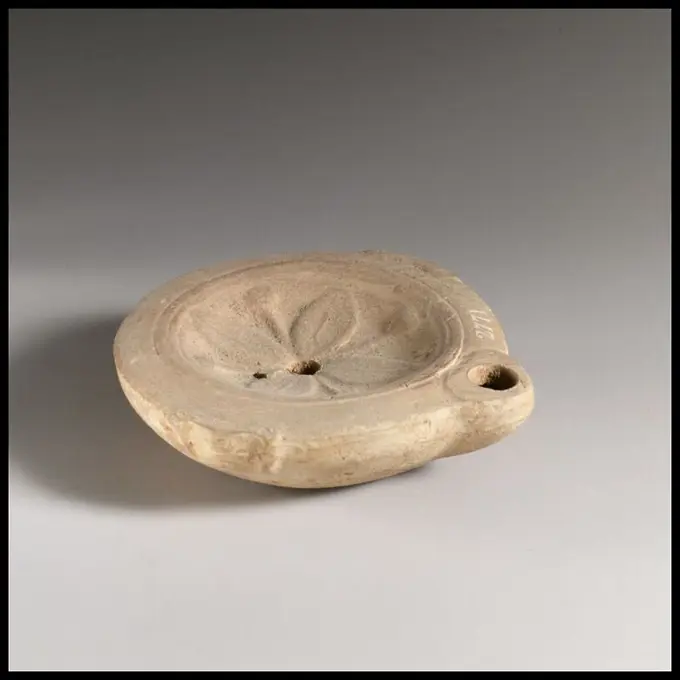
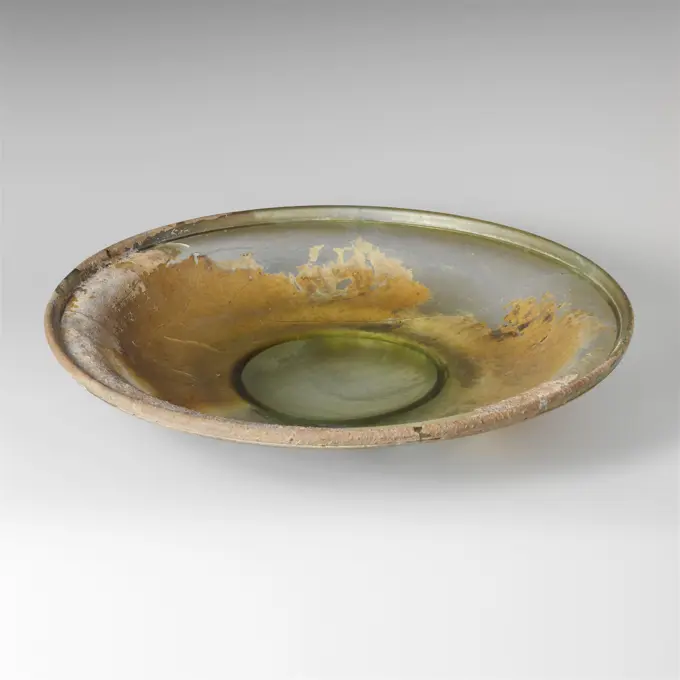
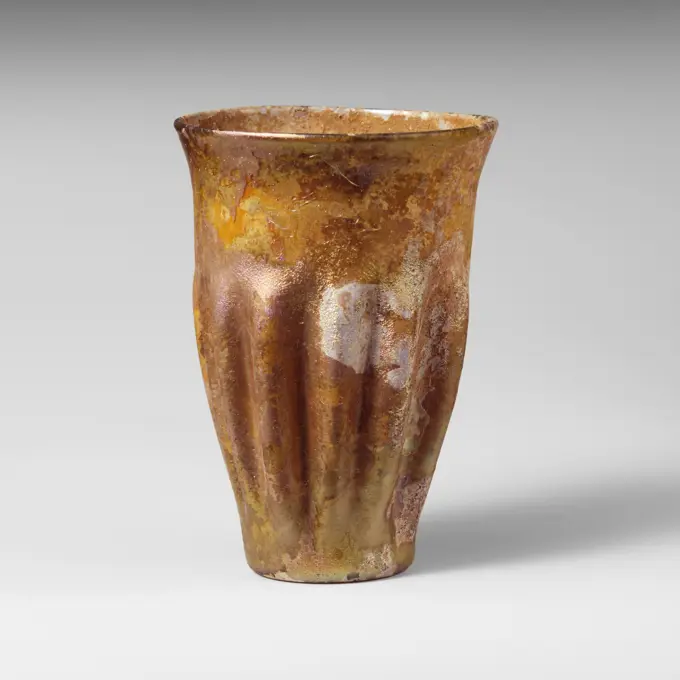
Anonymous, cut (common name). Cernuschi Museum, Asia Museum of Asia in the city of Paris.Plate, 1st century BCE - 1st century CE, 3/4 x 4 7/16 x 4 7/16 in. (1.91 x 11.27 x 11.27 cm), Glazed ceramic, celadon with impressed decor, Vietnam, 1st century BCE - 1st century CEAnonymous, vase yu (usual name), -1199. Cast iron, bronze, cast iron. Cernuschi Museum, Asia Museum of Asia in the city of Paris. This bowl of great sobriety was for the first time published by Max Lœr in 1968 on the occasion of the famous Ritual Vessels of Bronze Age China exhibition. The simplest form of all bronzes of the time Shangs have its origin in Neolithic pottery. At the time of the Shang, comparable ceramic bowls were discovered in Anyang and Zhengzhou. The absence of a handle makes it possible to distinguish the yu from the guys, but like them, these containers were intended to contain cereals. The foot has a large register of whirlpools alternating with square with croissants. Above, we notice small square vents, interpreted frequently as used to maintain the room in the mold at the time of the cast iron. The collar register carries three animal heads in relief, each surrounded by six cicadas arranged symmetrically. Their very precision drawing stands out sharply against tPot with two handles 13th-14th century China. Pot with two handles 48509Conical Bowl with Peony Flowers. Korea. Date: 1300-1340. Dimensions: H. 4.9 cm (1 15/16 in.); diam. 14.9 cm (5 7/8 in.). Celadon-glazed stoneware with underglaze molded and incised decoration. Origin: North Korea. Museum: The Chicago Art Institute, Chicago, USA.Bowl. Egypt or Syria, 15th century. Ceramics. Fritware, underglaze-paintedLei wine vessel, late 4th century BCE, 9 11/16 × 12 5/16 × 11 5/8 (di., belly) in., 13.2 lb. (24.61 × 31.27 × 29.53 (di., belly) cm, 6 kg), Bronze with gold, silver and copper inlay, China, 4th century BCE, This wine vessel is one of the most splendid examples of Eastern Zhou bronze art and technique. It is decorated with a geometric, brocade-like pattern of gold, silver, and copper inlayactually, extremely stylized depictions of dragons and birds. As religious beliefs changed, ritual bronzes became more secular in use and decoration during the Eastern Zhou period. The fearsome taotie (composite animal) masks and symbolic animal motifs of the Shang and Western Zhou periods were increasingly replaced with abstract surface ornament such as 'hook and comma' patterns, granulation or, as in this case, metallic inlay. It was done as much to delight the eye as to inspire religious reverence. The vessel is reportedly from Jincun near present-day Luoyang, Henan province, and is part of a magniBeaker and Cup; Eastern Mediterranean; 1st - 2nd century; Glass; 2003.379Black Glazed Small BowlCup (usual name), 1400. Gray-Vert covered sandstone. Cernuschi Museum, Asia Museum of Asia in the city of Paris.Galvanoplastic reproduction of a bowl with leaves and children, fa. Elkington & Co., after 1852 - Before 1881 Galvanoplastic reproduction of a bowl with leaves and children. London copper (metal). silver (metal) Galvanoplastic reproduction of a bowl with leaves and children. London copper (metal). silver (metal)Bowl with an inscription and foliate scrolls, anonymous, c. 1200 - c. 1220 Come with a slightly swinging out in the edge of ruddy gray quartet fritry painted on the inside in Luster on the glaze with a fine pattern of palmets and curl work and a bond with an Arabic/Persian text. Under the decoration a torpedo -shaped blue spot, drops down drop. is the earthenware. glaze. luster (textile) painting / engraving / vitrification Come with a slightly swinging out in the edge of ruddy gray quartet fritry painted on the inside in Luster on the glaze with a fine pattern of palmets and curl work and a bond with an Arabic/Persian text. Under the decoration a torpedo -shaped blue spot, drops down drop. is the earthenware. glaze. luster (textile) painting / engraving / vitrificationFishing-Style Basket 19th century Japan. Fishing-Style Basket 62172Drinking Cup, 1980-1801 BC. Egypt, Middle Kingdom, second half of Dynasty 12. Nile silt ware; diameter: 8.6 cm (3 3/8 in.); overall: 5.6 cm (2 3/16 in.).Lotus Petal Bowl. China. Date: 1200-1279. Dimensions: H. 6.3 cm (2 1/2 in.); diam. 14.5 cm (5 11/16 in.). Longquan ware; stoneware with underglaze carved decoration. Origin: China. Museum: The Chicago Art Institute, Chicago, USA.Bowl. Byzantine, 11th-13th century. Furnishings; Serviceware. CeramicGlass beaker. Culture: Roman. Dimensions: Overall: 2 7/8 in. (7.3 cm)Diam.: 3 1/8 in. (7.9 cm). Date: 2nd-3rd century A.D..Colorless with pale blue green tinge.Thickened, rounded, vertical rim with slight inner lip; straight sides expanding slightly downwards, then turned in at sharp angle to bottom with uneven, concave center.Intact; pinprick bubbles and blowing striations; dulling, pitting, and some iridescent weathering on exterior; soil encrustation and creamy weathering on interior. Museum: Metropolitan Museum of Art, New York, USA.Broad Pear-Shaped Jar with Concave Lid 700 CE-799 CE China. Slip-coated and glazed stoneware .Ceramic Vessel 12th-4th century B.C. Chorrera. Ceramic Vessel 314167Bowl 4th-7th century Coptic. Bowl 478712Mill Grinder. China. Date: 25 AD-220 AD. Dimensions: Base: 4.5 × 17.0 × 17.0 cm (1 3/4 × 6 11/16 × 6 11/16 in.); top: 3.0 × 9.0 × 9.0 cm ( 1 3/16 × 3 9/16 × 3 9/16). Earthenware with green lead galze. Origin: China. Museum: The Chicago Art Institute, Chicago, USA.Bowl decorated with a relief of animalsIncense burner with fluted sides and three legs, anonymous, c. 1300 - c. 1400 Incense burner of Steengoed on three short legs and with a ribbed wall, covered with a light green-gray-groaned glaze. Celadon. China stoneware. glaze vitrification Incense burner of Steengoed on three short legs and with a ribbed wall, covered with a light green-gray-groaned glaze. Celadon. China stoneware. glaze vitrificationTerracotta scyphus (drinking cup) 1st half of 1st century A.D. Roman Green-glazed with heads of Dionysos and figures of satyrs.. Terracotta scyphus (drinking cup) 249053Dish with blue and yellow spots on a gray white fond. A round wooden dish with flat edge; Gray white painted with blue and yellow (varnish) Stains.Bowl, 1150-1220. Iran, probably Kashan, Seljuk Period, 12th-13th Century. Fritware with molded design under glaze; overall: 8.5 x 12.3 cm (3 3/8 x 4 13/16 in.).Jar China Ming dynasty (1368-1644) View more. Jar. China. Porcelain. Ming dynasty (1368-1644). CeramicsGoblet ca. 1200. Goblet 452040Bowl of brown, coarse earthenware, flat bottom, profiled upper edge, dish crockery holder earth discovery ceramic earthenware, soil 17,0 hand-turned fried dish of light brown earthenware flat bottom inwards profiled edge decoration with circles on bottom Roman archeology Valckensteyn Poortugaal Albrandswaard indigenous pottery import serve serve food eat Soil discovery: courtyard castle Valckensteyn in Poortugaal now Albrandswaard 1962.Palm Cup 7th-8th century Frankish. Palm Cup 465675 Frankish, Palm Cup, 7th8th century, Glass, Overall: 2 9/16 x 3 15/16 in. (6.5 x 10 cm). The Metropolitan Museum of Art, New York. Gift of J. Pierpont Morgan, 1917 (17.193.338)Terracotta bowl. Culture: Cypriot. Dimensions: H. 7 in. (17.8 cm); Diameter 9 3/4 in. (24.8 cm). Date: ca. 1600-1150 B.C..White slip ware with horned handle, lattice and lozenge ornament. Museum: Metropolitan Museum of Art, New York, USA.Miniature monteith. Culture: British, London. Dimensions: Overall: 1 1/4 × 2 1/2 in. (3.2 × 6.4 cm). Maker: Probably by George Manjoy (British, active 1685-ca. 1720). Date: 1693-94. Museum: Metropolitan Museum of Art, New York, USA.Earthenware basin green glazed with spout and horizontal sausage ear, mount holder sanitary soil find ceramic earthenware glaze lead glaze, hand turned glazed baked Pottery bedpan or bedpan. Green mottled glazed white shard. Long spout with cuff and horizontal sausage ear Fully glazed. Turning on the shoulder. Stand with soul. Wide flat top edge inclined inwards. Restoration is repainted part of existing glaze layer is also overpainted archeology indigenous pottery drains hygiene room night sleep health careBracelet, c. 1900. Africa, Central Africa, Democratic Republic of Congo, Kuba peoples, 20th century. Ivory and wire; diameter: 5.3 cm (2 1/16 in.); overall: 5.3 cm (2 1/16 in.).Mortar with latin text SI DEUS PRONOBIS QUIS CONTRA NOS ANNO 1746, auger equipment bronze, cast Cylindrical upwardly widening body built from raised profiled base smooth wall with three ribs high cantilevered top edge with inscription in the center. Profile on transition middle section and cantilever In Latin majuskels cast in the upper edge: bombardment May 14, 1940 May days war World War II grinding health care pharmacy city pharmacy city pharmacy GGD GG and GD Rotterdam City Triangle Hoogstraat Baan Schiedamsedijk Building for Public Health The municipality pharmacy in Rotterdam (1603-1993) was part of the GG and GD from 1938 until privatization (later GGD) of the municipality of Rotterdam. In 1940 the building of the municipality pharmacy on the Hoogstraat was destroyed during the bombing. Only several jacks have been saved from the rubble according to the sources. In 1941 new pharmacy was involved in the Building for Public Health on the Baan (and later on Schiedamsedijk). Around Statue base Greek, South Italian, Tarentine. Statue base. Greek, South Italian, Tarentine. Terracotta. TerracottasBowl. Iran, Gurgan, second quarter of 11th century. Metal. Silver, engravedPeach-shaped Cup with Saucer. Culture: China. Dimensions: Overall (cup and saucer): H. 1 15/15 in. (4.9 cm); W. 5 7/8 in. (14.9 cm); Diam. (cup) 3 7/8 in.. Date: 19th century. Museum: Metropolitan Museum of Art, New York, USA.Teil with two handles, decorated with blue wave line on gray fond. Teil of light gray painted wood decorated with blue wave line on the edge; Two handles.Medium-sized Dish from Dining Set with Plum Blossoms and Cracked-Ice, c. 1875-78. Seifū Yohei II (Japanese, 1844-1878). Porcelain with molded designs; overall: 3.2 x 16.4 cm (1 1/4 x 6 7/16 in.).Kantharos, 5th century BCE, 3 11/16 x 6 15/16 x 3 3/16 in. (9.37 x 17.62 x 8.1 cm), Bronze, Greece, 5th century BCE, The kantharos (plural, kantharoi), a type of drinking cup with two high loop handles and a deep bowl, is particularly associated with Dionysos, the Greek god of wine and vegetation. Its horizontal handles make this cup unusual, since they more closely resemble those of a shallower type of cup known as a kylixthan those of other kantharoi. Since few ceramic examples of kantharoi survive, it is believed that they were more usually made of bronze, silver, or gold. Metal examples, often destroyed by corrosion or melted down for other uses, are also rare.Bowl in the shape of a chrysanthemum flower. Culture: India. Dimensions: H. 2 5/8 in. (6.7 cm); W. at handles 8 1/4 in. (21.6 cm)Diam. of rim: 6 3/4 in. (17.1 cm)Diam. of foot: 2 3/4 in. (7 cm). Date: 18th century. Museum: Metropolitan Museum of Art, New York, USA.Lamp, Roman Empire; 1st century B.C.-4th century A.D; Terracotta; 2.5 x 12.1 x 11.4 cm (1 x 4 3,4 x 4 1,2 in.)Tea bowl (chawan), 19th century, Unknown Japanese, 2 3/8 x 5 1/2 x 5 1/2 in. (6.03 x 13.97 x 13.97 cm), Glazed porcelain, Japan, 19th centuryKerma ware bowl. Dimensions: Diam. 13.3 × H. 6 cm (5 1/4 × 2 3/8 in.). Dynasty: Dynasty 17-18. Date: ca. 1635-1458 B.C.. Museum: Metropolitan Museum of Art, New York, USA.Bowl with stylized plants, anonymous, c. 1200 - c. 1299 Come from quartas fritry painted in black with stylized plants under a transparent turquoise alarm laze. Iran earthenware. glaze painting / vitrification Come from quartas fritry painted in black with stylized plants under a transparent turquoise alarm laze. Iran earthenware. glaze painting / vitrificationTripod with dragon 18th century China. Tripod with dragon 44181Terracotta stemmed dish late 5th century B.C. Greek, Attic This is one of a variety of shapes that probably contained food--olives, small fruits, nuts--rather than liquids.. Terracotta stemmed dish 254418 Greek, Attic, Terracotta stemmed dish, late 5th century B.C., Terracotta, H. 3 1/4 in. (8.3 cm). The Metropolitan Museum of Art, New York. Rogers Fund, 1941 (41.162.247)Pharmacist's spot, white. Found at Haarlemmerpoort in Amsterdam, Anonymous, c. 1675 - c. 1775 pot White, cylindrical pot of faience. Delft (possibly) earthenware. tin glaze.Glass bowl Roman late 1st century BCE-early 1st century CE Translucent honey brownRounded vertical rim; slightly concave sides, tapering downward; flat bottom.Horizontal wheel-cut grooves on interior; single thicker groove 0.8 cm below rim, band of two thinner grooves 2.2 cm below rim.Complete, except for small hole in side; broken and repaired with two large cracks running from rim down sides; pinprick bubbles; deep pitting, dulling, and iridescent weathering on exterior, creamy weathering covering most on interior.Greyware Bowl with Incised Designs 3rd century B.C. Paracas. Greyware Bowl with Incised Designs 308478Bowl. Vietnam, 15th-16th century. Furnishings; Serviceware. Stoneware with cream slip, underglaze blue painted decoration, and clear glazeBowl; Unknown Night -Tamanian workshop; approx. 2600 2350 BC ; Early period D Azira III (-2650-00-00--2350-00-00);Incised and Pyroengraved Bowl with Monkeys 5th-4th century B.C. Paracas. Incised and Pyroengraved Bowl with Monkeys. Paracas. 5th-4th century B.C.. Ceramic, metallic specs. Peru, Ica Valley. Ceramics-ContainersTorch-holder. Culture: Cypriot. Dimensions: H. 2 15/16 in. (7.5 cm)diameter of saucer 7 1/16 in. (18 cm). Date: 6th-4th century B.C..Shaped like large candlestick standing in wide saucer. Without decoration. Museum: Metropolitan Museum of Art, New York, USA.These saucers shaped like maple leaves show Seif Yohei III’s “heavenly blue glaze.” Saucer from Maple Leaf-Shaped Saucers, 1893-1914. Seifū Yohei III (Japanese, 1851-1914). One of five dishes from a set of ten; porcelain with blue glaze and molded design; overall: 2.5 x 9 cm (1 x 3 9/16 in.).Glass bowl 3rd-4th century A.D. Roman Colorless.Vertical rim, knocked off and ground; shallow body curving in to flat bottom.Wheel-cut decoration on exterior: below rim, band of 23 horizontal oval facets, alternating with and flanked above and below by pairs of smaller, rice-shaped grooves; occupying most of side, zone of four overlapping rows of vertical facets, becoming progressively thinner towards the bottom; on bottom, hexagon, outlined with a single, long groove on each side and containing a pattern of six pentagonal facets around a central pentagonal facet.Broken and repaired with several large cracks and one small area of fill; pinprick bubbles; small patches of limy encrustation, slight dulling, and iridescent weathering, mainly within facets.. Glass bowl 245203Set of Two Cups and Saucers, Pierre Adrien Dalpayrat, c. 1900 Cup of earthenware with a flamed reddish -brown and yellow enamel. Bourg-la-Reine earthenware vitrification Cup of earthenware with a flamed reddish -brown and yellow enamel. Bourg-la-Reine earthenware vitrificationDrum-Shaped Pillow with Floral Sprays 1115-1200 China. Cizhou-type ware; stoneware with underglaze iron brown painting .Cup 18th century China. Cup 60969Teabowl China. Teabowl. China. Stoneware with hare's fur glaze (Jian ware). Song dynasty (960-1279). CeramicsFaience bowl ca. 1200 B.C. Cypriot The figure of the woman in the interior of the cup is depicted in an Egyptian style.. Faience bowl 243955. Cover bowl of stoneware with a semicircular spout under the edge, three small feet and two applicated ears, painted on the glaze in black and a white sludge. A prunus branch on the lid. The ears with ingrangled tendrils. Three preen on the bottom.Basin with turtles and fish 14th century Unidentified The design of this vessel reflects the fourteenth-century antiquarian taste. This type of water basin can be traced back to the Shang dynasty (ca. 1600-1046 B.C.), but the vessels design is based on a woodblock illustration in the 12th-century Xuanhe Bogutu, a catalogue of Song-dynasty imperial collection. The design of turtles and fish allude to the legend of a turtle that emerged from the Luo River bearing a divine book on its carapace. The vessel most likely functioned as a decorative piece in a scholars study meant to demonstrate the owners appreciation for antiquity.. Basin with turtles and fish. Unidentified Artist, Chinese, 14th century. China. 14th century. Bronze. Yuan (1271-1368) to early Ming dynasty (1368-1644). MetalworkBowl with Feline Headed Handle. Egypt, Roman Period (30 BCE - 500 CE) or later. Furnishings; Serviceware. BronzeSkyphos (Drinking Cup). Greek; Athens. Date: 410 BC-400 BC. Dimensions: 9.2 × 22.5 × 16.2 cm (3 5/8 × 8 7/8 × 6 3/8 in.). Terra-cotta, black-glaze technique with impressed decoration. Origin: Cales. Museum: The Chicago Art Institute, Chicago, USA. Author: ANCIENT GREEK.Lazio Viterbo Viterbo Museo Civico7. Hutzel, Max 1960-1990 Views of paintings (Middle Ages through 18th c.), frescoes, a tabernacle, coffin, sculpture reliefs, portal fragments, busts, sculpture, tapestry found in the Pinacoteca, Second floor gallery and Second floor cloister sequences. Antiquities: Many views of Etruscan and Roman fragments, sculpture, sarcophagi, pottery, masks, jewelry and other objects found in the Storeroom sequence (inventory numbers on back of prints), and the Cloister, Second floor Cloister, Valle Giulia, Sala Romana and Sala Etrusca sequences. General Notes: There are eight separate numerical sequences for this location. The cloister as an architectural structure, rather than museum site, is documented in the record and file for S. Maria della Verita, Cloister, all views of which are stored in Medieval core collection. Five views from the Museo Civico Second floor cloister sequence are stored in Medieval. German-born photographer and scholar Max Hutzel (1911-1Bowl. Cyprus (), Byzantine, 10th century. Furnishings; Serviceware. CeramicTerracotta chalice. Culture: Etruscan. Dimensions: H.: 5 1/2 in. (14 cm)Diam.: 5 1/4 in. (13.3 cm). Date: ca. 550 B.C..The stamped frieze of circles and dots was made with a cylinder seal rolled across the clay before firing. This type of seal has been associated with workshops in Orvieto. Museum: Metropolitan Museum of Art, New York, USA.Bowl China. Bowl 48111Bowl 19th century China. Bowl 46998Palm Cup 7th-8th century Frankish. Palm Cup 465752 Frankish, Palm Cup, 7th8th century, Glass, Overall: 1 3/4 x 2 15/16 in. (4.4 x 7.4 cm). The Metropolitan Museum of Art, New York. Gift of J. Pierpont Morgan, 1917 (17.193.408)Cup 1723-1735 China. Porcelain with crimson pink glaze .Kyoto Ware While porcelain was their primary specialization, all the members of the Seif studio also made stoneware painted with iron oxide designs under the glaze and with color enamel and gold over the glaze. Many examples are further characterized by pink dots brought out during firing and by crackling in the glaze. Works of this type are classified as Kyoto ware, after the city where the style developed. People used the ceramics for a diversity of purposes, from everyday dining to chanoyu, or Japanese tea practice. Pine-shaped Dish, 1893-1914. Seifū Yohei III (Japanese, 1851-1914). Stoneware with underglaze iron oxide and crackled glaze; height: 6 cm (2 3/8 in.); length: 16.5 cm (6 1/2 in.); width: 15.9 cm (6 1/4 in.).Bowl. Culture: India(). Dimensions: H. 1 11/16 in. (4.3 cm); Diam. 5 3/8 in. (13.7 cm). Date: 18th-19th century. Museum: Metropolitan Museum of Art, New York, USA.Close-up of hand-made wooden bowlMahōra Thuk (ลองมโหระทึ) 14th-17th century possibly Thai Bronze drums first appearing during the Dongson period (ca. 700-100 b.c.) had a wide distribution. They were prestigious items that increased the status of the owner, especially among the Karen of Thailand. Struck with covered beaters, the drum was once used in temples and in rainmaking ceremonies.. Mahōra Thuk (ลองมโหระทึ) 505332Bowl with incised medallions, anonymous, c. 900 - c. 999 Come of earthenware with white sludge and colored painting. The inside with breaches of medallions with braid or curl and covered with a yellow and green glaze. Iran earthenware. glaze painting / engraving / vitrification Come of earthenware with white sludge and colored painting. The inside with breaches of medallions with braid or curl and covered with a yellow and green glaze. Iran earthenware. glaze painting / engraving / vitrificationCup Cypriot Deep cup of thin ware with broad red band on edge of lip.. Cup. Cypriot. Terracotta. Iron Age. VasesVasque ". Japan. Wood lacquered. Paris, Cernuschi museum. 100764-28 Asian art, Extreme-East art, Japanese artLamp, North Africa; 1st - 4th century; Terracotta; 2.8 x 7.8 x 9.5 cm (1 1,8 x 3 1,16 x 3 3,4 in.)Bowl with bands of striding bulls and two inscriptions. Dimensions: H. 2.28 in. (5.79 cm) Diam. 7 5/16 in. (18.6 cm). Date: ca. 8th-7th century B.C.. Museum: Metropolitan Museum of Art, New York, USA.Turquoise Bowl with Carved Rim 12th century The appeal of this simple vessel, without any painted ornament, lies in its elegant carved rim. This detail exemplifies the strong impact of Sung porcelain from China that was appreciated and traded in this period.. Turquoise Bowl with Carved Rim. 12th century. Stonepaste; monochrome glazed. Made in Iran. CeramicsCup with geometric decoration 1st-3rd century Meroitic Period After a stable border had been established between Roman Egypt and areas controlled by Meroë, settlement in the Meroitic regions of lower Nubia intensified and economic prosperity grew. Several cemeteries of the first to third centuries A.D. have been found in this area. Inlaid woodwork, glass, metalwork, jewelry of faience, shell, metal, semiprecious stones, and politshed quartz, and a rich repertoire of pottery are characteristic objects in lower Nubian burials.Ceramics produced in Meroë are known mainly through the lower Nubian finds. Most of the pottery is painted, but stamped and barbotine (a type of applied clay decoration) wares are also represented. Among the examples of painted pottery the hands of different artists can be identified, and archaeologists have found vessels by the same painter at widely separated sites, testifying to a thriving ceramics industry and active trade, or possibly to the movement of painterGwicht;  k. XVIII W (1701-00-00-1800-00-00);Basin ca. 1743-45 Friedrich Schwestermuller II German. Basin 231567Mingqi: Moulin ". Terre Cuitifies pulch plumbs plumbs. Dynasty Han (226 AP. J.-C.). Paris Crice Kicer. Chinese art, Han dynasty, Han time, mingqi, Chinese object, funeral substitute, terracotta, millPottery ointment jar, mortar model, red shard, internally glazed, ointment jar holder soil found ceramic earthenware glaze lead glaze, hand turned glazed baked Pottery ointment jar mortar model red shard internal glazed Slanted inwardly directed wide top edge Standing surface with light soul Expansion of the boiler just above the foot archeology health care indigenous pottery pharmacy store sell craftKyathos ca. 550-450 B.C. Italic-Native, South Italian (Daunian). Kyathos. Italic-Native, South Italian (Daunian). ca. 550-450 B.C.. Terracotta. Archaic or Classical. VasesTea-bowl stand with pommel scrolls China 15th century View more. Tea-bowl stand with pommel scrolls. China. 15th century. Carved red and black lacquer (tixi). Ming dynasty (1368-1644). LacquerSmall Dish from Dining Set with Plum Blossoms and Cracked-Ice, c. 1875-78. Seifū Yohei II (Japanese, 1844-1878). Porcelain with molded designs; overall: 2.9 x 11.5 cm (1 1/8 x 4 1/2 in.).Brass from brass with ranks ornament. The object consists of a round fat catcher with driven tendrils ornament with flowers and fruits, and acanthus leaves around the starter to the candle holder. The handle has a heart-shaped eye and a toothed end. The candle holder is missing.Lamp. Culture: Roman. Dimensions: Length: 3 5/16 in. (8.4 cm)Height: 15/16 in. (2.4 cm). Date: 2nd century A.D.. Museum: Metropolitan Museum of Art, New York, USA.Waste-water basin ca. 1775 Japan. Waste-water basin 47954BowlRound lacquer box, from the possession of Jan van Riebeeck, founder of Cape of Good Hope. Round box, red, black, gold lacquered. Jan van Riebeeck owned, founder of Cape of Good Hope in 1652.Glass dish 4th century A.D. Roman Translucent green.Tubular, slightly outsplayed rim, folded out, down, and in, forming a prominent flanged edge to side; convex curving side sloping in to applied solid foot ring with diagonal tooling marks around its outer side; slightly convex bottom.Around the flanged edge to rim, a single horizontal groove. Broken and repaired, with only one small hole; some bubbles, elongated in rim; thick, limy encrustation, dulling, and slight iridescence.Greenish, colored blown glass.. Glass dish 249340Glass beaker 2nd-3rd century A.D. Roman Colorless with blue green tingeFlaring rim with rounded, vertical lip; upper part of body with plain cylindrical sides, then tapering downwards to circular base; convex bottom.13 vertical indents in body.Intact; pinprick bubbles; dulling, pitting, and brilliant iridescent weathering on exterior; soil encrustation and creamy brown weathering on interior.Slightly misshapen and stands aslant.. Glass beaker 239858Glass bowl 4th century A.D. Roman Colorless.Broad horizontal rim with rounded lip and folded tubular bulge; convex side, tapering downwards to bottom with deep kick and central circular pontil mark; tubular base ring at junction of side and bottom.Intact; pinprick bubbles; most of surface covered with brown weathering, pitting, and iridescence.. Glass bowl 245205Porringer 1773-1801 Samuel Hamlin. Porringer. American. 1773-1801. Pewter. Made in Providence, Rhode Island, United States