Ceramic Bowls and Dishes

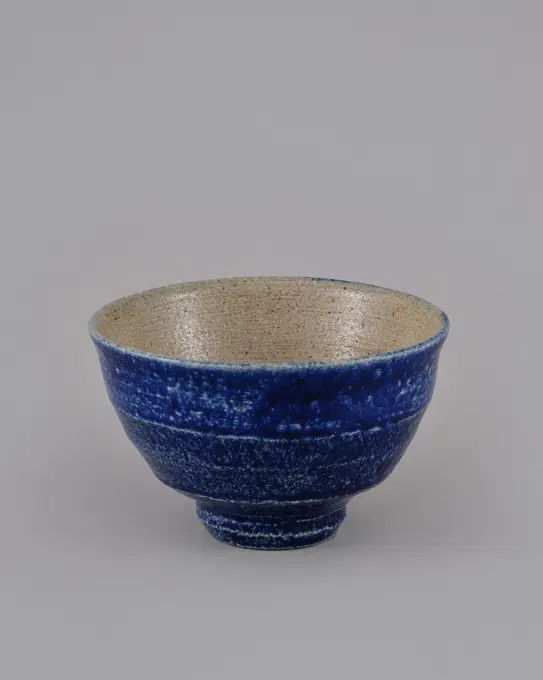
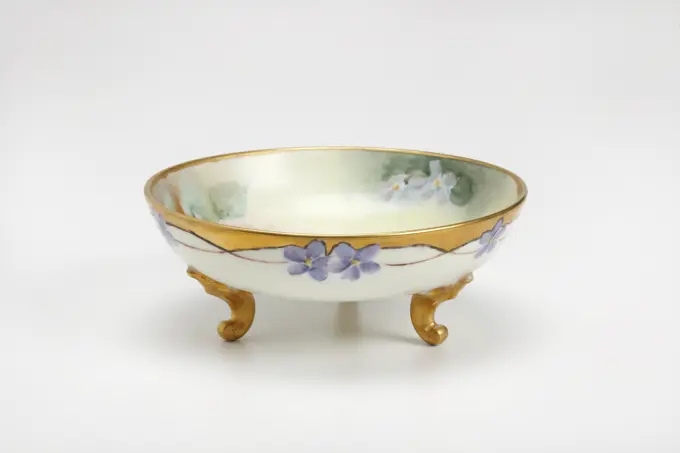
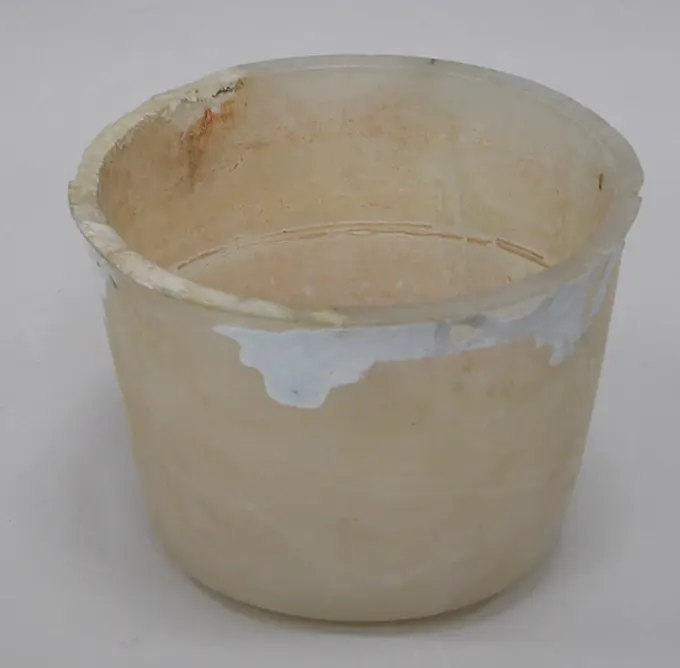
A collection of bowls and dishes made from porcelain and sandstone, featuring various glazes and decorative techniques from different dynasties.
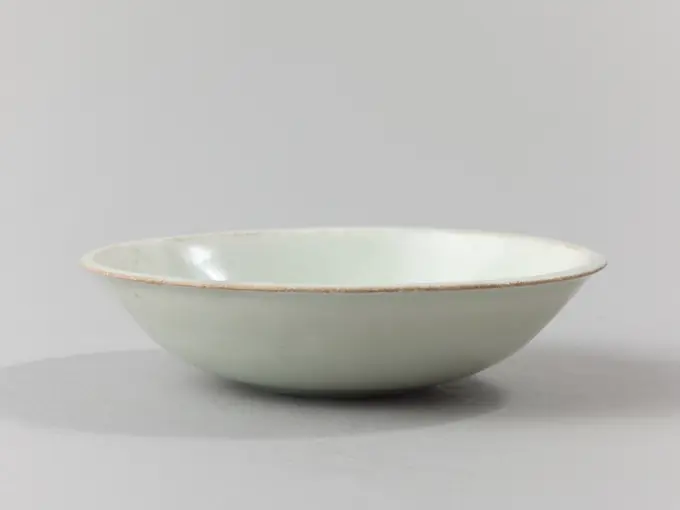
Cup. Qingbai covered porcelain. Paris, Cernuschi museum. 78846-2 Asian art, old ceramic, cut, cup, covered, email, porcelain, container, terracotta emaillee
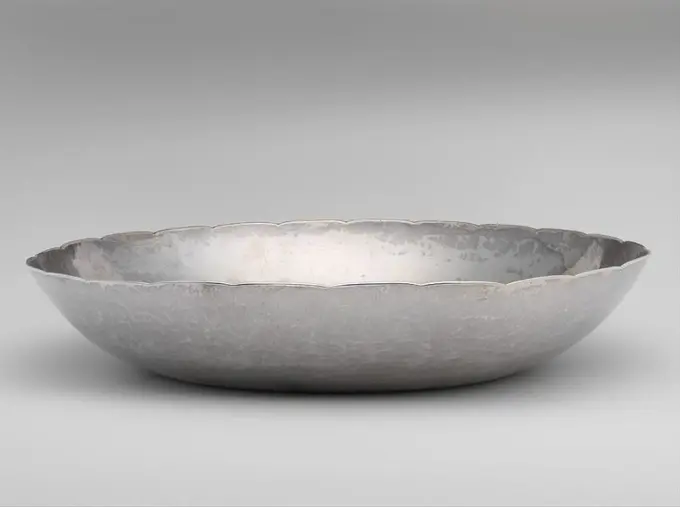
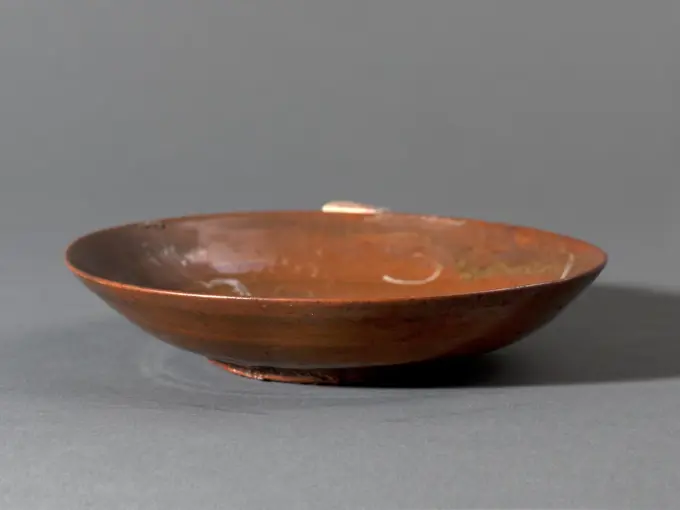
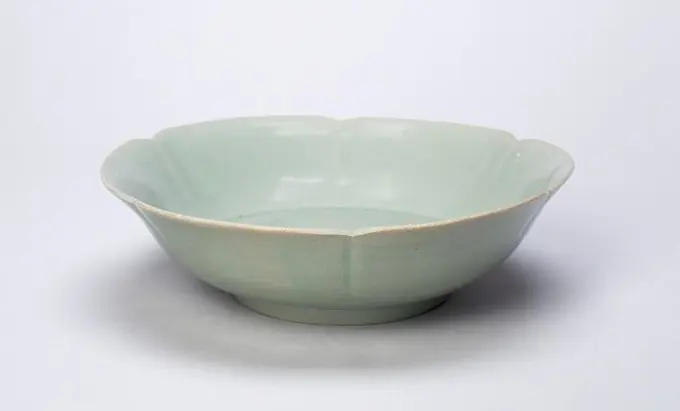
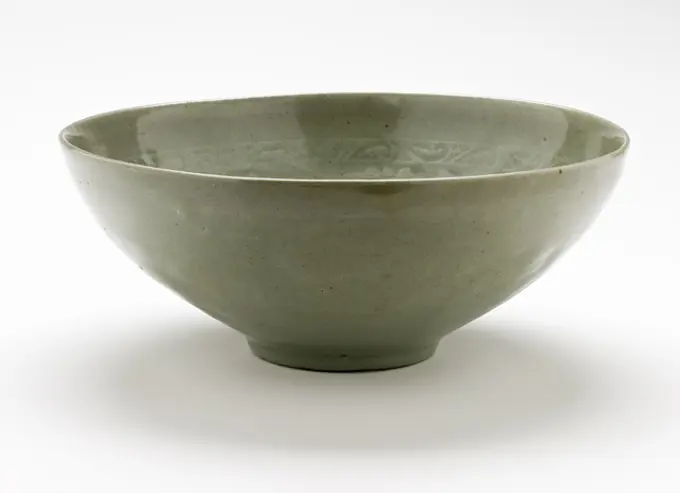
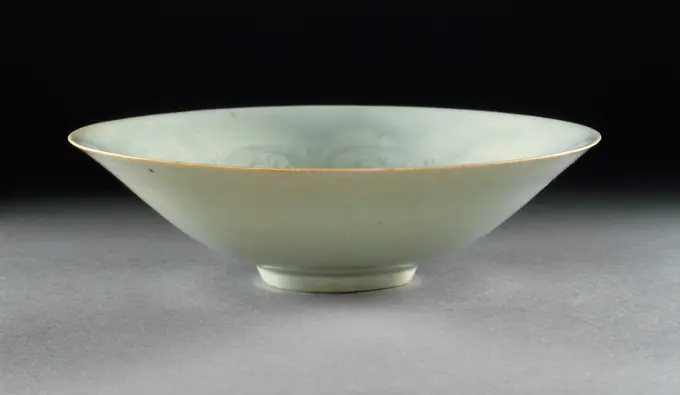
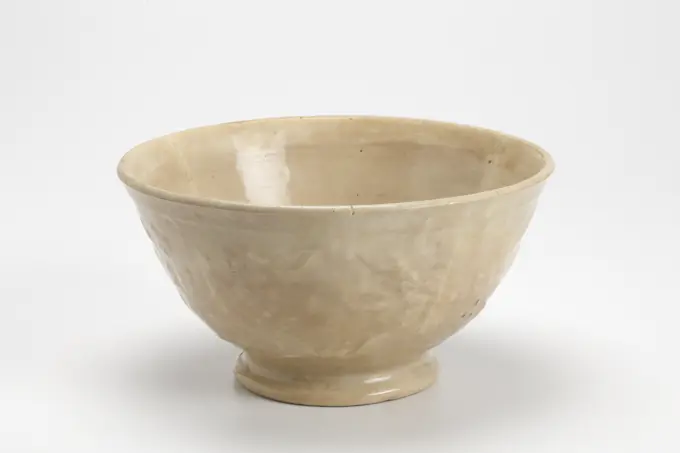
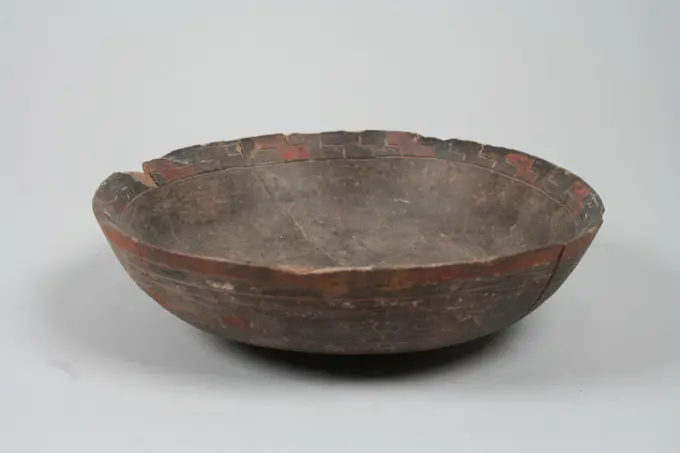
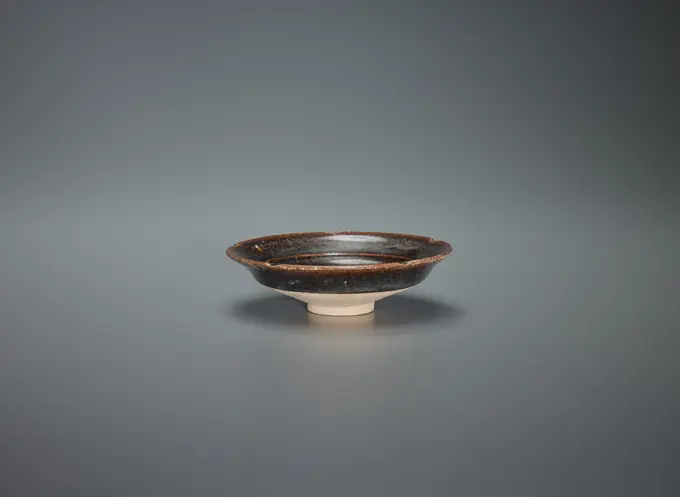
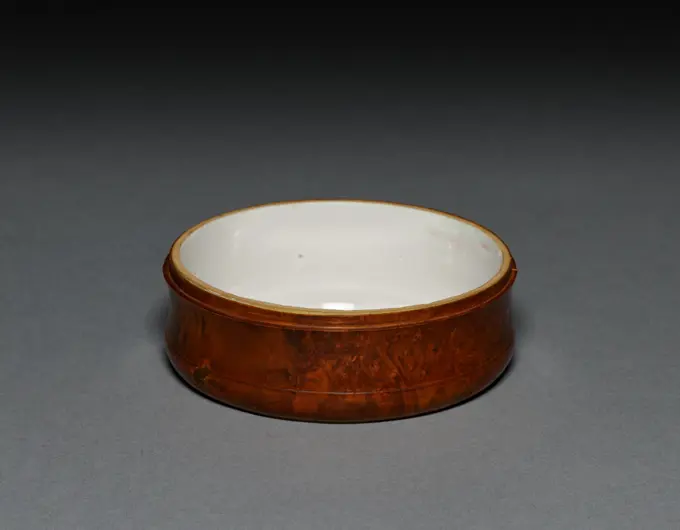
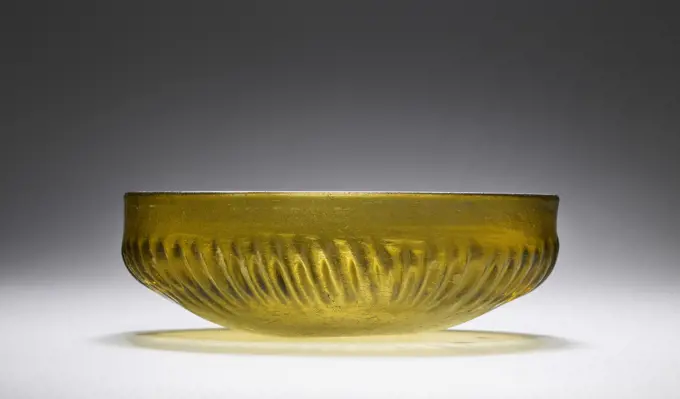
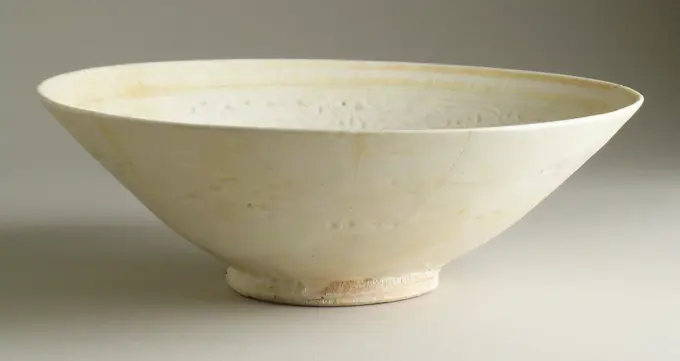
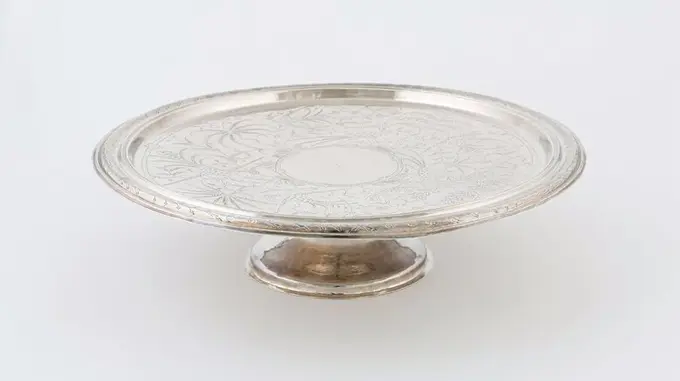
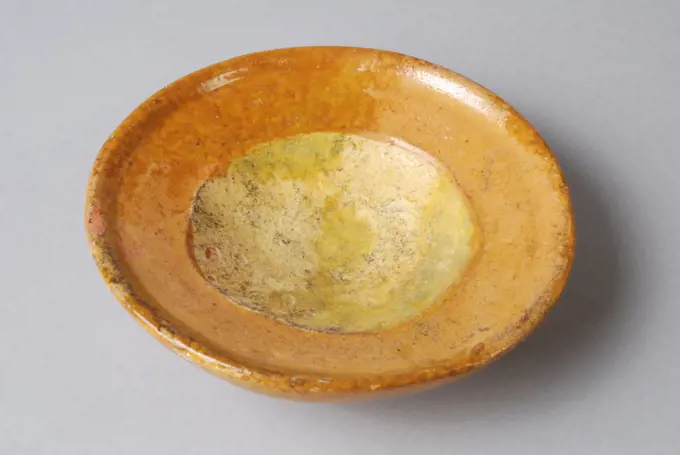
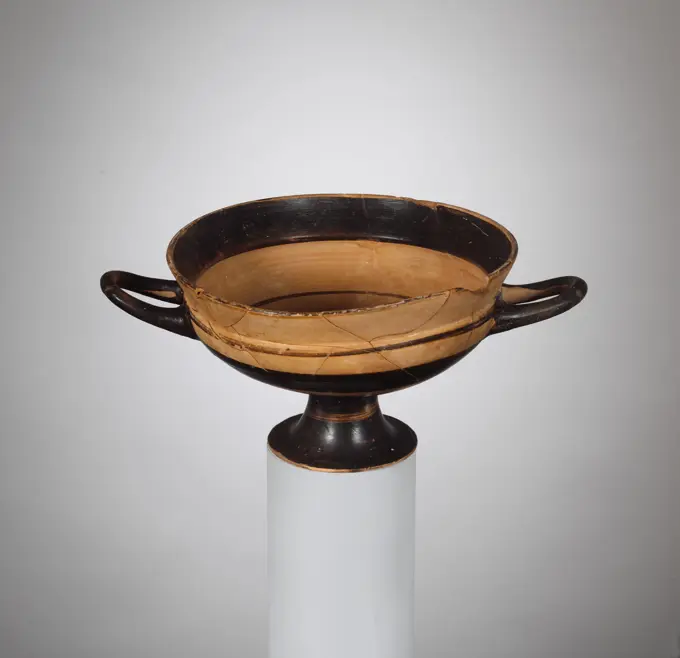
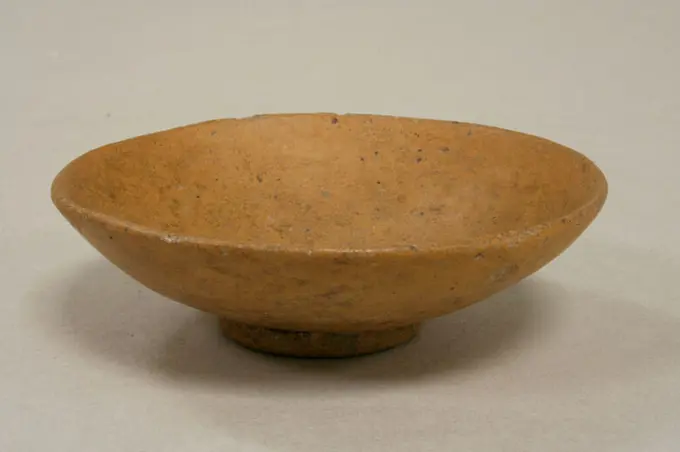
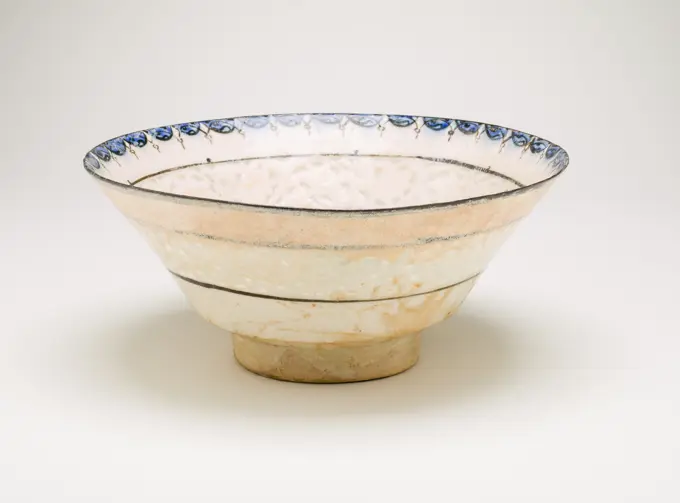
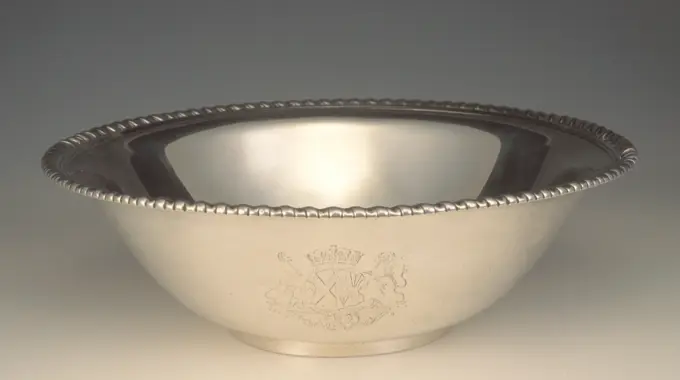
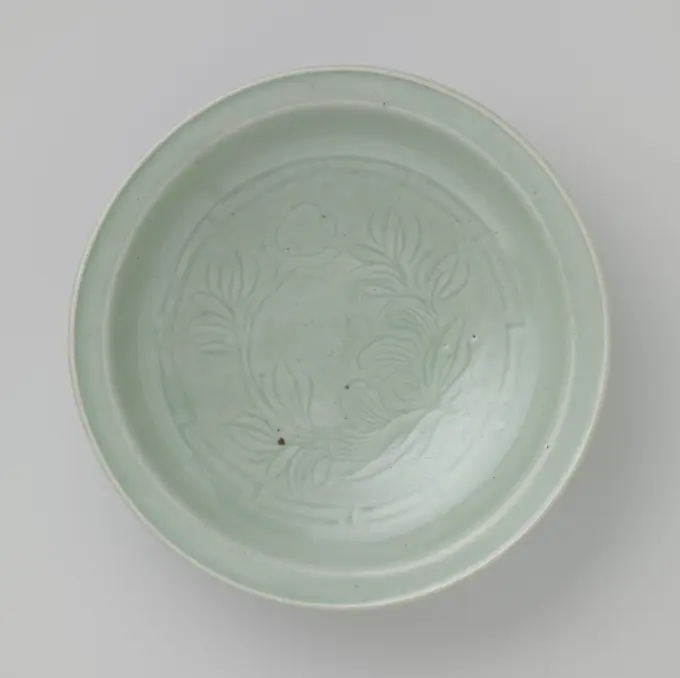
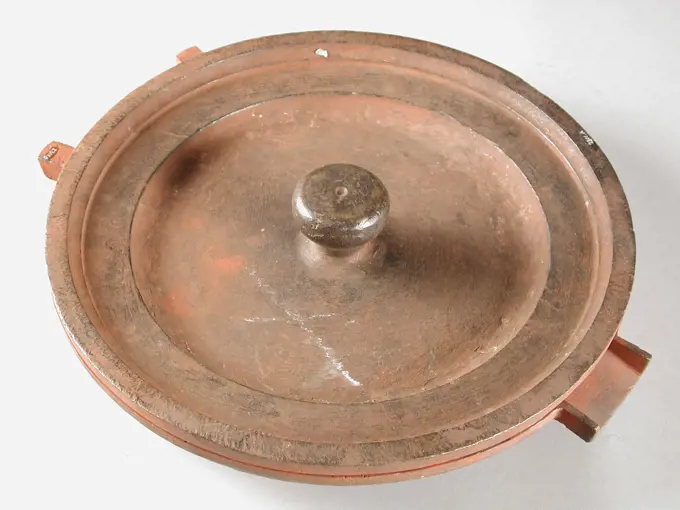
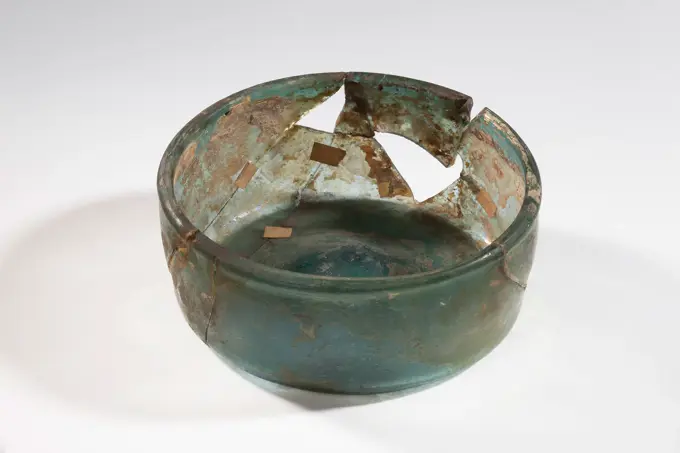
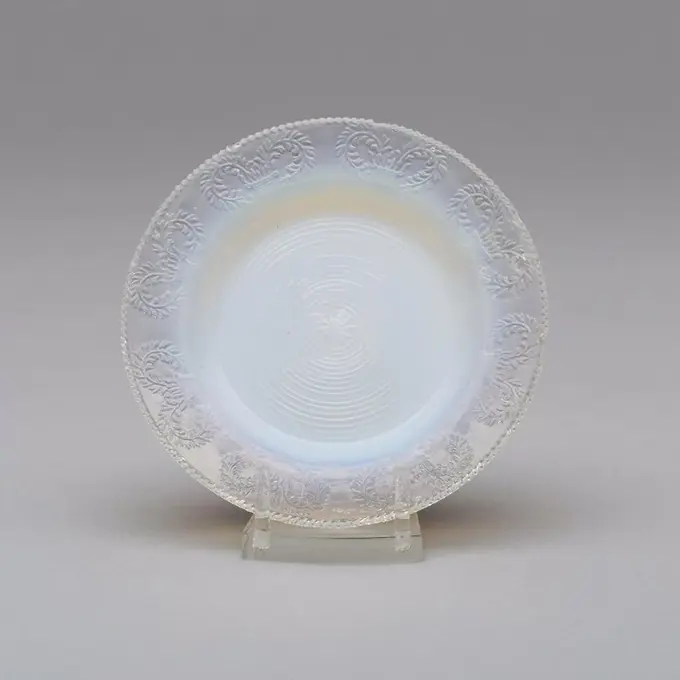
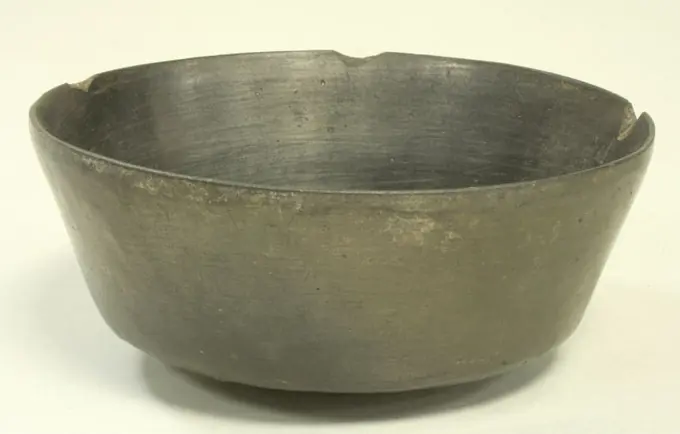
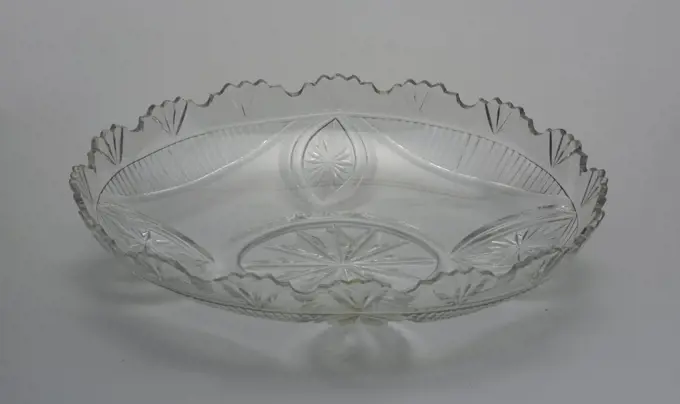
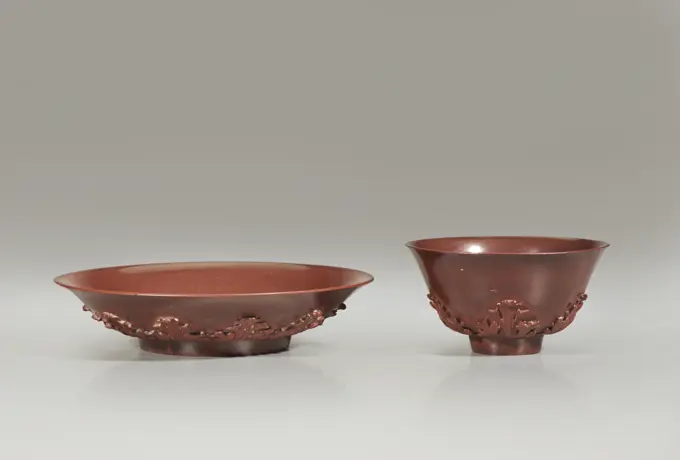
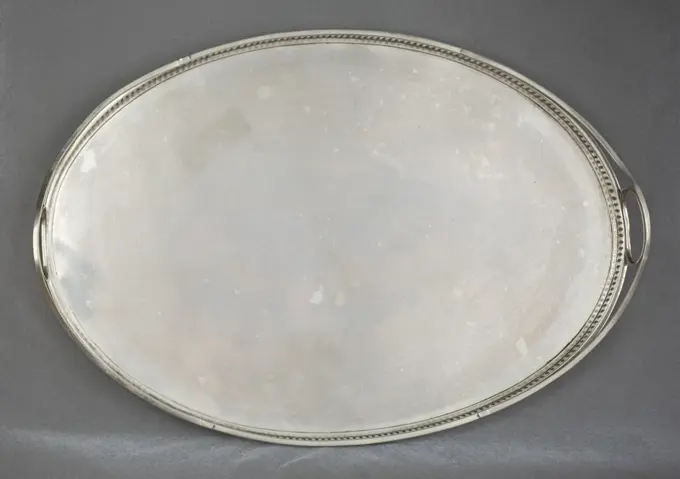
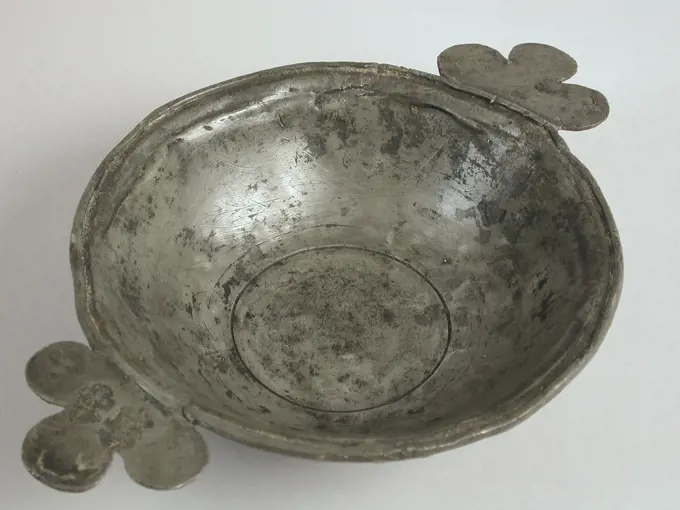
Bowl with Yellow Glaze, 1723-1735. China, Qing dynasty (1644-1911), Yongzheng mark and reign (1723-35). Glazed porcelain; diameter: 14.8 cm (5 13/16 in.); overall: 6.7 cm (2 5/8 in.).Dish. Culture: American. Dimensions: H. 2 3/8 in. (6 cm); Diam. 12 3/8 in. (31.4 cm); WT: 30 oz. 12 dwt (952 g). Maker: Myer Myers (1723-1795). Date: 1754-70. Museum: Metropolitan Museum of Art, New York, USA.Cup. Qingbai covered porcelain. Paris, Cernuschi museum. 78846-2 Asian art, old ceramic, cut, cup, covered, email, porcelain, container, terracotta emailleeDish with Sketchy Floral Scrolls. China. Date: 960 AD-1279. Dimensions: H. 2.7 cm (1 1/8 in.); diam. 13.2 cm (5 1/4 in.). Qingbai ware; porcelain with underglaze carved and incised decoration. Origin: China. Museum: The Chicago Art Institute, Chicago, USA.Flat. Red brown cover sandstone, Ming dynasty (1368-1644) or Qing dynasty (1644-1912). Provenance: China. Paris, Cernuschi museum. 78842-30 Asian art, Chinese art, living art, tableware, ceramic, Ching dynasty, Qing dynasty, Tsing, GRES, GRES dynastyShallow Foliate Bowl. Korea. Date: 1101-1200. Dimensions: H. 4.8 cm (1 7/8 in.); diam. 17.4 cm (6 7/8 in.). Stoneware with celadon glaze. Origin: Korea. Museum: The Chicago Art Institute, Chicago, USA.Bowl with Boy and Grape Vine Design in ReliefDishBowl (Wan) with Curls. China, Jiangxi Province, Jingdezhen, late Southern Song dynasty, about 1200-1279. Furnishings; Serviceware. Qingbai ware, wheel-thrown porcelain with incised, carved, and combed decoration and pale blue glazeBowl, c. 1899-1900. Auguste Delaherche (French, 1857-1940). Stoneware with metal mounts, silvered and gilded; overall: 19.7 x 14 cm (7 3/4 x 5 1/2 in.).Bowl - Inconnu / UnknownBowl, 12th century, 2 3/4 x 7 5/8 in. (7 x 19.37 cm), Porcelain, celadon glaze, China, 12th centuryIncised bowl with diamonds 3rd-2nd century B.C. Paracas. Incised bowl with diamonds 308332Bowl with Stylized Leaves. China. Date: 960 AD-1279. Dimensions: H. 6.8 cm (2 11/16 in.); diam. 23.9 cm (9 7/16 in.). Celadon-glazed stoneware with underglaze incised decoration. Origin: China. Museum: The Chicago Art Institute, Chicago, USA.Tray. John Tuite; English, active 1710-20; London, England. Date: 1731-1732. Dimensions: 6 x 53.3 cm (2 3/8 x 21 in.). Silver. Origin: London. Museum: The Chicago Art Institute, Chicago, USA.Small BowlBowl with FoliateRim. Bowl of porcelain with openwork wall and spreading edge, covered with a white glaze and painted in underglaze blue. The walls with ajour work with five medallions with opened flowers; Around the foot and on the edge a bond with flower drinks or curled in relief. Marked on the bottom with the six character mark of Emperor Chenghua. Transition porcelain.Box, c. 1750. Olerys Factory (French). Faience encased with burled wood; diameter: 12 cm (4 3/4 in.); overall: 5.8 cm (2 5/16 in.).Ribbed Bowl; Eastern Mediterranean or Italy; 1st century B.C; Glass; 4.5 x 13.5 cm (1 3,4 x 5 5,16 in.)Bowl. Iran, 12th century. Ceramics. Fritware, incised, pierced and glazedBowl (Wan). China, Jiangxi Province, Jingdezhen, Chinese, Qing dynasty, Yongzheng mark and period, 1723-1735. Furnishings; Serviceware. Wheel-thrown porcelain with yellow glazeFooted Salver. Possibly John Sutton; English, active 1667-c. 1708. Date: 1683-1684. Dimensions: 9.7 × 34.8 cm (3 13/16 × 13 5/8 in.). Silver. Origin: England. Museum: The Chicago Art Institute, Chicago, USA.Conical Bowl with Interior of Fish Swimming amid Waves Encircling a Sea Crab and Exterior of Stylized Petals. China. Date: 1115-1199. Dimensions: H. 4.1 cm (1 5/8 in.); diam. 9.6 cm (3 13/16 in.). Yaozhou ware; stoneware with underglaze molded and carved decoration. Origin: China. Museum: The Chicago Art Institute, Chicago, USA.Porringer 1750-76 Josiah Austin American. Porringer 6650Basket.  Maker: Joseph Shoemaker, American, 1765-1829Gui-type cup on a stand. unknown, craftsmanBowl with three phoenixes 19th century China. Bowl with three phoenixes 46458Anonymous, tea bowl (username), 1115. CERUNUSCHI museum, Museum of Arts in Asia in the city of Paris.Dish (Italy); Manufactured by Doccia Porcelain Factory (Italy); glazed porcelain, overglaze enameling and gilding; Overall: 17.5 x 24.8 cm (6 7/8 x 9 3/4 in.); Bequest of Erskine Hewitt; 1938-57-446-aGreyware Bowl with Incised Designs. Culture: Paracas. Dimensions: Overall: 2 1/4 in. (5.72 cm)Other: 5 7/8 in. (14.91 cm). Date: 3rd century B.C.. Museum: Metropolitan Museum of Art, New York, USA.Dish. Culture: German. Dimensions: Overall: 16 1/2 x 1 15/16 in. (41.9 x 5 cm). Date: early 16th century. Museum: Metropolitan Museum of Art, New York, USA.Bowl, c. 600-1100 (Thermoluminescence date, 995-1395). Costa Rica, Southern Nicoya region, 7th-12th century. Ceramic, slip; base: 15.1 x 35 cm (5 15/16 x 13 3/4 in.); lid: 29.9 x 38 cm (11 3/4 x 14 15/16 in.). Fine ceramics like this were buried in the graves of the high-status dead, some of them certainly leaders of the several groups that competed in the area.Bowl or MilkPanDessert plate -Bowl - Dion Pottery Dion PotteryToilet bowl; Next, Ludwik - widow Julia (Warsaw; company Z Otnicz; Fl. CA 1839 -Ca 1855); around 1840 (1836-00-00-1845-00-00);. Porcelain tazza on a high, spreading foot, painted in underglaze blue. On the flat a Ruyi motif in a medallion. The wall with four flower branches (Prunus, Peony, Lotus, Chrysanthemum). Dot the outer wall with groups. Three blue lines on the foot. Cracking porcelain in blue and white.Fragment Come from V.O.C. ship De 'Witte Leeuw', Before 1613 bowl Fragment come from V.O.C. ship De 'Witte Leeuw'. Soil.  porcelain   Sint-HelenaPlate (one of a set of twelve) Richard Bayley British 1715/16 View more. Plate (one of a set of twelve). British, London. 1715/16. Silver. Metalwork-SilverDish China. Dish. China. Jadeite, translucent greenish-gray. Qing dynasty (1644-1911), Qianlong period (1736-95). JadeBol (usual name), 1970. Sandstone dressed in glazes. Cernuschi museum, Museum of Asia in the city of Paris.Dish 550-500 B.C. Etruscan Shallow dish with no decoration.. Dish. Etruscan. 550-500 B.C.. Terracotta; grey ware. Archaic. VasesGlass dish. Culture: Roman. Dimensions: Diam.: 15 3/4 in. (40 cm). Date: 4th century A.D..Translucent green.Tubular, slightly outsplayed rim, folded out, down, and in, forming a prominent flanged edge to side; convex curving side sloping in to applied solid foot ring with diagonal tooling marks around its outer side; slightly convex bottom.Around the flanged edge to rim, a single horizontal groove. Broken and repaired, with only one small hole; some bubbles, elongated in rim; thick, limy encrustation, dulling, and slight iridescence.Greenish, colored blown glass. Museum: Metropolitan Museum of Art, New York, USA.Dish with Carved Decoration of Character for Longevity (Shou) 18th century China. Dish with Carved Decoration of Character for Longevity (Shou) 52935Oval dish with scalloped edge, c. 1700 - c. 1800 Oval dish from Tin. The edge is scalloped. Low Countries tin (metal) Oval dish from Tin. The edge is scalloped. Low Countries tin (metal)Plate with scalloped edge. Plate of tin. The edge is scalloped.Foliated water receptacle 12th-13th century China. Foliated water receptacle 48255Tea bowl - Porcelaine Gustave Vogt, 1907-1919 Porcelaine Gustave Vogt, 1907-1919Bowl (Wan) with Pomegranates, Lotuses, Chrysanthemums, Peonies, and Camellias. China, Jiangxi Province, Jingdezhen, Chinese, Ming dynasty, Wanli mark and period, 1573-1620. Furnishings; Serviceware. Wheel-thrown porcelain with blue painted decoration under clear glazeSmall earthenware dish or salt dish, glazed in yellow and brown, on stand, salt bowl salt barrel tableware holder soil find ceramics earthenware glaze lead glaze clay, hand turned glazed baked Pottery dish or red plate glazed in yellow and brown on stand ring Restored fragments have been repainted. Deepened piece on the inside is yellow legged white clay tap archeology Rotterdam City triangle New harbor Oudehaven indigenous pottery kitchen serving cooking food preparing food room table Soil discovery: Nieuwe or Oude Haven Rotterdam.Onyx Bowl before 16th century Mexican. Onyx Bowl 317562Pyxis, 400-300 BC. Greece, Attic, 4th Century BC. Marble; diameter: 7.7 cm (3 1/16 in.); overall: 4.6 cm (1 13/16 in.); diameter of lid: 12.2 cm (4 13/16 in.).Saucer-dish with incised floral and foliate scrolls, anonymous, c. 1100 - c. 1199 Scale of stoneware, covered with a green glaze. On the front a medallion with a flower drink. On the inner wall a band with leaf vines. Celadon (Yaozhou). China stoneware. glaze engraving / vitrification Scale of stoneware, covered with a green glaze. On the front a medallion with a flower drink. On the inner wall a band with leaf vines. Celadon (Yaozhou). China stoneware. glaze engraving / vitrificationDrinking Cup from Dining Set with Plum Blossoms and Cracked-Ice, c. 1875-78. Seifū Yohei II (Japanese, 1844-1878). Porcelain with molded designs; overall: 6.7 x 9.3 cm (2 5/8 x 3 11/16 in.).Terracotta kylix (drinking cup) 6th century B.C. East Greek Decorated with horizontal bands.. Terracotta kylix (drinking cup). East Greek. 6th century B.C.. Terracotta. Archaic. VasesMiniature Bowl. Culture: Teotihuacan. Dimensions: Height 3/4 in.. Date: 3rd-8th century. Museum: Metropolitan Museum of Art, New York, USA.Base for a vase for soup Szm 10326; Stanecki, Szymon (1746-1813); 1790-1795 (1790-00-00-1795-00-00);Bowl. Iran, Kashan, 13th century. Ceramics. Fritware, pierced decoration, underglaze paintedEustache-Charles Bonnenfant. "Taste-vin". Money. 1748. Museum of Fine Arts in the city of Paris, Petit Palais. 74385-2 Silver, silverware, bottleneck, TastevinNo maker's mark, Basin, c. 1740, silver.A cylindrical empty container made of wood for spices or salt. Kitchen utensilsDish with an incised flowering plant, anonymous, c. 1675 - c. 1699 Dish of stoneware with a narrow, flat edge, covered with a green glaze. On the flat a flowering plant within a geometric band. Within the foot ring an unglazed strap of the red -baking clay. A sunken circle in the center of the foot ring, which is glazed. Celadon. Japan stoneware. glaze engraving / vitrification Dish of stoneware with a narrow, flat edge, covered with a green glaze. On the flat a flowering plant within a geometric band. Within the foot ring an unglazed strap of the red -baking clay. A sunken circle in the center of the foot ring, which is glazed. Celadon. Japan stoneware. glaze engraving / vitrificationBowl, 1736-95. China, Qing Dynasty (1644-1911), Qianlong reign (1736-95). Jade; diameter: 14.4 cm (5 11/16 in.); overall: 6 cm (2 3/8 in.).Bottle, 1723-1735, 2 3/4 in. (7 cm), Porcelain with clair de lune glaze, China, 18th centuryTea head, part of a tea set, Petrus Regout & Co., 1934 Tea head of earthenware, part of a tea set. Brown distance on the outside, with red buttons, spouts, ears and edges. Marked with sphinx stamp; Petrus Regout & Co Maastricht in a lying rectangle; Made in Holland. Maastricht earthenware Tea head of earthenware, part of a tea set. Brown distance on the outside, with red buttons, spouts, ears and edges. Marked with sphinx stamp; Petrus Regout & Co Maastricht in a lying rectangle; Made in Holland. Maastricht earthenwareRed figure cut (Kylix): I: Masturbating satyr, 510-500 BC. AD Museum of Fine Arts of the City of Paris, Petit Palais. Red figure cut - Satyr masturbating Greek antiquity, cut, red figure, kylix, ancientRoman Glass-container. Blue glass. From Merida (Emerita Augusta, Extremadura). Episcopal Museum of Vic, Catalonia, Spain.Dirck Messchaert II, Two-piece bronze mold for large flat plate with initials D M and 1737, cast molding tool tools base metal bronze, and year 1737 Rotterdam tin tinker tin tin Meeuws Druy artisan Shapes are from the originally 18th century Rotterdam tinnegieter J Druy. The large molds that were not signed or dated were the property of the tinker guild and were rented to the small tin caster.Cup. unknown, craftsmanStraight-sided cup with stylized flowers on a feather or scale ground and scrolls, anonymous, c. 1725 - c. 1749 Porcelain head with straight wall, painted on the glaze in red and gold. On the outside of the head three stylized flowers against a ground with feathers or scaly motif; A flower on the underside and the bottom; The inner edge with tenders. Part of a tea set. European forms with email colors. China porcelain. glaze. gold (metal) painting / gilding / vitrification Porcelain head with straight wall, painted on the glaze in red and gold. On the outside of the head three stylized flowers against a ground with feathers or scaly motif; A flower on the underside and the bottom; The inner edge with tenders. Part of a tea set. European forms with email colors. China porcelain. glaze. gold (metal) painting / gilding / vitrificationRound wooden bamboo bowl for kitchen isolated on whitePie pan - Dion Pottery Dion PotteryIncense Burner China. Incense Burner 52676Cup plate. American; New England. Date: 1826-1830. Dimensions: Diam. 9.5 cm (3 3/4 in.). Pressed glass. Origin: New England. Museum: The Chicago Art Institute, Chicago, USA.Drinking Vessel (Hanap; one of a pair). Culture: French. Dimensions: Overall: 6 x 1 1/2 in. (15.2 x 3.8 cm). Date: 1320-60.Hanaps, or drinking vessels for wine, are frequently mentioned in 14th-century inventories. Few have survived, however, as silver plate was often melted down to realize funds for the owner. Wine, customarily diluted throughout the Middle Ages, was poured to the top of the boss and then water was added to the flare of the bowl, roughly in the proportion of four to one. Museum: Metropolitan Museum of Art, New York, USA.Blackware Bowl with Fish and Scroll Motif 2nd century B.C. Nasca. Blackware Bowl with Fish and Scroll Motif 308460Bowl, Glass, Shallow oval bowl with shaped rim; fan cutting on rim, central oval medallion with four smaller ones surrounding, all cut with stars; 4 swags cut with vertical flutes hang below lip., Ireland, ca. 1810-15, glasswares, Decorative Arts, BowlEconomite Bowl or Cake Mold. Dated: c. 1937. Dimensions: overall: 24.3 x 35.5 cm (9 9/16 x 14 in.). Medium: watercolor, graphite, and heightening on paperboard. Museum: National Gallery of Art, Washington DC. Author: Ralph Atkinson.Meissen Porcelain Manufactory, Teabowl and Saucer, c. 1711-13, Böttger stoneware.Cup shaped as a chrysanthemum flower.11th century, Northern Song dynasty (960-1127 AD) China (Northeast)Bowl - Portneuf potteryBread plate - St. Johns Stone Chinaware Company (founded 1873) St. Johns Stone Chinaware Company (founded 1873)Cake or Bread Basket c 1800-1818 Philadelphia. Silver . Samuel Richards Jr.Silver phiale (libation bowl) 6th century B.C. East Greek Bowl with flared lip and decoration on the shoulder.. Silver phiale (libation bowl). East Greek. 6th century B.C.. Silver. Archaic. Gold and SilverShell on a box of filigrein, anonymous, c. 1400 - c. 1950 And relief circumcised shell (mother -of -pearl) ornament. Dolphins and Horn of abundance, supportive on a filigrein container that stands on three legs.  mother of pearl. silver (metal) filigree And relief circumcised shell (mother -of -pearl) ornament. Dolphins and Horn of abundance, supportive on a filigrein container that stands on three legs.  mother of pearl. silver (metal) filigreeBasin. Culture: British, London. Dimensions: Overall (confirmed): 16 1/8 × 11 3/8 × 6 in., 93 oz. 14 dwt. (41 × 28.9 × 15.2 cm, 2914.488g). Maker: Abraham Portal (British, active ca. 1747-died 1809). Date: 1755/56.Although silver made by the Jewel Office for diplomatic officers was generally classical in inspiration, this ewer (68.141.316) and basin (68.141.317) represent a rare foray into the rococo style. They were part of a large service for three dozen guests made for Sir Charles Hanbury Williams's embassy to Russia in 1755. Museum: Metropolitan Museum of Art, New York, USA.Two terracotta saucepans, close-up.Small BowlUnknown, Tray, c. 1790, silver.Basin 1785-1795 London. PewterPottery dish on stand fins, shallow dish with round flag, misbaksel, dish plate dish crockery holder soil find ceramic earthenware glaze lead glaze, hand-turned glazed baked Pottery dish red shard inside glazed entirely with greenish spots Low dish on stand fins with slightly curled flag and thickened saucer. Soot on the bottom Misbaksel; the dish is not distorted around anymore. The crack was only caused later by heating. The dish has just done service witness the many scratches in the glaze layer archeology indigenous pottery serve serving frying kitchen food prepare potteryBol (usage name), 0960. Sweeping brown covered. Cernuschi Museum, Asia Museum of Asia in the city of Paris.Relish Dish. Culture: American. Dimensions: 8 5/8 x 4 5/8 in. (21.9 x 11.7 cm). Maker: Union Porcelain Works (1863-ca. 1922). Date: 1885.Union Porcelain Works was one of the most important and inventive American porcelain manufacturers in the second-half of the nineteenth century. In addition to their imaginative works designed by the German-born artistic director, Karl H. L. Müller, the firm's mainstay was the production of heavy porcelain hotel dinnerware. This extensive service was made by Thomas Carll Smith, head of the Union Porcelain Works, as a gift to his daughter, Pastora Forest Smith Chace. The neoclassical decoration of the gilt bellflower and basket motif is complimented by turquoise enamel. Unlike the firm's more eccentric and lavish designs created for their display at the Philadelphia Centennial Exposition in 1876, the pottery favored a more restrained classical style for their dinner services. This service descended in the Chace family. Museum: Metropolitan Museum of ADish 4th-7th century Coptic. Dish 479096Dish 12th-13th century China. Dish 49212Bowl 9th-10th centuryTinsmith: Ysbrand Franz (van de Tin) Halling, Brandy bowl with two trefoil-shaped ears, brandy drinkware tableware holder soil find tin, cast Flat bottom deep bowl two trefoil-shaped ears with profile edge along top edge marks on ear: city arms of Rotterdam with crown lions walking to the right and cloverleaf laid cord under crown with left IJ right F metal casting archeology Rotterdam Aelbrechtskolk Delfshaven drinking food Soil discovery: Rotterdam Delfshaven dredged from the Aelbrechtskolk.Serving plate - Dahlia pattern Burlington Glass Works Burlington Glass WorksSauce Dish 1870-90 Challinor, Taylor and Company. Sauce Dish 7174