Ceramic Bowls and Dishes

A collection of bowls and dishes made from porcelain and sandstone, featuring various glazes and decorative techniques from different dynasties.
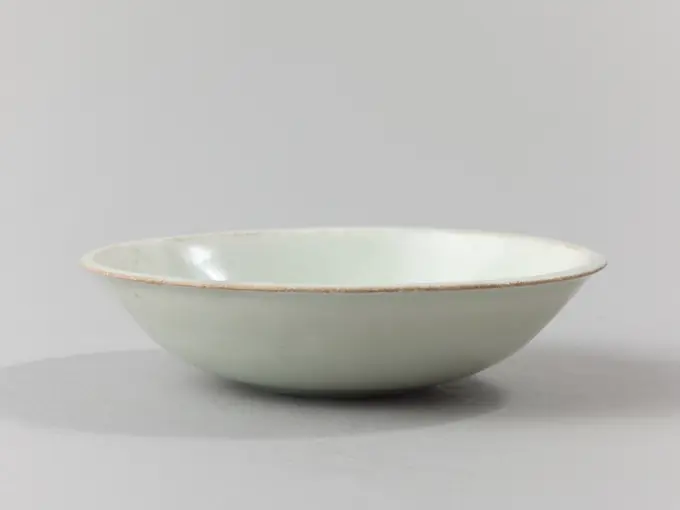
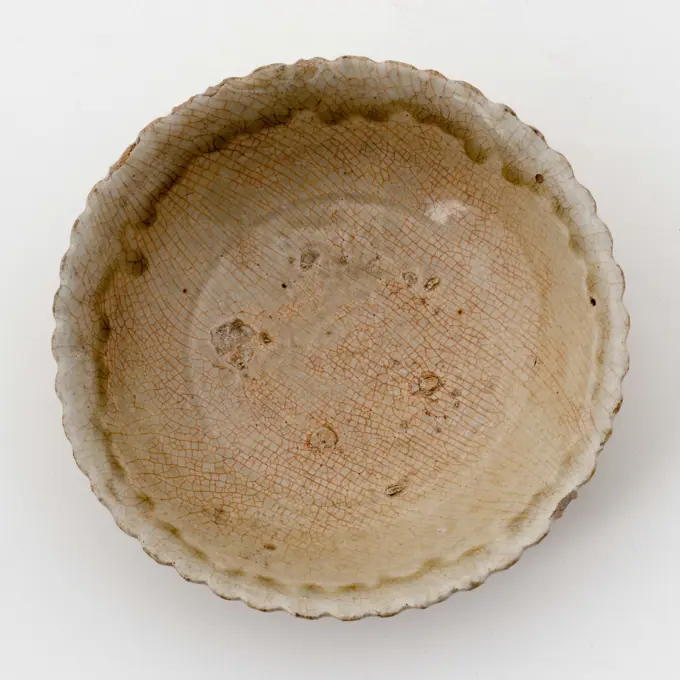
Cup. Qingbai covered porcelain. Paris, Cernuschi museum. 78846-2 Asian art, old ceramic, cut, cup, covered, email, porcelain, container, terracotta emaillee
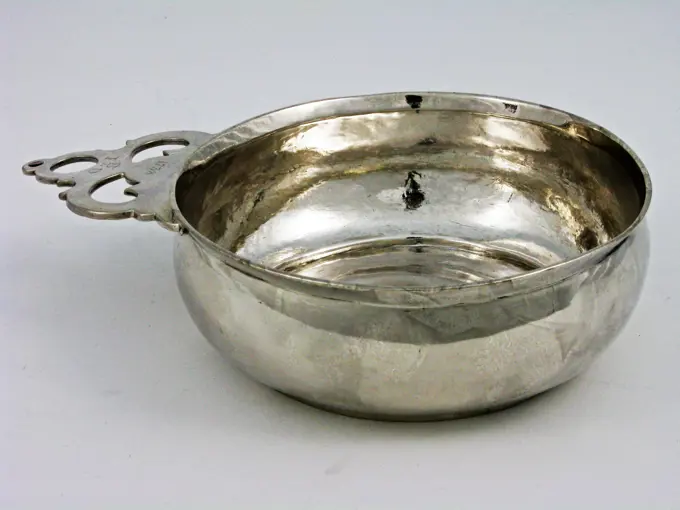
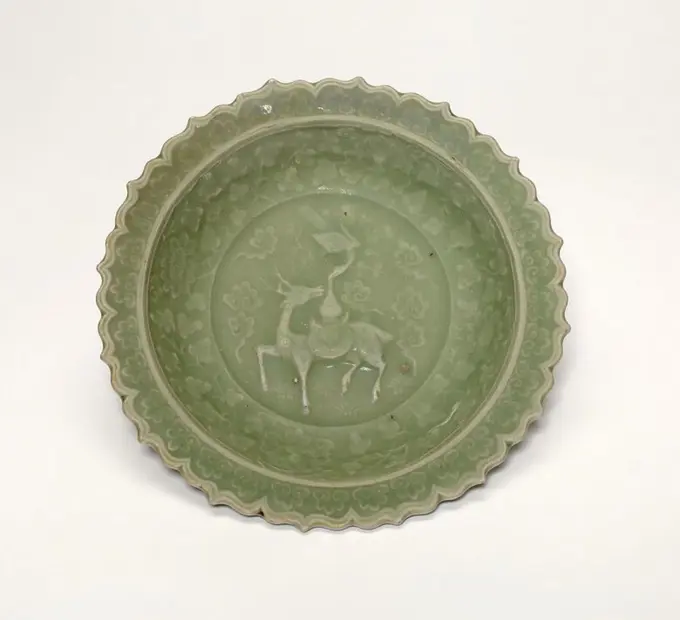
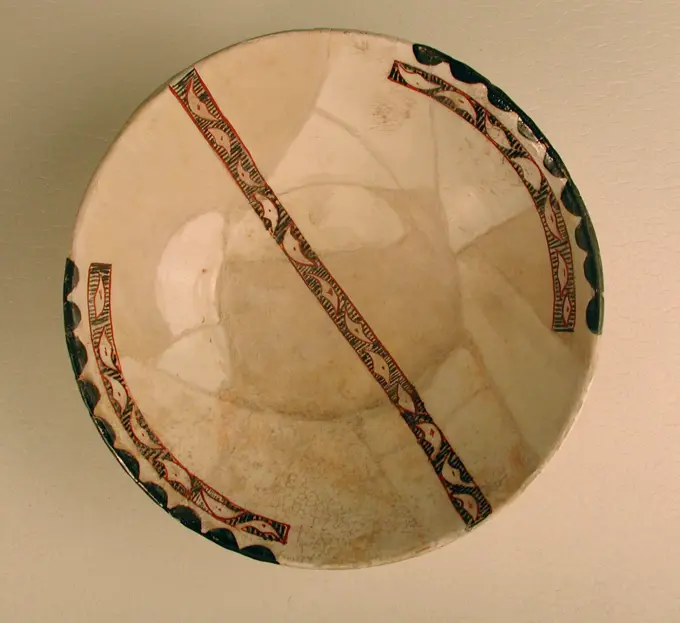
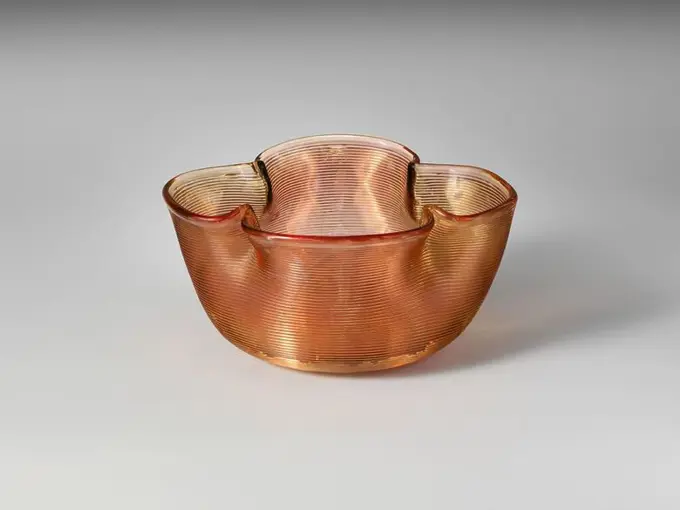
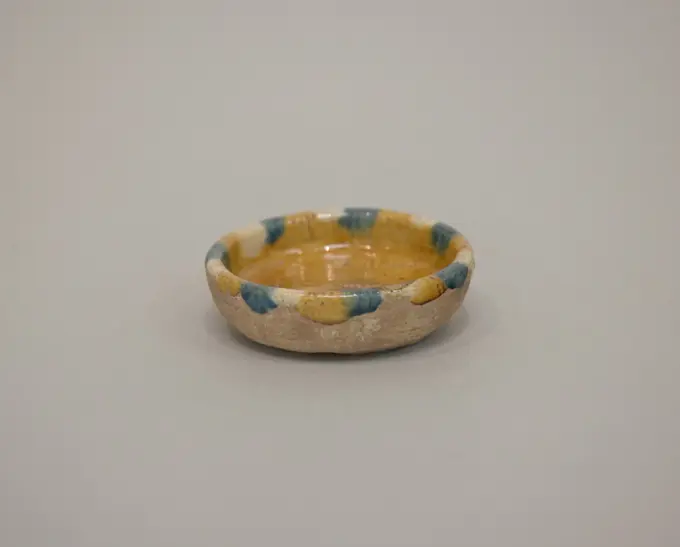
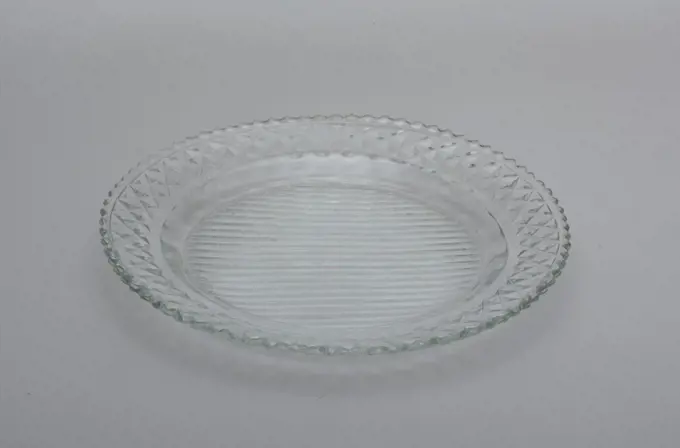
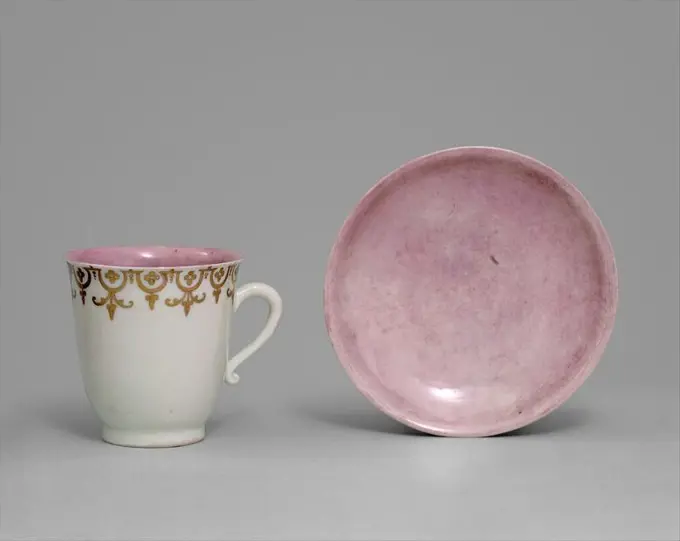
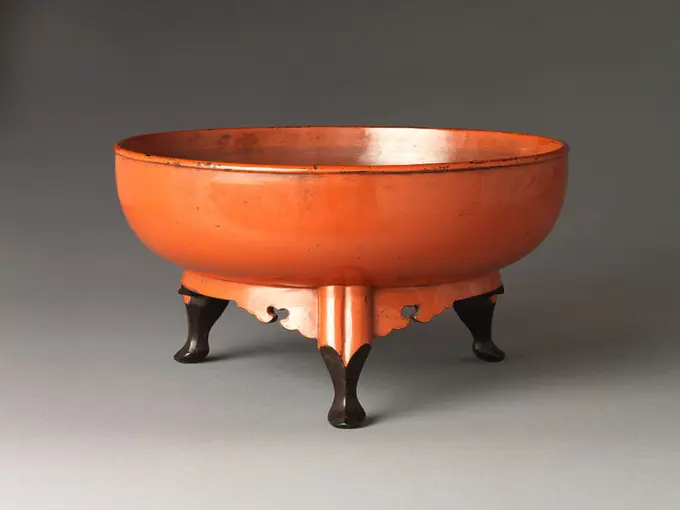
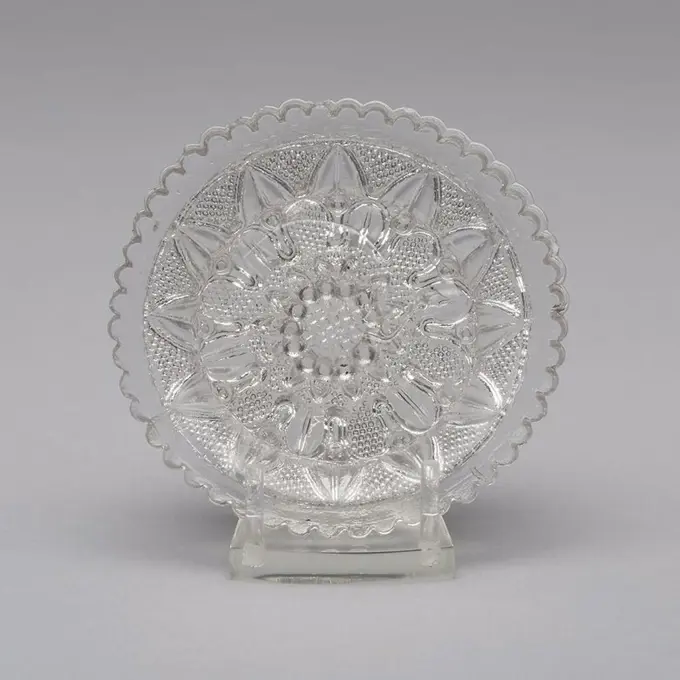
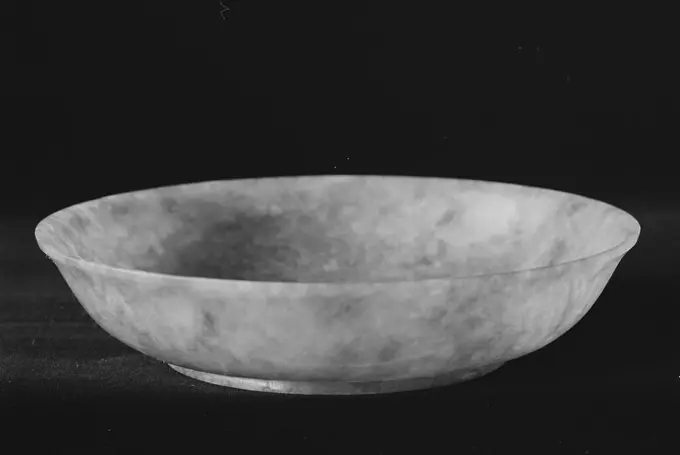
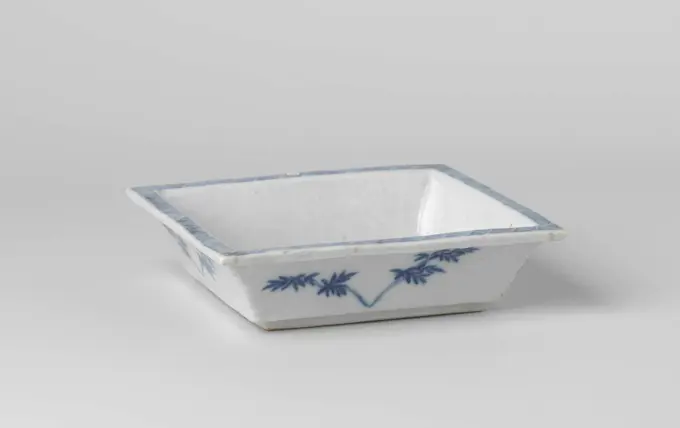
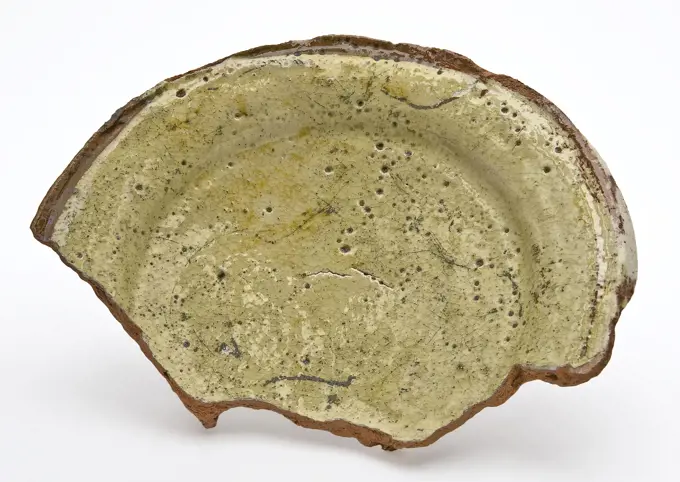
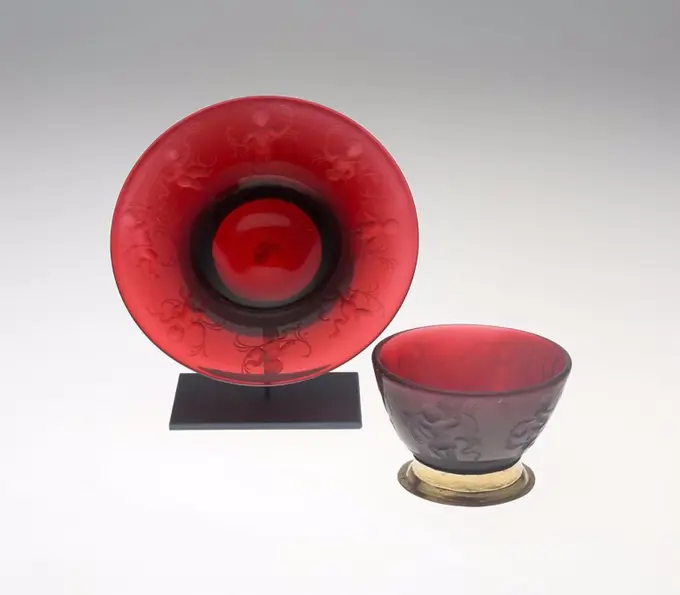
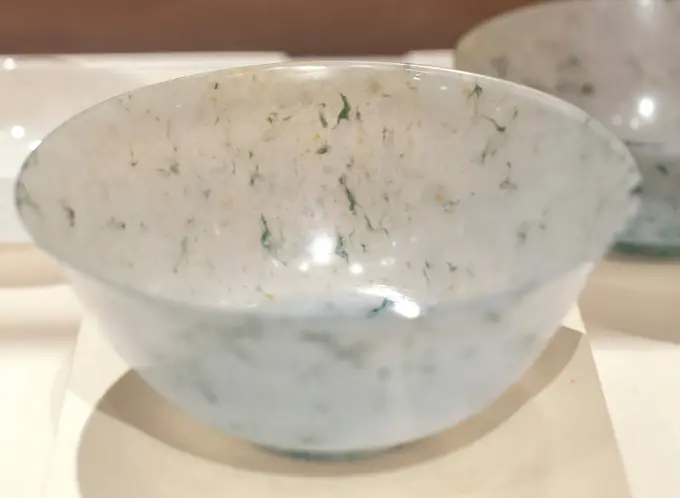
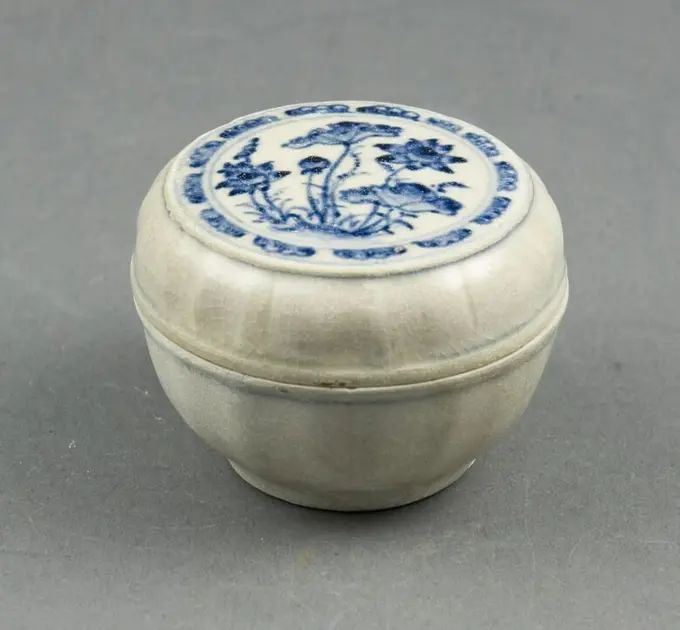
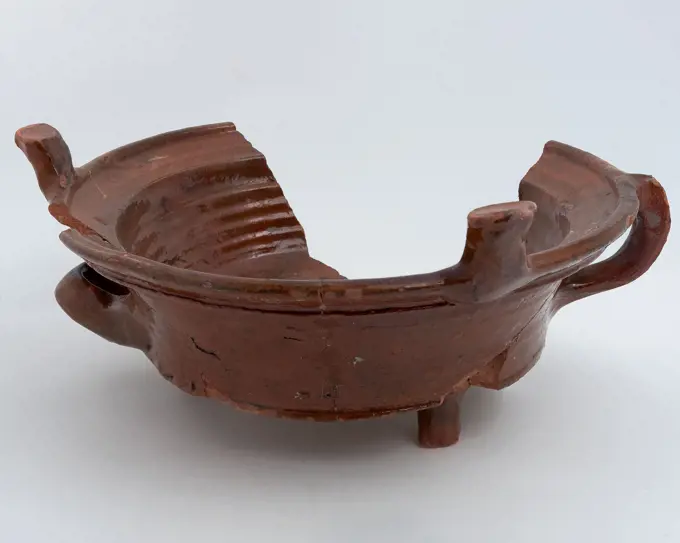
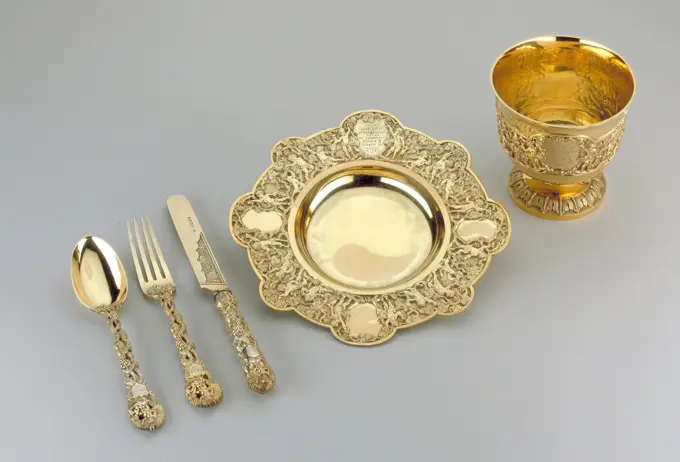
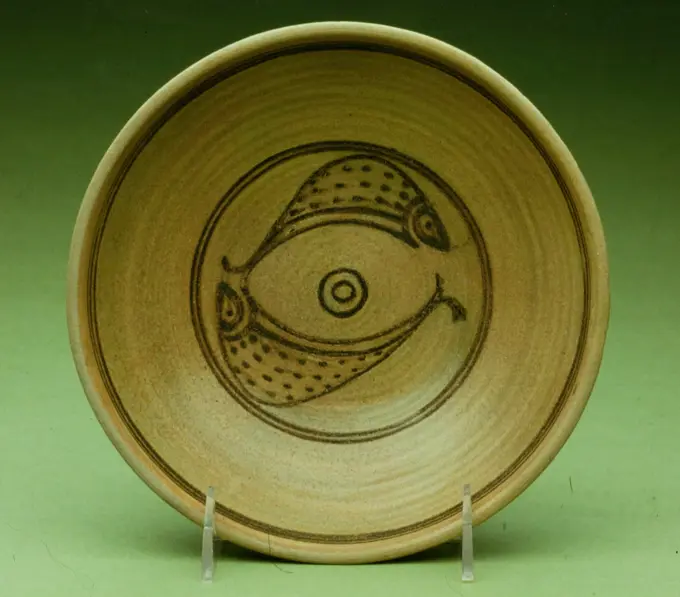
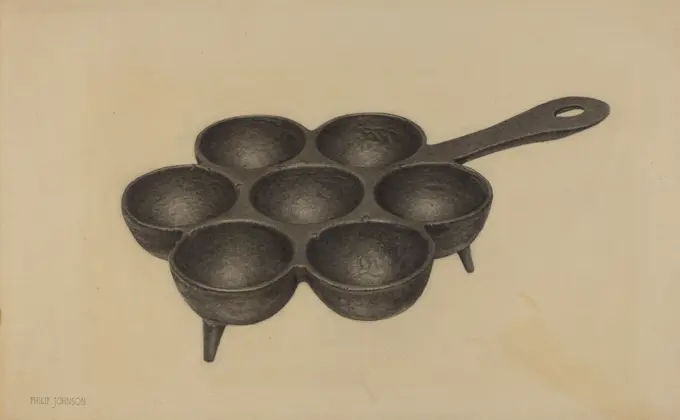
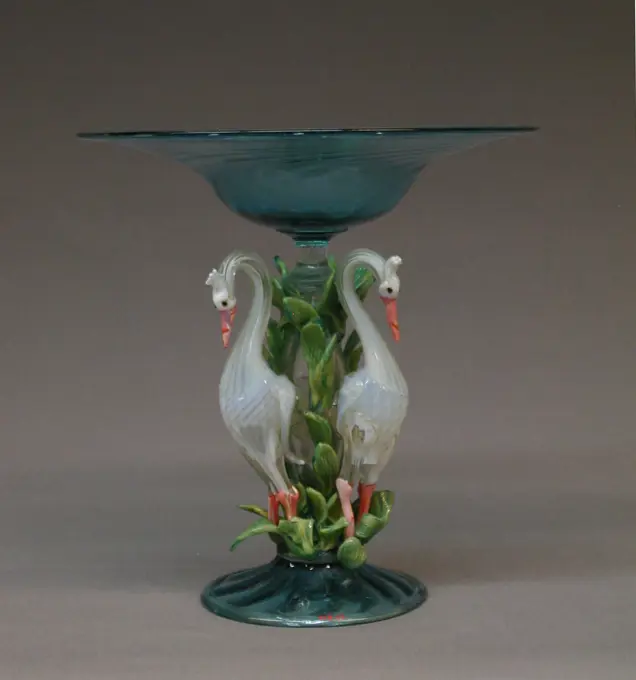
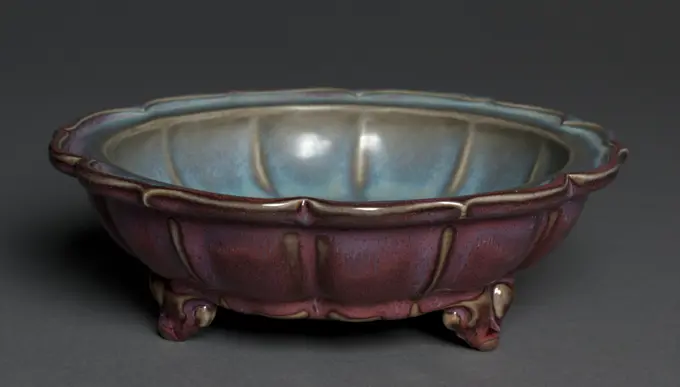
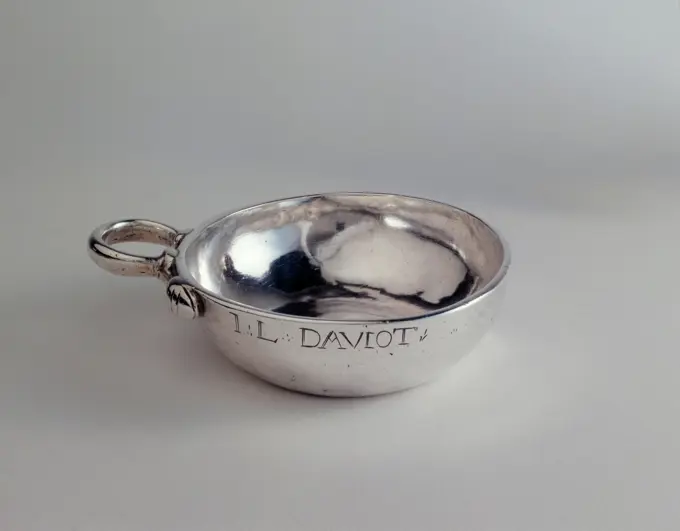
Leerer Keramikteller auf einem monochromen braunen Hintergrund Empty ceramic plate on a monochrome brown background. Empty plate with cutlery on a dining table LicenseRF Copyright: xZoonar.com/TetianaxChernykovax 23279139Dish from V.O.C.-ship De 'Witte Leeuw', Anonymous, Before 1613  Saucer from V.O.C. ship the 'Witte Leeuw', 80  present; Parts of the wall are missing. Large dish with a flat edge, a accolade -shaped lip, and an unglazed bottom; Decorated in underlaze blue. In the flat a mytholgic animal in a pine in a water landscape with stylized clouds, while a large bird comes flying. The show is surrounded by a accolade -shaped bond with geometric motifs. On the wall and edge narrow and wide fields with - very carefully painted! - Happiness symbols and flowering plants. The shard is glassy white and has little ingrained dirt. The glaze is blue tinted. The foot ring is V-shaped, faceted and stands inside. Little oven sand was found. The lip is scooped. Jingdezhen porcelain. bone china (material). glaze   Sint-HelenaPorringer ca. 1738 John Brevoort. Porringer. American. ca. 1738. Silver. Made in New York, New York, United StatesFoliate Dish with Crane and Deer Amid Clouds. China. Date: 1250-1299. Dimensions: H. 3.5 cm (1 3/8 in.); diam. 15.2 cm (6 in.). Longquan ware; celadon-glazed stoneware with underglaze mold-impressed decoration. Origin: China. Museum: The Chicago Art Institute, Chicago, USA.Small Bowl (Wan). China, Jiangxi Province, Jingdezhen, Chinese, Qing dynasty, Yongzheng mark and period, 1723-1735. Furnishings; Serviceware. Wheel-thrown porcelain with red glazeSalver.   Maker: William Taylor, American, active ca. 1775-80Bowl 10th century This bowl exhibits the same brilliant white ground and restraint of decoration as the fine inscriptional pieces from Nishapur. The somewhat daring compositional device of a band--commonly featuring an inscription, but seen here with abstract decorationproceeding across the center from edge to edge is also seen in other Nishapur wares.. Bowl 449432Plate (one of a set of two of graduated size) 1771-72 Edme-Pierre Balzac. Plate (one of a set of two of graduated size). French, Paris. 1771-72. Silver. Metalwork-SilverCup and Saucer with Raised Gotzkowsky Flower Pattern Cup; Manufactured by Meissen Porcelain Factory (Germany), Meissen Porcelain Manufactory (Germany); porcelain, vitreous enamel, goldFinger Bowl. Culture: American. Dimensions: H. 2 1/2 in. (6.4 cm); Diam. 5 1/8 in. (13 cm). Maker: Possibly Boston & Sandwich Glass Company (American, 1825-1888, Sandwich, Massachusetts). Date: 1880-88. Museum: Metropolitan Museum of Art, New York, USA.Minature dish 8th century China. Minature dish. China. 8th century. Earthenware with polychrome glaze (Sancai ware). Tang dynasty (618-907). CeramicsTrief, belonging to a bowl, round, with green edge and golden Greek band.Torso or Pottery, Belonging to a Bowl, Round, With Green Edge and Golden Greek Band.Cloches (dish covers), coolers, soup tureens, sauceboats, salt cellars, pepper and mustard pots, Jean Baptiste Claude Odiot, c. 1819 Dish, Empire, of gilded silver with narrow palmetrand. With accompanying high-vaulted lid of gilded silver (BK-17031-A-1). Paris silver (metal). gilding (material) gilding Dish, Empire, of gilded silver with narrow palmetrand. With accompanying high-vaulted lid of gilded silver (BK-17031-A-1). Paris silver (metal). gilding (material) gildingPlate, glass, Round with prismatic cutting under center, faceting at cavetto, diamond band around rim and notched border, Europe, ca. 1810-20, glasswares, Decorative Arts, PlateCup and saucer. Culture: German, Meissen. Dimensions: Height (cup .83): 2 3/4 in. (7 cm); Diameter (saucer .84): 4 1/2 in. (11.4 cm). Factory: Meissen Manufactory (German, 1710-present). Factory director: Böttger Period (1713-1720). Date: 1717-20.The Meissen factory, established outside Dresden in 1710, was the first in Europe to discover the formula for hard-paste porcelain. This coffee cup with saucer is one of the earliest manufactured at Meissen. It is decorated with a metallic luster glaze in the interior of both the cup and the saucer. The gold content of this glaze, which produced the pearly iridescence, made it an expensive type of decoration, underscoring the high status of coffee drinking. Museum: Metropolitan Museum of Art, New York, USA.Bowl with Three Scalloped Feet. Culture: Japan. Dimensions: Diam. 16 7/8 in. (43 cm). Date: 16th century. Museum: Metropolitan Museum of Art, New York, USA.Pair of Circular Platters 1809-1819 Paris. These platters for the dining table are part of a vast service made for Emperor Napoleon Bonaparteís sister Pauline on the occasion of her marriage to the Roman nobleman Camillo Borghese, Sixth Prince of Sulmona.. Silver gilt . Martin-Guillaume BiennaisRed earthenware frying pan with hollow handle set, casserole dishes holder kitchen utensils earthenware ceramics earthenware glaze lead glaze, handle 35.4 hand-turned glazed baked earthenware baking pan with hollow handle. Red shard partly glazed on the inside. Sloping edge. Slightly convex soil archeology Poortugaal Albrandswaard indigenous pottery baking frying cooking kitchen food preparation nutrition Soil discovery Poortugaal hofterrein pit XIV.N and slot 5.Tin plate on lens base, marked, plate crockery holder soil find tin metal, cast Tin plate with rose mark on the rim. Flat edge protruding groove at the end. Half round or lens bottom. Marked on the edge at the bottom and the top Use traces: scratches on the top but also on the bottom. The crack in the edge is updated mark on top edge: crowned Tudor rose with crown archeology serving foodBowl, Favrile glass, Transparent ruby red with interior of slightly milky multicolor iridescence giving lavender and greenish-blue effect; spiral pattern; deep bowl; flaring rim., USA, ca. 1900, glasswares, Decorative Arts, BowlBumpy empty ceramic plate on a textured concrete background. Kitchen utensil itemCup and Stand (stand), 1100s. China, Southern Song dynasty (1127-1279). Glazed porcelain; diameter: 14 cm (5 1/2 in.); overall: 4 cm (1 9/16 in.). The kilns of Jingdezhen in Jiangxi province produced an extremely delicate porcelain made from the local resources of kaolin (white China clay) and petuntse (a feldspathic rock called china stone). It is glazed with a clear bluish-white glaze, thus the name qingbai ("blue-white") or yingqing ("shadowy blue") for this type of ware.Bowl ca. 3rd-7th century A.D. Sasanian. Bowl 322748Water Dropper in the Form of a Ring. Korea, Korean, Joseon dynasty (1392-1910), 18th century. Tools and Equipment; water droppers. Slab-built porcelain with underglaze blue painted decoration and clear glaze (ch'onghwa paekja ware)Bowl - Dion Pottery Dion PotteryCup plate. American; Midwest. Date: 1830-1835. Dimensions: diam. 8.1 cm (3 3/16 in.). Pressed glass. Origin: Midwest. Museum: The Chicago Art Institute, Chicago, USA.Toy dinner plate - Georgeville D'après Francis Morley, 1845-1850Saucer-Shaped Dish. Culture: China. Dimensions: H. 1 1/8 in. (2.9 cm); W. 5 1/4 in. (13.4 cm). Museum: Metropolitan Museum of Art, New York, USA.A gold ornamental plateBasket, 1785, John Hutson, English, 5 3/16 x 13 1/4 x 9 11/16 in. (13.18 x 33.66 x 24.61 cm) (including handle), Silver, England, 18th centuryDessert scale, with relief of grapes and leaves. Dessert scale of pottery, cream colored. The flat with relief of grapes and leaves. The edge is equipped with fifteen notches on the outside, the top of the edge is divided into compartments by means of relief products.Tub -shaped cooling barrel on three legs, anonymous, c. 1600 - c. 1650 The object composed of many parts consists of a cockpit placed in three (!) Legs with two handles. The cast legs have the shape of a lion's head on a claw leg, the cast handles are both executed as two each other inaugurating snakes, whose heads rest on the edge of the tub. De Kuip is composed of twenty POOLS. They are held together by three pairs of tires, the ends of which have been developed with copper wire. The Einden are placed in such a way that those from the lower and upper few tires are located at the height of the leg under the center of the tub wall between the two handles, and the end of the middle tire paaar on the center of the other wall of wall. Vertical strips have been applied on the outside of the tub on the duignads insofar as it concerns the part between the lower and the middle tire pair. Netherlands brass (alloy) casting The object composed of many parts consists of a cockpit placed in three Onyx Bowl 6th-10th century Mexican. Onyx Bowl 310448Square jardinière and stand with river landschapes.Subdecast of square jardinière of porcelain, painted in underglaze blue. On the wall of the dish bamboo branches; The edges with arrearing. Blue White.Sauce Dish after 1883 Probably New England Glass Company. Sauce Dish 7191Ceramic plates isolated on a white backgroundBowl 8th-10th century Mimbres. Bowl 310578For a long time;  20th century (1920-00-00-1930-00-00);wooden plate isolated on white background with clipping pathPair of chambersticks with snuffers, Silver, Short silver candle holder with tray, thumb loop handle and conical snuffer with bead finial., London, England, 1758, metalwork, Decorative Arts, Pair of chambersticks with snuffersPainted decorated bowl with a prowling feline in foliage. Dated 13th CenturyLarge dish, Porcelinfabriek aan den Amstel, c. 1810  Big dish. Netherlands porcelainSmall earthenware dish or salt plate on stand fins, dish crockery holder soil find ceramic earthenware clay engobe glaze lead glaze, hand-turned glazed fried Three pinched stand fins. Red earthenware with front with yellow sludge Front glazed back here and there stain. Small dish or salt-scale archeology Rotterdam serving railway tunnel Soil discovery: rail tunnel Rotterdam.Cup 1736-95 Chinese. Cup 2821Close-up of folding fans in a basketLow footed bowl with central medallion of the winged lion of St. Mark in colored enamels first half 16th century Italian, Venice (Murano). Low footed bowl with central medallion of the winged lion of St. Mark in colored enamels 193534CUENCO VIDRIADO-PINTADO EN AZUL Y VERDE-ARTE POPULAR S XX. Location: ALFARERIA. FAJALAUZA. GRANADA. SPAIN.Dish with Lotus, Peonies, and Stylized Leaves 960 CE-1279 China. Ding ware; porcelain with underglaze mold-impressed decoration; copper rim .Cup and Saucer. Potsdam, Berlin, Germany. Date: 1705-1715. Dimensions: Cup: 4.8 × 7.3 cm (1 7/8 × 2 7/8 in.); saucer: 2.7 × 12.1 cm (1 1/16 × 4 3/4 in.). Blown ruby glass with engraved decoration and silver gilt mounts. Origin: Berlin. Museum: The Chicago Art Institute, Chicago, USA.Dish, multi -colored painted with Deutsche Blumen, Insekten and Fruits, Meissener Porzellan Manufaktur, c. 1750 - c. 1760 Oval scale of painted porcelain. The scale has a vaulted lid and two angled ears. The lid has a button in the shape of a flower. The scale is decorated with Deutsche Blumen, Insects and Fruits. The scale is part of a service (BK-17474-1 to BK-17474-253). The scale is marked. Float porcelain Oval scale of painted porcelain. The scale has a vaulted lid and two angled ears. The lid has a button in the shape of a flower. The scale is decorated with Deutsche Blumen, Insects and Fruits. The scale is part of a service (BK-17474-1 to BK-17474-253). The scale is marked. Float porcelainEmpty copper tray on a white background. With clipping pathDishCreamset.   Maker: Lester Howard Vaughan, American, 1889-1961Kuipzoor cooler on three legs. The object composed from many parts consists of a two-handles places placed on three (!) Paws. The molded legs have the shape of a lion head on a claw paw, the cast handles are both designed as two sprinkling hoses, whose cups on the edge of the tub rest. The tub is composed of twenty ones. They are held together by three pairs of tires, the ends of which have been developed with copper wire. The ends are placed in such a way that that of the lower and upper pairs of tires are correct at the height of the leg under the center of the tub wall between the two handles, and the end of the middle tire pendants on the center of the other wall half. On the outside of the tub, vertical strips are applied to the Duignads as far as it is part between the lower and the middle tire pair.Bowl, 18th century, 2 3/4 x 6 5/8 x 6 5/8 in. (6.99 x 16.83 x 16.83 cm), Jadeite, China, 18th centuryToy serving plate - Spode SpodeTray.   Maker: Paul Revere, American, 1735-1818Kop, multicolored painted with water landscapes in saved four passes in an Oranjerode Fond, Meissener Porzellan Manufaktur, c. 1735 Head without ear, from painted porcelain. The head is covered with an Oranjerode Fond, in which accolade -shaped four passes are saved with (water) landscapes with European figures, sometimes with bales and ships. The head is marked. Float porcelain Head without ear, from painted porcelain. The head is covered with an Oranjerode Fond, in which accolade -shaped four passes are saved with (water) landscapes with European figures, sometimes with bales and ships. The head is marked. Float porcelainBowl probably ca. 1758-59 Lowestoft An example of one of the earliest patterns of the Lowestoft factory. The anonymous painter of the Chinese landscape put his number, 6, on the inside of the foot ring.. Bowl 204803Minature Covered Box with Plant Motif. Vietnam, near Hoi An, Offshore. Date: 1401-1500. Dimensions: 4.8 × 6.7 × 6.7 cm (1 15/16 × 2 5/8 × 2 5/8 in.). Glazed stoneware with cobalt-blue underglaze. Origin: Vietnam. Museum: The Chicago Art Institute, Chicago, USA.Plate with a stylized pelican and fish, anonymous, c. 1725 - c. 1749 Porcelain plate, painted on the glaze in blue, red, pink, green, black and gold. Plat a stylized pelican with fruit branches and clouds, around it a decorative band; The edge with five times alternately a pelican and a fish against a ground from servetwork. A crack in the wall and bottom. Famle Rose. China porcelain. glaze. gold (metal) painting / gilding / vitrification Porcelain plate, painted on the glaze in blue, red, pink, green, black and gold. Plat a stylized pelican with fruit branches and clouds, around it a decorative band; The edge with five times alternately a pelican and a fish against a ground from servetwork. A crack in the wall and bottom. Famle Rose. China porcelain. glaze. gold (metal) painting / gilding / vitrificationFragment of earthenware stain, red shard, fully glazed, two ears, three supporting legs, on three legs, stain soil found ceramic earthenware glaze lead glaze, hand-turned glazed baked earthenware stain red shard fully glazed single vertical bandoor and one horizontal sausage door three supporting legs on the upper edge on three legs archeology Rotterdam Stadscentrum Stadsdriehoek Oudehaven indigenous pottery food preparation cooking food kitchen heating Soil discovery Oude Haven Rotterdam."LEBRILLO"VIDRIADO - S XX ARTE POPULAR. Location: ALFARERIA. CASTELLAR DE SANTIAGO. CIUDAD REAL. SPAIN.Lid for a Teapot with Cherry Blossoms, c. 1893-1914. Seifū Yohei III (Japanese, 1851-1914). Porcelain with underglaze blue;Cup ". GRS Covered Ivory Reflections Green. Paris, Muse Cernuschi. Coupe Asian art, extreme-East art, Vietnamese art, ceramic, cut, gres, dishesCup (part of a service) 1743-59 Capodimonte Porcelain Manufactory The gift of the Hans Syz Collection in 1995 endowed the Museum with nearly three hundred examples of European and Asian ceramics meticulously acquired by Swiss-born collector Dr. Syz (1894-1991) to chart the migration of models and patterns from East to West. Documenting a continuous process of influence and adaptation, these pieces provide a discriminating review of the nuances of stylistic change resulting from three centuries of trade.. Cup (part of a service) 208505Dish 11th-12th centurySoup plate - Inconnu / UnknownPlate; Koenigliche Porzellan Manufaktur (KPM; Berlin; 1763-1918); 1870-82 (1823-00-00-1832-00-00);JARRITA Y PATENA DE EL GALLITO(VISIGODO; DEPOSITO: MUSEO ARQUEOLOGICO NACIONAL).Cock by Pablo Picasso, painted ceramic, 1881-1973Wine glass, one of a set of twelve, 1780-1800, 5 x 2 5/8 x 2 5/8 in. (12.7 x 6.67 x 6.67 cm), Green glass, England, 18th-19th centuryEmpty ceramic plate on dark textured concrete background. Cutlery on the kitchen tableGreek civilization, patera in bronze with embossed decoration. From OlympiaGarlic Pestle and MortarCAZUELA DE BARRO CON VIDRADO INTERIOR - ARTE POPULAR S XX. Location: ALFARERIA. SPAIN.Empty round ceramic plate as an item of kitchen utensils on a textured concrete backgroundFork, Christening set, 1864-1865, George Adams, English (London), English, active 1840-1883, 7 1/4 in. (18.42 cm), Silver, gilt, England, 19th centuryWooden Salad or Chopping Bowl. Dated: c. 1938. Dimensions: overall: 25.3 x 38 cm (9 15/16 x 14 15/16 in.) Original IAD Object: 3 1/2" deep; 10 3/4" in diameter. Medium: watercolor and graphite on paperboard. Museum: National Gallery of Art, Washington DC. Author: Rex F. Bush.Sunkampaeng Dish, 14th century, 1 15/16 x 7 7/8 in. (4.92 x 20 cm), Earthenware, glaze, Thailand, 14th centuryPhilip Johnson, Muffin Pan, c 1938 Muffin PanTazza 19th century Italian, Venice (Murano). Tazza. Italian, Venice (Murano). 19th century. Glass. GlassAlhambra - Nasrid Palaces - Mexuar Palace - Fountain in the Patio del Cuarto Dorado . Granada. Spain.Hat 1850-70 American. Hat 98116Bulb Bowl, early 1400s. China, Henan province, Yuxian, Juntai, Ming dynasty (1368-1644). Porcelaneous stoneware, numbered Jun ware; diameter: 23.5 cm (9 1/4 in.); overall: 8 cm (3 1/8 in.).Bowl 1736-37 Edward Pocock. Bowl 197706Doll candlestick - F. K. Martin Löchner F. K. Martin LöchnerRugby ballDish. Maker, formerly attributed to: Semper Eadem, American, ca. 1760-1780Anonymous. "Taste-vin". Money. 18th century. Museum of Fine Arts of the City of Paris, Petit Palais. 74385-1 Silver, silverware, bottleneck, Tastevin