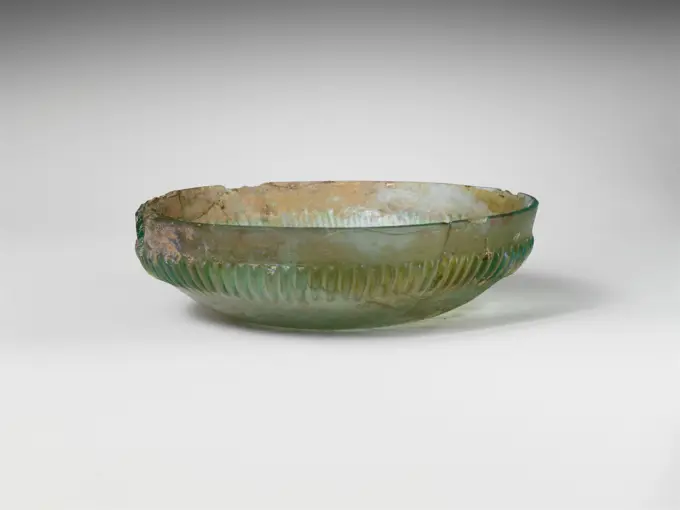
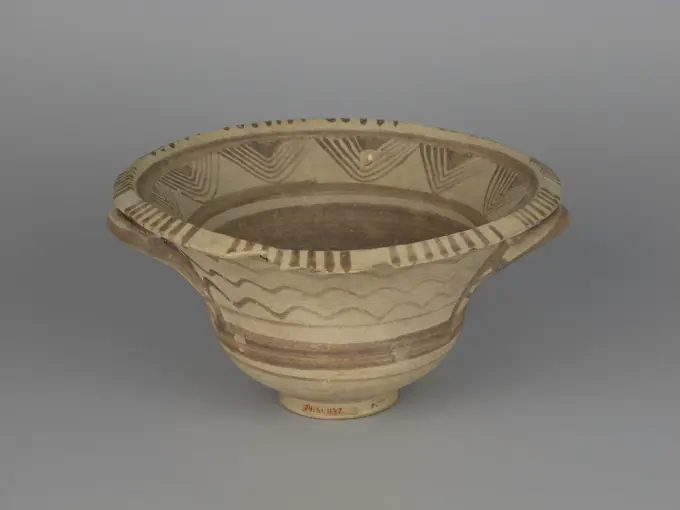
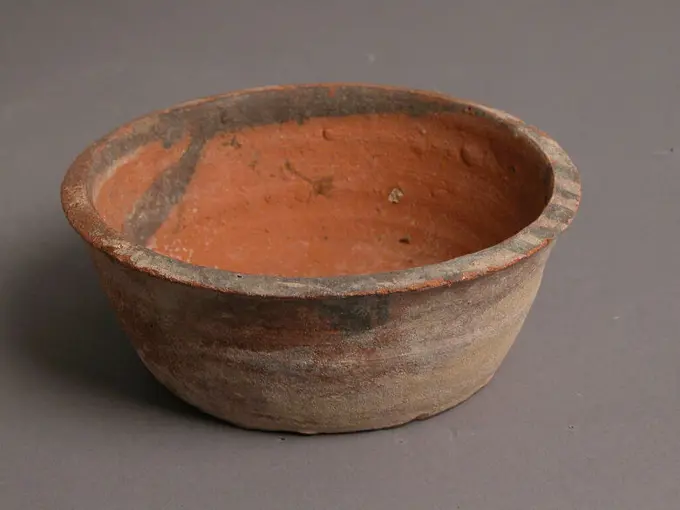
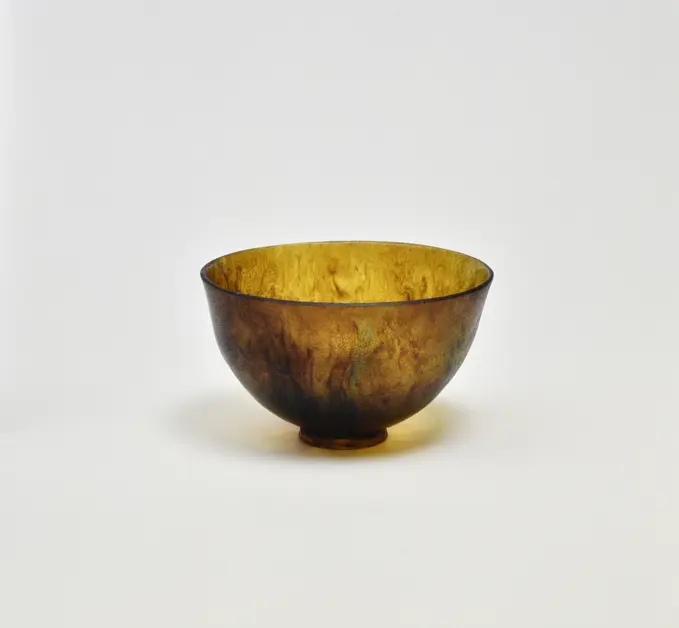
Ceramic Bowls And Dishes

A variety of decorative ceramic bowls, each featuring unique designs, glazes, and cultural artistry, from ancient to modern times.
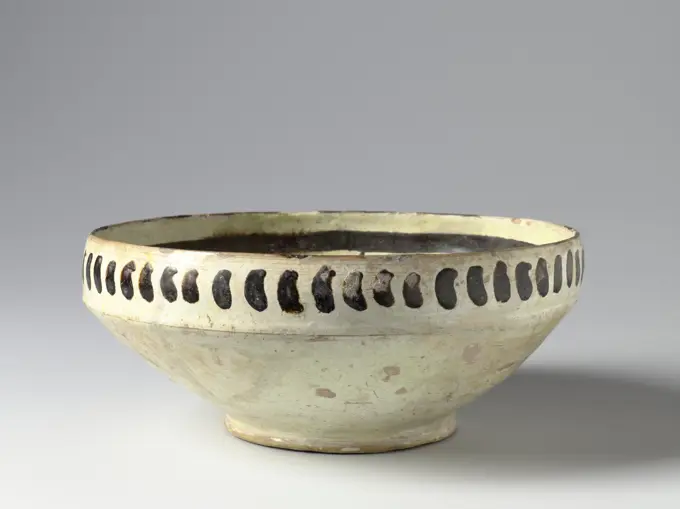
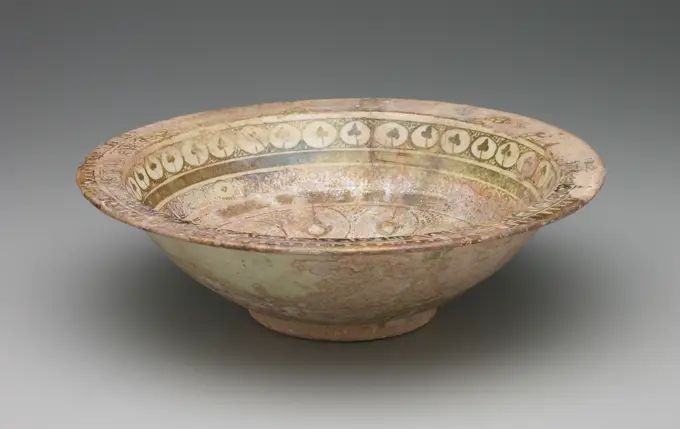
Bowl with a stylized bird and foliate scrolls, anonymous, c. 900 - c. 999 Come of earthenware with white sludge and a painting in black sludge under a transparent enamel. On the front a stylized bird surrounded by leaf vines. The outer edge with a decorative band. Nishapur (possibly) earthenware. glaze painting / vitrification Come of earthenware with white sludge and a painting in black sludge under a transparent enamel. On the front a stylized bird surrounded by leaf vines. The outer edge with a decorative band. Nishapur (possibly) earthenware. glaze painting / vitrification
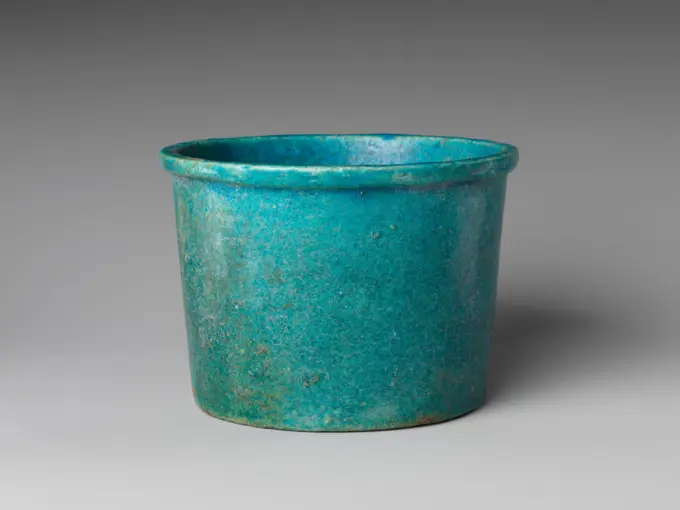
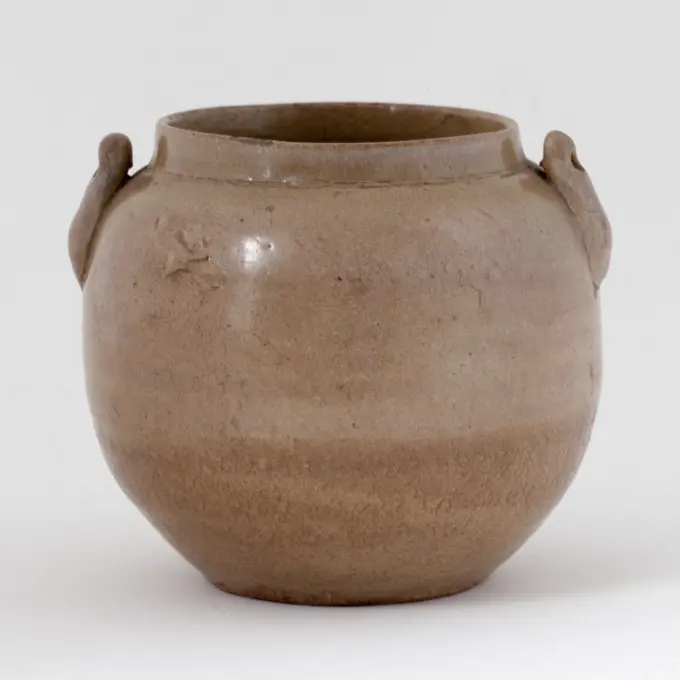
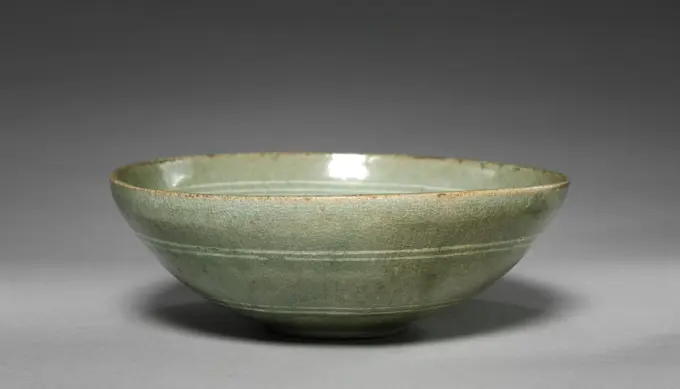
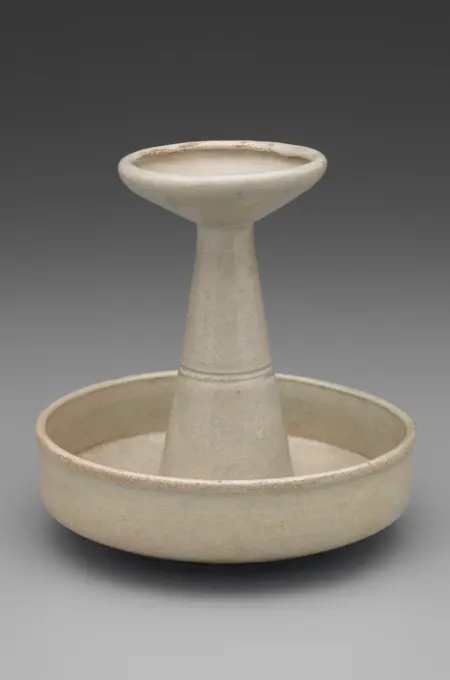
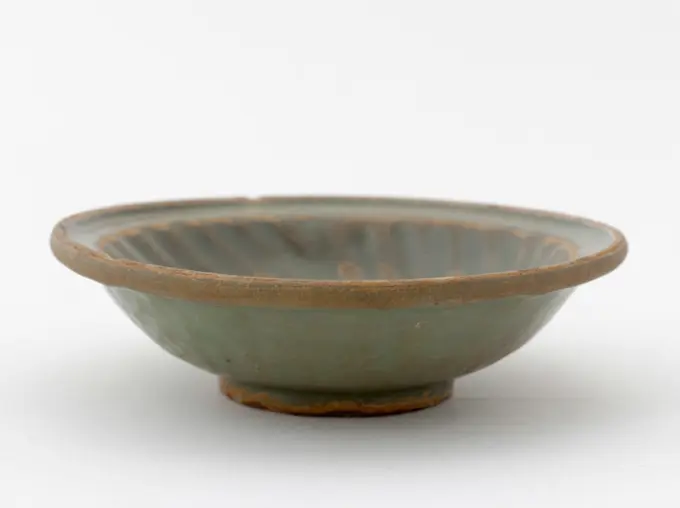
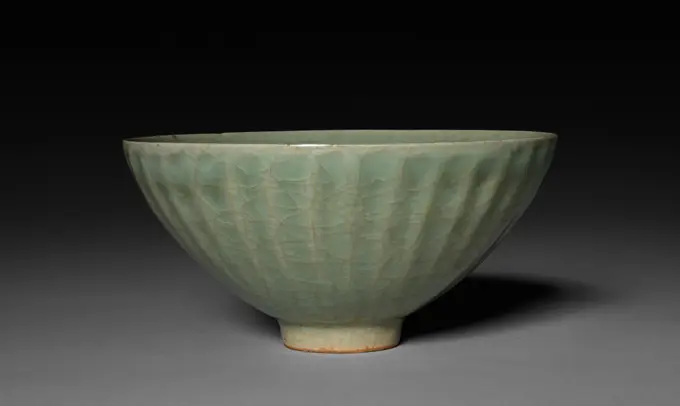
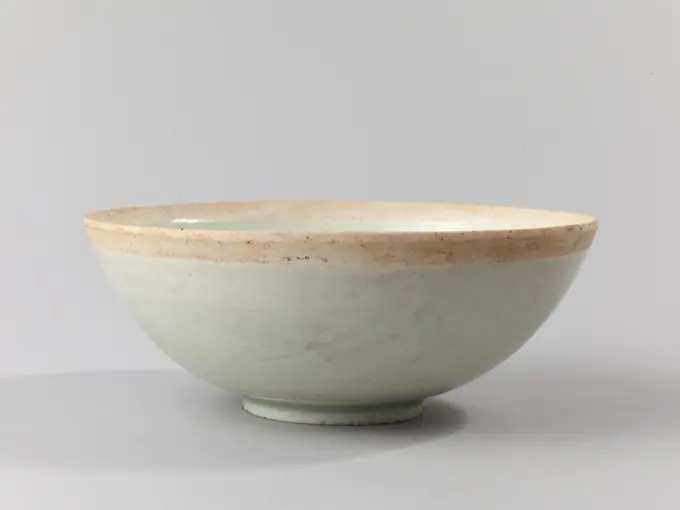
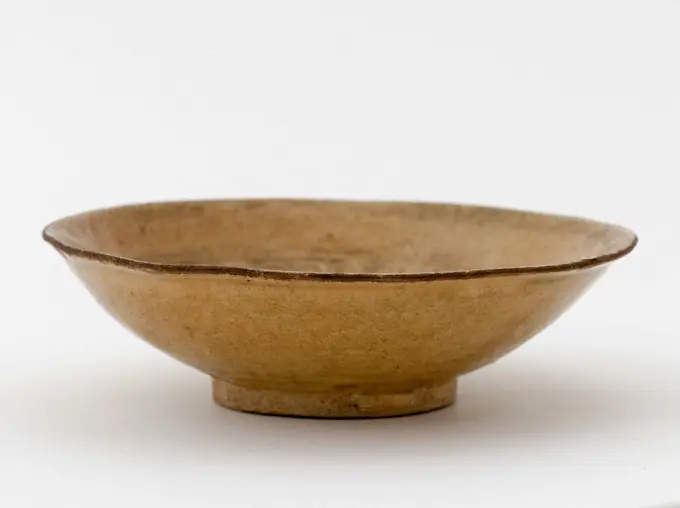
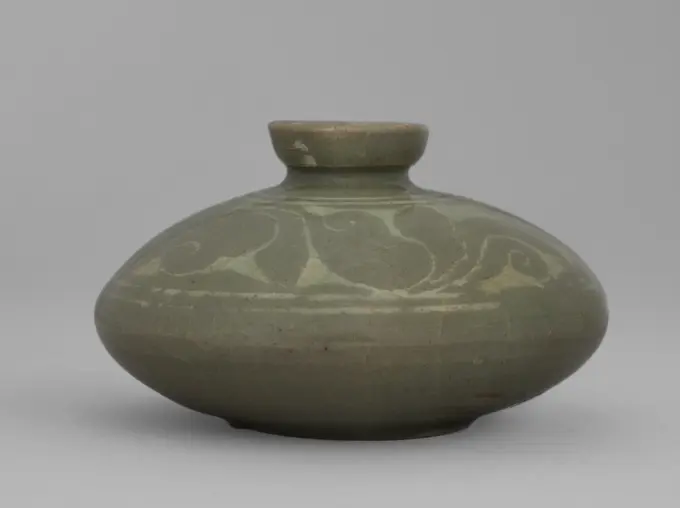
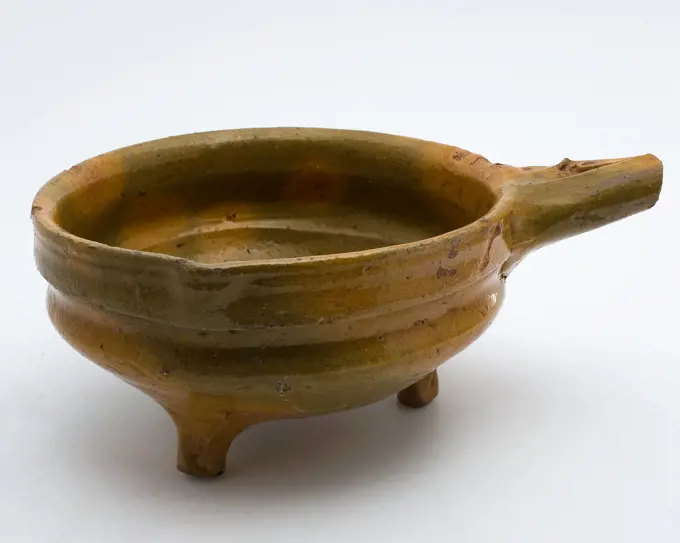
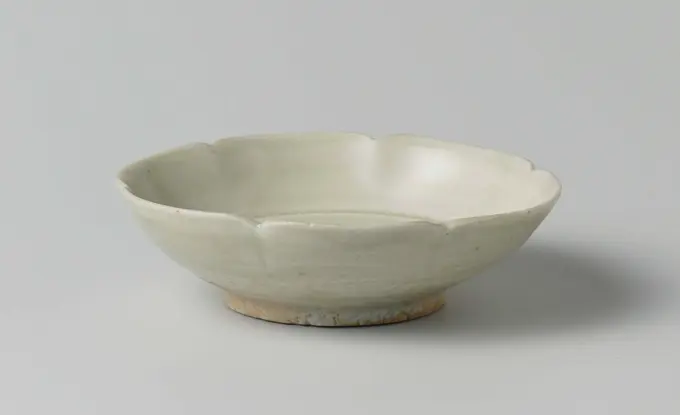
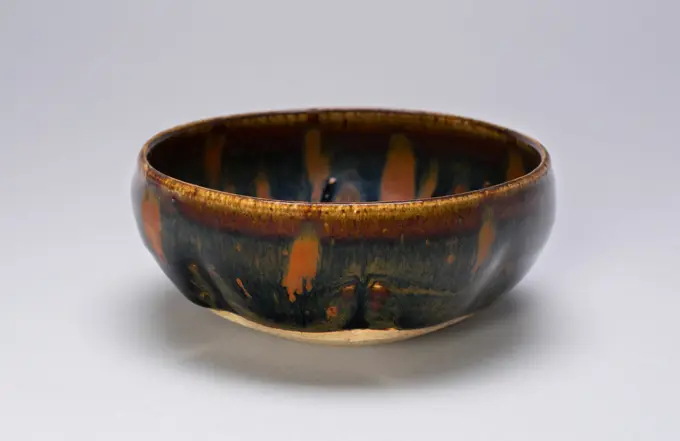
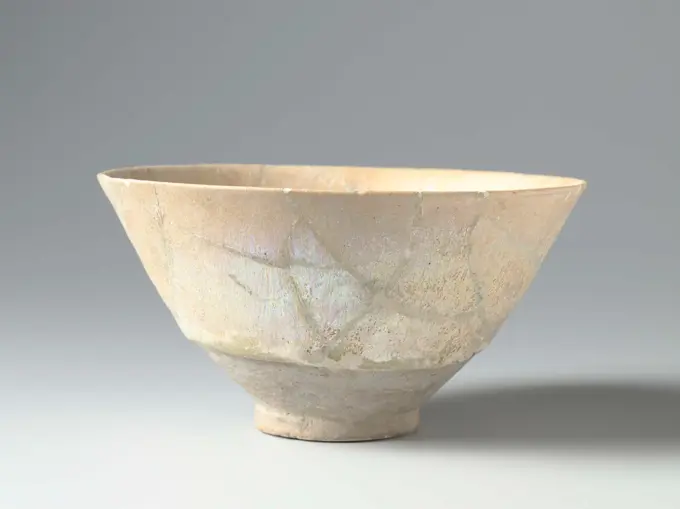
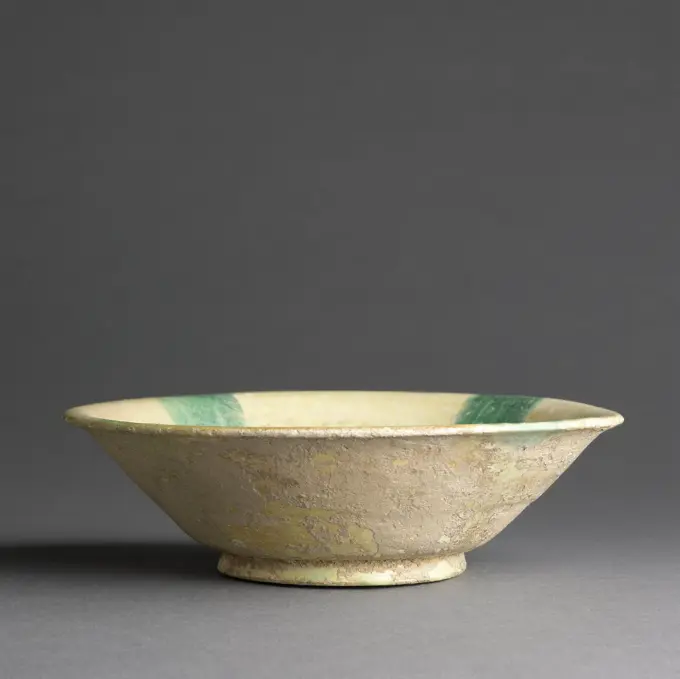
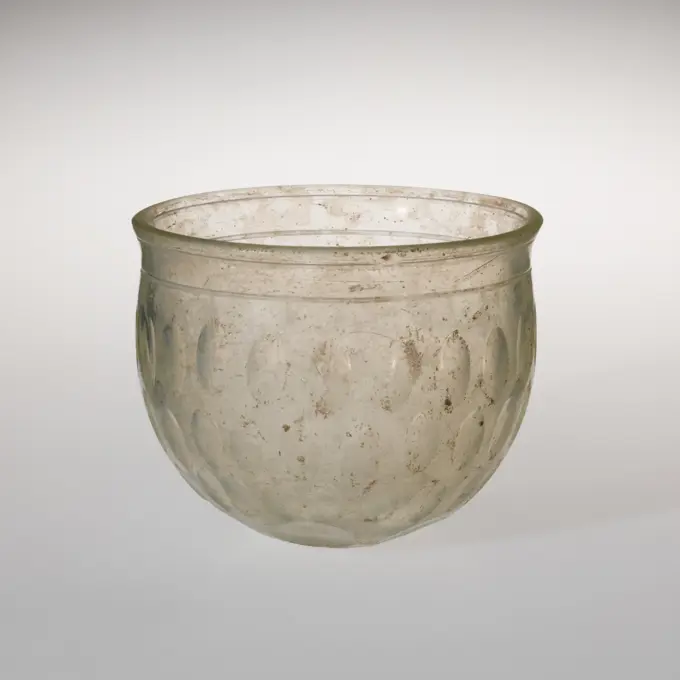
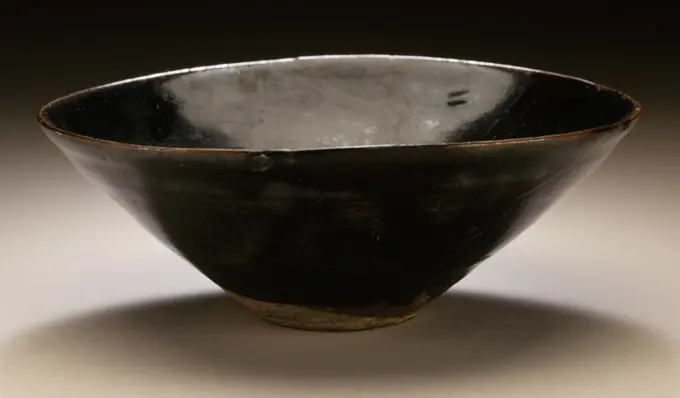
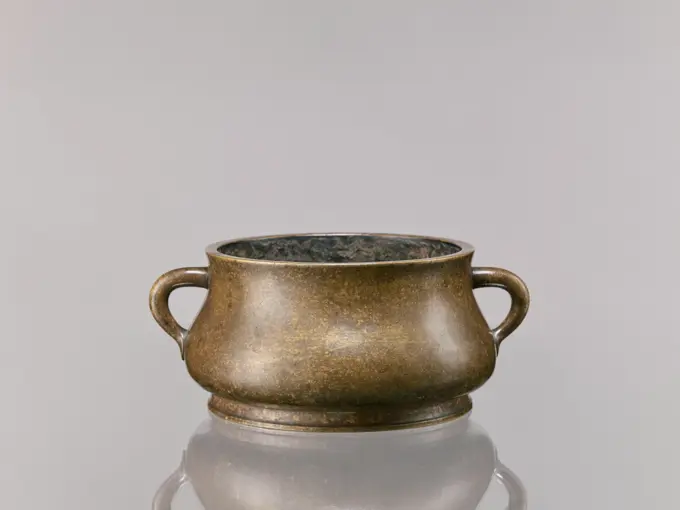
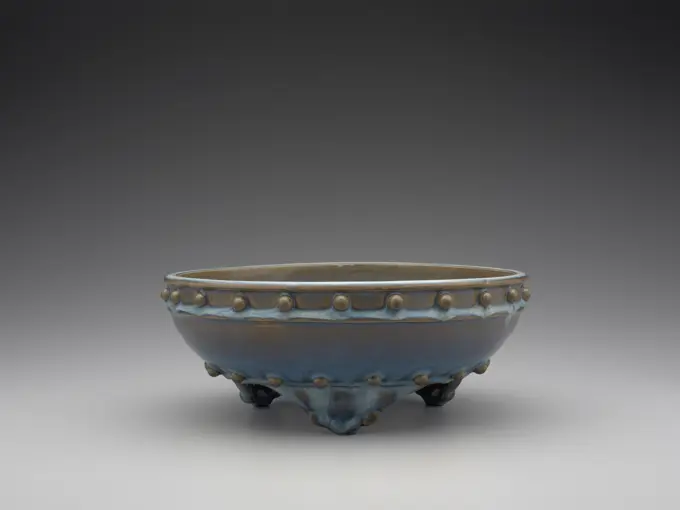
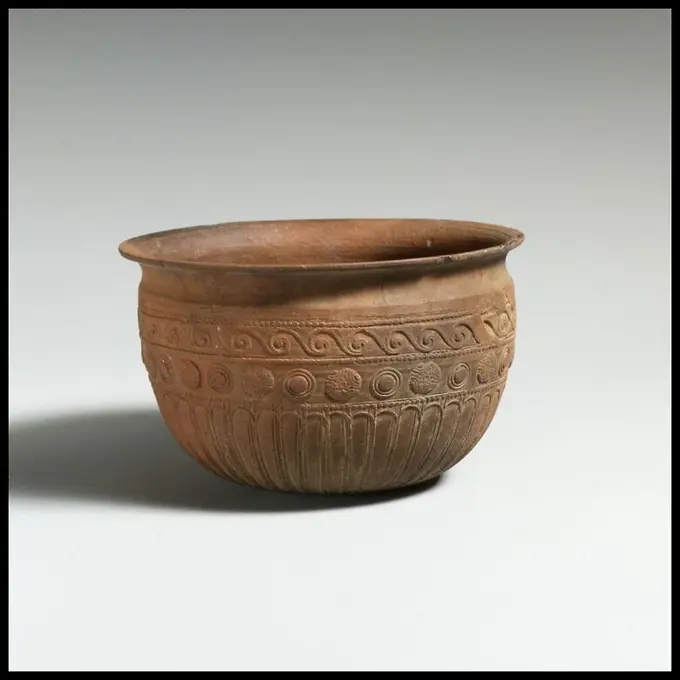
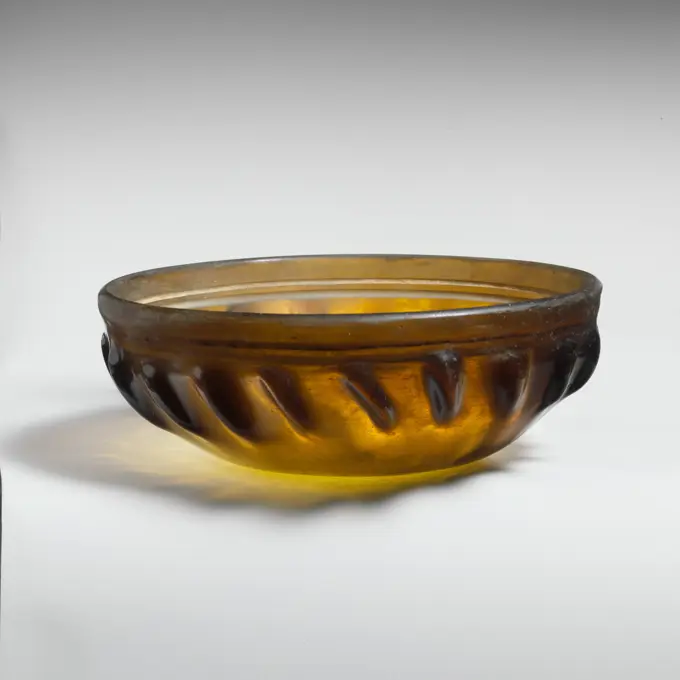
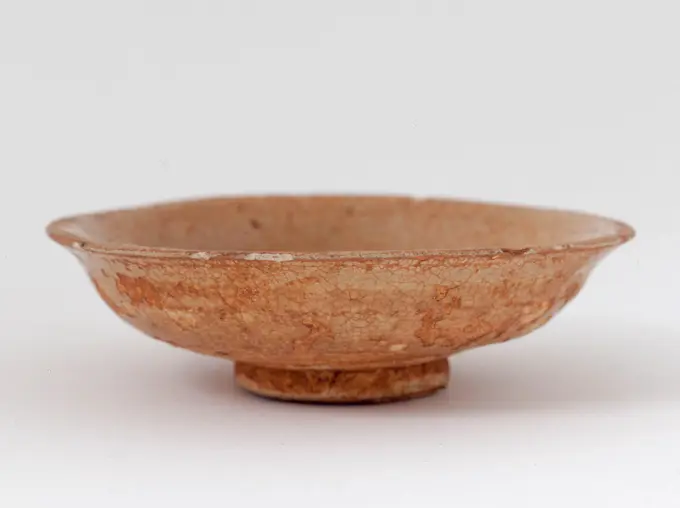
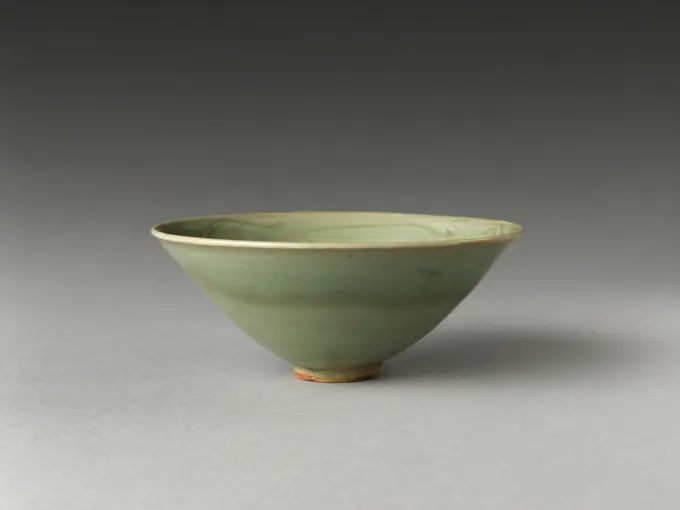
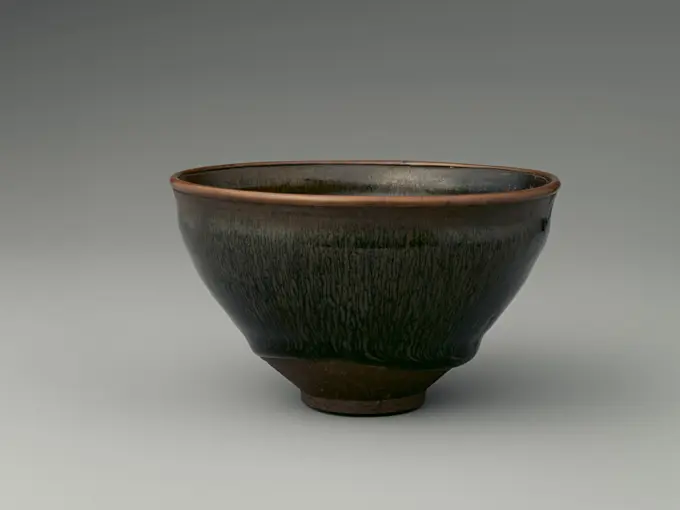
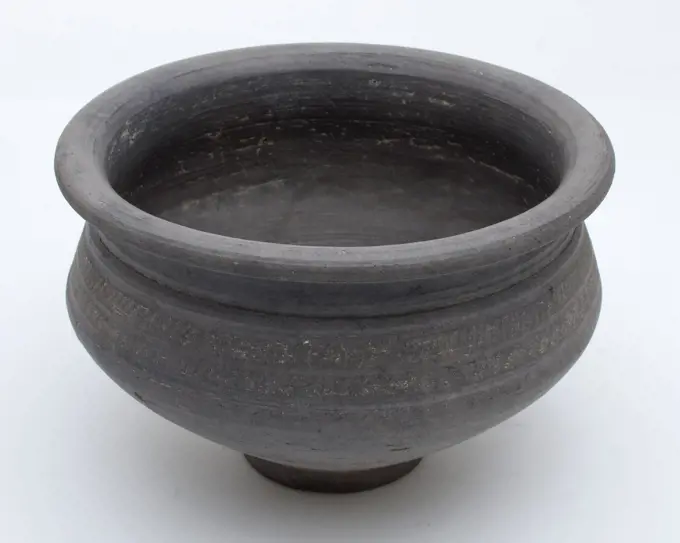
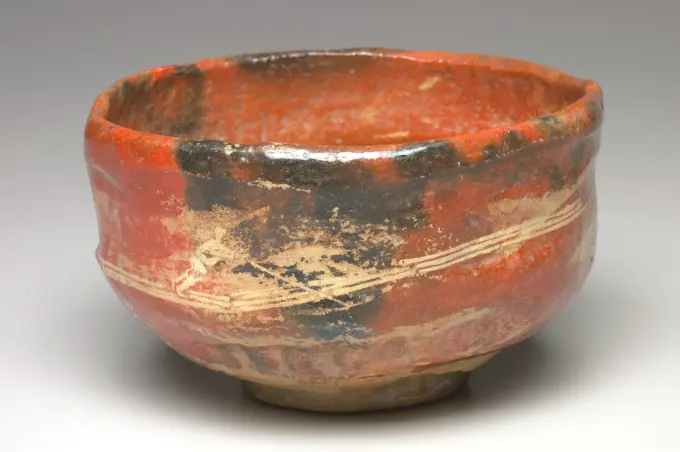
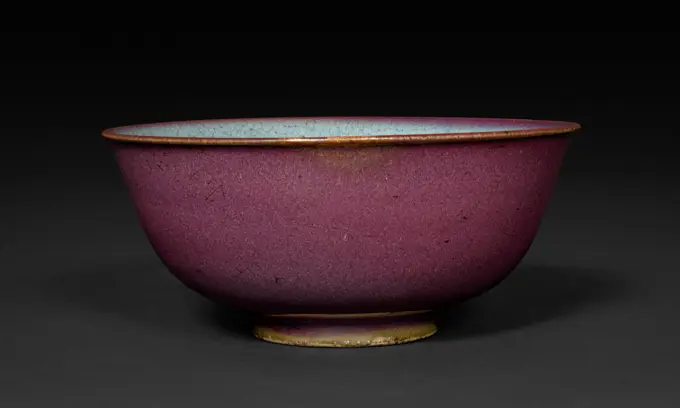
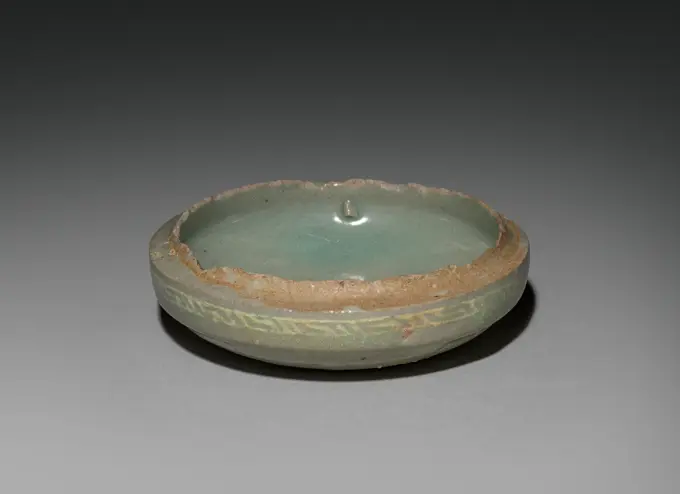
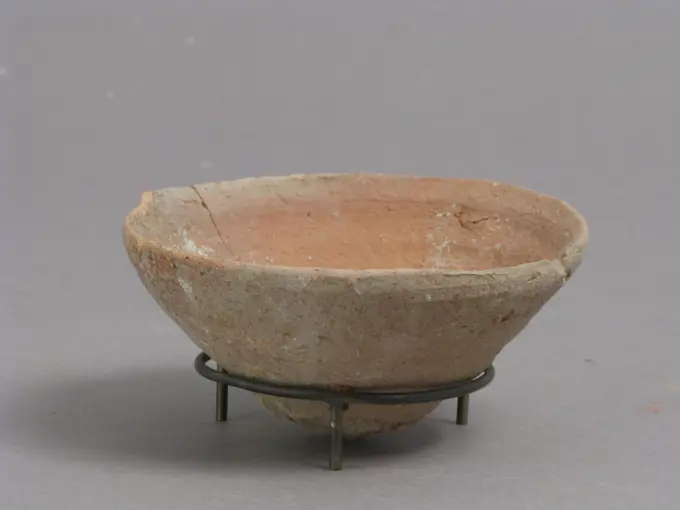
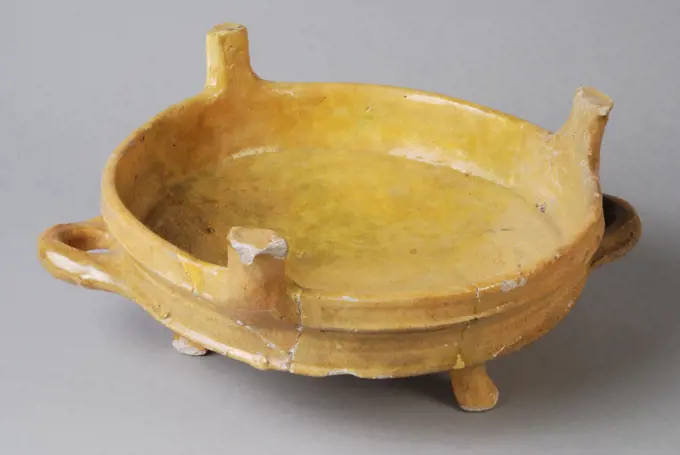
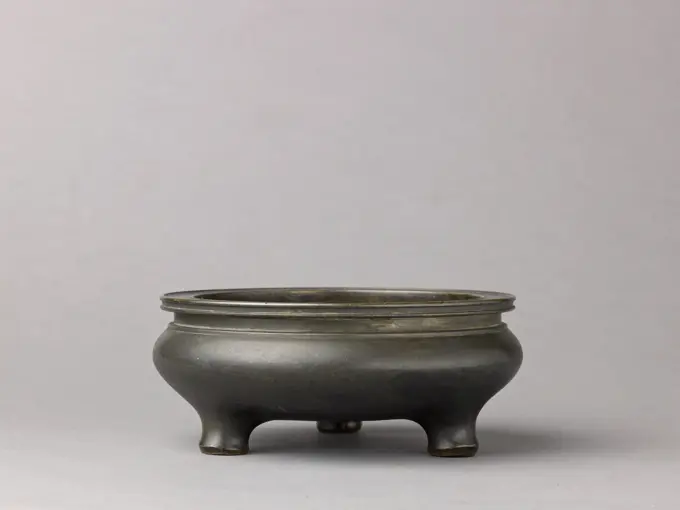
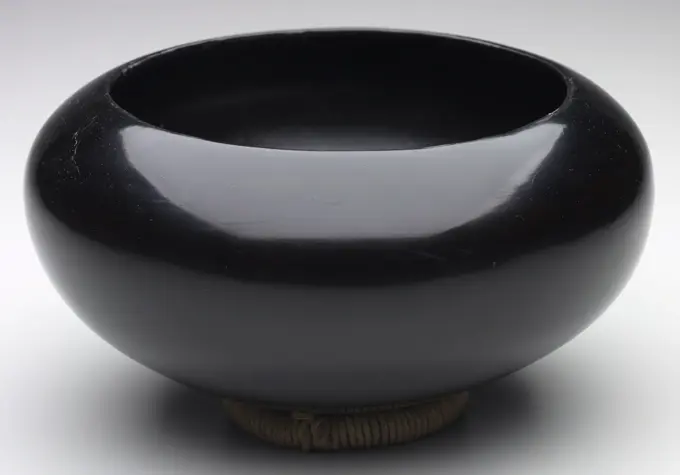
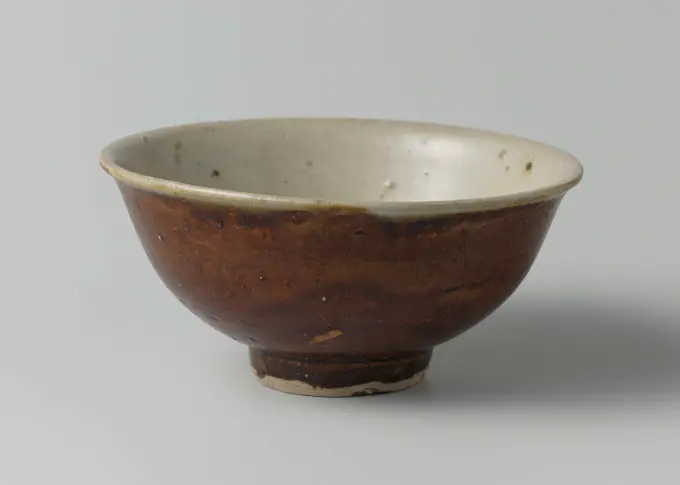
. Bell-shaped bowl of stoneware, on the inside covered with a green, cracked glaze. A unglazed ring on the bottom. The outside is covered with a brown glaze.Teabowl. Culture: China. Dimensions: H. 2 3/4 in. (7 cm); Diam. 4 3/4 in. (12.1 cm). Museum: Metropolitan Museum of Art, New York, USA.Bowl with a stylized bird and foliate scrolls, anonymous, c. 900 - c. 999 Come of earthenware with white sludge and a painting in black sludge under a transparent enamel. On the front a stylized bird surrounded by leaf vines. The outer edge with a decorative band. Nishapur (possibly) earthenware. glaze painting / vitrification Come of earthenware with white sludge and a painting in black sludge under a transparent enamel. On the front a stylized bird surrounded by leaf vines. The outer edge with a decorative band. Nishapur (possibly) earthenware. glaze painting / vitrificationCup ". GRS covered Cladon. Paris, Muse Cernuschi. Coupe Asian art, extreme-East art, Vietnamese art, ceramic, cut, gres, dishesCzarek with relief decoration unknownBowl, c. 1690. China, Qing dynasty (1644-1911). Porcelain with gray glaze; diameter: 12.3 cm (4 13/16 in.); overall: 6.4 cm (2 1/2 in.).Cup, metal, handle ca. 1550-1458 B.C. New Kingdom. Cup, metal, handle. ca. 1550-1458 B.C.. Copper alloy. New Kingdom. From Egypt, Upper Egypt, Thebes, Asasif, Courtyard CC 41, Pit 3, Burial D 1, Beside or on inner coffin, MMA excavations, 1915-16. Dynasty 18, earlyBrush washer. unknown, craftsmanBowl c 1820-1860 United States. Wood . Artist unknownBowl: Southern Celadon Ware, 13th Century. China, Southern Song dynasty (1127-1279). Glazed buff stoneware; diameter: 16 cm (6 5/16 in.); overall: 8.4 cm (3 5/16 in.).Bowl. Qingbai covered porcelain. Paris, Cernuschi museum. 78846-5 Asian art, table art, bowl, old ceramic, container, dishesCup ". GRS covered Cladon. Paris, Muse Cernuschi. Coupe Asian art, extreme-East art, Vietnamese art, ceramic, cut, gres, dishesBowl ca. 150 B.C. Parthian. Bowl. Parthian. ca. 150 B.C.. Ceramic. Parthian. Mesopotamia, NippurBowl 5th century B.C. Cypriot. Bowl 244479. Come of pottery covered with Engobe of white sludge from which patterns are sliced, leaving local shard color. The wall seems to consist of a bond with stylized leaf drinks (palmettes), but it is probably also intended as a highly styled inscription 'Barakat Lisa Hibihi', 'blessing for the first to this ", (" Always repeated).BowlCup ". Terracotta. Vietnam-Xe-Xive s. Paris, Cernuschi museum. 72186-15 Cup, Vietnamese object, terracotta. Come from Quartz Fritgoed covered with a monochrome turquoise alkalilation.Cabossé tea bowl (Genkotsu Chawan). Ceramic. Seto (Japan), 19th century. Paris, Cernuschi museum. 59522-14 Asian art, bowl, cabosser, ceramic, genkotsu chawan, container, 19th century, the1100. Sandstone with a covered slip decor. Cernuschi Museum, Asia Museum of Asia in the city of Paris.Globular pot ". Terracotta. Vietnam-Xe-Xive s. Paris, Cernuschi museum. 72361-16 Vietnamese object, globular pot, terracottaBowl 1115-1234 China. Northern black ware; Cizhou type; glazed stoneware with mottled markings in overglaze iron oxide .Pottery saucepan, red shard, glazed with greenish spots, pouring lip, on three legs, saucepan pan crockery holder kitchenware soil discovery ceramics earthenware glaze lead glaze, hand turned fried glazed Pottery saucepan red shard with lead glaze with greenish spots cuff shaped mouth rim with shaving cliff three legs archeology indigenous pottery food prepare cooking eat kitchenShallow Plain Bowl 4th-5th century Teotihuacan. Shallow Plain Bowl. Teotihuacan. 4th-5th century. Ceramic. Mexico, Mesoamerica. Ceramics-Containers. Come from stoneware with a six times lobed wall, covered with a transparent glaze with a light green tint. Qingbai.Dish 15th-16th century French. Dish 465898 French, Dish, 15th16th century, Earthenware, Overall: 1 9/16 x 3 15/16 in. (3.9 x 10 cm). The Metropolitan Museum of Art, New York. Gift of J. Pierpont Morgan, 1917 (17.194.2211)Glass bowl. Culture: Roman. Dimensions: H.: 2 1/2 in. (6.3 cm)Diam.: 4 7/16 in. (11.3 cm). Date: late 1st century B.C.-early 1st century A.D..Translucent pale green.Uneven beveled vertical rim; sides tapering downward, then curved in to slightly convex bottom.On interior, two horizontal wheel-cut grooves below rim.Intact, but several internal cracks; dulling, deep pitting, brilliant iridescence and patches of creamy brown weathering.Rotary grinding marks on interior. Museum: Metropolitan Museum of Art, New York, USA.Shallow Lobed Bowl 1100-1199 China. Northern blackware, Cizhou type; stoneware with russet-streaked dark brown glaze .Bowl.  Artist: Censorinus of Lezoux, 2nd century A.D.Bowl with Two Fish in Relief. China, Southern Song dynasty, 1127-1279. Furnishings; Serviceware. Longquan ware, wheel-thrown stoneware with applied decoration and green glazeOil Bottle 1100-1135 Korea. Celadon-glazed stoneware .Bol from the memphite workshops of rhineh, terracotta and enamel ", Face C. Ancient Egypt, Ptolemaic era, ancient. Museum of Fine Arts of the city of Paris, small palace. Bol from Mit Rhineh Memphite Workshops Ancient Egypt, Bol, C Side, Ancient Egypt, Email, Enamel, Ptolemaic Epoque, Face C, From Memphis Workshop, Mit Rhineh, coming from Atelier Memphite, Ptolemy Era, Terracotta, Terracus, AncientBowl with an orange red glaze, anonymous, anonymous, c. 1700 - c. 1799 Come from stoneware, partially covered with a crackled orange -red glaze. The lower part of the bowl is unglazed. Old label on the bottom with 'W575'. Raku (red). Japan stoneware. glaze vitrification Come from stoneware, partially covered with a crackled orange -red glaze. The lower part of the bowl is unglazed. Old label on the bottom with 'W575'. Raku (red). Japan stoneware. glaze vitrification. Come from stoneware, covered with a light green glaze. On the inside a bond with flower drinks in relief. The bottom is unglazed. Old labels on the underside with 'Certainement the XIIIE Siècle Ou Même Antrientur', 'Village de Vinh-Phuc Près de Hanoi (Tonkin). Emplacement de l'Ancienne Captitale Dai Là Thanh ',' Fabrication Présumée Chinoise '.. Come from quartz fritgoed decorated in underglazing blue with five vertically flared stripes under a transparent, geirised alkali acid.Bowl with (psuedo-)inscription and green lines, anonymous, c. 800 - c. 899 Come of earthenware covered with a Opaque white tinglaze and painted on the glaze in green and black. On the bottom (pseudo) writing, around which four green, radiating lines. Nishapur earthenware. glaze painting / vitrification Come of earthenware covered with a Opaque white tinglaze and painted on the glaze in green and black. On the bottom (pseudo) writing, around which four green, radiating lines. Nishapur earthenware. glaze painting / vitrificationCup 500-200 B.C. Late Period-Ptolemaic Period Faience cups of this type are frequent in the Late Period. A recent study of faience vessels notes that examples were found in the western dump at the Sacred Animal Necropolis at Saqqara, where datable documents belong to the 5th-4th centuries B.C. The cups vary in size; examples are known that were inscribed and found in sets of 7 for the 7 sacred oils. The type may have continued to be produced during the Graeco-Roman period, but the quality of the glaze here - very thick and most often with craquelure in a regular manner - is considered characteristic of the Late Period.. Cup 551314Jarre.. Tent namer à couvere céludon. Chinese is dynasten die des TANG (618-, Paris, Museum and Cerneys. Anse, Chinese art, Chinese Ceramic, container, Tang dynasty, round shape, jar, container, terracottaDish with Inlaid Plant Design, 1300s. Korea, Goryeo period (918-1392). Celadon with inlaid design; overall: 6.7 cm (2 5/8 in.).Glass bowl 3rd-4th century A.D. Roman Greenish colorless.Outsplayed, thick rim, with ground lip; globular body; thick, flat bottom.Wheel-cut decoration on exterior: below rim, two horizontal lines; on body, three horizontal bands of twenty-two vertical oval facets; on bottom, large round facet surrounded by a circle of six smaller round facets.Intact, except for one small weathered chip below rim; pinprick bubbles; dulling, pitting, faint weathering and iridescence,Glass to a large extent supplanted pottery as the principal medium for good quality tableware during the later imperial period, especially in the northwestern provinces. Many of the glass vessels were decorated with cut designs, some figural but others with detailed linear or facet patternsas in the case of these three vessels, a dish, a bowl, and a flask that may have used as a wine carafe. All three were probably made locally in Cologne.[Group label 81.10.46, .244, 17.194.317. Glass bowl. Roman. 3rd-4th century A.D.. GlaNesting Bowl 4th-7th century Coptic. Nesting Bowl 478416Lamp. Unknown1100. Céladon coverage sandstones. Cernuschi Museum, Asia Museum of Asia in the city of Paris.Bowl with bosses and petals 4th century B.C. Late Period-Ptolemaic Period The heavy silver vessels 18.2.13-18.2.17 are in created in a decorative style widespread in the Greek world, and can be dated to the fourth century BC. They. are said to have been found together in the Egyptian Delta. Several of the vessels have small Demotic designations scored into the rim recording the weight of the silver, which correlated with the vessel's value.. Bowl with bosses and petals 551311Bowl with a cream colored glaze, anonymous, c. 618 - c. 960 Shallow bowl of stoneware with a thickened edge on the outside, partly covered with a cream -colored glaze. The underside is unglazed. Cizhou . China stoneware. glaze vitrification Shallow bowl of stoneware with a thickened edge on the outside, partly covered with a cream -colored glaze. The underside is unglazed. Cizhou . China stoneware. glaze vitrificationGlass bowl late 1st century B.C.-early 1st century A.D. Roman Translucent blue.Rounded, thickened, and slightly inverted rim; sides curving in to pushed-in bottom.A single, broad, horizontal wheel-cut groove below rim on interior.Broken and repaired, with one small area of fill at base of side; a few pinprick and larger bubbles; patches of dulling, pitting, iridescence, and creamy brown weathering.Rotary grinding marks on interior, exterior fire-polished, with one horizontal tooled indent in side.Blue glass bowl with horizontal groove on interior below rim; sagged.. Glass bowl 239848Bowl with pierced sides and moulded flower sprays and floral scrolls, anonymous, c. 1600 - c. 1649 Come from porcelain, covered with a transparent enamel. The wall is partially opened in flower vines, interrupted by scalloped cartouches with a medallion with modeled flower branches, deer and birds. The underside of the wall with stylized Ruyi motifs in low-relief. On the edge a band with flower vines in relief. Thick foot ring; The edge is under glazed. Marked on the underside with the four-character brand of Keizer Chenghua. A crack in the edge; A part missing from the ajour work. White porcelain. China porcelain. glaze vitrification Come from porcelain, covered with a transparent enamel. The wall is partially opened in flower vines, interrupted by scalloped cartouches with a medallion with modeled flower branches, deer and birds. The underside of the wall with stylized Ruyi motifs in low-relief. On the edge a band with flower vines in relief. Thick foot ring; The edge is under glazedOpen-Mouthed Cosmetic Jar with Lid ca. 1504-1447 B.C. New Kingdom This Egyptian alabaster cosmetic jar was found with two others inside the coffin of a scribe named Amenemhat. They had been placed near the head of the mummy. This jar is well made from fine-grained white stone, but the lid is too small for the jar and may be a replacement. It contained a brown, crusty residue that may originally have been an unguent or salve.Amenemhat was the son of a man named Neferkhawet, and his burial was found in the family tomb in Western Thebes.. Open-Mouthed Cosmetic Jar with Lid. ca. 1504-1447 B.C.. Travertine (Egyptian alabaster). New Kingdom. From Egypt, Upper Egypt, Thebes, Asasif, Tomb of Neferkhawet (MMA 729), east chamber, Burial of Amenemhat (V), inside coffin by head, MMA excavations, 1934-35. Dynasty 18, earlyGlass bowl. Culture: Roman. Dimensions: H.: 2 1/16 in. (5.2 cm)Diam.: 4 5/8 in. (11.7 cm). Date: late 1st century B.C.-early 1st century A.D..Colorless with pale yellow tinge and purplish streaksRounded vertical rim; slightly convex sides, tapering downward; flat bottom.Two broad horizontal wheel-cut grooves on interior below rim.Intact; a few pinprick bubbles; deep pitting, dulling, and iridescent weathering. Museum: Metropolitan Museum of Art, New York, USA.Plat. Grès to Couvele Checing Gris Vert, Célading. Par musée musée malée. 78845-4 Asian art, ancient ceramic, containerStem Cup withDragonBowl - Portneuf pottery Inconnu / UnknownDish (usual name). Sandstone, Céladon. Cernuschi Museum, Asia Museum of Asia in the city of Paris.Tea Bowl (Chawan) with LeafBowl 11th-14th century Mississippian. Bowl 318588Censer;  18th century (1701-00-00-1800-00-00);Round BulbBowlGlass bowl. Culture: Roman. Dimensions: Overall: 2 5/16 x 4 9/16in. (5.8 x 11.6cm). Date: late 1st century B.C.-early 1st century A.D..Translucent blue.Rounded, thickened, and slightly inverted rim; sides curving in to pushed-in bottom.A single, broad, horizontal wheel-cut groove below rim on interior.Broken and repaired, with one small area of fill at base of side; a few pinprick and larger bubbles; patches of dulling, pitting, iridescence, and creamy brown weathering.Rotary grinding marks on interior, exterior fire-polished, with one horizontal tooled indent in side.Blue glass bowl with horizontal groove on interior below rim; sagged. Museum: Metropolitan Museum of Art, New York, USA.Terracotta Megarian bowl. Culture: Roman. Dimensions: h. 2 5/8 in. (6.7 cm); d. 4 3/8 in. (11.1 cm). Date: ca. 150-100 B.C..The relief patterns decorating this bowl are often found on wares produced by some of the more well attested makers of hemispherical plain fired pottery. Shields, for example, were a motif particularly favored by C. Popilius, as seen on the bowl in this case that bears his signature (96.18.79). The wave ornament and zone of long petals on this bowl however, find parallels on vessels signed by Lapius, a contemporary of Popilius. This unsigned bowl was probably made by a potter associated with both of these workshops. Museum: Metropolitan Museum of Art, New York, USA.Glass ribbed bowl 1st century B.C. Greek, Eastern Mediterranean Translucent honey brown but with greenish tinge.Slightly inverted rim with almost pointed top edge; sides curving in to uneven, flat bottom.On interior, a band of two horizontal grooves below rim; on exterior, twenty diagonal ribs of varying length, width, and thickness, with irregular rounded tops, arranged around central part of side.Intact; a few pinprick bubbles; dulling on interior and around plain band below rim on exterior; some encrustation in upper groove on interior, and many surface scratch marks.Rotary grinding marks on interior; tooling marks in band below rim on exterior.. Glass ribbed bowl. Greek, Eastern Mediterranean. 1st century B.C.. Glass; cast, tooled, and cut. Late Hellenistic. GlassRibbed glass bowl late 1st century B.C.-mid 1st century A.D. Roman Translucent pale blue green.Vertical rim with beveled top edge; plain band around top of sides, tapering downwards, then bulging outward before curving in sharply to almost flat bottom.On interior, two concentric grooves around bottom and small, broader circle at center; on exterior, eighty-eight well-defined, short slanting ribs of slightly varying length and width, with tops ground off, arranged around bulging middle section of body.Broken and repaired, with one section of rim miising and some smaller chips elsewhere in rim; some pinprick and a few larger bubbles; pitting, dulling, and iridescent weathering.Rotary grinding marks on plain band around top of sides and on interior.. Ribbed glass bowl 245700Bowl. Roman; probably from the Eastern Mediterranean. Date: 133 AD-166 AD. Dimensions: H. 4.1 cm (1 5/8 in.); diam. 13 cm (5 1/8 in.). Glass, mold-blown technique. Origin: Mediterranean Region. Museum: The Chicago Art Institute, Chicago, USA. Author: ANCIENT ROMAN.Terracotta kalathos (basket) ca. 1200-1050 B.C. Cypriot The kalathos is a Minoan-Mycenaean shape that first occurs on Crete.. Terracotta kalathos (basket). Cypriot. ca. 1200-1050 B.C.. Terracotta. Late Cypriot IIIB. VasesBowl. Culture: Coptic. Dimensions: H: 2 1/16 in. (5.2 cm); Diameter: 5 3/16 in. (13.2 cm). Date: 4th-7th century. Museum: Metropolitan Museum of Art, New York, USA.Bowl - Portneuf potteryGeorges Despret (1862-1952). Cutting on foot. Glass, glass paste. XIXth-XXth century. Museum of Fine Arts of the City of Paris, Petit Palais. 19th XIXth XIX 19th 19th 19th century, XXth XXth XX 20th 20th 20th centuryCoupelle ". Orange terracotta, painted in iron under covers celadon. China, Tang dynasty (618-907). Paris, Cernuschi museum. Chinese art, Chinese ceramic, container, cup, tang dynasty, container, terracottaRoman glass paste cup, 4th century. Museum: MUSEO DE MATARÓ.Incised bowl with felines. Culture: Paracas. Dimensions: Overall: 3 1/4 in. (8.26 cm)Other: 9 1/4 in. (23.5 cm). Date: 5th-3rd century B.C.. Museum: Metropolitan Museum of Art, New York, USA.BowlBasin with Lotus Decoration. Culture: China. Dimensions: H. 4 1/2 in. (11.5 cm); Diam. 9 3/4 in. (24.8 cm). Date: 11th-12th century.The lively lotuses, leaves, and stems that fill the interior of this basin were carved and incised by hand prior to the glazing and firing of the basin. Because of their thinness, these wares are often fired upside down to spread weight and prevent distortion. The metal rim covers the part of the bowl that was left unglazed for firing. Museum: Metropolitan Museum of Art, New York, USA.Bowl. Culture: Coptic. Dimensions: Overall: 1 5/8 x 3 15/16 in. (4.2 x 10 cm). Date: 4th-7th century. Museum: Metropolitan Museum of Art, New York, USA.Glass beaker 2nd-3rd century A.D. Roman Translucent pale blue green.Thickened, flaring rim, with rounded lip; undulating side to body, tapering in to folded tubular foot ring; low, pointed kick at center of flat bottom, with large circular pontil scar.Intact; some dulling and iridescence but most of surfaces covered with creamy brown weathering.. Glass beaker 245245Misa unknownCup 3rd millennium B.C. Iran. Cup 324231Bowl with Plum Blossom and Crescent Moon late 13th-14th century China Inspired by poetry praising the beauty of plum blossoms in moonlight, the decoration on this bowl is found in ceramics produced in both north and south China.. Bowl with Plum Blossom and Crescent Moon. China. late 13th-14th century. Porcelain with incised decoration under celadon glaze (Longquan ware). Yuan dynasty (1271-1368). CeramicsTeabowl China. Teabowl. China. Stoneware with hare's fur glaze (Jian ware). Song dynasty (960-1279). CeramicsEarthenware pot with wide top edge and very small stand, terra nigra, decorated with grooves, pot holder soil found ceramic pottery, hand-turned fired Small pot on very small standing surface Wide top edge with wide constriction above the shoulder Terra nigra pottery reduced fried. Deep grooves around the shoulder and strips of roughened surface as decoration archeology Spijkenisse indigenous pottery import cook store store Roman buried Soil discovery Spijkenisse Puntweg 1971 - 1974.Red tea bowl with fisherman, 18th century, Unknown Japanese, 3 1/8 x 5 1/4 in. (7.9 x 13.34 cm), Raku ware; glazed stoneware, Japan, Raku, Raku tea bowls were first created by Chōjirō (d.1589), a maker of earthenware tiles, under the direction of the great tea master Sen no Rikyū (1522-1591). The light clay, thick black or red glaze, and hand-built forms combined to suggest the simplicity and rustic quality desired by Rikyū. The slightly exaggerated surface treatment of this bowl, as well as the roughly incised image of a fisherman trolling his boat, suggests that it was created later in the Edo period when tea enthusiasts and potters began to venture beyond the conservative and somber wabi aesthetic preferred by Rikyū.Bowl: Jun ware, 14th-15th Century. South China, Yuan dynasty (1271-1368) - Ming dynasty (1368-1644). Glazed gray stoneware; diameter: 19.4 cm (7 5/8 in.); overall: 8.6 cm (3 3/8 in.).Small Dish from Dining Set with Plum Blossoms and Cracked-Ice, c. 1875-78. Seifū Yohei II (Japanese, 1844-1878). Porcelain with molded designs; overall: 2.9 x 11.5 cm (1 1/8 x 4 1/2 in.).Pigment Box, 1200s. Korea, Goryeo period (918-1392). Inlaid celadon ware; diameter: 7.7 cm (3 1/16 in.); overall: 3.9 cm (1 9/16 in.). Celadons, spoons, seals, and bronze mirrors were the most common burial objects in tombs during the Goryeo period (918-1392). Once used to contain colored powder, rouge, and eyebrow gel for makeup, this small container was one of the standard goods that furnished elites' tombs. Both women and men used the grain powder of rice or millet for whitening their skin, safflower extract for rouge, and plant ash or soot for eyebrow gel. Yet, natural-looking makeup seems to have been the most favorable one in Korea according to the travelogue by Xu Jing (1091-1153), the Chinese diplomat who visited Korea in 1123.Bowl ca. 1780-1580 B.C. Canaanite. Bowl 323122Terracotta plate. Culture: Minoan. Dimensions: Diameter 10 3/8 in. (26.3 cm.). Date: ca. 1750-1600 B.C..No decoration, but some traces of color remain. Museum: Metropolitan Museum of Art, New York, USA.Footless Cup or Lid 4th-7th century Coptic. Footless Cup or Lid. Coptic. 4th-7th century. Earthenware. Made in Kharga Oasis, Byzantine Egypt. CeramicsDish with blue and yellow spots on a gray -white stock, anonymous, c. 1700 - c. 1799 A round wooden dish with a flat edge; Gray white painted with blue and yellow (varnish) Stains. Amsterdam (possibly) wood (plant material) A round wooden dish with a flat edge; Gray white painted with blue and yellow (varnish) Stains. Amsterdam (possibly) wood (plant material)Bowl. China, Song Dynasty, 960-1127. Furnishings; Serviceware. Glazed celadon porcelain with two raised designs of fishYellow chafing dish, on three legs, two lying ears, top three supports, stain rudder soil found ceramic earthenware glaze lead glaze, hand turned set glazed fried Chafing white chard yellow glazed three legs one of which in gypsum two ears three cams supports one of which in gypsum rings Low and wide model. Short side wall with two layers of attached lying down. Lightly curved bottom. Partly fine crackle in glaze layer archeology Valckensteyn Poortugaal Albrandswaard indigenous pottery kitchen food nutrition keep warm heating cooking food preparation Soil discovery: castle Valckensteyn in Poortugaal now Albrandswaard 1961-1962.Bowl -  St. Johns Stone Chinaware Company (founded 1873) St. Johns Stone Chinaware Company (founded 1873)JarCup with a Flower and Bird Scene 18th century China. Cup with a Flower and Bird Scene 41883Censer ca. 18th century Chinese. Censer 460460Broad Pear-Shaped Jar. China. Date: 618 AD-907 AD. Dimensions: H. 12.3 cm (4 13/16 in.); diam. 12.9 cm (5 1/16 in.). Stoneware with white glaze. Origin: China. Museum: The Chicago Art Institute, Chicago, USA.Trumpet-Mouthed Flowerpot 1400-1499 China. Jun ware; stoneware with pale-blue and reddish-purple glaze .Small BowlBowlCzarka "megaryjska". warsztat KIPBEIBowl - Dion Pottery Dion PotteryCandlestickAlmsbowl, c. 1100, H.4 x Dia.8-3/16 in., Lacquer on wood core, China, 11th-12th century, The almsbowl was one of the few essential possessions of a Buddhist monk specified in the Vinaya, the sixth century BCE code of Buddhist monastic practice. Simple monochromatic vessels like this, based on clay Indian prototypes, symbolized the monks' vow of poverty. Of perfectly rounded form, with sides rising from a round base and curving inward to a wide rimless mouth, this bowl is the epitomy of refined elegance and Song taste.