Ceramic Bowls and Teapots

A selection of historical ceramic bowls and a handcrafted teapot, showcasing various styles from different periods, including song dynasty porcelain.

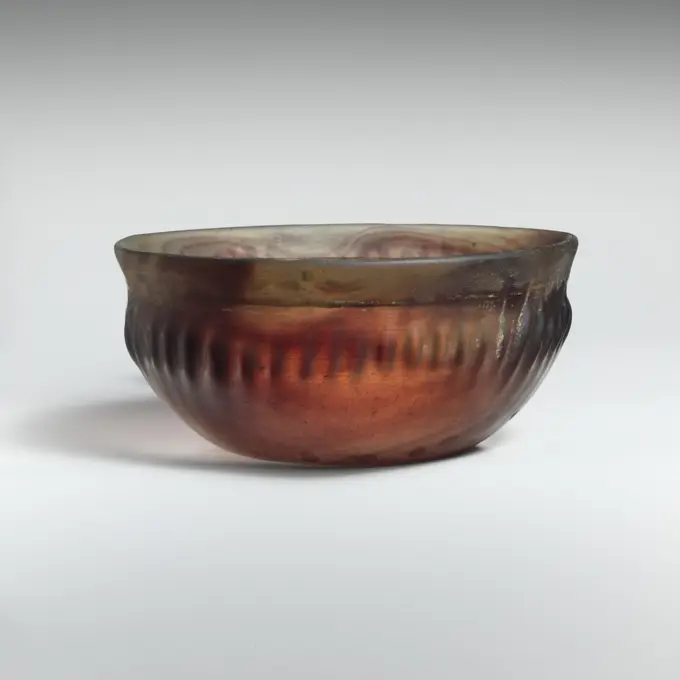
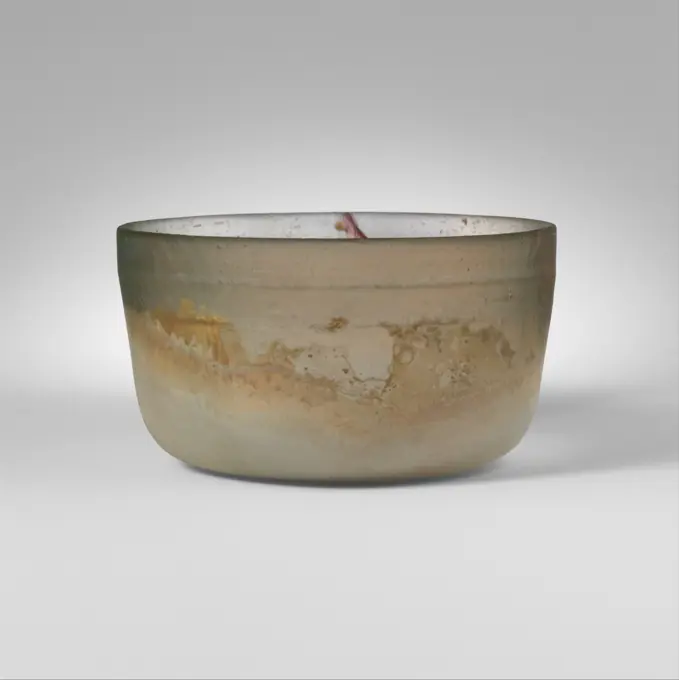
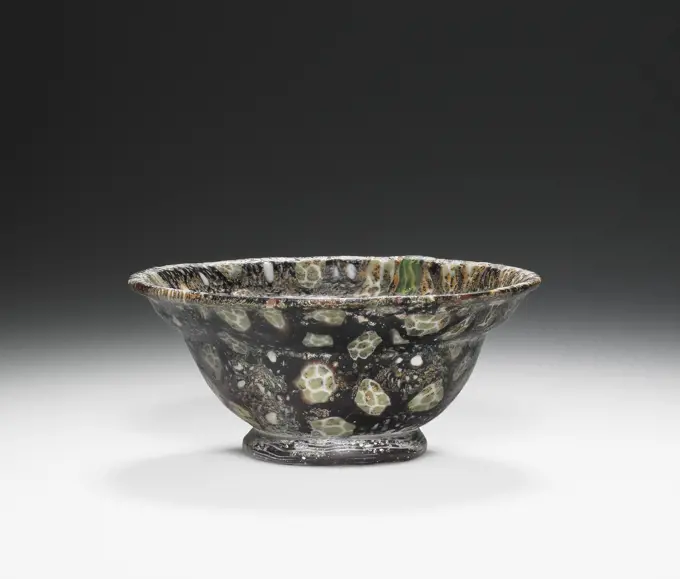
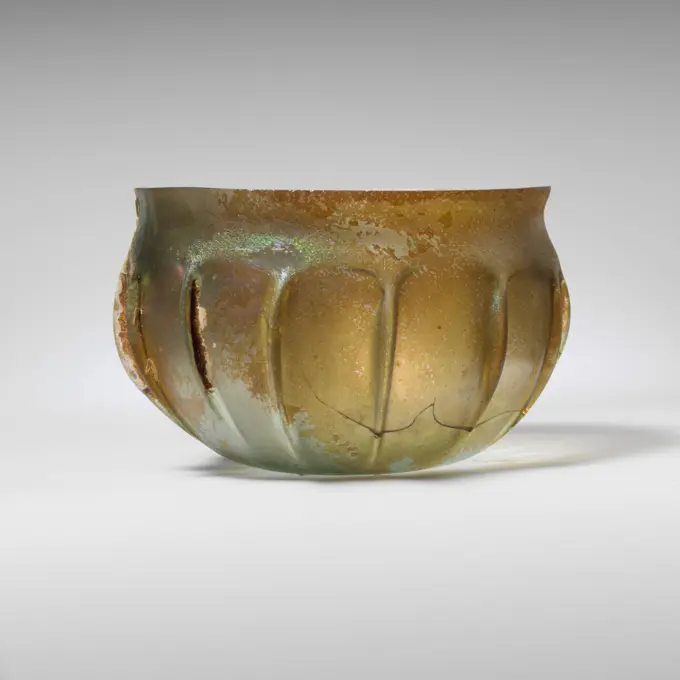
Mosaic Bowl; Eastern Mediterranean; end of 1st century B.C. - 1st century A.D; Glass; 3.8 x 9.5 cm (1 1,2 x 3 3,4 in.)
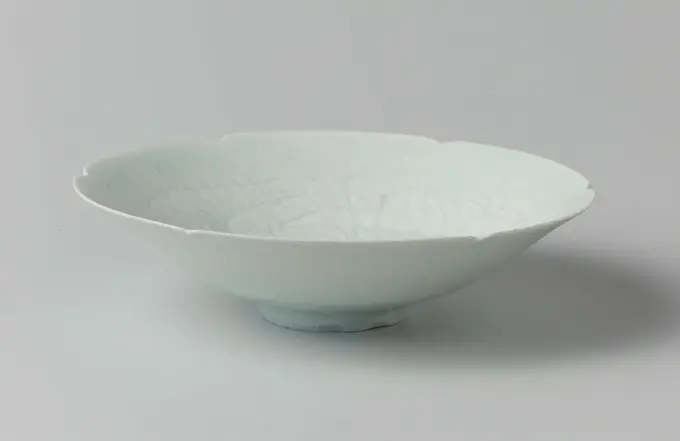
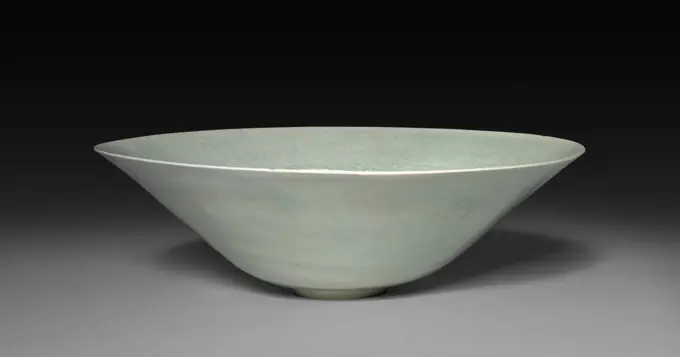
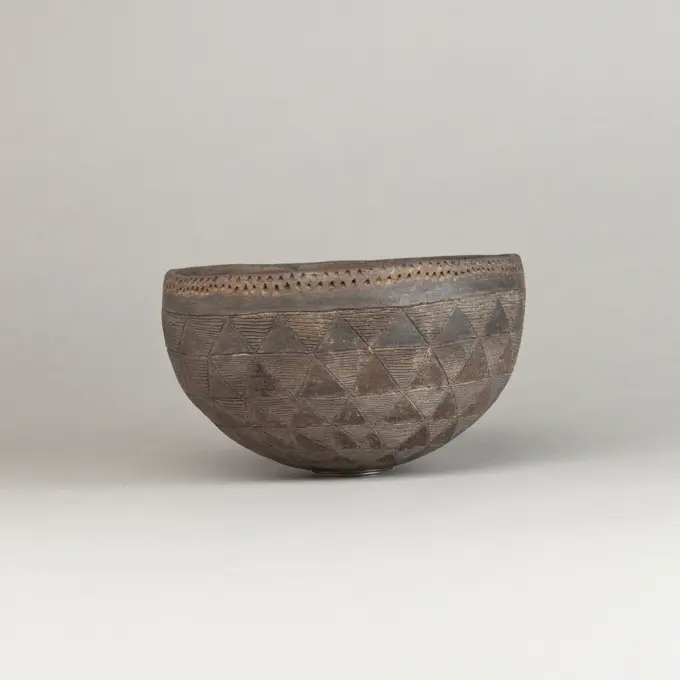
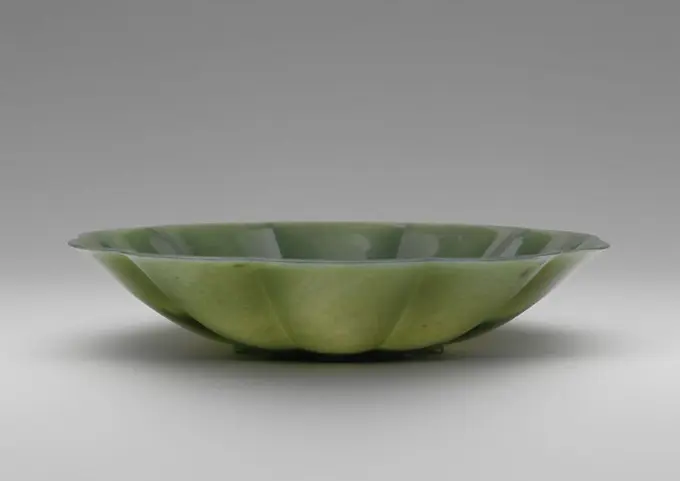
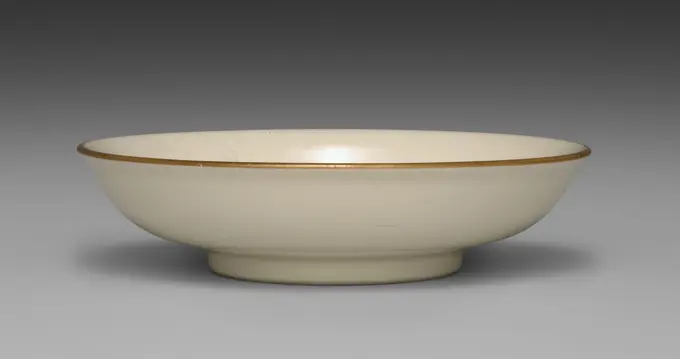
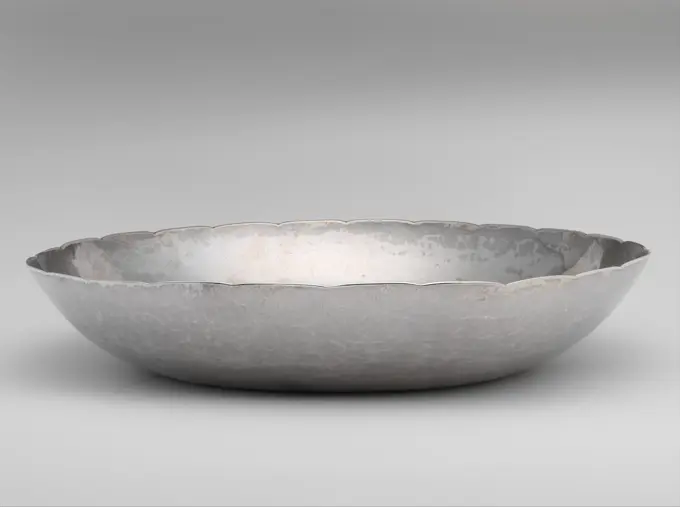
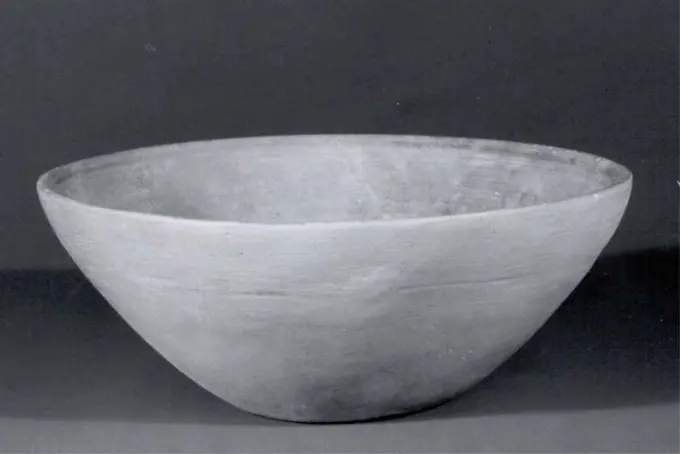
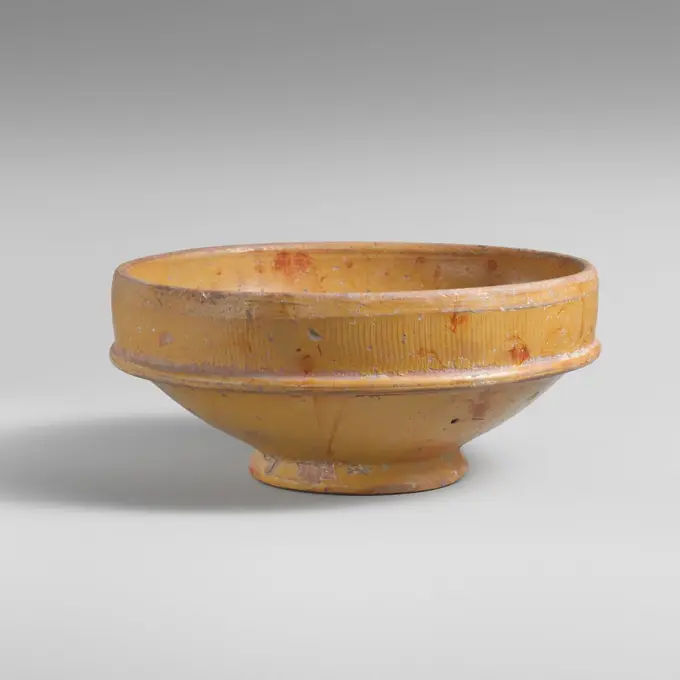
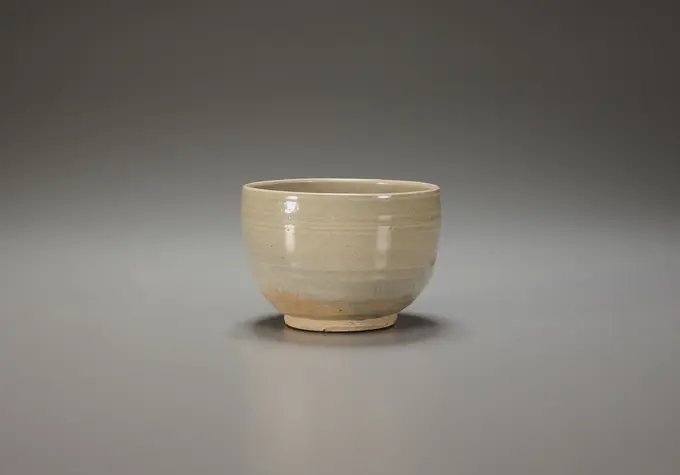
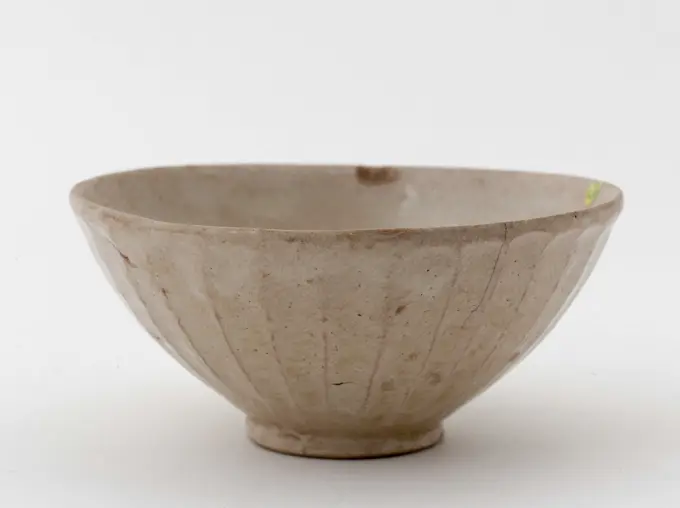
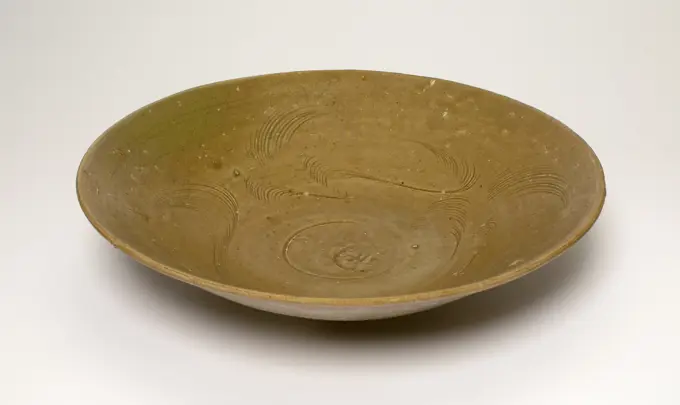
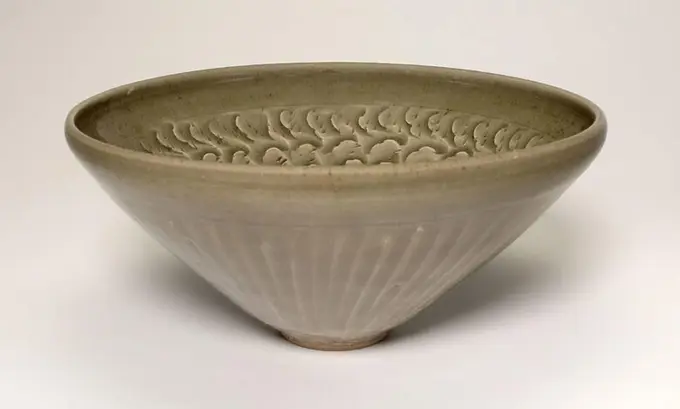
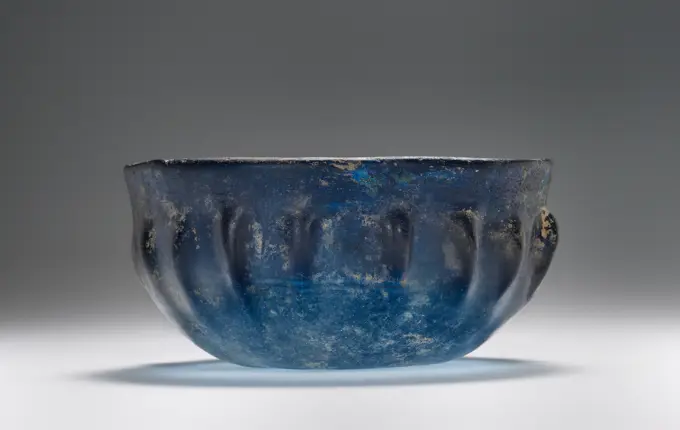
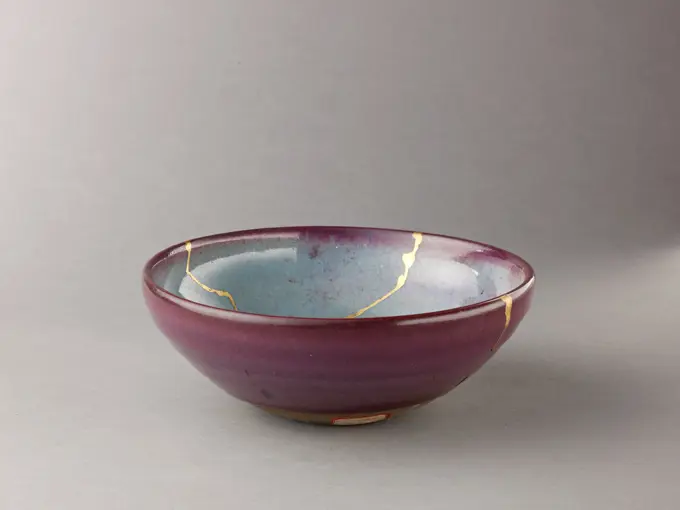
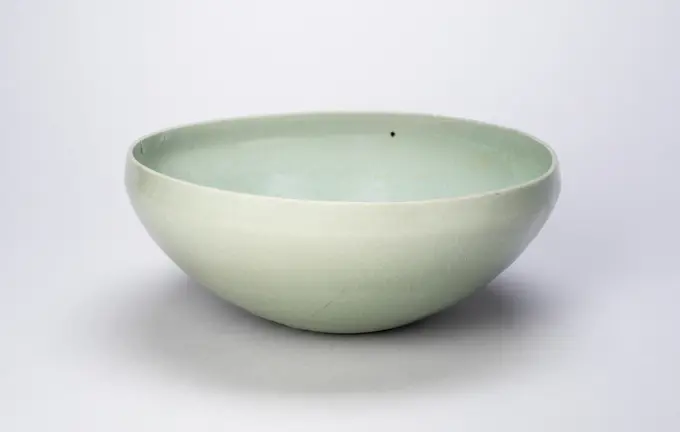
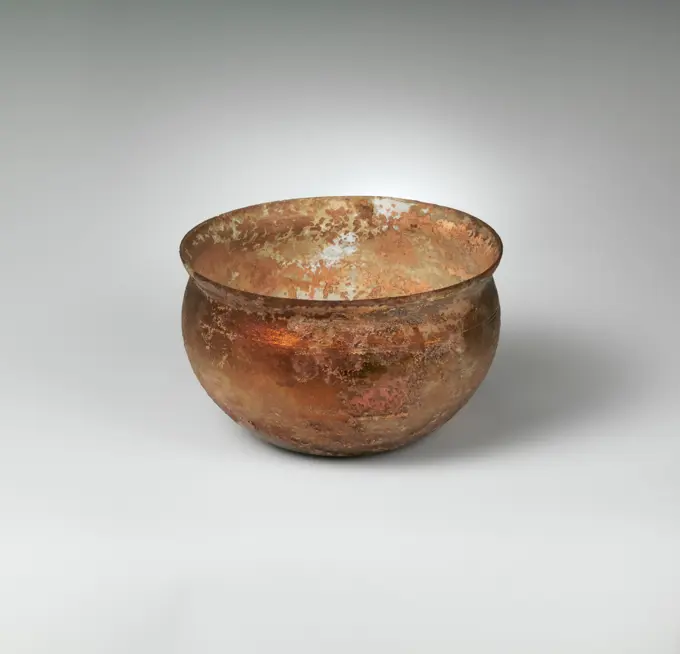
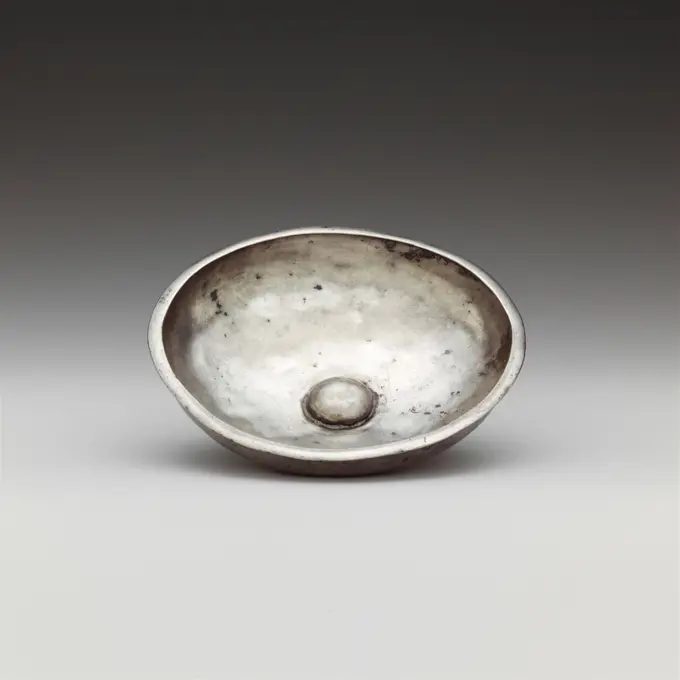
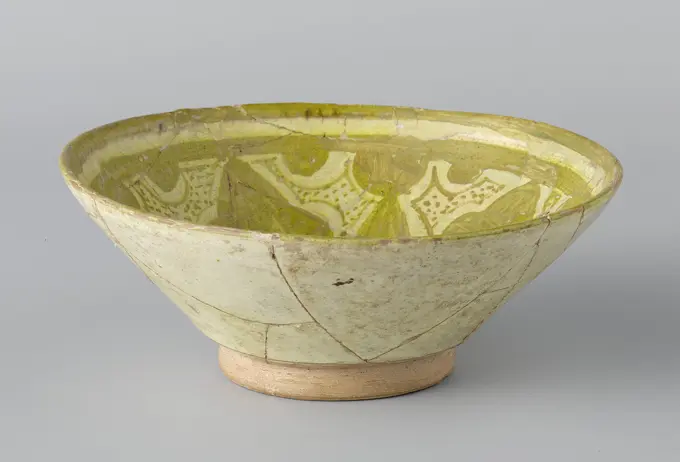
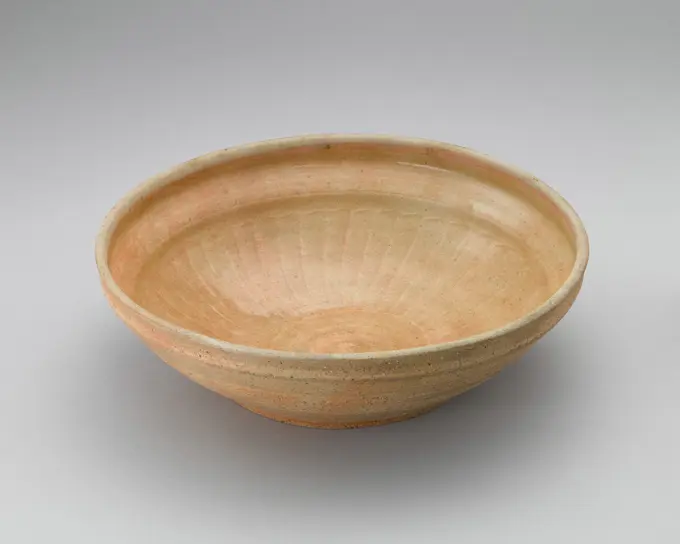
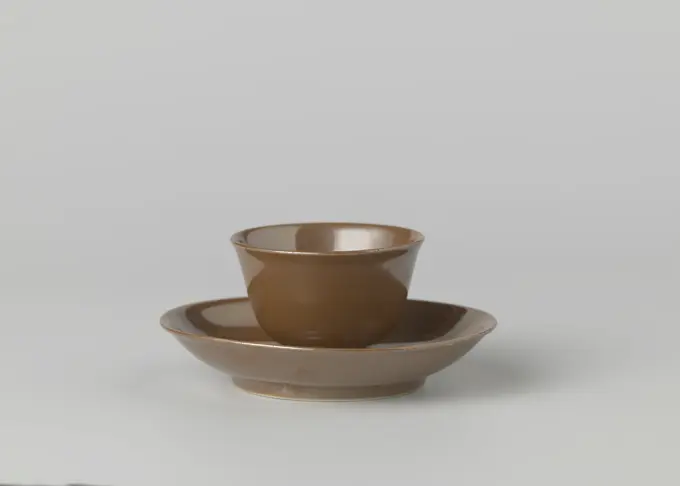
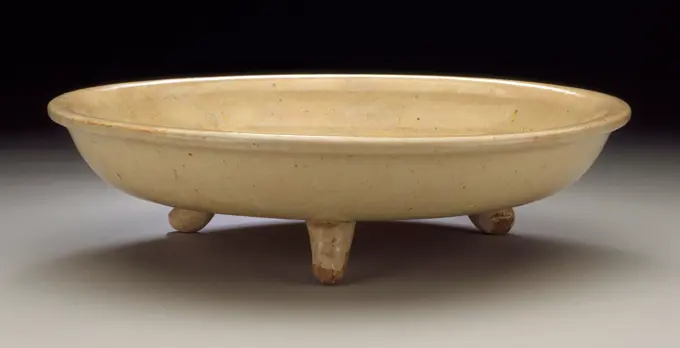
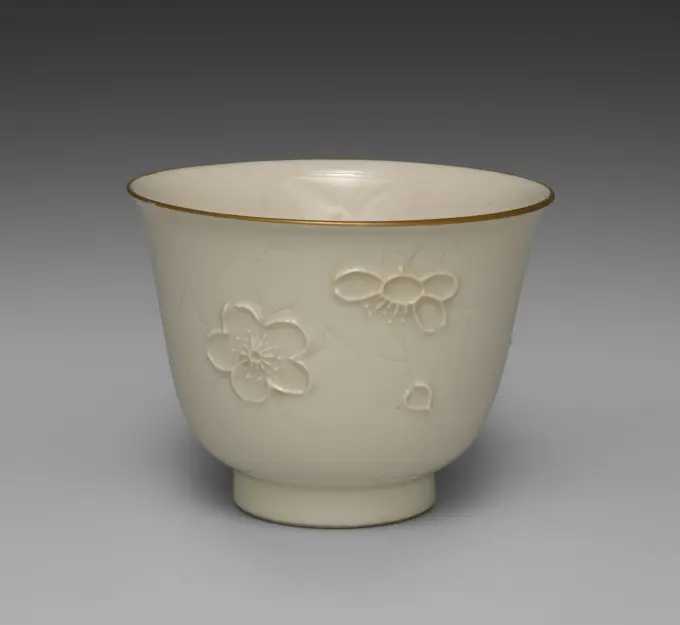
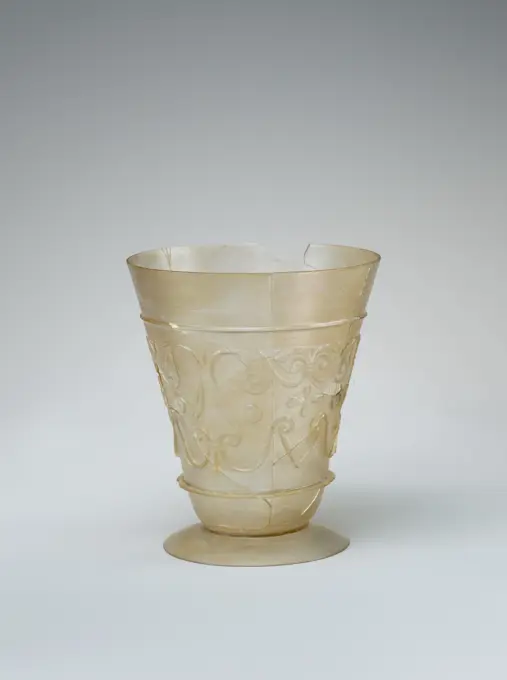
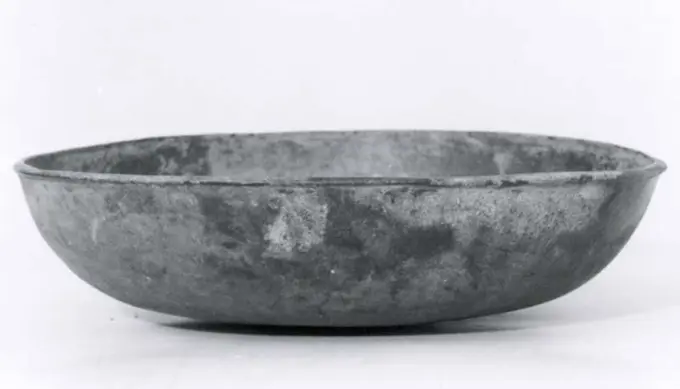
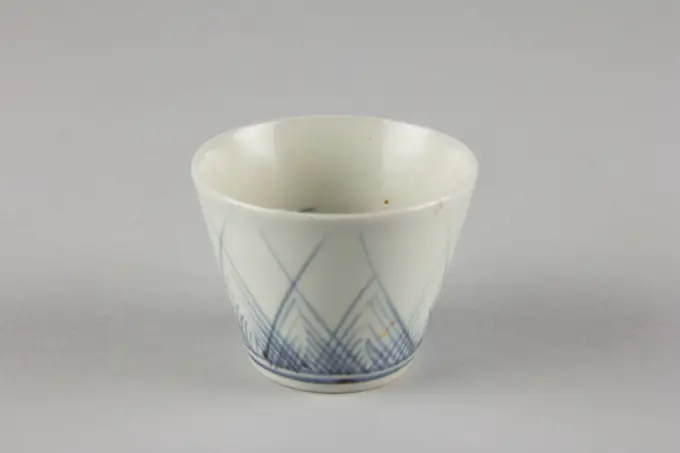
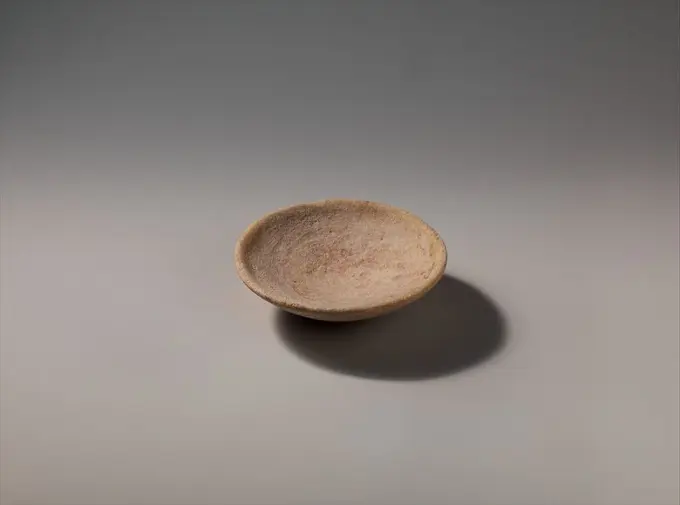
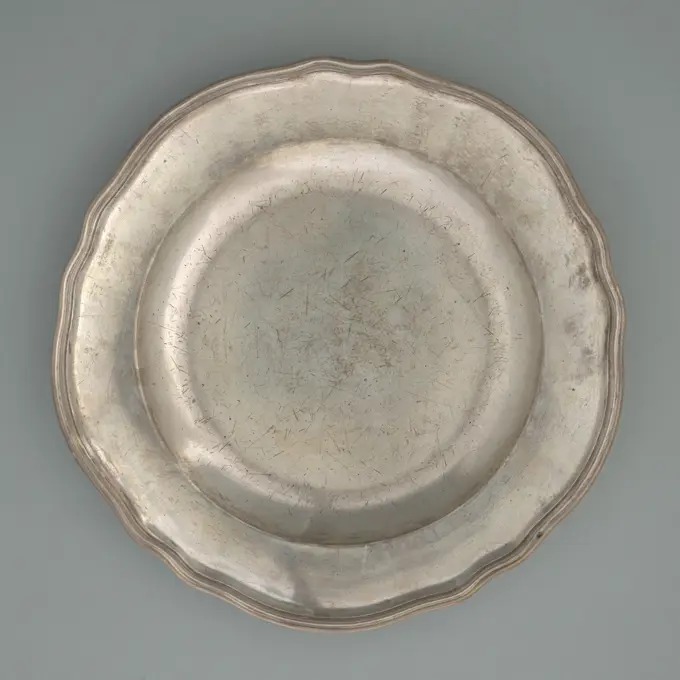
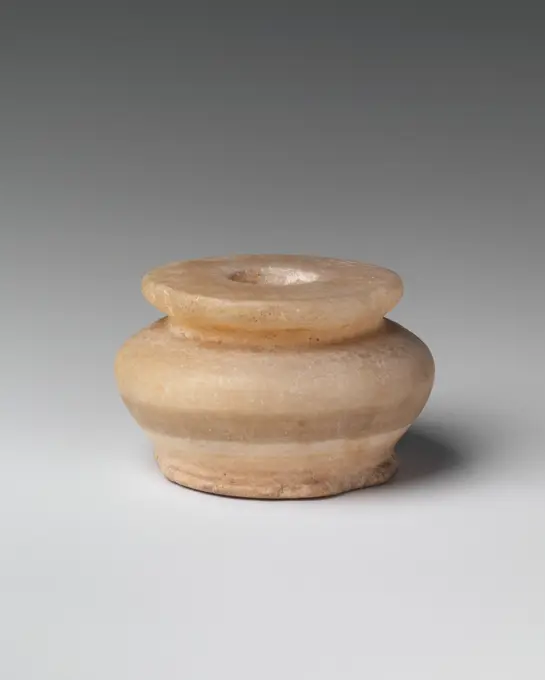
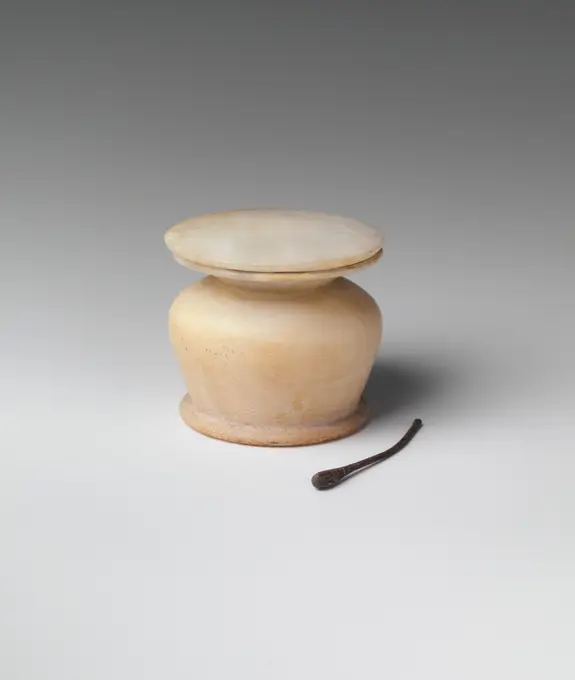
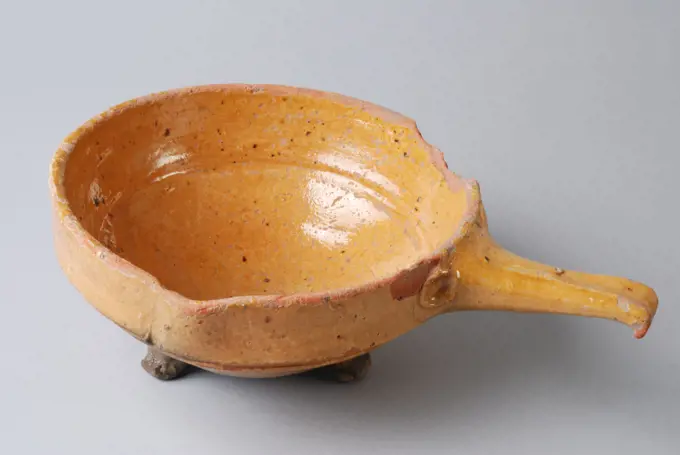
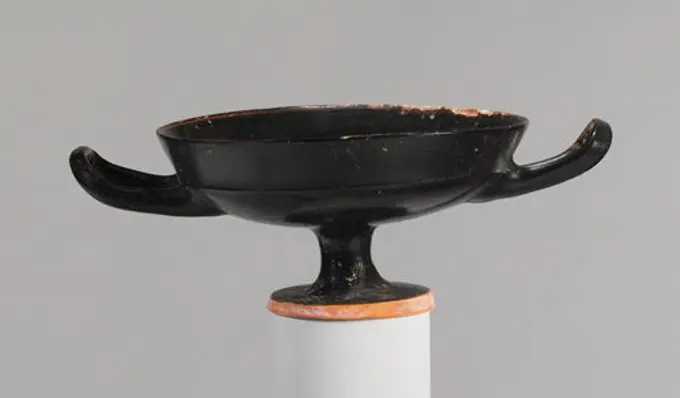
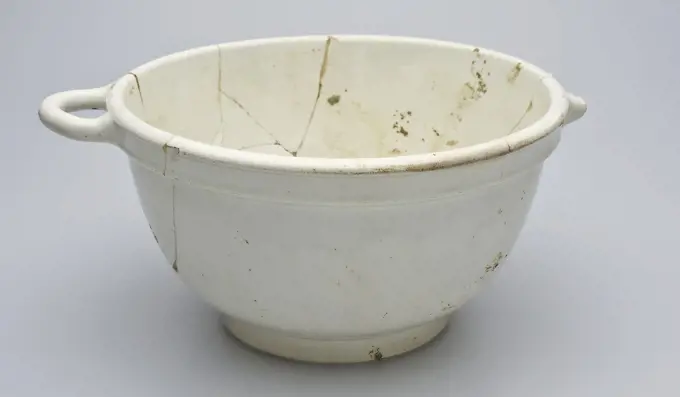
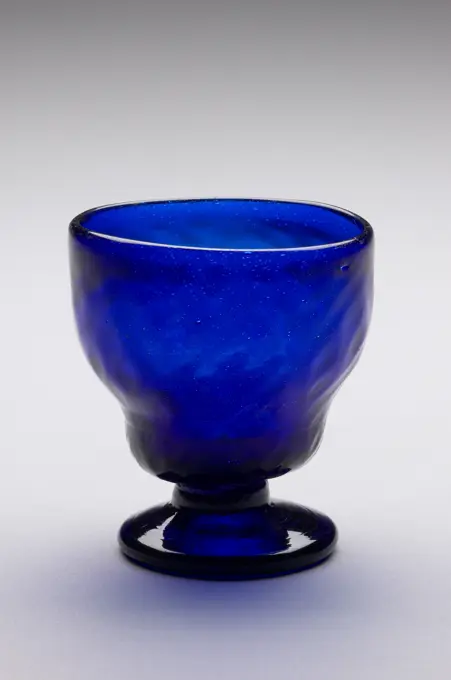
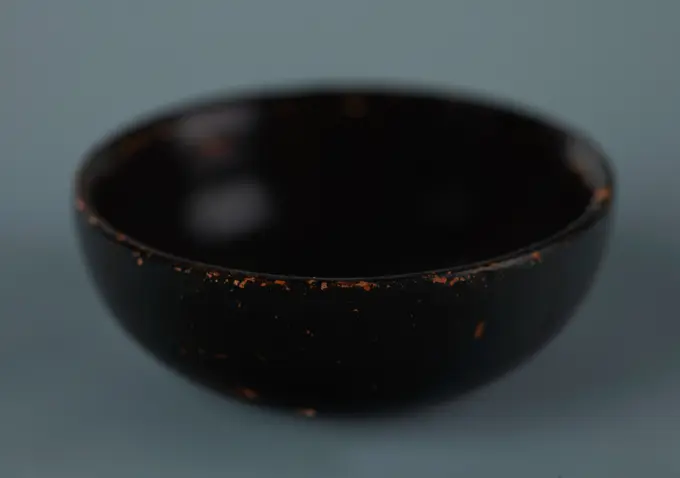
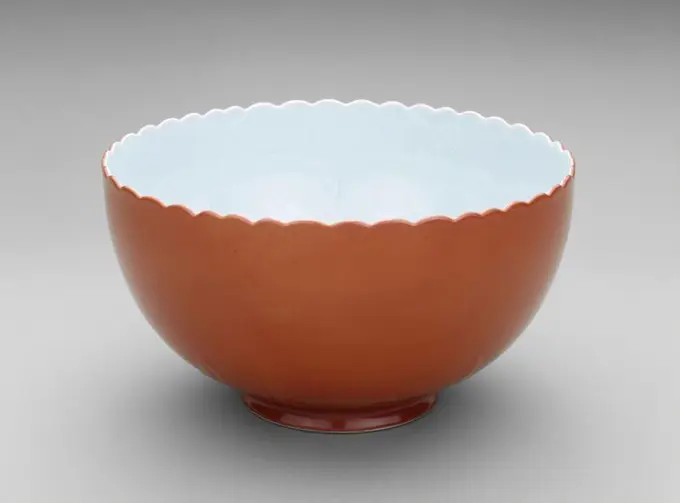
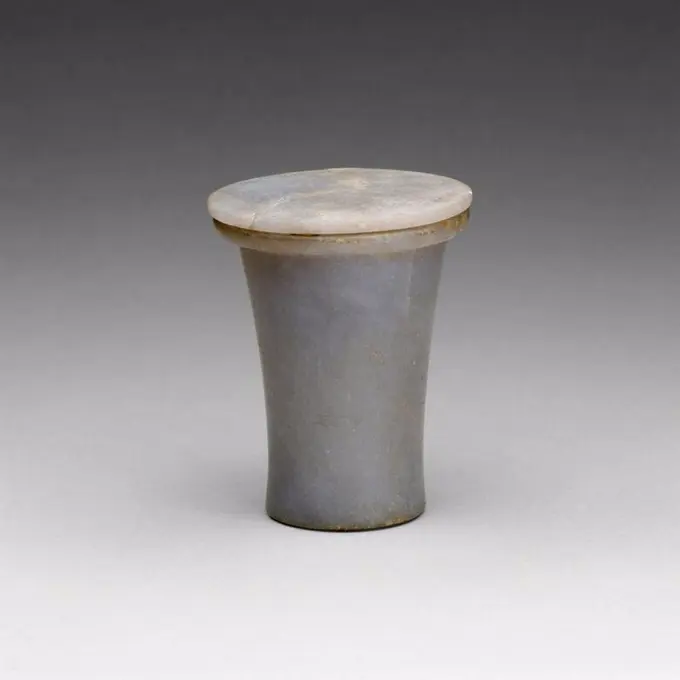
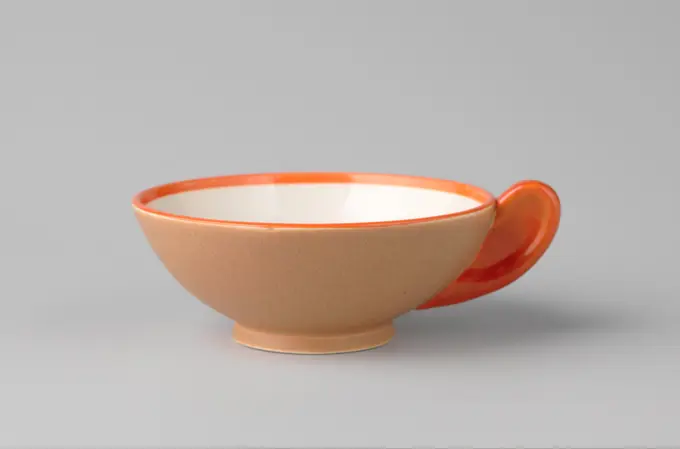
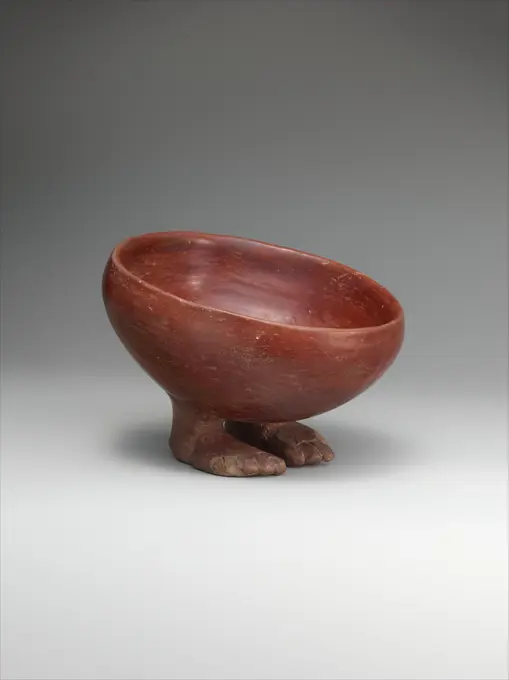
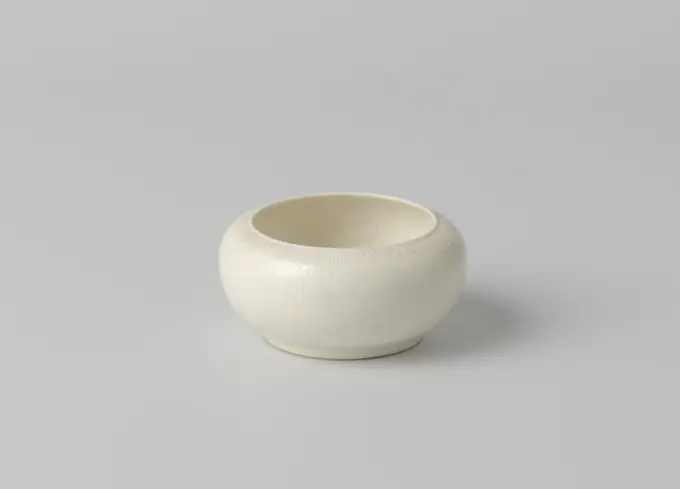
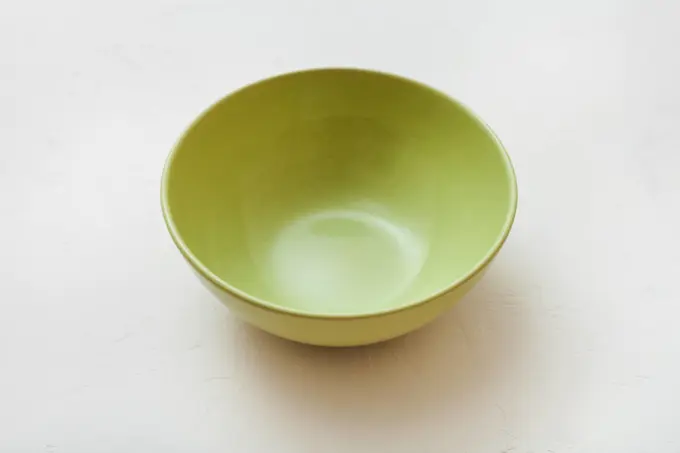
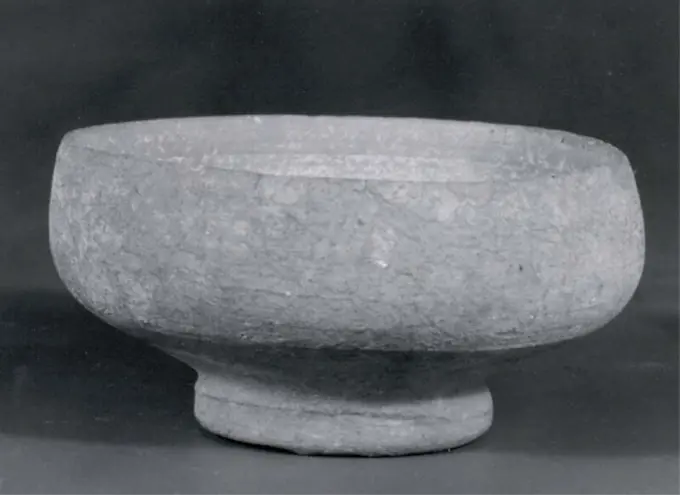
Bowl, 12th-13th century, 2 7/8 x 6 3/4 x 6 3/4 in. (7.3 x 17.15 x 17.15 cm), Chekiang ware Stoneware with underglaze carved decor, China, 12th-13th century. .Coniform Bowl, 960-1279. China, Song dynasty (960-1279). White porcelain, Yingqing ware; diameter: 23 cm (9 1/16 in.); overall: 7 cm (2 3/4 in.).Shallow terracotta bowl 6th century B.C. Lydian Shallow bowl on low foot, dark glaze with circles in white.. Shallow terracotta bowl 249084The handheld teapot is an example of a translucent creamy glaze over an ivory porcelain body that Seif Yohei III called “great white porcelain.” Hand-held Teapot with Yin-Yang Motif, c. 1893-1914. Seifū Yohei III (Japanese, 1851-1914). Porcelain with molded and carved design and cream glaze; height with lid: 6 cm (2 3/8 in.); width with spout: 9.5 cm (3 3/4 in.); diameter: 8.2 cm (3 1/4 in.).Mosaic Bowl; Eastern Mediterranean; end of 1st century B.C. - 1st century A.D; Glass; 3.8 x 9.5 cm (1 1,2 x 3 3,4 in.)Bowl, late 2nd-3rdCentury, Brick red clay, dull dark red glaze, slightly worn in spots, 9.2 × 16.8 cm (3 5/8 × 6 5/8in.), Roman, Roman, Containers -CeramicsCup (usual name), 1127. Céladon covered sandstone. Cernuschi Museum, Asia Museum of Asia in the city of Paris.Glass ribbed bowl late 1st century B.C.-mid-1st century A.D. Roman Translucent streaky pale purple with coloress patches.Outsplayed rim with almost pointed edge, sloping inward below; convex curving side; concave bottom.On interior, a single horizontal groove, cut at junction of rim and side; on exterior, forty-nine short rounded ribs of varying width, thickness, and length.Intact; a few pinprick and larger bubbles; dulling, slight pitting, and faint iridescence.Rotary grinding marks on interior and on band around exterior of rim.Violet ribbed cup; cut band.. Glass ribbed bowl. Roman. late 1st century B.C.-mid-1st century A.D.. Glass; cast, tooled, and cut. Early Imperial, Augustan or Julio-Claudian. GlassBowl. Culture: Coptic. Dimensions: Overall: 1 5/8 x 4 1/8 in. (4.2 x 10.4 cm). Date: 4th-7th century. Museum: Metropolitan Museum of Art, New York, USA.Drinking Cup ca. 1900-1550 B.C. C-Group. Drinking Cup. ca. 1900-1550 B.C.. Polished black ware with traces of white filling.. C-Group. From Nubia (Sudan), Lower Nubia, Faras, Cemetery 2, Grave 115, University of Oxford Excavations in Nubia 1911-1912Glass bowl late 1st century B.C.-early 1st century A.D. Roman Colorless with pale yellow tinge and purplish streaksRounded vertical rim; slightly convex sides, tapering downward; flat bottom.Two broad horizontal wheel-cut grooves on interior below rim.Intact; a few pinprick bubbles; deep pitting, dulling, and iridescent weathering.. Glass bowl 239869Dish ca. 1550-1295 B.C. New Kingdom. Dish. ca. 1550-1295 B.C.. Travertine (Egyptian alabaster) (). New Kingdom. From Egypt, Upper Egypt, Thebes, Asasif, Temple of Hatshepsut, Carnarvon/Carter excavations. Dynasty 18Fragment Come from V.O.C. ship De 'Witte Leeuw', Anonymous, Before 1613 bowl Fragment Come from V.O.C. ship De 'Witte Leeuw', 45 present. Jingdezhen porcelain   Sint-HelenaBowl with perforated lines, anonymous, c. 1100 - c. 1199 Come from Kwartsfritgoed with a transparent alternator. On the wall a band with vertical, perforated lines. Iran earthenware. glaze perforating / vitrification Come from Kwartsfritgoed with a transparent alternator. On the wall a band with vertical, perforated lines. Iran earthenware. glaze perforating / vitrificationDish in the shape of a chrysanthemum flower. Culture: India. Dimensions: Diam. of rim: 6 5/8 in. (16.8 cm). Date: 18th century. Museum: Metropolitan Museum of Art, New York, USA.Bowl 11th-12th century Korea. Bowl. Korea. 11th-12th century. Stoneware with incised decoration under celadon glaze. Goryeo dynasty (918-1392). CeramicsSmall Dish from Dining Set with Plum Blossoms and Cracked-Ice, c. 1875-78. Seifū Yohei II (Japanese, 1844-1878). Porcelain with molded designs; overall: 2.9 x 11.5 cm (1 1/8 x 4 1/2 in.).Dish 1754-70 Myer Myers American. Dish. American. 1754-70. Silver. Made in New York, New York, United StatesNesting Bowl 4th-7th century Coptic. Nesting Bowl 478414Bowl 3rd century BC-1st century AD Parthian This bowl has a flat bottom, straight rim and gently curving sides. It is made of a pale gray clay, using a potters wheel. It was excavated at Shahr-i Qumis in northern Iran, which has been identified as the ancient city of Hecatompylos, established by the Parthians as their capital by about 200 B.C. In Greek Hecatompylos means ‘a hundred gates, suggesting that the city was quite large. Indeed, the modern archaeological site includes several mounds, only a few of which have been excavated, and a vast area covered with potsherds. This vessel comes from Site VI, a building which has been interpreted as a fortified garrison. It was most likely a drinking vessel, probably for wine. Indeed, clay bullae used to seal wine jars have been found elsewhere at the site.. Bowl 325985Terracotta bowl. Culture: Roman. Dimensions: H. 1 15/16 in. (4.9 cm); diameter 4 7/16 in. (11.2 cm). Date: mid-1st century A.D..Yellow bowl veined with red; with ribbed pattern around neck; illegible stamp. Museum: Metropolitan Museum of Art, New York, USA.Nesting Bowl 4th-7th century Coptic. Nesting Bowl 478415BowlGlass bowl late 1st century B.C.-early 1st century A.D. Roman Translucent golden brown.Rounded vertical rim; slightly concave sides tapering downward, then curved in to almost flat bottom.On interior, three horizontal wheel-cut grooves: one broad below rim, the other two thinner in a band around middle of body; on exterior, plain band and shallow ridge below rim.Intact; few pinprick bubbles; dulling, deep pitting, and brilliant iridescence, with patches of creamy weathering on interior.. Glass bowl 245699Flying ". Orange terracotta. Paris, Cernuschi muse. Disfigured streaks decor; inside and outside. Asian art, extreme-East art, Vietnamese art, ceramic, cut, terracotta, dishesMiniature Bowl 1200-1450 South Coast. Gold . IncaGlass bowl late 1st century B.C.-early 1st century A.D. Roman Colorless with pale greenish tinge, and one purple streak on one side.Rounded vertical rim; sides tapering downward, then curved in to flat bottom.Two broad, horizontal wheel-cut grooves on interior below rim.Intact; many pinprick bubbles and striations; dulling and pitting on exterior, patches of thick creamy brown weathering on interior.Blue glass bowl with cut lines.. Glass bowl 239842Close-up of dark wood bowlBowl Etruscan Of light gray ware, three knobs for handles.. Bowl. Etruscan. Terracotta; bucchero. VasesBowl. Dimensions: H. 5 cm (1 15/16 in.), Diam. 11 cm (4 5/16 in.). Dynasty: Dynasty 19-20. Date: ca. 1295-1070 B.C..Egyptian glassmaking, which had reached a high level of virtuosity in late Dynasty 18, continued to be practiced in the Ramesside Period; however, the quality, as well as quantity, of it production dropped off sharply in Dynasty 20. The design of this bowl is characteristic of its time as it is monochrome, with only a "rope" made of stained glass rods attached to the rim. Museum: Metropolitan Museum of Art, New York, USA.. Dish of stoneware with (fixed) two wine trays on top, covered with an olive green, somewhat engrowsculated glaze.Bol ". GRS covered ivory. Paris, Muse Cernuschi. He was Asian art, extreme-East art, Vietnamese art, bowl, ceramic, gres, dishesBowl with Stylized Leaves 960 CE-1279 China. Celadon-glazed stoneware with underglaze incised decoration .Cup, c. 1915-40. Seifū Yohei IV (Japanese, 1872-1951). Porcelain; overall: 6.5 x 9 cm (2 9/16 x 3 9/16 in.).Polychrome Bowl with Cloud Decoration. Dimensions: W. 9 15/16 in. (25.2 cm)H. 5 in. (12.7 cm). Date: late 17th-early 18th century.Like so many ceramics produced in Iran during the Safavid period, the style and ornament of this dish shows an attempt to emulate the highly-regarded Chinese porcelain. The shape of this bowl and the scrolling cloud bands on its body illustrate the Chinese influences in this piece. However the use of mossy green instead of the typical blue, is an element of Persian innovation. Museum: Metropolitan Museum of Art, New York, USA.One Conical Bowl. Unknown 175-75 B.C. One of a pair of conical bowls. On the interior of the rim is a rounded molding, grooved at the lower edge. On the exterior of the rim is a Greek inscription: KOTEOYC HLIOY, Belonging to Kotes, priest of Helios (Theodossiev 2001, however, takes the name as nominative). Greek inscription: KOTEOYC HLIOY (Belonging to Kotes, priest of Helios).Bowl 3rd-4th century Teotihuacan. Bowl. Teotihuacan. 3rd-4th century. Ceramic. Mexico, Mesoamerica. Ceramics-ContainersAnonymous / 'Boat-shaped jasper tazza'. XVII century. Gold, Polychrome jasper agatatized. Museum: Museo del Prado, Madrid, España.Deep Conical Bowl with Cloudlike Petals. China. Date: 1050-1127. Dimensions: H. 9.3 cm (3 11/16 in.); diam. 20.2 cm (7 15/16 in.). Yaozhou ware; celadon-glazed stoneware with underglaze carved decoration (exterior). Origin: China. Museum: The Chicago Art Institute, Chicago, USA.Mosaic Bowl; Eastern Mediterranean; end of 1st century B.C. - 1st century A.D; Glass; 3.9 x 9 cm (1 9,16 x 3 9,16 in.)Bowl. UnknownBowl, possibly a copy of Jun ware possibly 13th century possibly Chinese. Bowl, possibly a copy of Jun ware 460662Bowl with translucent flower scrolls, anonymous, c. 1900 - c. 1936 Wide bowl of porcelain, covered with a translucent white glaze. The walls are opened (ajour work) with flower vines, on which the glaze has been applied. Blanc the Chine. China porcelain. glaze vitrification Wide bowl of porcelain, covered with a translucent white glaze. The walls are opened (ajour work) with flower vines, on which the glaze has been applied. Blanc the Chine. China porcelain. glaze vitrificationDeep Bowl 1101-1200 Korea. Stoneware with celadon glaze .Glass bowl 1st century A.D. Roman Colorless with blue green tingeKnocked-off, uneven, vertical rim; short concave neck; convex sides curving in to concave bottom.Decoration of four parallel bands of wheel-abraded lines on body, aslant to rim.Intact, except for one very small chip in rim; many pinprick bubbles; deep pitting, dulling, and iridescent weathering on exterior; creamy brown weathering on interior.. Glass bowl. Roman. 1st century A.D.. Glass; blown and cut. Early Imperial. GlassBaptismal Shells (3) 1500-1799 México. Silver .Silver phiale (libation bowl) ca. 2300-2000 B.C. Anatolian This vase, along with 1989.281.45-.48 are said to have been found together, are best paralleled by pieces found by Heinrich Schliemann at Troy in a stratigraphic level know as Troy II. The wealth of jewelry and objects from the latest phase, Troy IIg, led Schliemann to believe that he had found the city described by Homer. In reality, this material is datable to about a thousand years before the Trojan War.. Silver phiale (libation bowl) 255924Bowl 11th-12th century Korea. Bowl 57428Bowl with a stylized flower and foliate motifs, anonymous, c. 900 - c. 1099 Come of earthenware on a fairly high flat foot and with straight wall, red shard with white sludge layer on both sides. The inside is painted in green -yellow sludge with standing leaf motifs between dotted compartments. Along the mouth edge another piping in manganese sludge. On the bottom a stylized flower in green -yellow sludge with dark green dots under transparent lead glaze. Nishapur earthenware. glaze painting / vitrification Come of earthenware on a fairly high flat foot and with straight wall, red shard with white sludge layer on both sides. The inside is painted in green -yellow sludge with standing leaf motifs between dotted compartments. Along the mouth edge another piping in manganese sludge. On the bottom a stylized flower in green -yellow sludge with dark green dots under transparent lead glaze. Nishapur earthenware. glaze painting / vitrificationDeep Bowl. China. Date: 1100-1234. Dimensions: H. 7.0 cm (2 13/16 in.); diam. 10.5 cm (4 3/16 in.). Green Jun ware; glazed stoneware. Origin: China. Museum: The Chicago Art Institute, Chicago, USA.Cup (usual name), 1400. Gray-Vert covered sandstone. Cernuschi Museum, Asia Museum of Asia in the city of Paris.Cup and Saucer with a Dark Brown Glaze, anonymous, c. 1730 - c. 1770 Porcelain saucer, covered with a monochrome dark brown glaze. Monochrome. China porcelain. glaze vitrification Porcelain saucer, covered with a monochrome dark brown glaze. Monochrome. China porcelain. glaze vitrificationFunerary Footed Tray (Pan) with Floral Roundel. China, Middle Tang dynasty, about 700-800. Furnishings; Serviceware. Wheel-thrown earthenware with impressed decoration and polychrome (sancai) glazeDish with twin fish 13th century China. Dish with twin fish 48366. Meissener Porzellan ManufakturMeissen, c. 1725-1730painted decoration: attributed to Abraham Seuter (1689-1747), Augsburg, c. 1725-1747hard-paste porcelainBowl. China. Date: 1723-1735. Dimensions: H. 8.4 cm (3 5/16 in.); diam. 18.2 cm (7 3/16 in.). Porcelain with crimson pink glaze. Origin: China. Museum: The Chicago Art Institute, Chicago, USA.Footed plate with horned animals ca. 4000 B.C. Iran. Footed plate with horned animals 324577Czarka; Dresden (glassworks; 1699-Post 1756); 1720-1740 (1720-00-00-1740-00-00);Veritas" antique shop (Warsaw - antique shop - 1950-), purchase (provenance)Drinking Cup from Dining Set with Plum Blossoms and Cracked-Ice, c. 1875-78. Seifū Yohei II (Japanese, 1844-1878). Porcelain with molded designs; overall: 6.7 x 9.3 cm (2 5/8 x 3 11/16 in.).Beaker with Relief-cut Decoration 9th-10th century In its size, state of preservation, and fineness of execution, this piece has few parallels in Islamic relief-cut glass. The decoration consists of a band of palmettes, half-palmettes, and floral motifs on two scrolls between two horizontal ridges. Early Islamic carved rock-crystal vessels reputedly produced in Egypt demonstrate a close similarity in technique and design.. Beaker with Relief-cut Decoration. 9th-10th century. Glass, colorless; blown, cut. Attributed to Iran. GlassPie Dish 1803-67 Attributed to Hervey Brooks. Pie Dish 5610Bowl ca. 2300-2000 B.C. Hattian. Bowl 324476Fragments of Kommen from V.O.C. ship De 'Witte Leeuw', Anonymous, Before 1613 bowl Fragments of bowls from V.O.C. ship the 'Witte Leeuw'. Jingdezhen porcelain   Sint-HelenaCup. China. Date: 1723-1735. Dimensions: H. 4.7 cm (1 7/8 in.); diam. 5.8 cm (2 1/4 in.). Porcelain with crimson pink glaze. Origin: China. Museum: The Chicago Art Institute, Chicago, USA.Soba cup mid-18th-18th century Japan. Soba cup. Japan. mid-18th-18th century. Porcelain with underglaze blue (Hizen ware). middle Edo period (1615-1868). CeramicsSilversmith: Hendrik van Beest, Round silver sconce, sconce candlestick stand lighting medium, hammered cast Smooth round saucer with sloping outer edge on stand ring candle holder with nodule and profile edges bottom underside (smashed) illuminationGlass bowl with cut decoration 2nd-3rd century A.D. Roman Colorless.Plain vertical rim with thickened, rounded lip; vertical side to body, curving in to flat bottom, slightly domed on interior.Below rim, one horizontal rounded trail; two more finer trails applied as concentric circles around bottom; on body, two rows of vertical, short, wheel-cut lines, twenty-two in upper row, twenty-one in lower; on bottom, central round cut indent.Broken and repaired, with tiny chips missing; almost all of surfaces covered in dulling, creamy weathering, and iridescence.. Glass bowl with cut decoration 245394Georges Despret (1862-1952). Cutting on foot. Glass, glass paste. XIXth-XXth century. Museum of Fine Arts of the City of Paris, Petit Palais. 19th XIXth XIX 19th 19th 19th century, XXth XXth XX 20th 20th 20th centuryCup first half of the 19th century China. Cup. China. first half of the 19th century. Porcelain painted in overglaze famille rose enamels, rose pink glaze on reverse. Qing dynasty (1644-1911). CeramicsCup with translucents rice-grain roundels, anonymous, c. 1700 - c. 1724 Bell -shaped head of porcelain, covered with a translucent white glaze. The walls are opened (ajour work) in five rosettes of rice work. White porcelain, monochromes. Jingdezhen porcelain. glaze vitrification Bell -shaped head of porcelain, covered with a translucent white glaze. The walls are opened (ajour work) in five rosettes of rice work. White porcelain, monochromes. Jingdezhen porcelain. glaze vitrificationMarble bowl. Culture: Cycladic. Dimensions: 1 × 3 1/8 in. (2.6 × 8 cm). Date: ca. 2800-2500 B.C..Small bowl with evidence of red pigment. Museum: Metropolitan Museum of Art, New York, USA.Cup 18th century British, probably Bristol. Cup. British, probably Bristol. 18th century. Glass. GlassBowl 3rd millennium B.C.. Bowl 324304Przeszo Przyszoci Wasserlandt, Ernst ChristianKohl jar ca. 1635-1458 B.C. Second Intermediate Period-Early New Kingdom. Kohl jar 547037Small bowl ca. 1st century A.D. Nabataean. Small bowl 325883Kohl Jar and Stick (with 16.10.373a, b) ca. 1635-1458 B.C. Second Intermediate Period-Early New Kingdom. Kohl Jar and Stick (with 16.10.373a, b) 566310Pottery saucepan, red shard, fully glazed, pouring lip, on three legs, saucepan pan tableware container kitchenware earth discovery ceramics earthenware glaze lead glaze, hand turned baking glazed Pottery saucepan red shard with lead glaze wide cuff shaped mouth rim with pouring lip three legs grating on the bottom. Excellent ridge around the abdomen archeology indigenous pottery food prepare cooking food cuisineTerracotta kylix (drinking cup) ca. 475-450 B.C. Greek, Attic Black-glazed vases focus one's attention on the precision of the shape and the rich consistency of the black gloss.. Terracotta kylix (drinking cup). Greek, Attic. ca. 475-450 B.C.. Terracotta; black-glaze. Classical. VasesDeep pap bowl on stand with two lying ears, industrial white goods, porcelain crockery holder earthenware ceramic earthenware glaze, shaped glazed baked Deep papkom on stand. Two lying and slightly upwardly bent ears. Relatively relatively thin sausage ears. Thickened upper edge with groove along the perimeter of the upper side Industrial white goods covered entirely with feldspar glaze archeology Heenvliet Bernisse indigenous product porridge pap food serve serve Soil discovery Heenvliet: Pastorie burnerGermany, Cologne (aka Koln). Roman Germanic Museum. Display of ancient Roman glass.Bowl on the base;  2. PO. 18th century (1736-00-00-1796-00-00);Bowl with Chrysanthemum Flower Heads 1400-1499 Korea. Celadon-glazed stoneware with underglaze inlaid decoration of white clay .Glass ribbed bowl mid-1st century A.D. Roman Translucent pale blue green.Knocked-off, uneven rim; short concave neck; bulging side curving in to flat bottom.Side tooled into fourteen irregular, vertical ribs.Broken with parts of rim missing and small hole in side; some bubbles; dulling, deep pitting, and patches of thick milky weathering.. Glass ribbed bowl 239849Salt or BonnetGlass. Maker, possibly by: New Bremen Glass Manufactory, American, 1784-1795Proprietor: John Frederick Amelung, American, born Germany, 1741-1798Small BowlSweets Bowl, c. 1915-51. Seifū Yohei IV (Japanese, 1872-1951). Porcelain with coral red glaze; height: 9 cm (3 9/16 in.); diameter: 19 cm (7 1/2 in.).Bowl ca. 2750-2649 B.C. Early Dynastic Period. Bowl. ca. 2750-2649 B.C.. Travertine (Egyptian alabaster). Early Dynastic Period. From Egypt, Memphite Region, Saqqara, Tomb 2322, Egyptian Antiquities Service/Quibell excavations, 1910-11. Dynasty 2, second halfLobed Bowl. Seifu Yohei III; Japanese, 1851-1914. Date: 1890-1900. Dimensions: . Porcelain with incised floral design. Origin: Japan. Museum: The Chicago Art Institute, Chicago, USA.. Come from quartz friting goods with an opaque white tin-lead-alkalilation on which a decor with lunches of luster.Ointment Jar with Lid. Egyptian. Date: 1976 BC-1794 BC. Dimensions: a (jar): 5.1 × 4.2 × 4.3 cm (2 × 1 11/16 × 1 11/16 in.)b (lid): .5 × 4.4 × 4.4 cm (3/16 × 1 3/4 × 1 3/4 in.). Anhydrite. Origin: Egypt. Museum: The Chicago Art Institute, Chicago, USA. Author: Ancient Egyptian.Tea head, part of a tea set, Petrus Regout & Co., 1934 Tea head of earthenware, part of a tea set. Brown distance on the outside, with red buttons, spouts, ears and edges. Marked with sphinx stamp; Petrus Regout & Co Maastricht in a lying rectangle; Made in Holland. Maastricht earthenware Tea head of earthenware, part of a tea set. Brown distance on the outside, with red buttons, spouts, ears and edges. Marked with sphinx stamp; Petrus Regout & Co Maastricht in a lying rectangle; Made in Holland. Maastricht earthenwareBowl with Human Feet ca. 3900-3650 B.C. Predynastic, Late Naqada l-Naqada II In the Predynastic Period, potters created a wide variety of ceramic vessels. One unusual type is a bowl with supports shaped like human feet. This simple, round bowl, tipped slightly forward as if to offer its contents, has two such feet solidly attached to its underside. Made from Nile clay, the bowl has a smoothed, slipped, and polished surface, giving it a light sheen. The bowl standing on feet is very similar in form to the Egyptian hieroglyph meaning "to bring." Since none of the known bowls of this type comes from a well-understood context, archaeologists cannot interpret their original use. Perhaps vessels like this were placed above a tomb to present offerings from the living to the deceased, a practice that was an established part of funerary ritual in pharaonic Egypt. Alternatively, they may have held offerings to a deity in his shrine.. Bowl with Human Feet 547212Bowl with rounded sides and a band of scroll work, anonymous, c. 1700 - c. 1899 Come from Soft-Paste Porcelain (Pâte Tendre), covered with a cream-colored glaze. Around the edge of two ingruffed decorative tires, one with architecture and one with curl. Glaze is lightly crawling. Monochrome. China porcelain. soft-paste porcelain. glaze engraving / vitrification Come from Soft-Paste Porcelain (Pâte Tendre), covered with a cream-colored glaze. Around the edge of two ingruffed decorative tires, one with architecture and one with curl. Glaze is lightly crawling. Monochrome. China porcelain. soft-paste porcelain. glaze engraving / vitrificationSencha cup with poem, from a set of five, 19th century, Ōtagaki Rengetsu, Japanese, 1791 - 1875, 1 5/8 × 2 5/8 × 2 1/2 in. (4.13 × 6.67 × 6.35 cm), White stoneware, Japan, 19th centuryCovered bowl with scrolls, diaper pattern and scattered flowers, anonymous, c. 1700 - c. 1749 Porcelain lid bowl with ribbed wall and lobed edge, painted on the glaze in red, green, yellow, eggplant, turquoise, black and gold. The outer wall of the bowl is divided into elongated compartments with alternating service and flower vines; Around the foot a tire with curl. A stylized flower on the bottom; The inner wall with five loose stylized flowers. Porcelain with email choices. Japan porcelain. glaze. gold (metal) vitrification / gilding / vitrification Porcelain lid bowl with ribbed wall and lobed edge, painted on the glaze in red, green, yellow, eggplant, turquoise, black and gold. The outer wall of the bowl is divided into elongated compartments with alternating service and flower vines; Around the foot a tire with curl. A stylized flower on the bottom; The inner wall with five loose stylized flowers. Porcelain with email choices. Japan porcelain. glaze. gold (metal) vitrification / one green bowl on white plaster one green bowl on white plastering plate Copyright: xZoonar.com/ValeryxVoennyyx 9787655Cup ca. 1st century A.D. Nabataean. Cup 325892Bowl (Wan) with Chrysanthemum Scrolls