Ceramic Bowls and Teapots

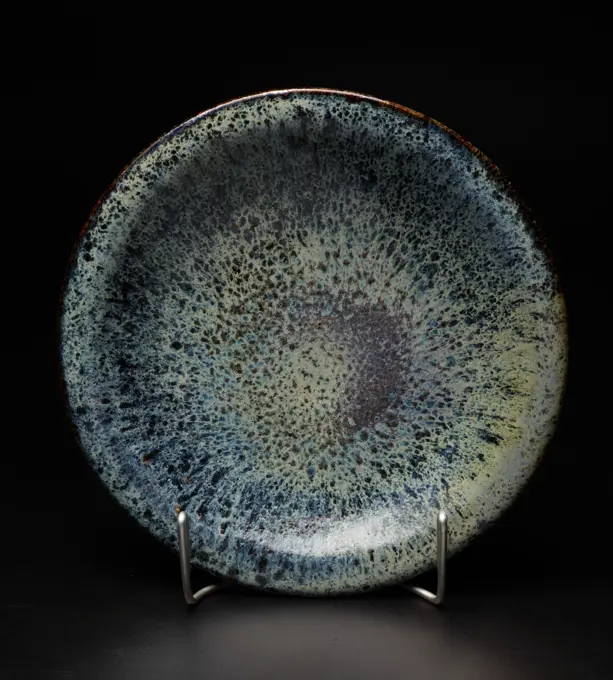
A selection of historical ceramic bowls and a handcrafted teapot, showcasing various styles from different periods, including song dynasty porcelain.

Mosaic Bowl; Eastern Mediterranean; end of 1st century B.C. - 1st century A.D; Glass; 3.8 x 9.5 cm (1 1,2 x 3 3,4 in.)
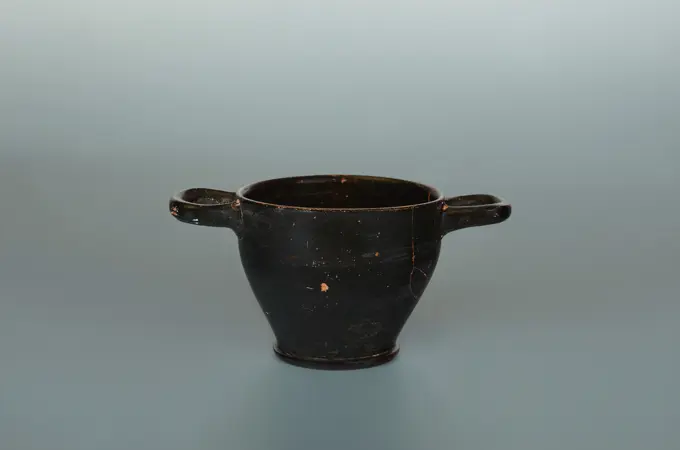
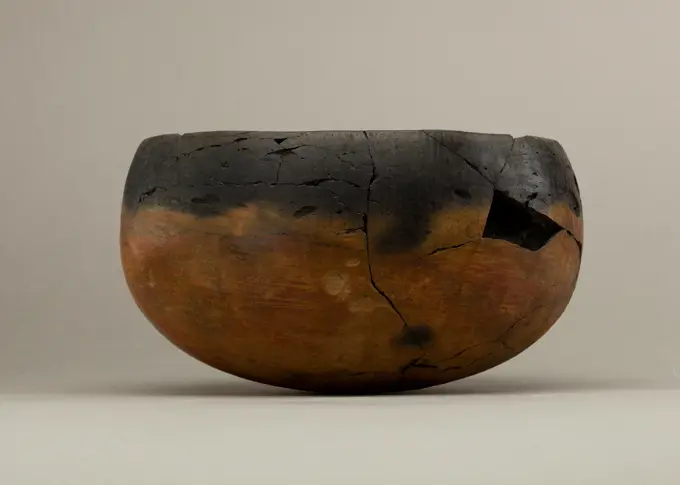
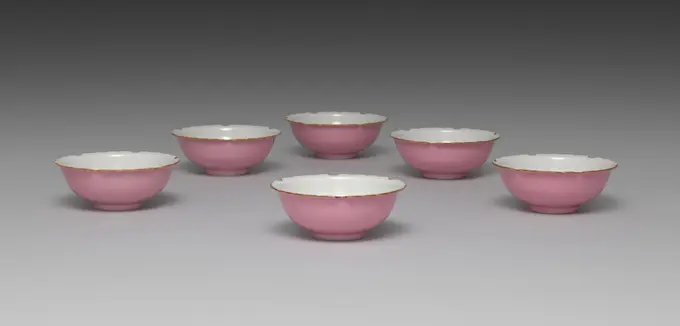
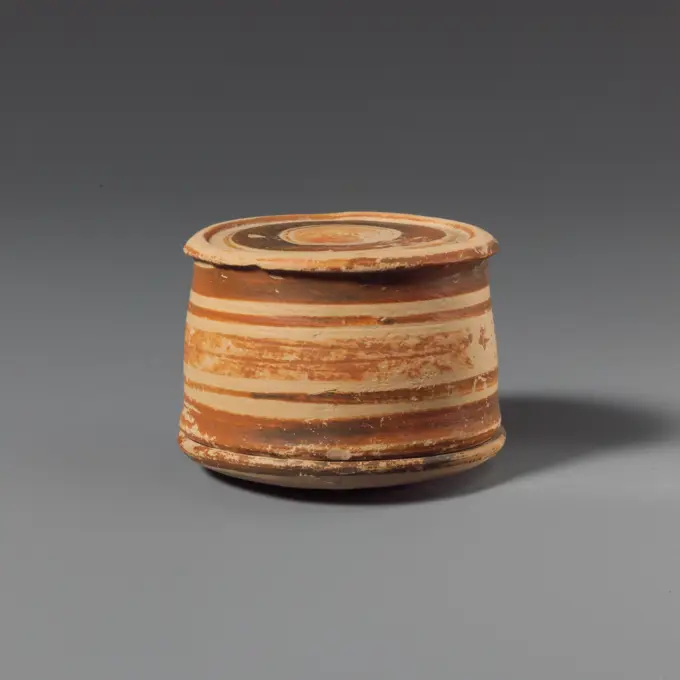
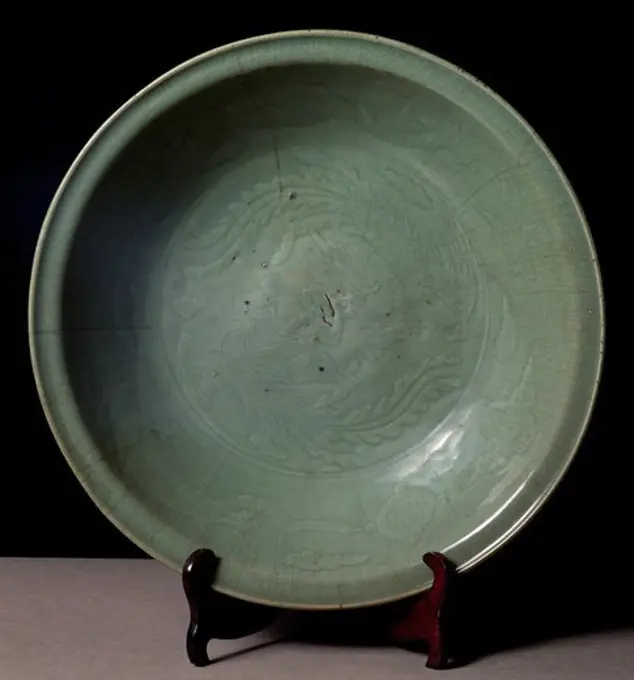
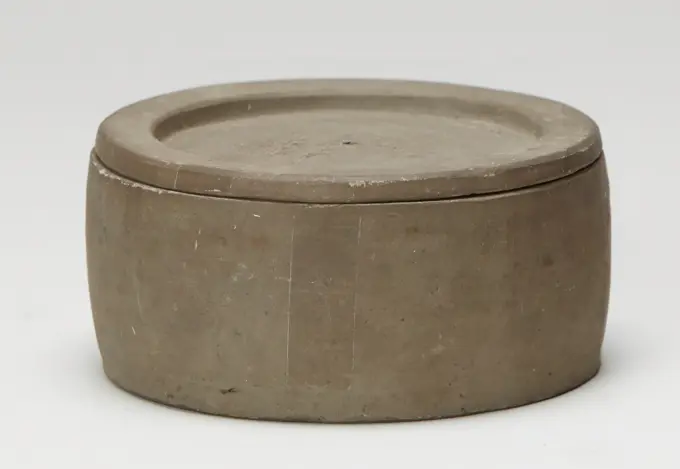
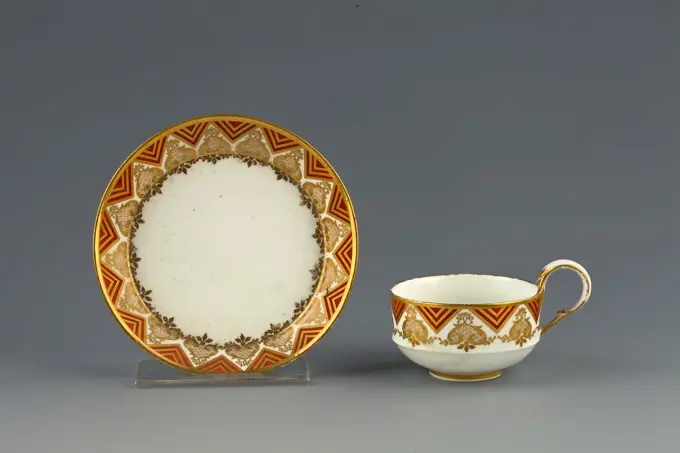
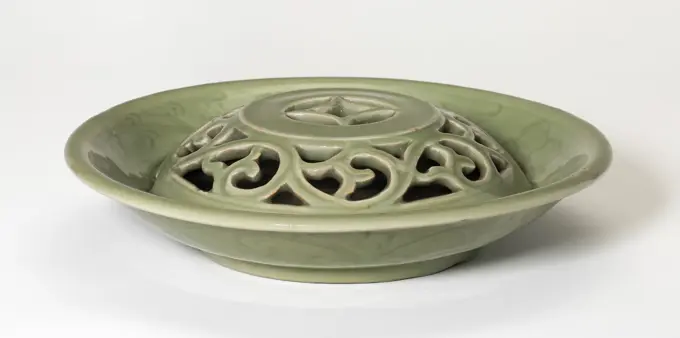
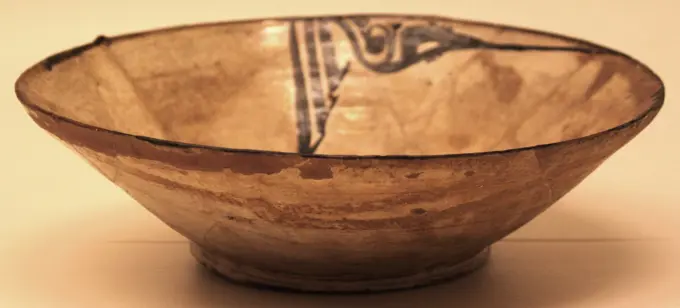
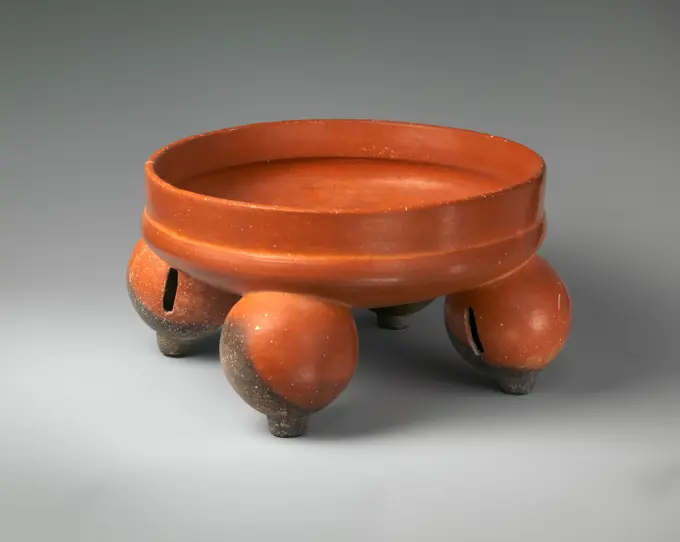
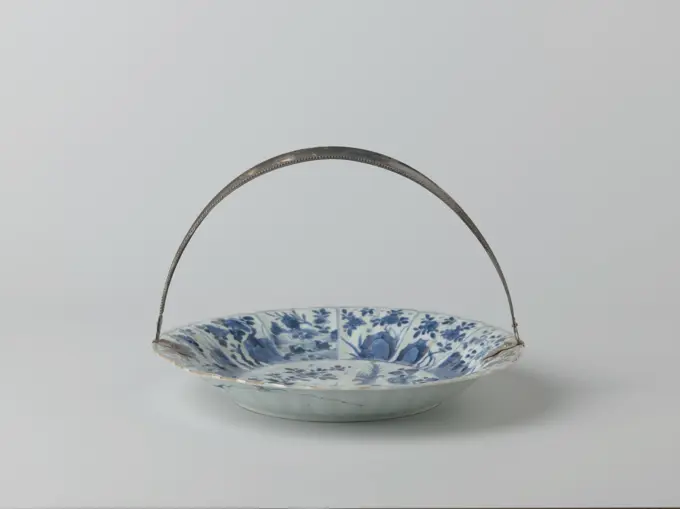
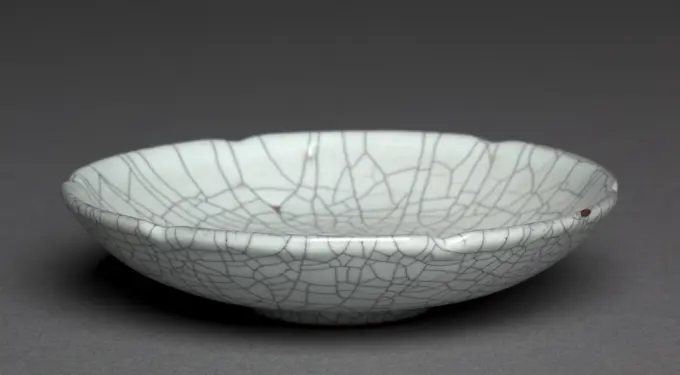
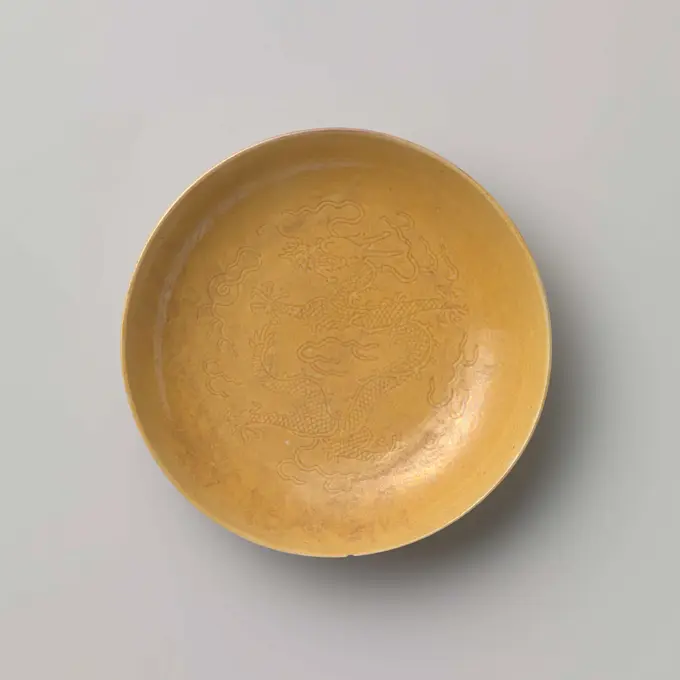
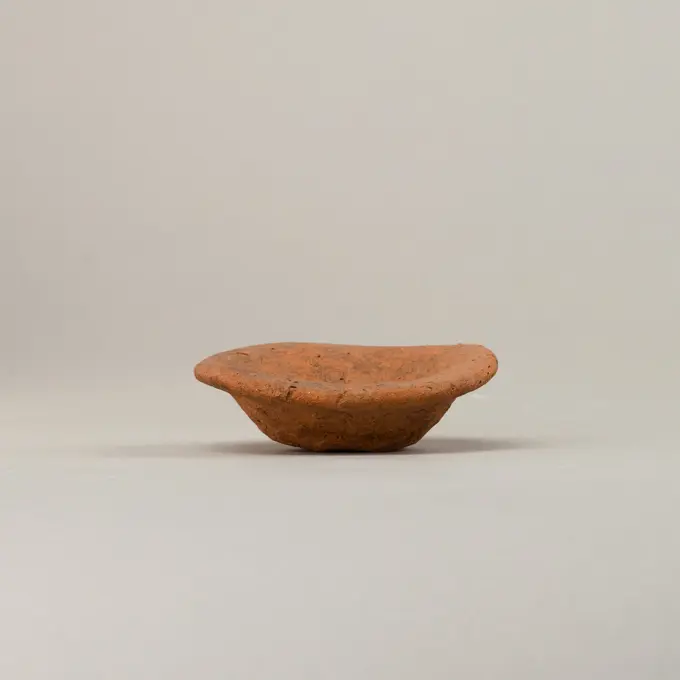
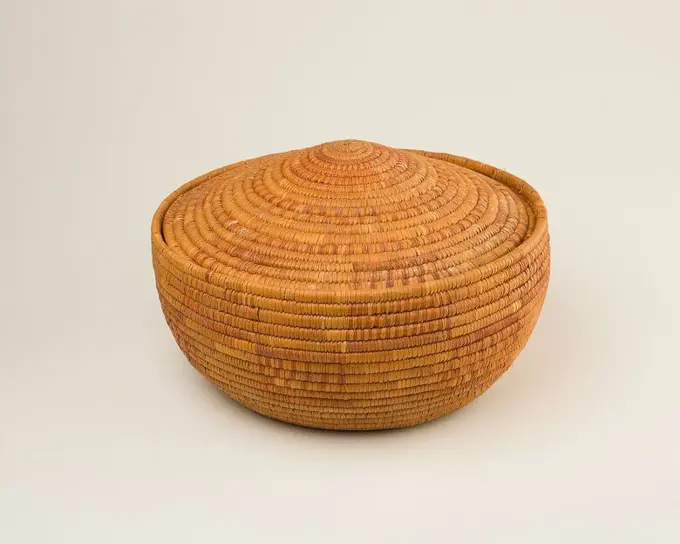
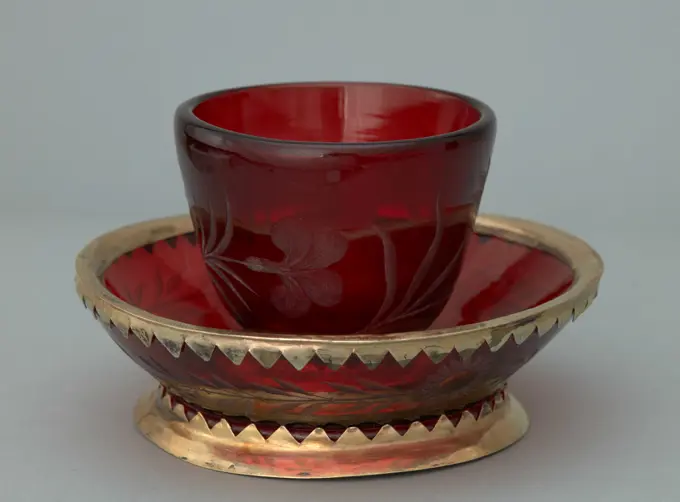
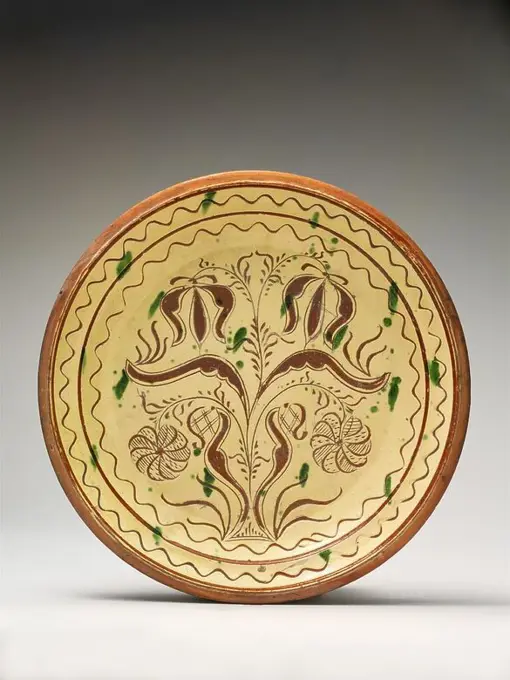
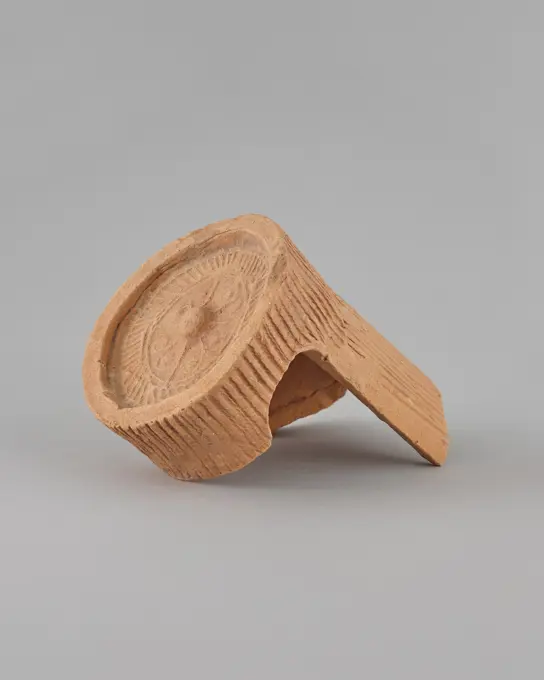
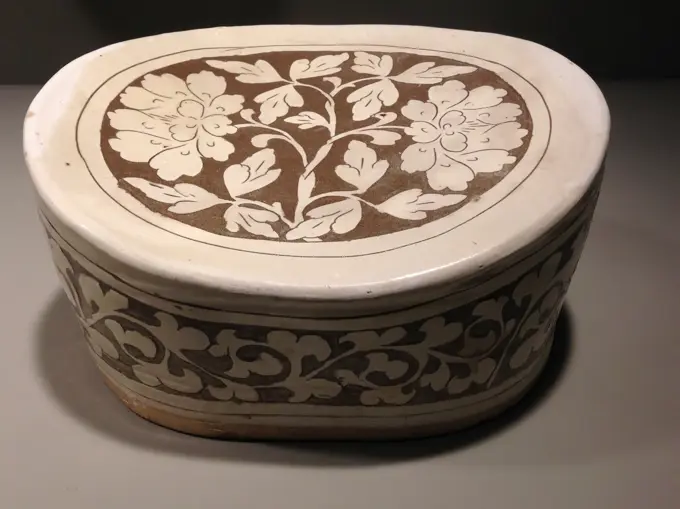
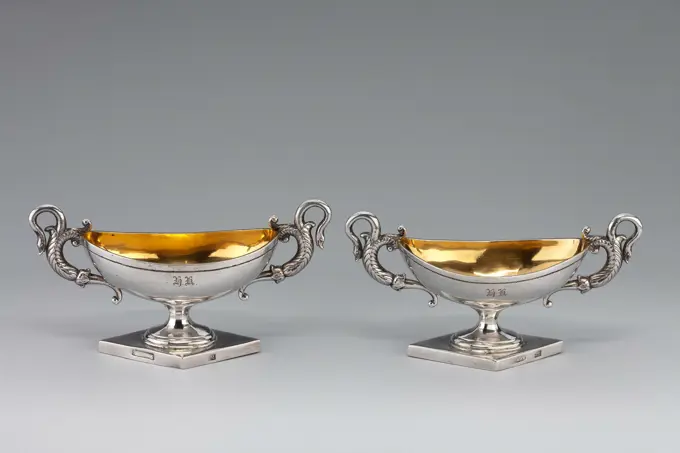
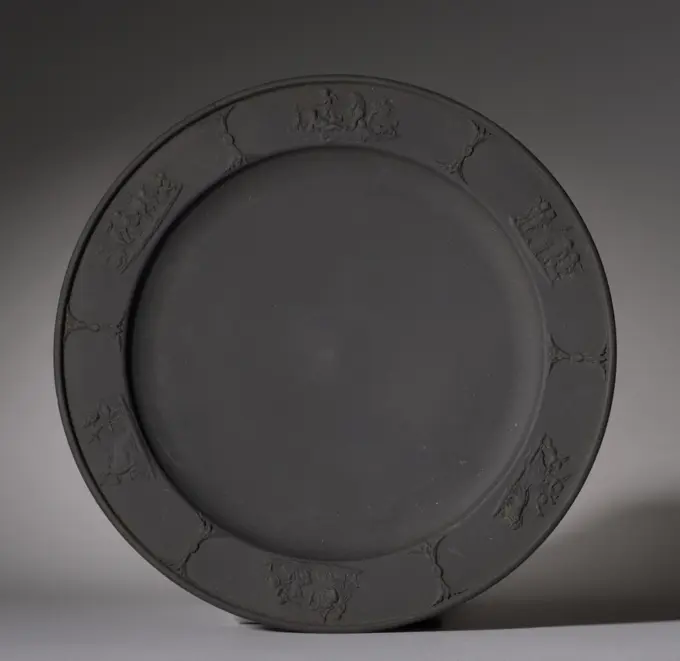
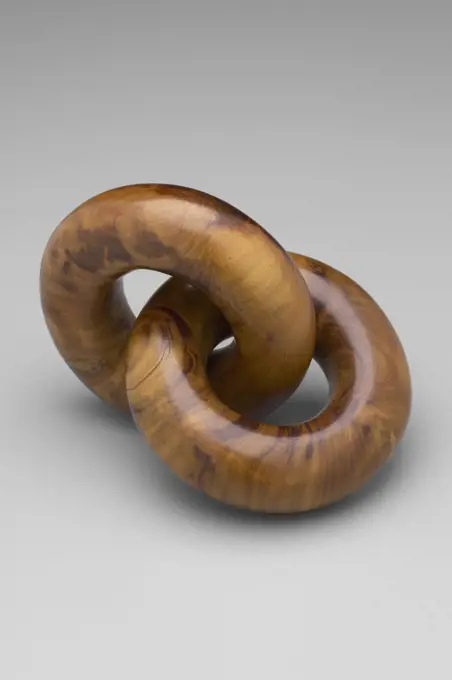
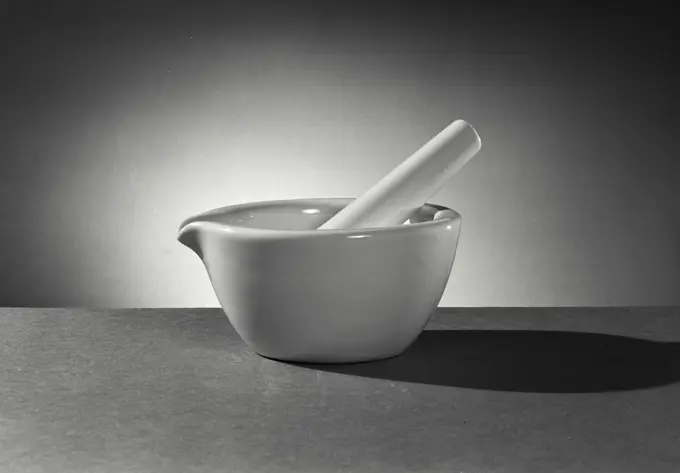
Vintage Photograph. Close-up of a mortar and pestleSkyphosBowl ca. 4400-3800 B.C. Predynastic, Badarian. Bowl. ca. 4400-3800 B.C.. Pottery. Predynastic, Badarian. From Egypt, Northern Upper Egypt, Matmar, Tomb 6003, BSAE/Brunton excavations, 1931Water Coupe. Culture: China. Dimensions: H. 3 1/2 in. (8.9 cm); Diam. 5 in. (12.7 cm). Date: ca. 1700-22. Museum: Metropolitan Museum of Art, New York, USA.Snow-Flake Side Dishes, c. 1893-1914. Seifū Yohei III (Japanese, 1851-1914). Set of six dishes; porcelain with lobed rims and pink glaze; height (each): 5 cm (1 15/16 in.); diameter (each): 13.5 cm (5 5/16 in.).Terracotta saucer-shaped lamp Cypriot 4th century BCE Wheel-made with edge folded in to form a long, narrow wick rest. Broad, raised rim, with rounded lip; shallow, almost flat, open body; undefined, uneven base.Complete, except for small chip in underside of rim at right. View more. Terracotta saucer-shaped lamp. Cypriot. 4th century BCE. Terracotta. TerracottasBowl ca. 1870 Italian, Venice (Murano). Bowl. Italian, Venice (Murano). ca. 1870. Glass. Glass. .Terracotta pyxis (box) late 7th-6th century B.C. Cypriot Small pyxis with black and red bands. This may be a Cypriot adaptation of a Protocorinthian type.. Terracotta pyxis (box) 240983Czarka with engraved decoration unknownBrush Washer (Xi). China, Jiangxi Province, Jingdezhen, Qing dynasty, Kangxi mark and period, 1662-1722. Tools and Equipment; brush washers. Wheel-thrown porcelain with peach-bloom glazeLarge plate decorated with phoenixes and dragons in the background, celadon ceramic by Lung Ch'uan of the Tenryuji type, China. Chinese Civilisation, Ming Dynasty, 14th-17th century.Footless Cup or Lid. Culture: Coptic. Dimensions: Overall: 1 3/4 x 3 7/16 in. (4.5 x 8.7 cm). Date: 4th-7th century. Museum: Metropolitan Museum of Art, New York, USA.Bowl (USA); Made by Louis Comfort Tiffany (American, 1848-1933); favrile glassBasket 19th century Japan. Basket 62200Ts'ung, c. 18th-14th Century BC. China, Shang dynasty (c.1600-c.1046 BC). Jade; overall: 9.2 cm (3 5/8 in.).Cricket Incubator with Cover, 19th century, 2 1/8 x 4 7/16 in. (5.4 x 11.27 cm), Ceramic, China, 19th centuryRed lacquered bowl of wood, with lid. Deep wooden bowl on foot ring, whole red lacquered except inside the foot ring black. On the outside decorated with three round medallions with oriental man portraits in color and gold; Against the inner wall a single rank motif three times. With a lid.WoodenBowlTeacup and saucer. Korzec (manufaktura porcelany ; 1790-1832), manufactureDish with Openwork Dome and Floral Scrolls 1401-1500 China. Longquan ware; celadon-glazed stoneware with underglaze incised decoration .Bowl late 9th-early 10th century The convention of a bird with a twig or leaf in its mouth is known also in Sasanian art, but the manner of the drawing of the bird, including protuberances on the leaf and the bird's legs, is typical of Samanid Nishapur. The flourishes of the inscription are also typical.. Bowl 449353Miniature Dish China. Miniature Dish. China. Jadeite. Qing dynasty (1644-1911), Qianlong period (1736-95). JadeBumpy empty ceramic plate on a textured concrete background. Kitchen utensil itemContainer in the Shape of a Ritual Grain Sever(Gui)Salt barrel () On high foot, anonymous, c. 1700 - c. 1799 Salt barrel () On high base of Esdoornhout, rotated by one piece. Amsterdam (possibly) maple (wood) Salt barrel () On high base of Esdoornhout, rotated by one piece. Amsterdam (possibly) maple (wood)Bowl -Celadon jar, 14th century, 10 1/8 x 11 3/4 in. (25.72 x 29.85 cm), Earthenware, glaze, China, 14th centuryAlabaster dish. Culture: Cypriot. Dimensions: Diam.: 3 11/16 in. (9.3 cm). Date: 4th century B.C. . Museum: Metropolitan Museum of Art, New York, USA.Georges Despret (1862-1952). Cutting on foot. Glass, glass paste. XIXth-XXth century. Museum of Fine Arts of the City of Paris, Petit Palais. 19th XIXth XIX 19th 19th 19th century, XXth XXth XX 20th 20th 20th centuryTetrapod Bowl 1st-4th century Maya Wide-mouthed bowls or plates are believed to have been used as presentation or serving vessels. Those raised on four bulbous feet are identified with the Maya lowlands of Mexico and Guatemala in the earliest centuries A.D. and include a rather showy type surfaced with an arresting, bright orange-red slip, as seen here. The surface is continuous, even, and smooth in color; the shape is clean lined and well balanced. This type of vessel represents a considerable display of proficiency in the art and technique of the potter and was valued as a precious object at the time of manufacture. Other ceramics of specialized shape and size were finished with the same orange-red surface color. Perhaps suites of similarly hued ceramic containers were particularly meaningful together. This example has dark gray firing-clouds on the bottom of the feet, the only change in color from smooth orange-red on the vessel.. Tetrapod Bowl. Maya. 1st-4th century. Ceramic. GuateCovered Box with Peony Blossom. China. Date: 800 AD-899 AD. Dimensions: H. 5.8 cm (2 1/4 in.); diam. 13.5 cm (5 5/16 in.). Yue ware; stoneware with underglaze carved decoration. Origin: China. Museum: The Chicago Art Institute, Chicago, USA.CAZUELA "CORDADA"(REJILLA DE ALAMBRE EN LA BASE)VIDRIADA-S XX ARTE POPULAR. Location: ALFARERIA. MARRATXI-PORTOL. MALLORCA. SPAIN.A studio photo of three multi colored wooden bowls stacked together.recycling, tableware and eco friendly concept - close up of coconut bowl on table. close up of coconut bowl on tableDish with birds, panel decoration with flower sprays and silver handle, anonymous, c. 1700 - c. 1724 Porcelain saucer with ribbed wall and scalloped edge, painted in underlaze blue. On the flat two birds with a rock with flowering branches; the wall with petal-shaped compartments filled with water landscape with two birds and a flower branch, rocks and a flower branch or rocks, bird and flower branch; The back with two flower branches. With silver, 19th-century handle. Edge damaged; Two cracks in the wall. Blue White. silversmith: NetherlandsChina porcelain. glaze. cobalt (mineral). silver (metal) painting / vitrification Porcelain saucer with ribbed wall and scalloped edge, painted in underlaze blue. On the flat two birds with a rock with flowering branches; the wall with petal-shaped compartments filled with water landscape with two birds and a flower branch, rocks and a flower branch or rocks, bird and flower branch; The back with two flower branches. With silver, 19th-century handlBread plate - St. Johns Stone Chinaware Company (founded 1873) St. Johns Stone Chinaware Company (founded 1873)Corn pitcher 1855-60 Southern Porcelain Company. Corn pitcher. American. 1855-60. porcelain. Made in Kaolin, South Carolina, United StatesFlat Dish: Guan ware, 960-1279. China, Song dynasty (960-1279). Glazed reddish-brown stoneware; diameter: 15.3 cm (6 in.); overall: 3.5 cm (1 3/8 in.).Bowl.   Maker: Max Rieg, American, born Germany 1899-1985Saucer-Dish With Incised Pearl Chasing Dragon Between Flames. Dish of porcelain, covered with a monochrome yellow glaze. On the flat and on the back pearl roaching, five-handed dragons between flames. Inside the foot ring white glazed; Marked on the underside with the six character mark of Emperor Guangxu. A crack in the wall. Old label on the bottom with '01 -003 CAT NR 50 '. Monochromes.Sugar bowl with lid, part of a tea set, Petrus Regout & Co., 1934 Sugar bowl with pottery lid, part of a tea set. Brown distance on the outside, with red buttons, spouts, ears and edges. Marked with sphinx stamp; Petrus Regout & Co Maastricht in a lying rectangle; Made in Holland. Maastricht earthenware Sugar bowl with pottery lid, part of a tea set. Brown distance on the outside, with red buttons, spouts, ears and edges. Marked with sphinx stamp; Petrus Regout & Co Maastricht in a lying rectangle; Made in Holland. Maastricht earthenwareTea Bowl and Saucer. England, Staffordshire, circa 1755-1765. Furnishings; Serviceware. Earthenware, glaze, gildingBowl 2nd-1st century B.C. Paracas. Bowl 308468Dish with Chestnuts and Oak Leaves ca. 1690-1730 Japan. Dish with Chestnuts and Oak Leaves 52327Furniture, Anonymous, 1800 - 1900 Round pedestal of wood for a porcelain vase, resting on three lion's trees, between which double festons with a shell in the middle. The profiled top edge is decorated with a leaf motif. Northern Netherlands (possibly) wood (plant material) Round pedestal of wood for a porcelain vase, resting on three lion's trees, between which double festons with a shell in the middle. The profiled top edge is decorated with a leaf motif. Northern Netherlands (possibly) wood (plant material)Small saucer ca. 3100-2650 B.C. Early Dynastic Period . Small saucer. ca. 3100-2650 B.C.. Pottery. Early Dynastic Period . From EgyptSquare salt cellar with a stylized floral pattern, anonymous, c. 1700 Square salt barrel made of porcelain on a high, spreading base, painted in underlaze blue. On the top and around the foot a stylized floral pattern with dotted circles. Some chips in the edge. Blue White. China porcelain. glaze. cobalt (mineral) painting / vitrification Square salt barrel made of porcelain on a high, spreading base, painted in underlaze blue. On the top and around the foot a stylized floral pattern with dotted circles. Some chips in the edge. Blue White. China porcelain. glaze. cobalt (mineral) painting / vitrificationCircular Basket with Conical Lid. Dimensions: H. 17 cm (6 11/16 in); diam. 28 cm (11 in)H. of basket only 12.8 cm (5 1/16 in)D. of lid 16 cm (6 5/16 in). Dynasty: Dynasty 18. Reign: Joint reign of Hatshepsut and Thutmose III. Date: ca. 1479-1458 B.C.. Museum: Metropolitan Museum of Art, New York, USA.Bowl unknownPrzeszo Przyszo Kunckel, J.Unknown (n. - d.), Bol with chrysanthemums on a yellow background (main title), 1736. Porcelain, small fire enamels. Petit Palais, Museum of Fine Arts of the City of Paris.Flower-Shaped Bowl 17th-18th century India. Flower-Shaped Bowl 42128Water Pot (Shuicheng) in the Form of an Apple. China, Jiangxi Province, Jingdezhen, Chinese, Qing dynasty, Kangxi mark and period, 1662-1772. Furnishings; Cookware. Wheel-thrown porcelain with claire-de-lune glazeBottle and vase by Archimede Seguso (1909-1999)Plate. Culture: American. Dimensions: Diam. 13 3/8 in. (34 cm). Maker: Possibly Conrad Mumbouer (1761-1845). Date: ca. 1794-1844. Museum: Metropolitan Museum of Art, New York, USA.Circular tip tile. Terracotta. Cernuschi Museum, Asia Museum of Asia in the city of Paris.COLMENA - 1996-1997. Author: JOSE MARIA SICILIA. Location: PRIVATE COLLECTION.Blumentopf mit Kopierraum Flowerpot with empty space LicenseRF Copyright: xZoonar.com/ranczandrasx 5210630Cup and Saucer 1804 Imperial Porcelain Manufactory The night sky, though a key motif of German Romantic poetry and painting, is rarely seen on Continental porcelain of the early nineteenth century. The stark black sky, bright stars, and shining moon contrast with the gilding and ornate classical motifs seen on more typical porcelain pieces of the period. In the late eighteenth century, the moon became a source of fascination for German poets, who explored themes of yearning, solitude, and despair.. Cup and Saucer. Austrian, Vienna. 1804. Porcelain. Ceramics-PorcelainPillow, 10th-12th century, 5 1/2 x 10 1/2 x 9 5/8 in. (14 x 26.7 x 24.4 cm), Cizhou ware Stoneware with white 'cut-glaze' peony decoration on a brown slip under a transparent glaze, China, 10th-12th century, This bean shaped ceramic pillow is decorated on top with an oval medallion of twin peony blossoms rising from a single stalk. The sides are ornamented with a continuous frieze of stylized lotus scroll all freely carved through the cream-white exterior slip. It stands in contrast with the olive-brown interior slip which covers the buff-colored stoneware body.16th century plate, Museu de Mallorca, Palma, Majorca, Spain.Kom, found at V.O.C. -Schip Witte Leeuw, possibly from Zeelelie, Anonymous, 1775 - 1800 bowl Come found at V.O.C. ship De 'Witte Leeuw', 75 present. Consisting of eight fragments glued together. This object is 18th century and cannot therefore be from the freight of the Witte Leeuw. It is unclear whether the object will come from the site or whether it was mixed later, possibly with material from the Zeelelie. China porcelain   Sint-HelenaProduct stone podium in blue colors for product presentation. Mockup for branding, packaging.top view green square saucer on dark brown table top view of one green square saucer on dark brown table Copyright: xZoonar.com/ValeryxVoennyyx 9790738Pair of boat-shaped salt cellars. Goldman, Abel (fl. 2 ćw. XIX w.), goldsmithSmall Plate, 1800s. Wedgwood Factory (British). Black basalt; diameter: 15 cm (5 7/8 in.).Tray in the shape of a peony 19th century China. Tray in the shape of a peony. China. 19th century. Carved red and black lacquer. Qing dynasty (1644-1911). LacquerInterlockingRings, 18thcentury, Pear wood, 2 3/4 × 3 3/4 in. (7 × 9.5cm), China, Chinese, Qing dynasty(1644-1911), SculptureChinese tea cupBeautiful white vase in the old style.. The white bowl on the wooden table 1765.