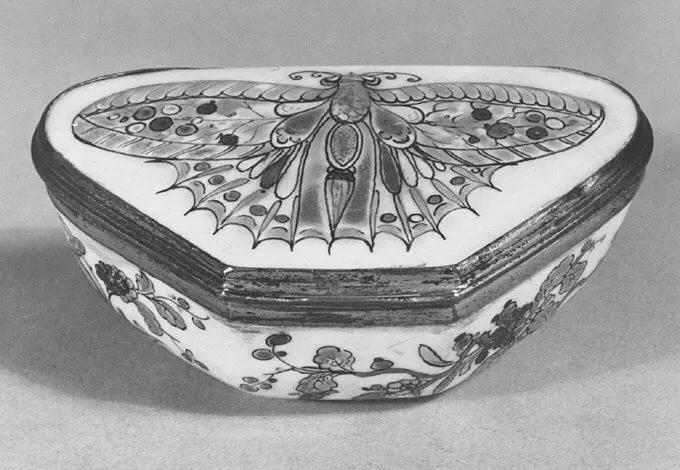
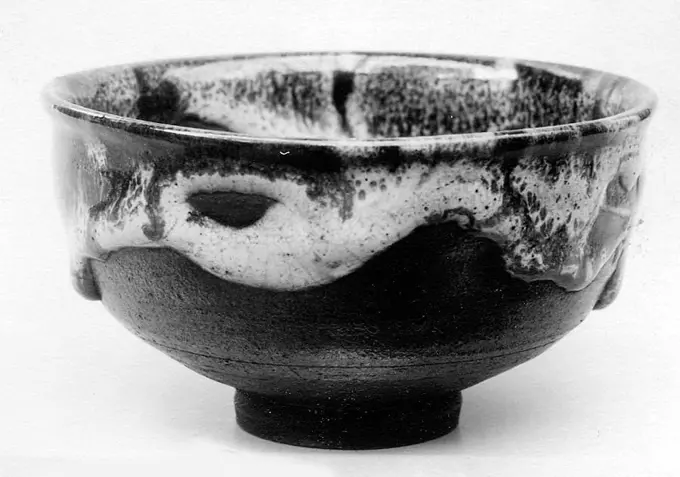
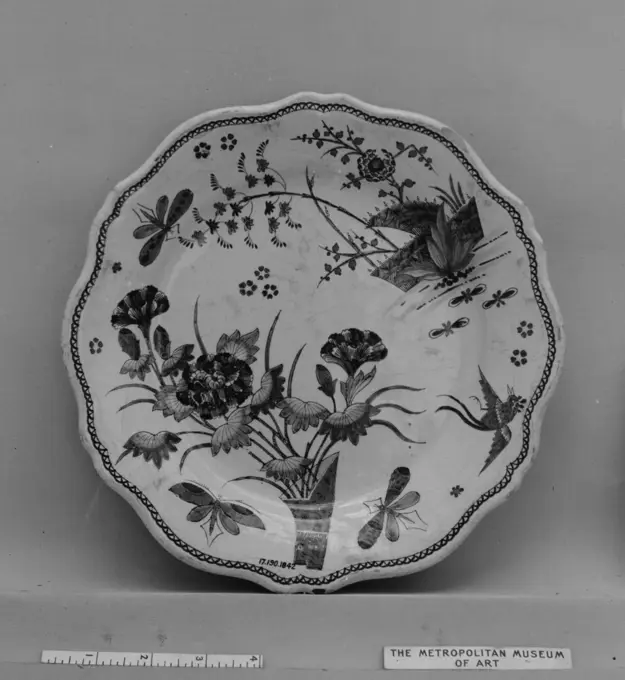
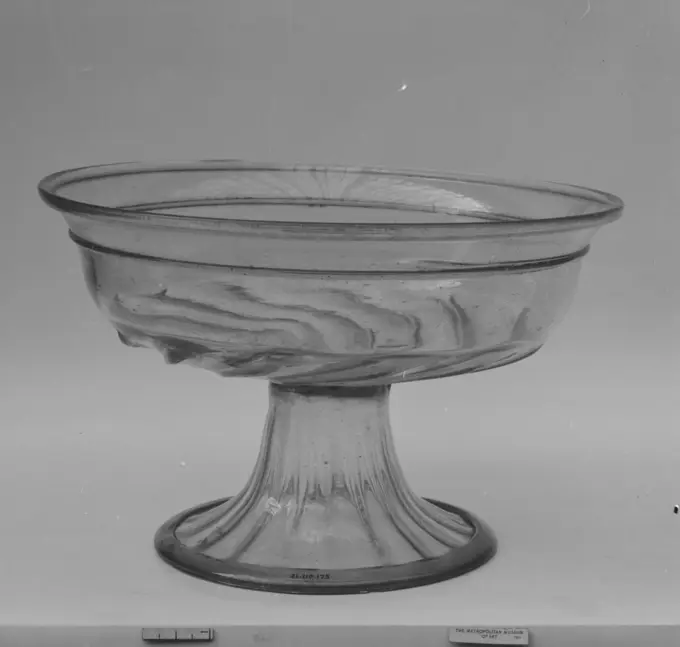
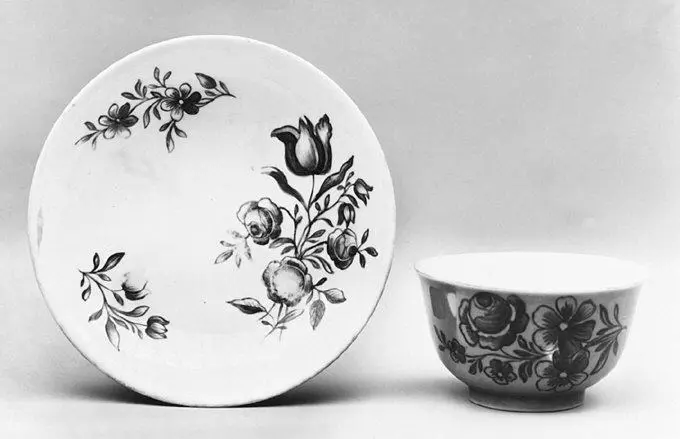
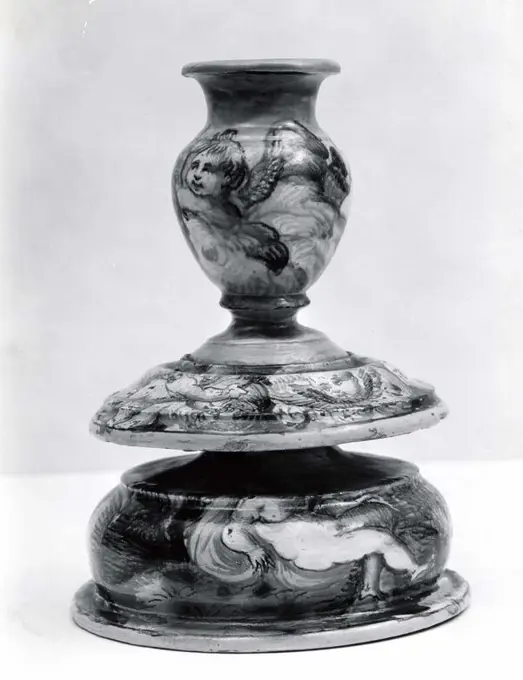
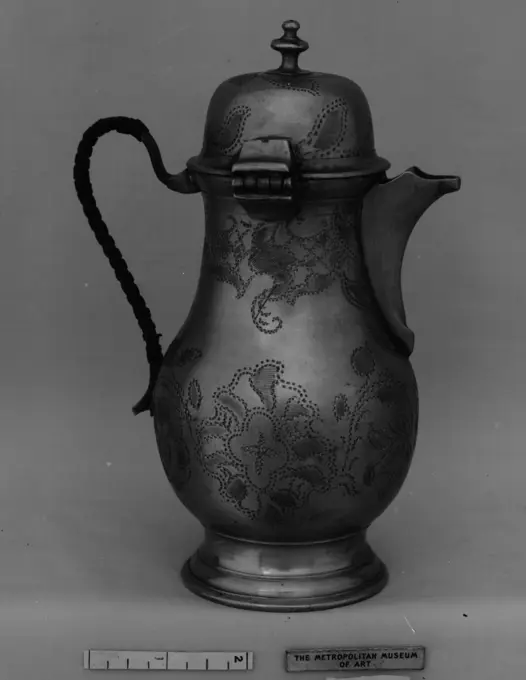
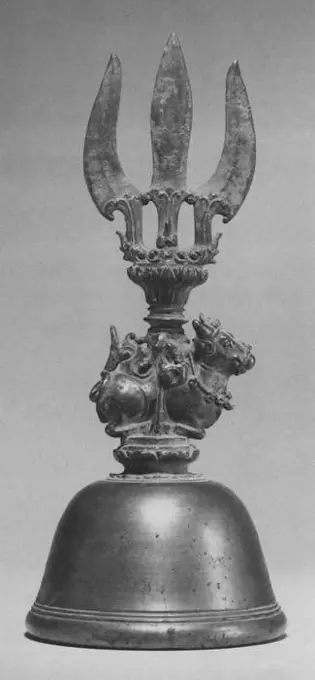
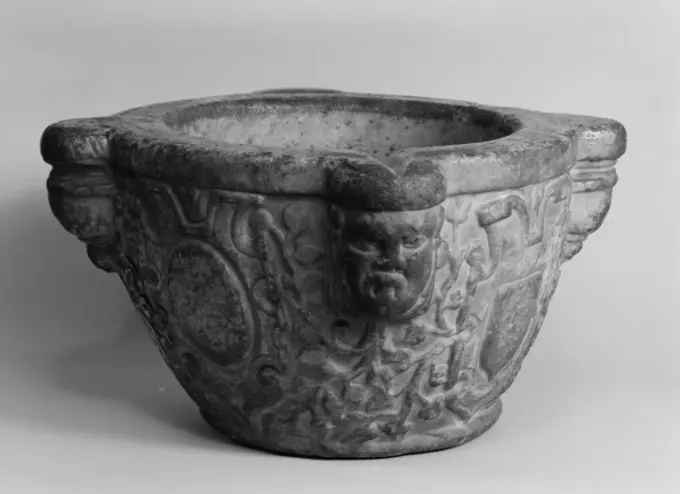
Ceramic Bowls and Vessels

A range of decorative ceramic bowls from different cultures and periods, showcasing unique designs and artistry.

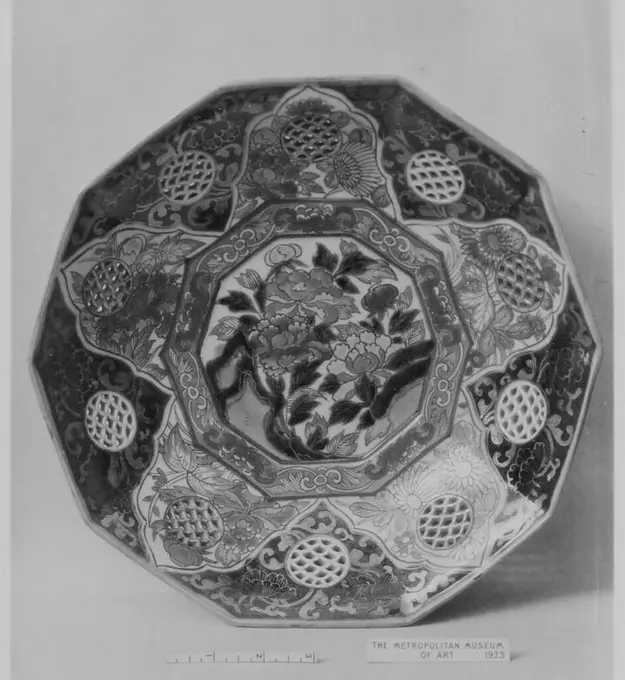
Bowl 1680 Japan. Bowl. Japan. 1680. White porcelain decorated in enamels (Arita ware, Imari type). Edo period (1615-1868). Ceramics
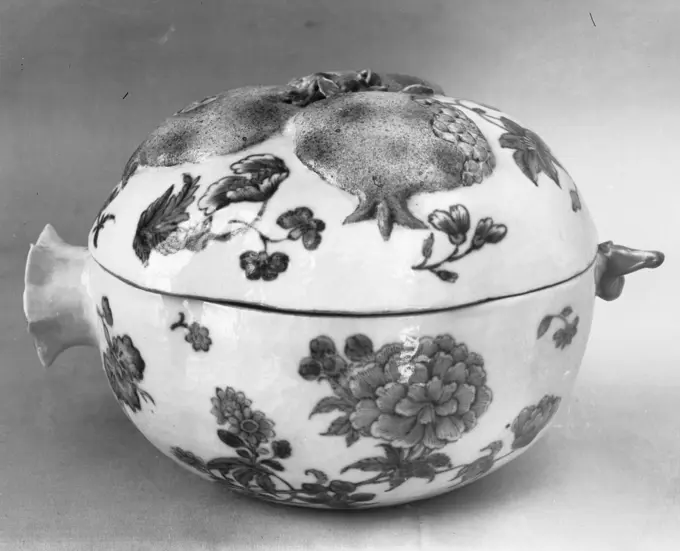
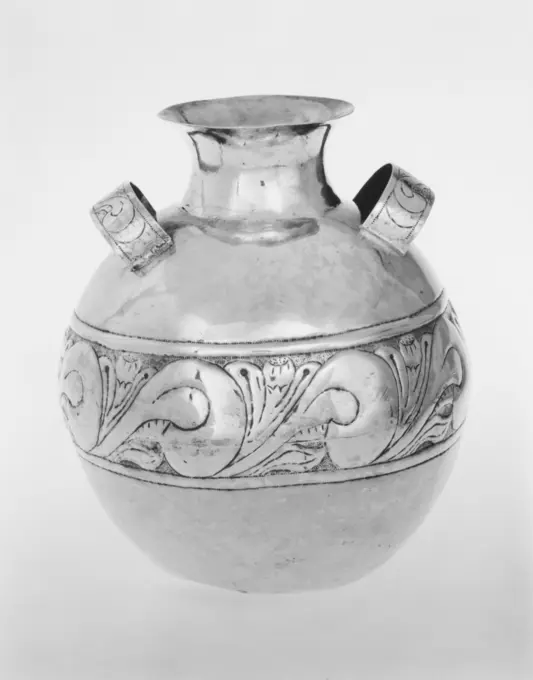
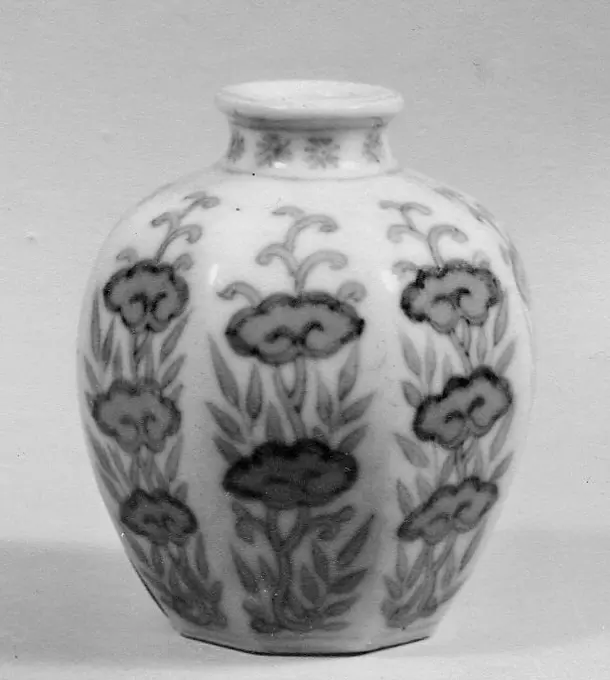
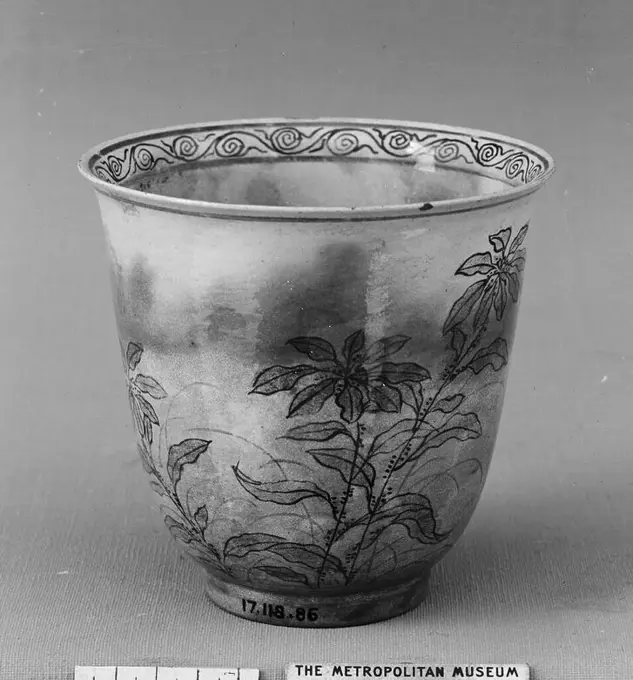
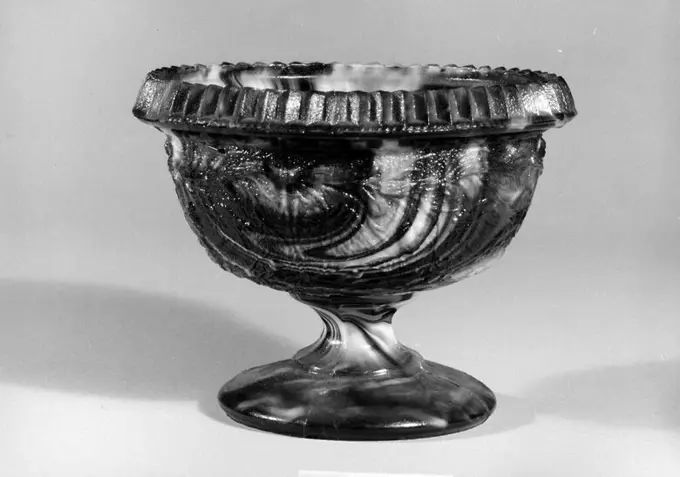
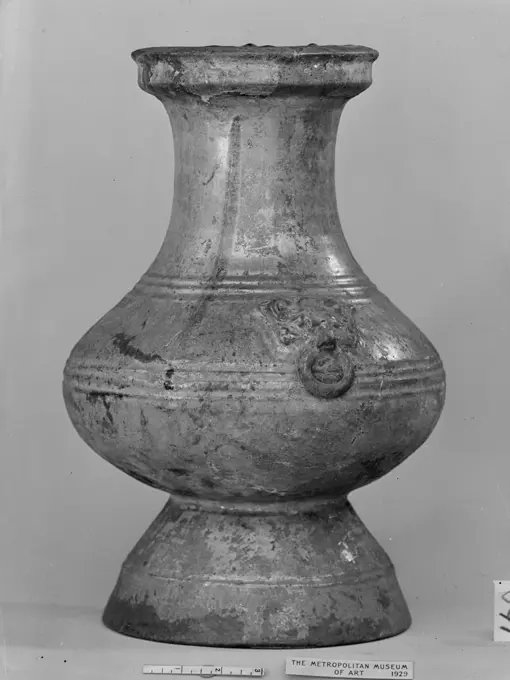
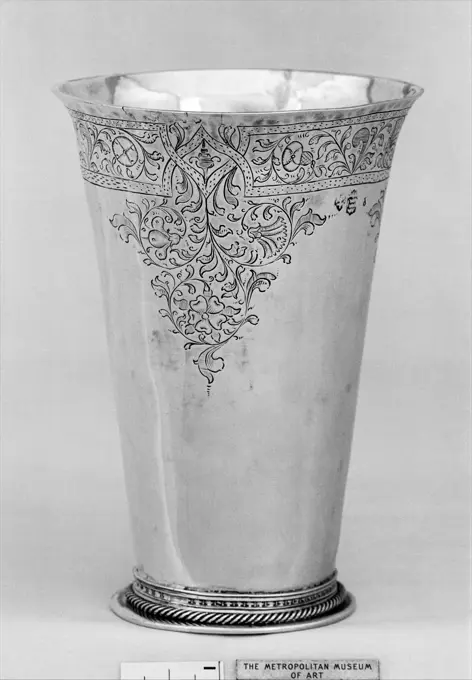
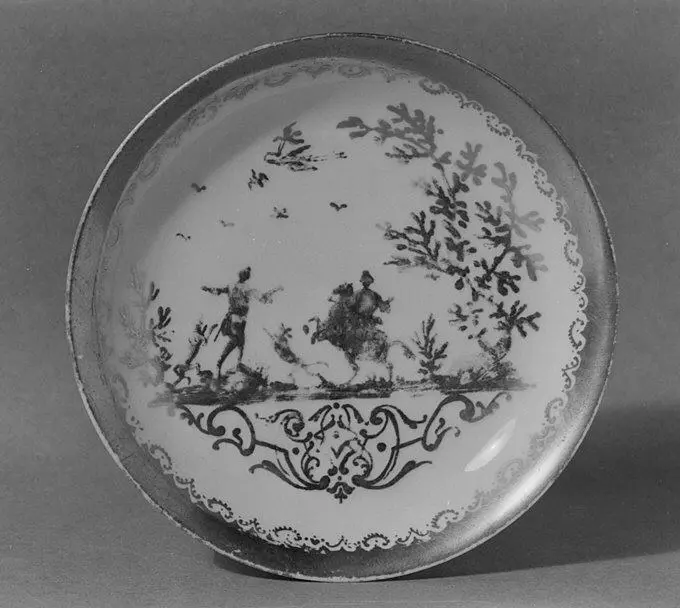
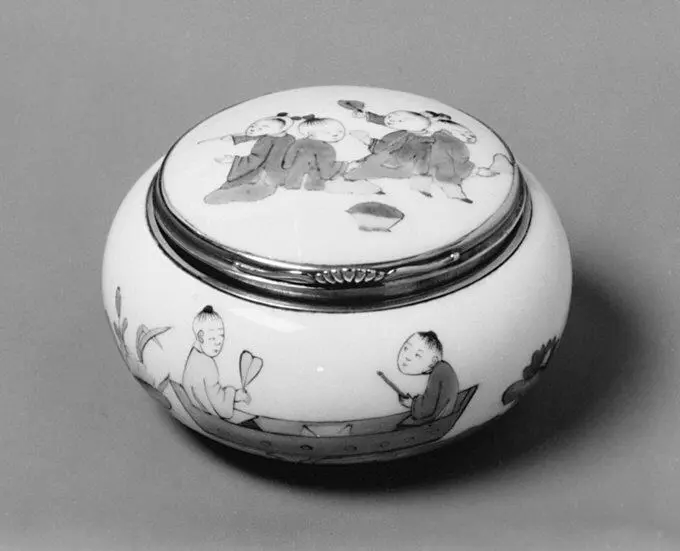
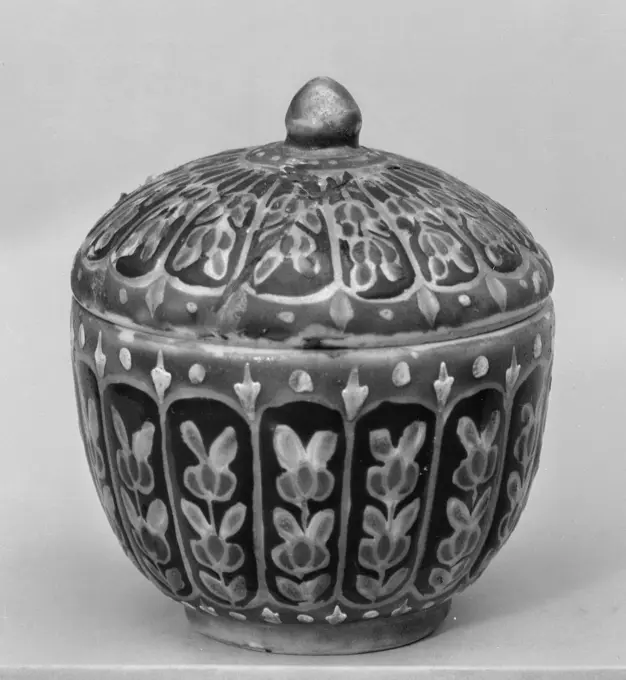
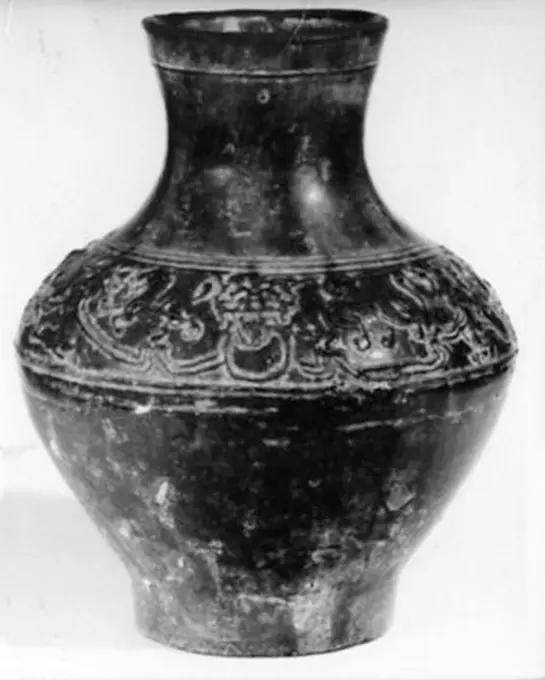
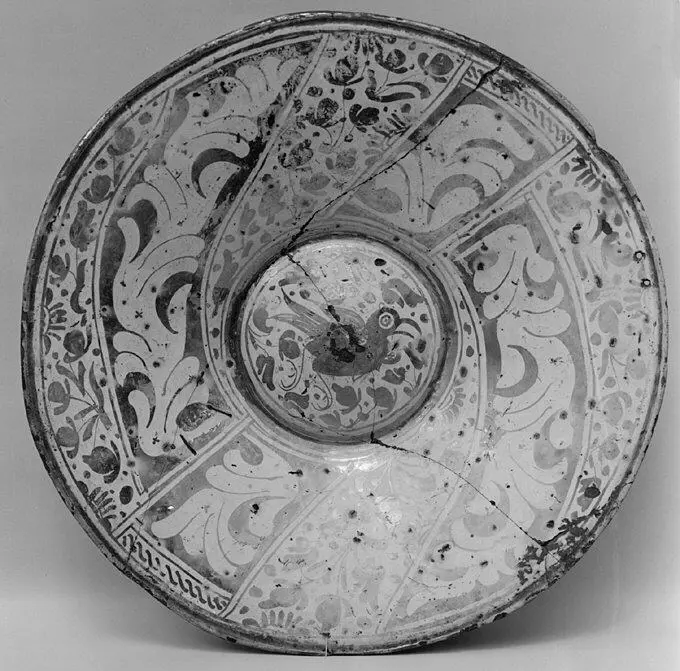
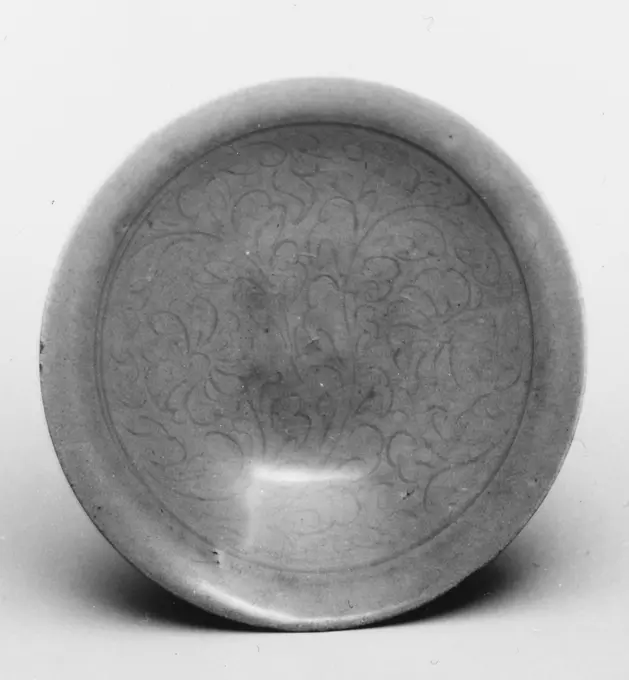
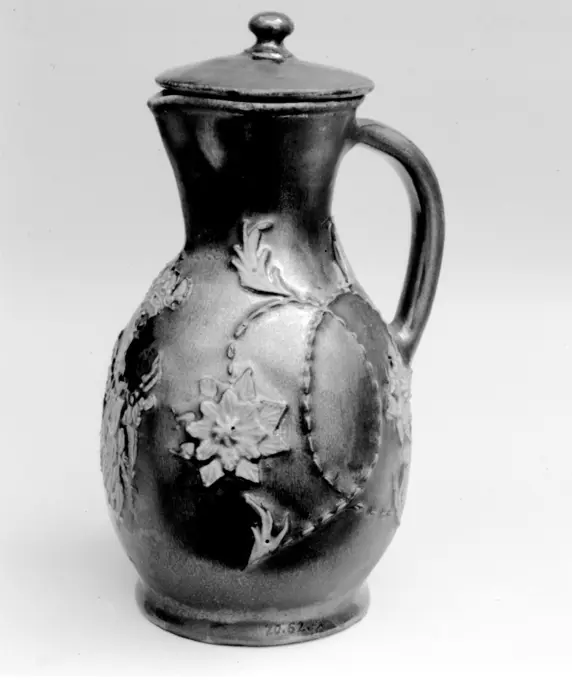
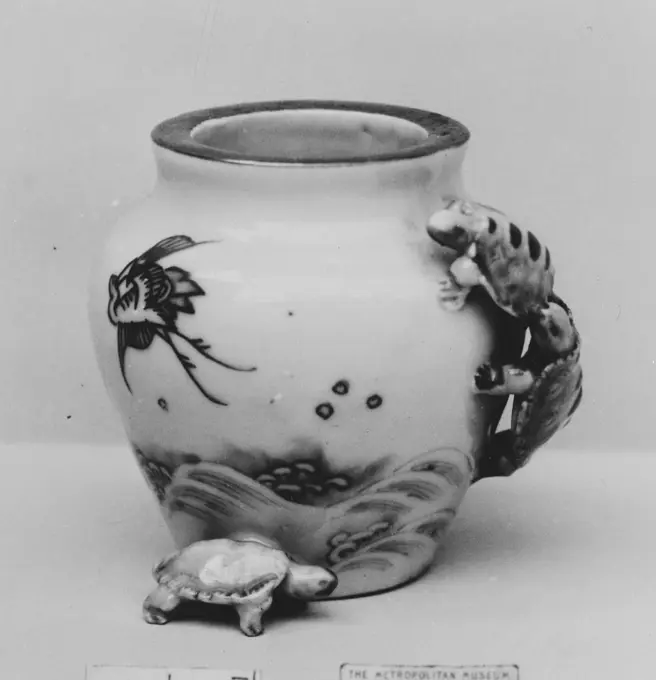
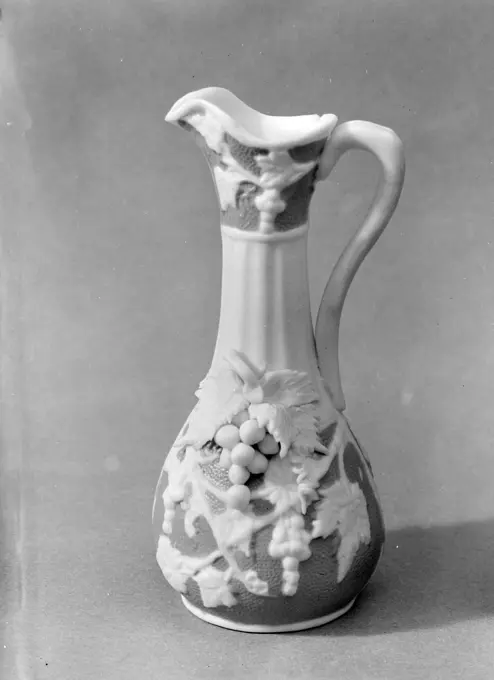
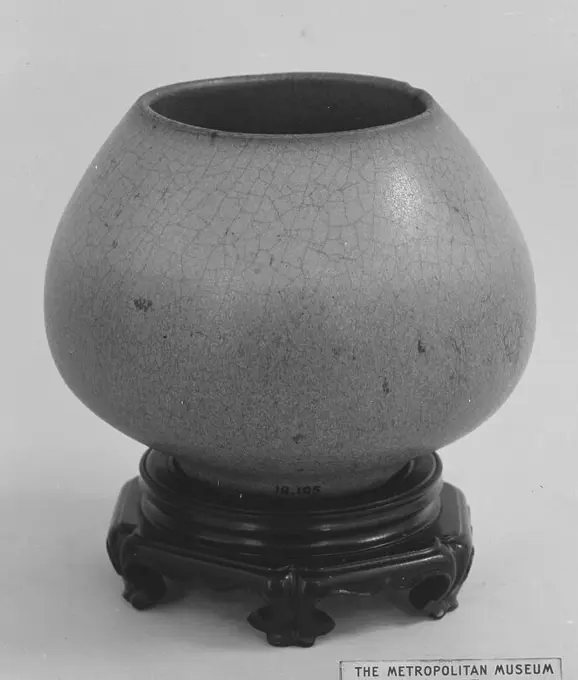
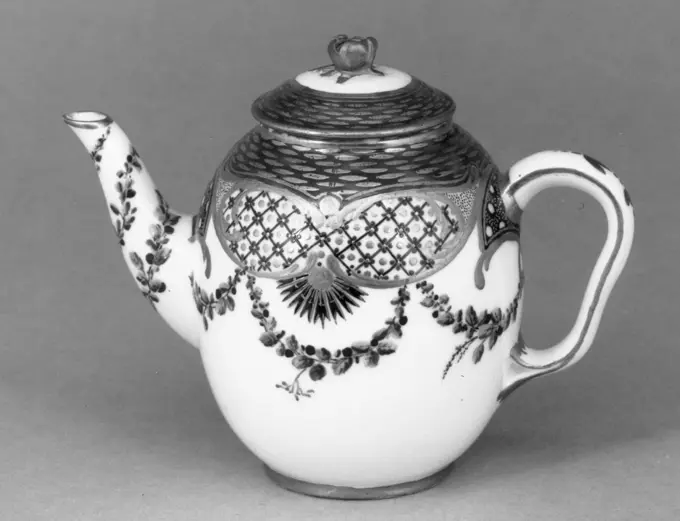
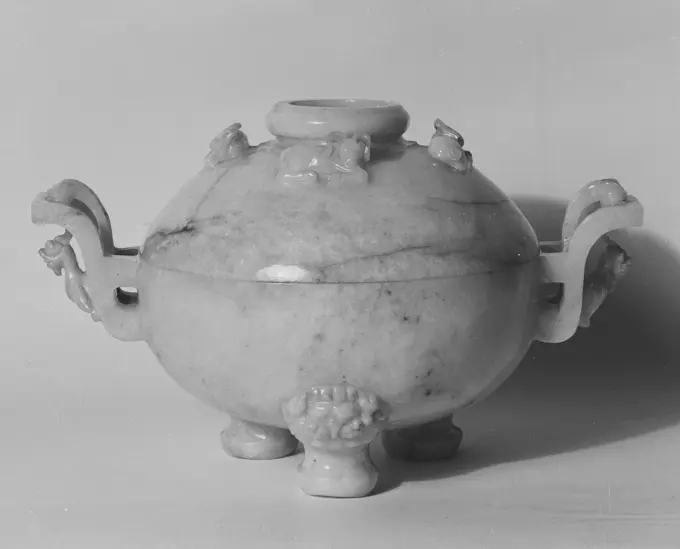
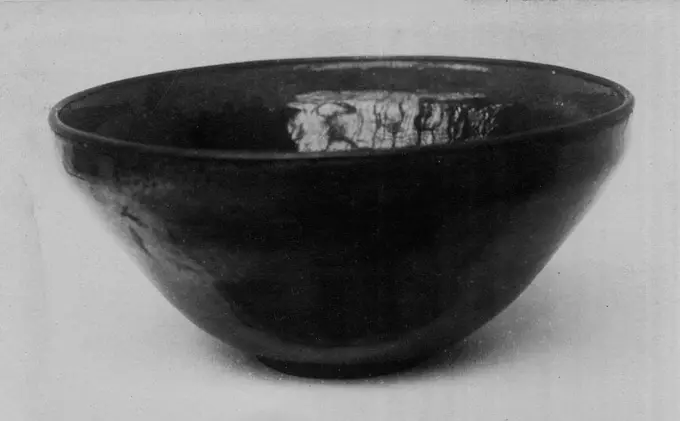
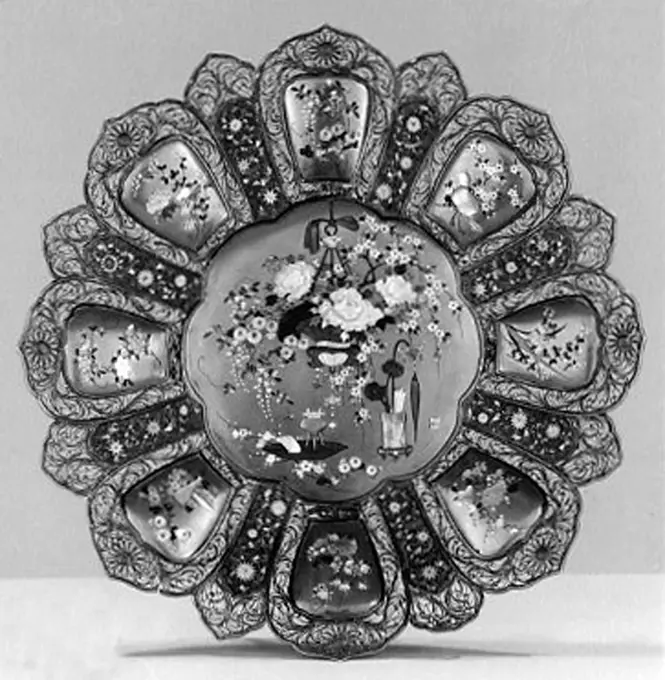
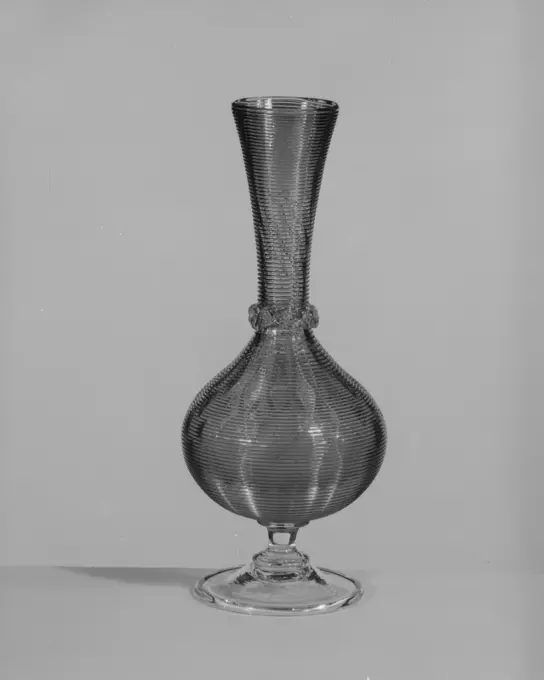
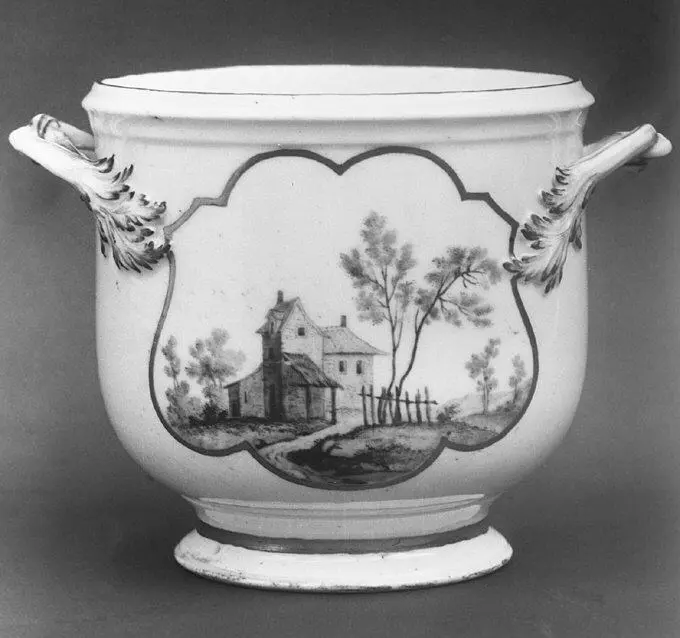
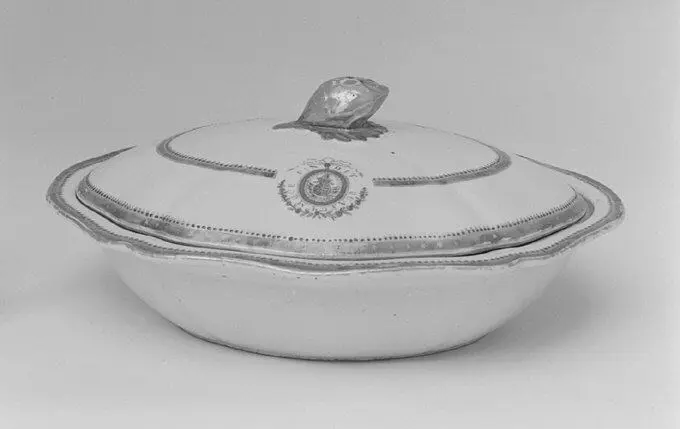
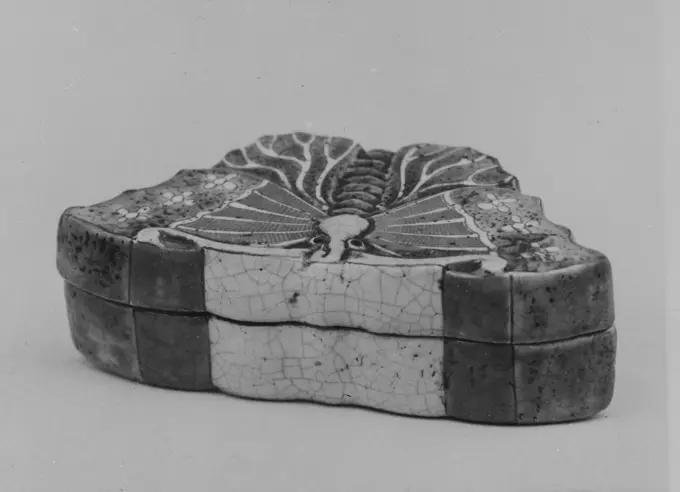
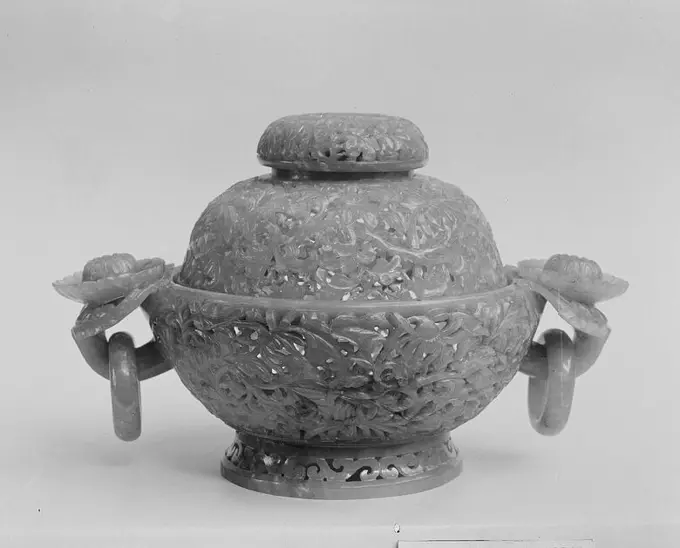
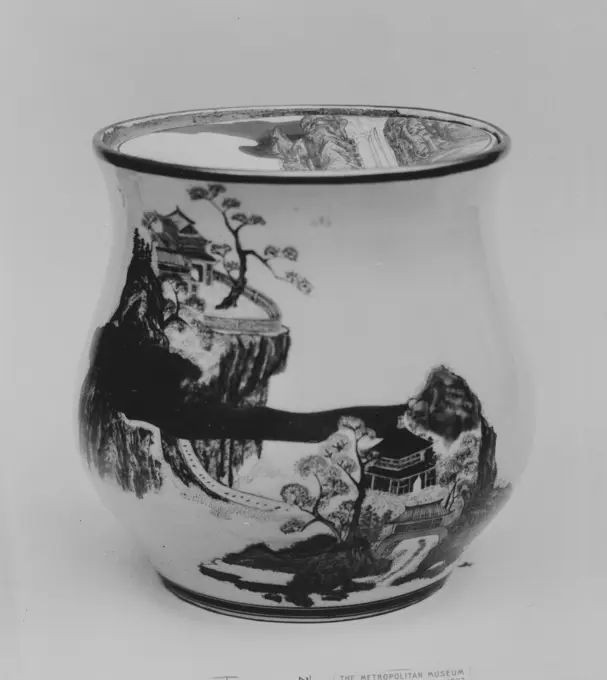
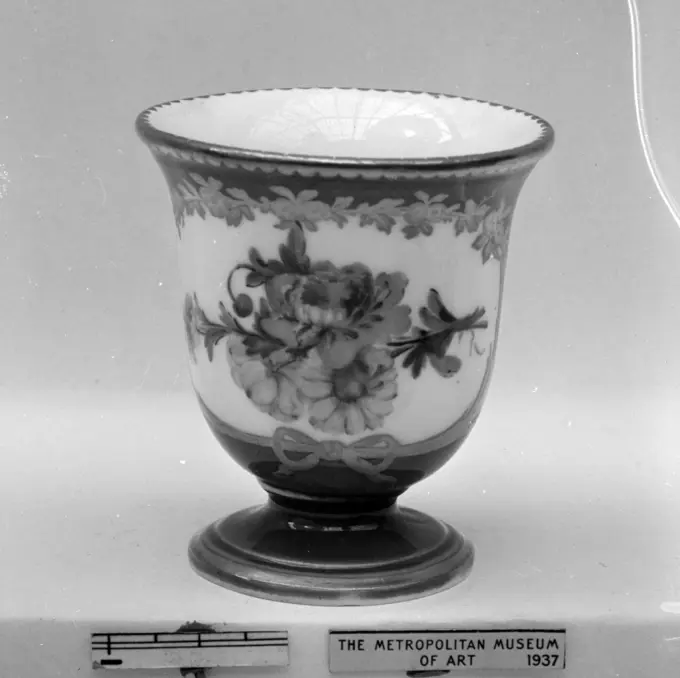
Bowl 1680 Japan. Bowl. Japan. 1680. White porcelain decorated in enamels (Arita ware, Imari type). Edo period (1615-1868). CeramicsIce cream cup (Tasse à glace) (part of a service) 1780 Sèvres Manufactory French. Ice cream cup (Tasse à glace) (part of a service). French, Sèvres. 1780. Soft-paste porcelain. Ceramics-PorcelainCoverd bowl in the shape of a pomegranate 18th century China. Coverd bowl in the shape of a pomegranate 46402Bowl 18th century Seifu Yohei Japanese. Bowl. Seifu Yohei (1803-1861). Japan. 18th century. White porcelain decorated with blue under the glaze, the inside partly unglazed (Kyoto ware). Edo period (1615-1868). CeramicsPot 18th century South American (Bolivian). Pot 206732Dessert basket with cover and tray ca. 1770-80 Worcester factory. Dessert basket with cover and tray 187754 Factory: Worcester, Dessert basket with cover and tray, ca. 177080, Soft-paste porcelain, Width (basket): 7 3/4 in. (19.7 cm); Width (cover): 6 3/4 in. (17.1 cm); Width (tray): 9 in. (22.9 cm). The Metropolitan Museum of Art, New York. Gift of Henry G. Marquand, 1894 (94.4.126a, b, .127)Bowl ca. 1770 Possibly Bow Porcelain Factory British. Bowl 194476Four-Lobed Cup 19th century China. Four-Lobed Cup. China. 19th century. Painted enamel. Qing dynasty (1644-1911). EnamelsDish. Culture: Japan. Dimensions: Diam. 8 1/2 in. (21.6 cm). Date: 1700. Museum: Metropolitan Museum of Art, New York, USA.Snuff Bottle China. Snuff Bottle 41687Dish China. Dish 42404Dish 1750 Japan. Dish 52420Covered Jar first half of the 17th century China. Covered Jar. China. first half of the 17th century. Porcelain painted in underglaze blue and overglaze polychrome enamels. late Ming dynasty (1368-1644). CeramicsBowl with floral pattern 19th century China. Bowl with floral pattern. China. 19th century. Porcelain painted in overglaze polychrome enamels (Bencharong ware for Thai market ). Qing dynasty (1644-1911). CeramicsJug with scroll handle and flat cover ca. 1730 German, Ansbach. Jug with scroll handle and flat cover 205835Sèvres Porcelain Manufactory, Plate, porcelain and painting, 1770; ground and gilding, later, porcelain.Bowl ca. 1770 Ludwigsburg Porcelain Manufactory. Bowl 199281Bowl 18th-19th century Japan. Bowl. Japan. 18th-19th century. Porcelain decorated in blue, green, red-orange and gilt (Arita ware, Imari style). Edo period (1615-1868). CeramicsCovered Bowl China. Covered Bowl. China. Painted enamel. Qing dynasty (1644-1911), Qianlong period (1736-95). EnamelsDish ca. 1738 Attributed to Cornelis Pronk Dutch The design is considered to be the first version of Pronk's second of four designs commissioned by the Dutch East India Company.. Dish. Chinese, for Dutch market. ca. 1738. Hard-paste porcelain. Ceramics-Porcelain-ExportCup. Culture: Japan. Dimensions: H. 2 7/8 in. (7.3 cm); Diam. 3 in. (7.6 cm). Date: ca. 1620. Museum: Metropolitan Museum of Art, New York, USA.Bowl. Dimensions: Dimensions unavailable. Date: 1880-90. Museum: Metropolitan Museum of Art, New York, USA.Solomon Hougham, Caddy Spoon, 1798/99, silver.Jar in the shape of bronze container (hu) 1st-2nd century China. Jar in the shape of bronze container (hu). China. 1st-2nd century. Earthenware with lead green glaze. Han dynasty (206 B.C.-A.D. 220). CeramicsCup 18th century Japan. Cup. Japan. 18th century. White porcelain decorated with polychrome enamels (Arita ware). Edo period (1615-1868). CeramicsJar with Rock, Peonies, and Birds. Culture: China. Dimensions: H. 11 3/4 in. (29.8 cm). Date: mid- to late 17th century. Museum: Metropolitan Museum of Art, New York, USA.Beaker 1615-20 Probably by Frans Jans. Beaker 192124Saucer ca. 1720-25, decorated ca. 1725-30 Meissen Manufactory German. Saucer 199154Bowl ca. 1730-35 Meissen Manufactory German. Bowl 197661Sugar bowl with cover 18th century German. Sugar bowl with cover. German. 18th century. Pewter. Metalwork-PewterBowl 1740-50 British (American market). Bowl. British (American market). 1740-50. Stoneware. Made in Staffordshire, EnglandSnuffbox ca. 1740 Saint-Cloud factory In eighteenth-century Europe, Paris led the production of high-quality luxury goods. Parisian goldsmiths made a wide range of small, personal articles such as snuffboxes; étuis to hold sealing wax, tweezers, or utensils for sewing; souvenirs, which contained thin ivory tablets for note taking; and shuttles for knotting lace. Gold snuffboxes and boxes decorated with portrait miniatures were prized and frequently given as royal gifts, often to ambassadors or members of the court in lieu of cash payments for their services. Coveted and admired, these boxes were produced from a variety of materials. The best were skillfully made of gold and embellished with diamonds, enameled decoration, lacquer, and other luxurious materials. By the middle of the century, the taking of snuff had become an entrenched social ritual, and the snuffbox, too, had become an important social prop. Snuffboxes were considered highly fashionable accessories, with some merchants Jar. Culture: Japan. Dimensions: H. 9 1/2 in. (24.1 cm). Date: 19th century. Museum: Metropolitan Museum of Art, New York, USA.Dish Attributed to Cornelis Pronk Dutch ca. 1738 The design is considered to be the first version of Pronk's second of four designs commissioned by the Dutch East India Company.Vase with Floral Decor. Culture: China. Dimensions: H. 18 1/4 in. (46.4 cm); W. 8 in. (20.3 cm). Museum: Metropolitan Museum of Art, New York, USA.Cup (part of a service) 1845 Sèvres Manufactory French. Cup (part of a service) 201383Teabowl ca. 1860 Furoshi Shsai Japanese. Teabowl. Furoshi Shsai (Japanese,). Japan. ca. 1860. Dark brown clay; thin brown glaze and thick, running glaze of flecked gray (Settsu ware). Edo period (1615-1868). CeramicsPlate ca. 1720-50 French, Rouen Faience, or tin-glazed and enameled earthenware, first emerged in France during the sixteenth century, reaching widespread usage among elite patrons during the seventeenth and early eighteenth centuries, prior to the establishment of soft-paste porcelain factories. Although characterized as more provincial in style than porcelain, French faience was used at the court of Louis XIV as part of elaborate meals and displays, with large-scale vessels incorporated into the Baroque garden designs of Versailles. Earlier examples of French faience attest to the strong influence of maiolica artists from Italy. Later works demonstrate the ways in which cities such as Nevers, Rouen, Lyon, Moustiers, and Marseille developed innovative vessel shapes and decorative motifs prized among collectors throughout Europe. While faience can be created from a wide mixture of clays, it is foremost distinguished by the milky opaque white color achieved by the addition of tin oxide Bowl on foot possibly 16th century Italian, Venice (Murano) During the Renaissance, Venetian glassmakers, working on the island of Murano, were celebrated across Europe for their fine and sparkling work. Called cristallo” emulating the clarity of rock crystal, in the hands of the most skilled glassblowers the medium could be delightfully manipulated, variously stretched paper-thin flat, or playfully twisted, or blown into molds with spectacular patterns.. Bowl on foot. Italian, Venice (Murano). possibly 16th century. Glass. GlassSnuffbox ca. 1730-35 Meissen Manufactory German. Snuffbox 207237Covered bowl with floral pattern 19th century China. Covered bowl with floral pattern. China. 19th century. Porcelain painted in overglaze polychrome enamels (Bencharong ware for Thai market ). Qing dynasty (1644-1911). CeramicsSugar bowl (part of a set) ca. 1735-40 Meissen Manufactory German. Sugar bowl (part of a set) 199168Jar with cover 1680 Japan. Jar with cover. Japan. 1680. Porcelain decorated in colored enamels (Arita ware, Imari type). Edo period (1615-1868). CeramicsVase. Culture: China. Dimensions: H. 9 in. (22.9 cm). Museum: Metropolitan Museum of Art, New York, USA.Jar with Lid. Culture: China. Dimensions: H. with lid 12 1/8 in. (30.8 cm); W. 4 3/4 in. (12.1 cm); D. 4 in. (10.2 cm). Museum: Metropolitan Museum of Art, New York, USA.Vase. Culture: Japan. Dimensions: H. 10 in. (25.4 cm). Date: ca. 1660. Museum: Metropolitan Museum of Art, New York, USA.Plate. Culture: Japan. Dimensions: H. 2 1/2 in. (6.4 cm); Diam. 12 in. (30.5 cm). Date: 1750. Museum: Metropolitan Museum of Art, New York, USA.Snuff Bottle 19th century China. Snuff Bottle. China. 19th century. Clay. Qing dynasty (1644-1911). Snuff BottlesJar China. Jar 50536Tea cup (part of a service) 1750-70 Chinese, for Continental European market. Tea cup (part of a service) 201234Dish late 16th-early 17th century Spanish, Aragon, possibly Reus, Muel or Manises Tin-glazed earthenware, of which lusterware is one type, was developed in the Middle East in the ninth and tenth centuries to imitate the porcelains produced in China. The opaque white glaze concealed the clay body, which could range from pale buff to brick red, allowing for brilliant effects created by painting the white surface with metal oxides that fired to a range of colors. This technique, as well as the use of metallic lusteran iridescent, coppery painted glazespread throughout the Muslim world, arriving among the potters of Valencia in the thirteenth century. The so-called Hispano-Moresque lusterware, with its fusion of Islamic and Gothic styles and motifs, often in shaped imitating those of metal vessels, was treasured by the elite in Spain during the fifteenth century and exported to the courts of Europe. The Valencian industry declined in the late sixteenth century, as colorful Italian RenaisSauceboat ca. 1750 British, Staffordshire. Sauceboat 199468Bowl 12th century Korea. Bowl 52087Jug with cover ca. 1760 German, Silesia (Bunzlau). Jug with cover 194582Garden Seat China. Garden Seat 40679Vase 1870 Japan. Vase 46848Teapot with Cover China. Teapot with Cover. China. Porcelain. Qing dynasty (1644-1911), Kangxi period (1662-1722). CeramicsVase. Culture: China. Dimensions: H. 6 in. (15.2 cm). Museum: Metropolitan Museum of Art, New York, USA.Jug with cover ca. 1720 Chinese, for European market. Jug with cover 185914Ewer 1830-70 American Named in reference to the ancient marble quarry on the Greek island of Parros, parian has a higher proportion of feldspar than conventional porcelain, resulting in a vitrified biscuit body that resembles white statuary marble. Stylish and affordable, parian statuary and hollowware were extremely popular household ornaments in the mid-nineteenth century. This ewer was likely made by the United States Pottery Company, which exhibited parian to great acclaim at the 1853 New York Crystal Palace Exhibition in New York.. Ewer. American. 1830-70. Parian porcelain. Probably made in Bennington, Vermont, United StatesJug ca. 1835 British. Jug. British. ca. 1835. Earthenware, lusterware. Made in EnglandJar. Culture: China. Dimensions: H. 3 3/8 in. (8.6 cm); Diam. 4 1/4 in. (10.8 cm). Museum: Metropolitan Museum of Art, New York, USA.Sèvres Porcelain Manufactory, Teapot and Cover, c. 1765, soft-paste porcelain.Flagon German 19th century View more. Flagon. German. 19th century. Pewter. Metalwork-PewterTripod Bowl with Cover 18th century China. Tripod Bowl with Cover. China. 18th century. Jade. Qing dynasty (1644-1911). JadeSaucer 18th century Meissen Manufactory German. Saucer 188728 Factory: Meissen Manufactory, German, 1710present, Saucer, 18th century, Hard-paste porcelain, Diameter: 4 5/8 in. (11.7 cm). The Metropolitan Museum of Art, New York. Gift of Alfred Duane Pell, 1902 (02.6.228)Cricket cage 18th-19th century China. Cricket cage 60716Cocks & Bettridge, Caddy Spoon, 1809/10, silver.Cup (part of a coffee service) early 19th century Nymphenburg Porcelain Manufactory. Cup (part of a coffee service) 186240Soup plate (part of a service) 1770-85 Chinese, for British market. Soup plate (part of a service) 201008Bottle with Theme of the "Hundred Antiques". Culture: China. Dimensions: H. 9 1/2 in. (16.5 cm). Museum: Metropolitan Museum of Art, New York, USA.Box 17th century possibly French. Box 196723Candlestick (candeliere). Culture: Italian, probably Urbino. Dimensions: Height: 6 15/16 in. (17.6 cm). Date: ca. 1560-80. Museum: Metropolitan Museum of Art, New York, USA.Coffeepot early 18th century German. Coffeepot. German. early 18th century. Pewter. Metalwork-PewterPlatter and tureen. Culture: British, Crown Derby. Dimensions: Platter (.53): L. 18 in. (45.7 cm.)Tureen (.54ab): H. 9 in. (22.9 cm.). Factory: Crown Derby (British, 1750-present). Date: 1814-30. Museum: Metropolitan Museum of Art, New York, USA.Vase. Culture: China. Dimensions: H. 8 7/8 in. (22.5 cm). Date: late 17th-early 18th century. Museum: Metropolitan Museum of Art, New York, USA.Hand Bell ca. 11th-12th century Indonesia (Java). Hand Bell 37687Vase 1830-70 American. Vase. American. 1830-70. Parian porcelain. Probably made in Bennington, Vermont, United StatesBottle 19th century Japan. Bottle. Japan. 19th century. Clay covered with a thin glaze (Bizen ware, Imbe style). Edo (1615-1868) or Meiji period (1868-1912). CeramicsBowl with Thai mythical figures 19th century China. Bowl with Thai mythical figures. China. 19th century. Porcelain painted in overglaze polychrome enamels (Bencharong ware for Thai market). Qing dynasty (1644-1911). CeramicsTeabowl 19th century Japan. Teabowl 62776Plinth detail 18th century French. Plinth detail. French. 18th century. Wood, gilt. WoodworkPlate late 19th century Japan. Plate 60499Vase 1880-88 Possibly Boston & Sandwich Glass Company. Vase. American. 1880-88. Blown amber glass with applied threaded decoration. Made in Sandwich, Massachusetts, United StatesCovered cup with floral pattern 19th century China. Covered cup with floral pattern. China. 19th century. Porcelain painted in overglaze polychrome enamels (Bencharong ware for Thai market ). Qing dynasty (1644-1911). CeramicsSoba cup late 17th-early 18th century Japan. Soba cup 63731Dish China. Dish. China. Nephrite, sage-green of yellowish tint and tiny opaque white spots simulating rice-meal disseminated through it. Qing dynasty (1644-1911), Qianlong period (1736-95). Jade12/31/1949. Orza - Talavera - 16th century escorial - Osma museum.Vase China. Vase 40735Wine glass cooler (seau à verre) ca. 1750 Vincennes Manufactory French In 1745 the Vincennes factory was granted a royal privilege that allowed the factory to decorate porcelain with painted figures and gilding. As this privilege also prohibited the other French soft-paste porcelain factories from using similar decoration, Vincennes was given a significant advantage that insured its success.. Wine glass cooler (seau à verre) 195203Pitcher 1830-70 American. Pitcher. American. 1830-70. Parian porcelain. Probably made in Bennington, Vermont, United StatesDish China. Dish. China. Porcelain. Ming dynasty (1368-1644), Jiajing period (1522-66). CeramicsCreamer 1875-80 Probably Bakewell, Pears and Company. Creamer. American. 1875-80. Pressed glass. Made in Pittsburgh, Pennsylvania, United StatesVegetable dish with cover 1785-1800 Chinese, for Portuguese market. Vegetable dish with cover 201339Covered incense box 1860 Japan. Covered incense box. Japan. 1860. Faience decorated in colored enamels. Edo period (1615-1868). CeramicsIncense burner. Culture: China. Dimensions: H. 4 3/4 in. (12.1 cm); W. 7 in. (17.8 cm). Museum: Metropolitan Museum of Art, New York, USA.Water pot and cover 1830 Japan. Water pot and cover. Japan. 1830. White porcelain decorated in colored enamels. Edo period (1615-1868). CeramicsMolded Flask China. Molded Flask 44431Plate. Culture: British (American market). Dimensions: Diam. 9 1/4 in. (23.5 cm). Maker: Mellor, Venables & Co. (active ca. 1834-51). Date: ca. 1840-ca. 1845. Museum: Metropolitan Museum of Art, New York, USA.Mortar 17th-18th century Spanish. Mortar. Spanish. 17th-18th century. Marble. Sculpture-Architectural