Ceramic Bowls and Vessels

A range of decorative ceramic bowls from different cultures and periods, showcasing unique designs and artistry.

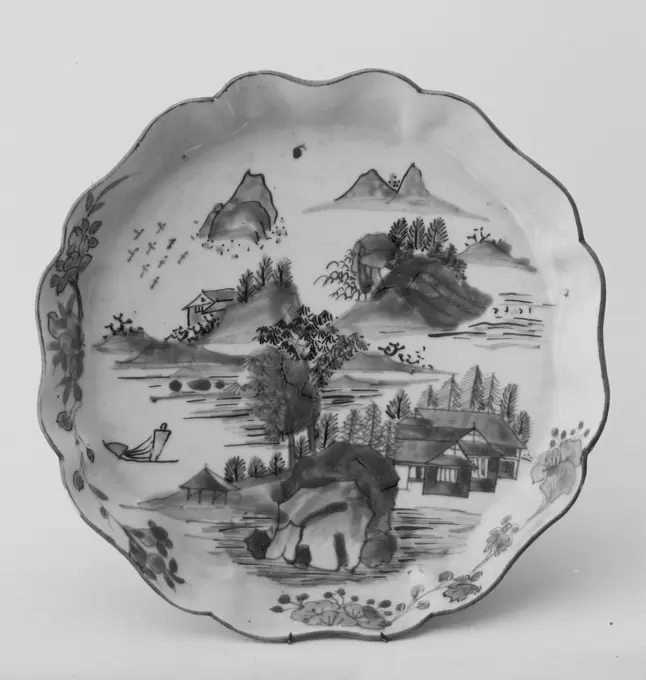
Bowl 1680 Japan. Bowl. Japan. 1680. White porcelain decorated in enamels (Arita ware, Imari type). Edo period (1615-1868). Ceramics
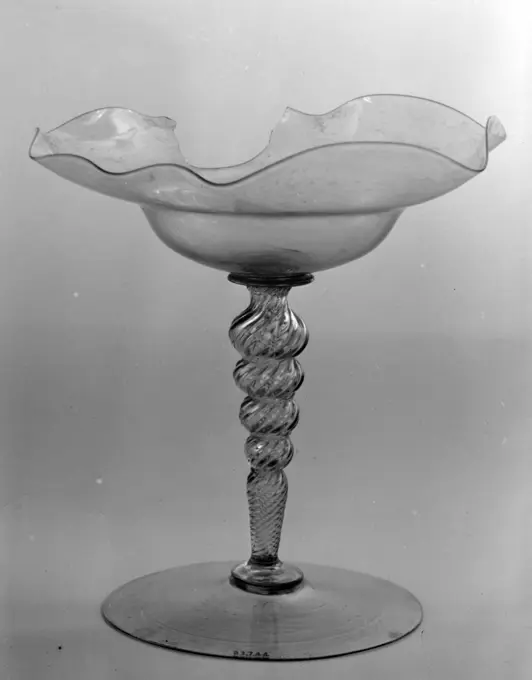
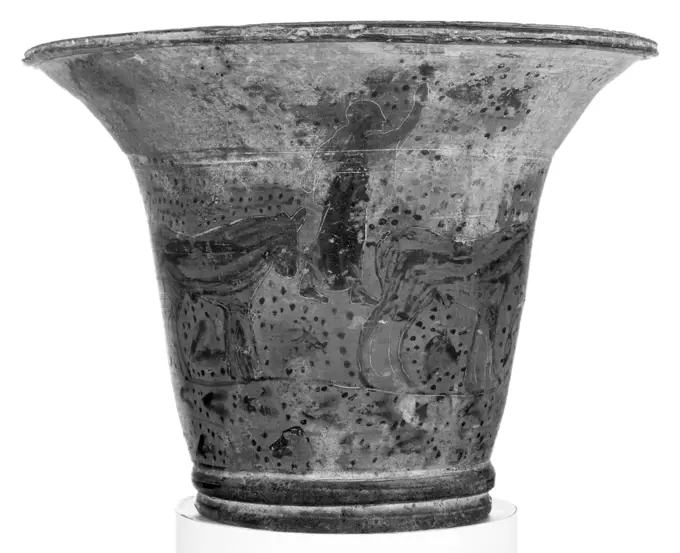
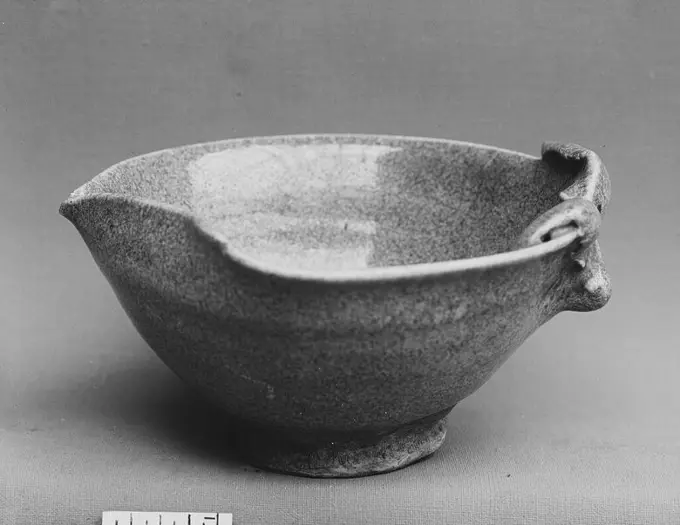
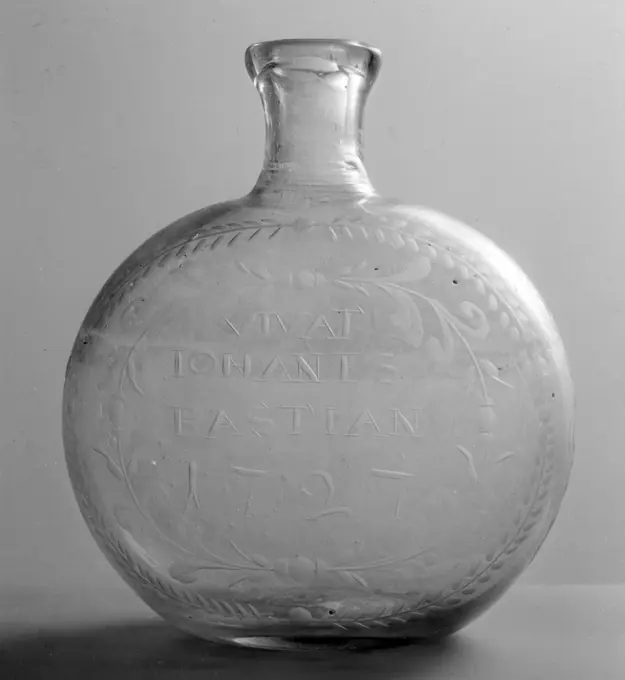
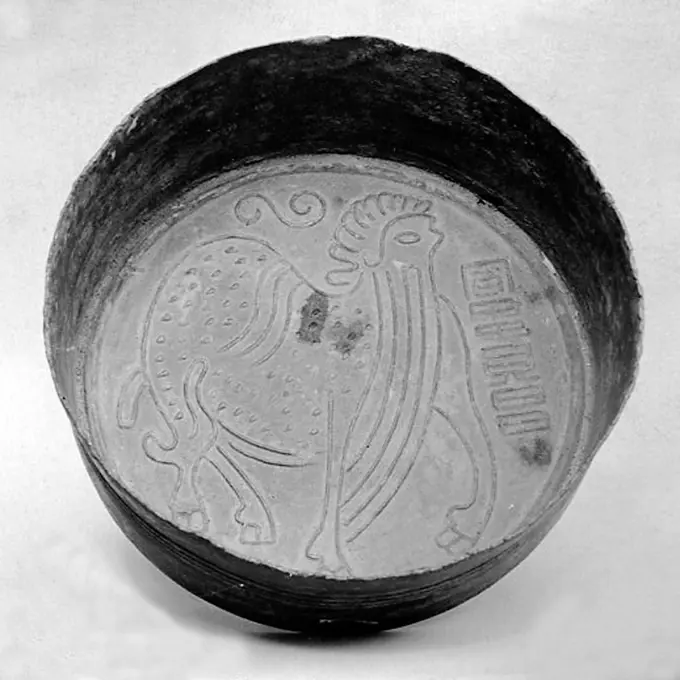
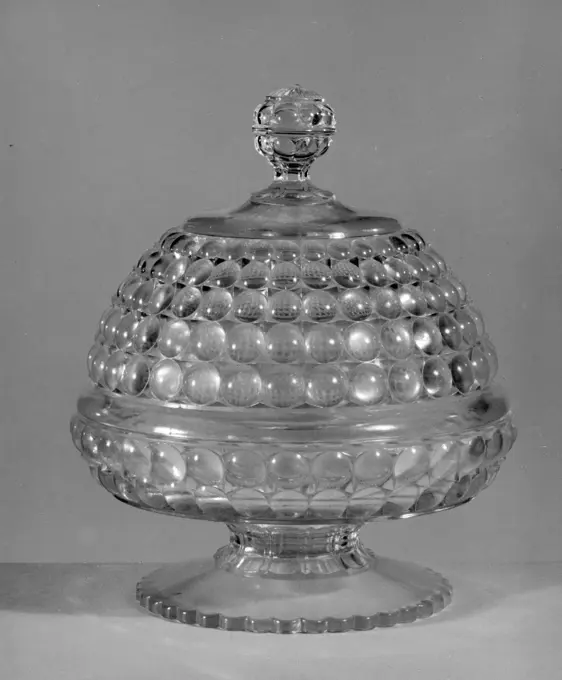
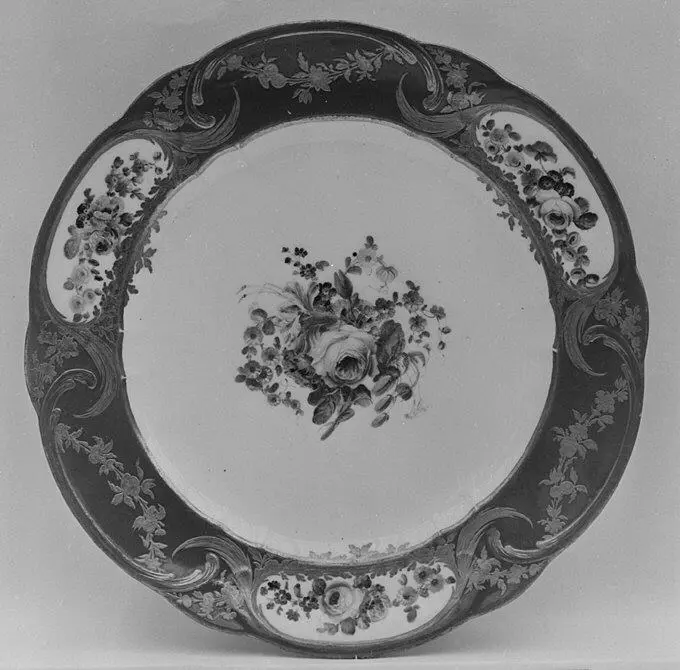
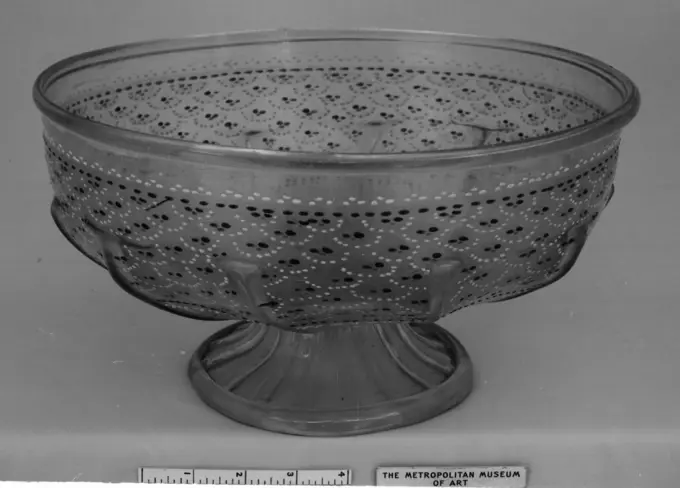
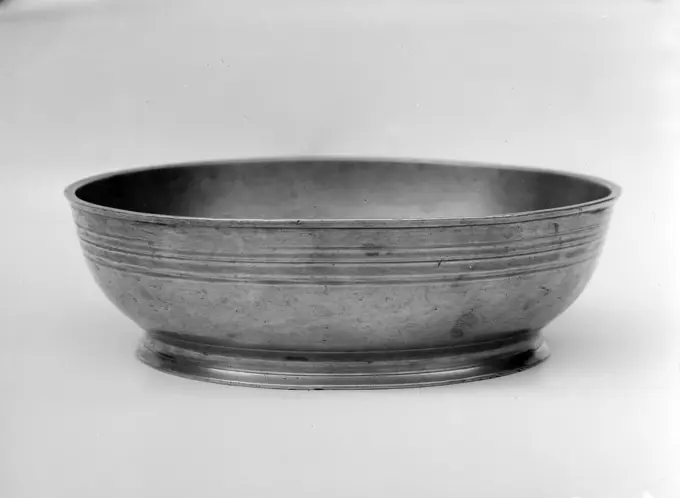
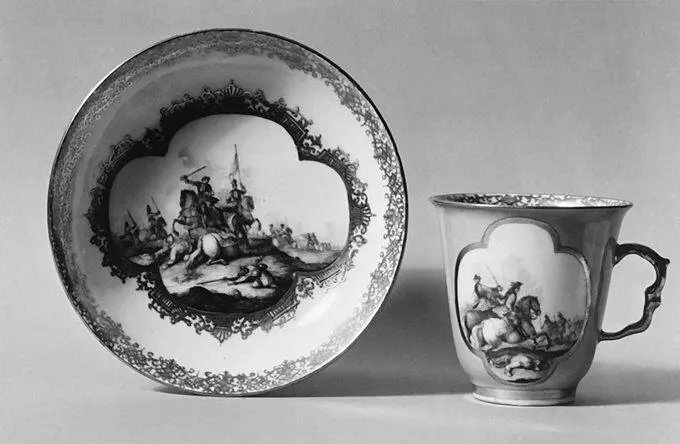
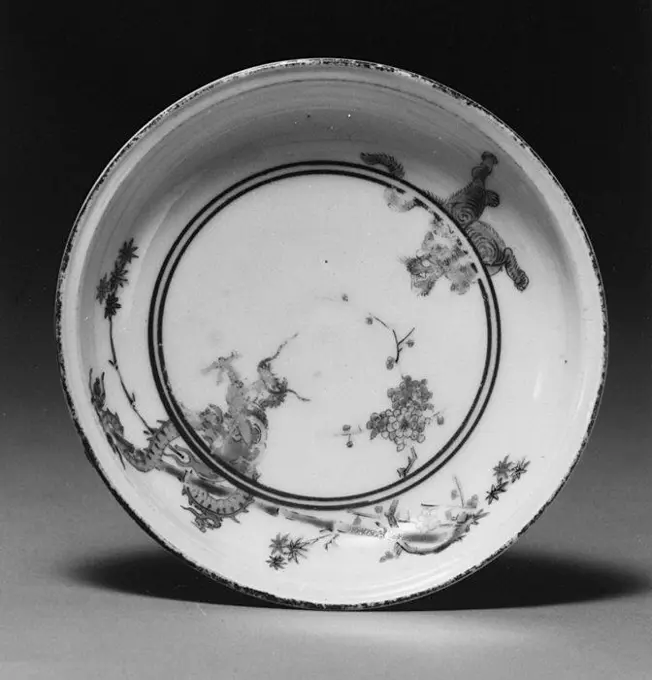
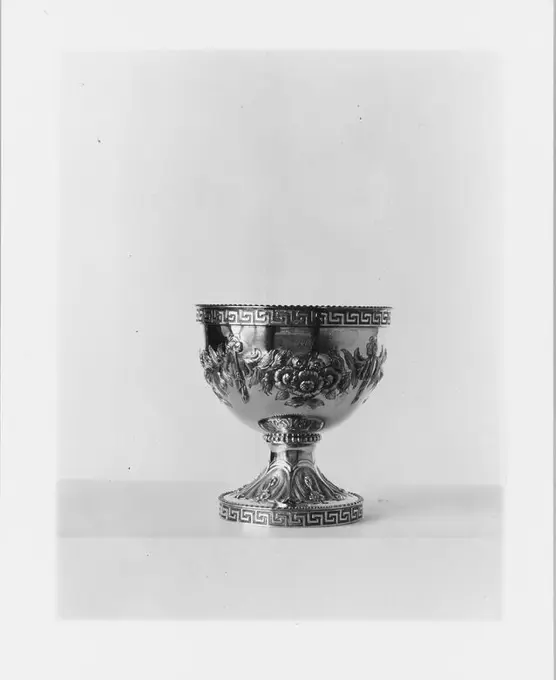
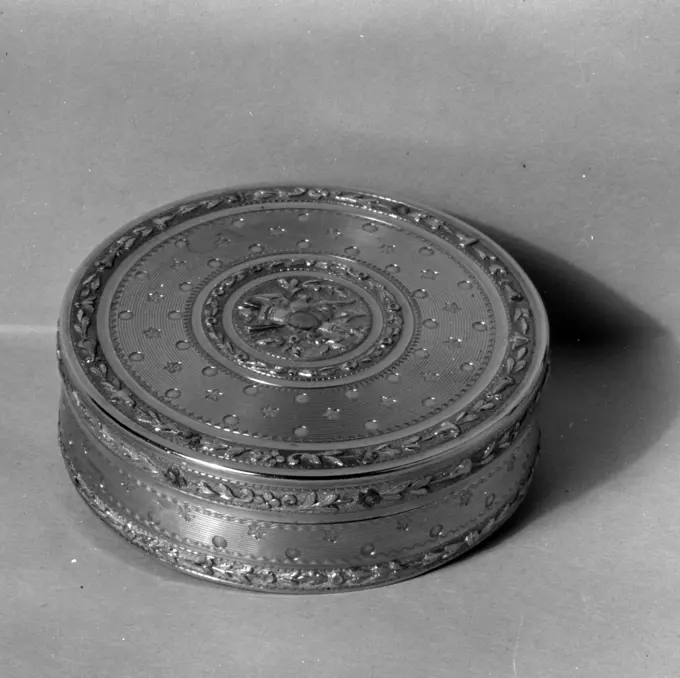
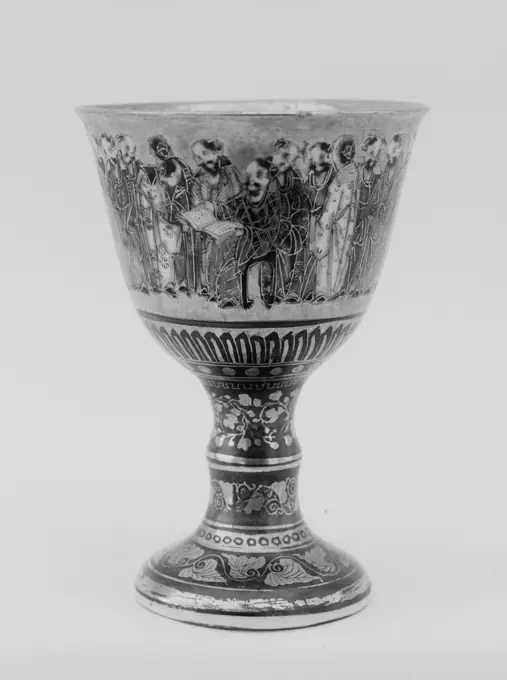
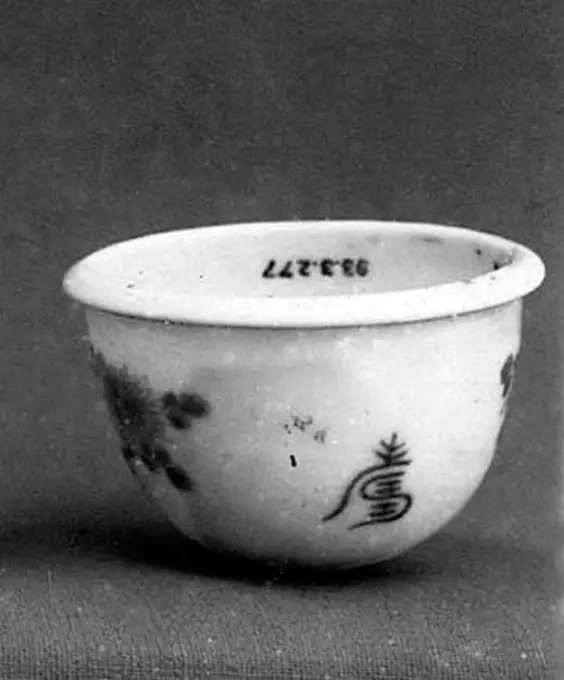
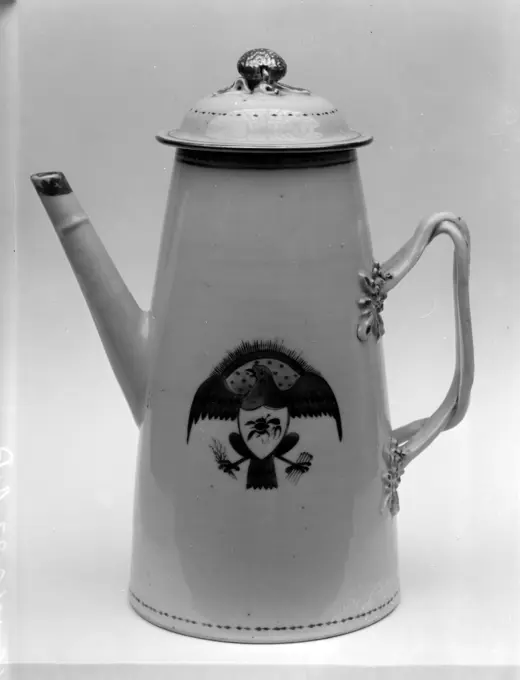
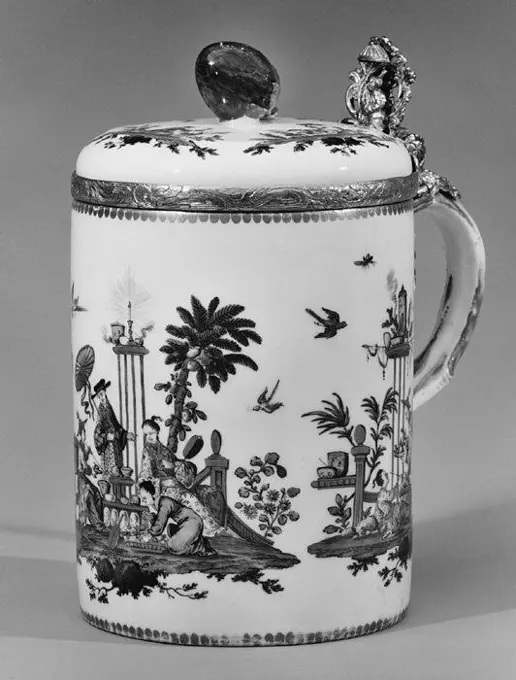
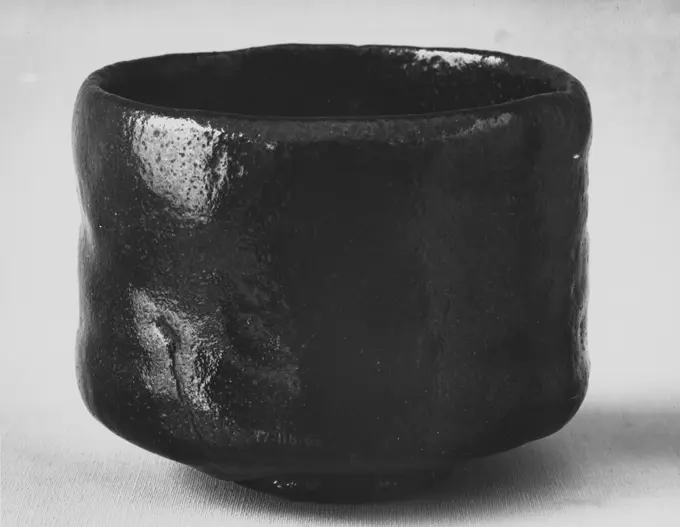
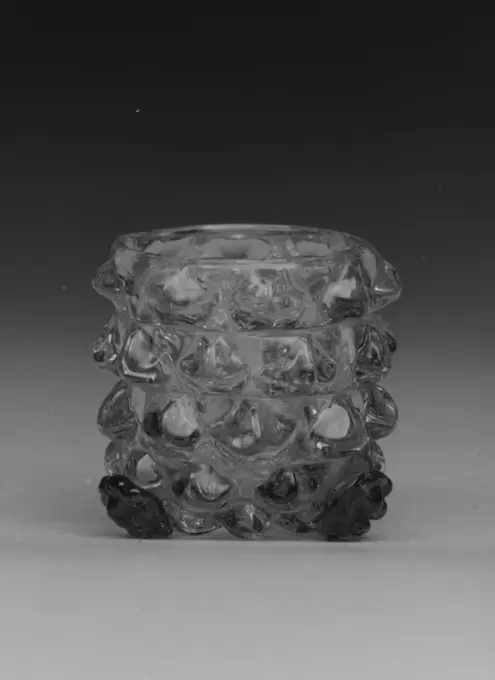
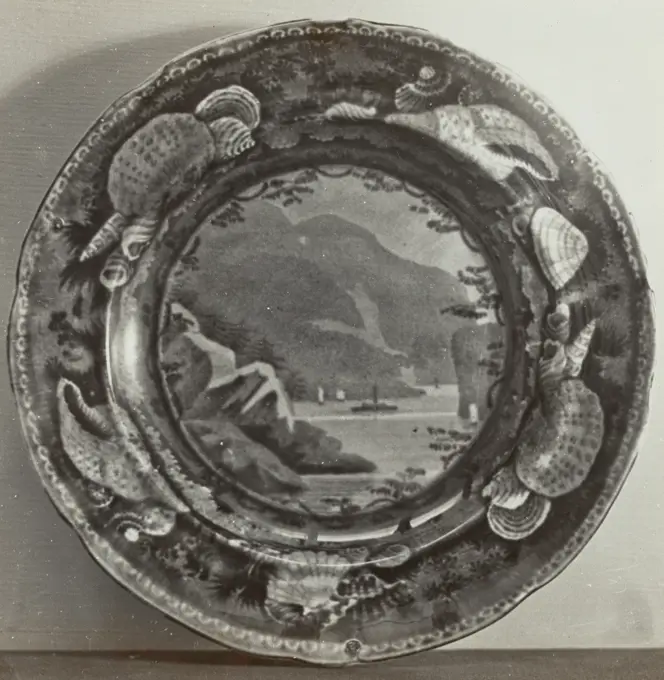
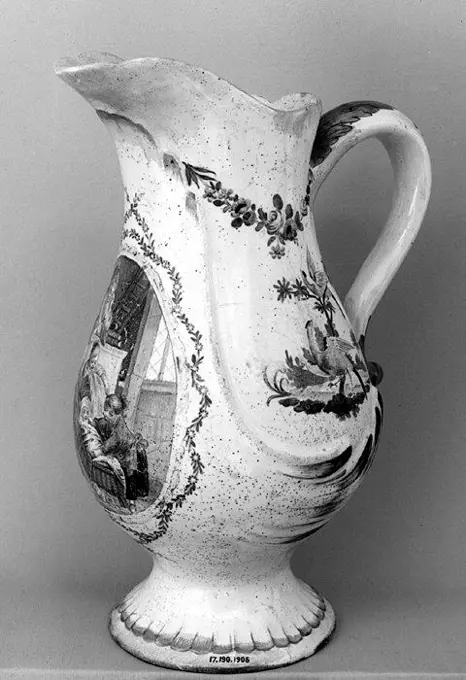
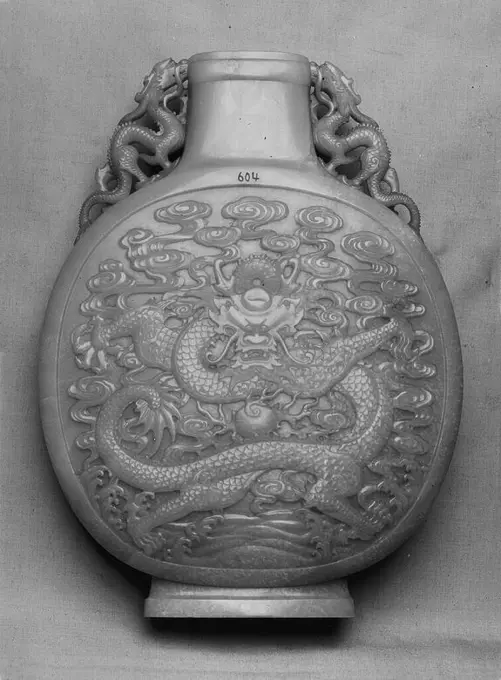
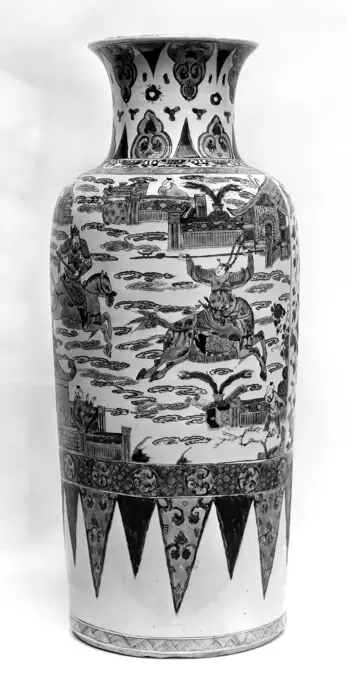
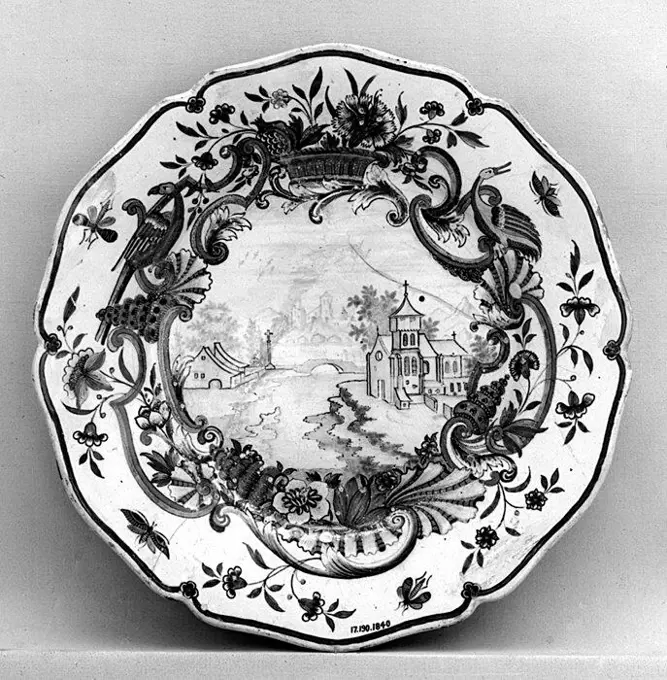
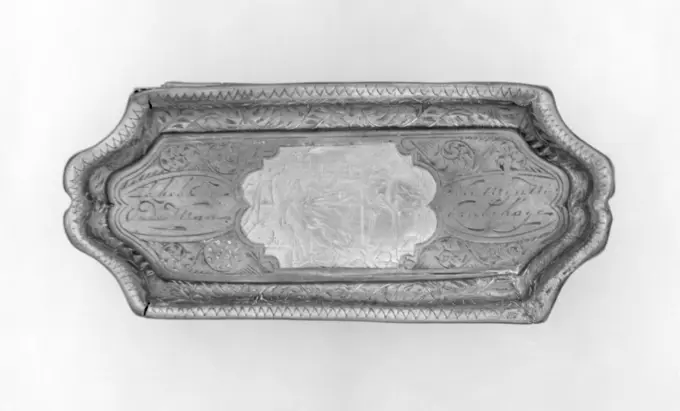
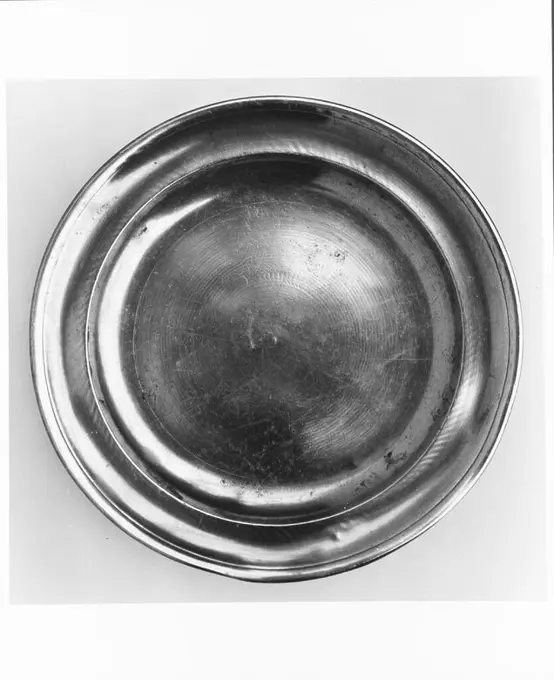
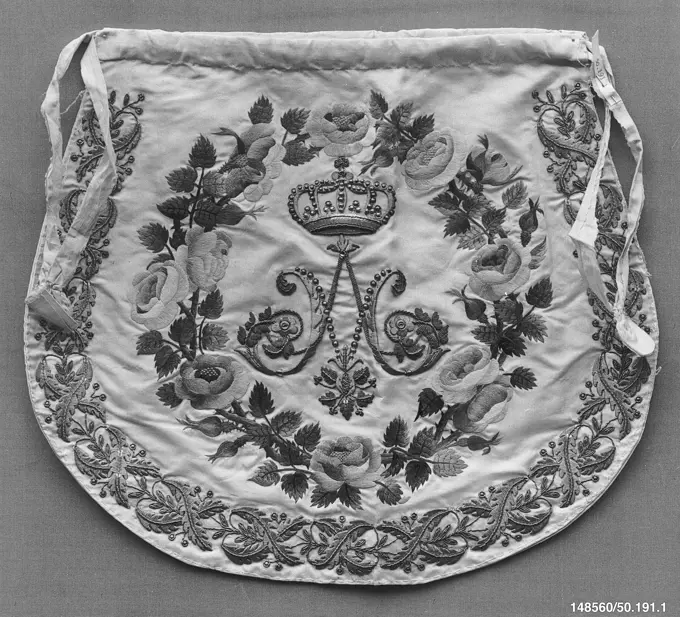
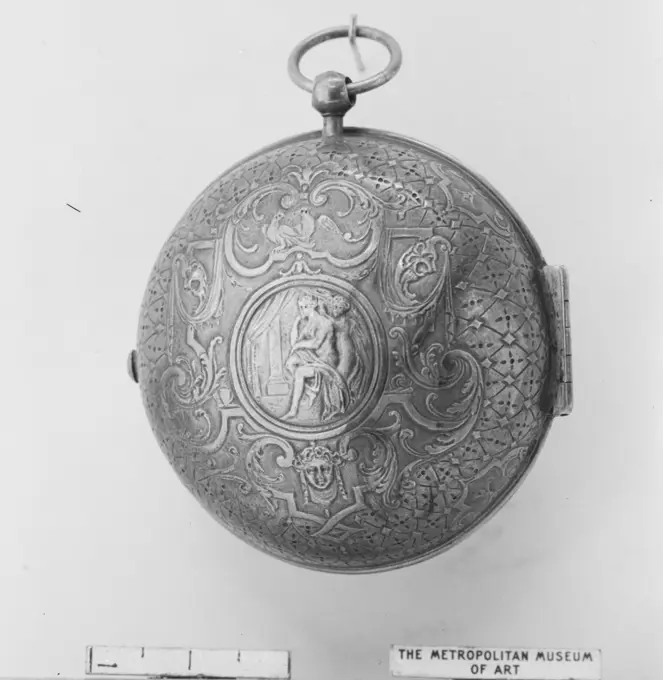
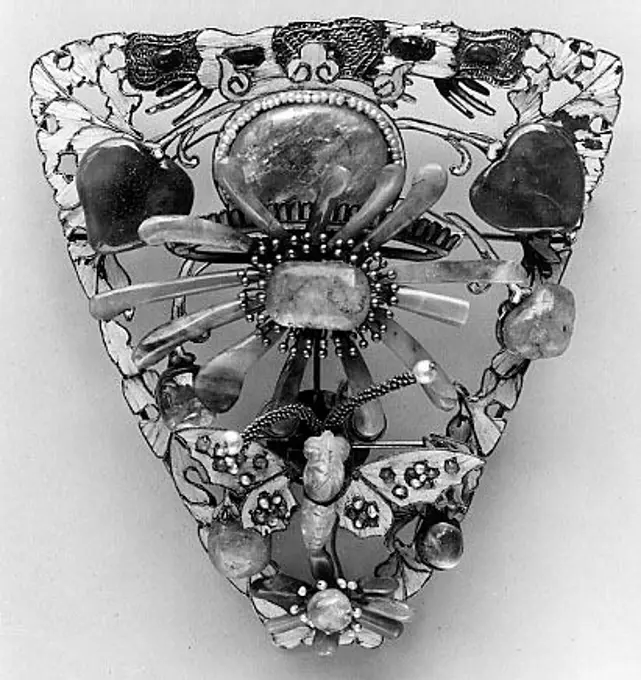
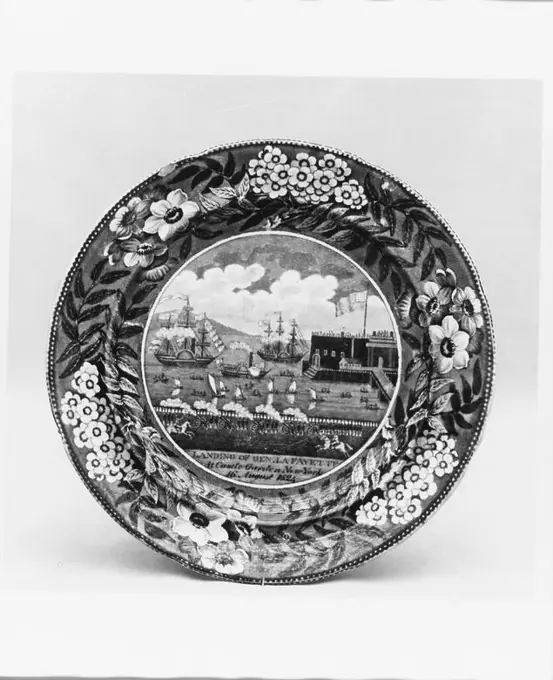
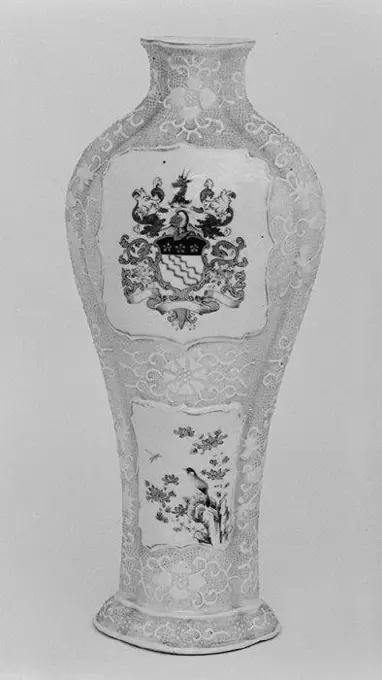
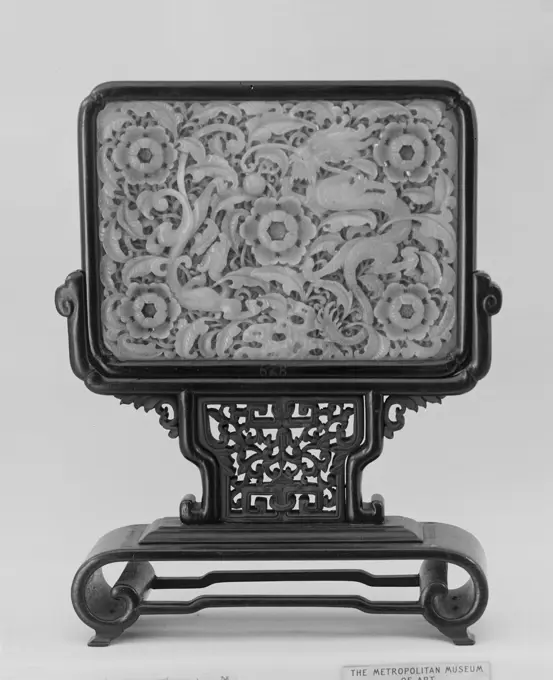
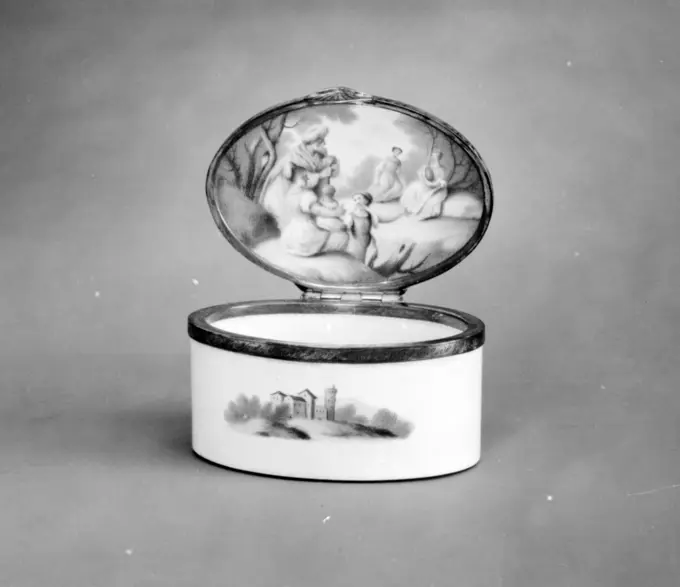
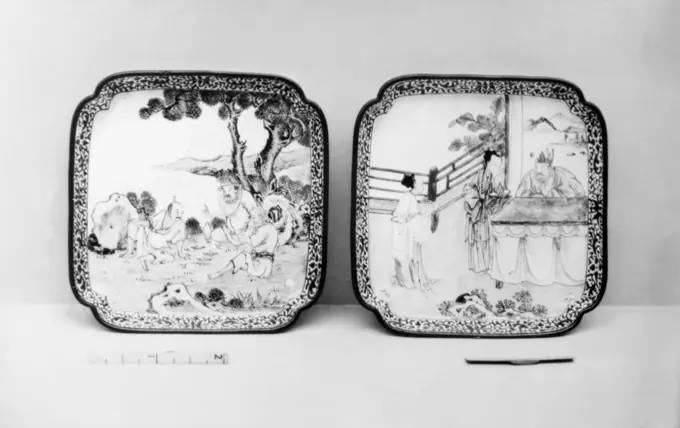
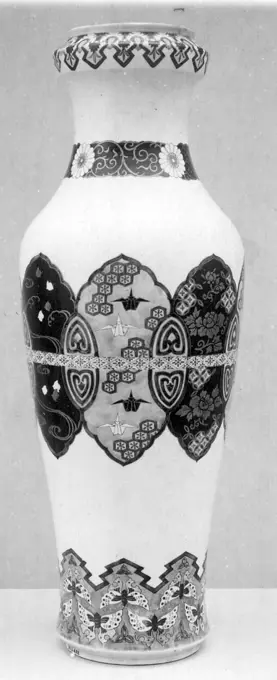
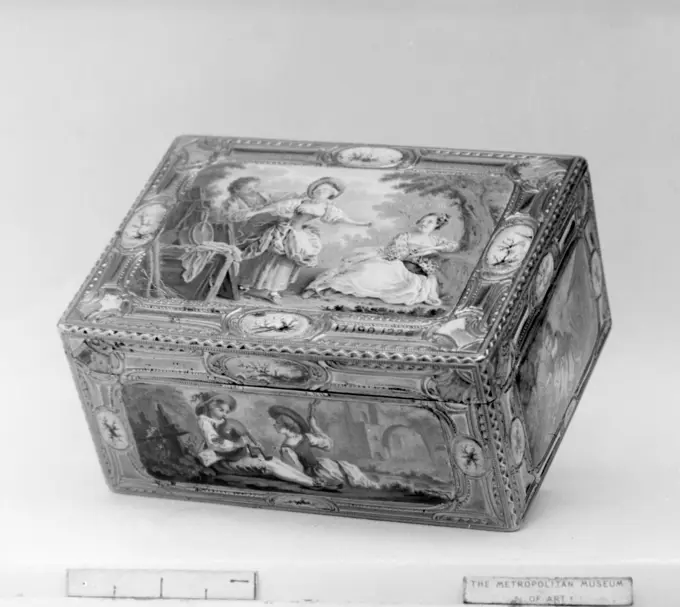
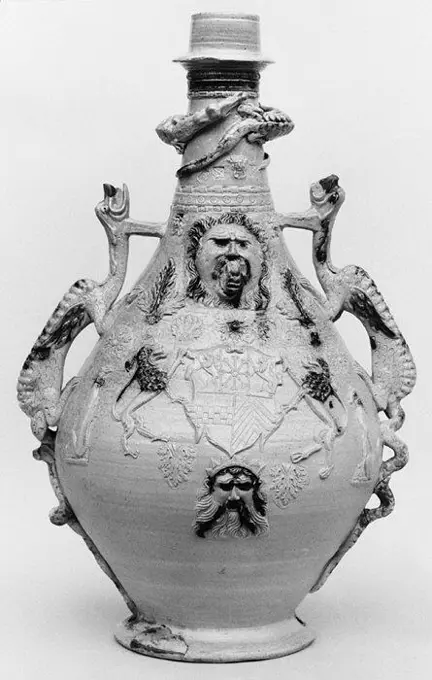
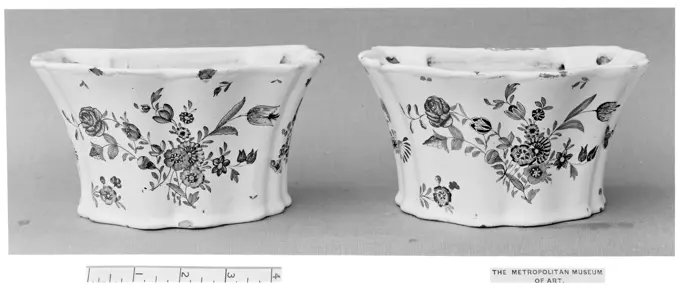
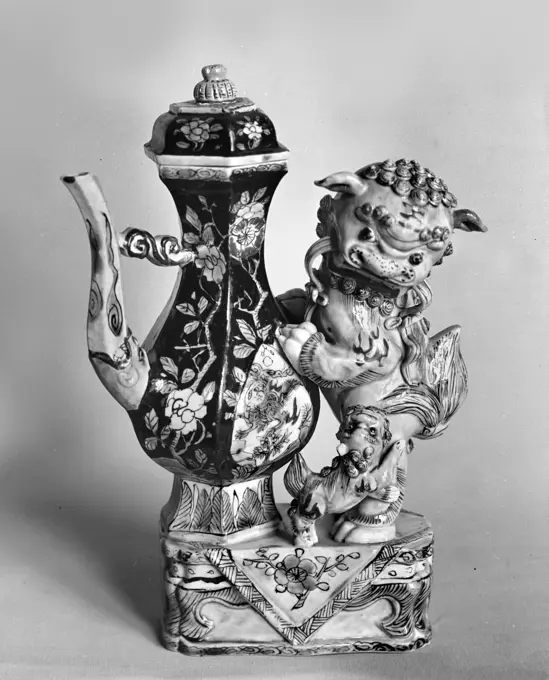
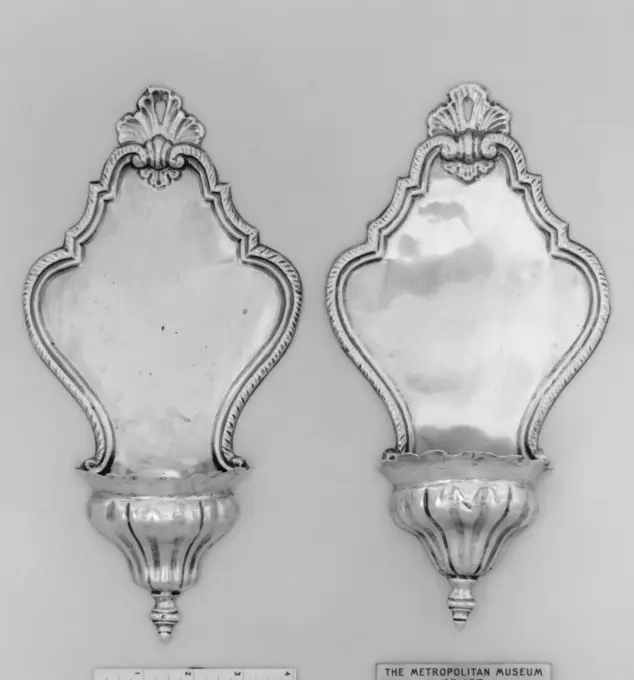
12/31/1949. Orza de Talavera - 18th century - Osma museum.Photography of the glass cup with the Polish Saxon coat of arms (II) unknownPlate with Bamboo, Peonies, and Birds China. Plate with Bamboo, Peonies, and Birds. China. Porcelain painted with cobalt blue and copper red under a transparent glaze (Jingdezhen ware). Qing dynasty (1644-1911), Kangxi period (1662-1722). CeramicsSauceboat 1730-70. Sauceboat. 1730-70. Stoneware. Made in EnglandTazza wineglass 17th century Italian, Venice (Murano) During the Renaissance, Venetian glassmakers, working on the island of Murano, were celebrated across Europe for their fine and sparkling work. Called cristallo” emulating the clarity of rock crystal, in the hands of the most skilled glassblowers the medium could be delightfully manipulated, variously stretched paper-thin flat, or playfully twisted, or blown into molds with spectacular patterns.. Tazza wineglass. Italian, Venice (Murano). 17th century. Glass. GlassJar with Ivory Lid 18th century Japan. Jar with Ivory Lid 62694Etrusco-Corinthian Black-Figure Kalathos. UnknownSaucer ca. 1740-50 Meissen Manufactory German. Saucer 188724 Manufactory: Meissen Manufactory, German, 1710present, Decorator: Gold decoration in the style of F. J. Ferner, Saucer, ca. 174050, Hard-paste porcelain, Diameter: 5 in. (12.7 cm). The Metropolitan Museum of Art, New York. Gift of Alfred Duane Pell, 1902 (02.6.224)Snuff Bottle China. Snuff Bottle. China. Cloisonné enamel on copper. Kangxi or Qianlong periods (1662-1722, 1736-95). Snuff BottlesCup. Culture: Japan. Dimensions: H. 2 1/2 in. (6.4 cm); Diam. 4 3/4 in. (12.1 cm). Date: 1750. Museum: Metropolitan Museum of Art, New York, USA.Bottle 1727 Dutch. Bottle. Dutch. 1727. Glass. GlassBowl China. Bowl 53554Covered Butter Dish ca. 1888 Richards and Hartley Flint Glass Co.. Covered Butter Dish. American. ca. 1888. Pressed yellow glass. Made in Tarentum, Pennsylvania, United StatesSalver 1733 George Hindmarsh. Salver 204917Platter 18th century German. Platter 189105 German, Platter, 18th century, Pewter, No dimensions recorded.. The Metropolitan Museum of Art, New York. Rogers Fund, 1906 (06.797)Plate (Assiette à palmes) (1 of 102) (part of a service) Manufactory Sèvres Manufactory French Decorator Jean-Jacques Pierre the Younger French 1767Budbudiki late 19th century Indian. Budbudiki. Indian. late 19th century. Wood, parchment. India. Membranophone-double-headed / waisted drumBeaker ca. 1850-75 Dr. Antonio Salviati Company. Beaker. Italian, Venice (Murano). ca. 1850-75. Glass. GlassBowl early 16th century Italian, Venice (Murano). Bowl. Italian, Venice (Murano). early 16th century. Glass, enameled and gilt. GlassBaptismal Bowl 1795-1816 Samuel Danforth. Baptismal Bowl. American. 1795-1816. Pewter. Made in Hartford, Connecticut, United StatesMug (one of two) ca. 1775 Chinese, probably for British market. Mug (one of two). Chinese, probably for British market. ca. 1775. Hard-paste porcelain. Ceramics-Porcelain-ExportCup and saucer ca. 1740 Meissen Manufactory German. Cup and saucer. German, Meissen. ca. 1740. Hard-paste porcelain. Ceramics-PorcelainSaucer 1700-1720 Japanese, for European market The gift of the Hans Syz Collection in 1995 endowed the Museum with nearly three hundred examples of European and Asian ceramics meticulously acquired by Swiss-born collector Dr. Syz (1894-1991) to chart the migration of models and patterns from East to West. Documenting a continuous process of influence and adaptation, these pieces provide a discriminating review of the nuances of stylistic change resulting from three centuries of trade.. Saucer 208377Dish. Culture: Japan. Dimensions: H. 3 7/8 in. (9.8 cm); W. 12 in. sq. (30.5 cm). Date: 1860. Museum: Metropolitan Museum of Art, New York, USA.Waste Bowl. Culture: American. Dimensions: Overall: H. 6 3/16 in. (15.7 cm); 18 oz. 6 dwt. (568.6 g)Lip: Diam. 5 13/16 in. (14.8 cm)Foot: Diam. 4 1/4 in. (10.8 cm). Maker: Robert and William Wilson (active ca. 1825-ca.1846). Date: 1835-45. Museum: Metropolitan Museum of Art, New York, USA.Water Pot 19th century Japan. Water Pot. Japan. 19th century. Clay covered with salt type glaze and thick glaze running in streaks (Takatori ware). Momoyama (1573-1615) or Edo period (1615-1868). CeramicsBox 1787-88 Possibly by Jacques François Varin. Box. French, Paris. 1787-88. Gold. Metalwork-Gold and PlatinumBox ca. 1770 German. Box 192882Brush Holder ca. 1780 Kasuke. Brush Holder. Kasuke. Japan. ca. 1780. Pottery, made after Chinese enameled biscuits (Kyoto ware). Edo period (1615-1868). CeramicsSugar bowl with cover 1785-87 Louis-Joseph Bouty (called Milleraud-Bouty). Sugar bowl with cover 200107Cup 18th century Japan. Cup 45916Bowl 19th century Japan. Bowl 40769Nesting Wine Cup 1820 Japan. Nesting Wine Cup. Japan. 1820. White porcelain decorated with blue under the glaze (Hirado ware). Edo period (1615-1868). CeramicsJar ca. 1800 Japan. Jar 56587Watch. Culture: French, Rouen. Dimensions: 2 × 1 3/4 in. (5.1 × 4.4 cm). Maker: Watchmaker: Timothée Hubert (the Elder) (active 1600-1650). Date: first half 17th century. Museum: Metropolitan Museum of Art, New York, USA.Vegetable Dish 1800 Japan. Vegetable Dish. Japan. 1800. White porcelain decorated with colored enamels (Arita ware). Edo period (1615-1868). CeramicsCoffeepot 1800-1815 Chinese. Coffeepot. Chinese. 1800-1815. Porcelain. Made in ChinaTankard ca. 1740 Meissen Manufactory German. Tankard. German, Meissen. ca. 1740. Hard-paste porcelain. Ceramics-PorcelainVase with Magnolias late 17th century China. Vase with Magnolias 42341Dish second quarter of 17th century China. Dish. China. second quarter of 17th century. Porcelain painted in underglaze blue and overglaze polychrome enamels. Ming dynasty (1368-1644), Transitional period. CeramicsBowl (one of a pair) 19th century China. Bowl (one of a pair) 40869Teabowl ca. 1720 Ichigen. Teabowl 62883Bottle 17th century Korea. Bottle. Korea. 17th century. Glazed stoneware. Joseon dynasty (1392-1910). CeramicsMiniature bowl late 16th-early 17th century Italian, Venice (Murano) During the Renaissance, Venetian glassmakers, working on the island of Murano, were celebrated across Europe for their fine and sparkling work. Called cristallo” emulating the clarity of rock crystal, in the hands of the most skilled glassblowers the medium could be delightfully manipulated, variously stretched paper-thin flat, or playfully twisted, or blown into molds with spectacular patterns.. Miniature bowl. Italian, Venice (Murano). late 16th-early 17th century. Glass. GlassRoemer with a row of blackberry, anonymous, c. 1690 - c. 1800 Small Roemer with inserted bottom on conical, spun from a wire. The spherical chalice blown as a whole with the trunk, which is set with three Braamernoppen Low Countries glass glassblowing Small Roemer with inserted bottom on conical, spun from a wire. The spherical chalice blown as a whole with the trunk, which is set with three Braamernoppen Low Countries glass glassblowingRestored Cretan Pithos. UnknownPlate 17th century possibly Swiss. Plate 193328Helmut Hiatt, Plate, c 1936 PlatePlate 1789 Worcester factory This plate is part of a dessert service made for Prince William, Duke of Clarence and Saint Andrews, who reigned as William IV from 1830 until 1837. The decoration consists of the princes' coat of arms and the jewel and star of the Orders of the Garter and of the Thistle. The interstices between the twining blue and green ribbons on the rim are decorated with roses crossed by thistles, emblems of England and Scotland.. Plate 199885Plate 1800-1830 Chinese. Plate. Chinese. 1800-1830. Porcelain. Made in ChinaWater Jar in the Shape of a Well Bucket 19th century Japan. Water Jar in the Shape of a Well Bucket 40074Platter 18th century Flemish. Platter 193317SalverWater jug 1753-95 French, Sceaux Faience, or tin-glazed and enameled earthenware, first emerged in France during the sixteenth century, reaching widespread usage among elite patrons during the seventeenth and early eighteenth centuries, prior to the establishment of soft-paste porcelain factories. Although characterized as more provincial in style than porcelain, French faience was used at the court of Louis XIV as part of elaborate meals and displays, with large-scale vessels incorporated into the Baroque garden designs of Versailles. Earlier examples of French faience attest to the strong influence of maiolica artists from Italy. Later works demonstrate the ways in which cities such as Nevers, Rouen, Lyon, Moustiers, and Marseille developed innovative vessel shapes and decorative motifs prized among collectors throughout Europe. While faience can be created from a wide mixture of clays, it is foremost distinguished by the milky opaque white color achieved by the addition of tin oxideSyrup Jug 1830-70 American. Syrup Jug. American. 1830-70. Parian porcelain, pewter. Probably made in Bennington, Vermont, United StatesVase in the shape of a pilgrim flask. Culture: China. Dimensions: H. 10 13/16 in. (27.4 cm); W. 8 1/16 in. (20.5 cm); D. 2 3/8 in. (6 cm). Date: 18th century. Museum: Metropolitan Museum of Art, New York, USA.Snuff Bottle 19th century China. Snuff Bottle 41757Vase China. Vase. China. Porcelain with famille verte enamels. Qing dynasty (1644-1911), Kangxi period (1662-1722). CeramicsDish with cover (part of a service) 1785-1800 Chinese, probably for British market. Dish with cover (part of a service) 201126Milk jug with cover ca. 1780 Gotha. Milk jug with cover 201716Covered Box late 17th-early 18th century China. Covered Box 40737Plate (Assiette à palmes) (1 of 102) (part of a service) 1772 Sèvres Manufactory French. Plate (Assiette à palmes) (1 of 102) (part of a service) 197957Platter (part of a service) 1770-85 Chinese, for British market. Platter (part of a service). Chinese, for British market. 1770-85. Hard-paste porcelain. Ceramics-Porcelain-ExportCane handle 1730-40 Meissen Manufactory German. Cane handle 203170Plate ca. 1725 Pierre Chapelle II Faience, or tin-glazed and enameled earthenware, first emerged in France during the sixteenth century, reaching widespread usage among elite patrons during the seventeenth and early eighteenth centuries, prior to the establishment of soft-paste porcelain factories. Although characterized as more provincial in style than porcelain, French faience was used at the court of Louis XIV as part of elaborate meals and displays, with large-scale vessels incorporated into the Baroque garden designs of Versailles. Earlier examples of French faience attest to the strong influence of maiolica artists from Italy. Later works demonstrate the ways in which cities such as Nevers, Rouen, Lyon, Moustiers, and Marseille developed innovative vessel shapes and decorative motifs prized among collectors throughout Europe. While faience can be created from a wide mixture of clays, it is foremost distinguished by the milky opaque white color achieved by the addition of tin oxidPomade box 18th century British, Staffordshire. Pomade box. British, Staffordshire. 18th century. Salt-glazed stoneware. Ceramics-PotteryTobacco box 17th-18th century Dutch The box is oblong with shaped ends. A brass cartouche on the lid repeats the outline of the box. The cartouche shows a couple embracing each other outside a house, a second man is about to enter the house. The scene is framed by leaf scrolls and the inscription: Ik heb een oude man/die mijn nie kan behage (I have an old husband/who can't please me). The cartouche on the underside, which is also flanked by leaf scrolls, shows a man and a woman indoors next to a cradle. Inscribed: Maer thuis ? vraegt 't werk/ dat ik niet heb te klage (But the work at home ? is demanding/so I don't have to complain).The rims are lined, the edges molded, and the borders engraved with leaf scrolls and zigzag line decoration. Leaf scrolls are engraved on the side in front and on the ends. The back of the side has geometrical ornament.. Tobacco box 205397Watch early 19th century French. Watch 193369Casket. Culture: German. Dimensions: Overall: 2 5/8 × 6 1/4 × 3 1/2 in. (6.7 × 15.9 × 8.9 cm). Date: early 17th century. Museum: Metropolitan Museum of Art, New York, USA.Hobnail Pitcher after 1886 Probably Hobbs, Brockunier and Company. Hobnail Pitcher. American. after 1886. Pressed cranberry, opalescent and colorless glass. Made in Wheeling, West Virginia, United StatesPlate. Culture: American. Dimensions: H. 3/4 in. (1.9 cm); Diam. 8 3/8 in. (21.3 cm). Maker: William Billings (ca. 1768-1813). Date: 1791-1806. Museum: Metropolitan Museum of Art, New York, USA.Bag or statue robe () first half 19th century French. Bag or statue robe () 227515Snuff Bottle 18th century China. Snuff Bottle. China. 18th century. Lacquer. Qing dynasty (1644-1911), Qianlong period (1736-95). Snuff BottlesBologna cutting feed, vintage engraved illustration. Magasin Pittoresque 1852.Whiskey Taster 1840-60. Whiskey Taster. 1840-60. Lacy pressed yellow glassCeramicrug with ceramic cupsWatch ca. 1770 () Watchmaker: Abel Durade. Watch. Dutch. ca. 1770 (). Silver, enamel. HorologyFlask 17th century French. Flask. French. 17th century. Glass. GlassPair of pepper boxes 1745-47 Edme-Pierre Balzac. Pair of pepper boxes 200347Vase 1830-70 American. Vase. American. 1830-70. Parian porcelain. Probably made in Bennington, Vermont, United StatesSpoon tray (part of a miniature service) ca. 1790 After a painting by Thomas Stothard British. Spoon tray (part of a miniature service) 201328Ornaments for Manzhu Hat 18th century China. Ornaments for Manzhu Hat 60882Plate. Culture: British (American market). Dimensions: Diam. 10 in. (25.4 cm). Maker: James and Ralph Clews (British, Cobridge, Stoke-on-Trent, active ca. 1818-36). Date: ca. 1824-34.This blue and white transfer-printed earthenware plate made by the Staffordshire firm of James & Ralph Clews features a view of the triumphal landing of General Lafayette (1757-1834) in New York Harbor on August 16, 1824 where he was met by the American naval ship "Chancellor Livingston" and escorted to Castle Garden for a huge celebration by thousands of patriotic well-wishers. Museum: Metropolitan Museum of Art, New York, USA.Vase (part of a garniture) 1750-60 Chinese, for British market. Vase (part of a garniture) 201028Brush Holder. Culture: China. Dimensions: H. 4 3/4 in. (12.1 cm); Diam. 2 3/8 in. (6 cm). Museum: Metropolitan Museum of Art, New York, USA.Bliżej Kultury unknownTable screen China. Table screen. China. Nephrite, light grey with cloudings of darker grey. Qing dynasty (1644-1911), Qianlong period (1736-95). JadeBeaker 1850-60 Bohemian. Beaker. Bohemian. 1850-60. Opal glass, enamel with gilt flourishes. GlassSnuffbox 1765-70 Real Fabrica de Buen Retiro. Snuffbox. Spanish, Madrid (Buen Retiro). 1765-70. Soft-paste porcelain, gold. Real Fabrica de Buen Retiro (Spanish). Ceramics-PorcelainPlate 1825-55 Imperial Porcelain Manufactory, St. Petersburg Russian. Plate 202236Medallion 18th-19th century China. Medallion 68820Covered censer 1820 Japan. Covered censer. Japan. 1820. White porcelain decorated in colored enamels, in the Chinese style (Koto ware). Edo period (1615-1868). CeramicsSquare Dish China. Square Dish 40818Large Vase with Butterflies,Origami Cranes, Plovers over Waves, Auspicious Symbols, and Geometric Patterns (one of a pair) first half of the 19th century Japan. Large Vase with Butterflies,Origami Cranes, Plovers over Waves, Auspicious Symbols, and Geometric Patterns (one of a pair). Japan. first half of the 19th century. Porcelain with underglaze blue, overglaze polychrome enamels (Arita ware). Edo (1615-1868) or Meiji period (1868-1912). CeramicsCup (part of a set) 1770-80 Chinese, for Dutch market. Cup (part of a set) 201006Snuffbox 1760-61 Louis-Philippe Demay French In eighteenth-century Europe, Paris led the production of high-quality luxury goods. Parisian goldsmiths made a wide range of small, personal articles such as snuffboxes; étuis to hold sealing wax, tweezers, or utensils for sewing; souvenirs, which contained thin ivory tablets for note taking; and shuttles for knotting lace. Gold snuffboxes and boxes decorated with portrait miniatures were prized and frequently given as royal gifts, often to ambassadors or members of the court in lieu of cash payments for their services. Coveted and admired, these boxes were produced from a variety of materials. The best were skillfully made of gold and embellished with diamonds, enameled decoration, lacquer, and other luxurious materials. By the middle of the century, the taking of snuff had become an entrenched social ritual, and the snuffbox, too, had become an important social prop. Snuffboxes were considered highly fashionable accessories, with some merPilgrim bottle ca. 1573 Anno Knuetgen. Pilgrim bottle 201762Pair of hyacinth pots late 18th century French, Rouen Faience, or tin-glazed and enameled earthenware, first emerged in France during the sixteenth century, reaching widespread usage among elite patrons during the seventeenth and early eighteenth centuries, prior to the establishment of soft-paste porcelain factories. Although characterized as more provincial in style than porcelain, French faience was used at the court of Louis XIV as part of elaborate meals and displays, with large-scale vessels incorporated into the Baroque garden designs of Versailles. Earlier examples of French faience attest to the strong influence of maiolica artists from Italy. Later works demonstrate the ways in which cities such as Nevers, Rouen, Lyon, Moustiers, and Marseille developed innovative vessel shapes and decorative motifs prized among collectors throughout Europe. While faience can be created from a wide mixture of clays, it is foremost distinguished by the milky opaque white color achieved by the Hexagonal ewer with lion and cub 19th century China. Hexagonal ewer with lion and cub. China. 19th century. Porcelain painted in overglaze polychrome enamels (Jingdezhen ware, famille noire ). Qing dynasty (1644-1911). CeramicsHoly-water font (one of a pair) 17th-18th century Italian, Venice. Holy-water font (one of a pair) 192151