Ceramic Bowls and Vessels

A range of decorative ceramic bowls from different cultures and periods, showcasing unique designs and artistry.

Bowl 1680 Japan. Bowl. Japan. 1680. White porcelain decorated in enamels (Arita ware, Imari type). Edo period (1615-1868). Ceramics
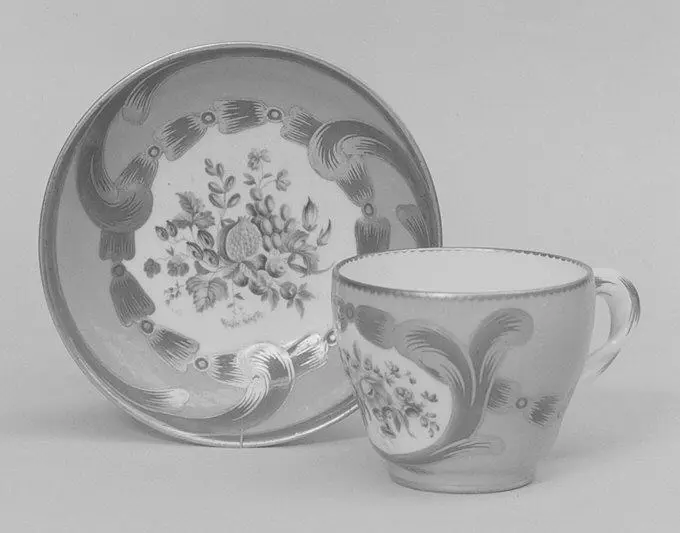
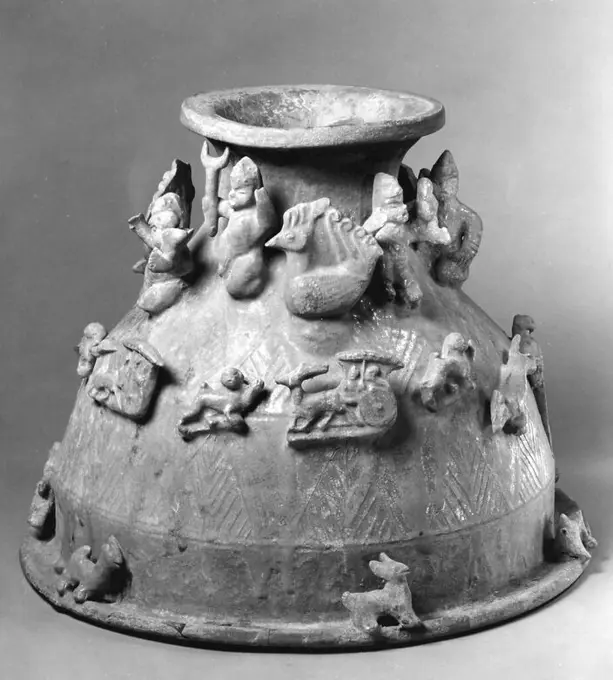
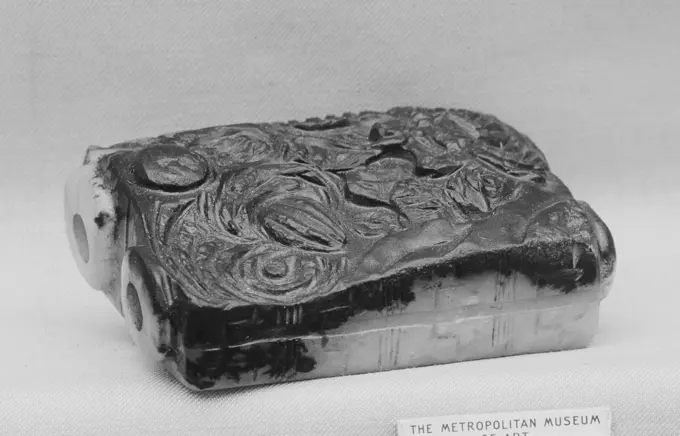
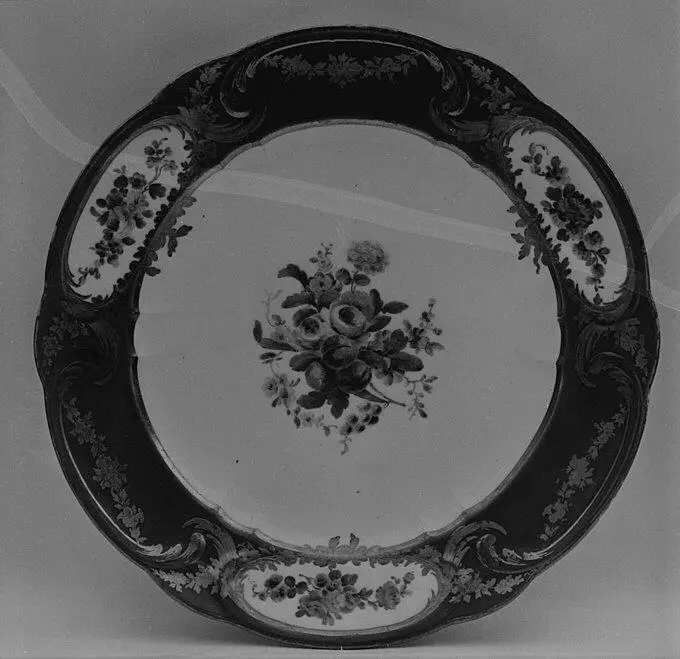
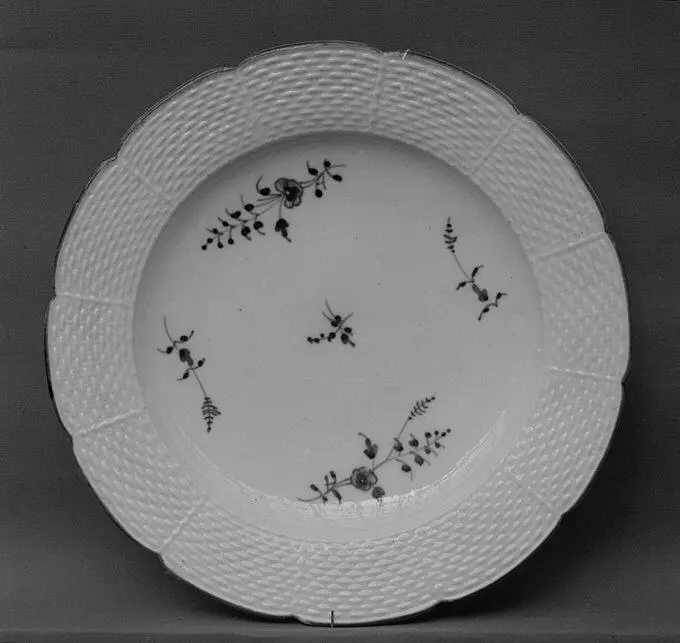
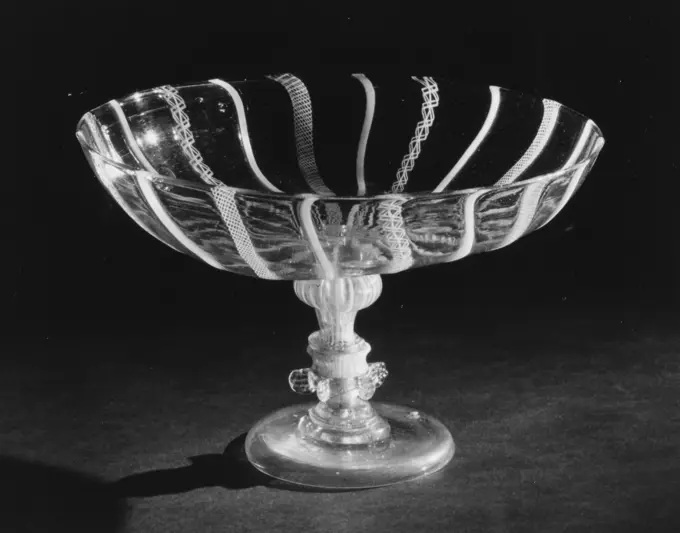
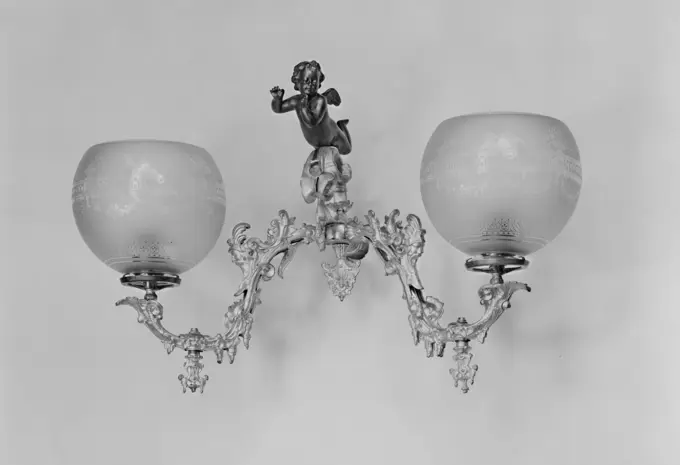
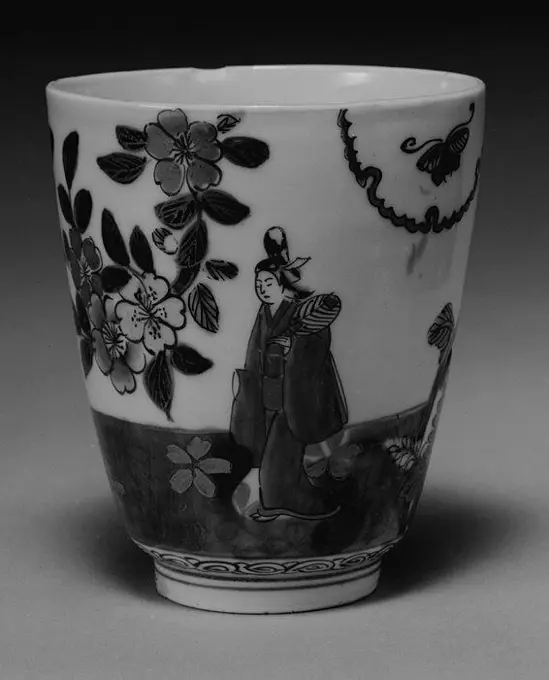
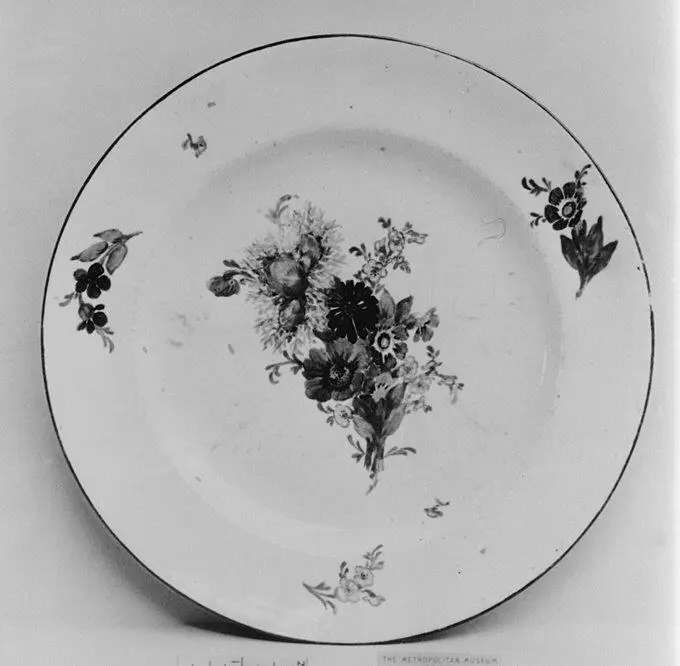
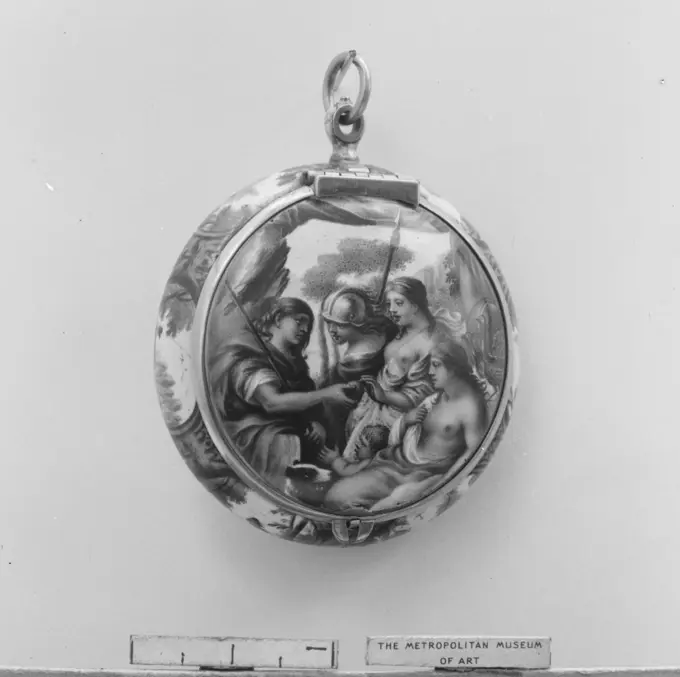
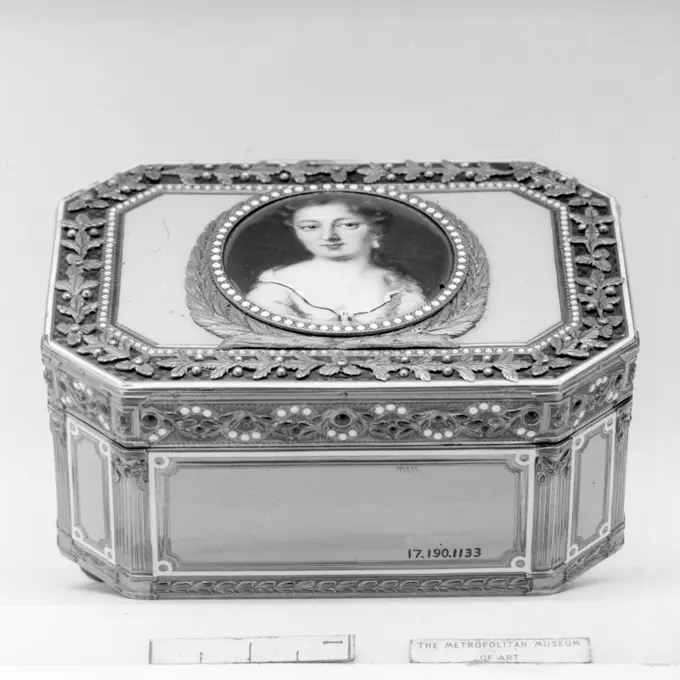
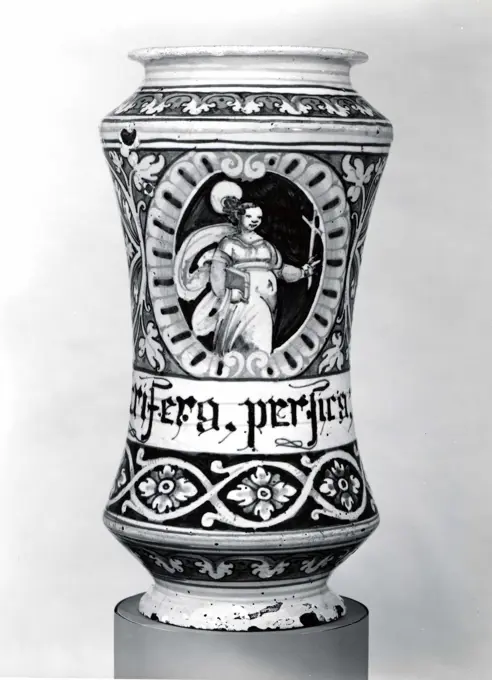
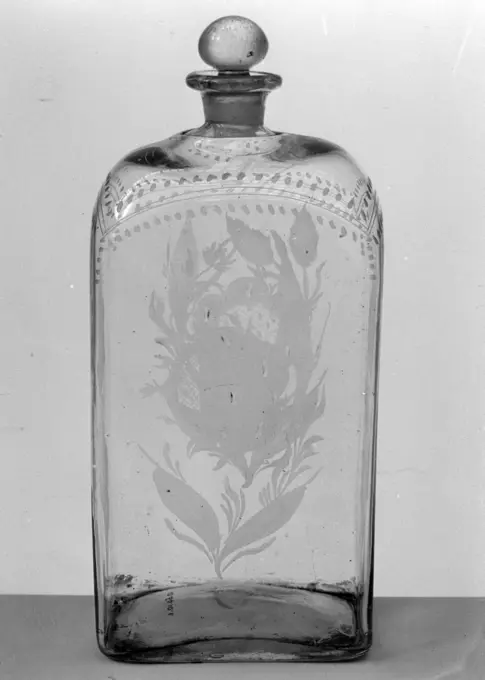
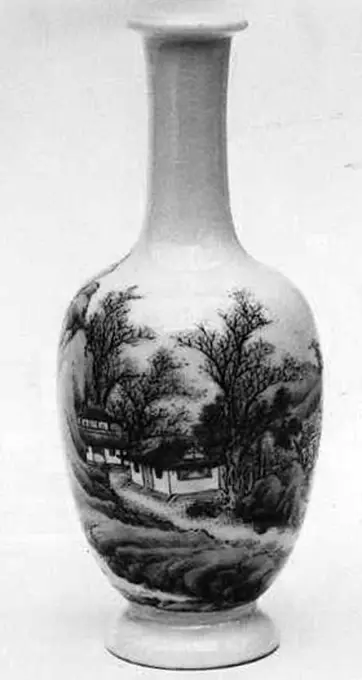
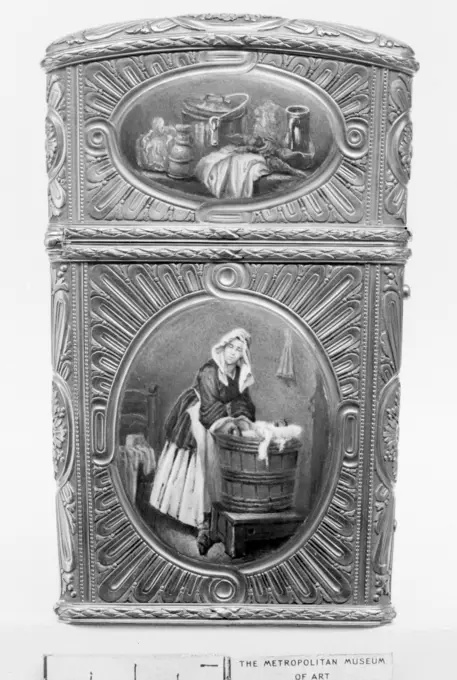
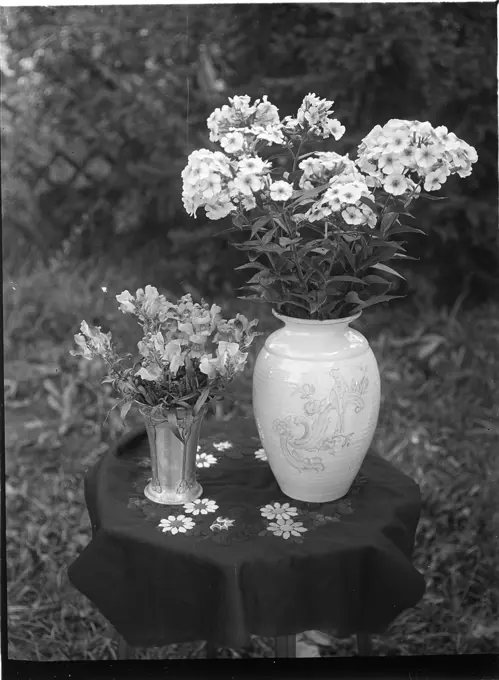
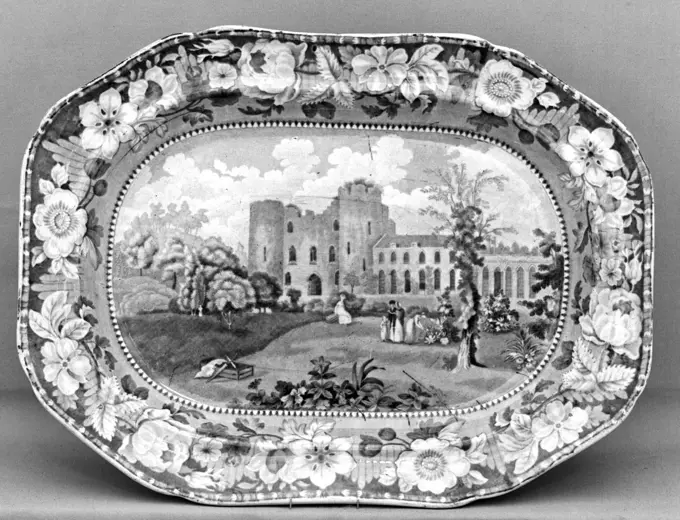
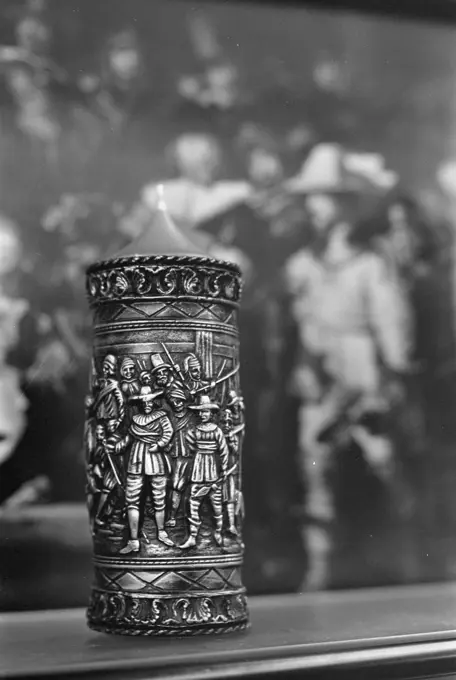
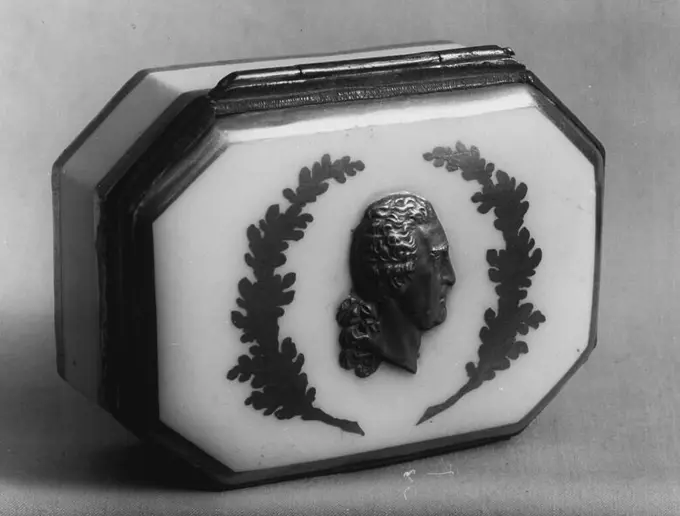
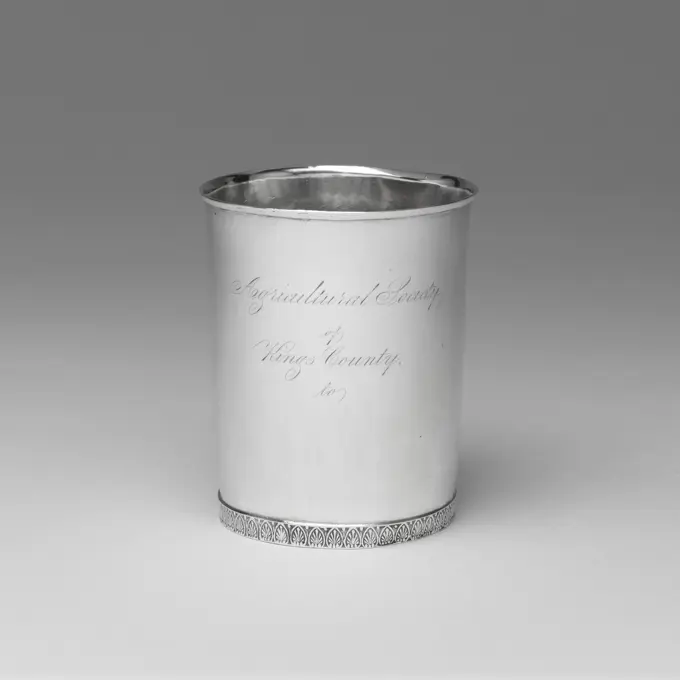
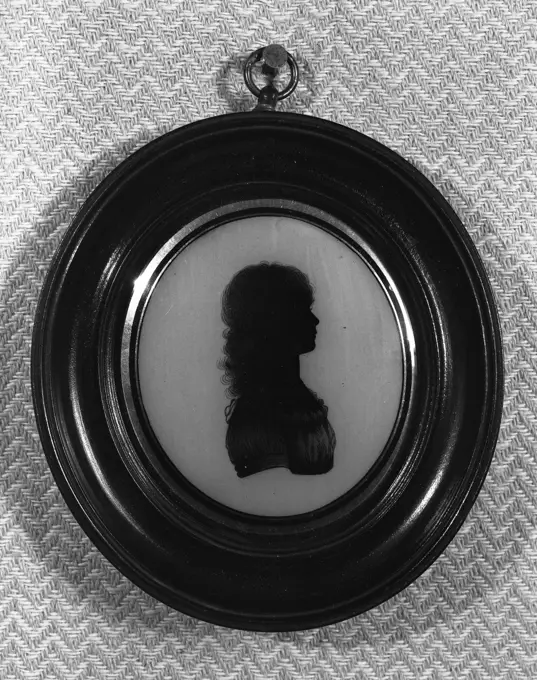
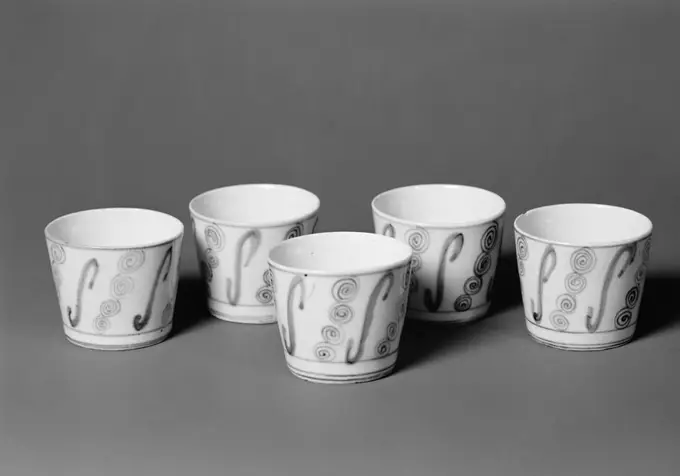
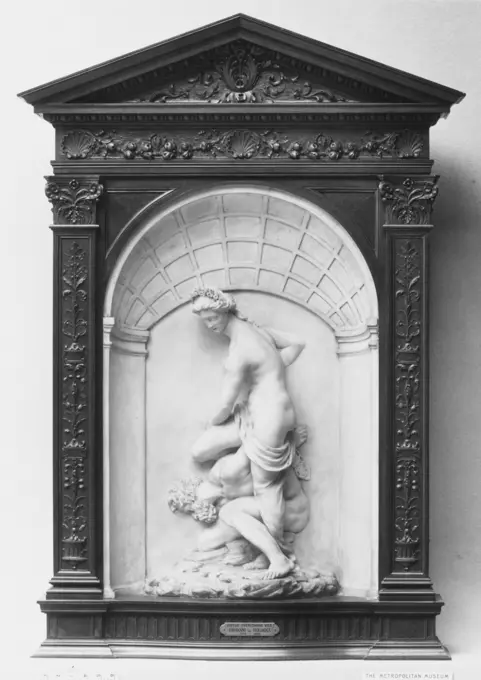
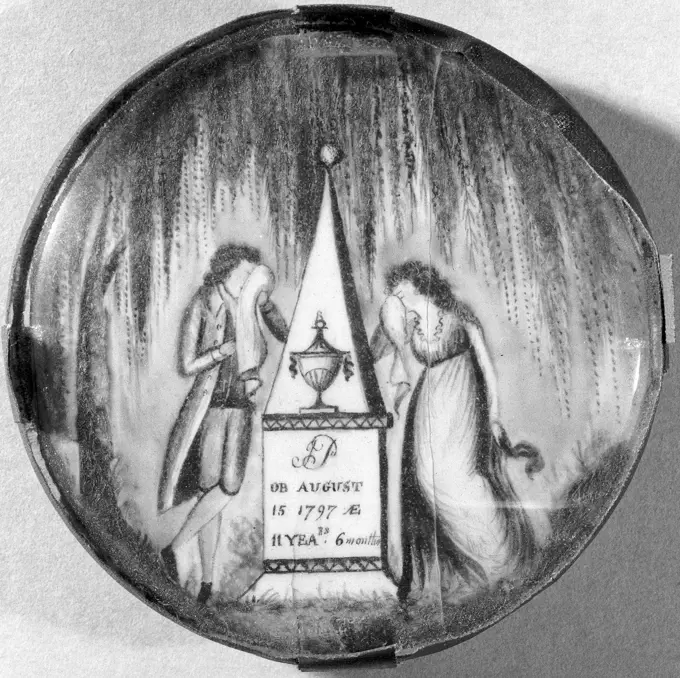
PlateSaucer (gobelet Hébert et soucoupe) (part of a service) 1760 Sèvres Manufactory French. Saucer (gobelet Hébert et soucoupe) (part of a service) 202204Bottle 17th century China. Bottle 51064Bottle. Culture: Japan. Dimensions: H. 6 1/2 in. (16.5 cm). Date: 18th century. Museum: Metropolitan Museum of Art, New York, USA.Model of a Bell-Shaped Lamp Stand. Culture: China. Dimensions: H. 12 1/8 in. (30.8 cm). Date: 1st-2nd century. Museum: Metropolitan Museum of Art, New York, USA.Double Bead: Emblem of Earth China. Double Bead: Emblem of Earth. China. Jade. Han dynasty (206 B.C.-A.D. 220). JadePlate (assiette à palmes) (1 of 102) (part of a service) 1786 Sèvres Manufactory French. Plate (assiette à palmes) (1 of 102) (part of a service) 197907Maker Unknown (spurious), Snuffbox, late 19th or 20th century.Plate 1770-75 Chantilly. Plate 188712 Factory: Chantilly, French, Plate, 177075, Soft-paste porcelain, Diameter: 9 3/8 in. (23.8 cm). The Metropolitan Museum of Art, New York. Gift of Alfred Duane Pell, 1902 (02.6.206)Oval Basin China. Oval Basin. China. Nephrite, spinach-green mottled with light and dark browns. Qing dynasty (1644-1911), Qianlong period (1736-95). JadeCup 18th century China. Cup. China. 18th century. Porcelain painted in white enamel and gilt. Qing dynasty (1644-1911). CeramicsTazza second half 16th or early 17th century probably Italian (Venice); possibly Saxony. Tazza 461270Snuff Bottle China. Snuff Bottle 41207Wall Pocket ca. 1745 British (American market). Wall Pocket. British (American market). ca. 1745. Stoneware. Made in Staffordshire, EnglandSphinx (one of a pair) style of 18th century French. Sphinx (one of a pair) 202252Wall Sconce ca. 1853 This wall sconce and its mate (64.36.5) come from the parlor of the Tweedy House, built in 1853 in North Attleboro, Massachusetts.Beaker with a checkerboard design ca. early to mid-4th millennium B.C. Iran Burials in the large cemetery at the important site of Susa in southwestern Iran have yielded a great number of very finely made vessels in the shape of tall, flaring cups, usually called beakers. Like much of the pottery from Iran in the Chalcolithic Period (ca. 5500-3000 B.C.), this piece is very skillfully made, with thin walls and highly-fired, fine clay. It may have been created or finished using a tournette, the precursor to the potters wheel, which is a flat disc balanced on a central pivot that can be spun with one hand while the other hand is used to smooth and shape a pot in the center of the wheel. The beaker is decorated with a combination of geometric designs painted in dark brown on cream-colored ceramic. It is clear that the arrangement of motifs was carefully planned, with the vessels outer surface divided into upper and lower borders combining lines of varying thickness with triangular shapesBeaker early 18th century Japanese The gift of the Hans Syz Collection in 1995 endowed the Museum with nearly three hundred examples of European and Asian ceramics meticulously acquired by Swiss-born collector Dr. Syz (1894-1991) to chart the migration of models and patterns from East to West. Documenting a continuous process of influence and adaptation, these pieces provide a discriminating review of the nuances of stylistic change resulting from three centuries of trade.. Beaker 208287Plate 1796-1801 Imperial Porcelain Manufactory, St. Petersburg Russian. Plate 188760 Factory: Imperial Porcelain Manufactory, St. Petersburg, Russian, 1744present, Plate, 17961801, Hard-paste porcelain, Diameter: 9 3/4 in. (24.8 cm). The Metropolitan Museum of Art, New York. Gift of Alfred Duane Pell, 1902 (02.6.268)Floral Journey to Emmaus in central medallion. unknown c. 1625-1650 Tapestry Dimensions: H 4'8" x W 8'2" Tapestry Materials/Techniques: unknown Culture: Dutch Weaving Center: unknown Ownership History: French & Co. purchased from Henry Symons 3/6/1922; sold to Arthur de Cordova 5/22/1928. Floral with 2 bands of flowers, fruits & small terminal masks flank central medallion of Christ with 2 disciples walking on road to Emmaus (BRD) scrolling foliage; (UPR & LWR BRD) 2 medallions with landscapes; (L & R BRD) 2 medallions with seascapes French & Co. stock sheet in archive, 7758/143Watch enameled case of about 1670; movement of about 1730 Watchmaker: Pierre Duet. Watch. French. enameled case of about 1670; movement of about 1730. Metal, enamel. HorologySnuffbox with portrait of a woman 1776-77 Joseph Etienne Blerzy French The miniature is set in a gold-and-enamel box made by Joseph Étienne Blerzy (apprenticed 1750, master 1768, working 1806) in Paris in 1776-77. The box bears five marks, among them the makers mark JEB and the Paris marks for 1775-81.The sitters costume dates about 1710. The portrait, which is in the style of Charles Boit (1663-1727) or Christian Friedrich Zincke, may have been done at that time and would therefore be earlier than the box. But, given the curious disproportion between the head and the bust, it may be a later pastiche which was made for setting in the box.. Snuffbox with portrait of a woman 193818Apothecary jar (albarello) probably 1550-1600 Italian, probably Faenza. Apothecary jar (albarello). Italian, probably Faenza. probably 1550-1600. Maiolica (tin-glazed earthenware). Ceramics-PotteryBox Chinese mid-19th centuryBottle with stopper second half 18th century Dutch. Bottle with stopper. Dutch. second half 18th century. Glass. GlassBasin 19th century William Adams British. Basin 192936Capital with Acanthus and Palm Leaves 6th-7th century In the 500s Apa (Father) Jeremias founded a Coptic monastery at Saqqara, the ancient Egyptian necropolis (cemetery) of the city of Memphis, near the oldest pyramids. He and the earliest monks lived in tombs at the site. As the monastery grew, several grand churches with lavish decoration were built, as well as many chapels, public buildings, and complexes of cells (rooms) for each monk. The monastery continued to grow after the Arab conquest with materials from early Byzantine tomb structures being reused for additional monastic structures. Inscriptions record prayers to numerous holy figures. Sculptural elements from Saqqara are often carved with deeply undercut patterns to intensify the play of light and shadow and to mask the solidity of the architecture. This sculptural style was popular throughout the Byzantine world in the 500s.. Capital with Acanthus and Palm Leaves 456218Vase China. Vase 52972Souvenir 1784-85 Jean-Nicolas Defer In eighteenth-century Europe, Paris led the production of high-quality luxury goods. Parisian goldsmiths made a wide range of small, personal articles such as snuffboxes; étuis to hold sealing wax, tweezers, or utensils for sewing; souvenirs, which contained thin ivory tablets for note taking; and shuttles for knotting lace. Gold snuffboxes and boxes decorated with portrait miniatures were prized and frequently given as royal gifts, often to ambassadors or members of the court in lieu of cash payments for their services. Coveted and admired, these boxes were produced from a variety of materials. The best were skillfully made of gold and embellished with diamonds, enameled decoration, lacquer, and other luxurious materials. By the middle of the century, the taking of snuff had become an entrenched social ritual, and the snuffbox, too, had become an important social prop. Snuffboxes were considered highly fashionable accessories, with some merchants adBowl 1860-80 Italian, possibly Venice (Murano). Bowl. Italian, possibly Venice (Murano). 1860-80. Glass. GlassPlate (one of two) ca. 1780-90 Chinese, for Russian market. Plate (one of two) 205240Plate with Floral and Other Designs early 19th century Japan. Plate with Floral and Other Designs 53640Picture from the Department of Photography at the Royal Institute of Technology. Flowers in vase.Watch ca. 1835 Watchmaker: Charles Oudin. Watch 195612Platter 19th century A. Stevenson, Cobridge. Platter. British, Cobridge, Staffordshire. 19th century. Pottery. A. Stevenson, Cobridge (ca. 1820-1840). Ceramics-PotteryStamp seal ca. 6th-4th century B.C. Achaemenid. Stamp seal. Achaemenid. ca. 6th-4th century B.C.. Chalcedony, yellow. Achaemenid. IranAnefo photo collection. International Perfumery Fair Utrecht. Candle, representing the "Night Watch". August 26, 1968. Utrecht (prov.), Utrecht (city)Snuffbox. Culture: German. Dimensions: 1 1/4 x 3 3/8 x 2 1/4 in. (3.2 x 8.6 x 5.7 cm). Maker: Meissen Manufactory (German, 1710-present). Date: 1814-18. Museum: Metropolitan Museum of Art, New York, USA.Pair of pedestals French late 18th century View more. Pair of pedestals. French. late 18th century. Gilt bronze. Metalwork-Gilt BronzeStephen Phillips House, Salem, china , Tableware. Samuel Chamberlain Photograph Negatives CollectionBeaker 1800-1825 Thomas Richards. Beaker 405Silhouette of Bust Portrait of Young Lady Beetham..   Decorative ArtsSoba cup 18th century Japan. Soba cup 63716Votive offering 18th century French. Votive offering. French. 18th century. Wrought iron and sheet iron with traces of yellow paint on flowers. Metalwork-IronApothecary Jar 1730-40 Dutch. Apothecary Jar. Dutch. 1730-40. Earthenware. Made in Delft, South Holland, NetherlandsWatch second half 18th century Watchmaker: Jean Antoine Lépine. Watch 195107Pair of jars with covers Factory Mennecy 1756-62Virtue Overcoming Vice 17th-18th century Imitator of Giambologna Netherlandish Considered a reduced derivative of the marble Florence Triumphant over Pisa, made by Bologna's workshop in 1569-70.. Virtue Overcoming Vice 192713Mourning Miniature for "JB" Unknown. ca. 1797. Watercolor on ivory mounted in wood frame with glass lens, Image (sight): 2 7/16 x 2 7/16 in. (6.2 x 6.2 cm).   American Art ca. 1797Cloak Pin. Dimensions: 2 x 1 3/8 in. (5.1 x 3.5 cm). Date: 1750-1800. Museum: Metropolitan Museum of Art, New York, USA.