Ceramic Bowls Collection

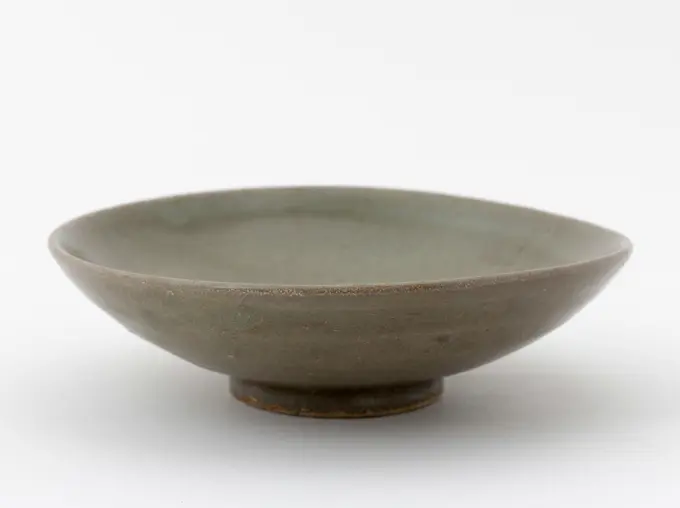
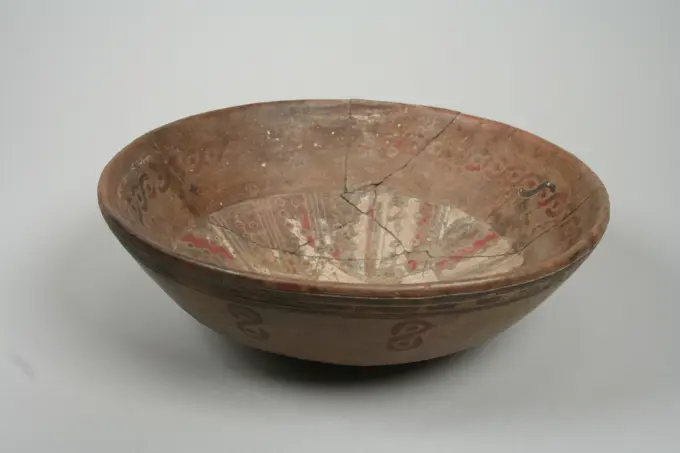
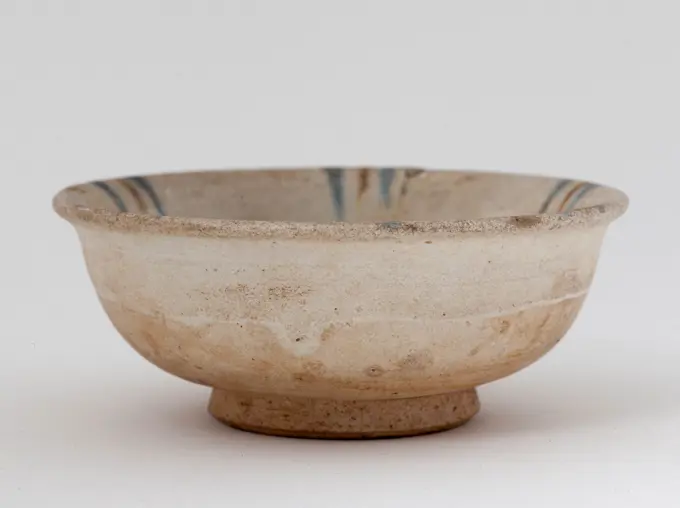
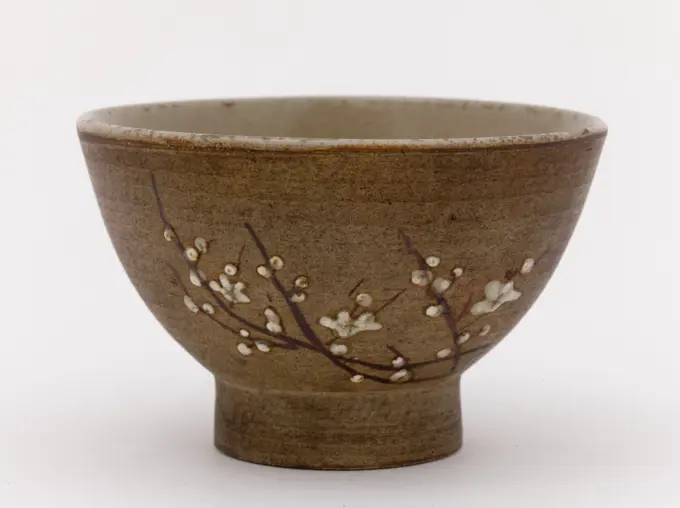
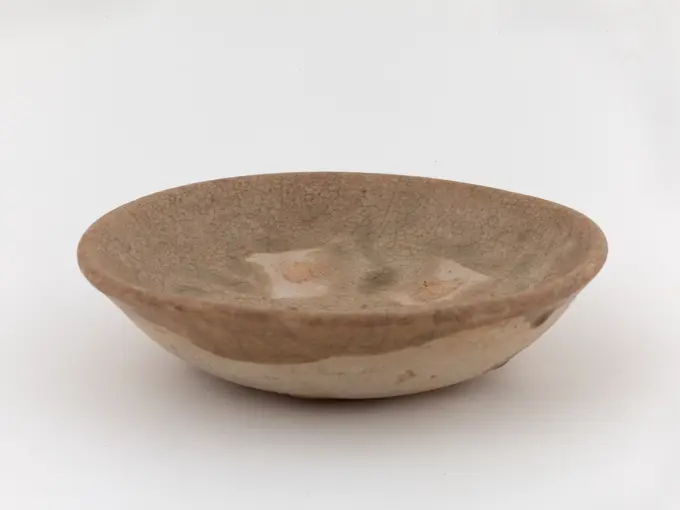
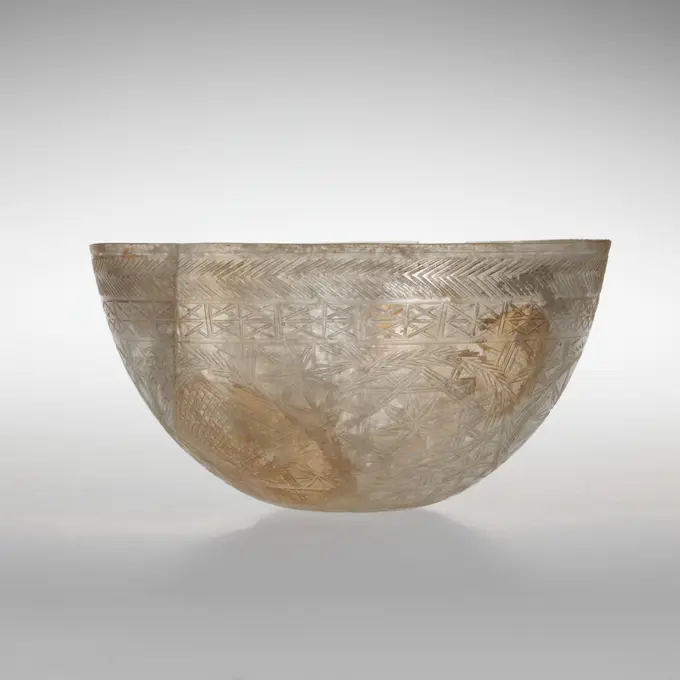
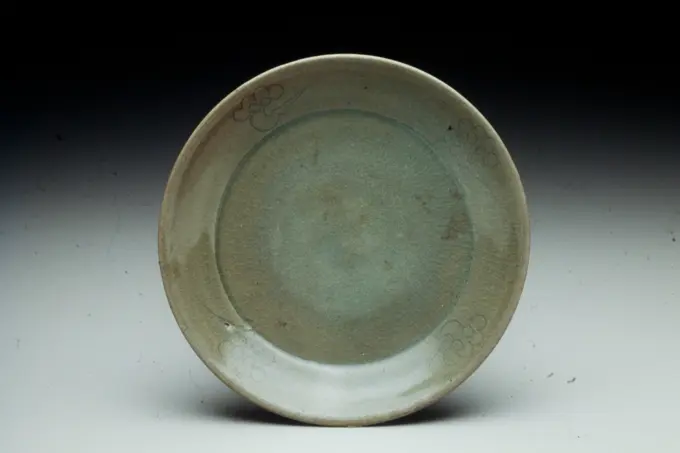
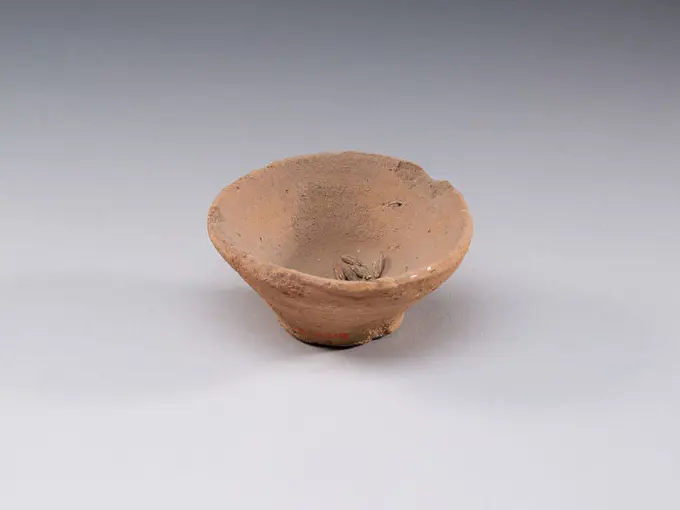
Artistic ceramic bowls varying in style and color, showcasing different cultures and historical periods through beautiful craftsmanship.
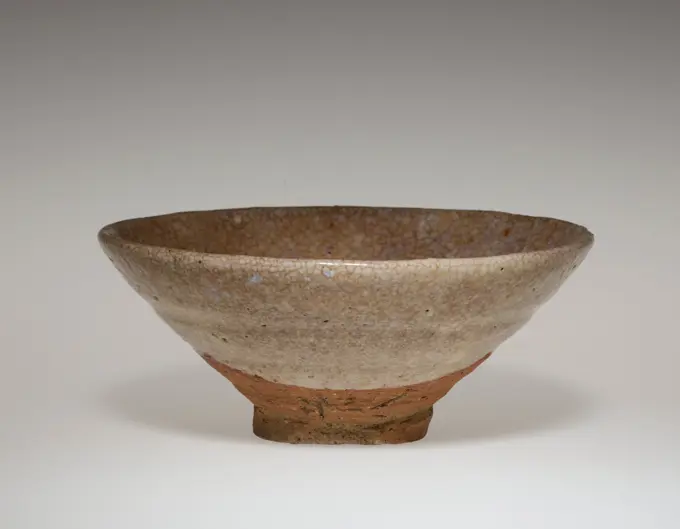
Tea bowl and stand, 19th century, Unknown Japanese, 3 1/2 x 6 x 6 in. (8.9 x 15.24 x 15.24 cm), Shino ware; glazed earthenware; wood stand, Japan, 19th century
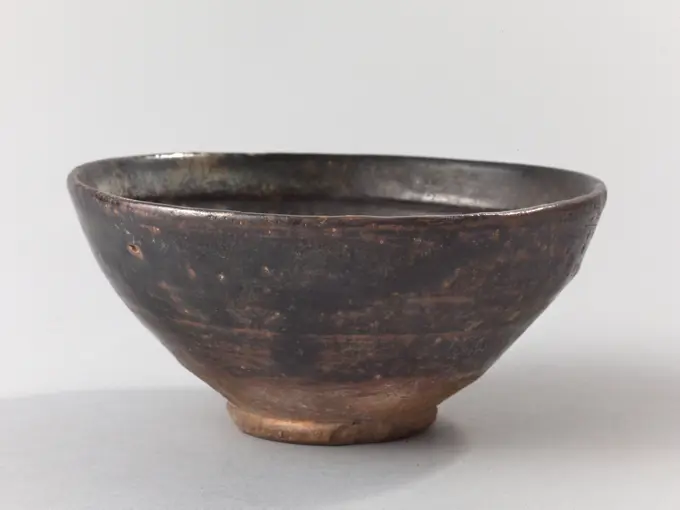
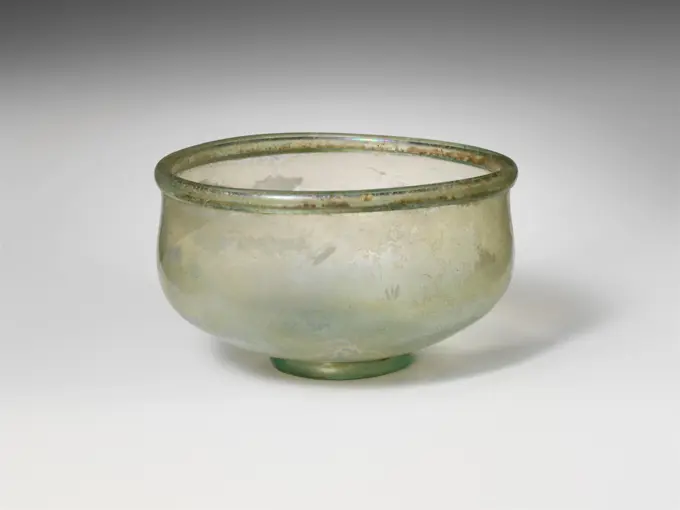
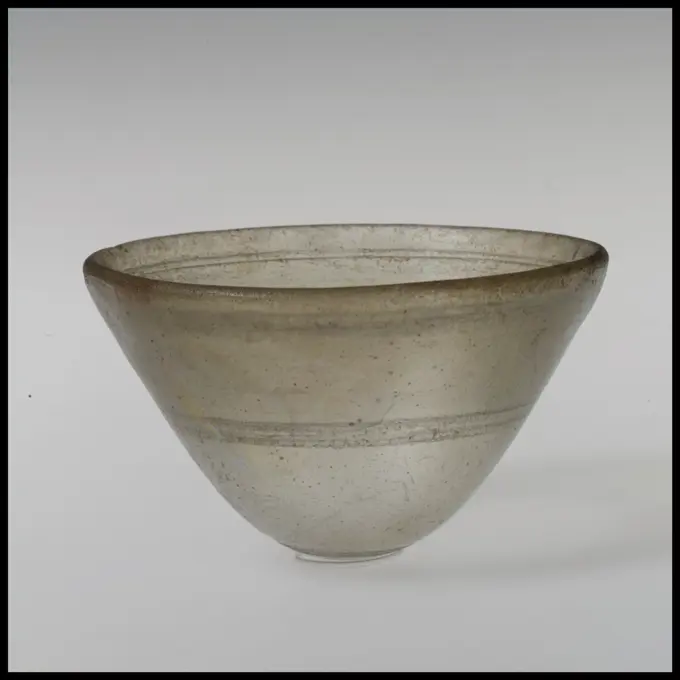
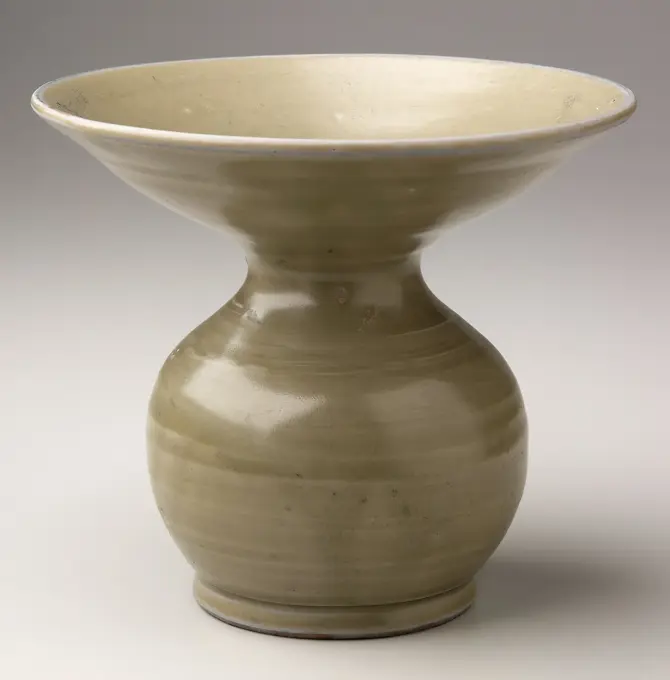
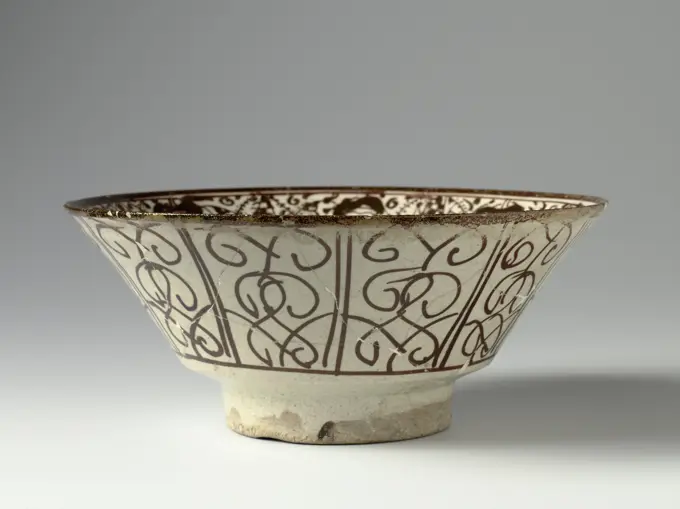
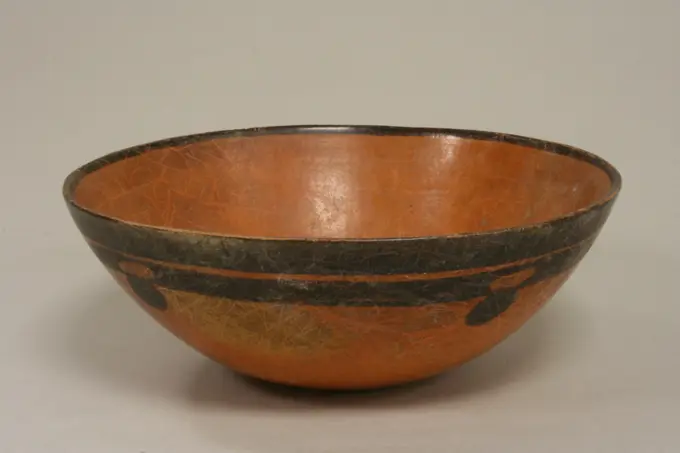
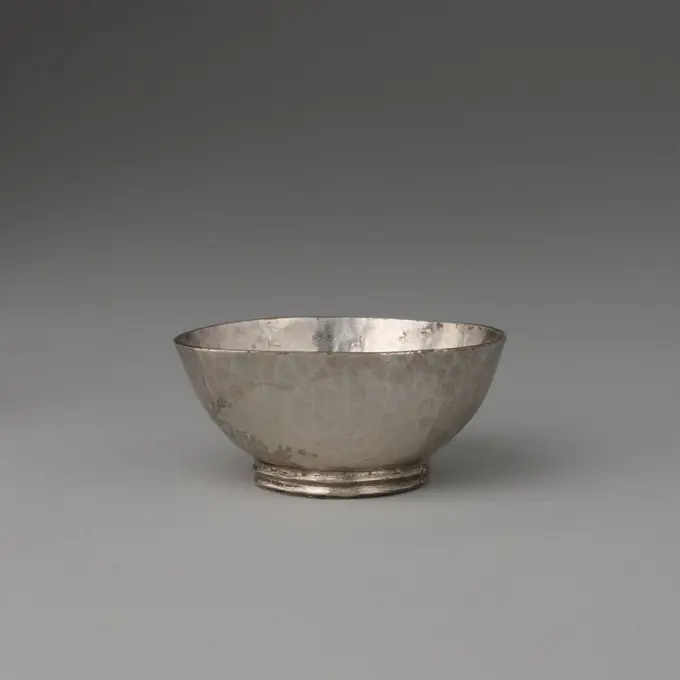
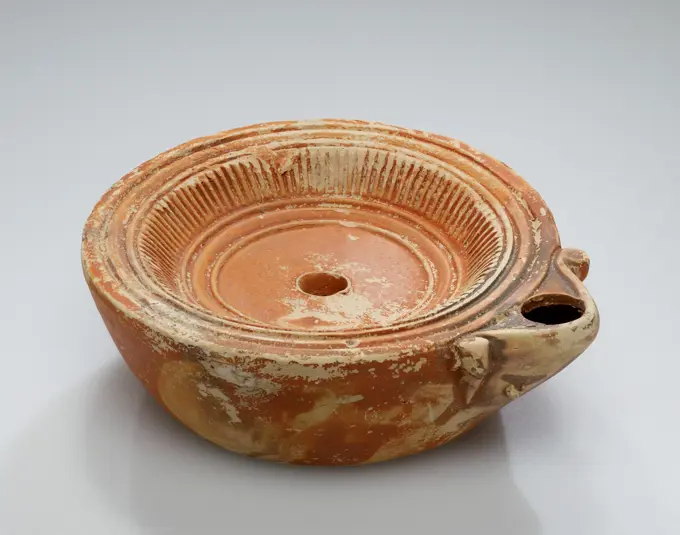
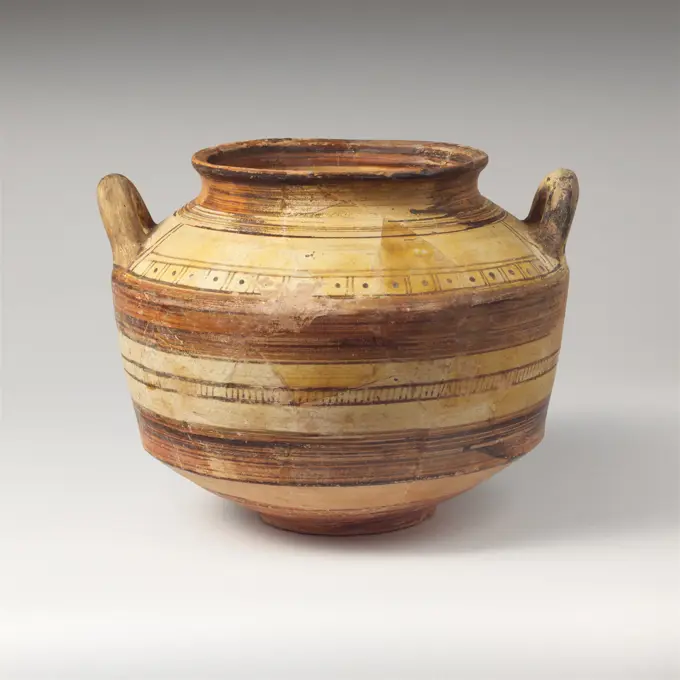
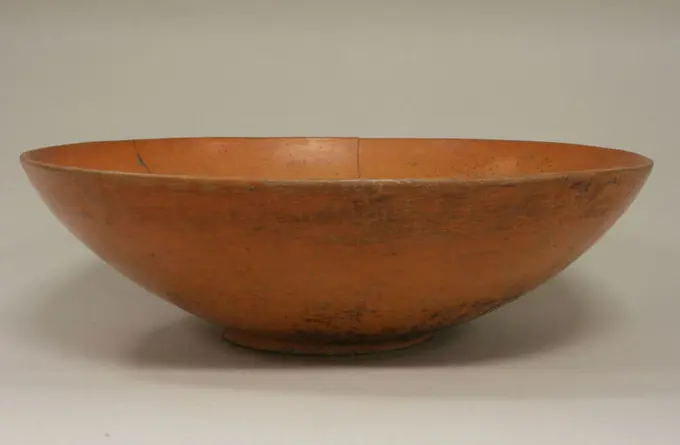
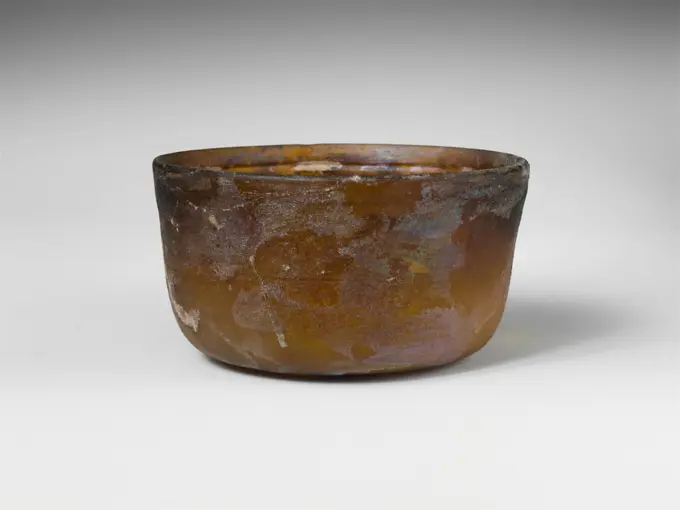
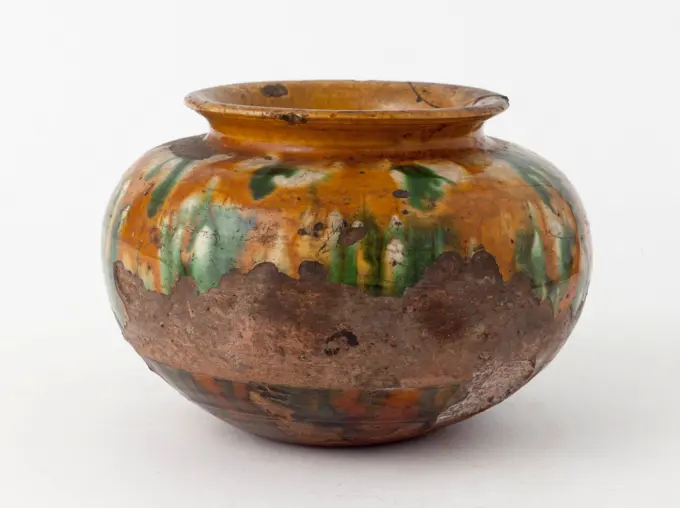
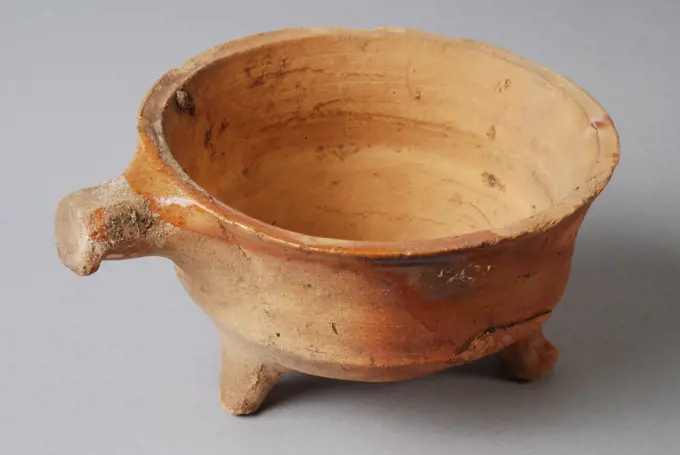
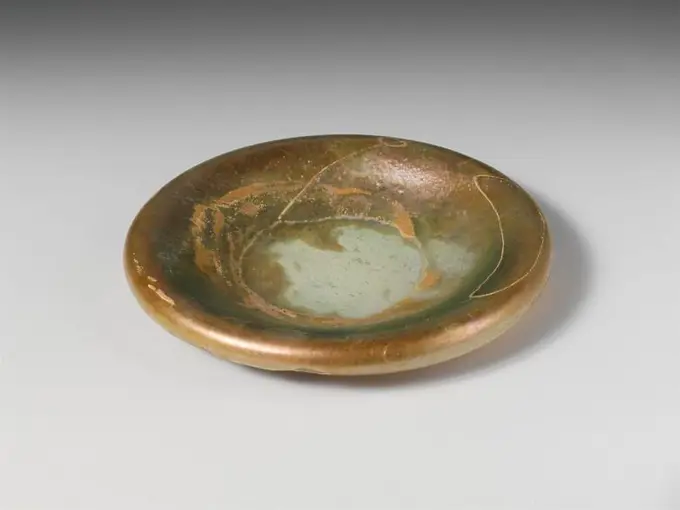
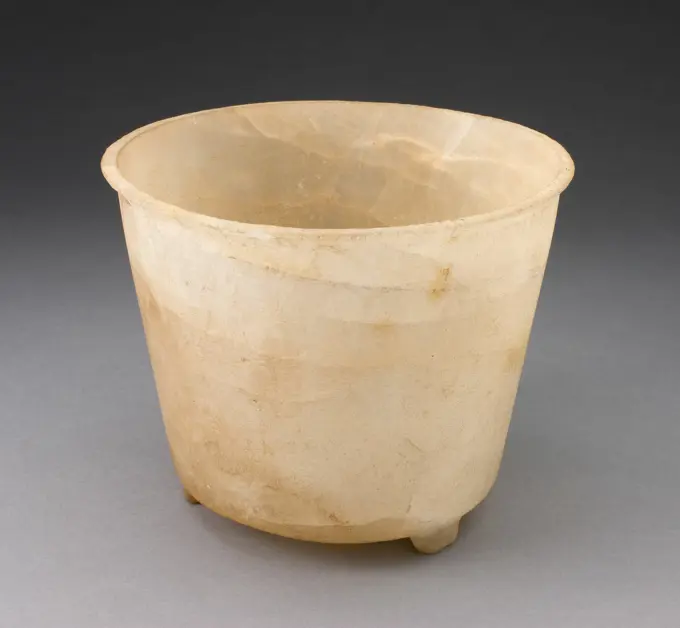
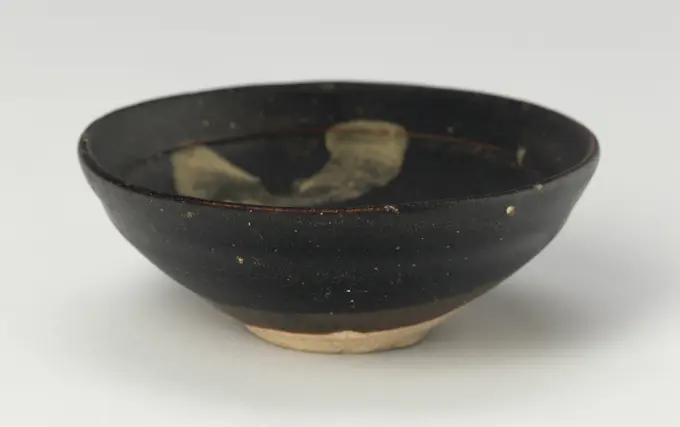
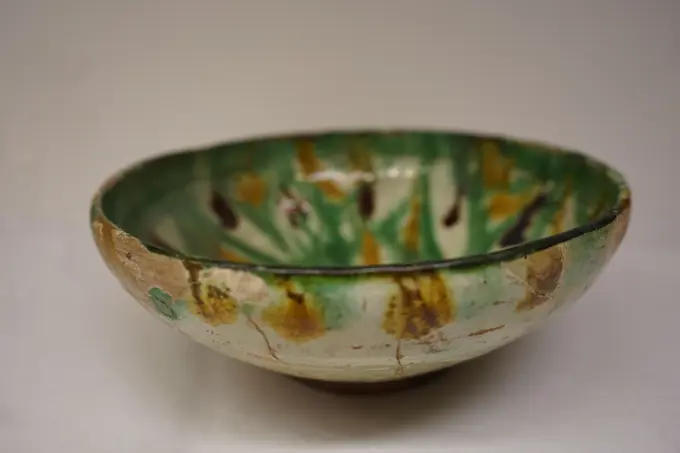
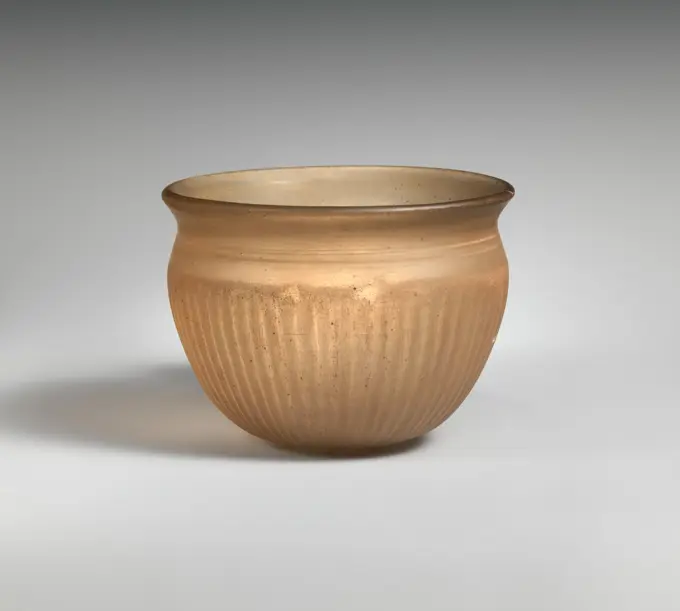
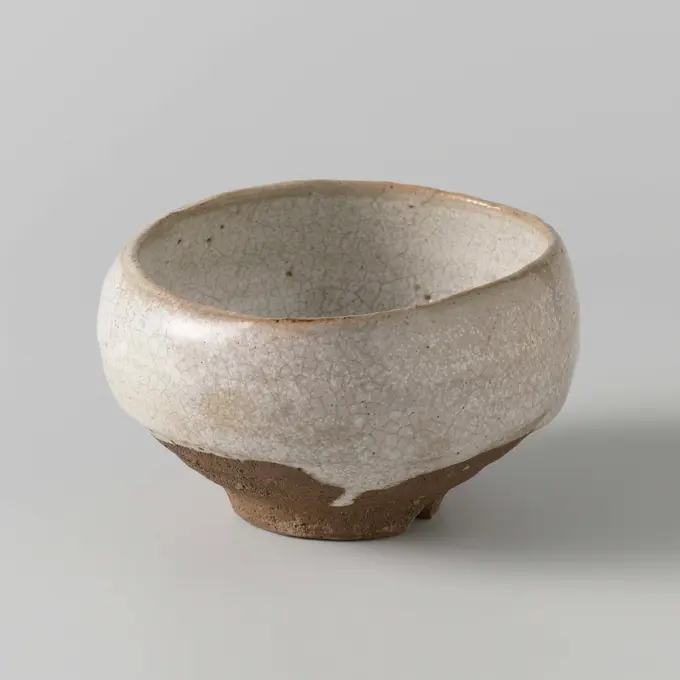
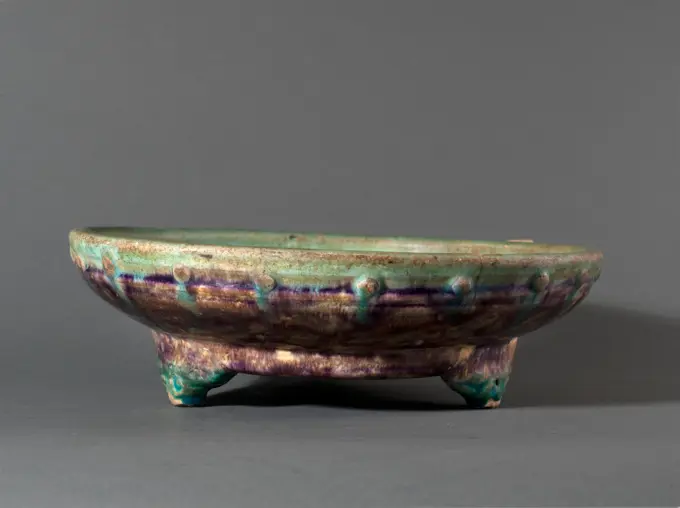
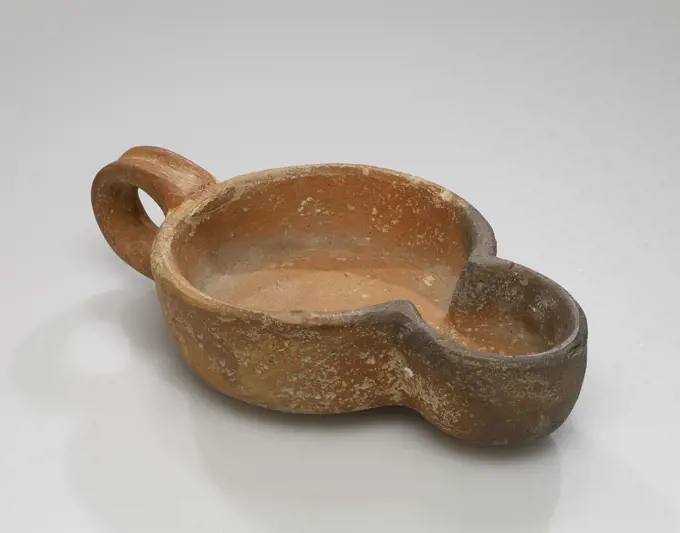
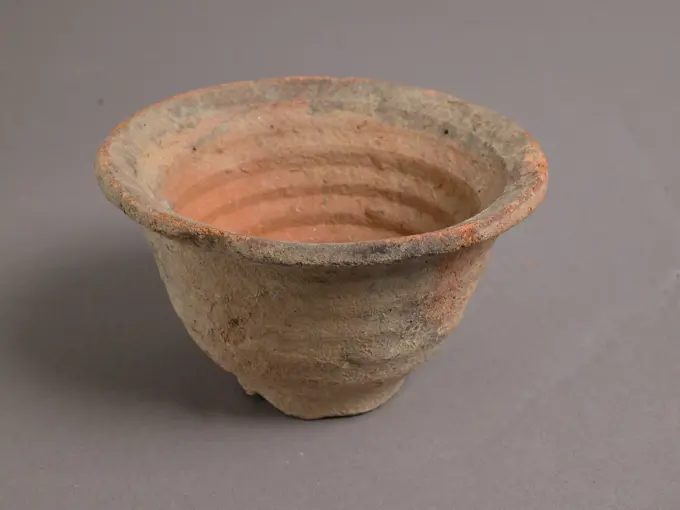
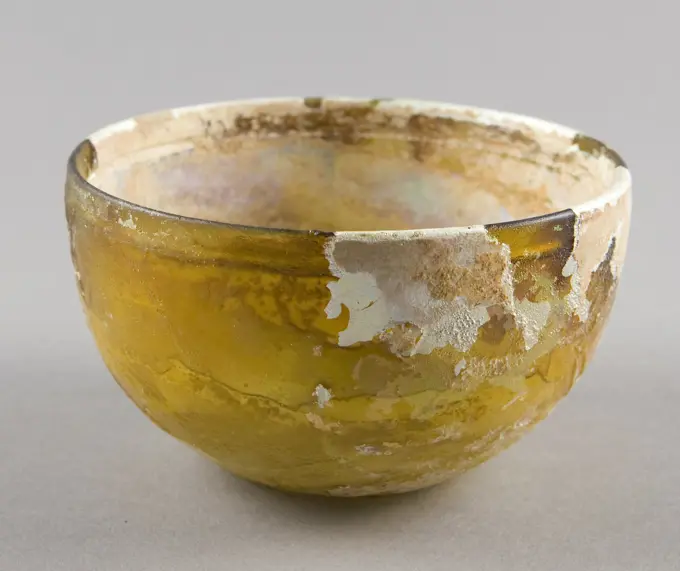
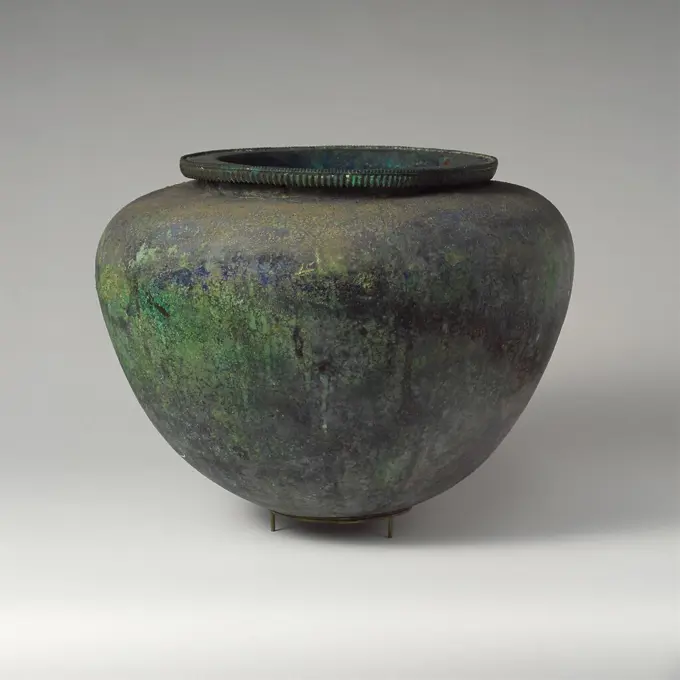
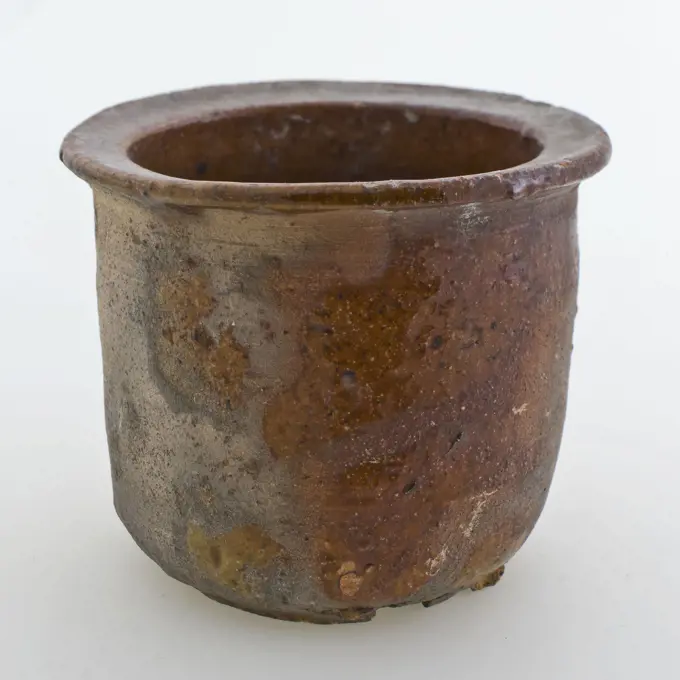
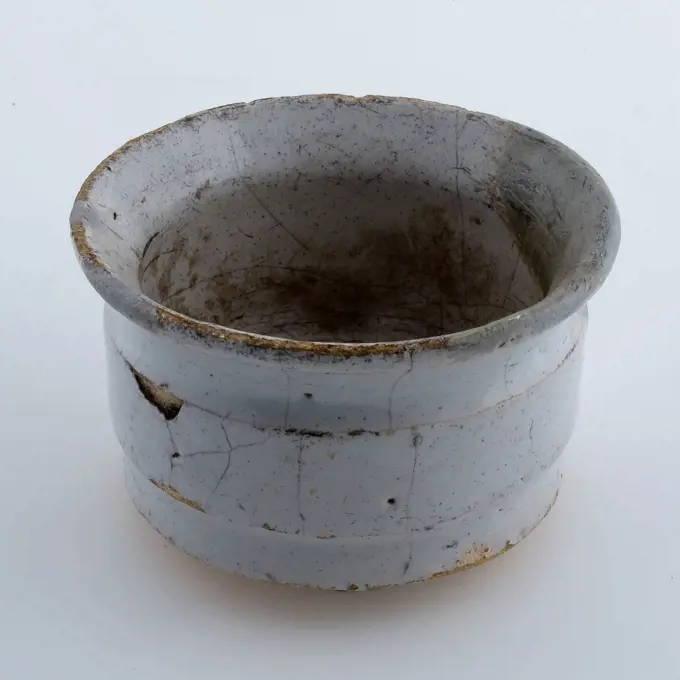
. Tea bowl (temmoku) from stoneware, partly covered with a black-brown glaze. The lower part of the bowl is unglazed. The edge is caught in a metal band. Seto.Bowl of Rennefer ca. 1504-1447 B.C. New Kingdom. Bowl of Rennefer. ca. 1504-1447 B.C.. Travertine (Egyptian alabaster). New Kingdom. From Egypt, Upper Egypt, Thebes, Asasif, Tomb of Neferkhawet (MMA 729), Burial of Rennefer (II), in coffin, by left knee, MMA excavations, 1935-36. Dynasty 18, earlyCup ". GRS covered Cladon. Paris, Muse Cernuschi. Coupe Asian art, extreme-East art, Vietnamese art, ceramic, cut, gres, dishesTea Bowl with Hare's fur Glaze 960 CE-1279 China. Stoneware with dark brown hare's fur glaze and molded applied decoration .Bowl. "Hare fur" covered sandstone. Paris, Cernuschi museum. 78845-9 Asian art, table art, bowl, old ceramic, container, dishesGlass bowl second half of 1st century A.D. Roman Translucent pale blue-green.Thick tubular rim, made by folding in, round , out, and down; side bulges downwards, then curves in sharply; applied, slightly outsplayed base ring; almost flat bottom.Intact; some bubbles and a few glassy inclusions; slight dulling and iridescent weathering.. Glass bowl 245430Bowl with Stylized Leaves. China. Date: 1115-1234. Dimensions: H. 4.2 cm (1 5/8 in.); diam. 8.3 cm (3 1/4 in.). Cizhou-type ware, slip-coated stoneware with underglaze iron brown painting. Origin: China. Museum: The Chicago Art Institute, Chicago, USA.Tea bowl and stand, 19th century, Unknown Japanese, 3 1/2 x 6 x 6 in. (8.9 x 15.24 x 15.24 cm), Shino ware; glazed earthenware; wood stand, Japan, 19th centuryTea bowl and stand set 13th-14th century China. Tea bowl and stand set. China. 13th-14th century. Silver with chased and punched decoration and gilding. Southern Song (1127-1279)-Yuan (1271-1368) dynasty. MetalworkGlass conical bowl mid-2nd-early 1st century B.C. Greek, Eastern Mediterranean Colorless with slight yellow tinge.Uneven, rounded rim; straight side, tapering diagonally downward; convex bottom.On interior, two horizontal grooves cut in a band below rim and another band of two broader grooves around middle of side; on exterior, a band of two concentric circles around bottom with a small central circle.Intact; pinprick bubbles; dulling, pitting, and iridescent weathering.Rotary grinding marks on interior; many surface scratches on exterior.Hemispherical and conical bowls were two of the most common and popular shapes of the Late Hellenistic period. They were fashioned not only in glass but also in metal and pottery. Those made of glass were later supplanted by deeply colored varieties and by bowls decorated with tooled ribs.. Glass conical bowl 245395Nesting Bowl. Culture: Coptic. Dimensions: Overall: 1 9/16 x 3 11/16 in. (4 x 9.4 cm). Date: 4th-7th century. Museum: Metropolitan Museum of Art, New York, USA.. Come of earthenware covered with Engobe of white sludge from which the decoration has been cut. A duck on the bottom; The inner wall with a wide tire flower drinks.Bowl with three spur marks and a gold laquer repair, anonymous, c. 1100 - c. 1299 High bowl of stoneware with wall upwards, covered with a gray -white/green, crackled glaze. Three prenes on the bottom of the bowl. The edge with a Japanese gold break repair in three places. Baking sand on the bottom. Celadon (yue) . China stoneware. glaze. gold (metal) vitrification High bowl of stoneware with wall upwards, covered with a gray -white/green, crackled glaze. Three prenes on the bottom of the bowl. The edge with a Japanese gold break repair in three places. Baking sand on the bottom. Celadon (yue) . China stoneware. glaze. gold (metal) vitrificationBowl with a blue glaze, anonymous, c. 1100 - c. 1299 Come from quail fritry covered with a monochrome blue alkaled laze. Iran earthenware. glaze vitrification Come from quail fritry covered with a monochrome blue alkaled laze. Iran earthenware. glaze vitrificationBowl. China. Date: 960 AD-1279. Dimensions: H. 9.4 cm (3 11/16 in.); diam. 21.9 cm (8 5/8 in.). Stoneware with light blue glaze. Origin: China. Museum: The Chicago Art Institute, Chicago, USA.Tea bowl with indentations, 18th - 19th century, Unknown Japanese, 3 x 4 1/8 in. (7.6 x 10.48 cm), Shitoro ware; glazed stoneware, Japan, 18th - 19th centuryBowl 7th-4th century B.C. Paracas. Bowl 308436. Come from quartz frying with a transparent alkalilation. On the inner wall a band with ingrangled ? Vertical lines.Terracotta cup ". Terracotta, white slip painted in blue and yellow under transparent covered. China, Tang dynasty (618-907). Paris, Cernuschi museum. Chinese art, Chinese ceramic, container, cup, tang dynasty, container, terracottaBowl early 14th century Korea. Bowl 57498Glass bowl 2nd-3rd century A.D. Roman Translucent pale blue greenRounded, thickened, vertical rim with slight indent below; vertical sides, then curving in to applied, solid base ring; almost flat bottom with pontil scar, uneven on interior with circular ridge caused by base ring and central, thickened boss.Complete, but one long crack from rim down side; many bubbles; pitting, iridescence, and weathering, with enamel-like brownish surface to interior.. Glass bowl 239893. Come of pottery, covered with a green, cracked glaze.Tea bowl unknownWaste Vessel (ch'a-tou), 9th century, H.5-3/16 x Dia.5-15/16 in., Yue ware Porcelaneous stoneware with celadon glaze, China, 9th century, The uniquely shaped ch'a-tou with its exceptionally wide mouth is a type of waste receptacle that may have also functioned as a spittoon. Its shape evolved from Tang dynasty (610-906) silver vessels and examples have survived in a variety of glazes including yueh celadon, white, black, and ching-pai (shadow blue). The form appears to have been most popular during Tang (618-906) and Northern Song (960-1127). This is the period when tea drinking became popular in China suggesting that this unusual type of vessel may have served as a waste receptacle for tea dregs.Bowl 4th-7th century Coptic. Bowl 478814. Come from quartz frying with a monochrome turquoise alkalilation and on the inside three ingrangled, stylized flower branches.ARTE PREHISTORICO. CAZUELA. VALLE DEL MANZANARES. MADRID. MUSEO MUNICIPAL. MADRID.Glass cup 2nd-3rd century A.D. Roman Colorless with blue green tinge.Outsplayed rim with rounded, thickened outer lip; convex side tapering downwards; thick base ring made by folding; low kick in bottom and circular pontil scar.Intact; many bubbles; patches of thick creamy weathering, dulling, pitting, and brilliant iridescence.. Glass cup 245288Ribbed Bowl; Workshop in the Eastern Mediterranean, Eastern Mediterranean; late 1st century B.C. - early 1st century A.D; Glass; 7.7 x 15.1 cm (3 1,16 x 5 15,16 in.)Cup. Sandstone. Japan. Paris, Cernuschi museum. Japanese, ceramic art, gres, floral motif, cupBowl with Lustre Decoration, anonymous, c. 1170 - c. 1200 Come from quartz fritry with a white tin-lood-alkalaplaze on which a decor in Luster. On the bottom a medallion with a sitting figure, surrounded by a decorative tire. The inner wall with a tire -sitting figures, separated by stylized flowers. The outer wall is divided into eleven courses with curl. is the earthenware. glaze. luster (textile) painting / vitrification Come from quartz fritry with a white tin-lood-alkalaplaze on which a decor in Luster. On the bottom a medallion with a sitting figure, surrounded by a decorative tire. The inner wall with a tire -sitting figures, separated by stylized flowers. The outer wall is divided into eleven courses with curl. is the earthenware. glaze. luster (textile) painting / vitrificationBowl. China, 15th century. Furnishings; Serviceware. Stoneware with white glazeRibbed glass bowl. Culture: Roman. Dimensions: Overall: 1 3/4 in. (4.4 cm)Diam.: 6 1/4 in. (15.9 cm). Date: late 1st century B.C.-mid 1st century A.D..Translucent pale blue green.Vertical rim with beveled top edge; plain band around top of sides, tapering downwards, then bulging outward before curving in sharply to almost flat bottom.On interior, two concentric grooves around bottom and small, broader circle at center; on exterior, eighty-eight well-defined, short slanting ribs of slightly varying length and width, with tops ground off, arranged around bulging middle section of body.Broken and repaired, with one section of rim miising and some smaller chips elsewhere in rim; some pinprick and a few larger bubbles; pitting, dulling, and iridescent weathering.Rotary grinding marks on plain band around top of sides and on interior. Museum: Metropolitan Museum of Art, New York, USA.Dish, before 1550. Colombia, 15th-16th century. Red ware with incised patterns; diameter: 14.6 cm (5 3/4 in.); overall: 6.5 x 14.5 cm (2 9/16 x 5 11/16 in.).Bowl 4th-7th century Coptic. Bowl 478825Bowl China. Bowl. China. Jadeite. Qing dynasty (1644-1911), Qianlong period (1736-95). JadeCup ". Terracotta. Vietnam-Xe-Xive s. Paris, Cernuschi museum. 72361-10 Cup, Vietnamese object, terracottaBowl 8th century Maya. Bowl 312162Miniature bowl. Culture: British, London. Dimensions: Overall: 1 1/4 × 1 1/8 in. (3.2 × 2.9 cm). Maker: Probably by George Manjoy (British, active 1685-ca. 1720). Date: 1690-91. Museum: Metropolitan Museum of Art, New York, USA.Bowl. Culture: Coptic. Dimensions: Overall: 2 3/16 x 6 5/16 in. (5.5 x 16 cm). Date: 4th-7th century. Museum: Metropolitan Museum of Art, New York, USA.Lamp. UnknownTerracotta jar with vertical handles 6th century B.C. Lydian Two-handled jar with horizontal bands, a band of dots in squares, and one of vertical lines.. Terracotta jar with vertical handles 248824Bowl 4th-7th century Coptic. Bowl 478440Bowl with a hare on floral scrolls, anonymous, c. 900 - c. 999 Come of earthenware with white sludge and a painting in colored sludge under a transparent enamel. On the front a hare on flower vines and dots. The inner edge with a decorative band. Nishapur (possibly) earthenware. glaze painting / vitrification Come of earthenware with white sludge and a painting in colored sludge under a transparent enamel. On the front a hare on flower vines and dots. The inner edge with a decorative band. Nishapur (possibly) earthenware. glaze painting / vitrificationBowl, Fluted. Culture: Byzantine. Dimensions: Overall: 3 3/16 x 6 3/4 in. (8.1 x 17.2 cm). Date: 10th century. Museum: Metropolitan Museum of Art, New York, USA.Shallow Plain Bowl. Culture: Teotihuacan. Dimensions: Height: 4 1/2in. (11.4cm)Diameter: 15in. (38.1cm). Date: 4th-5th century. Museum: Metropolitan Museum of Art, New York, USA.Lead-Glazed Beaker. UnknownGlass bowl late 1st century B.C.-early 1st century A.D. Roman Translucent golden brown.Beveled vertical rim; slightly concave sides tapering downward, then curved in to almost flat bottom.On interior, three horizontal wheel-cut grooves: one broad below rim, the other two thinner in a band around middle of body; on exterior, plain band and shallow ridge below rim.Intact, but internal cracks in bottom and side; few pinprick bubbles; dulling, pitting, and patches of brilliant iridescence and thick creamy weathering.. Glass bowl 245679Faceted Jar with Bamboo Sprays. Korea, Korean, Joseon dynasty (1392-1910), 18th-19th century. Furnishings; Serviceware. Stoneware with underglaze blue decorationSpittoon with LotusPetalsDish. Culture: Roman. Dimensions: diameter 8.51 cm..Blue glazed dish with offset rim. Museum: Metropolitan Museum of Art, New York, USA.Burnt-spon light ". Terracotta with polychrome glaze (Sancai). China, Tang dynasty (618-907). Paris, Cernuschi museum. Chinese art, burn-brurge, Chinese ceramic, container, tang dynasty, oval shape, container, terracottaPottery stem bowl, fire test, red shard with some tears lead glaze, short handle, on three legs, fire test test bowl bowl bowl crockery holder soil find ceramic earthenware glaze lead glaze, hand turned fried glazed earthenware stem bowl fire test red shard with some tears lead glaze short handle three legs archeology indigenous earthenware serve heat food prepare cooking kitchenConical Bowl with Peonies and Leaves. China. Date: 960 AD-1279. Dimensions: H. 4.7 cm (1 7/8 in.); diam. 10.3 cm (4 1/16 in.). Ding ware; porcelain with underglaze molded decoration. Origin: China. Museum: The Chicago Art Institute, Chicago, USA.Small Dish from Dining Set with Plum Blossoms and Cracked-Ice, c. 1875-78. Seifū Yohei II (Japanese, 1844-1878). Porcelain with molded designs; overall: 2.9 x 11.5 cm (1 1/8 x 4 1/2 in.).Incense Box: Seto Ware, 1200s-1300s. Japan, Kamakura period (1185-1333). Glazed stoneware; diameter: 6 cm (2 3/8 in.); overall: 3.5 cm (1 3/8 in.). Old Seto, also called Koseto ware, was typically coated with an ash glaze in the mineral feldspar, which produced a yellow or grayish-green glaze. This palette appealed to medieval Buddhist priests and samurai alike. The practice of burning incense in religious, court, and domestic settings dates from the early 700s in Japan.Glass lid. Culture: Roman, Cypriot. Dimensions: 1/2 in. (1.3 cm)Diameter: 3 1/4 in. (8.3 cm). Date: 2nd-3rd century A.D..Colorless with greenish tinge.Knocked-off, inverted lip; rounded edge; broad, concave top.Intact; pinprick and large bubbles; patches of black enamel weathering and brilliant iridescence on inside; dulling and iridescence on exterior. Museum: Metropolitan Museum of Art, New York, USA.Tea bowl, 19th century, Unknown Japanese, 3 1/2 x 5 1/2 x 5 1/2 in. (8.9 x 13.97 x 13.97 cm), Glazed earthenware, Japan, 19th centuryVessel, 20th century, 9 x 9-1/4 x 9-1/4 in. (22.9 x 23.5 x 23.5 cm), Ceramic, South Africa, 20th centuryCup With Peachtree and Crane on a Woodcolored Ground. Cup of porcelain with spreading wall, covered with a red-brown glaze and painted on the glaze in red, pink, green, yellow, eggplant and black. Completely covered with a brown timing; Herein a peach tree (prunus) with flowers and fruits, to which two cranes; A peach on the bottom. Family Rose.Bowl. China. Date: 960 AD-1279. Dimensions: H. 4.8 cm (1 7/8 in.); diam. 13.5 cm (5 5/16 in.). Jian ware; Stoneware with black glaze. Origin: China. Museum: The Chicago Art Institute, Chicago, USA.Bowl. Culture: Coptic. Dimensions: Overall: 2 5/8 x 6 15/16 in. (6.6 x 17.6 cm). Date: 4th-7th century. Museum: Metropolitan Museum of Art, New York, USA.Tripod Vessel 100 CE-300 CE Oaxaca. Alabaster . MixtecLobed Flowerpot. China. Date: 1400-1499. Dimensions: H. 17.5 cm (6 7/8 in.); diam. 25.6 cm (10 1/16 in.). Jun ware; stoneware with opaque reddish-blue glaze. Origin: China. Museum: The Chicago Art Institute, Chicago, USA.. Come from stoneware, partly covered with a cracked orange-burned glaze. The lower part of the bowl is unglazed. Old label on the bottom with 'W575'. Raku (red).Bowl with Zigzag Strokes 1100-1399 China. Jizhou ware; light grey stoneware with dark brown glaze and painting in overglaze buff .Cup without ear, with flowers and leaves in gold against a saved yellow band. Cup without ear of pottery, goldstone. Over the outside of the wall runs a band with flowers and leaves in Liluster, against a saved yellow background. The rest of the head is covered with liluer.Bowl 9th-10th century. Bowl. 9th-10th century. Earthenware; white slip, incised and splashed with polychrome glazes under transparent glaze (sgraffito ware). Excavated in Iran, Nishapur. Ceramics. Tea bowl of stoneware in Katakichi shape with a flat wall and a modeled spout, covered with a white sludge, partly with a green glaze and painted in brown. On the inside and outside wall a sketchy decoration of a butterfly at a tree ?. The foot ring is unglazed. Old label on the bottom with 'Orie type, GEC. Ichiëmon / Kummel, O.A. Geröt BL 116 '. Orie.Dish, multicolored painted on the flat with a weapon with two climbing lions, within a circle, anonymous, c. 1520 - c. 1530 Round dish of multi -colored painted majolica. On the flat, a weapon is painted within a circle in which two climbing, antithetic lions. Above the weapon is a banderole with inscription: Spes Mea in Bona Fortuna painted. Leaf motifs are painted on the edge. The dish is painted in the colors blue, green and gold and red luster. Gubbio earthenware. tin glaze. lead glaze majolica Round dish of multi -colored painted majolica. On the flat, a weapon is painted within a circle in which two climbing, antithetic lions. Above the weapon is a banderole with inscription: Spes Mea in Bona Fortuna painted. Leaf motifs are painted on the edge. The dish is painted in the colors blue, green and gold and red luster. Gubbio earthenware. tin glaze. lead glaze majolicaSilver miniature bowl, bowl crockery holder miniature model silver, Round bowl on stand ring engraved outer edge fence mark: Z II dolls drinking play home interiorBowl 4th-7th century Coptic. Bowl. Coptic. 4th-7th century. Earthenware. Made in Kharga Oasis, Byzantine Egypt. CeramicsNesting Bowl. Culture: Coptic. Dimensions: Overall: 1 3/4 x 4 3/16 in. (4.5 x 10.7 cm). Date: 4th-7th century. Museum: Metropolitan Museum of Art, New York, USA.Glass bowl with fluted decoration late 2nd-early 1st century B.C. Greek Semi-opaque colorless with yellowish tinge.Outsplayed rounded rim; concave neck; deep convex side tapering slightly downward to flattish convex bottom.On exterior, a band of two horizontal grooves around lower part of neck; a series of fifty-four shallow-cut vertical flutes on side extending from neck to bottom; below this another band of two horizontal grooves around bottom of side surrounding an eight-pointed star pattern.Intact, but one small internal crack in side; many pinprick bubbles; dulling, pitting, and faint patches of brownish weathering.Rotary grinding marks on interior.With the decline of the core-formed glass industry in the third century B.C., casting glass in a mold became the favored technique for making luxury glass vessels.. Glass bowl with fluted decoration. Greek. late 2nd-early 1st century B.C.. Glass; cast and cut. Hellenistic. Glass. Tea bowl of stoneware, partly covered with a light gray glaze (Kohiki). The lower part of the bowl is unglazed. A notch in the foot ring. Old label on the bottom with 'W639'. Hagi.Large cut. Porcelain, Qing dynasty (1644-1911). Provenance: China. Paris, Cernuschi museum. 78847-14 Chinese ceramic, Qing dynasty, large cut, porcelain, tripod, three feetLamp, Cologne, Germany; 1st - 2nd century; Terracotta; 3 x 7.5 x 13 cm (1 3,16 x 2 15,16 x 5 1,8 in.)Oight Czarka with relief characters unknownBowl 4th-7th century Coptic. Bowl 478495Saucer, c. 1893-1914. Seifū Yohei III (Japanese, 1851-1914). One from a set of ten dishes; porcelain with green glaze; overall: 2.5 x 8 cm (1 x 3 1/8 in.).Bowl 101 CE-400 CE Syria. Glass, blown technique . Ancient RomanCup With Flowering Plants Near a Rock. Cup of porcelain, partially covered with a brown glaze, painted in underglaze blue and on the glaze in red and gold. Blooming plants depicted at a rock; The edge with napkin interspersed with a flower branch in a cart shower; The outside is covered with a brown glaze. Chinese Imari with monochrome brown.Misa unknownPainted Bowl. Culture: Paracas. Dimensions: Height: 2 1/4in. (5.7cm)Diameter: 5 13/16in. (14.8cm). Date: 6th-4th century B.C.. Museum: Metropolitan Museum of Art, New York, USA.Belt Cup before 1850 Penobscot or Passamaquoddy. Belt Cup. Penobscot or Passamaquoddy. before 1850. Wood. United States, Maine. Wood-SculptureBronze cauldron. Culture: Greek, South Italian, Campanian. Dimensions: 10 7/8in. (27.6cm)Other (diameter of shoulder): 14 1/4in. (36.2cm)Other (diameter of rim): 9 7/16in. (24cm). Date: 5th century B.C..Such vases, which originally would have been supported on a stand and often had a lid, served numerous purposes. They frequently appear in representations of symposia (drinking parties). They also had a funerary function, which was probably the ultimate use of this example. Museum: Metropolitan Museum of Art, New York, USA.Pot ". Terracotta. Vietnam-Xe-Xive s. Paris, Cernuschi museum. 72361-22 Vietnamese object, pot, terracottaCup. Whitish sandstone covered with pale green covered. Janse, Dong Son, excavates 3, burial "tang". Intermediate period (4th-the past century). Paris, Cernuschi museum. 60215-2 Coupelle, pale green covered, culture dong sound, intermediate time, excavation 3, gres blanper, Vietnamese object, covered, Sepulture TangGlass ribbed bowl. Culture: Greek, Eastern Mediterranean. Dimensions: H.: 1 3/4 in. (4.4 cm)Diam.: 4 x 4 3/8 in. (10.2 x 11.1 cm). Date: 1st century B.C..Translucent deep honey brown.Slightly inverted rim with beveled outer edge; sides curving in to flat but slightly uneven bottom.On interior, two wide horizontal grooves cut in a band below rim; on exterior, eighteen prominent slanting ribs with rounded tops and tapering towards bottom.Intact; pinprick bubbles; deep pitting and brilliant iridescent weathering on exterior, and thick creamy weathering covering most of interior. Museum: Metropolitan Museum of Art, New York, USA.Glass bowl decorated with geometric patterns 4th century A.D. Roman Colorless with a greenish tinge.Vertical ground rim; hemispherical body; small, slightly pushed-in bottom.Six registers of cut decoration on exterior, each within horizontal grooves: (1) below rim, fine herringbone pattern facing to left; (2) lattice pattern of 22 rectangles, flanked to either side by two vertical grooves, and within each, four smaller rectangles, each with a diagonal cross, forming a larger diamond in each larger rectangle; (3) a broad band covering much of side, with three main designs: a latticed lozenge, a rosette with eight petals within two overlapping squares forming an eight-pointed star, and a large rosette (one with 13 petals, the other with 16), each repeated twice, enclosed by two intersecting continuous garlands, and in spandrels above and below the garlands, smaller stars or rosettes; (4) a narrow band of vertical and diagonal lines, each in pairs of grooves; (5) another herringbone patte. Come from quartz frying with a black painting under a transparent turquoise alkalilation. On the inner wall tires with modeled leaf raft. The outer wall with leaf motifs.Plate, 15th century, Unknown Korean, 6 in. (15.24 cm), Celadon, Korea, 15th centuryBowl, Wheel thrown earthenware, slip, underglaze painted in polychrome pigments under a transparent glaze, Red earthenware bowl with visible throwing rings. Thick round foot. Traces of slip on exterior. Interior rim painted with a rust-colored line. Interior of bowl painted with profile of a bird in rust, with wings, eyes and long, curling feather in yellow over red. Repairs., Khurasan, Iran, late 9th-11th century, ceramics, Decorative Arts, BowlBowl of Barley. Dimensions: diam. 7.5 cm (2 15/16in). Dynasty: Dynasty 18. Reign: Joint reign of Hatshepsut and Thutmose III. Date: ca. 1479-1458 B.C.. Museum: Metropolitan Museum of Art, New York, USA.Jar with two handles and a 'tea-dust' glaze, anonymous, c. 1800 - c. 1899 Low pot of stoneware with a flat, spherical body, wide opening and two S-shaped ears on the shoulder, covered with a shiny red-purple glaze (tea-doust). Old label on the bottom with 'W661'. Possibly a Kyoto copy to Chinese example. Japan stoneware. glaze painting / vitrification Low pot of stoneware with a flat, spherical body, wide opening and two S-shaped ears on the shoulder, covered with a shiny red-purple glaze (tea-doust). Old label on the bottom with 'W661'. Possibly a Kyoto copy to Chinese example. Japan stoneware. glaze painting / vitrificationCup with peachtree and crane on a woodcolored ground, anonymous, c. 1730 - c. 1750 Porcelain head with spreading wall, covered with a red -brown glaze and painted on the glaze in red, pink, green, yellow, eggplant and black. Completely covered with a brown wood imitation; It saved a peach tree (Prunus) with flowers and fruits in addition to two cranes; A peach on the bottom. Famle Rose. China porcelain. glaze. painting / vitrification Porcelain head with spreading wall, covered with a red -brown glaze and painted on the glaze in red, pink, green, yellow, eggplant and black. Completely covered with a brown wood imitation; It saved a peach tree (Prunus) with flowers and fruits in addition to two cranes; A peach on the bottom. Famle Rose. China porcelain. glaze. painting / vitrificationBowl. Culture: Coptic. Dimensions: Overall: 2 3/8 x 3 11/16 in. (6 x 9.4 cm). Date: 4th-7th century. Museum: Metropolitan Museum of Art, New York, USA.Come with incised peonies, Anonymous, 960 - 1279 Qingbai-Goe. China stoneware. earthenware. vitrification Qingbai-Goe. China stoneware. earthenware. vitrificationPottery ointment jar, cylindrical model, red shard, internally glazed, ointment jar pot holder soil find ceramic earthenware glaze lead glaze, hand turned glazed baked Pottery ointment jar cylindrical model red shard internal glazed Flat obliquely inward directed top edge Surface coarse finish. Tightening of the kettle just above the foot. Rotating pearls on the inside archeology health care indigenous pottery store pharmacy selling craftPottery ointment jar, white glazed, low model with two constrictions, ointment jar holder soil find ceramic earthenware glaze tin glaze, hand turned baked glazed baked Pottery ointment jar White glazed dark discolouration due to stay in the soil. Two constrictions; one under the top edge one above the bottom Funnel-shaped top edge. Low model with wide neck opening Straight side wall Stand with soul. Restoration has been repainted. Delft pottery archeology underground pit Rotterdam City center Stadsdriehoek Groenendaal health care indigenous pottery ointment medicine drug pharmacy care handicraft packaging Soil discovery underground pit Groenendaal (canal dredger) 1976-09-21.