Ceramic Bowls Collection

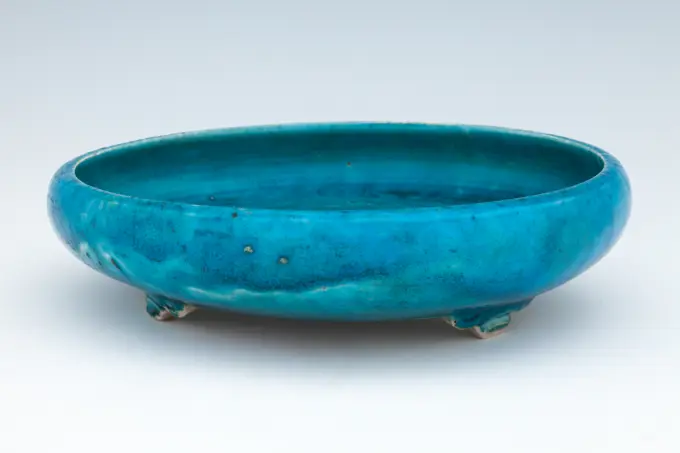
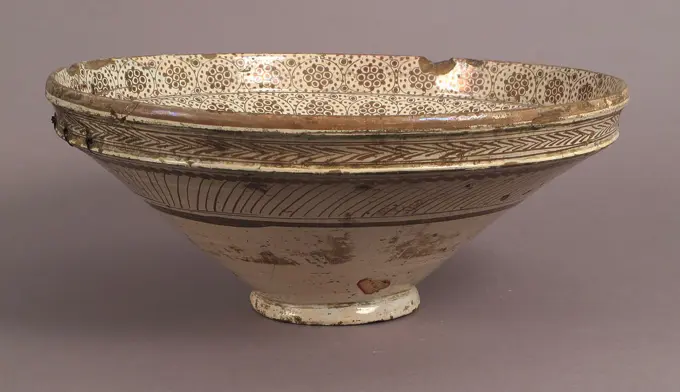
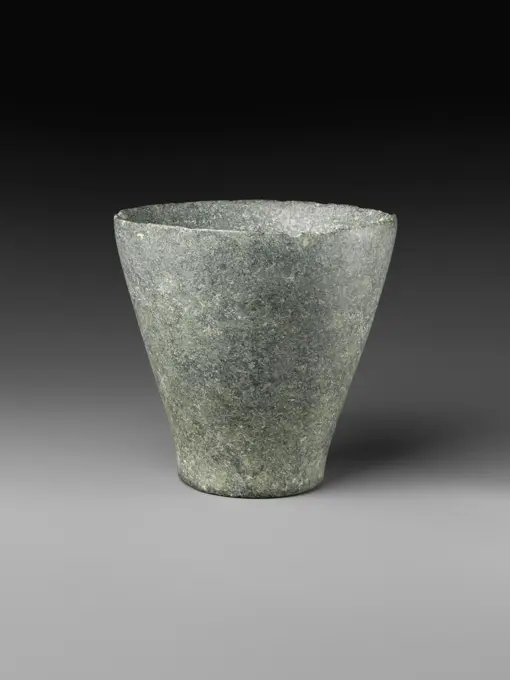
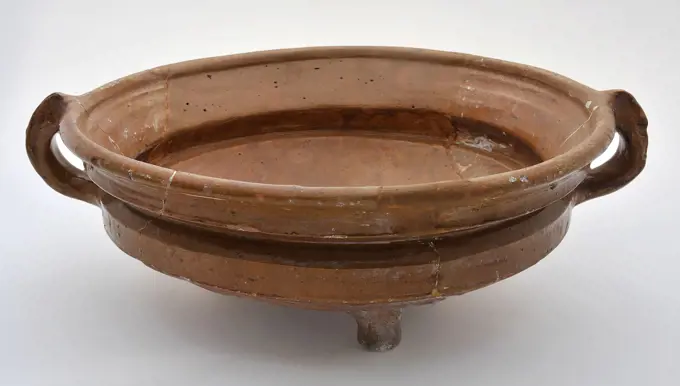
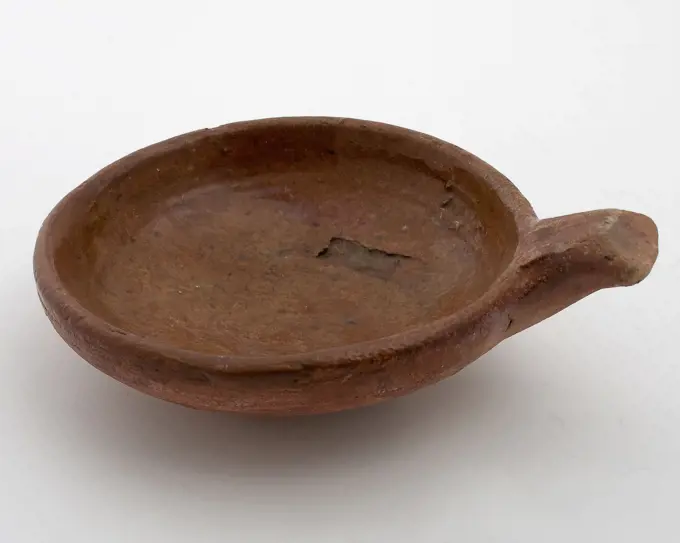
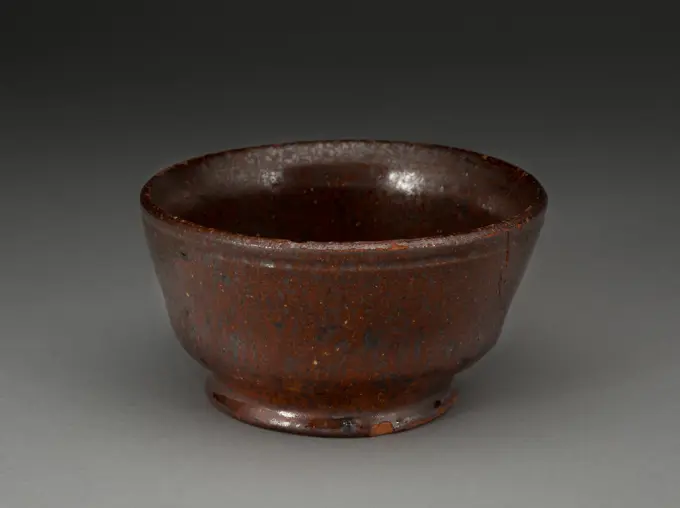
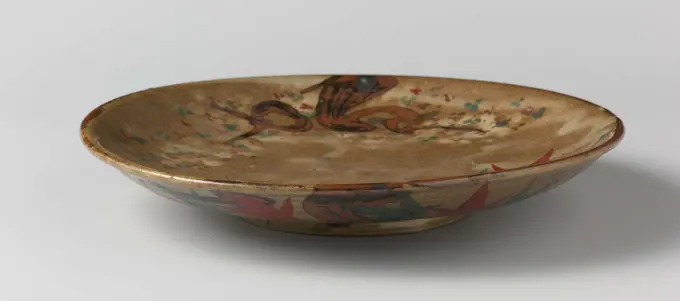
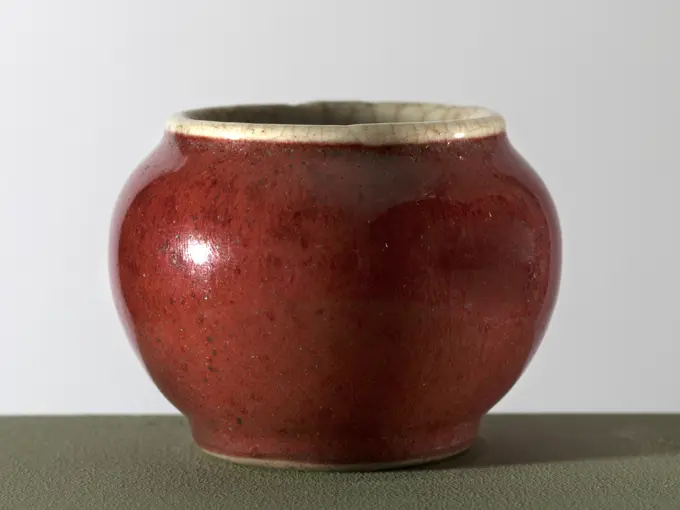
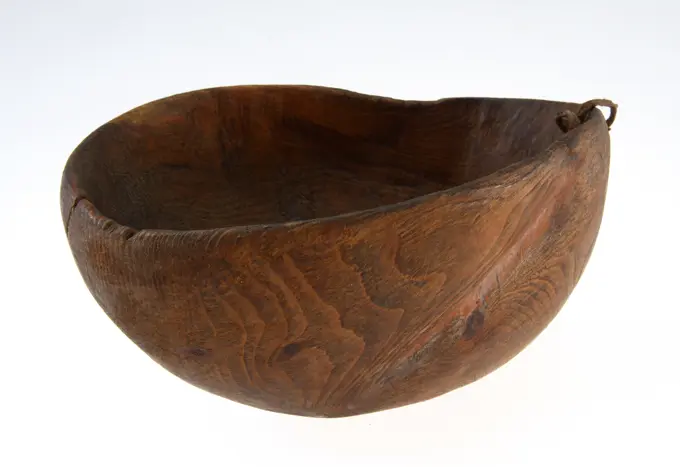
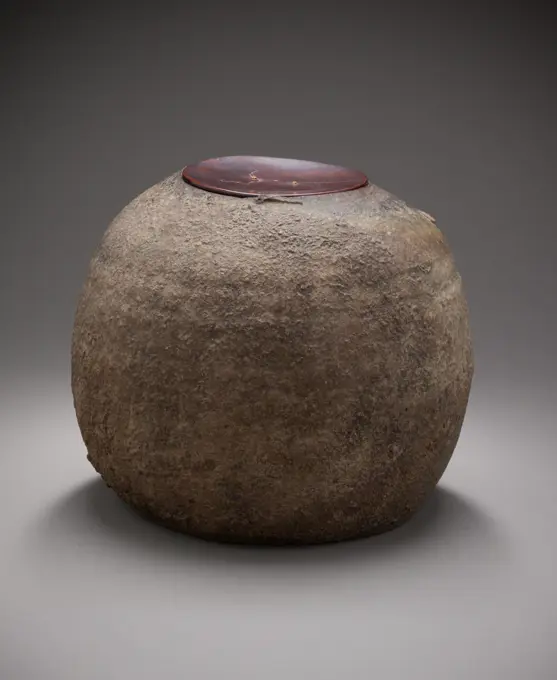
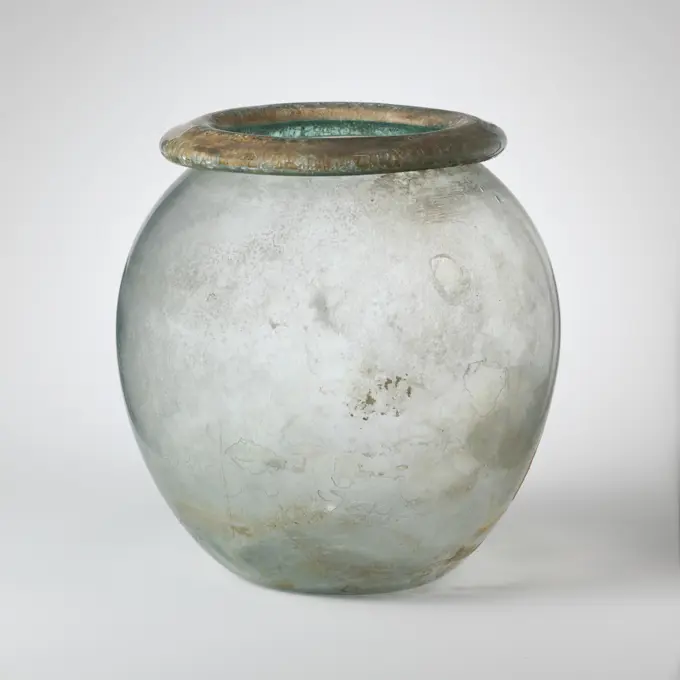
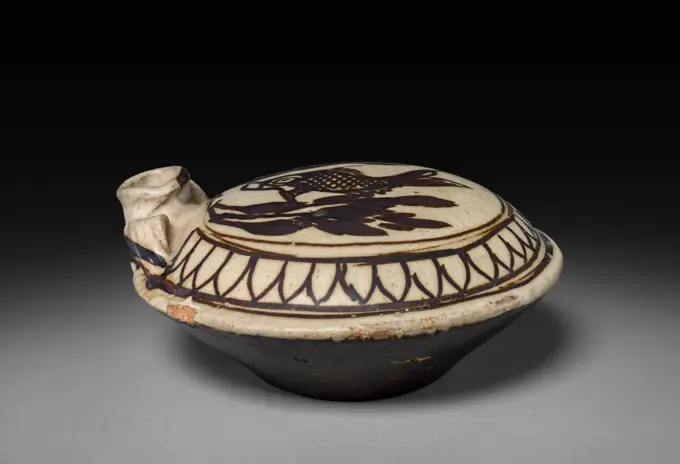
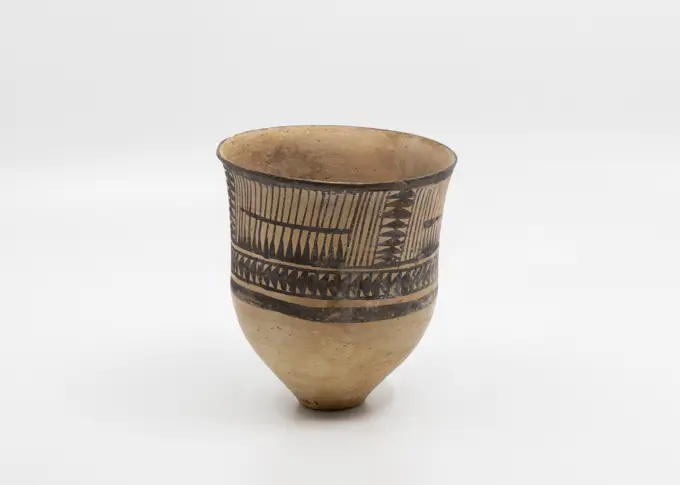
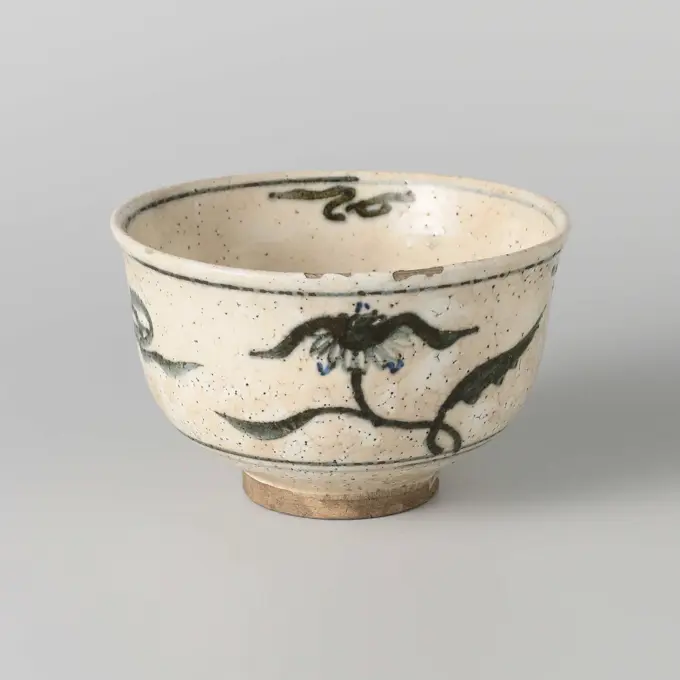
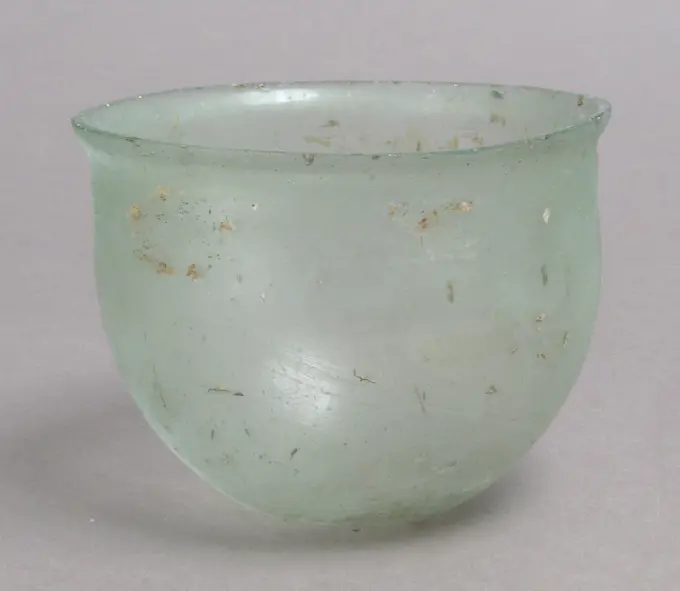
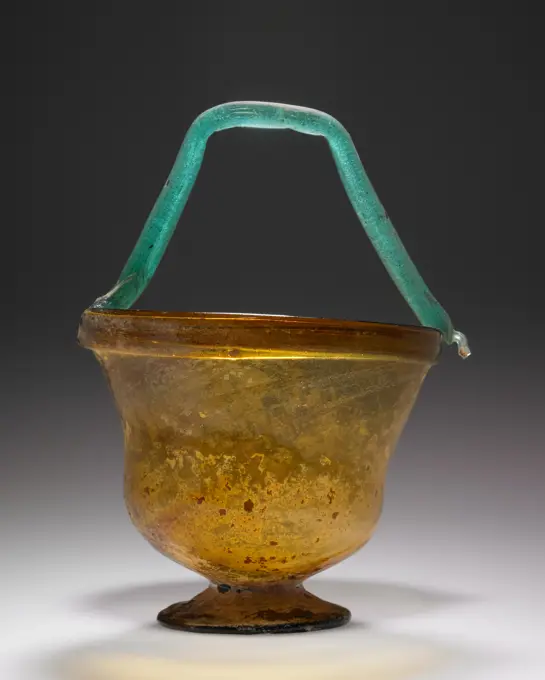
Artistic ceramic bowls varying in style and color, showcasing different cultures and historical periods through beautiful craftsmanship.
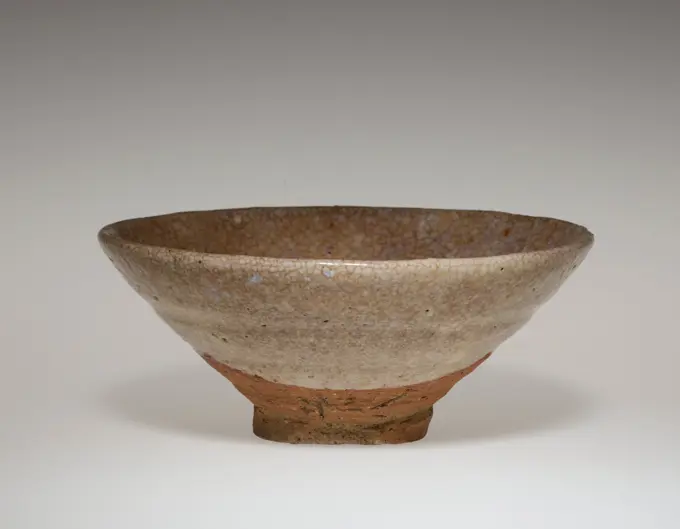
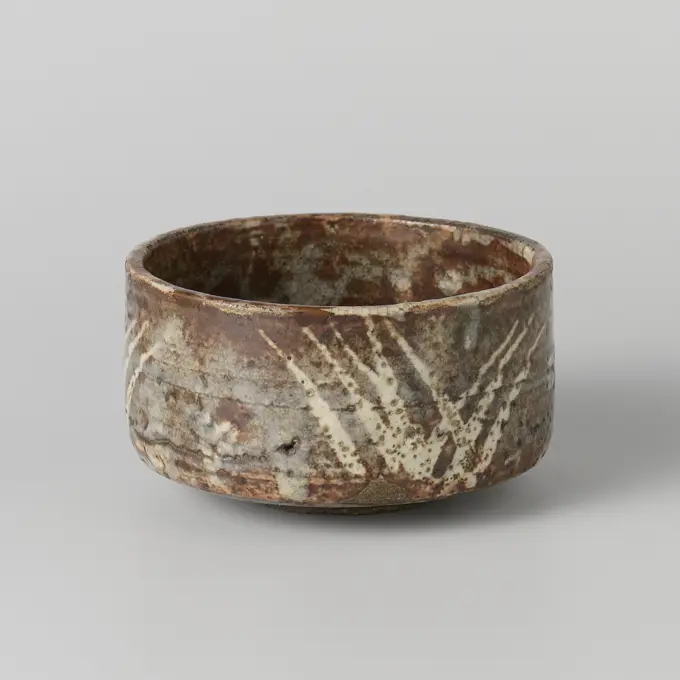
Tea bowl and stand, 19th century, Unknown Japanese, 3 1/2 x 6 x 6 in. (8.9 x 15.24 x 15.24 cm), Shino ware; glazed earthenware; wood stand, Japan, 19th century
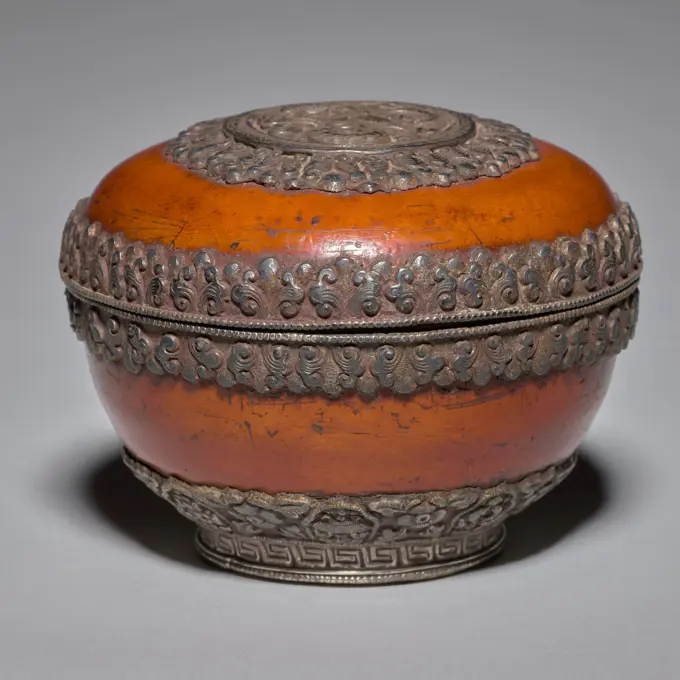
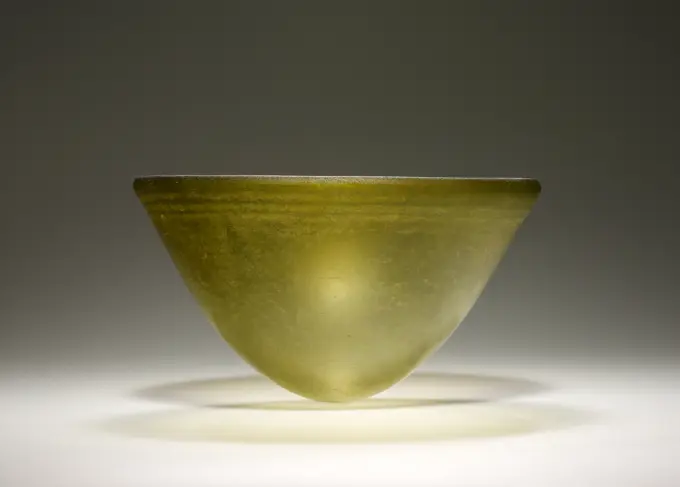
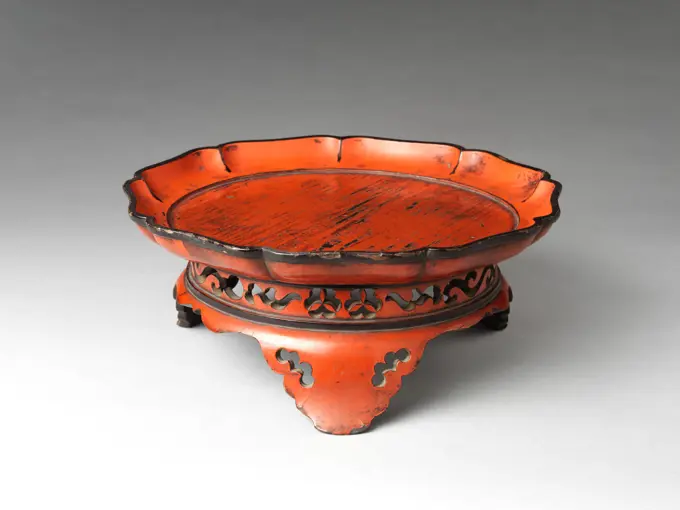
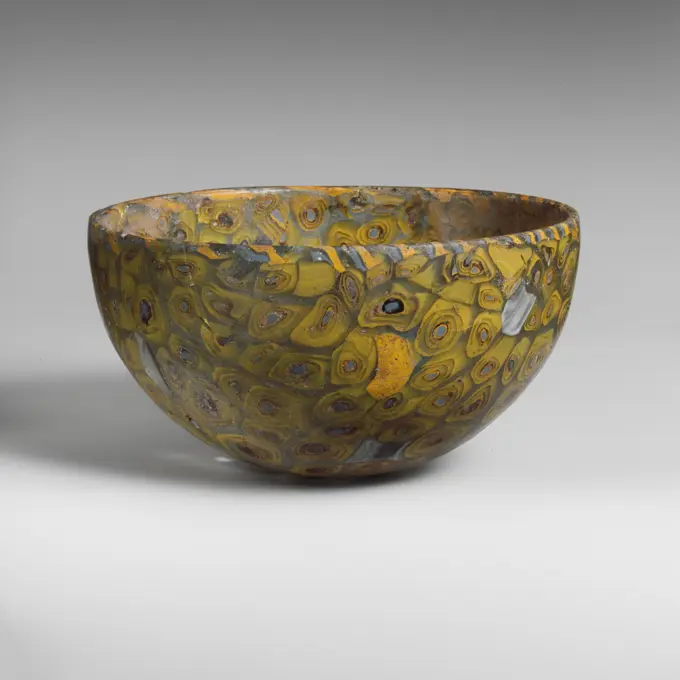
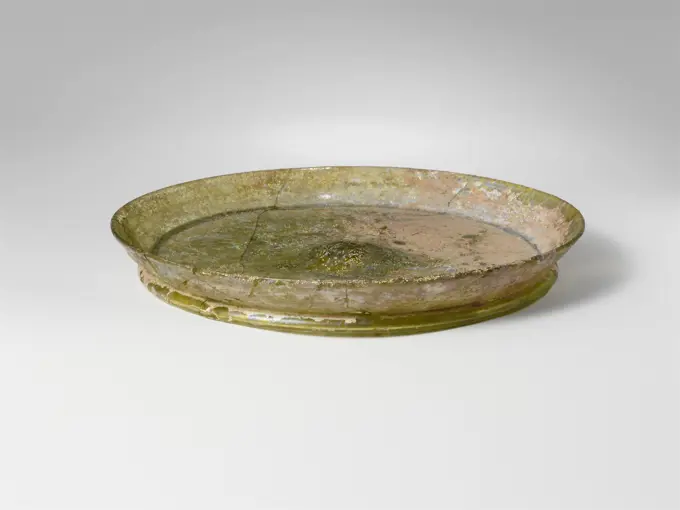
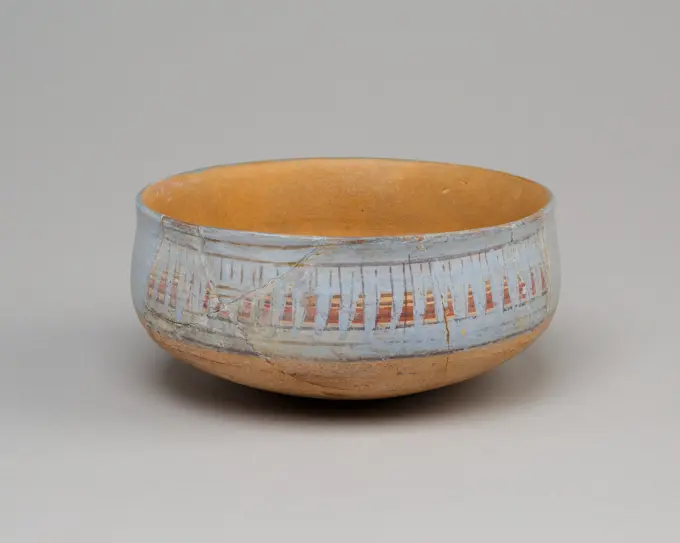
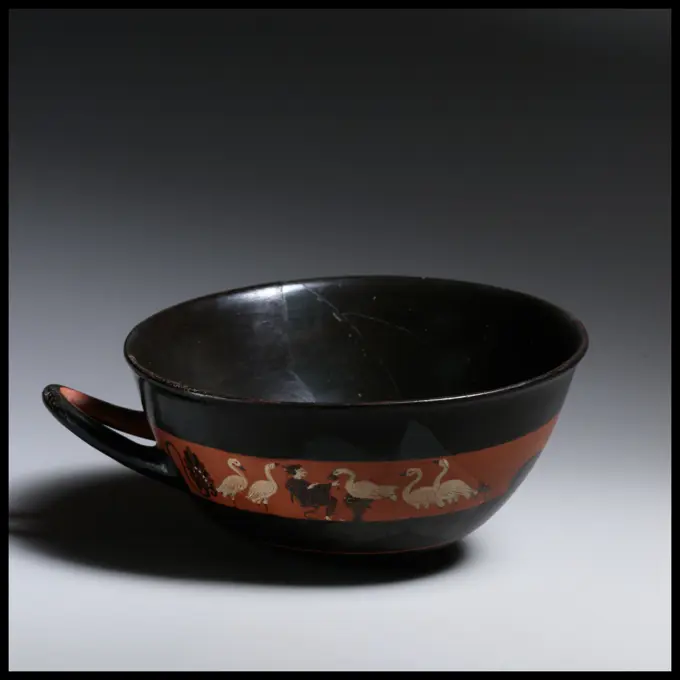
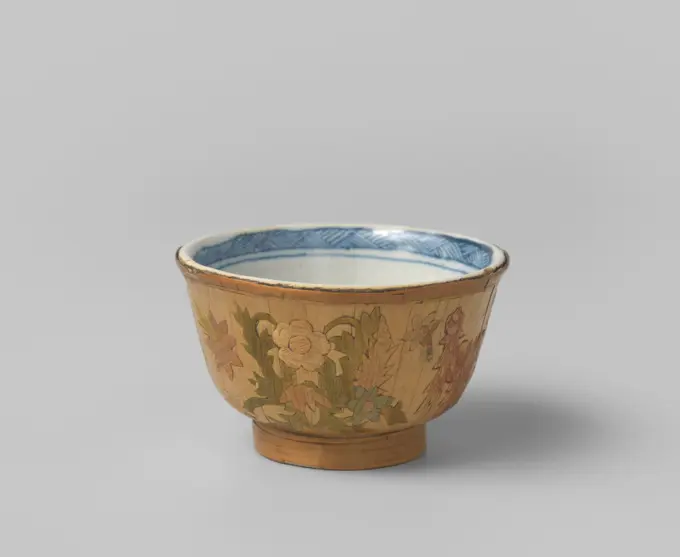
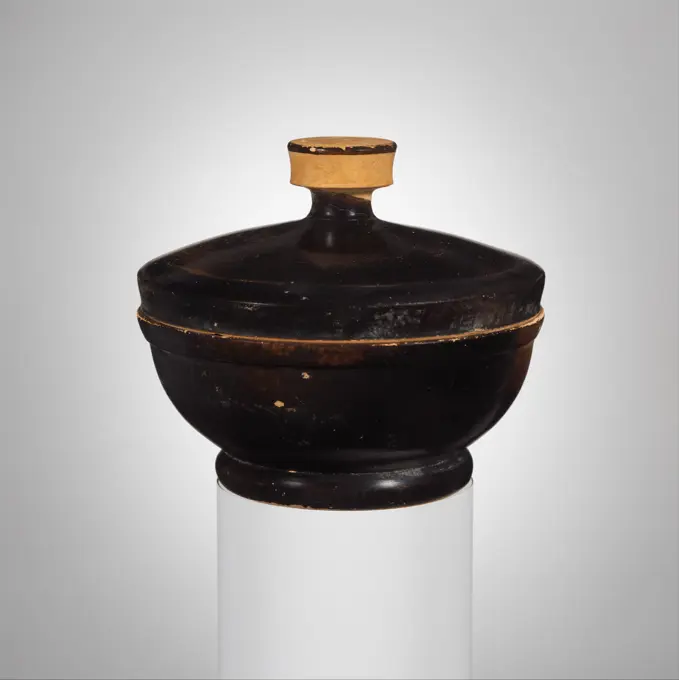
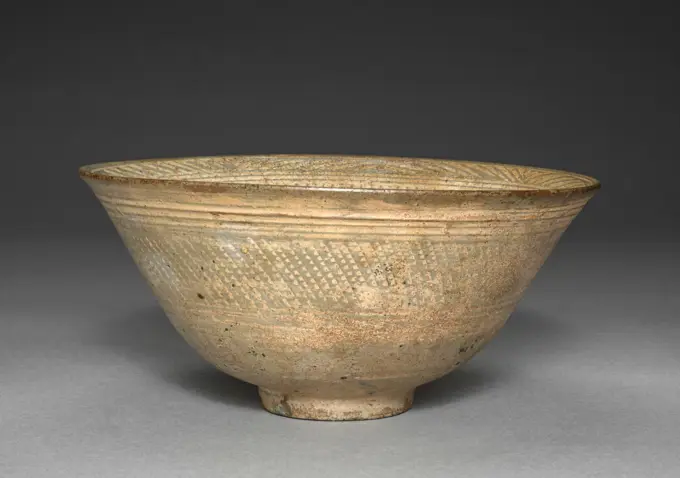
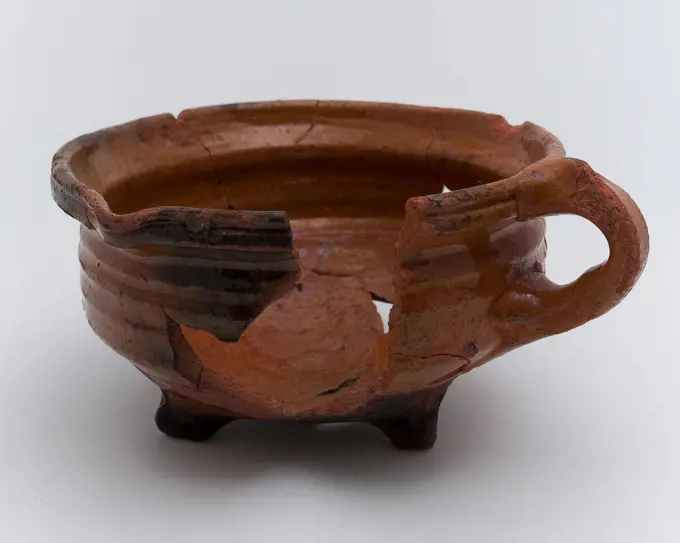
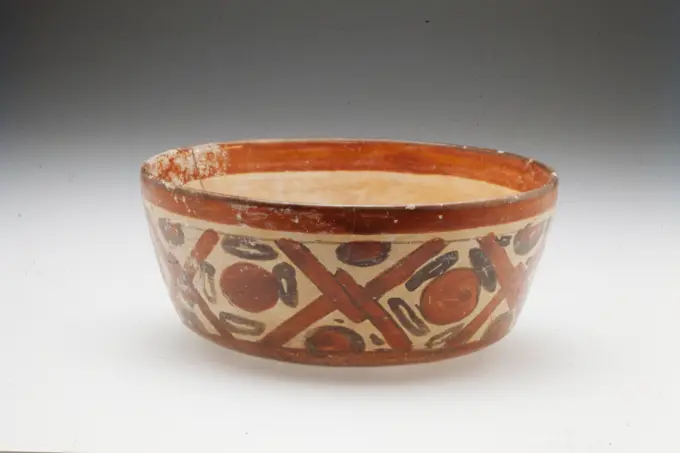
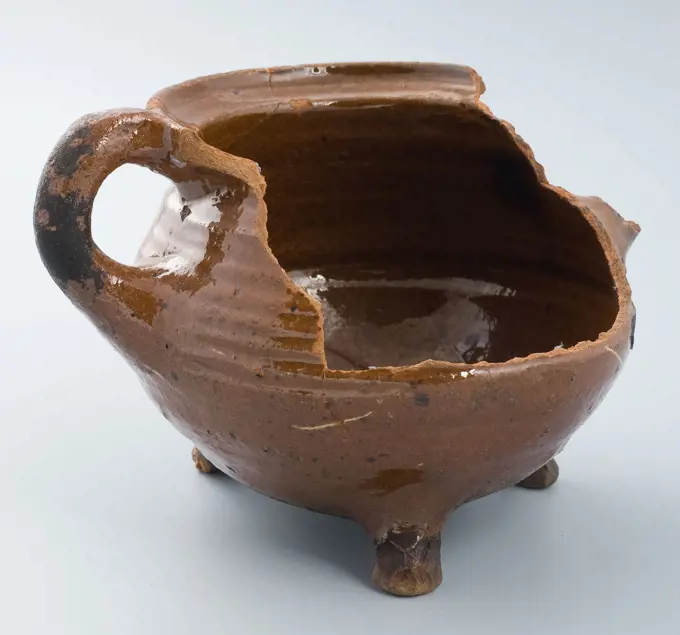
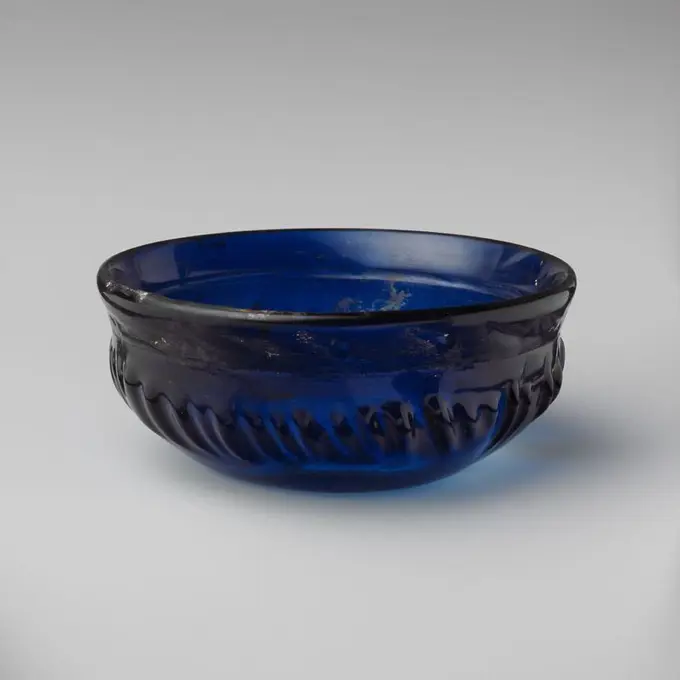
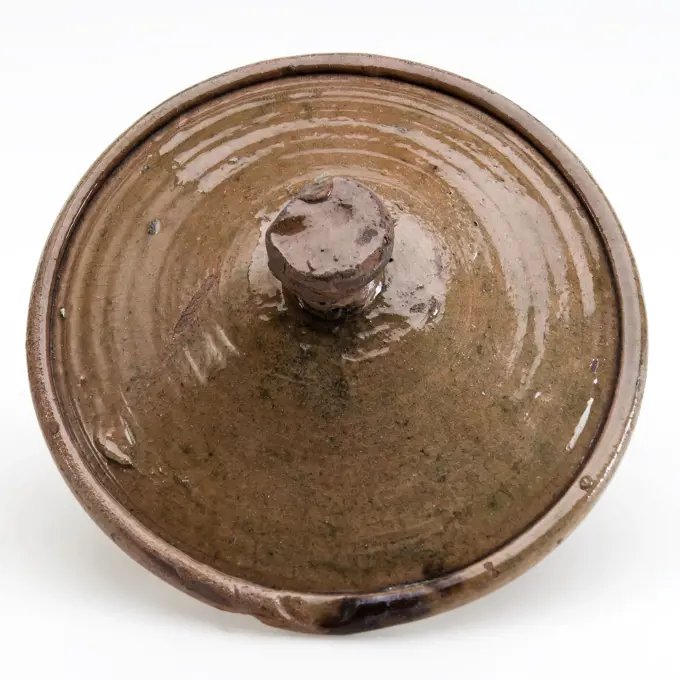
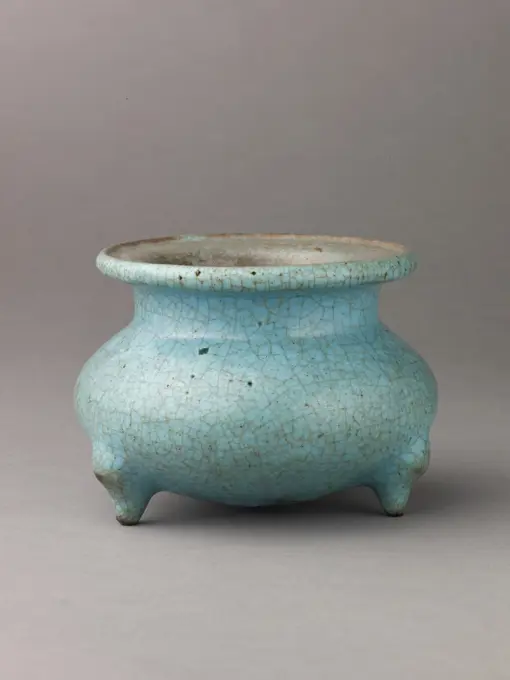
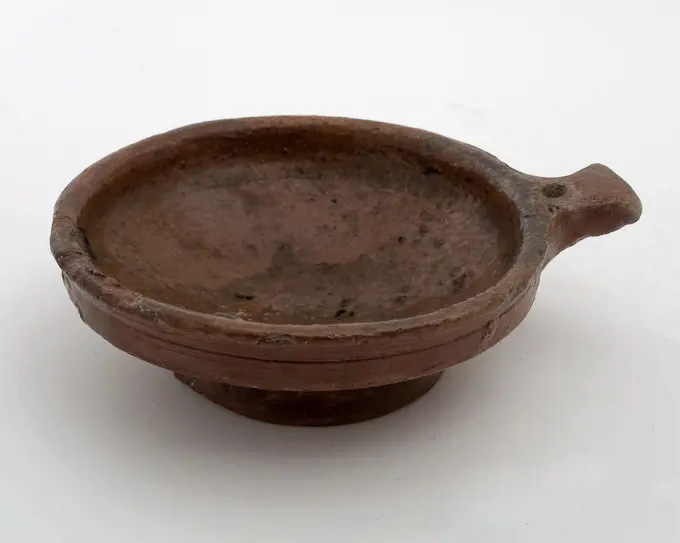
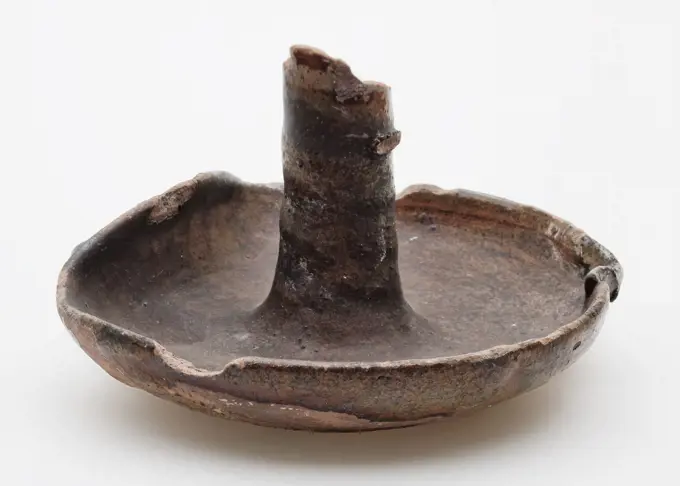
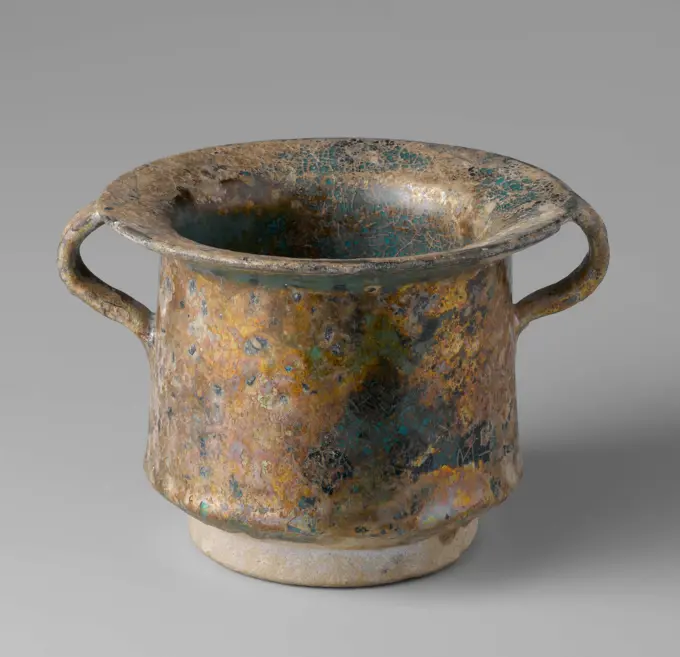
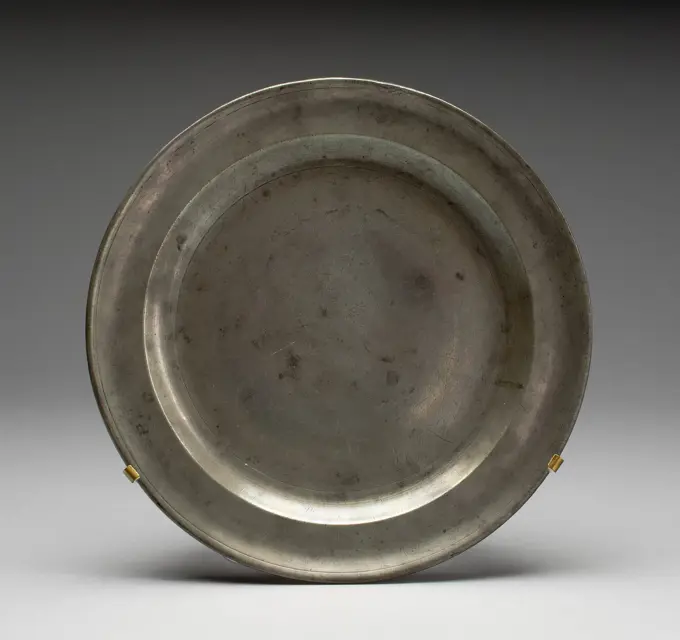
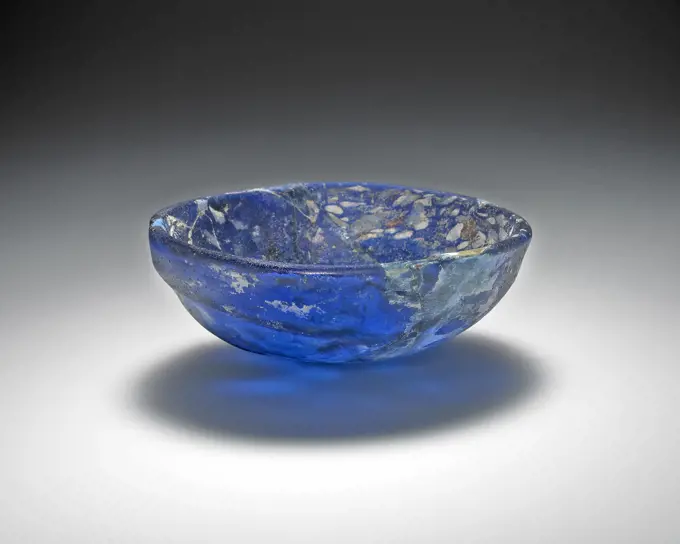
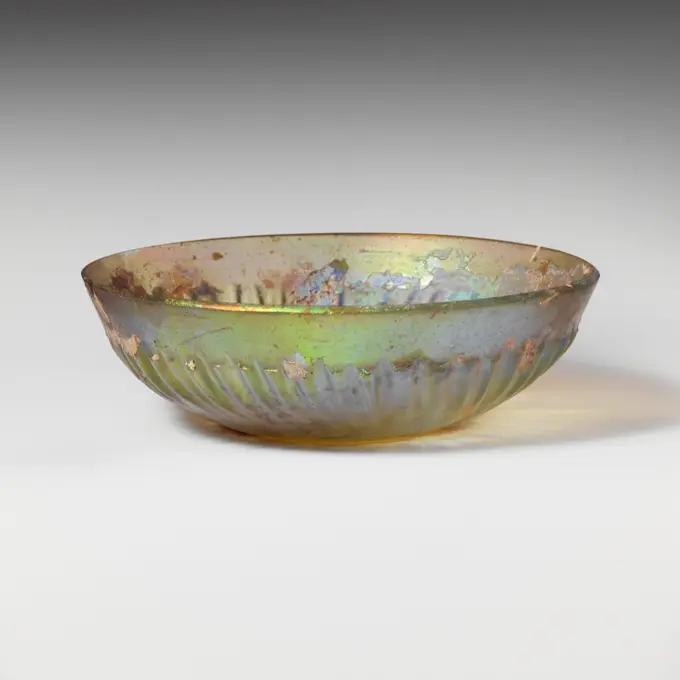
Glass ribbed bowl late 1st century B.C.-mid 1st century A.D. Roman ColorlessPlain rim with beveled edge; sides curving in downwards to slightly concave bottom.On interior, two concentric grooves around edge of bottom and small circle at center; on exterior, fifty slanting ribs of irregular length and thickness, with tops ground off.Intact, except for small weathered chip in rim; many pinprick bubbles; pitting, dulling, and iridescent weathering.Rotary grinding marks on interior and on band around top of exterior.. Glass ribbed bowl 239866Glass ribbed bowl mid-1st century A.D. Roman Translucent pale yellow.Knocked-off, vertical rim; short concave neck; bulging side curving in to slightly rounded and thickened bottom.Side tooled into seventeen irregular, vertical ribs.Cracked with parts of rim missing; some bubbles; dulling, deep pitting, and brilliant iridescent weathering on exterior, creamy weathering on interior.. Glass ribbed bowl 239865Lamp or Cup; Eastern Mediterranean; 4th century; Glass; 7 x 10 cm (2 3,4 x 3 15,16 in.)Pottery saucepan, cup-shaped, completely brown glazed, on three legs, saucepan cooking pot tableware holder kitchen utensils earthenware ceramics earthenware glaze lead glaze, hand-turned glazed baked Pottery saucepan Bowl-shaped model on three legs Completely brown glazed. Vertical side wall and top edge. Oblique collar around top edge In the shoulder on the inside thick slab of glaze caused by flowing of the lead glaze during baking archeology Rotterdam Heliport terrain indigenous pottery food preparation cooking cuisine food Soil discovery: Heliport site Rotterdam June 1978.Come with Lotus motif, Anonymous, 1100 - 1299  Zhejiang stoneware. earthenware. vitrification  Zhejiang stoneware. earthenware. vitrificationBowl. China, 13th-14th century. Furnishings; Serviceware. Stoneware with brown glazePrayer beads and box, late 19th century, 3 5/16 x 4 3/16 in. (8.41 x 10.64 cm), Burlwood and silver, Tibet, 19th century, In Tibetan Buddhism, prayer wheels are akin to rosaries, imbued with a powerful belief in the meditative repetition of sacred syllables, sounds, and prayers. A prayer surrounds the silver cylinder, while inside is a long, tightly rolled paper scroll printed with prayers and invocations. As the wheel spins with the aid of a suspended weight, the printed prayers are 'sent out' with each revolution. The wheels rotation equates to the reading or reciting of each invocation inside the cylinder. Though Tibetans of every social rank use prayer wheels, the unusually large size of this one suggests it belonged to an upper-class individual or, more likely, a monastery.Come with marbled decor, n.v. Plateelbakkerij Ram, c. 1925 - c. 1930 Come of earthenware, with outstanding mouth edge, with a green, yellow and gray -marbled decor. Luxor pottery. Arnhem earthenware marbled paper Come of earthenware, with outstanding mouth edge, with a green, yellow and gray -marbled decor. Luxor pottery. Arnhem earthenware marbled paperBowl. UnknownSaltBowl. Egypt or Syria, 11th century. Ceramics. Fritware, overglaze luster-paintedBronze phiale (libation bowl) with rosette on the bottom. Culture: Greek. Dimensions: h.1 7/8 in (4.8 cm); d. 5 9/16 (14.1.cm). Date: 4th century B.C..Phialai decorated with a rosettes in shallow relief have been found in Cyprus, Macedonia, and Asia Minor. However, the depiction of similar bowls in ancient Near Eastern relief sculpture from the late Archaic period suggests that the prototypes for these wares were perhaps the metallic vessels used by the Achaemenid kings of Persia. A glass phiale in the Metropolitan Museum (69.11.6) from the sixth century B.C., which closely parallels the bronze example in this case, confirms that despite being made in a variety of media, such bowls adhered to a stylistic convention over time. Museum: Metropolitan Museum of Art, New York, USA.Flower-shaped Negoro Tray (Kban) with Three Feet 15th century Japan With a petal-shaped rim and an openwork base, this tray represents the high esteem in which medieval Japan held imported Chinese works of art (karamono). Such precious objects from the Song and Yuan periods (960-1368) came to Japan in the Kamakura (1185-1392) and Muromachi periods with the introduction of new schools and teachings of Buddhism, especially Zen. Negoro ware trays like this one, inspired by Chinese examples, were made by Japanese craftsmen beginning about the mid-thirteenth century. Those with a high foot were typically used with tenmoku tea bowls to serve tea.. Flower-shaped Negoro Tray (Kban) with Three Feet. Japan. 15th century. Wood with coatings of red over black lacquer (Negoro ware). Muromachi period (1392-1573). LacquerGlass mosaic hemispherical bowl 2nd-mid-1st century B.C. Greek, Eastern Mediterranean Colorless with a blue tinge, translucent pale purple and blue, and opaque white, yellow, and pale greyish blue.Vertical rim with rounded edge; convex curving side; convex bottom.Composite mosaic pattern formed from polygonal sections of a single composite cane in a colorless ground with a yellow spiral, small purple ring and central dot in greyish blue; interspersed with this cane are a small number of irregular segments, one in solid yellow, but others below rim in streaky yellow, and several others in streaky white stripes in combination with purple stripes; a colorless network cane wound spirally with yellow and greyish blue trails is attached unevenly as a rim.Broken and repaired, with many cracks and some small holes; dulling and some surface pitting of bubbles, and creamy brown weathering covering most of interior.. Glass mosaic hemispherical bowl. Greek, Eastern Mediterranean. 2nd-mid-1st centuGlass dish 2nd half of the 1st century A.D. Roman Translucent yellow green.Plain rounded rim; side tapers inward unevenly, with slight horizontal bulge below rim on exterior; broad, almost flat bottom, with central kick and circular pontil mark; tubular foot ring at junction of side and bottom.Broken and repaired, with some small holes in side; pitting of surface bubbles, creamy brown weathering, and brilliant iridescence.. Glass dish 245204Painted Bowl from Tutankhamun's Embalming Cache ca. 1336-1327 B.C. New Kingdom. Painted Bowl from Tutankhamun's Embalming Cache 549593Terracotta kylix: band-cup (drinking cup) ca. 540 B.C. Greek, Attic Obverse, woman and egg-laying goose, between geeseReverse, ridersThe vignette of a woman among geese was surely observed by the painter firsthand. It is impossible for us to know, however, whether the scene alludes to a storysuch as a goose that lays golden eggsor simply presents a woman at home in contrast to the men riding out on horseback depicted on the other side.. Terracotta kylix: band-cup (drinking cup) 255883Head of faience and straw with flower decoration, the drawbar, c. 1680 - c. 1710 Kop van Faience and straw with a floral decoration according to the example of the Chinese porcelain from the Wanli period. Delft . Kop van Faience and straw with a floral decoration according to the example of the Chinese porcelain from the Wanli period. Delft .Cup first half of the 6th century B.C. Etruscan On high foot, stamped relief of eight human figures six times repeated.. Cup. Etruscan. first half of the 6th century B.C.. Terracotta; bucchero. Archaic. VasesA bowl on three low feet with turquoise blue glaze unknownBowl 4th-7th century Coptic. Bowl 478845Jar 4th-5th century. Jar 452011Vessel. Syria, 11th-12th century. Ceramics. Fritware, carved and glazedAnonymous, hemispherical bowl (common name), 1200. gray covered terracotta. Cernuschi Museum, Asia Museum of Asia in the city of Paris.Bowl. Culture: Spanish. Dimensions: Overall: 8 1/16 x 19 5/16 in. (20.5 x 49 cm). Date: 1400-1450.This large and impressive bowl is decorated with stylized flowers of solid luster, a motif much favored by Valencian potters. Museum: Metropolitan Museum of Art, New York, USA.. Scale of stoneware, covered with a lavender blue, slightly cracked glaze. The color changed to a yellow-brown shade. Jun.Bowl. Iraq, Jazira, 12th century. Ceramics. Fritware, incised, pierced, and glazedCup ca. 2600-2500 B.C. Sumerian. Cup. Sumerian. ca. 2600-2500 B.C.. Gabbro. Early Dynastic IIIa. Mesopotamia, NippurPottery cooking pot with two standing pinched ears, on three legs, low and wide model, cooking pot crockery holder utensils earthenware ceramic earthenware glaze lead glaze, hand turned set glazed fried Low cooking pot of red earthenware internal and top exterior light brown glaze two legs in plaster rings profiled upper edge constricted belly Low and wide model with sloping top edge archeology Valckensteyn Poortugaal Albrandswaard indigenous pottery kitchen cooking nutrition food preparation Soil discovery: canal at kitchen castle Valckensteyn at Poortugaal now Albrandswaard 1961Burial Urn with Stamped Design, 500s-600s. Korea, Unified Silla period (676-935). Stoneware with stamped designs under olive-green glaze; overall: 8.1 cm (3 3/16 in.); body: 4.4 x 10.7 cm (1 3/4 x 4 3/16 in.). After the introduction of Buddhism, cremation became a common practice in Korea. This jar, which once contained the remains of the dead, may have nested in a larger stone container. The repetitive patterns that appear on the lid and the container was done with a stamping technique.Bowl (Wan) in the Form of a Plum BlossomDish Roman Red dish with flaring sides.. Dish 250491 Roman, Dish, Terracotta, 1 1/16  5 1/16  3/16 in. (2.8  12.8  0.5 cm) Diam. of foot: 2 5/16 in. (5.9 cm). The Metropolitan Museum of Art, New York. Gift of J. Pierpont Morgan, 1917 (17.194.2357)Jug;  XIII-XIV century (601-00-00-800-00-00);Glass dish 1st century A.D. Roman Translucent deep blue green.Outsplayed, tubular rim, folded round, down, and under; shallow, vertical side; thick, tubular foot ring at junction with side, made by folding; uneven, but almost flat bottom with off-center pontil scar and slight kick on interior.Intact, except for internal crack across bottom; many bubbles; dulling, pitting, and patches of iridescent weathering.Green, shallow, colored blown glass.. Glass dish 245293Tea Bowl, 12th-13th century, 2 x 5 x 5 in. (5.08 x 12.7 x 12.7 cm), Jian ware Stoneware with black glaze and russet-colored markings, China, 12th-13th centuryTerracotta covered bowl ca. 450-400 B.C. Greek, Attic This vase is related to the covered bowl with one handle (23.43a, b) displayed nearby. They represent basically the same shape adapted to different functions by the presence or absence of a handle.. Terracotta covered bowl 252367 Greek, Attic, Terracotta covered bowl, ca. 450400 B.C., Terracotta, H. with cover 3 7/8 in. (9.8 cm); H. without cover 2 1/4 in. (5.7 cm). The Metropolitan Museum of Art, New York. Bequest of Richard B. Seager, 1926 (26.31.445)Bowl with Stamped Floral Decoration, 1600s-1700s. Korea, Joseon dynasty (1392-1910). Glazed ceramic; overall: 8.8 cm (3 7/16 in.). This type of wide-mouthed bowl was used everyday in Korea, not exclusively for tea drinking. But when it was introduced to Japan around the early 16th century, its imperfect appearance evoking the aesthetics of wabi-sabi caused it to be repurposed as a tea bowl. Korean tea bowls were circulated as an item of foreign luxury among Japanese military elites. Many Korean potters were abducted to Japan during the Japanese invasions (1592-98) and some settled down in Japan, particularly in the Saga prefecture in Kyushu. A Japanese tea bowl such as 1983.158 in the CMA collection is one example possibly created by the descendants of abducted Korean potters.Pottery cooking pot, with one ear, on three legs, grape cooking pot tableware holder kitchenware earthenware ceramic earthenware glaze lead glaze, hand-turned glazed fried Low pot with wide neck opening and shaving on three legs. Rotations ear and pouring bottom underside of traces of grating. Red glazed except underneath archeology Rotterdam rail tunnel indigenous pottery food food preparation cooking kitchen Soil discovery: rail tunnel Rotterdam.Bowl with Geometric Design, 7th-9th century, 3 x 6 3/4 x 6 3/4 in. (7.62 x 17.15 x 17.15 cm), Clay, Guatemala, 7th-9th centuryJian water basin, 500-400 BCE, 8 7/8 × 20 1/4 × 20 5/16 × 17 3/16 in., 20.7 lb. (22.54 × 51.44 × 51.59 × 43.66 cm, 9.4 kg), Bronze, China, 5th century BCE, This jian, a large bowl-shaped vessel with a deep body and heavy rim, is decorated with a dense serpentine pattern and four attached animal-head ring handles. The interlocked serpentine relief appears in three bands encircling the neck and the main body, separated by a frieze of braided ropes. Intertwined dragons wriggle within these bands, their bodies embellished with incised spirals and meanders. The vessel bears an inscription on the interior wall, which reads: The jian for amusement of the son of Lord Zhi.Bowl 12th-13th century. Bowl 451617Drinking Cup from Dining Set with Plum Blossoms and Cracked-Ice, c. 1875-78. Seifū Yohei II (Japanese, 1844-1878). Porcelain with molded designs; overall: 6.7 x 9.3 cm (2 5/8 x 3 11/16 in.).Pottery plate on three fins, bottom unglazed, plate dish crockery holder soil find ceramic earthenware glaze lead glaze, hand-turned glazed baked Red shard brown lead glaze three fins Pretty shallow dish with bowl shaped mirror and narrow flag thickened saucer edge archeology Valckensteyn Poortugaal Albrandswaard indigenous pottery kitchen food preparing food for cooking preparing food Soil discovery: canal near Keuken castle Valckensteyn in Poortugaal, now Albrandswaard 1961.Bowl with Lotus and Child Design in Relief, 1200s. Korea, Goryeo period (918-1392). Pottery; diameter of mouth: 19.9 cm (7 13/16 in.); overall: 6.5 cm (2 9/16 in.).Glass cup 1st-2nd century A.D. Roman Colorless with faint greenish tinge.Knocked-off rim; slightly bulging collar below rim; carinated sides tapering downward; concave bottom.One fine horizontal wheel-cut line below collar 5/16 in. (8 mm) below rim), two more 1/16 in. (1 mm) apart further down body, 13/16 in. (21 mm) below rim, and another single line below just above turn 1 13/16 in. (46 mm) below rim.Intact, except for one deep chip in rim; pinprick bubbles; almost unweathered on one side; elsewhere pitting and iridescent weathering.. Glass cup 239808Jar, 1700s. Korea, Joseon dynasty (1392-1910). Glazed porcelain; overall: 34.3 cm (13 1/2 in.); outer diameter: 31.6 cm (12 7/16 in.).Bowl. Culture: Coptic. Dimensions: Overall: 2 1/16 x 6 5/16 in. (5.2 x 16.1 cm). Date: 4th-7th century. Museum: Metropolitan Museum of Art, New York, USA.BowlIncense Burner with Animal Handles. China. Date: 960 AD-1127. Dimensions: 7.6 × 14.4 × 10.9 cm (3 × 5 11/16 × 4 5/16 cm). Guan ware; celadon-glazed stoneware. Origin: China. Museum: The Chicago Art Institute, Chicago, USA.Pottery saucepan, red shard, lead glaze on three pinched stand fins, saucepan pan tableware holder kitchenware soil find toy relaxation tool model ceramics pottery glaze lead glaze, hand turned glazed fried Pottery saucepan toy red shard inside covered with lead glaze short handle three pinched stand fins archeology indigenous pottery play food prepare cooking kitchenBowl c 1810-1850 Pennsylvania. Earthenware . Artist unknownPlate of stoneware, painted in underglaze brown and on the glaze red and green. From the foot ring continuous on the front twice a flowering tree (Momoji - Ahorn). Marked on the bottom with two unidentified characters. Kenzan style. Inuyamayaki.Bowl with Floral and Wave Pattern. China. Date: 1115-1234. Dimensions: H. 5.3 cm (2 1/16 in.); diam. 13.7 cm (5 3/8 in.). Yaozhou ware; celadon-glazed stoneware with underglaze carved and incised decoration. Origin: China. Museum: The Chicago Art Institute, Chicago, USA.Cup. UnknownLotus-shaped Dish and Cup, 1736-95. China, Qing dynasty (1644-1911), Qianlong reign (1736-95). Jade; overall: 15.5 cm (6 1/8 in.).Bowl 1127-1279 China. Guan ware; glazed stoneware (misfired) .Covered Box. Culture: China. Dimensions: H. 1 3/8 in. (3.5 cm); Diam. 2 3/4 in. (7 cm). Museum: Metropolitan Museum of Art, New York, USA.Jar. Red garnet monochrome covered porcelain. Paris, Cernuschi museum. 78838-3 Asian art, Chinese art, jar, porcelain, containerEarthenware grape on three legs, two ears, wide neck opening, grape cooking pot tableware holder kitchen utensils earthenware ceramics pottery glaze, hand turned glazed baked Pottery grape on three legs two ears rings lid slot Fully glazed except the bottom of the bottom Red shard. Double conical shape Draarilles on the shoulder archeology underground pit Rotterdam City center Stadsdriehoek Groenendaal indigenous pottery food preparation cooking kitchen Soil discovery: underground pit Groenendaal 190 meters from Mariniersweg about 2 meters -NAP. Found 1975-10-06.Keltiberisches Schiff Celtiberian vessel, 4th-1st century BC, Cerro de San Miguel, Arnedo, Museum of Romanization, Calahorra, La Rioja, Spain, Europe Copyright: xZoonar.com/BartomeuxBalaguerxRotgerx 22945940Vessel ca. late 3rd-early 2nd millennium B.C. Bactria-Margiana Archaeological Complex. Vessel. Bactria-Margiana Archaeological Complex. ca. late 3rd-early 2nd millennium B.C.. Ceramic. Bronze Age. Bactria-MargianaBowlPlate: Longquan Ware, 1200s-1300s. China, Southern Song Dynasty (1127-1279) - Yuan Dynasty (1271-1368). Glazed porcelain; diameter: 14.6 cm (5 3/4 in.); overall: 4.2 cm (1 5/8 in.).Slop Basin. United States, Pennsylvania, Philadelphia, circa 1770. Tools and Equipment; basins. SilverTeabowl with plants, anonymous, anonymous, c. 1600 - c. 1699 Teaom of stoneware, covered with a white sludge and a red -brown and gray enamel. Plants in the outer wall (grasses). The Ingred Decoration is filled with white sludge (Mishima technology). Old label on the bottom with 'Shino!'. Shino. Japan stoneware. glaze engraving / vitrification Teaom of stoneware, covered with a white sludge and a red -brown and gray enamel. Plants in the outer wall (grasses). The Ingred Decoration is filled with white sludge (Mishima technology). Old label on the bottom with 'Shino!'. Shino. Japan stoneware. glaze engraving / vitrificationLungquan Ware Bowl, 14th-18th century, 11 1/4 in. (28.58 cm), Ceramic, celadon glaze, China, 14th-18th centuryGlass ribbed bowl. Culture: Roman. Dimensions: H. 2 3/16 in. (5.6 cm); diameter 5 3/16 in. (13.2 cm). Date: first half of 1st century A.D..Translucent cobalt blue.Thick, slightly outsplayed rim with almost pointed edge, sloping inward below; convex curving side, tapering obliquely downward; concave bottom.On interior, a single broad horizontal groove, cut at junction of rim and side; on exterior, forty-five short rounded ribs of varying width, thickness, and length.Intact, except for minor chips in rim; some pinprick bubbles; faint dulling and iridescence, with small patches of encrusted weathering on interior.Rotary grinding marks on interior and on band around exterior of rim; series of irregular tooling marks and indents on band around exterior of rim. Museum: Metropolitan Museum of Art, New York, USA.Tarxien Phase, Clay pot with handle and applied decorationJar. Dimensions: H. 12 cm (4 3/4 in.). Dynasty: Dynasty 19-20. Date: ca. 1295-1070 B.C..Egyptian glassmaking, which had reached a high level of virtuosity in late Dynasty 18, continued to be practiced in the Ramesside Period; however, the quality, as well as quantity, of it production dropped off sharply in Dynasty 20. The flasks and bowls made at this time were often monochrome like this jar here, with only a "rope" made of stained glass rods in contrasting colors attached to the rims, shoulders or feet of the vessels. Museum: Metropolitan Museum of Art, New York, USA.Earthenware lid with round rim and knob, lid closure part soil find ceramic earthenware glaze lead glaze, hand turned glazed baked Pottery lid red shard entirely covered with lead glaze with knob. Thickened round edge. Knob is broken down before baking and then crooked again attached archeology indigenous earthenware food prepare food kitchen serving crockerySmall incense burner, 'Ma Jun' or 'Soft Jun' ware 13th-14th century (or later) Chinese. Small incense burner, 'Ma Jun' or 'Soft Jun' ware 460901Pottery miniature saucepan or wine bowl with red shard and inside with lead glaze, short handle with hole and stand, saucepan pan holder kitchenware model earthenware ceramic earthenware glaze lead glaze, hand turned glazed baked Pottery saucepan model toy red shard inside covered with lead glaze short handle with hole not through and through stand archaeological indigenous pottery food prepare cooking play kitchenBowl -Pair of miniature bowls third quarter 18th century Style of Whieldon type. Pair of miniature bowls. British, Staffordshire. third quarter 18th century. Lead-glazed earthenware. Ceramics-PotteryMizusashi of Globular Form. Japan, 17th century. Ceramics. Stoneware with heavy ash glaze, possibly Tokoname wareGlass cinerary urn (olla) mid-1st-mid 2nd century A.D. Roman Translucent blue green.Broad, everted, tubular rim, made by folding out, down, round, and in, with beveled upper surface; ovoid body; concave bottom.Intact; a few bubbles; slight dulling, faint iridescence, and brownish weathering, with one large patch of limy encrustation on exterior, and brilliant iridescent weathering inside tubular rim.Plain blown glass.. Glass cinerary urn (olla). Roman. mid-1st-mid 2nd century A.D.. Glass; blown. Imperial. GlassWater Dropper: Cizhou Ware, Yuan dynasty (1271-1368). China, Yuan dynasty (1271-1368). Gilt bronze; diameter: 12.5 cm (4 15/16 in.); overall: 5.7 cm (2 1/4 in.).Campania Napoli Naples S. Lorenzo Maggiore48. Hutzel, Max 1960-1990 Medieval: Sculpture, architecture, architectural sculpture (including Roman spolia) 13-14th century Chapter house; sarcophagi, gravestones; wall painting. Fragment of mosaic; sculptural fragments in the Sala Capitolare. Post-medieval: Architecture, architectural sculpture, ceiling painting fresco cycle; prints depicting Venice c. 1845 (4), sculpture; life-size creche figures dressed in original Neapolitan costume Church restored in 1882, 1926, 1944; excavations under the transept undertaken between 1958-1962, and in the cloister in 1976, have revealed remains of a Roman macellum (market), street, and the paleochristian basilica of the 6th c. AD. Antiquities: Pottery: black-glazed, archaic banded, domestic wares, bucchero; architectural terracottas, statuettes, lamps, sculpture fragments Object Notes: 3 color negatives with no prints at the end. General Notes: Most objects/paintings/frescoes unidentified. Three batches Bowl 4th-7th century Coptic. Bowl. Coptic. 4th-7th century. Earthenware. Made in Kharga Oasis, Byzantine Egypt. CeramicsFoliate and Lobed Dish with Floral Sprays 1100-1199 South Korea. Stoneware with underglaze molded decoration .Skyphos ca. 400 B.C. Attributed to the Xenon Group. Skyphos 248136Incised bowl with geometric pattern. Culture: Paracas. Dimensions: Overall: 2 1/2 in. (6.35 cm)Other: 7 3/8 in. (18.69 cm). Date: 5th-3rd century B.C.. Museum: Metropolitan Museum of Art, New York, USA.Beaker with geometric decoration ca. 4000-3600 B.C. Iran This beaker has a narrow, flat base, straight sides, and an everted rim. It is made of buff clay, with painted black decoration, including vertical lines and rows of triangles. Wheel lines on the interior indicate that it was made on a potters wheel.This beaker was excavated at Tepe Sialk, near Kashan in central Iran. The site of Sialk is spread over two mounds. The northern mound was inhabited from ca. 6000 to 4000 B.C., and the southern mound, where this beaker was found, from ca. 4000 B.C. until perhaps 2500 B.C., when the site abandoned for nearly a millennium. The people lived in houses made of mudbrick, and buried their dead under the floors. Thus is it difficult to say whether this beaker comes from a domestic or a funerary setting. Quite possibly it was used as a drinking vessel, and then later deposited with a body during a funeral ritual.. Beaker with geometric decoration. Iran. ca. 4000-3600 B.C.. Ceramic, paint. ChalOil Bottle with Scrollwork. Korea. Date: 1135-1165. Dimensions: H. 4.8 cm (1 7/8 in.); diam. 6.1 cm (2 3/8 in.). Celadon-glazed stoneware with overglaze iron-painted decoration; gold repair. Origin: Korea. Museum: The Chicago Art Institute, Chicago, USA.. Tea bowl of stoneware, covered with a cream-colored glaze and painted in underglaze blue. A flowering plant twice on the outside wall. The inner wall with two flower branches. The foot ring is unglazed. Marked on the underside with an unidentified, pressed three-character mark. Kosobe.Cup 18th century China. Cup 41875Candlestick ". Terracotta under transparent cover. China, Tang dynasty (618-907). Paris, Cernuschi museum. Chinese art, Chinese ceramic, candlestick, tang dynasty, terracottaBowl, 1100s. Korea, Goryeo period (918-1392). Pottery; diameter of mouth: 17.7 cm (6 15/16 in.); overall: 8.9 cm (3 1/2 in.).Bowl late 4th-early 5th century Frankish. Bowl 465077 Frankish, Bowl, late 4thearly 5th century, Glass, Overall: 2 1/2 x 3 1/4 in. (6.3 x 8.3 cm). The Metropolitan Museum of Art, New York. Gift of J. Pierpont Morgan, 1917 (17.191.359)Bowl with Handle. UnknownFragment of red earthenware oil lamp, oil lamp lamp lighting tool soil find ceramic earthenware glaze lead glaze, hand turned hand shaped glazed baked Fragment of red earthen oil lamp Underlay with column in the middle and spout Bended back edge to be able to light the lamp hanging up Cut out soul underside is not glazed. In the column archeology Rotterdam Stadscentrum Stadsdriehoek Schielandshuis should light up waste evening night Soil discovery: Schielandshuis during restoration.. Pot of pottery with two ears decorated with black sludge under a strongly irradiated transparent turkuoise lead glaze.Charger c 1800-1850 Boston. Pewter . Artist unknownBowl; Roman Empire; 1st century; Glass; 3 x 8.8 cm (1 3,16 x 3 7,16 in.)One-Handled Bowl, c. 1450-1200 BC. Cyprus, Late Cypriot II. White slip ware; diameter: 13.2 cm (5 3/16 in.); overall: 7.2 cm (2 13/16 in.).Two-handled UrnRavier. GRS, covered crme cracks. Paris, Muse Cernuschi. Japanese art, Japanese ceramic, gres, character, statuetteSmall vase. Artist: Chinese , Qing Dynasty. Culture: Chinese. Dimensions: Height: 3 5/8 in. (9.2 cm.). Date: probably 19th century. Museum: Metropolitan Museum of Art, New York, USA.Earthenware pap bowl with lying ear, internal yellow glazed, papkom bowl crockery holder earth discovery ceramics earthenware glaze lead glaze clay, hand-turned glazed baked Porcelain bowl red shard internal yellow glazed external ear and edge sparse brown glazed one ear slightly pinched stand ring archeology Valckensteyn Poortugaal Albrandswaard indigenous earthenware porridge porridge food serve food nutrition food cuisine Soil discovery: canal at kitchen castle Valckensteyn at Poortugaal now Albrandswaard 1961.Deep Bowl. Egypt, 1st or 2nd Dynasty, 3050-2687 B.C., or later. Furnishings; Serviceware. Granite