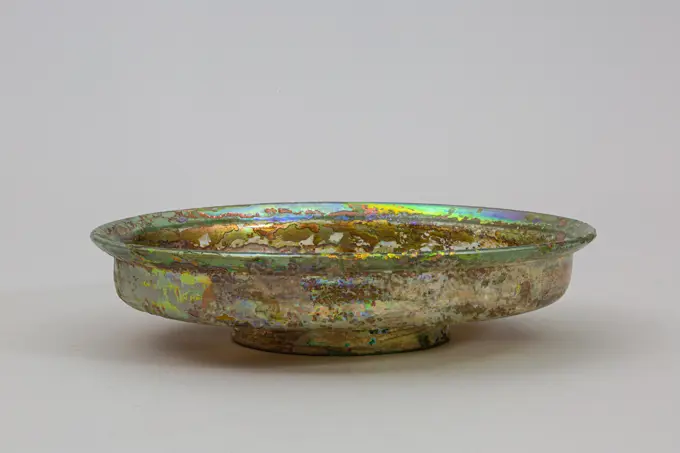
Ceramic Bowls Collection

Various antique pottery bowls showcasing unique finishes and shapes, crafted from different materials, ideal for decorative displays.
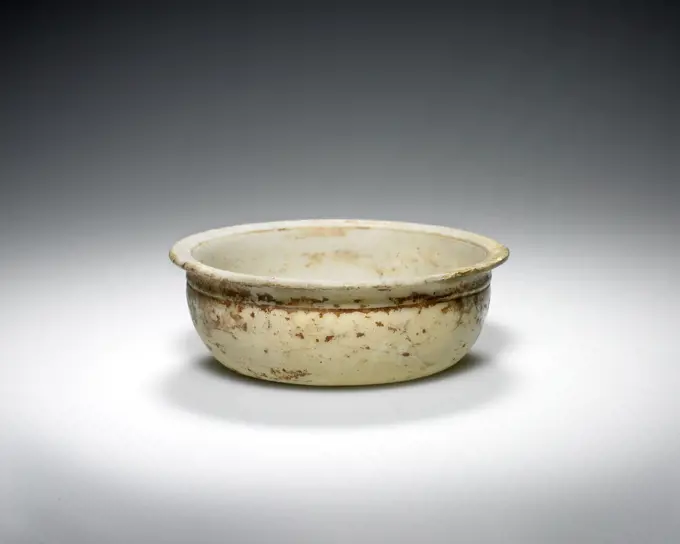
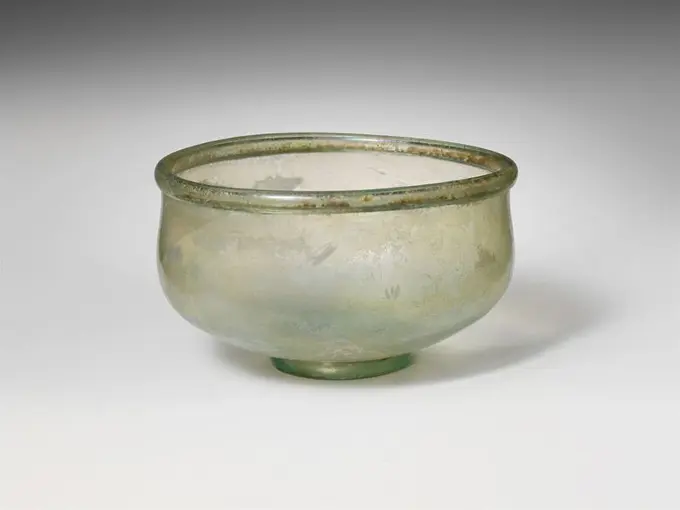
Bowl; Eastern Mediterranean or Italy; end of 1st century B.C. - 1st century A.D; Glass; 3 x 8.6 cm (1 3,16 x 3 3,8 in.)
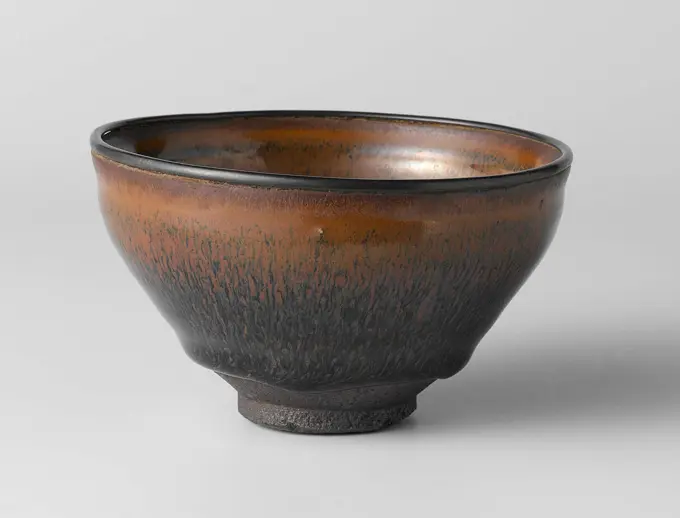
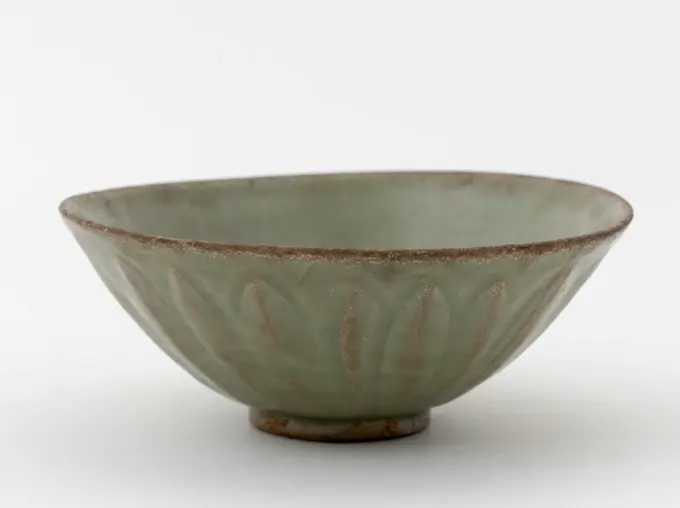
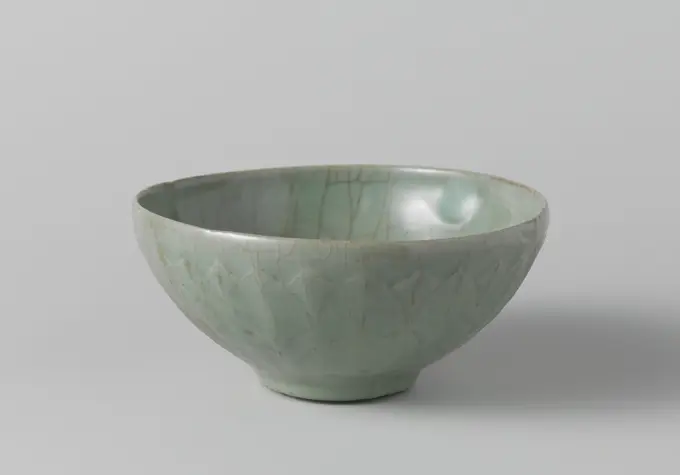
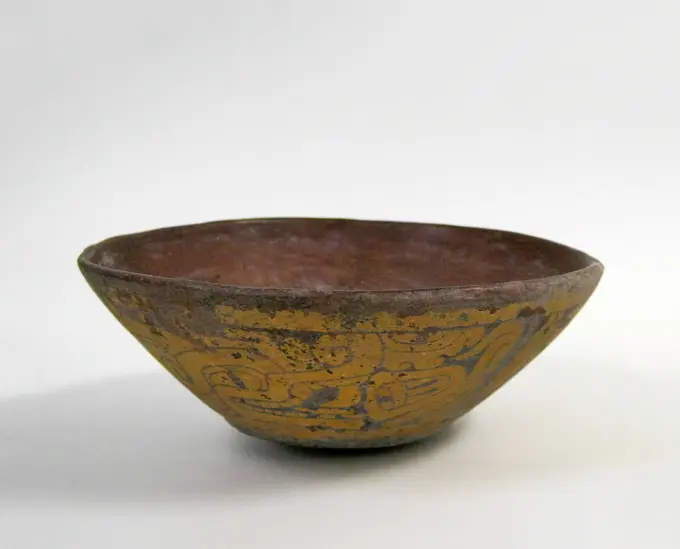
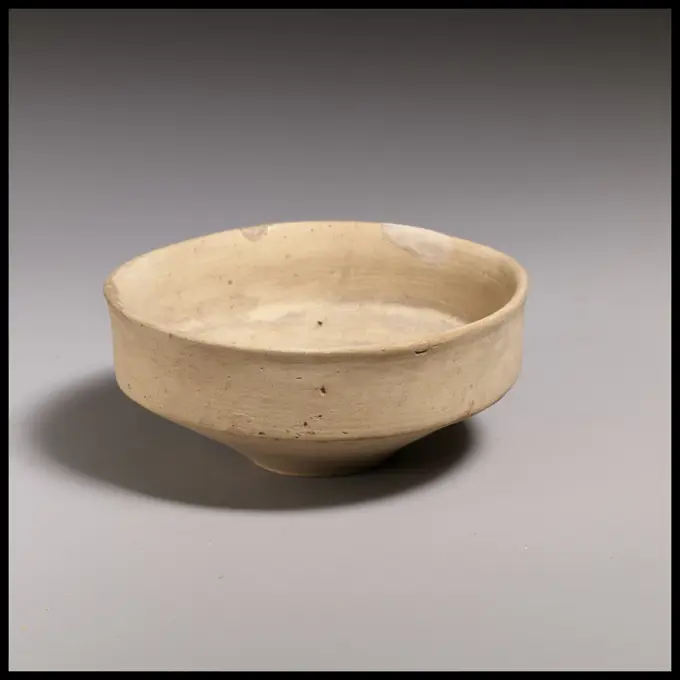
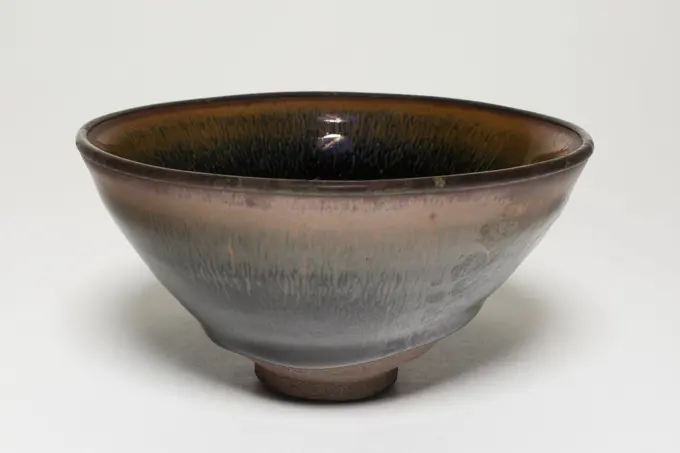
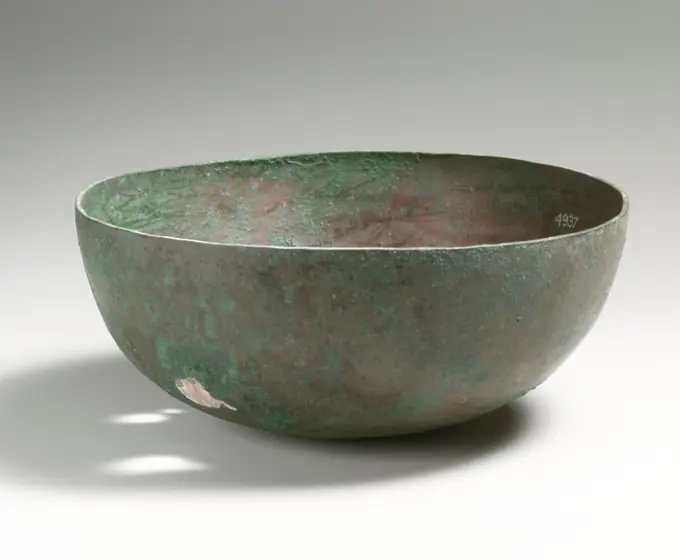
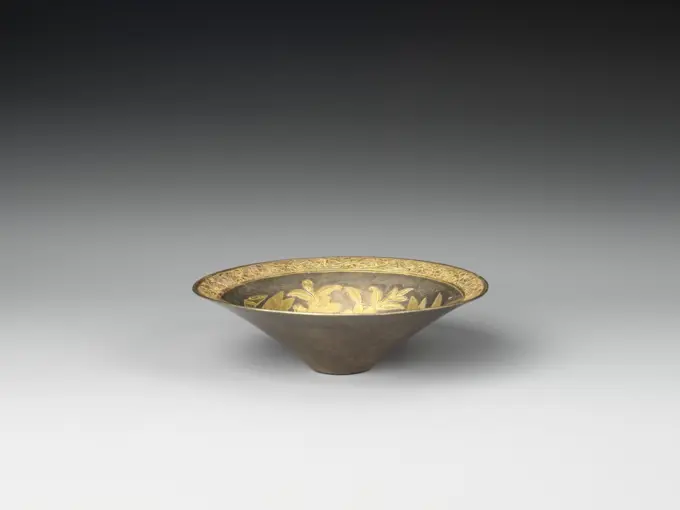
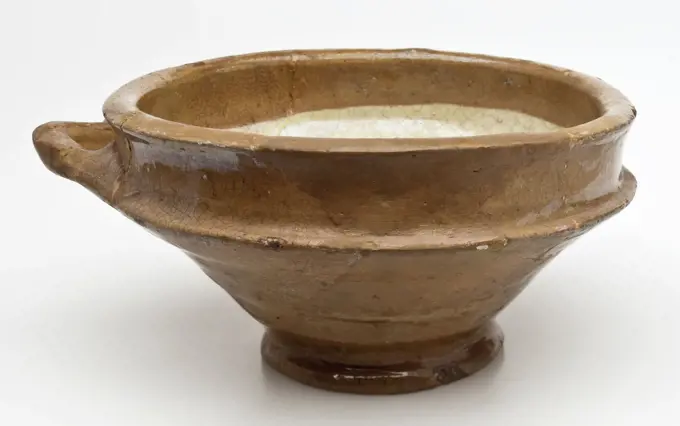
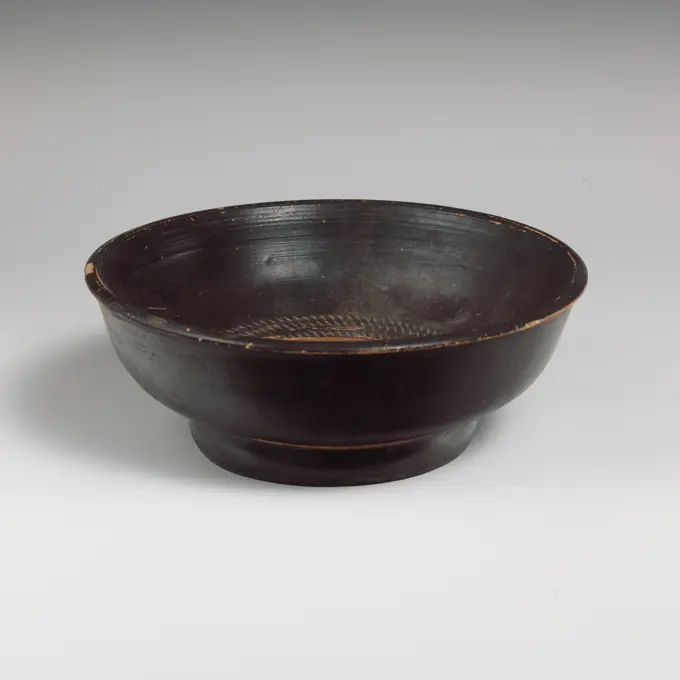
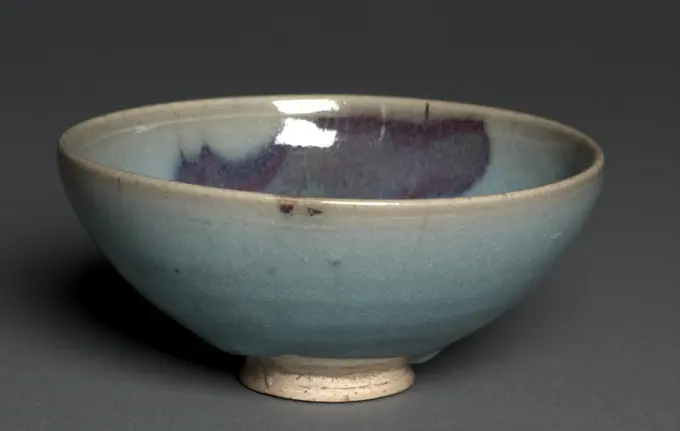
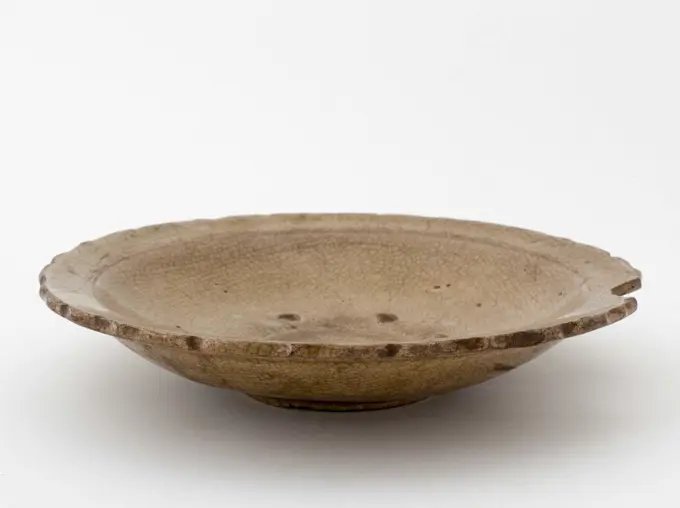
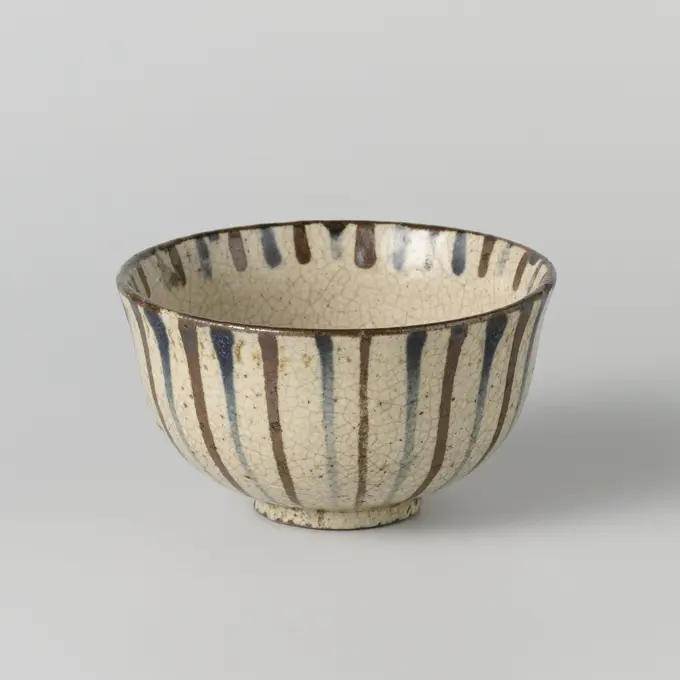
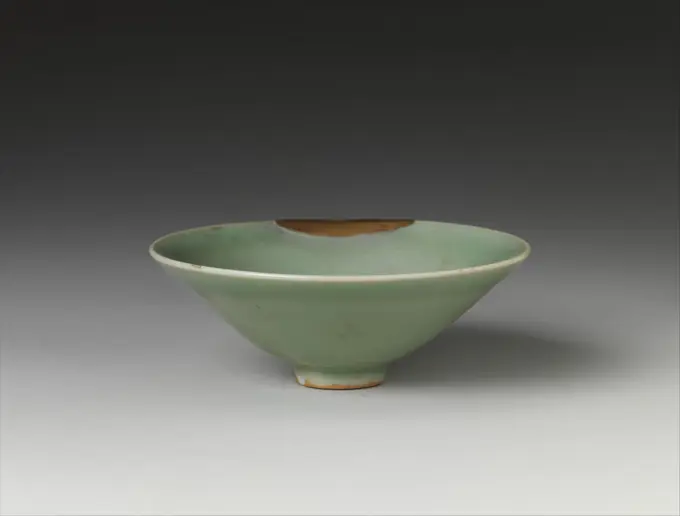
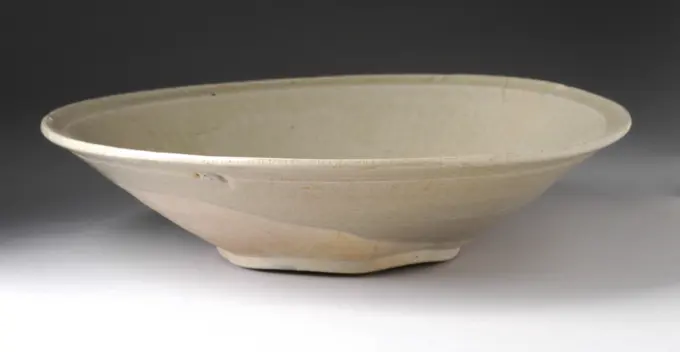
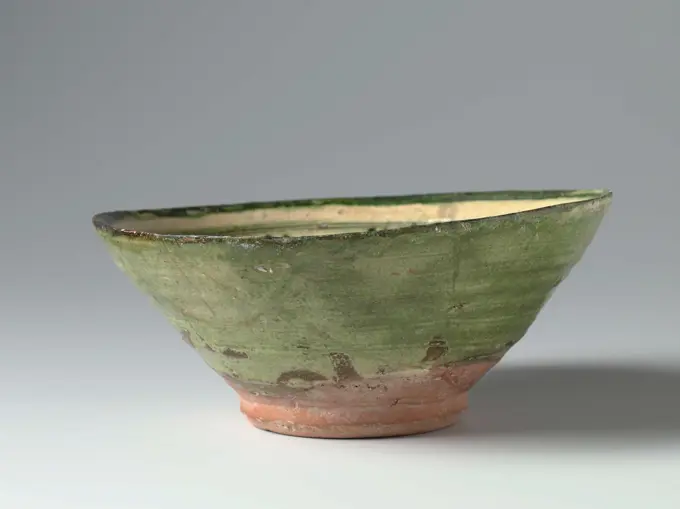
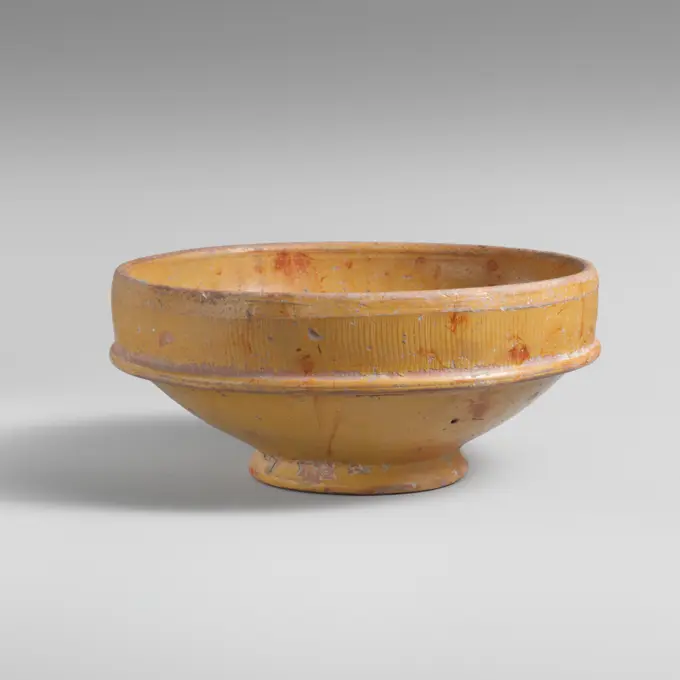
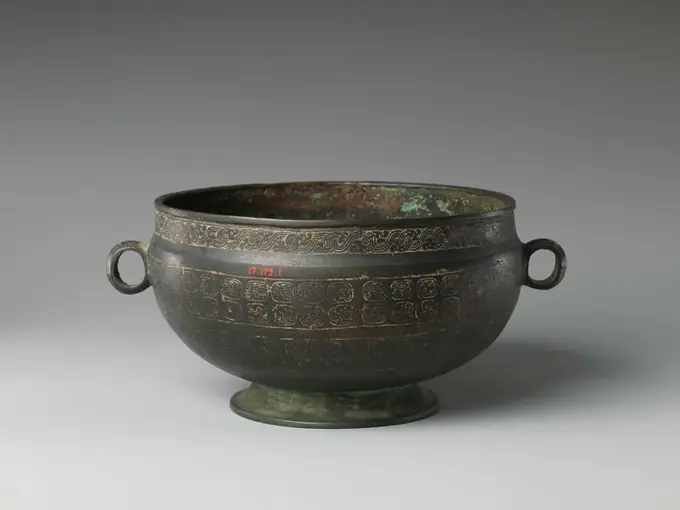
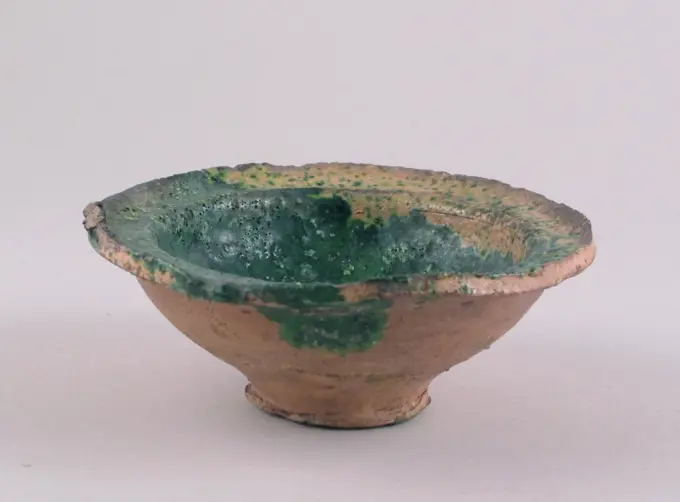
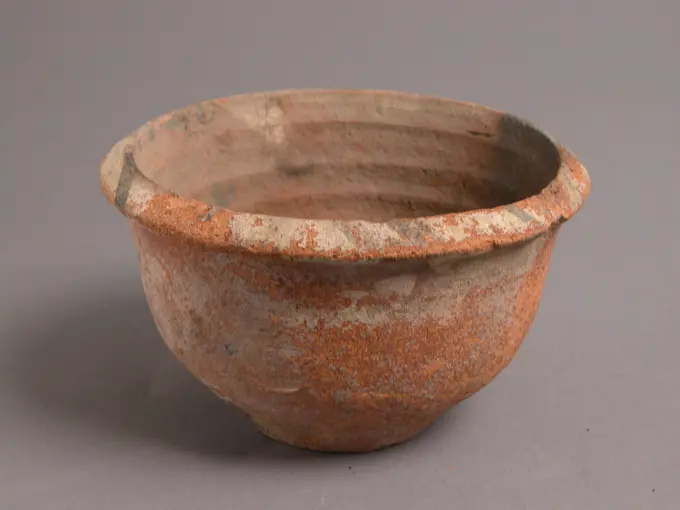
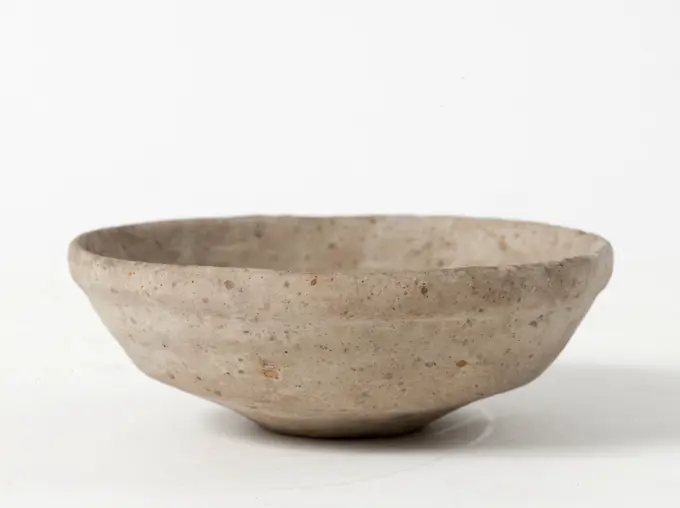
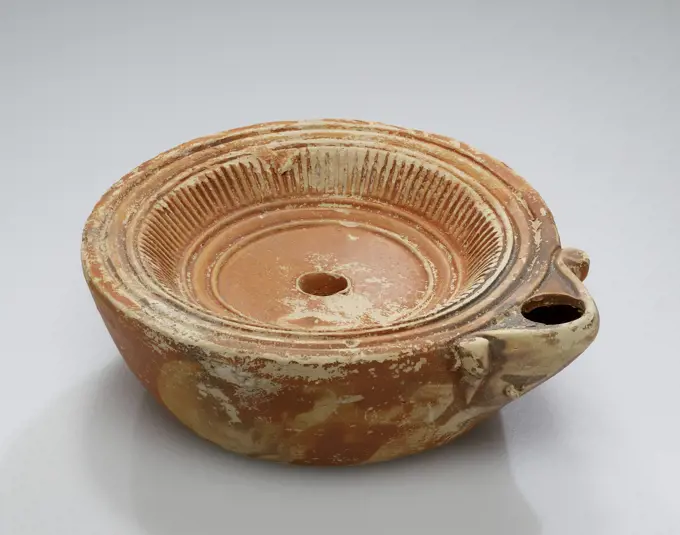
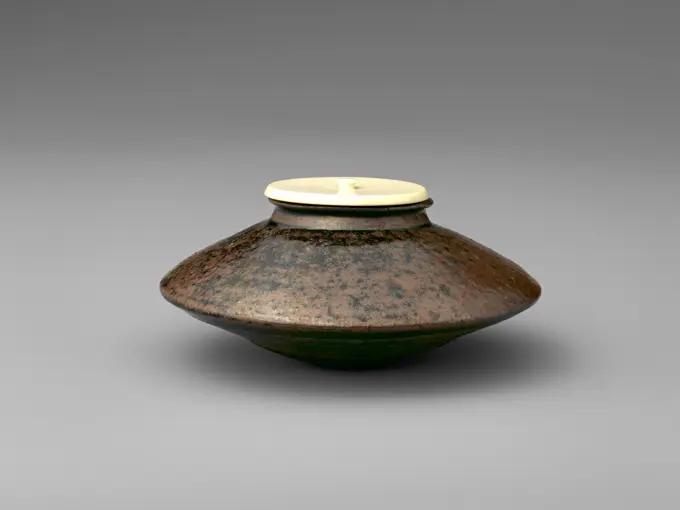
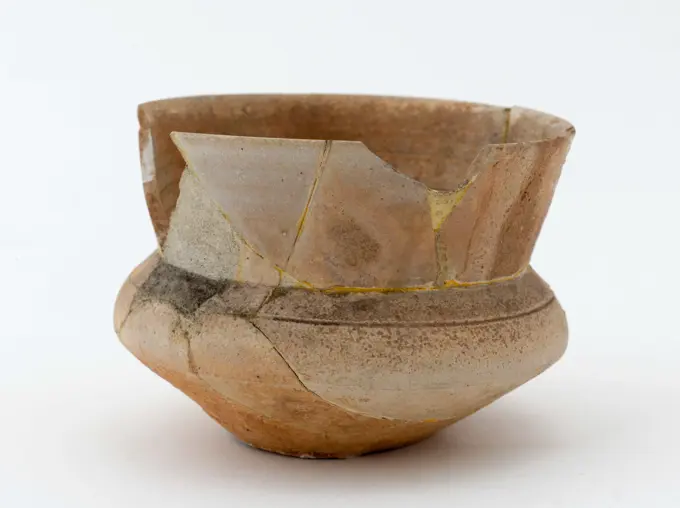
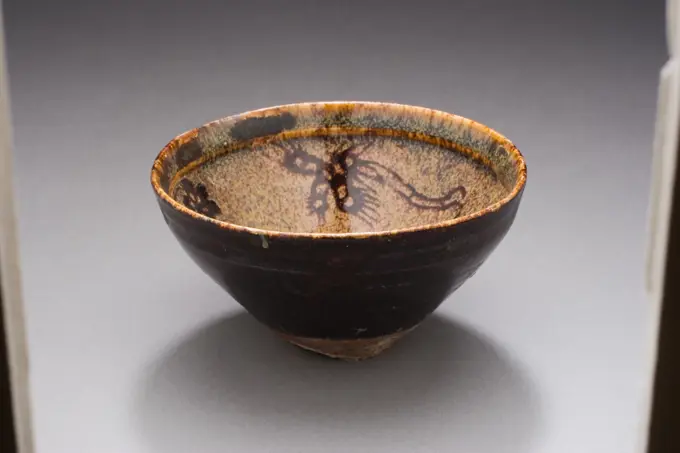
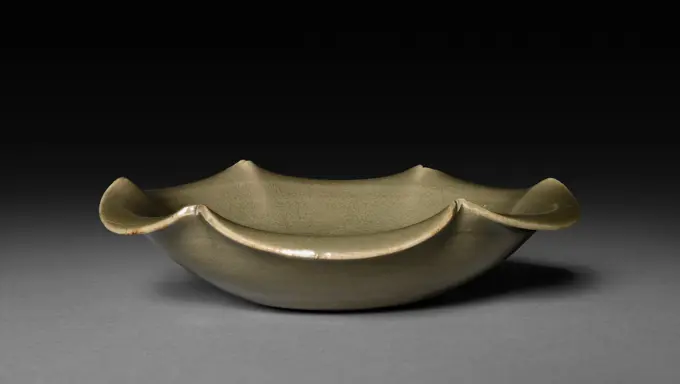
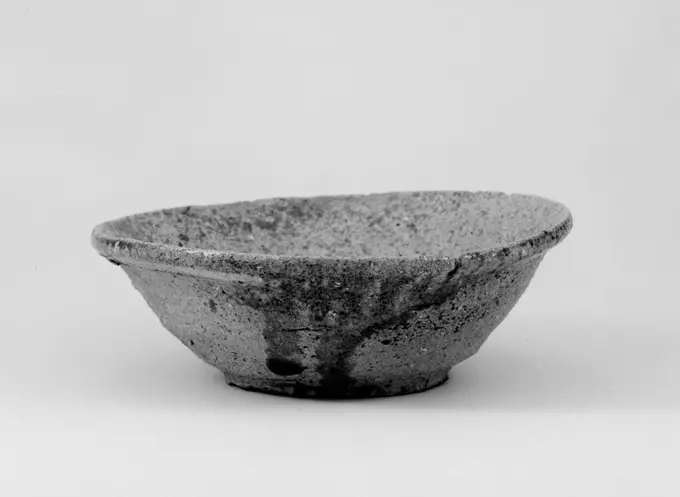
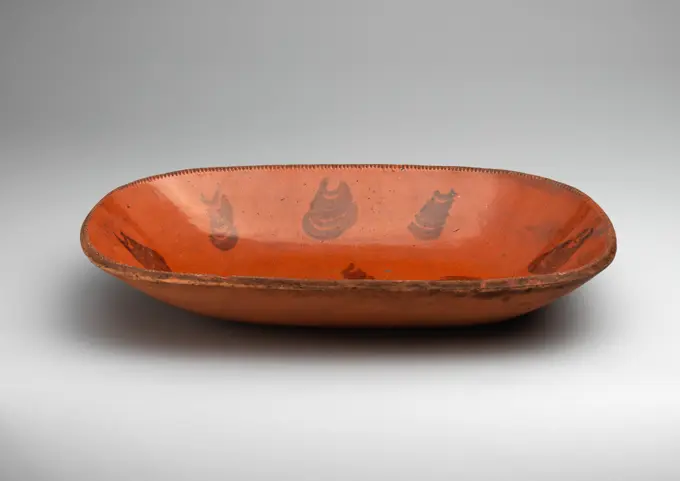
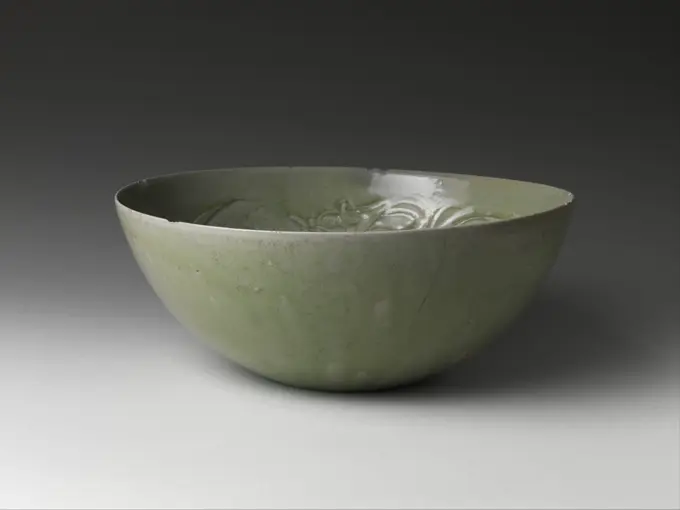
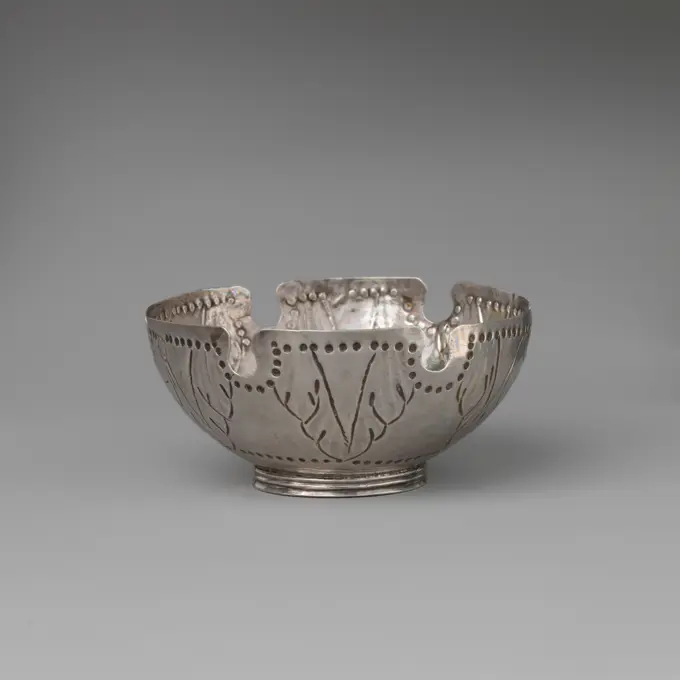
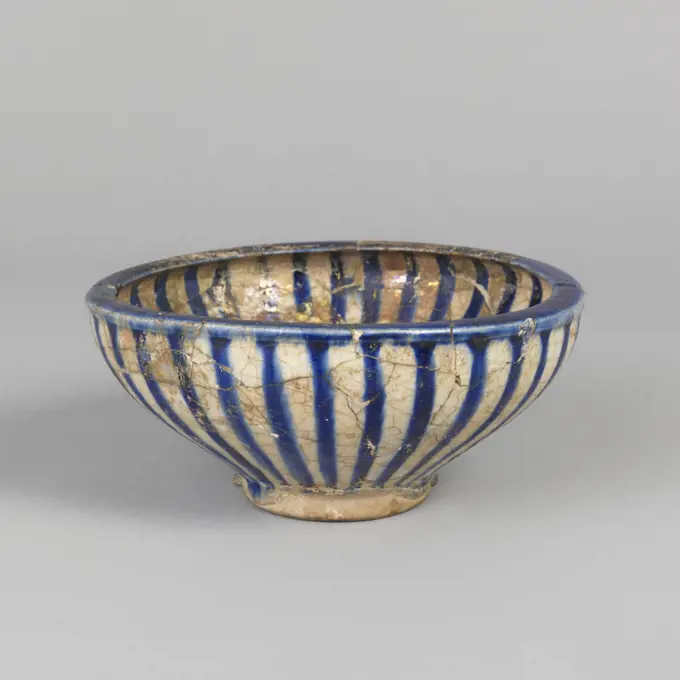
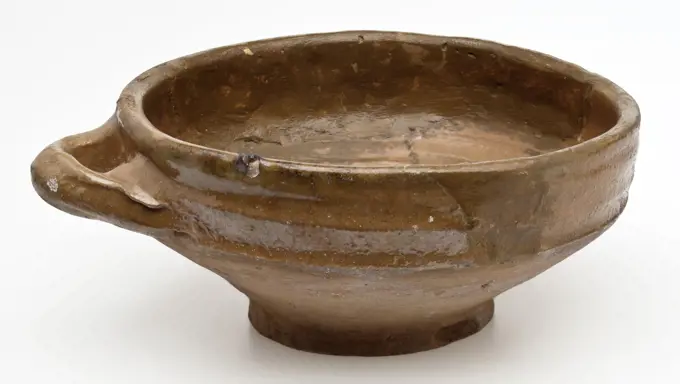
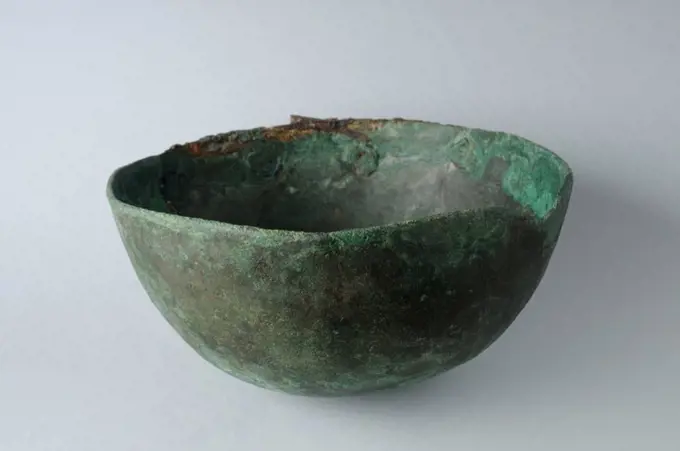
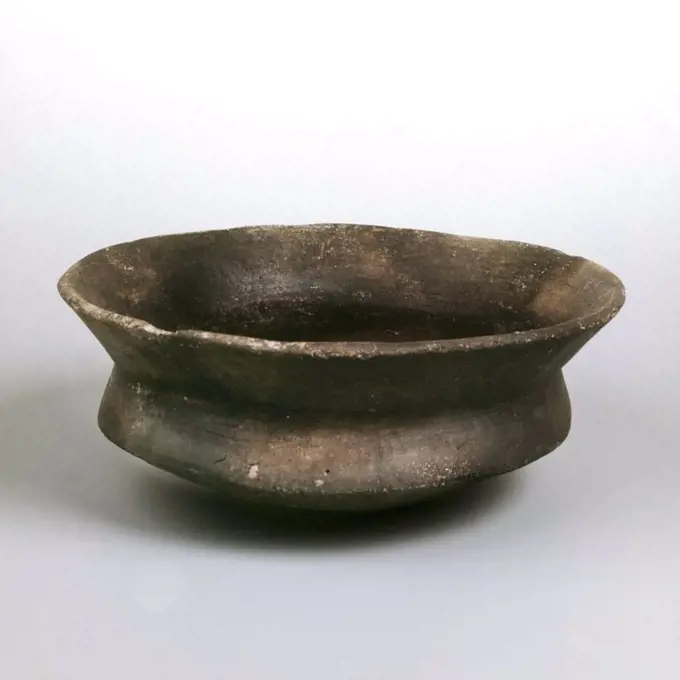
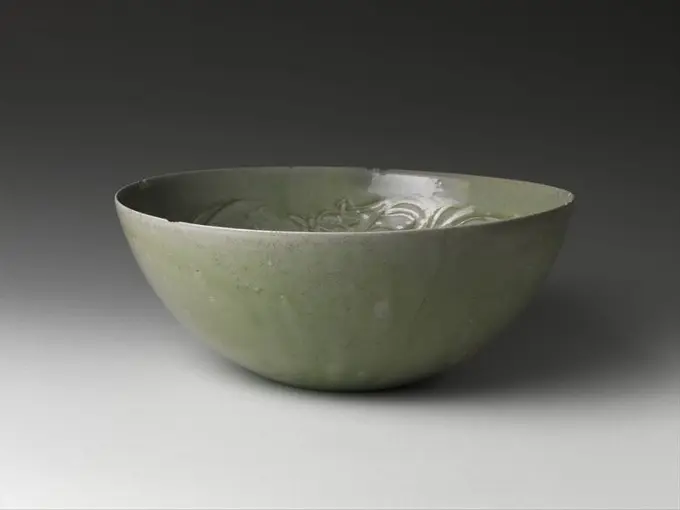
. Come of pottery covered with an engobe of white sludge from which a decoration is cut, covered with transparent alkaliglaric. On the inner wall a wide bond, divided into eight compartments with curlwork or leaf raft (pseudo-script).Cup ". Terracotta. Paris, Muse Cernuschi. Coupe Asian art, extreme-East art, Vietnamese art, ceramic, cut, terracotta, dishesBowl; Eastern Mediterranean or Italy; end of 1st century B.C. - 1st century A.D; Glass; 3 x 8.6 cm (1 3,16 x 3 3,8 in.)Bowl with a grayish brown spotted creme glaze. Come from stoneware, covered with a cracked cream-colored glaze with gray-brown spots. Five preen on the bottom.. Come from quartz frying with a transparent alkalilation. On the wall a band with vertical, perforated lines.(Rice Bowl), 19th century, Unknown Japanese, 3 x 7 1/4 x 7 1/4 in. (7.62 x 18.42 x 18.42 cm), Glazed earthenware, Japan, 19th centuryBowl -Tea Bowls, c. 1700 - c. 1724 Theekom van Steengoed, partially covered with a white sludge (Hakeme technology: sludge with a wide brush applied). A gold breaking repair in the edge. Three old labels on the bottom with 'Hagi/ (Hakeme)', 'Cat. 555 ' and 'W688'. Hagi. Japan stoneware. glaze vitrification Theekom van Steengoed, partially covered with a white sludge (Hakeme technology: sludge with a wide brush applied). A gold breaking repair in the edge. Three old labels on the bottom with 'Hagi/ (Hakeme)', 'Cat. 555 ' and 'W688'. Hagi. Japan stoneware. glaze vitrification. Around the 12th century, bowls produced at the Jian kilns in south China were regarded as the finest vessels for drinking tea. Deep blue-black bowls with finely streaked hare’s fur’ glaze were especially popular, as they brought out the colour of white south China tea.Bol ". GRS covered Cladon. Paris, Muse Cernuschi. He was Asian art, extreme-East art, Vietnamese art, bowl, ceramic, gres, dishesBowl with a yellow slip, anonymous, c. 900 - c. 1099 Come of earthenware covered with a yellow sludge a transparent lead glaze. Nishapur earthenware. glaze vitrification Come of earthenware covered with a yellow sludge a transparent lead glaze. Nishapur earthenware. glaze vitrificationBowl with moulded lotus petals, anonymous, c. 1100 - c. 1199 Come from stoneware, covered with a crackle green glaze. The outer wall with a tire modeled lotus leaves. Celadon. Korea stoneware. glaze vitrification Come from stoneware, covered with a crackle green glaze. The outer wall with a tire modeled lotus leaves. Celadon. Korea stoneware. glaze vitrificationGlass bowl. Culture: Roman. Dimensions: H.: 2 15/16 in. (7.5 cm)Diam.: 4 in. (10.2 cm). Date: second half of 1st century A.D..Translucent pale blue green.Thick tubular rim, made by folding in, round , out, and down; side bulges downwards, then curves in sharply; applied, slightly outsplayed base ring; almost flat bottom.Intact; some bubbles and a few glassy inclusions; slight dulling and iridescent weathering. Museum: Metropolitan Museum of Art, New York, USA.Bowl with three stylized birds, anonymous, c. 1100 - c. 1299 Come of earthenware covered with a Engobe of creme -colored sludge from which a bond with three stylized birds has been cut; Covered with a transparent alarm laze. Garrus earthenware. glaze cutting / vitrification Come of earthenware covered with a Engobe of creme -colored sludge from which a bond with three stylized birds has been cut; Covered with a transparent alarm laze. Garrus earthenware. glaze cutting / vitrificationGlass bowl Greek, Eastern Mediterranean mid-2nd-early 1st century BCE Colorless with translucent purple streak.Uneven, angular, and slightly inverted rim; hemispherical body with straight side, tapering diagonally downward and then curving in ; convex bottom.On interior, two horizontal grooves cut in a band below rim; on exterior, a band of two lightly abraded grooves around bottom with small circle at center.Intact, but many internal strain cracks around side below rim and in bottom; some pinprick bubbles; isolated patches of deep pitting and brownish iridescent weathering.Rotary grinding marks on interior. View more. Glass bowl. Greek, Eastern Mediterranean. mid-2nd-early 1st century BCE. Glass; cast and cut. Late Hellenistic. GlassBowl, 13th-16th century, 2 1/2 x 7 5/8 x 7 5/8 in. (6.4 x 19.4 x 19.4 cm), Pottery, pigment, Mexico, 13th-16th centurySaltcellar 18th century possibly British. Saltcellar. possibly British. 18th century. Pewter. Metalwork-PewterTea bowl 12th-13th century China. Tea bowl. China. 12th-13th century. Stoneware with hare’s-fur” glaze (Jian ware). Southern Song dynasty (1127-1279). Ceramics. Bowl of stoneware on high and narrow foot ring and a bell-shaped wall, partly covered with a white sludge. The bottom and foot ring are unglazed. A crack in the wall. Cizhou (Juluxian).PatellaCup. Tea bowl of stoneware, partly covered with a red-green glaze. The lower part of the bowl is unglazed. Golden lacquer repair in the edge and wall. Raku.Bowl Cypriot. Bowl 244485Terracotta shallow angular bowl ca. 1300-1090 B.C. Mycenaean Shallow bowl with angled rim.. Terracotta shallow angular bowl. Mycenaean. ca. 1300-1090 B.C.. Terracotta. Late Helladic IIIB. VasesBowl with lotus flowers, feng huangs and floral scrolls in relief, anonymous, c. 960 - c. 1279 Wide bowl of stoneware, covered with a crackling, transparent glaze with a light blue hue. On the soil a stylized lotus flower in relief. The inner wall with a wide band with flower vines with two Feng Huangs in it; Above that a decorative band with a geometric motif. A crack in the edge. Qingbai. China stoneware. glaze vitrification Wide bowl of stoneware, covered with a crackling, transparent glaze with a light blue hue. On the soil a stylized lotus flower in relief. The inner wall with a wide band with flower vines with two Feng Huangs in it; Above that a decorative band with a geometric motif. A crack in the edge. Qingbai. China stoneware. glaze vitrification. Tea cup from stoneware, partly covered with a black-brown glaze with silver gray spots (oilspot). The lower half of the bowl is unglazed. A crack in the edge.Lobed Bowl with Phoenix 850 CE-950 CE China. Yaozhou ware; celadon-glazed stoneware with underglaze molded decoration .Bowl with stylized foliate scrolls in a panel decoration, anonymous, c. 1100 - c. 1299 Come of earthenware covered with white sludge Engobe from which patterns are cut, which shows the local color of Scherf. The wall seems to consist of a bond with stylized leaf vines (palmets), but it is probably also intended as a highly stylized inscription 'Barakat Lisa Hibihi', 'blessing for the own to this', (( always repeated). Garrus earthenware. glaze engraving / vitrification Come of earthenware covered with white sludge Engobe from which patterns are cut, which shows the local color of Scherf. The wall seems to consist of a bond with stylized leaf vines (palmets), but it is probably also intended as a highly stylized inscription 'Barakat Lisa Hibihi', 'blessing for the own to this', (( always repeated). Garrus earthenware. glaze engraving / vitrificationTea Bowl 1100-1279 China. Jian ware; stoneware with dark brown hare's fur glaze and metal rim .Bowl Cypriot. Bowl 244486One from a Set of Dishes with Bamboo, Plum Blossoms, Butterflies, and Birds late 13th-14th century China Vessels such as these were used mainly for formal entertaining. It was likely to have been made in one of the cities along the lower reaches of the Yangzi River. The vessel has the same shape as contemporaneous works in porcelain and lacquer. Listen to experts illuminate this artwork's story Listen Play or pause #7324. Service with Decoration of Flowers and Birds Supported by Bloomberg Philanthropies We're sorry, the transcript for this audio track is not available at this time. We are working to make it available as soon as possible.. One from a Set of Dishes with Bamboo, Plum Blossoms, Butterflies, and Birds. China. late 13th-14th century. Silver with chased and punched decoration and gilding. Southern Song (1127-1279)-Yuan (1271-1368) dynasty. MetalworkBowl - Portneuf potteryEarthenware pap bowl with lying sausage ear, internal yellow glazed, papkom bowl crockery holder soil find ceramics earthenware glaze lead glaze clay, hand turned glazed baked porridge bowl light red shard internal yellow glaze external brown glaze one ear restoration in plaster stand ring rotations coarse crackle in glaze layer archeology Valckensteyn Poortugaal Albrandswaard indigenous earthenware porridge porridge eating food served Soil discovery: canal at kitchen castle Valckensteyn at Poortugaal now Albrandswaard 1961.Dish with flat base and low wall without ears, anonymous, c. 1590 - c. 1596 dish Dish with a flat base and a sloping low wall without ears. Fine turning with traces of the pin of the lathe at the bottom, hole in the middle and on the bottom cut. Renaud (1943) speaks of dish, however, can also be a drinking nap. Netherlands wood (plant material)   Nova Zembla. Saving HuysTerracotta bowl 4th century B.C. Greek, South Italian, Campanian The bowl has lost its original medallion. The tondo 06.1021.273a, from a different bowl, was added in modern times.. Terracotta bowl. Greek, South Italian, Campanian. 4th century B.C.. Terracotta; black-glaze. Late Classical. VasesBol. Grès to couverts brunette. Par musée musée malée. 78845-29 Asian art, table art, bowl, old ceramic, container, dishes. Come of pottery decorated in mangan brown sludge with wavy lines, dots and stripes on engine from white sludge under transparent lead glazing.Bowl c 1810-1840 United States. Maple . Artist unknownBowl: Jun Ware, 1200s-1300s. Northern China, Jin dynasty (1115-1234) - Yuan dynasty (1271-1368). Stoneware with mottled glaze; diameter: 19.1 cm (7 1/2 in.); overall: 8.6 cm (3 3/8 in.).Bowl with a turquoise glaze, anonymous, c. 1175 - c. 1224 Come from quartz fritry with three notches in the mouth edge and covered with a monochrome turquoise alternal laze. Iran earthenware. glaze vitrification Come from quartz fritry with three notches in the mouth edge and covered with a monochrome turquoise alternal laze. Iran earthenware. glaze vitrificationLarge dish ". GRS covered Cladon. Paris, Muse Cernuschi. Large dish Asian art, extreme-East art, Vietnamese art, ceramic, dishesInscribed Bowl dated A.H. 942/ A.D. 1535-36 Al-Imami Sayyid Naqqash al-Husaini The defining elements of this bowlcloud scrolls, cartouches, interlacing roundels, and the "Y" patternpoint to Safavid Tabriz as the most likely place of production. Immediately below the rim is a Shi'i prayer in naskh script. Enclosed in the cartouches are verses invoking abundance and happiness. The name of the owner, Qasim ibn Husain Qannadi, the artist’s signature, and the date of manufacture appear further down, in the row of quatrefoils. The bowl can also be linked to the late fifteenth?century Turkmen school of metalwork, which had close stylistic ties to the arts of the Ottoman and Mamluk empires.. Inscribed Bowl. dated A.H. 942/ A.D. 1535-36. Copper; tinned, engraved, and inlaid with black compound. Made in Iran, probably Tabriz. MetalTea bowl with vertical lines, anonymous, anonymous, c. 1700 - c. 1799 Theekom van Steengoed, covered with a cracked, cream -colored glaze and painted in underlaze blue and brown. On the outside wall alternating blue and brown -red, vertical stripes. Short stripes on the inner edge. Some chips in the edge. Satsuma. Japan stoneware. glaze. cobalt (mineral) painting / vitrification Theekom van Steengoed, covered with a cracked, cream -colored glaze and painted in underlaze blue and brown. On the outside wall alternating blue and brown -red, vertical stripes. Short stripes on the inner edge. Some chips in the edge. Satsuma. Japan stoneware. glaze. cobalt (mineral) painting / vitrification. Bowl of quarter-frying goods, decorated with brought flowers and curls and drilling over which transparent alkalilation.Bowl Coptic 4th-7th centuryTea bowl China. Tea bowl. China. Stoneware with celadon glaze (Longquan ware), gold lacquer repairs. Southern Song dynasty (1127-1279). CeramicsDish. China, Guangdong Province, 13th-14th century. Furnishings; Serviceware. Earthenware with celadon glazeDish, before 1550. Colombia, 15th-16th century. Red ware with incised patterns; diameter: 14.6 cm (5 3/4 in.); overall: 8.3 x 14.3 cm (3 1/4 x 5 5/8 in.).Come from v.o.c.-ship the 'white lion'. Come from v.o.c.-ship the 'white lion', 100% present. The shard is transparent glassy white and has little ingrained dirt. The glaze is gray tinted, cracked and knows pinholes and frying tears. The glaze refers to the lip edge. The bottom is glazed and the foot ring is faceted. Bowl of earthenware decorated in Sgraffito (Crossing) lines and green lead glazing with an oval and circles on curl work with a sand-shaped cartouche in it. On a white sludge engine.Bowl -  Jones & Walley Jones & WalleyPan. Mantua Glass Works; Manutua, Ohio, 1821-1829. Date: 1820-1830. Dimensions: 13.7 cm (5 3/8 in.). Blown glass. Origin: Mantua. Museum: The Chicago Art Institute, Chicago, USA.Wine Cup, unassigned. North Korea, Yochon, unassigned. Brass;Small cup with a small handle and a spout. Côte ribbed with red highlights. Iran, ziwiyé. 7th century BC. Paris, Cernuschi museum. 35179-6 Handle, pouring beak, hoarse paunch, small cut, rejoit, red, terracottaBowl - Portneuf pottery. Come from quartz frying with a black painting under a transparent turquoise alkalilation. On the inner edge a bond with Pseudocript. The inner wall with five stylized birds ?.Fragment earthenware test, square model with round bottom on stand, test fire test earth discovery ceramics earthenware glaze lead glaze, hand-turned hand-formed glazed baked Test fragment of red earthenware with on the inside red-brown glaze bandoor on corner against the bottom smeared flat standing plane rotations Coarse and hard-baked earthenware archeology Valckensteyn Poortugaal Albrandswaard indigenous pottery kitchen fire footstool hand warmer foot warmer Soil discovery: canal at kitchen castle Valckensteyn at Poortugaal now Albrandswaard 1962.Cup with Geometric Patterns; Asia Minor; 1st century; Terracotta; 4.2 × 17.3 cm (1 5,8 × 6 13,16 in.)Bowl with lotus petals, first half 12th century, Unknown Korean, 2 × 6 1/8 × 6 1/4 in. (5.08 × 15.56 × 15.88 cm), Porcelaneous stoneware with carved design under celadon glaze, Korea, 12th century, The exterior of this small bowl was carved with a double row of lotus petals before being covered in green-blue celadon glaze. Many Goryeo bowls of this type found there way to medieval Japan, where they were highly prized by the aristocracy and religious elites alike.Glass conical bowl. Culture: Greek, Syro-Palestinian. Dimensions: H.: 2 7/8 in. (7.3 cm)Diam.: 6 in. (15.2 cm). Date: mid-2nd-early 1st century B.C..Translucent honey brown.Upright rounded but uneven rim; undulating side, tapering diagonally downward; convex bottom.On interior, a single horizontal groove below rim, cut irregularly.Broken and repaired, with one hole and several chips in side; internal strain cracks around rim; some bubbles; one patch of whitish iridescent weathering below rim on exterior, and dulling and faint weathering on interior.Rotary grinding marks on interior; some irregular tooling marks below rim on exterior. Museum: Metropolitan Museum of Art, New York, USA.Bowl. Byzantine, 11th-12th century. Furnishings; Serviceware. CeramicTerracotta bowl mid-1st century A.D. Roman Yellow bowl veined with red; with ribbed pattern around neck; illegible stamp.. Terracotta bowl. Roman. mid-1st century A.D.. Terracotta; marbled slip ware. Early Imperial. VasesBowl. Culture: China. Dimensions: H. 4 in. (10.2 cm); Diam. 6 5/8 in. (16.8 cm). Museum: Metropolitan Museum of Art, New York, USA.Saucer Roman. Saucer. Roman. Terracotta. VasesBowl 4th-7th century Coptic. Bowl 478487Cup ". Terracotta. China, Han Dynasty (206 BC-220 AD). Paris, Cernuschi museum. Chinese art, Chinese ceramic, container, cup, han dynasty, han time, container, terracottaBowl. Culture: Coptic. Dimensions: Overall: 1 15/16 x 5 9/16 in. (5 x 14.1 cm). Date: 4th-7th century. Museum: Metropolitan Museum of Art, New York, USA.Lamp, Asia Minor; 1st - 4th century; Terracotta; 2.8 x 7.7 x 9 cm (1 1,8 x 3 1,16 x 3 9,16 in.)Cup with Two HandlesBowl 4th-7th century Coptic. Bowl. Coptic. 4th-7th century. Earthenware, slip decoration. Made in Kharga Oasis, Byzantine Egypt. CeramicsTea Bowl with Decoration of Gingko Leaves. Culture: Japan. Dimensions: H. 2 1/2 in. (6.4 cm); Diam. of rim 4 1/2 in. (11.4 cm); Diam. of foot 1 3/4 in. (4.4 cm). Date: kiln in operation ca. 1691-1749.The eye-catching application of white slip creates an unusual textured patterning of puffy cloudlike forms on the exterior and a web of wispy-veined leaves on the interior. Museum: Metropolitan Museum of Art, New York, USA.Tea Jar 18th century Japan. Tea Jar. Japan. 18th century. Pottery covered with glaze (Seto ware). Edo period (1615-1868). CeramicsFooted Bowl early 13th century This footed bowl has a rich program of inlaid silver decoration. There are epigraphic bands under the rim and around the foot, each with blessings for the bowl's owner in animated script, with a band of medallions containing the signs of the Zodiac in the middle. Each medallion is framed by a ring of pointed rays that underscore the solar symbolism of the decoration, and each sign is shown with its Planetary Lord.In Arabic, Aquarius is called al-dalw ("the water bucket") when referring to the sign of the Zodiac, and sakib al-ma ("the water pourer") when referring to the constellation. Correspondingly, illustrations of the Zodiac show Saturn, the Planetary Lord of Aquarius, raising a bucket of water from a well, whereas illustrations of the constellation, following the original Greek name, show a male figure pouring water from a vessel.. Footed Bowl 444543Bowl - Portneuf potteryBowl. Culture: Coptic. Dimensions: Overall: 2 1/4 x 6 5/16 in. (5.7 x 16.1 cm). Date: 4th-7th century. Museum: Metropolitan Museum of Art, New York, USA.High Col Vas "Pot". Terracotta Blanche Transparent. Paris, Muse Cernuschi. Vas collar pot Vietnamese art, Break, Evase Col, Vietnamese collection, Ebrecher, Transparent glacide, pot, white terracotta, archeological vestigeTea Bowl (Chawan) with Floral Sprays and Phoenixes. China, Jiangxi Province, Ji'an County, Southern Song dynasty, 1127-1279. Furnishings; Serviceware. Jizhou ware, wheel-thrown stoneware with paper-cut resist decoration and mottled brown glazeFoliated Saucer: Yaozhou Ware, late 1000s-early 1100s. China, Shaanxi province, Northern Song dynasty (960-1127). Glazed porcelain; diameter: 10.1 cm (4 in.).Glass bowl. Culture: Roman. Dimensions: 3 in. (7.6 cm)Other: 5 3/16 in. (13.2 cm)Diam. of foot: 2 3/8 in. (6.1 cm). Date: 4th century A.D..Colorless with pale green tinge and light purple streaks; base and trail in same colors.Horizontal rounded and thickened rim with slight downward kink on one side; broad, flaring mouth; funnel-shaped sides to body, turned in sharply below; applied flaring base with thick tubular ring; uneven but flat bottom with off-center pontil scar. Bowl stands aslant on base ring.Fine trail applied on underside of mouth, wound 2 1/2 times around top of body, and then trailed off backwards.Intact; pinprick and larger bubbles; very slight weathering and iridescence.Shallow colorless blown glass bowl with high foot and glass thread around neck. Museum: Metropolitan Museum of Art, New York, USA.Bowl - Portneuf potteryBowl 13th century Japan. Bowl 63934Cup with Children among Scrolling Vines 1115-1234 China. Yaozhou ware; celadon-glazed stoneware with underglaze mold-impressed decoration .Redware platter ca. 1800-1850 Joseph McCully American. Redware platter. American. ca. 1800-1850. Redware. Made in Trenton, New Jersey, United StatesBowl with Dragons among Waves 10th century China In the West, the term celadon is often used to describe ceramics covered with green glazes. In China, stoneware with celadon glaze is classified by the name of the kiln at which it was produced. This large bowl, with its three lively dragons frolicking in waves, comes from the eponymous Yue kilns in Zhejiang Province, which began making celadons as early as the second century B.C. Yue ware was used domestically as well as traded, particularly from the eighth to the eleventh century, when work at the Yue kilns ceased. Examples have been found as far west as Africa. Listen to experts illuminate this artwork's story Listen Play or pause #7434. Bowl with Dragons among Waves Supported by Bloomberg Philanthropies We're sorry, the transcript for this audio track is not available at this time. We are working to make it available as soon as possible.. Bowl with Dragons among Waves 39649Bowl. Thailand, Sukhothai, 16th century. Furnishings; Serviceware. Stoneware with underglaze brown painted decorationMiniature monteith 1690/91 Probably by George Manjoy British. Miniature monteith. British, London. 1690/91. Silver. Metalwork-Silver-MiniatureTerracotta bowl 2nd half of 1st century AD Roman Red barbotine.. Terracotta bowl 250248 Roman, Terracotta bowl, 2nd half of 1st century AD, Terracotta, diameter 3 9/16in. (9.1cm). The Metropolitan Museum of Art, New York. Gift of J. Pierpont Morgan, 1917 (17.194.1877)Bowl, Glazed and lustered stonepaste, Flaring bowl with incurvative rim. Greenish-white glaze, running in heavy drops on outside. Painted with radiating blue bands on inside and outside, and blue band on rim. Some of the component parts iridescent., possibly Kashan, Iran, possibly Sultanabad, Iran, 13th century, ceramics, Decorative Arts, Bowl. Come from quartz fritgoed decorated in underglaze blue with blue stripes, a band with ingrangled tendrils and small perforations over which a transparent slightly green alkalilation is applied.Bowl 1 CE-200 CE Syria. Glass, blown technique . Ancient Romandish on footring, red shard, internally glazed, porcelain dish holder holder earthenware ceramic earthenware glaze lead glaze, hand turned laquered baked Porcelain bowl light red shard internal and the outer rim and ear glazed one ear stand ring rotations archeology Valckensteyn Poortugaal Albrandswaard indigenous pottery porridge food food nutrition kitchen Serving porridge Soil discovery: canal near Keuken Castle Valckensteyn in Poortugaal, now Albrandswaard 1961.Glass cup. Culture: Roman. Dimensions: 3 7/16 in. (8.7 cm)Diameter: 3 9/16 in. (9 cm). Date: 1st-2nd century A.D..Colorless with faint greenish tinge.Knocked-off rim; slightly bulging collar below rim; carinated sides tapering downward; concave bottom.One fine horizontal wheel-cut line below collar 5/16 in. (8 mm) below rim), two more 1/16 in. (1 mm) apart further down body, 13/16 in. (21 mm) below rim, and another single line below just above turn 1 13/16 in. (46 mm) below rim.Intact, except for one deep chip in rim; pinprick bubbles; almost unweathered on one side; elsewhere pitting and iridescent weathering. Museum: Metropolitan Museum of Art, New York, USA.Acetre ( pot ) of bronze used in cooking or personal hygiene. Height 156 mm Diameter180 mm Thickness 0, 8 mm ( 1 st - 3 rd CE ) Roman period, from the archaeological site of Complutum in Alcala de Henares ( Madrid ). SPAIN.Dish, Deep 15th-16th century French. Dish, Deep 465899 French, Dish, Deep, 15th16th century, Earthenware, Overall: 1 1/8 x 4 in. (2.9 x 10.2 cm). The Metropolitan Museum of Art, New York. Gift of J. Pierpont Morgan, 1917 (17.194.2212)Bowl. Dimensions: H. 3 3/4 in. (9.5 cm)Diam. 7 in. (17.8 cm). Date: 15th century. Museum: Metropolitan Museum of Art, New York, USA.PIEZA DE AJUAR DE LA EDAD DEL BRONCE: PLATO CARENADO DE CERAMICA, PROCEDENTE DE LA CUEVA DE ESTREMERA (DEPOSITO: MUSEO ARQUEOLOGICO NACIONAL).Glass bowl. Culture: Roman. Dimensions: Overall: 2 5/16 in. (5.9 cm)Diam.: 4 3/4 in. (12.1 cm). Date: late 1st century B.C.-early 1st century A.D..Translucent blue.Rounded, slightly flaring vertical rim; sides tapering downward, then curved in to slightly concave bottom.Intact, but one internal crack across bottom; some pinprick bubbles; dulling and iridescence, patches of white and creamy brown weathering. Museum: Metropolitan Museum of Art, New York, USA.Bowl with Dragons among Waves. Culture: China. Dimensions: Diam. 10 5/8 in. (27 cm). Date: 10th century.In the West, the term celadon is often used to describe ceramics covered with green glazes. In China, stoneware with celadon glaze is classified by the name of the kiln at which it was produced. This large bowl, with its three lively dragons frolicking in waves, comes from the eponymous Yue kilns in Zhejiang Province, which began making celadons as early as the second century B.C. Yue ware was used domestically as well as traded, particularly from the eighth to the eleventh century, when work at the Yue kilns ceased. Examples have been found as far west as Africa. Museum: Metropolitan Museum of Art, New York, USA.Pan or shallowbowlGlass dish Roman 3rd-4th century CE Translucent blue green.Everted, hollow rim, folded round and down, forming collar below; vertical side, then curving in to uneven, horizontal floor; applied, splayed foot ring, with light diagonal tooling marks; flat bottom, recessed on interior of dish.Intact; blowing striations and some pinprick bubbles; severe weathering and brilliant iridescence, with limy encrustation on bottom. View more. Glass dish. Roman. 3rd-4th century CE. Glass; blown. Late Imperial. GlassMiniature Bowl 1200-1450 South Coast. Gold . Inca