Ceramic Bowls Collection

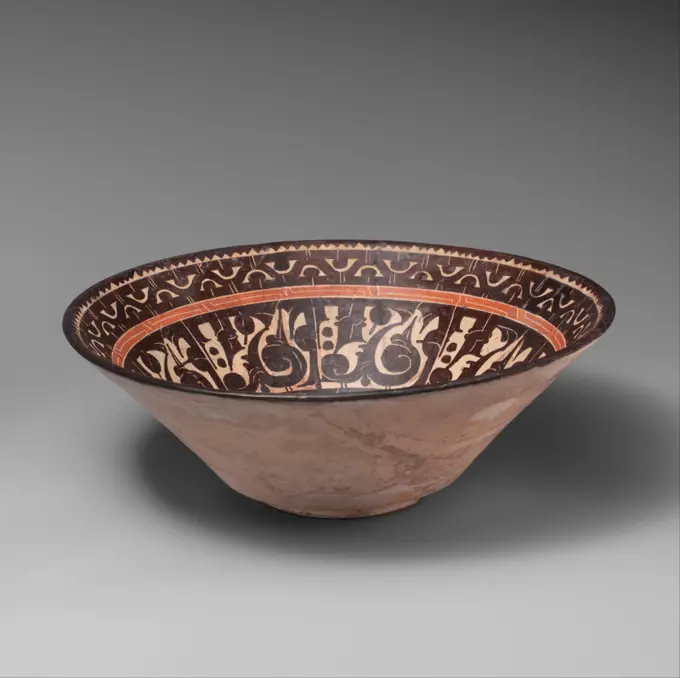
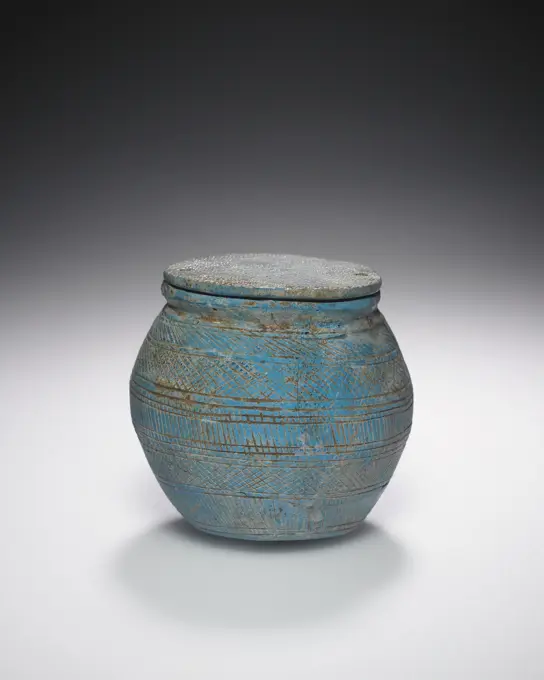
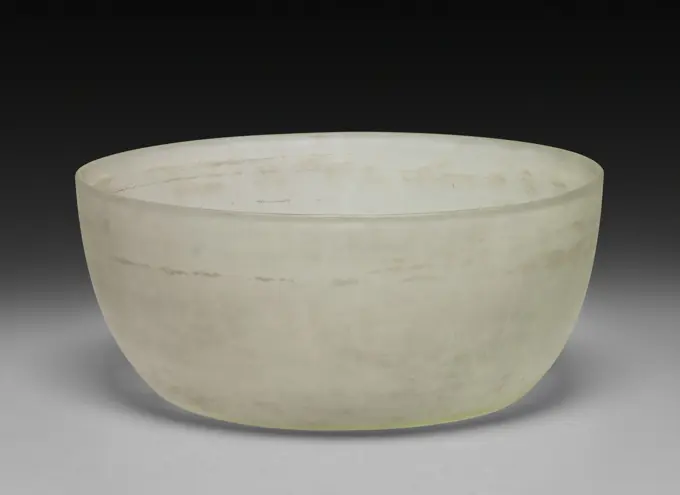
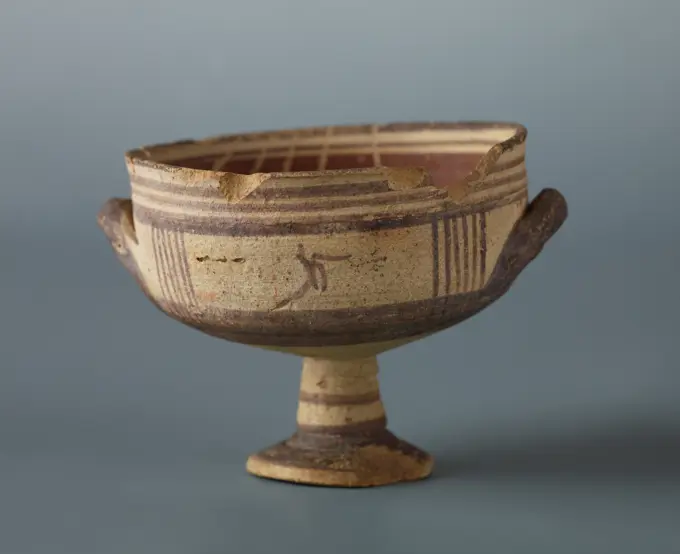
Various antique pottery bowls showcasing unique finishes and shapes, crafted from different materials, ideal for decorative displays.
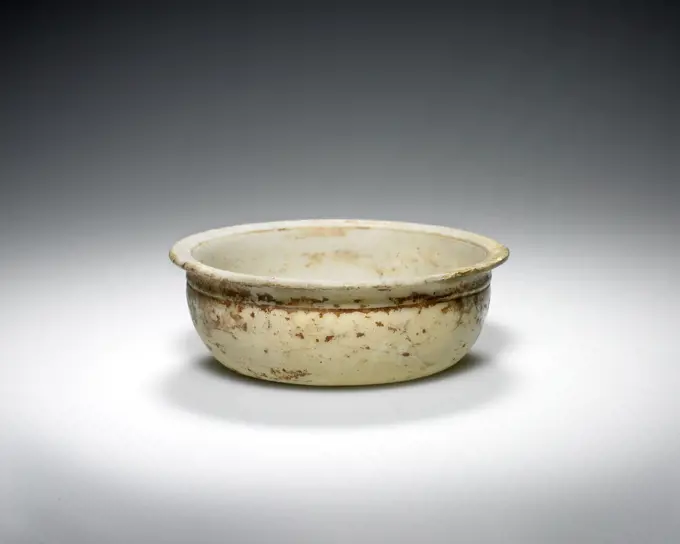
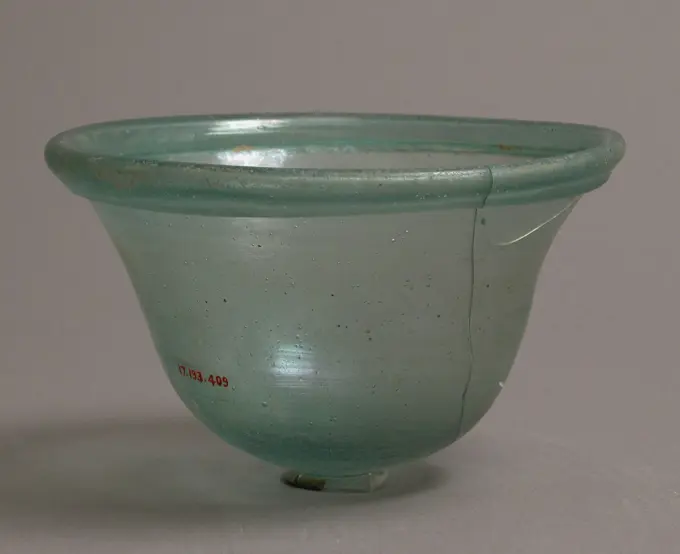
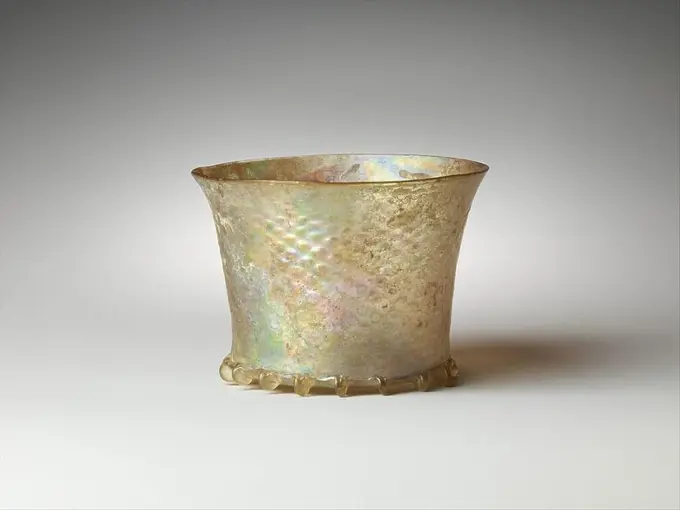
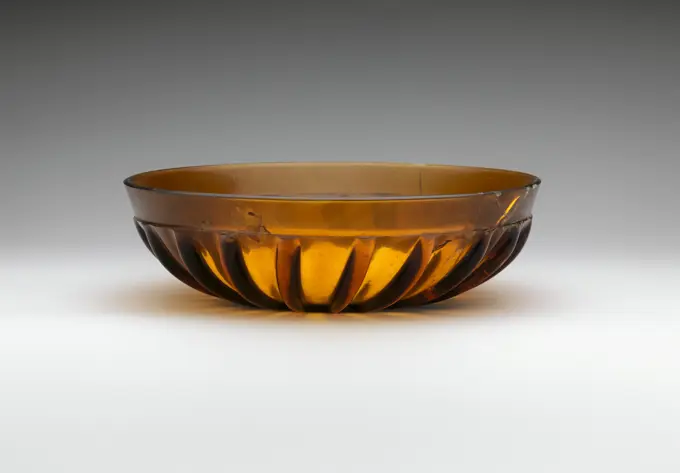
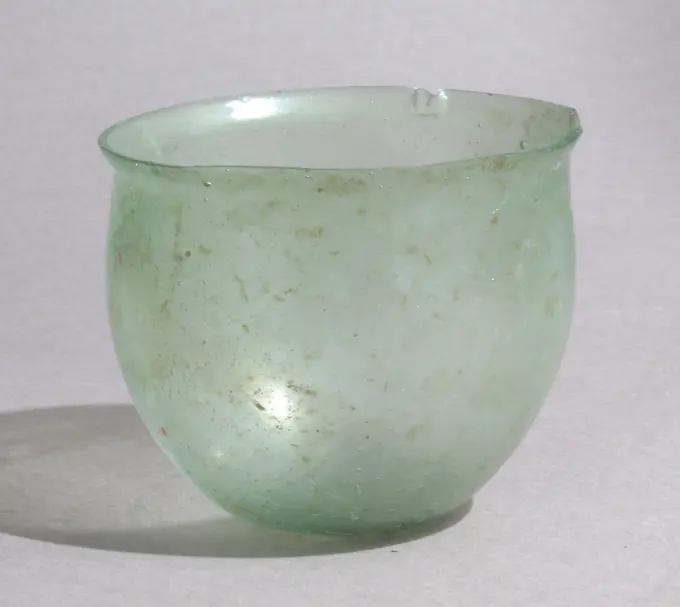
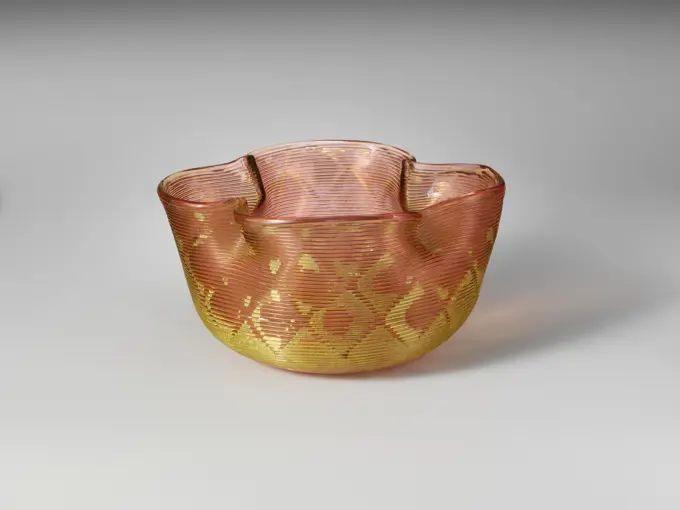
Bowl; Eastern Mediterranean or Italy; end of 1st century B.C. - 1st century A.D; Glass; 3 x 8.6 cm (1 3,16 x 3 3,8 in.)
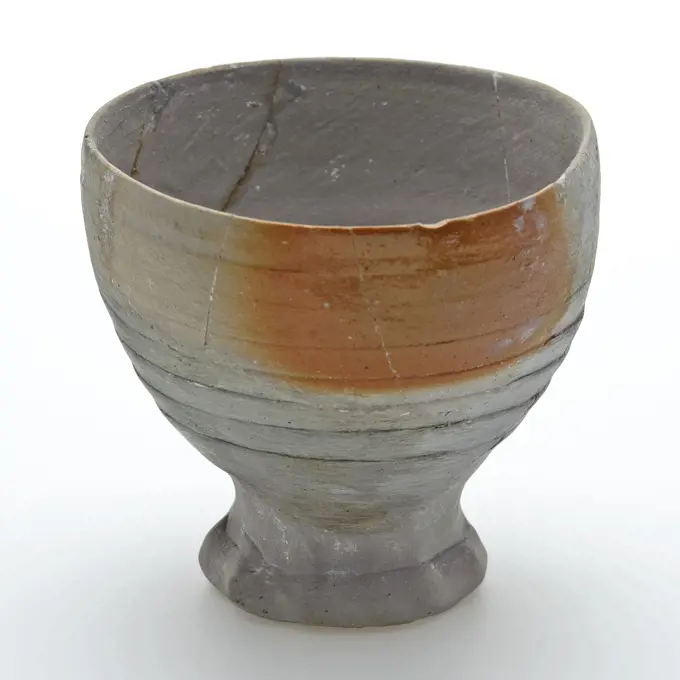
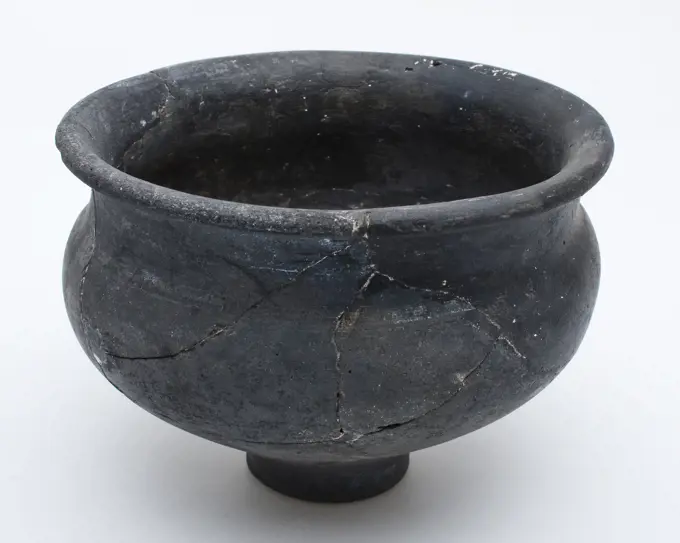
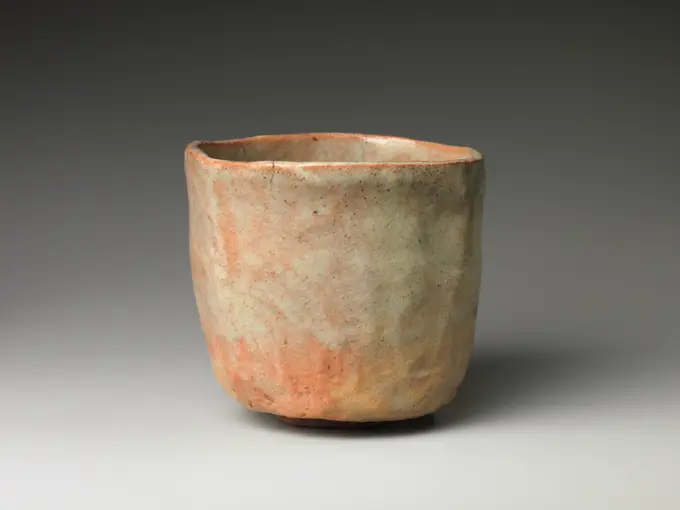
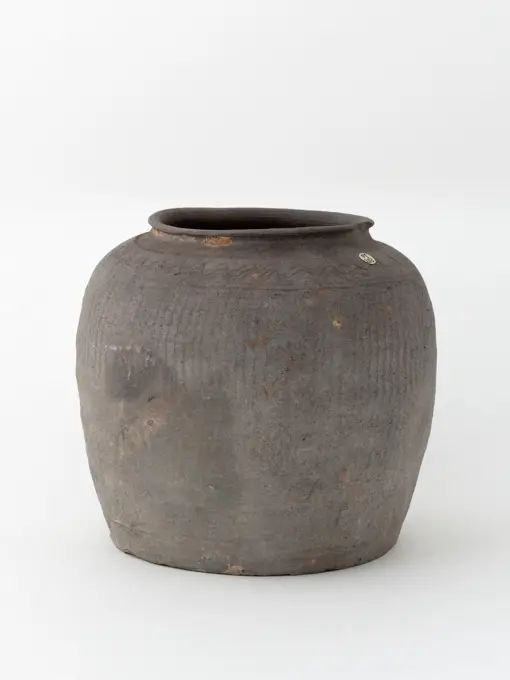
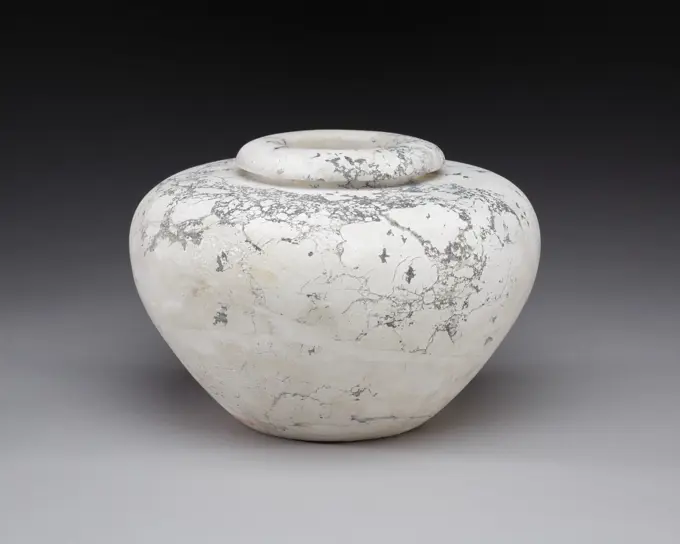
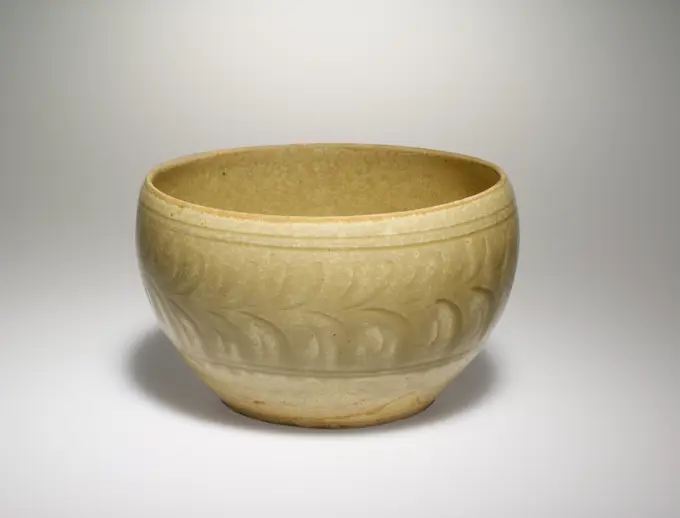
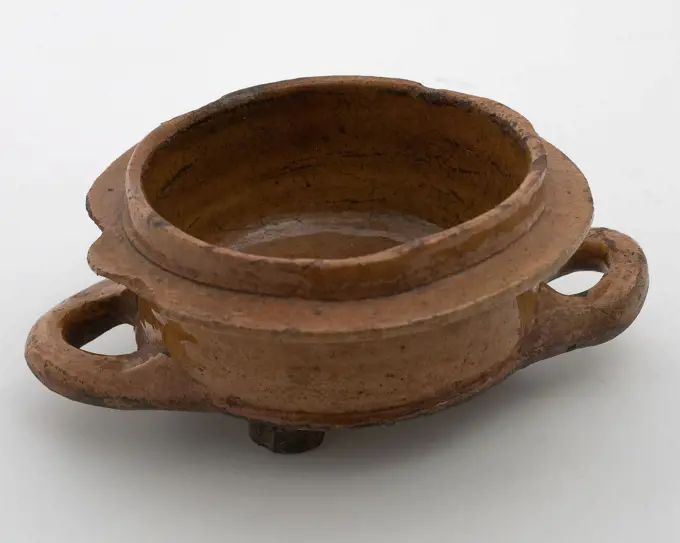
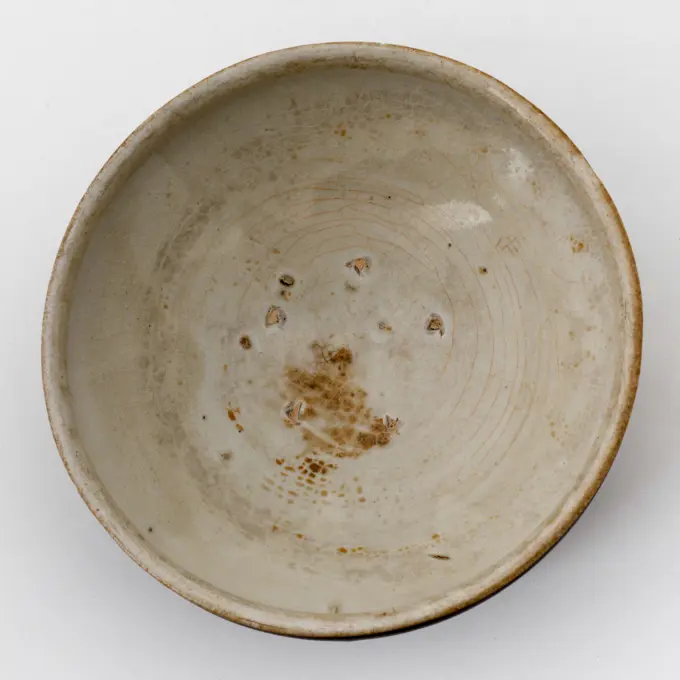
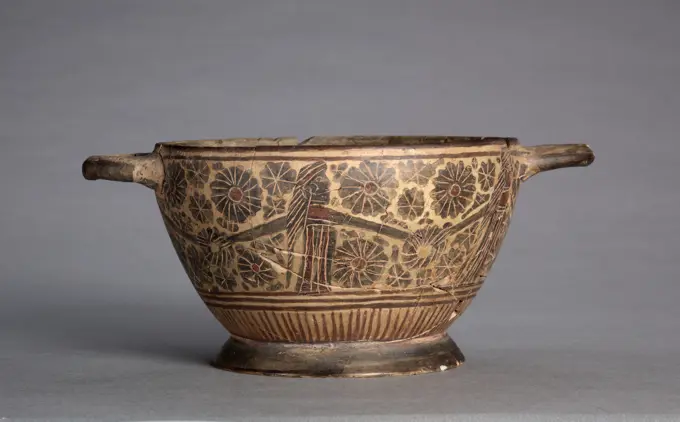
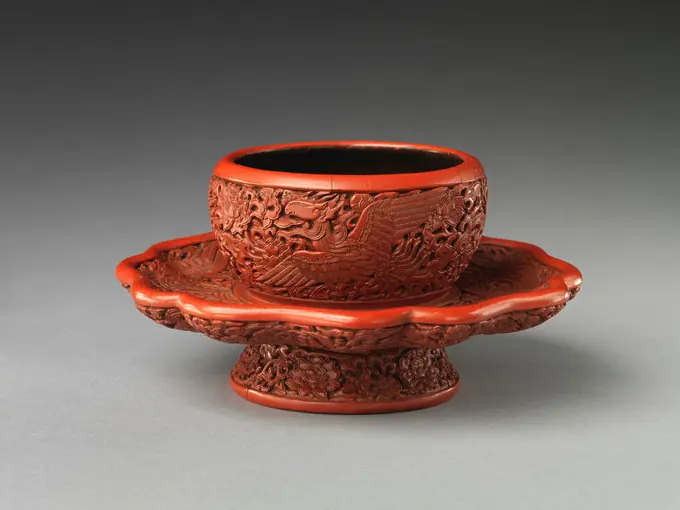
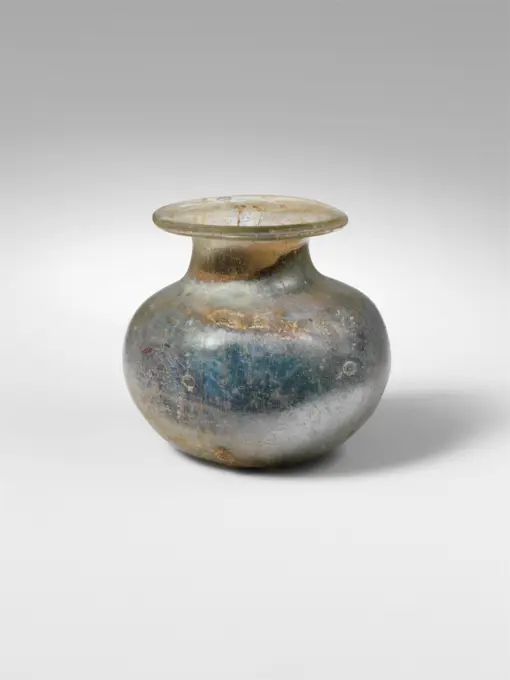
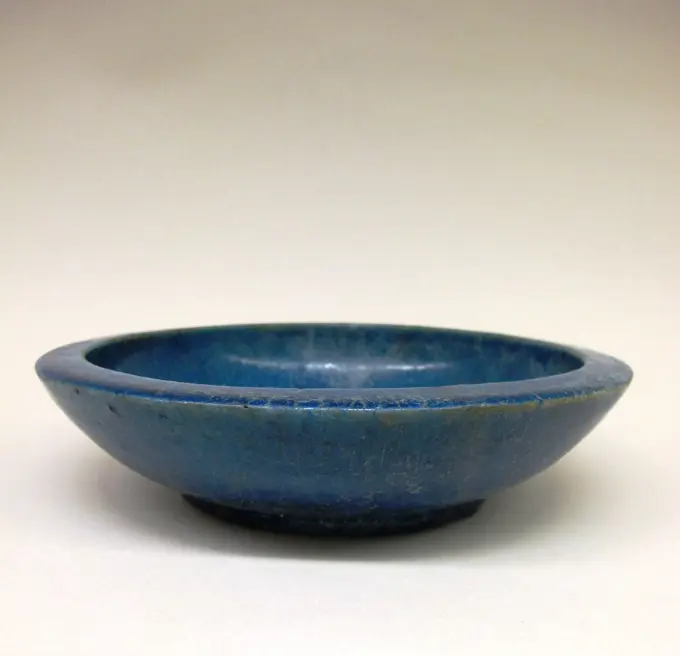
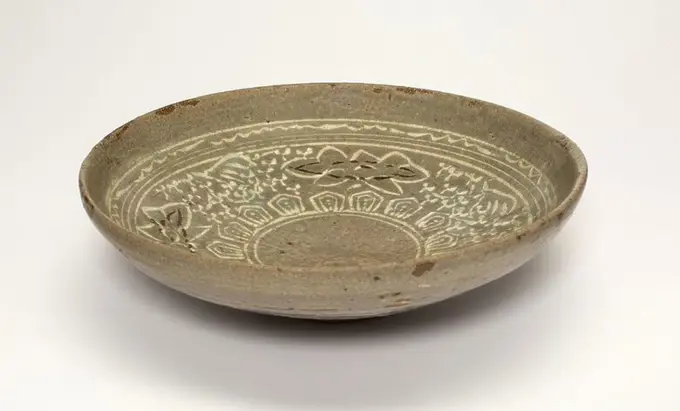
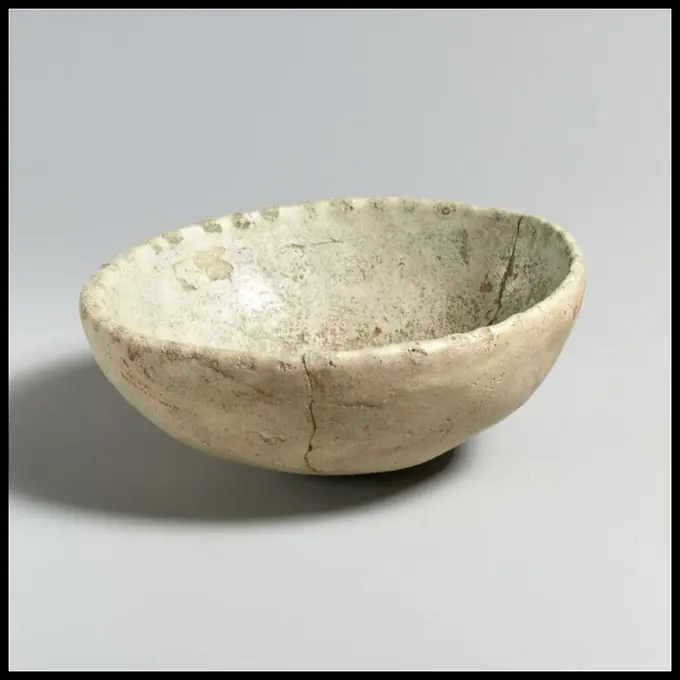
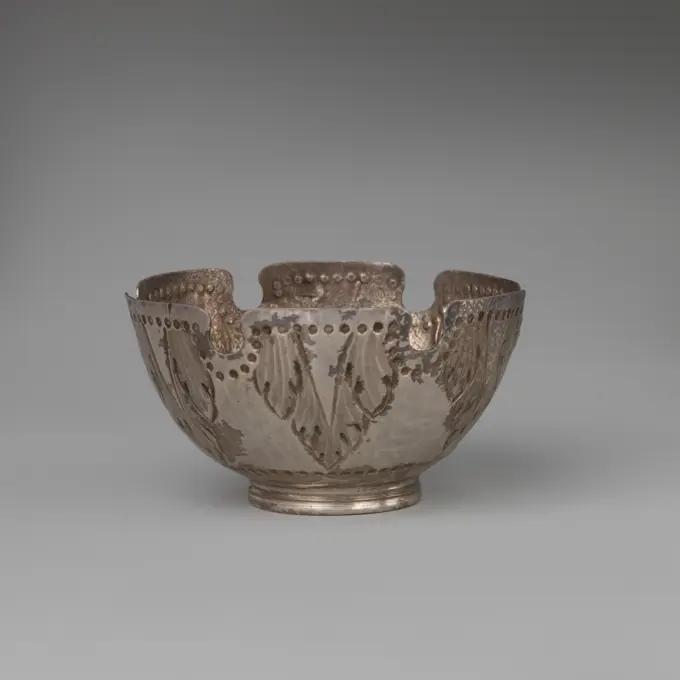
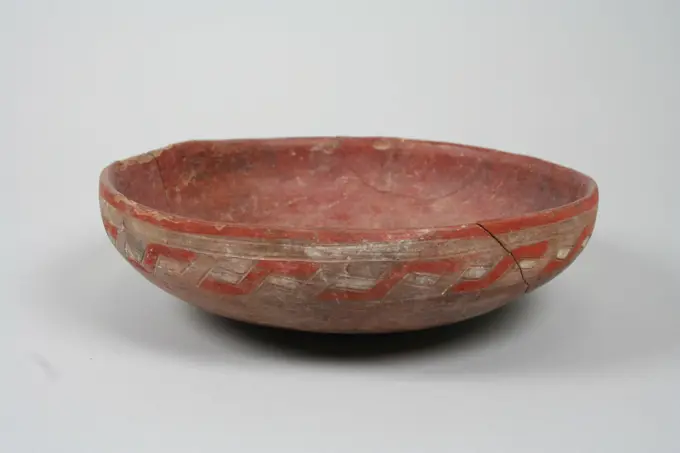
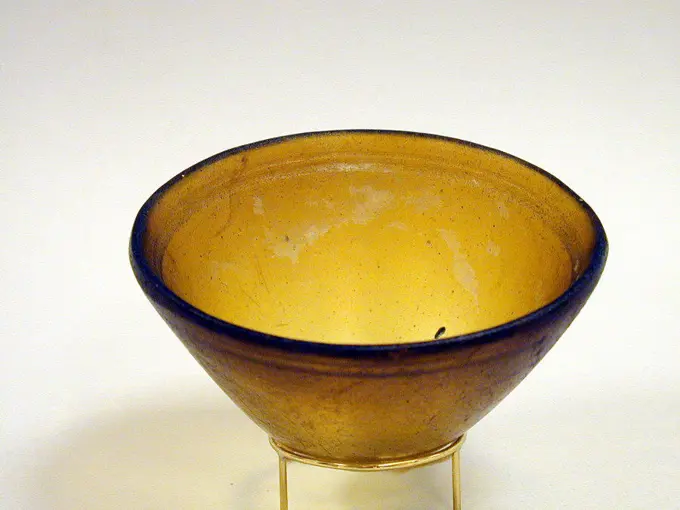
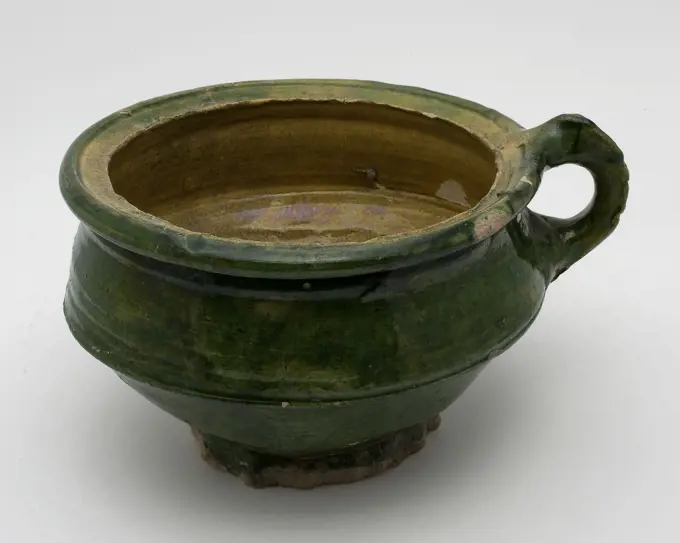
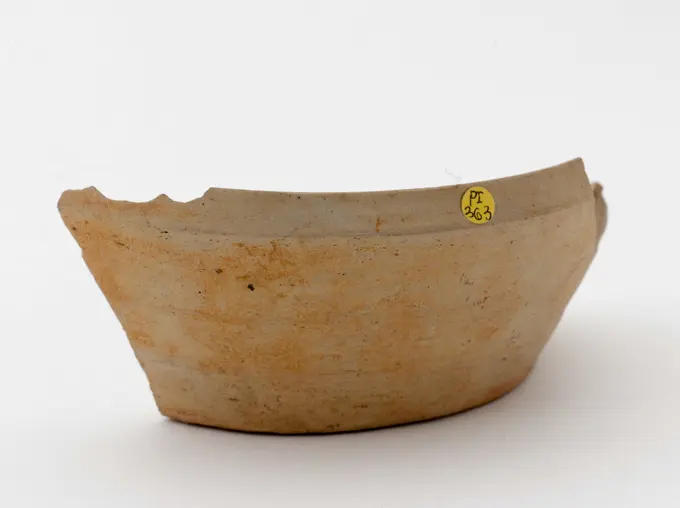
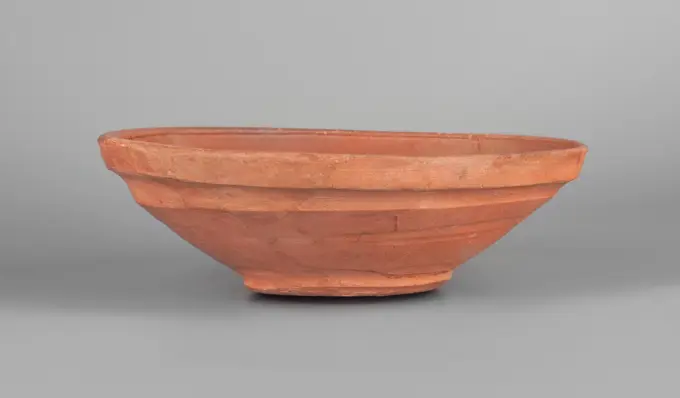
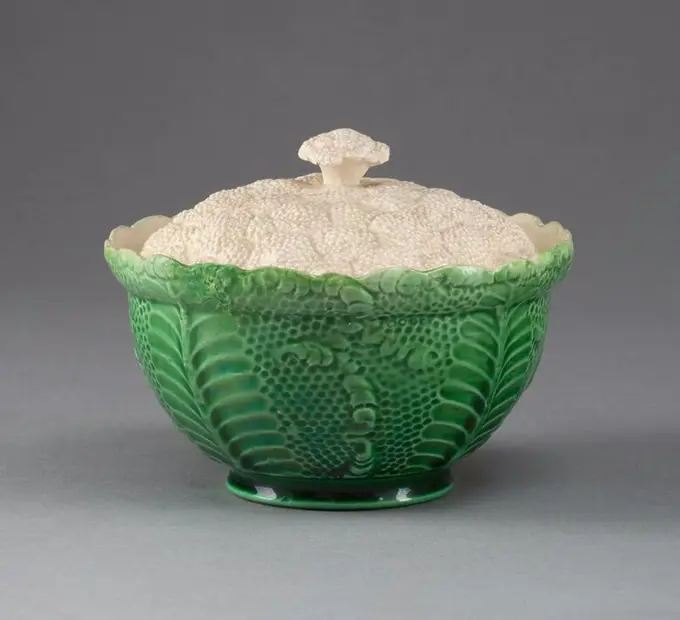
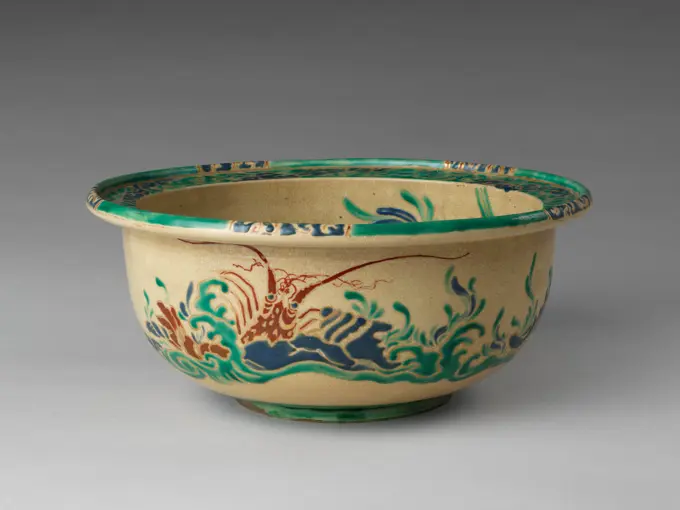
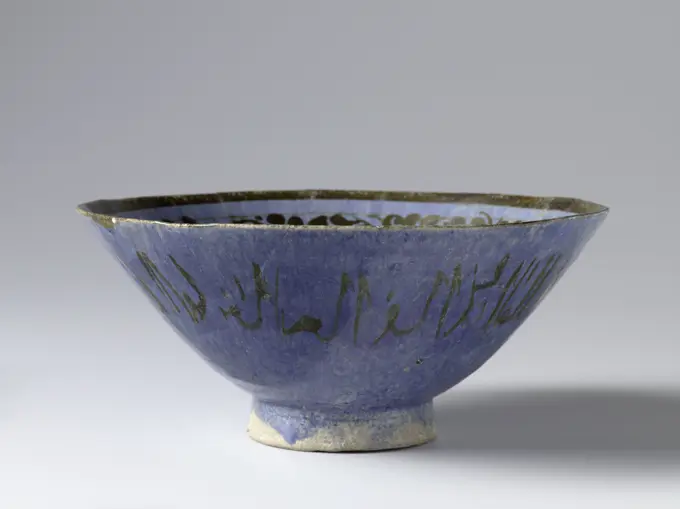
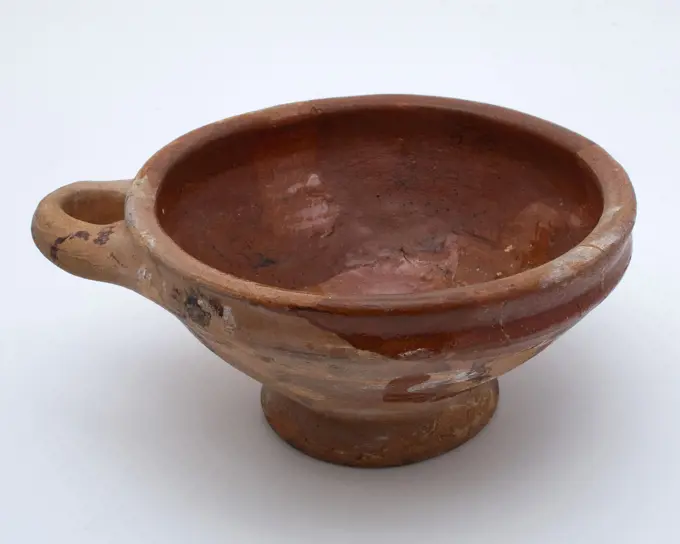
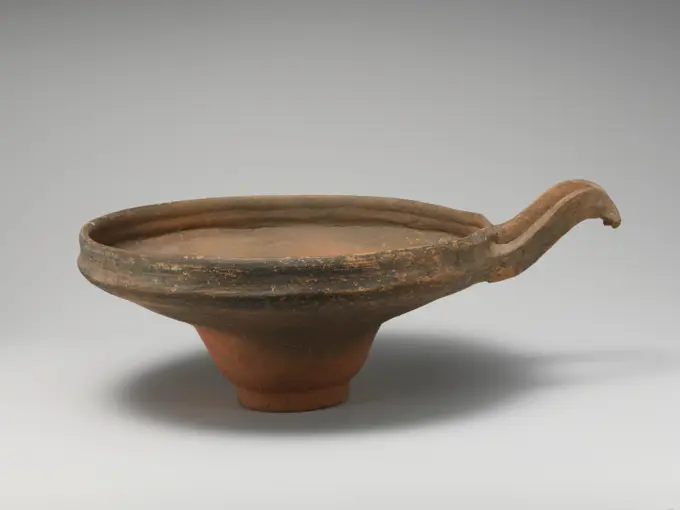
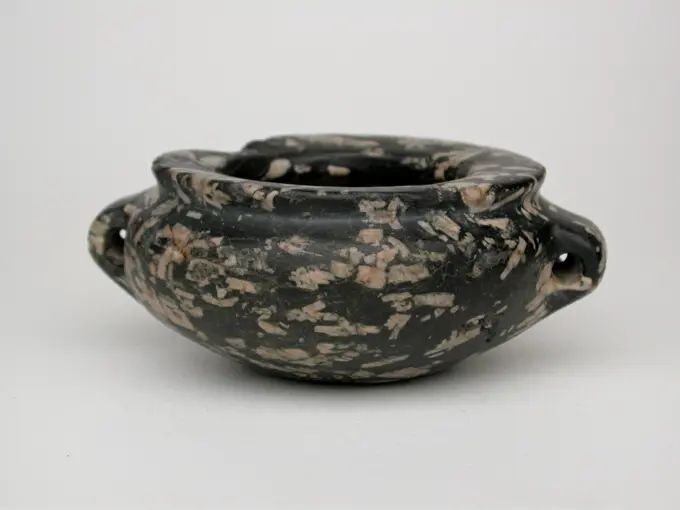
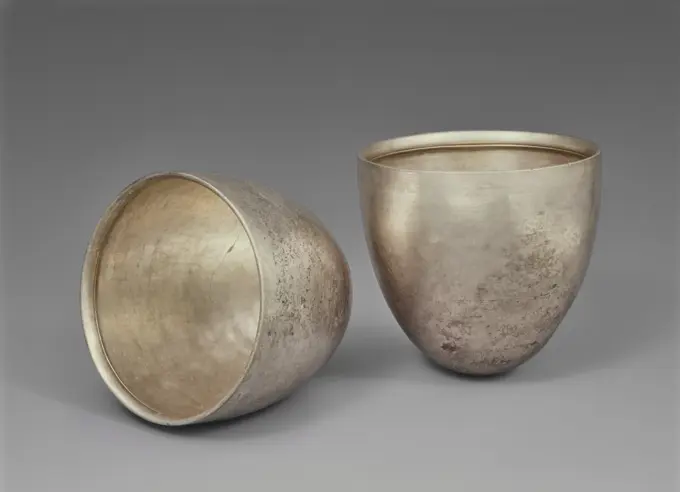
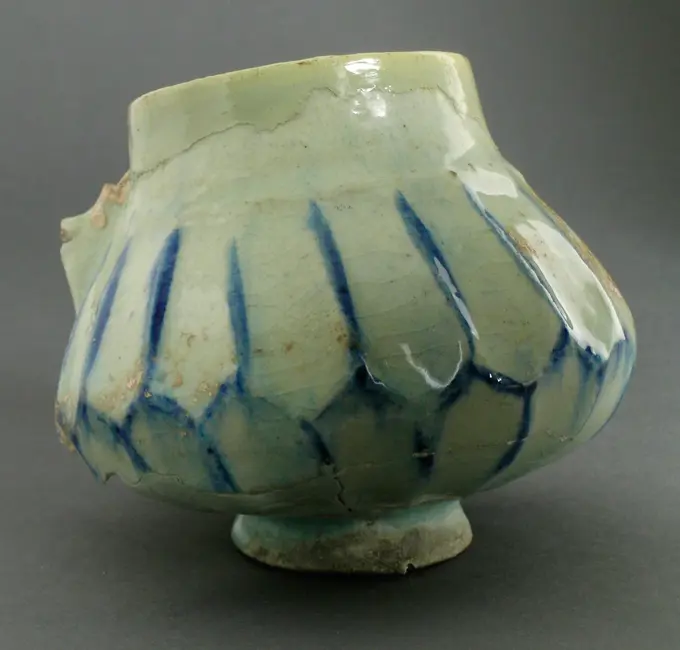
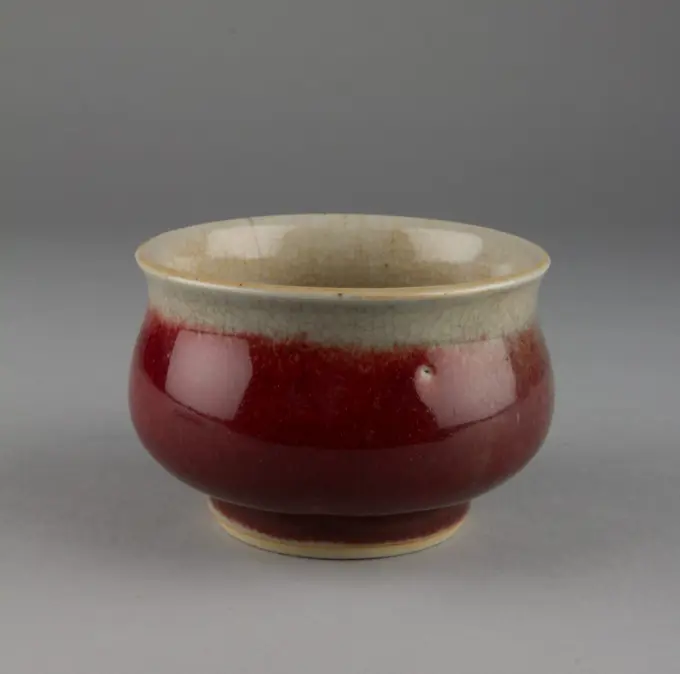
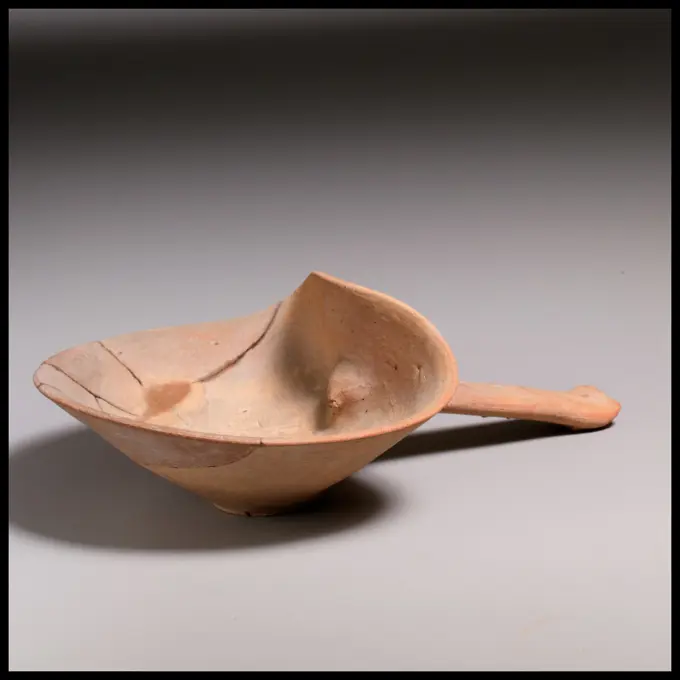
Czarka; Unknown Nubian workshop; 2. PO. VII-3. In. 10th century (651-00-00-975-00-00);Nubian ceramics, bowls, geometric decorations, rice decorations, nubian vessels, painted nubian vessels, table vesselsBowl 9th-10th century. Bowl. 9th-10th century. Earthenware; turquoise glaze, incised. Excavated in Iran, Nishapur. CeramicsStoneware cup on pinched foot, gray with brown flamed salt glaze, goblet cup crockery holder soil find ceramic stoneware glaze salt glaze, hand-turned glazed baked stoneware cup on pinched foot Gray with brown flamed salt glaze. Hemisphere of form. Strong rotations over the entire height. Straight upper edge archeology inn Het Hart Geervliet Bernisse indigenous pottery import drinking serve serving water wine beer Soil discovery: Geervliet Dorpsplein 1 demolition Trouw put 5 city inn 't Hart 1985.Bowl. Thailand, Sawankhalok, 16th century. Furnishings; Serviceware. Stoneware with underglaze black painted decorationEarthenware pot with wide top edge and very small stand, terra nigra, pot holder earthenware ceramic pottery, hand-turned baked Small pot on very small standing surface Wide top edge with wide constriction above the shoulder Terra nigra pottery reduced fried archeology Spijkenisse indigenous pottery import cook store save roman buried Soil discovery Spijkenisse occupation along the Puntweg section E. 1974.06.18BowlBowl with Tendril Frieze. UnknownTerracotta bowl with barbotine decoration. Culture: Roman. Dimensions: H. 1 1/4 in. (3.2 cm)diameter 5 5/16 in. (13.5 cm). Date: mid-1st to mid-2nd century A.D..Probaby made in central Italy. Museum: Metropolitan Museum of Art, New York, USA.Bowl with Floral Motifs 4th-7th century Coptic The geometric decoration on this bowl is also found on pottery from Nubia and represents the ways in which objects and visual ideas from throughout Egypt and Africa made their way to Kharga. The pigment, however, was likely from a local source of red-ochre, which suggest that the bowl was made by a pottery workshop in the Western Desert.. Bowl with Floral Motifs 478450Bowl. Culture: Coptic. Dimensions: Overall: 4 1/8 x 8 9/16 in. (10.5 x 21.8 cm). Date: 4th-7th century. Museum: Metropolitan Museum of Art, New York, USA.Bowl in the shape of a chrysanthemum flower 18th century India. Bowl in the shape of a chrysanthemum flower. India. 18th century. Jade (nephrite). Mughal period (1526-1858). Jade. Deep dish of stoneware, covered with a green glaze. With a flat edge, which upside down at the end. Celadon.Teabowl ca. 1710 Sonyu Japanese. Teabowl. Sonyu (Japanese, died 1725). Japan. ca. 1710. Clay covered with glaze (Raku ware). Edo period (1615-1868). CeramicsGlobular bowl, 3rd-7th century, 5 3/8 x 6 3/16 x 6 3/16 in. (13.7 x 15.7 x 15.7 cm), Polychromed earthenware, Mexico, 3rd-7th centuryIncised bowl with fox motif. Culture: Paracas. Dimensions: Overall: 2 in. (5.08 cm)Other: 6 7/8 in. (17.5 cm). Date: 7th-5th century B.C.. Museum: Metropolitan Museum of Art, New York, USA.Jarre. "Gres. Vietnam-XE-Xive s. Paris, museum berne. 72185-23 Gres, jar, Vietnamese objectGlobular jar ca. 2750-2649 B.C. Early Dynastic Period. Globular jar. ca. 2750-2649 B.C.. Magnesite. Early Dynastic Period. From Egypt, Memphite Region, Saqqara, Tomb 2322, Egyptian Antiquities Service/Quibell excavations, 1910-11. Dynasty 2, second halfEscudella duplorum, Late fifteenth century - early sixteenth century, Ceramics (decorated with metal reflections and concentric borders with lace motifs, florets and kites), (missing the cover), of Manises or Paterna, Valencia, Height: 15, 7 cm. Museum: Museo Fundación Francisco Godia, Barcelona, Cataluña, España.Bowl. UnknownBowl with Fish. Korea. Date: 1100-1135. Dimensions: H. 6.0 cm (2 3/8 in.); diam. 15.8 cm (6 1/4 in.). Celadon-glazed stoneware with underglaze incised decoration. Origin: Korea. Museum: The Chicago Art Institute, Chicago, USA.Bowl - Portneuf potteryBowl, 1st century BCE - 1st century CE, 3 9/16 x 6 x 6 in. (9.05 x 15.24 x 15.24 cm), Glazed ceramic, celadon over carved decor, Vietnam, 1st century BCE - 1st century CESmall earthenware griddle or cooking pot, partially glazed, two sausage rolls, on three legs, gortpan pan cooking pot tableware holder kitchenware toy relaxing agent model soil find ceramic earthenware glaze lead glaze, hand turned glazed baked earthenware griddle model toy red shard partly covered with lead glaze two horizontally placed sausages three legs underside unglazed archeology native pottery food prepare cooking play kitchenDragon Head Ladle 206 BCE-220 CE China. Earthenware with lead green glaze .Cup, c. 300-400. Eastern Mediterranean, Roman, probably 4th century. Glass; diameter: 6.9 cm (2 11/16 in.); overall: 8.5 x 7.1 cm (3 3/8 x 2 13/16 in.).Cup ". GRS covered ivory and brown. Paris, Muse Cernuschi. Coupe Asian art, extreme-East art, Vietnamese art, ceramic, cut, gres, dishesPalace Ware bowl ca. 8th-7th century B.C. Assyrian. Palace Ware bowl 324212. Come from stoneware, covered with a white sludge and a gray-green glaze. On the bottom an enrolled borrower; There is always large tires with flowers, ruyi motifs and valuables (coin). The budget decoration is filled with white sludge (Mishima technique). The outdoor wall with a band pressed dots. Three old labels on the bottom with 'W702', 'Mishima Satsuma / 17th century, start' and 'or Mishima Karatsu'. Three trays in the wall; Some chips in the edge. Satsuma.Foot bath c 1850-1860 Bennington. Earthenware . Lyman, Fenton & Co.Palm Cup 7th-8th century Frankish. Palm Cup 465753 Frankish, Palm Cup, 7th8th century, Glass, Overall: 2 11/16 x 4 1/8 in. (6.8 x 10.5 cm). The Metropolitan Museum of Art, New York. Gift of J. Pierpont Morgan, 1917 (17.193.409)Footless Cup or Lid. Culture: Coptic. Dimensions: Overall: 2 1/4 x 4 5/16 in. (5.7 x 11 cm). Date: 4th-7th century. Museum: Metropolitan Museum of Art, New York, USA.Wine Cup with Bamboo (one of a pair) early 18th century China. Wine Cup with Bamboo (one of a pair) 50733Bowl with dragon dated 1589 China A good number of lacquer wares from the Wanli period, including this bowl, bear marks with the specific year, which have made them important standards for the stylistic analysis of undated pieces from this period.. Bowl with dragon. China. dated 1589. Carved red lacquer. Ming dynasty (1368-1644), Wanli period (1573-1620). LacquerIncised Painted Bowl. Culture: Paracas. Dimensions: Diameter 8-3/8 in.. Date: 5th-2nd century B.C.. Museum: Metropolitan Museum of Art, New York, USA.Bowl 8th century China. Bowl 52970Black-Figure Kotyle (Drinking Cup): Chain of Women, c. 590-560 BC, with modern repainting/reincising. Attributed to Patras Painter (Greek, Middle Corinthian). Ceramic; diameter: 14.3 cm (5 5/8 in.); overall: 8.8 cm (3 7/16 in.).Tea-bowl stand with phoenixes. Culture: China. Dimensions: H. 3 in. (7.6 cm); Diam. 6 1/2 in. (16.5 cm); Diam. of rim 3 3/4 in. (9.5 cm); Diam. of foot 3 1/4 in. (8.3 cm).Phoenixes are often associated with imperial women. The sharpness of the outlines and decoration on this tea-bowl stand is typical of works produced at court in the early fifteenth century. Lacquer stands of this type were used to hold ceramic bowls, following the tradition from the Song dynasty (960-1279). Museum: Metropolitan Museum of Art, New York, USA.Glass jar 1st century B.C.-5th century A.D. Roman Colorless.Horizontal, tubular rim, folded out, over, and in; short, concave neck; squat globular body; slight kick in center of bottom, with traces of pontil mark.Complete, but cracked; some very large bubbles; faint iridescence and small patches of brown encrustation on exterior, patches of soil encrustation, weathering, and brilliant iridescence on interior.. Glass jar 245239Beaker. Culture: French. Dimensions: 2 3/4 × 3 7/16 in. (7 × 8.7 cm). Date: late 13th or early 14th century.The truncated shape of this beaker--broader than it is tall--is unusual, but the finesse of the patterning and the delicacy of the vessel is even rarer, if not unprecedented, in medieval glass. The maker impressed an overall pattern of raised circles into the glass wall. Museum: Metropolitan Museum of Art, New York, USA.Phytomorphic VesselPlate with two flowering trees, anonymous, anonymous, c. 1800 - c. 1899 Stone of stone frame, painted in underly glaze brown and on the glaze red and green. From the foot ring continuously on the front, twice a flowering tree (Momoji - Ahorn). Marked on the bottom with two unidentified characters. Style of Kenzan. Inuyamayaki. Japan stoneware. glaze. painting / vitrification Stone of stone frame, painted in underly glaze brown and on the glaze red and green. From the foot ring continuously on the front, twice a flowering tree (Momoji - Ahorn). Marked on the bottom with two unidentified characters. Style of Kenzan. Inuyamayaki. Japan stoneware. glaze. painting / vitrificationFaience bowl 332-30 B.C. Ptolemaic This bowl, preserved intact, is a fine example of Egyptian faience ware. The Egyptians mastered the production of this luxury ware as early as the late Predynastic period (late fourth millennium B.C.). Faience continued to be used for both sacred and secular objects into Hellenistic and Roman times.. Faience bowl 259249Bowl - Portneuf pottery Inconnu / UnknownLamp 10th-11th century. Lamp 449774Priest's Offering Tray ca. 10th century Indonesia (Java). Priest's Offering Tray. Indonesia (Java). ca. 10th century. Copper. Eastern Javanese period. MetalworkBaking Dish 1800-1830 American. Baking Dish 299Low Bowl. Korea. Date: 1300-1392. Dimensions: H. 5.7 cm (2 1/4 in.); diam. 19.3 cm (7 5/8 in.). Celadon-glazed stoneware with underglaze inlaid decoration of black and white clays. Origin: Korea. Museum: The Chicago Art Institute, Chicago, USA.Pewter plate from the wreck of the East India Hollandia. Plate, (2) Fragm (1), eroded; Circular Convex Bowl With Flat Base (C.27-27.5D, 7H), Horizontal Single-REIM overhang (C.32.5-34.5D, 3W, 0.3T).Small BowlFaience bowl. Culture: Cypriot. Dimensions: H. 1 9/16 in. (4 cm); Diameter 3 13/16 in. (9.7 cm). Date: ca. 1200 B.C..With pale green glaze, with no decoration except dots on rim. Museum: Metropolitan Museum of Art, New York, USA.Ribbed Bowl. UnknownBowl with Pseudo-Inscriptional Design 10th century The main decoration of this bowl contains a band of epigraphy that might be read as the graphic contraction of the word "bi l-yumn" ("with happiness") or "al-yumn" ("happiness"). The decorative aspect of the letters is clearly preeminent and goes to the detriment of their legibility, to the extent that the band might be regarded as a pseudo-inscription. However, such benedictory formulas were common on everyday objects of this period, such as pottery and metal.. Bowl with Pseudo-Inscriptional Design 454607Jar, 4th-3rd century B.C., Stoneware with remnants of glaze, Diameter at lip and base: 5 1/8 × 6 5/8 in. (13.02 × 16.83cm), China, Chinese, Zhou dynasty (1050-256 B.C.), Containers -CeramicsLidded Bowl. Unknown 1st millennium B.C.BowlJar. Roman; Levant or Syria. Date: 101 AD-200 AD. Dimensions: H. 6.7 cm (2 5/8 in.); diam. 7.6 cm (3 in.). Glass, blown technique. Origin: Syria. Museum: The Chicago Art Institute, Chicago, USA. Author: ANCIENT ROMAN.Large cut (common name). Sandstone with brown-black decoration under cover. Cernuschi Museum, Asia Museum of Asia in the city of Paris.Bowl, 960-1279. China, Song dynasty (960-1279). Glass; diameter: 30.6 cm (12 1/16 in.); overall: 13.4 cm (5 1/4 in.).KylixAnonymous. Imari decor hollow plate. Porcelain. 18th century. Museum of Fine Arts of the City of Paris, Petit Palais. 112502-23Miniature monteith 1693-94 Probably by George Manjoy British. Miniature monteith. British, London. 1693-94. Silver. Metalwork-Silver-MiniatureJar (common name). Sandstone, celadon, incised decor. Cernuschi Museum, Asia Museum of Asia in the city of Paris.BowlBowl  peacock enamel unknownRinse bowl of red hard baked earthenware, children's toys., Anonymous, c. 1830 - c. 1860 Half -ball -shaped coil of red hard baked pottery. The bowl has a stand ring. The bowl is decorated in relief with garlands with garlands of leaves and fruits. The rinsing bowl is part of a miniature tea set (BK-15429-A to BK-15429-D). Bohemia earthenware Half -ball -shaped coil of red hard baked pottery. The bowl has a stand ring. The bowl is decorated in relief with garlands with garlands of leaves and fruits. The rinsing bowl is part of a miniature tea set (BK-15429-A to BK-15429-D). Bohemia earthenwareCooking pot or saucepan on three legs, with short handle, cylindrical model, saucepan cooking pot tableware holder kitchenware soil find ceramic earthenware glaze lead glaze, hand turned molded glazed fried Cooking pot with stem red shard internal glazed three legs lid edge rings Angled up standing stem layer attached Buckle the end of the stem. Slightly convex soil. Cylindrical model with outstanding upper edge Roetsporen archeology Valckensteyn Poortugaal Albrandswaard indigenous pottery cooking cuisine food nutrition food preparation Soil discovery: canal at kitchen castle Valckensteyn at Poortugaal now Albrandswaard 1961.Dish with Carved Wave Design, 1100s-1200s. South China, Southern Song dynasty (1127-1279). Porcelain with pale bluish-white glaze, Qingbai ware; overall: 4.5 x 18 cm (1 3/4 x 7 1/16 in.).Incised bowl with geometric pattern 7th-5th century B.C. Paracas. Incised bowl with geometric pattern 308314Glass conical bowl mid-2nd-early 1st century B.C. Greek, Eastern Mediterranean Translucent golden brown.Angular, slightly inverted rim; straight side, tapering diagonally downward; convex bottom.On interior, two horizontal grooves cut in a band below rim.Intact; pinprick bubbles; faint dulling and pitting, and some patches of iridescent weathering on interior.Rotary grinding marks on interior; many surface scratches on exterior.Hemispherical and conical bowls were two of the most common and popular shapes of the Late Hellenistic period. They were fashioned not only in glass but also in metal and pottery. Those made of glass were later supplanted by deeply colored varieties and by bowls decorated with tooled ribs.. Glass conical bowl 245287Pottery chamber pot, easy to use on pinched stand, green and yellow glazed, pot holder sanitary earthenware ceramic earthenware glaze lead glaze, hand-turned glazed baked Pottery chamber pot on pinched stand. White shard entirely glazed except the bottom of the bottom. Externally green glazed internal yellow. Double conical in shape with wide neck opening and narrow foot Almost flat narrow pot edge Standing and scalloped bandor Faint rings on the shoulder Restoration is left blank archeology indigenous pottery draining night sleeping room hygieneMortar 19th century Italian or Spanish. Mortar 461085Glass ribbed bowl Early 1st century A.D. Roman Translucent deep honey brown.Bevelled rim with horizontal lip; shallow inward-curving neck; then raised ledge below which body curves in to concave bottom.On interior, lathe-cut concentric circles; one at center, two at outer edge of bottom, and one on inner edge of rim; on exterior, nineteen regularly-spaced prominent rounded ribs, slanting from right to left.Broken and repaired, with small areas of fill and internal cracks; rotary polishing marks on interior and on neck band of exterior; the rest of exterior is fire-polished; slight dulling and iridescence.This is a particularly fine example of early Roman glass tableware. The bright translucent color is typical of the ribbed bowls found in Italy and the western provinces, whereas those from the eastern half of the empire are usually made in more muted, naturally-colored glass.. Glass ribbed bowl 257877Pedestal Bowl 5th-6th century Recuay. Pedestal Bowl. Recuay. 5th-6th century. Ceramic, pigment. Peru. Ceramics-ContainersCup. Egypt or Syria, first half of 8th century. Ceramics. Earthenware, molded and glazed. Come of pottery with white sludge and colored painting. The inside with ingrangled medallions with arce or curl work and covered with a yellow and green glaze.Pot (Olla), c. 1850-1890, 10 x 12 3/4 in. (25.4 x 32.39 cm), Clay, pigment, United States, 19th century, When curio traders from Santa Fe began to buy pottery from the Pueblos to sell to tourists in the 1850s, the decorative styles of the Haaku (Acoma) started to become more complex. Often the entire white-slipped jar was used for a single, continuous pattern. When the railroad was built through the heart of Pueblo country in the 1880s, it brought even more curio traders and tourist business for potters, which stimulated a great increase in the variation of form and design. The railway also caused pottery to become more of a commercial sale item than a domestic implement. Despite this trend, however, the more labor-intensive traditional pieces were still produced, but in far less quantity than the tourist items.Vessel China. Vessel 61031Miniature jar. Brunette beige sandstone. Dong Son, searches 6 bis. Vietnam, 13th-12th century. Paris, Cernuschi museum. 59236-13 Vietnamese art, brunette covered, Culture Dong Son, excavation 6 bis, Gres beige, miniature jar, container, XIIIEM, XIVth centuryFragment of high edges ". Terracotta. Paris, Muse Cernuschi. Fragment of high edges Vietnamese art, Vietnamese collection, fragment, terracotta, archeological vestige, flatPlate; Unknown Nubian workshop; VI-VII century (501-00-00-700-00-00);Nubian ceramics, nubian vessels, sgraffito, platesGlass ribbed bowl. Culture: Roman. Dimensions: H.: 2 7/16 in. (6.2 cm)H.: 3 9/16 in. (9 cm). Date: mid-1st century A.D..Translucent blue; trail in opaque white.Outsplayed rim, with cracked off and ground lip; short concave neck; globular body curving in to shallow convex bottom.Trail applied as a large blob and wound spirally on bottom and then up side to neck; side tooled into seventeen irregular, vertical or slanting ribs.Intact, but parts of trail missing through weathering; many bubbles, some large; pitting of surface bubbles, dulling, iridescence, and patches of creamy weathering, especially around ribs.Bright blue bowl with white thread decoration, vertical ribs. Museum: Metropolitan Museum of Art, New York, USA.Sugar Bowl. Staffordshire, England. Date: 1765-1780. Dimensions: 8.6 x 11.4 x 11.4 cm (3 3/8 x 4 1/2 x 4 1/2 in.). Lead-glazed earthenware (creamware). Origin: Staffordshire. Museum: The Chicago Art Institute, Chicago, USA.Bowl with design of a lobster Japan 17th century View more. Bowl with design of a lobster. Japan. 17th century. Earthenware with polychrome glaze (Ko-Kiyomizu ware). Edo period (1615-1868). CeramicsBowl late 4th-early 5th century Late Roman. Bowl 465748 Late Roman, Bowl, late 4thearly 5th century, Glass, Overall: 2 1/2 x 3 1/8 in. (6.4 x 7.9 cm). The Metropolitan Museum of Art, New York. Gift of J. Pierpont Morgan, 1917 (17.193.404)Bowl with inscription borders, anonymous, c. 1170 - c. 1200 Come from quartz-fritgoed covered with a monochrome blue alarm laze on which ties with an inscription in an Arabic language in Luster. is the earthenware. glaze. luster (textile) painting / vitrification Come from quartz-fritgoed covered with a monochrome blue alarm laze on which ties with an inscription in an Arabic language in Luster. is the earthenware. glaze. luster (textile) painting / vitrification. Ding ware from north China was admired for its subtle colour gradations and sometimes compared with ivory. It was generally mould-made. This made it easy to create decorations in relief, such as the flower pattern on the tea bowl. The dish, by contrast, has incised decoration. The unglazed rim was fitted with a protective metal band.Earthenware bowl or bowl with lying ear, stand ring, internally glazed, papkom holder soil found ceramic earthenware glaze lead glaze, hand turned glazed baked earthenware bowl or papkom on stand. Conical bowl on narrow foot Wide neck opening with slightly curved upper edge Deep front along the edge on the outside. Worship ear attached under the rim Internally glazed On the outside mottled with dark tears probably paint. Scratches in the glaze on the bottom of mixing or clean scratching archeology House in Woude Slikkerveer Ridderkerk native pottery mixing paint painting craft painter Soil discovery: Huis te Woude Slikkerveer 1982.Terracotta bowl with wishbone handle ca. 1600-1450 B.C. Cypriot Deep bowl with upright rim and horned handle, without decoration.. Terracotta bowl with wishbone handle. Cypriot. ca. 1600-1450 B.C.. Terracotta; Base-Ring Ware. Late Cypriot I. VasesBowl - St. Johns Stone Chinaware Company (founded 1873) St. Johns Stone Chinaware Company (founded 1873)Vessel 3300 BCE-3200 BCE Egypt. Andesite porphyry . Ancient EgyptianFinger Bowl 1880-88 Possibly Boston & Sandwich Glass Company. Finger Bowl 3622One Ovoid Bowl. Unknown 100-50 B.C. One of a pair of ovoid bowls. On the inside of the rim is a rounded molding, grooved at the lower edge.Bell-shaped cup with a portrait of Lieve Geelvinck, anonymous, c. 1750 - c. 1774 Bell -shaped head of porcelain, painted on the glaze in black and gold. On the outside a medallion with a portrait of Lieve Geelvinck (176-1743), mayor of Amsterdam and one of the directors of the V.O.C., for the portrait an inscription 'The noble great-lord Mr. Dear Geelvinck ', the other side of the head with his coat of arms; The outer edge with a decorative band in the style of the Viennese du Paquier porcelain. European performance in Encre de Chine. China porcelain. glaze. gold (metal) painting / gilding / painting  Amsterdam Bell -shaped head of porcelain, painted on the glaze in black and gold. On the outside a medallion with a portrait of Lieve Geelvinck (176-1743), mayor of Amsterdam and one of the directors of the V.O.C., for the portrait an inscription 'The noble great-lord Mr. Dear Geelvinck ', the other side of the head with his coat of arms; The outer edge with a decorative band in the styleEwer. Turkey or Syria, 13th century. Ceramics. Fritware, underglaze-paintedPlate, Rookwood Pottery, American, 1880 - 1967, Glazed earthenware, An orange and red toned circular plate with a thin branch in the foreground and a brown and white bird flying behind it. Reverse: solid red-brown glaze., Cincinnati, Ohio, USA, 1885, ceramics, Decorative Arts, PlateBowl China. Bowl. China. Porcelain with ox-blood glaze. Qing dynasty (1644-1911), Kangxi period (1662-1722). CeramicsBowl 1600-1699 Europe. Jasper, silver, and emeralds .Bowl with a bird among floral scrolls, anonymous, c. 1275 - c. 1324 Come painted with sludge and colors under a transparent alarm laze. On the inside a bird between flower vines. The outer wall with leaf motifs. is the earthenware. glaze painting / vitrification Come painted with sludge and colors under a transparent alarm laze. On the inside a bird between flower vines. The outer wall with leaf motifs. is the earthenware. glaze painting / vitrificationUnknown, hunter (main title). Earthenware, polychrome enamels. Petit Palais, Museum of Fine Arts of the City of Paris.Terracotta scuttle ca. 1400-1190 B.C. Mycenaean The scuttle, a single-handled shallow bowl with one side bent inward and upward, is a cooking utensil and was probably used for burning coals. The high side by the handle would protect the hand from the heat of the burning charcoal.. Terracotta scuttle. Mycenaean. ca. 1400-1190 B.C.. Terracotta; Coarse ware. Late Helladic IIIA-B. Terracottas