Ceramic Bowls Collection

Various antique pottery bowls showcasing unique finishes and shapes, crafted from different materials, ideal for decorative displays.
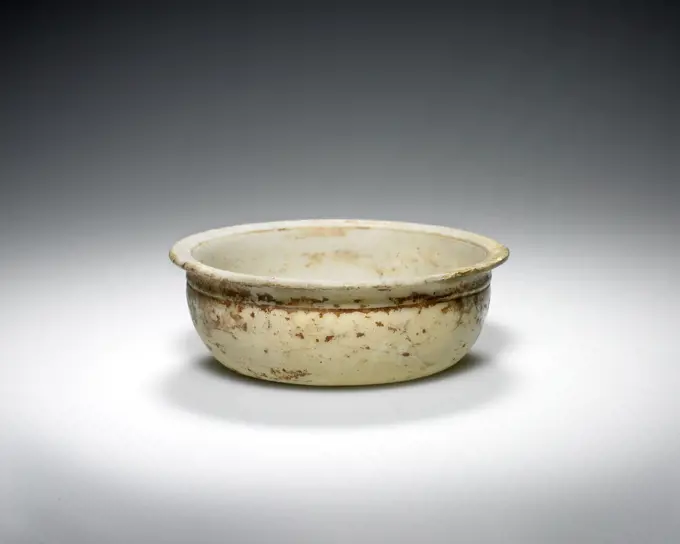
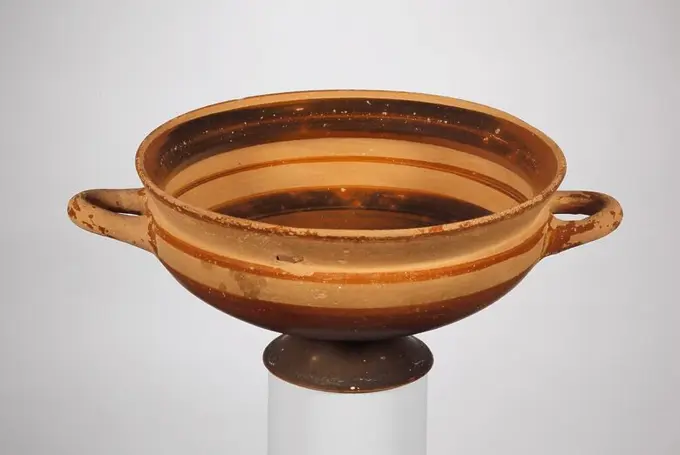
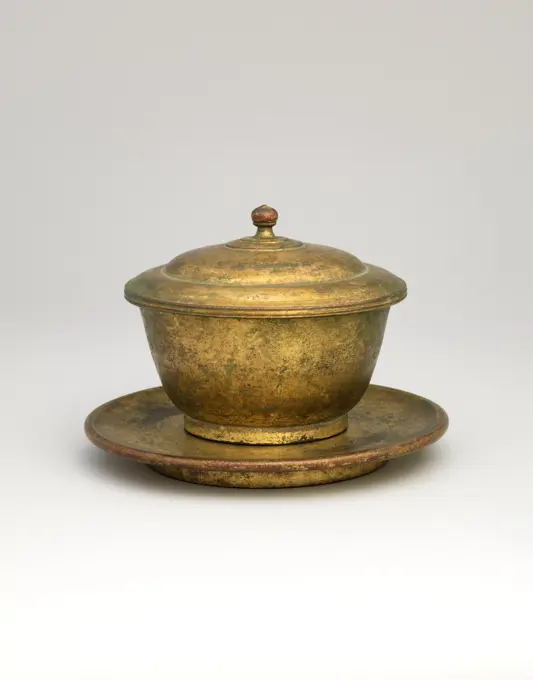
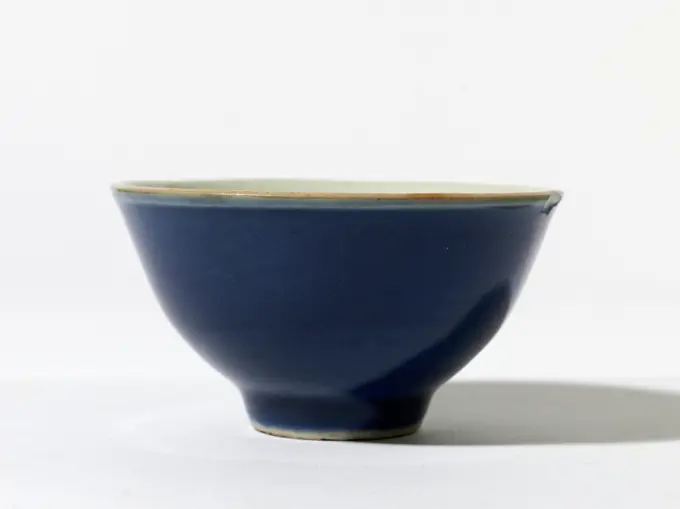
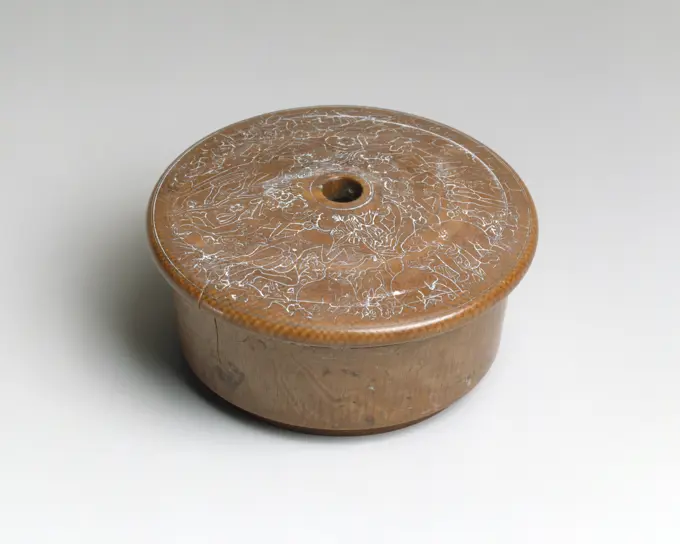
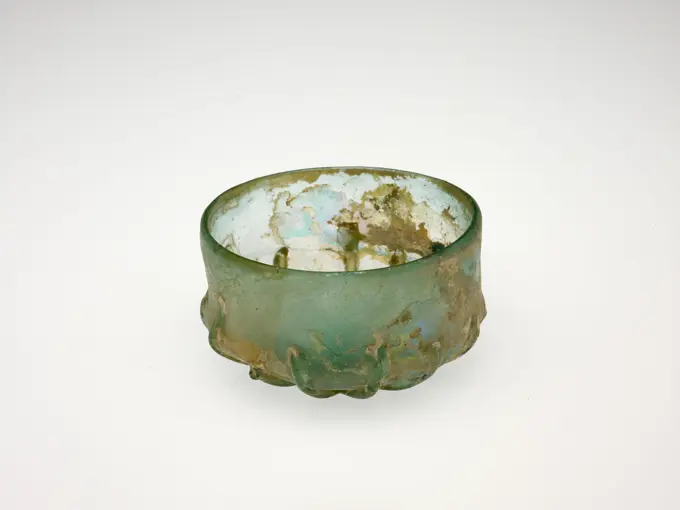
Bowl; Eastern Mediterranean or Italy; end of 1st century B.C. - 1st century A.D; Glass; 3 x 8.6 cm (1 3,16 x 3 3,8 in.)
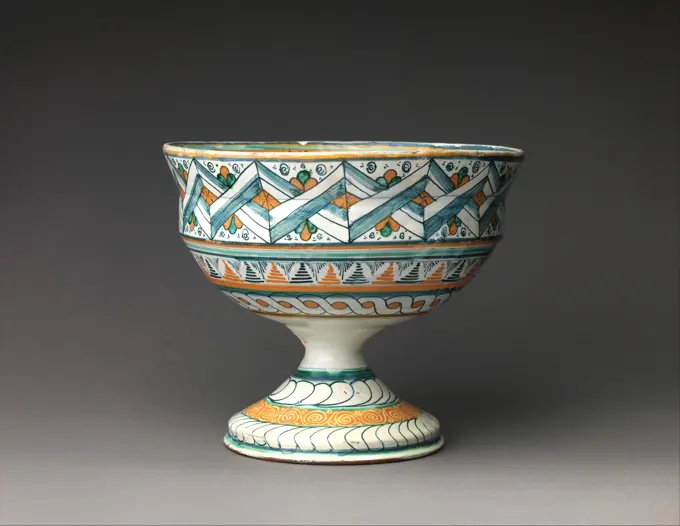
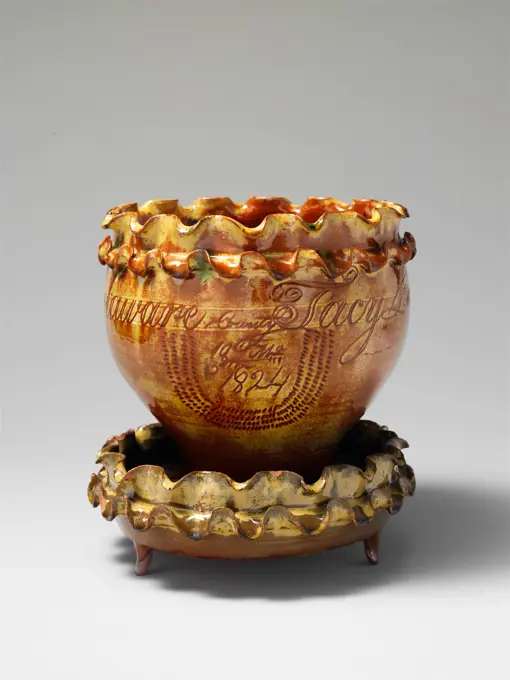
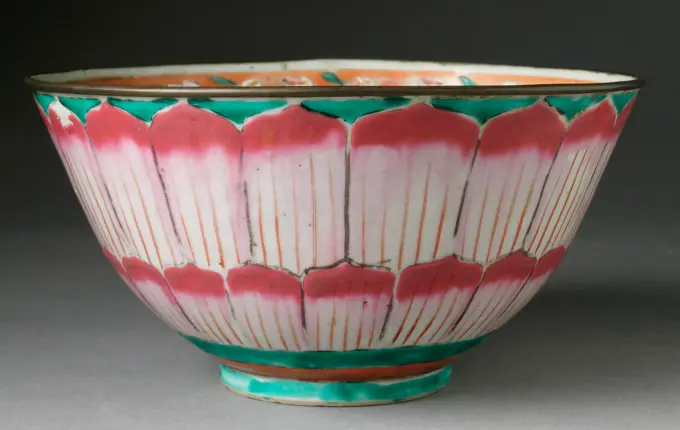
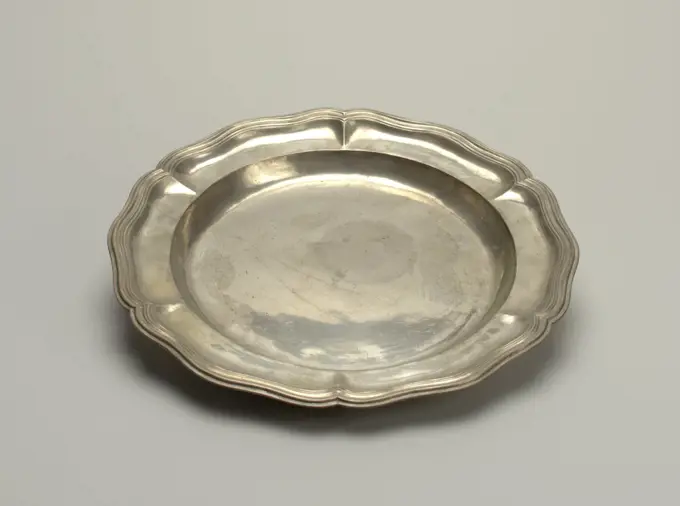
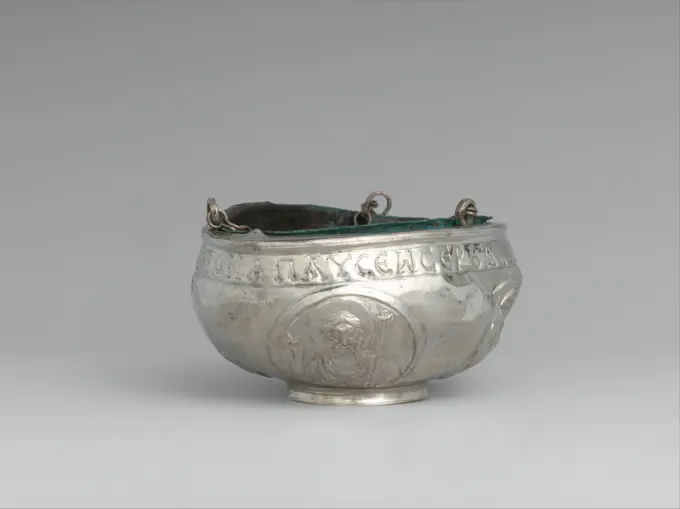
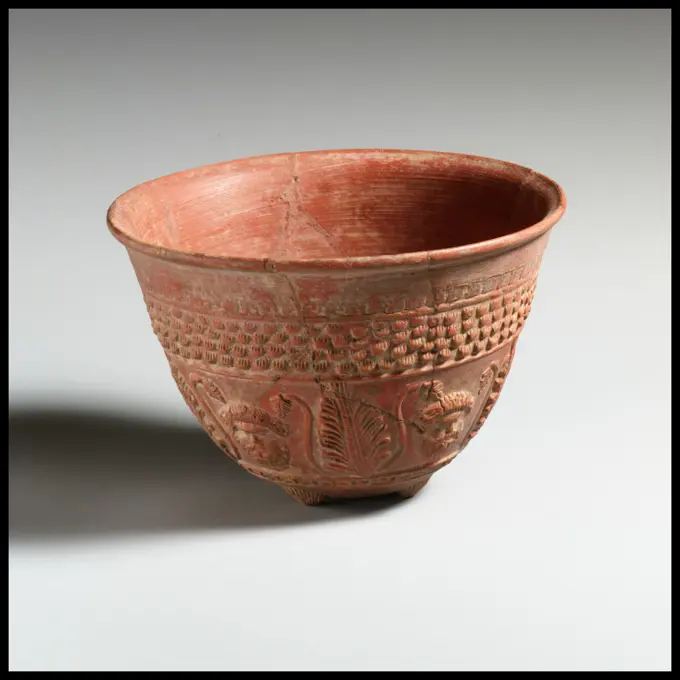
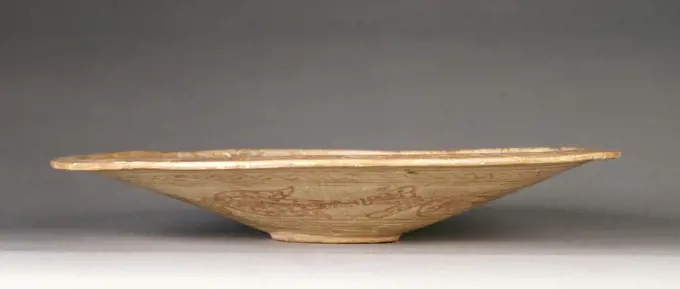
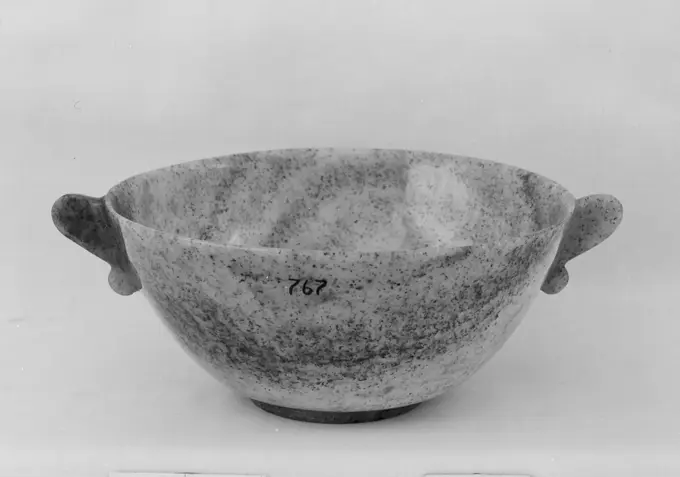
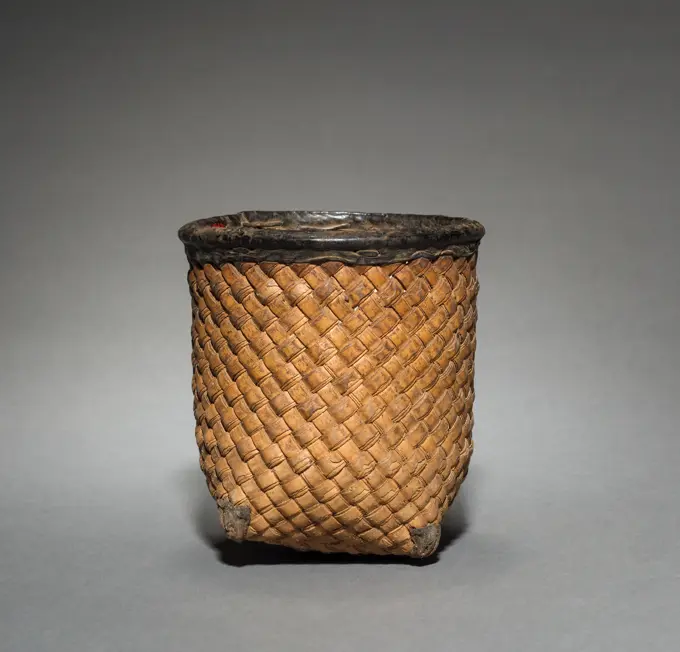
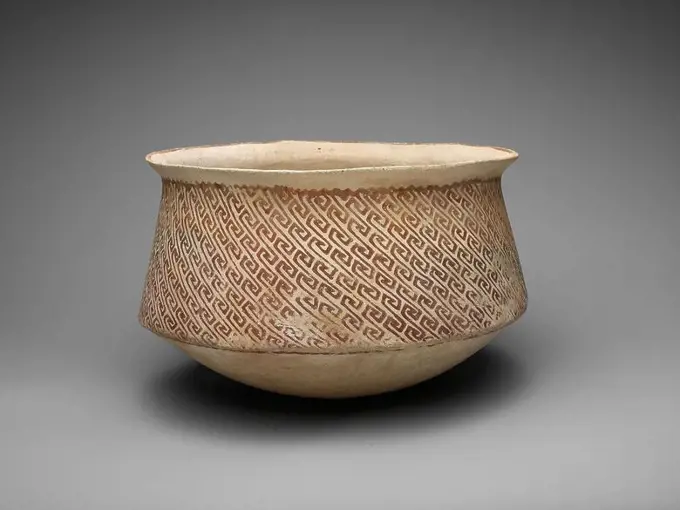
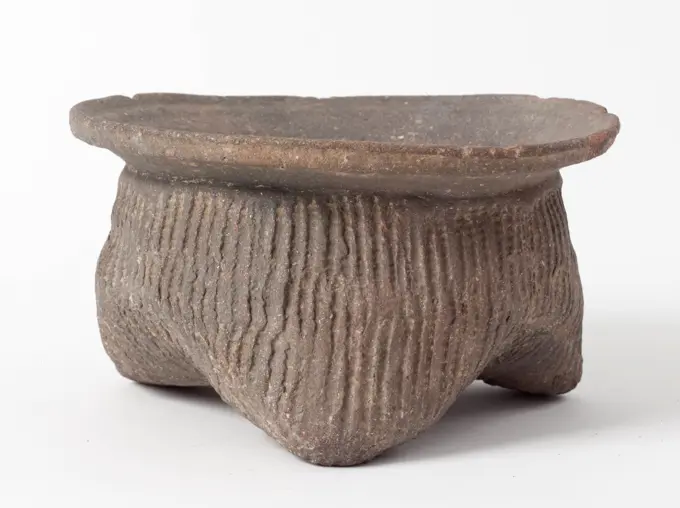
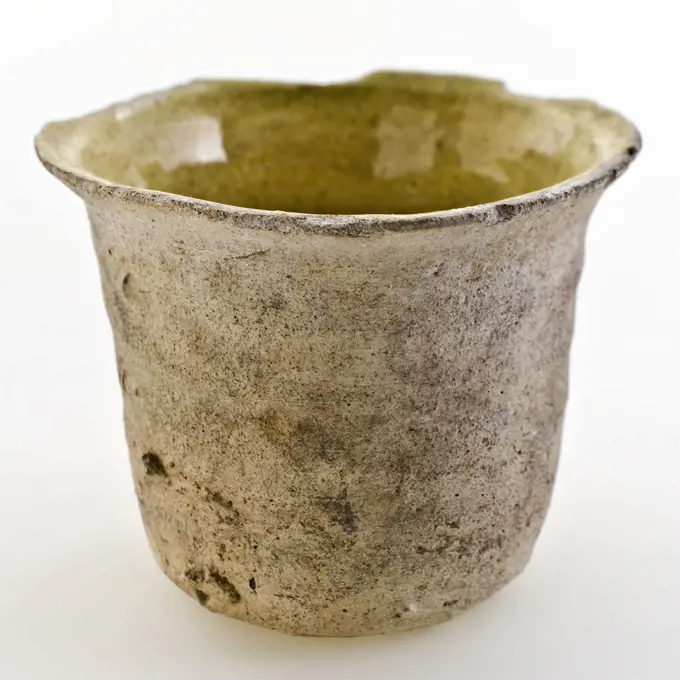
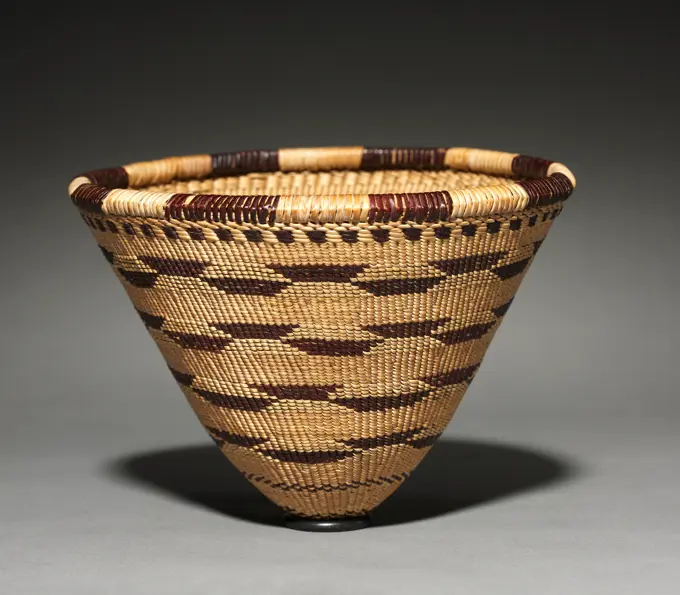
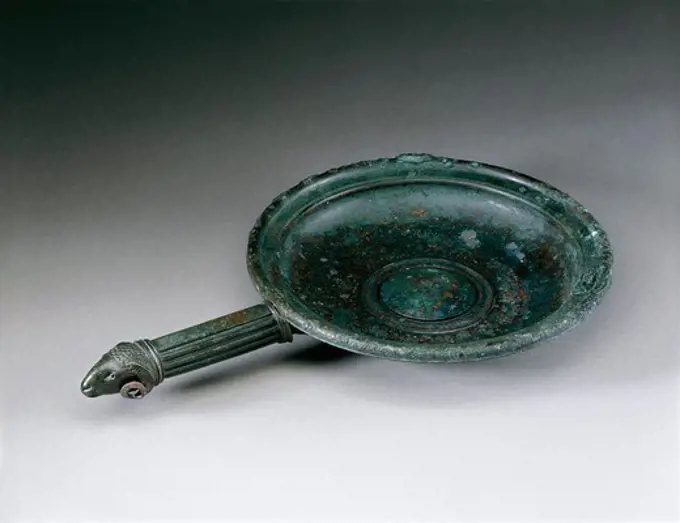
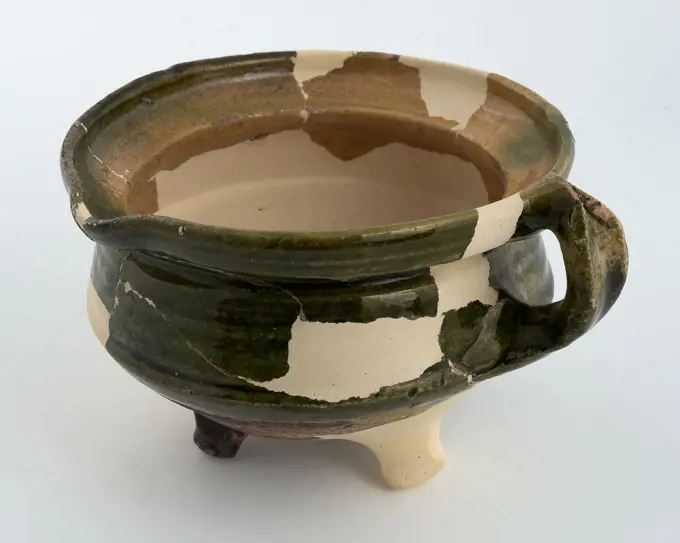
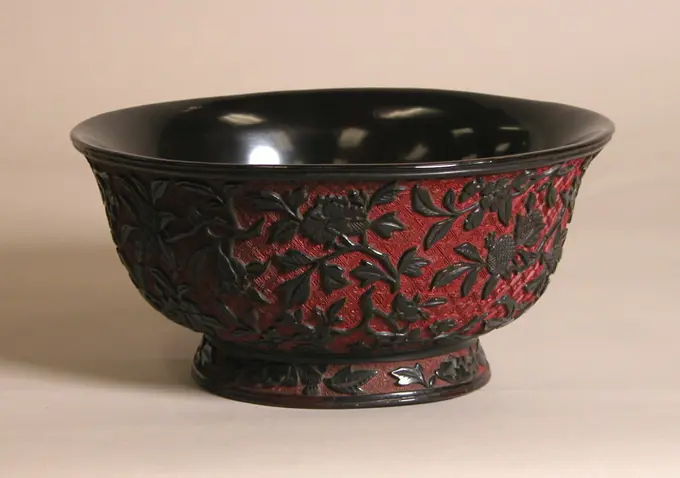
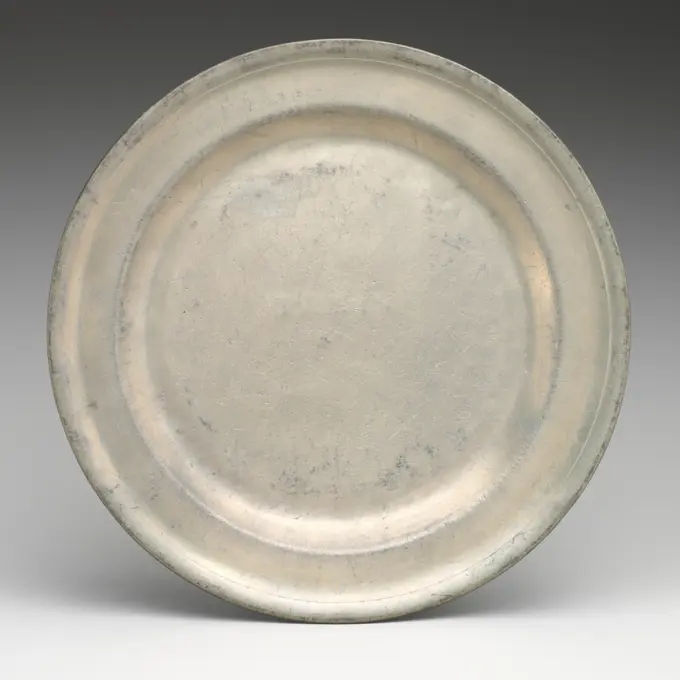
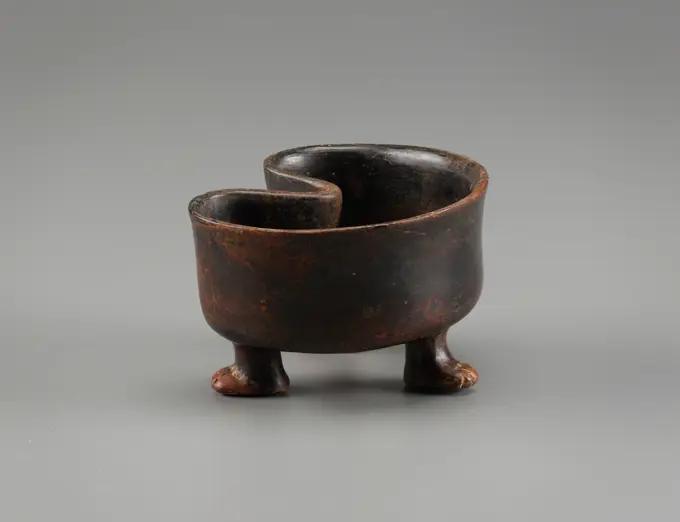
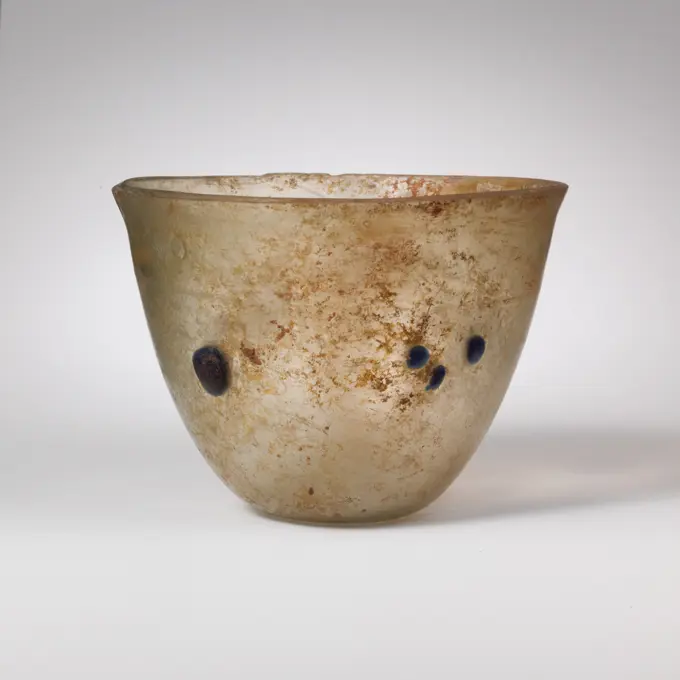
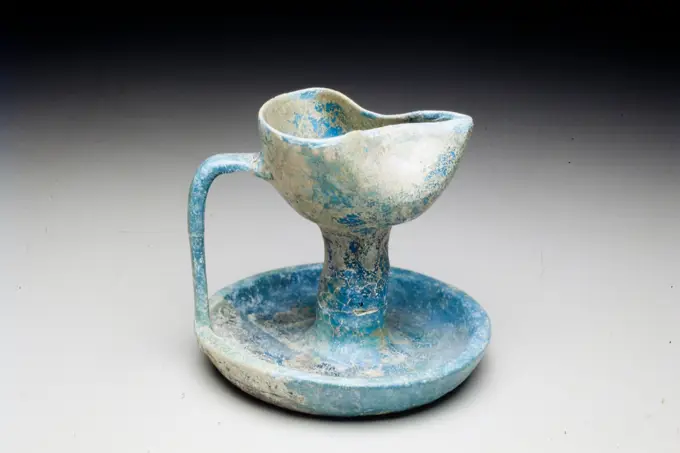
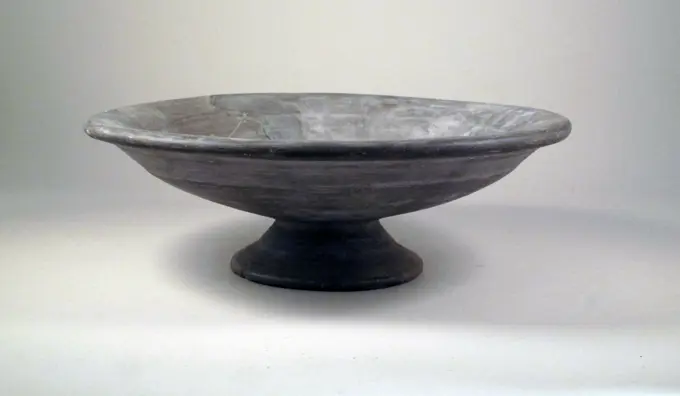
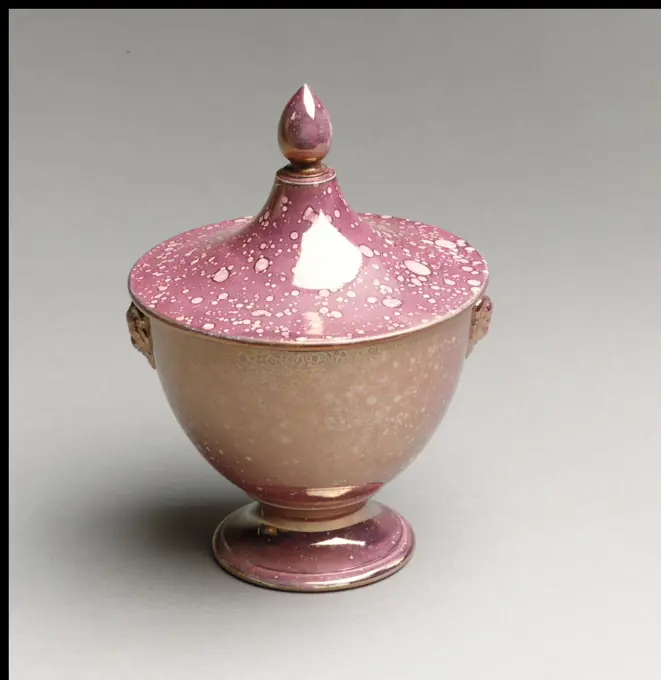
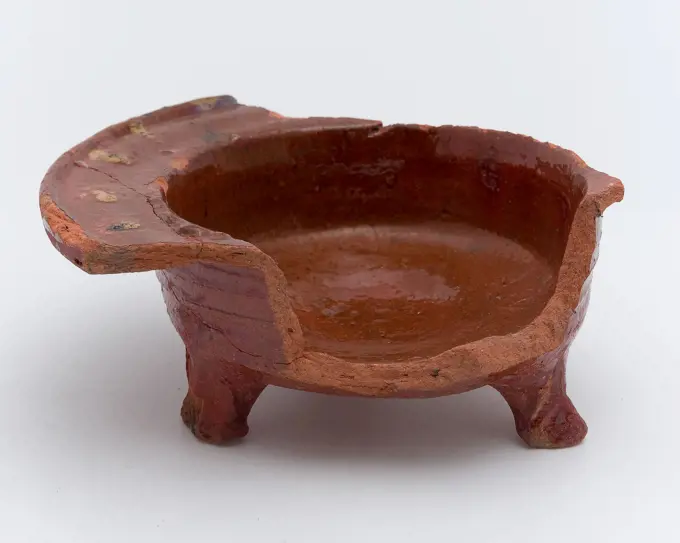
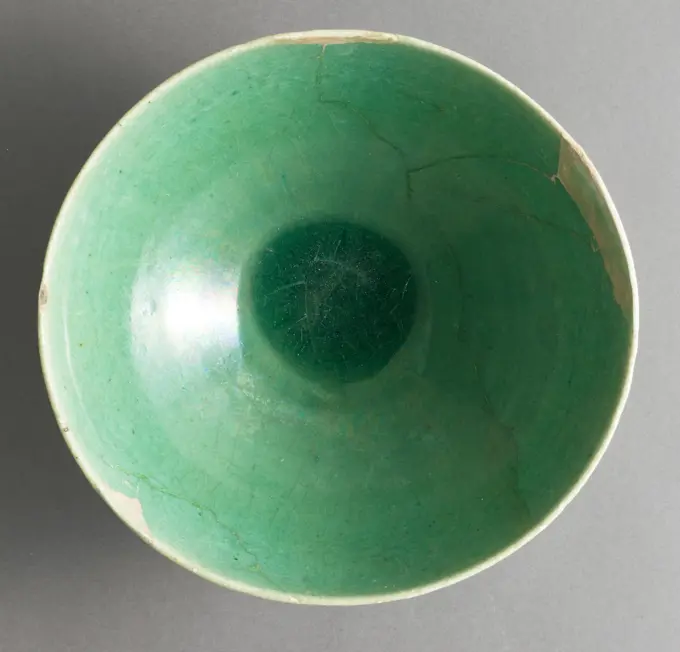
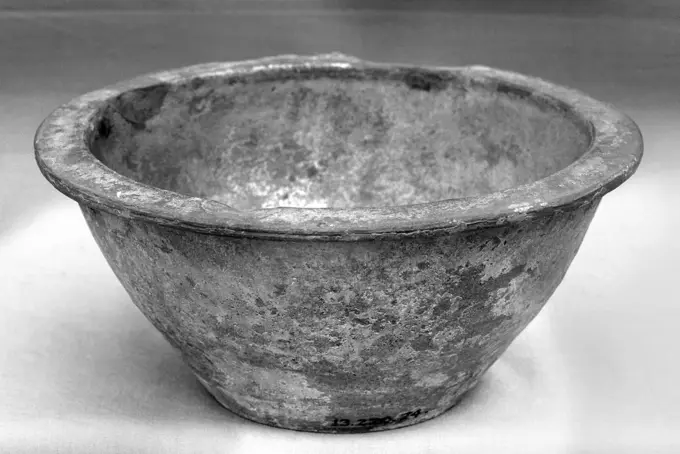
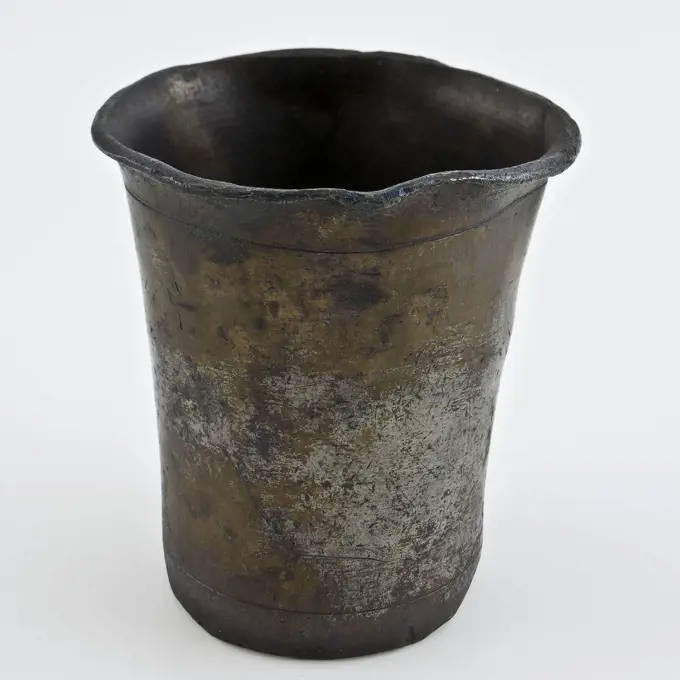
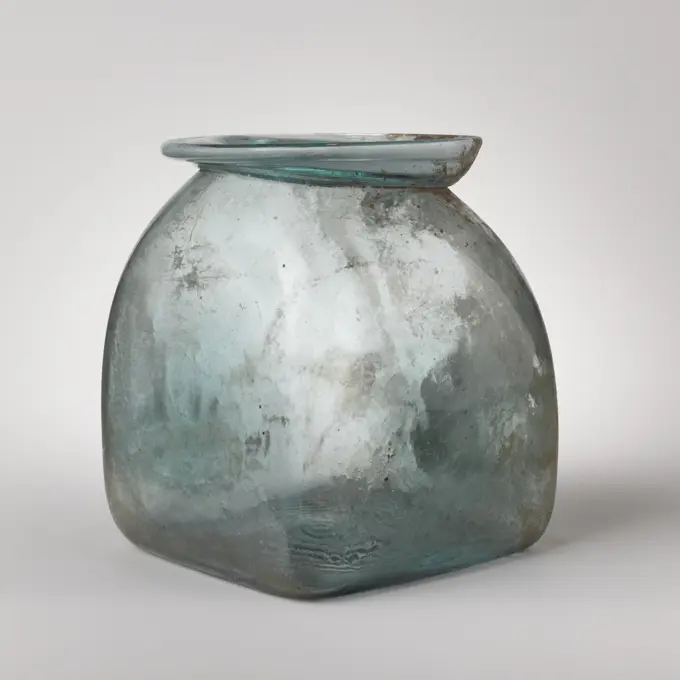
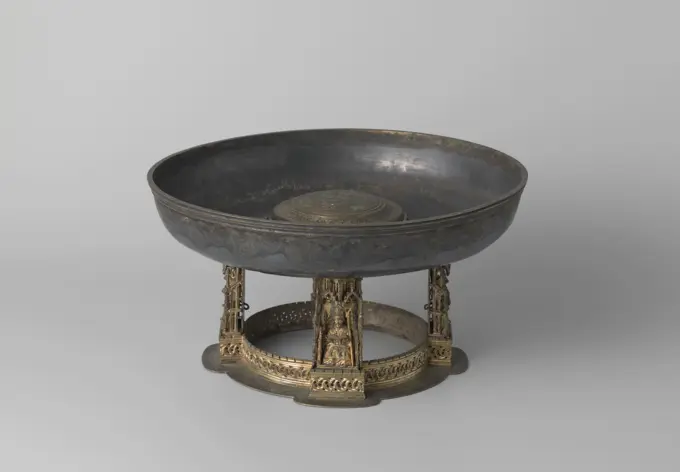
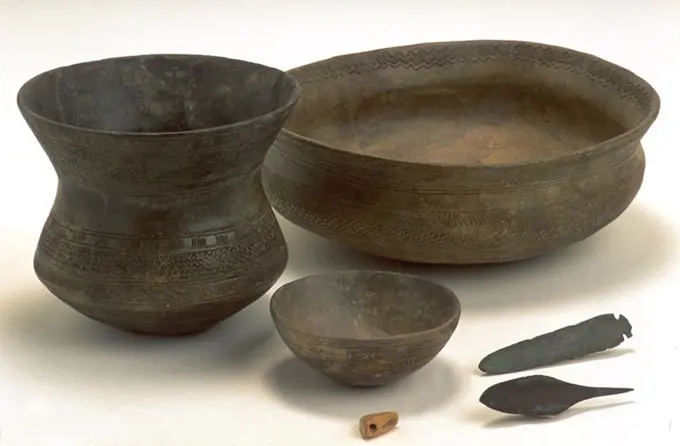
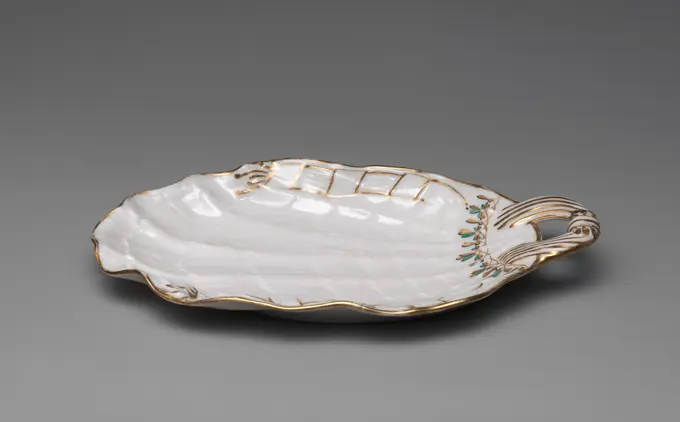
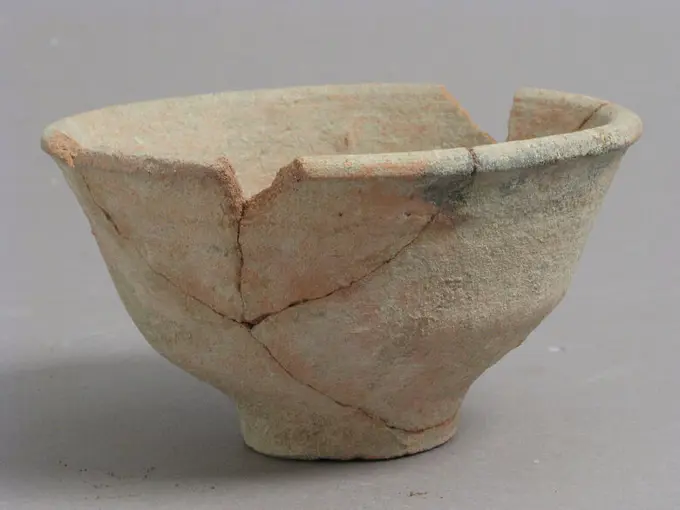
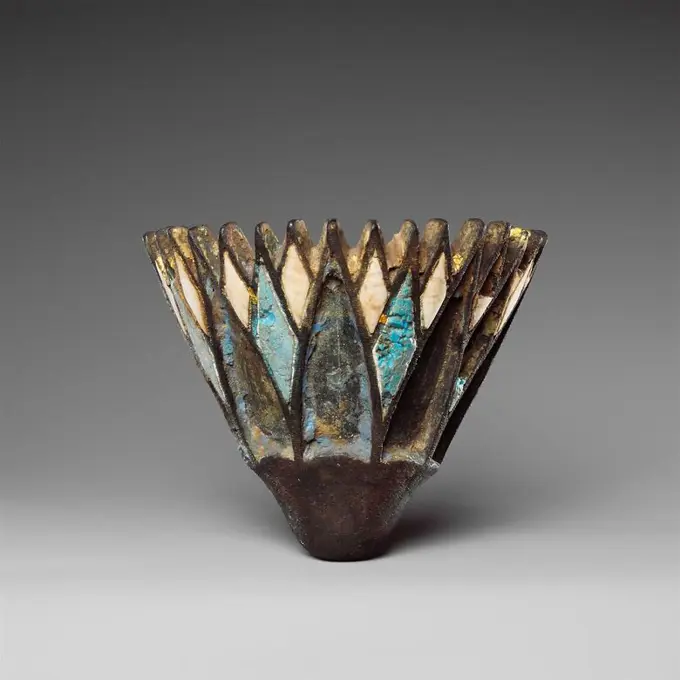
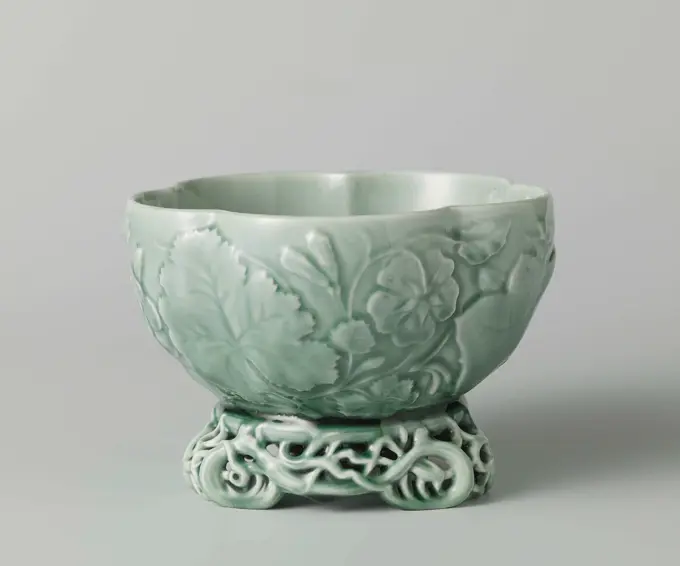
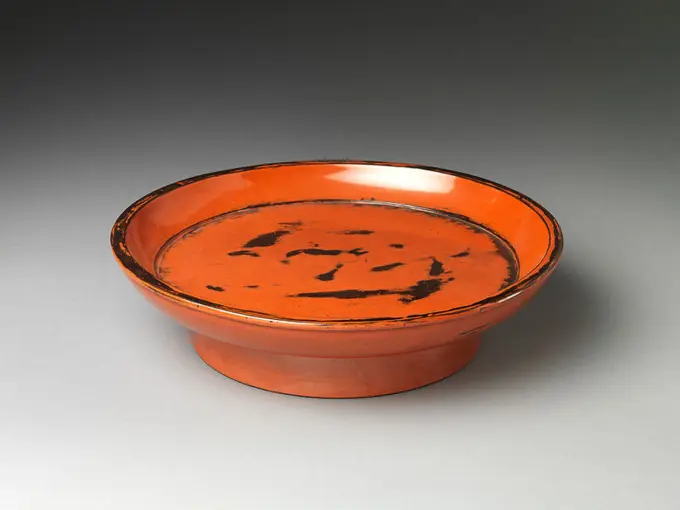
Round Negoro Lacquer Tray. Culture: Japan. Dimensions: Diam. 16 3/8 in (41.6 cm). Date: first half 15th century.The pleasing proportions and lovely surface of this sturdy yet gracefully rounded serving piece reflect a perfection of form and refined skills in lathework and lacquering that developed over many years of production and use. A play of color where the black under layer emerges through the smooth red lacquer surface is appreciated aesthetically and prized as a mark of natural wear over time. Such large round trays were used for serving cups of tea at communal meals in temples. Museum: Metropolitan Museum of Art, New York, USA.Bowl. Byzantine, 11th-12th century. Furnishings; Serviceware. CeramicSugar bowl of red hard baked earthenware, children's toys. With lid, anonymous, c. 1830 - c. 1860 Half -ball -shaped sugar bowl of red, hard baked pottery. The pot has a stand ring and a vaulted lid with a fruit as a button. The sugar bowl is in relief with garlands of leaves and fruits. The sugar bowl is part of a miniature tea set (BK-15429-A to BK-15429-D). The sugar bowl includes a lid. Bohemia earthenware Half -ball -shaped sugar bowl of red, hard baked pottery. The pot has a stand ring and a vaulted lid with a fruit as a button. The sugar bowl is in relief with garlands of leaves and fruits. The sugar bowl is part of a miniature tea set (BK-15429-A to BK-15429-D). The sugar bowl includes a lid. Bohemia earthenwareOil bottle with peony decoration second half of the 12th century Korea. Oil bottle with peony decoration 42285Bowl. UnknownBowl with Lucretia Bella ca. 1480-1500 Italian, Tuscany (probably Montelupo) This is an early example of the Belle donne ("beautiful women") ceramics popular throughout the Renaissance. They were probably made as amorous gifts, although it is difficult to know if they are really portraits of individuals. Because of the imagery of this bowl it may refer to Lucrezia deMedici, the daughter of Lorenzo the Magnificent (whose birthtray is displayed in this gallery), born in 1470.. Bowl with Lucretia Bella 199736Attic Red-Figure Stemless Kylix. Attributed to the Marlay Painter (Greek (Attic), active about 450 B.C.)Semicircular deep bowl. unknown, craftsmanFlowerpot and stand 1824 James Pottery An exceptional example of sgraffito hollowware, this flowerpot was made for Tacy Lewis of Newtown, Pennsylvania. She would have been thirty-one years old in 1824, and the presentation piece was presumably made in honor of a birth or wedding. The elaborate ruffled border on both the pot and the stand is characteristic of the Chester County region.. Flowerpot and stand 3764Bowl late 8th-9th century This ceramic bowl was excavated at the site of Tepe Madrasa in Nishapur.Nishapur was a vital city in the early and middle Islamic periods, located along one of the main trajectories that connected Iran and West Asia Islamic lands with Central Asia and China. These itineraries are often referred by the term Silk routes but were in fact crucial to the movement of constellations of materials and objects, as well as people and ideas. The diverse population of Nishapur and its surroundings, from the better-researched elite groups of merchants, land-owning aristocracy, and literates, to the less-known artisans, farmers, miners, and servants, were instrumental in adapting global cultural trends to create their own distinctive visual languages. This is seen in the material remains of everyday life in medieval Nishapur - from pots and pans to lighting devices, inkwells, textiles and trimmings, jewelry, games and toys, talismanic devices, weapons, coins, and architecturGlass Bowl. Culture: Late Roman. Dimensions: Overall: 3 11/16 x 4 13/16 in. (9.3 x 12.2 cm). Date: 375-425. Museum: Metropolitan Museum of Art, New York, USA.Bowl. China, 19th century. Furnishings; Serviceware. Porcelain with enamels (bencharong)Charger, Pewter, Deep bottom; marly has molded edges with concentric lines., Lyon, France, 1691, metalwork, Decorative Arts, ChargerThe Attarouthi Treasure - Censer 500-650 Byzantine With a youthful Christ with a cruciform halo, Saint John the Forerunner, the Virgin Mary in orant pose, a deacon saint (probably Saint Stephen), and crossesInscribed in Greek: For the sake of the repose of the souls of Ertha and Stephen, children of Kyriakos Saint John the Forerunner's long hair and beard refers to his time in the Judean wilderness before his baptism of Christ (Matthew 3:1-12, John 1:1-34).. The Attarouthi Treasure - Censer 466132Platter with a Fish 4th-5th century Late Roman In his great encyclopedia, the first-century Roman writer Pliny reports that tin plating, as seen on this platter, was invented by the Gauls. It was no doubt employed in this case to emulate silver. Numerous Gallic platters, both silver and tinned, with a fish engraved in the center still survive. The fish may have had Christian significance, but it is just as likely that it was strictly a decorative motif.. Platter with a Fish 468192Terracotta cup late 1st century B.C. Roman Deep red glazed cup with raised decoration of masks, shells and anthemion; shell feet.. Terracotta cup 250064Bowl -Plate in the Form of a Jaguar with Interior Painted with Floral-Like Motif 200 CE-700 CE México. Ceramic and pigment . MayaOne of a Pair of Etruscan Plates: Birds; Attributed to the Circle of the Crane Painter (Etruscan, about 600 - 575 B.C.); Caere, Etruria, Italy; 680 - 660 B.C; Terracotta; 35 × 5 cm (13 3,4 × 1 15,16 in.)Ritual Vessel. Korea, Joseon (1392-1910), 19th century. Furnishings; Serviceware. Wheel-thrown porcelain with clear glazeBowl 18th century India. Bowl. India. 18th century. Nephrite, light gray heavily flecked with black. JadeGlass beaker or lamp. Culture: Roman. Dimensions: H.: 3 5/16 in. (8.4 cm)Base: 4 3/8 in. (11.1 cm). Date: 4th century A.D..Colorless with pale green tinge; blobs in translucent cobalt blue.Thick, uneven rim, very slightly outsplayed and ground; funnel-shaped body with slightly convex profile, then curves in to small concave bottom.On body, horizontal band of blobs, comprising two larger blobs on opposite sides, and two groups of three smaller blobs between them, one arranged as a horizontal row, the other as a downward-pointing triangle; above blobs, a single horizontal band of wheel-abraded lines.Intact, except for small chips in and below rim, and on bottom; few bubbles; dulling, iridescence, and enamel-like brown weathering. Museum: Metropolitan Museum of Art, New York, USA.Beaker 1690-1691 England. Silver . R.H. (Maker)Footed dish, treen, England, late 18th-early 19th century, Decorative Arts, Footed dishBowl - Portneuf potteryVessel ca. 2300-2000 B.C. Hattian. Vessel. Hattian. ca. 2300-2000 B.C.. Bronze. Early Bronze Age III. Central AnatoliaGlass mosaic hemispherical bowl. Culture: Greek. Dimensions: H. 2 13/16 in. (7.1 cm); diameter 4 11/16 in. (11.9 cm). Date: 2nd-mid-1st century B.C..Translucent blue and opaque white.Vertical, squared-off rim; convex curving side; convex bottom.Composite mosaic pattern formed from irregular circular sections of a single cane in a blue ground with a white spiral, interspersed with a small number of angular segments of a cane in solid white; a blue network cane wound spirally with a white trail is attached as a rim.Broken and repaired with one large hole in side and another in rim; dulling, pitting, and creamy weathering with faint iridescence. Museum: Metropolitan Museum of Art, New York, USA.One of Ten Nesting Wedding Baskets, c 1900s . Africa, Western Sudan, Burkina Faso, Lobi, 20th century (). Plant fiber and leather; diameter of mouth with rim: 13.1 x 11.5 cm (5 3/16 x 4 1/2 in.).Shoulder Cauldron with Diagonal Basketry Pattern. Hohokam, Sacaton Red-on-buff; Southern Arizona, United States. Date: 950 AD-1150. Dimensions: 25.1 × 41.6 cm (9 7/8 × 16 3/8 in.). Ceramic and pigment. Origin: Arizona. Museum: The Chicago Art Institute, Chicago, USA.Tripod Vessel with Flower Mountain and SolarDeities.  Maker: UnknownWater container 12th-13th century China. Water container 46035Tripode li. ". Land cine. China. Paris Museum berne. Asian art, Chinese art, Chinese ceramic, container, container, terracotta, tripod li, three feetPottery ointment jar, conical model, white shard, internally glazed yellow, ointment jar holder soil find ceramic earthenware glaze lead glaze, hand turned glazed baked Pottery ointment jar conical model white shard internal yellow glazed Thin flat slanting inwardly directed wide top edge. Narrowing of the boiler just above the standing surface The top edge of the pot was already damaged before the pot was baked. Glaze is present on the old fracture archeology indigenous pottery store pack medicine drug craft salesBurden Basket Model, 1900. Mary Benson. Redbud, sedge; twined (plain twine); overall: 10.8 x 15 cm (4 1/4 x 5 7/8 in.).Bowl. Afghanistan, 10th century. Metal. High tin bronze with engraved decorationSmall BowlDecorated bronze patera with handle shaped as ram's head, from House of Iulius Polybius, PompeiZodiac cup. Bronze zodiac cup. Decorated on the outside with two rows of twelve motifs. The lower row consists of the twelve symbols of the zodiac. The top row consists of eleven Wayang figures and a bird.Miniature Painted Bowl 15th-early 16th century Aztec. Miniature Painted Bowl 316883Covered Dish 1800-1830 American. Covered Dish 2356Bowl, One of Pair, 1662-1722, 2 1/16 in. (5.24 cm), Porcelain, China, 17th-18th centuryPottery cooking jug on three legs, wide neck opening, white shard, with pouring lip and band, cooking pot crockery holder kitchen utensils earthenware ceramics earthenware glaze lead glaze, hand-turned glazed baked Pottery cooking jug. White shard glazed Internal yellow and external green glazed underside bottom unglazed traces. Double conical in shape. Pinched and standing band ear. Schenklip. Rotations between the edge and bend on the outside. Semi-circular bottom. Angled inwardly directed top edge with lid edge. Restoration is left empty archeology Rotterdam Stadscentrum Stadsdriehoek New harbor indigenous pottery cooking food preparation kitchen Soil discovery New Haven 2nd cesspool square 22-08-1980Bowl 18th century China. Bowl 60917. Scale (incense burner) From quartz frying on three modeled legs covered with alkalilation. Imitation to Chinese example.Bowl. Culture: China. Dimensions: Diam. 6 3/4 in. (17.1 cm); H. 2 3/4 in. (7 cm). Museum: Metropolitan Museum of Art, New York, USA.Plate (part of a set) 1781-93 Robert L. Bush. Plate (part of a set). British, Bristol. 1781-93. Pewter. Metalwork-PewterKyathos. Culture: Italic-Native, South Italian (Daunian). Dimensions: H. with handle 9.4 cm.; diameter 14.10 cm.. Date: ca. 550-450 B.C.. Museum: Metropolitan Museum of Art, New York, USA.Tripod Vessel with HumanFeet.  Artist: UnknownBasin. Pakistan, Lahore, Mughal Empire, circa 1650-1700 (bottom); 1742 (top). Tools and Equipment; basins. Brass inlaid with a dark gray ground, cast and engraved (bottom); brass inlaid with a dark gray ground, engraved (top)Glass beaker or lamp 4th century A.D. Roman Colorless with pale green tinge; blobs in translucent cobalt blue.Thick, uneven rim, very slightly outsplayed and ground; funnel-shaped body with slightly convex profile, then curves in to small concave bottom.On body, horizontal band of blobs, comprising two larger blobs on opposite sides, and two groups of three smaller blobs between them, one arranged as a horizontal row, the other as a downward-pointing triangle; above blobs, a single horizontal band of wheel-abraded lines.Intact, except for small chips in and below rim, and on bottom; few bubbles; dulling, iridescence, and enamel-like brown weathering.. Glass beaker or lamp. Roman. 4th century A.D.. Glass; blown, blobbed, and cut. Late Imperial. GlassSkyphos. UnknownVotive Oil Lamp, c. 1250, 3 1/2 x 4 1/8 in. (8.9 x 10.48 cm), Glazed ceramic, Iran, 13th centuryBowl 18th century British. Bowl. British. 18th century. Soft-paste porcelain. Ceramics-PorcelainBowl or Cup 19th century (original dated 11th-12th century) Byzantine. Bowl or Cup 468756Bowl East Greek/Sardis, Lydian. Bowl. East Greek/Sardis, Lydian. Terracotta. VasesBowl 4th century Veracruz. Bowl 313259Sugar with cover (part of a set) ca. 1810 French, Sarreguemines. Sugar with cover (part of a set). French, Sarreguemines. ca. 1810. Lustreware. Ceramics-PotterySaucer, AD 300s or later. Eastern Mediterranean, Roman, 4th Century or later. Glass; overall: 2.5 x 13.8 cm (1 x 5 7/16 in.); diameter of foot: 7 cm (2 3/4 in.).Terracotta kylix (drinking cup). Culture: East Greek. Dimensions: H. 3 1/16 in. (7.8 cm); diameter 5 7/8 in. (14.9 cm). Date: late 7th-6th century B.C..Kylix of reddish clay with black bands. Museum: Metropolitan Museum of Art, New York, USA.(Lidded Bowl on High Foot), 5th-6th century, Unknown Korean, 8 3/8 x 6 1/2 x 6 1/2 in. (21.27 x 16.51 x 16.51 cm), Stoneware, Korea, 5th-6th century, The excavations of Anjap-ji, a pond within a 7th century palace compound, revealed much about the daily life and material goods of the Korean aristocracy during the Silla dynasty. High-fired stoneware in elegant, wheel-turned shapes, like this one, were commonly used as tableware.Container for rubbing incense, 14th century, Unknown Japanese, 6 11/16 × 6 × 6 in. (16.99 × 15.24 × 15.24 cm), Gilt bronze, Japan, 14th century, Rubbing incense (zukō)powdered incense mixed with liquid to form a thick pastehas several ritual uses in Buddhism. It is applied to the body and also to icons to remove any uncleanness. It is also offered to the Buddha as one of the Five Types of Offerings (go-kuyō), along with incense, foodstuff, candles, and adornments. Containers for rubbing incense, like this gilt bronze example, are thus essential implements in Buddhist ritual.Bowl. Blue covered porcelain enhanced with gilding on the outside and coated with colorless covered inside. Paris, Cernuschi museum. 78838-15 Asian art, Chinese art, porcelainBox Lid with Incised Figural Decoration ca. 3rd-4th century India (Andhra Pradesh or West Bengal) The incised decoration shows hunting scenes, amorous couples (mithunas), and a group of four elephants.. Box Lid with Incised Figural Decoration. India (Andhra Pradesh or West Bengal). ca. 3rd-4th century. Ivory. IvoriesVase. Acquired by the Atelier Glatigny on the Paris World Fair 1900Bowl 12th-15th century Nicaragua. Bowl 318593Fragment earthenware bowl, cooking pot with wide rim, decorated with yellow dots, cooking pot tableware holder kitchen utensils earthenware ceramics earthenware glaze leadgg, hand turned decorated glazed fried lemonade Bake on three legs upright side on which rotations are visible. Wide collar Red with yellow sludge archeology Rotterdam railroad tunnel for indigenous pottery serving Soil discovery: rail tunnel Rotterdam.Bowl. Iran, first half of 14th century. Ceramics. Fritware, molded and glazedGrain size of 2 liters, anonymous, 1803  Wooden grain size of 2 liters with label. Netherlands wood (plant material)   NetherlandsPedestal dish with swirling design. Panama, 800-1000 CE. Ceramics. Slip-painted ceramicBowl 1st-2nd century China. Bowl. China. 1st-2nd century. Earthenware with green glaze. Han dynasty (206 B.C.-A.D. 220). CeramicsBurden Basket Made 1870-1880 California. Northern California is the ancestral home of numerous Indian tribes, many of which speak different languages yet share a similar culture and an artistic tradition centering on basketry. The Pomo were especially accomplished designers and weavers of baskets for all purposes, and the cone-shaped burden basket is a well-known form in their artistic repertoire. This example is in excellent condition considering both its age and the fact that it was subjected to practical use. (As an object made for utilitarian purposes, it has no sacred or ritualistic functions.) The subtly curving, conical shape is beautifully woven with a diagonal twine; alternating, triangular motifs in dark brown and light tan escalate in size from the narrowest, lower point to the wide, open rim. Serrated lines of uniformly smaller triangles separate the dominant shapes and reinforce the overall sense of spiraling, diagonal movement. This is a very old Pomo graphic convention, Tinsmith: Nicolaas Esbos, Pewter wine cup with slightly protruding edge, beaker tableware holder soil find tin metal, cast Pewter cup Round flat bottom with stand ring cylindrical body with slightly flared upper edge Mark on bottom bottom: escutcheon of Gouda with stars on both sides and in the middle unrecognizable image with above NEB metal watering jug archeology drinking wineSake Bottle. Japan, Edo period, early 19th century. Ceramics. Shōdai ware; stoneware with wood ash and rice straw ash glazesGlass jar with lid mid-1st-late 2nd century A.D. Roman Translucent blue green, with lid in same color.Thick, tubular rim, partially folded up as well as out, round, and down, covering narrow neck; sloping shoulder with rounded corners; square body with flat sides; flat bottom but slightly concave to one side.On bottom, twelve concentric circles in relief.Intact; some bubbles and blowing striations, with one gritty inclusion in bottom; patch of limy encrustation, extending from rim down one side, some dulling, and iridescent weathering.Lid: oval disk with plain rounded edge, and thick central knob handle.Intact; some pinprick bubbles; dulling, creamy brown weathering, and iridescence.The lid is the appropriate size for the jar but does not fit well because of the uneven shape of the jar's rim.Smaller square jars have been found in houses and shops at Pompeii, where they were probably used for storing food. This large example, however, apparently served as a cinerary urn, although it is Bell-shaped cup modelled in the shape of a flower, anonymous, c. 1740 - c. 1760 Bell -shaped head of porcelain with scalloped edge, painted on the glaze with blue, red, pink, green and gold. The wall is modeled in the form of three rows of petals; A flower branch on the bottom; the inner wall with lines and three flower branches; A flower on the bottom. Famle Rose. China porcelain. glaze. gold (metal) painting / gilding / vitrification Bell -shaped head of porcelain with scalloped edge, painted on the glaze with blue, red, pink, green and gold. The wall is modeled in the form of three rows of petals; A flower branch on the bottom; the inner wall with lines and three flower branches; A flower on the bottom. Famle Rose. China porcelain. glaze. gold (metal) painting / gilding / vitrificationTobbe of Standring, made of stuffing with two and three hoops, anonymous, c. 1700 - c. 1799 Stand ring or bottomless Tobbe (leak bin), made of loose stuff of a tropical hardwood species (bolletrie) Werded by two and three hoops of rattan. Amsterdam (possibly) .. rattan Stand ring or bottomless Tobbe (leak bin), made of loose stuff of a tropical hardwood species (bolletrie) Werded by two and three hoops of rattan. Amsterdam (possibly) .. rattanBowl. Culture: Coptic. Dimensions: Overall: 1 15/16 x 5 9/16 in. (5 x 14.1 cm). Date: 4th-7th century. Museum: Metropolitan Museum of Art, New York, USA.Fruit basket; Scott, Digby & Smith, Benjamin (Fl. 1802-1807); 1802/03 (1802-00-00-1803-00-00);Galvanoplastic reproductie van de "church fathers bowl" uit het Lüneburg councils silver, Vollgold & Sohn, 1476 Galvanoplastic reproduction of a bowl on four legs with images of the church fathers in a Gothic niche. In the middle of the scale an enamelled weapon around which the words: Hanc Apotecarius Tribuit Dominis Mathias Must 1476. partially gilded. Berlinsilversmith: Lüneburg copper (metal). silver (metal) gilding Galvanoplastic reproduction of a bowl on four legs with images of the church fathers in a Gothic niche. In the middle of the scale an enamelled weapon around which the words: Hanc Apotecarius Tribuit Dominis Mathias Must 1476. partially gilded. Berlinsilversmith: Lüneburg copper (metal). silver (metal) gildingBowl -Basket. Culture: Japan. Dimensions: H. 5 3/4 in. (14.6 cm); W. 9 1/2 in. (24.1 cm). Date: 19th century. Museum: Metropolitan Museum of Art, New York, USA.Finger Bowl 1880-88 Possibly Boston & Sandwich Glass Company. Finger Bowl. American. 1880-88. Blown amber glass with applied threaded decoration. Made in Sandwich, Massachusetts, United StatesCONJUNTO. CUENCO DE MADRID, VASO CAMPANIFORME DE PALENCIA, PUNTA PALMELA DE VELEZ MALAGA, CUCHILLO DE LOMA DE LA ATALAYA, BOTON DE PERFORACION EN V Y CAZUELA. BRONCE S.V a.C. (DEPOSITO: MUSEO ARQUEOLOGICO NACIONAL).Relish Dish 1885 Union Porcelain Works Union Porcelain Works was one of the most important and inventive American porcelain manufacturers in the second-half of the nineteenth century. In addition to their imaginative works designed by the German-born artistic director, Karl H. L. Müller, the firms mainstay was the production of heavy porcelain hotel dinnerware. This extensive service was made by Thomas Carll Smith, head of the Union Porcelain Works, as a gift to his daughter, Pastora Forest Smith Chace. The neoclassical decoration of the gilt bellflower and basket motif is complimented by turquoise enamel. Unlike the firms more eccentric and lavish designs created for their display at the Philadelphia Centennial Exposition in 1876, the pottery favored a more restrained classical style for their dinner services. This service descended in the Chace family.. Relish Dish 6857Ewer with Lotus Petal Collar 11th-12th century Vietnam. Ewer with Lotus Petal Collar. Vietnam. 11th-12th century. Porcelain. CeramicsSaucer, 1775-1799. Saint Cloud Porcelain Factory (French). Soft-paste porcelain; diameter: 2.9 x 12.3 cm (1 1/8 x 4 13/16 in.).Glass bowl Roman 1st century CE Translucent light blue.Slightly outsplayed vertical rim, with uneven, ground lip; biconical body; small, concave bottom.Two bands of horizontal cut lines on body: one is a single fairly thick groove just below the rim; the other comprises two similar grooves flanking a broader groove, located just below point of carination.Intact; dulling, pitting, and iridescent weathering on exterior, most of interior covered with thick creamy weathering. View more. Glass bowl. Roman. 1st century CE. Glass; blown and cut. Early Imperial. GlassBowl. Culture: Coptic. Dimensions: Overall: 2 1/2 x 4 5/16 in. (6.4 x 11 cm). Date: 4th-7th century. Museum: Metropolitan Museum of Art, New York, USA.Cup with cover China Qing dynasty (1644-1911), Qianlong period (1736-95)Lotus attachment element. Dimensions: h. 13.5 cm (5 5/16 in); w. 15.8 cm (6 1/4 in); d. 9.2 cm (3 5/8 in). Dynasty: Dynasty 21-26. Date: ca. 1070-664 B.C..This lotus may have been an attaachment on a shrine baldachin, where a god seated on a lotus is often depicted. Museum: Metropolitan Museum of Art, New York, USA.Foot of pottery pot from the lead white industry, three lobes on the inside, pot holder fragment earthenware pottery earthenware glaze lead glaze, hand turned hand shaped glazed baked Pottery pot on stand ring. On the inside three horizontal lobes intended to carry the lead lead. Red shard internal glazed Curved side wall archeology indigenous pottery lead white dye paint enamel lead white industryFoliate Dish, 1200s-1300s. China, Southern Song Dynasty (1127-1279) - Yuan Dynasty (1271-1368). Lacquer; diameter: 26.8 cm (10 9/16 in.).Pottery ointment jar, gray shard, internally glazed yellow, ointment jar pot holder soil find ceramic earthenware glaze lead glaze, hand-turned glazed baked Pottery ointment jar gray shard internal yellow glazed on stand. Conical model Internal and external caked paint remains archeology health care indigenous pottery store pharmacy sell craft paintBowl 1 CE-500 CE Syria. Glass vessels were part of the luxurious domestic decoration displayed in wealthy households in both urban villas and rural estates in the later Roman and early Byzantine eras (about 300ñ725). Glass vessels were used for a variety of purposes, including cosmetic containers. In the kitchen and for dining, pitchers served water and wine, and small cups were used for drinking. Glass was also used for lamps to light the home.Byzantine glass craftsmen improved upon the techniques, forms, and decorative motifs they had inherited from their Roman predecessors. An imperial edict of 337 exempted glassworkers from personal taxes and attested to their relative status in society; it remained in effect for several centuries. These artisans would, in turn, pass on their craft to successive generations, including those who worked under Islamic rule after the important Byzantine provinces of Egypt, Palestine, and Syria were conquered in the seventh century.. Glass . Ancient RomSmall Lobed Jar, 1115-1368. Northern China, Jin dynasty (1115-1234) - Yuan dynasty (1271-1368). Glazed buff stoneware; diameter: 5.1 cm (2 in.); overall: 3.8 cm (1 1/2 in.).Bowl on stand. Théodore Deck drew his inspiration for this bowl directly from the light-green celadon porcelain which had been made in Asia since the 9th century. In addition to imitating the colour, he also mimicked the incised leaf and flower motifs. Yet here these resemble the forms that actually occur in nature, in contrast to the stylised designs of early Asian celadon ware.Wine Cup, 12th-13th century, 2 1/4 x 6 1/2 in. (5.72 x 16.51 cm), White nephrite with yellow-brown markings, China, 12th-13th century, This rhyton, carved in the shape of a rhinoceros-horn cup, is decorated with dragons in both low and high relief. Rhino horn, like jade itself, was expensive and exotic. It became popular material for decorative carving as early as the Sung dynasty (11th-12th century) and remained so through the nineteenth century. This vessel reflects the antiquarian taste that developed among the scholar classes at the Sung court and continued through Yuan (14th century) and early Ming (15th century). The dragon decor here derived from the ancient Chou style (6th century b.c.) of bronze ornamentation. Scholars of Sung greatly revered their own antiquity and took delight in commissioning and collecting objects that recalled the shapes and decorations of the Bronze Age.Bowl. Culture: China. Dimensions: H. 2 5/8 in. (6.7 cm); Diam. 7 in. (17.8 cm). Museum: Metropolitan Museum of Art, New York, USA.Georges Despret (1862-1952). Cutting on foot. Glass, glass paste. XIXth-XXth century. Museum of Fine Arts of the City of Paris, Petit Palais. 19th XIXth XIX 19th 19th 19th century, XXth XXth XX 20th 20th 20th centuryMACETERO VIDRIADO EN VERDE - S XX ARTE POPULAR. Location: ALFARERIA LAS VISTILLAS. COIN. Malaga. SPAIN.