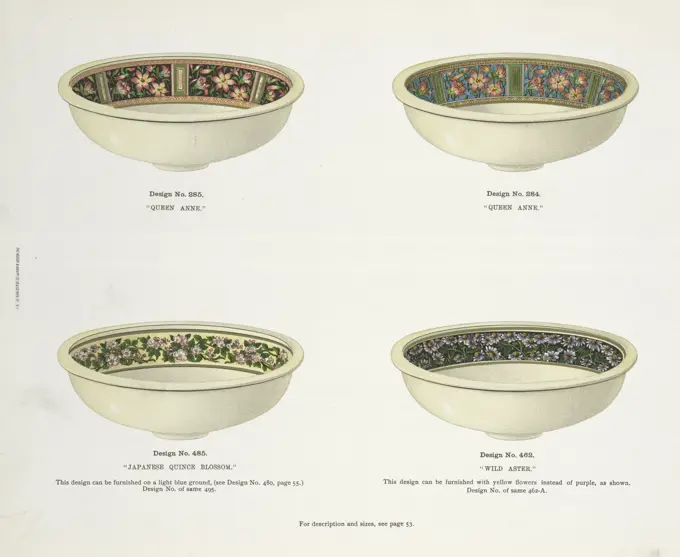
Ceramic Bowls Collection

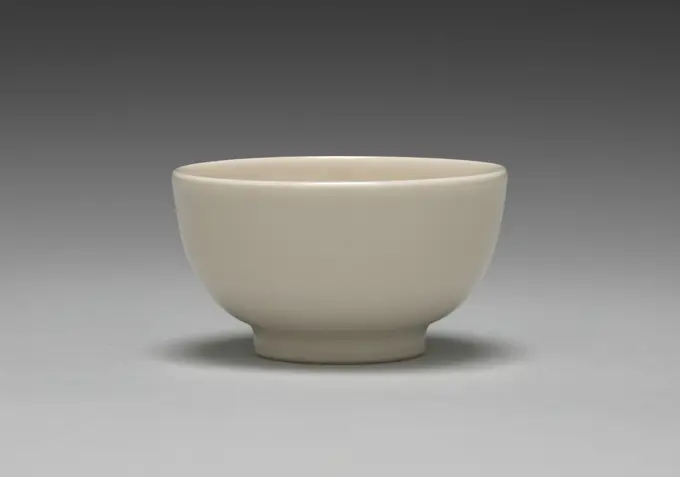
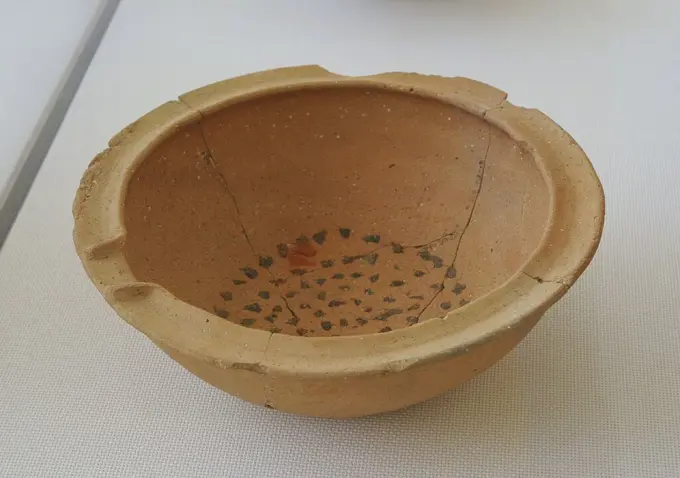
Various antique pottery bowls showcasing unique finishes and shapes, crafted from different materials, ideal for decorative displays.
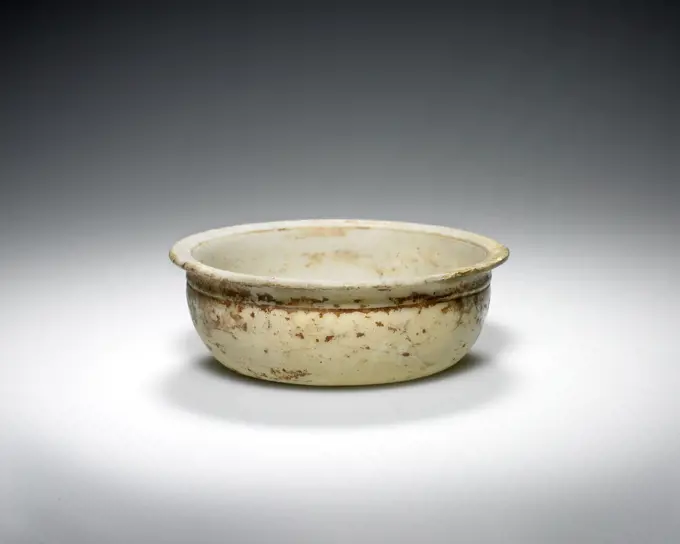
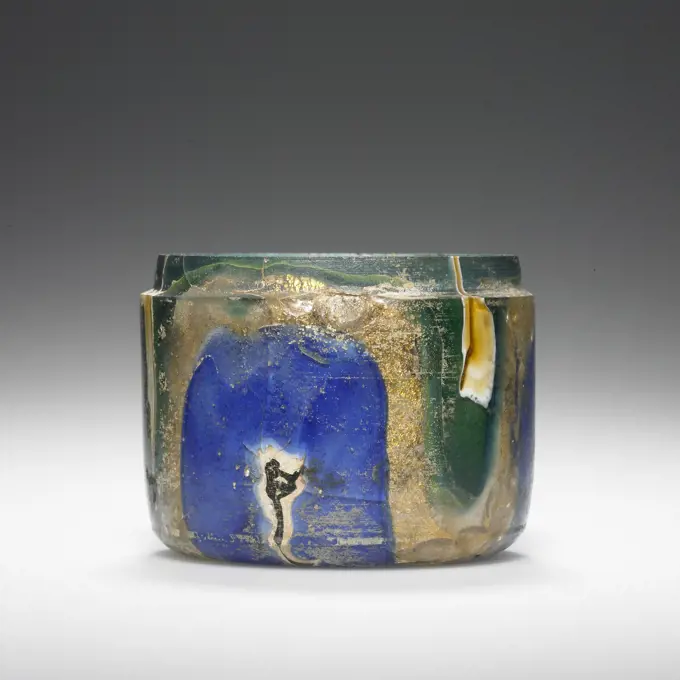
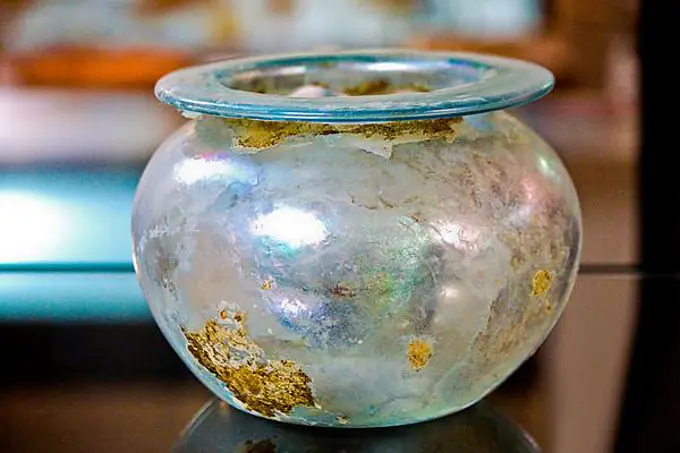
Bowl; Eastern Mediterranean or Italy; end of 1st century B.C. - 1st century A.D; Glass; 3 x 8.6 cm (1 3,16 x 3 3,8 in.)
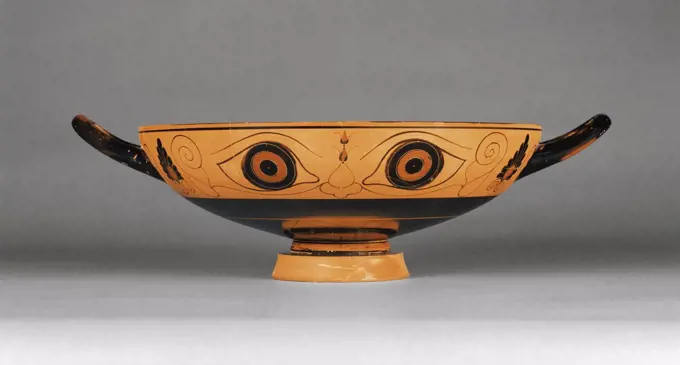
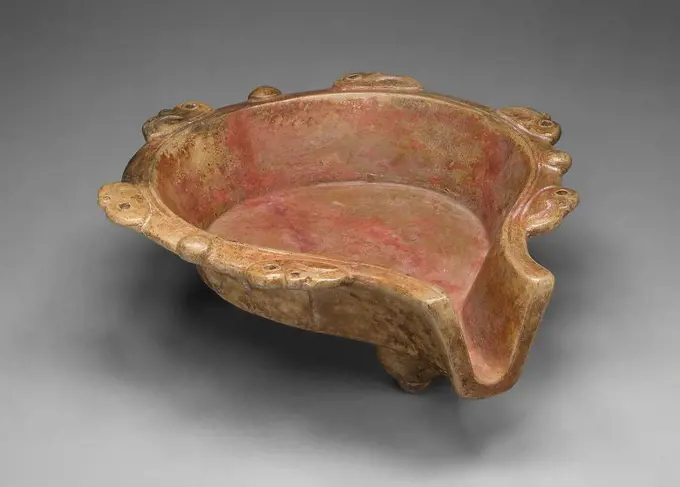
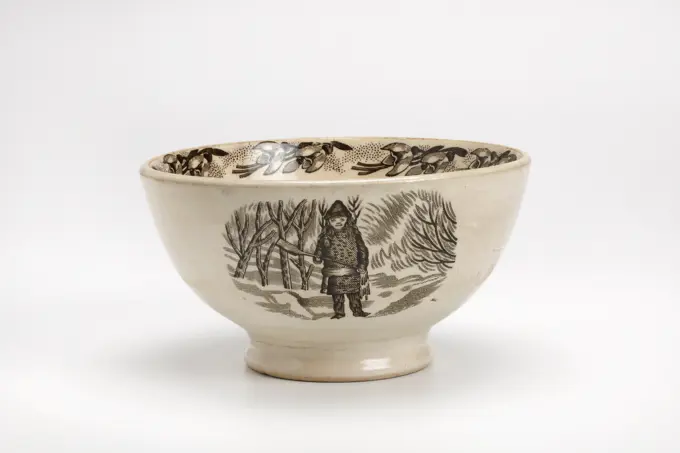
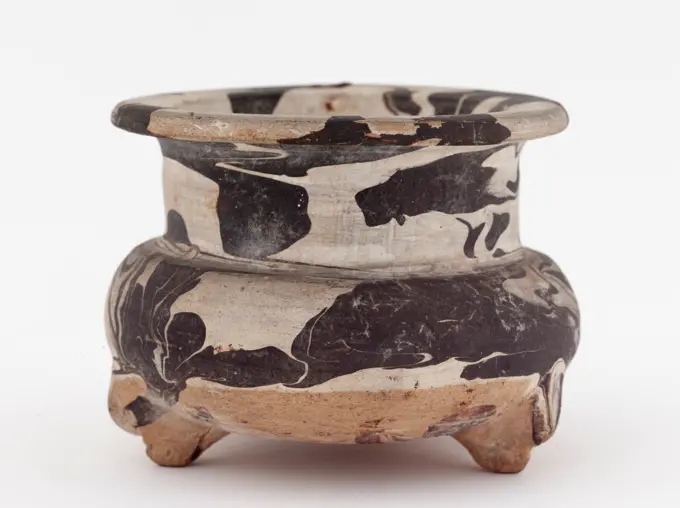
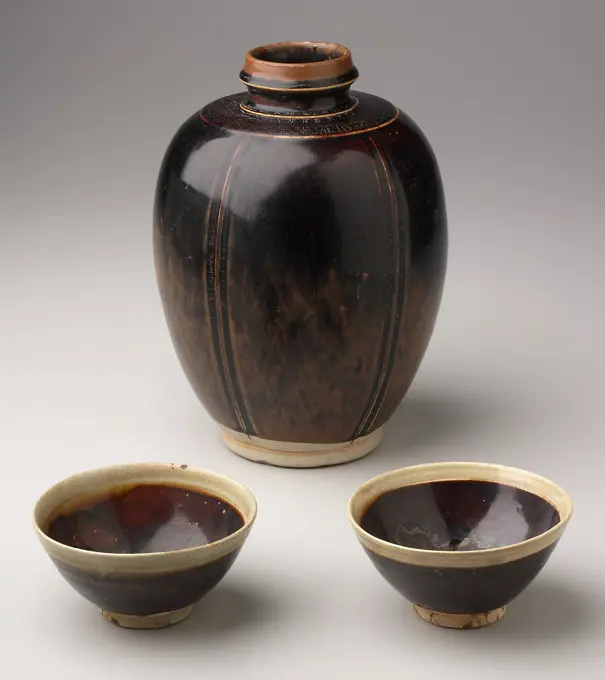
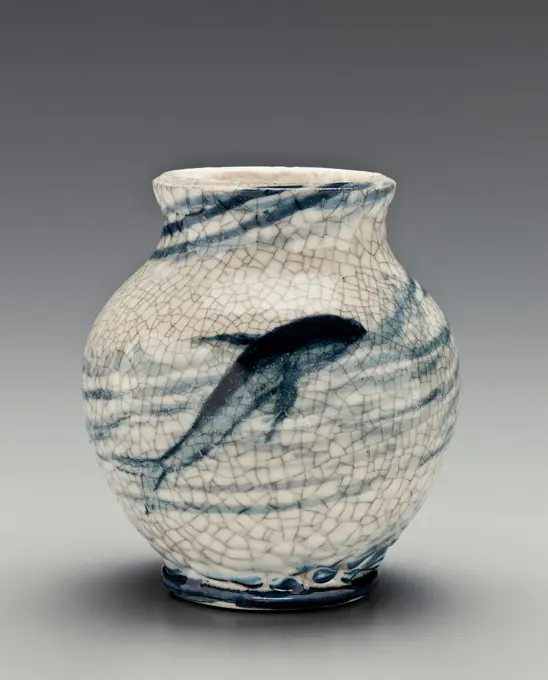
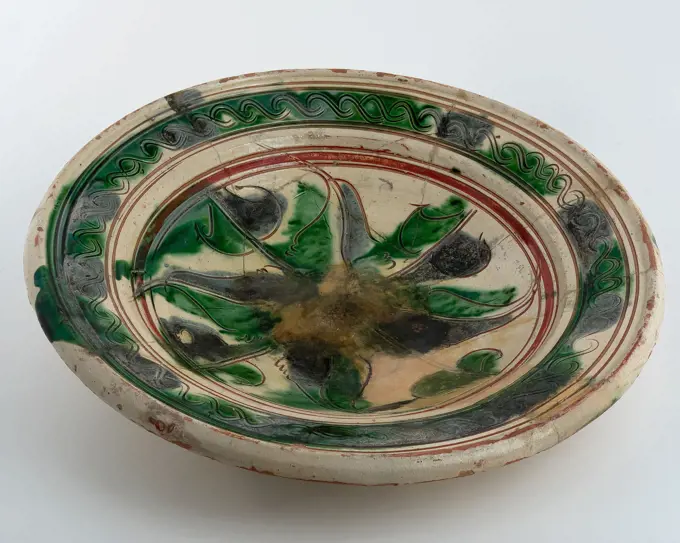
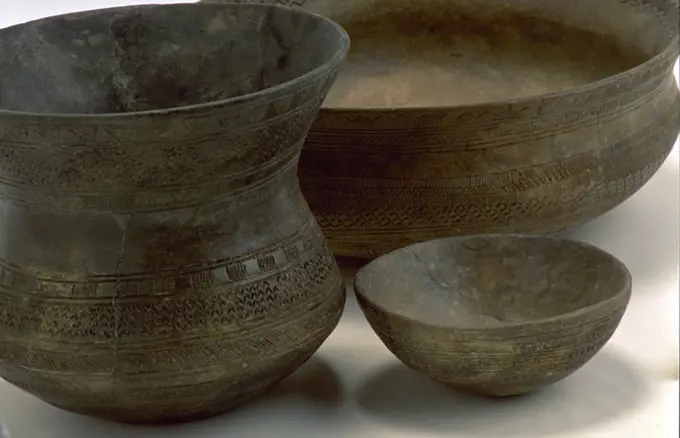
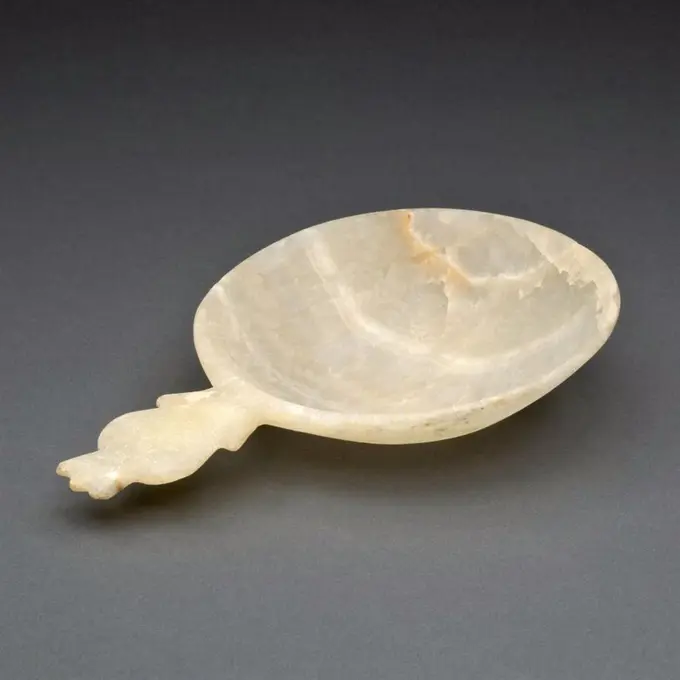
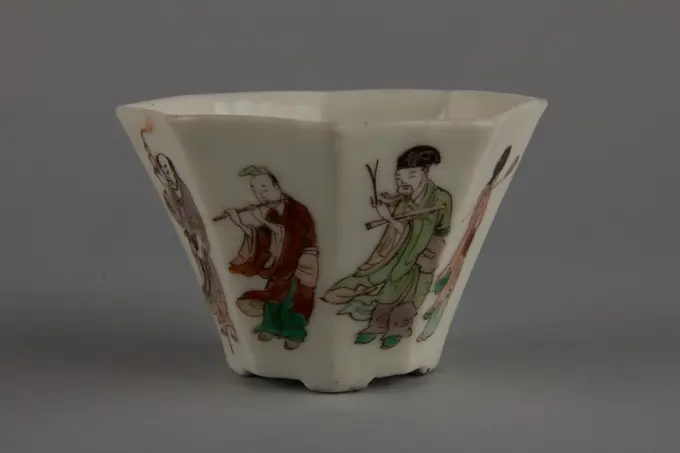
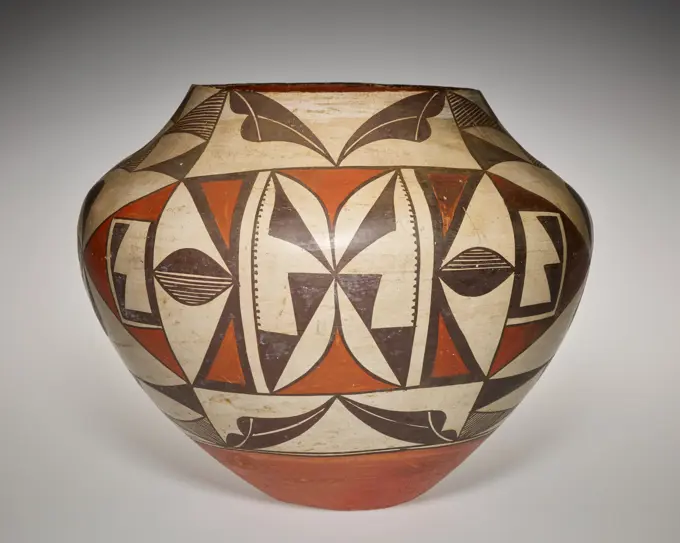
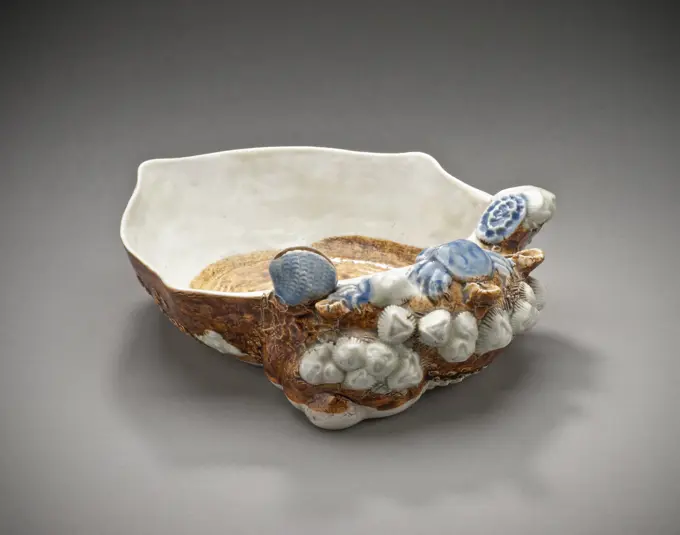
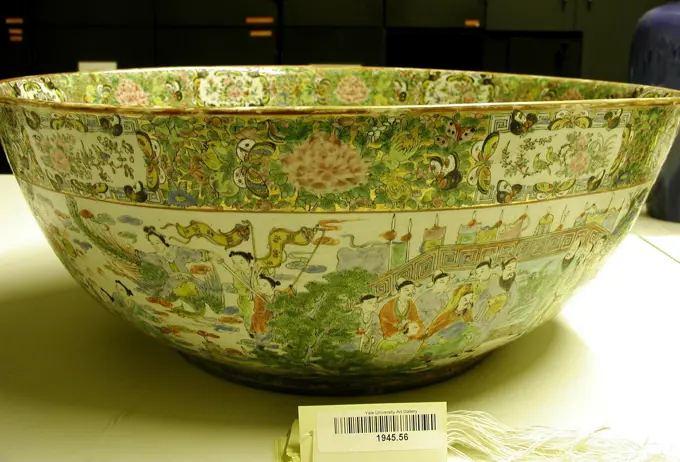
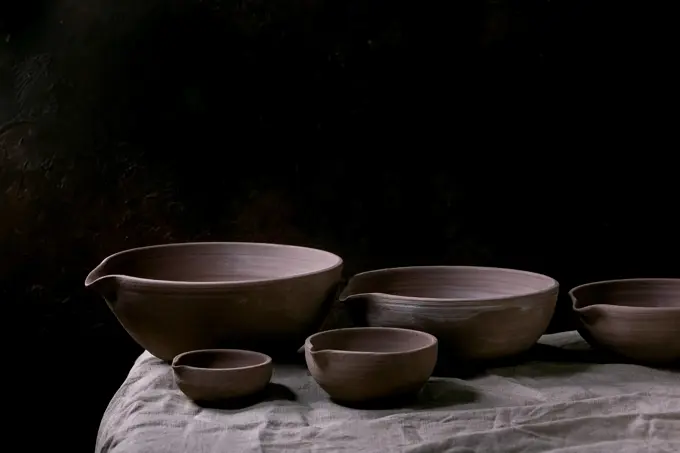
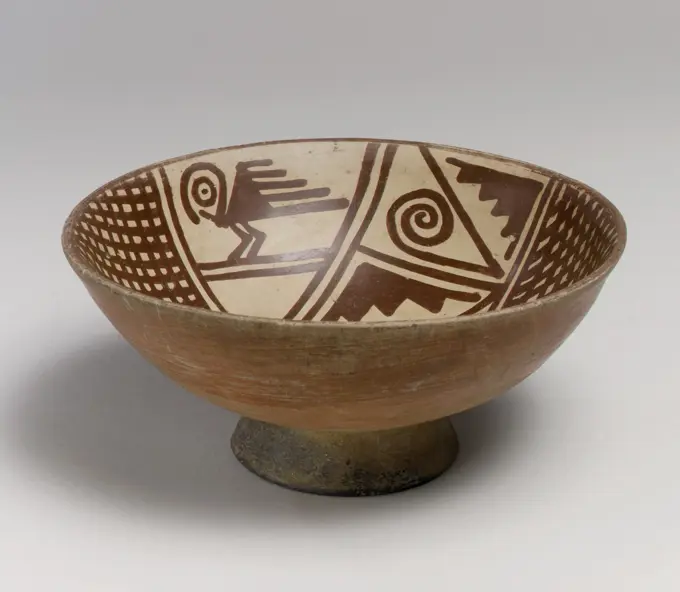
Pedestal Bowl 13th-16th century Carchi For many centuries prior to the Spanish conquest in the 1530s, the people living in the highlands between Colombia and Ecuador produced ceramics that have been found in tombs and shafts as deep as 130 feet. A common vessel type, of almost standardized size and shape, were bowls with annular ring bases. Decorated inside with a wide range of geometric motifs and stylized human and animal forms, these bowls exhibit an infinite variety of formal arrangement. Surfaces are banded, or cut into halves, thirds, or quarters, divisions that are always precisely calculated. Tuza/Cuasmal wares were painted in red or red-brown on cream-colored slip, as on the bowl illustrated here. The surface is divided into two halves by a wide band with stepped and scroll motifs. A further division creates quarters featuring crosshatching and profile parrots perched on bars.. Pedestal Bowl. Carchi. 13th-16th century. Ceramic. Colombia or Ecuador. Ceramics-ContainersChalkidian Eye Cup; Attributed to Phineus Painter, Greek (Chalcidian), active about 530 - 510 B.C.; perhaps Rhegion, Southern Italy, Europe; about 520 B.C.; Terracotta; Object: H: 10.6 x W (handles): 35.1 x Diam.: 26 cm (4 3/16 x 13 13/16 x 10 1/4 in.)Bowl 10th-11th centurySpouted Dish with King Vulture Heads. Olmec; Southern Veracruz or Tabasco, Mexico. Date: 800 BC-400 BC. Dimensions: 22.9 × 24.8 cm (9 × 3/4 in.). Ceramic with kaolin slip and cinnabar. Origin: Mexico. Museum: The Chicago Art Institute, Chicago, USA.Bowl - John Marshall & Company, 1867-1895 John Marshall & Company, 1867-1895Rinse bowl, blue, with leaves and flowers in relief, Peter Regout, c. 1801 - c. 1879 Flush bowl of bluestone, with leaves and flowers in relief over the entire surface. The upper edge of the bowl is sculpted. Maastricht earthenware Flush bowl of bluestone, with leaves and flowers in relief over the entire surface. The upper edge of the bowl is sculpted. Maastricht earthenwareLiner for an Ice Pail (2 of 2), c. 1792-1804. Flight & Barr (British). Porcelain; diameter of mouth: 16.1 cm (6 5/16 in.); overall: 28.6 cm (11 1/4 in.).Burnt-Tripod sponsor ". Terracotta, white slip painted in brown, no covered. China, Song dynasty (960-1279) / Yuan (1279-1368). Paris, Cernuschi museum. Chinese art, burn-brurge, Chinese ceramic, container, Song dynasty, Yuan dynasty, Song time, Yuan time, container, terracotta, tripod, three feetPhiale Mesomphalos. UnknownHead of hard baked earthenware; Wedgwood Creamware., Wedgwood, c. 1780 - c. 1810  Half -ball -shaped head of hard baked pottery; Creamware. The head has a stand ring and the outer wall is ribbed with dark brown cannelures on an ivory soil. England earthenwareCup, 13th-14th century, 2 1/4 x 4 5/16 in. (5.7 x 10.95 cm), Tz'u-chou-type ware Stoneware with persimmon and dark-brown glaze over carved decor, China, 13th-14th centuryVase ca. 1886-89 Chelsea Keramic Art Works Steeped in ceramics from birth, Hugh C. Robertson pursued his craft with fierce devotion and a passion for experimentation. From a family of trained English ceramists, he honed his skills in New Jersey before settling in Massachusetts as one of the founders of Chelsea Keramic Art Works and later, Dedham Pottery. Robertsons lifelong explorations in glazes, particularly their color and texture, make him one of the key figures of American art pottery at the turn of the twentieth century.As all-consuming as his pursuit of the ideal oxblood glaze was, Robertson also pioneered other glazing techniques, among them the craquelé glaze, which he first achieved in 1886. This distinctive type of glaze, with its fine network of visible cracks, was a staple of Eastern ceramics that Westerners tended not to emulate because they considered such crazing a flaw. Appreciating its aesthetic value, Robertson perfected an allover white crackle glaze often enhancedBowl (England); black transfer on stoneware; 8.8 x 17.8 x 17.5 cm (3 7/16 x 7 x 6 7/8 in.); Bequest of Jane M. Epstine; 2006-20-14Jar 1 CE-100 CE Syria. Glass, blown technique . Ancient RomanSauce Dish. Culture: American. Dimensions: Diam. 4 1/2 in. (11.4 cm). Maker: Challinor, Taylor and Company (1866-1891). Date: 1870-90. Museum: Metropolitan Museum of Art, New York, USA.Wase with the KUII dragon motif unknownSake Cup, c. 1893-1914. Seifū Yohei III (Japanese, 1851-1914). Porcelain; height: 3 cm (1 3/16 in.); diameter: 5.5 cm (2 3/16 in.).Fountain 1750-1799 Europe. Marble, sandstone .Bowl with Repeating Depiction of a Fish or Shark 180 BCE-500 CE Peru. Ceramic and pigment . NazcaEarthenware grease trap on four fin legs, with handle on round side and pouring gutter, grease trap baking utensil holder soil find ceramic earthenware glaze lead glaze, hand shaped glazed baked Large deep bowl of red earthenware one side round with firm ear (restoration in plaster) upright sides show green color the whole heavily glazed - brown green one drainage channel four fins one of which in plaster archeology Valckensteyn Poortugaal Albrandswaard indigenous pottery kitchen fat oil lighting frying food preparation Soil discovery: moat east side castle Valckensteyn in Poortugaal now Albrandswaard 1961-1962.Bronze ladle. Culture: Etruscan. Dimensions: 12 3/16 × 3 3/4 in. (30.9 × 9.5 cm). Date: ca. 500 B.C..At the top, two animal heads.At the lower end of the shaft, an athlete holding a diskos. Museum: Metropolitan Museum of Art, New York, USA.Empty bowl on dark background with copy spaceRoman era. Mortar. Clay. On the object background, volcanic stones to facilitate crushing. 5th century. Roman village dump. Spain. National Archaeological Museum. Tarragona. Catalonia, Spain.Votive liver, bronzePunch bowl. Culture: Chinese, for European market. Dimensions: Overall: 5 15/16 × 14 1/4 in. (15.1 × 36.2 cm). Date: ca. 1782-85. Museum: Metropolitan Museum of Art, New York, USA.Dish from Snow-Flake Side Dishes, c. 1893-1914. Seifū Yohei III (Japanese, 1851-1914). One from a set of six porcelain dishes; porcelain with lobed rims and pink glaze; overall: 5 x 13.5 cm (1 15/16 x 5 5/16 in.).Empty ceramic round plate isolated on whitecolourful, resin bowl from Lombok, IndonesiaSèvres Porcelain Manufactory, Cup and Saucer, 1814-24, hard-paste porcelain.Glass beaker. Culture: Roman. Dimensions: Height: 3 7/8 in. (9.8 cm)Diameter: 3 5/16 in. (8.4 cm). Date: 1st century A.D..Colorless.Knocked-off rim; slightly bulging collar below rim; carinated sides tapering downward; concave bottom.One fine horizontal wheel-cut line below collar 3/8 in. (9 mm) below rim), two broader bands 1/16 in. (1.5 mm) apart further down body just above turn, 1 5/8 in. (41 mm) below rim.Almost complete except for small weathered chips in rim and cracks around rim; pinprick and larger bubbles; deep pitting, brilliant iridescence, and creamy weathering; black enamel-like weathering and soil accretion on interior. Museum: Metropolitan Museum of Art, New York, USA.Earthenware dish, yellow shard, decorated in sludge and sgraffito technique, floral decor, dish crockery holder soil find ceramics earthenware glaze salt glaze, hand turned sgraffito glazed fried loin cord Pottery dish yellow shard decorated in sludge and sgraffito technique Decoration consists of leaf motifs in the midfield in dark gray and green On the shoulder some red rings on the flag in green and gray band series of waves. Stand surface. Turning wings on the underside of the flag. Restoration is color-repainted archeology Rotterdam City Triangle underground pit Blaak indigenous pottery import food serving table serve Soil discovery of metropolis Blaak Rotterdam summer 1977.Basket 1895-1905 Northern California. Plant fibers . PanamintPlatter. Palissy, Bernard (1510-1589), authorStrainer 6th century B.C. Etruscan Without decoration.. Strainer. Etruscan. 6th century B.C.. Terracotta; bucchero. Archaic. VasesCONJUNTO. DETALLE: CUENCO DE MADRID, VASO CAMPANIFORME DE PALENCIA, CAZUELA. BRONCE S.V a.C. (DEPOSITO: MUSEO ARQUEOLOGICO NACIONAL).Ointment Vessel. Egyptian. Date: 1550 BC-1292 BC. Dimensions: 17.2 × 11.4 × 2.3 cm (6 7/8 × 4 1/2 × 7/8 in.). Egyptian alabaster. Origin: Egypt. Museum: The Chicago Art Institute, Chicago, USA. Author: Ancient Egyptian.Gold Band Pyxis (missing lid); Eastern Mediterranean or Italy; end of 1st century B.C. - beginning of 1st century A.D; Glass and gold; 4.2 x 5.3 cm (1 5,8 x 2 1,16 in.)Glass cup. Culture: Roman. Dimensions: H.: 2 5/16 in. (5.9 cm)Diam.: 2 5/16 in. (5.9 cm). Date: early 1st century A.D..Translucent deep purple.Vertical rim with slightly beveled outward lip; vertical side to cylindrical body, then slanting in diagonally to concave bottom.On exterior, at bottom of vertical side a band of two horizontal raised lines, the upper one being thicker and more pronounced, another band of two raised lines around outer edge of diagonal underside, and a third band of two raised lines around edge of bottom.Intact; a few bubbles; dulling, pitting, and patches of creamy white iridescence.Rotary grinding marks on interior and exterior. Museum: Metropolitan Museum of Art, New York, USA.Low Decorated Bowl, 1900s. Edwin Scheier (American). Ceramic; diameter: 33.7 cm (13 1/4 in.).Octagonal cup with the Eight Immortals 17th century China. Octagonal cup with the Eight Immortals 46804Olla, c. 1910-1915, 10 x 12 3/4 in. (25.4 x 32.39 cm), Ceramic, pigment, United States, 20th centuryUnknown, flat, 1680, great fire earthenware, polychrome enamels. Petit Palais, Museum of Fine Arts of the City of Paris.BowlServing fork 1879-82 Christopher Dresser British, Scottish. Serving fork 237238Bowl or Brush Washer in the Form of an Abalone Shell. Japan, 19th century. Ceramics. Hirado ware; porcelain with white and brown glazes, underglaze blueBlack-glazed kylix made in Athens. Dated 6th Century BCRoman urn, Museo Archeologico Patroni in Pula, Sardinia, Italy, EuropePunchBowlSet aus Tonschalen Set aus Tonschalen LicenseRF Copyright: xZoonar.com/NATASHAxBREENx 23308935Decorated wash basins by J.L. Mott Iron Works featuring Queen Anne, Japanese quince blossom, and Wild aster designs. Created in 1884 in New York. Categories include plumbing, equipment and supplies, catalogs, and basins (containers)Dish 17th century. Dish 446912