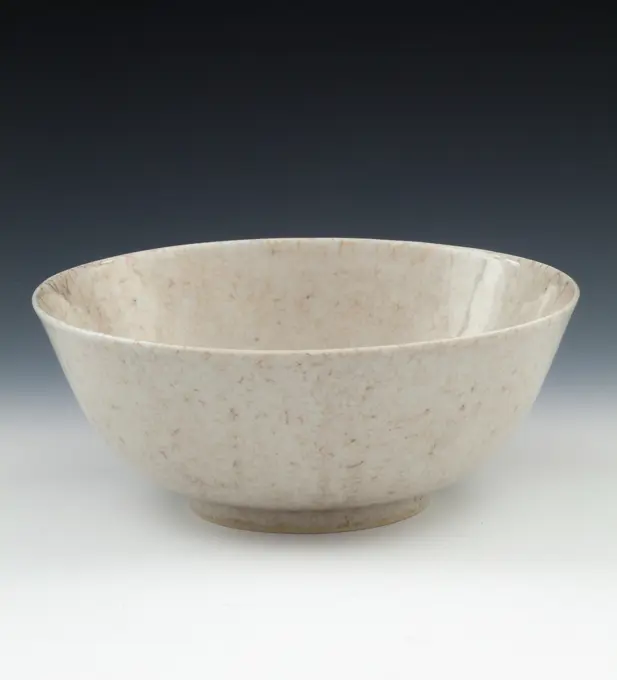
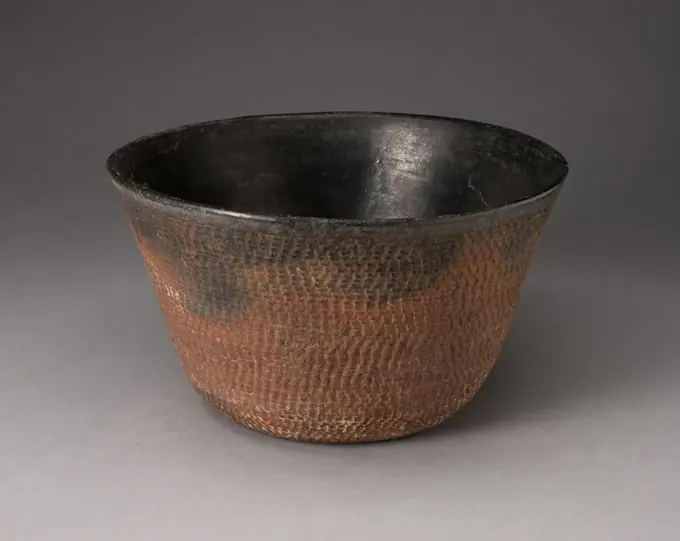
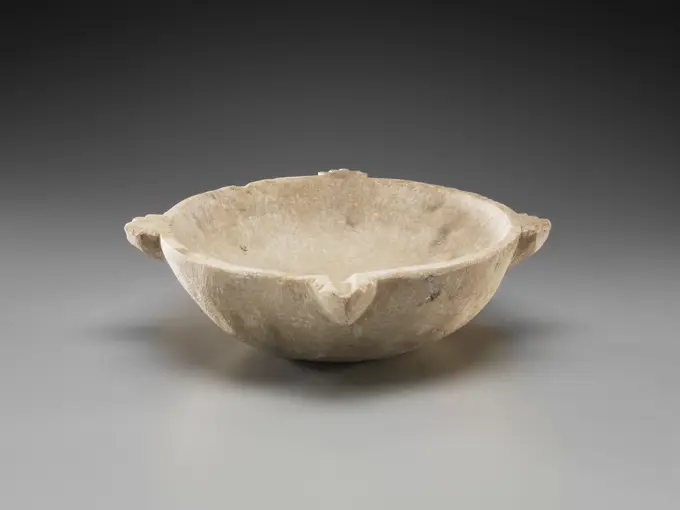
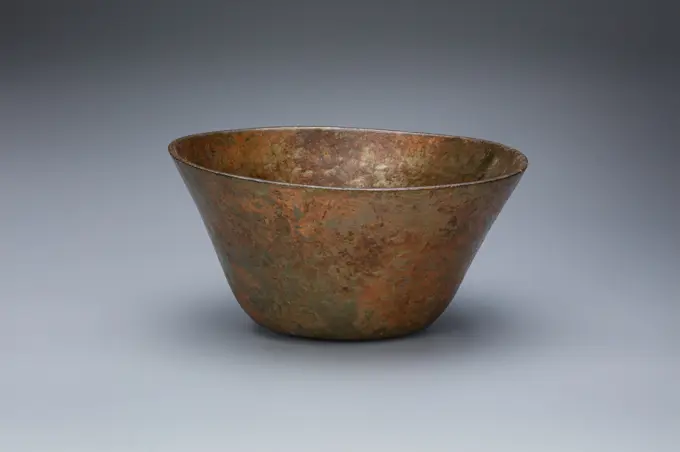
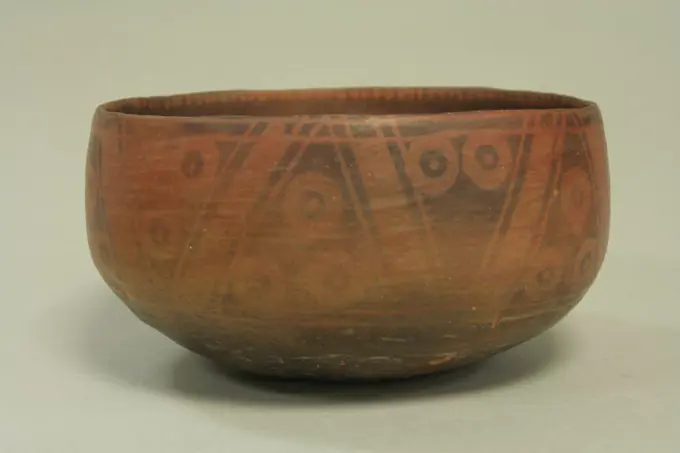
Ceramic Bowls Collection

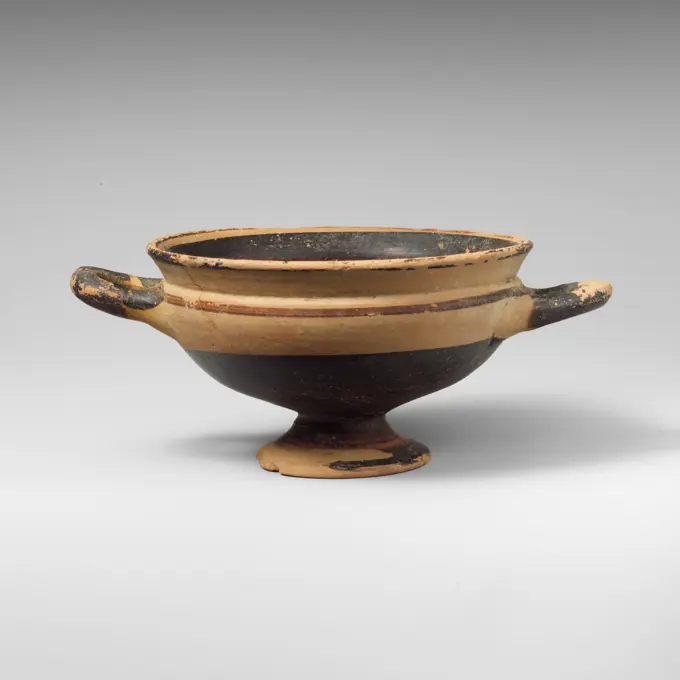
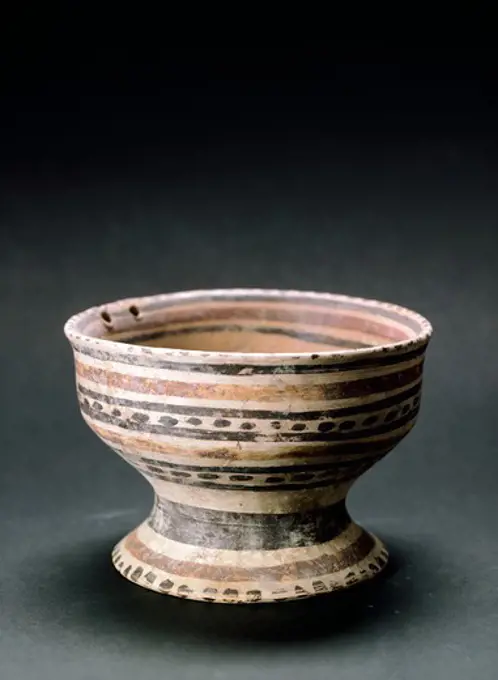
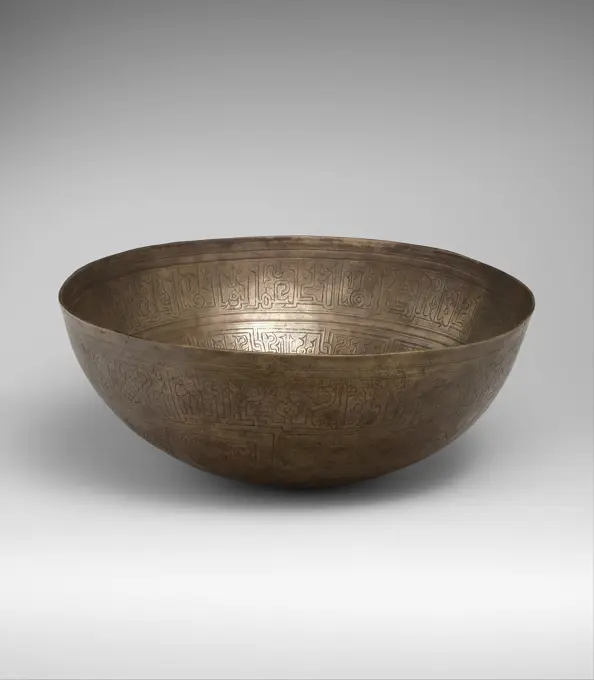
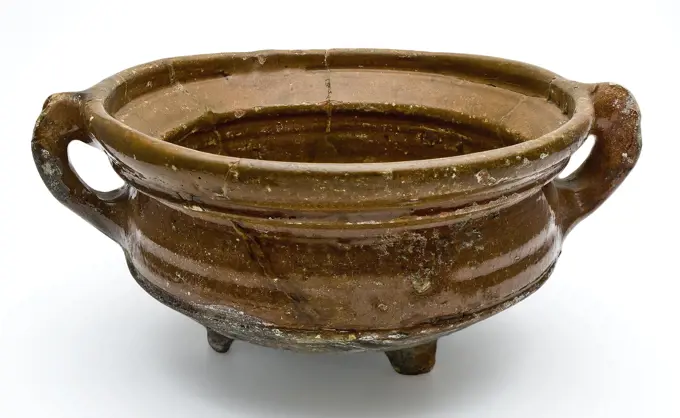
A variety of earthenware bowls featuring different glazes, shapes, and decorations, showcasing earthy tones and intricate designs.

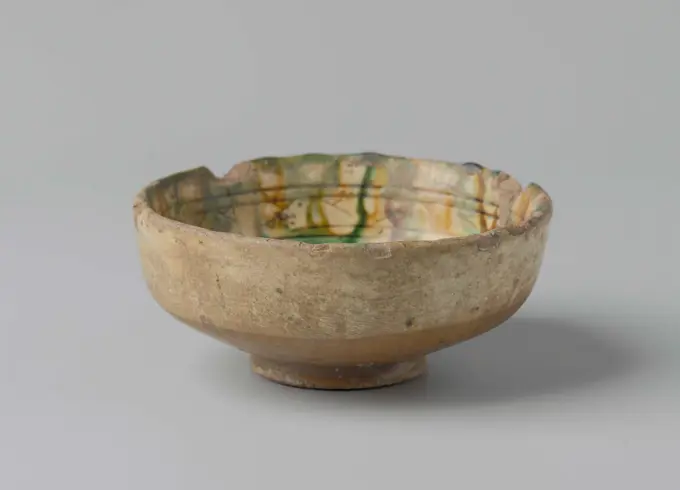
Bowl with with panels and lines in brown and green, anonymous, c. 900 - c. 1099 Come of earthenware decorated in brown-black sludge and three lead glazing (yellow, green and orange-brown) with compartments and lines on an engine of beige sludge. Nishapur earthenware. glaze painting / vitrification Come of earthenware decorated in brown-black sludge and three lead glazing (yellow, green and orange-brown) with compartments and lines on an engine of beige sludge. Nishapur earthenware. glaze painting / vitrification
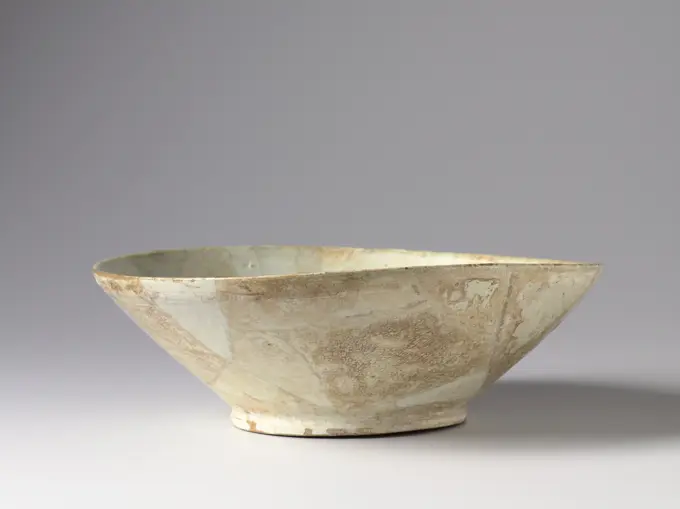
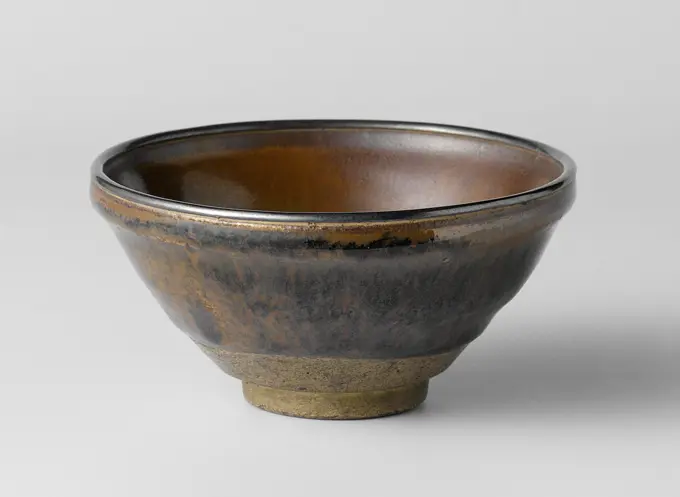
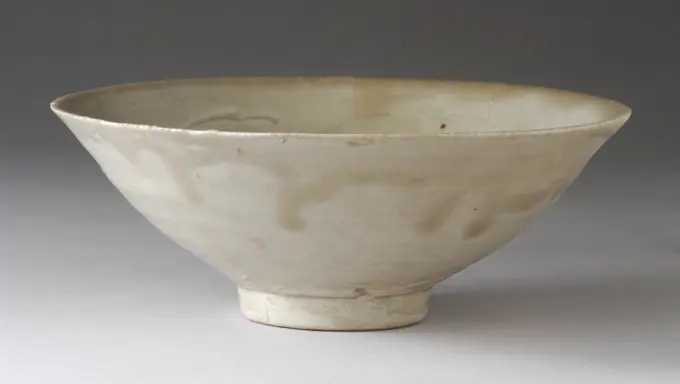
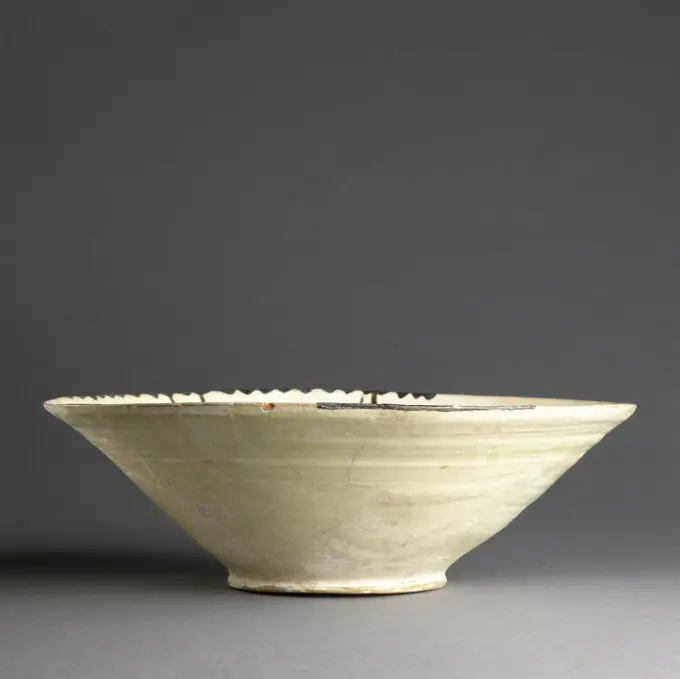
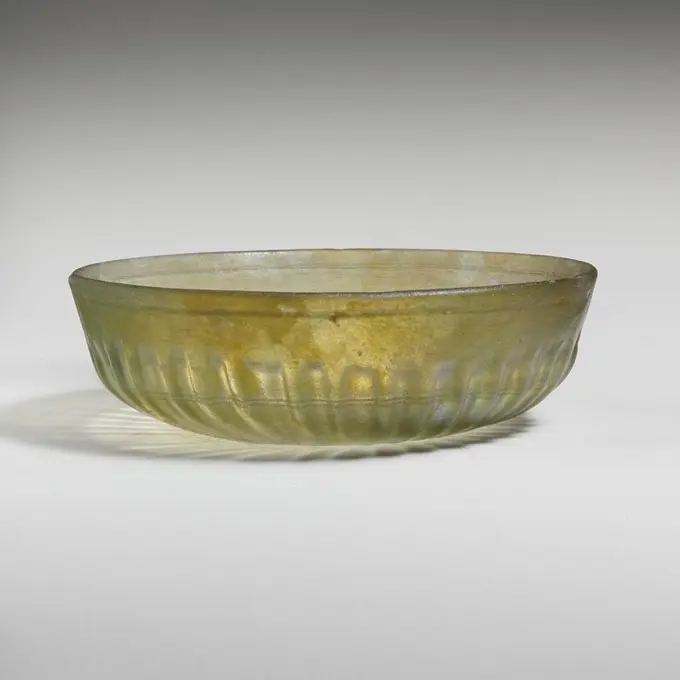
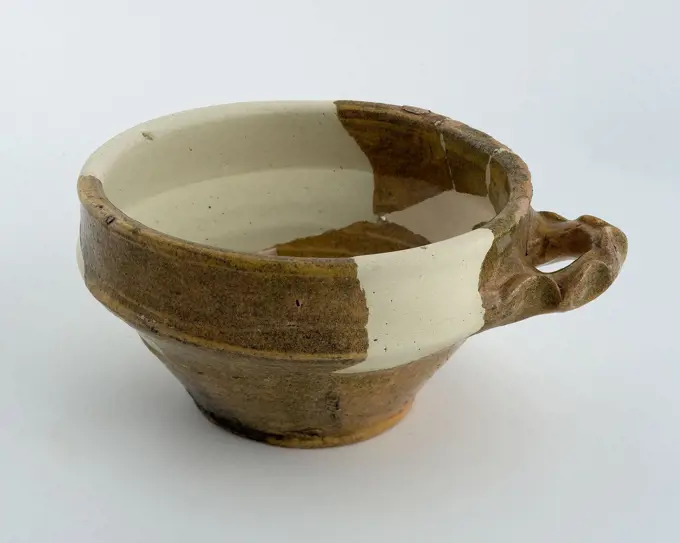
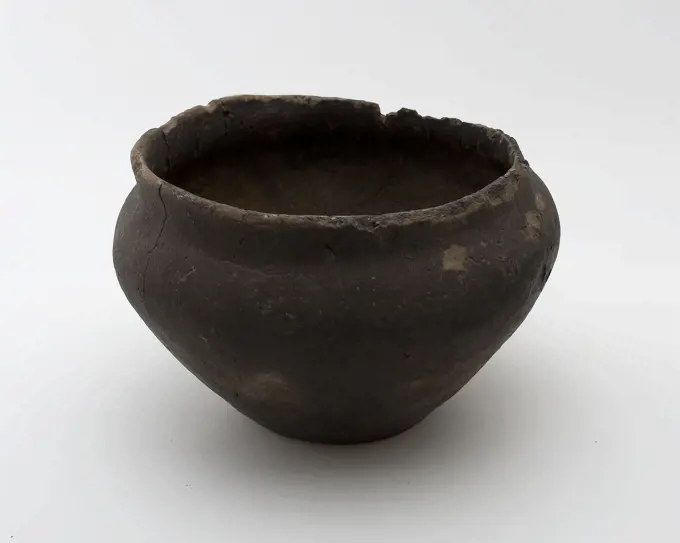
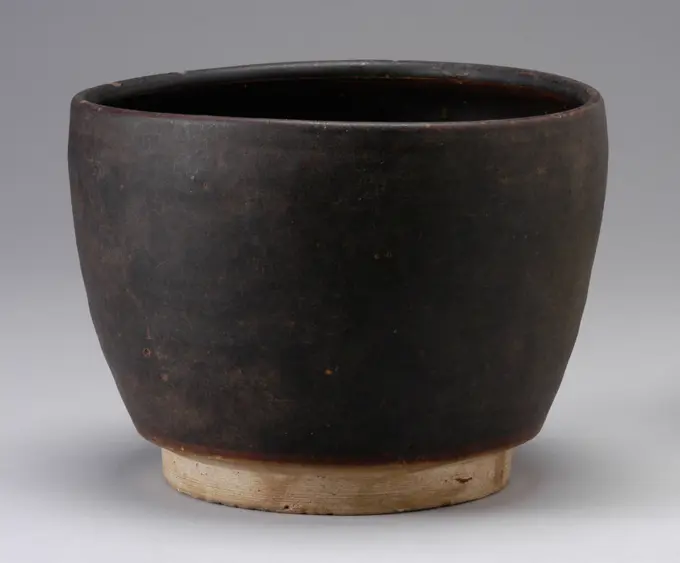
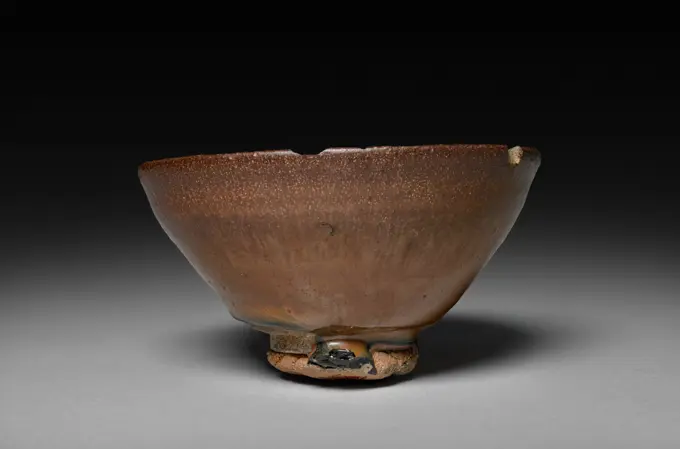
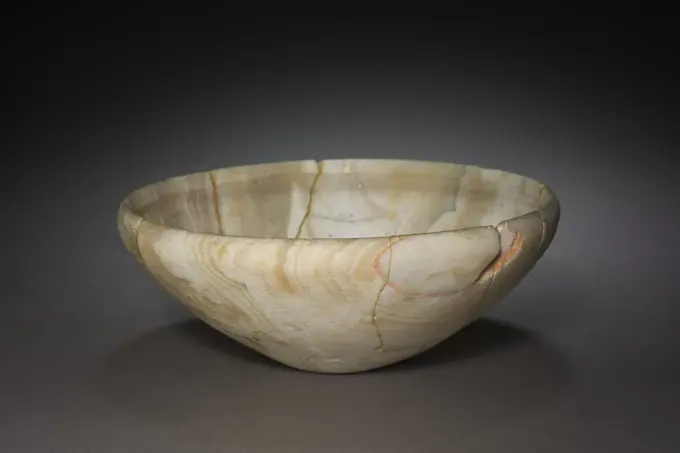
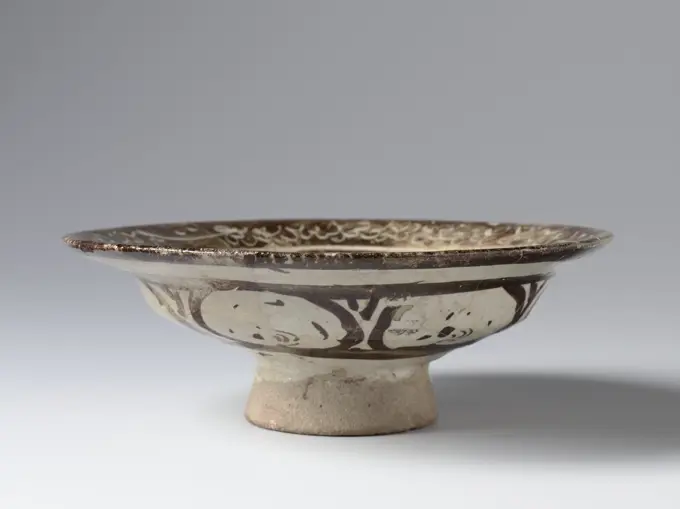
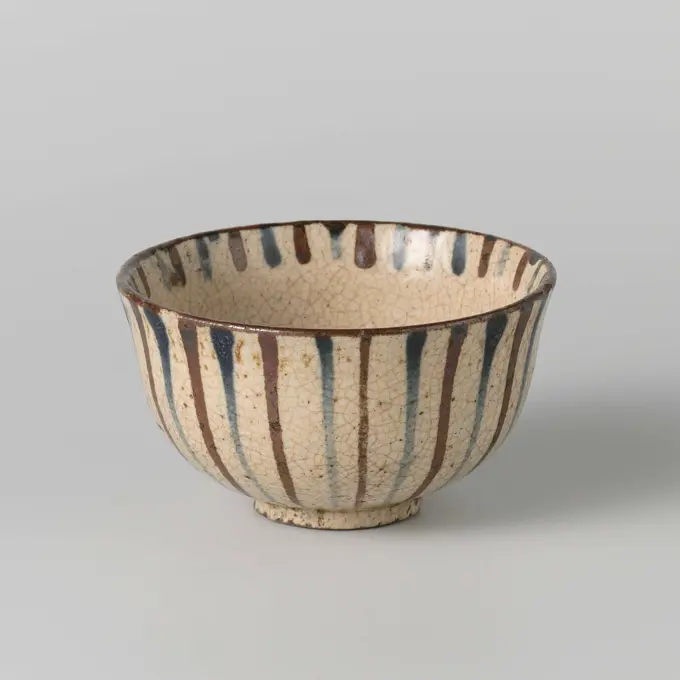
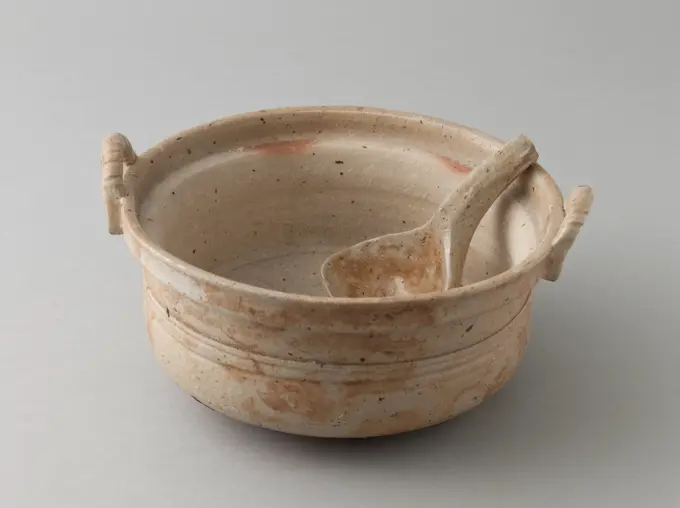
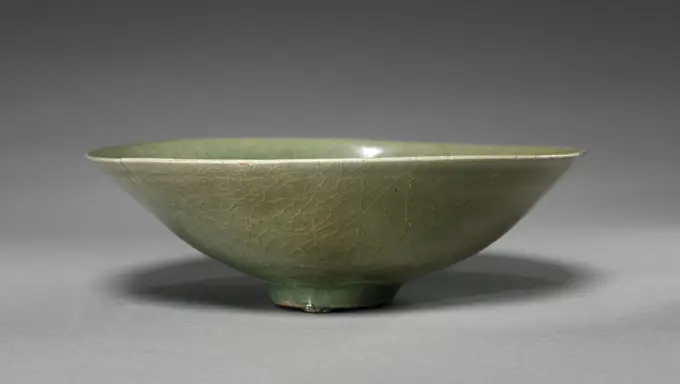
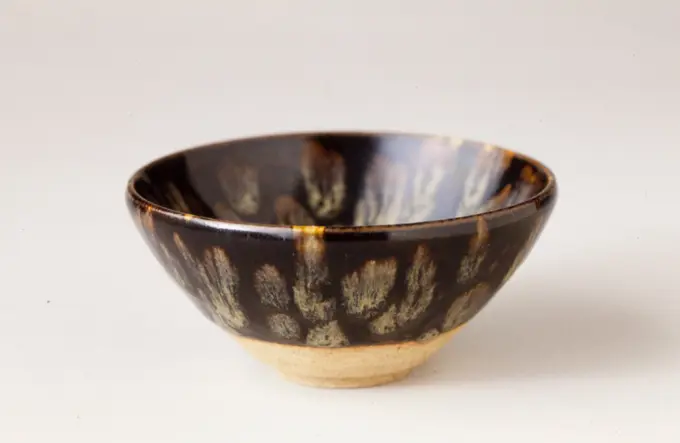
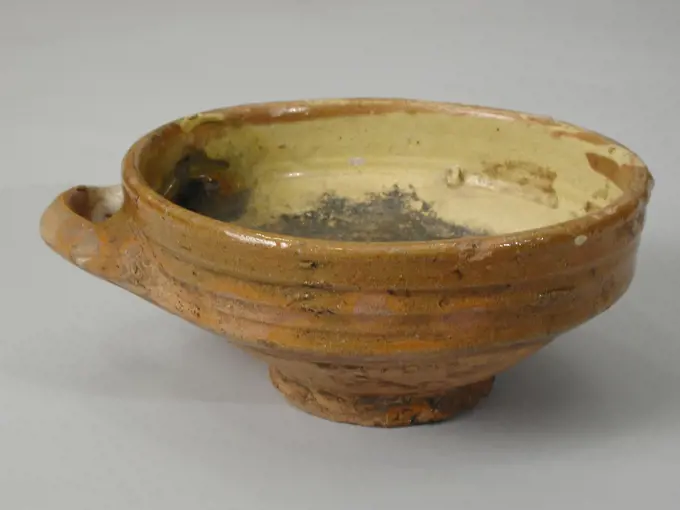
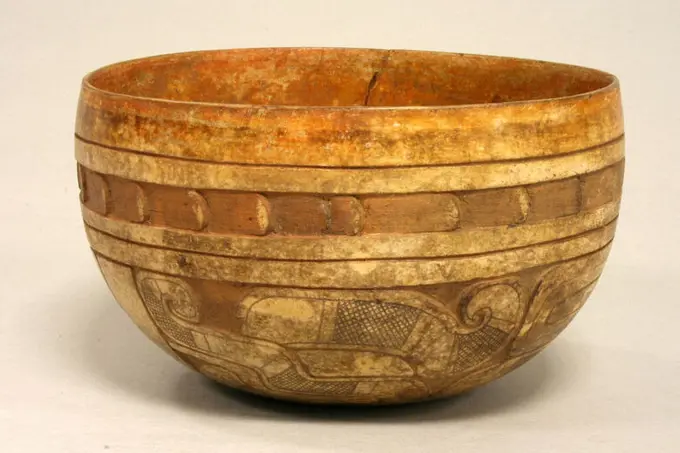
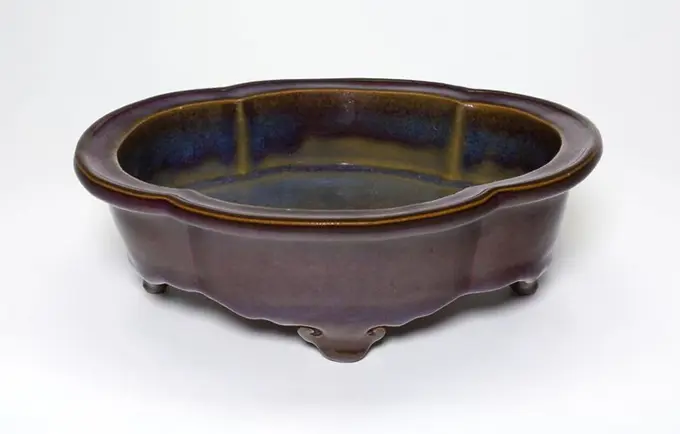
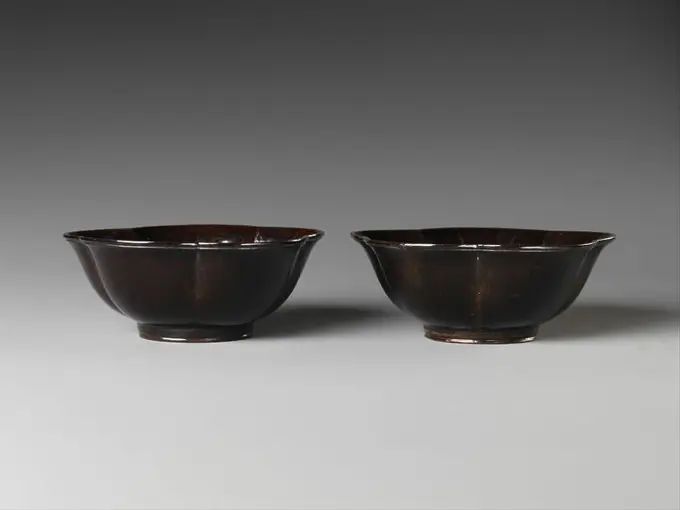
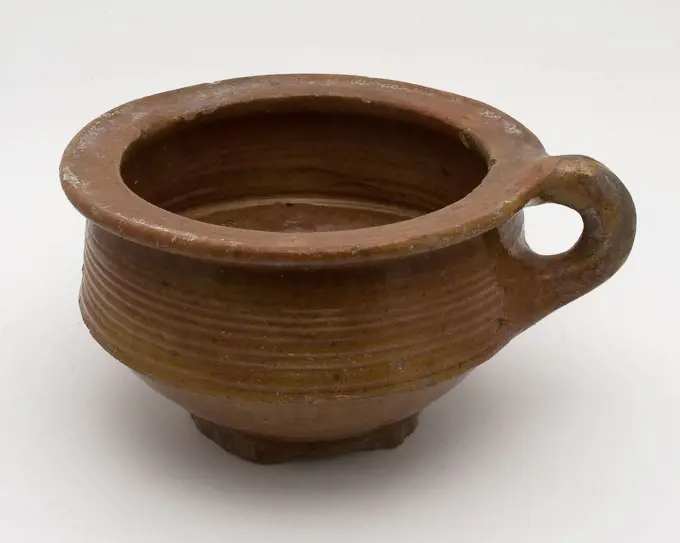
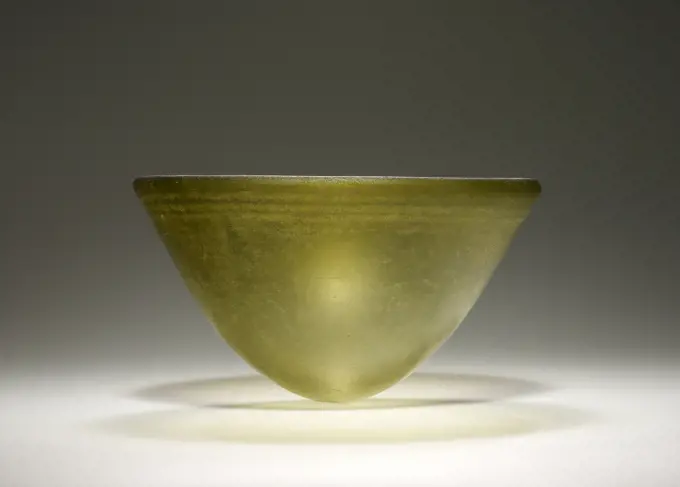
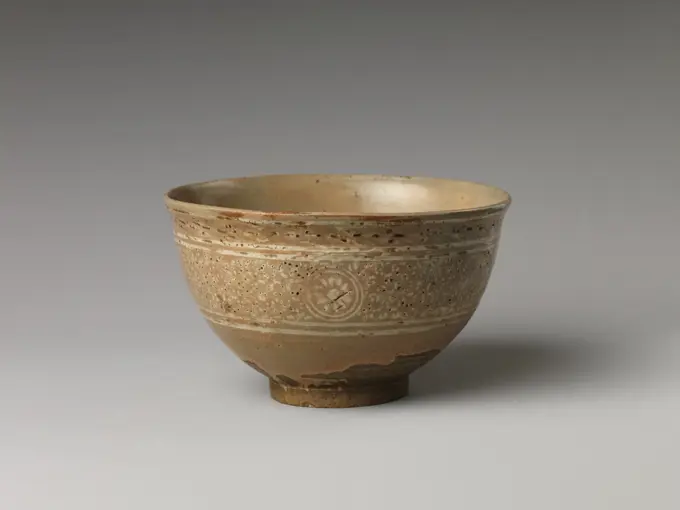
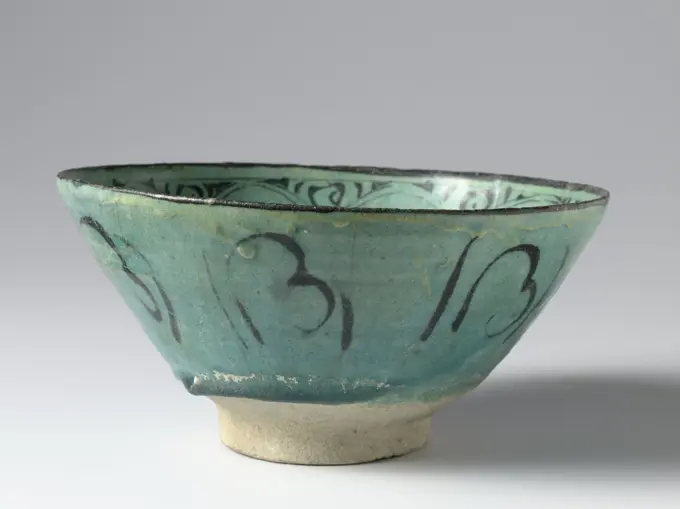
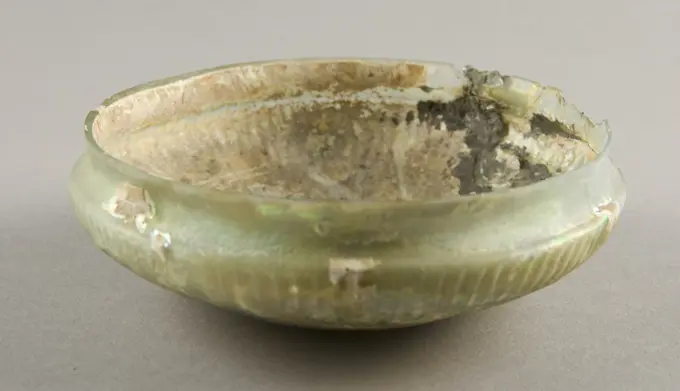
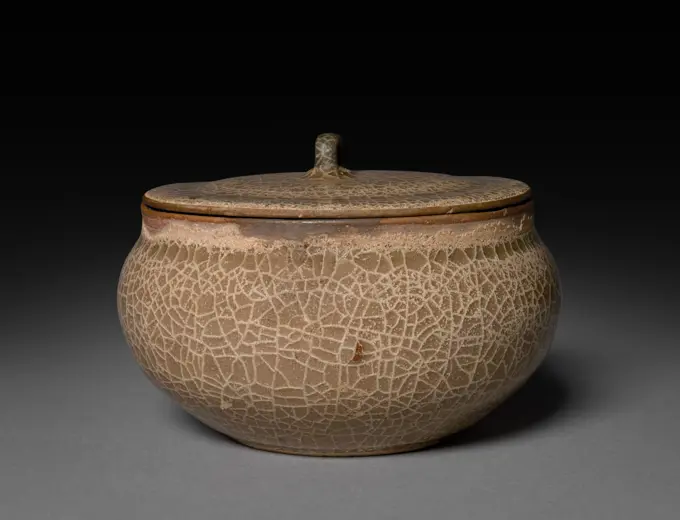
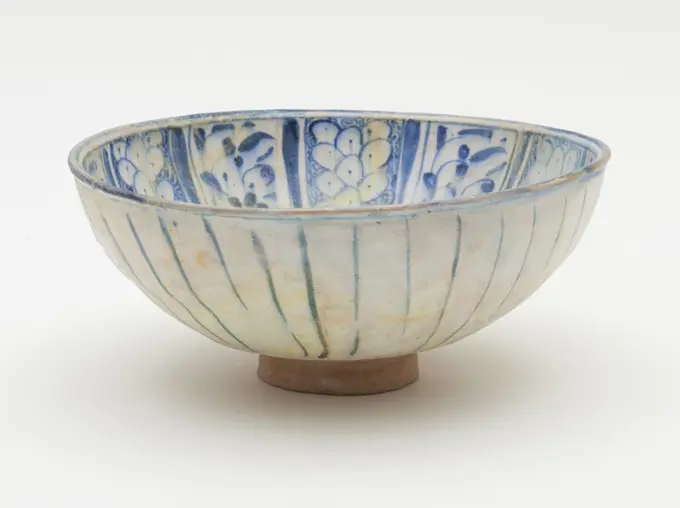
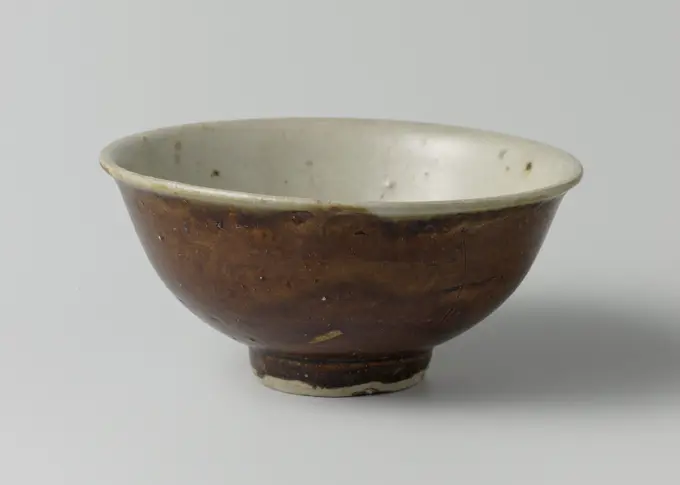
Bell-shaped bowl with a brown and green glaze, anonymous, c. 1500 - c. 1599 Klock -shaped bowl of stoneware, covered on the inside with a green, cracked glaze. An unglazed ring on the bottom. The outside is covered with a brown glaze. Vietnam earthenware. glaze vitrification Klock -shaped bowl of stoneware, covered on the inside with a green, cracked glaze. An unglazed ring on the bottom. The outside is covered with a brown glaze. Vietnam earthenware. glaze vitrificationBowl with an inscription and a stylized bird, anonymous, c. 900 - c. 999 Earthenware Come decorated with a scripture band and a stylized bird in brown sludge on Engobe from white sludge on which a transparent glaze has been applied. Nishapur earthenware. glaze painting / vitrification Earthenware Come decorated with a scripture band and a stylized bird in brown sludge on Engobe from white sludge on which a transparent glaze has been applied. Nishapur earthenware. glaze painting / vitrification. Earthen works Come decorated with a scripture and a stylized bird in brown sludge on Engobe from white sludge on which a transparent glaze is applied.Bowl with with panels and lines in brown and green, anonymous, c. 900 - c. 1099 Come of earthenware decorated in brown-black sludge and three lead glazing (yellow, green and orange-brown) with compartments and lines on an engine of beige sludge. Nishapur earthenware. glaze painting / vitrification Come of earthenware decorated in brown-black sludge and three lead glazing (yellow, green and orange-brown) with compartments and lines on an engine of beige sludge. Nishapur earthenware. glaze painting / vitrification. Come of earthenware covered with a yellow sludge a transparent lead glaze.Tea bowl unknownTeabowl with a 'hare's fur' glaze, anonymous, anonymous, c. 1600 - c. 1699 Theekom (Temmoku) of stoneware, partially covered with a brown glaze with golden brown stripes (hare sheet) and black spots. The lower half of the bowl is unglazed. The edge is caught in a metal band. Old label on the bottom with 'W675'. SETO. Japan stoneware. glaze. rand: metal vitrification Theekom (Temmoku) of stoneware, partially covered with a brown glaze with golden brown stripes (hare sheet) and black spots. The lower half of the bowl is unglazed. The edge is caught in a metal band. Old label on the bottom with 'W675'. SETO. Japan stoneware. glaze. rand: metal vitrification. Come from quartz frying with a geometric decoration in brown and blue under the transparent alkalilation.Tea bowl unknown. Tea bowl of stoneware, partially covered with a cracked gray glaze. The lower part of the bowl is unglazed; Part missing from the foot ring. Two golden lacquer repairs on the edge. Karatsu.Bowl with an incised floral scroll, anonymous, c. 960 - c. 1279 Come from stoneware, covered with a cream -colored, craqueled glaze. The inside with an Ingrkrifte flower drink. The edge is unglazed. A chip in the edge. China stoneware. glaze engraving / vitrification Come from stoneware, covered with a cream -colored, craqueled glaze. The inside with an Ingrkrifte flower drink. The edge is unglazed. A chip in the edge. China stoneware. glaze engraving / vitrificationBowl. Southeast China, Fujian, 13th century. Furnishings; Serviceware. Stoneware with celadon glazeBowl with a large inscription and a bird, anonymous, c. 900 - c. 999 Come from earthenware, painted with large scripts in brown -black sludge on yellow -white sludge under transparent lead glaze on the inner wall. Along the edge a black saw tooth list. A small bird on the bottom (stork). The inscription can probably be read as "Al Mulku Li Llah", "The highest authority belongs to God. nishapursamardD earthenware. lead glaze painting / vitrification Come from earthenware, painted with large scripts in brown -black sludge on yellow -white sludge under transparent lead glaze on the inner wall. Along the edge a black saw tooth list. A small bird on the bottom (stork). The inscription can probably be read as "Al Mulku Li Llah", "The highest authority belongs to God. nishapursamardD earthenware. lead glaze painting / vitrificationBowl 20th century China. Bowl 44611Glass ribbed bowl. Culture: Roman. Dimensions: Overall: 1 5/8 x 5 1/16in. (4.1 x 12.9cm). Date: late 1st century B.C.-mid 1st century A.D..Translucent light yellow green.Plain but slightly uneven, rounded rim; sides tapering downwards, then curving in to slightly pushed-in, uneven bottom.On interior, horizontal wheel-cut grooves, comprising a single broader groove below rim and a band of two narrower grooves around lower body; on exterior, thirty-six ribs, irregularly spaced and of differing length and thickness, tapering towards bottom, almost touching at center.Intact; pinprick bubbles; dulling, slight pitting, and iridescent weathering.Greenish shallow cast glass bowl with ribs. Museum: Metropolitan Museum of Art, New York, USA.Teabowl with a cream glaze, anonymous, anonymous, c. 1700 - c. 1799 Tea -by Stonegoed with two notches in the foot ring, covered with a cracked cream -colored glaze. A part of the foot ring is unglazed. Hagi. Japan stoneware. glaze vitrification Tea -by Stonegoed with two notches in the foot ring, covered with a cracked cream -colored glaze. A part of the foot ring is unglazed. Hagi. Japan stoneware. glaze vitrificationEarthenware bowl or bowl on stand, with pinched lying ear, white shard, porcelain crockery holder earth discovery ceramics earthenware glaze lead glaze, hand-turned glazed baked earthenware bowl. Lying sausage ear with wavy edge attached to the bend on the outside White shard entirely glazed. Stand without ring or soul the bowl is unstable. Bowl is tapered with small foot and straight sidewall slightly inward after the bend. few rotating lenses on the inside Restoration is blank archeology Rotterdam Stadscentrum Stadsdriehoek Newhaven indigenous pottery food serving table serve porridge eating porridge Soil discovery New Haven 2nd cesspool (square) 22-08-1980Conical shaped pot on stand with upright neck, Roman indigenous pottery, pot holder soil find ceramic pottery, hand shaped finished baked Gray shard with dark core Typical for roman indigenous pottery Conical pot with narrowing after the shoulder slightly curled upper edge. Stand surface. Smoothly polished surface archeology Rotterdam indigenous pottery roman cooking cook prepare prepare store Hillegersberg Terwegge Soil discovery 1947.BowlCup ". Terracotta. Vietnam-Xe-Xive s. Paris, Cernuschi museum. 72185-49 Cup, Vietnamese object, terracottaSet of Two Cups and Saucers, Pierre Adrien Dalpayrat, c. 1900 Cup of earthenware with a flamed reddish -brown and yellow enamel. Bourg-la-Reine earthenware vitrification Cup of earthenware with a flamed reddish -brown and yellow enamel. Bourg-la-Reine earthenware vitrificationBowl. China, Guangdong (), 13th-14th century. Furnishings; Serviceware. Stoneware with brown glaze. Come from stoneware with six times lobed edge, covered with a transparent glaze with a light blue hue. Unglaze is inside the foot ring. Qingbai.Bowl 4th-7th century Coptic. Bowl 478685Cream bowl with krakelura network unknownBowl with Textured Surface Decoration. Possibly Ancestral Pueblo (Anasazi); Southwest, United States. Date: 850 AD-1050. Dimensions: 13 × 23.2 cm (5 1/8 × 9 1/8 in.). Ceramic and pigment. Origin: New Mexico. Museum: The Chicago Art Institute, Chicago, USA.Three-HandledBowlBasin, from basin and ewer set ca. 2465-2323 B.C. Old Kingdom This basin is from a set that also included a ewer (26.9.13) and would have been used for hand washing. Since all excavated examples come from tombs, it is likely that their primary purpose was for ritual purification. Two such sets can be seen in the Tomb of Perneb (13.183.3), in a relief representing the funerary meal.. Basin, from basin and ewer set. ca. 2465-2323 B.C.. Arsenical copper, surface enriched in arsenic. Old Kingdom. From Egypt. Dynasty 5 ()Bowl with incised floral patterns and ornamental borders. Come from stoneware, covered with a white sludge and a green glaze. A medallion with a pressed flower pattern on the bottom. The inner wall with tires with different incorporate decorative patterns. The budget decoration is filled with a white sludge (Mishima technique). The outer wall is partly covered with a white sludge, over which a green glaze. The bottom is unglazed. The bowl has been broken and repaired with gold lacquer.Tea Bowl: Jian ware, 960-1279. China, near Shui ch'i, Song dynasty (960-1279). Stoneware; diameter: 12.8 cm (5 1/16 in.); overall: 7.4 cm (2 15/16 in.).Tea Bowl 960 CE-1279 China. Jian ware; stoneware with dark brown hare's fur glaze .Bowl, 2770-2647 BC. Egypt, Early Dynastic Period, Dynasty 2, reign of Nynetjer or later. Travertine; diameter: 24.2 cm (9 1/2 in.); overall: 9.1 cm (3 9/16 in.).Cut on a small truncked base ". Terracotta. Vietnam-Xe-Xive s. Paris, Cernuschi museum. 72186-58 Cup, Vietnamese object, small base, terracotta, trunk. Come from Quartz Fritgoed, decorated with a bond with rubbing curlwork or (sheet) tendrils and covered with a monochrome turquoise alkalilation.Bowl with an inscription and hexagonals, anonymous, c. 1200 - c. 1220 Come from quartz fritry with a high stand ring, painted in Luster with lines and medallions on the outside and two texts in Persian or Arabic writing on the inside, partially input. In the flat in a reddish luster saved hex corners. is the earthenware. glaze. luster (textile) painting / vitrification Come from quartz fritry with a high stand ring, painted in Luster with lines and medallions on the outside and two texts in Persian or Arabic writing on the inside, partially input. In the flat in a reddish luster saved hex corners. is the earthenware. glaze. luster (textile) painting / vitrificationDeep Bowl 1100-1234 China. Green Jun ware; glazed stoneware .. Tea bowl of stoneware, covered with a crackled, cream-colored glaze and painted in underglaze blue and brown. Alternating blue and brown-red, vertical stripes on the outer wall. Short stripes on the inner edge. Some chips in the edge. Satsuma.Bowl. Culture: Coptic. Dimensions: Overall: 1 13/16 x 4 11/16 in. (4.6 x 11.9 cm). Date: 4th-7th century. Museum: Metropolitan Museum of Art, New York, USA.Come, painted multily with the coat of arms Bentivoglio-Visconti on the bottom. Half spherical bowl of multicolored painted majolica. At the bottom of the bowl, the coat of arms of Bentivoglio-Visconti is painted and on the edge concentric circles within which geometric figures.. Come from quartz frying with a white tin-lead alkalilation on which a decor of luster. A medallion with a rider on the bottom. The inner wall with a band with an (arabic) inscription and a decorative band. The outer wall with decorative tires.Undecorated painted bowl 4th-3rd century B.C. Paracas. Undecorated painted bowl 308344. Tea bowl of stoneware, covered with a brown-blue glaze. The bottom is unglazed. Jian.Bowl 1st century B.C.-A.D. 4th century Nasca. Bowl 313298Bowl decorated in green, yellow and manganese, anonymous, c. 900 - c. 999 Come of earthenware decorated with sgraffito and polychrome decoration of yellow and green splashes lead glaze and manganese brown sludge on white sludge engobe. Iran earthenware. glaze painting / vitrification Come of earthenware decorated with sgraffito and polychrome decoration of yellow and green splashes lead glaze and manganese brown sludge on white sludge engobe. Iran earthenware. glaze painting / vitrificationHigh-Tin Bronze Bowl. Dimensions: H. 6 15/16 in. (17.6 cm)W. 15 15/16 in. (40.5 cm). Maker: Abu Nasr al-Naqqash. Date: 11th century.High-tin bronze was an alternative to silver, appreciated for its bright surface, resonant quality, and resistance to bronze disease. This piece belongs to a group of hemispherical footless bowls produced in the Ghaznavid period. The bowl is inscribed in Arabic with maxims, good wishes, and the artist's name. Museum: Metropolitan Museum of Art, New York, USA.Glass beaker 1st century A.D. Roman Colorless with pale greenish tinge.Knocked-off, uneven rim; slightly bulging collar below rim; convex side tapering downward; small, concave bottom.Intact; pinprick bubbles and blowing striations; brilliant iridescence and faint weathering on one side, but two-thirds of body covered with muddy brown encrustation.. Glass beaker 245246. In the Islamic world calligraphy is considered the highest form of art. After all, the Koran is transmitted through writing. Some objects are decorated with pseudo writing devoid of meaning and serving a purely symbolic or aesthetic function. The inscriptions on this early 10th-century Iranian piece of pottery are still in Arabic. The repetitive pattern painted on this bowl may be the word Allah or al yumn, which means prosperity’.Bowl with chrysanthemum design, late 14th century, Unknown Korean, 2 7/8 × 7 5/8 × 7 1/2 in. (7.3 × 19.37 × 19.05 cm), Stoneware with stamped and inlaid design under celadon glaze, Korea, 14th centuryKylix 6th century B.C. Cypriot Cup with offset lip and two reserved bands.. Kylix 244753Bowl 4th-7th century Coptic. Bowl 478812Bowl 13th-14th century China. Bowl 48361Pottery bowl decorated with bands of geometric patterns, Apulia, Italy. Daunia Civilization, 4th Century BC.High-Tin Bronze Bowl 11th century Abu Nasr al-Naqqash Hightin bronze was an alternative to silver, appreciated for its bright surface, resonant quality, and resistance to bronze disease. This piece belongs to a group of hemispherical footless bowls produced in the Ghaznavid period. The bowl is inscribed in Arabic with maxims, good wishes, and the artist's name.. High-Tin Bronze Bowl 455306Pottery cooking pot on three legs, wide top edge, two standing ears, grape cooking pot crockery holder kitchenware earth discovery ceramics earthenware glaze lead glaze, hand-turned glazed fried Cooking pot red shard dark brown glazed two pinched ears three legs one of which in gypsum cover edge rings inside and outside glazed edge Semicircle bottom and wide upper edge archeology Valckensteyn Poortugaal Albrandswaard indigenous pottery cooking food food nutrition kitchen food preparation Soil discovery: canal at kitchen castle Valckensteyn at Poortugaal now Albrandswaard 1961.Come from V.O.C.-ship De 'Witte Leeuw', Before 1613 bowl Come from V.O.C. ship the 'Witte Leeuw'. Completely preserved bowl, with a thick wall that runs out. The shard is white and has hardly any contamination. The enamel is grievous with irregularly dirty crackleures and seeds. The outside is decorated with two lion -like creatures, grass pollen and clouds.  porcelain. bone china (material)   Sint-HelenaStrainer 10th century B.C. Cypriot. Strainer 244490Tea bowl with incised waves and a moulded horse, anonymous, anonymous, c. 1700 - c. 1799 Theekom of stoneware on a square foot ring, covered with a blue -gray glaze and painted in underlaze blue. The outer wall is covered with an Ingrift Golf motif. A modeled, prancing horse with the moons, tail and hooves in blue. Old label on the bottom with 'W689'. Somayaki. Japan stoneware. glaze. cobalt (mineral) engraving / painting / vitrification Theekom of stoneware on a square foot ring, covered with a blue -gray glaze and painted in underlaze blue. The outer wall is covered with an Ingrift Golf motif. A modeled, prancing horse with the moons, tail and hooves in blue. Old label on the bottom with 'W689'. Somayaki. Japan stoneware. glaze. cobalt (mineral) engraving / painting / vitrificationMARMITE (burial 6, n ° 5) and ladle (burial 6, n ° 22). White sandstone with covered. Janse, Lach Truong, Epoque de Giao Chi (1st century BC - 4th century AP.J.C.). Paris, Cernuschi museum. 59237-12 Anse, Vietnamese art, covered, Lach Truong culture, GIAO CHI, excavation Janse, GRES BLANC, LAYCHE, MARMITTE, n ° 22, n ° 5, Sepulture 6Bowl. China. Date: 1200-1299. Dimensions: H. 4.1 cm (1 5/8 in.); diam. 8.9 cm (3 1/2 in.). Jun ware; stoneware with opaque pale-blue and crimson-splashed glazes. Origin: China. Museum: The Chicago Art Institute, Chicago, USA.. Come from quartz frying goods, decorated with a bond with ingrangled tendrils and curl forms and covered with a monochrome blue alkalilation.Bowl with deer and ornaments in yellow, green and brown, anonymous, c. 900 - c. 999 Come from earthenware decorated with manganese brown sludge next to green and yellow lead glazing on a chemical sludge engobe. The inside is divided into four courses with alternately a stylized deer and a cartouche with a bond with writing above it. The outer wall is divided into courses with a colored oval. Nishapur earthenware. glaze painting / vitrification Come from earthenware decorated with manganese brown sludge next to green and yellow lead glazing on a chemical sludge engobe. The inside is divided into four courses with alternately a stylized deer and a cartouche with a bond with writing above it. The outer wall is divided into courses with a colored oval. Nishapur earthenware. glaze painting / vitrificationBowl with Floral Scroll Design in Relief, 1200s. Korea, Goryeo period (918-1392). Pottery; diameter of mouth: 17.1 cm (6 3/4 in.); overall: 5.4 cm (2 1/8 in.).Incised bowl with dots. Culture: Paracas. Dimensions: Overall: 2 in. (5.08 cm)Other: 6 1/4 in. (15.88 cm). Date: 7th-5th century B.C.. Museum: Metropolitan Museum of Art, New York, USA.Tea Bowl, 11th century, 4 1/2 in. (11.43 cm), Qizhou ware Stoneware with 'tortoiseshell' glaze, China, 11th century, The Cizhou region located in central Jiangsi province produced its best known wares during Southern Song (1127-1279). This was a technically creative period when Cizhhou kilns introduced and pioneered new techniques of decoration including tortoiseshell glazes as well as paper cut, glaze resist and naturalistic leaf designs. Called tai mei wen in Sung literature, tortoiseshell refers to the shell of the hawksbill sea turtle from which the Chinese made a variety of decorative items. The glaze was apparently made by splashing wood or bamboo ash, probably as an admixture of slip, on the surface of the dark glaze before firing. Light-toned splashes formed in those areas receiving the ash.Bowl imitating realgar late 18th-early 19th century China The mineral realgar, also known as ruby sulphur because of its red and yellow coloration, has long been understood as an antidote to various venoms and as a substance able to repel evil. It was used in Chinese traditional medicine and added to wine, possibly as a flavoring or to increase its medicinal properties.. Bowl imitating realgar 60613Lamp. UnknownUndecorated painted bowl with flaring sides. Culture: Paracas. Dimensions: Overall: 2 in. (5.08 cm)Other: 6 3/4 in. (17.15 cm). Date: 6th-3rd century B.C. (). Museum: Metropolitan Museum of Art, New York, USA.Bowl with petal-shaped panels with floral scrolls, anonymous, c. 1300 - c. 1399 Come from quartz fritry with a painting of flower vines in lotus leaf-shaped subjects, separated by a wide stripe under a transparent alarm laze. Iran earthenware. glaze. cobalt (mineral) painting / vitrification Come from quartz fritry with a painting of flower vines in lotus leaf-shaped subjects, separated by a wide stripe under a transparent alarm laze. Iran earthenware. glaze. cobalt (mineral) painting / vitrificationModiolus. Unknowndish with one lying ear, internally yellow glazed, pop bowl bowl crockery holder soil find ceramic earthenware clay engobe glaze lead glaze, Porring bowl on stand ring One lying sausage ear just below the edge attached Red earthenware Internally covered with white engobe and lead glaze Funnel shaped model slanted walking to the small foot. Straight side wall only decorated at the top with three profile rings Glass surface or accumulation in the edge on the inside caused by confluence of excess lead glaze. Used as test to see the damage caused by charcoal archeology porridge porridge eat food serve heat food prepare light reuseCapitalBowl with a Lug Handle; Cyclades, Greece; 2700 - 2200 B.C; Marble; 12.1 × 31.8 cm (4 3,4 × 12 1,2 in.)Misa bez stopki. warsztat nubijski, workshopGabbro mortar or plate ca. 1600-1050 B.C. Cypriot The shallow bowl has a short stemmed foot.. Gabbro mortar or plate. Cypriot. ca. 1600-1050 B.C.. Gabbro. Late Bronze Age. Miscellaneous-Stone VasesMedium-sized Dish from Dining Set with Plum Blossoms and Cracked-Ice, c. 1875-78. Seifū Yohei II (Japanese, 1844-1878). Porcelain with molded designs; overall: 3.2 x 16.4 cm (1 1/4 x 6 7/16 in.).Jar. Culture: Colima. Dimensions: Height 7-1/2 in. (19.1 cm)Diameter: 14 1/2 in (36.8 cm). Date: 2nd century B.C.-A.D. 3rd century. Museum: Metropolitan Museum of Art, New York, USA.Paan Celadon Plate, 14th century, 2 5/8 x 10 15/16 in. (6.67 x 27.78 cm), Stoneware, Thailand, 14th centuryIncised Bowl 5th-2nd century B.C. Paracas. Incised Bowl 308593Bowl. Culture: Maya. Dimensions: Height: 3 1/2in. (8.9cm)Diameter: 6in. (15.2cm). Date: 7th-8th century. Museum: Metropolitan Museum of Art, New York, USA.Lobed Basin for Flowerpot with Four Cloud-Shaped Feet. China. Date: 1300-1399. Dimensions: 7.2 × 21.1 × 18.0 cm (2 13/16 × 8 5/16 × 7 1/16 in.). Jun ware; stoneware with reddish-blue and purple glaze. Origin: China. Museum: The Chicago Art Institute, Chicago, USA.Bowl - Portneuf potteryPottery test, square model with round bottom, knob as handle, unglazed, fire test test heating soil discovery ceramic earthenware, hand-turned baked Test of light red earthenware unglazed square model with round bottom knob handle on corner three legs archeology Valckensteyn Poortugaal Albrandswaard indigenous pottery kitchen fire footstool hand warmer foot warmer Soil discovery: canal at kitchen castle Valckensteyn at Poortugaal now Albrandswaard 1961.Pottery test on three legs, round side wall and square top edge, fire test test stain soil find ceramic earthenware glaze lead glaze, hand-turned glazed baked Pottery test Round bottom and side wall square top edge. Bandage attached at one corner. Three legs Completely brown glazed Thickened ring on the transition from side wall to bottom. Test stands shaky the legs are possibly deliberately broken down and the test is also on the convex bottom. Restoration is white left archeology Rotterdam Heliport terrain indigenous pottery food preparation cooking kitchen food heating room Soil discovery: Heliport site Rotterdam June 1978.Kylix 5th century B.C. Italic-Native, South Italian (Daunian). Kylix 255220 Italic-Native, South Italian (Daunian), Kylix, 5th century B.C., Terracotta, H. 8.00 cm. Diameter 12.29 cm.. The Metropolitan Museum of Art, New York. Rogers Fund, 1966 (66.11.10)Bowl, 12th-13th century, Unknown Korean, 2 3/4 x 7 3/4 in. (6.99 x 19.69 cm), Porcelaneous stoneware with celadon glaze, Korea, 12th-13th centuryPair of Plum-Blossom-Shaped Cups. Culture: China. Dimensions: Each: Diam. 3 1/8 in. (8 cm). Date: 11th-12th century. Museum: Metropolitan Museum of Art, New York, USA.Qing Bai Ware Bowl, 960-1127, 2 5/16 x 7 1/8 x 7 1/8 in. (5.9 x 18.1 x 18.1 cm), Porcelain, China, 10th-12th centuryTea bowl;  Song dynasty, 13th century (1101-00-00-1200-00-00);Kutyłowski, Roman (1895-1976), Kutyłowski, Roman (1895-1976)-collection, ceramics, cups, gift (provenance), tea, stoneware, dishes, peoni, seladony, Chinese artBowlPottery chamber pot, easy to use on stand, double conical in shape with standing ear, pot holder sanitary soil found ceramic earthenware glaze lead glaze, hand turned glazed baked Pottery chamber pot on stand ring. Red shard entirely glazed except the bottom of the bottom Double conical shape with wide neck opening and narrow foot. Rotations on the shoulder. Standing and pinched ear Almost flat outstanding top edge archeology native pottery draining night sleeping room hygieneTerracotta kantharos (drinking cup with high handles). Culture: Greek, Attic. Dimensions: H. 3 1/8 in. (7.9 cm). Date: 7th century B.C..From the Hymettos deposit (see 30.118.1). Museum: Metropolitan Museum of Art, New York, USA.Bowl; Eastern Mediterranean; 2nd - 1st century B.C; Glass; 8.5 × 15.7 cm (3 3,8 × 6 3,16 in.)Tea Bowl with Chrysanthemum Decoration probably second half of the 17th century Japan This tea bowl was made in imitation of contemporary Korean tea bowls manufactured at the Busan kilns (ca. 1639-1718) for export to Japan, which were themselves reinterpretations of early Joseon buncheong.. Tea Bowl with Chrysanthemum Decoration 62649Bowl with a medallion border, anonymous, c. 1200 - c. 1299 Come from quartz fritry with a black painting and a transparent turquoise alarm laze. On the inner wall a bond with medallions. Iran earthenware. glaze painting / vitrification Come from quartz fritry with a black painting and a transparent turquoise alarm laze. On the inner wall a bond with medallions. Iran earthenware. glaze painting / vitrificationRinse bowl, scalloped, with flowers and leaves in relief, anonymous, c. 1400 - c. 1950 Terracotta flushing bowl. The scalloped body with flowers and leaves in relief. Germany terracotta (clay material) Terracotta flushing bowl. The scalloped body with flowers and leaves in relief. Germany terracotta (clay material)Nesting Bowl. Culture: Coptic. Dimensions: Overall: 1 9/16 x 3 15/16 in. (4 x 10 cm). Date: 4th-7th century. Museum: Metropolitan Museum of Art, New York, USA.Bowl 133 CE-166 CE Mediterranean Region. Glass, mold-blown technique . Ancient RomanCovered Flat Jar, 1127-1279. China, Hangzhou, Suburban Altar Kiln, Southern Song dynasty (1127-1279). Glazed buff stoneware, Guan ware; diameter: 8.6 cm (3 3/8 in.); overall: 6 cm (2 3/8 in.).Bowl. Egypt, Syria or possibly Iran, Mamluk or Timurid, 15th century. Ceramics. Fritware, underglaze-paintedBowl 3rd-2nd century B.C. Paracas. Bowl. Paracas. 3rd-2nd century B.C.. Ceramic, pigment. Peru, Ica Valley. Ceramics-Containers