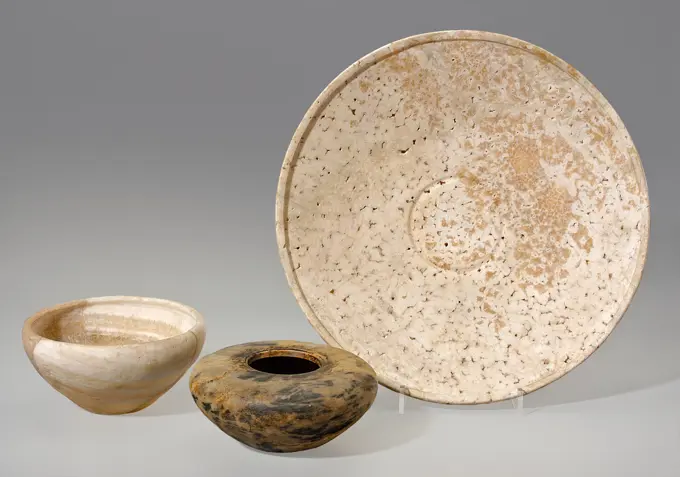
Ceramic Bowls Collection

A variety of earthenware bowls featuring different glazes, shapes, and decorations, showcasing earthy tones and intricate designs.

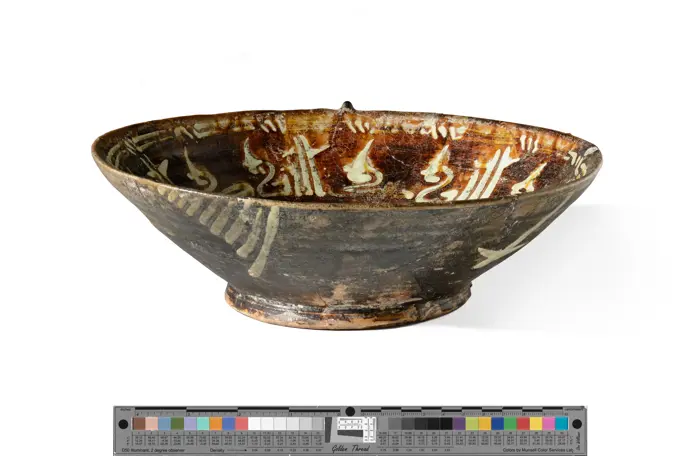
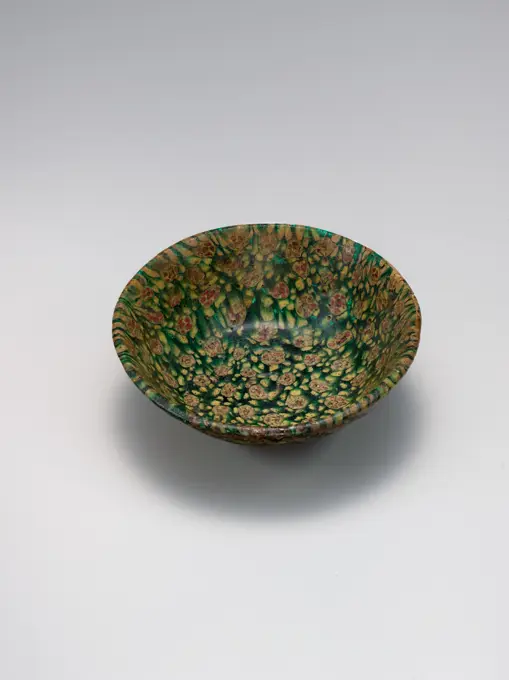
Bowl with with panels and lines in brown and green, anonymous, c. 900 - c. 1099 Come of earthenware decorated in brown-black sludge and three lead glazing (yellow, green and orange-brown) with compartments and lines on an engine of beige sludge. Nishapur earthenware. glaze painting / vitrification Come of earthenware decorated in brown-black sludge and three lead glazing (yellow, green and orange-brown) with compartments and lines on an engine of beige sludge. Nishapur earthenware. glaze painting / vitrification
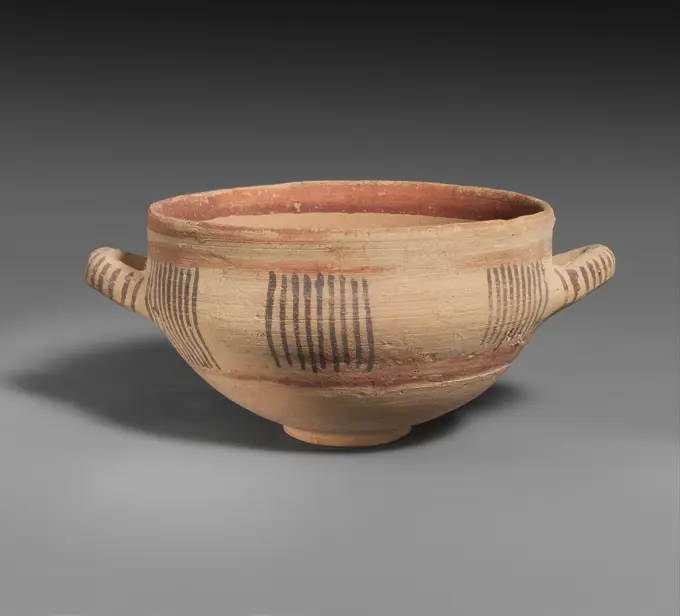
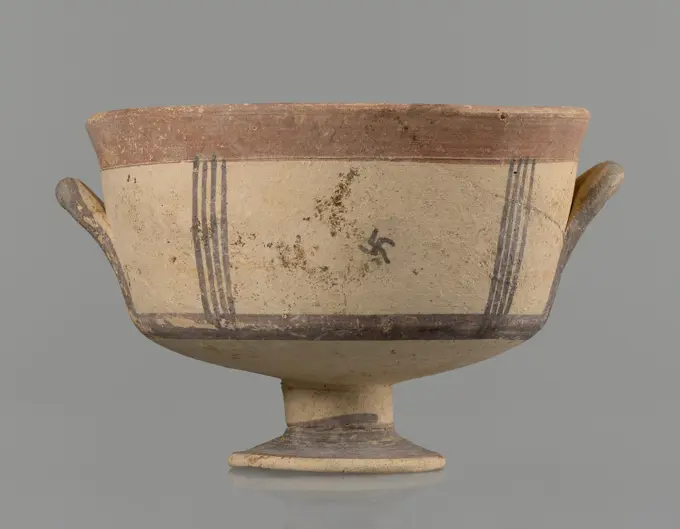
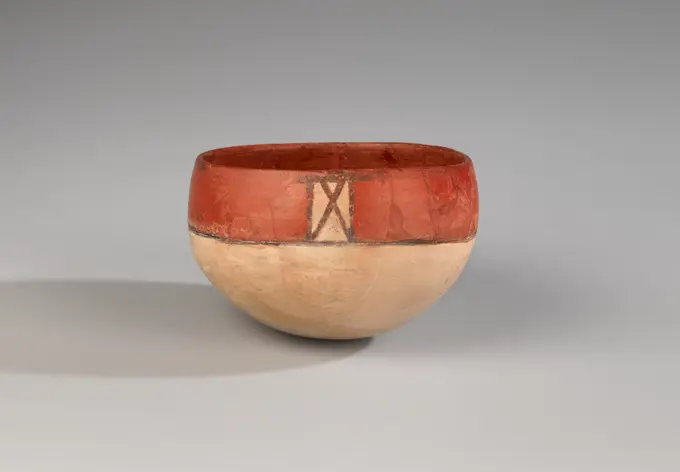
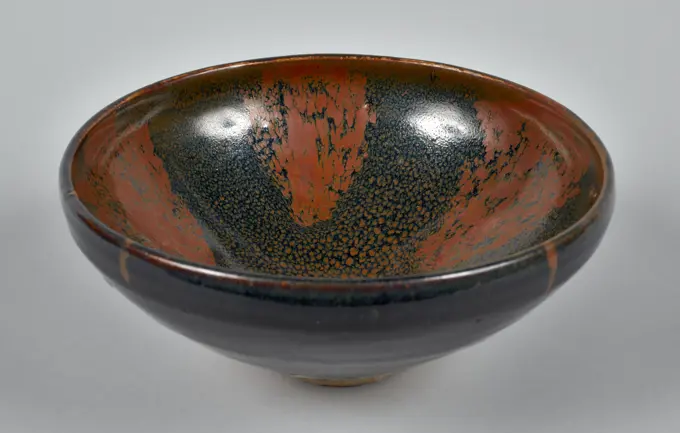
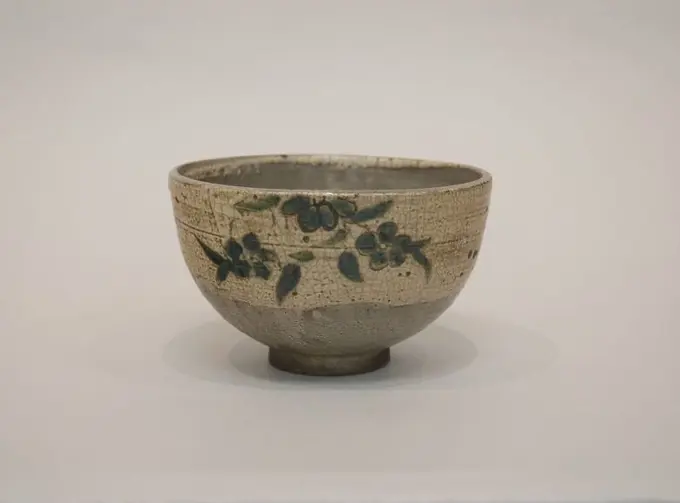
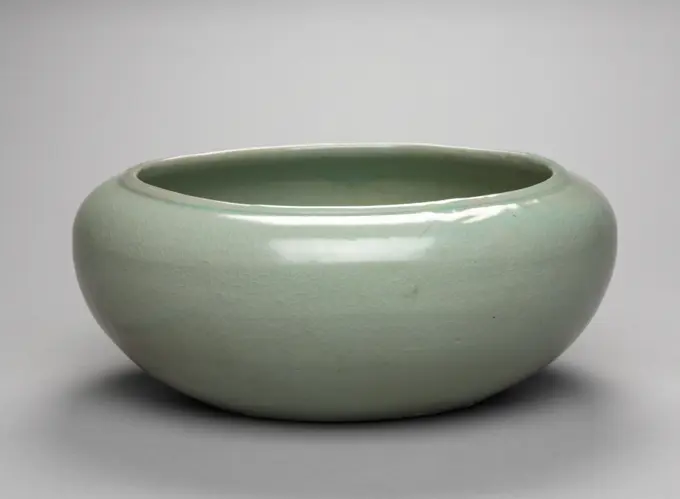
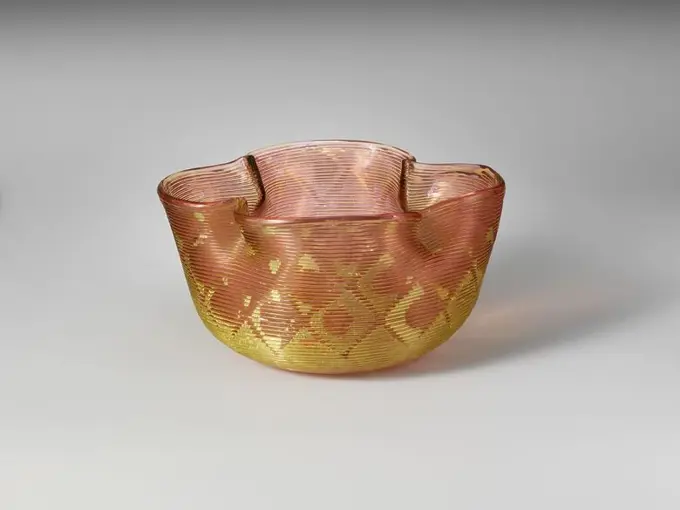
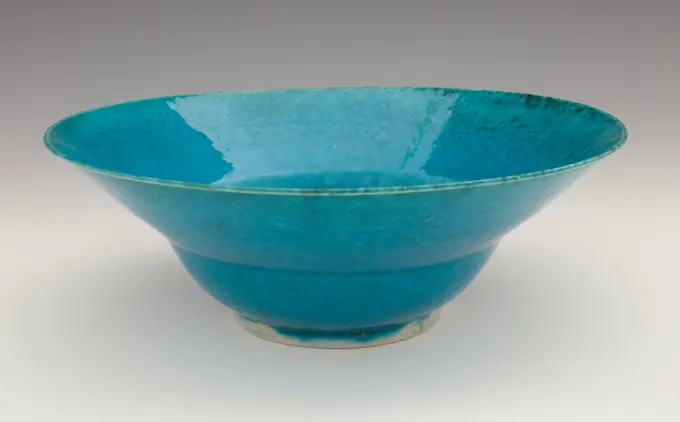
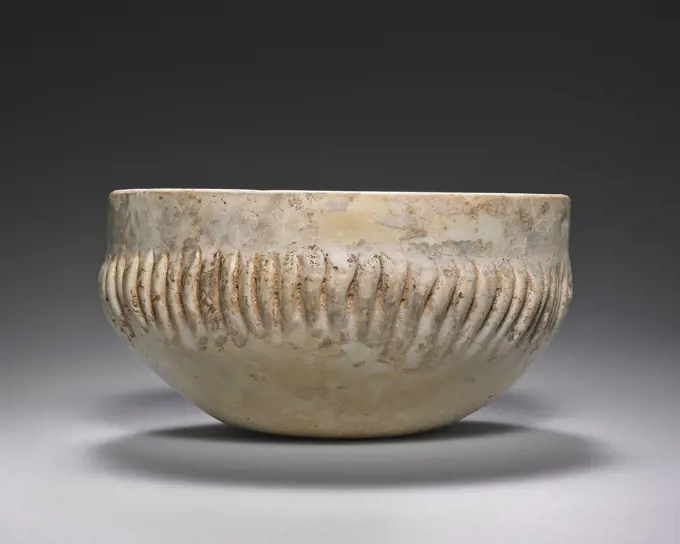
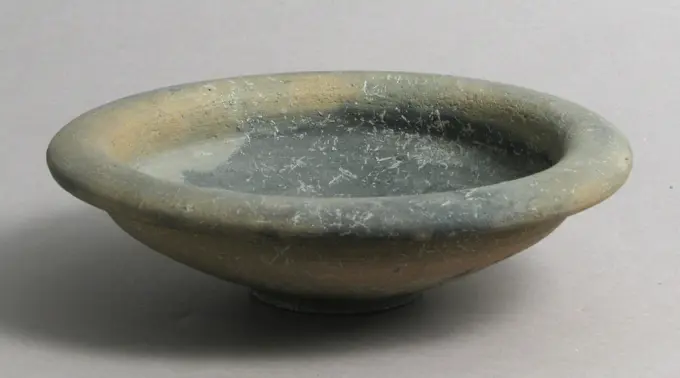
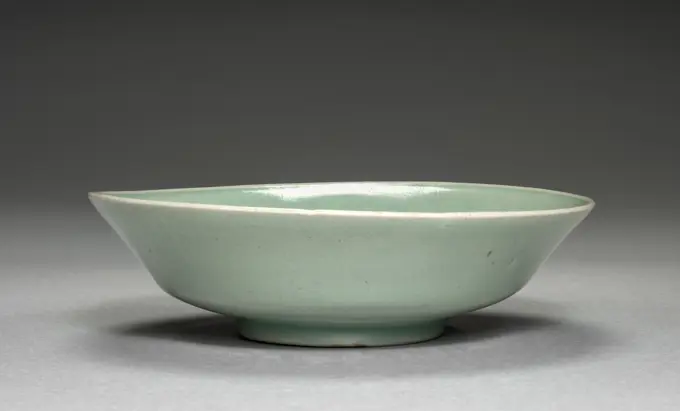
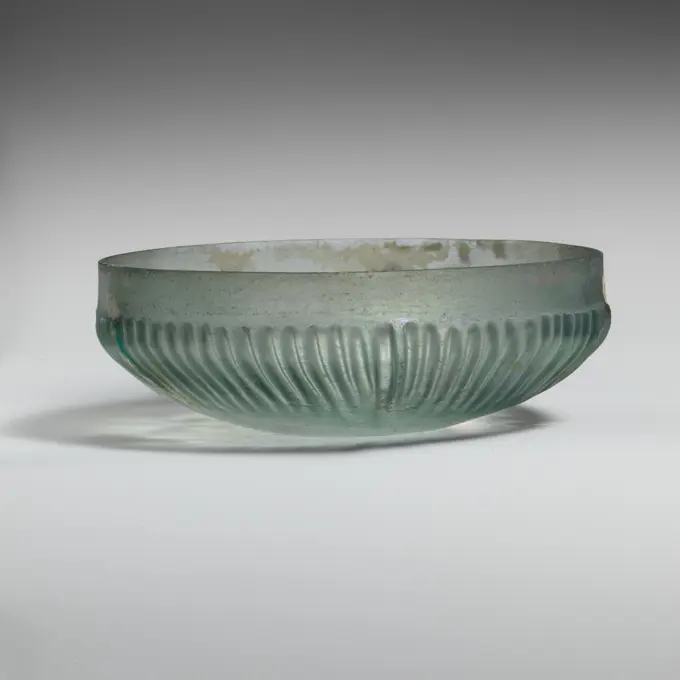
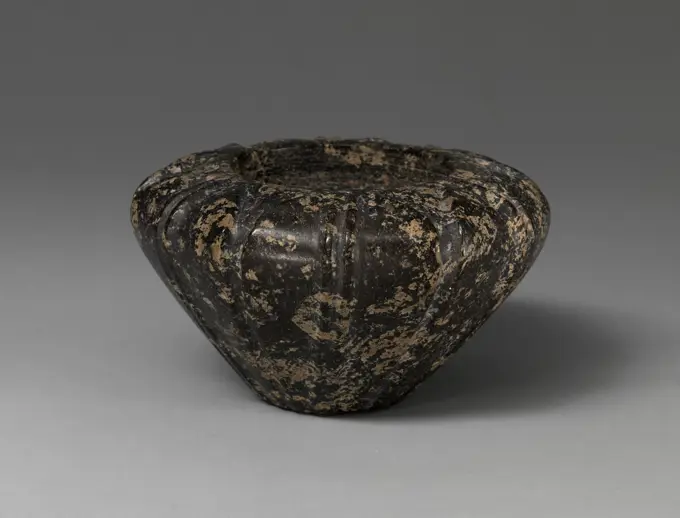
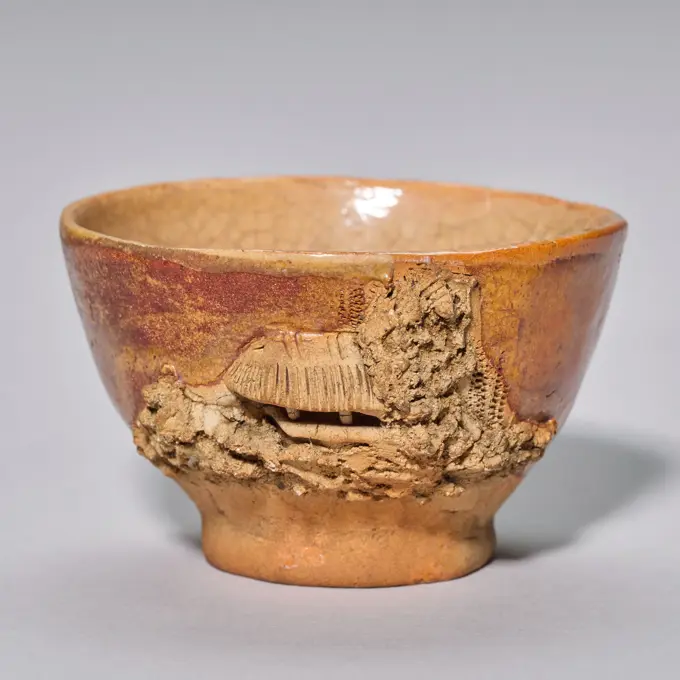
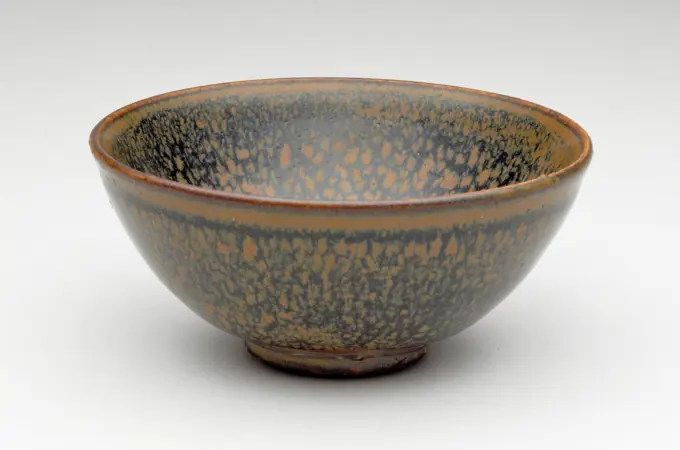
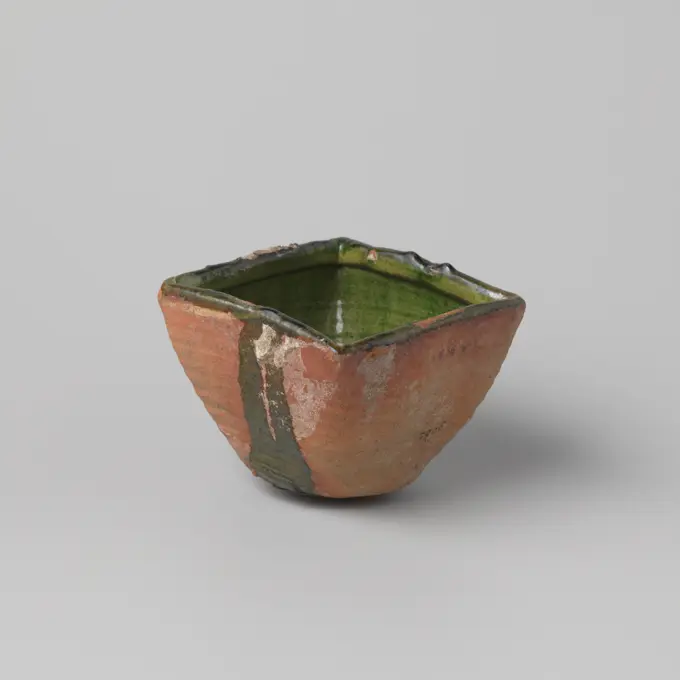
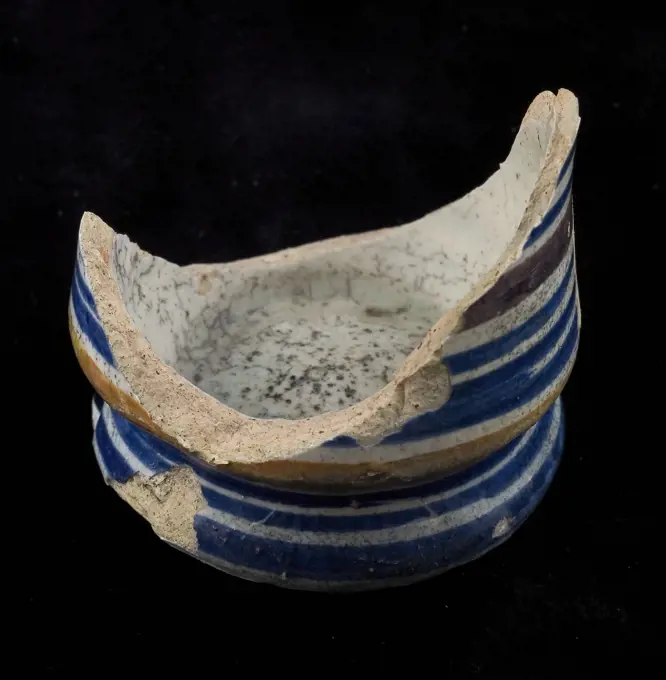
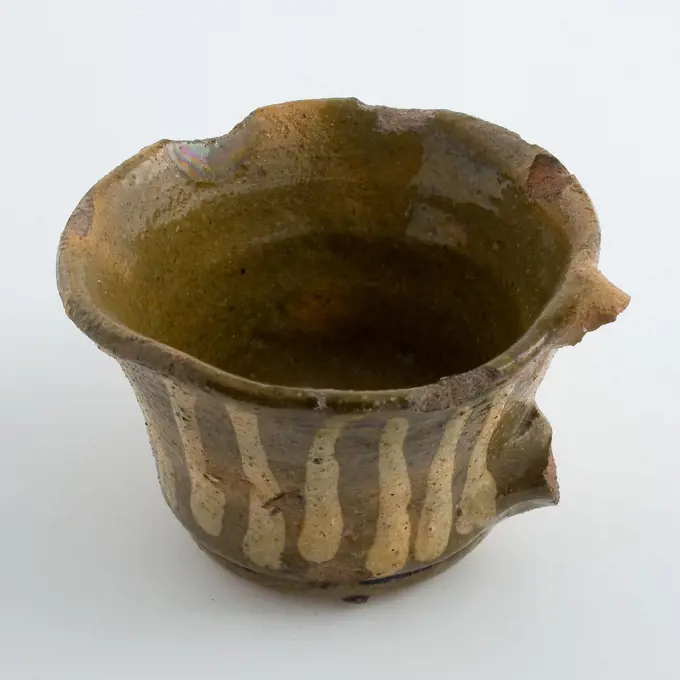
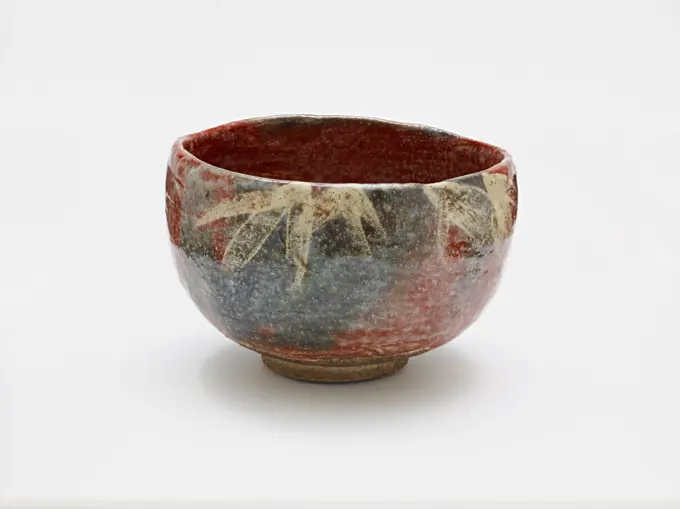
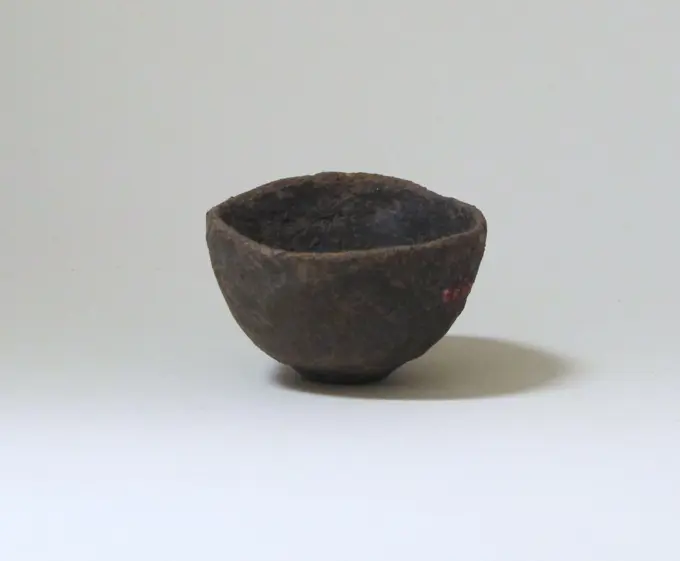
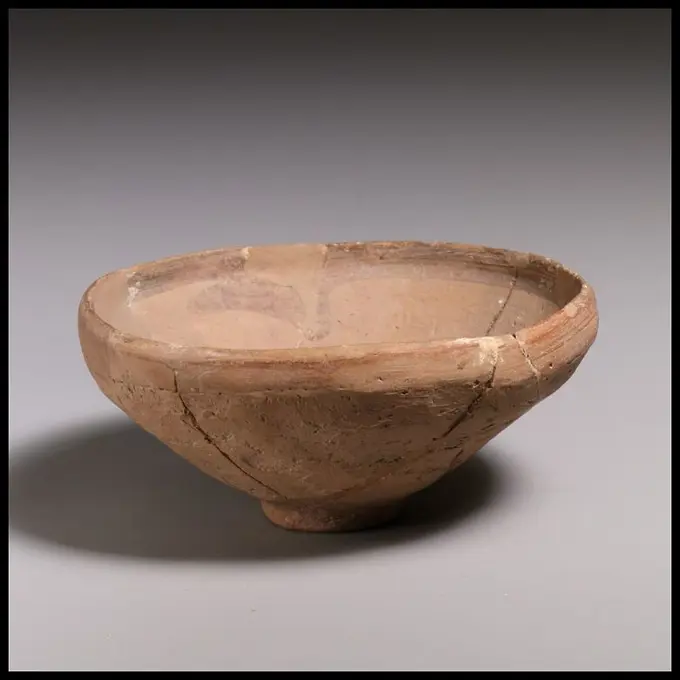
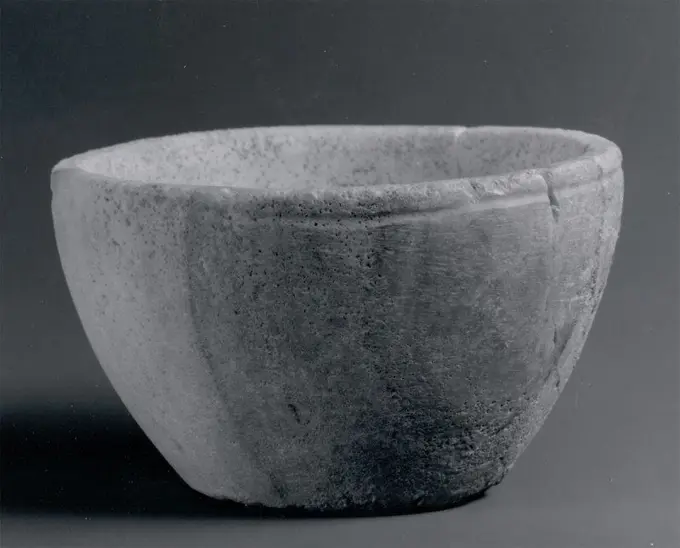
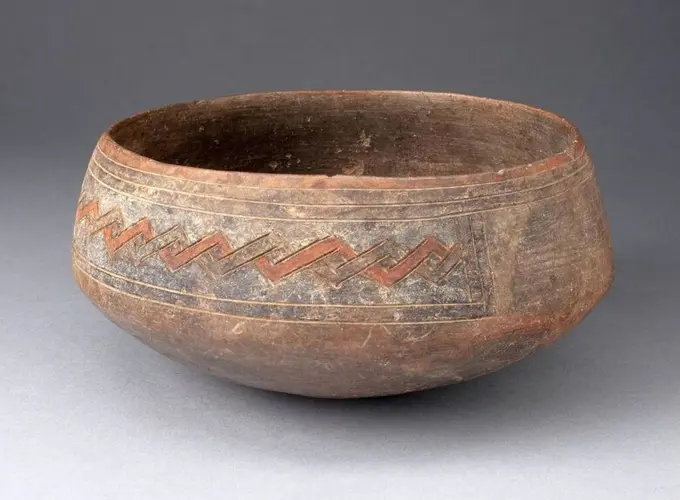
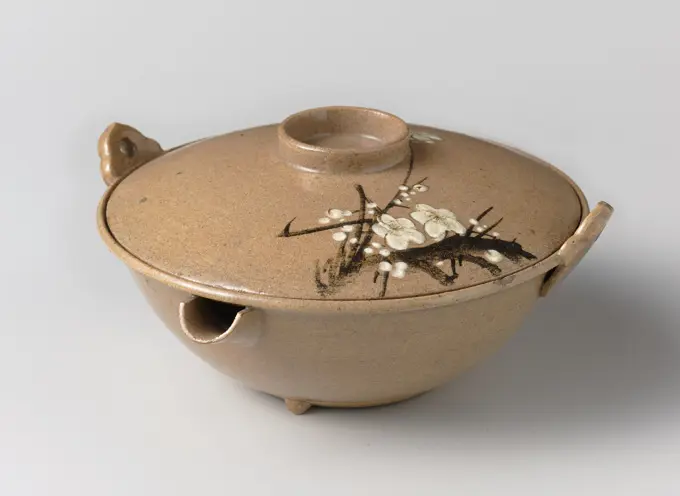
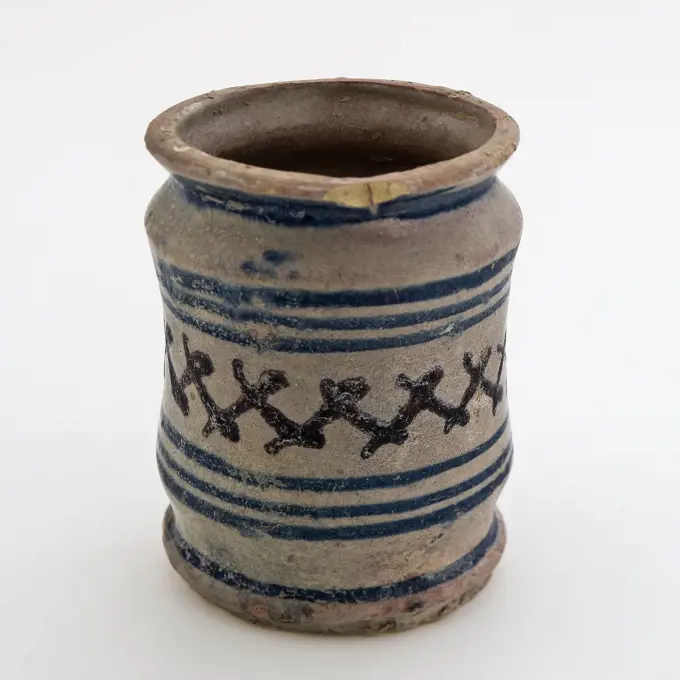
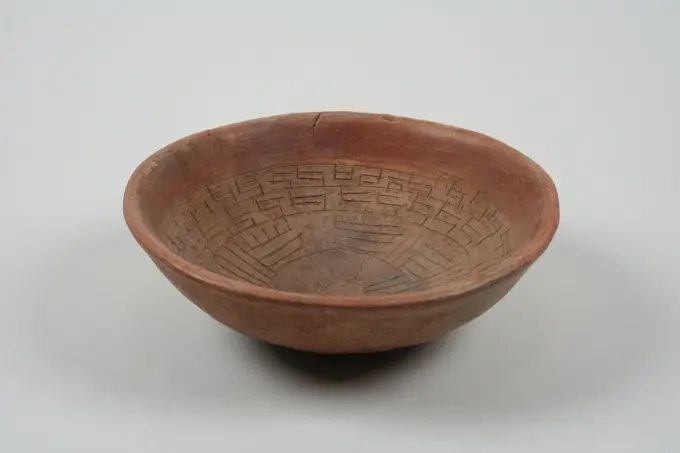
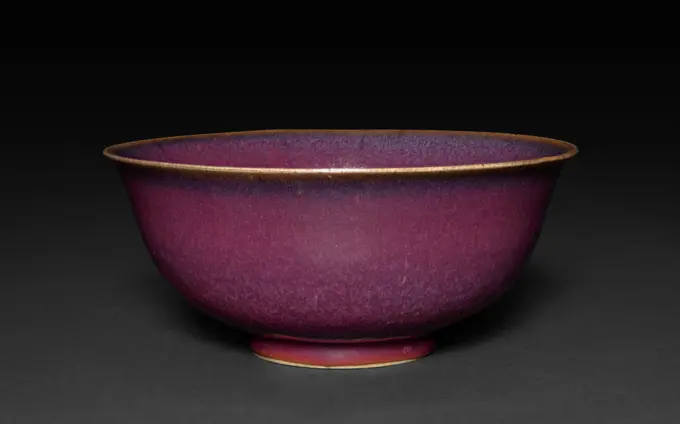
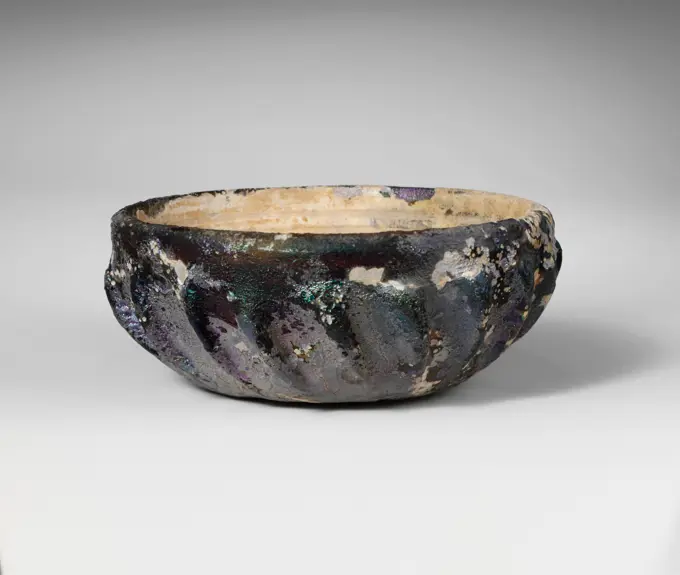
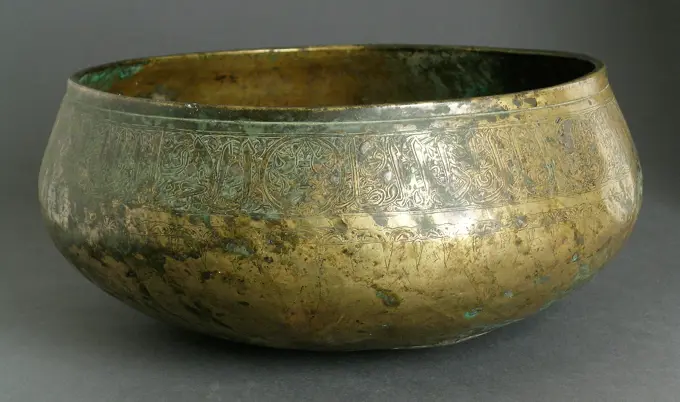
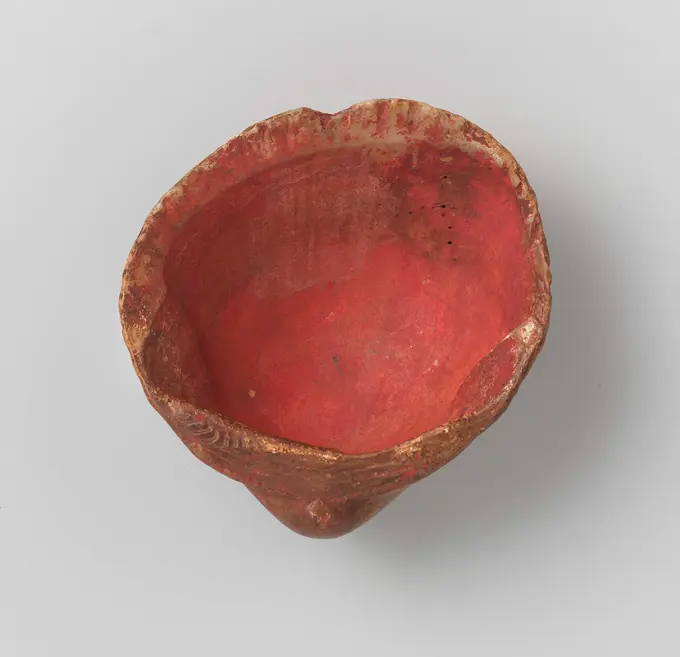
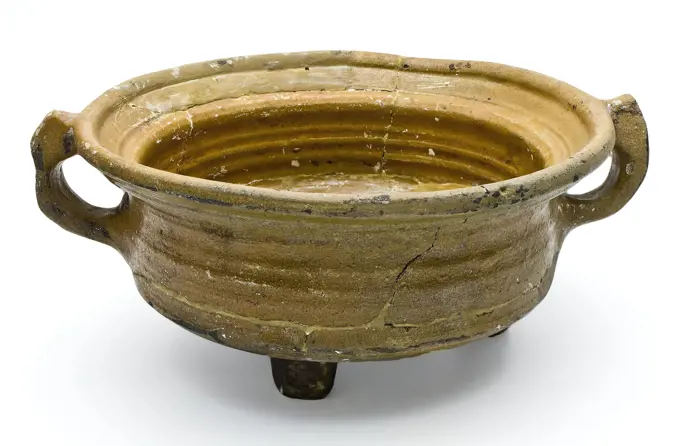
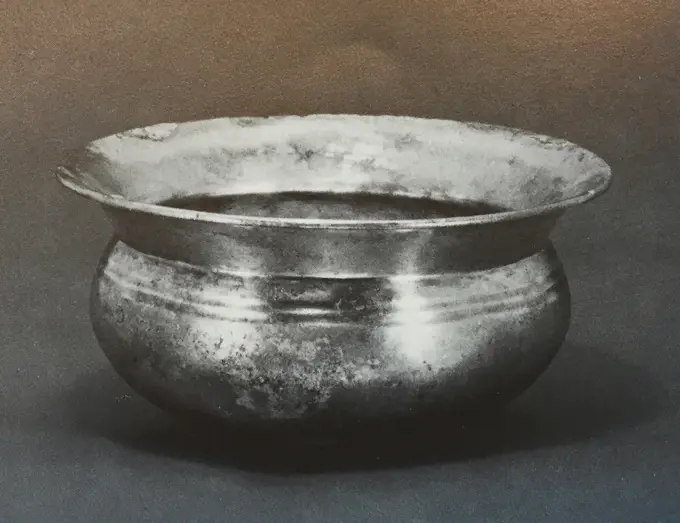
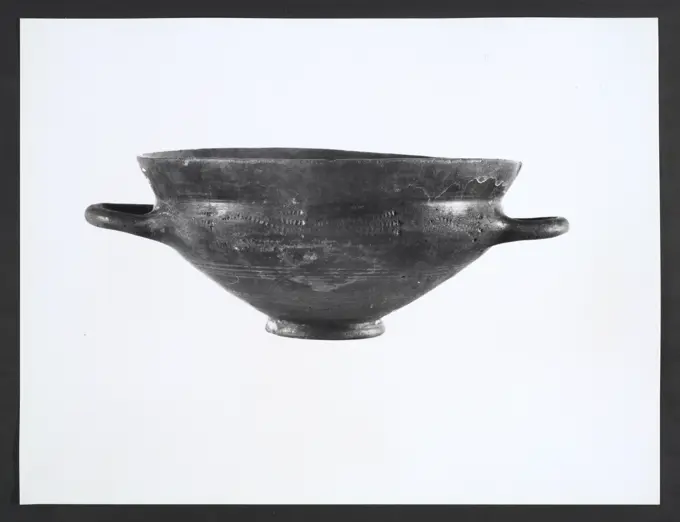
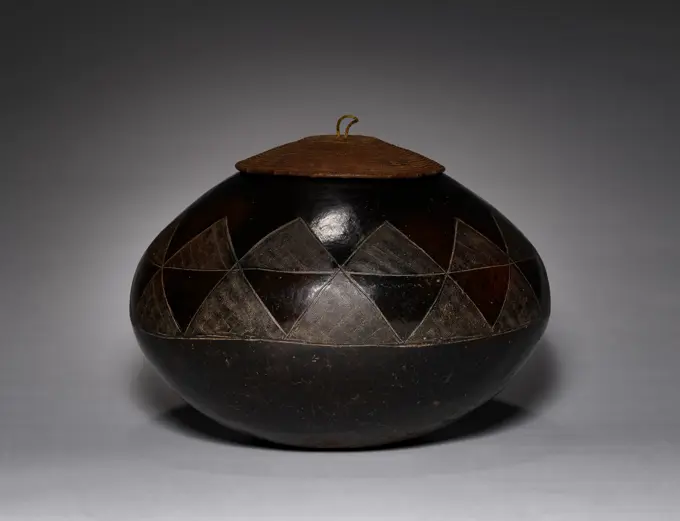
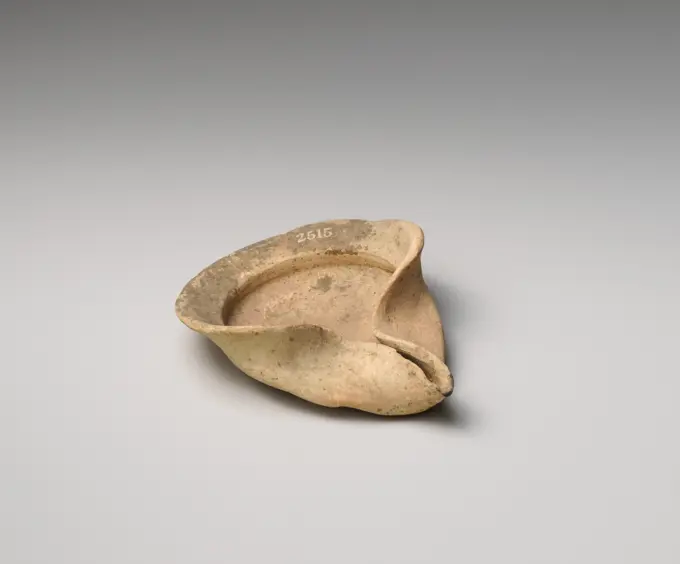
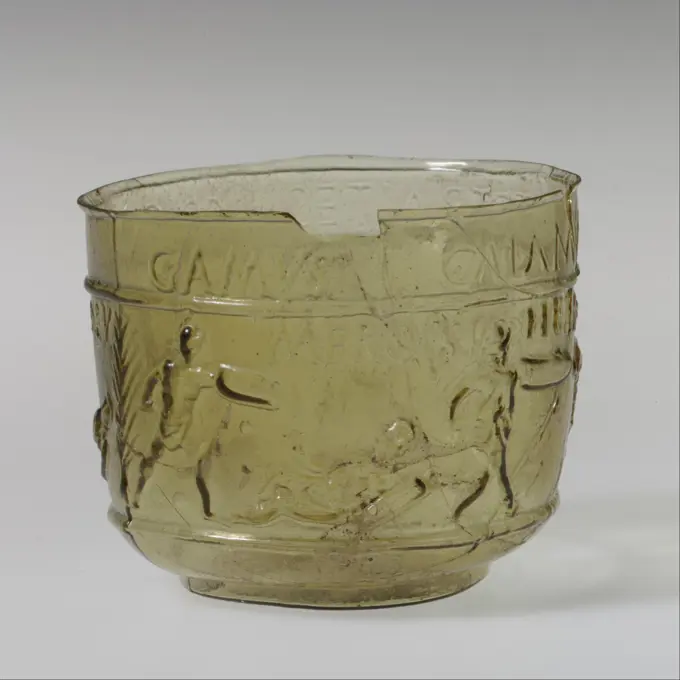
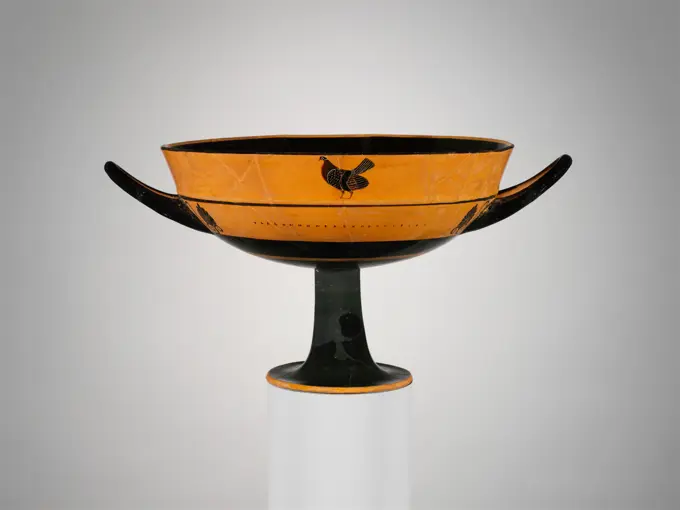
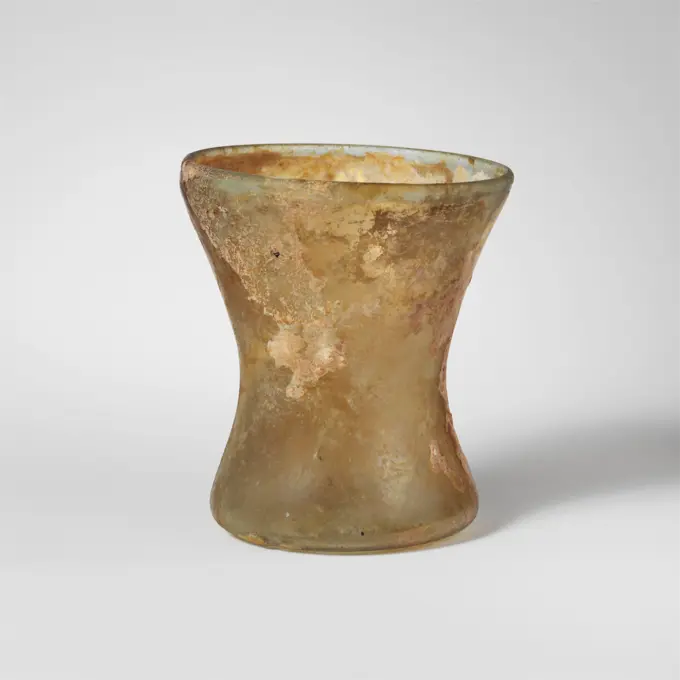
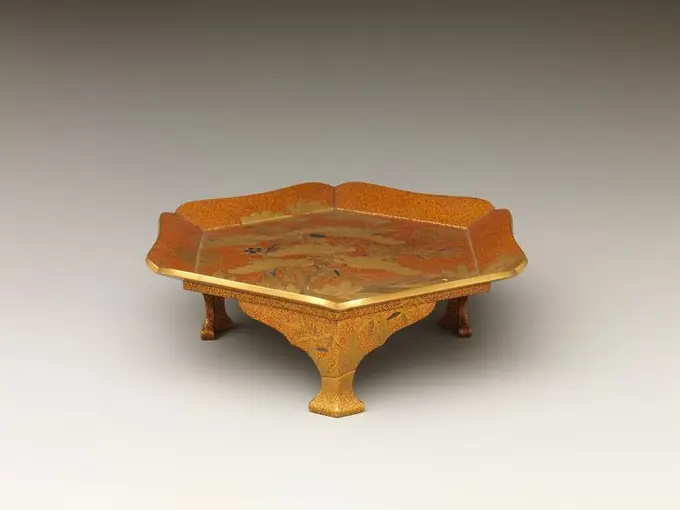
BowlTerracotta skyphos (deep drinking cup). Culture: Euboean or Cypriot. Dimensions: H. 2 7/8 in. (7.29 cm). Date: late 8th century B.C..The cup can be paralleled by an example from Sicily that seems to be Euboean. It may also be a Cypriot imitation of the Late Geometric III period. Museum: Metropolitan Museum of Art, New York, USA.Tripod Vessel 5th century Teotihuacan. Tripod Vessel 314632Small bronze bowl with narrowed side wall and protruding upper edge, bin holder soil find bronze metal, cast casted Small bronze bowl from the bronze age Iron Age or Roman time Stand surface Narrowed side wall and protruding upper edge. Possibly from the trading stock of merchant from England archeology Spijkenisse iron age bronze age prehistory roman time Soil discovery Spijkenisse.Kylix;  1050-750 BC (-1050-00-00--750-00-00);Bowl; Dongola workshop 2. PO. VI century (551-00-00-600-00-00);Nubian ceramics, geometric decorations, methop, bowls, nubian vessels, nubian dishes paintedAnonymous, bowl (usual name), 1115. Inside the bowl, the dark cover is enhanced with five spots made up of a multitude of rust flies. Cernuschi Museum, Asia Museum of Asia in the city of Paris.Bowl. Culture: Japan. Dimensions: H. 4 1/4 in. (10.8 cm); Diam. of rim 7 in. (17.8 cm); Diam. of foot 2 5/8 in. (6.7 cm). Date: 18th century. Museum: Metropolitan Museum of Art, New York, USA.Bowl, 1100s. Korea, Goryeo period (918-1392). Celadon; outer diameter: 25.1 cm (9 7/8 in.); overall: 10.5 cm (4 1/8 in.).Painted Bowl 6th-4th century B.C. Paracas. Painted Bowl. Paracas. 6th-4th century B.C.. Ceramic, pigment. Peru. Ceramics-ContainersVessel with Bulbous Body. Culture: Thailand. Dimensions: H. 7 in. (17.8 cm); Diam. 10 1/2 in. (26.7 cm). Date: ca. 1000-300 B.C.. Museum: Metropolitan Museum of Art, New York, USA.Pot of red -baking clay, with green lead glaze on the inside and on the outside of brown lead glaze, damaged, anonymous, 1500 - 1799   earthenware. glaze   earthenware. glazePottery dish on stand lobes, rim with yellow sludge decor, dish crockery holder soil find ceramic earthenware glaze lead glaze, hand-turned glazed fired ring red earthenware brown lead glaze edge with yellow sludge trim three fins underside not glazed. Decoration consists of yellow wavy lines and short stripes Wide dish with bowl-shaped curved mirror Narrow flag with groove Thickened saucer edge with thin collar on the outside archeology Valckensteyn Poortugaal Albrandswaard indigenous pottery kitchen food nutrition cooking serving Soil discovery: canal at kitchen castle Valckensteyn at Poortugaal now Albrandswaard 1961.Finger Bowl. Culture: American. Dimensions: H. 2 1/2 in. (6.4 cm); Diam. 5 1/8 in. (13 cm). Maker: Possibly Boston & Sandwich Glass Company (American, 1825-1888, Sandwich, Massachusetts). Date: 1880-88. Museum: Metropolitan Museum of Art, New York, USA.A bowl with turquoise enamelled enamel unknownCup 17th century. Cup. 17th century. Stonepaste; luster-painted on opaque white glaze under transparent colorless glaze. Attributed to Iran. CeramicsRibbed Bowl; Eastern Mediterranean; end of 1st century B.C. - beginning of 1st century A.D; Glass; 5.2 x 10.1 cm (2 1,16 x 4 in.)Bowl 13th century Korea. Bowl. Korea. 13th century. Stoneware with inlaid decoration under celadon glaze. Goryeo dynasty (918-1392). CeramicsDish, Deep 16th century French. Dish, Deep 465896 French, Dish, Deep, 16th century, Earthenware, Overall: 2 1/4 x 7 3/8 in. (5.7 x 18.7 cm). The Metropolitan Museum of Art, New York. Gift of J. Pierpont Morgan, 1917 (17.194.2209)Bowl for NarcissusBulbsTri -na  19th century (1801-00-00-1900-00-00);Dish, 1100s. Korea, Goryeo period (918-1392). Glazed porcelain; overall: 4 x 14.9 cm (1 9/16 x 5 7/8 in.). Celadons wares used for everyday such as this dish were among the most common burial objects in tombs during the Goryeo period (918-1392). Furnishing tombs with an elaborate assemblage of objects was believed to honor and comfort the newly dead. Generally, Goryeo tombs were left untouched until the late 19th century. During the colonial period (1910-45), however, Japanese archaeologists competitively excavated the tombs located in Kaeseong, the former capital of the Goryeo period and soon became available for Japanese and Western collectors.Dish with Floral Petal Rim. China. Date: 1723-1735. Dimensions: H. 4.0 cm (1 9/16 in.); diam. 25.9 cm (10 3/16 in.). Stoneware with milky blue Jun ware-style glaze. Origin: China. Museum: The Chicago Art Institute, Chicago, USA.. Low pot of stoneware with a flat printed, spherical body, wide opening and two S-shaped ears on the shoulder, covered with a glossy red candle enamel (Tea-Dust). Old label on the bottom with 'w661'. Possibly a Kyoto copy to Chinese example.Glass ribbed bowl late 1st century B.C.-mid-1st century A.D. Roman Translucent blue green.Vertical rim with angular top edge; plain, vertical band around top of sides, then bulging outward before curving in sharply to slightly concave bottom.On interior, three fine concentric grooves around outer edge of bottom and small, broader circle at center; on exterior, seventy-six vertical or slightly slanting ribs of slightly varying length, width, and thickness, with tops ground off, arranged around bulging middle section of body.Intact; pinprick bubbles; pitting, dulling, and iridescence with small patches of creamy weathering.Rotary grinding marks on plain band around top of sides and on interior.. Glass ribbed bowl. Roman. late 1st century B.C.-mid-1st century A.D.. Glass; cast, tooled, and cut. Early Imperial, Augustan or Julio-Claudian. GlassBowl. Culture: Japan. Dimensions: H. 2 1/8 in. (5.4 cm); Diam. 4 3/4 in. (12.1 cm); Diam. of foot 1 5/8 in. (4.1 cm). Date: 18th century. Museum: Metropolitan Museum of Art, New York, USA.Serpentine blossom bowl ca. 1500 B.C. Minoan High shouldered blossom bowl carved with ribs and grooves.. Serpentine blossom bowl. Minoan. ca. 1500 B.C.. Serpentine. Middle Minoan III-Late Minoan I. Miscellaneous-Stone VasesBowl. Culture: Coptic. Dimensions: Overall: 1 9/16 x 2 15/16 in. (3.9 x 7.5 cm). Date: 4th-7th century. Museum: Metropolitan Museum of Art, New York, USA.Glass ribbed bowl. Culture: Roman. Dimensions: H.: 2 3/8 in. (6 cm)Diam.: 3 in. (7.6 cm). Date: 1st-3rd quarter of 1st century A.D..Translucent deep honey yellow; trail in opaque white.Knocked-off, uneven rim; short concave neck; globular body curving in to thick bottom, flat but slightly concave at center.Trail applied to bottom and wound spirally around body, with large patch on lower side, ending in a fine trail on shoulder; side tooled into twenty-one irregular, vertical ribs.Intact, except for four chips in rim; a few pinprick bubbles; dulling, faint iridescent weathering, and weathering of trail between ribs.Dark amber ribbed cup with white lines around shoulder and body. Museum: Metropolitan Museum of Art, New York, USA.Gobelet ". Tree Cuite Rouge to Couverts Colded. China, Six Dynasties (311-589). Paris Museum Cernalchi. Chinese art, Chinese ceramic, containing, time six dynasty, goblet, container, terracottaDish, 1792. Germany, Bingen on the Rhine, 18th century. Earthenware; diameter: 31.1 cm (12 1/4 in.).Satsuma tea cup, c. 1900, Unknown Japanese, 2 1/2 x 3 x 3 in. (6.35 x 7.62 x 7.62 cm), Satsuma ware; glazed stoneware, Japan, 19th centuryJar. Thailand, Sawankhalok, 16th century. Furnishings; Serviceware. Stoneware with incised decoration and celadon glazeCup Holder 19th century This cup holder is typical of the objects that were displayed in open niches in reception rooms of upper-class Syrian residences during the Ottoman period.. Cup Holder 455542Bowl 9th-10th century View more. Bowl. 9th-10th century. Earthenware; polychrome slip decoration under transparent greenish glaze (buff ware). Excavated in Iran, Nishapur. CeramicsTeabowl 1100-1199 China. Northern blackware, Cizhou type; stoneware with black glaze and overglaze russet flecks .Terracotta bowl ca. 2500-1900 B.C. Cypriot Incised bands and zigzags with miniature bowls on rim.. Terracotta bowl. Cypriot. ca. 2500-1900 B.C.. Terracotta; Red Polished Ware. Early Cypriot. VasesBowl with geometric pattern 5th-4th century B.C. Paracas. Bowl with geometric pattern 307611Covered Box. Thailand, Sawankhalok, 16th century. Furnishings; Accessories. Stoneware with underglaze brown painted decorationPhiale. UnknownJar withBambooBowl in Form of Archaic Gui, 1628-61. China, Jiangxi province, Jingdezhen, Ming dynasty (1368-1644), Chongzhen reign (1628-44) or Qing dynasty, Shunzhi reign (1644-61), but Ming dynasty (1368-1644), Jiajing mark (1522-66). Porcelain with camellia-leaf green glaze; diameter: 23.4 cm (9 3/16 in.); overall: 9 cm (3 9/16 in.).Kacheltegel of Steerglazure Work, Anonymous, c. 1600 - c. 1699 Stove tile of earthenware with lead glaze. The tile is made of red -baked earth, glazed in the green, in the bottom eight -sided rosette four. Germany earthenware. lead glaze Stove tile of earthenware with lead glaze. The tile is made of red -baked earth, glazed in the green, in the bottom eight -sided rosette four. Germany earthenware. lead glazeVase fragment Roman, Gaul Inscribed.. Vase fragment. Roman, Gaul. Terracotta. VasesFragment majolica albarello, ointment jar, polychrome bands, albarello holder earth discovery ceramic earthenware glaze tin glaze lead glaze, hand turned baked glazed decorated fried Fragment of albarello with necking. Polychrome decor with orange purple and blue bands. Orange-yellow shard. Glazed except the bottom of the bottom Cylindrical model archeology Rotterdam health care indigenous pottery packaging ointment medicine drug pharmacy craft Botemvondst Rotterdam 1940.One of five bowls ca. 1295-1070 B.C. New Kingdom, Ramesside. One of five bowls 544132Earthenware head with wide neck and narrow foot, decorated in sludge technology, cup crockery holder soil find ceramic earthenware glaze lead glaze clay, hand-turned glazed decorated fried lozenge Pottery cup on standing surface. Red shard entirely glazed except the bottom of the bottom Decorated with standing yellow stripes over the sidewall in sludge technology. Sandy structure of the used clay for decoration. Blurred turning lenses on the inside. Missing standing bandoor archeology native pottery drinking water serving serve table room measuring kitchen cookingPaten 5th-6th century Byzantine Patens and chalices were the essential containers for the bread and wineof the Divine Liturgy (Eucharist) in Byzantium. The specially stamped and sanctified large bread for the communion service was contained by the rim of the paten. The exterior of this paten is decorated with a monogram that has yet to be identified.. Paten 466152 Byzantine, Paten, 5th6th century, Silver, partial gilt, Overall: 9 1/8 x 2 1/16 in. (23.2 x 5.3 cm). The Metropolitan Museum of Art, New York. Gift of Mrs. Hayford Peirce, 1987 (1987.442.1)Terracotta kylix (drinking cup). Culture: East Greek. Dimensions: H. 3 11/16 in. (9.4 cm); diameter 6 7/16 in. (16.4 cm). Date: mid-6th century B.C..The shape is derived from Attic Little Master cups, specifically lip cups. Museum: Metropolitan Museum of Art, New York, USA.Red Raku Tea Bowl with Design of Snow-frosted Bamboo. Ryōnyū (Raku IX) (Japan, 1756-1834). 1809. Ceramics. Raku ware; glazed earthenwareTerracotta bowl. Culture: Greek, South Italian, Campanian. Dimensions: Other: 2 7/8 x 7 3/8 in. (7.3 x 18.7 cm). Date: 4th century B.C..Stampled pattern and rosette/palmette pattern in center. Museum: Metropolitan Museum of Art, New York, USA.Globular jar. Dimensions: H. 8.1 cm (3 3/16 in.); Diam. 12. cm (4 3/4 in.). Dynasty: Dynasty 2, second half. Date: ca. 2750-2649 B.C.. Museum: Metropolitan Museum of Art, New York, USA.Cup Etruscan Small, rudely modeled cup of coarse clay without decoration.. Cup. Etruscan. Terracotta; impasto. VasesTray from the wreck of the East Indies' t Vliegend Hart, Anonymous, 1700 - 1735  Tray.  tin (metal)Georges Despret (1862-1952). Cut. Glass, glass paste. XIXth-XXth century. Museum of Fine Arts of the City of Paris, Petit Palais. 19th XIXth XIX 19th 19th 19th century, XXth XXth XX 20th 20th 20th centuryTerracotta bowl. Culture: Helladic. Dimensions: H. 2 3/4 in. (6.9 cm.)Diameter 9 1/4 in. (23.4 cm.). Date: ca. 2650-2150 B.C..Bowl with narrow foot and no decoration. Museum: Metropolitan Museum of Art, New York, USA.Bowl ca. late 3rd-early 2nd millennium B.C. Bactria-Margiana Archaeological Complex. Bowl 326758Bowl Incised and Painted with Interlocking Geometric Band. Paracas; Ica Valley, south coast, Peru. Date: 650 BC-150 BC. Dimensions: 10.8 x 21 cm (4 1/15 x 8 1/4 in.). Ceramic and pigment. Origin: Peru. Museum: The Chicago Art Institute, Chicago, USA.Bowl 18th century Style of Whieldon type. Bowl. British, Staffordshire. 18th century. Glazed earthenware. Ceramics-PotteryBowl Depicting Incised and Painted Abstract Crouching Figure Made 650 BCE-150 BCE Peru. Ceramic and pigment . ParacasCovered bowl with prunus spray and spout, anonymous, c. 1800 - c. 1825 Lid bowl of stoneware with a semicircular spout under the edge, three small feet and two applicated ears, painted on the glaze in black and a white sludge. The ears with bred ranks. Three prenes on the bottom. Japan stoneware. glaze. engraving / painting / vitrification Lid bowl of stoneware with a semicircular spout under the edge, three small feet and two applicated ears, painted on the glaze in black and a white sludge. The ears with bred ranks. Three prenes on the bottom. Japan stoneware. glaze. engraving / painting / vitrificationStrainer 4th-3rd century B.C. Italic Circular, perforated bowl with flat rim and handle.. Strainer 246388Storage vessel, c. 1890-1900, 10 x 16 x 16 in. (25.4 x 40.64 x 40.64 cm), Ceramic, pigment, United States, 19th-20th century"Worm" bowl ca. 14th-12th century BC Iran. "Worm" bowl 325930Incense Burner: Longquan Ware, S. Sung-Yuan Dynasty, 13th-14th Century. China, Southern Song dynasty (1127-1279). Glazed porcelain; diameter: 13.4 cm (5 1/4 in.); overall: 7.3 cm (2 7/8 in.).Tea Bowl with Cross Design. Culture: Japan. Dimensions: H. 3 7/8 in. (99.8 cm); Diam. of rim 7 1/4 in. (18.4 cm); Diam. of foot 3 3/4 in. (9.5 cm). Date: early 19th century. Museum: Metropolitan Museum of Art, New York, USA.Bowl. Iran, Nishapur, 10th century. Ceramics. Earthenware, slip-painted under a transparent glazePottery ointment jar, majolica albarello with two constrictions, blue rings and cross decor in manganese, albarello holder soil find ceramic earthenware glaze lead glaze tin glaze, hand turned baked glazed decorated baked Pottery ointment jar. Cylindrical model with two constrictions. Majolica albarello. Polychrome decor of blue rings and in the middle of the sidewall band of crosses in manganese purple. Yellow shard over which faint red glow Completely covered with lead glaze possible on background of tin glaze. The underside of the bottom is unglazed archeology Rotterdam IJsselmonde health care pottery packing ointment care medicine drug craft pharmacy Soil discovery: IJsselmonde Castle well 5 Rotterdam 1972.Covered Box China. Covered Box. China. Porcelain with peachbloom glaze and green mottling. Qing dynasty (1644-1911), Kangxi period (1662-1722). CeramicsIncised Bowl 7th-4th century B.C. Paracas. Incised Bowl 308453Bowl: Jun ware, 14th-15th Century. South China, Yuan dynasty (1271-1368) - Ming dynasty (1368-1644). Glazed gray stoneware; diameter: 18.4 cm (7 1/4 in.); overall: 8.2 cm (3 1/4 in.).Bowl 1880-90. Bowl 889Glass ribbed bowl 1st century B.C. Greek, Eastern Mediterranean Translucent deep honey brown.Slightly inverted rim with beveled outer edge; sides curving in to flat but slightly uneven bottom.On interior, two wide horizontal grooves cut in a band below rim; on exterior, eighteen prominent slanting ribs with rounded tops and tapering towards bottom.Intact; pinprick bubbles; deep pitting and brilliant iridescent weathering on exterior, and thick creamy weathering covering most of interior.. Glass ribbed bowl 248935Shallow bowl. Sazikow (Moskwa i Petersburg ; firma złotnicza ; 1793-1887), goldsmiths companyBowl. Syria, 1250-1500. Metal. Brass, engraved and inlaidSawankhalok Ware Covered Box. Thailand, Sukhothai Province, Si Satchanalai. Date: 1301-1500. Dimensions: 8.2 × 12.2 × 12.2 cm (3 3/16 × 4 13/16 × 4 13/16 in.). Glazed stoneware with iron-brown and blue-grey underglaze. Origin: Sawankhalok. Museum: The Chicago Art Institute, Chicago, USA. Author: Siamese.Footed DishGlass Bowl in Millefiori Technique 9th century The millefiori technique was rediscovered in the eighth or ninth century in Mesopotamia and was probably used in the production of objects for the Abbasid caliphs in Baghdad or Samarra. A number of surviving bowls and tiles suggest that it was used both for domestic furnishings and interior decoration. Examples such as these show the sophistication and range of Abbasid glassmakers.. Glass Bowl in Millefiori Technique. 9th century. Glass, green, opaque yellow, and opaque red mosaic; fused, slumped, ground, and polished, applied foot. Made in Probably Iraq. GlassBowl: Southern White Ware, late 800s-early 900s. China, Tang dynasty (618-907) - Five dynasties (907-960). Glazed porcelain, Southern white ware; diameter: 21.6 cm (8 1/2 in.); overall: 11.9 cm (4 11/16 in.).Shell with red paint residues. Shell, paint shell with red paint residues.Pottery cooking pot on three legs, low and wide model with two standing ears, grape cooking pot crockery holder kitchen utensils earthenware ceramics earthenware glaze lead glaze, belly 16.0 hand turned glazed baked Cooking pot light red earthenware in and externally glazed light brown free flat bottom three legs and bottom restored in plaster two pinched ears rotations cover edge Low model with straight side wall and wide top edge archeology Valckensteyn Poortugaal Albrandswaard indigenous pottery food preparation nutrition food cooking kitchen Soil discovery: canal at kitchen castle Valckensteyn at Poortugaal now Albrandswaard 1961.Silver bowl 6th century B.C. East Greek The lip is sharply set off from the body of the bowl, which is decorated on the shoulder by two grooves.. Silver bowl. East Greek. 6th century B.C.. Silver. Archaic. Gold and SilverBowl. Iran, 1000-1250. Ceramics. Fritware, incised, carved and glazedBowl. Culture: Olmec. Dimensions: H x W: 3 1/8 x 5 3/8in. (7.9 x 13.7cm). Date: 12th-9th century B.C.. Museum: Metropolitan Museum of Art, New York, USA.Terracotta kylix (drinking cup). Culture: Greek, Laconian. Dimensions: H. 3 15/16 in. (10 cm); diameter 6 5/8 in. (16.8 cm). Date: ca. 570-560 B.C..Interior, the apotheosis of HeraklesThe scene on the interior shows Athena leading Herakles to the enthroned Zeus. A boar occupies the exergue below. Museum: Metropolitan Museum of Art, New York, USA.Plate China. Plate 46945Bowl Korea. Bowl 57437Lazio Viterbo Viterbo Museo Civico27. Hutzel, Max 1960-1990 Views of paintings (Middle Ages through 18th c.), frescoes, a tabernacle, coffin, sculpture reliefs, portal fragments, busts, sculpture, tapestry found in the Pinacoteca, Second floor gallery and Second floor cloister sequences. Antiquities: Many views of Etruscan and Roman fragments, sculpture, sarcophagi, pottery, masks, jewelry and other objects found in the Storeroom sequence (inventory numbers on back of prints), and the Cloister, Second floor Cloister, Valle Giulia, Sala Romana and Sala Etrusca sequences. General Notes: There are eight separate numerical sequences for this location. The cloister as an architectural structure, rather than museum site, is documented in the record and file for S. Maria della Verita, Cloister, all views of which are stored in Medieval core collection. Five views from the Museo Civico Second floor cloister sequence are stored in Medieval. German-born photographer and scholar Max Hutzel (1911-Bowl;  Kon. I - early century A.D. (100-00-00-110-00-00);gift (provenance)Lazio Viterbo Viterbo Museo Civico65. Hutzel, Max 1960-1990 Views of paintings (Middle Ages through 18th c.), frescoes, a tabernacle, coffin, sculpture reliefs, portal fragments, busts, sculpture, tapestry found in the Pinacoteca, Second floor gallery and Second floor cloister sequences. Antiquities: Many views of Etruscan and Roman fragments, sculpture, sarcophagi, pottery, masks, jewelry and other objects found in the Storeroom sequence (inventory numbers on back of prints), and the Cloister, Second floor Cloister, Valle Giulia, Sala Romana and Sala Etrusca sequences. General Notes: There are eight separate numerical sequences for this location. The cloister as an architectural structure, rather than museum site, is documented in the record and file for S. Maria della Verita, Cloister, all views of which are stored in Medieval core collection. Five views from the Museo Civico Second floor cloister sequence are stored in Medieval. German-born photographer and scholar Max Hutzel (1911-Czarka  dark yellow enamel unknownLidded Pot, 1900s. Southern Africa, South Africa, Zulu, mid-20th century. Terracotta and plant fiber; diameter: 45.7 cm (18 in.); overall: 33 cm (13 in.). This large, beautifully shaped vessel was used for the serving of beer, an essential component of Zulu hospitality. Undecorated vessels were for private household use, and ornamented examples were reserved for guests. Zulu pottery is produced by women, and is typically thin-walled, with a burnished black surface. Decoration may be incised around the shoulder, as in this example, or may consist of raised bumps that resemble body scarification. The basketry lid protects the vessel's contents from flies or debris; contemporary pot lids are often woven of telephone wire with a colorful plastic coatingCampania Napoli Naples S. Lorenzo Maggiore25. Hutzel, Max 1960-1990 Medieval: Sculpture, architecture, architectural sculpture (including Roman spolia) 13-14th century Chapter house; sarcophagi, gravestones; wall painting. Fragment of mosaic; sculptural fragments in the Sala Capitolare. Post-medieval: Architecture, architectural sculpture, ceiling painting fresco cycle; prints depicting Venice c. 1845 (4), sculpture; life-size creche figures dressed in original Neapolitan costume Church restored in 1882, 1926, 1944; excavations under the transept undertaken between 1958-1962, and in the cloister in 1976, have revealed remains of a Roman macellum (market), street, and the paleochristian basilica of the 6th c. AD. Antiquities: Pottery: black-glazed, archaic banded, domestic wares, bucchero; architectural terracottas, statuettes, lamps, sculpture fragments Object Notes: 3 color negatives with no prints at the end. General Notes: Most objects/paintings/frescoes unidentified. Three batches Terracotta saucer-shaped lamp 4th century B.C. Cypriot Wheel-made with edge folded in to form a long, narrow wick rest. Broad, raised rim, with rounded lip; shallow, almost flat, open body; undefined, uneven base.Complete, except for small chip in underside of rim at right.. Terracotta saucer-shaped lamp. Cypriot. 4th century B.C.. Terracotta. TerracottasGlass gladiator cup ca. A.D. 50-80 Roman Translucent greenish yellow.Everted, unworked, knocked-off rim; slightly irregular and oval-shaped body with vertical sides; convex undercurve with low base ring; flat but uneven bottom. A continuous mold seam runs from rim, down sides (concealed by palm fronds), and across bottom.On body, two friezes run around the sides; the upper and narrower frieze contains four names, widely spaced; the lower frieze, flanked above and below by a horizontal ridge, is broader and comprises two scenes divided by vertical palm fronds, each containing two pairs of gladiators in varying stances with four names inserted between them at the top of the scenes.Broken and repaired, but with some losses to rim and body; a few pinprick and larger bubbles, and a few gritty impurities; slight dulling and pitting, and faint iridescent weathering.The scene around the cup depicts four pairs of gladiators fighting. Each man is identified by name in the Latin inscription aboveTerracotta kylix: lip-cup (drinking cup) ca. 540 B.C. Signed by Tleson Exterior, obverse, hen above; below, Tleson, son of Nearchos, made meTleson was one of the most prolific and meticulous potters of lip-cups. We know a bit about him because his signature often constitutes the major decoration of the exterior. From his signature, we also know that his father was Nearchos, one of the foremost innovators of the preceding generation; a work by him is displayed nearby. Tleson may have painted the vases he made; in the absence of proof, his collaborator is called the Tleson Painter.. Terracotta kylix: lip-cup (drinking cup) 254892 : Signed by Tleson, : Attributed to the Tleson Painter, Terracotta kylix: lip-cup (drinking cup), ca. 540 B.C., Terracotta, H. 6 9/16 in. (16.7 cm) width with handles 12 1/4 in. (31.2 cm) diameter 9 3/16 in. (23.3 cm). The Metropolitan Museum of Art, New York. Fletcher Fund, 1956 (56.171.34)Bowl; ochre glassGlass beaker 2nd-3rd century A.D. Roman Colorless with green blue tinge.Rounded, inverted rim; hour-glass shape to body with sides tapering in downward and then expanding outward to bottom with central, large flattish pad.Intact; some pinprick bubbles; pitting, dulling, and iridescent weathering on exterior, creamy enamel-like weathering on most of interior.. Glass beaker 239896Tray with Design of Pine, Bamboo, and Cherry Blossom. Culture: Japan. Dimensions: H. 2 3/4 in. (7 cm); W. 8 1/4 in. (21 cm). Date: 19th century.This tray, part of a wedding trousseau, comprised of thirty-one pieces, represents late Edo-period maki-e (decoration in gold and/or silver sprinkled powder) art at its finest. The Shimazu family, lords of Satsuma in Kyushu, ordered this traditional trousseau most likely for Taka-hime, who was married to Matsudaira Sadakazu, lord of Kuwana (Ise Province), around 1830.The items of the wedding set are decorated with various auspicious motifs. The evergreen pine represents longevity and also symbolizes renewal. The fast-growing, springy, but at the same time very strong and enduring bamboo also stands for longevity and represents endurance and strength. The plum blossoms are the first flowers of spring, representing the renewal of nature. The combination of the "Three Friends of Winter"--originating from China--is associated with celebration, anBowl, stone dish, plate;  around 2890-2613 BC; Early agent period, 2-3 dynasty (-2890-00-00--2613-00-00), approx. 2890-2613 BC ; Early Envych-2-3 Dynasty (-2895-00-00--2608-00-00), approx. 3100-2686 BC; Early body period, 1-2 dynasty (0-00-00-0-00-00);Collection of ancient Egypt, Louvre, recovery, Polish-French excavations in Edfu (Egypt)