Ceramic Bowls Collection

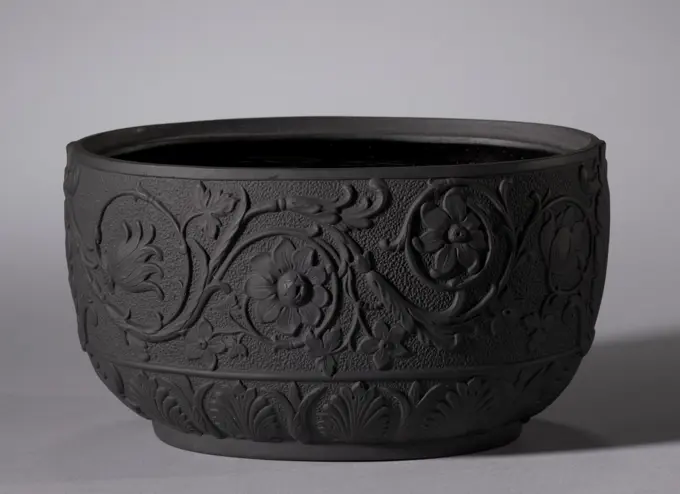
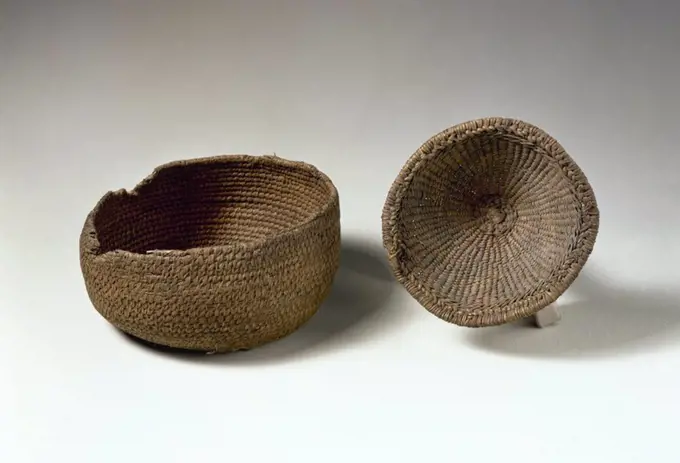
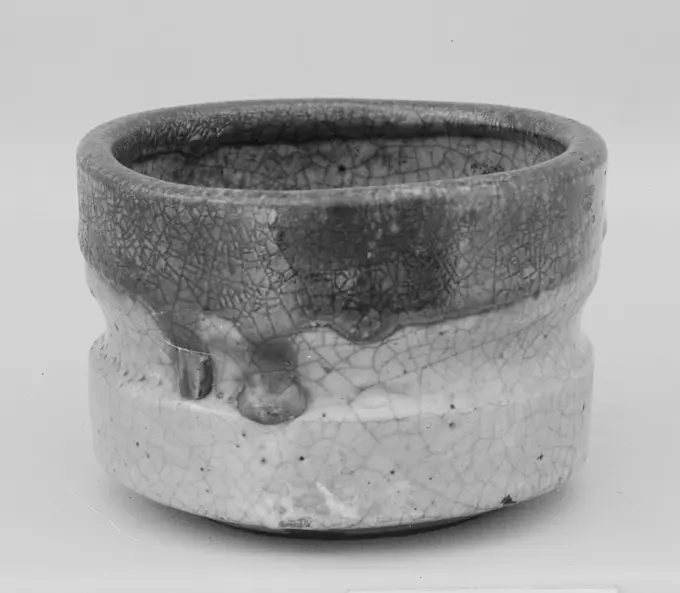
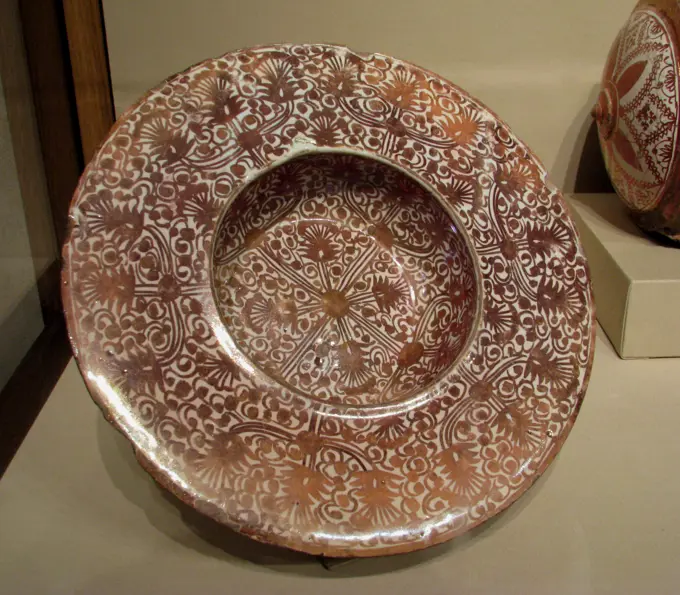
A variety of earthenware bowls featuring different glazes, shapes, and decorations, showcasing earthy tones and intricate designs.

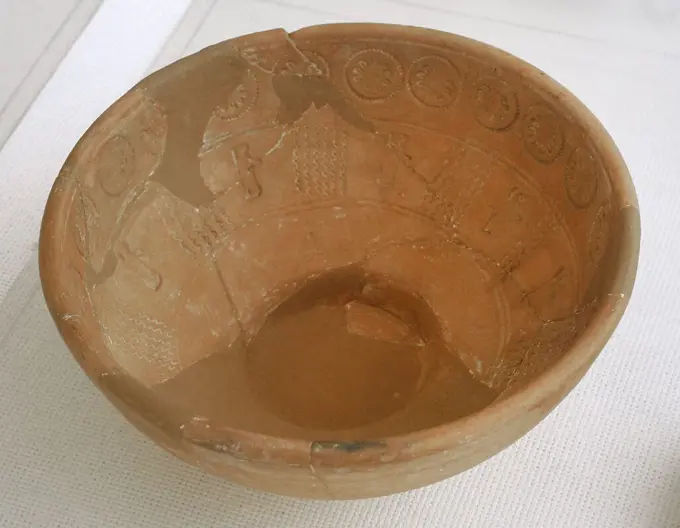
Bowl with with panels and lines in brown and green, anonymous, c. 900 - c. 1099 Come of earthenware decorated in brown-black sludge and three lead glazing (yellow, green and orange-brown) with compartments and lines on an engine of beige sludge. Nishapur earthenware. glaze painting / vitrification Come of earthenware decorated in brown-black sludge and three lead glazing (yellow, green and orange-brown) with compartments and lines on an engine of beige sludge. Nishapur earthenware. glaze painting / vitrification
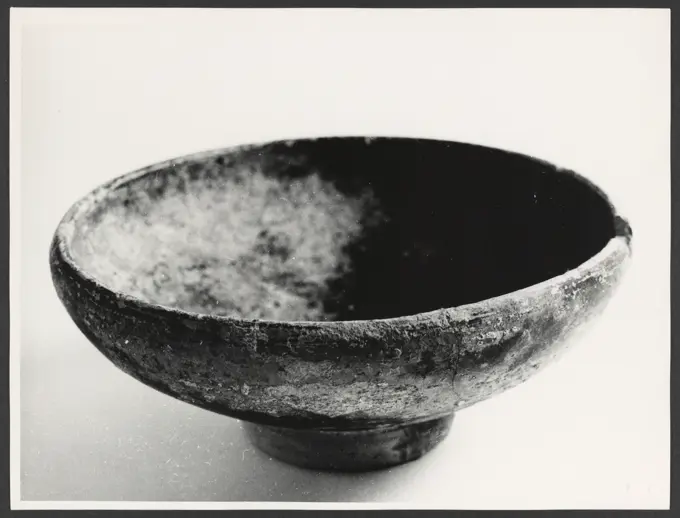
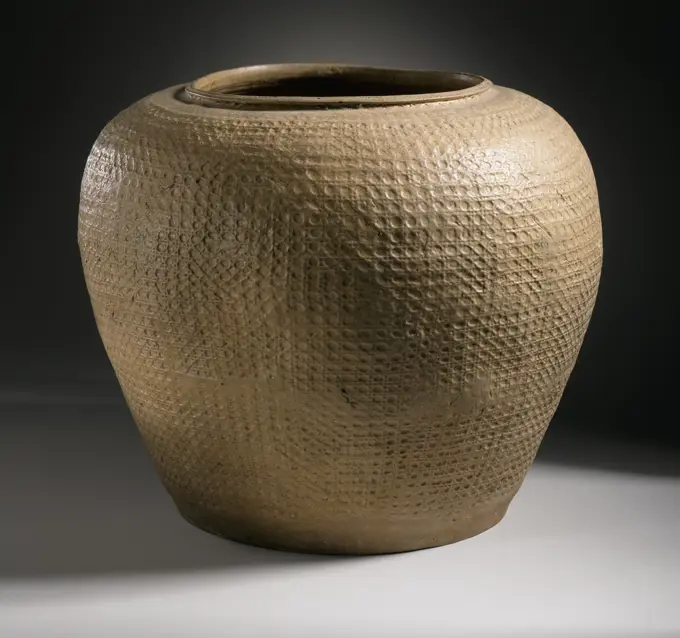
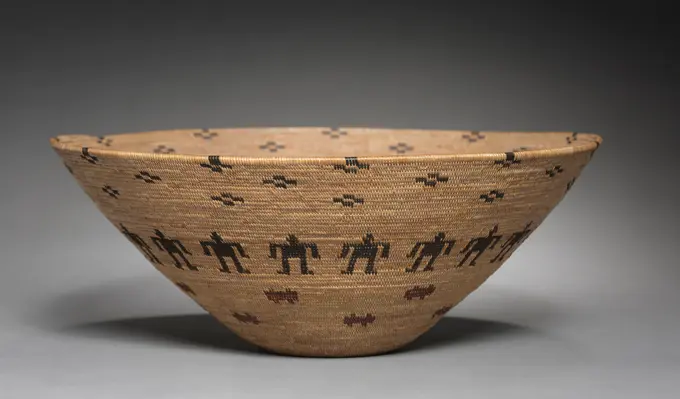
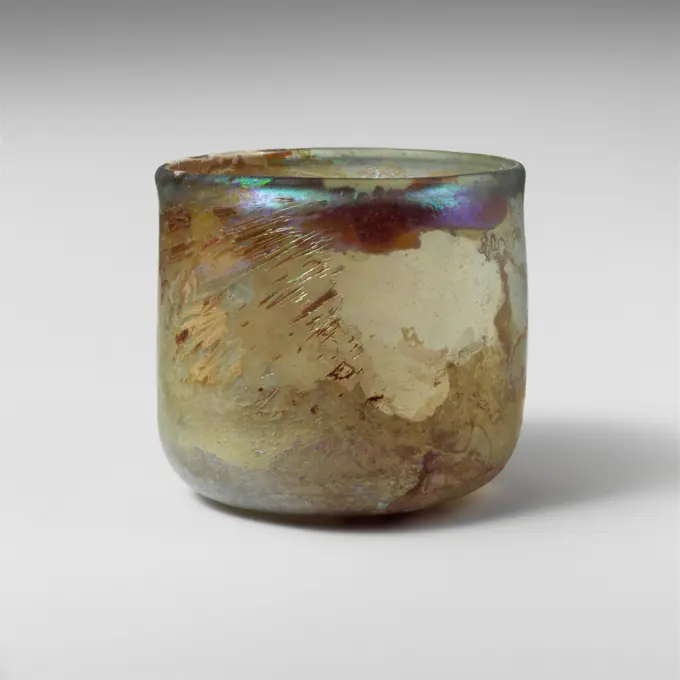
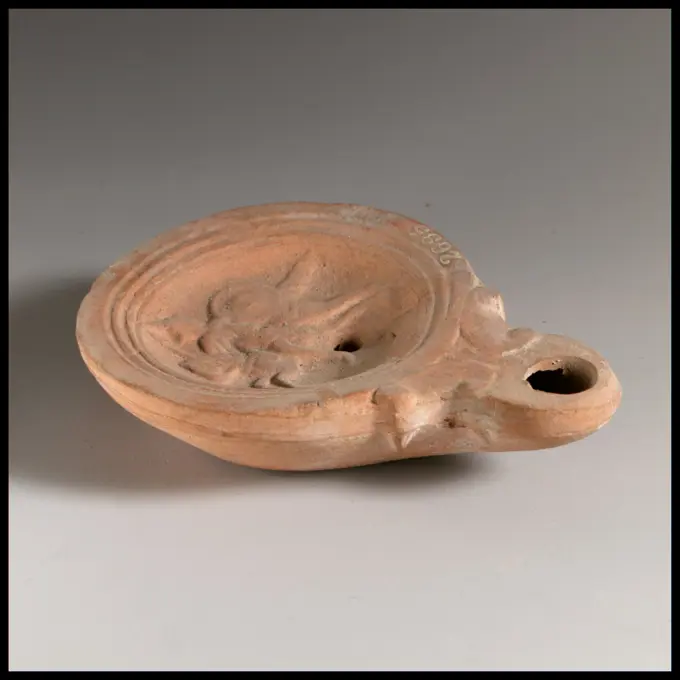
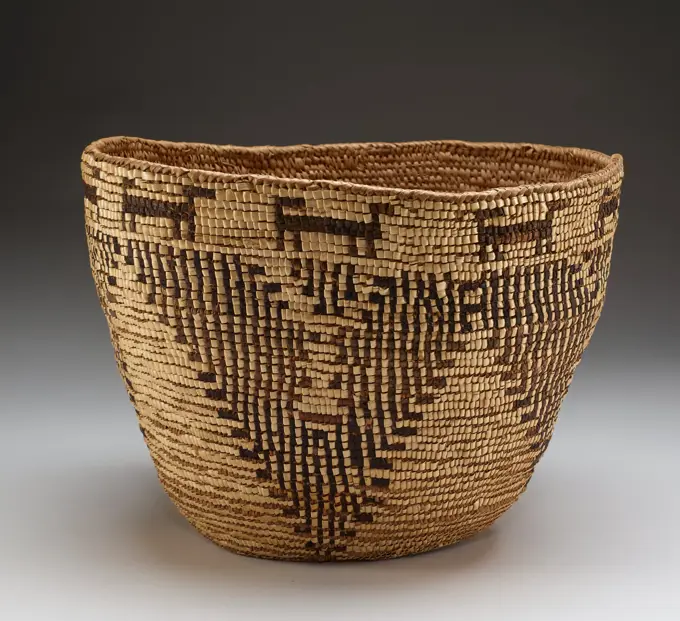
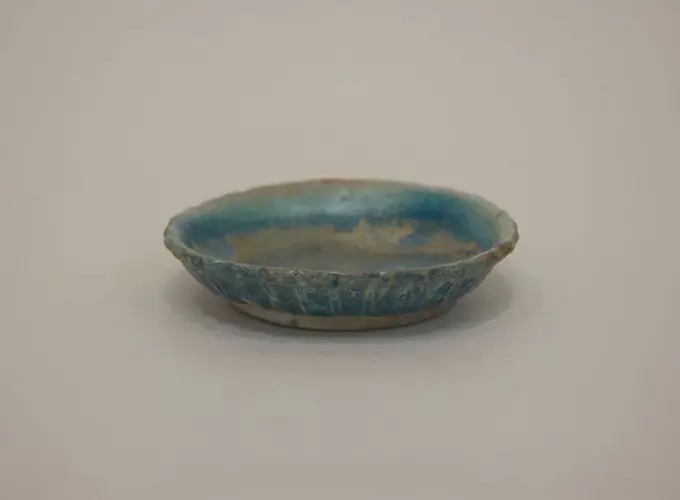
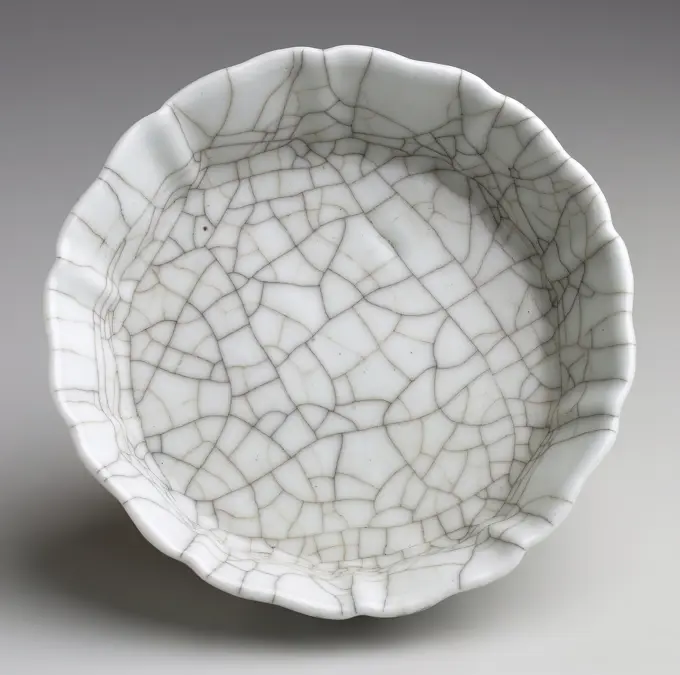
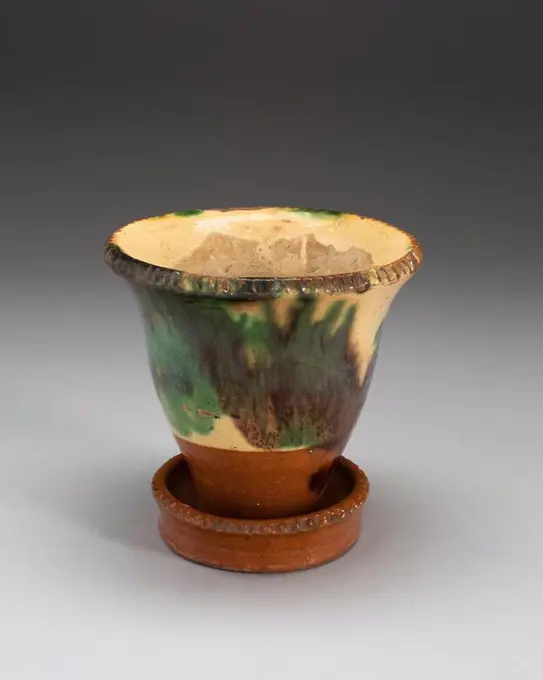
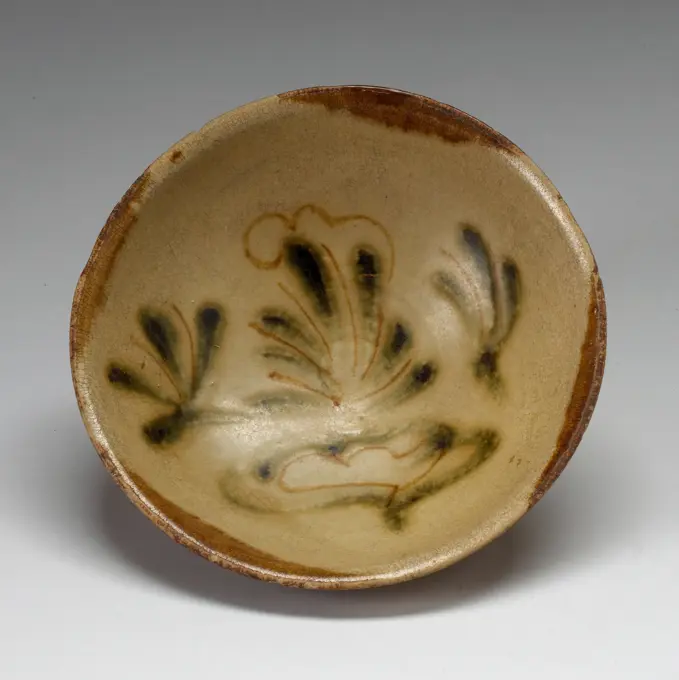
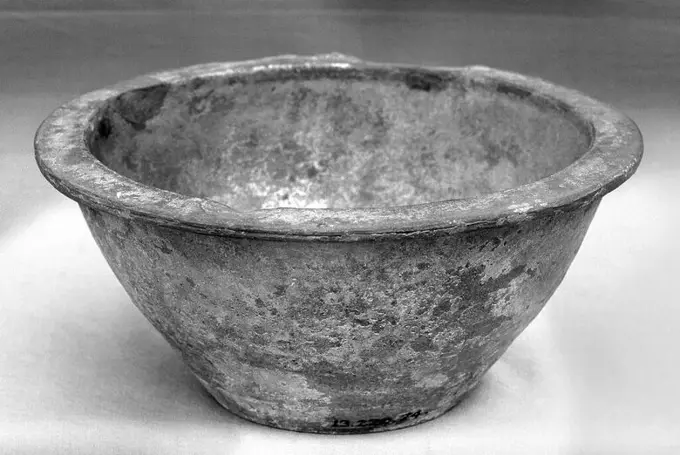
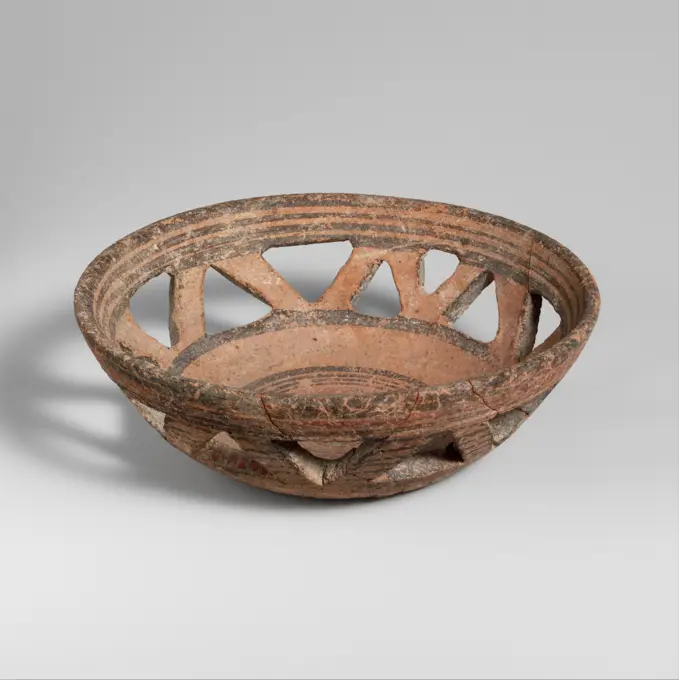
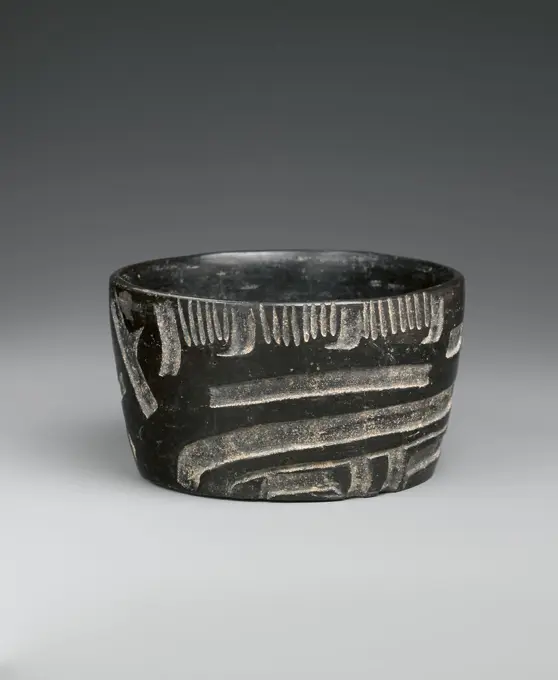
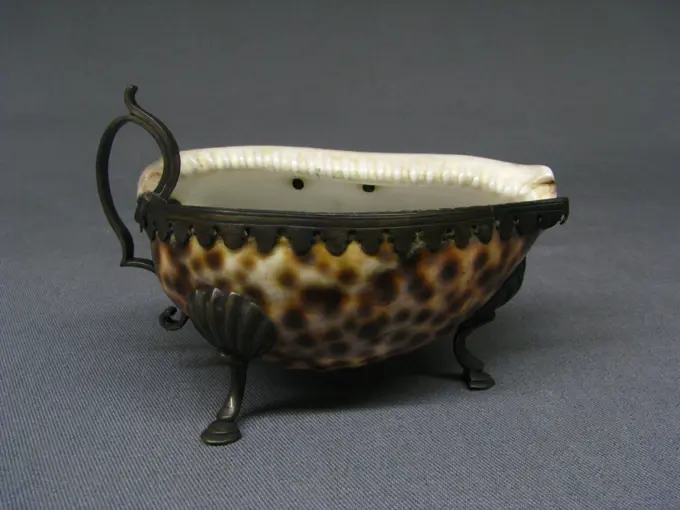
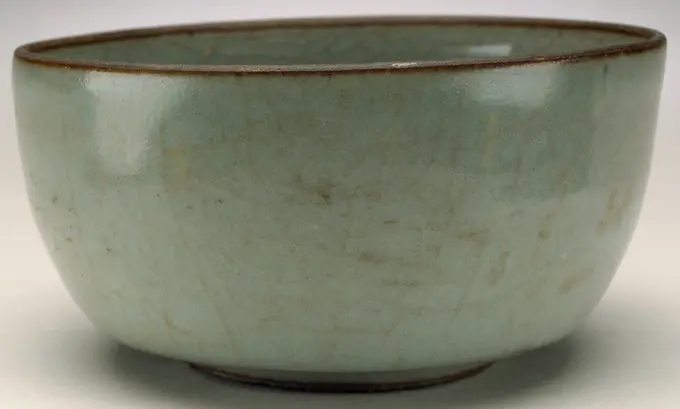
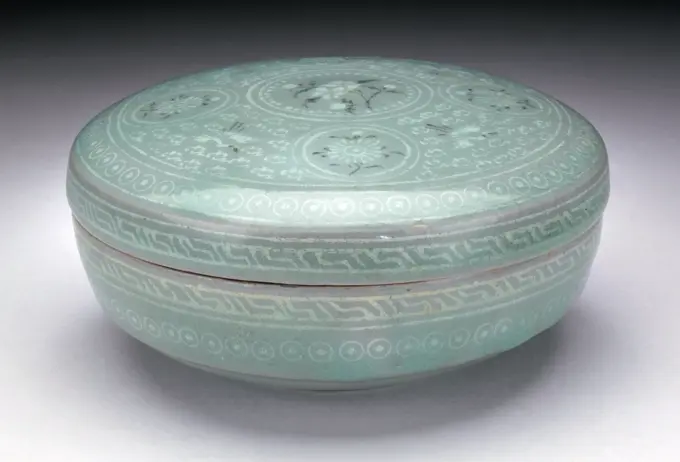
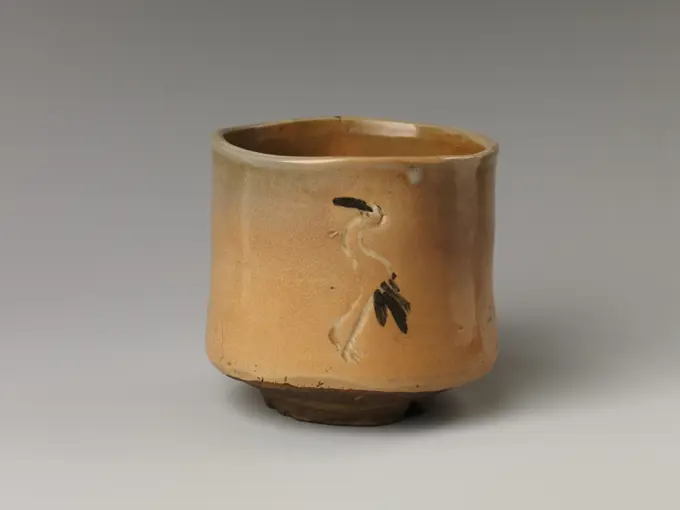
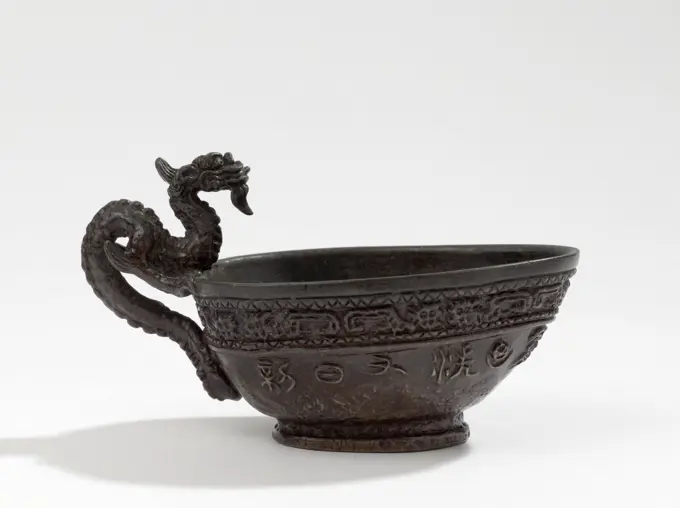
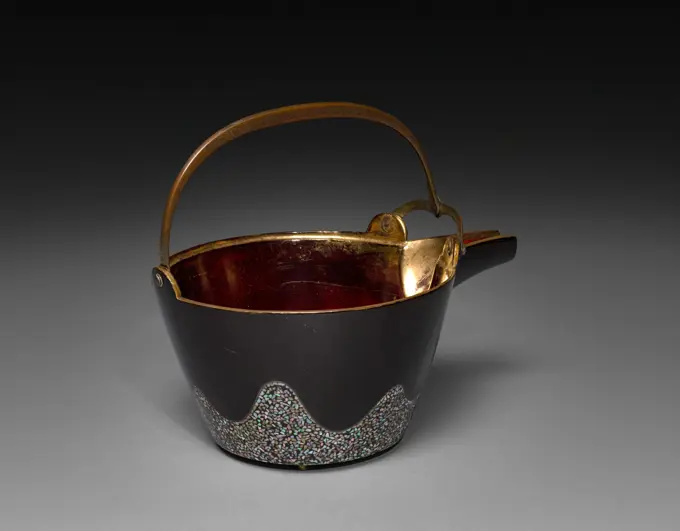
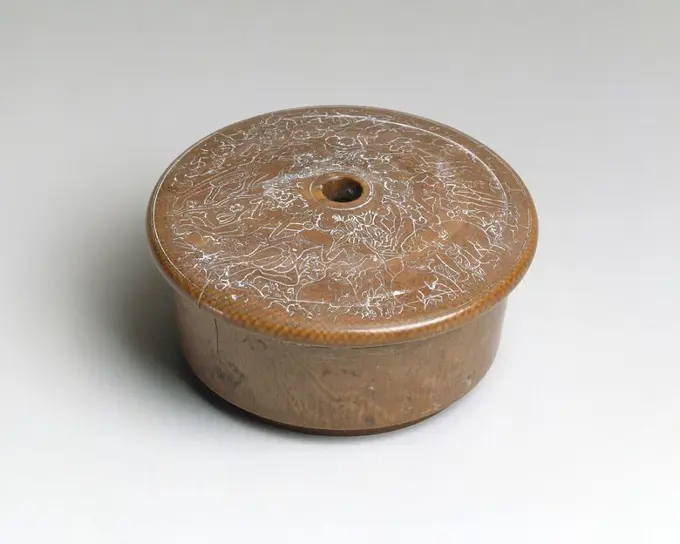
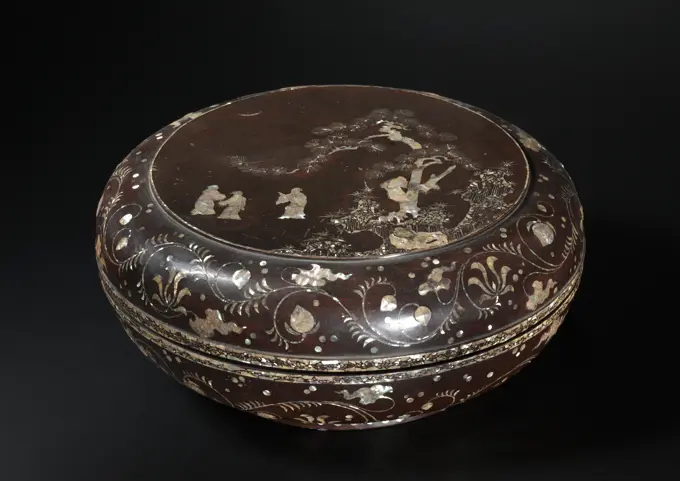
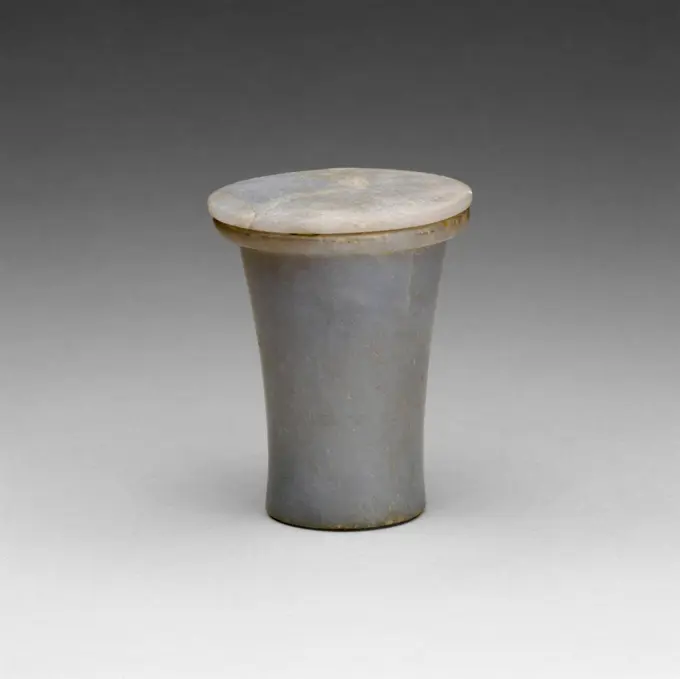
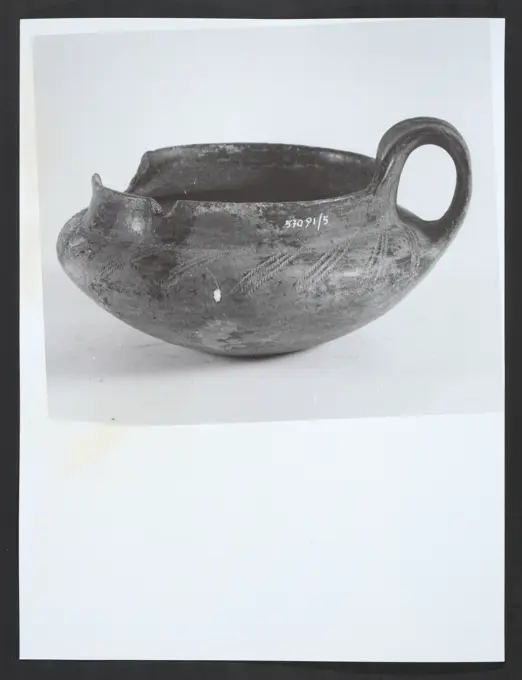
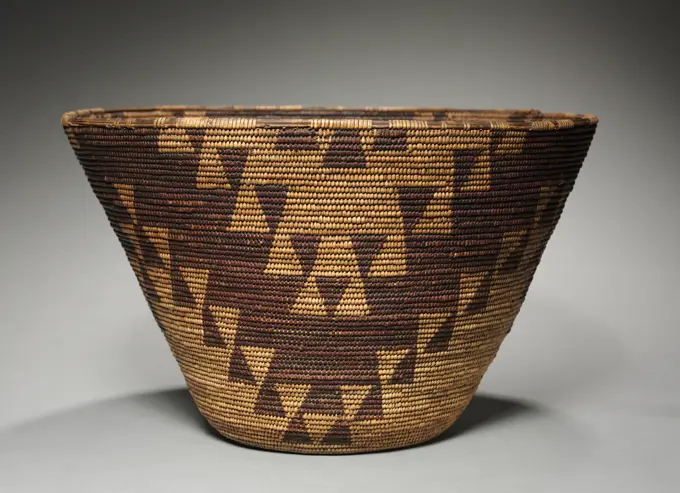
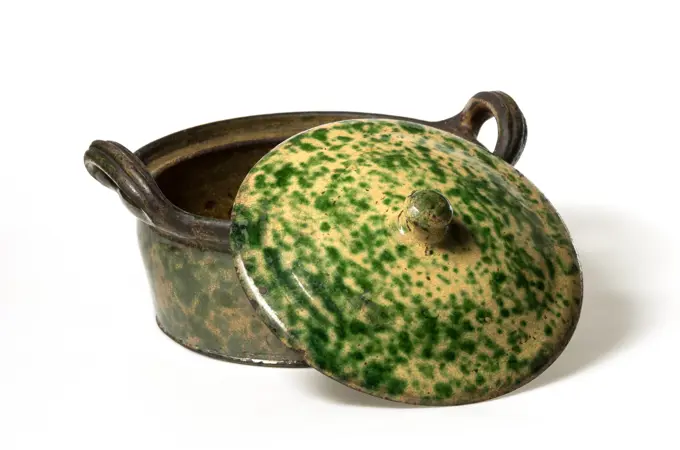
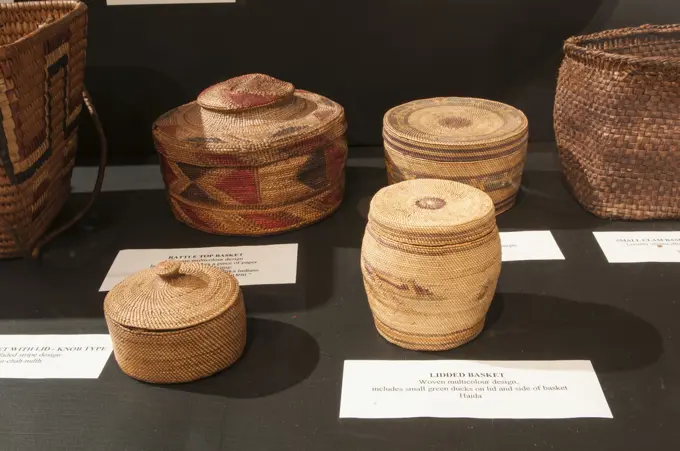
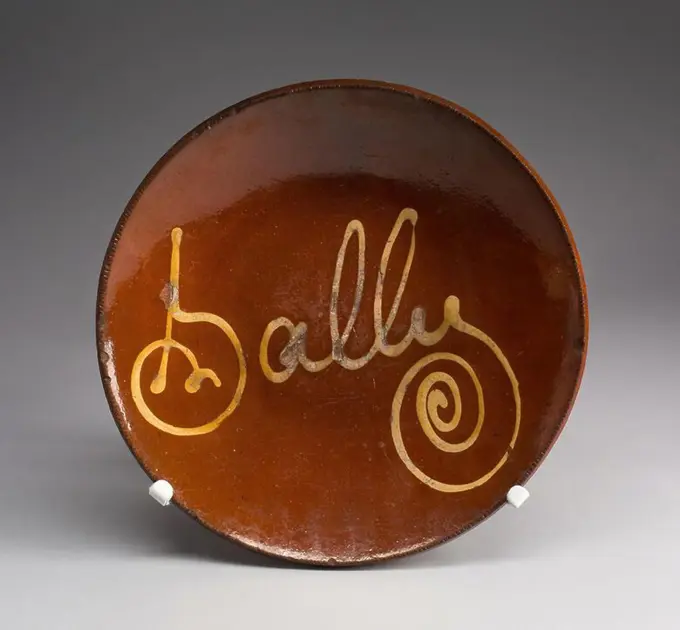
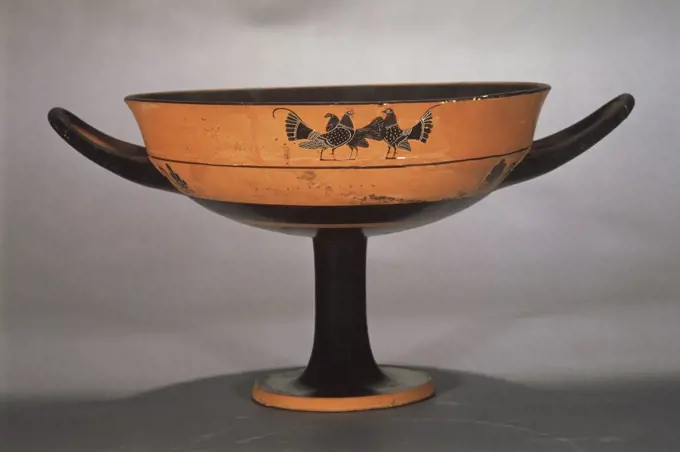
Black-figure Kylix Greek Art Lazio Latina Sezze Antiquarium Comunale28. Hutzel, Max 1960-1990 German-born photographer and scholar Max Hutzel (1911-1988) photographed in Italy from the early 1960s until his death. The result of this project, referred to by Hutzel as Foto Arte Minore, is thorough documentation of art historical development in Italy up to the 18th century, including objects of the Etruscans and the Romans, as well as early Medieval, Romanesque, Gothic, Renaissance and Baroque monuments. Images are organized by geographic region in Italy, then by province, city, site complex and monument.Cultic Basin. Egypt, 6th - 8th Dynasty (2374 - 2165 BCE). Tools and Equipment; basins. CopperBowl, 1426-1435. China, Ming dynasty (1368-1644), Xuande reign (1425-1435). Porcelain; overall: 9 cm (3 9/16 in.).Yellow glazed earthenware oil lamp with two scales, one column in between, oil lamp lamp lighting fixture soil finding ceramic earthenware glaze, hand-turned glazed baked Pottery oil lamp. White shard yellow glazed Type with bottom and upper shell connected by trunk between upper shell with suspension and shovel. Underlay with slightly flattened back and pouring clip. Stand with soul cut out from under the trunk. Craquelè in glaze and gray discoloration archeology lighting indigenous pottery illuminate oil sleep evening nightCup Holders 1860-1900 Objects like this cup holder were typically displayed in open niches in reception rooms of upper-class Syrian residences during the Ottoman period. Cup Holders 446277Jar (Guan) with Textured SurfaceEarthenware jars, white glazed, tapered, two constrictions, ointment jar pot holder soil find ceramic earthenware glaze tin glaze h 8.0, hand turned fried glazed baked Pottery ointment jar white glazed Large ointment jar tapered with sloping sidewall. Two constrictions; below the top edge and above the bottom Stand surface with soul Oblique top edge Strongly discolored by staying in the soil Crackling in glaze layer. Restoration is repainted Delft pottery archeology underground pit Rotterdam City center Stadsdriehoek Groenendaal health care indigenous pottery packing ointment pharmacy medicine drug pharmacy care soil discovery underground pit Groenendaal (from canal dredger) 1976-08-23.Bowl Basket (Unfinished), 1895- 1900. California, Yokuts, late 19th- early 20th century. Redbud, Sedge, Brackenfon,coiled; diameter: 12.5 x 33.5 cm (4 15/16 x 13 3/16 in.).Glass beaker 2nd-3rd century A.D. Roman Colorless with pale blue green tinge.Thickened, rounded, vertical rim; slightly convex vertical sides, then turned in to flattish bottom.Intact; pinprick and a few larger bubbles and blowing striations; dulling, pitting, and brilliant iridescence, with limy encrustation and creamy weathering on interior.. Glass beaker 244611Terracotta oil lamp ca. A.D. 40-100 Roman Loeschcke Type 4. Mold-made. Discus: cavalryman, with helmet, sword (or short spear) and round shield, looking back over shoulder to right, while his horse gallops to left; a single, small filling hole at lower right; band of lines and grooves towards edge; narrow, plain shoulder. Volutes flanking nozzle; large wick hole. Incised base ring, and uneven, concave base; a small, central impressed, vertical maker's mark.Intact.. Terracotta oil lamp. Roman. ca. A.D. 40-100. Terracotta. Early Imperial. TerracottasDish. Egypt, Middle Kingdom - Third Intermediate Period (2061 - 711 BCE). Furnishings; Serviceware. CalciteBerry basket, 1910-1920, 10 × 13 3/4 × 11 3/8 in. (25.4 × 34.93 × 28.89 cm), Plant fibers, United States, 20th centurySaucer. Culture: China. Dimensions: H. 7/8 in. (2.2 cm); Diam. of rim 4 1/4 in. (10.8 cm); Diam. of foot 2 3/4 in. (7 cm). Museum: Metropolitan Museum of Art, New York, USA.Concept, kasora clay bowl cup of baked on white background India Copyright: xNirmalaxMishra/DinodiaxPhotoxCup. Culture: China. Dimensions: H. 1 5/8 in. (4.1 cm); Diam. 3 in. (7.6 cm). Date: first half of the 19th century. Museum: Metropolitan Museum of Art, New York, USA.Brush Washer, 18th century, 1 3/4 x 6 1/4 in. (4.45 x 15.88 cm), Glazed earthenware, China, 18th centuryFlower Pot with Stand. American; Possibly Strasburg, Virginia. Date: 1890-1900. Dimensions: 12.4 × 12.4 cm (4 7/8 × 4 7/8 in.). Earthenware. Origin: United States. Museum: The Chicago Art Institute, Chicago, USA.Set of four plates (part of a set) 1781-93 Robert L. Bush. Set of four plates (part of a set). British, Bristol. 1781-93. Pewter. Metalwork-PewterBowl, 618-907, 2 1/8 x 6 1/8 in. (5.4 x 15.56 cm), Dongguan ware (Changsha region) Stoneware with floral decor painted in brown and green glaze under a clear glaze, China, 7th-10th centuryColander. Culture: China. Dimensions: H. 3 3/8 in. (8.6 cm); Diam. 7 1/2 in. (19.1 cm). Museum: Metropolitan Museum of Art, New York, USA.Vase Brudzewski, Karol Roman (1868 1935), J. Niedźwiecki and Ska, Kraków DębnikiTerracotta saucer-shaped lamp 4th century B.C. Cypriot Wheel-made with edge folded in to form a wick rest; flaring rim, with rounded lip; broad, open body, sloping forward; undefined, convex base, slanting slightly to right.Intact.. Terracotta saucer-shaped lamp. Cypriot. 4th century B.C.. Terracotta. TerracottasTerracotta basket bowl 850-750 B.C. Cypriot Decorated with triangular openings and concentric bands in black and red.. Terracotta basket bowl 240026Mold for the manufacture of a bowl of Hispanic terra sigillata. From Roman villa located in the velodrome of Mont-Roig del Camp, Tarragona, Spain. National Archaeological Museum. Tarragona. Spain.Plate 13th-15th century Chimú or Chancay. Plate. Chimú or Chancay. 13th-15th century. Silver (hammered). Peru. Metal-ContainersBlackware Bowl. Culture: Olmec. Dimensions: H. 4 1/2 x Diam. 5 9/16 in. (11.4 x 14.2 cm). Date: 12th-8th century B.C..The blackware bowl, reportedly from Las Bocas, Puebla, Mexico, has a flat bottom and almost straight wall which is decorated with cut-out curved and linear designs including a cross and inverted parallel L-shapes. The surface of the cut-out motifs is roughened while the raised areas are polished, creating an appealing contrast in texture. Museum: Metropolitan Museum of Art, New York, USA.LowBowl.   Maker: UnknownDish. Dimensions: H. 5.9 cm (2 5/16 in.); Diam. 29.5 cm (11 5/8 in.). Dynasty: Dynasty 2, second half. Date: ca. 2750-2649 B.C.. Museum: Metropolitan Museum of Art, New York, USA.Cowrie shell 18th century British. Cowrie shell 192150Bowl (Wan). China, Zhejiang Province, Lin'an County, Southern Song dynasty, 1127-1279. Furnishings; Serviceware. Guan ware, wheel-thrown stoneware with crackled blue glazeBox with Inlaid Peony, Chrysanthemum and Crane Design. Korea, Goryeo dynasty (918-1392), 12th century. Furnishings; Accessories. Wheel-thrown stoneware with incised and slip-filled decoration and green glazeLazio Viterbo Viterbo Museo Civico82. Hutzel, Max 1960-1990 Views of paintings (Middle Ages through 18th c.), frescoes, a tabernacle, coffin, sculpture reliefs, portal fragments, busts, sculpture, tapestry found in the Pinacoteca, Second floor gallery and Second floor cloister sequences. Antiquities: Many views of Etruscan and Roman fragments, sculpture, sarcophagi, pottery, masks, jewelry and other objects found in the Storeroom sequence (inventory numbers on back of prints), and the Cloister, Second floor Cloister, Valle Giulia, Sala Romana and Sala Etrusca sequences. General Notes: There are eight separate numerical sequences for this location. The cloister as an architectural structure, rather than museum site, is documented in the record and file for S. Maria della Verita, Cloister, all views of which are stored in Medieval core collection. Five views from the Museo Civico Second floor cloister sequence are stored in Medieval. German-born photographer and scholar Max Hutzel (1911-Bowl -Marsh-Bowl of Ruiu. Dimensions: H. 8.8 cm (3 7/16 in.); Diam. 27 cm (10 5/8 in.); Diam. of base 6.2 cm (2 7/16 in.); Th. 1 cm (3/8 in.). Dynasty: Dynasty 18, early. Reign: reign of Thutmose I-early sole Thutmose III. Date: ca. 1504-1447 B.C.. Museum: Metropolitan Museum of Art, New York, USA.Bowl 9th-10th century The drawing of the bird in flight in the center, which is typical of Samanid Nishapur, is something between the representation of an animal and a calligraphic composition. The flowered open wings are echoed in the inscriptional band all around, creating a simple but extremely effective arrangement. View more. Bowl. 9th-10th century. Earthenware; white slip, decoration in black, glazed. Excavated in Iran, Nishapur. CeramicsBowl ca. 1800 Japan. Bowl 63117Gohon (Korean-Style) Tea Bowl with Cranes second half of the 18th century Kiyomizu Rokubei I Japanese The design on this vessel can be traced back to the ubiquitous cranes of Goryeo celadon, which have been filtered here through an Edo-period Japanese sensibility. Rokubei's tea bowl is, in fact, a copy of a late seventeenth century Busan-kiln product (export ware made in Korea according to Japanese specifications), and the model he reprised was itself a nod to earlier prototypes (Goryeo period celadon and fifteenth- and sixteenth-century revivalist celadon exported to Japan). The Kyoto master affirmed his place in this prestigious lineage by literally leaving his mark: his seal is stamped near the base.. Gohon (Korean-Style) Tea Bowl with Cranes 58854Pendant in the Form of a Clamshell 1 CE-800 CE Colima state. Serpentine . ColimaCut. Bronze. China. Paris, Cernuschi museum. 70002-6 Fantastic animal, handle, Asian art, Chinese art, Extreme-East art, bronze, cut, dragon, metalHalf-ball-shaped cooling vessel made of English hard baked pottery, Faience Fine from Pont-aux-Choux., Anonymous, c. 1760 - c. 1780 Half -globe cooling vessel made of hard baked earthenware. The barrel is on a profiled foot and has two shell -shaped handles. The corrugated outside is divided into six equal courses with a soil of stripes and dots in relief by simple list decorations. The upper edge is corrugated. The cooling barrel includes a second cooling vessel with invnr. BK-NM-12216-B. France earthenware Half -globe cooling vessel made of hard baked earthenware. The barrel is on a profiled foot and has two shell -shaped handles. The corrugated outside is divided into six equal courses with a soil of stripes and dots in relief by simple list decorations. The upper edge is corrugated. The cooling barrel includes a second cooling vessel with invnr. BK-NM-12216-B. France earthenwareWine Ewer, late 1700's. Japan, late 18th century. Lacquer, nacre and metal; overall: 15.9 x 20.3 cm (6 1/4 x 8 in.); outer diameter: 9.3 cm (3 11/16 in.).Box Lid with Incised Figural Decoration. Culture: India (Andhra Pradesh or West Bengal). Dimensions: H. 2 15/16 in. (7.5 cm); Diam. 2 3/4 in. (7 cm). Date: ca. 3rd-4th century.The incised decoration shows hunting scenes, amorous couples (mithunas), and a group of four elephants. Museum: Metropolitan Museum of Art, New York, USA.CAZUELA CAMPANIFORME DE ARCILLA ROJIZA BRUÑIDA DECORACION INCISA COCION OXIDANTE 18x8 cm DEL FINAL DEL CALCOLITICO - PROCEDE DE LA FINCA EL BRANADERO. Location: MUSEO ARQUEOLOGICO-COLECCION. CORDOBA. SPAIN.Cylindrical Box, 1600s. Japan, Edo period (1615-1868). Wood covered with cloth and brown lacquer, with inlaid mother-of-pearl designs (Ryukyu); diameter: 34.5 cm (13 9/16 in.).Bowl with Geometeric Design, Warped (Three-part Design), c 1000- 1150. Southwest,Mogollan, Mimbres, Pre-Contact Period, 11th-12th century. Ceramic; overall: 15.5 x 24 cm (6 1/8 x 9 7/16 in.).Bowl 18th century China. Bowl. China. 18th century. Lacquer. Qing dynasty (1644-1911). LacquerTeapot, c. 1810. Elijah Mayer (British, c. 1770-1805). Black basalt; overall: 12.7 x 15.3 x 11.6 cm (5 x 6 x 4 9/16 in.).RingboorCupBowl; Unknown; Egypt, Africa; 1st - 2nd century; Agate; Object: H: 3.8 x Diam.: 9.1 cm (1 1/2 x 3 9/16 in.)Double-Walled Beaker. Saxony, Germany, or Bohemia (now Czech Republic), circa 1700-1725. Furnishings; Serviceware. Glass, gold leaf, polychrome lacquerBasin late 14th-early 15th century China. Basin 42516Tea cup from turned wood. Four cups turned from a dark hardwood.Neolithic period. Esparto basket. From Los Murcielagos Cave (Albuol, Granada province, Andalusia, Spain). Ca.3400 BC. National Archaeological Museum. Madrid. Spain.Fire Bowl 19th century Japan. Fire Bowl. Japan. 19th century. Paste covered with a crackled glaze and overglaze round the lip (Kiyomizu ware). Edo (1615-1868) or Meiji period (1868-1912). CeramicsRinse bowl of twisted wood, anonymous, c. 1800 - c. 1899 Rinse bowl turned from a dark hardwood species. England (possibly) . Rinse bowl turned from a dark hardwood species. England (possibly) .TablewareVajilla romana de cerámica, siglo I. Can Serra Museu de Mataró.Dish 7th century B.C. Etruscan On high foot, red ware, undecorated.. Dish. Etruscan. 7th century B.C.. Terracotta; impasto with red-orange slip. Orientalizing. VasesBowl with Resist-Painted DesignsLazio Roma Grottaferrata Museo04. Hutzel, Max 1960-1990 German-born photographer and scholar Max Hutzel (1911-1988) photographed in Italy from the early 1960s until his death. The result of this project, referred to by Hutzel as Foto Arte Minore, is thorough documentation of art historical development in Italy up to the 18th century, including objects of the Etruscans and the Romans, as well as early Medieval, Romanesque, Gothic, Renaissance and Baroque monuments. Images are organized by geographic region in Italy, then by province, city, site complex and monument.Biospecimen -Patera. UnknownMortar for AuyrvedaOil Lamp 9th century This lamp has a well for holding oil, a spout to support the wick, and a finger ring tucked under the wing-shaped handle. Except for the decorative extended handle, this shape matches a number of ceramic lamps from Nishapur.Footed Bowl; Venice, Veneto, Italy; about 1500; Free-blown calcedony glass; 12.4 × 19.7 cm (4 7,8 × 7 3,4 in.)Bowl 16th century Spanish, Valencia Tin-glazed earthenware, of which lusterware is one type, was developed in the Middle East in the ninth and tenth centuries to imitate the porcelains produced in China. The opaque white glaze concealed the clay body, which could range from pale buff to brick red, allowing for brilliant effects created by painting the white surface with metal oxides that fired to a range of colors. This technique, as well as the use of metallic lusteran iridescent, coppery painted glazespread throughout the Muslim world, arriving among the potters of Valencia in the thirteenth century. The so-called Hispano-Moresque lusterware, with its fusion of Islamic and Gothic styles and motifs, often in shaped imitating those of metal vessels, was treasured by the elite in Spain during the fifteenth century and exported to the courts of Europe. The Valencian industry declined in the late sixteenth century, as colorful Italian Renaissance maiolica gained in popularity among the Russian National Wooden Tableware Russian national handmade wooden container on an isolated studio background Copyright: xZoonar.com/AndreyxSkatx 9861164Ointment Jar with Lid 1976 BCE-1794 BCE Egypt. The perfume and scented ointments that both men and women in ancient Egypt wore were also important in religious and funerary rites. This vessel typifies the classic form of ointment jarñ with a flaring top and flat disk lid- that was used for over 3,000 years in Egypt.. Anhydrite . Ancient EgyptianLazio Viterbo Viterbo Museo Civico58. Hutzel, Max 1960-1990 Views of paintings (Middle Ages through 18th c.), frescoes, a tabernacle, coffin, sculpture reliefs, portal fragments, busts, sculpture, tapestry found in the Pinacoteca, Second floor gallery and Second floor cloister sequences. Antiquities: Many views of Etruscan and Roman fragments, sculpture, sarcophagi, pottery, masks, jewelry and other objects found in the Storeroom sequence (inventory numbers on back of prints), and the Cloister, Second floor Cloister, Valle Giulia, Sala Romana and Sala Etrusca sequences. General Notes: There are eight separate numerical sequences for this location. The cloister as an architectural structure, rather than museum site, is documented in the record and file for S. Maria della Verita, Cloister, all views of which are stored in Medieval core collection. Five views from the Museo Civico Second floor cloister sequence are stored in Medieval. German-born photographer and scholar Max Hutzel (1911-Cooking Bowl, Unassigned, before 1917. California, Maidu, Southern (Nisenan), Unassigned. Redbud, coiled; overall: 26.5 x 43.5 cm (10 7/16 x 17 1/8 in.).Arkeologi Museoa, museo aqueologico, Bilbao, Bizkaia, Pais Vasco, Spain.Alcalde, New Mexico, United States. Old Indian pot in New Mexico style carved cubbard.ceramic pot with lid glazed brown and green ceramic pot with lid glazed brown and green Copyright: xZoonar.com/BorisxZerwannx 7009504Vessel, 20th century, 3 1/16 x 3 1/4 x 3 1/4 in. (7.78 x 8.26 x 8.26 cm), Ceramic, pigment, United States, 20th centuryBrush holder with tribute scene 18th century China The lively figures carved on this brush pot represent a scene of tribute bearers, possibly from a country in Southeast Asia, traveling to China. The figure holding a scepter is leading the procession, which includes a peculiar two-wheeled cart laden with treasures, a lion, and an elephant with a precious plant.. Brush holder with tribute scene. China. 18th century. Jade (nephrite). Qing dynasty (1644-1911). JadeJacobean twin handled copper pancheon bowl. Dated 17th CenturyMosaic Glass Footed Bowl. UnknownPear-Shaped Nesting Toy, 1895-1905. Sets of nesting toys were popular playthings in the late nineteenth century. Although they were often sold for a few pence, they took considerable skill to make. This set of six nesting pears was made in Hungary around 1900. They were turned from beech wood and would originally have been painted. Some sets contained a miniature 'prize' in the smallest pear... Purchased from Edward H Pinto, 1965. .Painted Bowl 1st-6th century Nasca. Painted Bowl 309738Woven First Nation's vases U'Mista Cultural Centre, Alert Bay, British Columbia, Canada.Plate. American; New England. Date: 1825-1835. Dimensions: Diam. 31.1 cm (12 1/4 in.). Red earthenware. Origin: Pennsylvania. Museum: The Chicago Art Institute, Chicago, USA.