Ceramic Bowls Collection

Artistic ceramic bowls varying in style and color, showcasing different cultures and historical periods through beautiful craftsmanship.
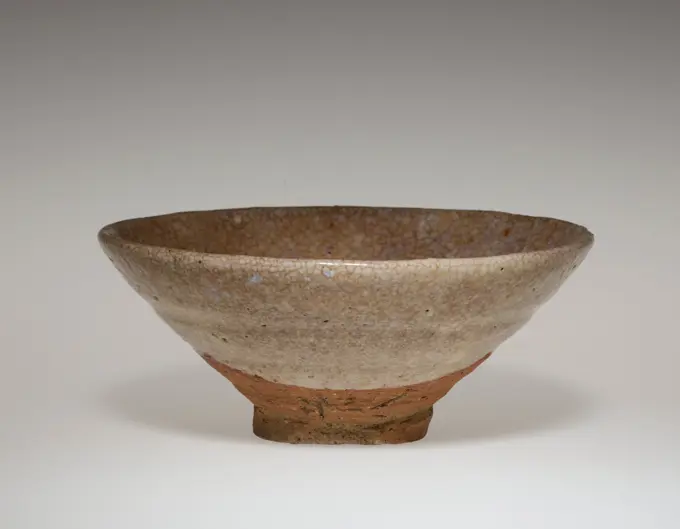
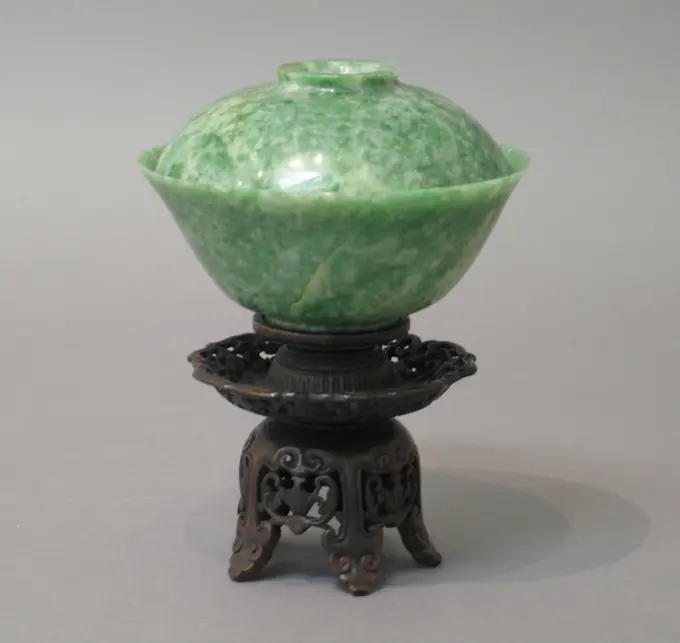
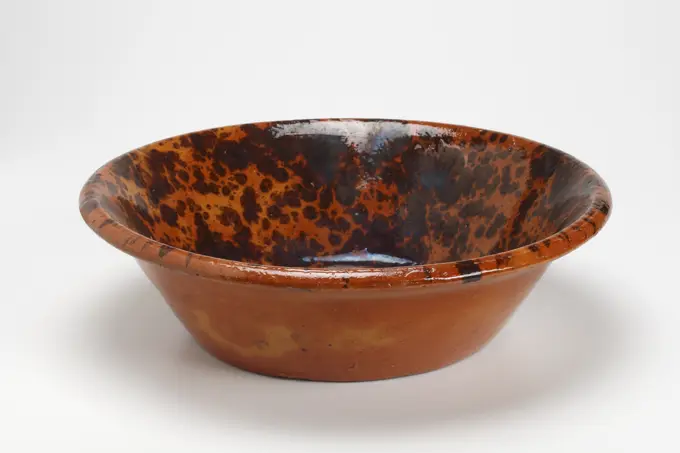
Tea bowl and stand, 19th century, Unknown Japanese, 3 1/2 x 6 x 6 in. (8.9 x 15.24 x 15.24 cm), Shino ware; glazed earthenware; wood stand, Japan, 19th century
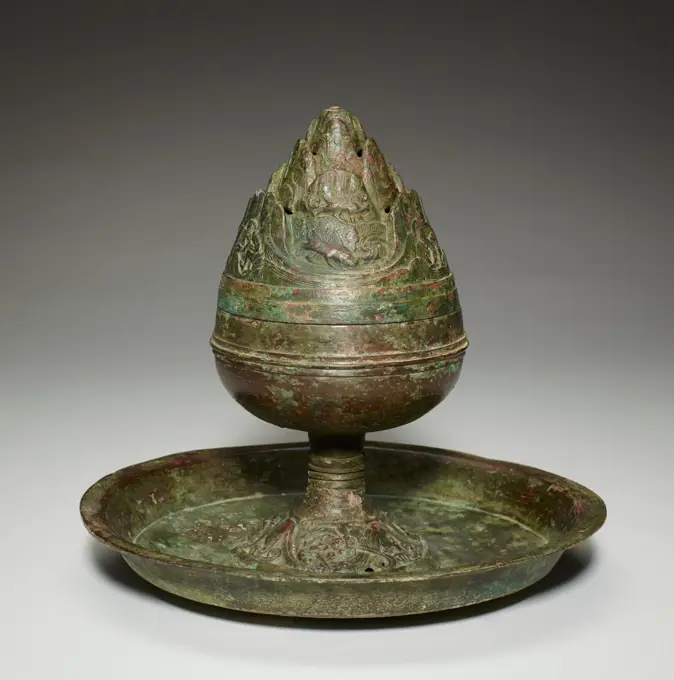
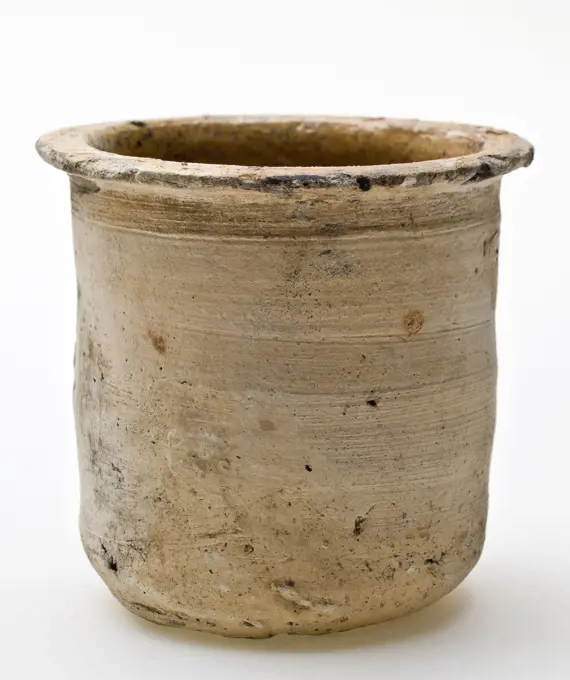
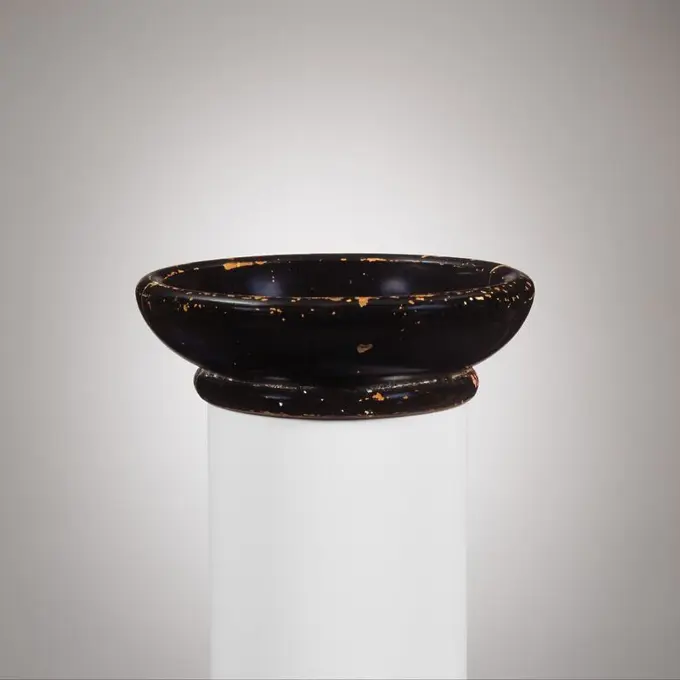
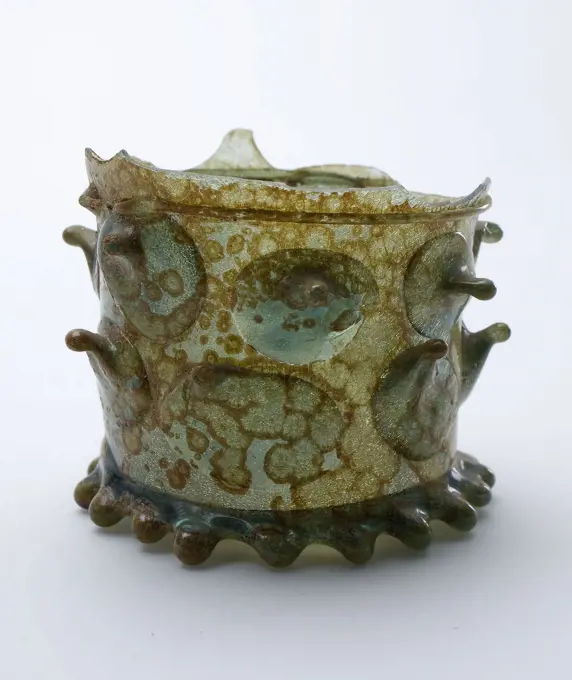
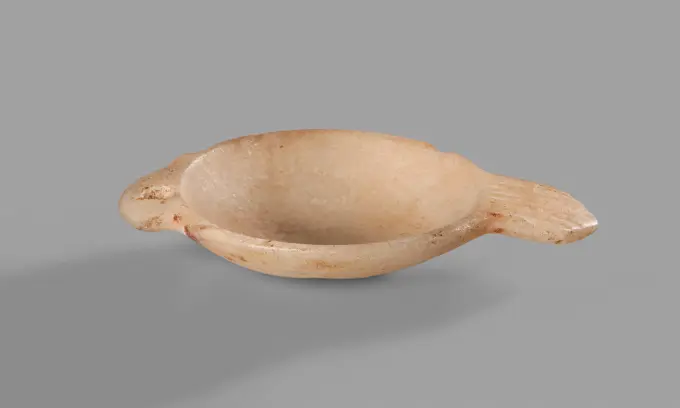
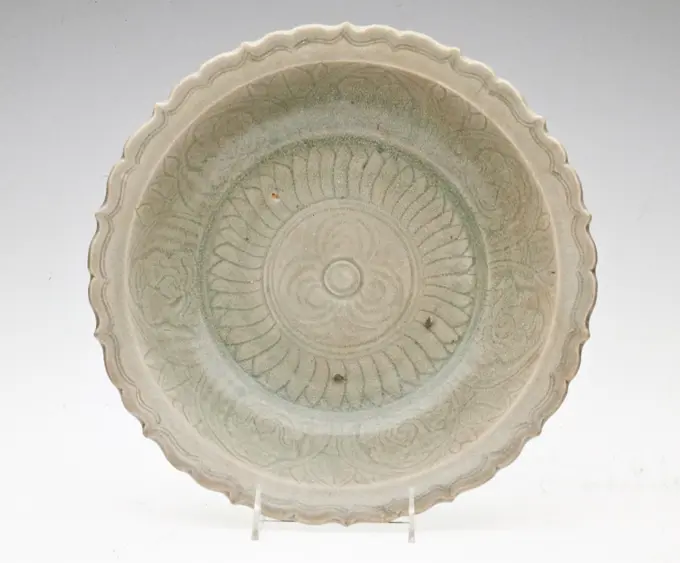
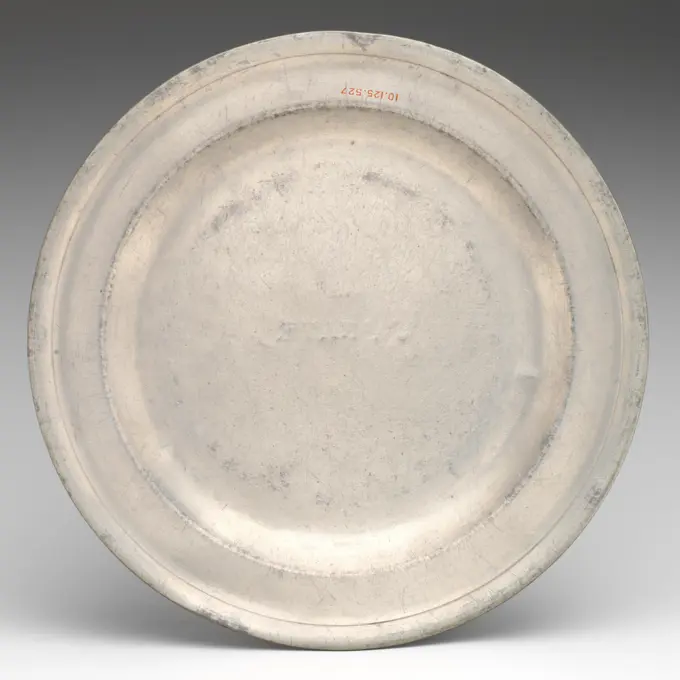
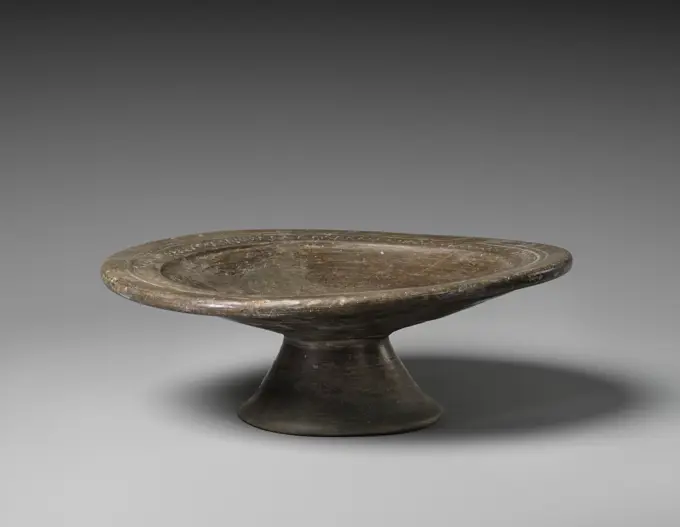
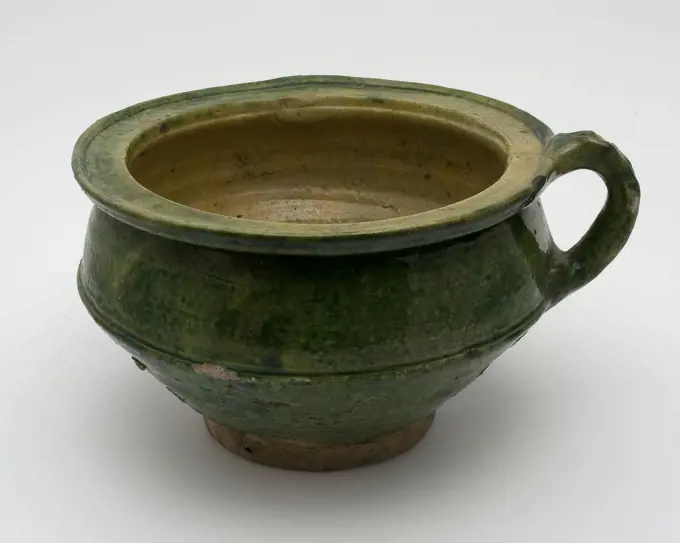
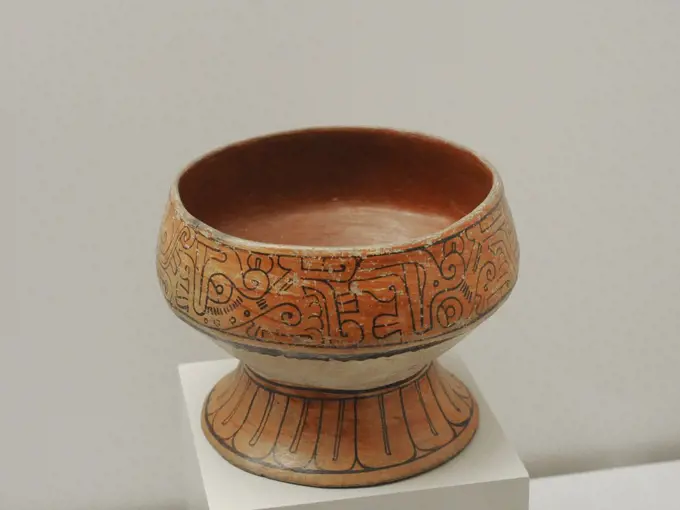
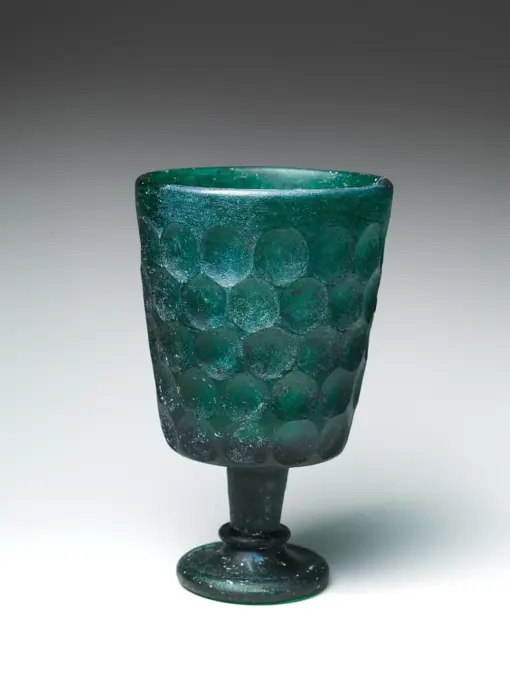
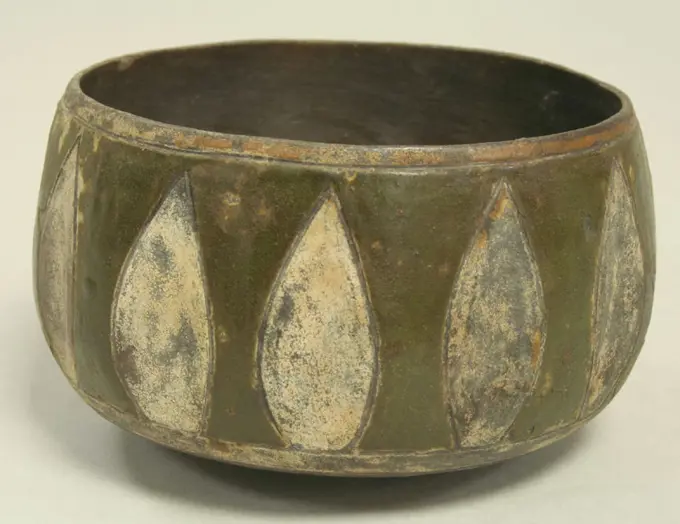
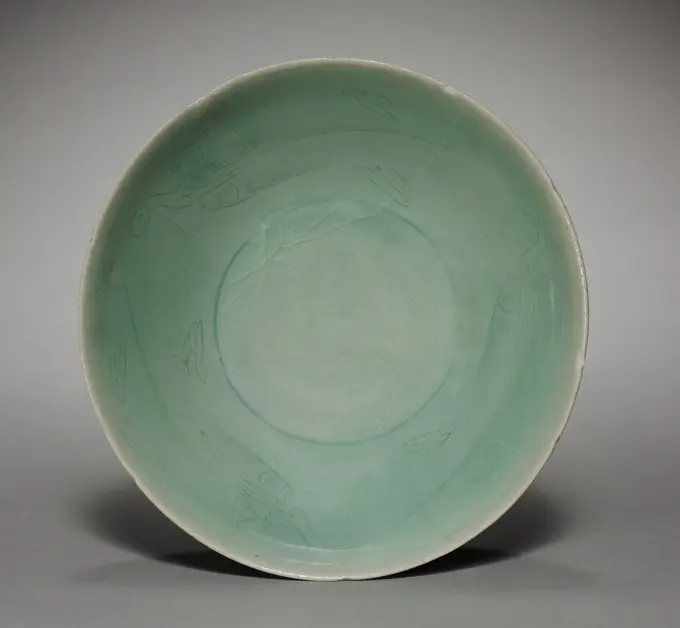
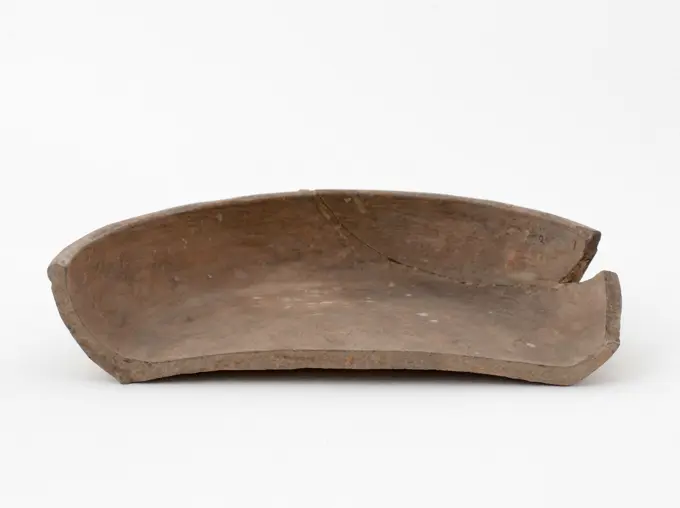
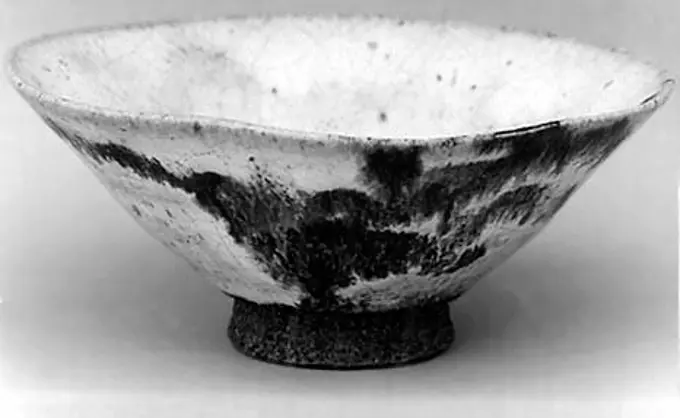
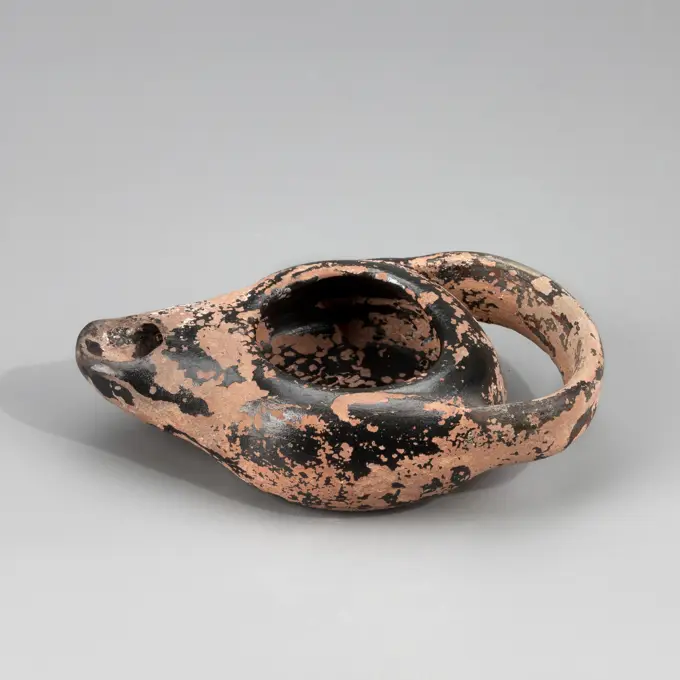
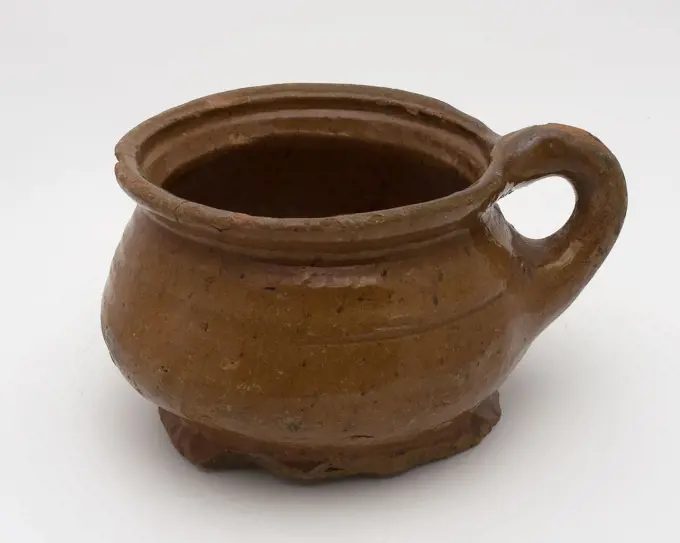
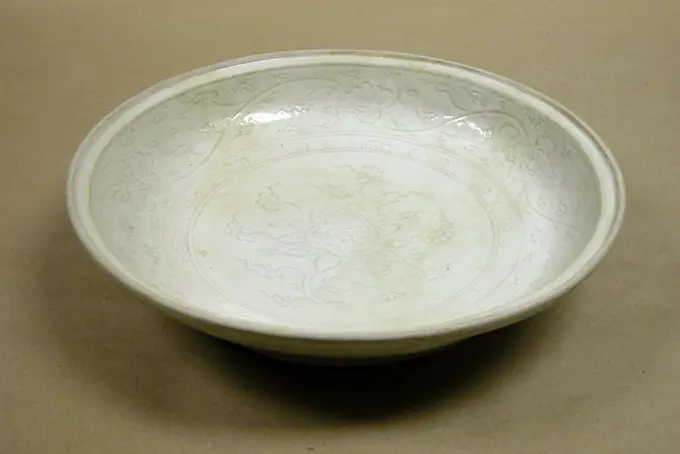
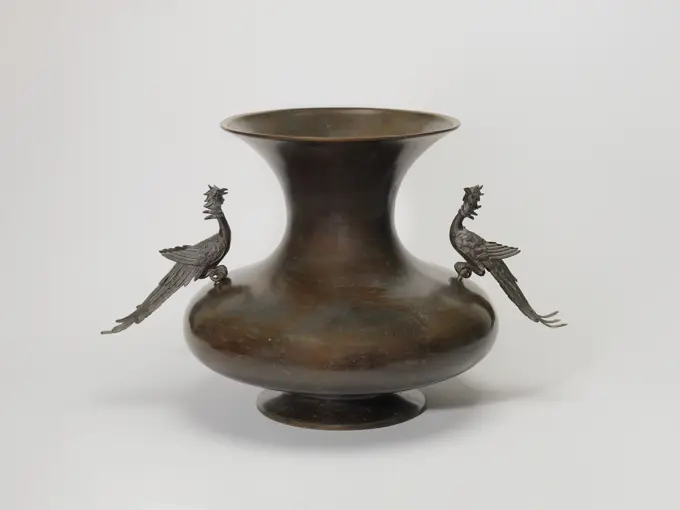
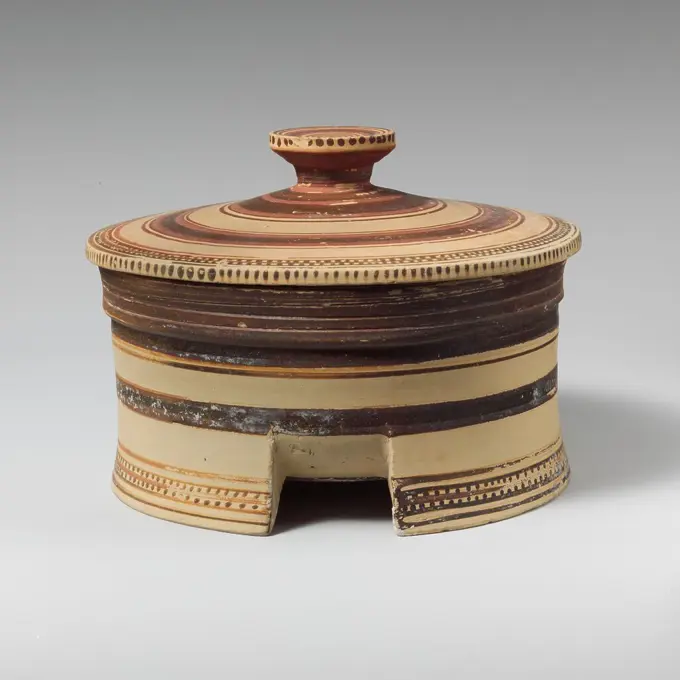
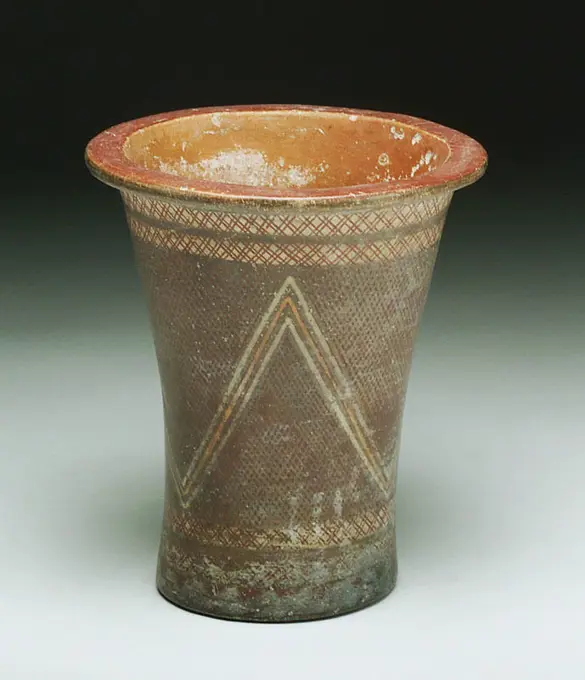
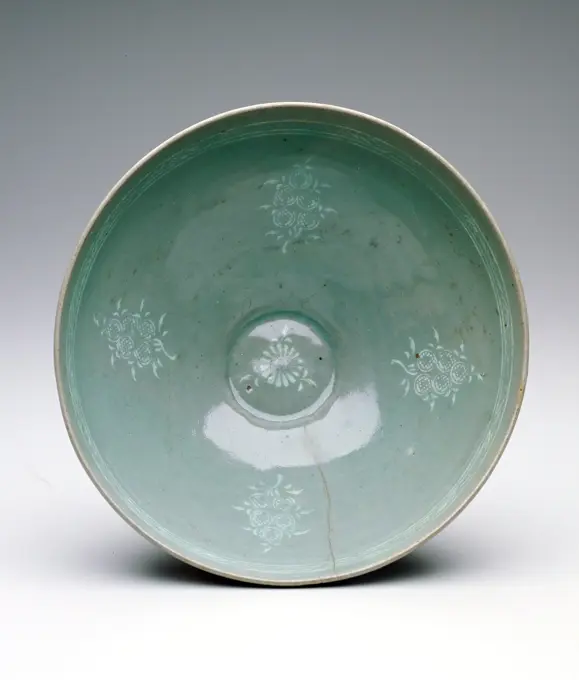
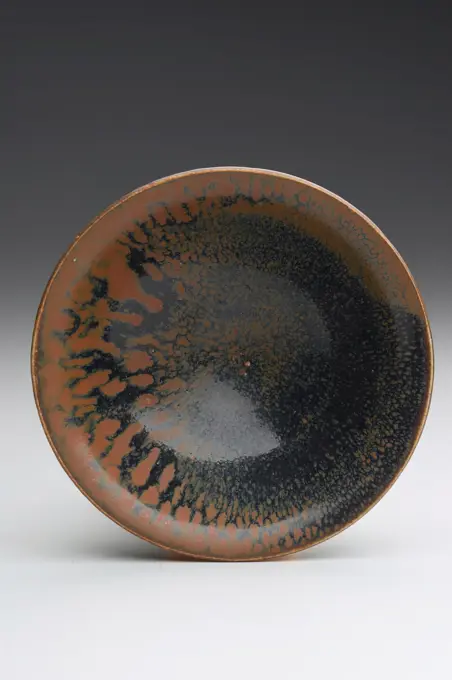
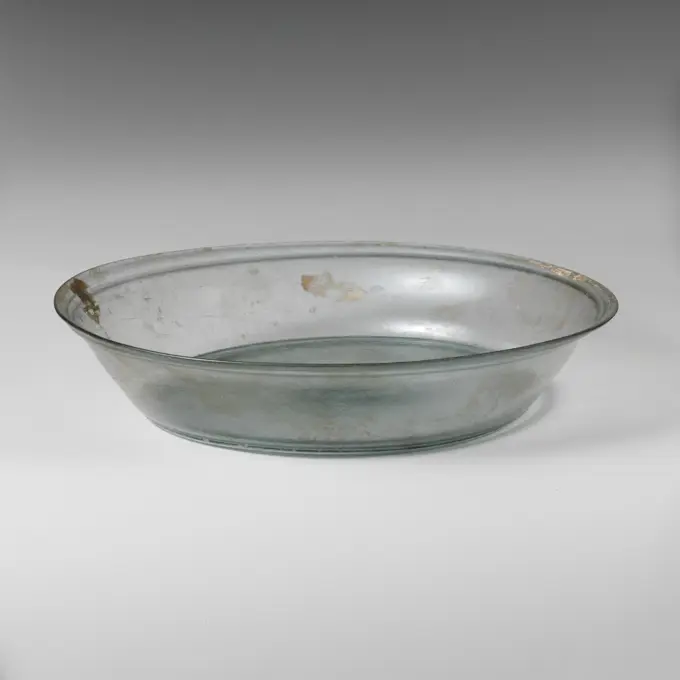
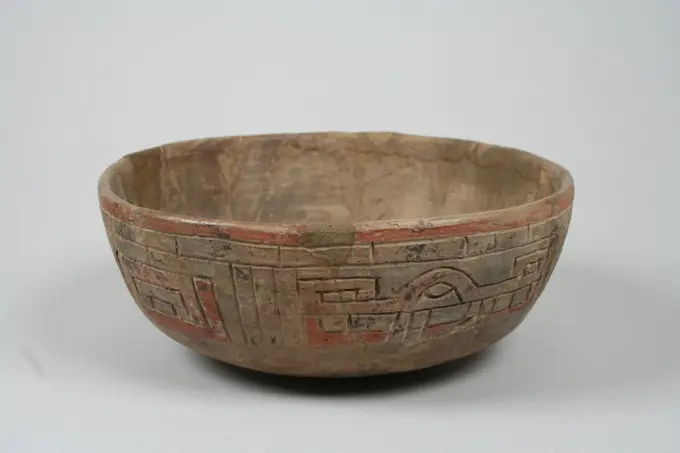
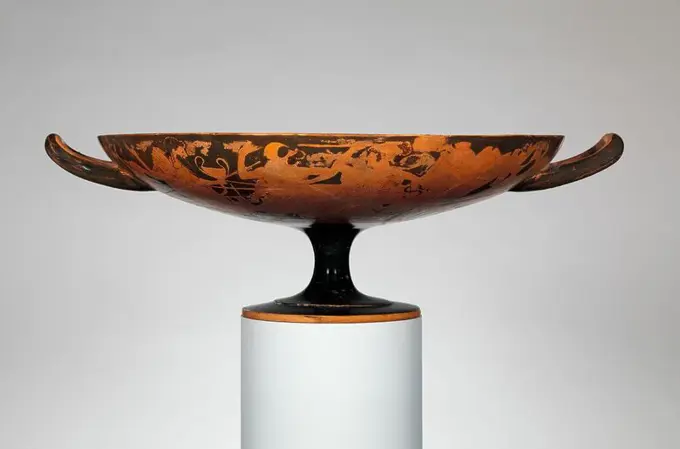
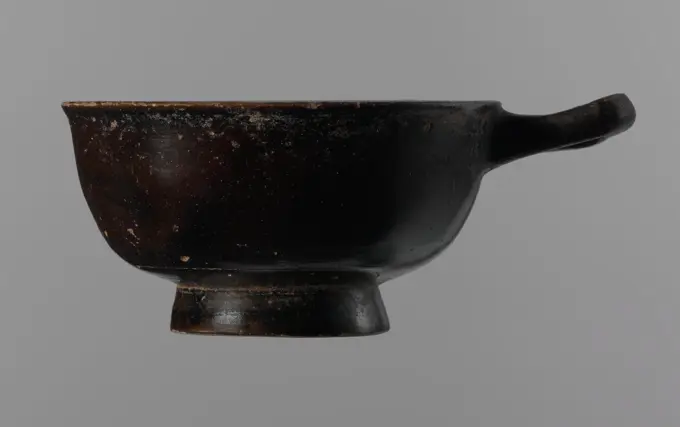
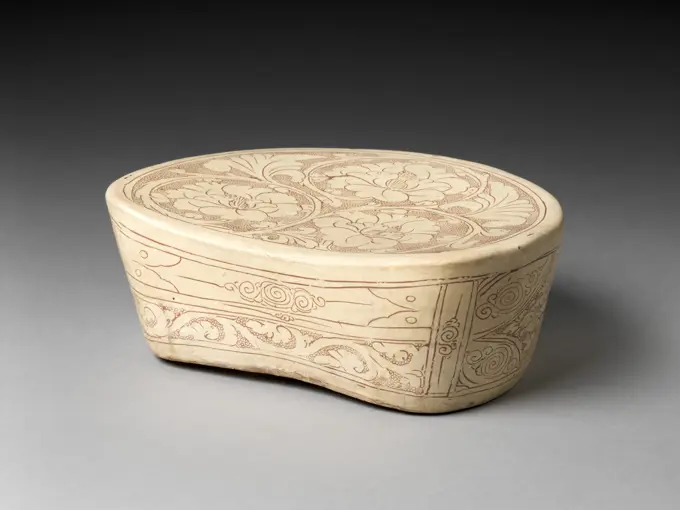
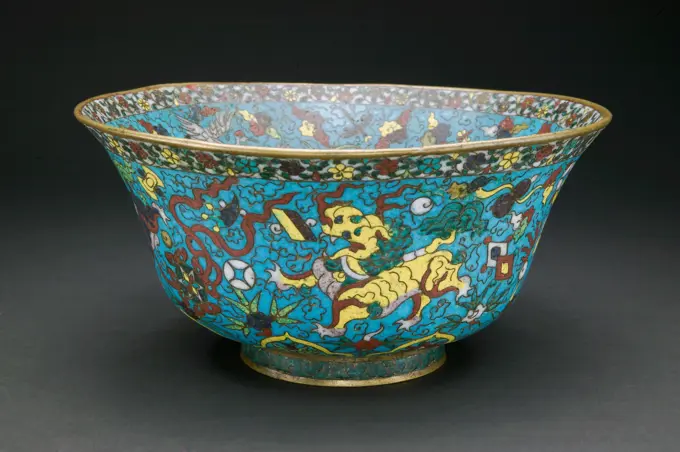
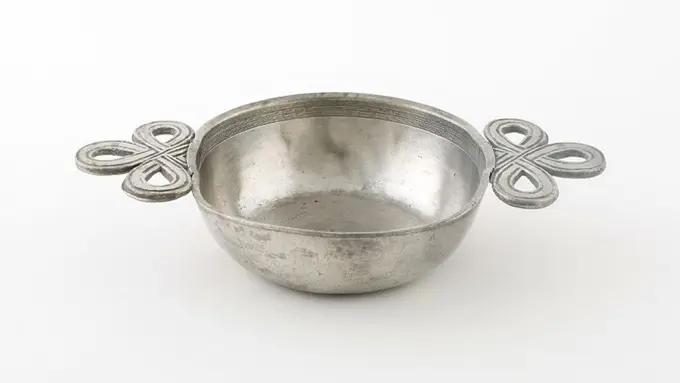
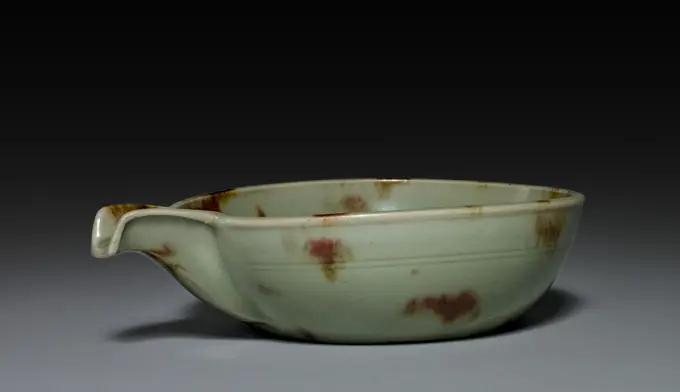
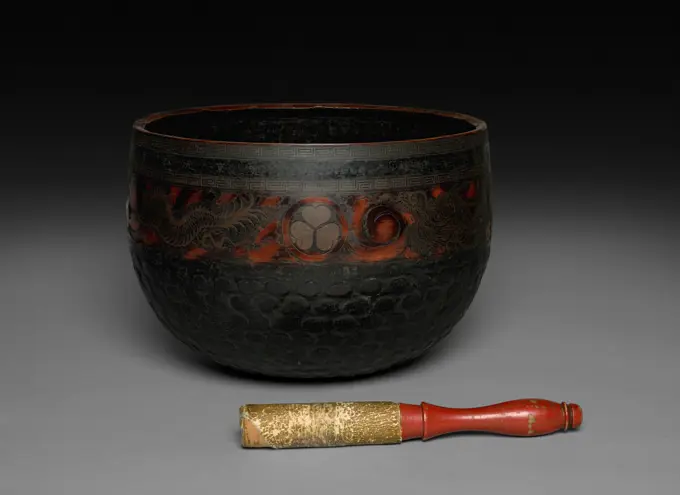
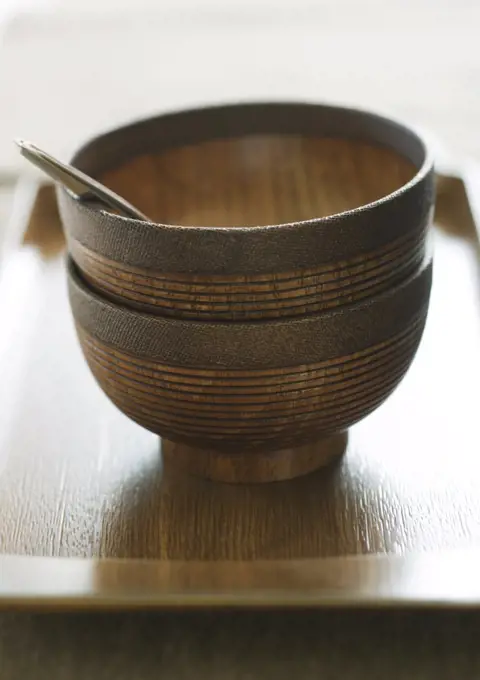
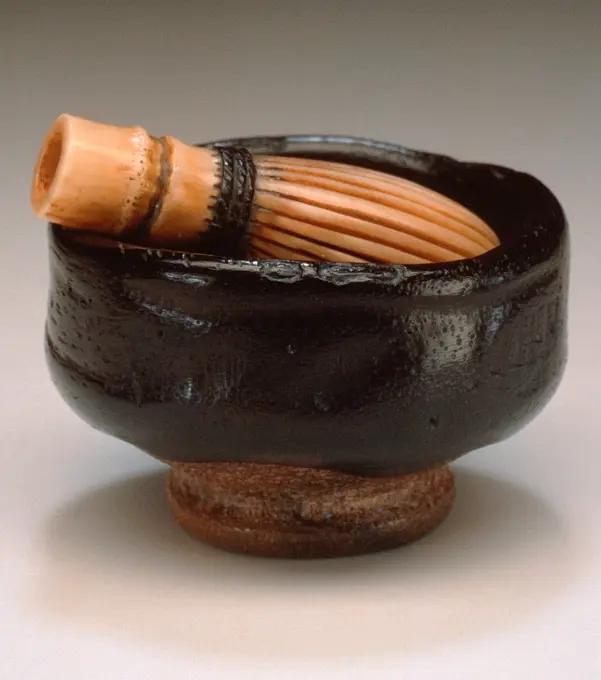
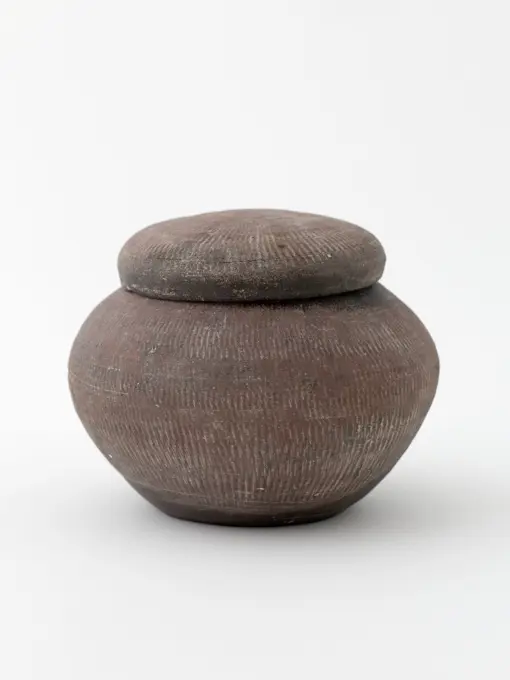
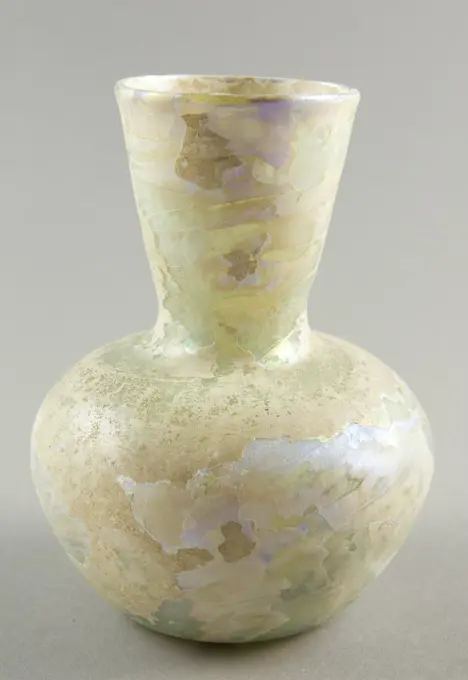
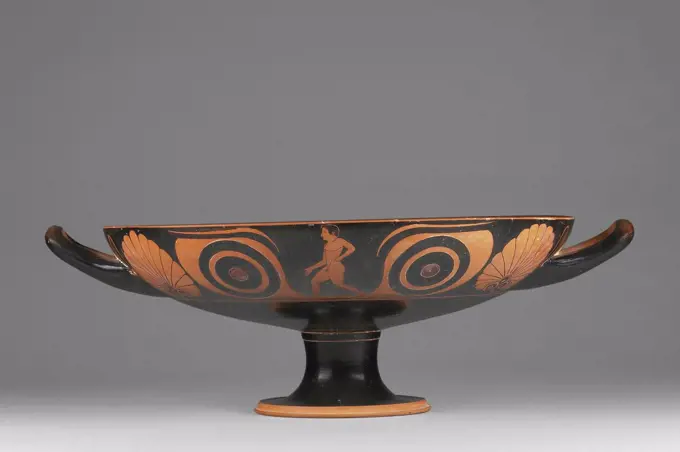
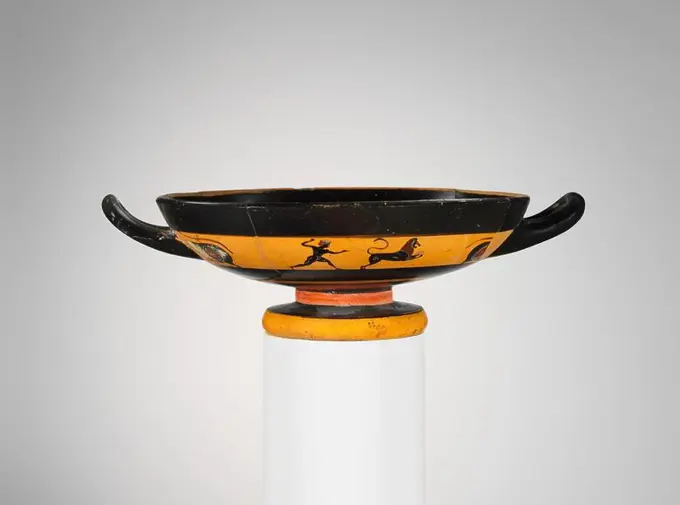
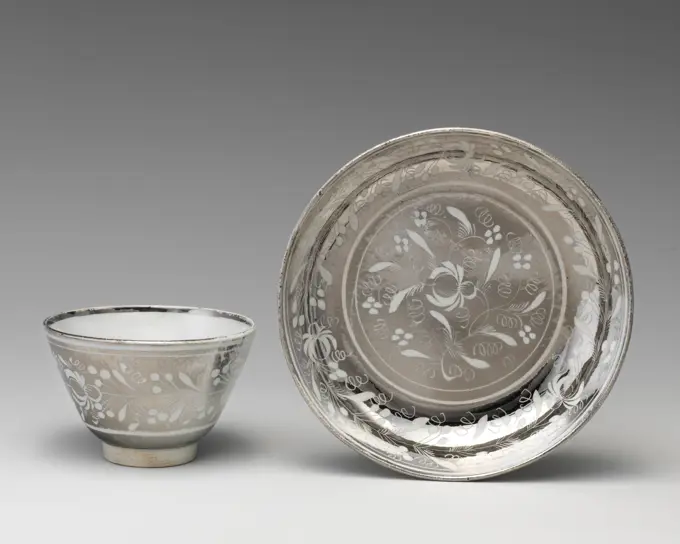
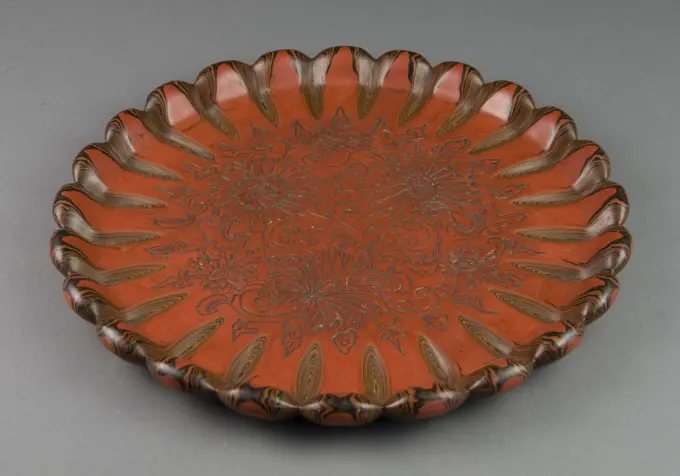
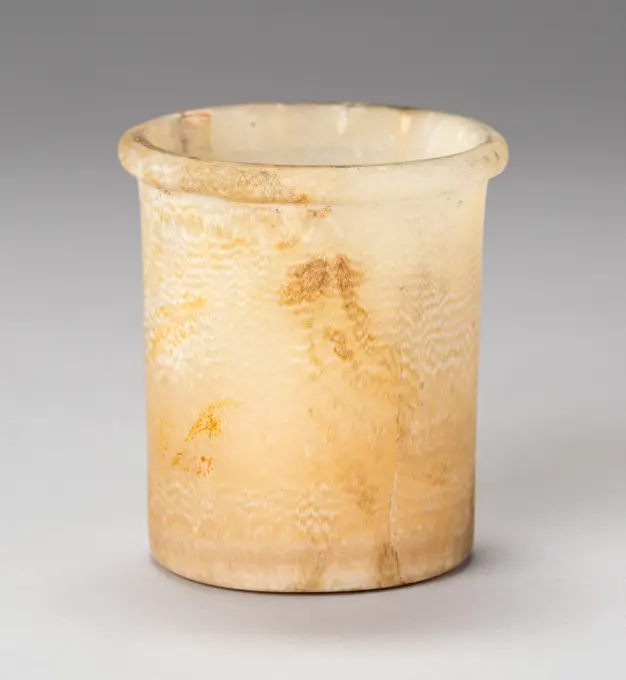
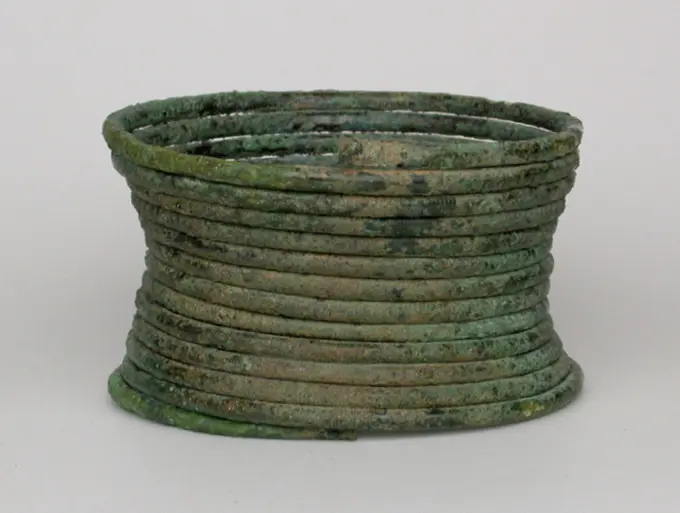
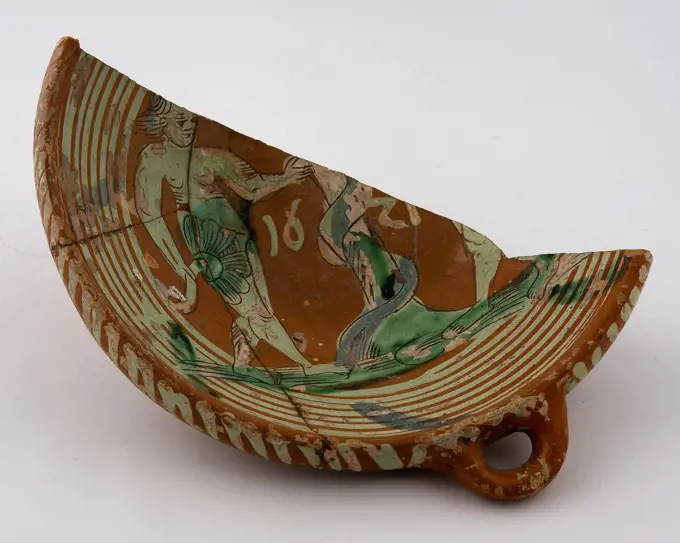
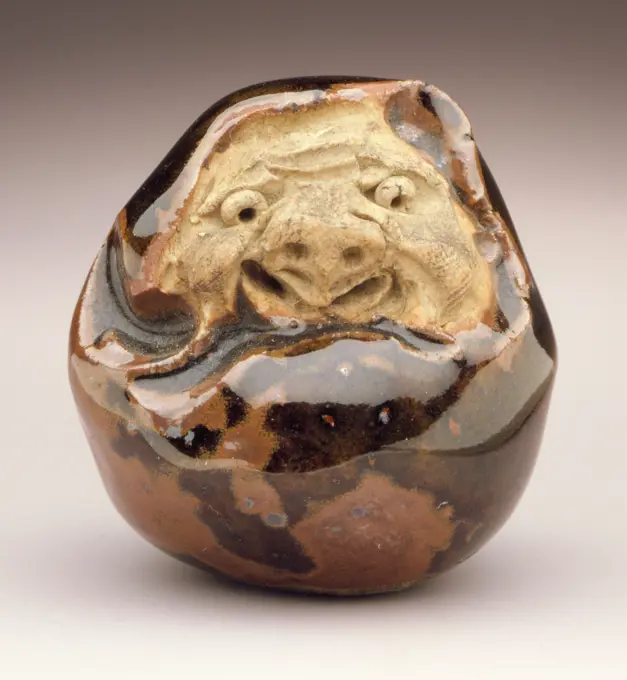
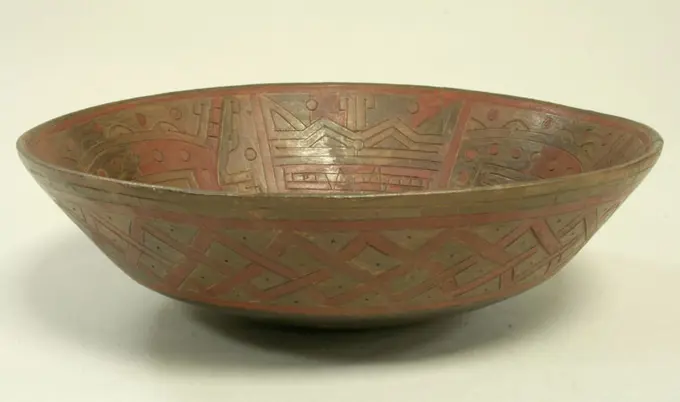
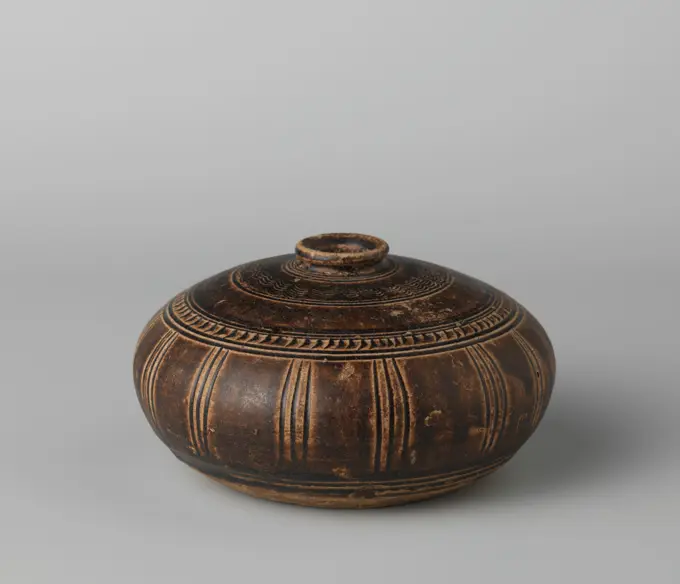
Squat, round jar with ornamental borders, anonymous, c. 1000 - c. 1199 Low, round pot (possibly lamp) of stoneware, partially covered with a brown glaze. On the abdomen and shoulder different wide and narrow tires with different entry patterns. The underside of the pot is unglazed. Cambodia stoneware. glaze engraving / vitrification Low, round pot (possibly lamp) of stoneware, partially covered with a brown glaze. On the abdomen and shoulder different wide and narrow tires with different entry patterns. The underside of the pot is unglazed. Cambodia stoneware. glaze engraving / vitrificationBoshanlu hill censer, 1st-2nd century, 7-3/8 x 8 x 8 in. (18.7 x 20.3 x 20.3 cm), Bronze, China, 1st-2nd century, A boshanlu, or literally, Bo Mountain censer, was a type of incense burner that celebrated the mountain wilderness. A typical boshanlu has a bowl-shaped body, with a lid shaped like a conical mountain and a supporting vertical stem that stands on a circular foot. On its lid, mountain peaks are often represented by overlapping triangular forms, populated by animals and humans. Perforations, sometimes hidden between the overlapping peaks, release the smoke from burning incense as if mysterious clouds were rising from the mountain.Glass beaker. Culture: Roman. Dimensions: H.: 4 1/4 x 2 1/8 x 1 15/16 in. (10.8 x 5.4 x 4.9 cm). Date: 2nd-3rd century A.D..Colorless with pale green tinge.Rim outsplayed, cracked off and uneven; vertical side, cylindrical at top, then shaped into a rough square with hollow corners; square, pushed-in bottom with bulging, rounded edge and small pontil mark at center.Below rim, two horizontal bands of wheel-abraded lines; on body, four long indents, forming a star-like shape to interior.Intact, except for small weathered chip in rim and crack in lower body; pinprick and larger bubbles; soil encrustation and root marks covering most of surfaces, and faint iridescence. Museum: Metropolitan Museum of Art, New York, USA.Pottery ointment jar, cylindrical model, white shard, internally glazed yellow, ointment jar pot holder soil find ceramic earthenware glaze lead glaze, hand turned glazed baked Pottery ointment jar cylindrical model white shard internal yellow glazed Thin flat wide top edge. Narrowing of the boiler above the stand Level with light soul archeology indigenous pottery store packing medicine drug craft salesTerracotta dish. Culture: Greek, Attic. Dimensions: H. 15/16 in. (2.3 cm); diameter 3 1/16 in. (7.7 cm). Date: 5th century B.C..Vases with painted decoration represent the most complex products of Athenian potters and painters. In addition, they produced pottery without any embellishment or with a glaze that turned a rich glossy black in firing. During the fifth century B.C., black-glazed wares were produced in many shapes, often with beautiful articulation. Museum: Metropolitan Museum of Art, New York, USA.Lazio Viterbo Viterbo Museo Civico46. Hutzel, Max 1960-1990 Views of paintings (Middle Ages through 18th c.), frescoes, a tabernacle, coffin, sculpture reliefs, portal fragments, busts, sculpture, tapestry found in the Pinacoteca, Second floor gallery and Second floor cloister sequences. Antiquities: Many views of Etruscan and Roman fragments, sculpture, sarcophagi, pottery, masks, jewelry and other objects found in the Storeroom sequence (inventory numbers on back of prints), and the Cloister, Second floor Cloister, Valle Giulia, Sala Romana and Sala Etrusca sequences. General Notes: There are eight separate numerical sequences for this location. The cloister as an architectural structure, rather than museum site, is documented in the record and file for S. Maria della Verita, Cloister, all views of which are stored in Medieval core collection. Five views from the Museo Civico Second floor cloister sequence are stored in Medieval. German-born photographer and scholar Max Hutzel (1911-Tea caddy with a green brown glaze, anonymous, anonymous, c. 1600 - c. 1699 Dust bar or Chare van Steengoed with an ivory lid, partially covered with a green brown glaze. The lower part of the bus is unglazed. Old label on the inside with 'Bizen'. On the bottom an unidentified brand or signature in red. BIBEN. Japan stoneware. glaze. deksel: ivory vitrification Dust bar or Chare van Steengoed with an ivory lid, partially covered with a green brown glaze. The lower part of the bus is unglazed. Old label on the inside with 'Bizen'. On the bottom an unidentified brand or signature in red. BIBEN. Japan stoneware. glaze. deksel: ivory vitrificationBowl 13th century. Bowl 451623Fragment of pedestal, soil, trunk and chalice of berkemeier, berkemeier drinking glass drinking utensils tableware holder soil find glass forest glass, free blown and shaped glass application Fragment of pedestal base stem and small part chalice of berkemeier in clear light green glass (forest glass) Pinched around going glass thread as base. Pontil mark under raised bottom. Hollow trunk with two rows of seven excellent thorn buds Open transition to calyx with smooth glass wire around. Chalice is almost entirely lacking archeologyVase with stripes and stains in brown and gray, Royal Leerdam Crystal, 1927 - 1928 Flat. Funnel -shaped, slightly arched body, short neck with a bordering edge. Decoration with stripes and stains in brown and gray, irization. Marked with the Diamant Leerdam Unica C J Lanooy C 287. Leerdam glass glassblowing / iridescence Flat. Funnel -shaped, slightly arched body, short neck with a bordering edge. Decoration with stripes and stains in brown and gray, irization. Marked with the Diamant Leerdam Unica C J Lanooy C 287. Leerdam glass glassblowing / iridescenceCosmetic life in the duck shape;  around 1550 1069 BC ; New PAScene.gal.eg., Society for the Encouragement of Fine Arts (Warsaw - 1860-1940) - collection, Tyszkiewicz, Michał (1828-1897), Tyszkiewicz, Michał (1828-1897) - collections, gift (provenance), ducksAuger, decorated with French lilies and hermen. The cast round mortar widens upwards and has a rounded profileded edge, decorated with twenty to the left pointing French lilies. The Frisian consists of a twelve time repeated with garlands, rollerwork and wreath decorated Herm.Sawankalok Bowl, 14th century, 3 7/16 x 12 1/4 x 12 1/4 in. (8.73 x 31.12 x 31.12 cm) (outer frame), Sawankalok ware Stoneware with incised decor under a celadon glaze, Thailand, 14th century, Sawankalok celadon was extremely popular and functioned as an important export item to other countries of Southeast Asia. Most Sawankalok celadon had incised or carved decoration under a thick translucent green of blue/green glaze. Shapes included dishes, bowls, bottles, jars, jarlets, and figurines.Bowl late 18th-19th century China. Bowl 46359Plate (part of a set) 1781-93 Robert L. Bush. Plate (part of a set). British, Bristol. 1781-93. Pewter. Metalwork-PewterTerracotta straight-sided cup ca. 1750-1700 B.C. Minoan On the body a fern pattern in white between red and white bands.. Terracotta straight-sided cup. Minoan. ca. 1750-1700 B.C.. Terracotta; Kamares ware. Middle Minoan IIIA. VasesBowl 4th-7th century Coptic. Bowl 478836Terracotta footed dish 7th-6th century B.C. Lydian The local pottery of Lydia (in present-day western Turkey) is known primarily from excavations at Sardis, the regions capital city. Sardis was an important center of cross-cultural interactions between the Greeks on the Ionian coast to the west and the Phrygians to the east. The footed dish, a Lydian specialty, was made in a local monochrome style referred to as "grey ware," which flourished during the seventh and early sixth centuries B.C.. Terracotta footed dish. Lydian. 7th-6th century B.C.. Terracotta. Archaic. VasesPottery chamber pot, easy to use on stand, green and yellow glazed, pot holder sanitary soil found ceramic earthenware glaze lead glaze, hand turned glazed baked Pottery chamber pot on stand ring. White shard entirely glazed except for the stand ring and the bottom of the bottom. Externally green glazed internal yellow. Double conical in shape with wide neck opening and narrow foot Narrow and flat pot edge Standing and scalloped bandoor Single coarse twisted arms on the inside archeology indigenous pottery drains night sleeping room hygieneCup with schematic and geometric decoration. Painted ceramic. Mixtec-Puebla style. Late Postclassic Period (1350-1500 AD). Mexico. Museum of the Americas. Madrid, Spain. Footed Goblet 7th-8th century This goblet in dark blue-green glass is a rare speciman made in Iran in the first centruries after the Arab conquest, although following a long-established Sasanian technique. It has thick, slightly oblique sides, a solid stem also with oblique sides, and a decorative ring just above the solid foot. The facet-cut decoration, consisting of five rows of shallow ovals scooped away at close intervals in a honeycomb pattern, was realized after the object had cooled. In facet-cut vessels from the Sasnian period (224-651), colorless glass was employed, and one shape, the shallow bowl, predominated. Beginning in the Islamic period, Iranian glassmakers allowed themselves to be more inventive, and a variety of colored glass, both opaque and transparent, was used, along with a wider variety of shapes, including bottles, jugs, deeper bowls, and vases. This goblet highlights both the continuity of techniques from pre-Islamic to Islamic Iran and the innovations that tooPLATILLO DE VIDRIO A MOLDE. ROMANO. (DEPOSITO: MUSEO ARQUEOLOGICO NACIONAL).Bowl ca. 2217-2193 B.C. Akkadian. Bowl. Akkadian. ca. 2217-2193 B.C.. Copper. Akkadian. Mesopotamia or southwestern Iran. Tea bowl of stoneware, partly covered with a brown glaze and painted on the glaze in blue and yellow. The lower part of the bowl is unglazed. Yellow and blue spots are applied to the glazed part. BIZEN.Oval hat box, covered with paper with wood grain imitation; On the lid a cartouche with the Dutch royal weapon in the middle, A.F. HERBANANN, c. 1910 Oval hat box, covered with paper with wood grain imitation; On the lid a cartouche with the Dutch royal weapon in the middle. The seams are reinforced with a band of black linen. Amsterdam Cardboard. upholstery: paper. Bies; Lint: Linen (Material). Handle: Metal Oval hat box, covered with paper with wood grain imitation; On the lid a cartouche with the Dutch royal weapon in the middle. The seams are reinforced with a band of black linen. Amsterdam Cardboard. upholstery: paper. Bies; Lint: Linen (Material). Handle: MetalCome with driven ornaments, anonymous, c. 1600 - c. 1900 Driven silver bowl with ornaments. Indonesia silver (metal) Driven silver bowl with ornaments. Indonesia silver (metal)Covered Box with Double-Parakeet Design, 900s-1100s. China, Zhejiang province, Five dynasties (907-60) or later. Glazed stoneware with incised decoration, Yue ware;Greyware Bowl with Incised Designs 3rd century B.C. Paracas. Greyware Bowl with Incised Designs. Paracas. 3rd century B.C.. Ceramic, pigment. Peru, Ica Valley. Ceramics-ContainersBowl Designer André Metthey French ca. 1910 Metthey worked as a painter, sculptor, and interior designer before devoting himself entirely to ceramics in 1901. While other vanguard ceramists were working in stoneware, a medium in which the ceramic body and the ornament were fused, Metthey was attracted to earthenware, which lent itself to painted decoration and glazes that rested upon the surface. At first he produced only the faience bodies, which he invited his friends Matisse, Derain, Vlaminck, Denis, and many others to decorate. However, after discovering ancient Near Easternpottery in 1906, he abandoned this practice to work on his own. The painted decoration on this bowl suggests Islamic designs, and the abundant use of gold recalls ancient Mesopotamian luster glazes.Sauce Boat 1750-1759 Staffordshire. Lead-glazed earthenware (agateware) .Bowl with Incised Parrot Design, 1100s-1200s. Korea, Goryeo period (918-1392). Celadon ware with incised decoration; diameter of mouth: 10.9 cm (4 5/16 in.); overall: 6 cm (2 3/8 in.). A wide bowl like this example was especially suitable for drinking powdered tea shaved from a compressed tea cake, the most commonly enjoyed type during the Goryeo period. The image of flying parrots incised on the inner wall of this tea bowl must have made the moment of drinking tea more enjoyable and even magical.Moiti conservative basin. Gray terracotta. Paris, Muse Cernuschi. MOITI STORE BASIN Vietnamese art, basin, break, Vietnamese collection, ebrecher, cracking, half, gray terracotta, archeological vestigeTumbler orGoblet, 5th century A.D.(?), Free-blown glass, transparent green with red and gold enamel decoration, 11.8 × 7.6 cm (4 5/8 × 3in.), Roman, EasternMediterranean, Roman-Byzantine, Containers -GlassPair Of Cachepots And Liners; painted tôle, wireBowl ca. 1780 Japan. Bowl 62572Black -cone lamp; Unknown attic workshop; 425-400 BC (-425-00-00--400-00-00);Polish excavations in MyrmekionPottery chamber pot, ease of use on stand, with standing ear and wide neck opening, pot holder sanitary soil found ceramic earthenware glaze lead glaze, hand turned glazed baked Pottery chamber pot on stand ring Red shard entirely covered with lead glaze Belly model with low belly and wide pot rim. Thick standing sausage over the edge excellent. Blurred turnings over the shoulder. Unusual earthenware is baked at the bottom. Wear to round soil archeology indigenous pottery drains night sleeping room hygieneLarge Incised Dish 15th-16th century Vietnam. Large Incised Dish 38545Swollen spherical stretch vase. Bronze. Cernuschi Museum, Asia Museum of Asia in the city of Paris.Czarka;  19th century (1801-00-00-1900-00-00);Tripod cup with ring handle (bei) first half of the 8th century China. Tripod cup with ring handle (bei). China. first half of the 8th century. Earthenware with marblized body and brown glaze. Tang dynasty (618-907). CeramicsTerracotta tripod-pyxis (box). Culture: Greek, Corinthian. Dimensions: H. of vase 3 1/8 in. (8 cm); H. with lid 4 9/16 in. (11.6 cm); diameter 6 1/16 in. (15.4 cm). Date: ca. 625-575 B.C..Decorated with bands and dots. Museum: Metropolitan Museum of Art, New York, USA.Square Cup with Molded Studs and Carved Inscription. Yu Yunwei Yu; Chinese. Date: 1821-1850. Dimensions: 3.4 × 6.2 × 5.3 cm (1 5/16 × 2 7/16 × 2 1/16 in.). Yixing stoneware with underglaze molded, carved, and incised decoration. Origin: China. Museum: The Chicago Art Institute, Chicago, USA.VASO PINTADO-NEOLITICO. Location: MUSEO. Volos. GREECE.Cup, 18th Century. China, Jiangxi province, Jingdezhen kilns, Qing dynasty (1644-1911). Porcelain with mottled blue glaze; diameter: 7.3 cm (2 7/8 in.); overall: 3.5 cm (1 3/8 in.).Kero late 15th-early 16th century Inca Cylindrical cups with flaring rims, called keros, were widely used in the central and southern Andes after the middle of the first millennium A.D. The beakersmade of ceramic, wood, gold, or silverare thought to have been used for the consumption of chicha. A fermented corn beer, chicha was drunk during ceremonial as well as social gatherings. Ceramic keros were decorated for many centuries with images of felines, raptors, and snakes. Those made by the Cañari people in the southern highlands of Ecuador, where this beaker may have originated, often feature sculpted and stylized human faces on one side. When the Cañari region came under Inka control in the late fifteenth century, keros were painted with neatly drawn, small-scale geometric designs characteristic of Inka aesthetics. On this kero, the design is divided into several horizontal registers. At the top and bottom, two narrow bands with red crosshatching over white frame the wide central reBowl, 13th-14th century, Unknown Korean, 3 3/8 x 7 5/8 x 7 5/8 in. (8.57 x 19.37 x 19.37 cm), Porcelaneous stoneware with inlay under celadon glaze, Korea, 13th-14th centuryTea Bowl, 12th-13th century, 1 3/4 x 4 1/2 in. (4.45 x 11.43 cm), Henan ware Stoneware with black glaze and iron-splashed markings, China, 12th-13th centuryBoxGlass dish 1st century A.D. Roman, Cypriot Translucent pale blue green.Rounded, flaring rim, with horizontal outward rib below; slightly convex side of uneven height, tapering downwards to broad, intregral tubular base ring; flat bottom but with kick at center, forming thickened dome, and traces of pontil scar.Intact; pinprick bubbles and blowing striations; some dulling and faint iridescence, with small patches of creamy brown weathering.. Glass dish. Roman, Cypriot. 1st century A.D.. Glass; blown. Early Imperial. GlassGlass beaker or lamp. Culture: Roman. Dimensions: Overall: 2 13/16 x 3 7/16in. (7.1 x 8.8cm). Date: 4th century A.D..Translucent pale blue green, with deep turquoise green blobs.Unworked, knocked-off rim, with bulging collar beneath; somewhat misshapen and uneven sides to body, tapering downwards; pushed-in bottom.Four blobs applied irregularly to exterior of lower body.Intact, except for minor chip in rim; pinprick bubbles; slight dulling, pitting, and iridescent weathering on exterior, patches of creamy brown weathering on interior.Vessels with decorated with colored blobs were very popular in late Roman times; examples have been found both in the East and along the Rhine frontier in Germany. Museum: Metropolitan Museum of Art, New York, USA.Incised bowl with fox motif 7th-5th century B.C. Paracas. Incised bowl with fox motif. Paracas. 7th-5th century B.C.. Ceramic, pigment. Peru. Ceramics-VesselsBowl. Culture: Italic-Native, South Italian (Daunian). Dimensions: H. 4.39 cm. Diameter 14.81 cm.. Date: ca. 550-450 B.C.. Museum: Metropolitan Museum of Art, New York, USA.Cup and cover 1796-1875 China. Cup and cover 44016Terracotta kylix (drinking cup). Culture: Greek, Attic. Dimensions: 5 1/8 x 16 1/16in. (13 x 40.8cm)Other: 12 15/16in. (32.8cm)Other (width with handles): 16 1/16in. (40.8cm). Date: ca. 490-480 B.C..Interior, satyr and maenad; inscribed Panaitios is fair Exterior, obverse, satyrs and maenads with Dionysos mounting chariot; reverse, Ariadne mounting chariot.Vases inscribed with the name of Panaitios were formerly attributed to a painter of that name and are now regarded as early work of Onesimos. The Magnoncourt Painter was a contemporary who, as this work show, undertook the active and crowded compositions to which satyrs and maenads naturally lend themselves. Museum: Metropolitan Museum of Art, New York, USA.Black -refyed cup; Unknown attic workshop; 4th century BC (-400-00-00--301-00-00);Pillow with Peonies 12th-13th century China The small circles that fill the background derive from the same pattern in metalwork, particularly silver, where they are known as ring matting. The use of this pattern to decorate the background of the pillow illustrates one aspect of the ongoing exchange between metalwork and ceramics in China.. Pillow with Peonies. China. 12th-13th century. Stoneware with sgraffito decoration (Cizhou ware). Jin dynasty (1115-1234). CeramicsBowl with Mandarin Ducks, Cranes, Auspicious Creatures, and Stylized Flowers Made 1500-1550 China. Cloisonne enamel .BowlBowl 18th-19th century Korea. Bowl. Korea. 18th-19th century. Porcelain with greenish-white glaze. Joseon dynasty (1392-1910). CeramicsDouble Ribbon-Handled Porringer. Netherlands. Date: 1786. Dimensions: 3.8 x 19.1 x 11.4 cm (1 1/2 x 7 1/2 x 4 1/2 in.). Pewter. Origin: Netherlands. Museum: The Chicago Art Institute, Chicago, USA.Spouted Bowl, 1300s. China, Zhejiang province, Longquan region, Yuan dynasty (1271-1368). Celadon-glazed stoneware spotted with copper red, Longquan ware; diameter: 17.5 cm (6 7/8 in.); overall: 5.6 x 21.5 cm (2 3/16 x 8 7/16 in.).Fragment of a Bowl 14th-15th century. Fragment of a Bowl 445173Gong and Gong Beater, early to mid-1800s. Japan, Edo period (1615-1868). Bronze; diameter: 31.8 cm (12 1/2 in.); overall: 22.3 cm (8 3/4 in.).Cooking pot with copper handle, anonymous, c. 1675 - c. 1700 Cook pot, twisted of black painted wood, on three legs and with a handle of copper wire. Amsterdam wood (plant material). copper (metal) Cook pot, twisted of black painted wood, on three legs and with a handle of copper wire. Amsterdam wood (plant material). copper (metal)Facet-cut Beaker. UnknownRectangular tray with double dragons. Culture: China. Dimensions: H. 1 1/2 in. (3/8 cm); W. 6 1/8 in. (15.6 cm); L. 14 5/8 in. (37.1 cm). Museum: Metropolitan Museum of Art, New York, USA.Bowl with Lotus Design. China. Date: 1115-1234. Dimensions: H. 6.8 cm (2 11/16 in.); diam. 18.8 cm (7 3/8 in.). Yaozhou ware; stoneware with underglaze carved and incised decoration. Origin: China. Museum: The Chicago Art Institute, Chicago, USA.Temple Basket, 20th century, 3 1/2 x 10 1/4 x 10 1/4 in. (8.9 x 26.04 x 26.04 cm), Fiber, beads, mirror, Indonesia, 20th centuryWooden bowlsTea Bowl and Whisk. Ōhara Mitsuhiro (Japan, 1810-1875)After Mitsuhiro (Japan, late 19th-20th centuries). Japan, mid- to late 19th century. Costumes; Accessories. Stained boxwood, ivoryPlate, 18th century, Love, American, 1 x 8 7/8 in. (2.5 x 22.54 cm), Pewter, United States, 18th centuryTerracotta stemless kylix (drinking cup). Culture: Greek, South Italian, Apulian. Dimensions: H. 1 3/4 in. (4.5 cm); diameter 5 1/4 in. (13.3 cm). Date: ca. 340-320 B.C..Interior, seated nude youth holding a phiale and a wreath.Exterior, obverse and reverse, head of a woman. Museum: Metropolitan Museum of Art, New York, USA.Pot et Couvercle. "Gres. Vietnam-XEN Vietnam s. Paris, museum prizons. 72361-5 Lid, gres, Vietnamese object, potwooden plate  on a white background. Clipping pathFlask 101 CE-500 CE Syria. Glass, blown technique . Ancient RomanPail - Bennington Potters Bennington PottersTerracotta pyxis (box) late 6th century B.C. Greek, Corinthian Bands and tongue pattern on the lid.. Terracotta pyxis (box) 244826Snuff Box, c. 1770-1775. Germany, 18th century. Tortoiseshell and ivory; overall: 2.6 x 7.7 cm (1 x 3 1/16 in.).Attic Red-Figure Bilingual Cup Type A; Oltos, Greek (Attic), active about 525 - 500 B.C., and Hischylos; Athens, Greece, Europe; about 515 B.C.; Terracotta; Object: H: 13 to 13.2 x W (with handles): 41.5 x Diam. (mouth): 32.4 cm (5 1/8 to 5 3/16 x 16 5/16 x 12 3/4 in.), Object (foot): Diam.: 2.3 cm (4 13/16 in.)Engraved Bowl ca. 1130 Netherlandish This shallow bowl, engraved with the personification of Pride in the central medallion, was used for hand washing. The central figure is surrounded by other vices, such as Jealousy, identified by Latin inscriptions, indicating the moralizing nature of the decoration. Such bowls were often produced in pairs, and this one would likely have been paired with a bowl depicting personifications of virtue. It belongs to a large group of surviving bowls, known as Hansa bowls, made in northern and western Germany, Scandinavia, and England during the twelfth and thirteenth centuries.. Engraved Bowl. Netherlandish. ca. 1130. Copper alloy, wrought. Metalwork-Copper alloyTerracotta kylix (drinking cup). Culture: Greek, Attic. Dimensions: H. 2 11/16 in. (6.8 cm.)Diameter 7 3/16 in. (18.3 cm.). Date: ca. 535-500 B.C..This cup shares some of the characteristics of both band cups and eye cups but also represents individual features, creating an unusual hybrid. As is typical of eye cups, a gorgoneion is depicted on the interior of the vase, and eyes, intended to ward away evil, are placed at the handles instead of palmettes. As is common on band cups, on the handle zone, a figural scene depicts a nude youth chasing a lion. But unlike either eye or band cups, the foot of the vase is without a stem and in the form of a disk. Museum: Metropolitan Museum of Art, New York, USA.Bowl - Dion Pottery Dion PotteryRibbed Bowl; Roman Empire; 1st century B.C. - 1st century A.D; Glass; 7.5 × 18 cm (2 15,16 × 7 1,16 in.)Cup and saucer early 19th century British. Cup and saucer. British. early 19th century. Pottery. Ceramics-PotteryPrehistory, Italy, Iron Age. Bronze situla.Tray with Chrysanthemum Design 1801-1900 Japan. Lacquer .VesselCup Made 3000 BCE-2498 BCE Egypt. Calcite . Ancient EgyptianPlato de Caldes de Montbui. Museu Català de les Arts i Tradicions Populars.Burnt-Parfum (common name). Sandstone, molding, celadon, molded decor. Cernuschi Museum, Asia Museum of Asia in the city of Paris.Bracelet 800 BCE-701 BCE Greece. Bronze . Ancient GreekBase for a Bowl 8th-early 10th century Indonesia (Java). Base for a Bowl. Indonesia (Java). 8th-early 10th century. Gold. Eastern Javanese period. MetalworkFragment Werra, large bowl with ears, mirror decor paradise with Adam, Eve and snake in tree, year 1621, pale yellow, blue and green glaze, bowl crockery holder soil find ceramic earthenware glaze, hand-turned decorated glazed fried lemonade sgraffito Red pottery on stand surface Deep bowl with sloping sidewall. Small lying sausage ear attached to the bowl rim. Decorated with picture of Adam and Eve the tree and the snake. Year in the mirror. High in the sidewall yellow circles Yellow silt with green accents Straight and slashes on the bowl edge glazed: 1621 archeology City Triangle Rotterdam Town Hall City Hall serving earthenware serve food decorate bible fall fall religion Probable find location post office or town hall Rotterdam.CESTO DE CERAMICA ENTRELAZADA Y VIDRIADA (IMITANDO A LOS DE MIMBRE). Location: ALFARERIA. Coruña. SPAIN.CERAMICA GRIEGA S IV AC-KYLIX.Basalt mortar ca. 1600-700 B.C. Cypriot Shallow, large bowl on three tall legs.. Basalt mortar. Cypriot. ca. 1600-700 B.C.. Basalt. Late Bronze Age or Geometric. Miscellaneous-Stone VasesRoly-Poly Daruma. Japan, 19th century. Costumes; Accessories. Seto ware; glazed stonewareBowl 7th-3rd century B.C. Paracas. Bowl 312610Brush washer in the shape of a leaf, anonymous, c. 1700 - c. 1799 Porcelain brush bowl in the shape of a leaf, covered with a translucent cream -colored glaze. Ear in the form of a branch; The four legs consist of modeled leaves, branches and flowers. Blanc the Chine. China porcelain. glaze vitrification Porcelain brush bowl in the shape of a leaf, covered with a translucent cream -colored glaze. Ear in the form of a branch; The four legs consist of modeled leaves, branches and flowers. Blanc the Chine. China porcelain. glaze vitrification