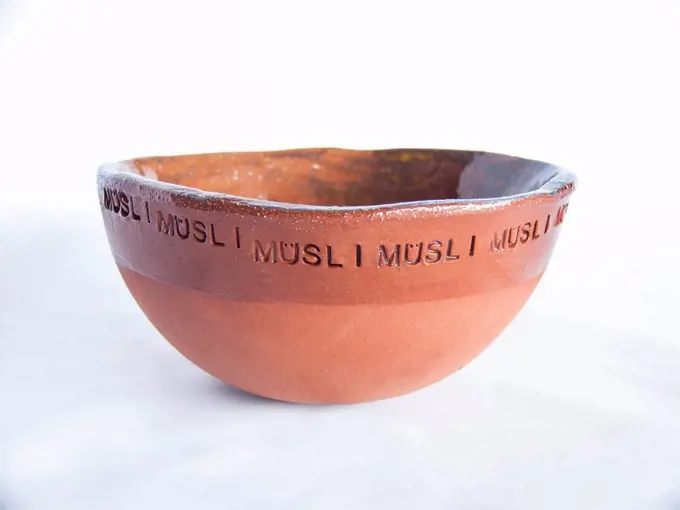
Ceramic Bowls Collection

Artistic ceramic bowls varying in style and color, showcasing different cultures and historical periods through beautiful craftsmanship.
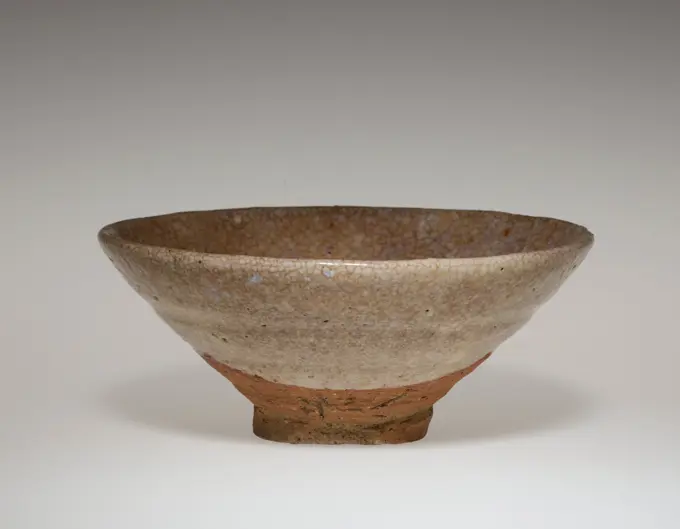
Tea bowl and stand, 19th century, Unknown Japanese, 3 1/2 x 6 x 6 in. (8.9 x 15.24 x 15.24 cm), Shino ware; glazed earthenware; wood stand, Japan, 19th century
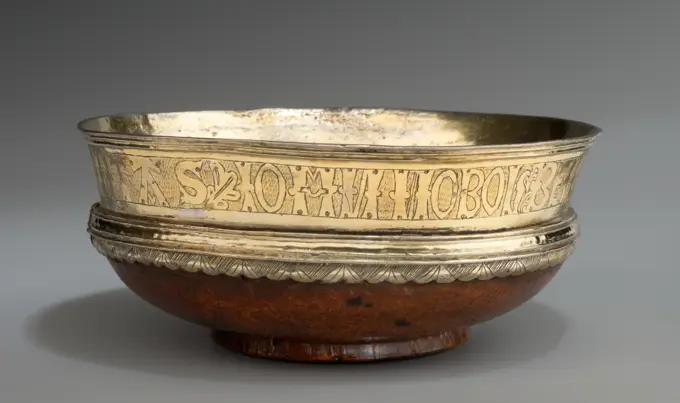
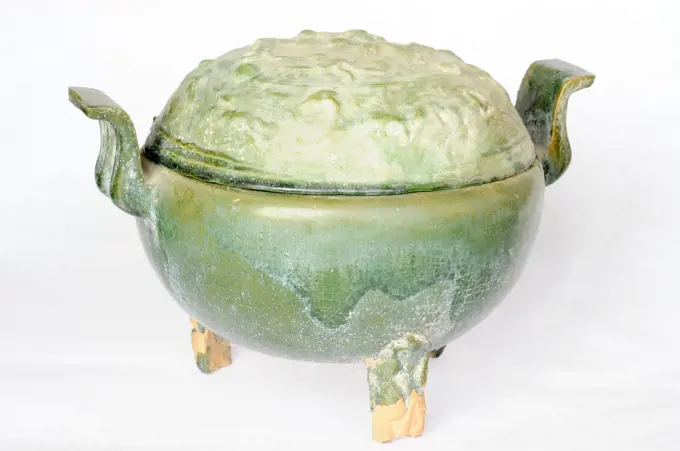
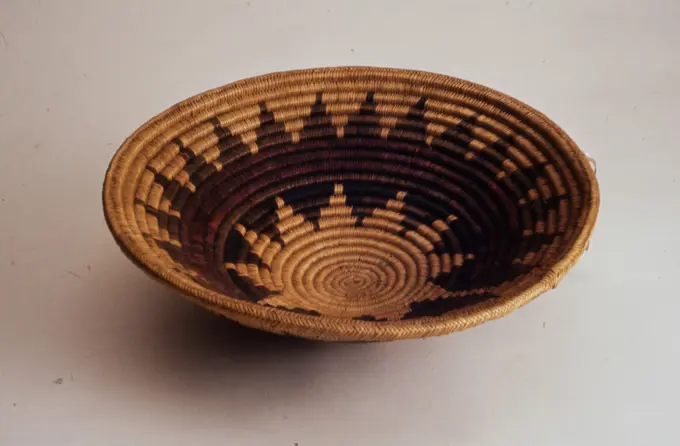
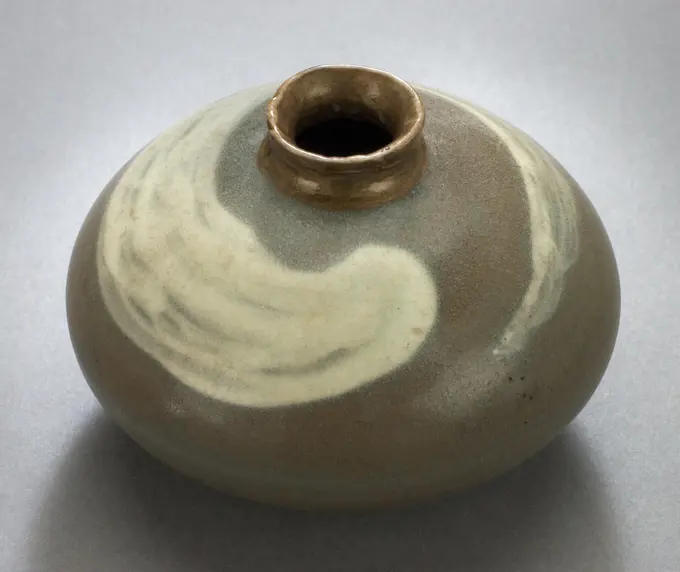
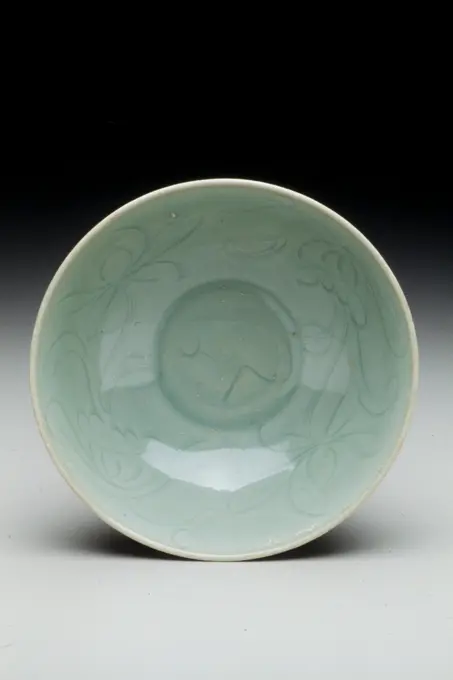
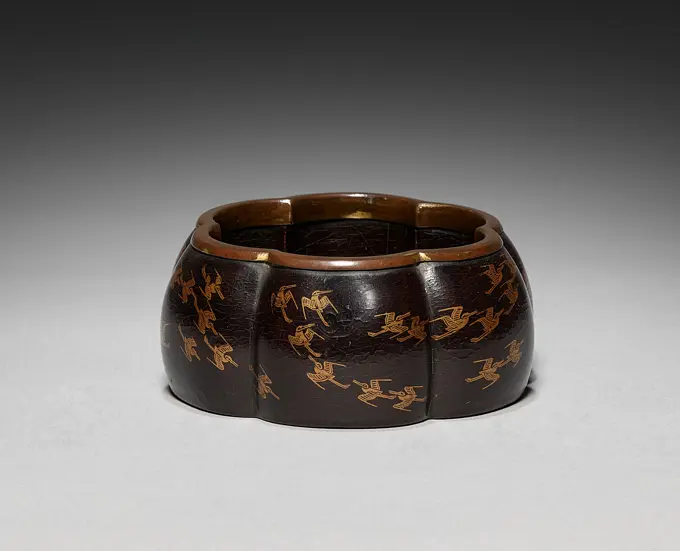
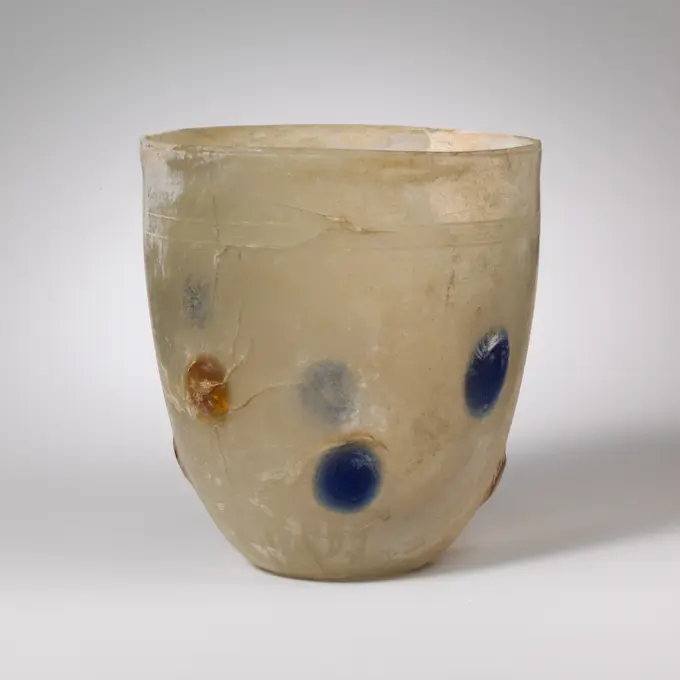
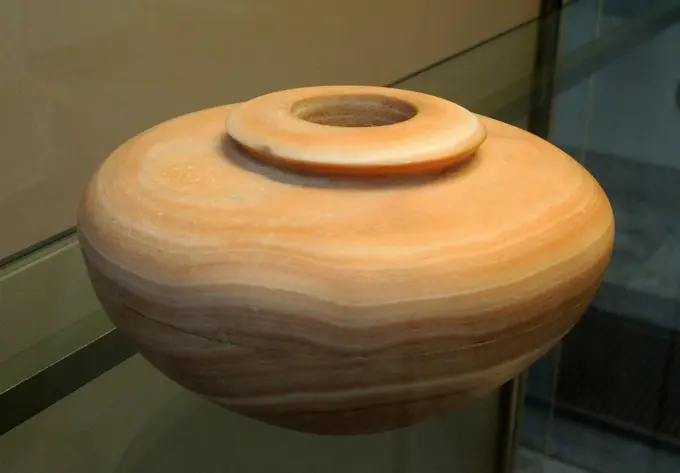
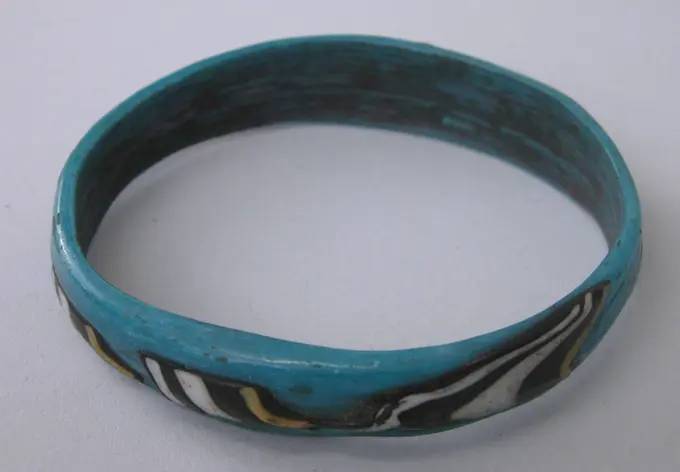
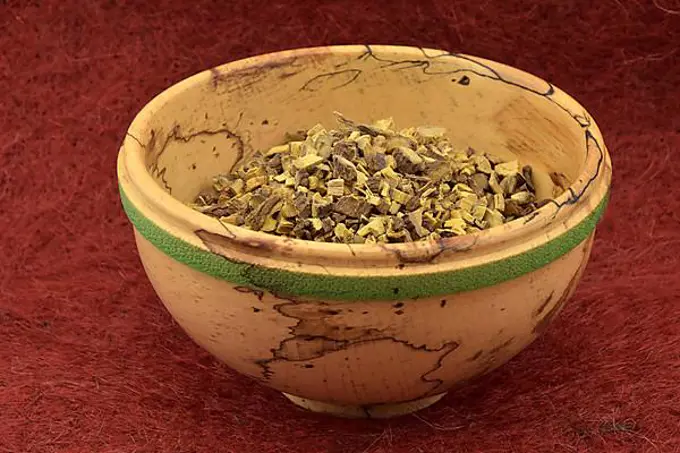
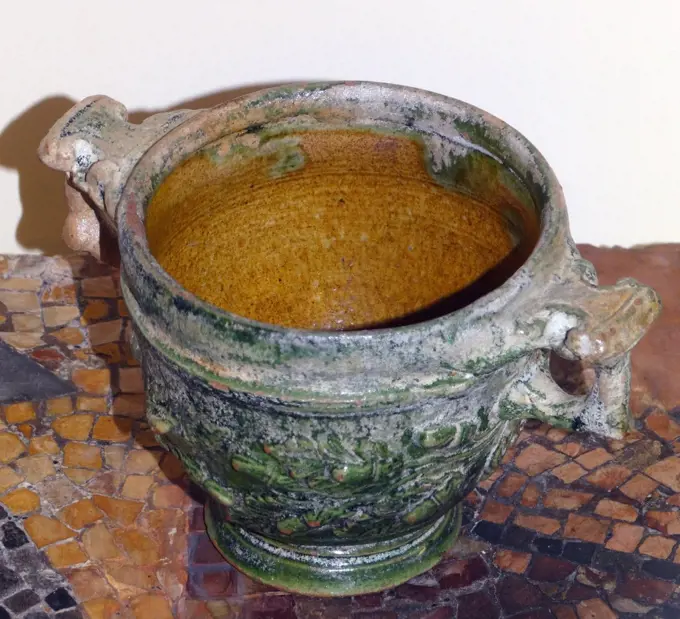
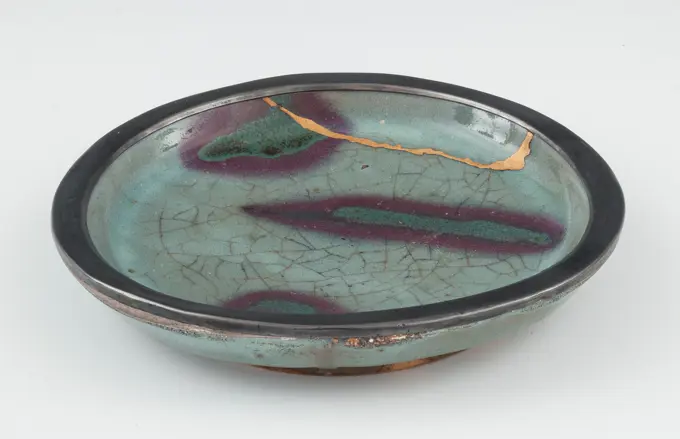
A bowl with a silver fitting, streaks of purple and a golden trail unknownMaker Unknown, Mazer, c. 1500-30, maple with silver-gilt mounts.Chinese ancient pottery pot on a white backgroundBowl with Trapeze-and-Ray MotifBasket, early 20th century, 4.5 x 5.25 x 5.25 in. (11.4 x 13.3 x 13.3 cm), Plant fibers, United States, 20th centuryThumb Ring, 1800s. India. Silver; diameter: 5.8 cm (2 5/16 in.).Antique glass 1898, Middle EastBrush Washer. Korea, Joseon (1392-1910), 19th century. Tools and Equipment; brush washers. Wheel-thrown stoneware with underglaze slip painted decoration and buncheong-type glazeBowl, 12th-13th century, 2 1/2 x 6 3/8 x 6 3/8 in. (6.35 x 16.19 x 16.19 cm), Lung-chuan ware Porcelaneous stoneware with carved decor under celadon glaze, China, 12th-13th centuryBrazil, Amazon, Manaus, Indian Museum. Traditional indigenous Indian pottery.Incense Burner, late 1300s. Japan, Nanbokuchō period (1336-92). Black lacquer on wood with decoration in maki-e; metal rims; bronze lid; overall: 7.7 x 10.8 cm (3 1/16 x 4 1/4 in.). This container's repeated, undulating, rounded sides evoke waves over which the articulated plovers sweep. The bronze cover (probably a later addition) mimics the design of a fishing weir. Overall, the container brings to mind the seashore. The earthy quality of the lacquered surface demonstrates the interaction between a man-made pattern (the plovers) and the somewhat unexpected surface of a natural material such as wood.Glass beaker 4th century A.D. Roman, Rhenish Colorless; translucent cobalt blue and honey yellow blobs.Uneven vertical rim, cracked off and ground, slightly outsplayed; tall, convex side to body, tapering downwards; concave bottom.Immediately below rim, a single wheel-cut horizontal line; below, a band comprising two wheel-cut horizontal lines with wheel-abraded lines between them; around middle and lower part of side a band of applied blobs, comprising two irregular horizontal lines of four alternating sets of two blobs of the same color.Complete, but many internal cracks; a few pinprick and larger bubbles; dulling, faint iridescence, limy encrustation, and weathering.. Glass beaker 255004 Roman, Rhenish, Glass beaker, 4th century A.D., Glass, H.: 4 13/16 in. (12.3 cm) Diam.: 4 3/8 in. (11.1 cm). The Metropolitan Museum of Art, New York. Fletcher Fund, 1959 (59.11.10)Dish from Tutankhamun's Embalming Cache ca. 1336-1327 B.C. New Kingdom. Dish from Tutankhamun's Embalming Cache 550170Squat Calcite Vase 2613 B.C. Egypt Bracelet probably 14th-15th century The earliest known examples of this type of seamless mosaic glass bracelet are from the late thirteenth century; it continued to be produced well into the nineteenth century at Hebron, in Palestine. This bracelet, together with thirty-three others in the collection, comes from UpperEgypt and was probably made during the Mamluk period.. Bracelet 446020Incised Painted Bowl 5th-3rd century B.C. Paracas. Incised Painted Bowl 308612Mug salvaged from the Great Chelsea Fire of 1908 , Fires. Chelsea Public Library Archive CollectionCosmetic Jar. Byzantine; Syria or Egypt. Date: 401 AD-700 AD. Dimensions: H. 5.1 cm (2 in.). Glass, core-formed technique. Origin: Syria. Museum: The Chicago Art Institute, Chicago, USA.Liquorice (Glycyrrhiza glabra), dried and cutold ceramic monastery tableware, Monastery of Santa María de Carracedo, 10th century, Carracedo del Monasterio, El Bierzo region, Castile and Leon, Spain.Wide RibbedBraceletGlazed cup decorated with oak leaves and acorns. Dated 50 ADPhilip Smith, Bowl, 1938 BowlMuesli bowl