Ceramic Bowls

Diverse ceramic bowls with intricate designs and finishes, ranging from traditional to elegantly simple, showcasing historical craftsmanship across cultures.
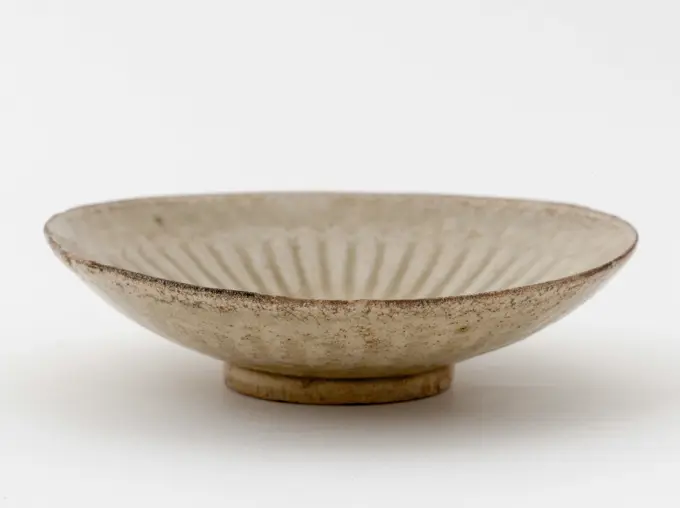
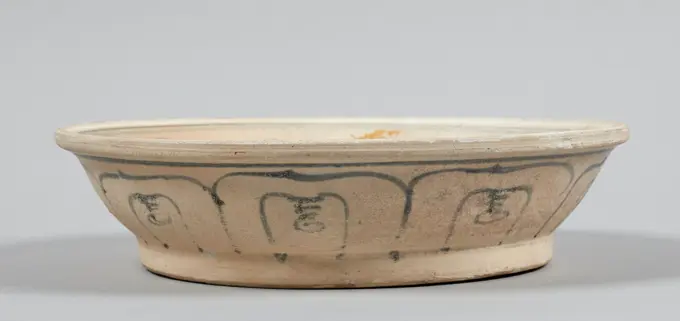
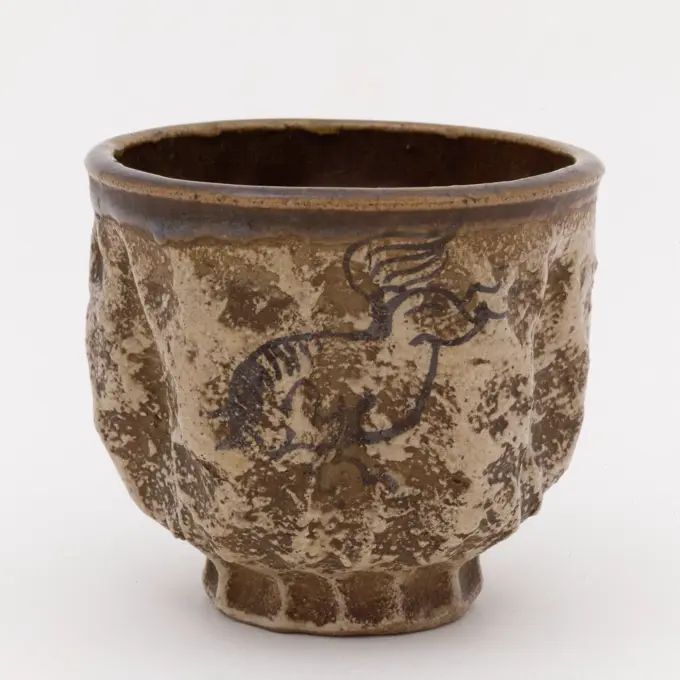
Cup ". GRS covered Cladon. Paris, Muse Cernuschi. Coupe Asian art, extreme-East art, Vietnamese art, ceramic, cut, gres, dishes
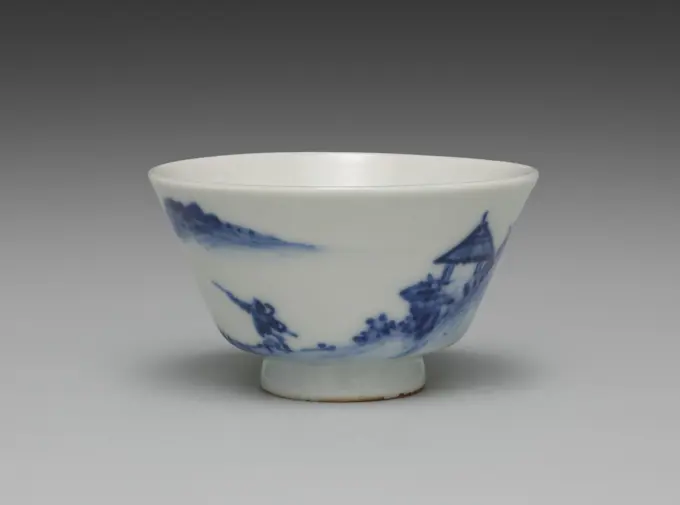
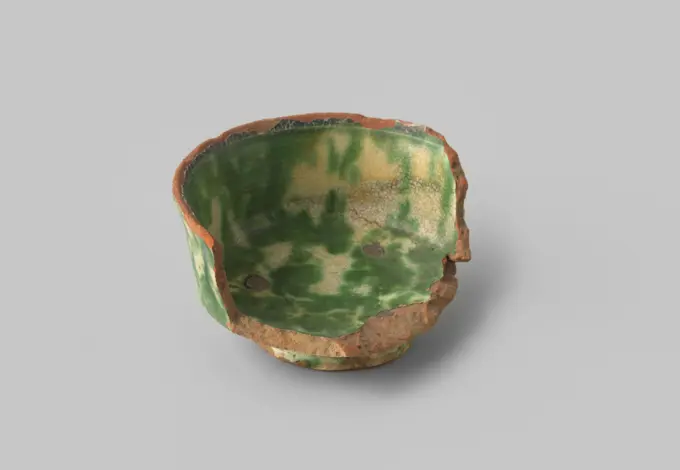
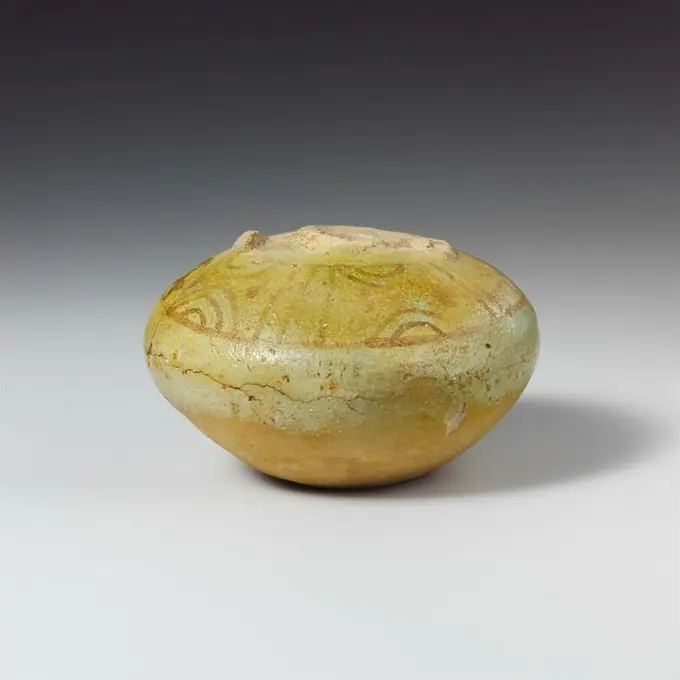
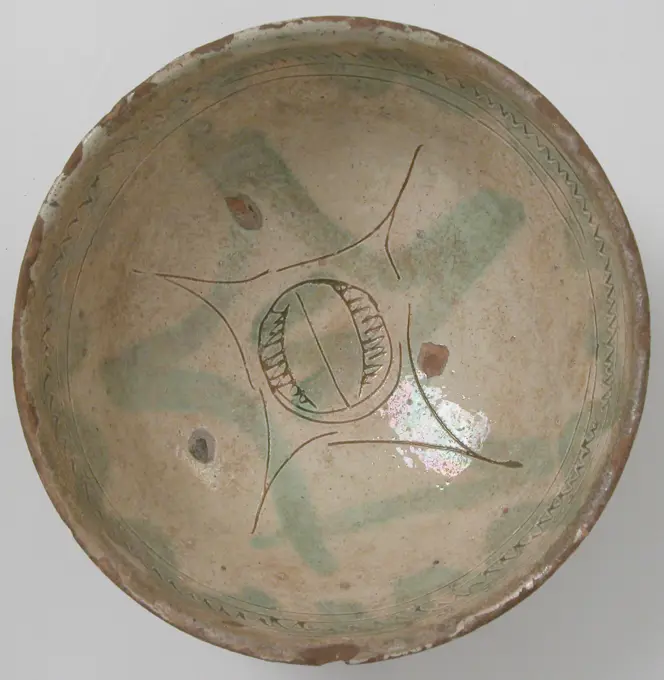
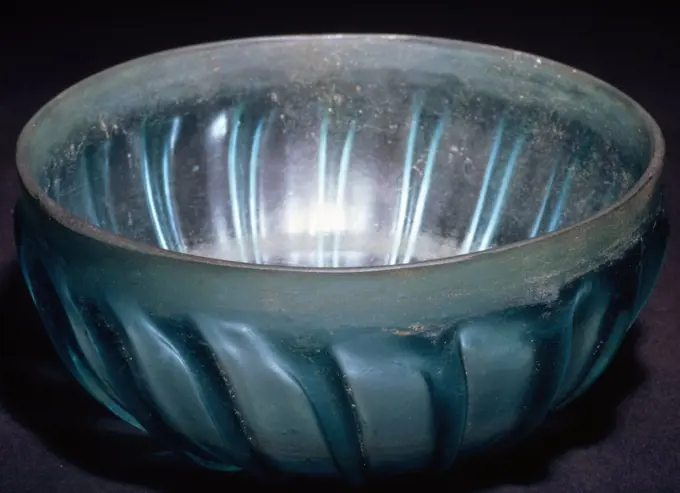
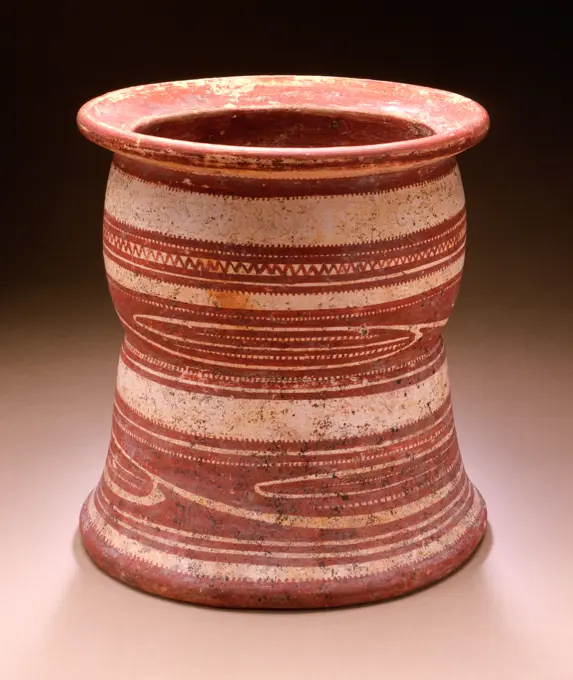
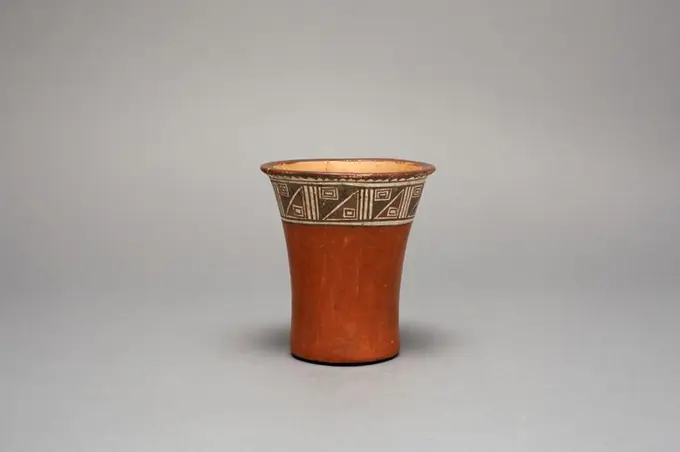
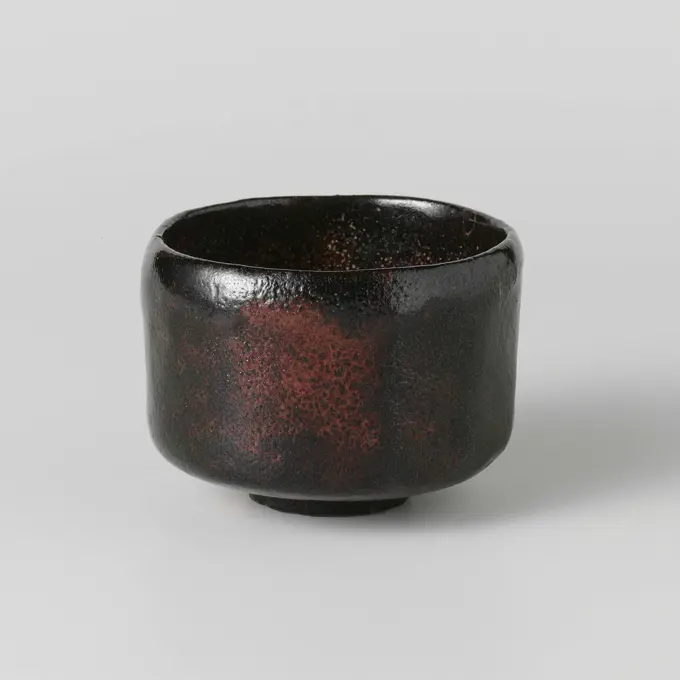
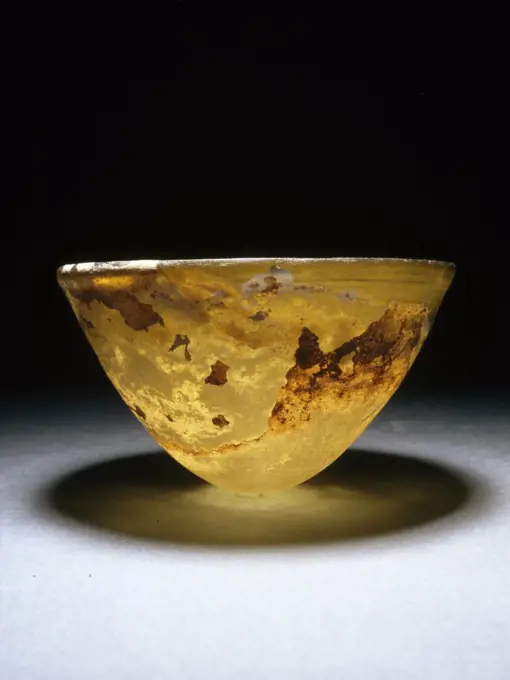
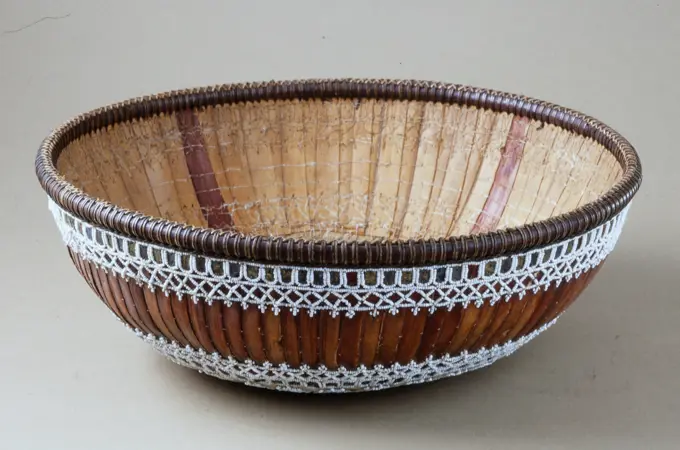
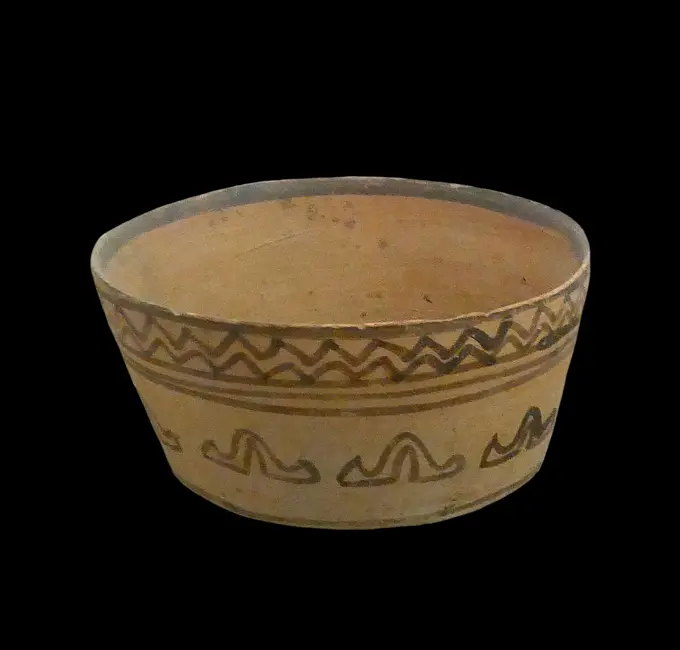
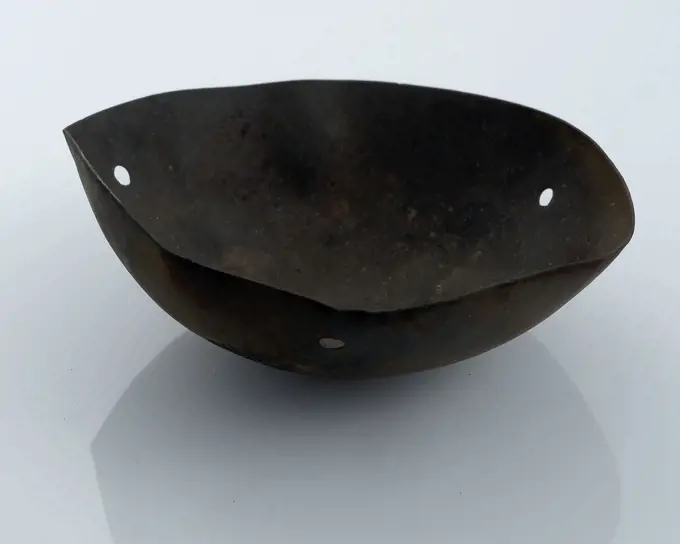
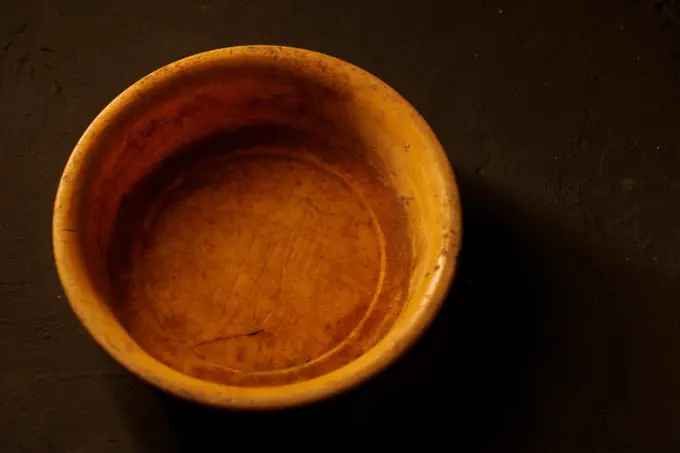
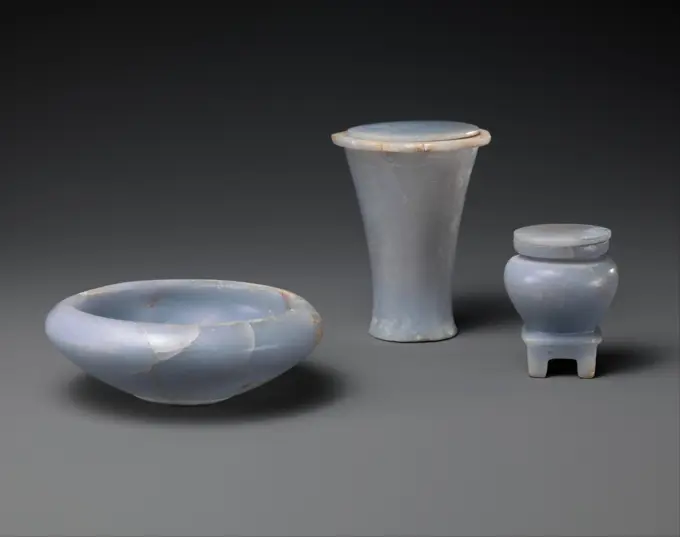
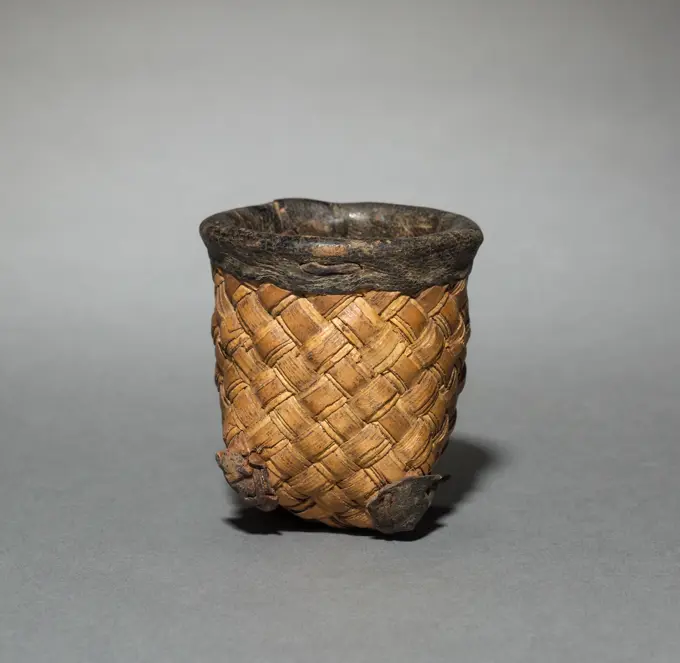
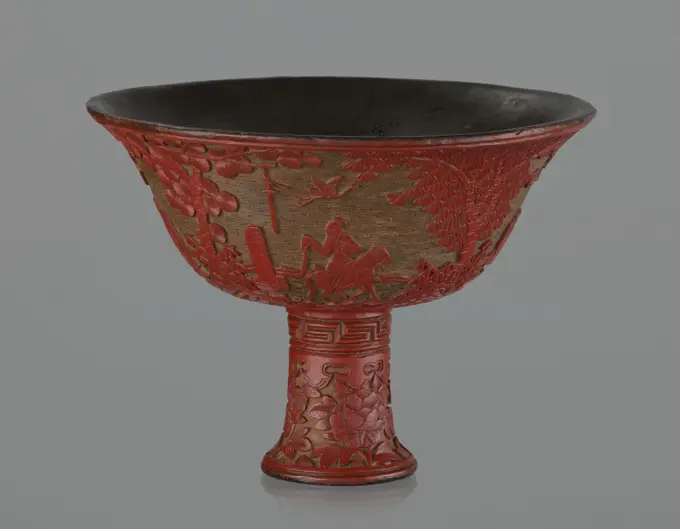
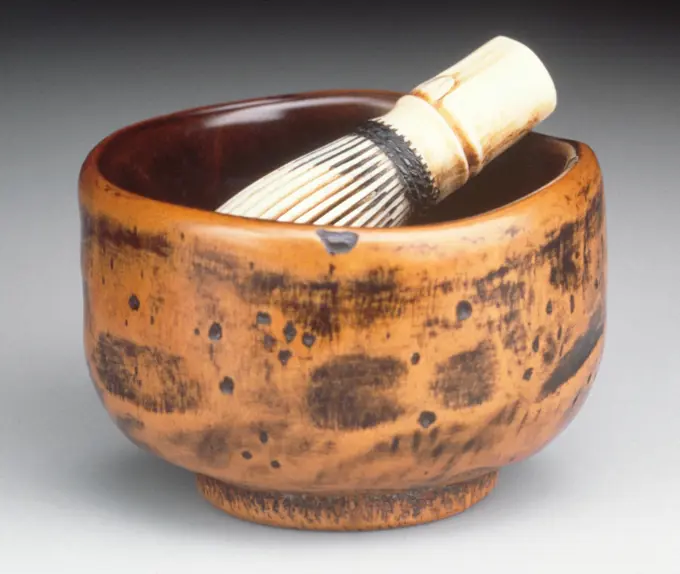
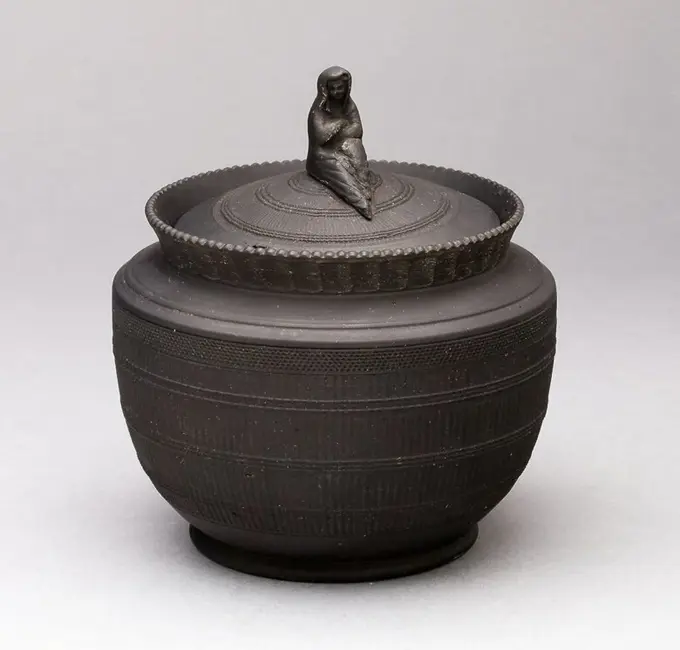
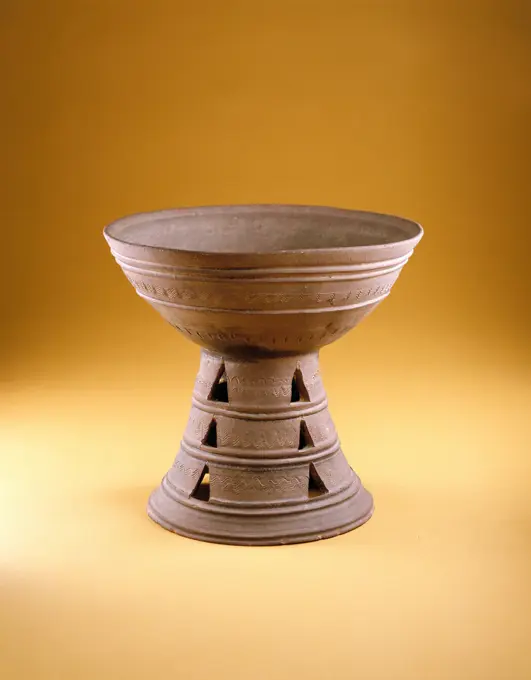
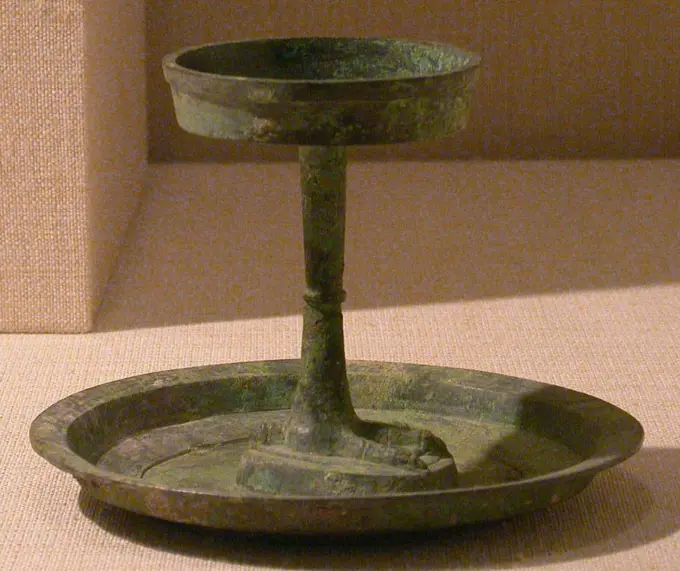
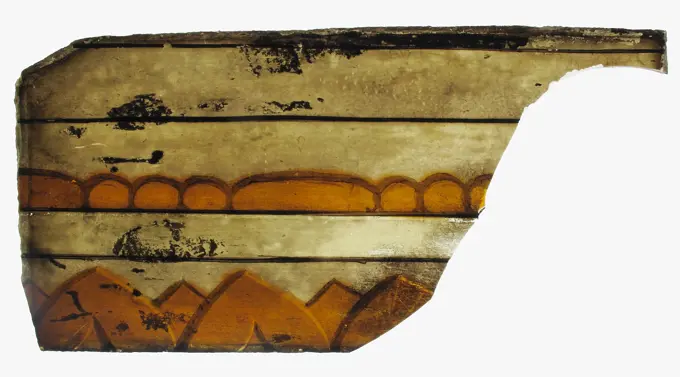
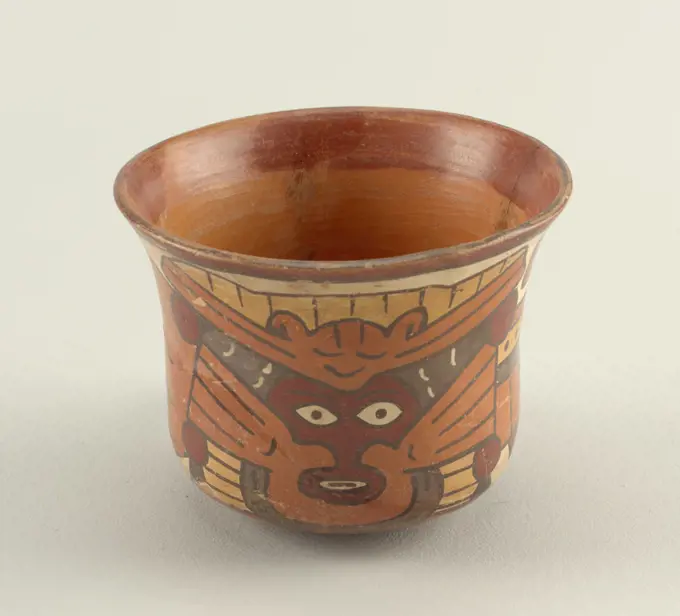
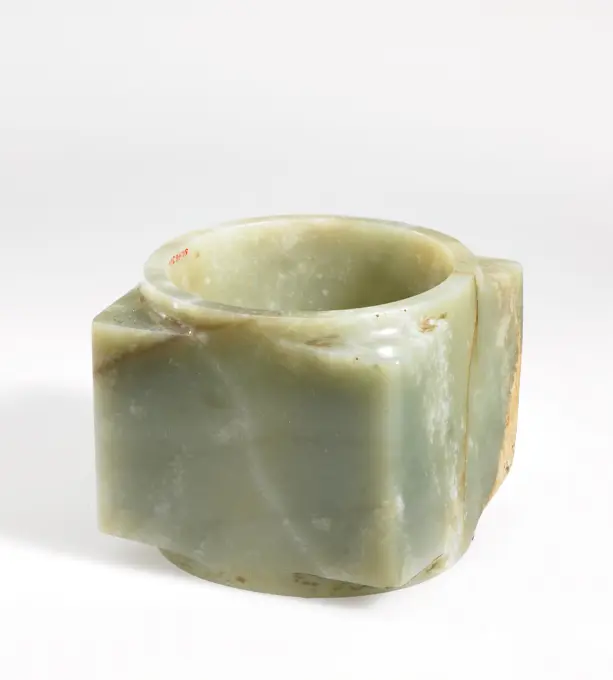
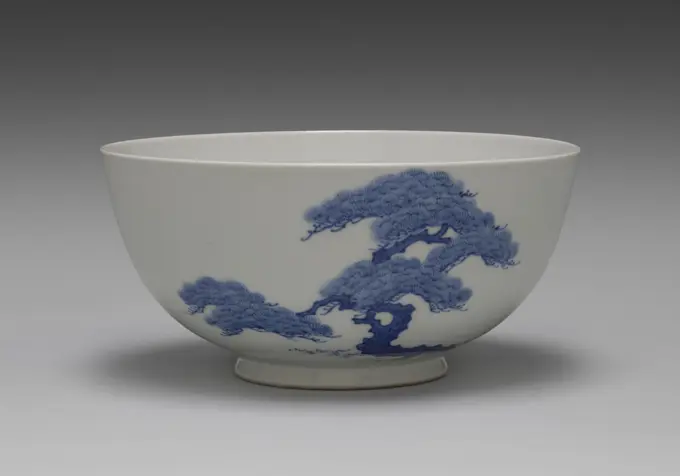
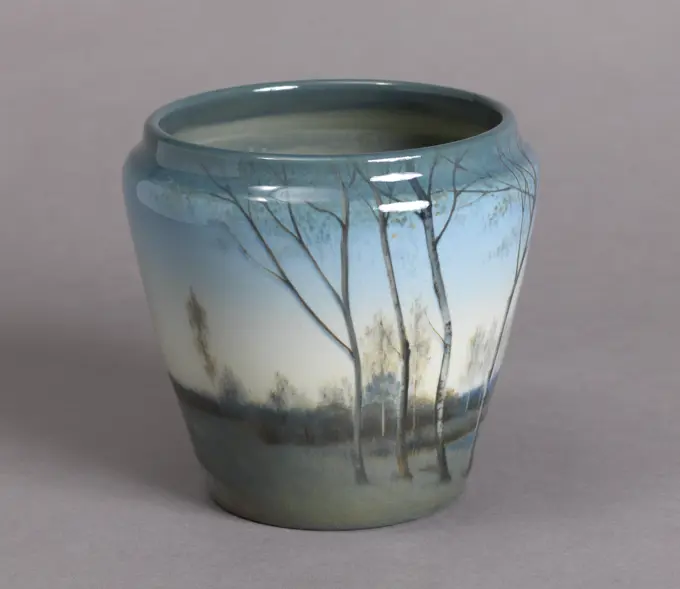
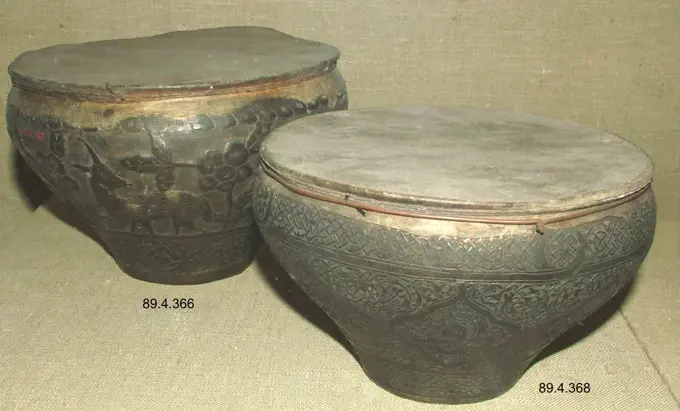
Unguent Vessel Made 1985 BCE-1773 BCE Egypt. Calcite . Ancient EgyptianTeacup from Teacups with Chinese Landscapes, c. 1915-40. Seifū Yohei IV (Japanese, 1872-1951). One from a set of eleven teacups; porcelain with underglaze blue; overall: 4 x 6.6 cm (1 9/16 x 2 5/8 in.).Bowl with Stylized Flowers and Leaves 1135-1199 Korea. Celadon-glazed stoneware with underglaze mold-impressed deocration .Excerpt of a foot and edge of a bowl with red shard, white glaze, green spotted, anonymous, 1200 - 1899  Italy earthenware  Italy earthenwareGlass bowl. Culture: Roman. Dimensions: H.: 2 3/8 in. (6 cm)Diam.: 3 7/8 x 3 7/8 in. (9.8 x 9.8 cm). Date: 1st century A.D..Colorless with blue green tingeKnocked-off, uneven, vertical rim; short concave neck; convex sides curving in to concave bottom.Decoration of four parallel bands of wheel-abraded lines on body, aslant to rim.Intact, except for one very small chip in rim; many pinprick bubbles; deep pitting, dulling, and iridescent weathering on exterior; creamy brown weathering on interior. Museum: Metropolitan Museum of Art, New York, USA.Fragmentary faience stirrup jar. Culture: Cypriot. Dimensions: 2 5/16in. (5.9cm)Other: 3 1/2in. (8.9cm). Date: ca. 1600-1050 B.C..The handles and spout of this stirrup jar are missing. The shape is characteristically Mycenaean Greek, but the use of faience reflects Egyptian influence. Museum: Metropolitan Museum of Art, New York, USA.One Fluted Bowl. Unknown 175-75 B.C. The bowl is one of a pair of hemispherical bowls with exterior fluting. The flutes are alternately gilded or left silver. The flutes radiate from a central medallion on the bottom featuring a rosette of six leaves formed by a trefoil acanthus combined with a trefoil lotus. The background of the leaves is stippled and the floral is surrounded with a molding of a twisted cable edged with beading. The rim of the bowl has a set of relatively plain moldings, the lower part gilded. There is a Greek inscription on the exterior of the rim: "KTACIMOTOY MAMOTOY <PM ARTEIMOY <PM CAMOTOC" (Of Ktasimotos, son of Mamotos. Year 140. Of Arteimas. Year 140. Of Samus.) The bowl has 66 flutes. Inscription in Greek, on the rim: "KTACIMOTOY MAMOTOY <PM ARTEIMOY <PM CAMOTOC".  (Of Ktasimotos, son of Mamotos. Year 140. Of Arteimas. Year 140. Of Samus.)Cup with Star 16th century Byzantine The charmingly abstract pattern and green-glaze star at the center of the bowl are typical features of Cypriot ceramics in the 1500s.. Cup with Star. Byzantine. 16th century. earthenware, tin-glazed. Made in Cyprus. CeramicsBowl mid-14th century. Bowl 444593Pair of Beakers 1450-1532 Peruvian South Coast. Gold and copper alloy . IncaTerracotta stemmed dish late 7th-early 6th century B.C. Lydian Shallow bowl on high foot, with rays, dots, and other patterns in red and black.. Terracotta stemmed dish 248838Goblet, 100-300. Italy, Roman, 2nd-3rd Century. Glass; overall: 9 x 8.4 cm (3 9/16 x 3 5/16 in.).Container and cover. White Protogres with ivory covered. Cernuschi Museum, Asia Museum of Asia in the city of Paris.Translucent green glass plar-moulded bowl, England, London, Christie's Images, Antiques-HousewarePlate East Greek/Sardis, Lydian Stamped decoration of leaves around rim, a human foot stamped in center.. Plate. East Greek/Sardis, Lydian. Terracotta. VasesBowl with Dragons 1662-1722 China. Porcelain painted in overglaze enamels .Bowl on a High-Ring Foot with Spirals. Thailand, Late Ban Chiang culture, circa 300 B.C.-A.D.200. Furnishings; Serviceware. Coil-built earthenware with cream slip and painted decorationPillow ". Ceramic. China, Dynasty of Song. Paris, Cernuschi Museum. 72685-34 Chinese, ceramic art, Song dynasty, pillowDrinking Vessel (Kero). Inca; South coast or southern highlands, Peru. Date: 1100-1200. Dimensions: 14 × 12.7 (at rim) cm (5 1/2 × 5 in.). Ceramic and pigment. Origin: Peru. Museum: The Chicago Art Institute, Chicago, USA.Bowl China. Bowl 48113. Tea bowl of stoneware, covered with a black-brown glaze. Old label on the bottom with 'W710'. Raku (black).Ribbed Bowl. UnknownA Hellenistic Amber Glass Mastos Bowl 100 B.C. Greek Art Christie's Images Bowl in the shape of a ram second half 18th century China. Bowl in the shape of a ram. China. second half 18th century. Jade (nephrite). Qing dynasty (1644-1911). JadeLotus Blossom Necklace Terminal, c. 1391-1337 BC. Egypt, New Kingdom, Dynasty 18 (1540-1296 BC), reign of Amenhotep III to Akhenaten. Polychrome faience with inlaid and painted decoration; overall: 4.7 x 3.9 x 5 cm (1 7/8 x 1 9/16 x 1 15/16 in.).Painted Bowl. Culture: Machalilla. Dimensions: Diam. 13 in. (33 cm). Date: 5th century B.C.-A.D. 6th century (). Museum: Metropolitan Museum of Art, New York, USA.Temple Basket, 20th century, 3 1/2 x 10 1/2 x 10 1/2 in. (8.9 x 26.67 x 26.67 cm), Fiber, beads, sequins, Indonesia, 20th centuryCollection of terracotta Harappa ceramics from the Indus Valley Civilisation at Mohenjo-Daro, Pakistan. The Indus Valley Civilisation was a Bronze Age culture, (33001300 BCE; mature period 26001900 BCE) mainly in the north-western regions of South Asia, extending from what today is northeast Afghanistan to Pakistan and northwest IndiaBrass scale of scale, probably used by pharmacist, scale weighing instrument measuring instrument soil found brass metal, beaten sawn Scale. brass. Hemisphere bowl-shaped. Three holes under the edge for three-point suspension archeology Rotterdam Oude Plantage roads craft pharmacy medicine drug archaeological find in the soil Oude Plantage Rotterdam 1957.Date with fish decor (common name), 1400. White sandstone, CBALT oxide under transparent cover. Cernuschi Museum, Asia Museum of Asia in the city of Paris.Empty bowl on dark background with copy spaceVase ca. 600-550 B.C. Etruscan Small vase with flat lip and no foot; no decoration.. Vase. Etruscan. ca. 600-550 B.C.. Terracotta; buccheroid impasto. Archaic. VasesBowl ca. 1878-1749 B.C. Middle Kingdom A light blue stone called anhydrite came into use during the 12th Dynasty. The ancient Egyptians used stone jars to store perfumed oils, ointments, and cosmetics, items considered essential in life and the afterlife, at least for those who could afford them. This bowl was recovered from a tomb containing two burials, including that of a woman.. Bowl 543984Incised Painted Bowl 5th-2nd century B.C. Paracas. Incised Painted Bowl 308658Terracotta statuette base 3rd century B.C. Greek, South Italian, Tarentine For statuette.. Terracotta statuette base 248617Bowl with Abstract, Geometric Rendering of Blanket on Interior 1400-1600 Arizona. Ceramic and pigment . HopiOne of Ten Nesting Wedding Baskets, c 1900s . Africa, Western Sudan, Burkina Faso, Lobi, 20th century (). Plant fiber and leather; diameter of mouth with rim: 6.4 x 5.8 cm (2 1/2 x 2 5/16 in.).Bowl, c 1875- 1925. California, Southern, Gabrielino (San Gabriel, Mission or Tongva), Late 19th- Early 20th century. Coiled; overall: 15 x 39 cm (5 7/8 x 15 3/8 in.).Glass conical beaker or lamp 4th-5th century A.D. Roman Colorless with pale green tinge; translucent cobalt blue blobs.Thick, uneven, cracked off rim, with slightly inverted lip; conical body with slightly concave side; small, rounded bottom with slight indentation.Three horizontal bands of cut decoration on body: immediately below rim, a single broad groove; a second similar groove also on upper body; and the third band comprising fine wheel-abraded lines on lower body. Between the second and third cut bands, a band of applied blobs in relief comprising two single large blobs alternating with two groups of six smaller blobs arranged in a downturned triangular pattern.Complete, except for a weathered chip in rim and two large cracks running from rim down body; a few bubbles, mainly in blobs; dulling, slight pitting, and patches limy encrustation, weathering, and iridescence.Conical vessels of this type have been excavated with traces of oil remaining and in circumstances indicating thaTea BowlCzarka;  19th century (1801-00-00-1900-00-00);Cup and Holder 19th century. Cup and Holder 443202Bowl of soup tirel in the form of a green cabbage. Soup tartrine in the shape of a green cabbage, from green-painted faience.Charcoal Basket 19th century Japan. Charcoal Basket 56436BOV (CHAWANS). Ager, DURCOR A BROUT THE FORM. XILIELY VEIER. Paris, Museum Causori. Bol A The, iron brown, Japanese ceramic, chawan, horse, gres, Japanese object, porcelain, 19th 19th 19th 19th 19th 19th century, animalTerracotta fragments of a kylix: Droop cup (drinking cup) mid-6th century B.C. Greek, Attic Below the rim, a band of upright lotus buds with dots in the interstices; four bands of black glaze, in between each, four thin, black glazed lines; in the center, around the stem, rays; a separate fragment has part of the stem and the complete foot; the outer edge of the foot is glazed; the underside of the foot is unglazed; a third fragment, is from the rim. Terracotta fragments of a kylix: Droop cup (drinking cup). Greek, Attic. mid-6th century B.C.. Terracotta; black-figure. Archaic. VasesTea Bowl and WhiskSugar Bowl. Hackwood, Dimmock &amp; Co.; English, 1807-1827. Date: 1810-1820. Dimensions: H. 14 cm (5 1/2 in.). Stoneware (basaltware). Origin: Hanley. Museum: The Chicago Art Institute, Chicago, USA.Altar Bowl with Fish early 15th century China. Altar Bowl with Fish. China. early 15th century. Porcelain painted in copper red under transparent glaze (Jingdezhen ware). Ming dynasty (1368-1644), Xuande mark and period (1426-35). CeramicsBowlTerracotta plemochoe (vase for perfume) 5th century B.C. Greek, Attic The plemochoealso known as a kothon or an exaleiptronevolved through a variety of forms during its long existence in Athens, from the seventh into the fourth century B.C. This example is simple, with no ornament around the mouth and no stem.. Terracotta plemochoe (vase for perfume) 255119 Greek, Attic, Terracotta plemochoe (vase for perfume), 5th century B.C., Terracotta, H. 2 7/8 in. (7.3 cm). The Metropolitan Museum of Art, New York. Gift of Dietrich von Bothmer, 1961 (61.243)Bowl on Perforated Foot, 5th century, Unknown Korean, 9 1/4 x 10 in. (23.5 x 25.4 cm), Earthenware with natural ash deposits, Korea, 5th centuryLamp with goose-foot stem 2nd-1st century B.C. China. Lamp with goose-foot stem 36442Glass Fragment 15th-16th century European. Glass Fragment. European. 15th-16th century. Colorless glass, silver stain, paint. Glass-StainedBowl with Courtly Scene, c. 1180-1220, 3 3/16 x 7 3/4 in. (8.1 x 19.69 cm), Stonepaste with overglaze-painted polychromy and gold, Minai ware, Iran, Seljuk period (1038- c.1194)Vase 19th century Takemoto Japanese. Vase. Takemoto (Japanese, 1845-1892). Japan. 19th century. White porcelain with a dappled red and white glaze. Edo (1615-1868) or Meiji period (1868-1912). CeramicsCake dish with handle and design of whirlpools (Tebachi) Japan Edo period (1615-1868) View more. Cake dish with handle and design of whirlpools (Tebachi). Japan. Stoneware with overglaze enamels (Ko-Kiyomizu ware). Edo period (1615-1868). CeramicsBowl with Rattlesnake Tail Design. Mexico, Teotihuacan, Teotihuacan, 200-400 CE. Ceramics. CeramicEmpty wooden plate, knife, fork and cutting board set on textured concrete backgroundBeaker, Slip-decorated earthenware, Concave, flaring sides, and flat bottom. Body covered in white slip and painted with large face of snake with bat headdress, and horizontally displayed body with spiny, curling tail., Peru, 400-600, ceramics, Decorative Arts, BeakerCong, 1122-722 BCE, 2 7/8 x 3 1/8 in. (7.3 x 7.94 cm), Translucent light green jade, China, 12th-8th century BCEAdrian Bancker, Tumbler, c. 1730, silver.Bowl with Pines, c. 1897-1914. Seifū Yohei III (Japanese, 1851-1914). Porcelain with underglaze blue; height: 9 x 18.7 cm (3 9/16 x 7 3/8 in.).Anonymous (n. - d.), Bol (main title). Hard porcelain, polychrome enamels. Petit Palais, Museum of Fine Arts of the City of Paris.CONCHA MARINA LLAMADA HALIOTIS CORRUGATA.Vase Vase; Edward Timothy Hurley (American, 1869-1950); Manufactured by Rookwood Pottery (United States); USA; stonewareVASO CILINDRICO DE DOS ASAS-NEOLITICO. Location: MUSEO. Volos. GREECE.Pottery from ancient Iran. Dated 5th Century BCMortar 7th-6th millennium B.C.. Mortar 327127Basket, 20th century, 5/8 x 1 1/4 x 2 1/8 in. (1.6 x 3.2 cm), Natural plant fibers, United States, 20th century, The supply and demand of the market that grew between the Euro-American tourists and the Akimel Oothom and Tohono Oodham basket makers demonstrate the tribes high level of ingenuity and productivity. Novelty items invented by Native artists include waste paper baskets, animal and human effigies, and miniatures of popular basket forms. The smallest basket here measures only one half inch in diameter. The use of animal and human figures in the basketry was another result of the tourist market, as consumers sought after designs that were easily recognizable. Yucca plant also replaced willow and cottontail in many instances because it grew in abundance in the desert surroundings and took little time to prepare for weaving.Realistic Clay Pot Set. Vector illustration.. Realistic Clay Pot Set. Ceramic Jug. Beautiful Pottery. Ethnic Crockery. Farm product. Vector illustration.Naqqāra late 19th century Arabian One of a of pair of small kettledrums with ornate brass bodies.. Naqqāra 500990