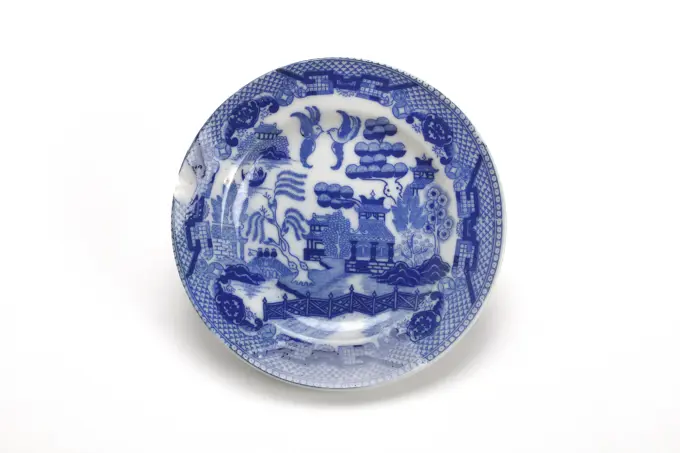
Ceramic Fragments

Historical ceramic fragments featuring intricate designs, showcasing artistry from different eras and cultures.

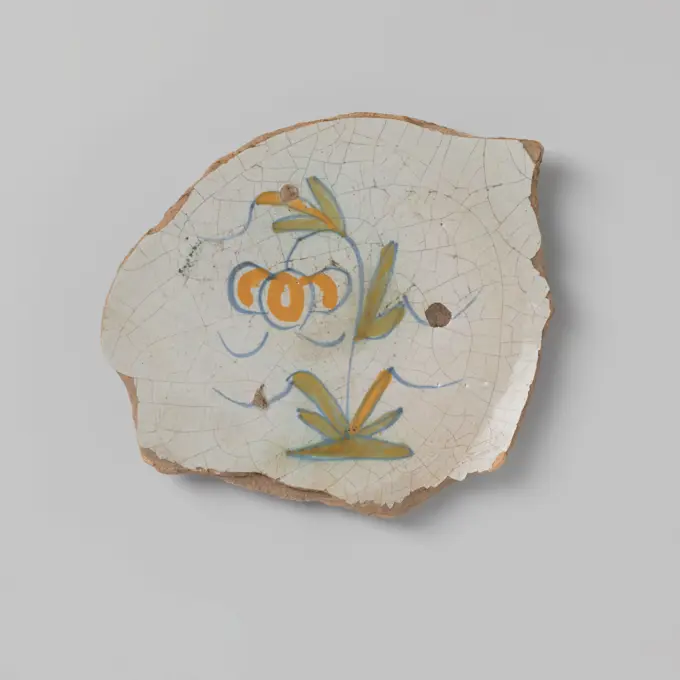
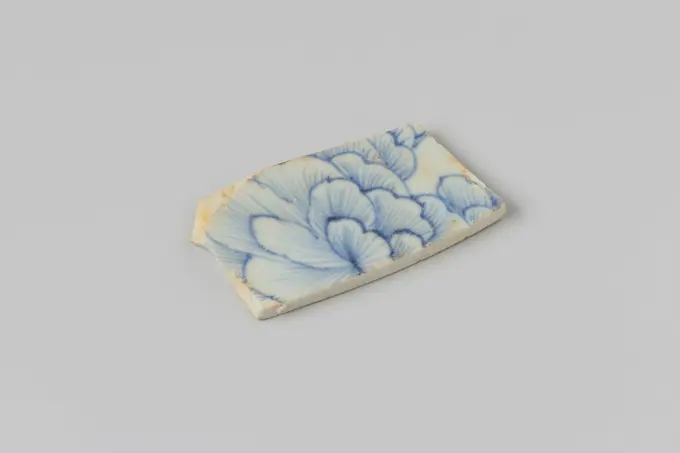
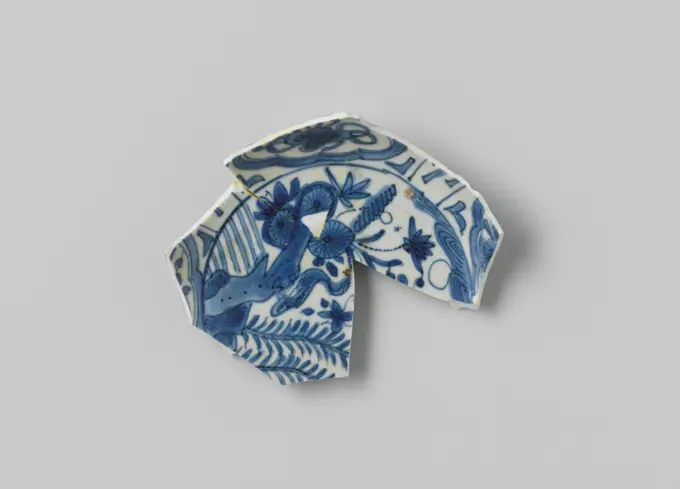
Sharf of white -baking earthenware, with a backdrop of plants and an insect in blue at the front, c. 1500 - c. 1899 fragment   earthenware. glaze
Sharf of white -baking earthenware, with a backdrop of plants and an insect in blue at the front, c. 1500 - c. 1899 fragment earthenware. glaze
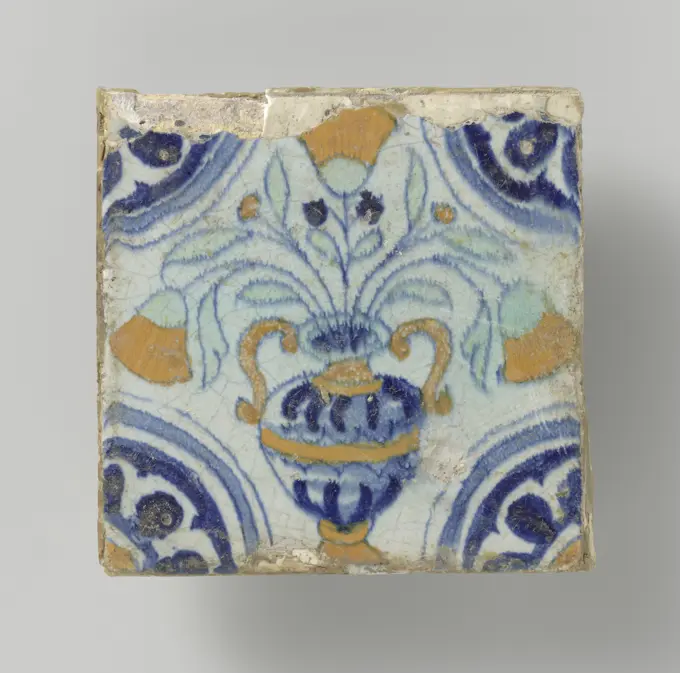
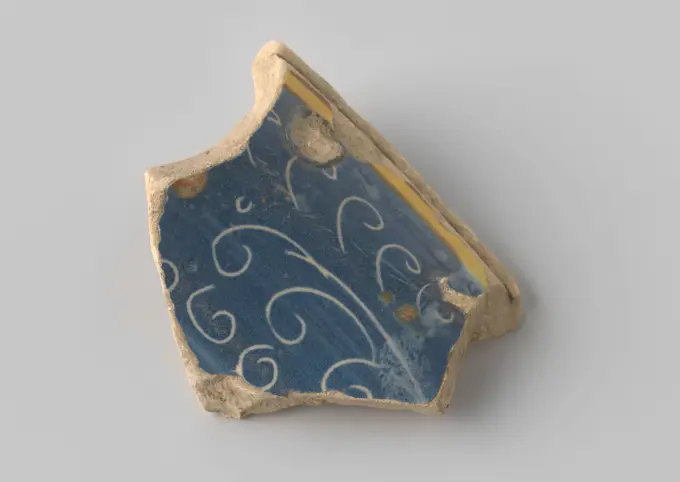
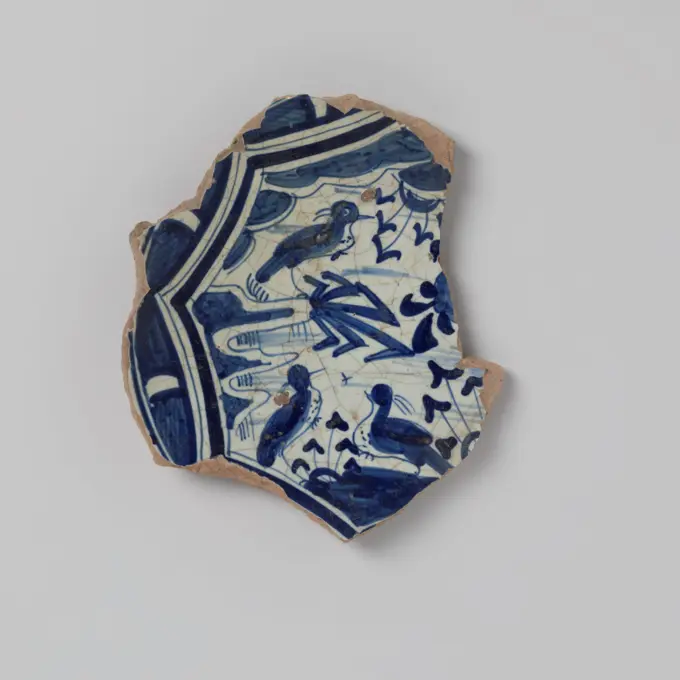
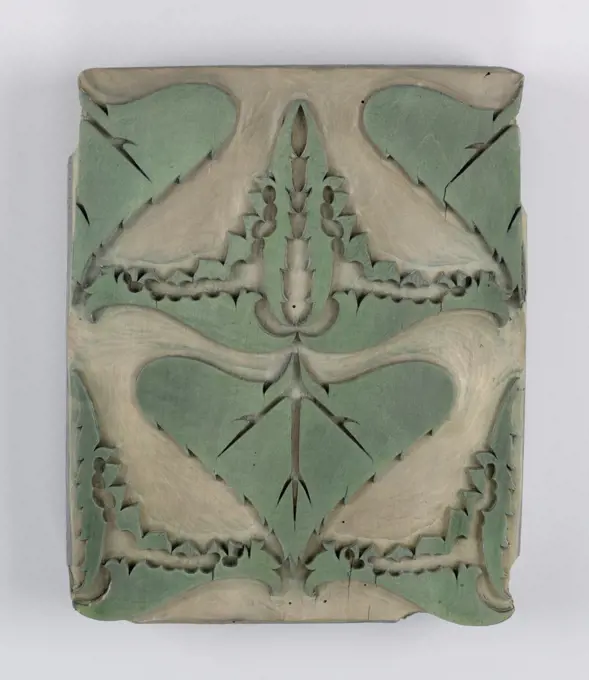
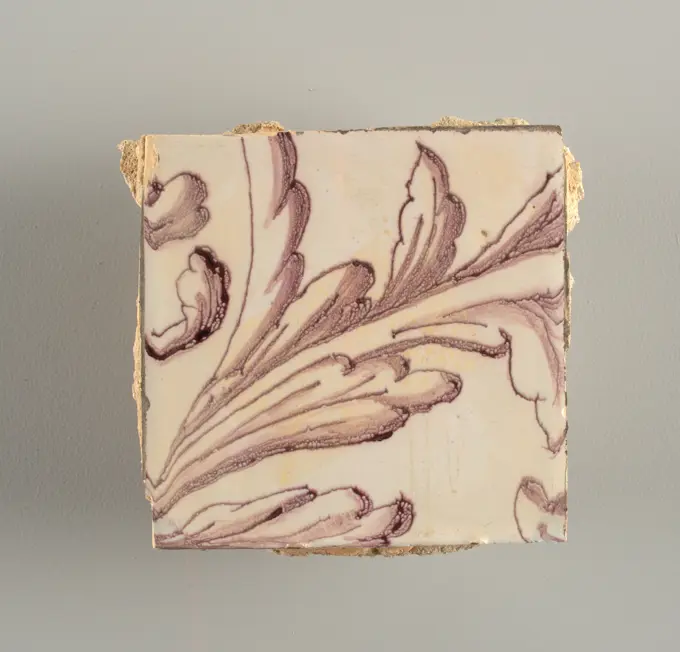
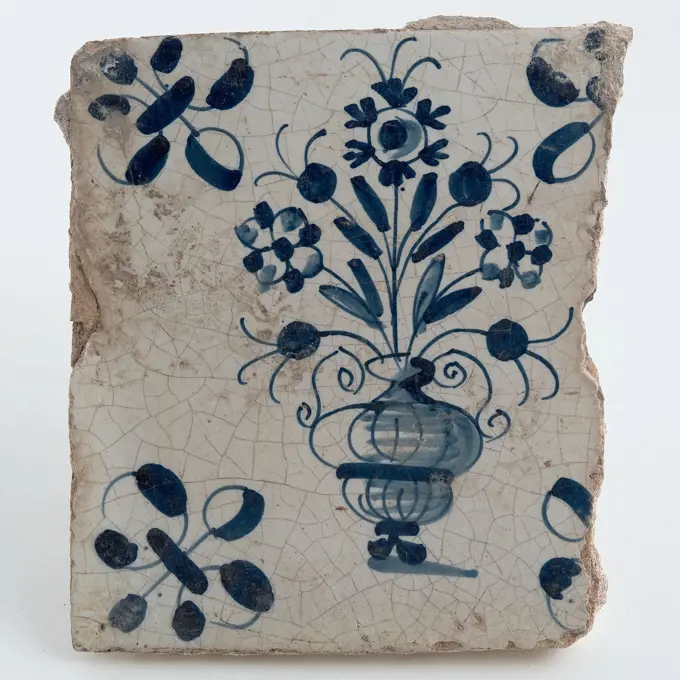
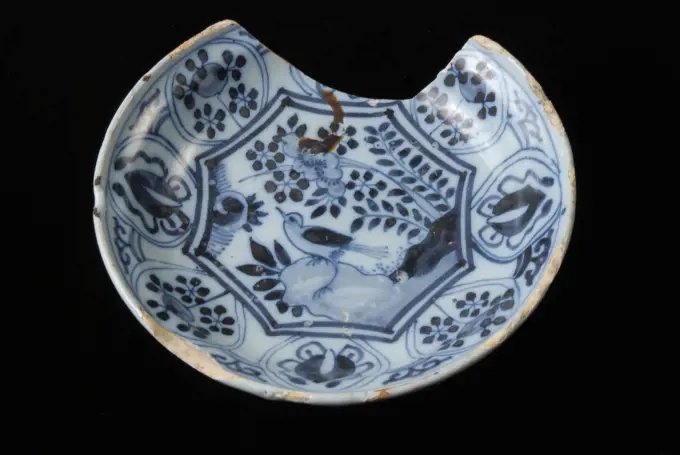
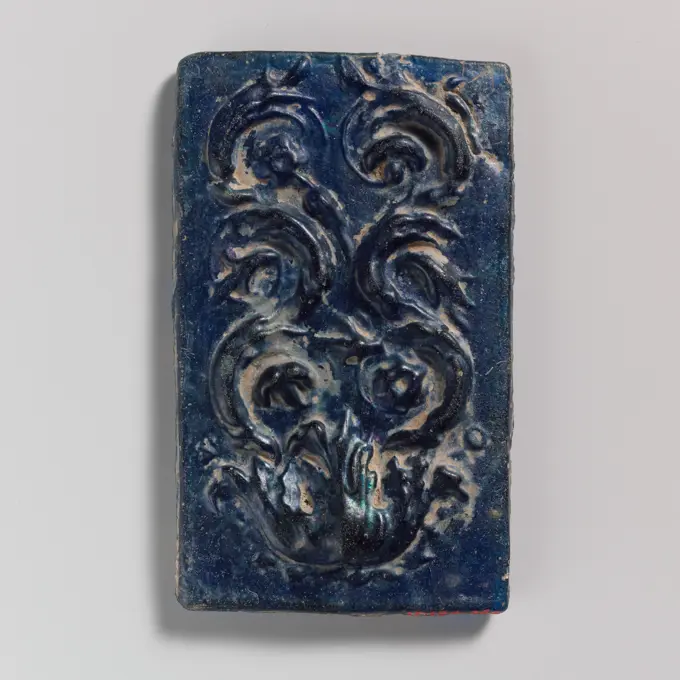
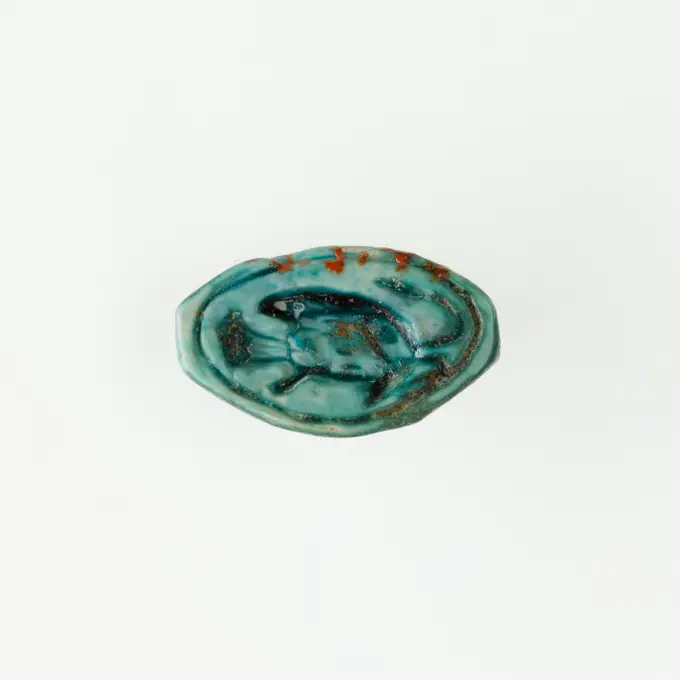
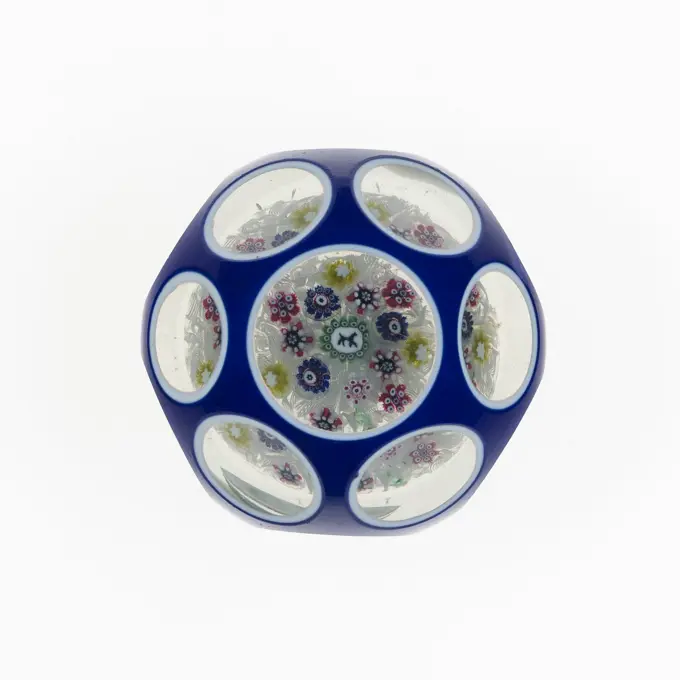
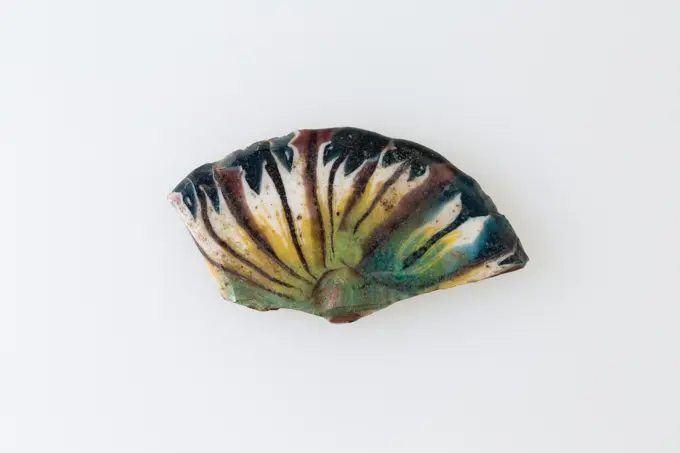
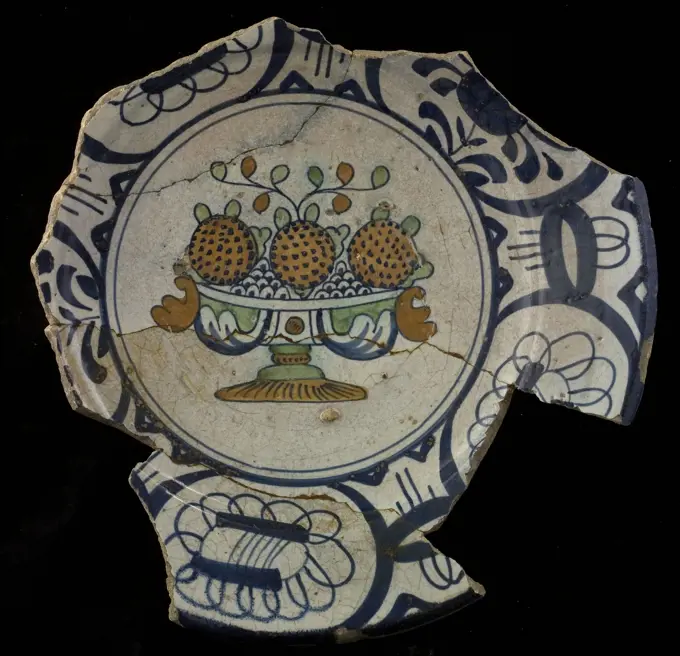
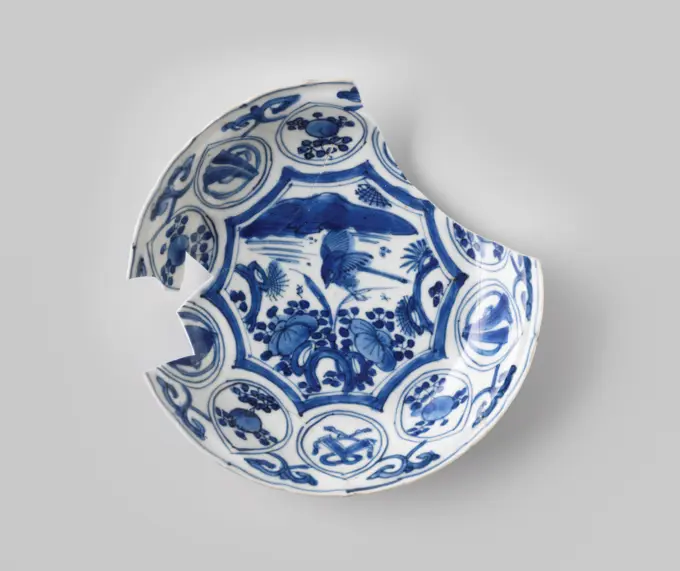
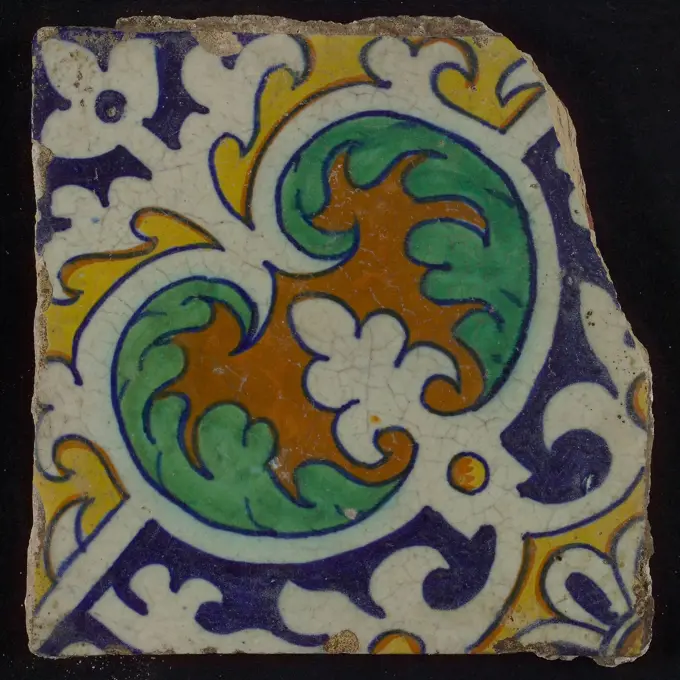
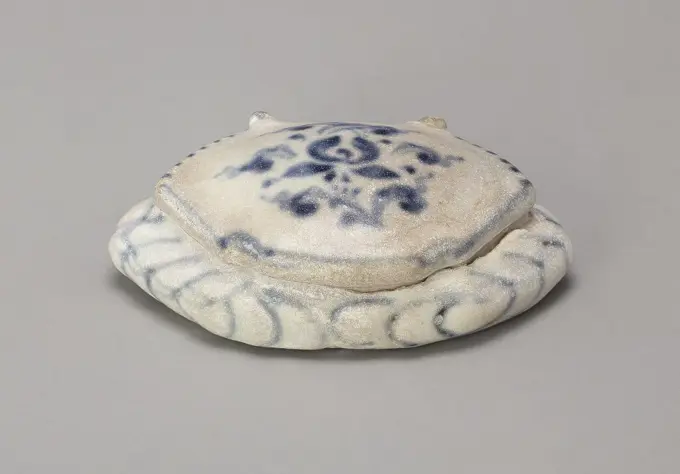
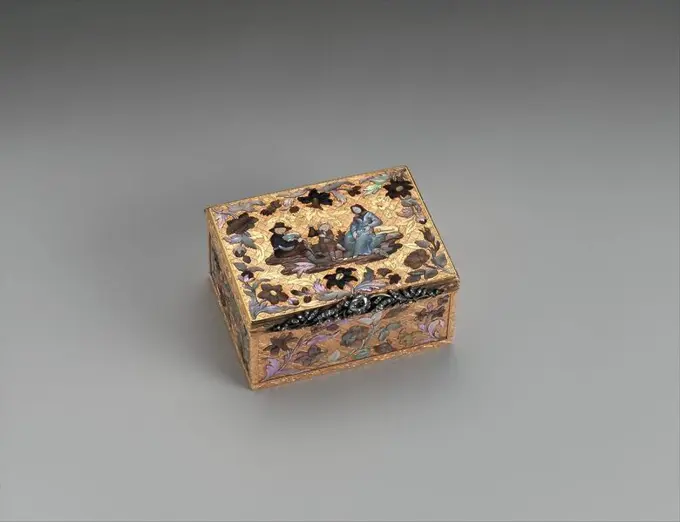
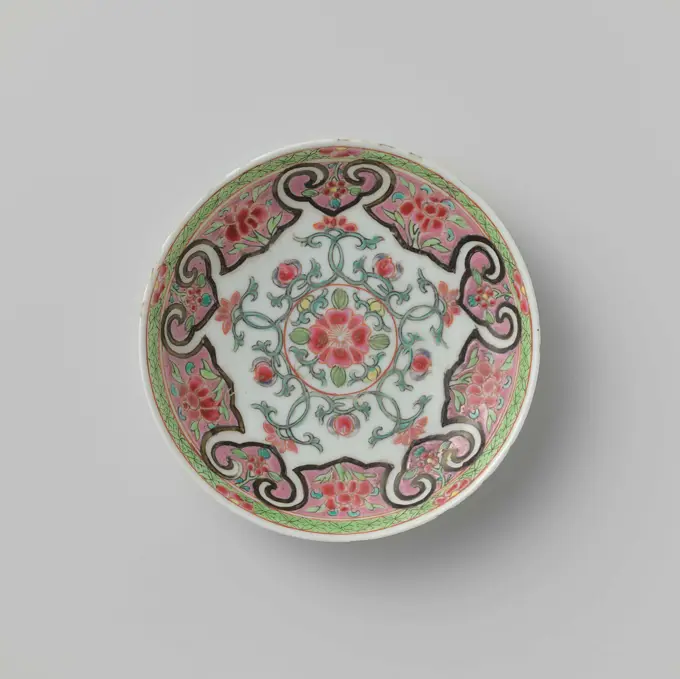
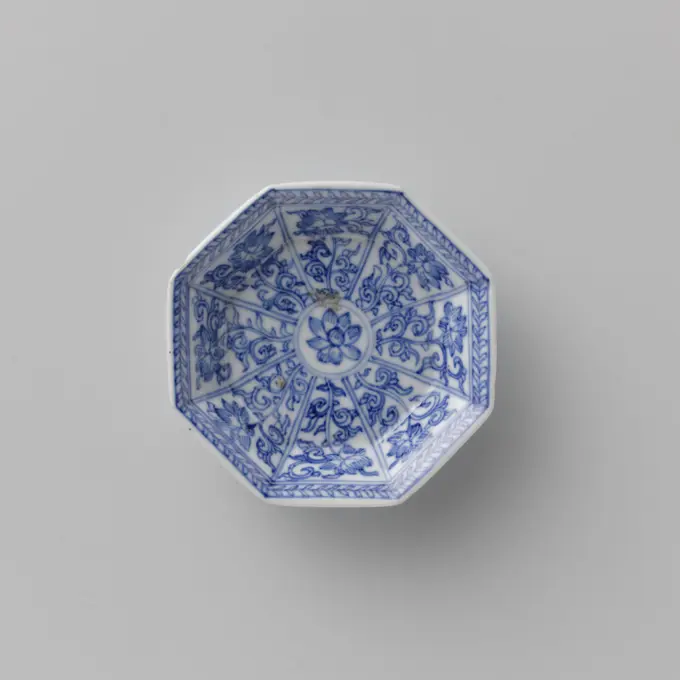
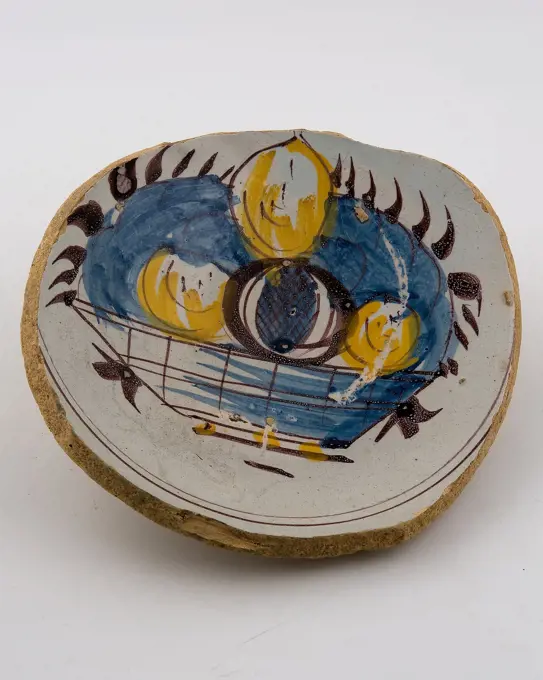
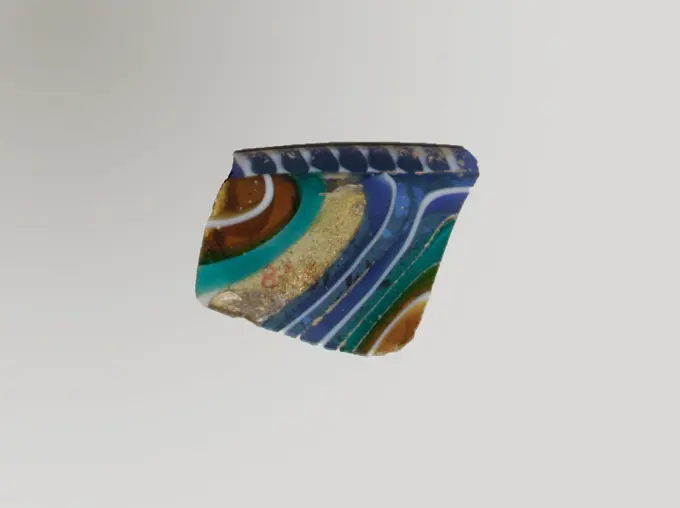
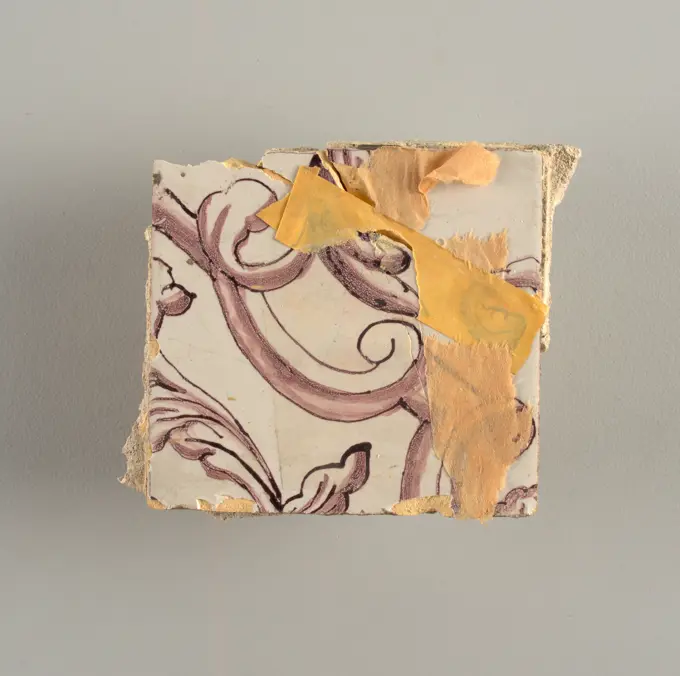
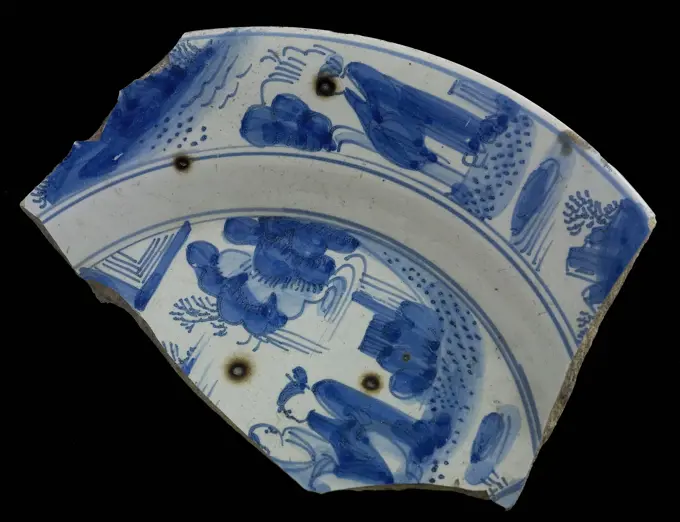
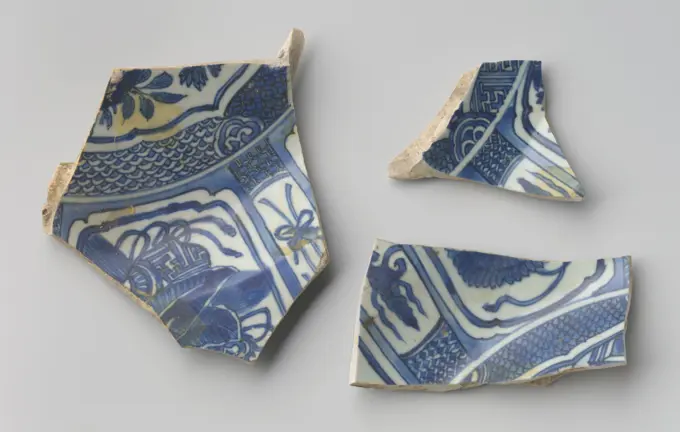
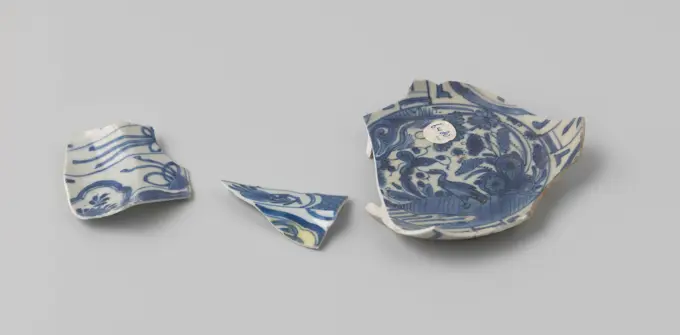
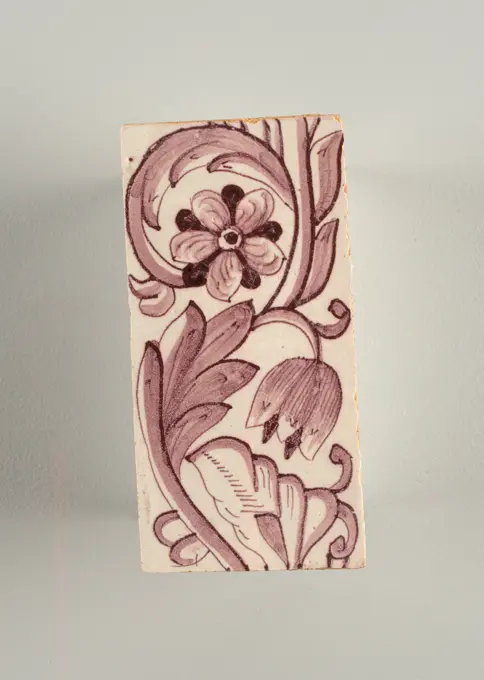
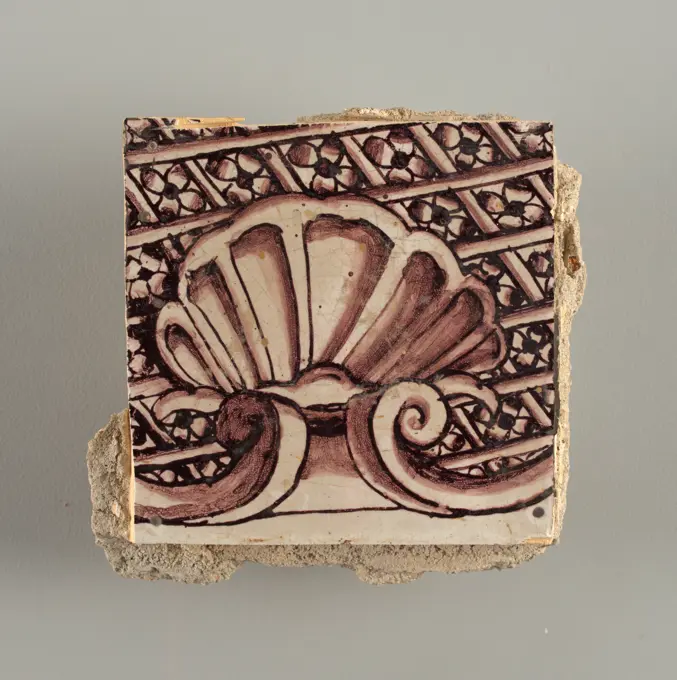
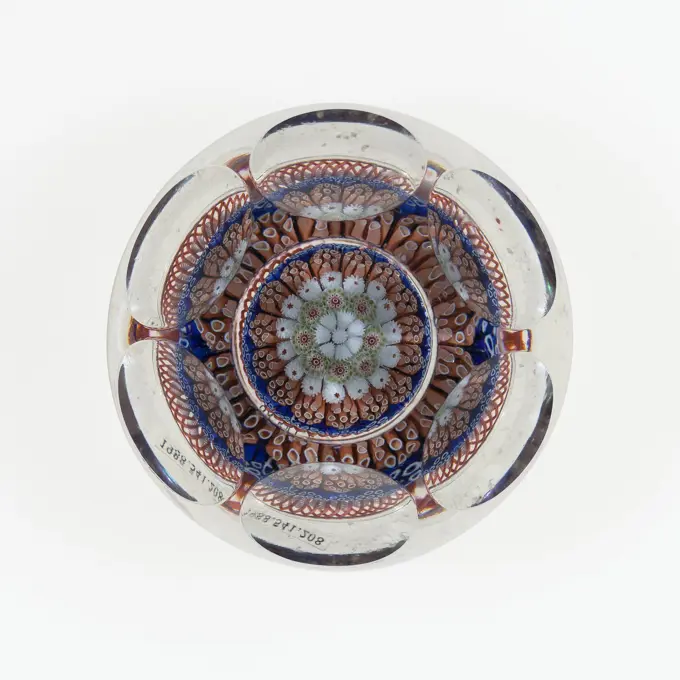
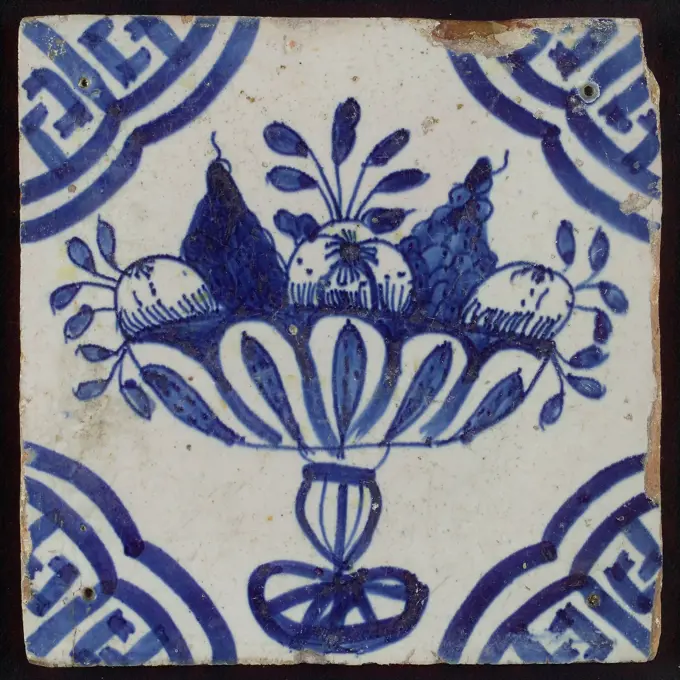
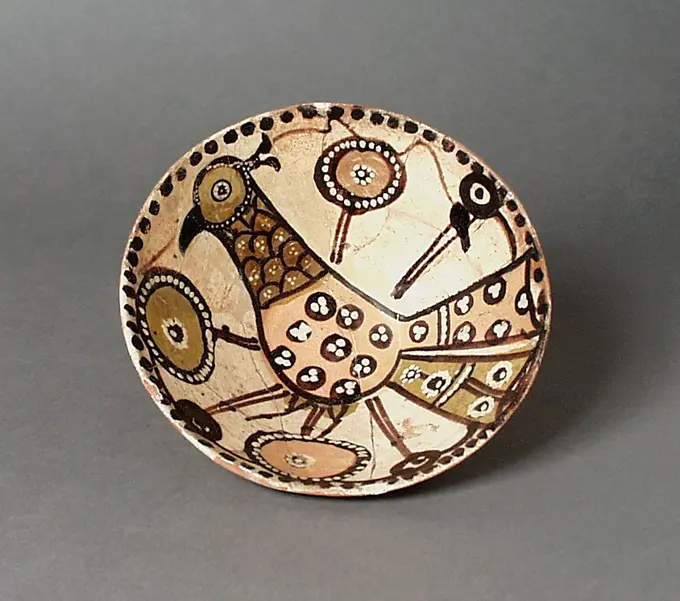
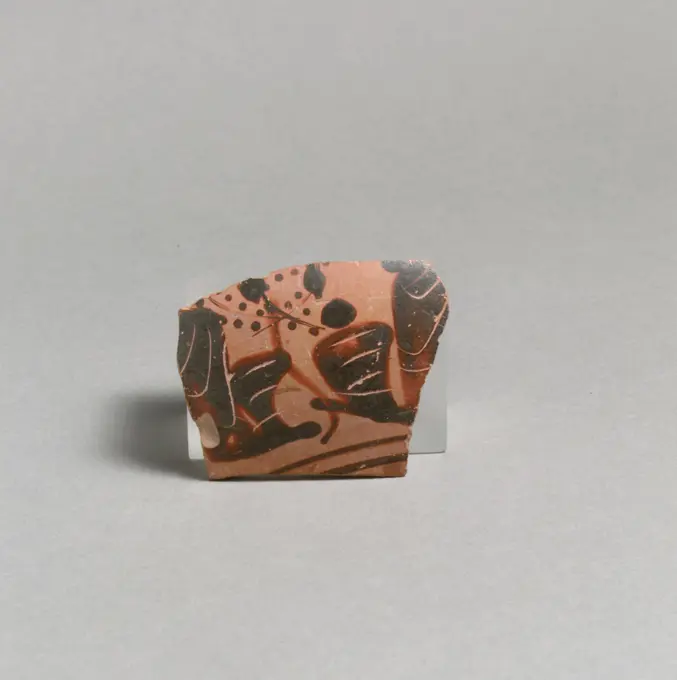
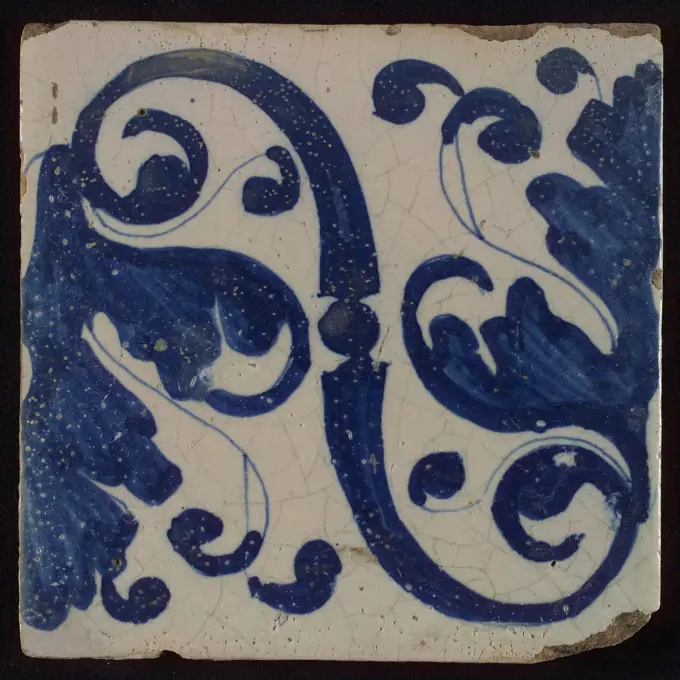
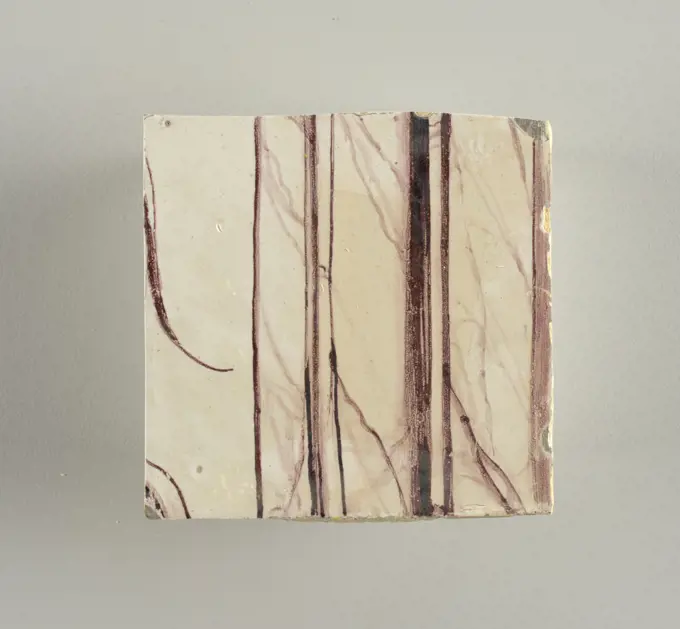
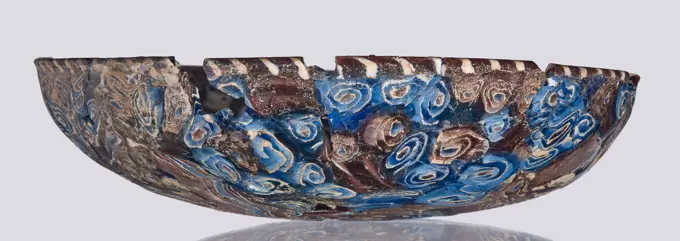
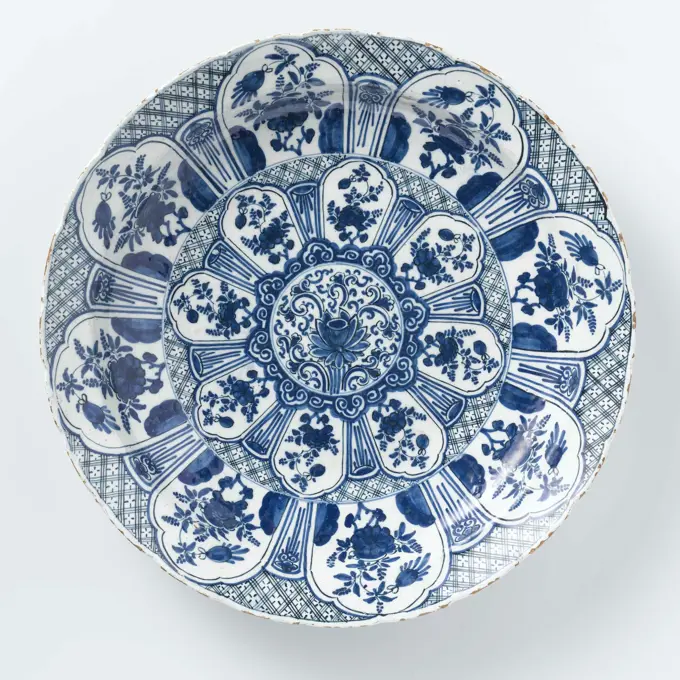
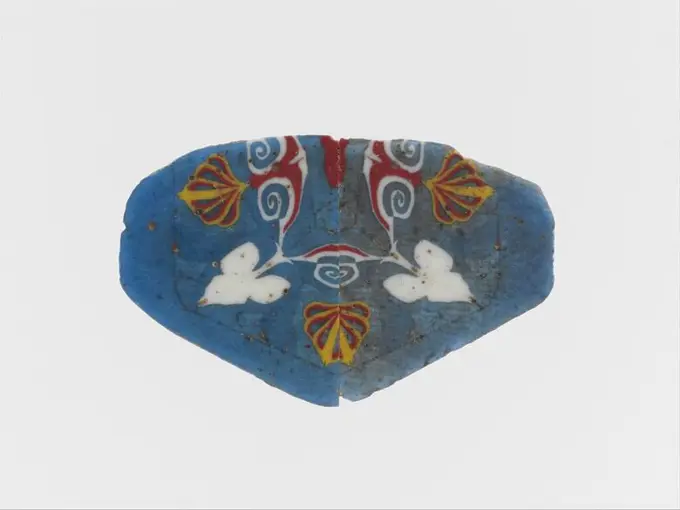
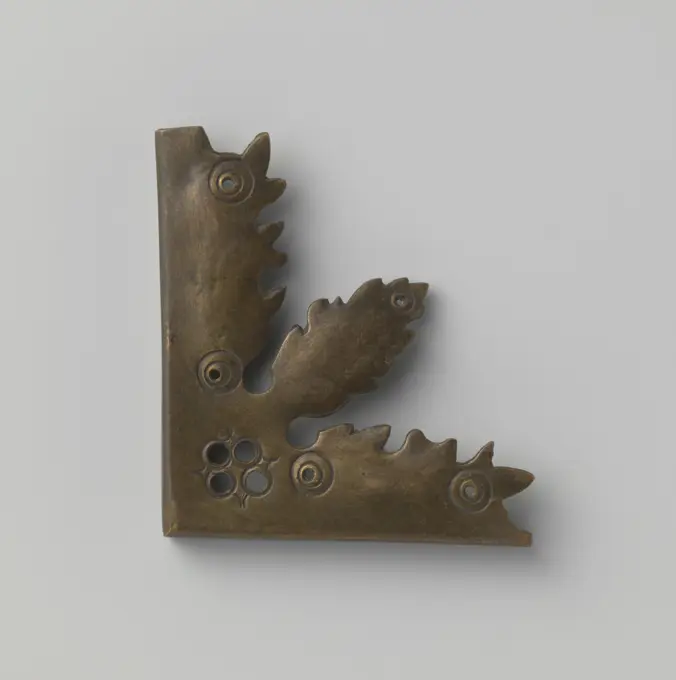
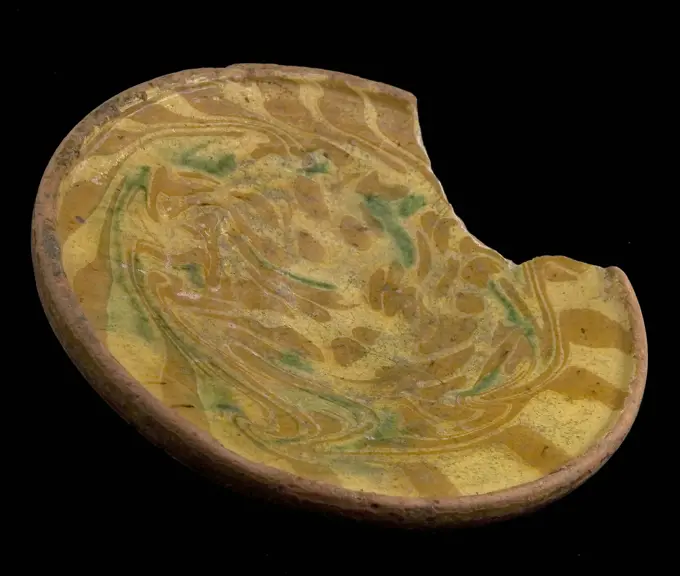
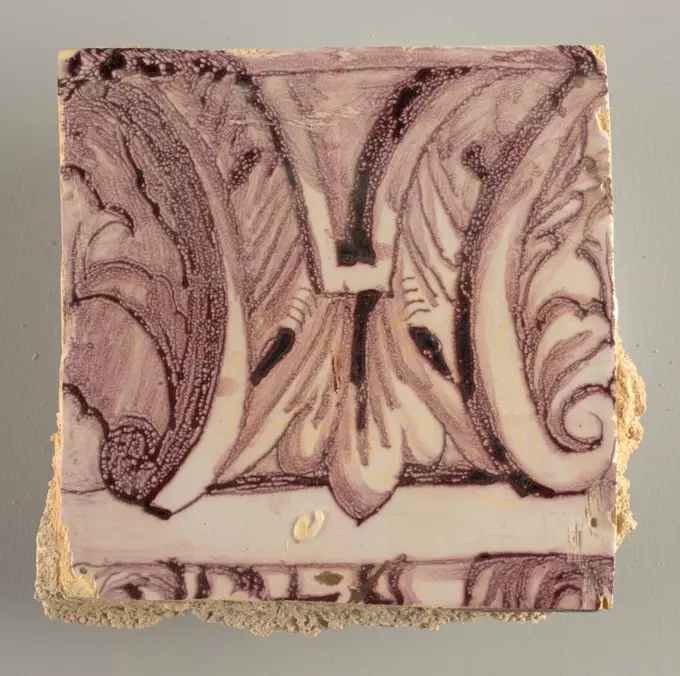
Fragment sign from V.O.C. ship De 'Witte Leeuw', Anonymous, Before 1613 plate (dishes) Fragment sign from V.O.C. ship De 'Witte Leeuw', 35 present. Jingdezhen bone china (material)   Sint-HelenaTile with flowerpot, anonymous, c. 1610 - c. 1625 Part of a field of four tiles (2 x 2), see BK-1955-223-B. Netherlands earthenware. tin glaze majolica Part of a field of four tiles (2 x 2), see BK-1955-223-B. Netherlands earthenware. tin glaze majolicaDishwill of earthenware with white tinglaze at the rear and at the front tinglaze and a decoration of flowers in blue, damaged, anonymous, 1500 - 1799, among other things   earthenware. tin glaze   earthenware. tin glazeSharf of ross -baking earthenware, with light gray glaze, with lines and dots in blue, anonymous, 1600 - 1650 on it  Northern Netherlands earthenware. glaze majolica  Northern Netherlands earthenware. glaze majolicaFragment of a Bowl 12th-13th century. Fragment of a Bowl 447205Sharf of white -baking earthenware, with a backdrop of plants and an insect in blue at the front, c. 1500 - c. 1899 fragment   earthenware. glazeSharf of ross -baking earthenware, with blue glaze at the top, with scratched curls and dots, and a yellow glazed edge, anonymous, 1600 - 1650  Northern Netherlands earthenware. glaze majolica  Northern Netherlands earthenware. glaze majolicaLid from v.o.c.-ship the 'white lion'. Lid from v.o.c.-ship the 'white lion', 40%% present.Dishwill of earthenware with drawing of birds in underly glaze blue, anonymous, 1500 - 1799   earthenware. glaze   earthenware. glazeTile. Tile, painted in yellow, manganese. Lobby rosette, in which an eight-pointed star. In the corners a quarter octos, with a thin line connected to the rosette.Wall Facing (Holland); tin-glazed earthenware, underglazeTile. Egypt or Syria, early 15th century. Ceramics. Fritware, underglaze paintedTile, out of four, with polychrome fruits, flowers, leaves and blue palm corner, wall tile tile footage earth discovery ceramic earthenware glaze tin glaze, glazed baked Tile quatrefoil with polychrome fruit flowers leaves and blue palm corner. Yellow shard archeology Rotterdam Kralingen-Crooswijk Struisenburg's Gravenweg Oostmaaslaan indigenous pottery building material fireplace Soil discovery: Oostmaaslaan en's Gravenweg Rotterdam.Scherf of a sign from V.O.C. ship De 'Witte Leeuw', Anonymous, Before 1613 plate (dishes) Sharf of a sign from V.O.C. ship the 'Witte Leeuw'.  bone china (material)Fragment of a dish, anonymous, c. 1600 - c. 1625 Fragment of the flat of a dish of lead glaze pottery. The fragment has a brown stock and is decorated with white sludge with a plant on which two flowers. Wanfried (Possible) Enkhuizen (Possible) earthenware. lead glaze Fragment of the flat of a dish of lead glaze pottery. The fragment has a brown stock and is decorated with white sludge with a plant on which two flowers. Wanfried (Possible) Enkhuizen (Possible) earthenware. lead glazeSquared tile, painted multi-colored with a tulip on a ground. Late squared tile with a knurled edge and four lilies in the corners. Multicolored tulip on a ground.Round brooch made of wood with flower decoration, 1945 Round convex brooch made of wood with multicolored painted flower decoration on gray soil, with a hook closure. Netherlands wood (plant material). brochering: metal Round convex brooch made of wood with multicolored painted flower decoration on gray soil, with a hook closure. Netherlands wood (plant material). brochering: metalDishwill of earthenware with cattle -colored drawing of a flower, Anonymous, 1500 - 1799   earthenware. glaze   earthenware. glazePanel; tin-glazed earthenware, underglaze manganese decoration; Overall: H: 147.3 x W: 85.1 cm (58 x 33 1/2 in.)Printing block, Medium: wood, One from a set of five blocks for printing textiles. This presumably would have been the fourth in the series to have been printed., Crayford, England, late 19th century, appliances & tools, Printing blockShards of signs from the wreck of the East Indians Hollandia, Anonymous, 1700 - in Or Before 1743 plate (dishes) Porcelain, plate, type 3; fragm of base and rim, sim. NG 1980-27H3202c. Netherlands porcelain   SecondDish. unknown, craftsmanTile Wall Facing (Netherlands); tin-glazed earthenware, underglazeFragment tile with central monochrome blue flower arrangement, corner decoration lily, wall tile tile visualization earth discovery ceramics earthenware glaze tin glazing, baked 2x glazed painted archeology Rotterdam railway tunnel Soil discovery: railway tunnel Rotterdam.wall tile tile sculpture ceramics earthenware glaze, baked 2x glazed painted Yellow and reddish shard square two and four nail holes. Multicolored: brown blue green yellow on white ground (variation in light and dark). Saving technique in blue on white.Tile with grape food. Tile with grape food. Part of a field of sixteen tiles (4 x 4), see BK-1955-250-a.Faience dish, small size, depicting bird in Chinese garden, dish plate crockery holder soil find ceramic earthenware glaze tin glaze, hand turned fried 2x majolica Faience dish small format decorated in blue on white fond. As performance, bird in the Chinese garden in an octagonal midfield. Along the upright dish edge eight encircled images in the style of the period wanli; through frequent copying, stylized leaf motifs are applied that lack the details of the original Chinese work. In connection with the imitation of wanli, the outer edge is also decorated with double crosses and circles. Archeology Rotterdam Heliport terrain indigenous pottery food room serving table Soil discovery: Heliport site Rotterdam June 1978.Cover with flower sprays in panels, anonymous, c. 1720 - c. 1740 Porcelain lid with a ring -shaped button, painted in underly glaze blue and on the glaze red and gold. The lid is covered with blue with pieo branches; It saved two oval cartouches with lottery branches and two cartouches with flower branches in a golden background. A stylized flower in the ring. On the bottom a flower branch in a medallion. Two cracks in the lid. Imari. Japan porcelain. glaze. cobalt (mineral). gold (metal) painting / gilding / vitrification Porcelain lid with a ring -shaped button, painted in underly glaze blue and on the glaze red and gold. The lid is covered with blue with pieo branches; It saved two oval cartouches with lottery branches and two cartouches with flower branches in a golden background. A stylized flower in the ring. On the bottom a flower branch in a medallion. Two cracks in the lid. Imari. Japan porcelain. glaze. cobalt (mineral). gold (metal) painting / gilding / vitrificationGlass plaque with foliage 1st century A.D. Roman Translucent cobalt blue, backed with opaque white.Rectangular flat plaque, with major axis vertical; beveled edges, grozed at back.Decoration in relief: large acanthus spray at bottom, from which emerge two vertical but sinuous leaf scrolls with four principal flowers arranged in pairs of one facing and the other in profile. On back, thin undecorated layer of white.Intact; dulling, pitting, iridescence, and patches of creamy brown weathering.. Glass plaque with foliage. Roman. 1st century A.D.. Glass; cast in an open mold in two layers. Early Imperial. GlassCowroid Seal-Amulet ca. 1492-1473 B.C. New Kingdom This cowrie-shaped seal-amulet was found with twenty-three scarabs and seal-amulets in the coffin of a young woman who was buried in Hatnefer's tomb (see 36.3.1 and 36.3 26). The back is decorated with incised lines that imitate a metal ring setting (see 36.3.48); the base is inscribed with a tilapia fish eating a plant.. Cowroid Seal-Amulet 560225Wall Facing (Holland); tin-glazed earthenware, underglazePaperweight 1825-1850 France. Glass .Bowl 13th century. Bowl 447154Inlay, millefiori 30 B.C.-A.D. 364 Roman Period A mosaic glass technique allowed multiples of an image to be created: a figural or design composition was made by bundling colored glass canes, which were then drawn out into a long bar. The bar was then sectioned at right angles, probably by striking the bar with appropriate tools, to produce small inlay tiles. The tile would then be smoothed and polished on the face intended to appear outwards.. Inlay, millefiori. 30 B.C.-A.D. 364. Glass. Roman Period. From EgyptMajolica dish with polychrome fruit bowl, rim in Wanli style, dish plate crockery holder soil find ceramic earthenware glaze tin glaze lead glaze, hand-turned baked glazed painted baked Glued fragment of majolica dish with fruit plate on stand foot. Orange apples or pomegranates and bunches of grapes. Polychrome decor Over the shoulder and the flag dark blue tape border painted in the style of the wanli period. underside covered with partly milky lead glaze Cooked on prunes. Standring. Traces of use archeology serve serve foodWall Facing (Holland); tin-glazed earthenware, underglaze; 5 tiles tall, various wideSign from V.O.C.-ship De 'Witte Leeuw', Anonymous, Before 1613 plate (dishes) Sign from V.O.C. ship De 'Witte Leeuw', 90 present. Jingdezhen bone china (material)   Sint-HelenaFontainebleau (Atelier de, dit d'Avon). Flat. Weapons of Jean Le Mire, bishop of Antwerp. "Verni" land, transparent lead glaze, polychrome enamels. XVIIth century. Museum of Fine Arts of the City of Paris, Petit Palais. Faience, table service, dishes, XVIIth 17th XVII 17th 17th 17th century, dishOrnament tile, central kidney-shaped green and brown floral shape, corner motifs, quarter rosette and save technique, wall tile tile visualization earth discovery ceramics earthenware glaze, baked 2x glazed painted Multicolored: blue draft; green yellow brown blue on white fond archeology underground pit Churchillplein Rotterdam City center Stadsdriehoek Soil discovery: Churchillplein underground pit 1968 Gerzon.Dish, painted multi-colored with a radiant motif from peacock feathers. Round dish of multicolored painted majolica. The dish is radiantly painted with a motif of peacock floors.Fragment 13th century. Fragment 445614Crab-Form Box with Floral Motif. Vietnam. Date: 1401-1500. Dimensions: 2.5 × 8 × 4.5 cm ( 1 × 3 1/8 × 1 3/4 in. ). Glazed stoneware with cobalt-blue underglaze. Origin: Vietnam. Museum: The Chicago Art Institute, FLORENCIA, USA.Shards of scales from V.O.C. ship De 'Witte Leeuw', Before 1613 dish Shards Kraakporcelain from V.O.C. ship De 'Witte Leeuw'. Jingdezhen bone china (material)   Sint-HelenaSnuffbox. Culture: German, Berlin. Dimensions: Overall: 1 5/8 × 3 1/4 × 2 5/8 in. (4.1 × 8.3 × 6.7 cm). Maker: Attributed to Daniel Baudesson (1716-1785, working 1730-80). Date: ca. 1755.Embellished with a group of itinerant musicians and floral ornament of mother-of-pearl and ivory in low relief, this gold box has a thumb piece set with diamonds, which added greatly to its value. Born in Metz, Daniel Baudesson is known to have worked in Berlin, where he made high-quality snuffboxes for Frederick the Great of Prussia (1712-1786). Museum: Metropolitan Museum of Art, New York, USA.Saucer with floral scrolls in a heavy outlined, shaped panel. Dish of porcelain, painted on the glaze in blue, red, pink, green, yellow and black. On the flat a cartouche with five times curl in the form of a Ruyi motif with a medallion in the center with a flower with tendrils, on-site lotus drinks; outside the cartouche flower branches against a pink soil; The edge with napkin interspersed with a flower. Family Rose.Octagonal saucer with lotus scrolls, anonymous, c. 1700 - c. 1724 Octagonal dish of porcelain, painted in under -glaze blue. On the flat a lotus in a double medallion; Around eight -radiating courses with lotus vines; The edge with a band with leaf vines. The outside with eight compartments with a lottery branch. Blue White. China porcelain. glaze. cobalt (mineral) painting / vitrification Octagonal dish of porcelain, painted in under -glaze blue. On the flat a lotus in a double medallion; Around eight -radiating courses with lotus vines; The edge with a band with leaf vines. The outside with eight compartments with a lottery branch. Blue White. China porcelain. glaze. cobalt (mineral) painting / vitrificationToy dessert plate - Inconnu / UnknownSoul fragment of majolica dish on stand with decor of fruit basket, plate dish crockery holder soil find ceramics pottery glaze, hand turned fried glazed decorated baked Soul fragment of majolica dish with fruit basket in manganese blue and yellow Small air bubbles in the purple brushstrokes arise during baking. Bottom of transparent lead glaze Slanted wide stand ring Prostep prints in the representation archeology Gerdesiaweg underground pit Rotterdam Kralingen-Crooswijk Rubroek indigenous pottery serving food table room Soil discovery underground pit Gerdesiaweg January 1978.Glass gold-band mosaic bowl fragment late 1st century B.C.-early 1st century A.D. Roman Rim fragment.Translucent cobalt blue, deep honey brown, turquoise green, opaque white, and colorless enclosing gold leaf.Applied vertical coil rim, with slightly rounded top edge; convex curving side tapering downward.Rim in blue with white spiral thread; body decorated with gold-band mosaic pattern formed from polygonal sections of serpentine layered canes in combinations of blue with white central line, brown with white central line, colorless glass with gold leaf, and green.Pinprick bubbles; exterior polished, with pitting of surface bubbles and joins between canes; creamy weathering on interior and some iridescent weathering on edges.. Glass gold-band mosaic bowl fragment. Roman. late 1st century B.C.-early 1st century A.D.. Glass; cast. Early Imperial. GlassTile Wall Facing (Netherlands); tin-glazed earthenware, underglazeTwo fragments of faience plate, blue on white, landscapes and chinesen on edge and mirror, dish plate crockery holder soil find ceramic earthenware glaze tin glaze , Archaeological archeology Rotterdam underground pit Bijenkorf Soil discovery metro Bijenkorf Rotterdam March 1966.Shards of a bowl from V.O.C. ship De 'Witte Leeuw', Before 1613 dish Shards Kraakporcelain from V.O.C. ship De 'Witte Leeuw'. Jingdezhen bone china (material)   Sint-HelenaDish, the ribs alternately blue and white, separated by golden piping, c. 1775 - c. 1800  Dish, ribbed, the edges serrated. The ribs separated by vertical gold piping. The Cavities Dark Blue (Blue du Roi), the ribs white, on which a decoration of leaf work and braid tire. The edges gilded, gilding inwards. Marked in underlaze blue. Worcester earthenware vitrificationDish ca. 1640 Japan. Dish 52239Fragment 14th-15th century. Fragment 445387Unknown, Terrine Plateau with decoration said to the tobacco leaf (main title). Ceramics, porcelain: polychrome enamels of the pink family. Petit Palais, Museum of Fine Arts of the City of Paris.Shards of a deep sign from V.O.C. ship De 'Witte Leeuw', Before 1613 plate (dishes) Shards of a deep plate from V.O.C. ship the 'Witte Leeuw'. Jingdezhen bone china (material)   Sint-HelenaPlate, in two fragments, anonymous, c. 1470 - c. 1500 Fragment (two parts) of a plate of multicolored painted majolica. The edge is painted with star -shaped ornaments and intersecting, striped tires. See a jug with equal painting with invnr. BK-NM-11899. Tuscan earthenware. tin glaze. lead glaze majolica Fragment (two parts) of a plate of multicolored painted majolica. The edge is painted with star -shaped ornaments and intersecting, striped tires. See a jug with equal painting with invnr. BK-NM-11899. Tuscan earthenware. tin glaze. lead glaze majolicaRandtegel of a tile tableau, anonymous, c. 1550 - c. 1600 Randtegel for a corner of a tile tableau, painted in blue, green, yellow and orange with rolling motifs between a pearl list. Antwerp (possibly) earthenware. tin glaze majolica Randtegel for a corner of a tile tableau, painted in blue, green, yellow and orange with rolling motifs between a pearl list. Antwerp (possibly) earthenware. tin glaze majolicaShards of a sign from the wreck of the East Indians Hollandia, Anonymous, 1700 - in Or Before 1743 plate (dishes) Porcelain, plate, fragment; fragm of cavetto, decorated with diaper pattern and flowers, set off with a double band. Netherlands porcelain   SecondPlate with the Name "Maria", c. 1437. Spain, Valencia, 15th century. Tin-glazed earthenware, gold lustre; diameter: 46.7 cm (18 3/8 in.); overall: 5.8 x 47 cm (2 5/16 x 18 1/2 in.).Tile; tin-enamelled earthenwarePaperweight 1840-1865 France. Technological improvements to optical scientific instruments in the mid-nineteenth century spurred a veritable obsession across Europe with identifying and classifying the natural world. Amateur botanists were eager to collect and preserve floral specimens, which they intently researched and catalogued. In response to this broad appeal, French glassmakers made paperweights that portrayed the very botanical subjects that were so enthusiastically sought. Many weights represented specimens with horticultural correctness, but others were entirely fanciful creations. Paperweights like this example speak to the periodís fascination with taxonomic systems.From the late 1840s to early 1860s, French manufacturers of fine glass and crystalósuch as Baccarat (Alsace), Clichy (Paris), and Saint-Louis (Lorraine)ócatered to the vast public enthusiasm for beautiful yet functional desk accessories. Paperweights, which were designed to secure loose papers against drafts, weFragment of a Dish 13th-14th century. Fragment of a Dish 446475Bandbox Lid, Grand Canal; USA; block-printed paper, pasteboard support; 50.5 x 44 cm (19 7/8 x 17 5/16 in.)Wall Facing (Holland); tin-glazed earthenware, underglazeFragment of Dish 14th century. Fragment of Dish 446487Tray. Culture: China. Dimensions: H. 1 1/4 in. (3.2 cm); W. 6 in. (15.2 cm); L. 3 1/2 in. (8.9 cm). Date: 18th century. Museum: Metropolitan Museum of Art, New York, USA.Child's Cap (Italy); silkTile with objects decorated in blue against black background, tile picture footage fragment ceramic pottery glaze, d 1.2Fragment of Vase ca. 1390-1353 B.C. New Kingdom. Fragment of Vase. ca. 1390-1353 B.C.. Faience. New Kingdom. From Egypt, Upper Egypt, Thebes, Malqata, Palace of Amenhotep III, MMA excavations, 1910-12. Dynasty 18Shard of a plate from the wreck of the East India Hollandia.Porcelain, Plate, Type 2; Fragm or Center, SIM. NG 1980-27H2624H.. Five part inro with a decor of leaves in golden lacquer and with mother-of-pearl insert.Tile, double flower on ground in orange, green and blue on white, inside serrated square with plume, corner pattern french lily, wall tile tile sculpture ceramic earthenware glaze, baked 2x glazed paintedPaperweight 1843-1860 France. This paperweight uses a traditional glass-making technique called millefiori to great effect. Italian for ìone thousand flowers,î millefiori was first developed in fifteenth-century Venice. In the nineteenth century, French glassmakers revived the technique with a cultural twist. Arranged to evoke traditional French gardens such as the Tuileries in Paris, paperweights like this example brought a little of this landscaping magic indoors.From the late 1840s to early 1860s, French manufacturers of fine glass and crystalósuch as Baccarat (Alsace), Clichy (Paris), and Saint-Louis (Lorraine)ócatered to the vast public enthusiasm for beautiful yet functional desk accessories. Paperweights, which were designed to secure loose papers against drafts, were among their most popular products.. Glass . Compagnie de Saint LouisWhite tile with blue fruit bowl on stand, apples and grapes; corner pattern meander angle, wall tile tile sculpture ceramic earthenware glaze, baked 2x glazed painted Red shard square three and four nail holes. AVIa chinoiserieTile; tin-enamelled earthenwareBowlTile, orange, brown, green and blue on white, flowerpot in square, corner pattern palm, wall tile tile sculpture ceramic earthenware glaze, baked 2x glazed paintedKylix, eye-cup fragment ca. 500-475 B.C. Greek, Attic Two women seated beside baskets.. Kylix, eye-cup fragment 252671 Greek, Attic, Kylix, eye-cup fragment, ca. 500475 B.C., Terracotta, Overall: 1 15/16 x 1 9/16in. (5 x 3.9cm). The Metropolitan Museum of Art, New York. Gift of The American Society for the Excavation of Sardis, 1926 (26.199.103)Dish crush of pottery with blue glaze and a multicolored decoration. .Jasper intaglio: Harcoprates seated on a lotus flower ca. 2nd-3rd century A.D. Roman. Jasper intaglio: Harcoprates seated on a lotus flower. Roman. ca. 2nd-3rd century A.D.. Jasper. Imperial. GemsConsole of multi -colored Faïence, Anonymous, c. 1720 - c. 1740 Console of Faïence. Multicolored painted and a human head on the bottom. Delft . Console of Faïence. Multicolored painted and a human head on the bottom. Delft .Shard of a pot from the wreck of the East India Hollandia.Stoneware, Rhenish, Westerwald, Pot; or Base and Body, SIM. NG 1980-27H2624R.Tile, blue on white, diagonally an S-shaped volute and stylized leaf ornaments, tile picture material fragment ceramic earthenware glaze, baked 2x glazed painted Yellow and red shard Leaning edges Square Two three or four nail holes Tile was part of edge tile frameWall facing, tin-glazed earthenware, underglaze, Running design for a frieze or a dado, composed of scrolls of foliage and strapwork, and four repeating motifs--a seated woman in a small upright oval medallion, a putto seated on a rocailled base, and strapwork in axial pattern. The various panels, A to F, show various repeats of the same design, all being five tiles high and a varying number of tiles wide., Possibly Rotterdam, Holland, Possibly Delft, Netherlands, ca. 1725, tiles, Decorative Arts, Wall facingTile with oval, anonymous, c. 1700 - c. 1800 Tile decorated with an oval. Limburg (Belgian province) earthenware. lead glaze Tile decorated with an oval. Limburg (Belgian province) earthenware. lead glazeCzarka; Egyptian workshop; 1st century (1-00-00-100-00-00);Plate. unknown, craftsman. Dish of FaienceShards of signs from V.O.C. ship De 'Witte Leeuw', Anonymous, Before 1613 plate (dishes) Shards of signs from V.O.C. ship De 'Witte Leeuw'. Jingdezhen bone china (material)   Sint-HelenaGlass mosaic inlay. Culture: Egyptian, Roman. Dimensions: Other: 1 1/4 in. (3.2 cm). Date: late 1st century B.C.-early 1st century A.D..Translucent blue ground; decoration in opaque white, yellow, and red, and translucent purple, appearing black.Polygonal, flat, and very thin plaque.Symmetrical ivy leaf and palmette motif arranged on a square frame around a central compressed design, with a palmette with spiral volutes below on sides of square and ivy leaves in solid white at corners.Broken across middle with almost half of motif missing; upper and underside and edge ground and polished; pitted surface bubbles.The inlay is made from two sections cut from the same cane of mosaic glass, with decoration appearing in mirror image.Fragment of blue hexagon, backed on double thickness of colorless; many colored flowers. Museum: Metropolitan Museum of Art, New York, USA.Corner piece of a book fittings (), C. 1400 - c. 1950 Corner piece of a book attachment () From brass.  brass (alloy) Corner piece of a book attachment () From brass.  brass (alloy)Fragment 18th century. Fragment 445613Pottery dish on stand ring decorated in sludge flow technique in yellow and green, plate dish crockery holder soil find ceramic earthenware glaze lead glaze clay, hand turned decorated ring glazed baked low dish on stand ring No shoulder. Upright vertical dish edge. Red shard glazed only on the top Decorated in sludge flow technique with thick yellow lines and some green wiping archeology indigenous pottery serve serve table foodGold snuff box, rectangular, decorated with flower bouquets in Émail, Lazare Antoine Clérin, c. 1752 Rectangular golden snuff box. On all sides flower bouquets in email. Along the Randewijk XVI leaf vines. Paris gold (metal). Rectangular golden snuff box. On all sides flower bouquets in email. Along the Randewijk XVI leaf vines. Paris gold (metal).Fragment sign from V.O.C. ship De 'Witte Leeuw', Before 1613 plate (dishes) Fragment sign from V.O.C. ship the 'Witte Leeuw'. Jingdezhen bone china (material)   Sint-HelenaFragment of an Inlay (Perhaps Part of a Collar) 100 BCE-100 CE Mediterranean Region. In ancient Rome, there was a high demand for colorful glass that could dazzle banquet guests alongside the expensive silver and gold serving wares meant to impress. Fragments like this one would have once been a part of larger mosaic dishes. The mosaic pattern was made by sagging molten glass into bowl-shaped molds, a technique used on many of these fragments is similar to millefiori, ìthousand flowersî in Italian, a modern glass-making method in which tiny rods of colored glass are bundled together, wrapped in a sheet of glass, fused, and then thinly sliced to reveal swirls of a flower-like patterns. They were arranged side by side, sometimes together with bits of colored glass, and fused together with heat.. Glass, mosaic technique . Ancient EgyptianTile Wall Facing (Netherlands); tin-glazed earthenware, underglazeToy dessert plate - Inconnu / Unknown