Ceramic Fragments

Historical ceramic fragments featuring intricate designs, showcasing artistry from different eras and cultures.

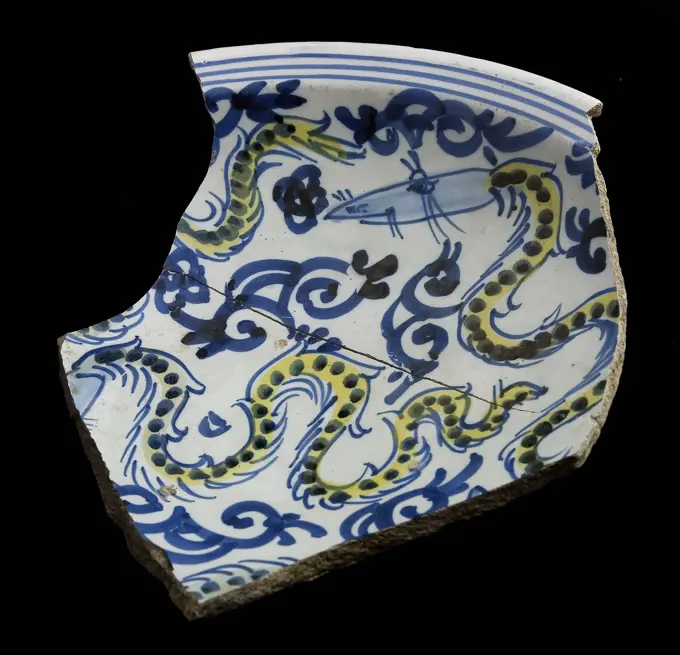
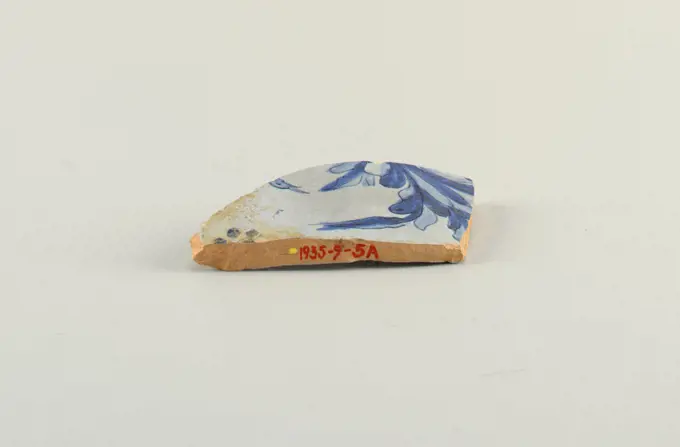
Sharf of white -baking earthenware, with a backdrop of plants and an insect in blue at the front, c. 1500 - c. 1899 fragment   earthenware. glaze
Sharf of white -baking earthenware, with a backdrop of plants and an insect in blue at the front, c. 1500 - c. 1899 fragment earthenware. glaze
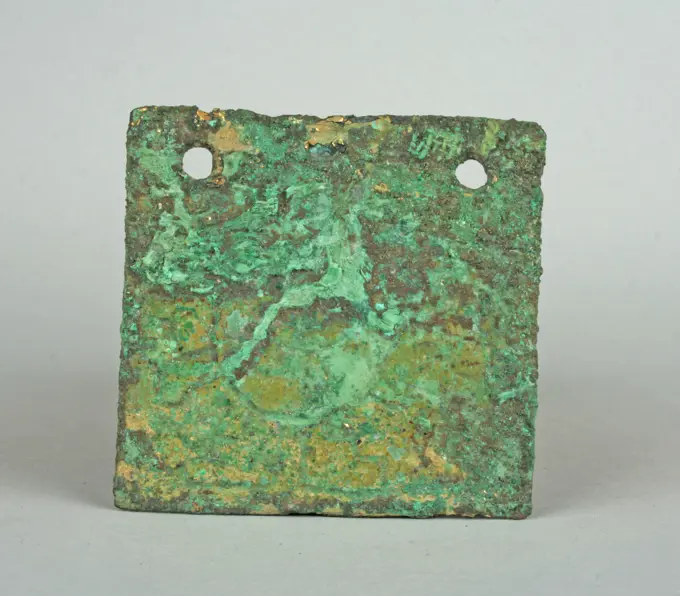
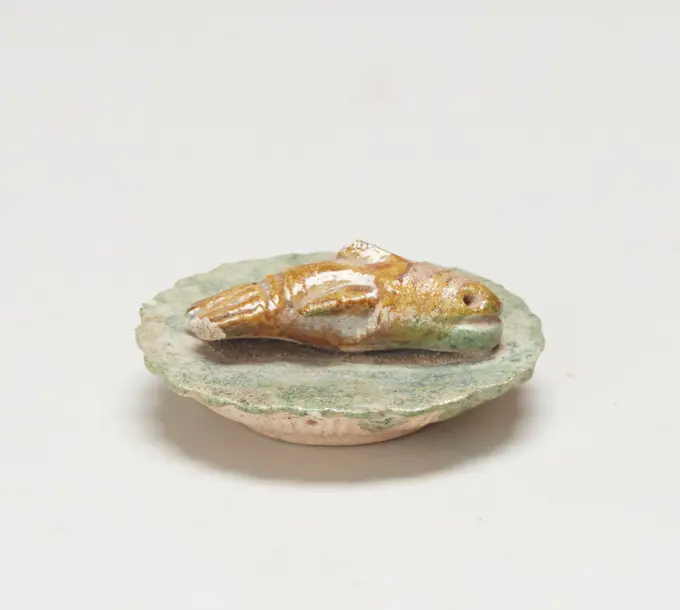
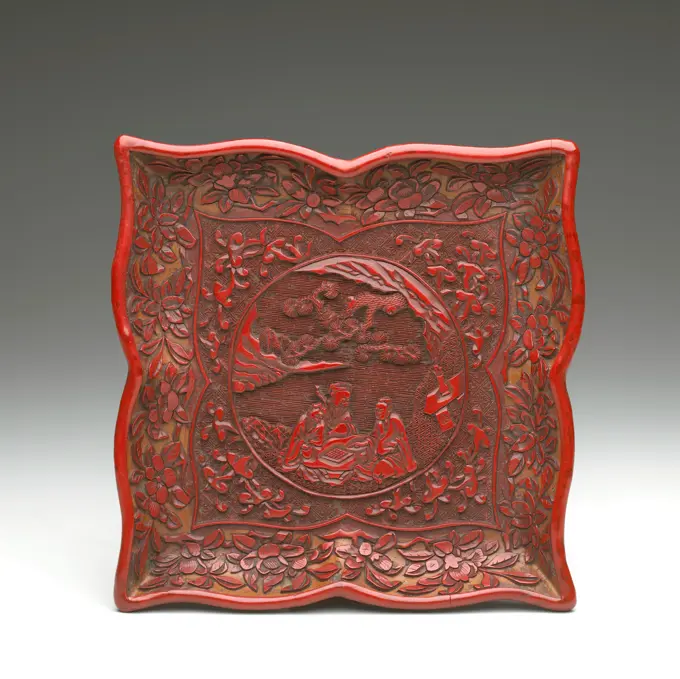
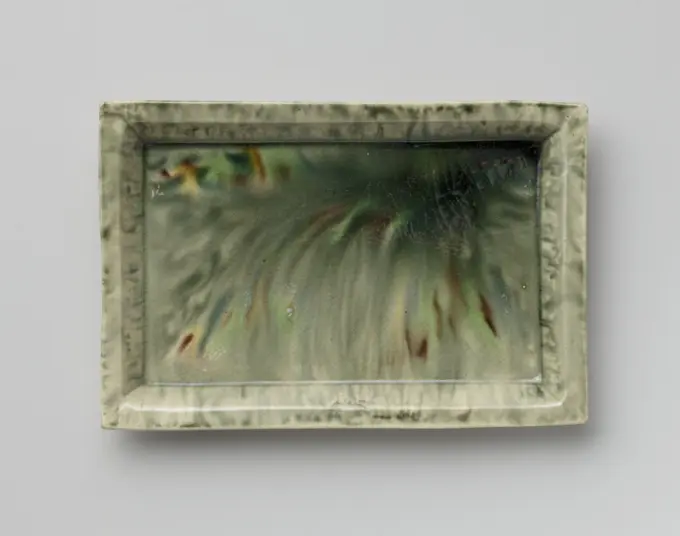
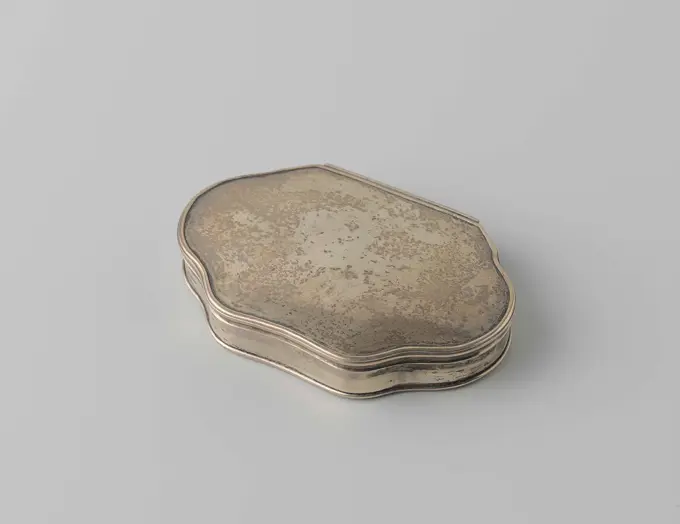
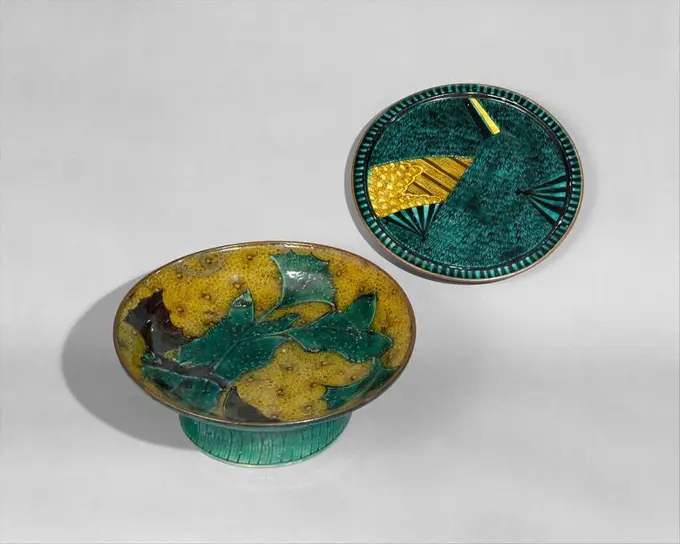
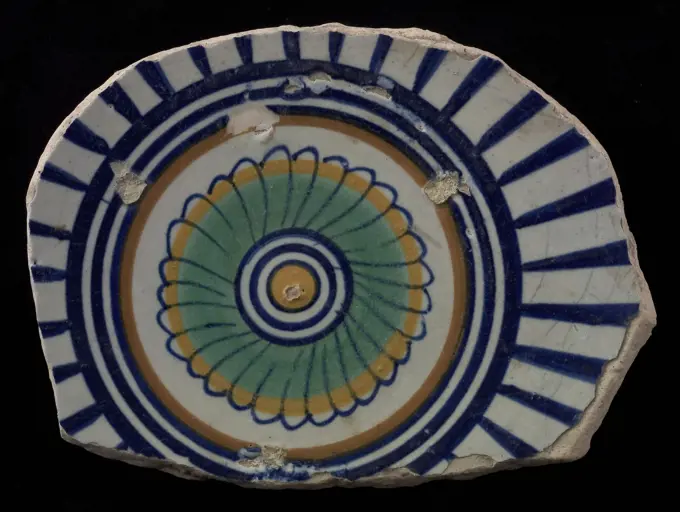
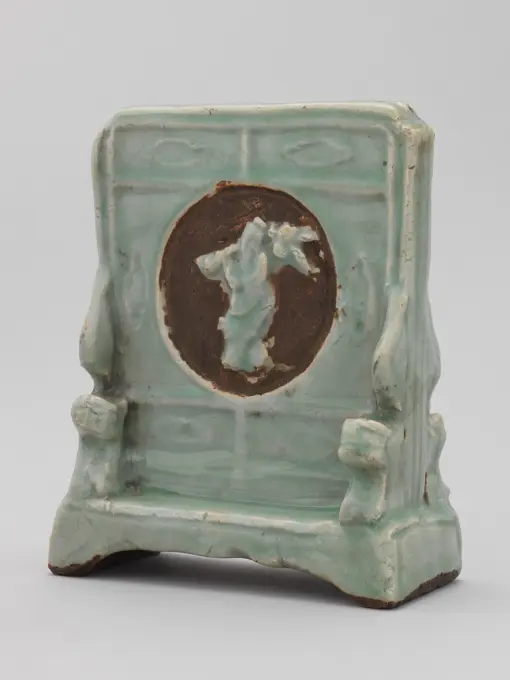
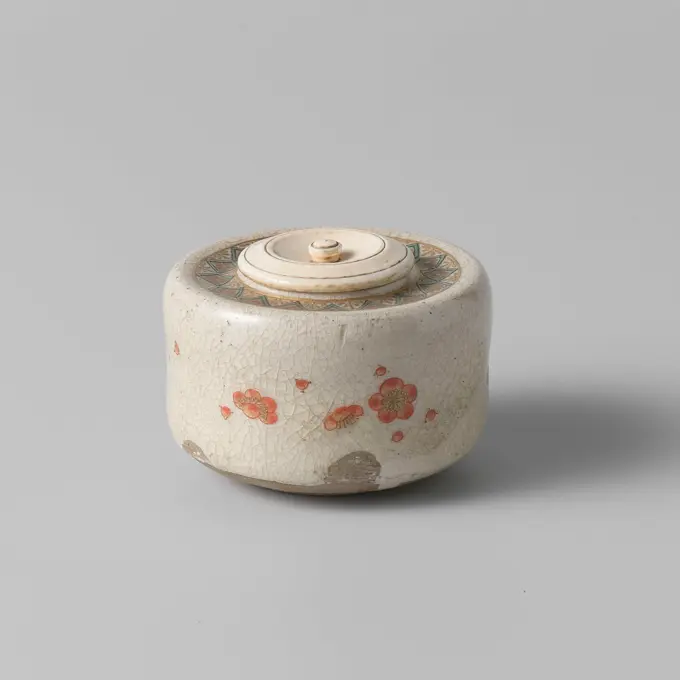
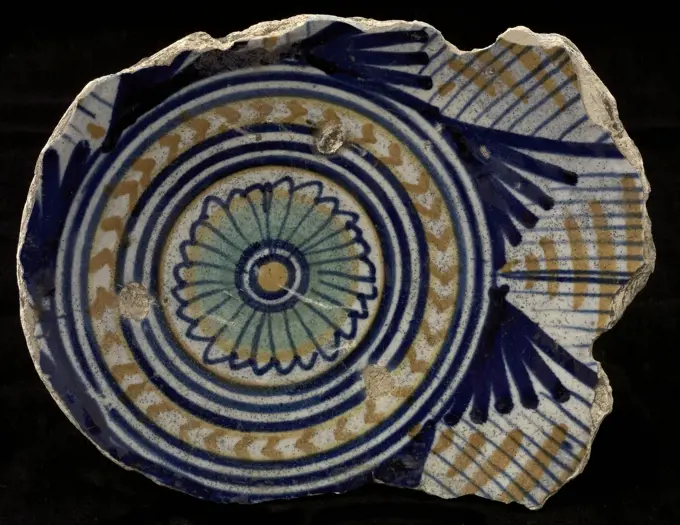
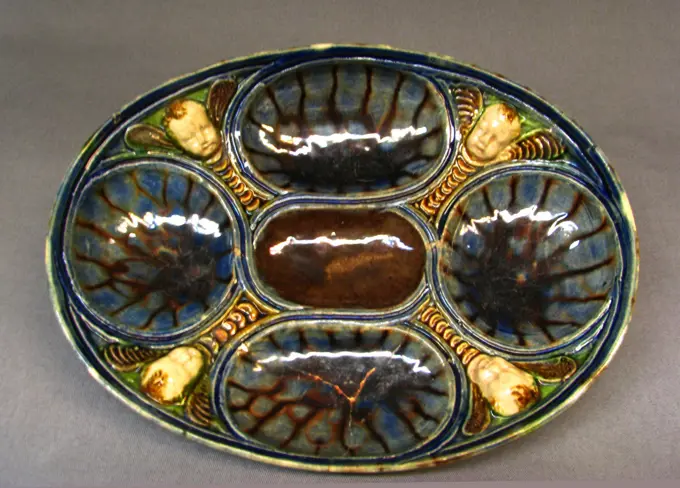
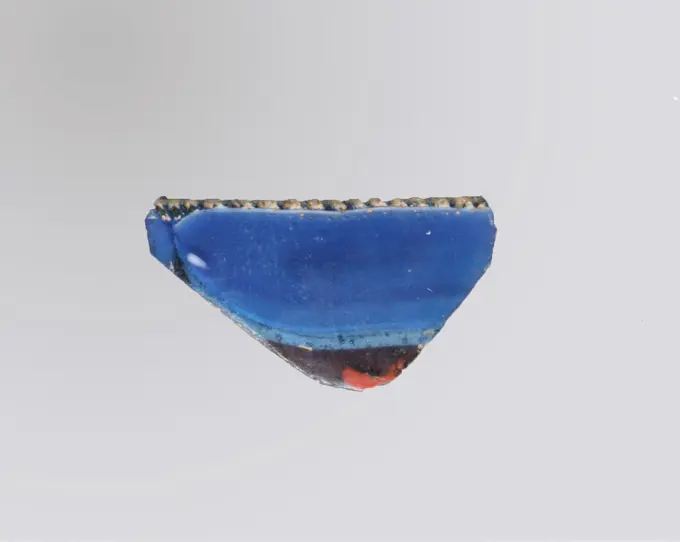
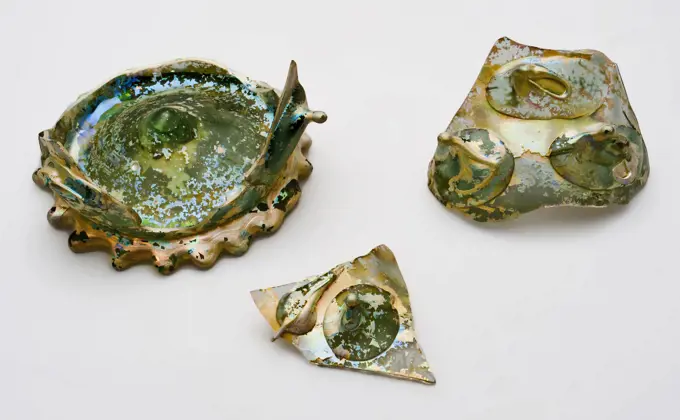
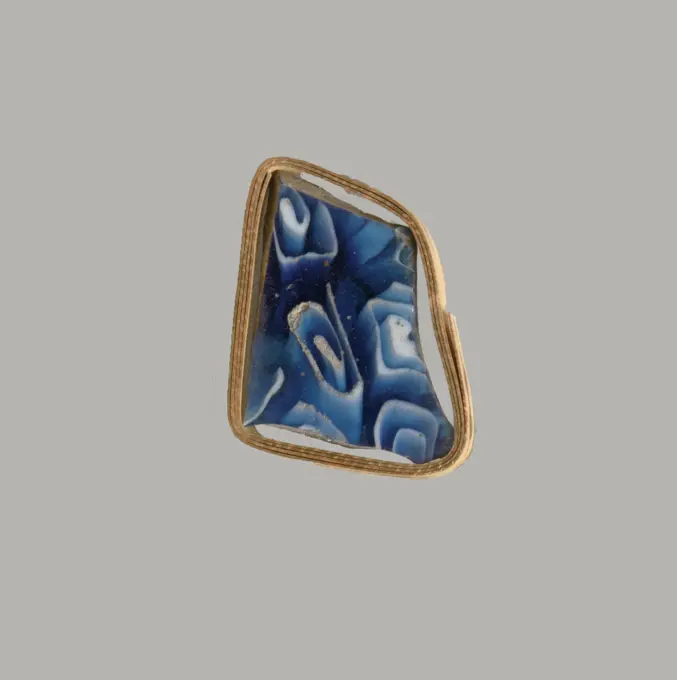
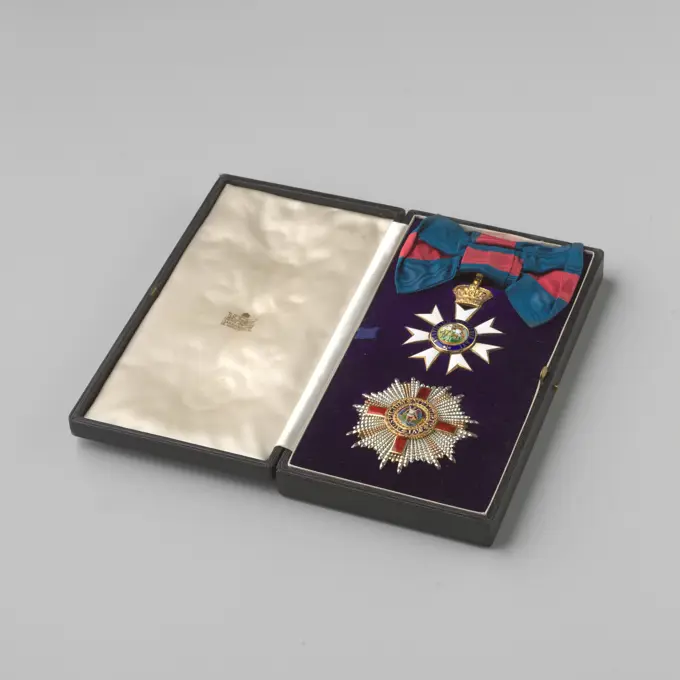
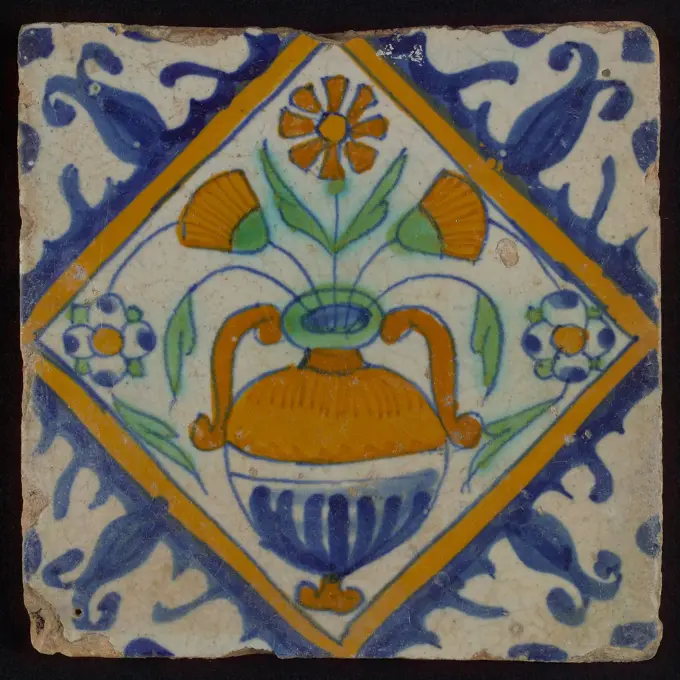
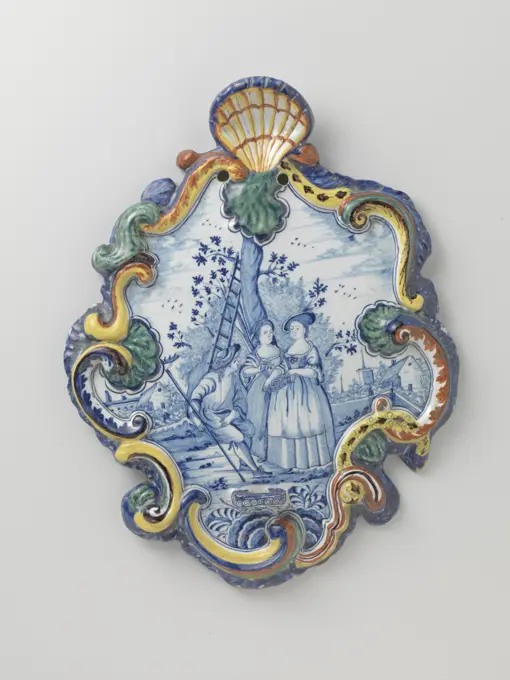
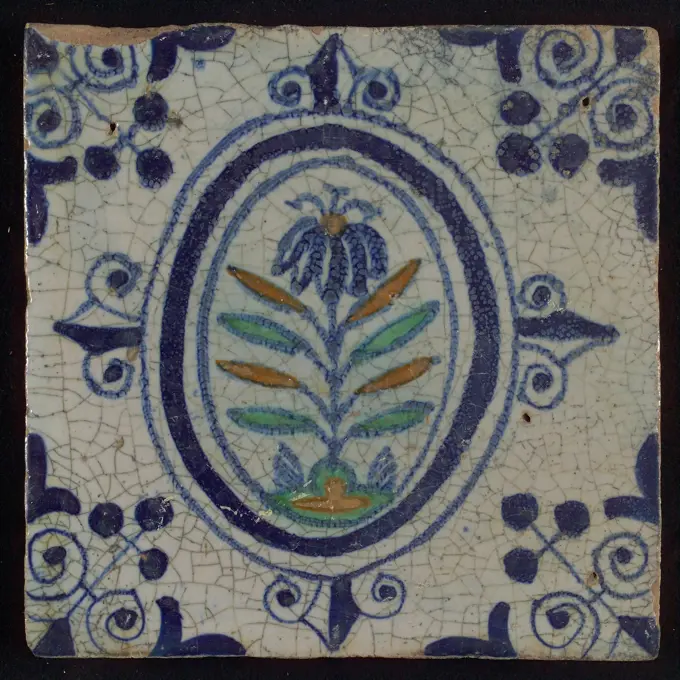
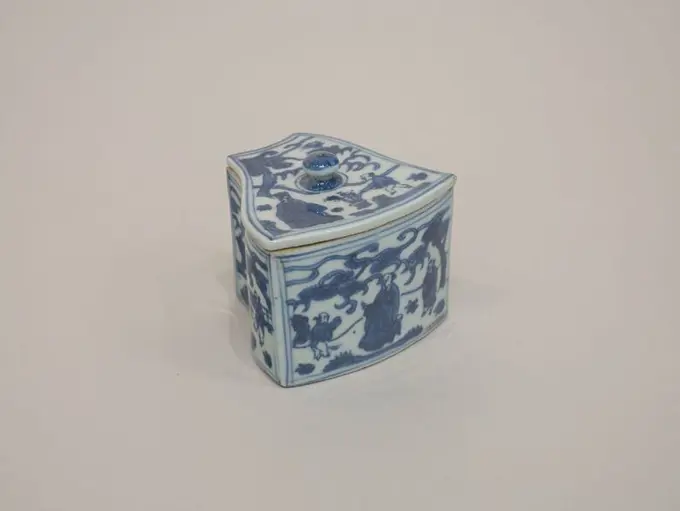
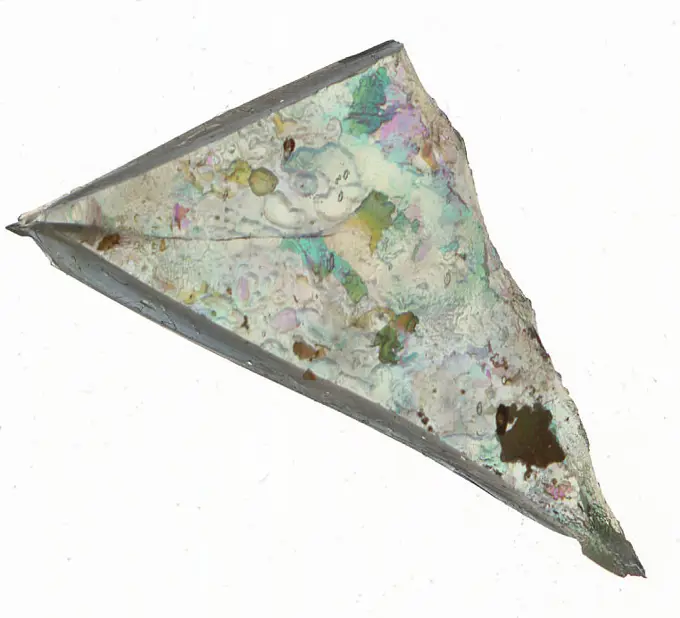
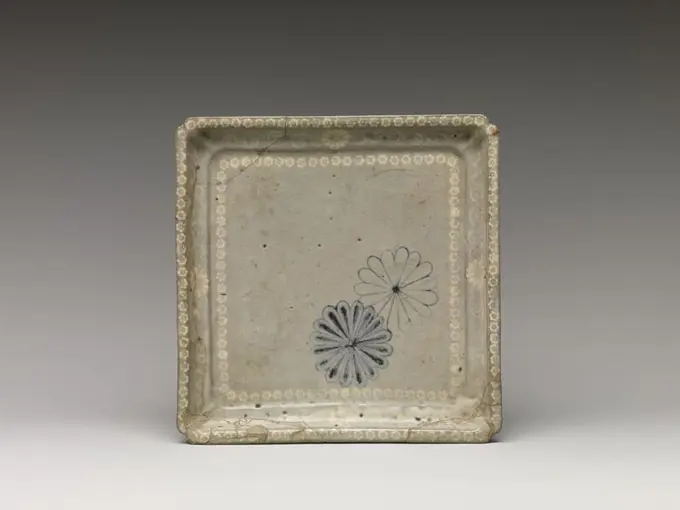
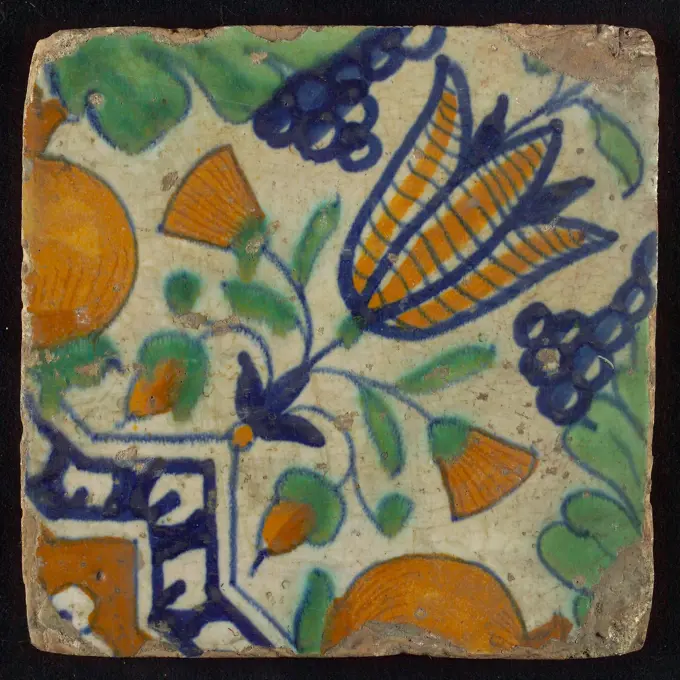
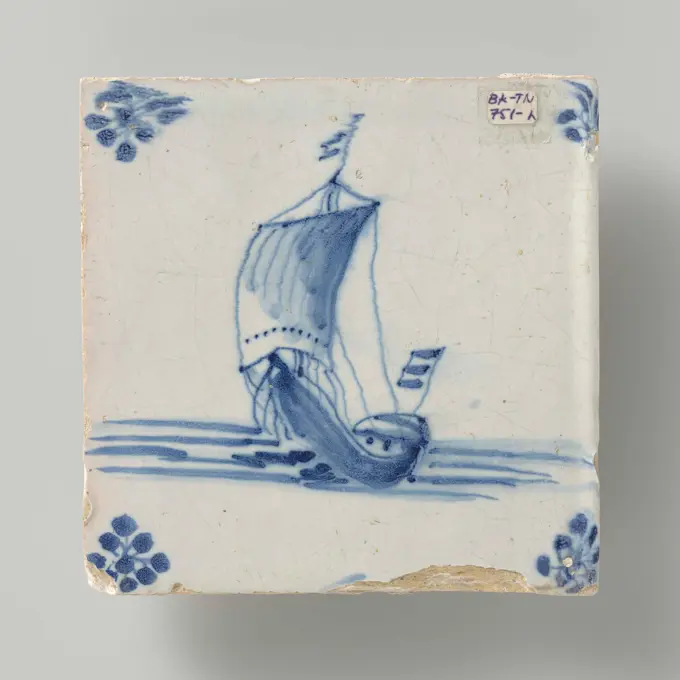
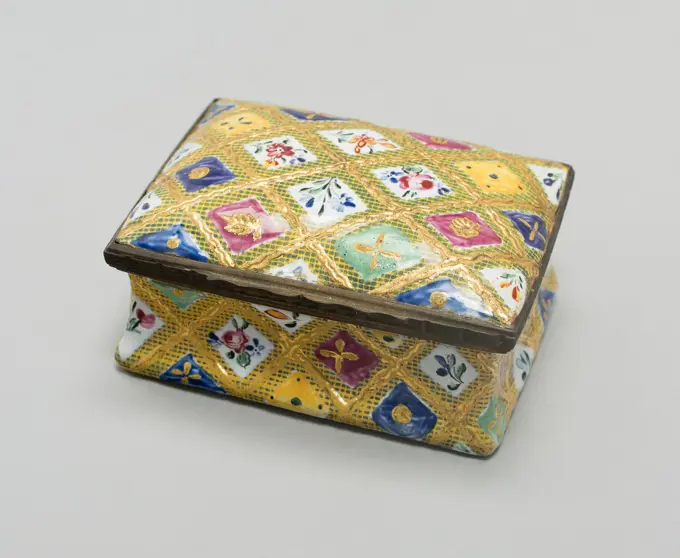
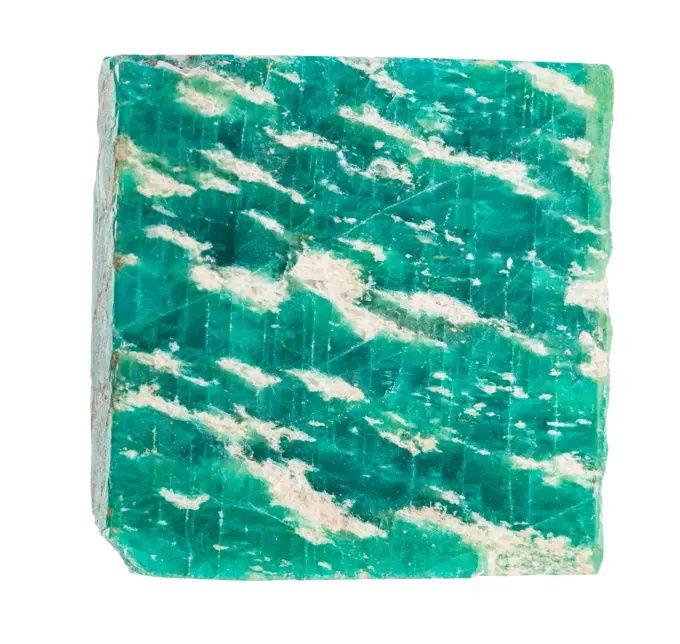
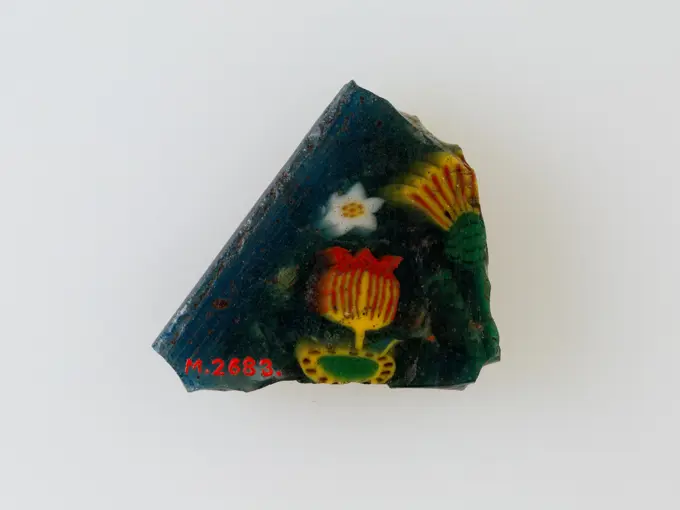
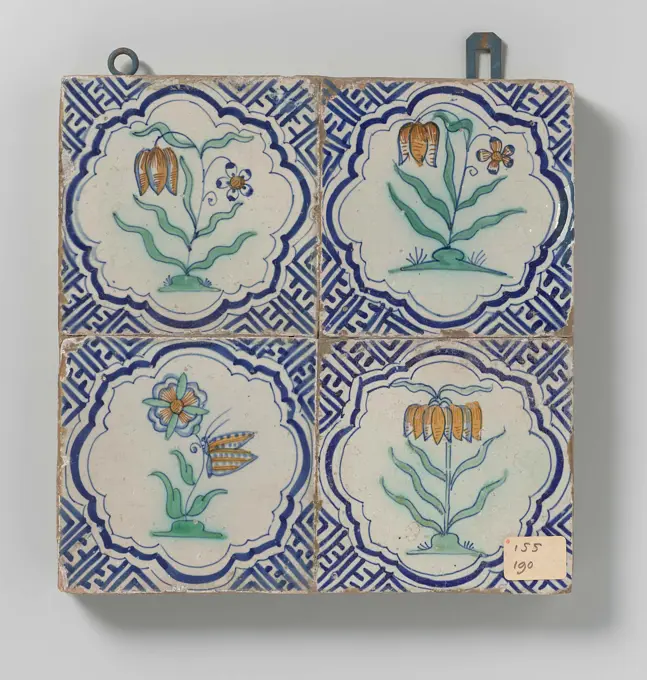
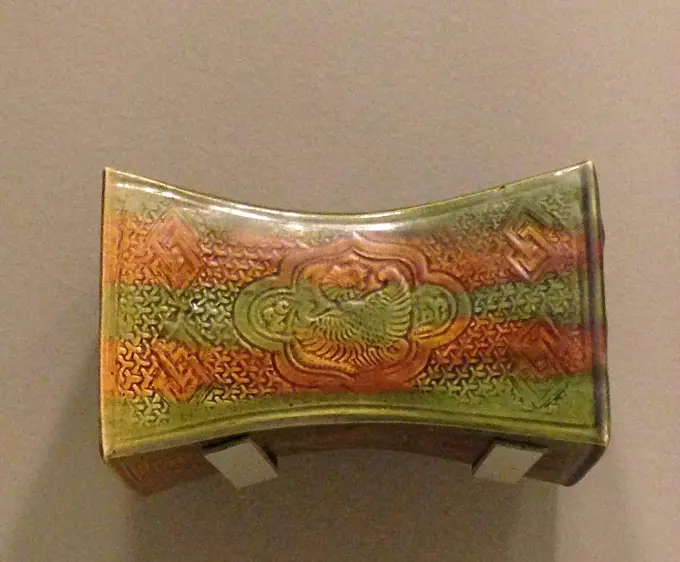
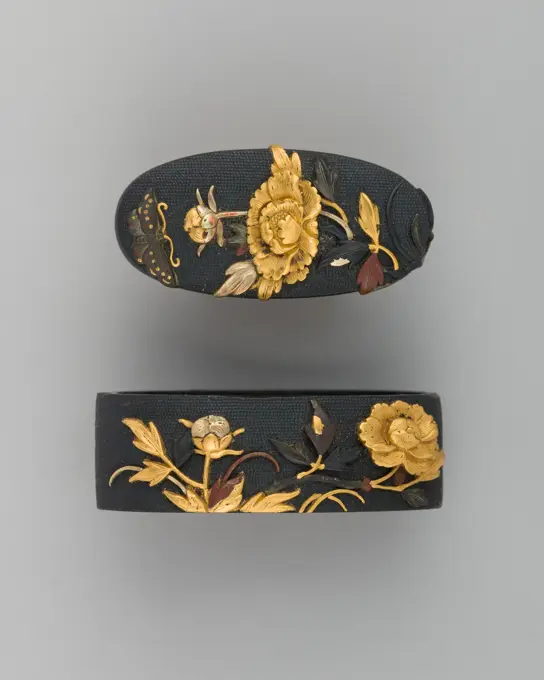
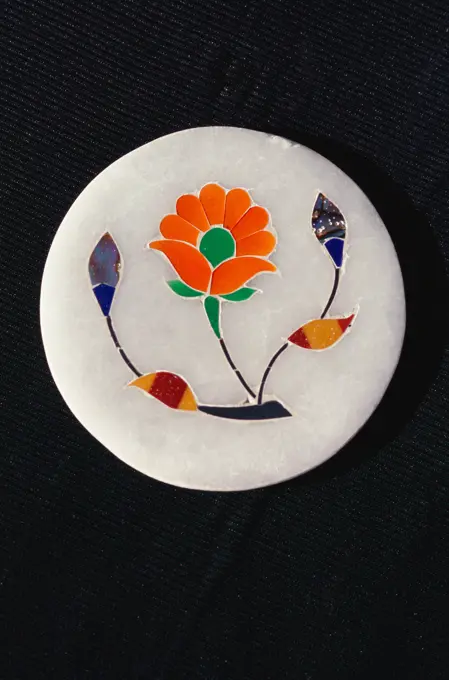
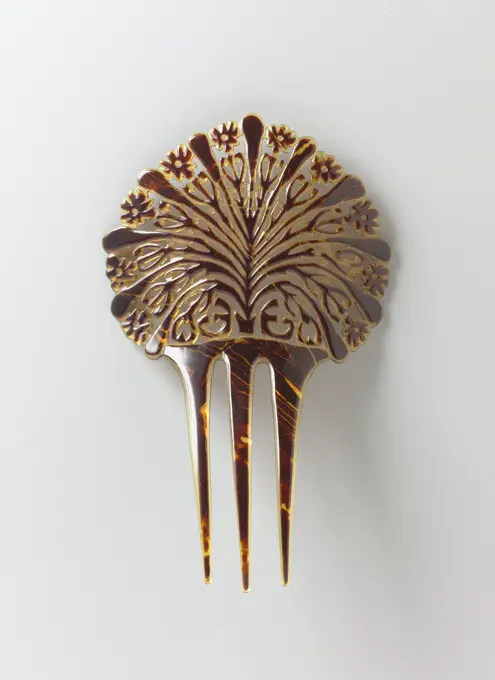
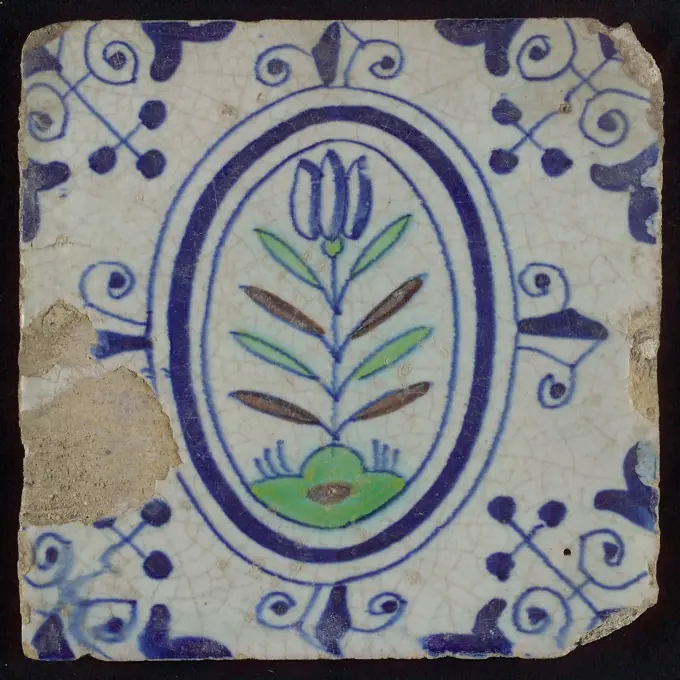
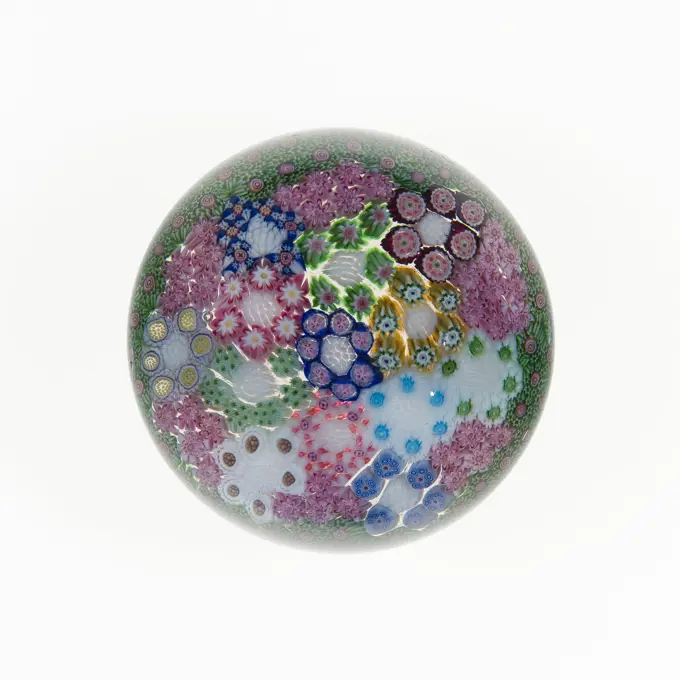
Plate with five openings, belonging to a flower holder multicolored painted with sprinkling flowers, the three pursleyne astonne, c. 1770 - c. 1780 Plate with five openings belonging to a flower holder from Faïence. Multicolored painted with sprinkling flowers. Delft . Plate with five openings belonging to a flower holder from Faïence. Multicolored painted with sprinkling flowers. Delft .Wall Facing (Holland); tin-glazed earthenware, underglazeBird Plaque Ornament 3rd century B.C.-A.D. 2nd century Vicús. Bird Plaque Ornament 315463Fragment of a Bowl 14th-15th century. Fragment of a Bowl 445494Fragment of a vessel. A low curvature of the glass fragment allows the assignment to a vessel, possibly a shell. In the brown glass, abstract patterns are recognizable. Central is an amorphous white area with a red dot. There are bands alternately pulling blue-white or green-yellow-white stripes in different directions over the shard. For the production, different colored glasses into tubes and rods were formed. These were compressed and heated, causing a long bar. The glass sliced now had different amorphous or floral patterns. Thereafter, several of these platelets were folded together, heated again and pressed into the vascular shape. Burry for the elaborate manufacturing process and its fragility was one of the luxury articles of antiquity.Tile, orange, brown, green, and blue on white, flowerpot in square, corner pattern palm, wall tile tile sculpture ceramic earthenware glaze, baked 2x glazed paintedExcerpt of a plate painted in blue under the glaze with fruits, anonymous, 1600 - 1650 plate (dishes) Fragment of a plate from Faience. The flat is painted in blue under the glaze with fruits. The edge is unpainted. Northern Netherlands .Food Plate (Fish) From Wedding Procession, 1368-1644, 7/8 x 2 1/4 x 2 1/4 in. (2.22 x 5.72 x 5.72 cm), Pottery, China, 14th-17th centuryWhite Background with Ornate Borders White background stationery design with elegant decorated borders Copyright: xZoonar.com/DanielxFerreira-LeitesxCiccarinox 9283999Square Dish, mid 16th century, 1 5/16 x 6 3/4 x 6 7/8 in. (3.3 x 17.1 x 17.5 cm), Carved red and yellow lacquer (tihong), China, 16th century, Lobed and scalloped lacquer forms that evolved during the Yuan dynasty (1280-1368) remained popular throughout the Ming (1368-1644). In the center of this red lacquer eight-lobed square form dish are three scholars playing a board game known as Go, a pastime popular with the learned class and became a symbol in itself of this elite group and its values. Emanating outward are an eight-lobed design carved with sprigs of lingzhi fungus on a star-patterned background as well as an outer band of flowering plants.Dish of Chinese porcelain from the wreck of the Dutch East Indiaman Witte Leeuw, anonymous, before 1613 plate (dishes) Fragment sign from V.O.C. ship De 'Witte Leeuw', 80 present. The shard is glassy white and has little ingrained dirt. The glaze is blue tinted and peels over parts of the lip edge. There are also pinholes and small baking cracks in the glaze on the corners of the lip edge. The bottom is glazed. The foot ring is V-shaped, faceted and stands inside. More than 20 grains of oven sand have been found. Eighteen shards glued together and a loose shard. Jingdezhen bone china (material). glaze   Sint-HelenaWall Facing (Netherlands); tin-glazed earthenware, underglaze; 5 tiles tall, various wideWall Facing (Netherlands); tin-glazed earthenware, underglazeStar-Shaped Tile. Iran. Date: 1201-1300. Dimensions: 19.4 × 19.4 × 2.0 cm. (7 5/8 × 7 5/8 7/8 in.). Stone paste with turquoise alkaline tin glaze, enamels, and gold leaf decoration. Origin: Iran. Museum: The Chicago Art Institute, Chicago, USA. Author: Islamic.Tile; tin-enamelled earthenwarePaperweight 1840-1865 France. Technological improvements to optical scientific instruments in the mid-nineteenth century spurred a veritable obsession across Europe with identifying and classifying the natural world. Amateur botanists were eager to collect and preserve floral specimens, which they intently researched and catalogued. In response to this broad appeal, French glassmakers made paperweights that portrayed the very botanical subjects that were so enthusiastically sought. Many weights represented specimens with horticultural correctness, but others were entirely fanciful creations. Paperweights like this example speak to the periodís fascination with taxonomic systems.From the late 1840s to early 1860s, French manufacturers of fine glass and crystalósuch as Baccarat (Alsace), Clichy (Paris), and Saint-Louis (Lorraine)ócatered to the vast public enthusiasm for beautiful yet functional desk accessories. Paperweights, which were designed to secure loose papers against drafts, weRectangular scale of hard baked pottery; Staffordshire., Anonymous, c. 1750 - c. 1770 Rectangular scale of hard baked pottery, covered with a flamed lead glaze in gray with some blue, green, yellow and manganese. The scale includes a second scale with invnr. BK-1987-37-B. England earthenware. lead glaze Rectangular scale of hard baked pottery, covered with a flamed lead glaze in gray with some blue, green, yellow and manganese. The scale includes a second scale with invnr. BK-1987-37-B. England earthenware. lead glazeSnuff box of silver. Oval with wide corrugated edge and with gold-plated inside.Netsuke 19th century Japan. Netsuke 59150Dish with multi -colored flower decor, Wilkinson Ltd, c. 1930 - c. 1940 Dishes of earthenware, multi -colored painted with floral decor. Part of tea set. England earthenware. uranium oxide Dishes of earthenware, multi -colored painted with floral decor. Part of tea set. England earthenware. uranium oxidePlate 1870-90 Challinor, Taylor and Company. Plate 6440Deep Footed Plate with Decoration of Leaves. Culture: Japan. Dimensions: Diam. 10 in. (25.4 cm); H. 3 3/4 in. (9.5 cm); Diam. (foot) 6 1/16 in. (15.4 cm). Date: ca. early 19th century. Museum: Metropolitan Museum of Art, New York, USA.Paperweight 1843-1860 Clichy. Glass . Clichy GlasshouseTile, flowerpot in blue on white, corner motif oxenkop, fine painting, wall tile tile sculpture ceramic earthenware glaze, baked 2x glazed painted. Plaque of Faïence with the weapon of the Gaal familyFragment majolica dish; polychrome, rosette and fan motif over the edge, plate crockery holder soil find ceramic earthenware glaze, baked underside covered with lead glaze. Polychrome Rosette in the mirror around it fan motif or slat motif Italian decor. Soft earthenware archeology Rotterdam Italy decorate food serving Soil discovery Rotterdam 1914Table screen (username). Sandstone, molding, celadon, molded and incised decor. Cernuschi Museum, Asia Museum of Asia in the city of Paris.Wall Facing (Holland); tin-glazed earthenware, underglazeTile of chimney pilaster, blue on white, part of column with cannelure, chimney pilaster tile pilaster footage fragment ceramic earthenware glaze, baked 2x glazed painted Tiles (AD) form part of one-row chimney pilaster originally twelve high Yellow shard square four nail holes 1914 construction city hall Zandstraat -kwartier World War II war bombardment Rotterdam City Center Stadsdriehoek 1940 renaissance Coming from debris after bombing on Rotterdam in May 1940.. Cylindrical fabric tea bus or chair of stoneware with an ivory lid, painted in red, green and gold. On the wall loose cherry blossoms; On the shoulder a bond with a stylized flower pattern in windows. The bottom is unglazed. Awata (Satsuma).Glass mosaic fragment. Culture: Roman. Dimensions: 1 1/8 × 1 11/16 × 3/16 in. (2.8 × 4.2 × 0.5 cm). Date: late 1st century B.C.-early 1st century A.D..Probably part of the base ring of a large bowl.Translucent blue, deep purple, and opaque white.Side slanting obliquely downward; inner side of edge rounded.Composite mosaic pattern formed from sections of two canes: one in a purple ground with white stripes, and the other in a blue ground with white stripes.Polished on exterior, with pitting of surface bubbles; slight pitting and creamy weathering on interior; dulling on edges. Museum: Metropolitan Museum of Art, New York, USA.Shards of soils and lids of porcelain from V.O.C. ship De 'Witte Leeuw', Anonymous, Before 1613  Shards of soils and lids of porcelain from V.O.C. ship the 'Witte Leeuw'. Jingdezhen porcelain   Sint-HelenaFragment majolica dish, polychrome, in the middle rosette, cable edge, plate crockery holder soil find ceramic earthenware glaze, baked underside covered with clear lead glaze. Italian Dutch decor Polychrome Layered and veined earthenware archeology Italy Rotterdam food decorate Rotterdam 1941.Dish second half 17th century or later Manner of Bernard Palissy French. Dish. French. second half 17th century or later. Lead-glazed earthenware. Ceramics-PotteryGlass mosaic meandering-strip bowl fragment late 1st century B.C.-early 1st century A.D. Roman Rim fragment.Translucent blue, opaque white and brick red.Vertical rim with almost flat top and rounded edges; almost straight side, tapering slightly downward.Meandering-strip mosaic pattern formed from large sections of a single cane with a broad band in blue, partially layered with white, and red layered with blue and white; a blue network cane wound spirally with a white thread is attached as a rim.Many pinprick bubbles; polished exterior; slight pitting of surface bubbles on exterior; dulling and iridescent weathering on interior, rim, and edges.. Glass mosaic meandering-strip bowl fragment. Roman. late 1st century B.C.-early 1st century A.D.. Glass; cast. Early Imperial. GlassBox with Pommel Scrolls. Culture: China. Dimensions: H. 2 3/8 in. (6 cm); W. 4 5/8 in. (11.7 cm); L. 7 7/8 in. (20 cm). Date: first half of the 14th century.The pommel scroll is so-named because it resembles the shape of a Chinese sword pommel. This design is often seen in objects decorated with layers of contrasting colors of lacquer, particularly red and black. Found predominantly on ceramics, metalwork, and lacquer from the thirteenth century, there is no known explanation for the creation and popularity of this motif. However, it may have been inspired by the antiquarianism of the period, when motifs that were based on, or presumed to be based on, the Chinese Bronze Age were incorporated into the designs of many types of objects. Museum: Metropolitan Museum of Art, New York, USA.Bottom fragments drinking glass with cabbage stain decor, pontil brand, drinking glass drinking utensils tableware holder soil find glass, free blown Bottom fragments three pieces. Green tinted glass Heavy iridescent wavy glass thread as stand ring Decorated on the sidewall with cabbage decoration. Pontil mark jug both belong to low drinking cup and to roemer archeology Valckensteyn Poortugaal Albrandswaard drink liquor wine beer serve Soil discovery: castle Valckensteyn in Poortugaal now Albrandswaard 1961-1962.Glass mosaic ribbed bowl fragment late 1st century B.C.-early 1st century A.D. Roman Body fragment.Translucent cobalt blue and opaque white.Convex curving side, tapering downward.Mosaic pattern formed from sections of a single cane in blue ground with large white spiral threads; on exterior, part of a broad vertical rib with rounded profile.Polished interior; pitting of surface bubbles on interior; dulling, pitting, and iridescent weathering on exterior and jagged edges.. Glass mosaic ribbed bowl fragment. Roman. late 1st century B.C.-early 1st century A.D.. Glass; cast and tooled. Early Imperial. GlassBritish Knighthood (The Most Distinguished Order of St. Michael and St. George), received by Willem Drees, Ltd Garrard & Co, c. 1818 - Before 1958  The Order star is a seven-armed, with brilliant-occupied silver star with golden beam bundles between the arms, on which a red Saint Thick Cross lies under the middle medallion, on which the Archangel Michael with the same transmission in golden letters on a dark blue background as on the order sign. London silver (metal). gold (metal)   Netherlands. EnglandMosaic glass fragment. The small glass fragment consists of black, white and light blue squares arranged in the checkerboard pattern. In Roman times, one used colored, ornamented glass for vessels, mosaics, wall decorations and furniture ornaments. For the production, different colored glasses were shaped to tubes and rods. These were compressed and heated, causing a long bar. The glass sliced now had a wide variety of amorphous or floral patterns.Dish 18th-19th century. Dish 447237Tile, orange, brown, green, and blue on white, flowerpot in square, corner pattern palm, wall tile tile sculpture ceramic earthenware glaze, baked 2x glazed paintedPlate in cartouch form with a landscape in blue with three figures under a tree, within a multicolored flower edge, anonymous, c. 1750 - c. 1780 Plate of Faïence, cartouch -shaped. Painted in blue with three figures under a tree, within a multicolored edge. Delft . Plate of Faïence, cartouch -shaped. Painted in blue with three figures under a tree, within a multicolored edge. Delft .Ornament tile, diagonal ornament in quatrefoil with bows in which orange-apples and flowers, palm corner, corner pattern rosette, wall tile tile sculpture ceramics pottery glaze, baked 2x glazed painted Yellow and reddish shard square two and four nail holes. Multicolored: brown blue green yellow on white ground (variation in light and dark). Saving technique in blue on white.Two fragments of majolica scale, yellow and blue on white, with Oriental dragon as decor, dish plate crockery holder soil find ceramic earthenware glaze , Fried on the underside covered with bright lead glaze. Polychrome. Chinese decor archeology decorate serving food ChinaCup Plate. Boston and Sandwich Glass Factory (United States, Massachusetts, Sandwich, 1825-1888). United States, circa 1830s. Furnishings; Serviceware. Pressed sapphire glassPlate. unknown, craftsmanSnuff Box. South Staffordshire, England. Date: 1775-1785. Dimensions: 4.1 x 7.3 x 5.4 cm (1 5/8 x 2 7/8 x 2 1/8 in.). Metal and enamel. Origin: South Staffordshire. Museum: The Chicago Art Institute, Chicago, USA.Section of an ivory cylinder with a hole. Culture: Greek, Laconian. Dimensions: Other: 3 1/16 in. (7.8 cm). Date: 7th-6th century B.C..Semi-cylindrical section of ivory with hole pierced through center. Museum: Metropolitan Museum of Art, New York, USA.Scarab Inscribed for the Female Horus Wosretkau (Hatshepsut) ca. 1479-1458 B.C. New Kingdom. Scarab Inscribed for the Female Horus Wosretkau (Hatshepsut). ca. 1479-1458 B.C.. Steatite (glazed). New Kingdom. From Egypt, Upper Egypt, Thebes, Deir el-Bahri, Temple of Hatshepsut, Foundation Deposit 7 (G), MMA excavations, 1926-27. Dynasty 18, earlyVase fragment ca. 1981-1640 B.C. Middle Kingdom. Vase fragment 556918Tile, flower on spot in blue, green, and orange on white, inside an oval with lilies, corner motif, wall tile tile sculpture ceramic earthenware glaze, baked 2x glazed paintedGlass Fragment ca.1350 British. Glass Fragment. British. ca.1350. Colorless glass. Glass-StainedSharf of yellowish pottery, with blue glaze at the front, with a stylized flower shape painted on it in yellow, brown, white and orange, and stripes in yellow and blue, anonymous, 1600 - 1650  Northern Netherlands earthenware. glaze majolica  Northern Netherlands earthenware. glaze majolicaVotive Tablet. Culture: China. Dimensions: H. 2 1/4 in. (5.7 cm); W. 2 1/4 in. (5.7 cm). Museum: Metropolitan Museum of Art, New York, USA.Covered Box. Culture: China. Dimensions: H. 3 3/8 in. (8.6 cm); W. 3 3/4 in. (9.5 cm); D. 3 1/4 in. (8.3 cm). Museum: Metropolitan Museum of Art, New York, USA.Snuffbox with naval battle scenes ca. 1825 Jean Louis Richter. Snuffbox with naval battle scenes. Swiss. ca. 1825. Gold, enamel. Metalwork-Gold and PlatinumFragment 13th century Crusader. Fragment 475338Tray. Culture: Japan. Dimensions: H. 1 1/2 in. (3.8 cm); W. sq. 6 3/4 in. (17.1 cm). Date: late 18th century. Museum: Metropolitan Museum of Art, New York, USA.Square Foliate-Rimmed Plate, early 19th century, Unknown Japanese, 1 1/8 x 6 7/8 x 6 7/8 in. (2.86 x 17.46 x 17.46 cm), Porcelain with overglaze enamel, Japan, 19th centuryScroll Painting Handle with Dragons Chasing Flaming Pearls. China. Date: 1521-1567. Dimensions: H. 5.6 cm (2 3/16 in.); diam. 5.2 cm (2 1/16 in.). Porcelain painted in underglaze blue. Origin: China. Museum: The Chicago Art Institute, Chicago, USA.Ornament tile, star tulip with bunches of grapes and orange apples, wall tile tile sculpture ceramic earthenware glaze, baked 2x glazed painted Ruddy shard square three nail holes. Orange green and blue on white long distance spring spring bulb Rotterdam education Academy of Fine Arts and Technical Sciences Cool Coolvest Dijkzigt G.J. de Jonghweg City Triangle Blaak Academy of Fine Arts and Technical Sciences Rotterdam.Paperweight 1875-1900 United States. Glass .Fragment bottle from V.O.C. ship De 'Witte Leeuw', Before 1613  Neck of a bottle from V.O.C. ship the 'Witte Leeuw'.  porcelain   Sint-HelenaRhombus with tulip. Check with email painting of a tulip in predominantly yellow and red. Note: Part of the BK-CLXIII-A to R.Box, 13th century, Unknown, 1 3/4 x 6 1/2 x 6 1/2 in. (4.4 x 16.5 x 16.5 cm), Carved red and yellow lacquer (tihong), China, 13th century, The slightly domed lid of this shallow bowl is densely carved with two parakeets flying among flowering camellias, gardenias, and chrysanthemums. The box is embellished with a single flower each of tree peony, gardenia, camellia, and prunus, all carved down to a buff ocher ground. The interior is of brown lacquer. One of the most important technical innovations of the Southern Song was lacquer carved with pictorial designs. As is typical of this earliest stage, the surface is relatively two-dimensional; there is virtually no overlapping of forms; the contours are cut at an angle with little rounding of edges; and there is no relief carving or incising to indicate texture or depth. By the 1300s, artists had mastered pictorial devices like foreshortening, overlapping, and fine incisions to create pictorial images that are more three-dimensional and naTile, blue painted with a ship. Tile, blue painted with a ship, so-called farmer's throw. A spinning head in the corners.Fragment of a Cane. Egyptian. Date: 100 BC-1 BC. Dimensions: 3 × 1.5 × 2 cm (1 3/16 × 5/8 × 3/4 in.). Glass, mosaic technique. Origin: Italy. Museum: The Chicago Art Institute, Chicago, USA. Author: Ancient Egyptian.Fragment 14th century. Fragment 445556Rim fragment with head of calf and "stylized trees" Third Intermediate Period or later ca. 1070-664 B.C. View more. Rim fragment with head of calf and "stylized trees". ca. 1070-664 B.C.. Faience. Third Intermediate Period or later. From Egypt. Dynasty 21-25Snuff Box 1775-1785 South Staffordshire. Metal and enamelSquare stand. unknown, craftsmanraw Amazonite stone isolated on white closeup of sample of natural mineral from geological collection - raw Amazonite stone isolated on white background Copyright: xZoonar.com/ValeryxVoennyyx 14990484Floral plaque 100 BC-100 AD Ptolemaic Period-Roman Period This fragment was part of a glass floral plaque for wall or furniture inlay like 26.7.1249.. Floral plaque. 100 BC-100 AD. Glass. Ptolemaic Period-Roman Period. From EgyptTwo-tone tile, blue on white background, painting finished, four circles with white French lily around central ornament with lily, wall tile tile sculpture ceramic earthenware glaze, baked 2x glazed painted Yellow to reddish shard square.Vase fragment. Dimensions: h. 3.8 cm (1 1/2 in); w. 2.9 cm (1 1/8 in). Dynasty: Dynasty 12-13. Date: ca. 1981-1640 B.C.. Museum: Metropolitan Museum of Art, New York, USA.Amulet Case 17th-19th century Tibet. Amulet Case 39472Four tiles with flowers. Field of four tiles (2 x 2) each with a multi-colored (blue, orange, green and yellow) flour painted on a ground inside a circle with scalloped edge. In the corners, Meander ornament.Paperweight 1843-1860 Lunéville. Technological improvements to optical scientific instruments in the mid-nineteenth century spurred a veritable obsession across Europe with identifying and classifying the natural world. Amateur botanists were eager to collect and preserve floral specimens, which they intently researched and catalogued. In response to this broad appeal, French glassmakers made paperweights that portrayed the very botanical subjects that were so enthusiastically sought. Many weights represented specimens with horticultural correctness, but others were entirely fanciful creations. Paperweights like this example speak to the periodís fascination with taxonomic systems.From the late 1840s to early 1860s, French manufacturers of fine glass and crystalósuch as Baccarat (Alsace), Clichy (Paris), and Saint-Louis (Lorraine)ócatered to the vast public enthusiasm for beautiful yet functional desk accessories. Paperweights, which were designed to secure loose papers against drafts,Pillow, 1190, 3 7/8 x 11 x 5 3/4 in. (9.84 x 27.94 x 14.61 cm), Tz'u-chou ware Stoneware with molded, incised, and sgraffito decoration on white slip under green, yellow, and clear lead glaze, China, 12th century, Ceramic pillows were produced over several centuries throughout China, but the northern Cizhou kilns supplied a volume and variety greater than all others. In addition to the predominant black and white designs, were Cizhou pillows decorated with colorful lead-silicate glazes in a technique that first flourished in the eighth century during the Tang dynasty. Called san cai or 'three-color' ware, this technique usually combined green and yellow glazes on a cream slip to produce a three color effect.Fragment, Tin-glazed earthenware, Fragment of pottery with tin and cobalt glaze on surface of earthenware. Decoration shows a bird and plant., France, 17th century, ceramics, Decorative Arts, FragmentSword-Hilt Collar and Pommel (Fuchigashira) ca. 1615-1868 Japanese A fuchigashira is a pair of matching sword fittings comprising the fuchi (collar at the base of the grip of the sword hilt) and kashira (pommel cap at the end of a sword hilt).. Sword-Hilt Collar and Pommel (Fuchigashira). Japanese. ca. 1615-1868. Copper-gold alloy (shakud), silver, copper, gold. Sword Furniture-Fuchi-KashiraStar-Shaped Tile first half 15th century Eight-pointed star tiles from Nasrid Spain are rare, but this example bears motifs specific to lusterware produced in Málaga, such as the botanical decoration radiating from a central flower or plant motif. The grapevine pattern with naturalistic leaves and bunches of fruit is a reference to the classical heritage of Islamic art. The arrival of the luster-painting technique in Islamic Spain is now thought to have come from Egyptian craftsmen who moved to the Malagan coast after the fall of the Fatimid Empire in 1171. The relocation of such craftsmen contributed to the dissemination of designs from North Africa and the western Islamic world into Andalusian arts. View more. Star-Shaped Tile. first half 15th century. Earthenware; luster-painted on opaque white glaze. Made in Spain, probably Malaga. Ceramics-TilesOrnament tile, diagonal ornament in quatrefoil with bows in which orange-apples and flowers, palm corner, corner pattern rosette, wall tile tile sculpture ceramic earthenware glaze, baked 2x glazed painted Yellow and reddish shard square two and four nail holes. Multicolored: brown blue green yellow on white ground (variation in light and dark). Saving technique in blue on white.Glass mosaic carinated dish fragment late 1st century B.C.-early 1st century A.D. Roman Rim fragment.Translucent blue and purple, opaque white and yellow.Vertical, offset rim with rounded edge; side tapering downwards.Composite mosaic pattern formed from polygonal sections of a single cane in a blue ground with a spiral in white surrounding a circle in purple and a central dot in yellow.Weathered chip in rim; polished exterior; pitting of surface bubbles; dulling, pitting, and creamy weathering on interior and edges.. Glass mosaic carinated dish fragment. Roman. late 1st century B.C.-early 1st century A.D.. Glass; cast. Early Imperial. GlassMarble inlay work, Agra, Uttar Pradesh, India Copyright: xBhagwandasxRupani/DinodiaxPhotoxHair comb of imitation turtle with ajour worked back with blurred leaf motif, three teeth, c. 1890 - c. 1900 Hair comb of imitation turtle with ajour worked back with a fainting leaf motif, with a flower between each leaf. Three teeth. Netherlands (possibly) celluloid (cellulosic). cellulose acetate sawing / filing / polishing Hair comb of imitation turtle with ajour worked back with a fainting leaf motif, with a flower between each leaf. Three teeth. Netherlands (possibly) celluloid (cellulosic). cellulose acetate sawing / filing / polishingCreative concept photo of a cup of coffee made of paper on brown background.Tile, flower on ground in blue, green and brown on white, inside an oval with lilies, corner motif, wall tile tile sculpture ceramic earthenware glaze, baked 2x glazed paintedTabaksdoos, anonymous, 1700 - 1900 Tobacco box with lid with Netsuke and Ojime. Decoration of grape vines with leaves in gold and silver; The grape bunches consist of pearl stem. Japan wood (plant material). lacquer (coating). mother of pearl Tobacco box with lid with Netsuke and Ojime. Decoration of grape vines with leaves in gold and silver; The grape bunches consist of pearl stem. Japan wood (plant material). lacquer (coating). mother of pearlJar and lid, Favrile glass, (a) Straight sided round jar of transparent pink glass with milky diaper pattern; stylized floral pattern in base; transparent flat foot. (b) Slightly convex brass lid with threaded design partially enameled in red, green, blue; projecting narrow lip., USA, ca. 1900, glasswares, Decorative Arts, Jar and lidTile; glazed earthenwareStrip needle side with curly tendrils and multi-part flowers. Natural coniferous strip, Venise flat. Pattern with rich branched curly tendrils with small large flowers on an irregular open ground with one-sided picoted bars. Full work with twisted feston stitches containing various motifs through recesses. The top was originally trimmed with a border of clamping side, causing damage to this finish. The underside is finished with a straight picro edge with arcs.Miniature Tunic 12th-13th century Ica. Miniature Tunic 312866Fragment of a Mosaic Glass Vessel. Unknown 1st century B.C.-1st century A.D. Opaque red with white and blue in a rosette pattern.Rank badge, Medium: silk and metallic embroidery on silk foundation, coral beads Technique: embroidered in satin and couching stitches on satin weave, Rank badge for a civil official. Embroidered silk and metallic yarns showing a bird facing a sun disk, on a ground of clouds., China, mid- 19th century, embroidery & stitching, Rank badgeGrahal-Manzara. Carnavalet 2013-2016 collection sites. Numismatics.Paperweight 1840-1865 Clichy. The colorful geometric clusters embedded in this paperweight reflect the nineteenth-century European fascination with optical effects. Sir David Brewster invented the kaleidoscope in 1815, and its colorful and changing patterns brought great visual entertainment. Paperweights such as this example reformed this childlike pastime for a sophisticated adult audience. Depicted in glass were tiny glittering flowers, small black and blue cameos of figures, and even miniature bottlecaps. These were delicately arranged within the orb for the observant eye to discover.From the late 1840s to early 1860s, French manufacturers of fine glass and crystalósuch as Baccarat (Alsace), Clichy (Paris), and Saint-Louis (Lorraine)ócatered to the vast public enthusiasm for beautiful yet functional desk accessories. Paperweights, which were designed to secure loose papers against drafts, were among their most popular products.. Glass . Clichy GlasshouseInlay, hieroglyph 664-610 B.C. Late Period, Saite A quantity of faience hieroglyphs and border elements was found in the tomb or courtyard of Nespekashuty. These are displayed in galleries 127 and 130. They are of similar size and manufacture, so seem to have belonged to a single object, likely of wood. Some of the signs belong to the standard offering formula, others mention Osiris and Anubis, so they certainly suggest an item of funerary furniture - a box, a screen, or a coffin although coffins are not usually inlaid in faience and remnants of Nespekashuty's were painted.Unfortunately, there are no signs indisputably pointing to Nespekashuty's names or titles. Although it seems likely that the fairly elaborate piece of equipment to which they testify belonged to the main burial of this tomb, and not to the Third Intermediate Period burials found in the courtyard or to the material apparently cleared from the Hathor Shrine at Deir el Bahri or to the other sets of late shabtis found inPlate