Ceramic Fragments

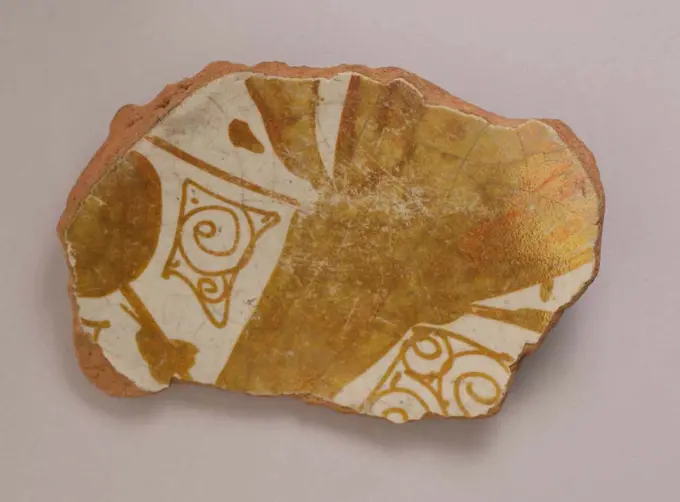
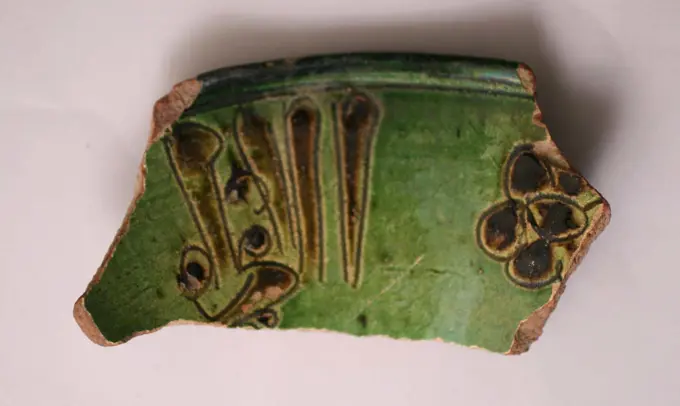
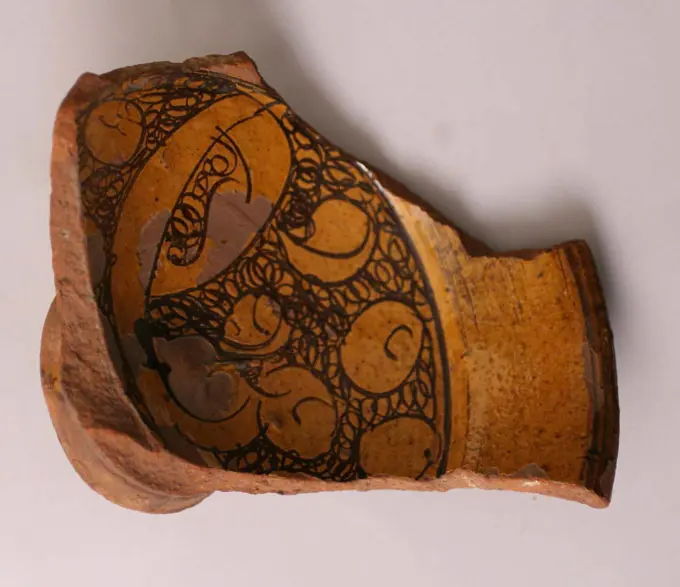
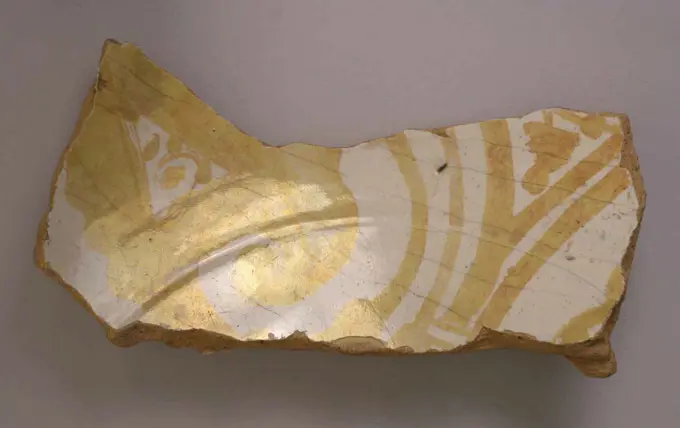
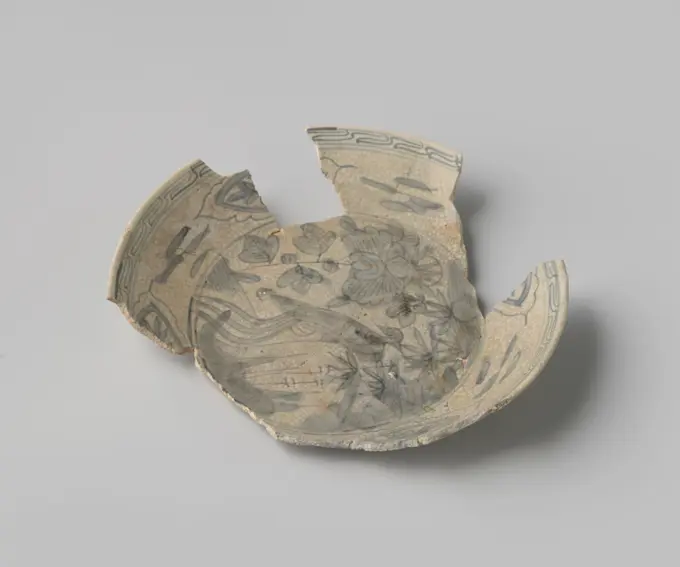
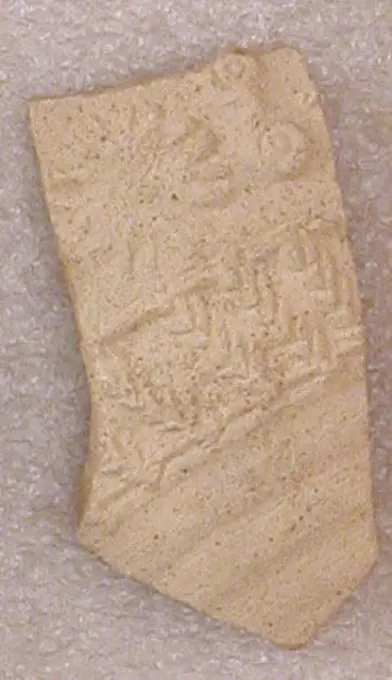
Antique pottery shards featuring intricate designs from various centuries, highlighting historical craftsmanship in clay.
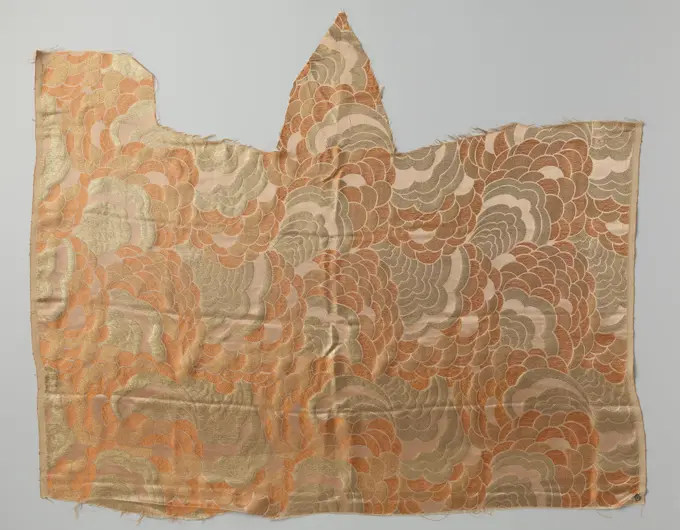
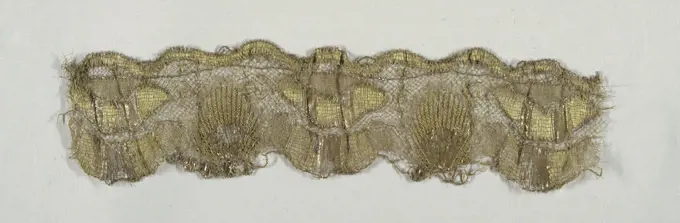
Fragment of Lap Silk Brokaat with cloud motifs in gold against a background of two shades of salmon color ,, 1920 - 1930 Fragment or piece of silk brokaat with cloud motifs in gold against a background of two shades of salmon color. Lyon, in or before 1924. Lyon silk. Fragment or piece of silk brokaat with cloud motifs in gold against a background of two shades of salmon color. Lyon, in or before 1924. Lyon silk.
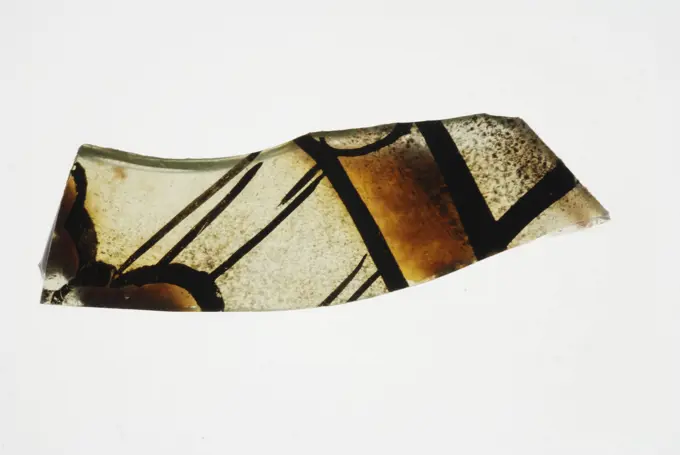
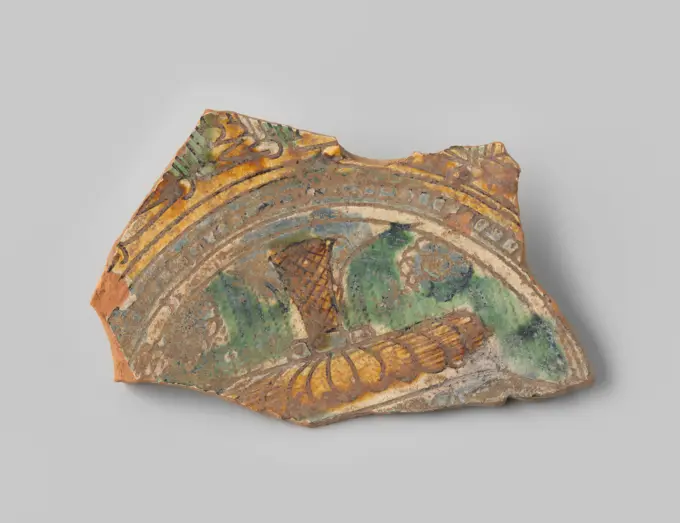
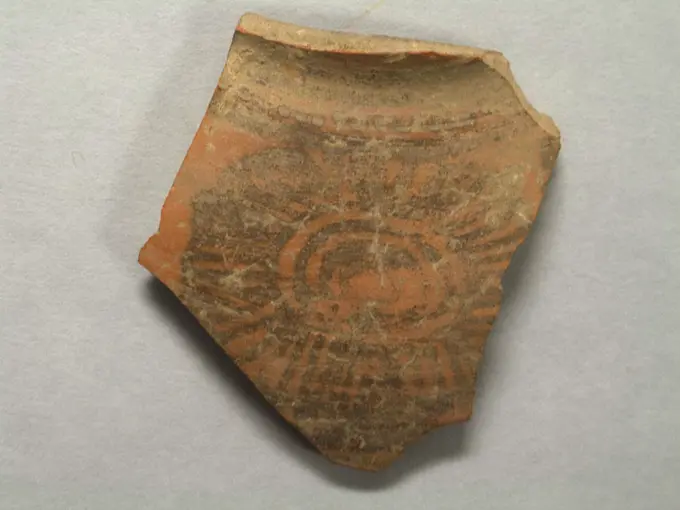
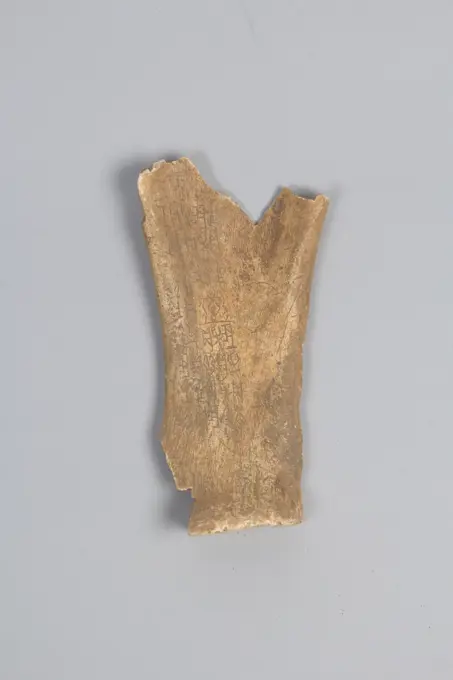
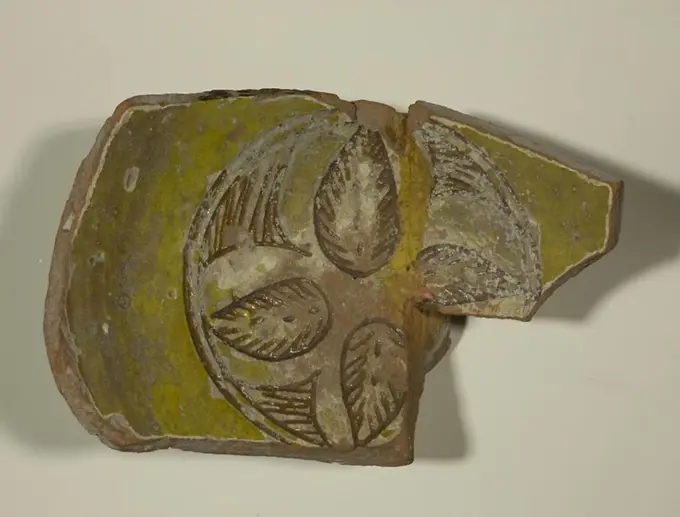
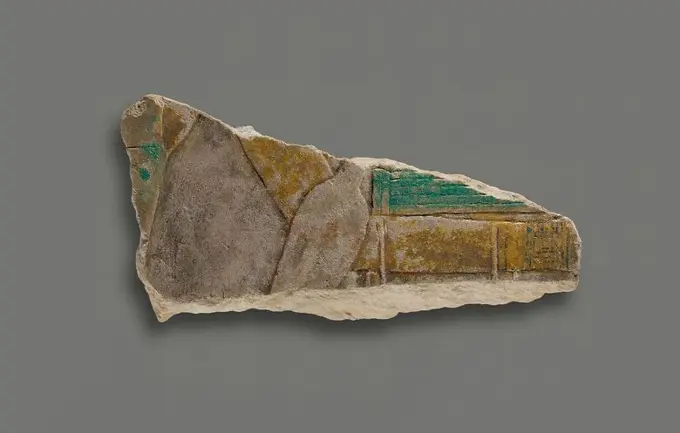
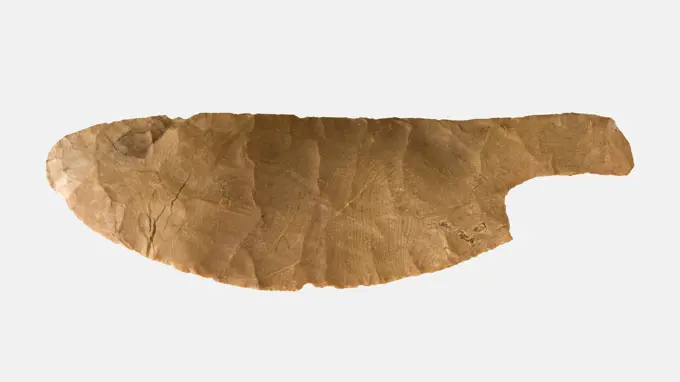
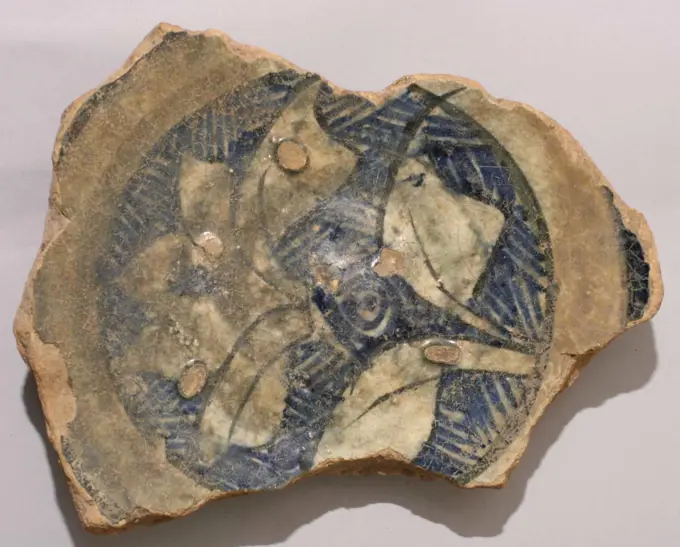
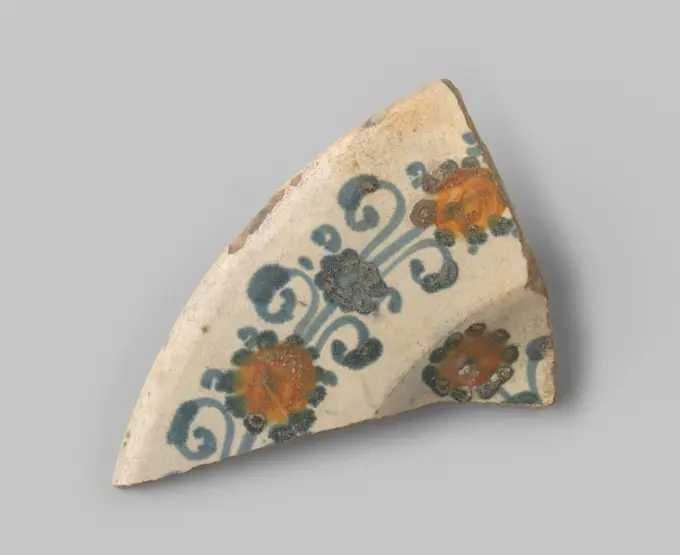
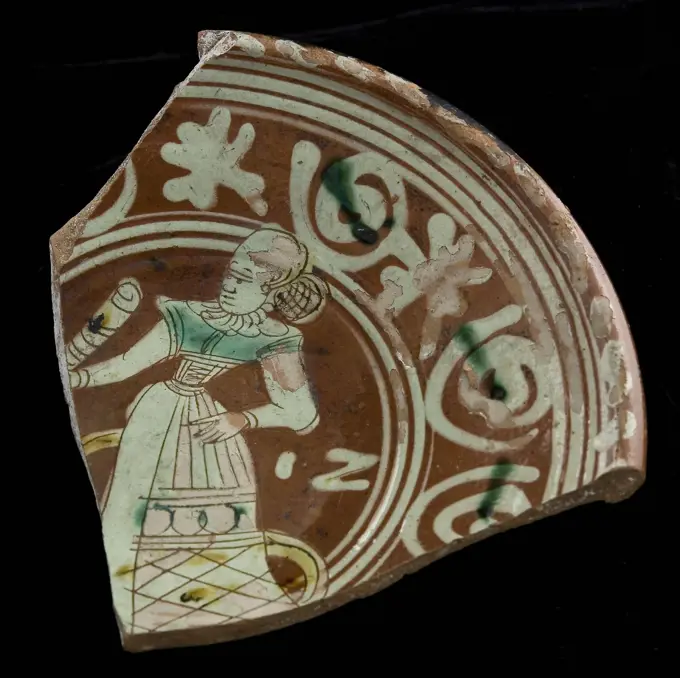
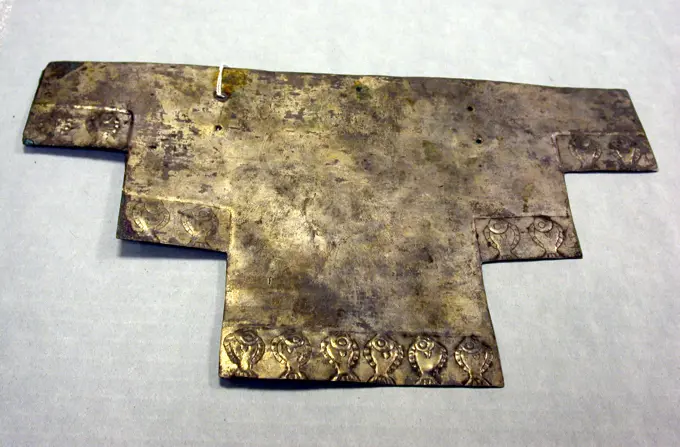
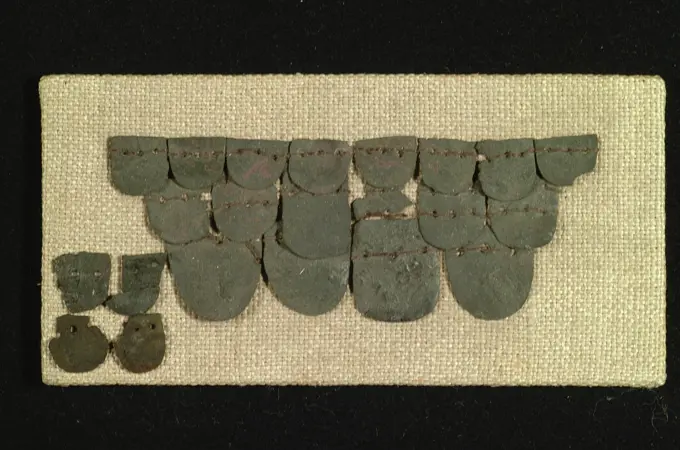
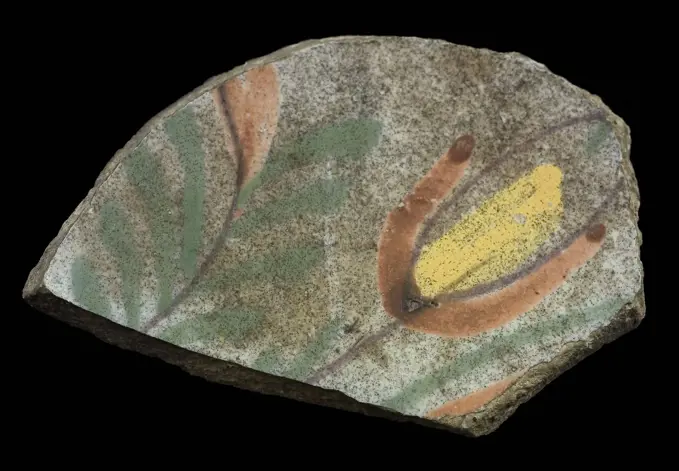
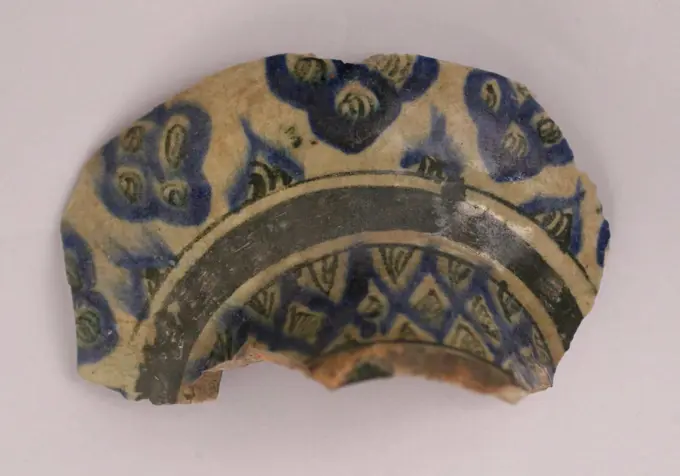
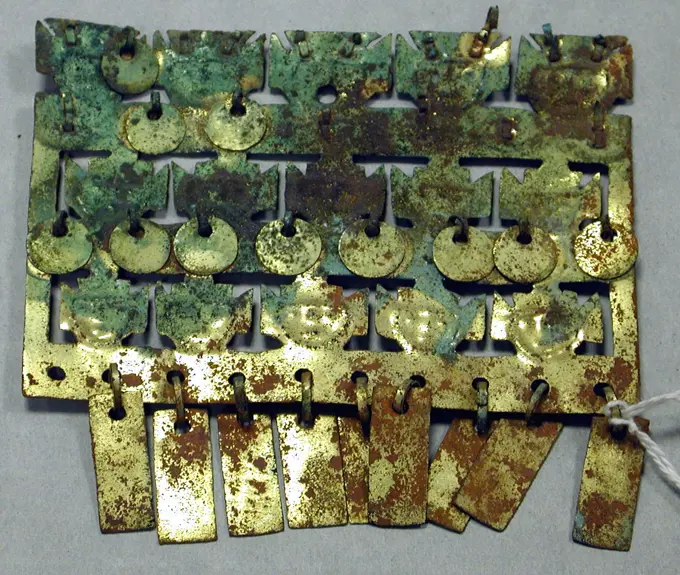
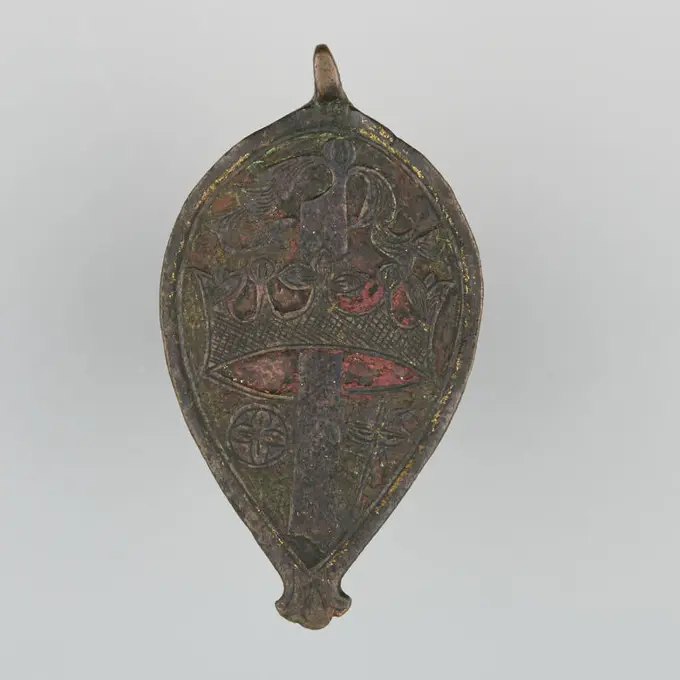
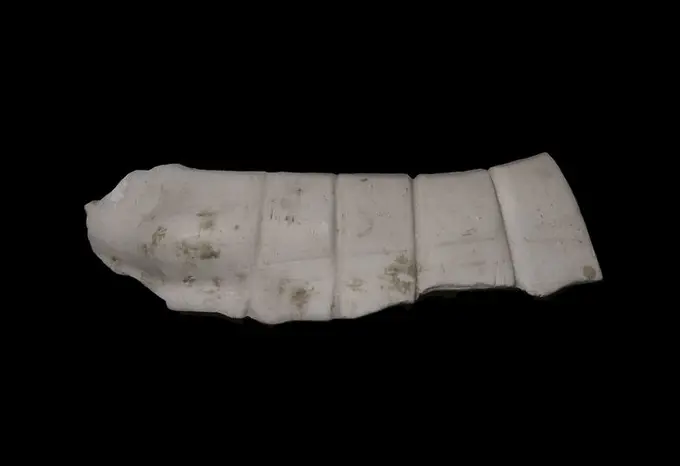
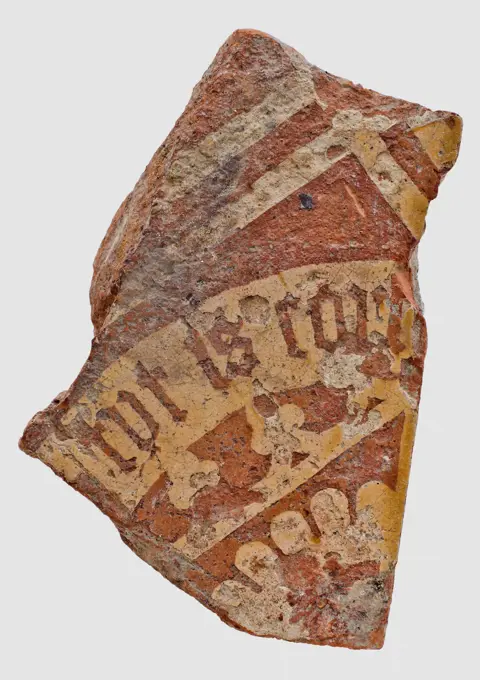
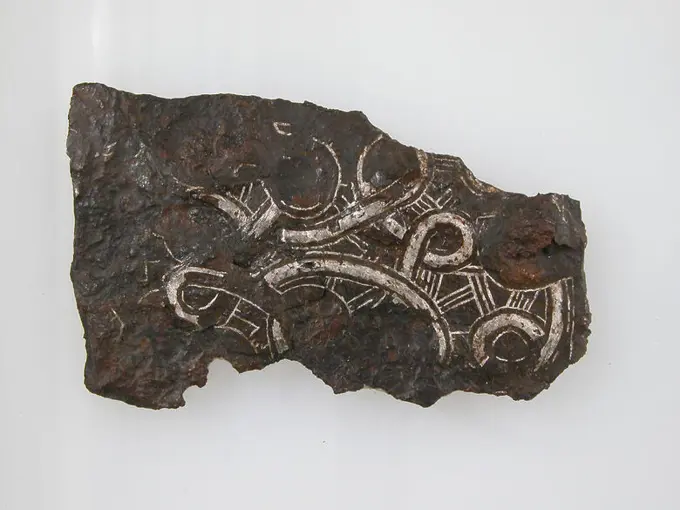
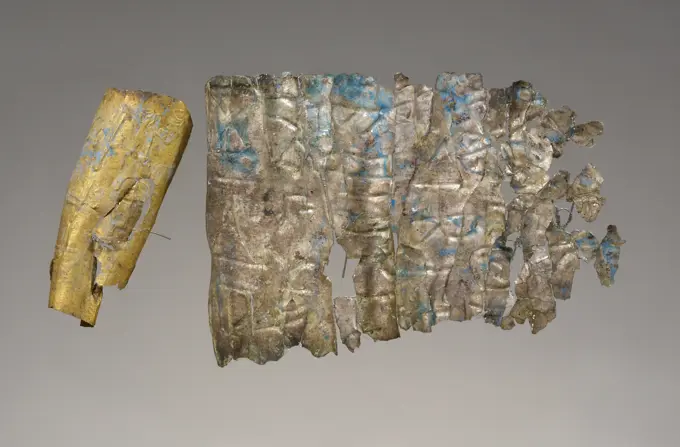
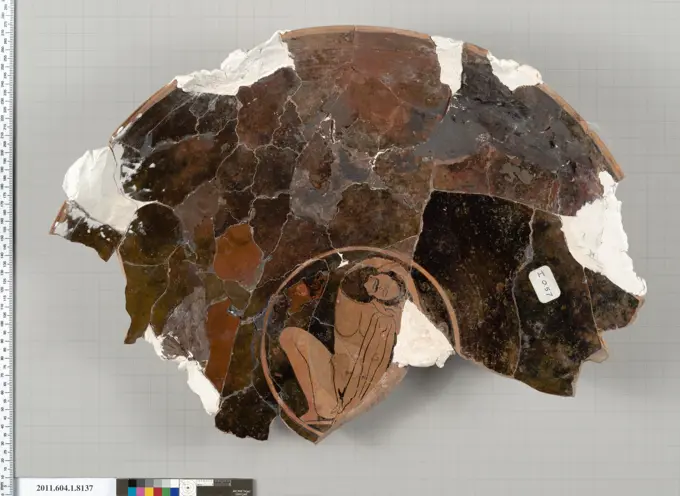
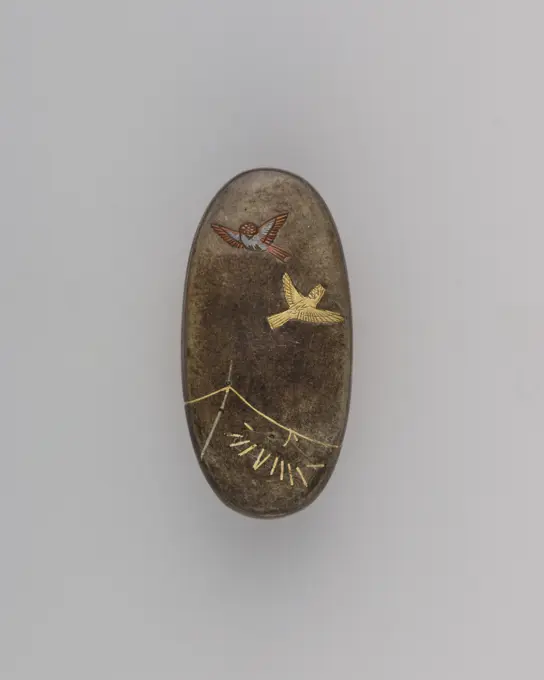
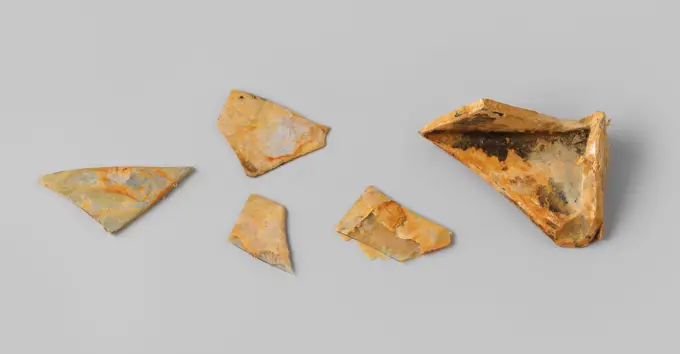
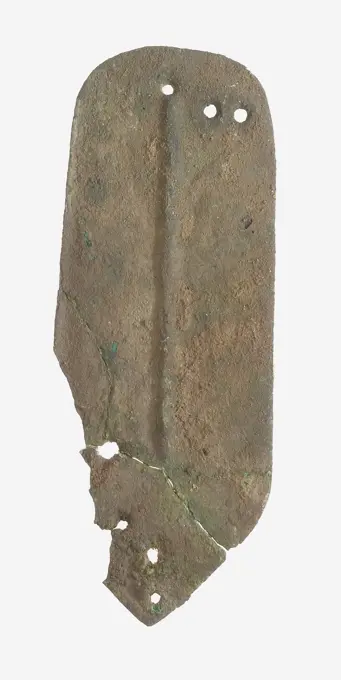
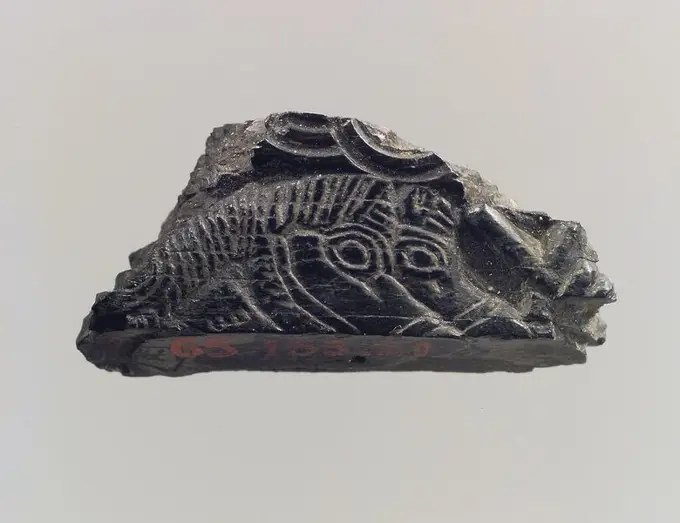
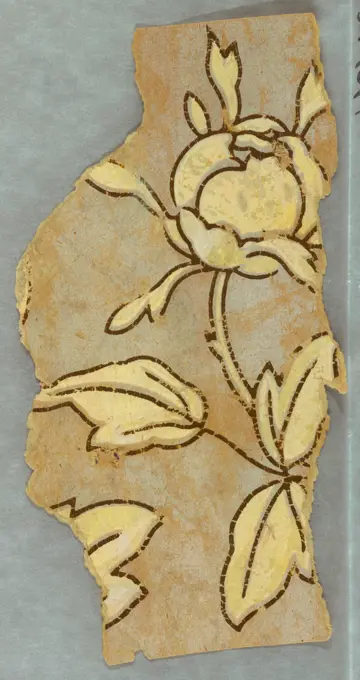
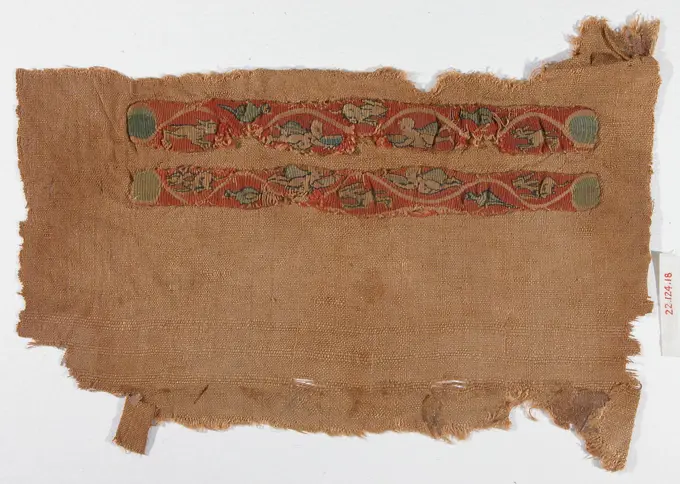
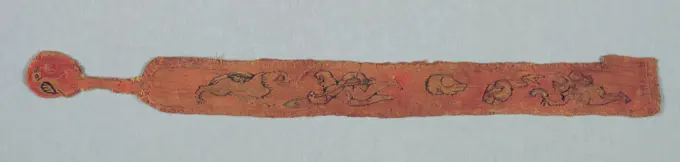
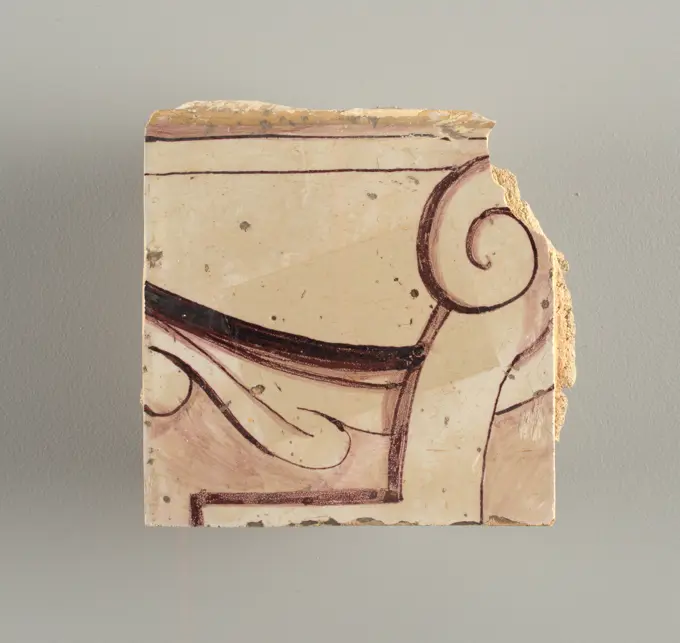
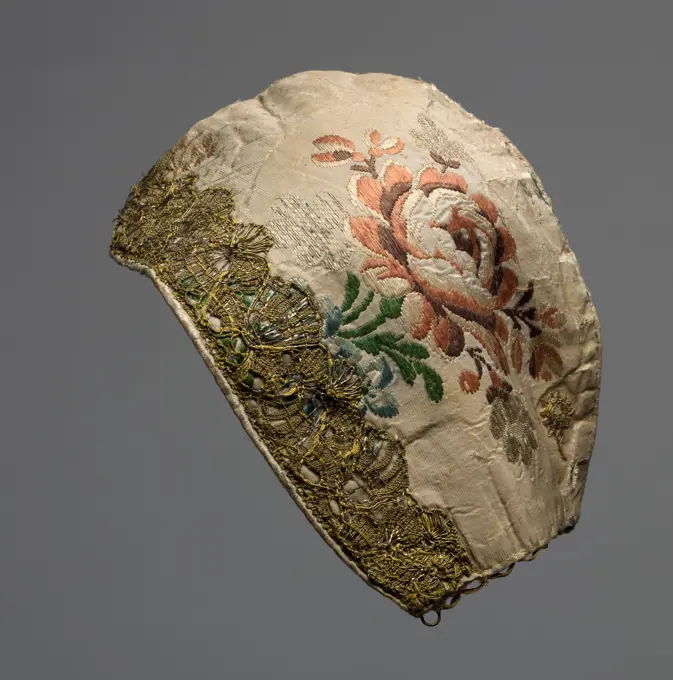
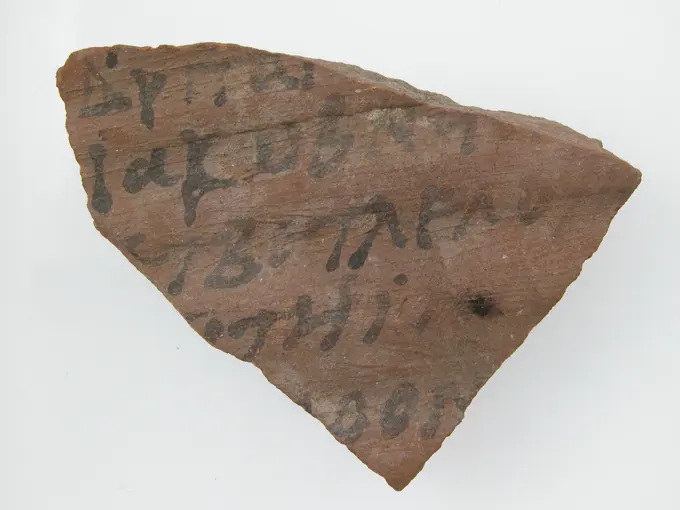
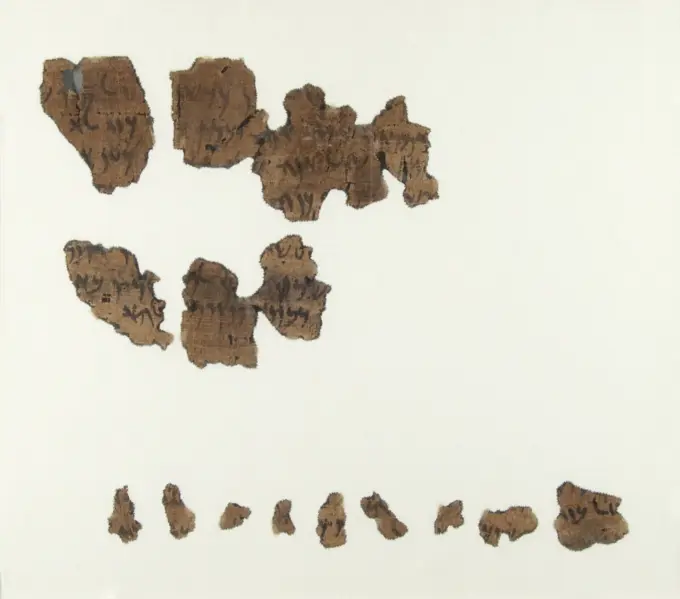
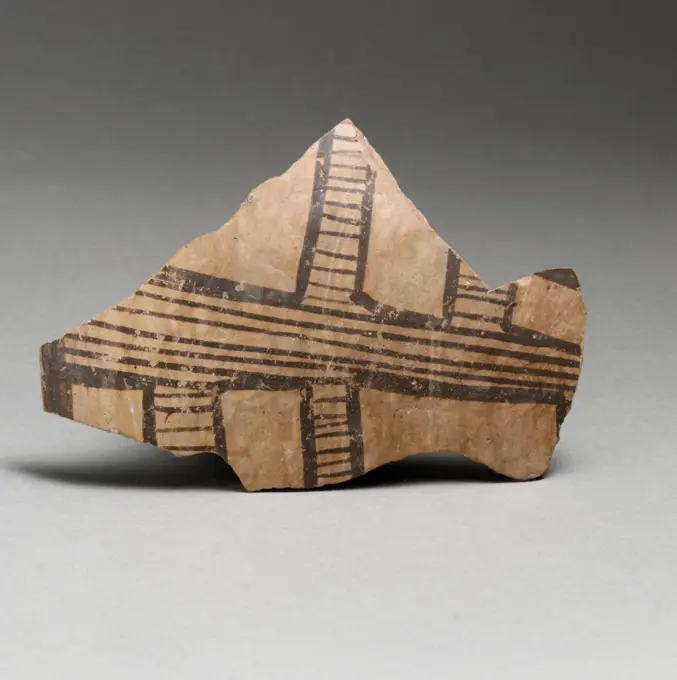
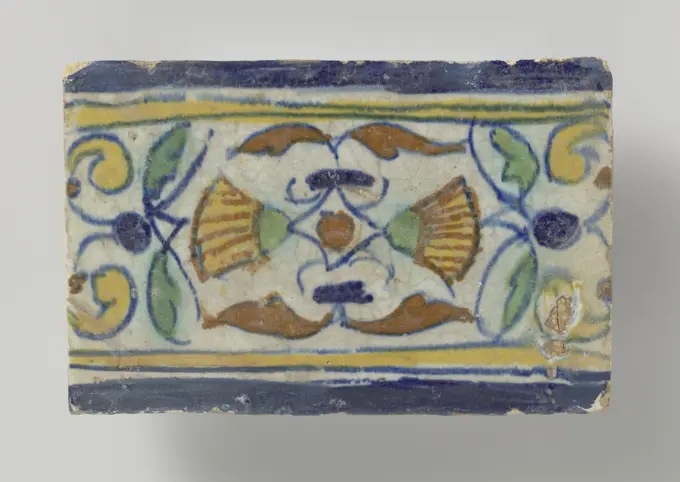
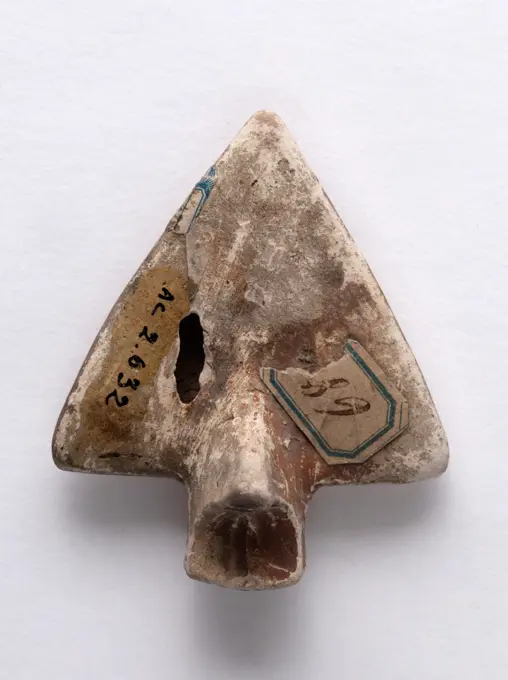
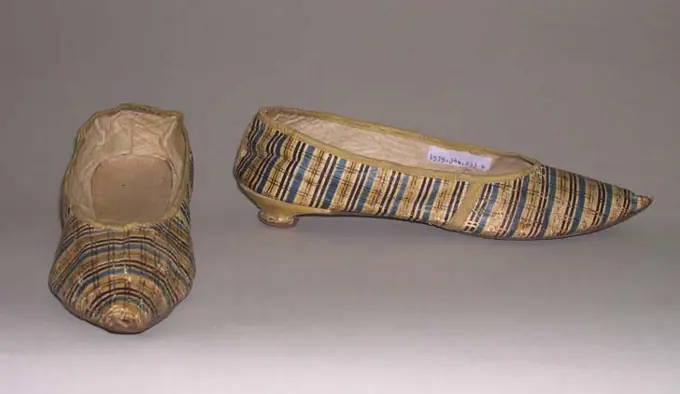
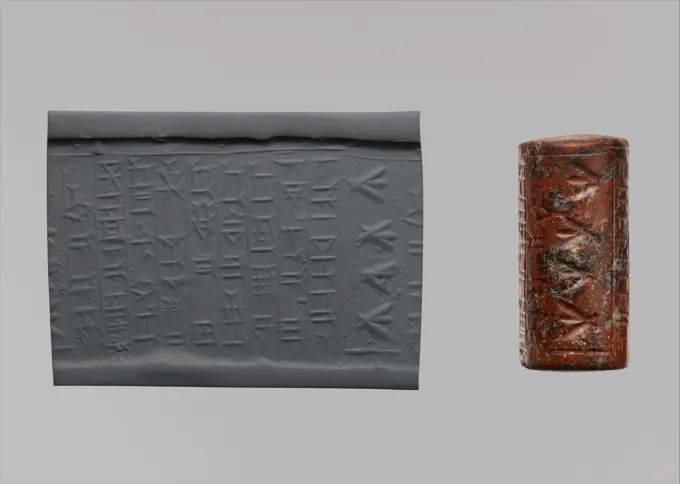
Shard: Forepaws of Spotted Carnivore ca. 4th-5th century Pakistan. Shard: Forepaws of Spotted Carnivore 51272Fragment 15th century. Fragment 445579Fragment 11th century. Fragment. 11th century. Earthenware; tin-enameled, luster-painted. Made in Egypt. CeramicsFragment 9th century. Fragment 451521Fragment 14th-15th century. Fragment 445560Fragment of a Bowl 14th-15th century. Fragment of a Bowl 446382Fragment 11th century. Fragment 445538Fragment of Lap Silk Brokaat with cloud motifs in gold against a background of two shades of salmon color ,, 1920 - 1930 Fragment or piece of silk brokaat with cloud motifs in gold against a background of two shades of salmon color. Lyon, in or before 1924. Lyon silk. Fragment or piece of silk brokaat with cloud motifs in gold against a background of two shades of salmon color. Lyon, in or before 1924. Lyon silk.Plaque with Openwork Phoenix. China. Date: 900 AD-1400. Dimensions: 16.2 × 7.8 × 0.6 cm (6 3/8 × 3 1/16 × 1/4 in.). Jade. Origin: China. Museum: The Chicago Art Institute, Chicago, USA.Fragment of a Bowl 10th-12th century. Fragment of a Bowl 447264Fragment of green window glass with stained-glass decor, window glass building material soil find glass, w 0.9 cast drawn cut painted baked Fragment of greenish tinted window glass. Stained glass Image shows probably fragment of clothing or drapery with folds archeology Landpoortstraat Geervliet Bernisse indigenous glasswork adorn living building glasier hof van Putten archaeological find in the soil Geervliet pit Landpoortstraat 1 September 1983.Dishes of red -baking earthenware, with a vase on foot in a circle at the front, in sgrafitto technology with white, yellow, green and blue glaze, unggestive, anonymous, 1200 - 1899 at the rear  Italy earthenware  Italy earthenwareShard: Flower ca. 4th-5th century Pakistan. Shard: Flower 51258Vest of crème side, embroidered in cream with a spreading motif of brushes and wreaths and a border motif of leaf vines, between which is separate flowers., Anonymous   silk. cotton (textile). embroidering   silk. cotton (textile). embroideringOracle bone fragment China. Oracle bone fragment. China. Inscribed bone. Shang dynasty (ca. 1600-1046 B.C.). BoneExcerpt of a dish, anonymous, 1000 - 2000 Fragment of a dish. The red shard is covered at the front with a white finer earth species, in which a sitting, surrounding bird of prey is depicted in Sgrafitto technology. Cairo earthenware Fragment of a dish. The red shard is covered at the front with a white finer earth species, in which a sitting, surrounding bird of prey is depicted in Sgrafitto technology. Cairo earthenwareFragment of a Bowl. Byzantine; Greece, Thessaloniki. Date: 1201-1400. Dimensions: 16.5 × 7.6 × 1/2 cm (6 1/2 × 3 × 1/2 in.). Ceramic. Origin: Salonika. Museum: The Chicago Art Institute, Chicago, USA.Buckle late 6th-early 7th century Visigothic. Buckle. Visigothic. late 6th-early 7th century. Copper alloy, traces of iron. Miscellaneous-Buckles & OrnamentFragment of relief. Dimensions: h. 4.5 cm (1 3/4 in); w. 9.8 cm (3 7/8 in). Dynasty: Dynasty 12-13. Date: ca. 1981-1640 B.C.. Museum: Metropolitan Museum of Art, New York, USA.Tile fragment, part of a wig from a figure of the king New Kingdom, Ramesside ca. 1279-1213 B.C. View more. Tile fragment, part of a wig from a figure of the king. ca. 1279-1213 B.C.. Faience. New Kingdom, Ramesside. From Egypt, Eastern Delta, Qantir (Piramesse), Palace of Ramesses II. Dynasty 19Fragment; silk, metallicBifacial knife with handle ca. 2949 B.C. Early Dynastic Period. Bifacial knife with handle. ca. 2949 B.C.. Flint. Early Dynastic Period. From Egypt, Northern Upper Egypt, Abydos, Umm el-Qaab, Tomb of Khasekhemui, Egypt Exploration Fund excavations. Dynasty 2Textile Fragment. Syria, 13th century. Textiles; fragments. Silk plain weave with supplementary-weft patterningFragment of a Bowl 14th-15th century. Fragment of a Bowl 445378Dishes of white -baking earthenware, at the front with a flower decoration in blue and yellow on white glaze, at the rear of white glaze, anonymous, 1200 - 1899  Italy earthenware  Italy earthenwareFragment Werra plate, mirror-rich lady with glass in hand, year 1612, light yellow and green glaze, border decor volutes and stars, plate crockery holder earth discovery ceramic earthenware glaze, Red earthenware with drawing in light yellow and green glaze year glazed not entirely on the shard: ** 12 archeologyOrnament Plaque with Fish Motif 12th-15th century Chimú. Ornament Plaque with Fish Motif. Chimú. 12th-15th century. Silver (hammered), gilt. Peru. Metal-OrnamentsGlass Fragment 13th-14th century () European. Glass Fragment. European. 13th-14th century (). Pot metal glass. Glass-StainedArmor Scales 589-570 B.C. Late Period Discovered in the Palace of Apries at Memphis, these pieces of scale armor may have been used for gauntlets. In five cases, scales of copper alloy were adhering to iron scales, as if armor of both materials had lain against one another.. Armor Scales 552598Soil fragment faience plate with polychrome flower on white ground, plate dish crockery holder soil find ceramic earthenware glaze tin glaze, hand turned baked decorated glazed baked Soil fragment faience plate on stand surface Fully glazed brown discolored by staying in the soil Yellow shard. Polychrome flower in the mirror tulip in yellow red purple and green archeology Schiedam native pottery serve serving food table archaeological find in the soil weedstraat Schiedam 1973.Handle 15th century. Handle. 15th century. Earthenware; carved and glazed. Made in Spain. Ceramics-TilesFragment of Bottle 14th-15th century. Fragment of Bottle 446370Copper Face Ornament with Dangles 3rd century B.C.-A.D. 2nd century Vicús. Copper Face Ornament with Dangles 315311Badge (probably from Horse Harness). Culture: Spanish. Dimensions: H. 3 11/16 in. (9.3 cm); W. 2 in. (5 cm); Wt. 1.5 oz. (42.5 g). Date: 14th century. Museum: Metropolitan Museum of Art, New York, USA.Cap fragment, Medium: linen Technique: quilted, Cap fragment of striped linen stuffed with twisted pieces of linen and quilted., Egypt, possibly 5th century, costume & accessories, Cap fragmentStucco fragment with male torso. Stucco fragment with male torso 244723Vase fragment East Greek/Sardis, Lydian. Vase fragment 252820 East Greek/Sardis, Lydian, Vase fragment, Terracotta, Overall: 3 1/8 x 2 3/4in. (7.9 x 7cm). The Metropolitan Museum of Art, New York. Gift of The American Society for the Excavation of Sardis, 1926 (26.199.255)Double-Sided Comb 7th century Frankish. Double-Sided Comb 465658 Frankish, Double-Sided Comb, 7th century, Bone, iron pins, Overall: 5 1/4 x 2 9/16 x 11/16 in. (13.3 x 6.5 x 1.7 cm). The Metropolitan Museum of Art, New York. Gift of J. Pierpont Morgan, 1917 (17.193.322)Prehistory. Temple Period (4000 to 2500 BC). Malta. Engraved bone with parallel vertical grooves. Unknown provenance. National Museum of Archaeology. Valletta. Malta.Fragment of the base for the vessel; Egyptian workshop; VI-VII century (501-00-00-700-00-00);Earthenware tile with text and decoration in sludge technology, tile floor tile tile sculpture soil find ceramic earthenware glaze lead glaze, in shape made glazed baked lemonade Pottery tile with text and decoration in sludge technique Red shard. Text in curved belt that can be traversed in adjoining tiles. Furthermore, straight lines and corner decoration spatula-shaped lobes In band text: TYT IS CORT (time is short) archeology Rotterdam Stadscentrum Stadsdriehoek Bulgersteyn indigenous earthenware floor Soil discovery: slot Bulgersteyn in Rotterdam.Fragment of a Dish 16th-17th century. Fragment of a Dish 450299Belt Plate. Culture: Frankish. Dimensions: Overall: 3 11/16 x 2 1/4 x 3/16 in. (9.3 x 5.7 x 0.4 cm). Date: 4th-7th century. Museum: Metropolitan Museum of Art, New York, USA.Fragment (Egypt); linenRelief fragment from the tomb of Meketre ca. 1981-1975 B.C. Middle Kingdom. Relief fragment from the tomb of Meketre 669021Lamella and a Fragment of its Case. UnknownFragment sign from V.O.C. ship De 'Witte Leeuw', Anonymous, Before 1613 plate (dishes) Fragment board from V.O.C. ship De 'Witte Leeuw', 70 present. Shatou porcelain   Sint-HelenaTerracotta fragment of a kylix (drinking cup) last quarter of the 6th century B.C. Greek, Attic Interior, crouching, sleeping satyr, with his right arm stretched over his head; Exterior, start of handle root, bit of handle patch and palmette with tendrils; filleted Herakles wrestling the Nemean Lion; in the background a tree; part of a palmette with tendrils. Terracotta fragment of a kylix (drinking cup). Greek, Attic. last quarter of the 6th century B.C.. Terracotta; red-figure. Archaic. VasesScabbard Chape (Kojiri) 19th century Japanese. Scabbard Chape (Kojiri). Japanese. 19th century. Copper-silver alloy (shibuichi), gold, silver, copper. Sword FurnitureFragment of a Bowl 13th century. Fragment of a Bowl 445185Pilgrim Bottle Fragment 9th century () Visigothic (). Pilgrim Bottle Fragment 465830 Visigothic (), Pilgrim Bottle Fragment, 9th century (), Earthenware, glaze, Overall: 2 1/2 x 2 15/16 x 3/16 in. (6.4 x 7.4 x 0.5 cm). The Metropolitan Museum of Art, New York. Gift of J. Pierpont Morgan, 1917 (17.194.1712)Shards of basement bottles from the wreck of the East Indians' t Vliegend Hart ,, 1700 - 1735  Shards of square basement bottles. Yellow -brown colored, originally the glass was green. Case Bottle. Middelburg glassScale from Armor ca. 1390-1353 B.C. New Kingdom Although bronze and iron scales have been found in Egypt, body armoraforeign importwas probably not commonly worn there. Two sets of armorappear in a presentation scene in the tomb of Kenamun at Thebes, and a cuirassof leather scales was found in the tomb of Tutankhamun. The ten scales (11.215.452a-j) were excavated from the palace of Amenhotep III, but their position, embedded in an enclosure wall, does not allow us to speculate as to who might have worn them. The scales would have been sewn to a linen or leather backing. Although they vary, they still might have constituted the same armor.. Scale from Armor. ca. 1390-1353 B.C.. Bronze. New Kingdom. From Egypt, Upper Egypt, Thebes, Malqata, Palace of Amenhotep III, MMA excavations, 1910-11. Dynasty 18Plaque fragment. Culture: Iran. Dimensions: 0.59 x 1.42 x 0.39 in. (1.5 x 3.61 x 0.99 cm). Date: ca. 9th century B.C.. Museum: Metropolitan Museum of Art, New York, USA.Sidewall (USA); machine-printed; 21 x 7 cm (8 1/4 x 2 3/4 in.)Textile Fragment 4th-6th century. Textile Fragment 447602Electrolysis, Chelsea Water Works, 6-inch hydrant pipe injured by electrolysis, Chelsea, Mass., Jan. 1905 , waterworks, pipes conduits, electrolysisTwo-Colored Tile with arms of England 14th or 15th century British. Two-Colored Tile with arms of England. British. 14th or 15th century. Fired earthenware, with slip decoration and lead glaze. Ceramics-TilesShallow bowl. Nieokreślona manufaktura, factoryFragment of a Bowl 14th-15th century. Fragment of a Bowl 446329Costume Ornament 11th-12th century North Coast (). Costume Ornament. North Coast (). 11th-12th century. Silver. Peru. Metal-OrnamentsFragment from a Child's Tunic: Clavus I, 600s-700s. Egypt, Umayyad period (661-750). Wool and linen: tabby weave, inwoven tapestry ornament; overall: 37.6 x 3.6 cm (14 13/16 x 1 7/16 in.).Werra dish, mirror decor with fish, border decoration with circles, arches and leaves, dated, dish crockery holder earth discovery ceramics earthenware glaze, hand-turned decorated glazed fried small-leaved sgraffito Red earthenware on stand surface Lightly curved sidewall thick round dish edge In the mirror fish and year Randdecor consists of yellow circles and arches green leaves Scratches in the glaze of cutting movements and black spots of year glazed: 1605 archeologyKaba or Kundu (drum) Melanesian (Massim, Papua New Guinea) late 19th century View more. Kaba or Kundu (drum). Melanesian (Massim, Papua New Guinea). late 19th century. Wood. New Guinea. Membranophone-single-headed / cylindrical drumFragment of Dish 9th-10th century. Fragment of Dish 454360Wall Facing (Netherlands); tin-glazed earthenware, underglaze; 5 tiles tall, various wideCap, mid 1700s. France, Strasbourg, mid-18th century, Period of Louis XV. Corded silk damask and metallic thread, edge embroidered with gold lace; overall: 22.8 x 24.1 cm (9 x 9 1/2 in.).Ostrakon 7th century Coptic. Ostrakon 474513Fragment of a Bowl 14th-15th century. Fragment of a Bowl 445385Papyrus Fragments Inscribed in Aramaic Papyrus Fragments Inscribed in Aramaic, 402-401 B.C.E. Papyrus, ink, Largest Fragment: 2 9/16 × 1 13/16 in. (6.5 × 4.6 cm).   Egyptian, Classical, Ancient Near Eastern Art 402-401 B.C.E.Band, Medium: metal strips and metal thread Technique: bobbin lace, metallic, Gold metallic lace with large floral clusters and scalloped outer edges., Spain, 16th-17th century, lace, BandTerracotta rim fragment with latticework design ca. 3800-3300 B.C. Dimini culture From ThessalyDark lines on light ground.. Terracotta rim fragment with latticework design 253236 Dimini culture, Terracotta rim fragment with latticework design, ca. 38003300 B.C., Terracotta, length 4 3/16in. (10.6cm). The Metropolitan Museum of Art, New York. Anonymous Gift, 1930 (30.119.31)Fragment pasa dekoracyjnego. warsztat egipski, workshopLid or bottom fragment of a barrel or barrel from the wreck of the East Indies' t Vliegend Hart, c. 1700 - c. 1735  The fragment of a wooden lid of a barrel was originally round. Now about a third of them are over. Probably oak, brown, on one side concretion, the other clean. Barrel.  wood (plant material)Fragment 14th century. Fragment 445325Curtains (USA); cottonMolded Ceramic Fragments 9th century. Molded Ceramic Fragments 447671Rand tile with marigolds and leaves, anonymous, c. 1600 - c. 1630 Rand tile with a multicolored (blue, green, yellow and orange) ornament of marigolds and leaves. Netherlands earthenware. tin glaze majolica Rand tile with a multicolored (blue, green, yellow and orange) ornament of marigolds and leaves. Netherlands earthenware. tin glaze majolicaCeramic Fragments with Central Leaf. Spain, Umayyad, 10th century. Ceramics. Earthenware, underglaze-paintedOil lamp reflector (handle). Terracotta. High Empire. Palmette. Paris, Carnavalet museum. 50057-11 Decor Palmette, High Empire, Oil lamp, Reflector, TerracottaWall painting fragment 1st century A.D. Roman Floral decoration.. Wall painting fragment. Roman. 1st century A.D.. Fresco. Miscellaneous-PaintingsTissue fragment with decoration in tapestry. Natural linen tissue fragment with in dark blue wool in the middle a circle with a wide border with a sprinkling motif in flying wire technique. Central to the circle a knot surrounded by four vases from which leaf raft come. From the circle a narrow band runs with a motif of swatched tendrils with three-pass leaves, on the one hand ending in a diamond shape and on the other end ending in a uivalog.Fragment. Culture: French. Dimensions: Overall: 1 3/4 × 3 3/8 × 3/16 in. (4.4 × 8.6 × 0.4 cm). Date: 12th-14th century. Museum: Metropolitan Museum of Art, New York, USA.Slippers 1790s British. Slippers 110163Egyptians surgical instruments made of bronze. Egyptian art. FRANCE. ëLE-DE-FRANCE. Paris. History of Medicine Museum.Model Tool from a Foundation Deposit ca. 1479-1458 B.C. New Kingdom. Model Tool from a Foundation Deposit. ca. 1479-1458 B.C.. Wood. New Kingdom. From Egypt, Upper Egypt, Thebes, Deir el-Bahri, Tomb of Senenmut (TT 353), Foundation deposit 5b, MMA excavations, 1926-27. Dynasty 18Vase fragment East Greek/Sardis, Lydian. Vase fragment 252804 East Greek/Sardis, Lydian, Vase fragment, Terracotta, Overall: 4 3/4 x 3 1/8in. (12 x 7.9cm). The Metropolitan Museum of Art, New York. Gift of The American Society for the Excavation of Sardis, 1926 (26.199.237)Paleolithic Dart Point, Folsom New Mexico, North America, c9000 BC-8000 BC. Artist: Unknown.Border tile, blue on white, figurative decor, edge tile wall tile tile sculpture ceramic earthenware enamel, baked 2x painted Rectangular two nail holes shard: yellow with little red Blue on original white background.Vessel fragment. Dimensions: h. 3.3 cm (1 5/16 in); w. 3.3 cm (1 5/16 in); th. 0.8 cm (5/16 in). Dynasty: Dynasty 18. Reign: reign of Amenhotep III. Date: ca. 1390-1353 B.C.. Museum: Metropolitan Museum of Art, New York, USA.Half Grosz Władysław Jagiełło Mint of Kraków, W Adys Av Jagie o (Ca 1351 1434)Fragmentary dish with inscription for Hathor from Peteharsomtous 332-30 B.C. Ptolemaic Period This fragment of a small silver dish bears an inscription to Hathor of Dendera. The dedicator was one Peteharsomtus whose father's name is cut off at the break. The inscription is duplicated on a silver bottle.in the museum's collection.. Fragmentary dish with inscription for Hathor from Peteharsomtous 546707Zanze late 19th century Ashanti (Asante) Africa. Zanze 501097Terracotta fragments of a kylix (drinking cup) 500-480 B.C. Greek, Attic Interior, komast with chlamys draped over his left forearm holding a stick in his right hand; his left leg is extended in front of him; below his left leg, a skyphos on a block; behind him, a calyx krater. Terracotta fragments of a kylix (drinking cup) 686770Fragment of a Dish 15th century. Fragment of a Dish 450296Egyptian pectoral, polychrome cardboard, necropolis of ancient Thebes, Ptolemaic period , Spain.Earthenware plate with yellow dots and green spots, plate dish crockery holder soil find ceramic earthenware glaze lead glaze clay, hand turned decorated glazed fried loin layer Layer pottery plate on stand Surface with soul Red shard only on the top glazed Decorated with yellow dots and some green spots sludge technology. Traces of use archeology indigenous pottery import food decorate serving tablePulley, 19th century, Unknown Japanese, 2 1/4 × 12 1/4 in. (5.72 × 31.12 cm), Lacquer and mother-of-pearl on wood, Japan, 19th centuryCandra pirai late 19th century Indian (south) This crescent-shaped, stick-beaten frame drum is a symbol of the moon. It is worn on the player's forehead. It is used with the surya pirai, a round, "sun-shaped" frame drum of similar construction, in temples of the goddess Mariamman and other village deities.. Candra pirai 500783Cylinder seal ca. 16th-12th century B.C. Kassite Although engraved stones had been used as early as the seventh millennium B.C. to stamp impressions in clay, the invention in the fourth millennium B.C. of carved cylinders that could be rolled over clay allowed the development of more complex seal designs. These cylinder seals, first used in Mesopotamia, served as a mark of ownership or identification. Seals were either impressed on lumps of clay that were used to close jars, doors, and baskets, or they were rolled onto clay tablets that recorded information about commercial or legal transactions. The seals were often made of precious stones. Protective properties may have been ascribed to both the material itself and the carved designs. Seals are important to the study of ancient Near Eastern art because many examples survive from every period and can, therefore, help to define chronological phases. Often preserving imagery no longer extant in any other medium, they serve as a visual c