Ceramic Fragments

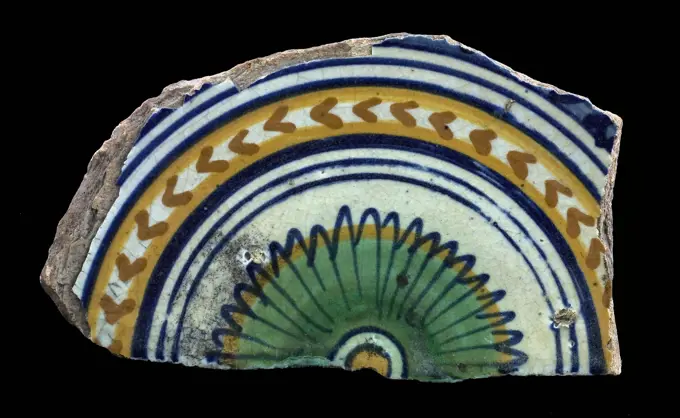
Antique pottery shards featuring intricate designs from various centuries, highlighting historical craftsmanship in clay.
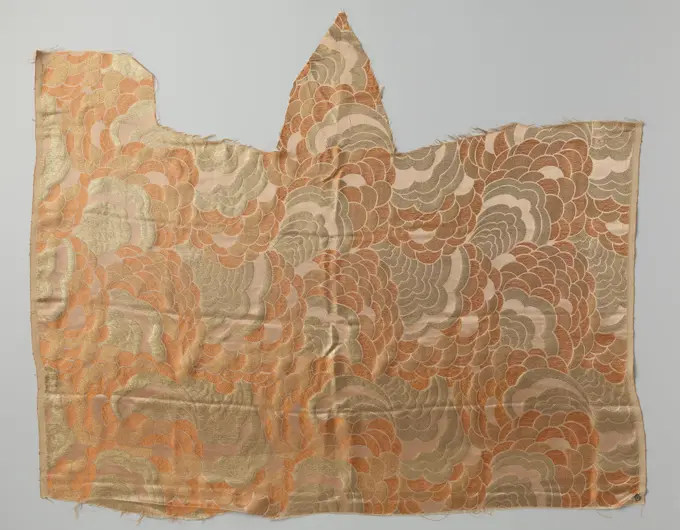
Fragment of Lap Silk Brokaat with cloud motifs in gold against a background of two shades of salmon color ,, 1920 - 1930 Fragment or piece of silk brokaat with cloud motifs in gold against a background of two shades of salmon color. Lyon, in or before 1924. Lyon silk. Fragment or piece of silk brokaat with cloud motifs in gold against a background of two shades of salmon color. Lyon, in or before 1924. Lyon silk.
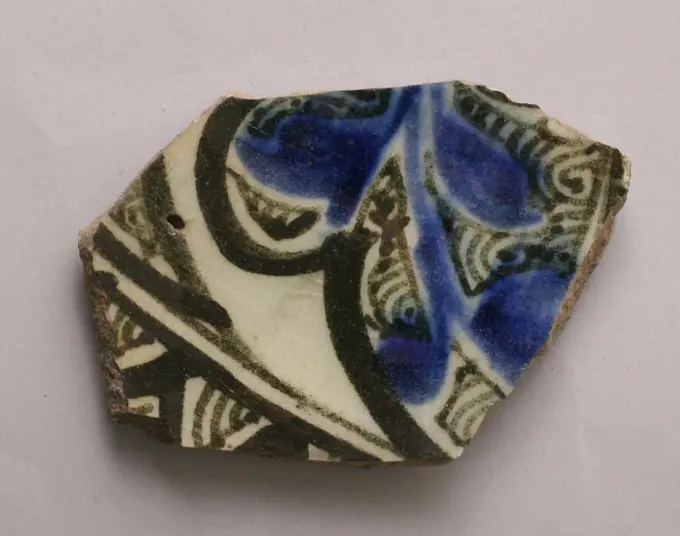
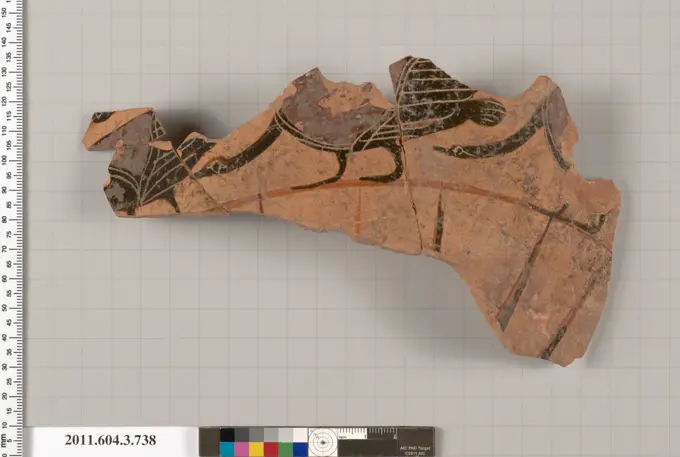
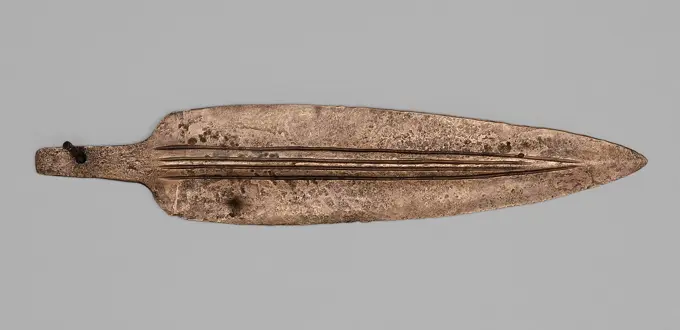
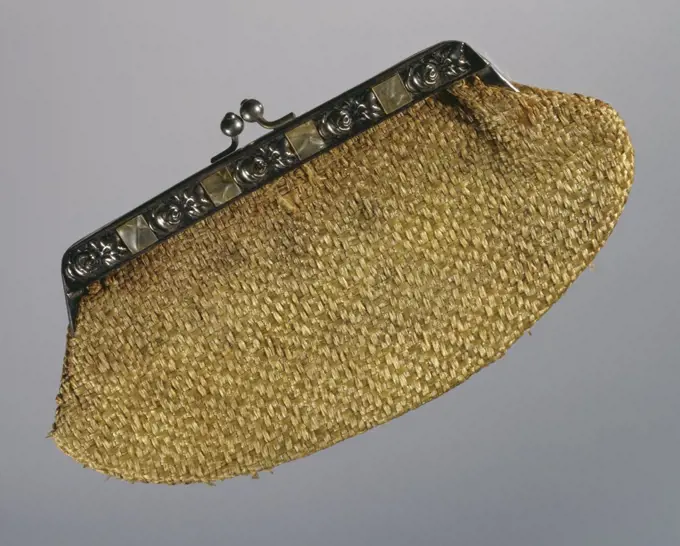
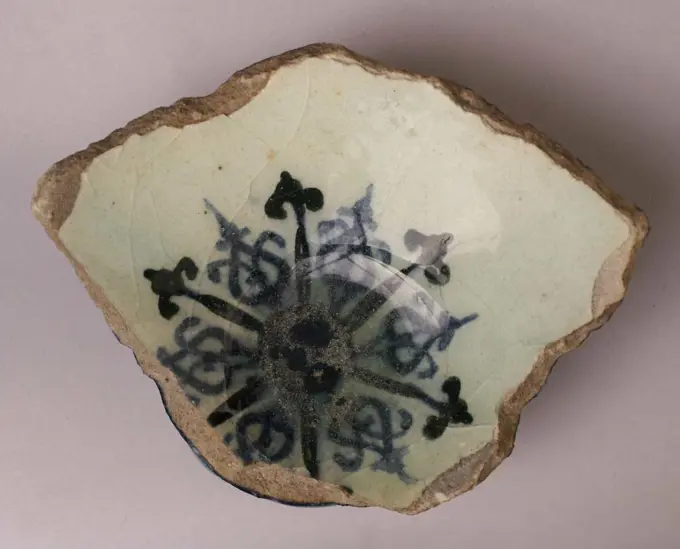
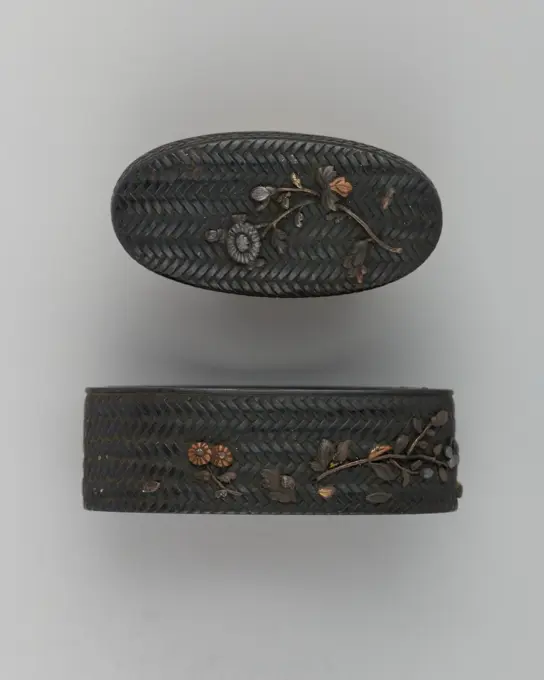
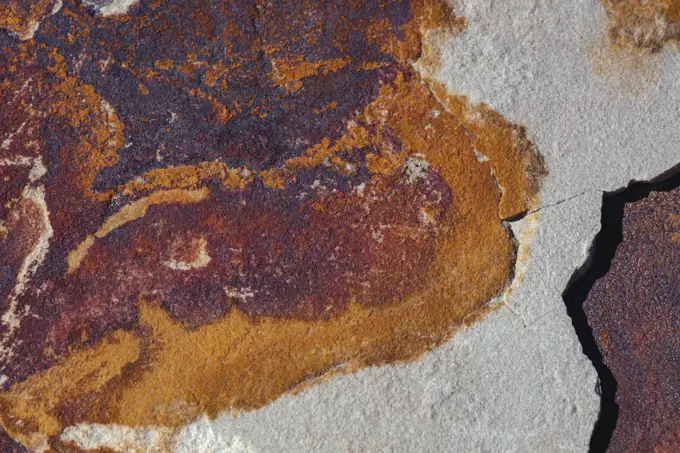
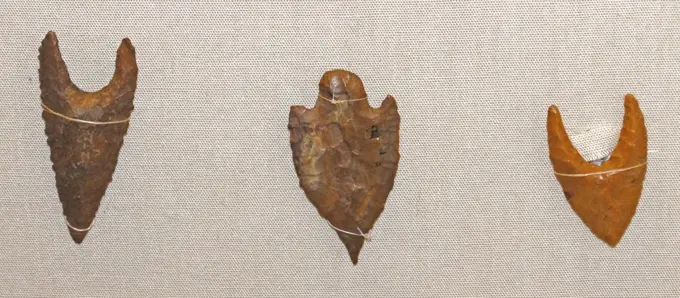
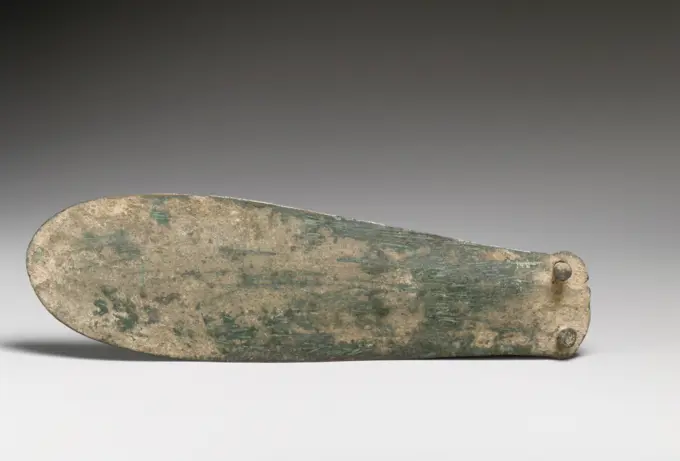
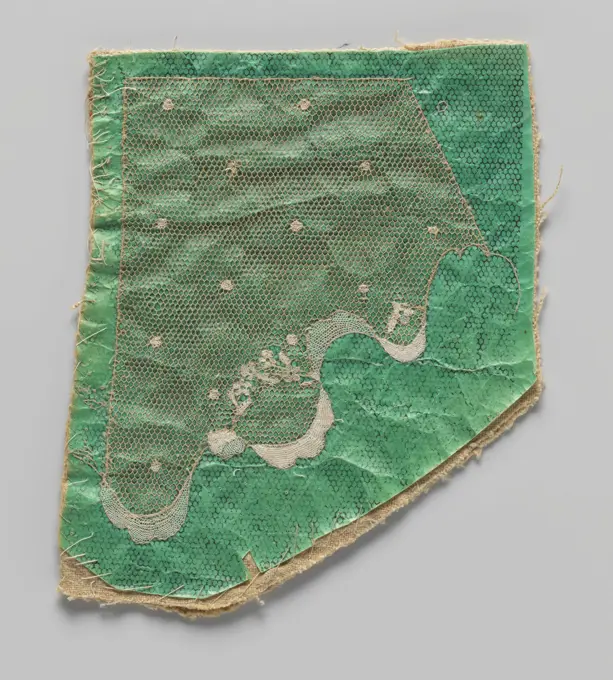
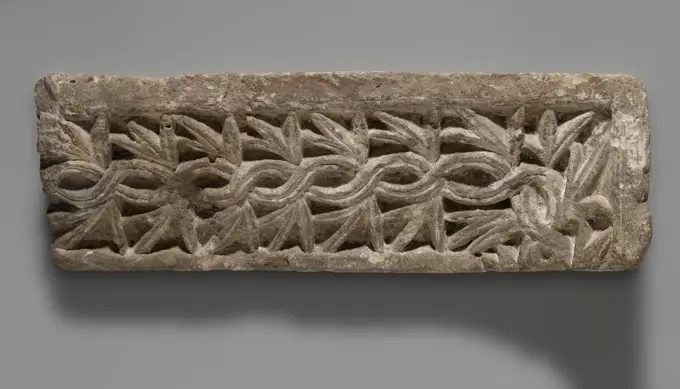
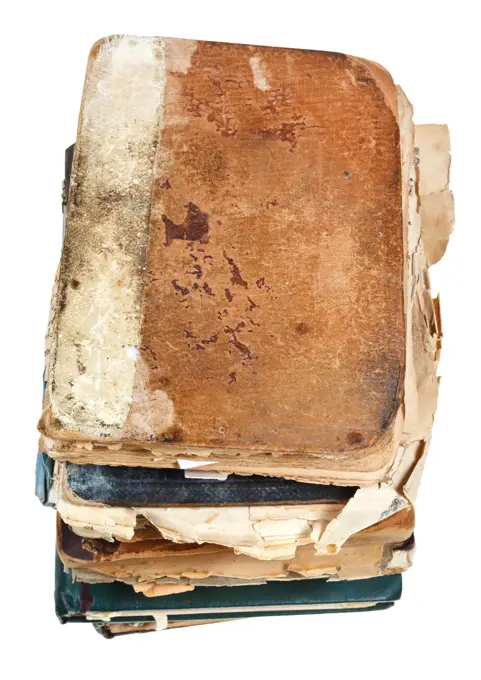
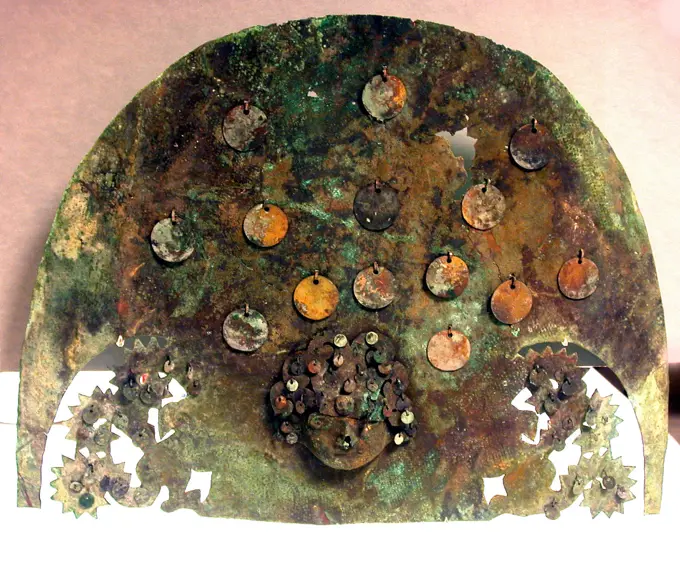
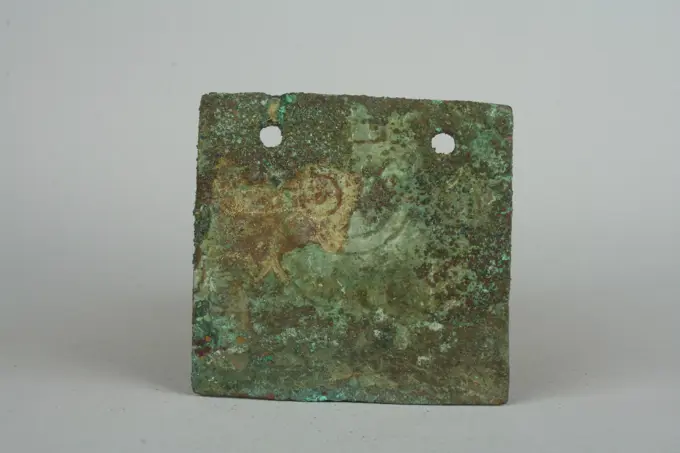
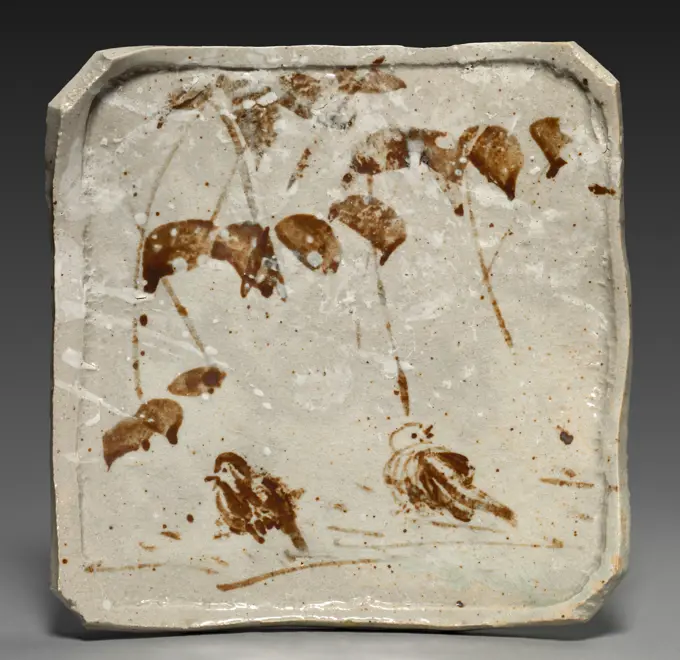
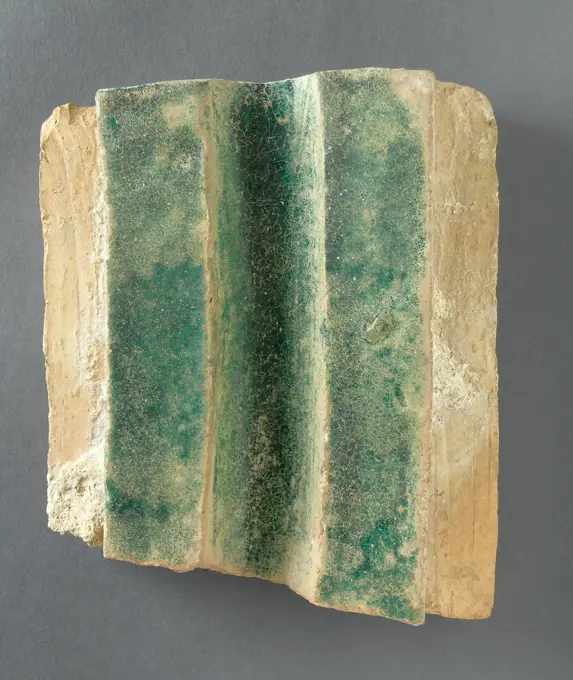
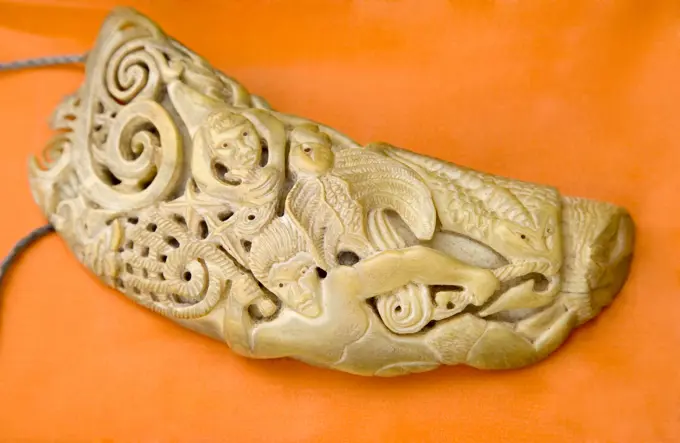
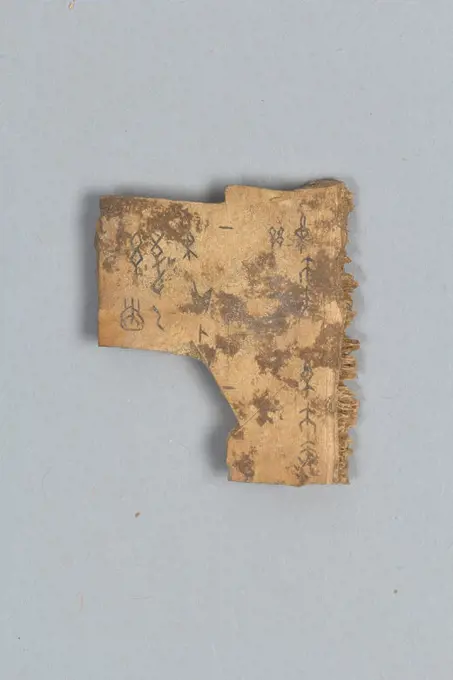
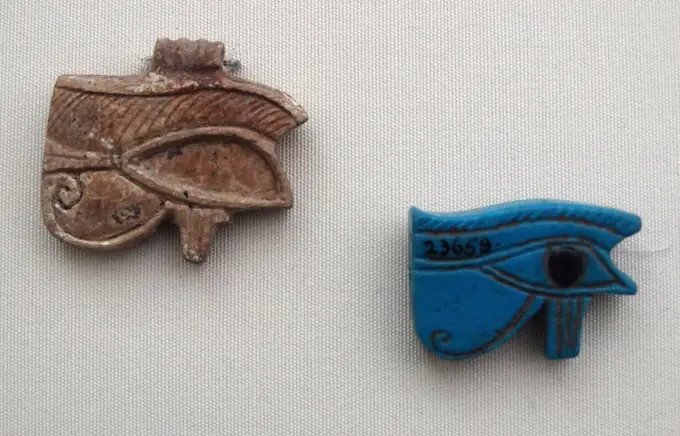
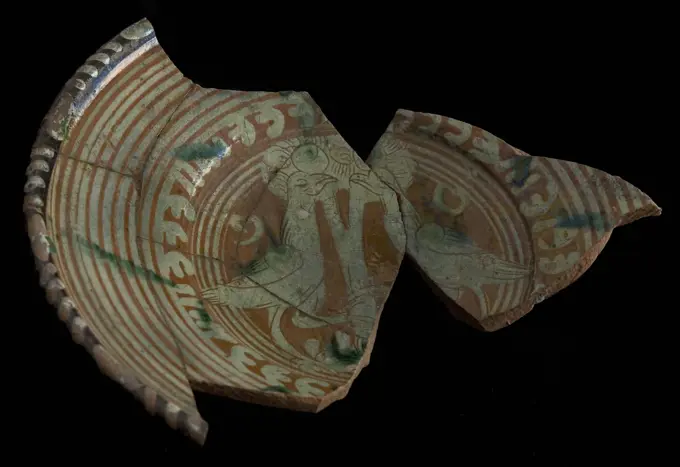
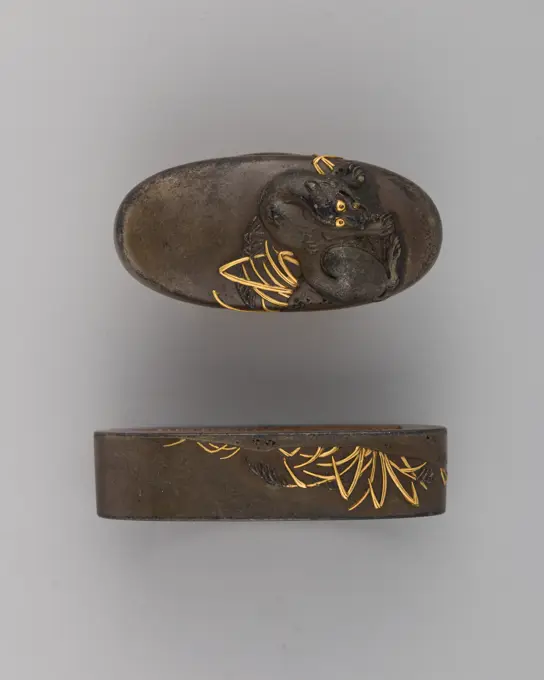
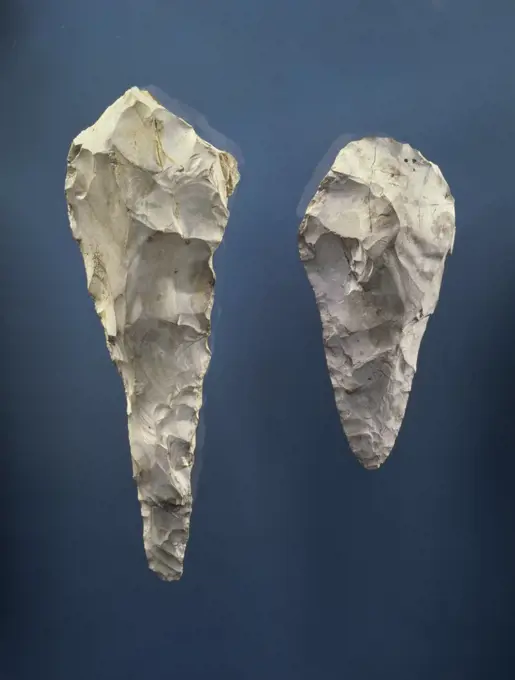
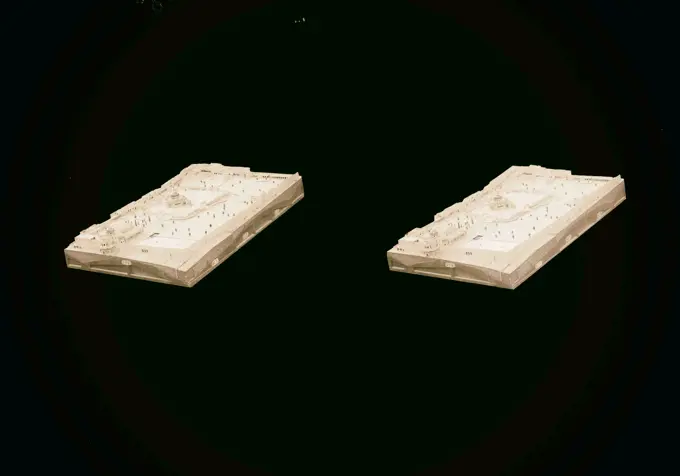
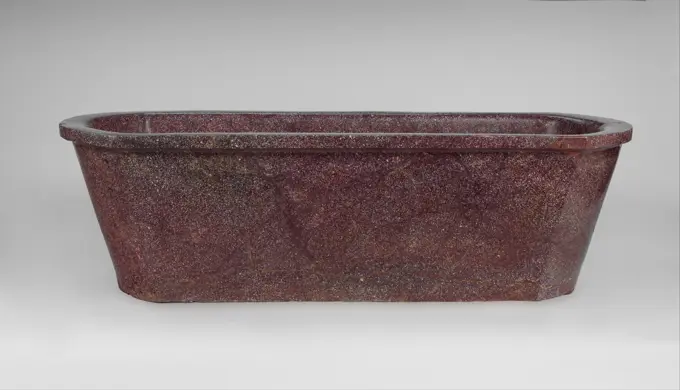
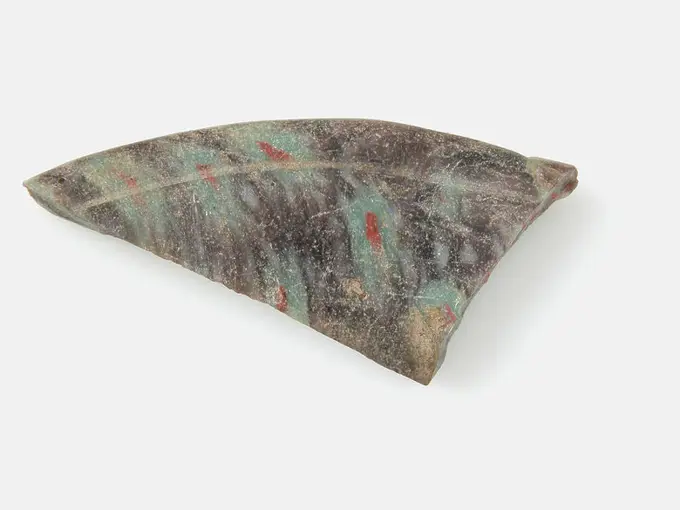
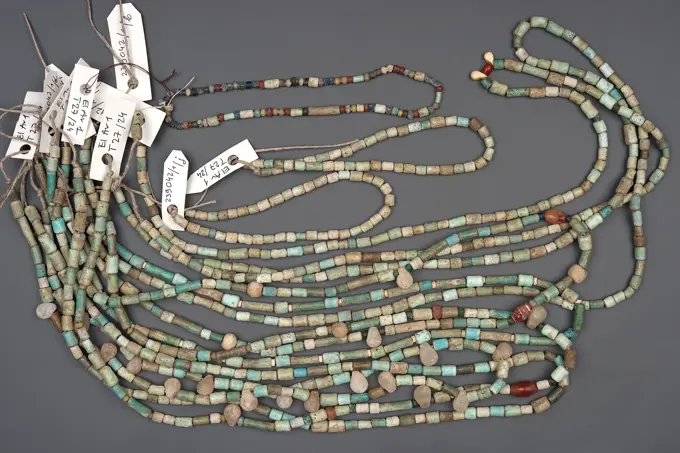
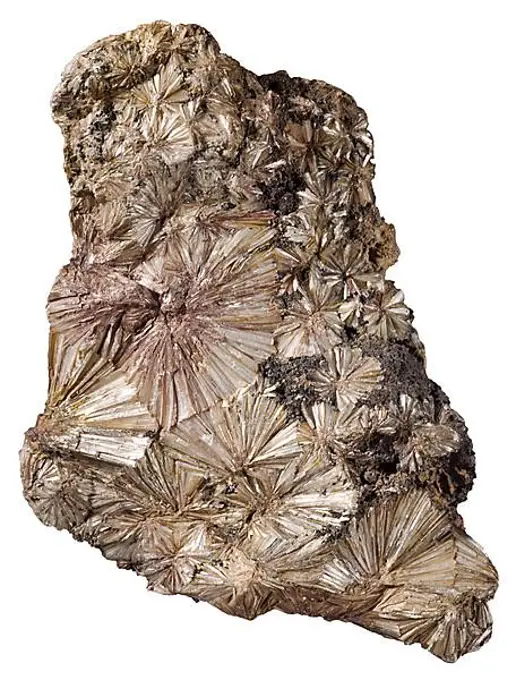
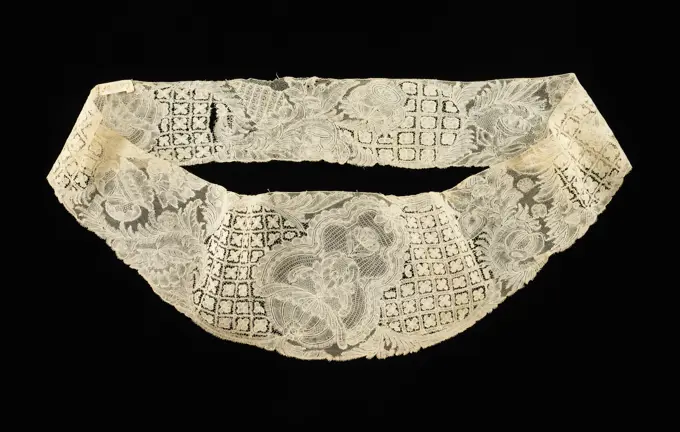
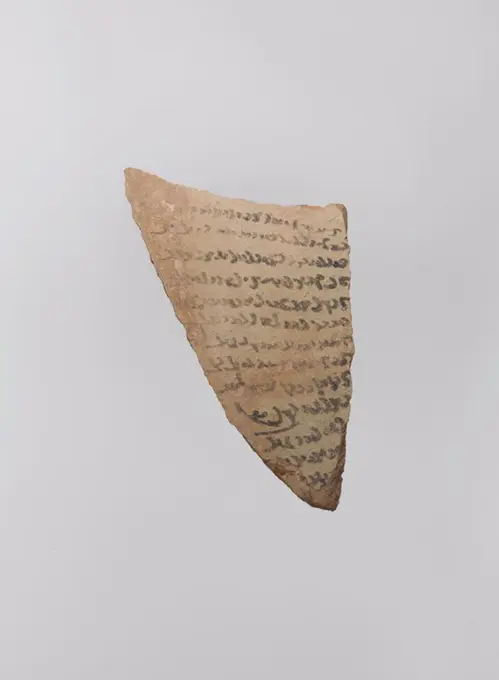
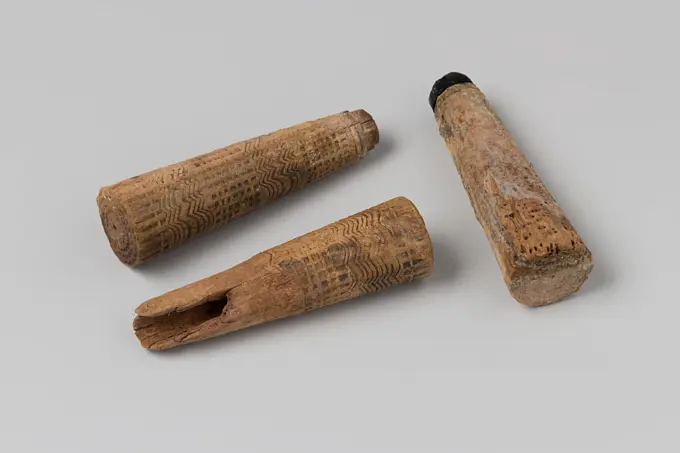
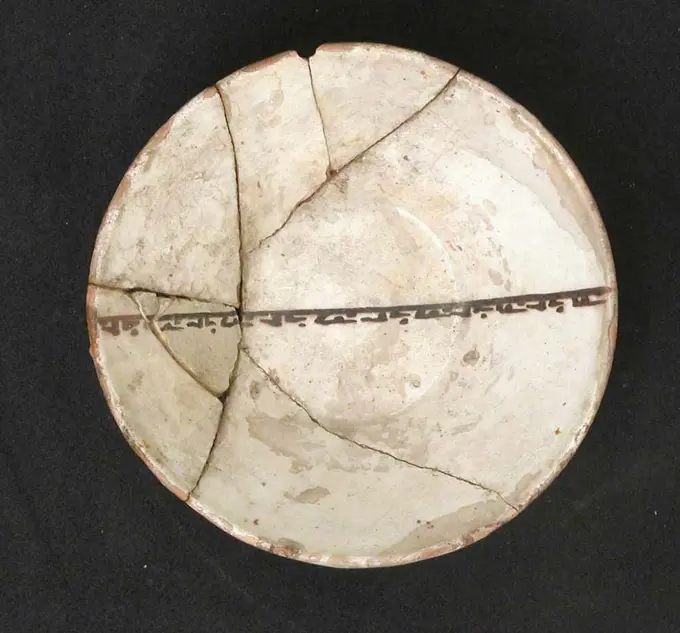
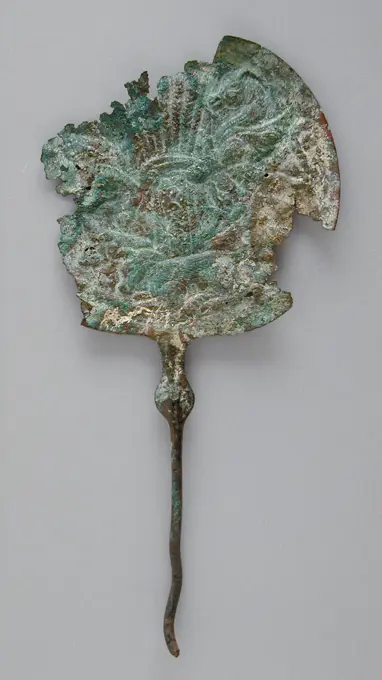
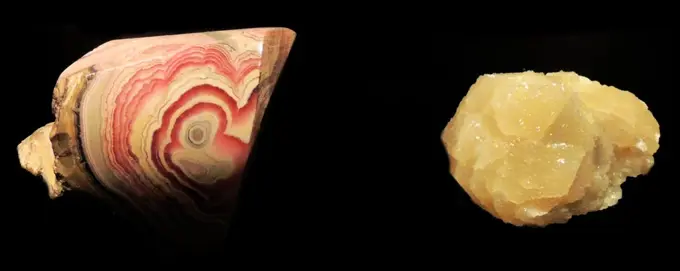
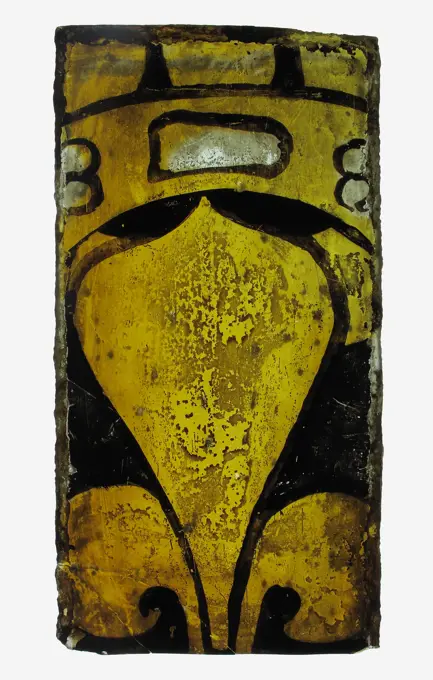
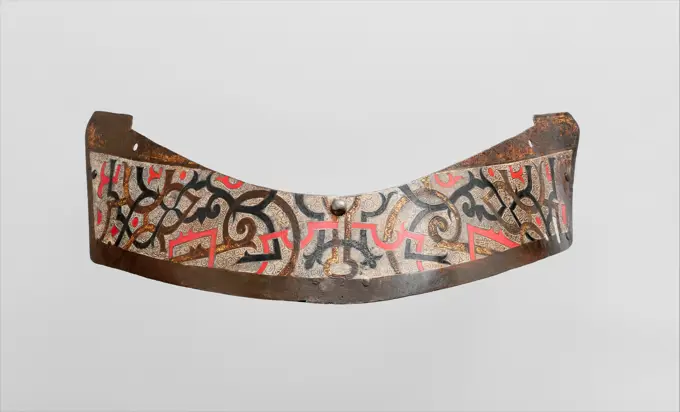
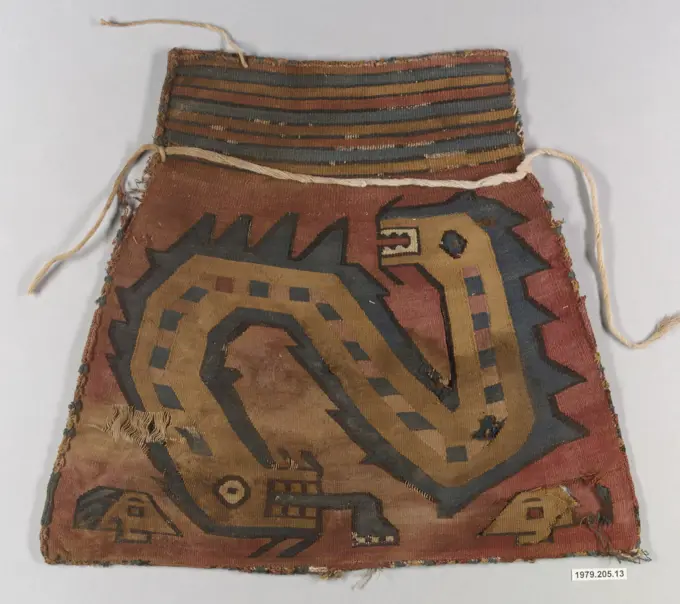
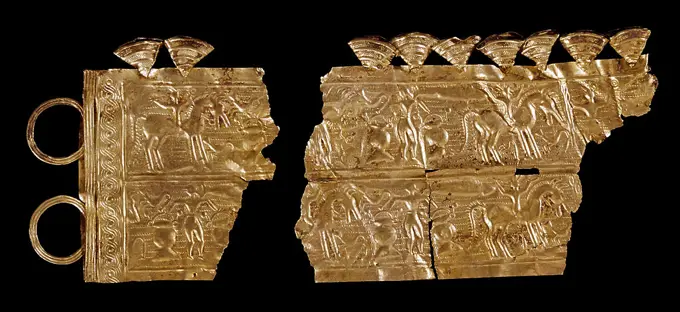
Bird Pendant, 1027-775 BCE, 1 1/4 x 4 7/16 x 3/16 in. (3.18 x 11.27 x 0.4 cm), Calcified jade with traces of red pigment, China, 11th-8th century BCEFragment 14th century. Fragment. 14th century. Stonepaste; polychrome underglaze painted under colorless glaze. Attributed to Syria. CeramicsTerracotta fragment of a neck-amphora (jar) second quarter of the sixth century B.C. Greek, Attic Parts of three birds (geese) to left; below, rays. Terracotta fragment of a neck-amphora (jar). Greek, Attic. second quarter of the sixth century B.C.. Terracotta; black-figure. Archaic. VasesLinen and mud from interior of Ptah-Sokar-Osiris figure. Dimensions: L. 22.2 × W. 7.7 × H. 4.5 cm (8 3/4 × 3 1/16 × 1 3/4 in.). Date: 306-30 B.C.. Museum: Metropolitan Museum of Art, New York, USA.Vase fragment Neolithic, Thessaly ca. 4000-3000 BCEDagger king;  1. PO. 1 thous. BC ; New Easyrian period (-1000-00-00--501-00-00);Assyria, weapons, daggersStraw clutch bag with metal frame and clasp decorated with roses and pearl inserts, fashion accessories, Italy, early 20th century.Shards of Kommen from V.O.C. ship De 'Witte Leeuw', Before 1613 bowl Shards of Kommen from V.O.C. ship De 'Witte Leeuw'.  porcelain   Sint-HelenaFragment 13th-16th century. Fragment 452475Carpet Fragments 6th-8th century Long, coarse sheep fibers are usually selected for the warp as they can withstand high tension during weaving. In contrast to this typical practice, the warp, weft, and pile of these rare carpet fragments appear to be of the same quality. Microscopic cross-sectional examination reveals a mixture of fibers with and without visible medullas, indicating that they are a medium-quality of sheep's wool.. Carpet Fragments. 6th-8th century. Wool. From Egypt. TextilesSword-Hilt Collar and Pommel (Fuchigashira) ca. 1615-1868 Japanese A fuchigashira is a pair of matching sword fittings comprising the fuchi (collar at the base of the grip of the sword hilt) and kashira (pommel cap at the end of a sword hilt).. Sword-Hilt Collar and Pommel (Fuchigashira). Japanese. ca. 1615-1868. Copper-gold alloy (shakud), copper, silver. Sword Furniture-Fuchi-KashiraBaja Cresta flagstonesFlint arrowheads, lance heads and knivesPommel Plate. Culture: German, Augsburg. Dimensions: 9 x 6 in. (22.9 x 15.2 cm), wt. 7 oz. (185 g). Etcher: Attributed to Jörg Sorg the Younger (German, Augsburg, ca. 1522-1603). Date: ca. 1550.The large lion mask and crescent pattern of the borders identify this pommel plate as part of a complex group of similarly decorated armors that were made in Augsburg around 1550. The Metropolitan Museum possesses more than forty elements from this group. Their distinctive decoration can be attributed to the Augsburg etcher Jörg Sorg the Younger (ca. 1522-1603) on the basis of an album of Sorg's workshop drawings that record many of the armors decorated for his various clients. Museum: Metropolitan Museum of Art, New York, USA.Bronze spatulate knife ca. 1600-1450 B.C. Minoan Dagger blade with two rivets.. Bronze spatulate knife 252406 Minoan, Bronze spatulate knife, ca. 16001450 B.C., Bronze, L. 8 3/8 in. (21.3 cm). The Metropolitan Museum of Art, New York. Bequest of Richard B. Seager, 1926 (26.31.486)Workpiece in the needle side on green incentive with linen surface, anonymous, c. 1850 - c. 1899 Workpiece in the needle side. It is a rectangular double linen piece with a beveled corner with an incentive on green colored parchment. With an almost completed piece of needle with a hexagonal mesh soil strewn with mosies and a sculpy edge with a fine pendulum with a few rosette flowers above a shell. Belgium linen (material). parchment (animal material) Workpiece in the needle side. It is a rectangular double linen piece with a beveled corner with an incentive on green colored parchment. With an almost completed piece of needle with a hexagonal mesh soil strewn with mosies and a sculpy edge with a fine pendulum with a few rosette flowers above a shell. Belgium linen (material). parchment (animal material)Coptic stone architectural sill carved with acanthusleaves.Miniature scoop -Fragment zijdeweefsel met opgedrukt patroon.Fragment silk tissue. A beige or liver-colored ground has a pattern of staggered rows with different patterns. One row has flour branches between a ground with a tree including two people, the other row has flower branches between a ground on which two standing figures (man and woman), In the colors blue, pink and red.top view of stack retro books top view of stack retro books with pages torn out isolated on white background Copyright: xZoonar.com/ValeryxVoennyyx 5481268Headdress Crown 6th-7th century Moche (Loma Negra). Headdress Crown 315207Brenham, pallasite, PMG-an, Found 1882. North America; USA; Kansas; Kiowa County; Haviland, BrenhamBird Plaque Ornament 3rd century B.C.-A.D. 2nd century Vicús. Bird Plaque Ornament 315419Terracotta fragments of a kylix (drinking cup) 460-450 B.C. Attributed to the Painter of Brussels R 330 Interior, youth with himation draped over his head, bending to right; youth with himation, leaning on a stick; behind him, a rock; Obverse, part of draped male to right, with a stick; draped woman to right, wearing a chiton and himation, with her right arm extended; draped youth to left, with a stick; part of a palmette with tendrils and a lotus; Reverse; lower drapery and feet of a youth to right, with a knobby stick; draped woman to right wearing a chiton and himation, holding a fillet in her right hand; draped youth to left holding a staff in his right hand; part of a handle palmette with tendrils; a separate rim fragment depicts at the far left, a flute case; to the right, head, right shoulder, and part of upper torso of a youth with his himation draped over his left shoulder and across his back; in the field, wax tablet. Terracotta fragments of a kylix (drinking cup). Greek, APlate with Designs of Birds in Snow under a Trellis, early to mid-1900s. Kitaōji Rosanjin (Japanese, 1883-1959). Stoneware with underglaze iron and white slip designs, and celadon overglaze; overall: 30.5 x 30.5 cm (12 x 12 in.).Tile. Algeria, Qal'at bani Hammad (), second half of 11th century. Ceramics. Earthenware, glazedFresco Fragment. UnknownTerracotta fragment of a kylix (drinking cup) second quarter of the 5th century B.C. Attributed to the Painter of Bologna 417 Interior, unidentified; Exterior, lower legs of figure leaning on stick; handle palmette. Terracotta fragment of a kylix (drinking cup) 667668Fragment; wood, painted and gildedFrench Polynesia, Cook Islands, Rarotonga. Close-up of whale-tooth necklace.Photo production of a print of a children's bacchanal, Bibois, After Anonymous, c. 1852 - in or before 1857 photograph   photographic support salted paper print children's bacchanalFragment of Shoulder Band 6th-7th century. Fragment of Shoulder Band 444055Fragment of Divining Bone. Culture: China. Dimensions: H. 1 1/2 in. (3.8 cm); W. 1 1/4 in. (3.2 cm). Museum: Metropolitan Museum of Art, New York, USA.Bonnet -The Wedjat-Eye, the left eye of the god Horus, symbolising light and provides protection against the evil eye.Ceremonial Ge Dagger, 1766-1122 BCE, 5 1/2 x 1 3/8 x 1/2 in. (13.97 x 3.49 x 1.19 cm), Calcified ivory-white jade with traces of red pigment, China, 18th-12th century BCEThirteen hexagonal floor tiles, c. 1545 - c. 1570 Thirteen hexagonal floor tiles decorated with stylized petals. The edges are deposited with wide pisses. In the middle of a long side the coat of arms of the Montmorency family. Antwerp earthenware. tin glaze majolica Thirteen hexagonal floor tiles decorated with stylized petals. The edges are deposited with wide pisses. In the middle of a long side the coat of arms of the Montmorency family. Antwerp earthenware. tin glaze majolicaTextile Fragment 5th century. Textile Fragment 443340Fragments Werra plate, mirror decor with two birds at tree and number 96, pale yellow and green glaze, plate crockery holder soil find ceramic earthenware glaze , total, Red earthenware with drawing in pale yellow and green glaze part year glazed 96 archeologyCANCEL CON CRISMONES: ALFA Y OMEGA. VISIGODO. (DEPOSITO: MUSEO ARQUEOLOGICO NACIONAL).tattered book isolated on white backgroundHeaddressElementClay pipe, unnoticed, with floral decoration embossed on cauldron and beak of animal on stem, clay pipe smoking equipment smoke floor pottery ceramic pottery, pressed finished baked Clay pipe unnoticed with floral decoration embossed on kettle and beak of animal on stem Decoration consists of large leaf motifs of tudor roses and pointed lines On the handle beak with teeth of beast Very unusual that the beast of the Jonas pipe is used for other show Baroque pipe archeology indigenous pottery smoking tobacco baroqueSword-Hilt Collar and Pommel (Fuchigashira) ca. 1615-1868 Japanese A fuchigashira is a pair of matching sword fittings comprising the fuchi (collar at the base of the grip of the sword hilt) and kashira (pommel cap at the end of a sword hilt).. Sword-Hilt Collar and Pommel (Fuchigashira). Japanese. ca. 1615-1868. Copper-silver alloy (shibuichi), gold. Sword Furniture-Fuchi-KashiraGlass Fragment. Culture: French or British. Dimensions: Overall: 3 3/4 x 3 inches (9.5 x 7.5 cm). Date: 13th-14th century. Museum: Metropolitan Museum of Art, New York, USA.Two Arrowheads Prehistoric Art Museum of National Antiquities Shards of Bord from V.O.C. ship De 'Witte Leeuw', Anonymous, Before 1613 plate (dishes) Shards of Bord from V.O.C. ship De 'Witte Leeuw', 75 present. Jingdezhen bone china (material)   Sint-HelenaFragment majolica dish, polychrome, rosette in the middle, plate crockery holder soil find ceramic earthenware glaze, baked underside covered with clear lead glaze. Polychrome Poorly mixed earthenware red-orange shard archeology serving serve up potteryTie-back. Dated: c. 1938. Dimensions: overall: 16.5 x 25.1 cm (6 1/2 x 9 7/8 in.) Original IAD Object: 2" wide; 6 1/4" long. Medium: watercolor and graphite on paperboard. Museum: National Gallery of Art, Washington DC. Author: Harry Jennings.Fragment of a Mirror Disk, 2040-1648 BC. Egypt, Middle Kingdom. Bronze; overall: 8.9 cm (3 1/2 in.); with tang: 10.7 cm (4 3/16 in.).Comb with Putti and Sea Creatures Italian late 11th-early 12th century Lavishly decorated double-sided combs are often preserved in the treasuries of churches. Such combs conform to types used for personal adornment among the laity and may have passed through several hands before entering the collections of churches to serve ritual purposes. On the current comb, the vigorous design of two youths a hippocamp and a griffin derives from Eastern and Classical motifs, though the wide popularity across the Mediterranean of such imagery makes localization of this comb difficult. View more. Comb with Putti and Sea Creatures. Italian. late 11th-early 12th century. Elephant ivory. Ivories-ElephantBalance-Beam Scale with Cut-Out Bird and Step Motifs 500 CE-1400 Peru. Bone with pigment . IcaShards Kraakporcelain from V.O.C. ship De 'Witte Leeuw', Anonymous, Before 1613 plate (dishes) Shards of cracking porcelain plates from V.O.C. ship De 'Witte Leeuw'. Jingdezhen bone china (material)   Sint-HelenaClappers used as musical instruments which granted protection through their sound.Luopan (Feng Shui Compass). Chinese traditional compass. Ca.1830. Naval Museum. Madrid. Spain.Pijpenkop, Dirk Barunet, 1750 - 1785 Pipe head with a crown shown. Of the excavations on the Hofstede Arentsburg 1827-1831 under the supervision of Professor Reuvens. Gorinchem pipe clay Pipe head with a crown shown. Of the excavations on the Hofstede Arentsburg 1827-1831 under the supervision of Professor Reuvens. Gorinchem pipe clayDr. Shick's models. Justinian's church and environs 1900, IsraelWaist Wrapper Fragment (Tirtanadi orBolong-Bolong)Porphyry basin 2nd-3rd century A.D. Roman Stone basins such as this served as bathing tubs in one or another of the large imperial baths with which Rome was furnished. This example, although undecorated, provides a good impression of the richness and extravagance ofimperial patronage. Porphyry was regarded as a stone that had special associations with the emperor, because of its purple color and also because of the great expense of quarrying, transporting, and carving it. Most of the surviving Roman porphyry tubs are to be found in Rome, where they were reused later as sarcophagi in early Christian times.. Porphyry basin. Roman. 2nd-3rd century A.D.. Porphyry. Imperial. Stone SculptureCarving; wood, paintedGlass Fragment from a Vessel. Culture: Coptic. Dimensions: Overall: 2 1/4 x 1 1/16 x 1/4 in. (5.7 x 2.7 x 0.6 cm). Date: 4th-early 5th century. Museum: Metropolitan Museum of Art, New York, USA.Necklaces and bracelets;  IV-VI century; Postmeroic period (301-00-00-600-00-00);Collection of ancient Egypt, message, rescue excavations, IV Qatracta, SudanFragment of pediment with the name of Duke Trpimir, from Rizinice near Solin (ca. 850 AD).Croatia. Copy. The inscription reads: "For Trpimir, the Duke..." Museum of Croatian Archaeological Monuments, Split, Croatia.Fragment of the censer;  VI-VII century (501-00-00-700-00-00);NAIPE DECORADO EN COLOR ROJO - CUERO Y PIGMENTO - SIGLO XVIII - PROCEDENTE DE CHILE - ESTILO MAPUCHE - 10,8x7,8 CM. Location: MUSEO DE AMERICA-COLECCION. MADRID. SPANIEN.Fan, 1900s. China, 20th century. Ivory; overall: 19 cm (7 1/2 in.).Pyrophyllite from the Ward Mine, Glendon, Moore County, North Carolina, USA, North AmericaLying collar with double pelerine of embroidered batist, anonymous, c. 1820 - c. 1840 Lying collar with double pelerine of embroidered batist. The collar has a smooth cover with embroidery and two pleated and punctured strips. The embroidery consists of ears and flowers. Possible regional job. Friesland (possibly) linen (material) embroidering Lying collar with double pelerine of embroidered batist. The collar has a smooth cover with embroidery and two pleated and punctured strips. The embroidery consists of ears and flowers. Possible regional job. Friesland (possibly) linen (material) embroideringGirl's robe ca. 1875 Arapaho, Native American. Girl's robe. Arapaho, Native American. ca. 1875. Tanned leather and pigment. Possibly made in Oklahoma, United States; Possibly made in Wyoming, United StatesSidewall - Fragment; machine-printed on ingrain paper; 19.5 x 12 cm (7 11/16 x 4 3/4 in.)Beaker, anonymous, c. 1600 - c. 1615 Steengoed drinking cup in the form of a book with two clamps and five ribbed belts on the back. At the top, on the side of the back, a hole to drink out. On the cover decorative tires with stamped ornaments, which together form a cross in a rectangle. Raeren. Rae stoneware. glaze. engobe vitrification  Belgium Steengoed drinking cup in the form of a book with two clamps and five ribbed belts on the back. At the top, on the side of the back, a hole to drink out. On the cover decorative tires with stamped ornaments, which together form a cross in a rectangle. Raeren. Rae stoneware. glaze. engobe vitrification  BelgiumTunic fragment with clavus bands, Medium: Warp: S-spun, Z-twisted 2-ply linen; Wefts: S-spun linen, S-spun wool Technique: plain weave with discontinuous wefts (slit tapestry), with supplementary weft wrapping Label: wool slit tapestry with supplementary weft wrapping in linen foundation, Fragment of a linen tunic with nearly intact clavus bands with pendant medallions in-woven in wool tapestry. Bands have a red ground with polychrome figures of very stylized animals, and black borders with scrolling patterns., Egypt, 5th-6th century, woven textiles, Tunic fragment with clavus bandsGold amulet collar of a winged snake. Tutankhamun's Treasure. EGYPT.Cuffs first quarter 18th century Flemish The elaborate, fanciful motifs in this lace are similar to those found on decorative arts objects of the period, and related to those on the silks known as "bizarre" of same period. Cuffs 156506Shards of signs from V.O.C. ship De 'Witte Leeuw', Before 1613 plate (dishes) Shards of signs from V.O.C. ship De 'Witte Leeuw'. Jingdezhen bone china (material)   Sint-HelenaTerracotta fragment of a kylix (drinking cup) 470-460 B.C. Attributed to the Painter of Munich 2676 Interior, column and architrave; head and lower body and feet of a woman wearing a sakkos, chiton, and himation; on the ground in front of her, an amphora with the inscription, KALE. Terracotta fragment of a kylix (drinking cup). Greek, Attic. 470-460 B.C.. Terracotta; red-figure. Classical. VasesMagic Bowl and an Ostrakon. Dimensions: H. 4 1/8 in. (10.4 cm)W. 2 5/16 in.(5.8 cm)D. 1/4 in. (0.7 cm). Date: 9th-10th century.This fragment appears to be written in a local variant of Pahlavi, the ancient script of the Persian language, which remained in use, beside Arabic, at least until the 10th century, especially in Zoroastrian circles. This fragment seems to provide evidence of Nishapur's non-Muslim population. Museum: Metropolitan Museum of Art, New York, USA.Case (Inrō) with Design of Zodiac Animals beside Chinese Sages and Scrolls Japan. Case (Inrō) with Design of Zodiac Animals beside Chinese Sages and Scrolls 58824Knife lifting out of the wreck of the East India hollandia.knife, handle, cylindrical: tapering; ID. NG 1979-403H, Ferrule, ID. NG 1980-27H426.Fragment 8th century Japan. Fragment. Japan. 8th century. Twill and plain cloth. Nara period (710-794), Tempy (729-749). Textiles-WovenShards Kraakporcelain from V.O.C. ship De 'Witte Leeuw', Anonymous, Before 1613  Shards Kraakporcelain from V.O.C. ship De 'Witte Leeuw'. Jingdezhen bone china (material)   Sint-HelenaBowl 10th century. Bowl. 10th century. Earthenware; white slip, black slip decoration under transparent glaze. Attributed to Iran or present-day Uzbekistan, Nishapur or Samarqand. CeramicsGold Appliqué in the Form of a Cross ca. 600 Langobardic Once they were in Italy, the Langobards adopted the custom of sewing one or more crosses on the shrouds of the deceased. The origin and meaning of the custom remain uncertain.This group of objects was found in the grave of a Langobardic horseman, who was buried in his warrior dress, with weapons, shield, helmet, and the fittings for his horse. What remains are the many gold pieces that would have ornamented his clothing and equipment, and they attest to the great wealth of the Langobardic aristocracy within a generation of settling in Italy.. Gold Appliqué in the Form of a Cross 469009Pin. Western Iran, circa 1000-650 B.C.. Jewelry and Adornments; pins. BronzeWitherite Mine, Hexham, Northumbria, United Kingdom. Witherite is a barium carbonate mineral in the aragonite group. The mineral is colourless, milky white, grey, pale yellow, green to pale brown.Terracotta fragment of a kylix (drinking cup) second quarter of the 5th century B.C. Greek, Attic Interior, back of head and part of wings of figure to left. Terracotta fragment of a kylix (drinking cup) 686832CANOA DE LOS INDIOS DE COSTAS DEL NOROESTE DE AMERICA. Location: MUSEUM, ETHNOGRAPHISCHES. STOCKHOLM.Coconut cup. Cockout cup, cup of coconut or gourd mounted in gold-plated silver. At a high foot and with lid.Mitten liner -Purse (France); cotton, silkGlass Fragment 14th century European. Glass Fragment. European. 14th century. Colorless glass. Glass-StainedCrinet Plate Belonging to an Armor for Field and Tournament Made for Duke Nikolaus "The Black" Radziwill (1515-1565), Duke of Nesvizh and Olyka, Prince of the Empire, Grand Chancellor and Marshal of Lithuania ca. 1555; probably repainted later Kunz Lochner German This crinet plate, along with the matching shaffron also in the Metropolitan Museum's collection (21.42), form part of an important garniture of armor for field and tournament use made for Nikolaus "the Black" Radziwill (1515-1565), duke of Nesvizh and Olyka, prince of the empire, and grand chancellor and marshall of Lithuania--one of the wealthiest and most important nobles in Poland and Lithuania. Several elements of the garniture survive, six of which (including this one) are preserved in the Metropolitan Museum's collection. Made by the distinguished Nuremberg armorer Kunz (Konrad) Lochner, the Radziwill armor, with its overall etched design of interlaced strapwork and brilliant polychromy, is one of the most distinctive aHammered Silver Miniature Drum 11th-mid-15th century Chimú or Chancay. Hammered Silver Miniature Drum. Chimú or Chancay. 11th-mid-15th century. Silver (hammered), gilt. Peru. Metal-OrnamentsJapanese Writing Box. Dated 1941.Ceramic fragment. Dimensions: D.  x H. 3 cm. Date: 8th-12th century. Museum: Metropolitan Museum of Art, New York, USA.9 Momme 2 Fun fromAkita.  Mint: Akita Artist: UnknownEmpires of the Sun, Peru, Wari, Huari, Conchopata Site, Tupu PinsBroad collar ca. 1981-1640 B.C. Middle Kingdom. Broad collar. ca. 1981-1640 B.C.. Faience, Paste. Middle Kingdom. From Egypt, Memphite Region, Lisht North, Tomb 954, Burial 954i, MMA excavations, 1921-22. Dynasty 12-13Bag 7th century Nasca. Bag 312167Fragments of a diadem from Ribadeo. Celtic piece of art. 3rd century-1st century B.C.. Asturias. Madrid, National Museum of Archeology. Location: MUSEO ARQUEOLOGICO NACIONAL-COLECCION. MADRID. SPAIN.