Ceramic Fragments

Antique pottery shards featuring intricate designs from various centuries, highlighting historical craftsmanship in clay.
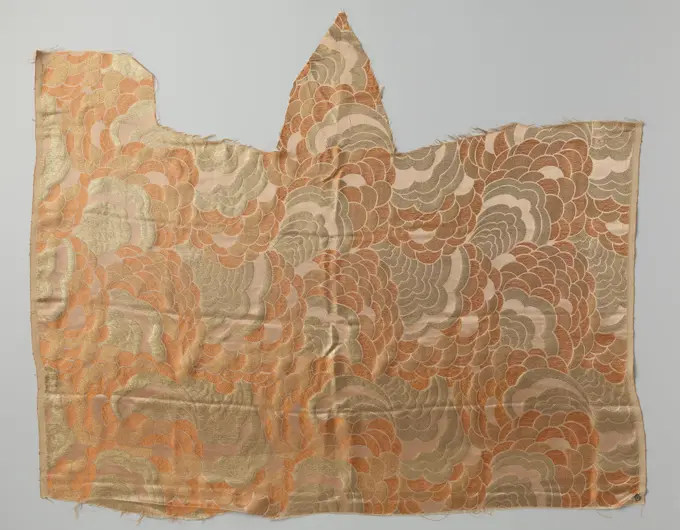
Fragment of Lap Silk Brokaat with cloud motifs in gold against a background of two shades of salmon color ,, 1920 - 1930 Fragment or piece of silk brokaat with cloud motifs in gold against a background of two shades of salmon color. Lyon, in or before 1924. Lyon silk. Fragment or piece of silk brokaat with cloud motifs in gold against a background of two shades of salmon color. Lyon, in or before 1924. Lyon silk.
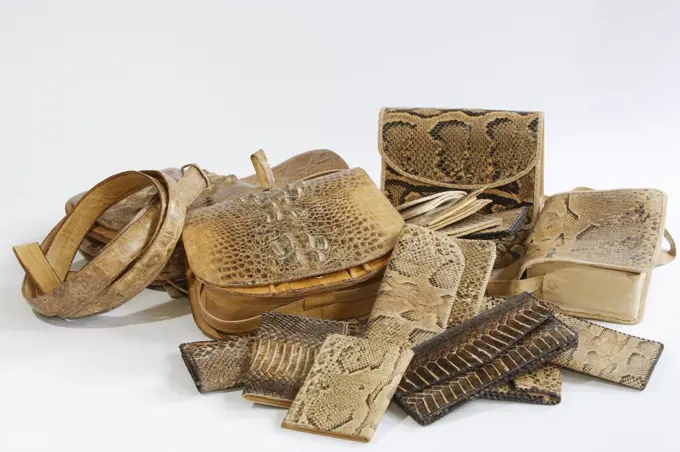
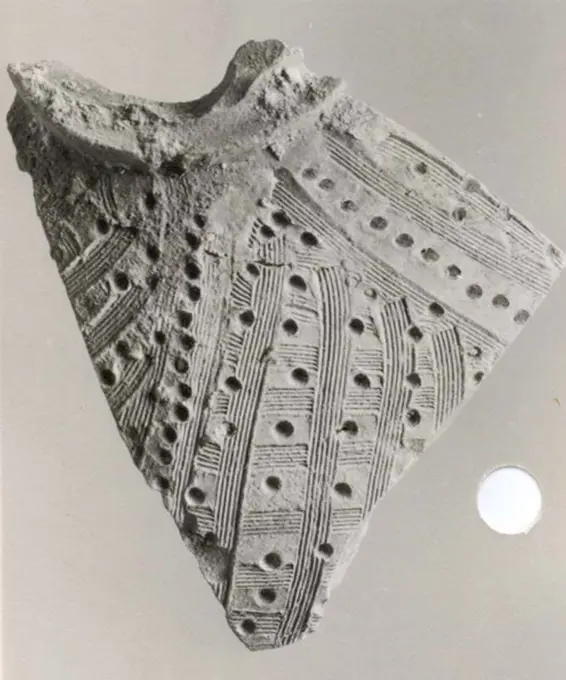
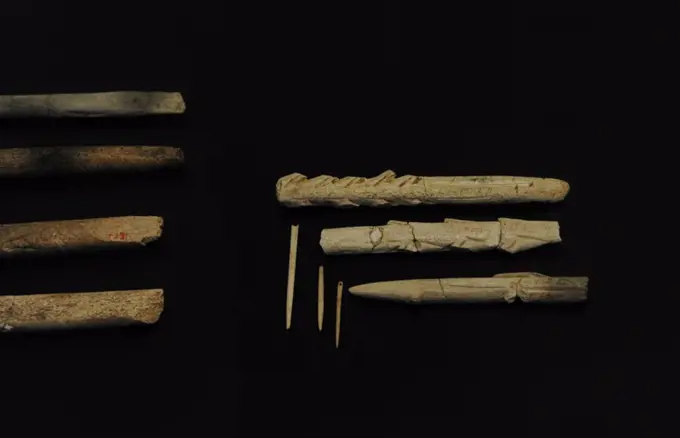
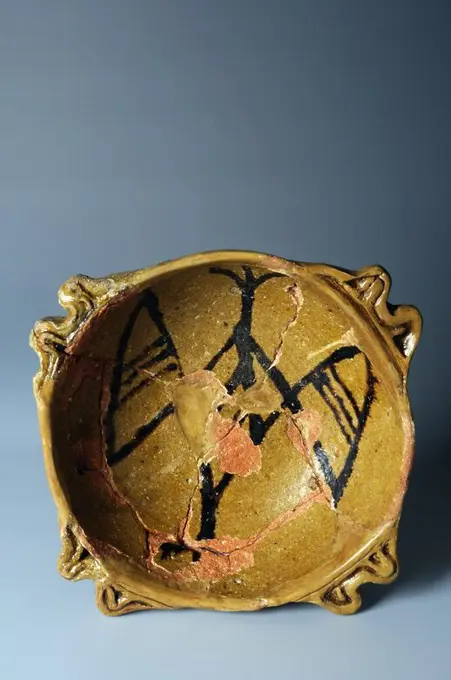
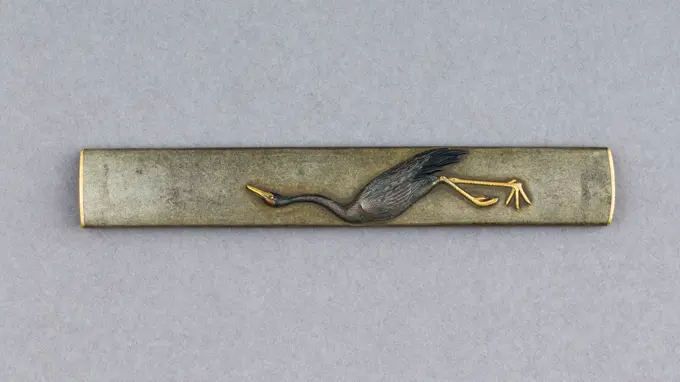
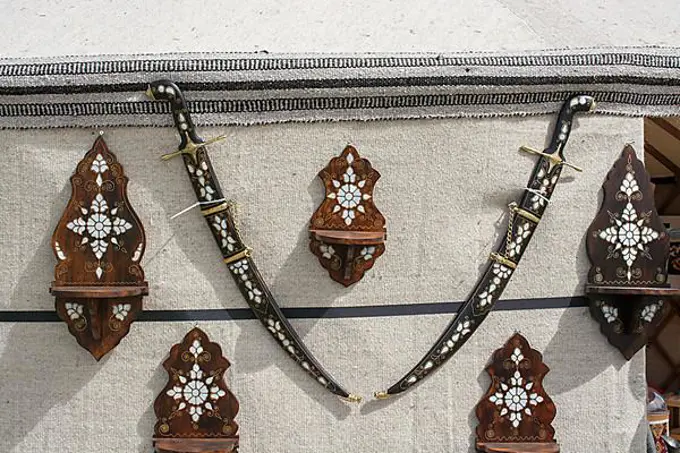
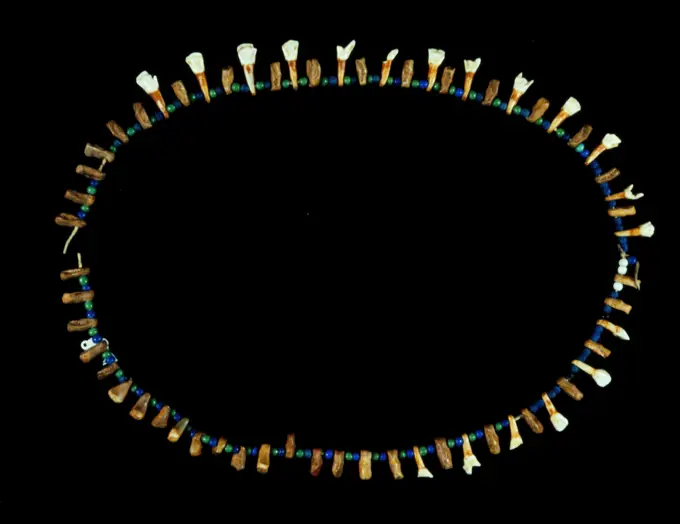
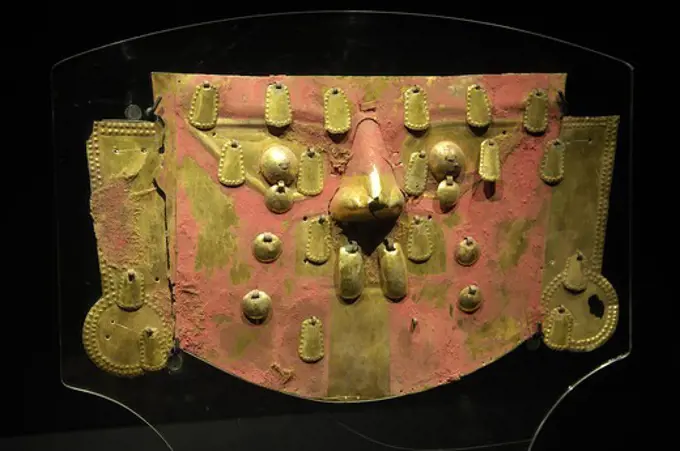
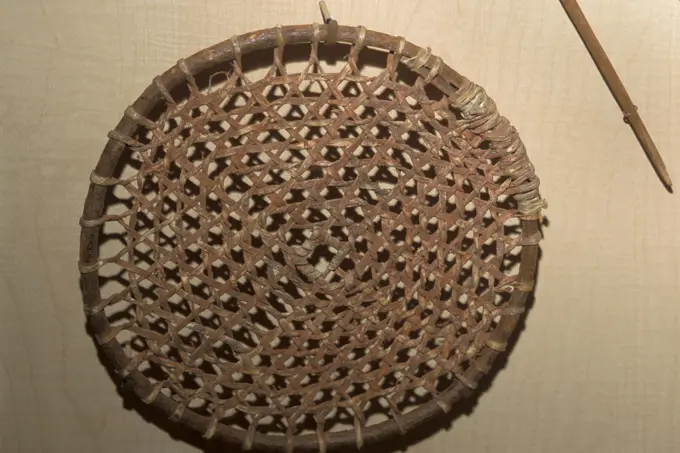
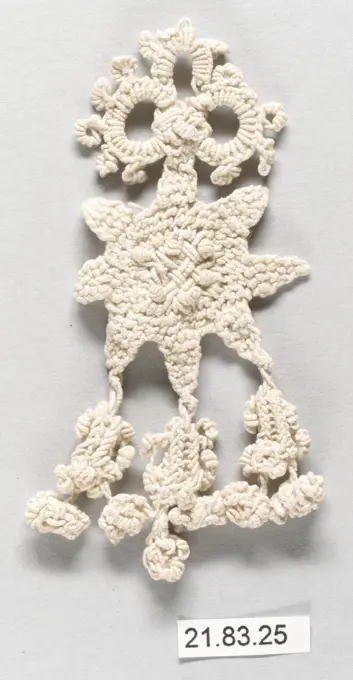
Jug. Dated: c. 1938. Dimensions: overall: 37.8 x 30.7 cm (14 7/8 x 12 1/16 in.) Original IAD Object: 12 1/4" High approx 6 3/4" Dia(base). Medium: watercolor and graphite on paper. Museum: National Gallery of Art, Washington DC. Author: Yolande Delasser.Irrit to incentive on a double piece of cotton and with trace wires for making a part of a collar of needle side, Belgian interned (Village Elisabeth, Amersfoort), c. 1915 - c. 1924  Property for a part of a collar of Venetian needle side. The needle side pattern is drawn with ink on light blue paper and holes are then stung along the pattern lines. A trace wire is sewn through this 'incentive' and the double layer of cotton. If the needle side stitches are made over and between the trace wires, the incentive and the cotton surface can be cut and removed. Then you only have a needle side, in this case a part of the collar that can then be processed with the other parts and the edge into a collar. The design of the collar was made by a person from Belgium who was interned in the 'Elisabeth-Dorp' camp in Amersfoort in the First World War. Mrs. Van Nierop started making the collar and has donated the unfinished parts to the Rijksmuseum as a study material. Designer: AmersfoortAmsterdam PiLeather goods exported without CITES documentation are seized by customs, FranceSarkofag kapłana Amona. unknown, authorSherd ca. 6th-8th century A.D. Sasanian or Islamic. Sherd 322832Textile Fragment 4th-5th century. Textile Fragment 443949Tools of flint and animal bones. Performed by Homo sapiens (Cro-Magnon). Upper Paleolithic. National Museum of Denmark. Copenhagen. Denmark.Floor tile decorated with a French lily (yellow), c. 1299 - c. 1499  France earthenware. lead glaze  France earthenware. lead glazeFragment probably 10th-12th century. Fragment 445591Model Pot Stand from a Foundation Deposit for Hatshepsut's Tomb ca. 1479-1458 B.C. New Kingdom. Model Pot Stand from a Foundation Deposit for Hatshepsut's Tomb. ca. 1479-1458 B.C.. Palm leaf, grass. New Kingdom. From Egypt, Upper Egypt, Thebes, Valley of the Kings, Tomb of Hatshepsut (KV 20), Foundation deposit, Davis/Carter excavations, 1903-04. Dynasty 18Funerary chapel found in Tutankhamen's tomb in the Valley of the Kings (KV62). These contained the pharaoh's sarcophagus. It was made of wood and decorated with gold, the decoration shows the Djed pillar (a symbol of Osiris) and the Tjet (a symbol of Isis). Tutankhamen was an Egyptian pharaoh of the 18th dynasty (ruled c. 13321323 BCShards of jugs from the wreck of the East Indians Hollandia, Anonymous, 1700 - in Or Before 1743  Stoneware, Rhenish, Frechen-ware, jug; fragm of base, with flaring body, fragm of bodies. Cologne stoneware   SecondMiniature Painting On Paper Indian classical Musical Instrument TurhiBeaded Ornament 11th-mid-16th century Peru; north coast (). Beaded Ornament 309240Glazed ceramic bowl decorated with Firebird manganese and four doubles handles . Edge diameter 125 mm Base diameter 68 mm High 48 mm thickness 5 mm ( 14 th CE ) - Medieval period from the archaeological site of the " calle damas " in Alcala de Henares - " Burgo de Santiuste Museum" . (Madrid). SPAIN.Knife Handle (Kozuka) ca. 1615-1868 Japanese A kozuka is a handle of a by-knife that is part of a sword mounting. It is kept in a slot on the reverse of a katana scabbard, often with a matching kōgai (hairdressing tool).. Knife Handle (Kozuka) 34508Ottoman art example of Mother of Pearl inlays from Istanbulhand painted clay bowl from a cemetery at Susa; Iran (Persia) 4000-3300 B.C.Necklace, 19th-20th century, 52 in. (132.08 cm), Teeth, bones, glass pony beads, pigment, United States, 19th-20th centuryPlaiting esparto objects: sandals, basket. Neolithic art. Decorative Arts. SPAIN. MADRID (AUTONOMOUS COMMUNITY). Madrid. National Museum of Archaeology. Proc: SPAIN. ANDALUSIA. GRANADA. Albu-ol. Cave of the Bats.Sican or Lambayeque Culture (700-1300). Nose pendant. PERU. LAMBAYEQUE. Ferre-afe. Sicn National Museum.Like many tribes of the Great Plains, the Arapaho enjoyed the Hoop Game a sport in which a webbed circular hoop is rolled along the ground as a target for javelin spears or arrows.Macro Fossiles Kasbah, Sahara factory, Erfoud, Errachidia, MoroccoOintment Jar from a Foundation Deposit of Hatshepsut ca. 1479-1458 B.C. New Kingdom. Ointment Jar from a Foundation Deposit of Hatshepsut. ca. 1479-1458 B.C.. Travertine (Egyptian alabaster), paint. New Kingdom. From Egypt, Upper Egypt, Thebes, Deir el-Bahri, Temple of Hatshepsut, Foundation Deposit 3 (C), MMA excavations, 1923-24. Dynasty 18Tassel 17th century Italian. Tassel. Italian. 17th century. Linen. Textiles-Trimmings19th Century gold coinages from East Asia.Macro Fossiles Kasbah, Sahara factory, Erfoud, Errachidia, MoroccoCase (Inrō) with Design of Sparrow in Flight above Manten Plants with Red Berries Japan 19th centuryAncient Egypt papyrus or stone column with boat Ra cartoon vector illustration. Ancient paper with hieroglyphs for storing information, Egyptian culture religious symbols, isolated on white background. Ancient Egypt papyrus or stone column illustration