Ceramic Fragments

Historical ceramic fragments featuring intricate designs, showcasing artistry from different eras and cultures.

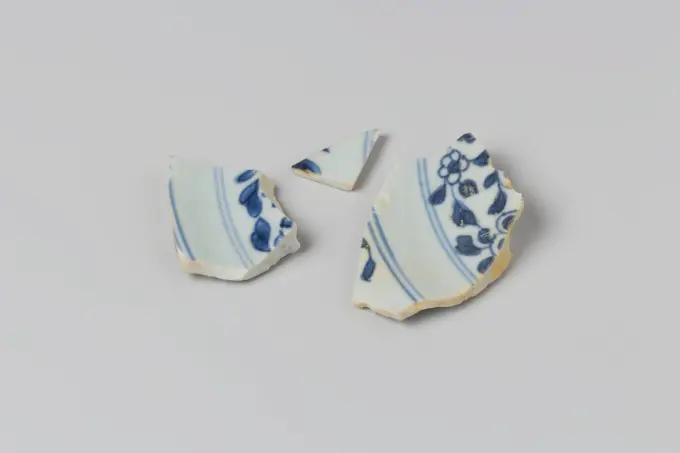
Sharf of white -baking earthenware, with a backdrop of plants and an insect in blue at the front, c. 1500 - c. 1899 fragment   earthenware. glaze
Sharf of white -baking earthenware, with a backdrop of plants and an insect in blue at the front, c. 1500 - c. 1899 fragment earthenware. glaze
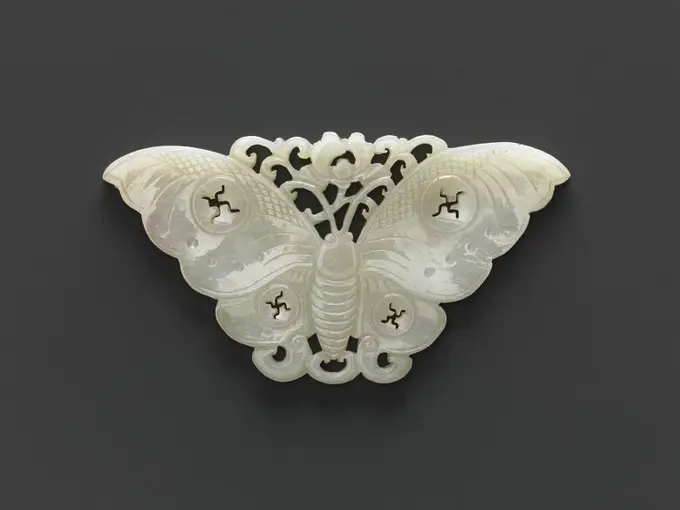
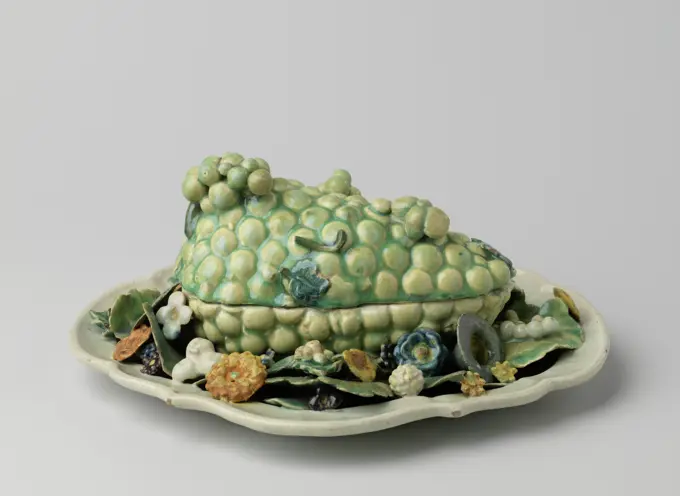
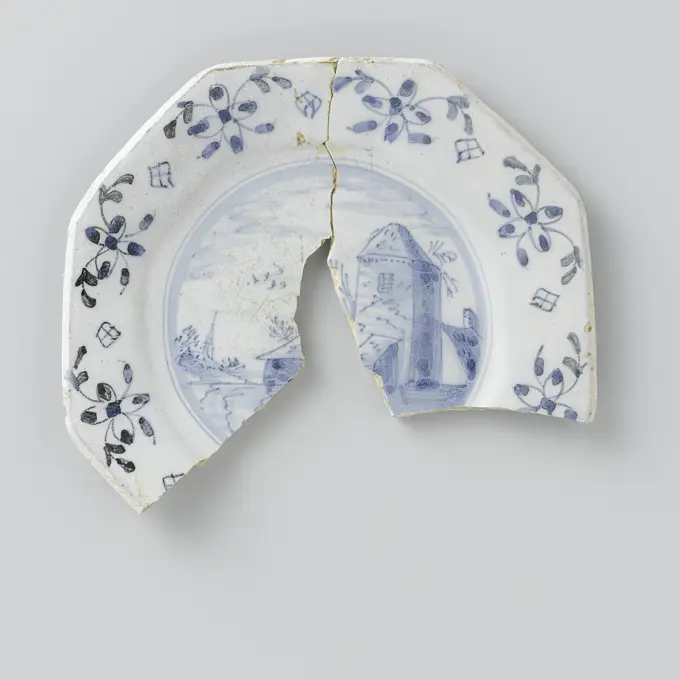
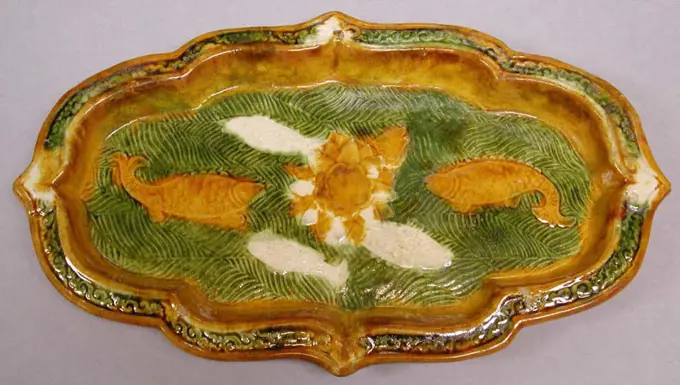
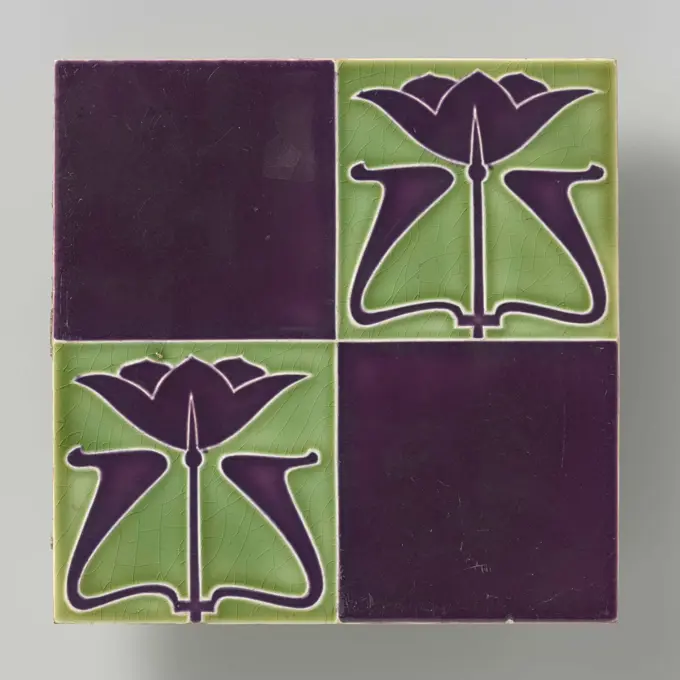
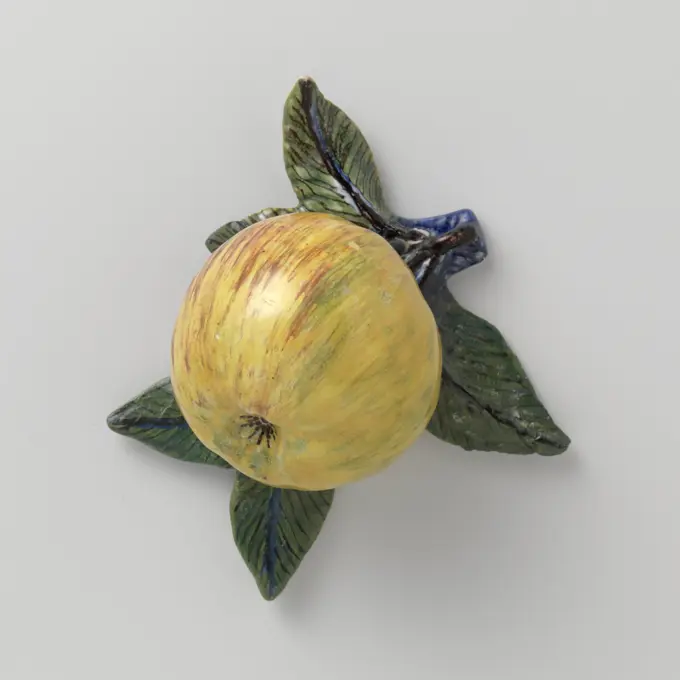
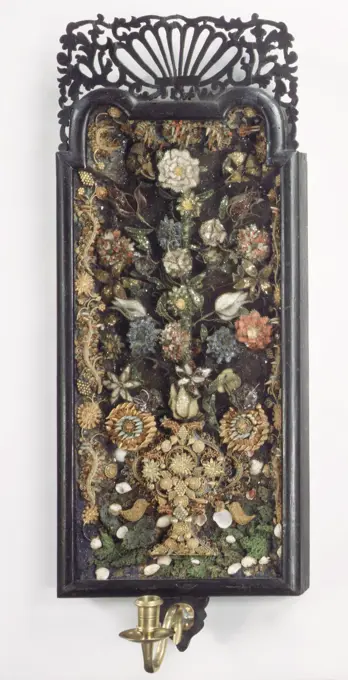
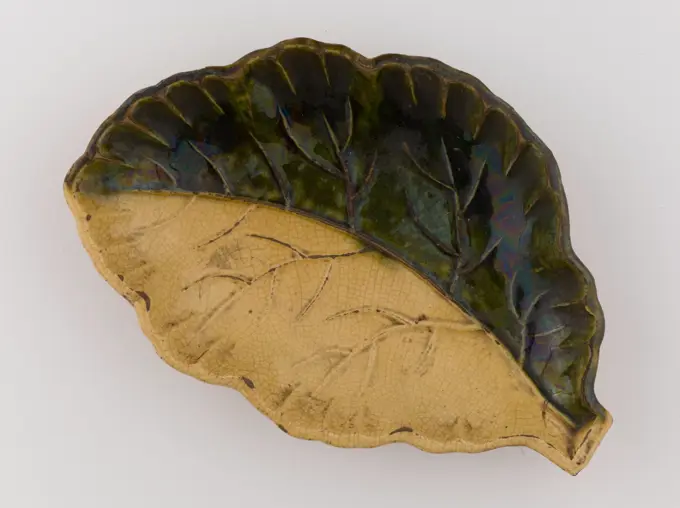
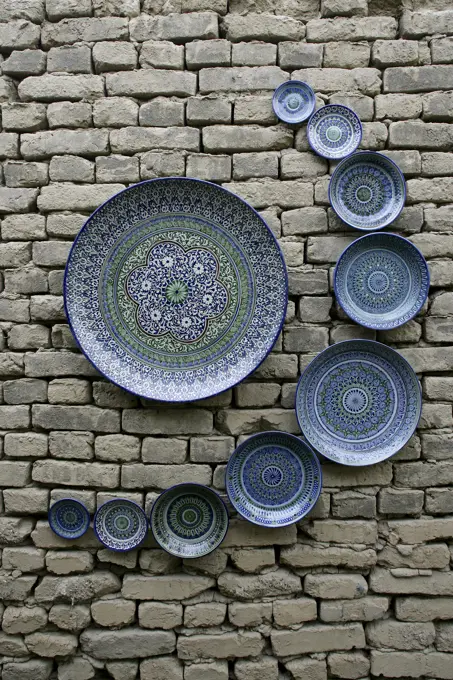
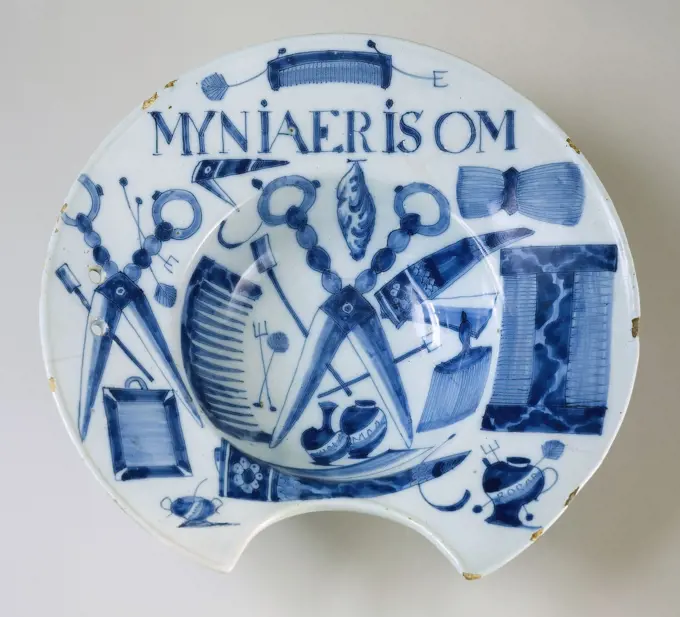
Curtain Knob 1840-60 American. Curtain Knob 2986Butterfly. Culture: China. Dimensions: H. 4 1/4 in. (10.8 cm); W. 2 5/16 in. (5.8 cm); D. 1/4 in. (0.6 cm). Date: 18th century. Museum: Metropolitan Museum of Art, New York, USA.Butter fleet in the form of a white grapes, Blankenburg, c. 1756 - c. 1764 Butter fleet of multi -colored painted faience. The butter fleet has the shape of a white grape vent, lying on a bed of flowers and leaves on a bowl. The butter fleet has a lid and an inner box. The lid and the container are marked. Amsterdam earthenware. tin glaze. Butter fleet of multi -colored painted faience. The butter fleet has the shape of a white grape vent, lying on a bed of flowers and leaves on a bowl. The butter fleet has a lid and an inner box. The lid and the container are marked. Amsterdam earthenware. tin glaze.fragmentary on board, anonymous, c. 1650 - c. 1670 Fragmentary octagonal plate made of blue painted faience. On the flat, a landscape with a building with a tower is painted and four -leaf rods on the edge. The board is a bottom find of Leiden and consists of two pieces. Delft earthenware. tin glaze.   Leiden Fragmentary octagonal plate made of blue painted faience. On the flat, a landscape with a building with a tower is painted and four -leaf rods on the edge. The board is a bottom find of Leiden and consists of two pieces. Delft earthenware. tin glaze.   LeidenOblong dish with foliate rim second half of the 11th century China. Oblong dish with foliate rim 36443Tile, painted multi-colored with a soldier or a standard bearer. Tile, painted multi-colored with a soldier or a standard bearer.Sword Guard (Tsuba) late 18th century Japanese A tsuba is a sword guard and part of a sword mounting. It is mounted between the swords blade and grip to protect the users hands.. Sword Guard (Tsuba) 26212Saucer with purple and green petals, anonymous, c. 1790 - c. 1800  Porcelain dish with a straight wall, painted on the glaze in green, yellow, purple, black and gold. The front is covered with gold with a saved medallion with a flower rosette on the flat. Continuously on the wall a tire of standing leaves. Green leaves are interspersed with purple petals. The outer edge with a golden band. France porcelain. glaze. gold (metal) painting / gilding / vitrificationBand (France); silkPierced Fragrance Ball With Silk Tassel. Openwork Porcelain Fragrance Ball, painted on biscuit in blue, pink, green, yellow and eggplant. The walls with ajour work with six medallions; Herein flower branches or flower branches at a rock (peony, chrysanthemum), around the medallions a bond with flower and lotus drinks. Some cracks in the ball. Email sur biscuit with famille rose colors.Tile decorated in purple and green with two flower classes. Tile of stoneware, decorated in purple and green with two diagonally placed stylized flower classes.Glass short-strip mosaic bowl fragment. Culture: Roman. Dimensions: Other: 15/16 x 7/8 in. (2.3 x 2.2 cm). Date: late 1st century B.C.-early 1st century A.D..Rim fragment.Translucent purple, greyish blue, layered blue green appearing yellow green, opaque white, yellow, and brick red, and colorless.Vertical rim with rounded edge; side slanting downward and curving in at bottom.Short-strip mosaic pattern formed from rectangular lengths in white, green, and red; a strip in blue with a white spiral thread, and a square in a purple ground with a checkerboard pattern of five white rods; a colorless cane wound spirally with a double yellow thread is attached as a rim.Polished exterior; pitting of surface bubbles on exterior; dulling, pitting, and iridescent weathering on interior, edge of rim, and jagged edges. Museum: Metropolitan Museum of Art, New York, USA.Shards of a sign from the wreck of the East Indians Hollandia, Anonymous, 1700 - in Or Before 1743 plate (dishes) Porcelain, plate, type 3; fragm of base, sim. NG 1980-27H3202c. Netherlands porcelain   SecondDecorative object in the shape of an apple, anonymous, c. 1750 - c. 1775 Decorative object in the shape of an apple. Delft . Decorative object in the shape of an apple. Delft .Floor tile, brown draft, green and yellow on white ground, central green oblique glass in which white flower with yellow heart, half yellow diamonds, half green diamonds, floor tile tile footage ceramic earthenware glaze, d 2.0Brush Rest, anonymous, c. 1575 - c. 1599 Porcelain brush holder, painted in under -glaze blue. The holder has the shape of a semi -delayed rock wall. Five five-clawy dragons, their heads excellent above rocks and waves, form the rock points; the upper part with a number of holes; The lower part with a tire underlaze blue containing a modeled, scalloped line. Marked on the bottom with a six-character brand from Keizer Wanli in a double rectangle. Ming porcelain in blue and white. China porcelain. glaze. cobalt (mineral) painting / vitrification Porcelain brush holder, painted in under -glaze blue. The holder has the shape of a semi -delayed rock wall. Five five-clawy dragons, their heads excellent above rocks and waves, form the rock points; the upper part with a number of holes; The lower part with a tire underlaze blue containing a modeled, scalloped line. Marked on the bottom with a six-character brand from Keizer Wanli in a double rectangle. Ming porcelain in blue and white. China pPaperweight 1875-1900 United States. Glass . Boston and Sandwich Glass CompanyQuillwork Sconce 1720-40 Possibly Ruth Read A fragile form of handiwork, quillwork consists of narrow strips of paper rolled into tiny scrolls and glued, one against the other, within a shadow-box frame to form a design. In this case, sconces for candles were attached to the front of each frame, and the glittering mica-covered quillwork magnified and reflected the candlelight.This sconce and its mate (52.195.19) were possibly made by Ruth Read of Redding, Connecticut. Both sconces originally held silver candle arms made by Knight Leverett; these, however, are now at the Winterthur Museum.. Quillwork Sconce. American. 1720-40. Paper, shells, wire, glass. Possibly made in Redding, Connecticut, United StatesRavier. Sandstone, yellow and green covered. Paris, Cernuschi museum. Japanese art, Japanese ceramic, sheet, gres, ravier, dishTile with a blue painted pastoral show. Tile with a blue painted pastoral show inside a scallop circle surrounded by purple splashing. In the corners, a saved heart shape. Horse at a group of 23 tiles.Hutsul Easter eggTile (USA); Manufactured by Grueby Faience Company, Revere, Massachusetts (United States), Grueby Pottery (United States); earthenwareManufacture of Niderviller (n. - D.), Piédouche de Buste (common name), 1793. Porcelain, painted cookie, suffocates. Petit Palais, Museum of Fine Arts of the City of Paris.Ceramic plates and bowls for sale, Ichan Kala, Khiva, UzbekistanHistorical stone models in a leather case;  XVIII/XIX (1700-00-00-1800-00-00);Gerrit Kruijck (pottenbakker, plateelpainter), Blue shaving basin with hairdressing tools and MYN IAER IS OM, shaving basin holder ceramic earthenware glaze, baked 2x glazed Stand ring bowl wide rim with circle (circle segment) MYN IAER IS OM (glazed top) shave barber shop barber barber companyPlate with W van Wilhelmina, Petrus Regout, 1898 Plate of earthenware, decorated with a crowned letter W on a black background in a wreath of red and black leaf ornament. At the rear The inscription: "The pleasure in Amsterdam to his children, inauguration 1898. marked with: Petrus Regout & Co. Maastricht Maastricht earthenware   Amsterdam Plate of earthenware, decorated with a crowned letter W on a black background in a wreath of red and black leaf ornament. At the rear The inscription: "The pleasure in Amsterdam to his children, inauguration 1898. marked with: Petrus Regout & Co. Maastricht Maastricht earthenware   Amsterdam