Ceramic Pottery

An array of antique ceramic pottery, including jugs and cooking pots, featuring distinct shapes and historical designs from various cultures.
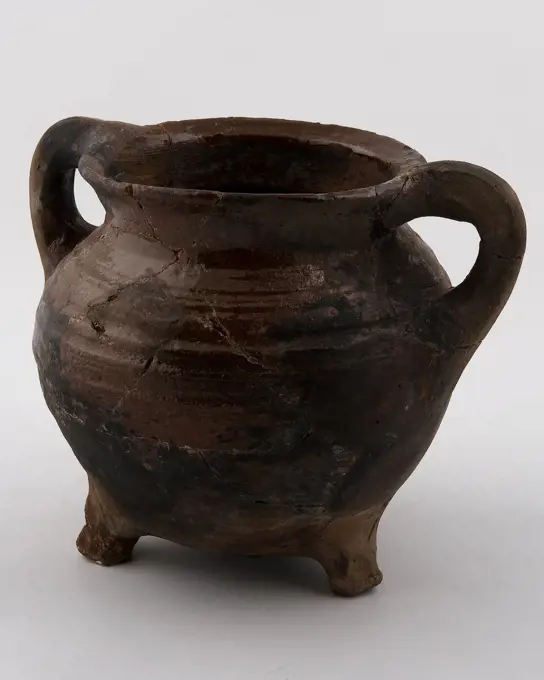
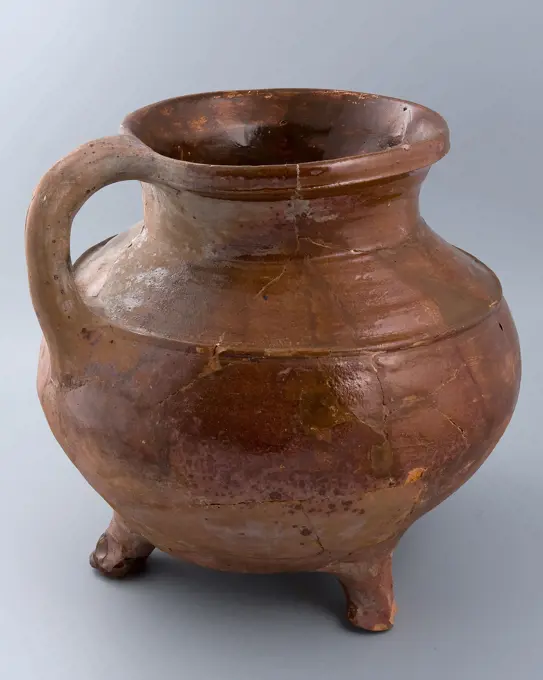
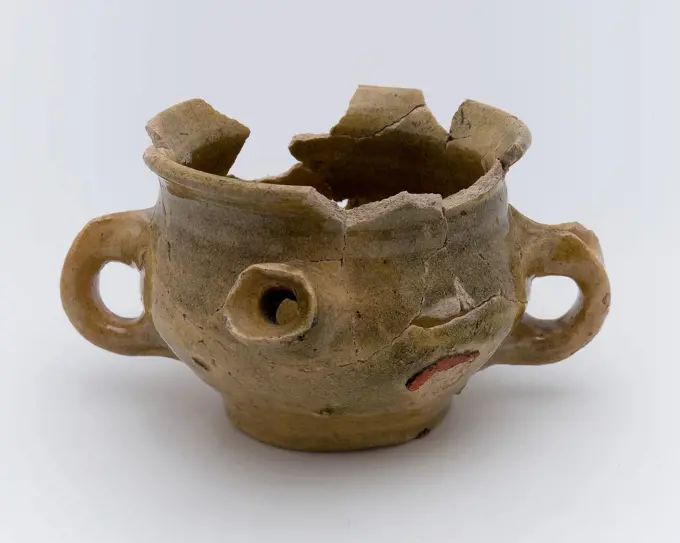
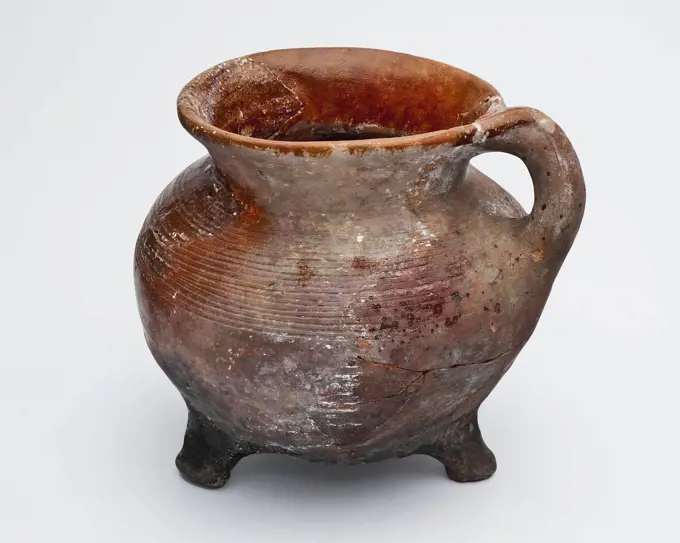
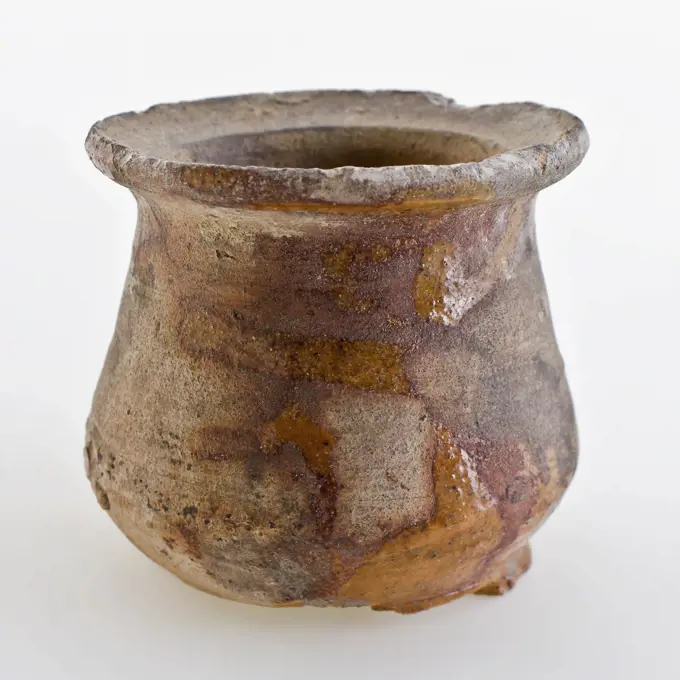
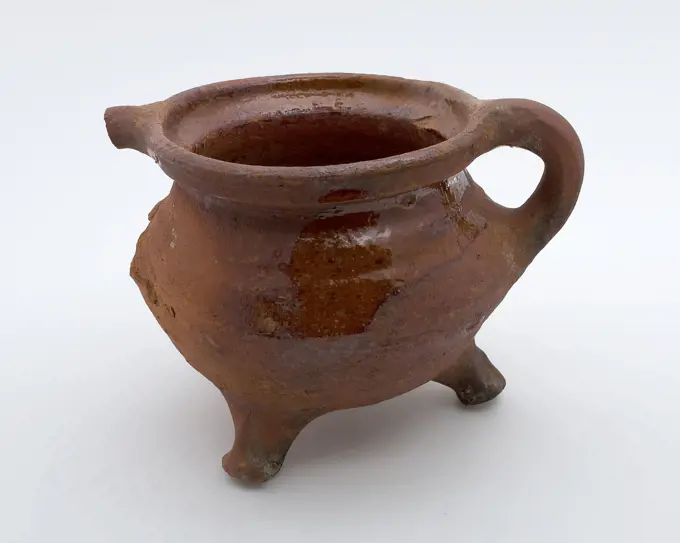
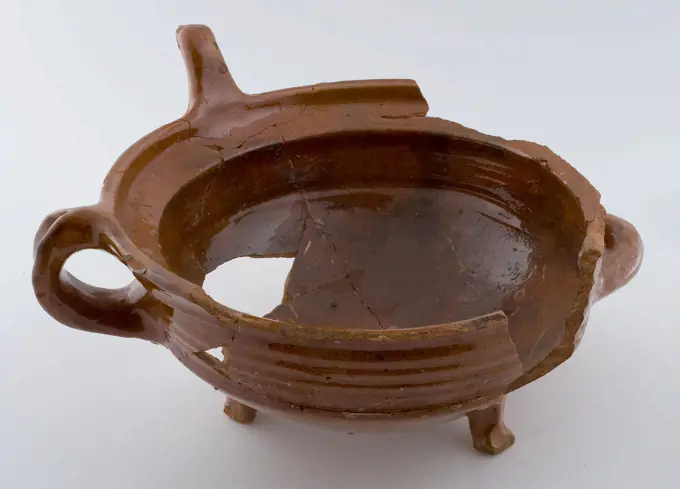
Pottery cooking pot, grape with two sausage ears, on three legs, sparingly glazed, grape cooking pot crockery holder kitchen utensils earthenware ceramics earthenware glaze lead glaze, hand-turned glazed baked Red shard brown-green glaze on shoulder. Black spots Two ears neck with slanting top edge rotations on shoulder on which lead glaze archeology underground pit Rotterdam City Center Stadsdriehoek Groenendaal indigenous pottery food preparation cooking kitchen Soil discovery: underground pit Groenendaal first 50 meters from well 1975-09-11.
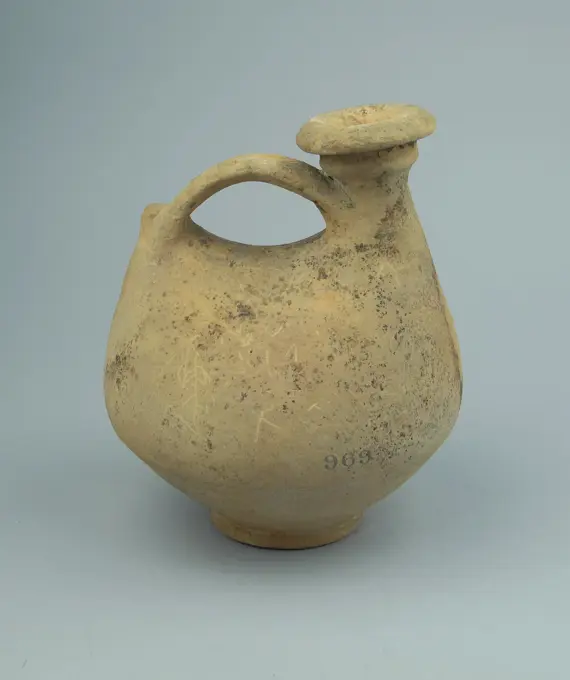
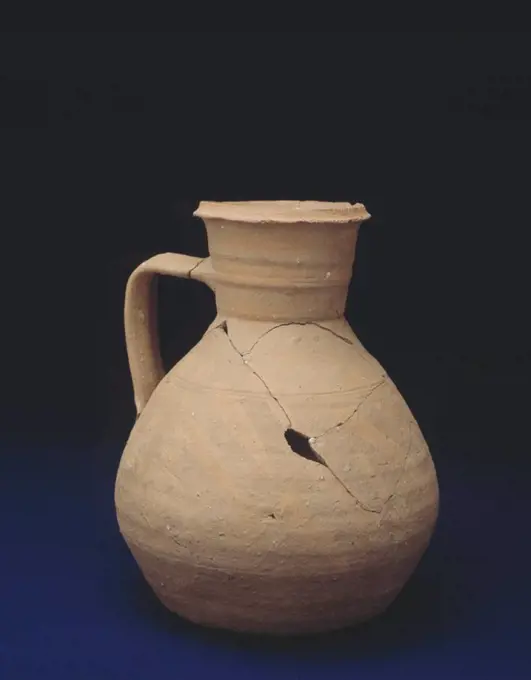
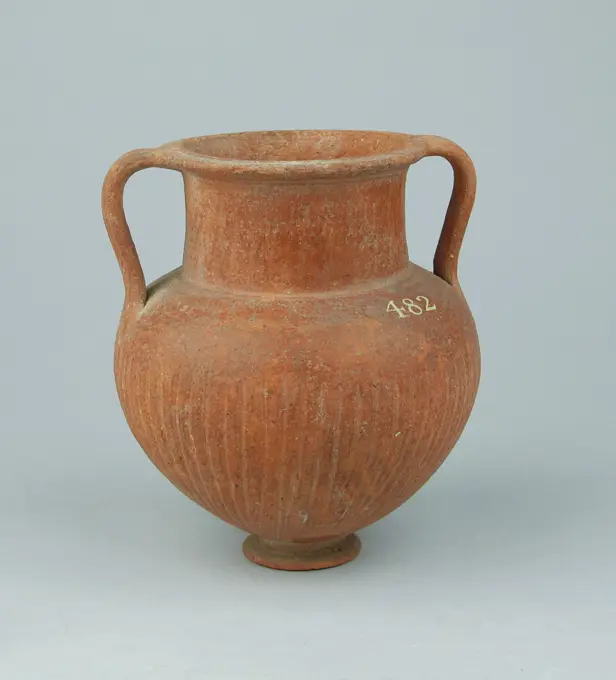
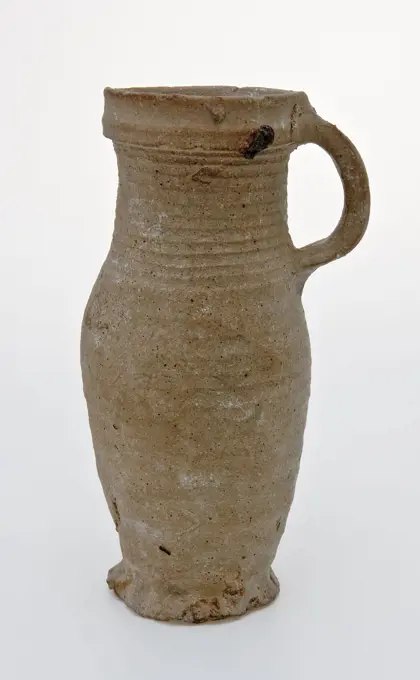
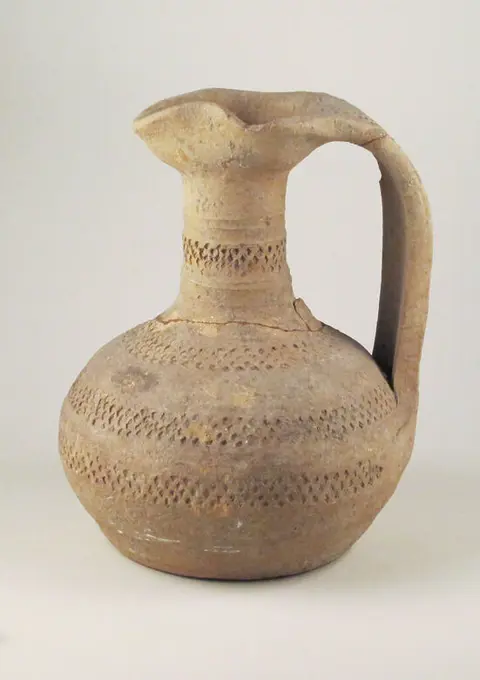
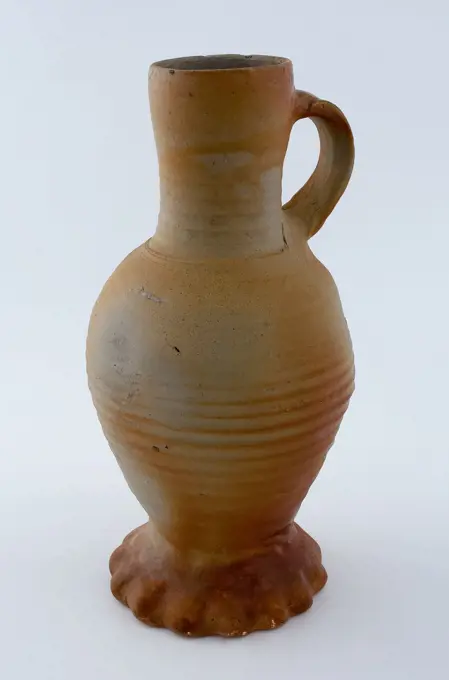
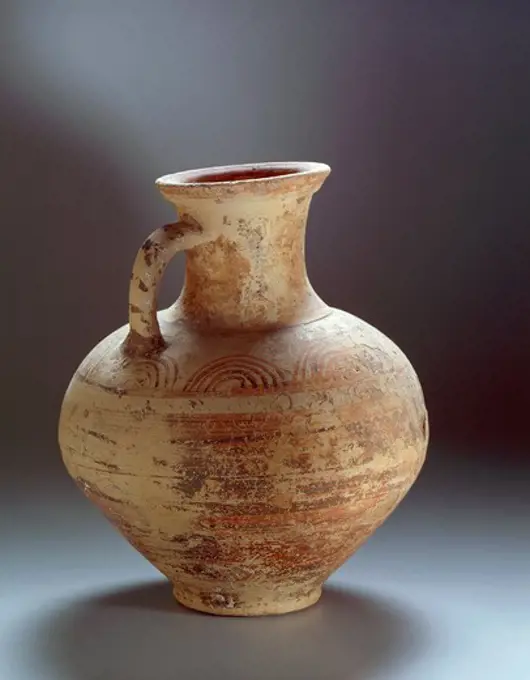
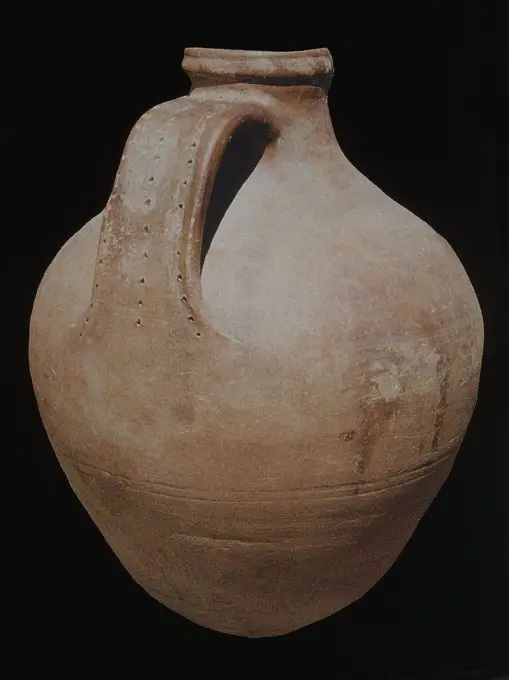
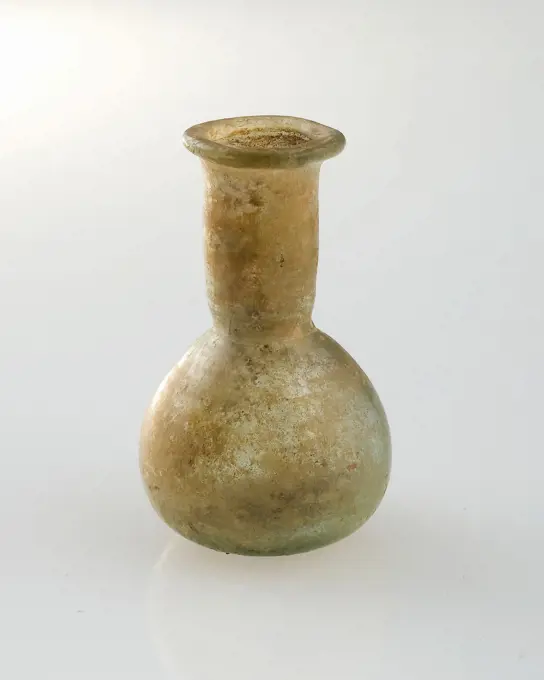
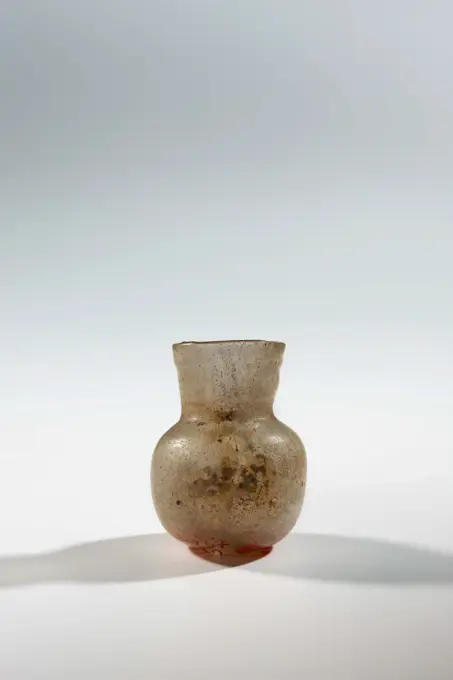
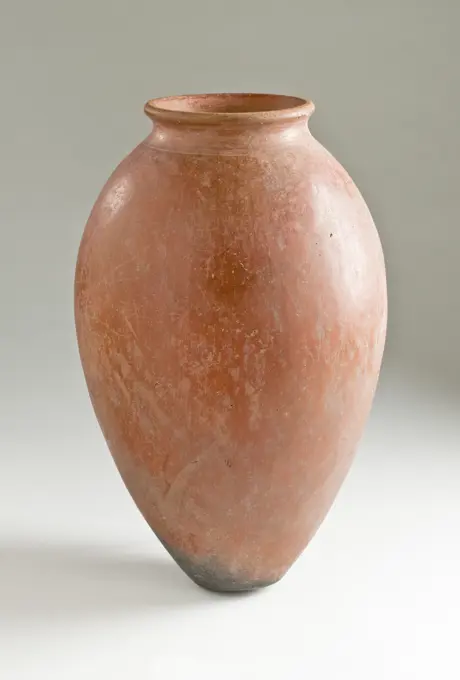
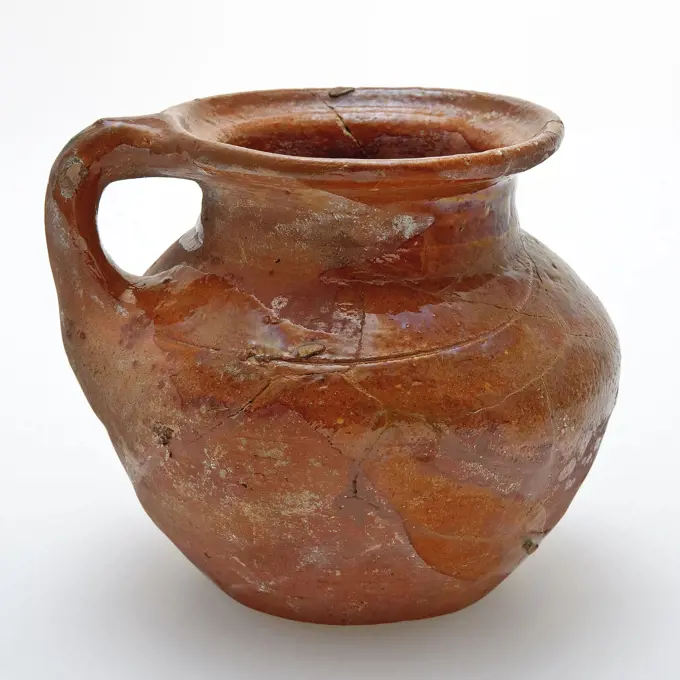
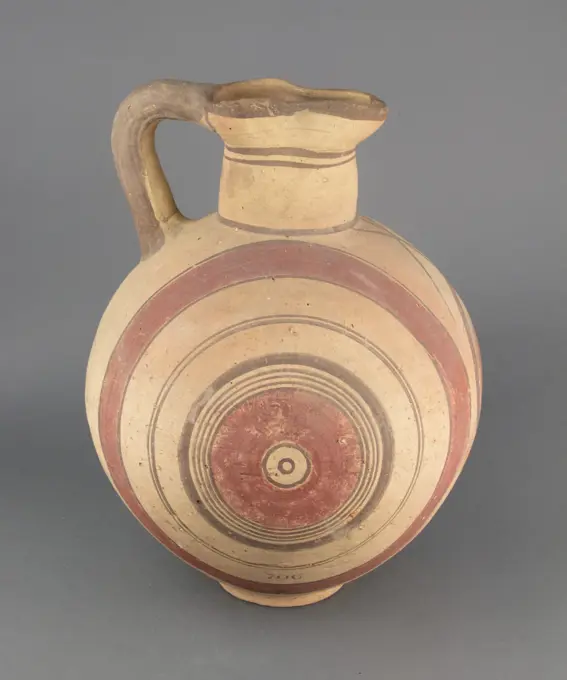
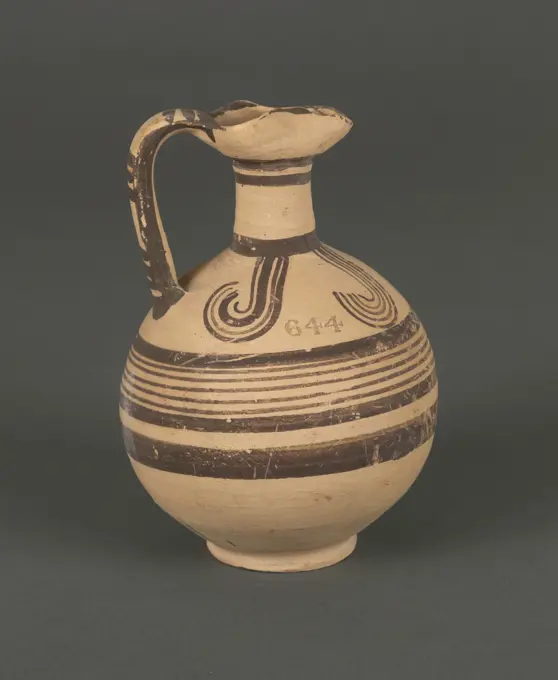
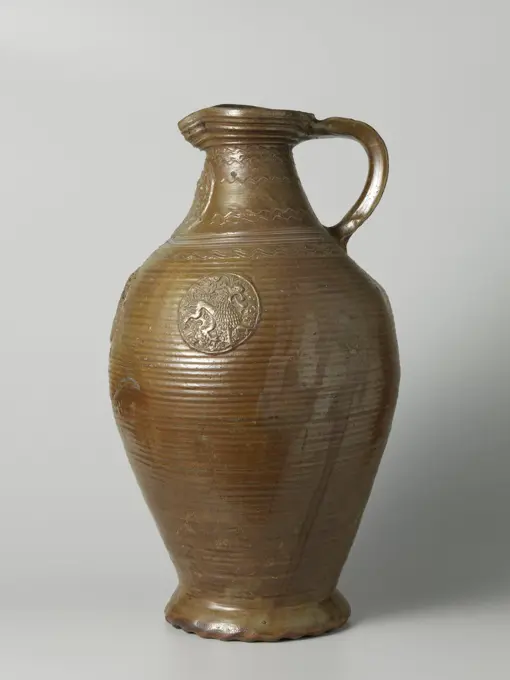
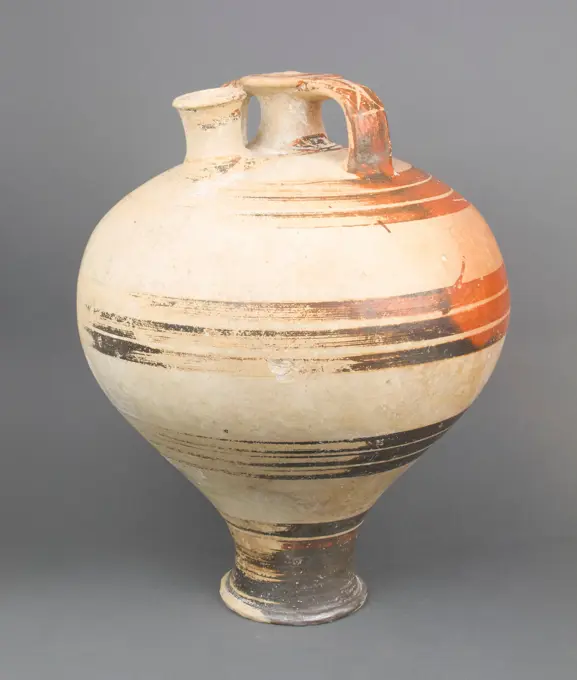
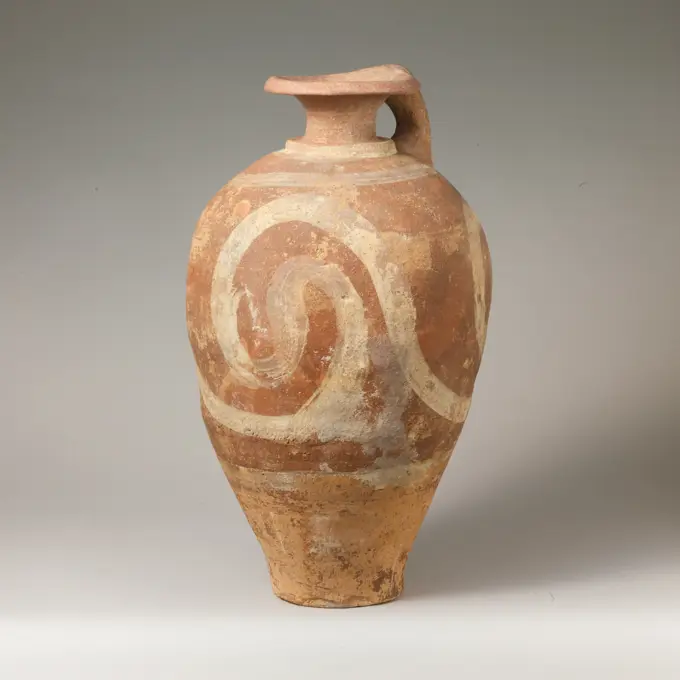
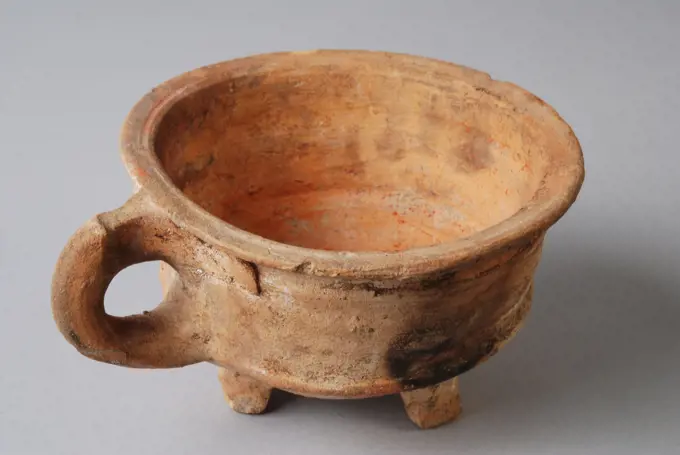
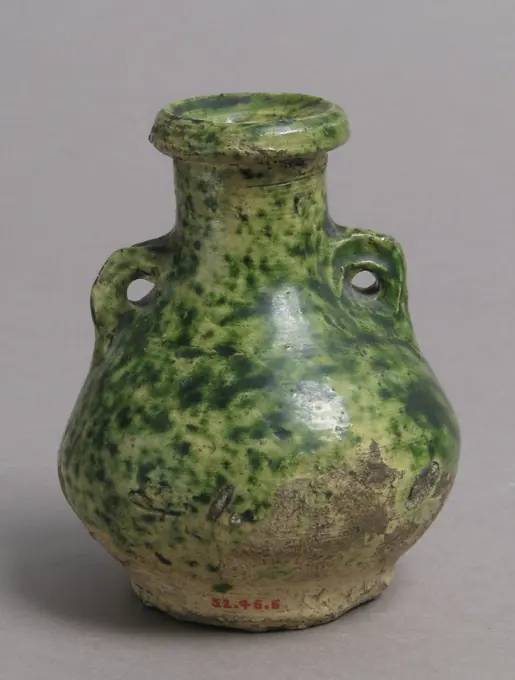
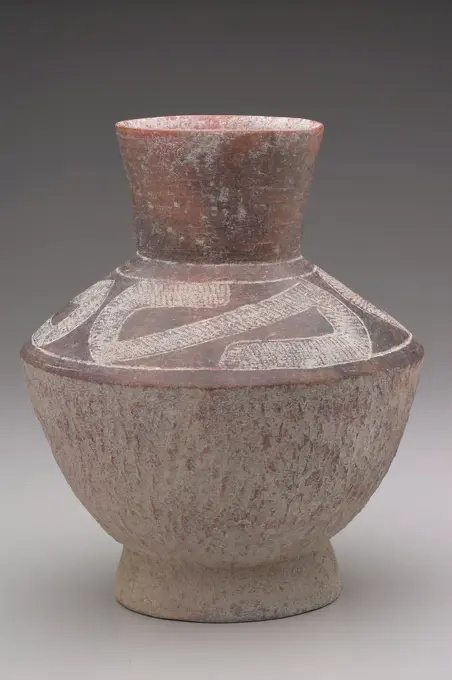
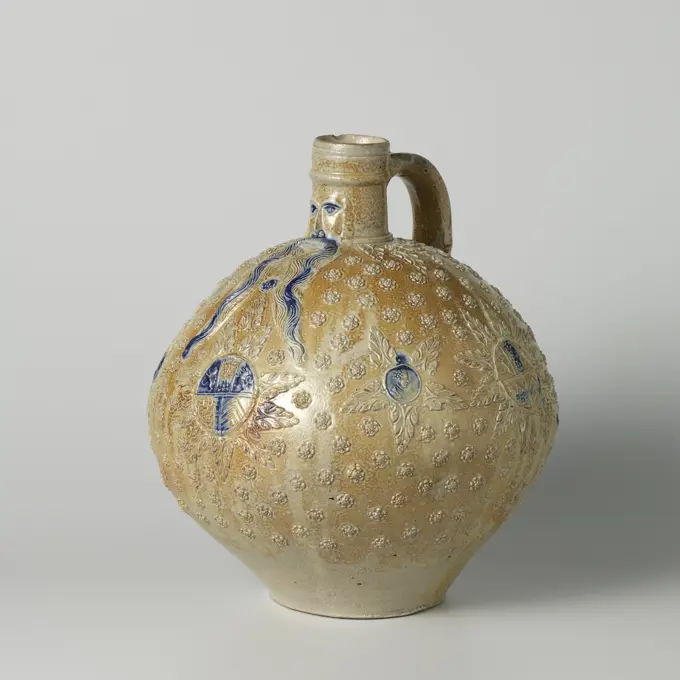
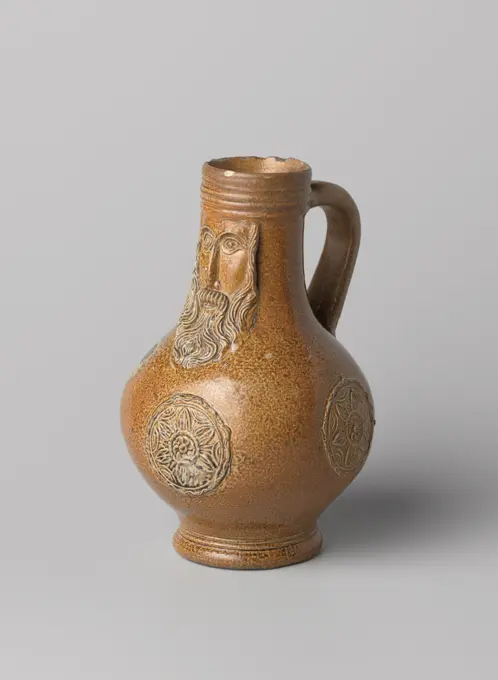
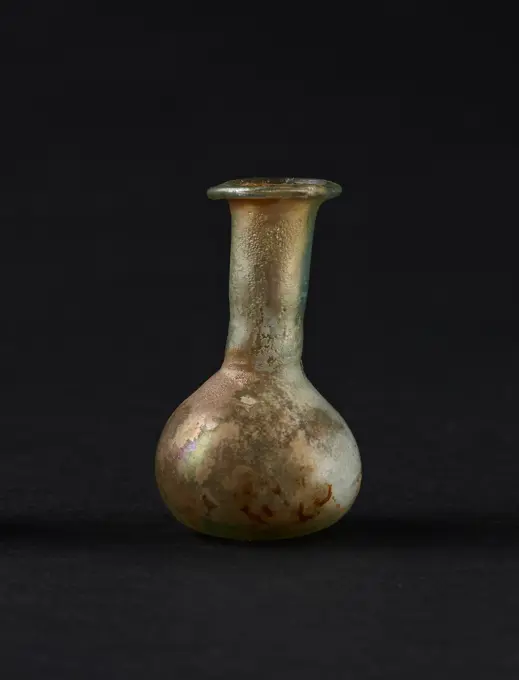
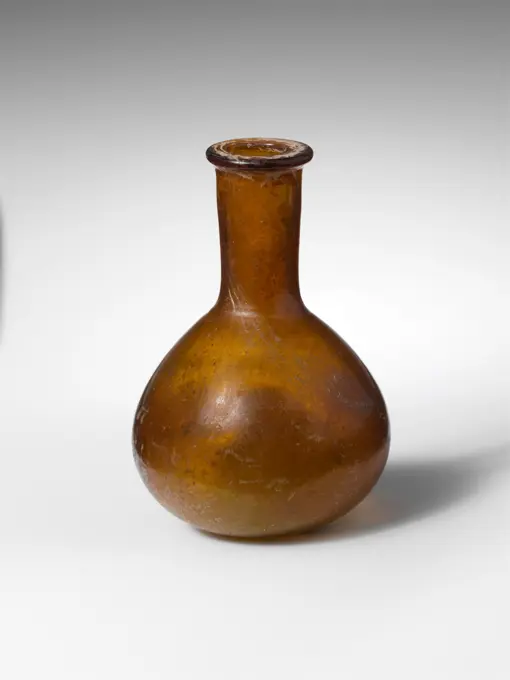
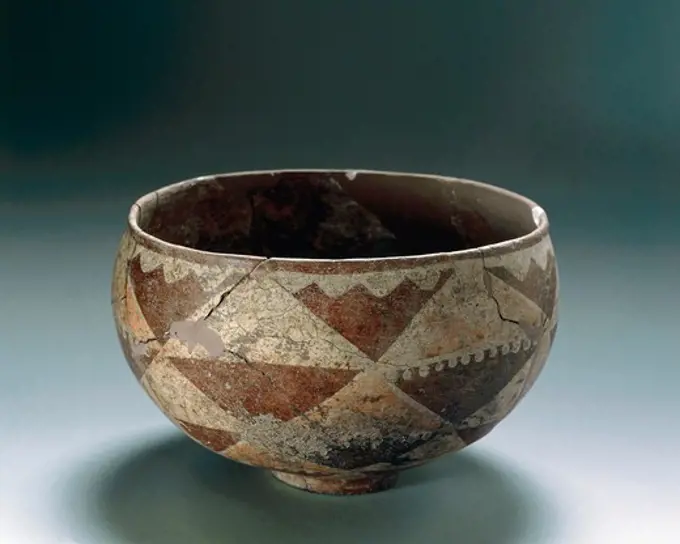
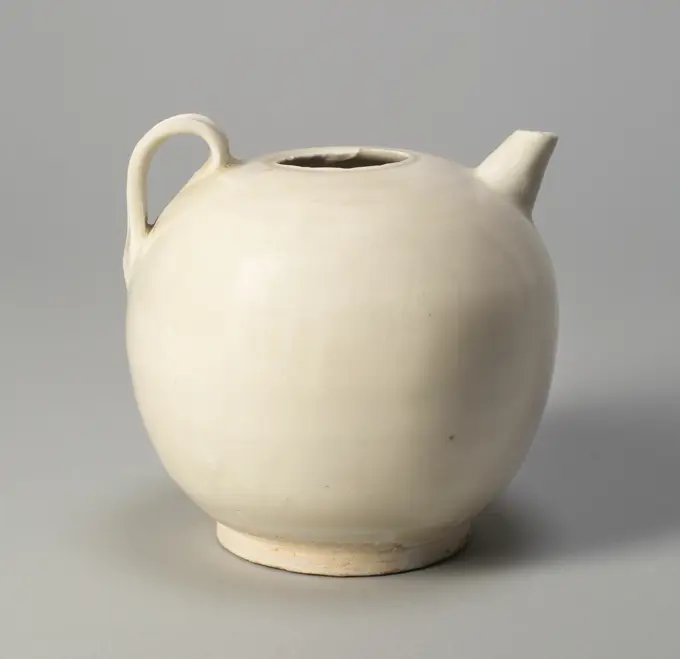
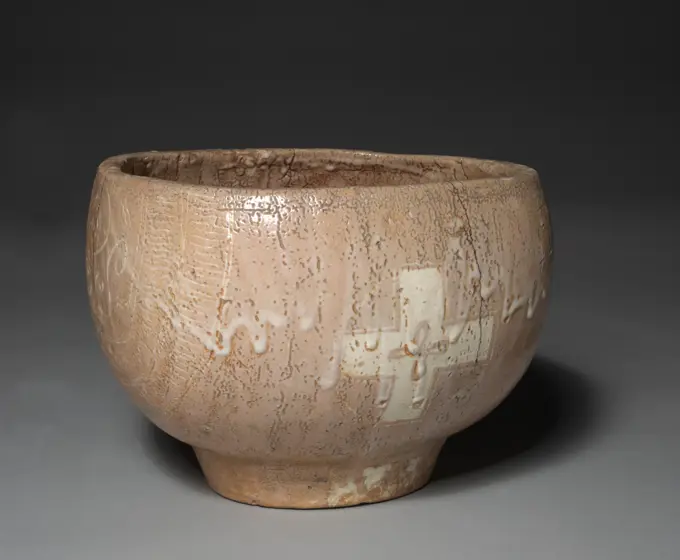
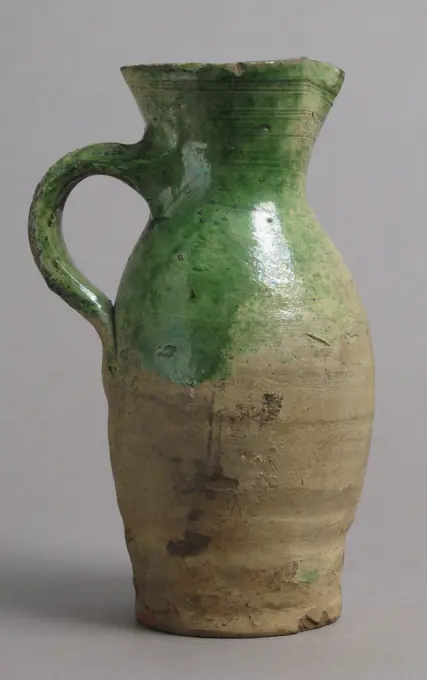
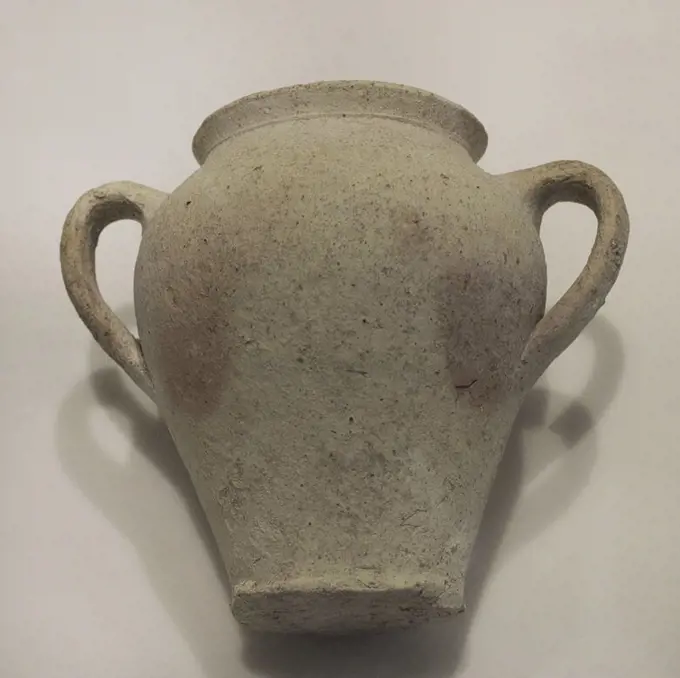
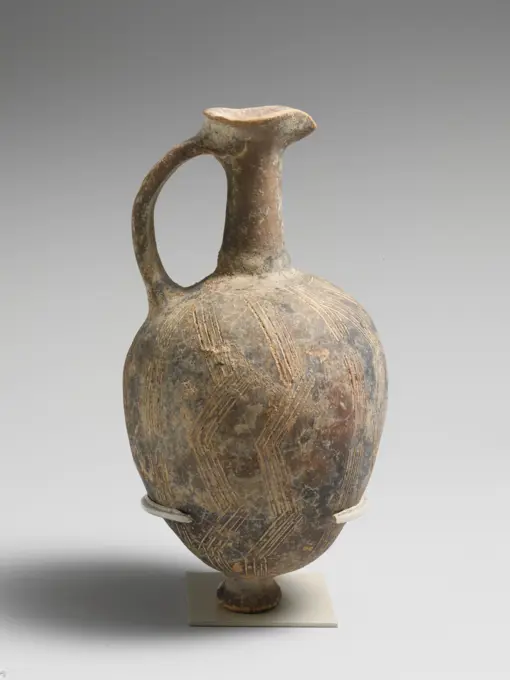
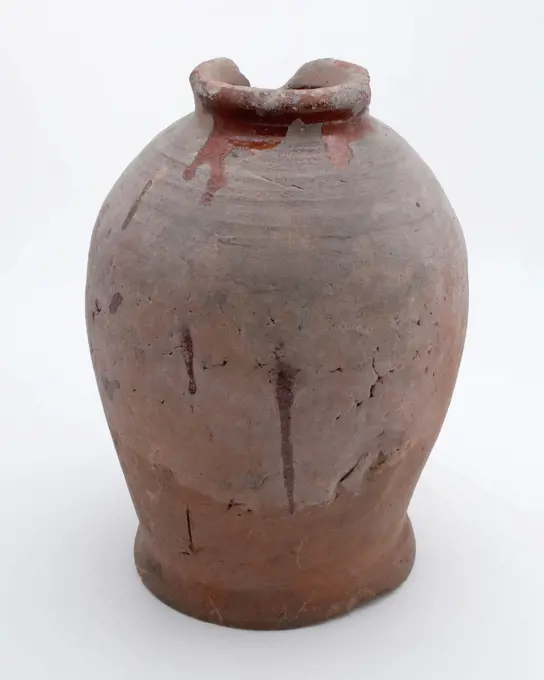
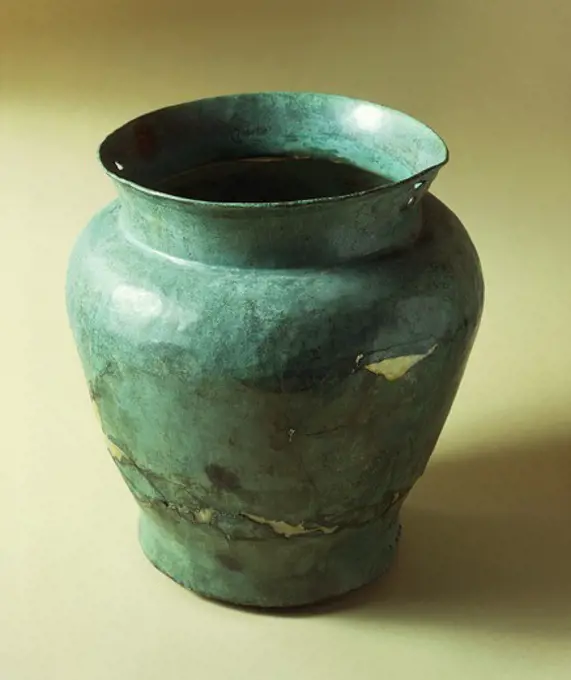
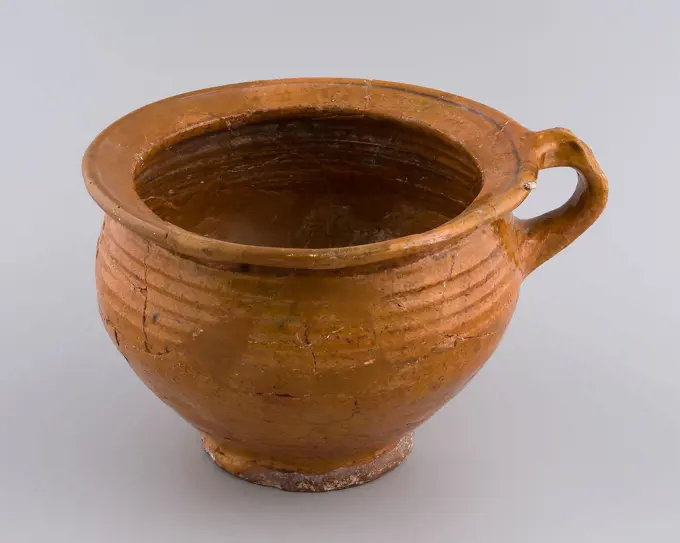
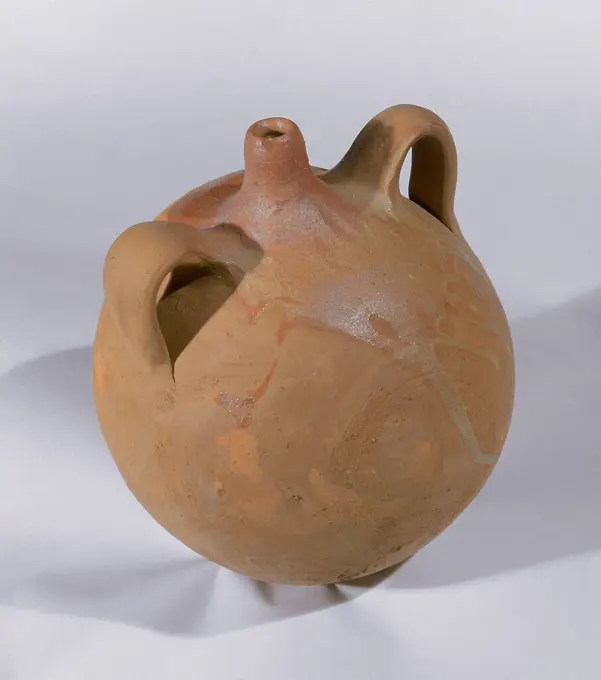
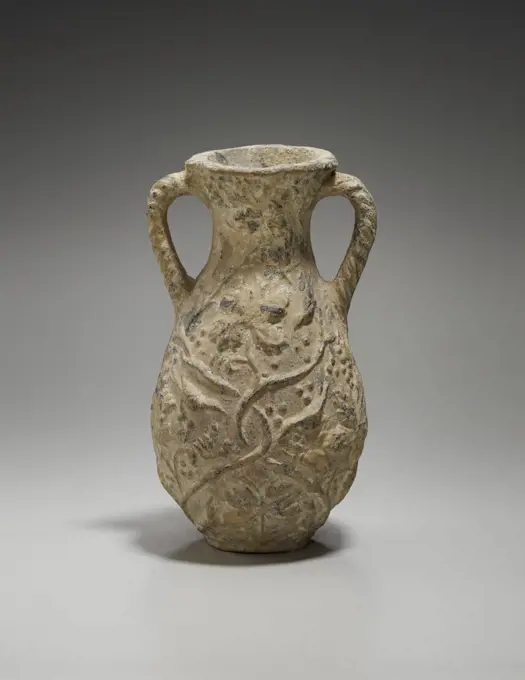
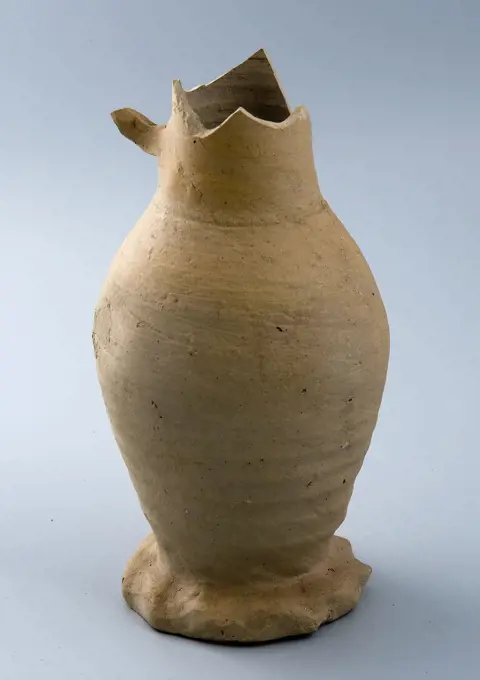
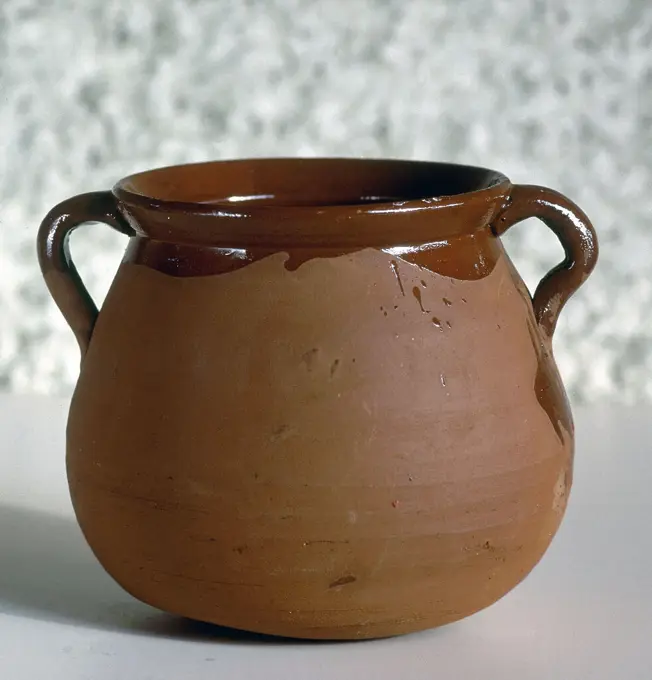
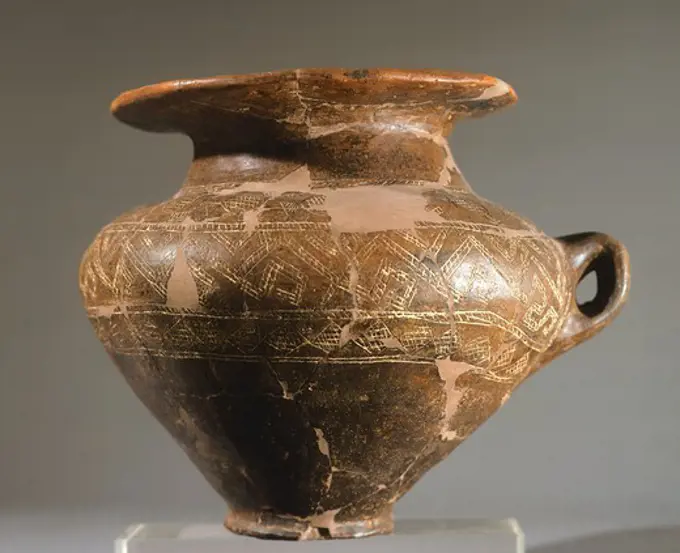
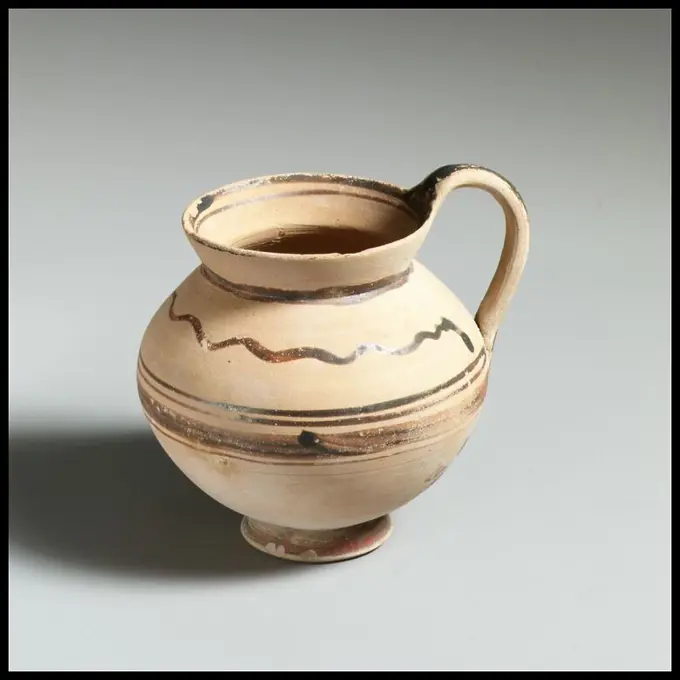
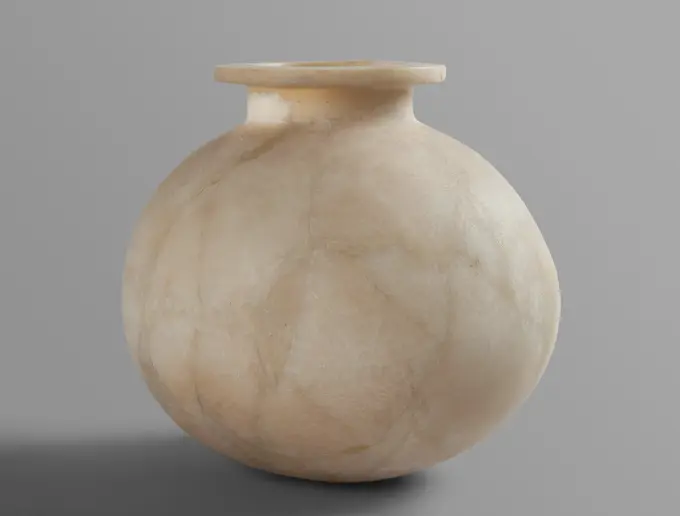
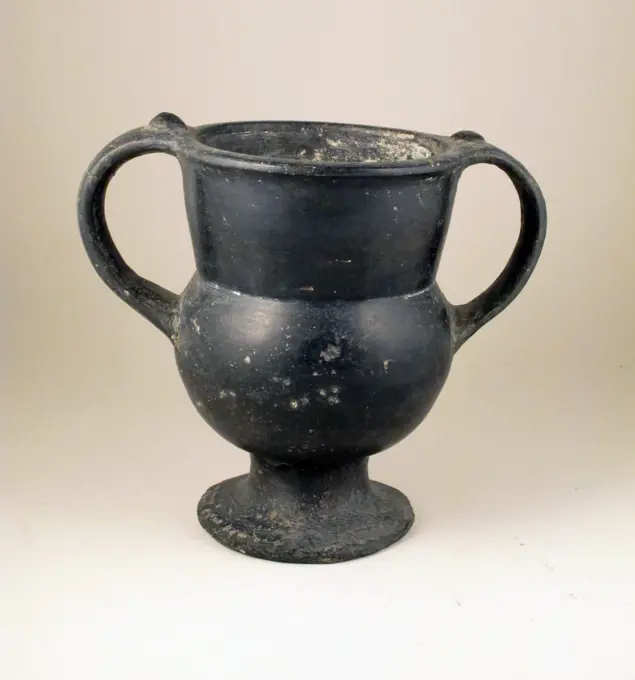
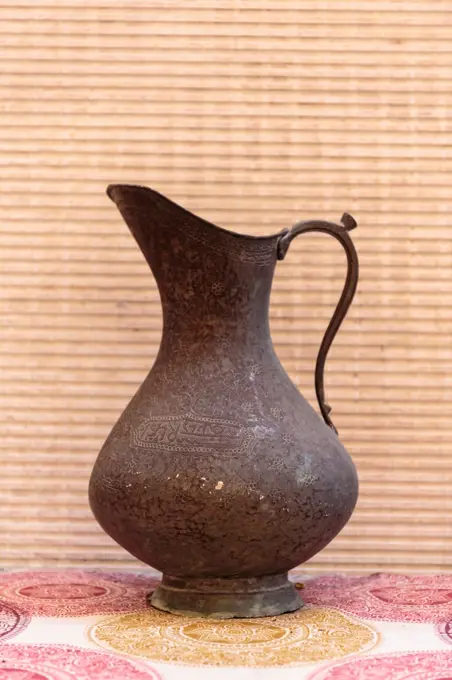
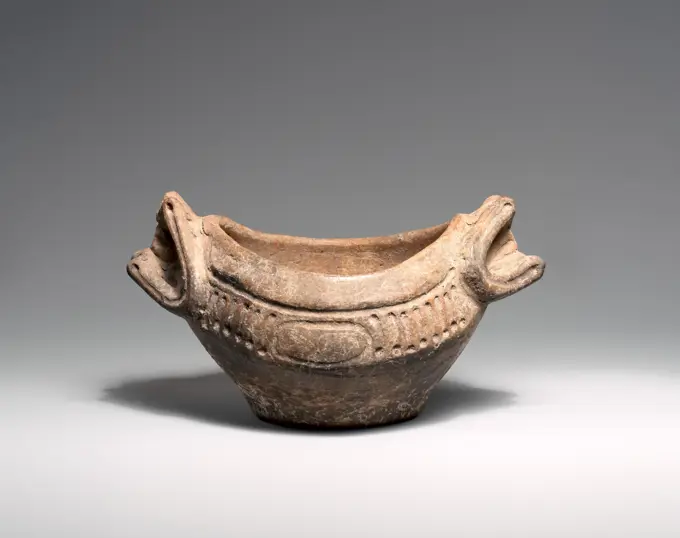
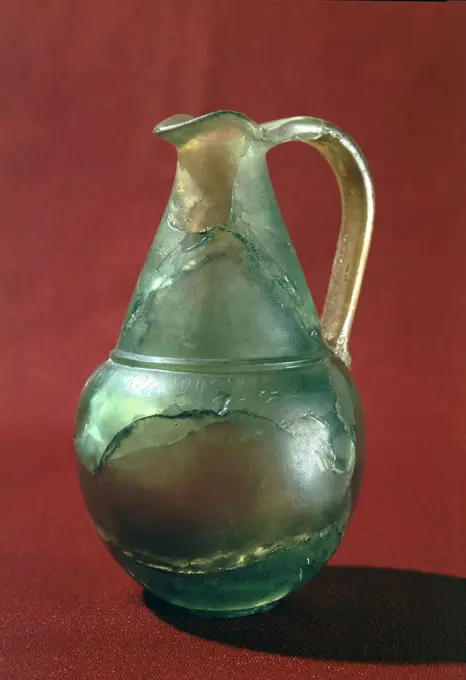
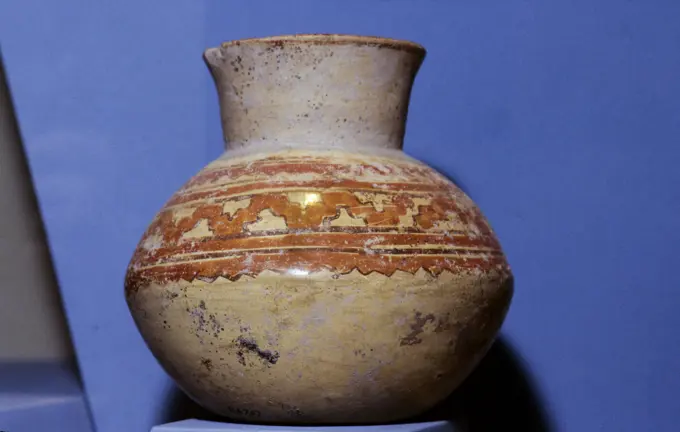
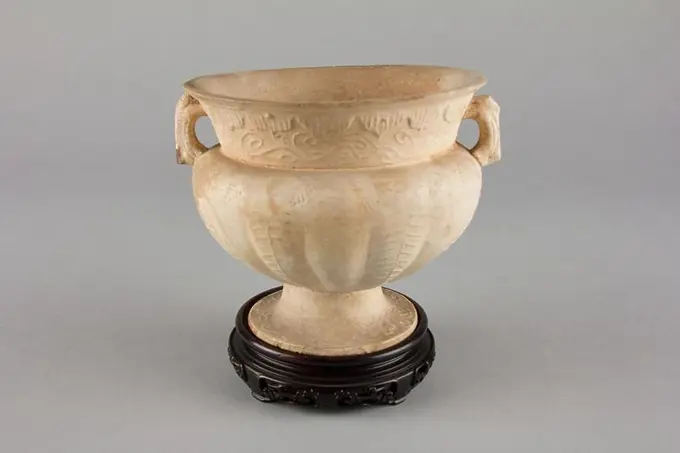
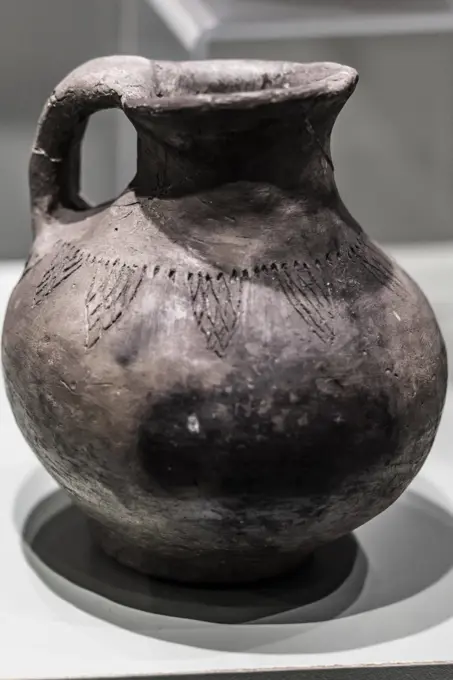
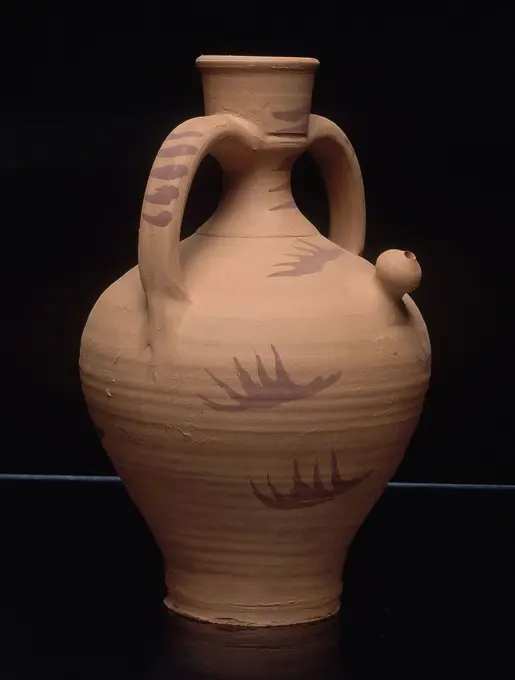
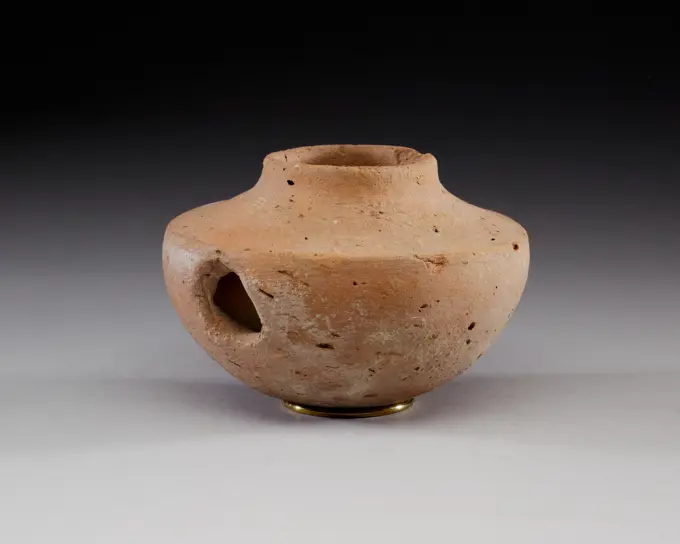
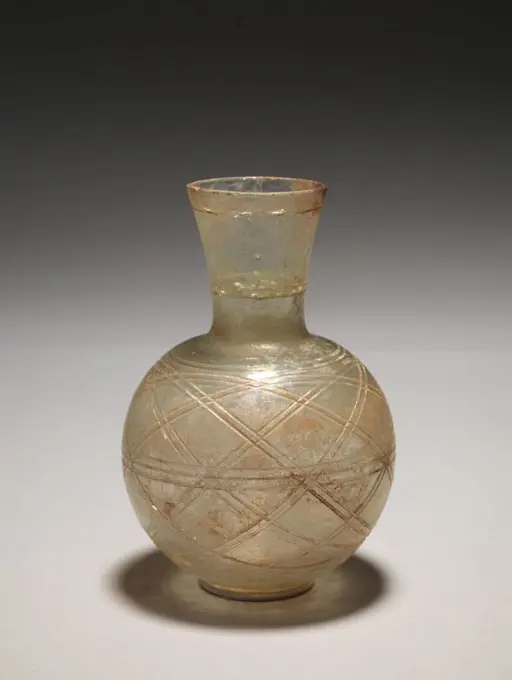
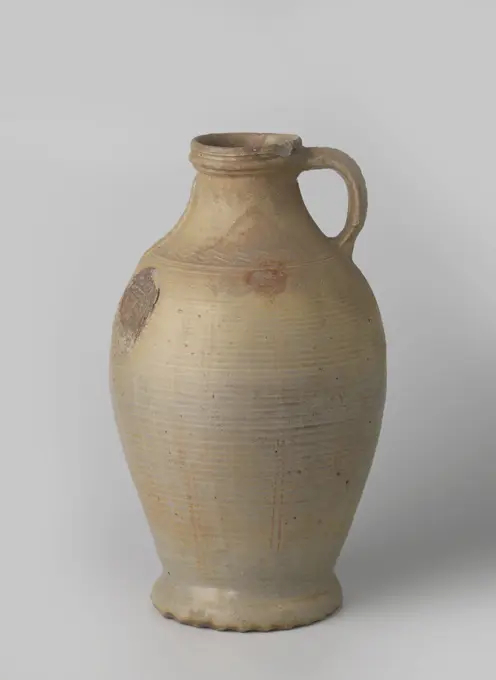
Pottery cooking pot, grape with two sausage ears, on three legs, sparingly glazed, grape cooking pot crockery holder kitchen utensils earthenware ceramics earthenware glaze lead glaze, hand-turned glazed baked Red shard brown-green glaze on shoulder. Black spots Two ears neck with slanting top edge rotations on shoulder on which lead glaze archeology underground pit Rotterdam City Center Stadsdriehoek Groenendaal indigenous pottery food preparation cooking kitchen Soil discovery: underground pit Groenendaal first 50 meters from well 1975-09-11.Jug (Bartmann jug) with coats of arms, anonymous, c. 1600 - c. 1674 Jug (beard fancier) of stoneware on the stand ring with an egg -shaped body and wide neck. The C-shaped ear is attached to the neck and shoulder. Profiles and wavy lines on the neck. The belly is decorated with turning and three times in relief a printed and imposed medallion with a weapon. In two of them the weapon of England with the date '1660' in the middle medallion. The third crowned weapon shows a lion. On the neck, continuously on the shoulder, a bearded man. Langerwehe. Long stoneware. glaze vitrification Jug (beard fancier) of stoneware on the stand ring with an egg -shaped body and wide neck. The C-shaped ear is attached to the neck and shoulder. Profiles and wavy lines on the neck. The belly is decorated with turning and three times in relief a printed and imposed medallion with a weapon. In two of them the weapon of England with the date '1660' in the middle medallion. The third crowned weapon shows a lionJar with Handle. Culture: Coptic. Dimensions: Overall: 3 3/4 x 4 5/16 in. (9.6 x 10.9 cm). Date: 4th-7th century. Museum: Metropolitan Museum of Art, New York, USA.Jug 9th-10th century. Jug 449371Askos 600-480 B.C. Cypriot Askos of unpainted clay.. Askos. Cypriot. 600-480 B.C.. Terracotta. Cypro-Archaic II. VasesStorage vessel with coats of arms, anonymous, c. 1650 - c. 1674 Stock jug of stoneware on wavy foot with an egg -shaped body and wide neck. The C-shaped ear is attached to the neck and shoulder. Covered with a brown Engobe. The jug is decorated with turning rings. On the neck, continuously on the shoulder, a printed and imposed medallion with a weapon in relief. Below that two smaller medallions with a weapon. On the neck and shoulder tires with entry, wavy lines. Langerwehe. Long stoneware. glaze. engobe vitrification Stock jug of stoneware on wavy foot with an egg -shaped body and wide neck. The C-shaped ear is attached to the neck and shoulder. Covered with a brown Engobe. The jug is decorated with turning rings. On the neck, continuously on the shoulder, a printed and imposed medallion with a weapon in relief. Below that two smaller medallions with a weapon. On the neck and shoulder tires with entry, wavy lines. Langerwehe. Long stoneware. glaze. engobe vitrificationSpherical ointmentARTE ISLAMICO. JARRA. CUESTA DE LA VEGA. MADRID. MUSEO MUNICIPAL. MADRID.Amphoriskos 850-700 B.C. Cypriot Wide-mouthed amphora with grooved body; red bucchero.. Amphoriskos. Cypriot. 850-700 B.C.. Terracotta. Cypro-Geometric III. VasesJug with one ear, anonymous, c. 1600 - 1800 Jug of stoneware, with one ear and with predominantly green enamel and here and there an orange-brown glazed place. Soil is missing. Germany stoneware. glaze Jug of stoneware, with one ear and with predominantly green enamel and here and there an orange-brown glazed place. Soil is missing. Germany stoneware. glazeJug late 8th-first half 9th century. Jug 449071Cylinder neck jug, jug crockery holder soil find ceramic stoneware, hand turned fired Gray shard. Rough-walled unglazed cylinder neck jug on pinched foot Neck dented inaccessible archeology Rotterdam castle Willem Zonderland House in Katendrecht Katendrecht Charlois donation served Soil discovery: soil find castle Willem Zonderland Charlois June 1960.Jar 8th century. Jar 448968Jug. Culture: Roman. Dimensions: 4 7/16in. (11.4cm)Other: 4 1/4in. (10.9cm).Reddish brown jug with stamped bands; unglazed. Museum: Metropolitan Museum of Art, New York, USA.Stoneware jug be flamed on pinched feet, red and brown, siegburgkan jug crockery holder soil find ceramic stoneware glaze salt glaze, hand-turned glazed fried Stoneware can be pinched. Cylinder neck jar. Sphere and elongated body. Long neck slightly tapered Standing bandoor attached just below the neck edge and high on the shoulder brown and red flamed some gray fields. Rotating bells on the lower half of the neck and between the shoulder and the foot Restauration is repainted archeology underground pit Rotterdam Stadscentrum Stadsdriehoek Groenendaal indigenous pottery import drinking table pouring Soil discovery: underground pit Groenendaal 1977.04.07.Jar. China. Date: 618 AD-906 AD. Dimensions: H. 25.4 cm (10 in.); diam. 26.0 cm (10 1/4 in.). Slip-coated stoneware. Origin: China. Museum: The Chicago Art Institute, Chicago, USA.Iron Age, Jug with geometric decoration, From BaikaiRed brown earthenware cooking jug on three legs, with sausage ear, profile ring on the shoulder, cooking jug kitchenware earth discovery ceramics earthenware glaze lead glaze, hand-turned glazed fried Very large cooking jug with one ear. High bulging neck with thick edge protruding profile ring on shoulder Red shard lead glaze on shoulder. Flattened bottom at the bottom Paws with soul in stand surface Restoration is repainted archeology underground pit Rotterdam City Triangle Groenendaal indigenous pottery cooking kitchen Soil discovery underground pit Groenendaal from low to 2.5 meters -NAP 1975-09-08.Vessel. Afghanistan, Northeastern, 10th-12th century. Ceramics. CeramicPottery fire test, round model, red shard, unglazed, vertical sausage ear, on three legs, fire test test earth discovery ceramics pottery, hand-turned fired Pottery fire test around model red shard with single lead glaze rail pinched at the top three-legged sausage spores on the inside archeology indigenous pottery food preparation heating cooking food kitchenJug probably 10th century. Jug 449313Prehistory, Italy, Bronze Age. Bowl with handle. From Lagazzi di Vho' Piadena, province of Cremona.Large Spouted Vessel with HandleCANTARO PARA AGUA CON ASA CRANDE-SIN VIDRIAR-ARTE POPULAR S XX. Location: ALFARERIA. ZARZUELA DE JADRAQUE. Guadalajara. SPAIN.Very small belly bottle with shallow soul in greenish glass, medicine bottle bottle holder soil find glass, free blown Very small medicine bottle in clear green glass. Belly body between the belly and neck slightly constricted. Neck light funnel-shaped with flattened and folded down lip archeology health care packing pharmacy care transportSmall bottle. unknown, craftsmanRed Polished Jar. Egypt, Naqada I Period, 4000-3500 B.C.. Furnishings; Serviceware. CeramicPottery room pot, spout, yellow glazed, on stand, cream pot spout pot crockery holder soil find ceramic earthenware glaze lead glaze, hand-rolled glazed fried Round jar with outward-facing top edge. Opposite two standing ears attached to the kettle Between the ears spout Whole except bottom glazed Yellow-green archeology Rotterdam railway tunnel indigenous earthenware cooking dairy kitchen Soil discovery: railway tunnel Rotterdam.Pottery room comfort on curved floor, straight neck, lid slot and standing sausage ear, pot holder sanitary soil found ceramic earthenware glaze lead glaze, hand turned glazed earthenware pottery on vaulted bottom. Belly model with short cylindrical neck. Sturdy and standing sausage ear. Outstanding top edge with lid groove. Red shard sparingly glazed Short groove on the shoulder. Small finger impression in the edge at the location of the attachment of the ear archeology inn The Heart Geervliet Bernisse indigenous pottery drains night sleeping room hygiene Soil discovery: Geervliet Dorpsplein 1 demolition Trouw put 5 city inn 't Hart 1985.Jug 750-600 B.C. Cypriot Vertical and concentric circles.. Jug. Cypriot. 750-600 B.C.. Terracotta. Cypro-Archaic I. VasesJuglet 750-480 B.C. Cypriot. Juglet. Cypriot. 750-480 B.C.. Terracotta. Cypro-Archaic. VasesStorrage vessel with a coat of arms and lions, anonymous, 1604 Stock jug of stoneware on wavy base with an egg -shaped body and wide neck with a pinched spout. The C-shaped ear is attached to the neck and shoulder. Profiles on the neck and shoulder. Covered with a brown Engobe. The jug is decorated with turning rings. On the neck in relief a printed and imposed medallion with a weapon and the edge 'I.wilhelmvs.vo.reifenberg m.i.anna vom Batemborg.1604'. The belly with three smaller medallions with a lion, the brand 'W.E.' and the date '1600'. On the neck and shoulder tires with entry, wavy lines. Langerwehe. Long stoneware. glaze. engobe vitrification Stock jug of stoneware on wavy base with an egg -shaped body and wide neck with a pinched spout. The C-shaped ear is attached to the neck and shoulder. Profiles on the neck and shoulder. Covered with a brown Engobe. The jug is decorated with turning rings. On the neck in relief a printed and imposed medallion with a weapon and the edge 'INuragic civilization. Portable ceramic brazier. From Sardinia Region.Conical ointmentTerracotta stirrup jar ca. 1200-1050 B.C. Helladic, Mycenaean Groups of broad bands, incised symbols on handle.. Terracotta stirrup jar. Helladic, Mycenaean. ca. 1200-1050 B.C.. Terracotta. Late Helladic IIIA. VasesMug, gull (cylinder);  IV-VI century; Postmeroic period (301-00-00-600-00-00);Collection of ancient Egypt, message, rescue excavations, IV Qatracta, SudanTerracotta jug with spirals ca. 1700-1600 B.C. Minoan Numerous examples of this type of jug were excavated in the Temple Repositories at Knossos.. Terracotta jug with spirals 248513Pottery cooking jug on three legs, grape, light red, round ear, high arched neck, grape cooking pot tableware holder kitchen utensils earthenware ceramics earthenware glaze lead glaze, belly 18.0 bottom 11.5 hand turned set glazed baked Cooking jug grape light red round ear high bent neck little thickened round edge fine rotations on the shoulder inverted pouch shaped sparingly glazed three pinched legs archeology Capelle aan den IJssel House in Capelle castle indigenous pottery kitchen food preparation tableware tableware Soil discovery: canal south side house in Capelle ± 1395-1500 Capelle aan den IJssel 1963.Pottery fire test, round model with red shard, unglazed, top pierced sausage ear on three legs, fire test test earth discovery ceramics pottery, hand-turned baked Pottery fire test around model red shard with single lead glaze rail pinched at the top sausage ear three legs archeology indigenous pottery food prepare heating cooking kitchenJug 15th-16th century British Jugs without spouts were used much like mugs are today. Potters were active in Kingston-on-Thames (now part of London) from the 1260s, and their earliest described products were royal orders. Both men and women were eventually listed among the citys "Poters," who supplied large numbers of ceramic pieces to the nearby capital.. Jug 468397Pottery belly model ointment jar, red shard, internally sparingly glazed, Ointment jar pot holder soil found ceramic earthenware glaze lead glaze, hand-turned glazed baked Pottery ointment jar red shard internal sparingly glazed. Abdomen model narrowing above the foot. Flat oblique inwardly directed top edge. Stand surface coarsely finished. Turning beads on the inside on the bottom archeology health care indigenous pottery import pharmacy store sell craftCeremonial vessel, c. 1000-300 BCE, 9 13/16 x 8 1/4 in. (24.9 x 20.96 cm), Earthenware with impressed designs, Thailand, 10th-3rd century BCEFire Pot, 1550 - 1700 fire pot Fire or stink pot of earthenware with three ears. Netherlands earthenware   FlushingBartmann (bearded-man) jug with the arms of the Duchy of Jülich-Cleve-Berg, anonymous, c. 1550 Jug (beard fancier bush) of stoneware on the standing surface with a spherical body and narrow neck. The C-shaped ear is attached to the neck and shoulder. Profiles on the neck. Covered with a brown engobe and cobalt blue. On the abdomen small printed and imposed rosettes in relief, interrupted by three times a medallion surrounded by leaves with the weapon of Gulik-Kleef-Berg. In between two similar medallions with a portrait and profil. On the neck, continuously on the shoulder and belly, a bearded man. Cologne. Cologne stoneware. glaze. engobe. cobalt (mineral) vitrification  Gulik. Mountain. Kleef. Ravensberg. Mark Jug (beard fancier bush) of stoneware on the standing surface with a spherical body and narrow neck. The C-shaped ear is attached to the neck and shoulder. Profiles on the neck. Covered with a brown engobe and cobalt blue. On the abdomen small printed and imposed rosettes in reVessel. Dimensions: H. 29.9 cm (11 3/4 in.). Date: ca. 2700-2600 B.C. (). Museum: Metropolitan Museum of Art, New York, USA.Italy, Sicily Region, Castelluccio Culture, Terracotta pot with geometrical figuresJug (Bartmann jug) with a roundel in medallions, anonymous, c. 1580 - c. 1630 Jug (beard fancier bush) of stoneware on stand ring with a spherical abdomen and narrow neck. The C-shaped ear is attached to the neck and shoulder. Profiles on the neck. Covered with a brown Engobe. In relief on the abdomen three times a printed and imposed medallion with a rosette. On the neck, continuously on the shoulder, a bearded man. Frechten. Cheek stoneware. glaze. engobe vitrification Jug (beard fancier bush) of stoneware on stand ring with a spherical abdomen and narrow neck. The C-shaped ear is attached to the neck and shoulder. Profiles on the neck. Covered with a brown Engobe. In relief on the abdomen three times a printed and imposed medallion with a rosette. On the neck, continuously on the shoulder, a bearded man. Frechten. Cheek stoneware. glaze. engobe vitrificationFOREIGN OLDGlass perfume bottle 1st century A.D. Roman Translucent deep honey brown.Everted, horizontal rim with rounded outer lip; cylindrical neck, tapering downward, with slight tooling marks around base; squat piriform body; small flat bottom.Intact; some bubbles and blowing striations; patches of dulling and creamy, iridescent weathering, with soil encrustation on interior.. Glass perfume bottle. Roman. 1st century A.D.. Glass; blown. Early Imperial. GlassHu Storage Jar, 1st-2nd century, 17 7/8 x 13in. (45.4 x 33cm), Earthenware with green glaze, China, 1st-2nd centuryHemispheric bowl, from PodgoriPottery cooking jug, grape-model, beige shard, lead glaze, sausage ear, shank, on three legs, cooking pot crockery holder kitchen utensils earthenware ceramics earthenware glaze lead glaze, hand-turned glazed baked Pottery cooking jug grape-model beige shard inside and part shoulder with dark brown black lead glaze sausage ear shaving claw three legs rotating on shoulder archeology indigenous pottery food prepare cooking kitchen foodOvoid Ewer 960 CE-1127 China. Ding ware; glazed porcelain .Wide-Mouthed Globular Pot, 20th century, 10 3/4 x 8 1/2 in. (27.3 x 21.59 cm), Earthenware, Democratic Republic of Congo, 20th centuryStirrup Vessel Depicting Bands of Abstract Fish Made 100 BCE-500 CE Peru. Ceramic and pigment . MocheBaptismal Bowl with Christian Design of Cross and Insignia of the Society of Jesus: Hagi Ware, c. 1600. Japan, Momoyama period (1573-1615). Glazed stoneware, Waridawara type ; diameter: 31.2 cm (12 5/16 in.); overall: 23.9 x 31.8 cm (9 7/16 x 12 1/2 in.).CANTARO DE 12 LITROS DE DOS ASAS SIN VIDRIAR (ALFARERO NOMDEDEU) - S XX. Location: ALFARERIA. SPAIN.Footed Vessel. Culture: Thailand. Dimensions: H. 7 3/4 in. (19.7 cm); W. 6 1/4 in. (15.9 cm). Date: ca. 2500-1000 B.C.. Museum: Metropolitan Museum of Art, New York, USA.Lamp. UnknownPottery jug, small size, glazed internally green, jug crockery holder soil find ceramics pottery glaze, hand-turned glazed baked Small pottery jug with ball body standing ear and pouring lip. Stand with minimal soul. Internal green glazed but economical White shard. Restoration is color-repainted archeology Rotterdam City Center Stadsdriehoek Oostplein underground pit uitheems pottery import serving table serving kitchen Soil discovery; Rotterdam underground pit Oostplein 1976.Jug late 1400s or early 1500s British Small simple pitchers of this type were common in England and used to dispense beverages. The typical bright green color was achieved by adding copper filings to the lead glaze.. Jug 468398Roman Villa of Ramla. Located in the western sector of Ramla Bay, in Xaghra (Gozo Island, Malta). Archaeological site excavated between 1910 and 1911 by Professor Temi Zammit. It consisted of nineteen rooms, six of which seemed to form a separate group while the rest formed a fairly complete set of baths supplied with water from a nearby spring. Roman pottery jug. Gozo Museum of Archaeology. Cittadella de Victoria. Gozo, Malta.Vase with two handles in dragons (qiulong);  19th century (1801-00-00-1900-00-00);Terracotta jug ca. 1725-1600 B.C. Cypriot This type of vase, with a long narrow neck and funnel spout, may have contained perfumed oils. The shape and engraved decoration were probably inspired by Tell el-Yahudieh jugs.. Terracotta jug. Cypriot. ca. 1725-1600 B.C.. Terracotta; Black Slip Ware. Middle Cypriot III. VasesPottery pot on stand, baluster shape, was used in the sugar industry, sugar bowl pot holder soil find ceramic earthenware glaze lead glaze, hand-turned glazed earthenware pot on stand. Baluster shape with round shoulder and narrow neck opening. Thick and round bulging neck edge. Turning over the shoulder Red shard internally glazed some enamel tears over the shoulder. In it sugar cones were made archeology indigenous pottery sugar confectionery craft sugar industryPyx, Canosa red figure pottery from Portagioie, Apulia, Italy. Faliscan Civilization, ca 4th Century BC.Prehistory, Italy. Bronze situla with funeral objects. From Emilia Romagna Region.Pottery cooking pot, grape-model, red shard with sparing lead glaze, two sausage rolls, on three legs, cooking pot crockery holder kitchen utensils earthenware ceramics earthenware glaze lead glaze hw 12.8 w 17.6, hand turned glazed baked Pottery cooking pot grape-model red shard with sparing lead glaze two sausages three legs archeology indigenous pottery food prepare cooking eat cuisineJar 9th-10th century. Jar 449086Red earthenware room comfort on stand ring, bandoor, pot holder sanitary soil find ceramics earthenware glaze, hand-turned glazed baked Room pot. Red shard entirely glazed except the bottom of the bottom. Taps of shape with narrow stand ring. Upright bandoor Upright upper edge inclined inwards Rotating spindles under the edge Restoration is repainted archeology Rotterdam City triangle Leuvehaven indigenous pottery drainage hygiene sleeping night room archaeological find in the soil Leuvehaven Rotterdam.BARRIL REDONDO CON VIDRIADO PARCIAL EN BOCA Y ASAS - ARTE POPULAR S XX. Location: ALFARERIA. TAGARABUENA. Zamora. SPAIN.An amphora on a white backgroundLamp. UnknownAmphora, 3rdCentury, Terracotta (Knidian relief ware), 10.3 × 6.35 cm (4 1/16 × 2 1/2in.), Greek, AsiaMinor, Roman (3rd century A.D.), Containers -CeramicsGray stoneware jug, belly-shaped, on pinched foot, with ear, jug crockery holder soil find ceramic stoneware glaze salt glaze, hand turned fried glazed Gray bottom-belly-shoulder-neck fragment of stoneware can with rotations on the lower part Pinched foot jug with belly cylindrical neck Gray glazed archeology Rotterdam City Triangle Groenendaal underground pit indigenous pottery import drinking serve up Soil discovery: underground pit Rotterdam Groenendaal separate find found 1975.09.09.Vase. Terracotta, Vietnam, 10th-12th century. Provenance: Vietnam. Paris, Cernuschi museum. 78605-21 Archeology, Vietnamese art, container, terracotta, vase, archeological vestige, XEME X 10th 10th 10th century, 13th XIIII 13th 13th 13th 13Pottery jug be used on stand fins with standing sausage ear, decorated in sludge technology, water jug crockery holder soil find ceramic earthenware glaze lead glaze clay, hand turned decorated glazed fried lemonade Pottery jug decorated red shard in sludge technology on stand fins. Vertical sausage ear Very sparingly glazed only on the shoulder Decoration consists of line of yellow bows on the shoulder. Heavy turns on the shoulder. Ball model with almost straight neck protruding neck edge. Finger impression on the attachment of the ear archeology indigenous pottery cooking food prepare kitchen water drink washingOLLA VIDRIADA EN EL INTERIOR - S XX ARTE POPULAR. Location: ALFARERIA. MARRATXI-PORTOL. MALLORCA. SPAIN.Italiote urn vase incised with geometric patterns, from Pizzughi, Croatia. Italic Civilization, 8th Century BC.Stoneware ease of use or chamber pot with upright ear, on edge blue stripe decor, pot holder sanitary soil find ceramic stoneware glaze salt glaze, hand turned decorated glazed baked stoneware room pot light gray shard with salt glaze bandoor with pointed tails deductors on the bottom archeology import pottery drains night sleeping room hygieneJug. Culture: East Greek. Dimensions: H. 3 7/8 in. (9.9 cm)diameter of mouth 2 11/16 in. (6.8 cm). Date: 4th century B.C.. Museum: Metropolitan Museum of Art, New York, USA.Jug 15th century Italian. Jug 463208Pottery stain on three legs, standing and lying ear, three carrying points on the rim, chafing test kitchen utensils earthenware ceramics earthenware glaze lead glaze, hand turned molded glazed baked earthenware stain. Red shard entirely glazed. Position of bandoor and lower attached sausage ear Slanted top edge with three slightly curled support points. Lid edge Deep and cup shaped straight sidewall Rotations between the bend and the edge on the outside archeology Rotterdam Stadscentrum Stadsdriehoek New port indigenous pottery cooking kitchen room heating food preparation Soil discovery Rotterdam Nieuwe Haven 1st cesspool (around) 21-08-1980Spherical vessel;  around 2055 1650 BC; Medium PADeposit of the University of Warsaw from 1937-1939, stone vessels, Polish-French excavations in Edfu (Egypt)Jar 12th-13th century. Jar. 12th-13th century. Earthenware; glazed and molded. Attributed to Syria, Raqqa. CeramicsEarthenware fire test, unglazed, vertical band, on three legs, fire test test earthenware ceramic pottery, hand-turned baked Pottery fire test with sausage ear red shard unglazed with carbon black marks. Kink on the kettle to the transition to the bottom Three legs archeology indigenous pottery food prepare heating cooking kitchenKantharos 2nd half of the 6th century B.C.-early 5th century B.C. Etruscan Two-handled cup with rivet-like knobs at top of handles.. Kantharos. Etruscan. 2nd half of the 6th century B.C.-early 5th century B.C.. Terracotta; bucchero. Archaic. VasesOld Arabic metal pitcherBowl 13th-15th century Taíno Most containers that survive from the Taíno civilizations of the ancestral Caribbean islands are ceramic vessels. While some feature whole or partial depictions of anthropomorphic and zoomorphic characters, many show the Taíno artists abilities to distill figural imagery into abstract and geometric motifs. Hands, eyes, gaping or grimacing mouths, and stylized linear passages appear in the modeled ceramic bottles and bowls.. Bowl. Taíno. 13th-15th century. Ceramic. Dominican Republic, Caribbean. Ceramics-ContainersTESORO DE ALISEDA - JARRO TALLADO EN VIDRIO CON DECORACION JEROGLIFICA EGIPCIA PROCEDENTE DE IMPORTACIONES FENICIAS. Location: MUSEO ARQUEOLOGICO NACIONAL-COLECCION. MADRID. SPAIN.Lamp. UnknownAncient Aztec Pottery jar container with painted designs on display at the National Mexico museum in Zihuatanejo, MexicoItaly, Sicily, Erice, terracotta pot with two containersVase. Culture: China. Dimensions: H. 4 in. (10.2 cm); W. 4 7/8 in. (12.4 cm). Museum: Metropolitan Museum of Art, New York, USA.Tontopf Tontopf Copyright: xZoonar.com/TOLOxBALAGUERx 22682376BOTIJA PEQUEÑA SIN VIDRIAR Y DECORADA CON PEINE PARA AGUA - SIGLO XX. Location: ALFARERIA. SPAIN.Lamp ca. 1900-1850 B.C. Middle Kingdom. Lamp. ca. 1900-1850 B.C.. Fine light red pottery. Middle Kingdom. From Egypt, Memphite Region, Lisht North, cemetery south of pyramid below House A2:2, Pit 477, MMA excavations, 1913-14. Dynasty 12, midGlass flask. Culture: Roman. Dimensions: H.: 5 3/16 in. (13.2 cm). Date: 4th century A.D..Colorless with pale green tinge.Plain, vertical rim, ground flat; funnel-shaped neck; globular body; small, flattened bottom.On neck, two horizontal bands of wheel-cut grooves comprising a single line below rim and a double line two-thirds of way down neck; on body, two concentric grooves around shoulder, a band of three horizontal grooves around body at point of greatest diameter, and two more concentric grooves near base of side; between the uppermost and lowest bands, a further eight bands of double lines form oblique circles around the body, creating a pattern of triangles and other geometric shapes.Complete, but many internal cracks in neck and body; some pinprick bubbles and a few glassy inclusions; dulling, slight pitting, creamy brown weathering, and iridescence.Flasks decorated like this one with complex linear and geometric designs were made in the western provinces at places such aLamp. UnknownClay spherical vessel. 1st-2nd Century AD. Badalona. Food storage container. Archaeological Museum. Barcelona. Spain.