Ceramic Vessels and Bowls

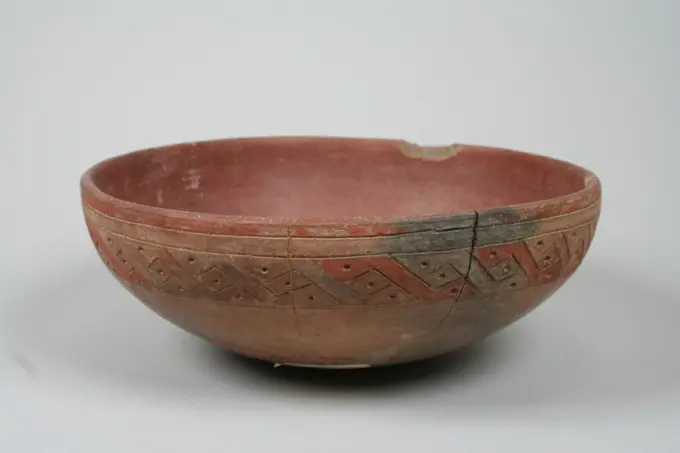
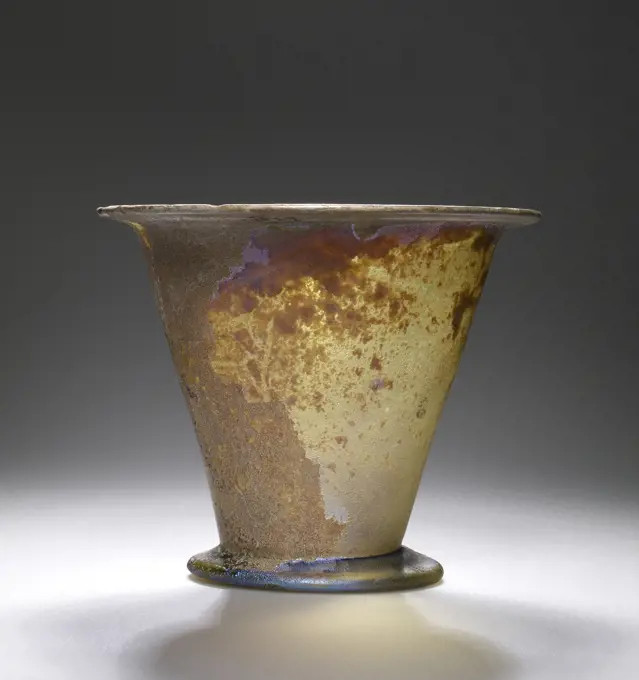
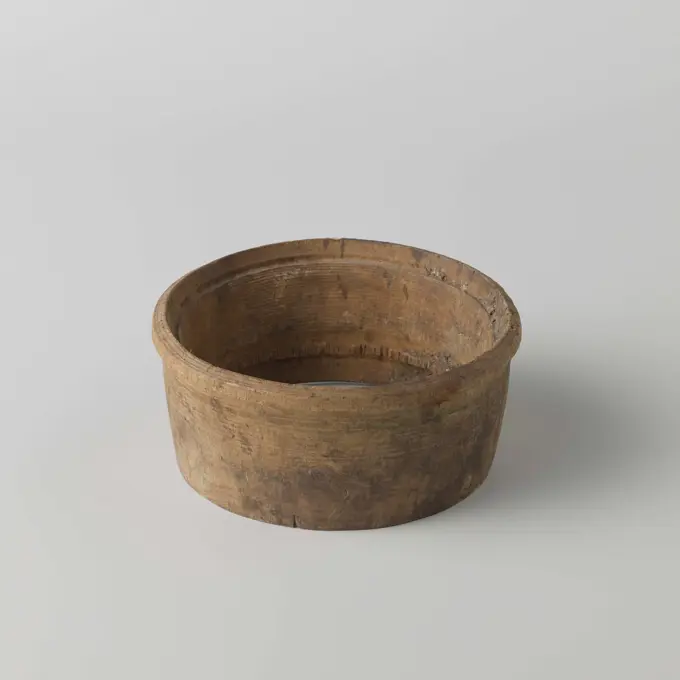
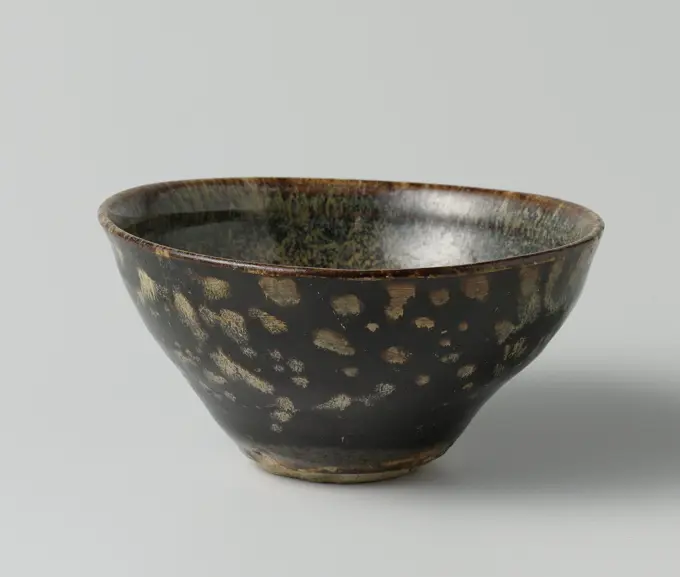
Diverse terracotta and ceramic bowls from various periods, featuring unique designs, colors, and cultural significance from Neolithic to Japanese art.

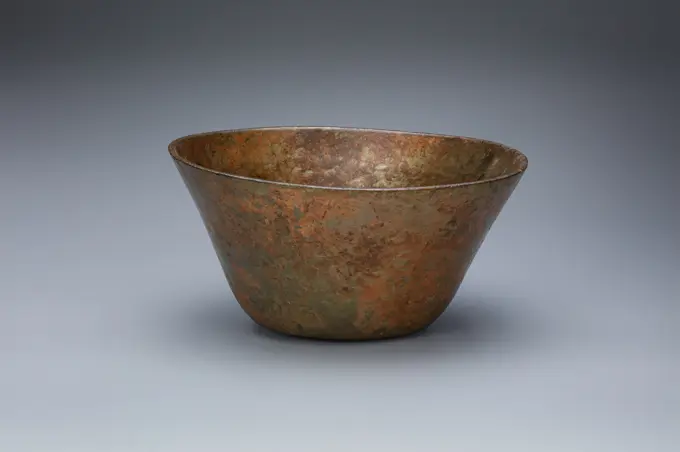
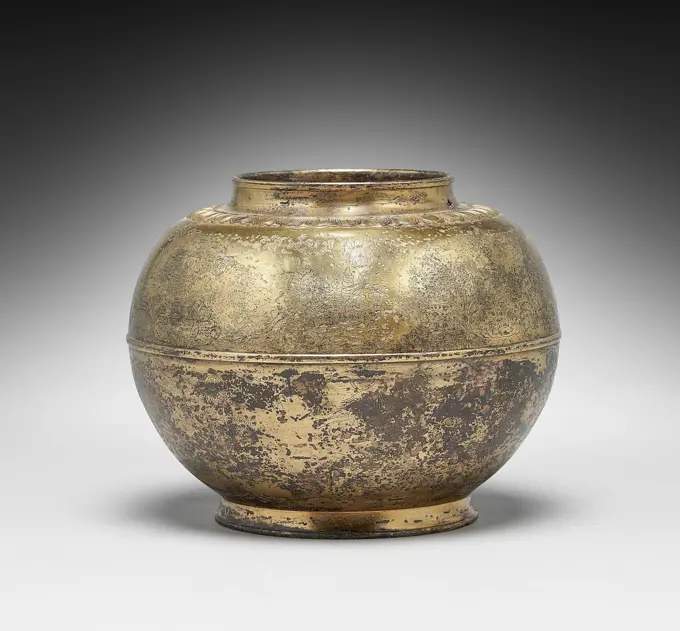
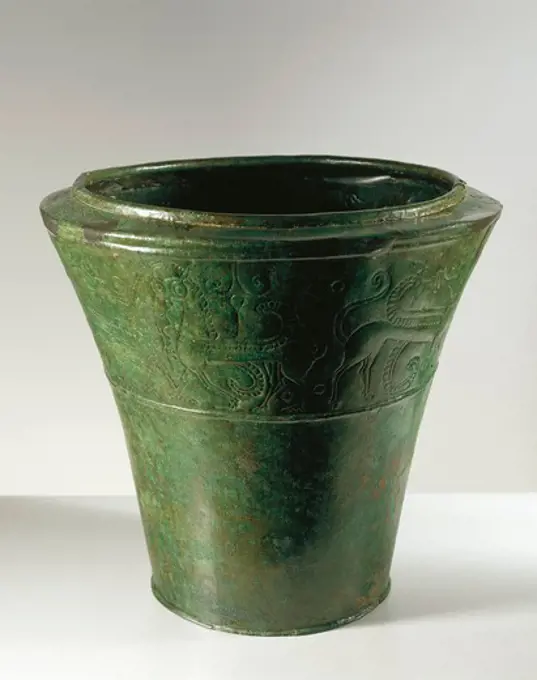
Basin (common name), -276. Hammered copper alloy. Carnavalet museum, history of Paris.
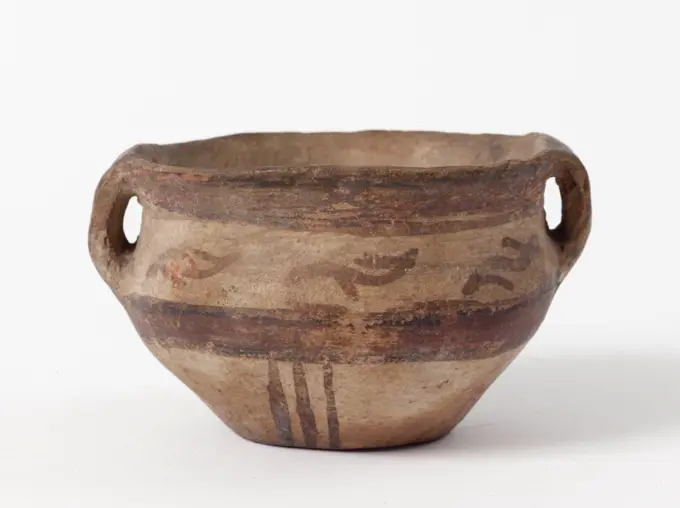
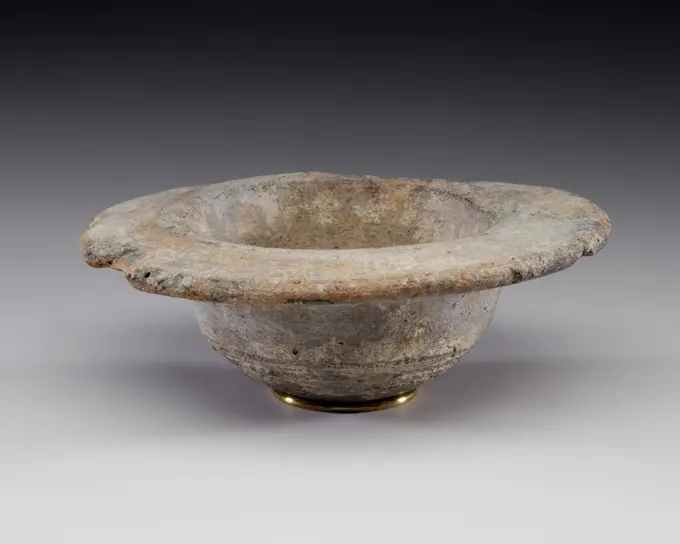
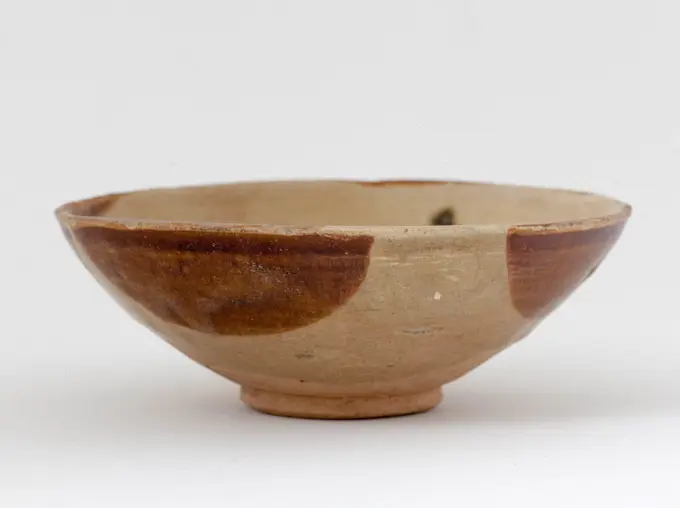
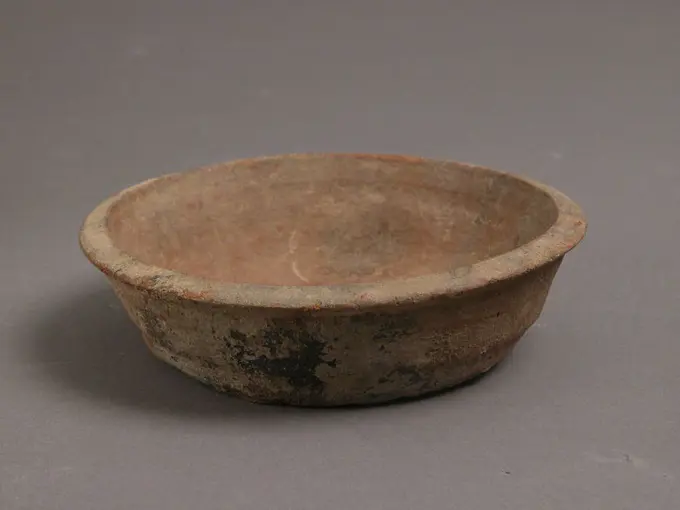
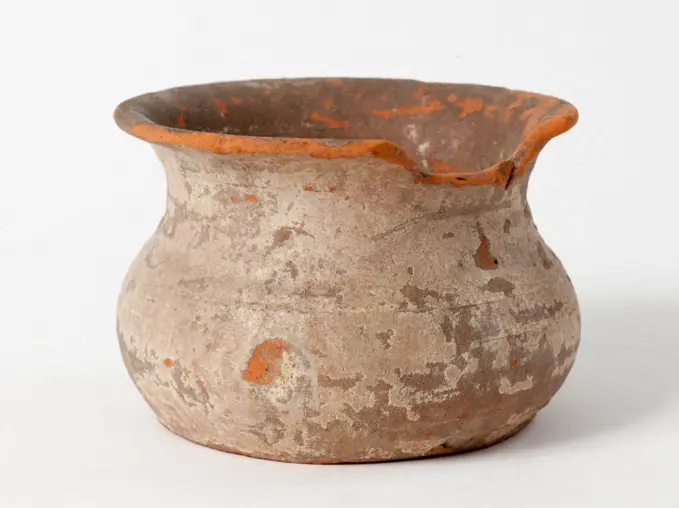
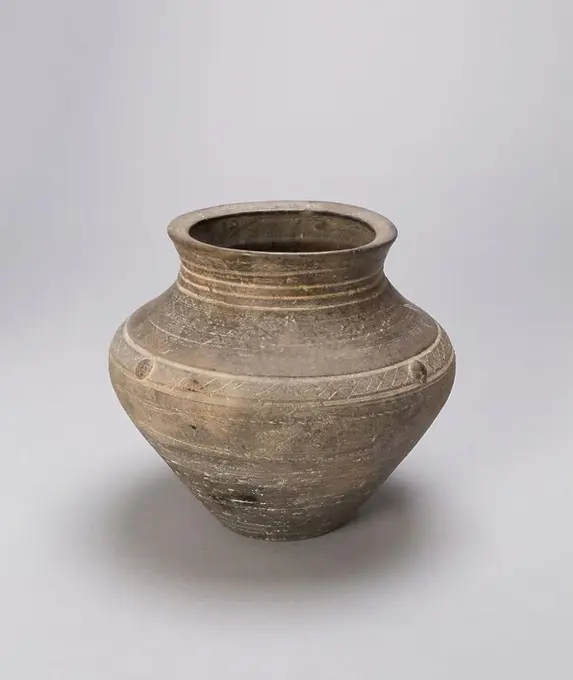
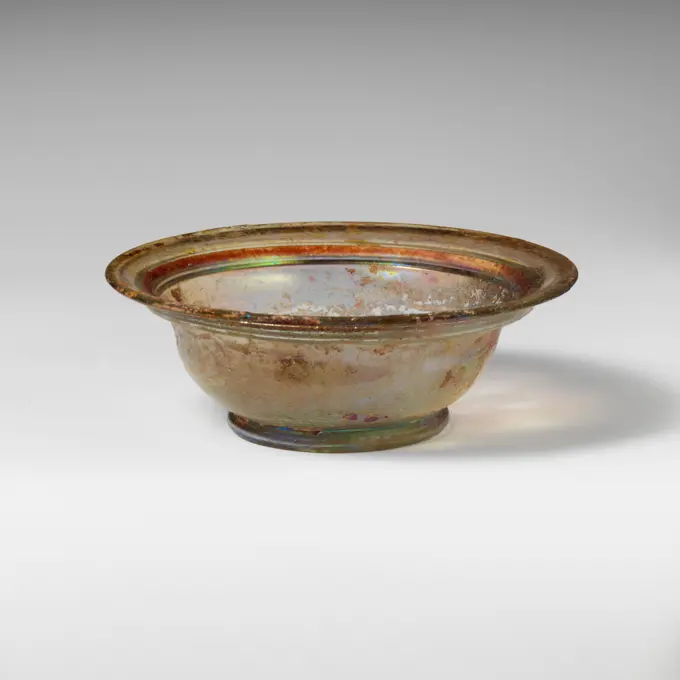
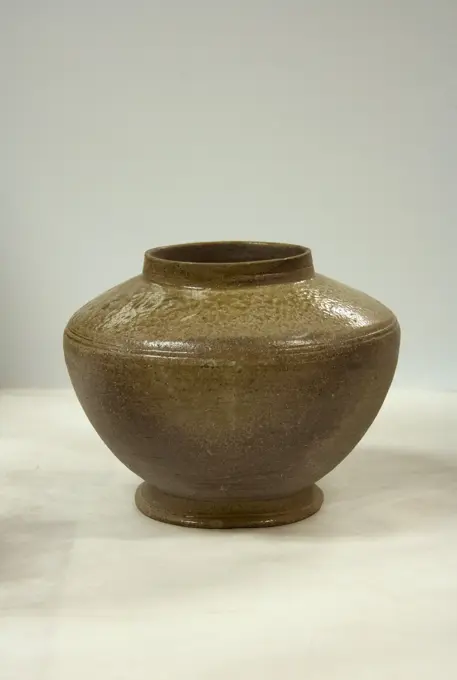
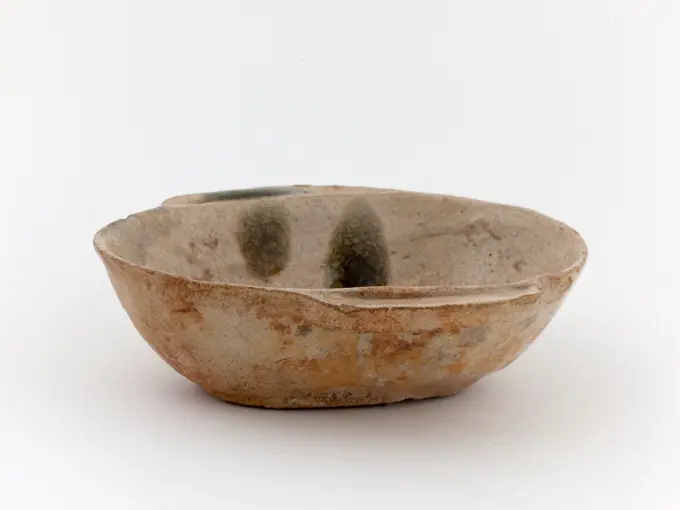
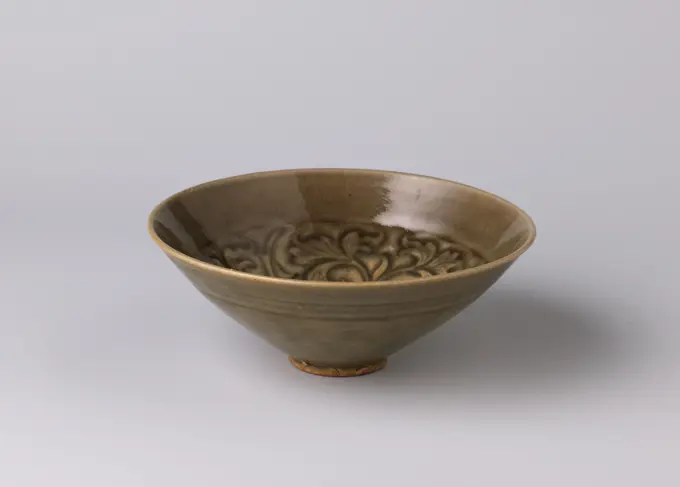
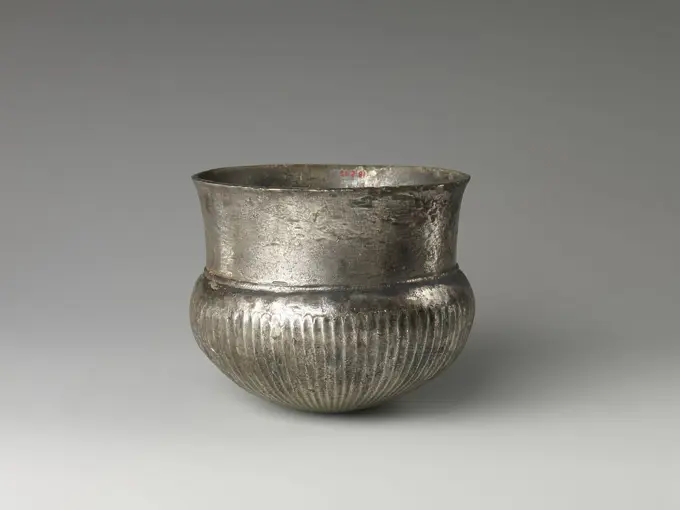
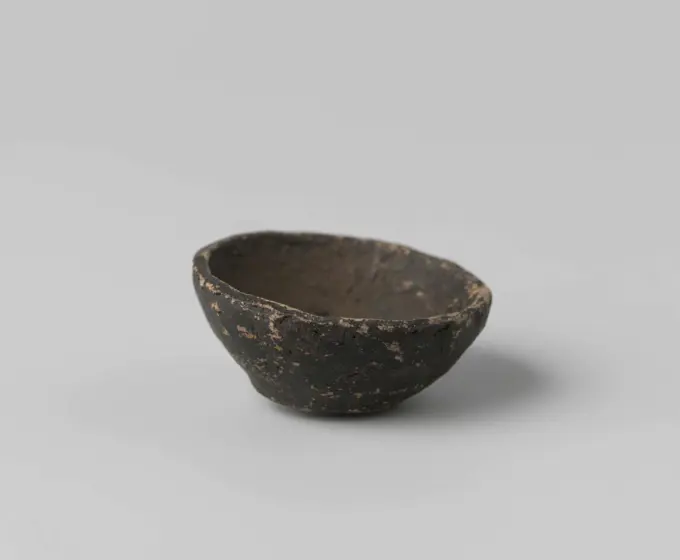
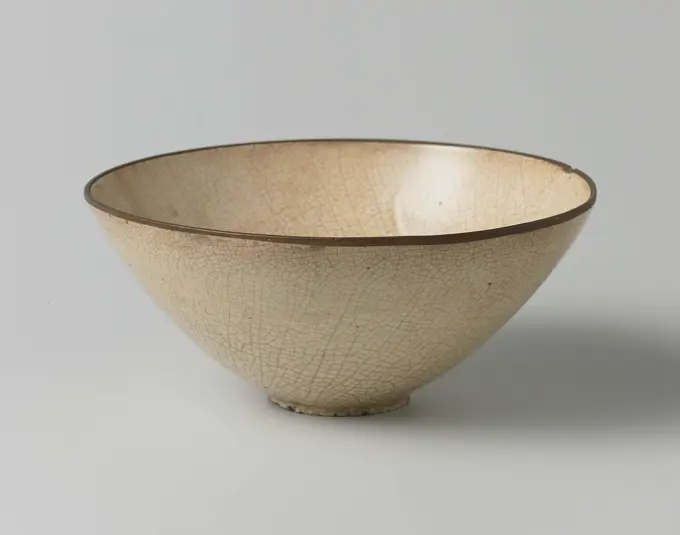
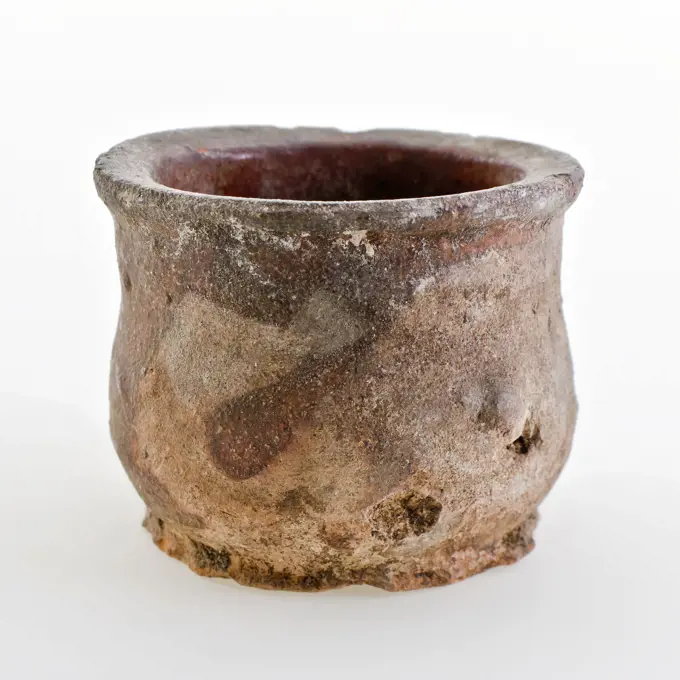
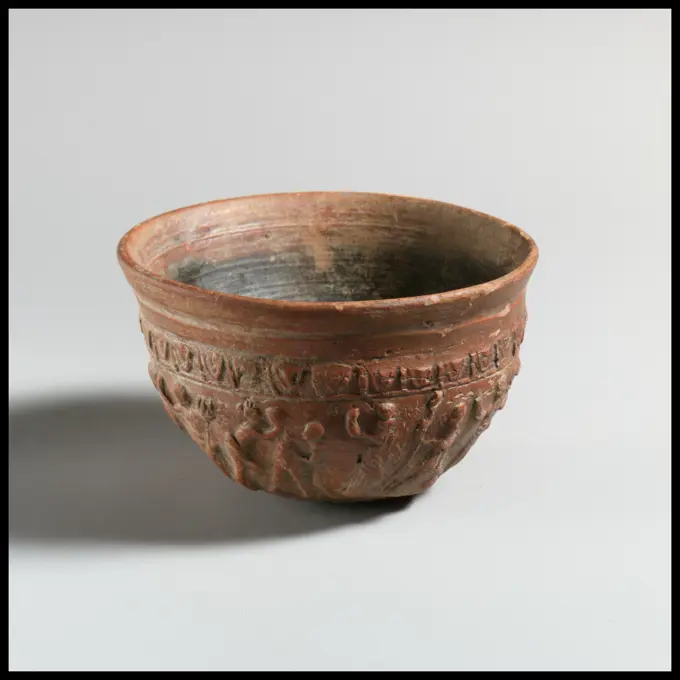
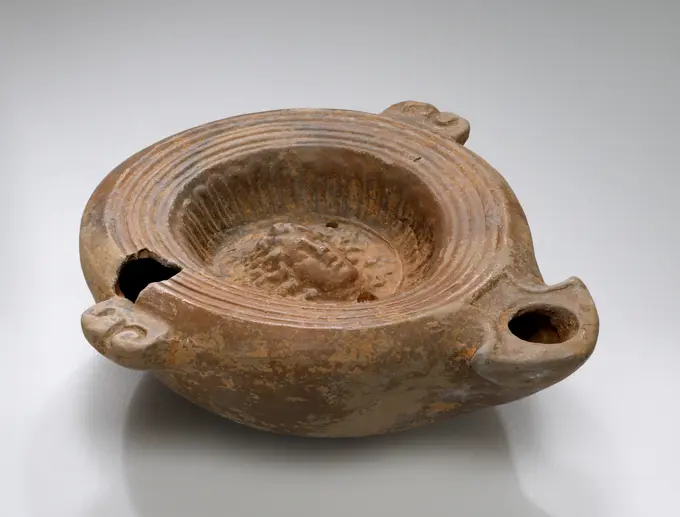
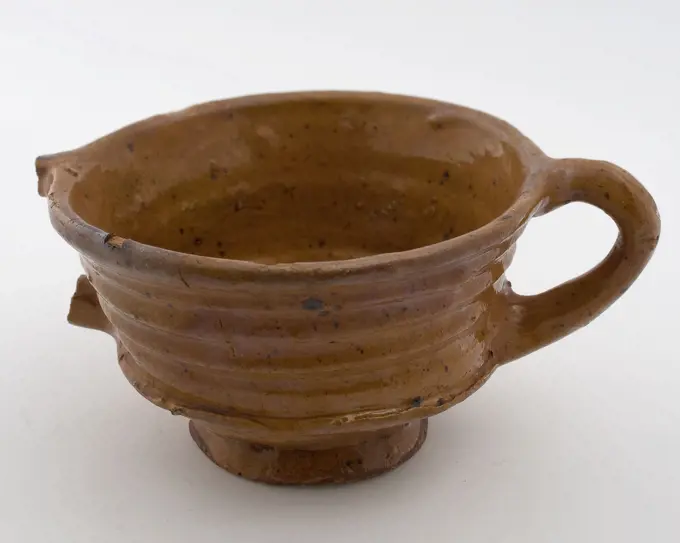
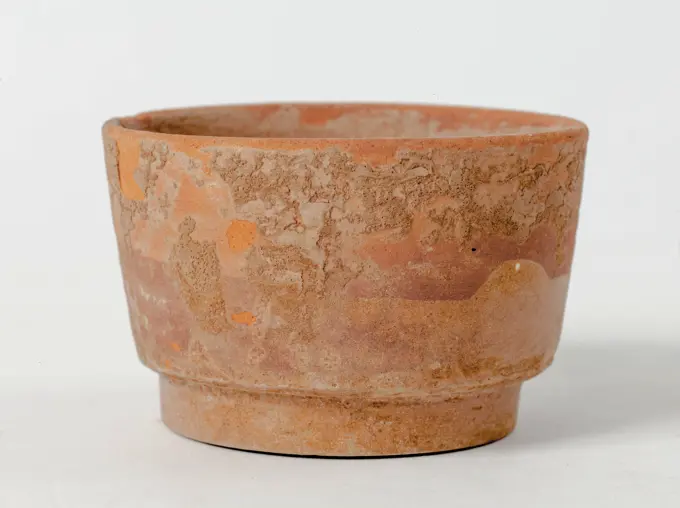
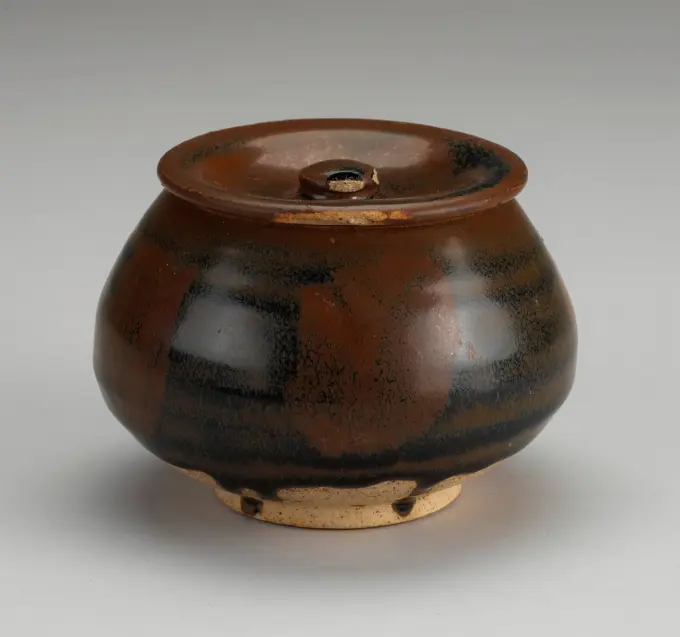
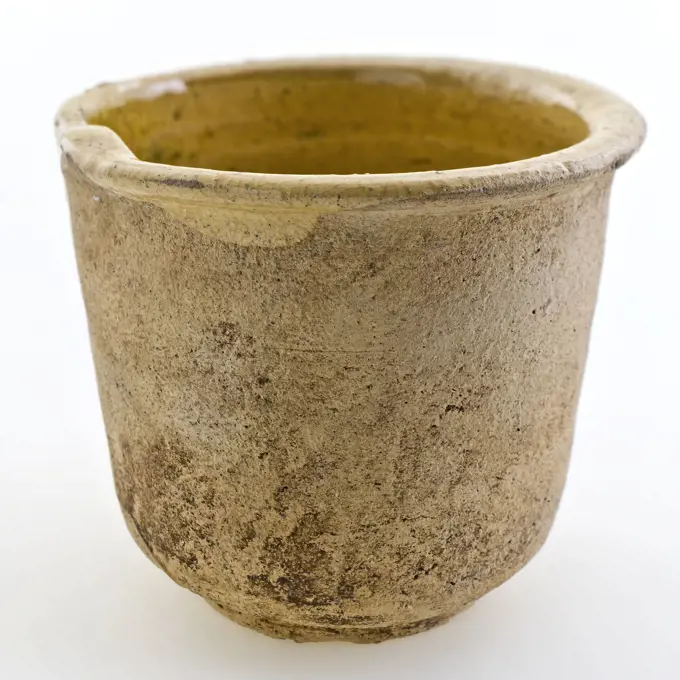
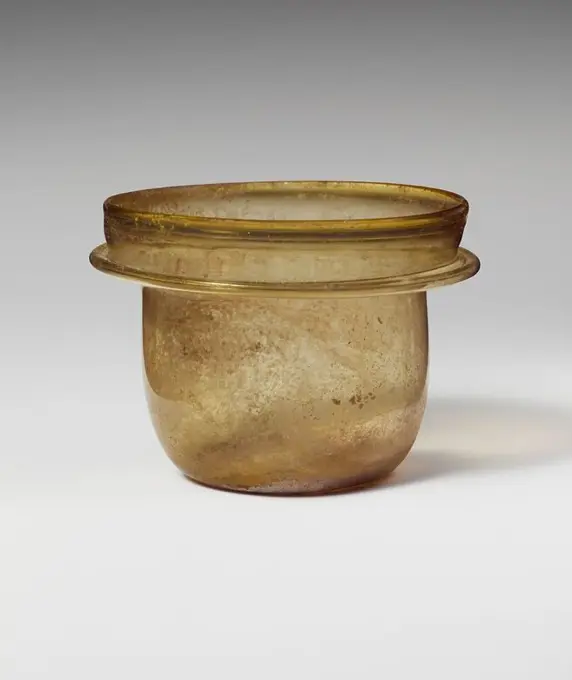
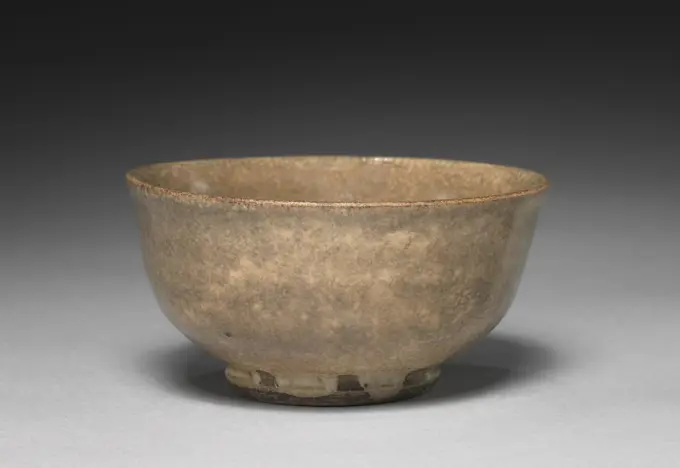
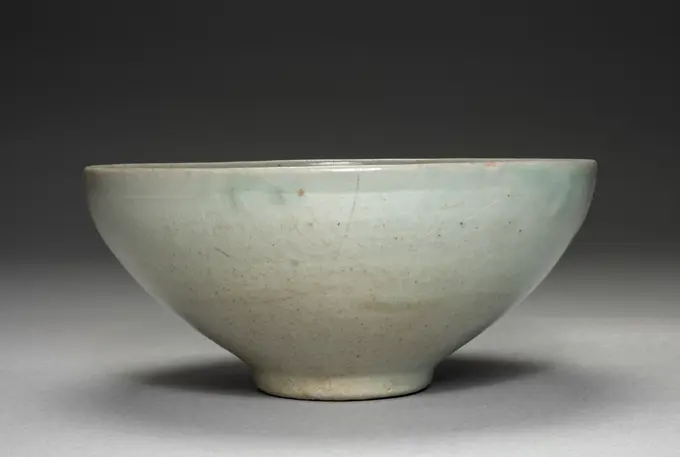
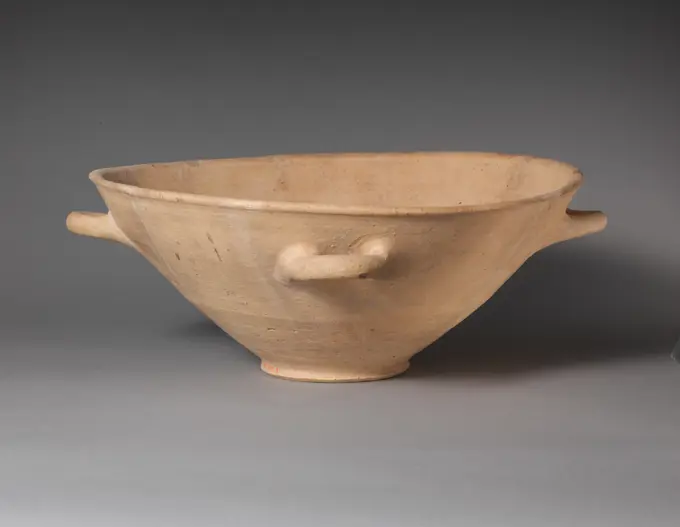
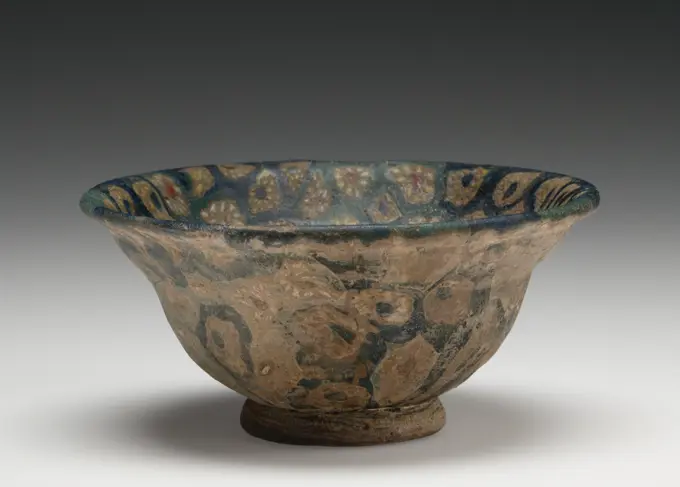
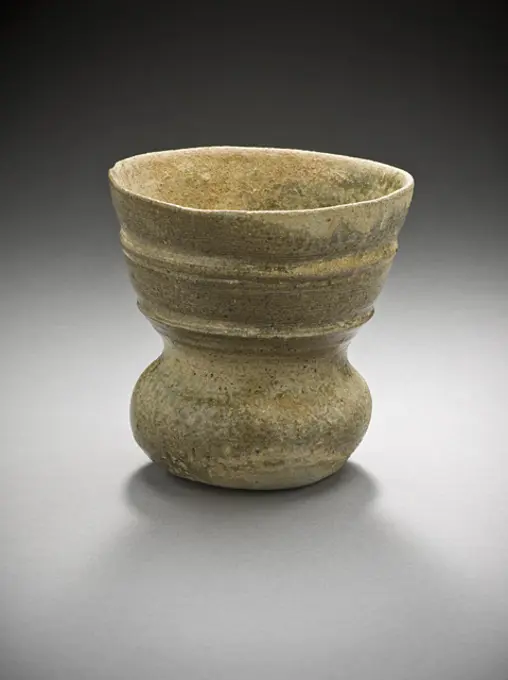
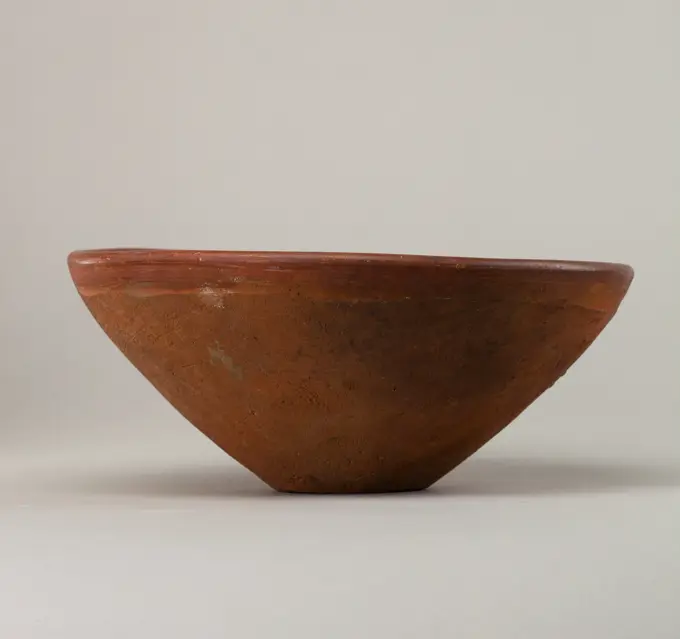
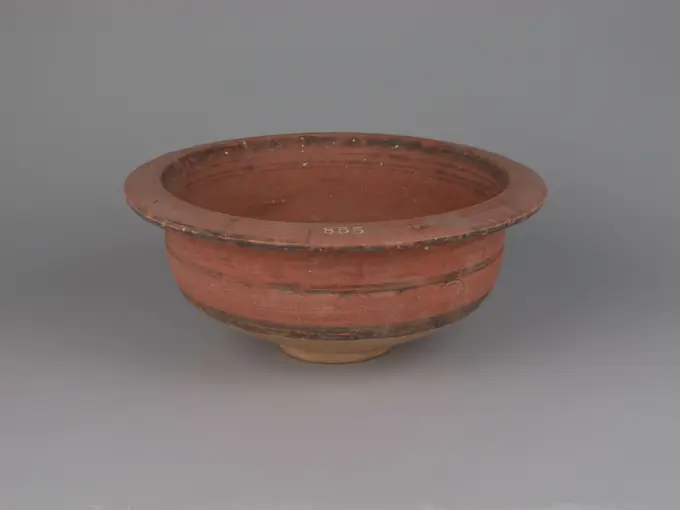
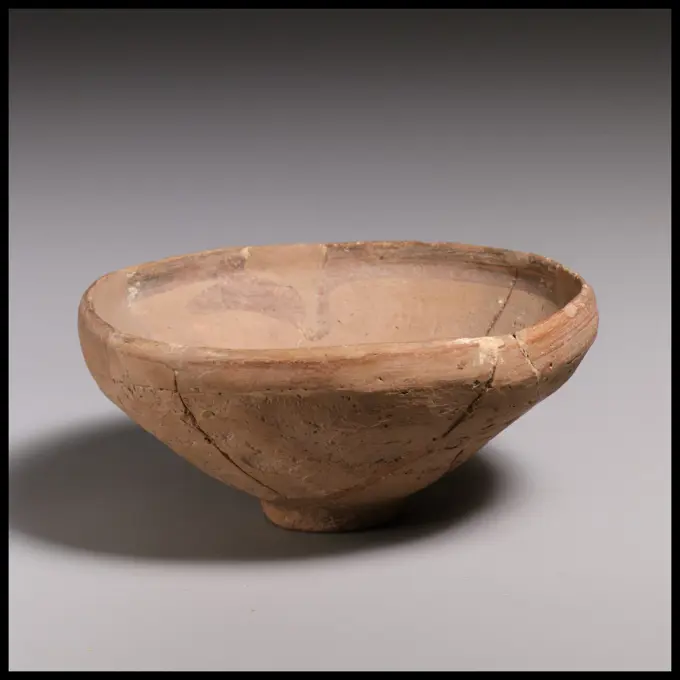
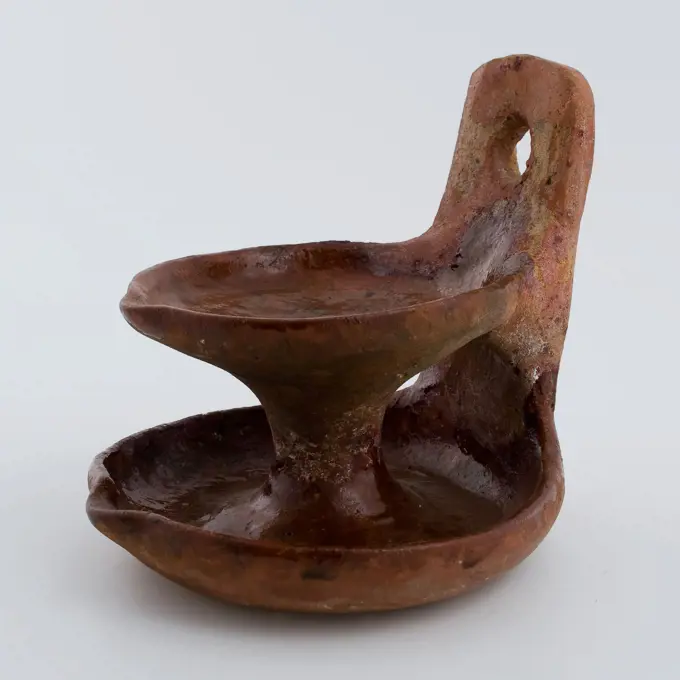
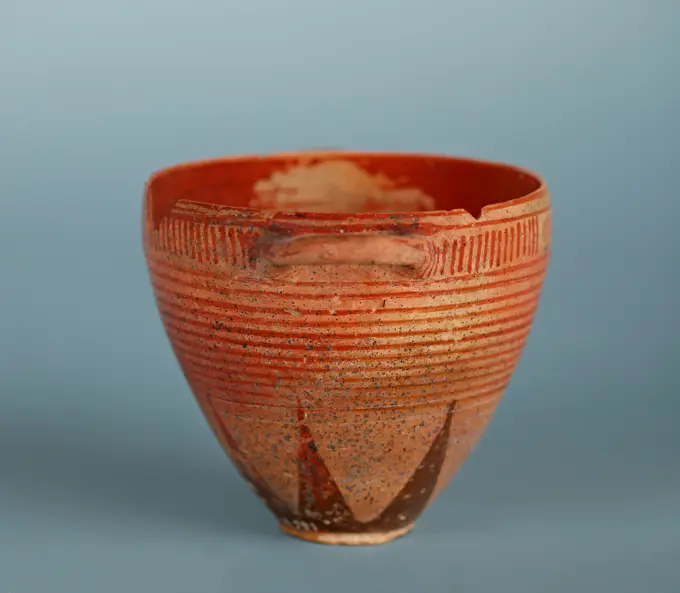
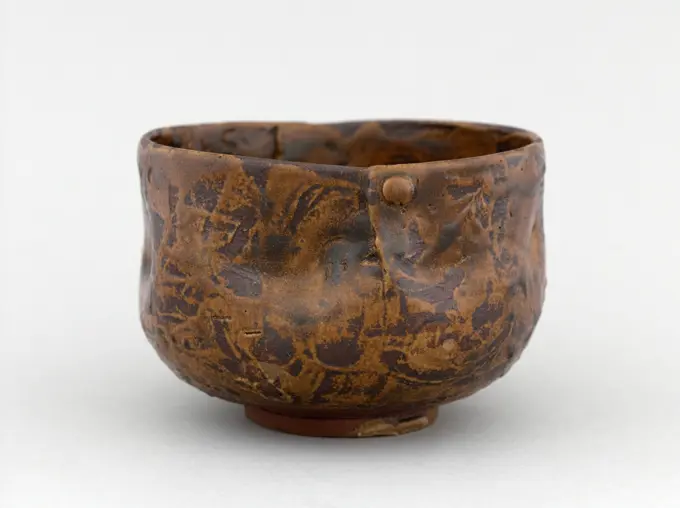
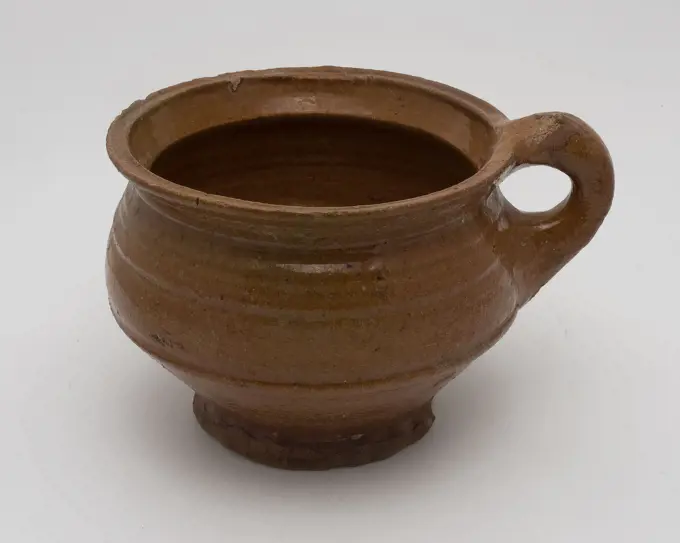
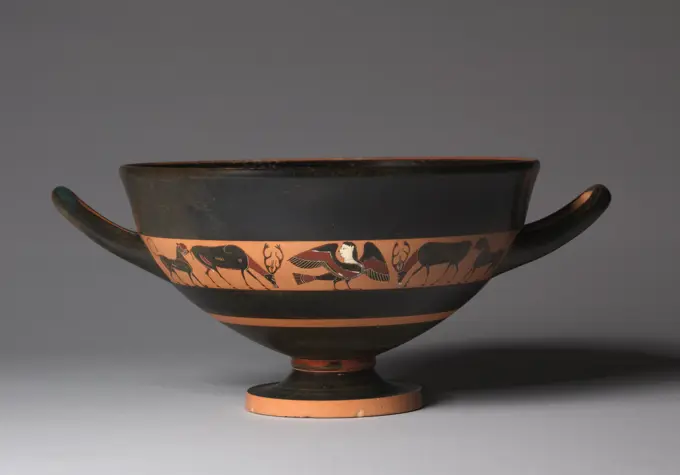
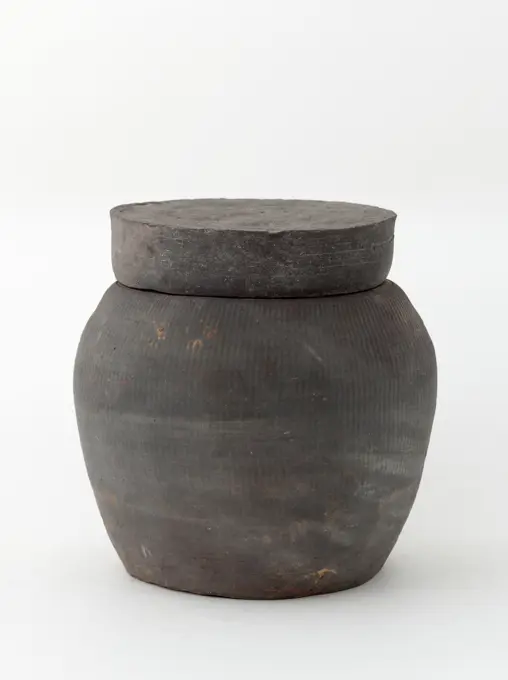
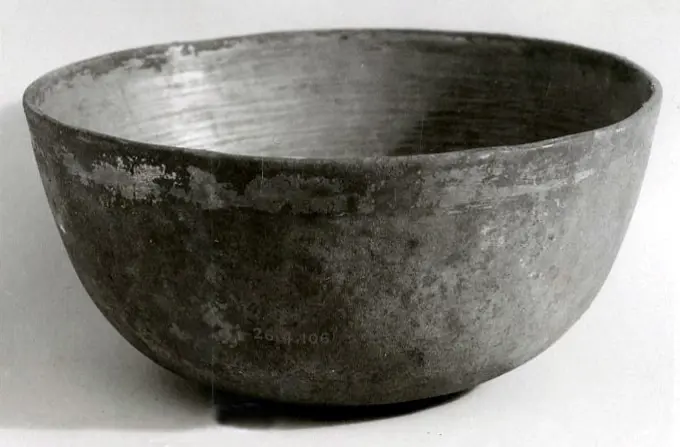
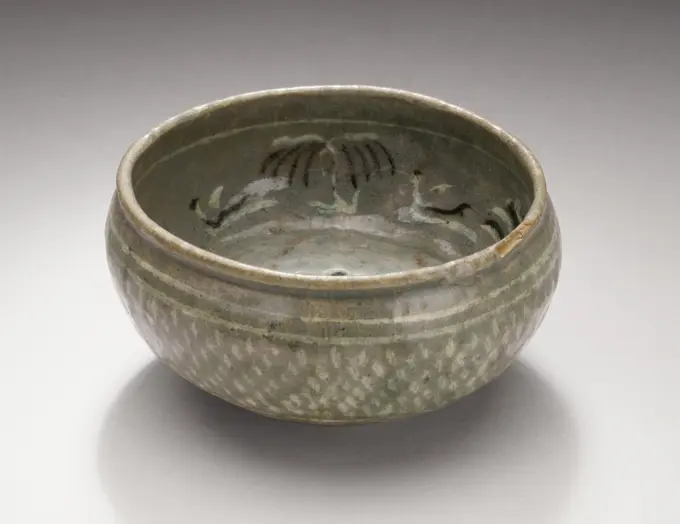
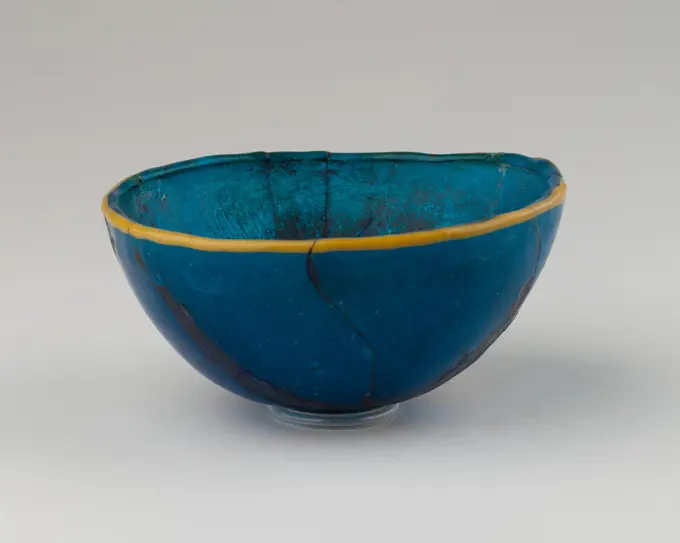
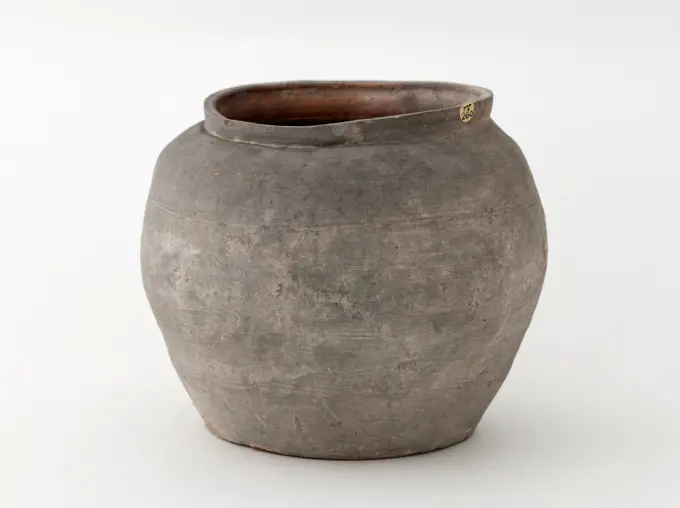
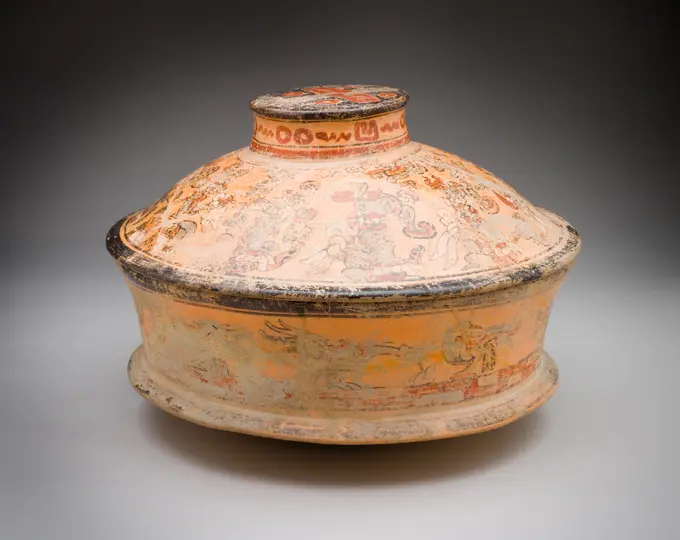
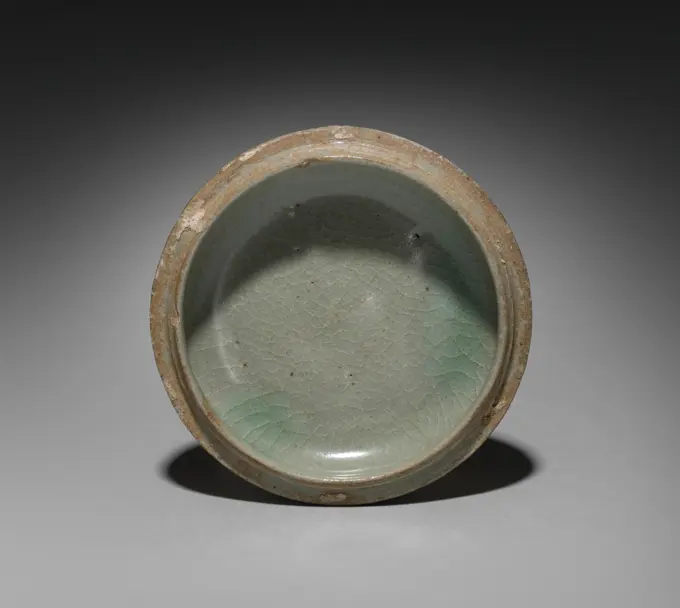
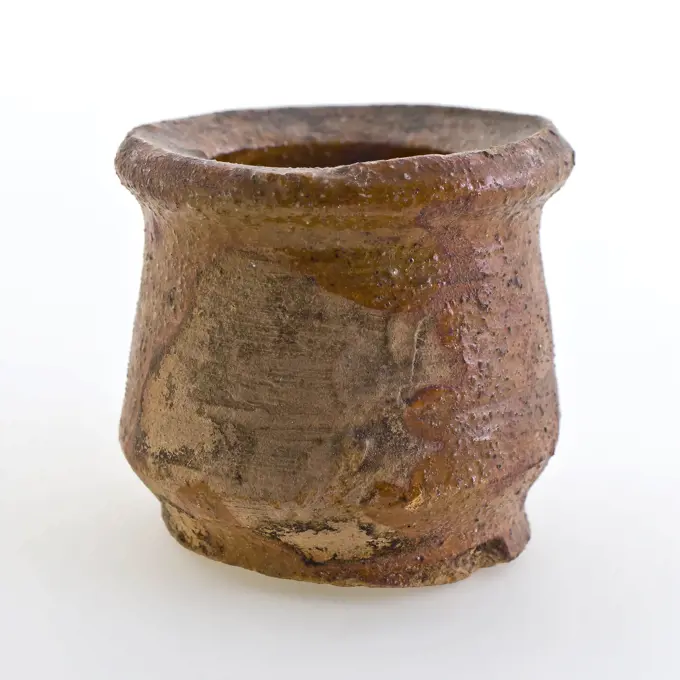
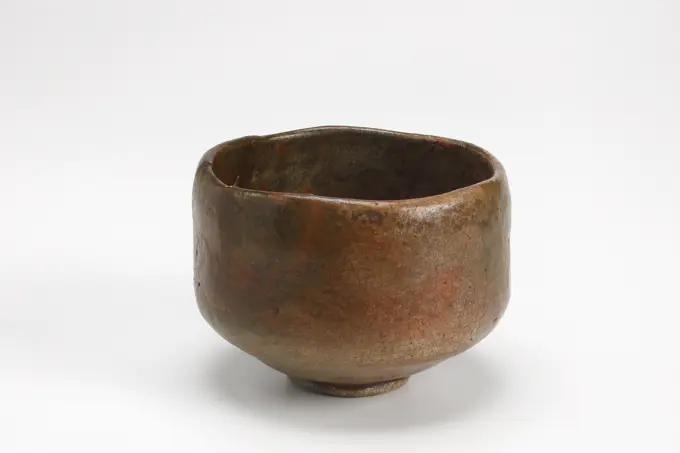
Tea bowl -Jar ". Terracotta with polychrome decoration. Neolithic period (around 8000 BC). Paris, Cernuschi museum. Anse, Chinese art, Chinese Ceramic, container, jar, decorative motif, Neolithic period, container, terracottaChangsha (ceramic production center), cutting (common name), 0900. Gray covered. Cernuschi Museum, Asia Museum of Asia in the city of Paris.Lamp ca. 1479-1458 B.C. New Kingdom. Lamp. ca. 1479-1458 B.C.. Pottery. New Kingdom. From Egypt, Upper Egypt, Thebes, Deir el-Bahri, Tomb of Senenmut (TT 353), MMA excavations, 1926-27. Dynasty 18Teabowl with a greygreen glaze, anonymous, anonymous, c. 1600 - c. 1699 Teaom van Steengoed, partially covered with a gray -green glaze. The lower part of the bowl is unglazed. A paint repair in the edge. Tamba. Japan stoneware. glaze vitrification Teaom van Steengoed, partially covered with a gray -green glaze. The lower part of the bowl is unglazed. A paint repair in the edge. Tamba. Japan stoneware. glaze vitrificationBol ". Terracotta painted green and brown under a transparent green cover. China, Tang dynasty (618-907). Paris, Cernuschi museum. Chinese art, bowl, Chinese ceramic, container, tang dynasty, container, terracottaBowl. Culture: Coptic. Dimensions: H: 1 1/4 in. (3.1 cm); Diameter: 4 1/16 in. (10.3 cm). Date: 4th-7th century. Museum: Metropolitan Museum of Art, New York, USA.Lid of NAP. Lid from which a border is save on the base, with convex outer wall which ends in a flat surface. Two edges have been saved to decoration.Basin (common name), -276. Hammered copper alloy. Carnavalet museum, history of Paris.Bowl 4th-7th century Coptic. Bowl 478830Pot ". Orange terracotta, traces of white slip. China. Paris, Cernuschi museum. Asian art, Chinese art, Break, Chinese Ceramic, container, ebrecher, pot, container, terracottaJar (Guan). China. Date: 1200 BC-1045 BC. Dimensions: H. 14.0 cm (5 1/2 in.); diam. 15.0 cm (6 in.). Earthenware with incised and applied decoration. Origin: China. Museum: The Chicago Art Institute, Chicago, USA.Ovoid pot with flared collar ". Terracotta. Vietnam-Xe-Xive s. Paris, Cernuschi museum. 72186-46 Col Evase, Vietnamese object, ovole, pot, terracottaGlass bowl 2nd-3rd century A.D. Roman Colorless with blue green tingeEverted horizontal rim with rounded outer lip; projecting tubular fold below; S-shaped sides curving in to integral tubular base ring; kick in bottom with circular pontil scar.Intact; pinprick bubbles; deep pitting and brilliant iridescent weathering.. Glass bowl 239880Bowl. Culture: Coptic. Dimensions: Overall: 2 7/16 x 6 7/16 in. (6.2 x 16.4 cm). Date: 4th-7th century. Museum: Metropolitan Museum of Art, New York, USA.Jar ca.9th century Japan. Jar. Japan. ca.9th century. Stoneware with natural ash glaze (Sue ware). Heian period (794-1185). CeramicsEar cut. White sandstone with covered. Janne excavations, Lach Truong, burial 10. Paris, Cernuschi museum. 60215-13 Cup, covered, excavations, white GRES, LACH TRUONG, Vietnamese object, ear, Sepulture 10, Archeological vestigeBowl with floral scrolls, anonymous, c. 960 - c. 1279 Come from stoneware, covered with a dark green glaze. The inner wall with integrated flower vines; The inner edge is undecorated. A crack in the bowl. Celadon (Yaozhou). China stoneware. glaze vitrification Come from stoneware, covered with a dark green glaze. The inner wall with integrated flower vines; The inner edge is undecorated. A crack in the bowl. Celadon (Yaozhou). China stoneware. glaze vitrificationBowl with flutes f rom shoulder to rosette at base. Dimensions: H. 9 × Dia. 11.3 (3 9/16 × 4 7/16 in.). Date: 4th century B.C..The heavy silver vessels 18.2.13-18.2.17 are in created in a decorative style widespread in the Greek world, and can be dated to the fourth century BC. They. are said to have been found together in the Egyptian Delta. Several of the vessels have small Demotic designations scored into the rim recording the weight of the silver, which correlated with the vessel's value. Museum: Metropolitan Museum of Art, New York, USA.Bowl. Culture: Coptic. Dimensions: Overall: 2 5/16 x 3 7/8 in. (5.8 x 9.8 cm). Date: 4th-7th century. Museum: Metropolitan Museum of Art, New York, USA.Bowl. Culture: Coptic. Dimensions: Overall: 2 1/16 x 3 5/8 in. (5.2 x 9.2 cm). Date: 4th-7th century. Museum: Metropolitan Museum of Art, New York, USA.Pot ". Terracotta. Vietnam-Xe-Xive s. Paris, Cernuschi museum. 72361-32 Vietnamese object, pot, terracottaShallow tea bowl with a brown glaze and white rim, anonymous, c. 960 - c. 1279 Shallow bowl of stoneware, covered with a dark brown glaze. The underside is unglazed. The bowl has a white edge. Jian. China stoneware. glaze vitrification Shallow bowl of stoneware, covered with a dark brown glaze. The underside is unglazed. The bowl has a white edge. Jian. China stoneware. glaze vitrificationCome. Come from pottery.. Come from stoneware, covered with a cream-colored, cracked glaze. The inside with an ingrangling flower drink. The edge is unglazed. A chip in the edge.Vase 1st century A.D. Roman Reddish vase with double line of brown circles in barbotine decoration; unglazed.. Vase. Roman. 1st century A.D.. Terracotta. Early Imperial. VasesTerracotta chalice ca. 550-500 B.C. Etruscan. Terracotta chalice. Etruscan. ca. 550-500 B.C.. Terracotta; bucchero. Archaic. VasesCup 15th century French. Cup 465890 French, Cup, 15th century, Earthenware, Overall: 2 1/4 x 3 5/8 in. (5.7 x 9.2 cm). The Metropolitan Museum of Art, New York. Gift of J. Pierpont Morgan, 1917 (17.194.2203)Kylix. Culture: Cypriot. Dimensions: 3 x 7 1/2 in. (7,6 x 19,1 cm). Date: 6th century B.C..Cup with offset lip and two reserved bands. Museum: Metropolitan Museum of Art, New York, USA.Pottery belly model ointment jar, red shard, internally glazed, ointment jar pot holder soil find ceramic earthenware glaze lead glaze, hand-turned glazed baked Pottery cream jar red shard internally glazed. Abdomen model narrowing above the foot. Flat and thick sloping top edge with wide top edge. Stand surface. Heavy and slightly deformed archeology health care indigenous pottery import pharmacy store sell craftTerracotta skyphos (deep drinking cup). Culture: Lydian. Dimensions: H. 4 9/16 in. (11.5 cm)diameter 4 5/16 in. (11 cm). Date: 6th century B.C..Red ware with horizontal bands of white. Museum: Metropolitan Museum of Art, New York, USA.Bell-Beaker saucepan. Bronze Age. Ceramics. SPAIN. ANDALUSIA. Cordoba. Archaeological Museum of Cordoba. Proc: SPAIN. ANDALUSIA. CORDOBA. Fuente Palmera.Terracotta Megarian bowl 2nd century B.C. Greek Nike crowning a trophy, Poseidon, Ariadne with Dionysos supported by a satyr, and Athena with shield and spearRelief-decorated pottery became more popular than painted pottery during the Hellenistic period. The name Megarian was first given to this type of mold-made relief bowl in the late nineteenth century, because some of the first known examples were said to have come from the city of Megara. It has since been demonstrated that bowls of this type, which were produced at a number of different centers, originated in Athens in the third quarter of the third century B.C.. Terracotta Megarian bowl. Greek. 2nd century B.C.. Terracotta. Hellenistic. VasesScalloped Bowl. Egypt, 6th - 1st century BCE or later. Furnishings; Serviceware. BronzeBowl. Culture: Coptic. Dimensions: Overall: 1 9/16 x 4 1/8 in. (4 x 10.5 cm). Date: 4th-7th century. Museum: Metropolitan Museum of Art, New York, USA.Lamp. UnknownBasin, from basin and ewer set Old Kingdom ca. 2465-2323 B.C. This basin is from a set that also included a ewer (26.9.13) and would have been used for hand washing. Since all excavated examples come from tombs, it is likely that their primary purpose was for ritual purification. Two such sets can be seen in the Tomb of Perneb (13.183.3), in a relief representing the funerary meal. View more. Basin, from basin and ewer set. ca. 2465-2323 B.C.. Arsenical copper, surface enriched in arsenic. Old Kingdom. From Egypt. Dynasty 5Earthenware pap bowl, red shard, fully glazed, two pinched sausage ears, on stand, papkom bowl crockery holder earth discovery ceramics earthenware glaze lead glaze, hand-turned glazed baked Pottery pap bowl red shard entirely covered with lead glaze two top pinched sausages standring archeology indigenous earthenware porridge eating food cooking kitchen food preparationGobelet ". Red terracotta with Céladon covered. China, six dynasties (311-589). Paris, Cernuschi museum. Chinese art, Chinese ceramic, containing, time six dynasty, goblet, container, terracottaJar and Cover, 12th century, 3 3/8 x 4 11/16 x 4 11/16 in. (8.57 x 11.91 x 11.91 cm) (overall), Tz'u-chou style ware Stoneware with black glaze and russet markings, China, 12th century, This jar of 'lotus bud' form rests on a wide, unglazed, knife-cut foot rim revealing the buff-colored stoneware from which it is potted. Faint finger grooves by the potter can be detected where the black glaze has collected on the encircling ridges. Ceramics glazed all over in dark brown or black presented a challenge to the decorator and a variety of innovative techniques were devised to enliven these dark wares. In this example, an iron-rich glaze was dotted over the original layer and then splashed with five large spots. During the firing, this second glaze matured to a deep russet providing an abstract pattern and exquisite contrast in color. During the Northern Song (960-1127) and Jin dynasties (1115-1234), this type of ware was produced at Cizhou type kilns in Henan, Hebei and Shandong provinces.Pottery ointment jar, white shard, internally glazed yellow, ointment jar pot holder soil find ceramic earthenware glaze lead glaze, hand turned glazed baked Pottery ointment white shard internal yellow glazed on stand with light soul. Tapered upwards with narrowing above the foot. Running coils on the inside bottom coarsely finished. Edge slightly deformed archeology health care indigenous pottery pharmacy store sell craftCut. Bronze. Cernuschi Museum, Asia Museum of Asia in the city of Paris.Glass cup. Culture: Roman. Dimensions: 2 9/16 × 2 9/16 in. (6.5 × 6.4 cm)Diam. of rim: 3 3/8 in. (8.6 cm)Lip diameter: 3 3/16 in. (8 cm). Date: mid-1st-2nd century A.D..Translucent greenish yellow.Vertical rounded and thickened rim; broad, cylindrical neck, slightly tapering downward, with folded tubular flange at base; slender S-shaped profile to body, which curves in at top behind flange, descends almost vertically with slightly convex sides, and then curves in to pushed-in base with trace of pontil scar.Intact, except for small crack in rim and neck; few bubbles; patches of dulling, slight pitting, iridescence, and limy weathering.Yellow cup with offset rim. Museum: Metropolitan Museum of Art, New York, USA.Bowl with White-slip Decorations, 1500s-1600s. Korea, Joseon dynasty (1392-1910). Glazed stoneware;Bowl with Incised Parrot Design, 1100s-1200s. Korea, Goryeo period (918-1392). Glazed porcelain; overall: 8.6 cm (3 3/8 in.). As early as the seventh century, the practice of drinking tea and wine became an important part of elite leisure culture in Korea. A wide bowl like this example was especially suitable for drinking powdered tea shaved from a compressed tea cake, the most commonly enjoyed type during the Goryeo period. The image of flying parrots inscribed on the inner wall of this tea bowl may have made the moment of drinking tea much enjoyable.Terracotta basin with four handles ca. 1400-1190 B.C. Mycenaean Course ware basin with four handles.. Terracotta basin with four handles. Mycenaean. ca. 1400-1190 B.C.. Terracotta; Coarse ware. Late Helladic IIIA-B. VasesBox. China, Guangdong, 13th-15th century. Furnishings; Accessories. Stoneware with incised decoration and brown glazeBowl. Culture: Coptic. Dimensions: Overall: 2 1/2 x 4 1/8 in. (6.3 x 10.4 cm). Date: 4th-7th century. Museum: Metropolitan Museum of Art, New York, USA.Bowl 4th-7th century Coptic. Bowl 478842Mosaic Glass Carinated Bowl. UnknownTerracotta shallow bowl. Culture: Minoan. Dimensions: Greatest diameter 7 7/8 in. (20 cm.). Date: ca. 2900-2300 B.C..The rolled rim is decorated with zigzag lines. Museum: Metropolitan Museum of Art, New York, USA.Bowl with foot. Culture: Etruscan. Dimensions: H. 5.59 cm. Diameter 13.79 cm.. Date: 4th century B.C.. Museum: Metropolitan Museum of Art, New York, USA.Cup with Round Bottom. Come from pottery decorated in red, green and white sludge with three dots in a medallion surrounded by a dotted line on engineer's engine tomb.Shallow bowl ca. 3850-2960 B.C. Predynastic Period. Shallow bowl. ca. 3850-2960 B.C.. Pottery. Predynastic Period. From Egypt, Northern Upper Egypt, Abadiya, Cemetery C, Tomb C87, EEF excavations 1898-99Terracotta kylix: Siana cup (drinking cup) mid-6th century B.C. Greek, Attic Exterior, obverse, inscription: fairest of the maidensOn interior, a sphinx seated facing right with its paw liftedThis sphinx, the sole and central decoration on this cup, is of an early type. The inscription, hailing the beauty of girls, is unusual. Commonly, the beautiful appearance of young boys, not of girls, is celebrated by Greek vase painters.. Terracotta kylix: Siana cup (drinking cup). Greek, Attic. mid-6th century B.C.. Terracotta; black-figure. Archaic. VasesIncised Painted Bowl 5th-2nd century B.C. Paracas. Incised Painted Bowl 308632. Tea bowl of stoneware, covered with a crackled orange-burned glaze. On the underside outside the footstool inscriptions in red:  'Koraku' 'old raku' and a given name for the bowl,  'Fuyugomori' 'wintering / winter seclusion' and cursed signature (ka). Fuyugomori refers to the winter indoors being insulated due to cold or heavy snowfall; It is used as a seasonal word in Japanese poetry. Raku (red).. Come of pottery decorated in mangan brown and white sludge with blooming plants in boxes of dotted lines on engobe of red-brown sludge.Modiolus; Eastern Mediterranean; 1st - 2nd century; Glass; 12.7 cm (5 in.)Comfort box with opening on top and bottom. Compass box with a slightly curved wall and opening on top and bottom. The box has an excellent edge at the top.Glass cup. Culture: Roman. Dimensions: Height: 2 15/16in. (7.4 cm)Diam.: 3 1/16 in. (7.7 cm). Date: 2nd-3rd century A.D..Translucent pale blue green.Thickened, rounded, vertical rim with inner lip; straight sides expanding slightly downwards, then turned in at sharp angle to bottom with pointed kick at center.Intact; some pinprick and a few larger bubbles and blowing striations; dulling and iridescence on exterior; limy encrustation and creamy weathering on interior. Museum: Metropolitan Museum of Art, New York, USA.Bowl. "Turtle scales" covered sandstone. Paris, Cernuschi museum. 78845-10 Asian art, table art, bowl, old ceramic, container, dishesGlass conical bowl. Culture: Greek, Eastern Mediterranean. Dimensions: H.: 3 13/16 in. (9.7 cm)Diam.: 6 1/16 in. (15.4 cm). Date: mid-2nd-early 1st century B.C..Translucent honey brown.Angular, slightly inverted rim; slightly undulating straight side, tapering diagonally downward; convex bottom.On interior, one narrow and one broad horizontal groove cut in a band below rim; on exterior, two lightly abraded small concentric circles around bottom.Intact; some pinprick bubbles; dulling, pitting, and patches of creamy brown weathering with very slight iridescence.Rotary grinding marks on interior; many surface scratches on exterior.Hemispherical and conical bowls were two of the most common and popular shapes of the Late Hellenistic period. They were fashioned not only in glass but also in metal and pottery. Those made of glass were later supplanted by deeply colored varieties and by bowls decorated with tooled ribs. Museum: Metropolitan Museum of Art, New York, USA.Tea bowl with 'tortoiseshell' glaze, anonymous, c. 960 - c. 1279 Theekom van Steengoed, partially covered with a black brown glaze with cream -colored spots on the outside (tortoise hell). A saved flower on the bottom; The inner wall with twice a saved Feng Huang and twice a butterfly. The wall has been broken. Jizhou. China stoneware. glaze vitrification Theekom van Steengoed, partially covered with a black brown glaze with cream -colored spots on the outside (tortoise hell). A saved flower on the bottom; The inner wall with twice a saved Feng Huang and twice a butterfly. The wall has been broken. Jizhou. China stoneware. glaze vitrificationBowl 600-480 B.C. Cypriot. Bowl. Cypriot. 600-480 B.C.. Terracotta. Cypro-Archaic II. VasesBowl, 8-3/16 x 14-3/8 x 15-7/16 in. (20.8 x 36.5 x 39.2 cm), Burl wood, United StatesTerracotta skyphos (deep drinking cup) ca. 600 B.C. East Greek Obverse and reverse, frieze of deer.. Terracotta skyphos (deep drinking cup) 249081Terracotta bowl ca. 2650-2150 B.C. Helladic Bowl with narrow foot and no decoration.. Terracotta bowl 252912 Helladic, Terracotta bowl, ca. 26502150 B.C., Terracotta, H. 2 3/4 in. (6.9 cm.) Diameter 9 1/4 in. (23.4 cm.). The Metropolitan Museum of Art, New York. Gift of the Greek Government, 1927 (27.120.14)Oil lamp of red earthenware with wide back, in which hanging hole, oil lamp lamp lighting agent floor finding ceramic earthenware glaze lead glazing, hand turned molded glazed baked earthenware oil lamp with lower and upper shell Two pouring edges Wide rear wall in which around hanging gap Between the shells short column Sparing glazed. Stand surface and outstretched soul under the column Red shard Restoration is repainted archeology underground pit Rotterdam City center Stadsdriehoek Blaak Groenendaal lighting indigenous pottery illuminate lamp oil evening night Soil discovery: underground pit Groenendaal direction Blaak at ± 4 meters - N..P 1977.06.13.Terracotta oil lamp 2nd century A.D. Roman Loeschcke Type 8. Mold-made. Discus: concave, with a small central filling hole and a raised circle, surrounded by another raised circle at edge. Shoulder: ovules and, at front, two vestigial volutes flanking nozzle. Incised base ring, and flat base.. Terracotta oil lamp. Roman. 2nd century A.D.. Terracotta. Mid Imperial. TerracottasSkyphosTea bowl (chawan). Ceramic. Japan, Shitoro ovens, 19th century. Paris, Cernuschi museum. 59522-9 Asian art, bowl, ceramic, chawan, oven shitoro, container, 19th century, theBowl with scrolls and medallions, anonymous, c. 1170 - c. 1200 Come from quartas-fritgoed covered with a blue alarm laze on which a bond with branches interspersed with medallions in Lustrer. is the earthenware. glaze. luster (textile) painting / vitrification Come from quartas-fritgoed covered with a blue alarm laze on which a bond with branches interspersed with medallions in Lustrer. is the earthenware. glaze. luster (textile) painting / vitrificationEarthenware chamber pot, ease of use on stand, double conical model with standing ear, pot holder sanitary soil find ceramic earthenware glaze lead glaze, hand-turned glazed baked Pottery chamber pot on stand ring. Red shard entirely glazed except the bottom of the bottom Double conical shape Wide pot edge and narrower foot Single rotation ring over the shoulder Slantly outward-facing pot edge. Thick sausage ear above the edge excellent archeology indigenous pottery drains night sleeping room hygieneIncised Painted Bowl. Culture: Paracas. Dimensions: Diameter 7 in.. Date: 5th-2nd century B.C.. Museum: Metropolitan Museum of Art, New York, USA.Black-Figure Band Skyphos (Drinking Cup): Sirens, Stags, and Panthers, c. 540 BC. Attributed to Group of Rhodes 11941 (Greek, Attic). Ceramic; diameter: 22.5 cm (8 7/8 in.); overall: 13.1 x 29.9 cm (5 3/16 x 11 3/4 in.); diameter of foot: 9.7 cm (3 13/16 in.).Bowl. Western Iran, about 1000-650 B.C.. Furnishings; Serviceware. Bronze, hammeredBowl with Flat Rim 5th-3rd century B.C. Paracas. Bowl with Flat Rim 308610Pedestalled Vessel Thailand ca. 300 BCE-200 CE View more. Pedestalled Vessel. Thailand. ca. 300 BCE-200 CE. Earthenware with buff slip and red oxide decoration. Late Neolithic period. CeramicsGlass bowl. Culture: Roman. Dimensions: H.: 2 3/8 in. (6 cm)Diam.: 8 1/4 in. (21 cm). Date: 4th century A.D..Translucent pale green; handle in same color.Vertical, knocked-off rim; shallow curving body and bottom; small loop handle applied to side before cut decoration, flanked above and below with projecting flanges, tooled flat.Cut decoration comprising on upper side, two concentric grooves below rim above a row of vertical elongated oval facets, flanked below by two more concentric grooves, all interrupted by handle on one side; on lower side and bottom, a circle divided into quadrants by cross of double lines, flanked at center by four elongated oval facets forming an open square, each arm of which ends in a splayed V shape (one enclosing bottom of handle) with circular facet at join, and in each quadrant an oval containing a lozenge-shaped star with cross arms and large central circular facet, and an elongated oval facet between circle and each side of star.One large chip in Barrique. Terre Civa. Vietnam. Paris, Muse Cernuschi. Barrique Asian art, art of extreme orient, art of Vietnam, Vietnamese art, terracotta, dishesJar and lid ". Terracotta. Vietnam-Xe-Xive s. Paris, Cernuschi museum. 72185-24 Lid, jar, Vietnamese object, terracottaBowl 270 B.C.-A.D. 320 Meroitic Period. Bowl. 270 B.C.-A.D. 320. Copper alloy. Meroitic Period. From Nubia (Sudan), Lower Nubia, Faras, University of Oxford Excavations in Nubia 1910-1912Cinerary Urn with Amidas Pure Land, 800s-900s. Japan, Heian period (794-1185). Gilt bronze; diameter of mouth: 12.4 cm (4 7/8 in.); overall: 26.1 cm (10 1/4 in.). This urn once held someones ashes. It is decorated with images of the Pure Land of Amida, the Buddha of Infinite Life and Light. Heian-period devotees of Amida believed that if they called upon his name with sincerity at the moment of death, they would be born into his Pure Land, also known as the Western Paradise, and thereby escape the pattern of reincarnation. As shown on the lid of the urn, in the Pure Land, musical instruments float about playing by themselves. Its palatial structures and magnificent lotus pond are described on the body of the urn.Nuragic civilization. Ceramic bowl. From Sardinia Region.Bowl with Inlaid Willow and Bird Design. Korea, Korean, Goryeo dynasty (918-1392), 13th-14th century. Furnishings; Serviceware. Wheel-thrown stoneware with incised and slip-filled decoration and green glazeBowl ca. 1295-1070 B.C. New Kingdom, Ramesside Egyptian glassmaking, which had reached a high level of virtuosity in late Dynasty 18, continued to be practiced in the Ramesside Period; however, the quality, as well as quantity, of it production dropped off sharply in Dynasty 20. The design of this bowl is characteristic of its time as it is monochrome, with only a "rope" made of stained glass rods attached to the rim.. Bowl 549354Pottery belly model ointment jar, red shard, internally glazed, ointment jar pot holder soil find ceramic earthenware glaze lead glaze, hand turned glazed baked Pottery ointment red shard internally glazed. Belly model with narrowing above the foot. Flat oblique inward facing top edge. Stand surface. Turning beads inside archeology health care indigenous pottery import pharmacy store sell craftJar ". Terracotta. Vietnam-Xe-Xive s. Paris, Cernuschi museum. 72361-25 Jar, Vietnamese object, terracottaBowl - St. Johns Stone Chinaware Company (founded 1873) St. Johns Stone Chinaware Company (founded 1873)Lidded Vessel with Supernatural Offering Scenes. Guatemala or Mexico, Petén or Campeche, Maya, 250-500 CE. Ceramics. Slip-painted ceramicIncised bowl with geometric pattern 7th-5th century B.C. Paracas. Incised bowl with geometric pattern 308309Bowl 4th-7th century Coptic. Bowl 478676Earthenware oil lamp, reservoir on trunk, with spout and suspension eye, including drip tray with spout, oil lamp lamp lighting fixture earth discovery ceramics earthenware glaze lead glaze, hand turned molded glazed baked oil lamp consisting of two bowls red earthenware brown glaze one hanging eye restoration in plaster two spouts turnings archeology Valckensteyn Poortugaal Albrandswaard indigenous earthenware oil lamp evening night lighting light Soil discovery: canal at kitchen castle Valckensteyn at Poortugaal now Albrandswaard 1961.Jar. Culture: Coptic. Dimensions: Overall: 4 5/8 x 4 15/16 in. (11.8 x 12.5 cm). Date: 4th-7th century. Museum: Metropolitan Museum of Art, New York, USA.Bronze situla with embossed decoration depicting sphinxes, winged horses and birds, Etruscan civilization, 6th century b.c.Box with Chrysanthemum and Scroll Design, 918-1392. Korea, Goryeo period (918-1392). Inlaid celadon ware; diameter: 8.3 cm (3 1/4 in.); overall: 2.6 cm (1 in.). Celadons, spoons, seals, and bronze mirrors were the most common burial objects in tombs during the Goryeo period (918-1392). Once used to contain colored powder, rouge, and eyebrow gel for makeup, this small container was one of the standard goods that furnished elites' tombs. Both women and men used the grain powder of rice or millet for whitening their skin, safflower extract for rouge, and plant ash or soot for eyebrow gel. Yet, natural-looking makeup seems to have been the most favorable one in Korea according to the travelogue by Xu Jing (1091-1153), the Chinese diplomat who visited Korea in 1123.Vessel (zun). Culture: China. Dimensions: H. 10 in. (25.4 cm); Diam. 7 3/16 in. (18.3 cm). Date: 13th-11th century B.C.. Museum: Metropolitan Museum of Art, New York, USA.Pottery belly model ointment jar, red shard, internally glazed, ointment jar pot holder soil find ceramic earthenware glaze lead glaze, hand turned glazed baked Pottery ointment jar red shard internally glazed. Belly model with narrowing above the foot. Flat obliquely inward facing top edge standing surface. Stand surface coarse finished archeology health care indigenous pottery import pharmacy store sell craft