Ceramic Vessels and Bowls

Diverse terracotta and ceramic bowls from various periods, featuring unique designs, colors, and cultural significance from Neolithic to Japanese art.

Basin (common name), -276. Hammered copper alloy. Carnavalet museum, history of Paris.
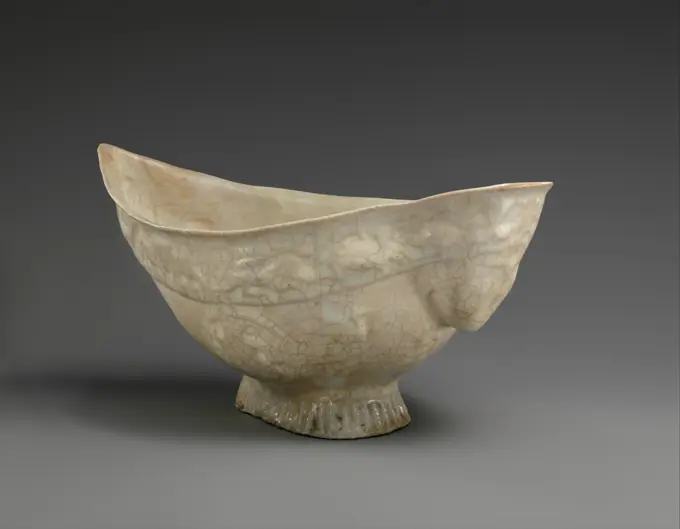
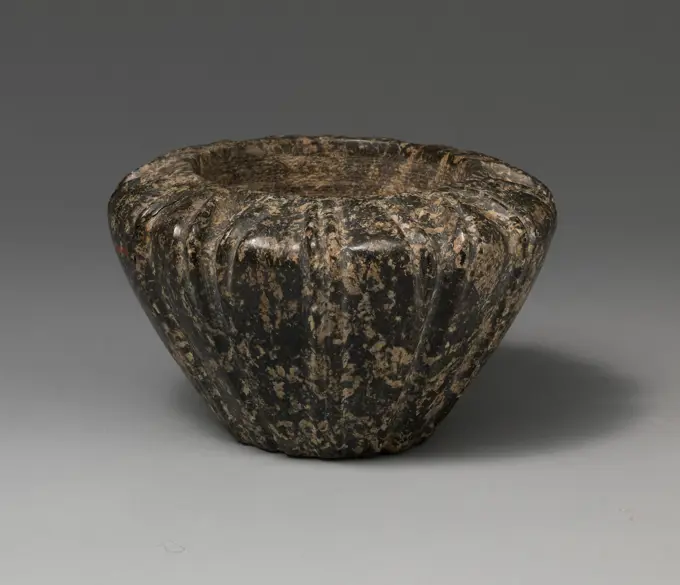
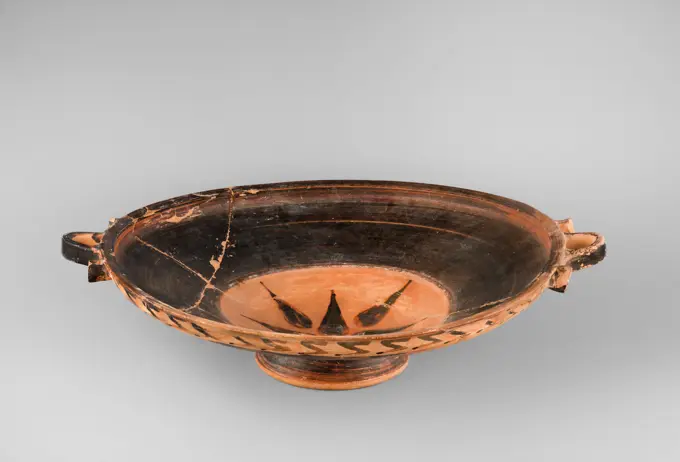
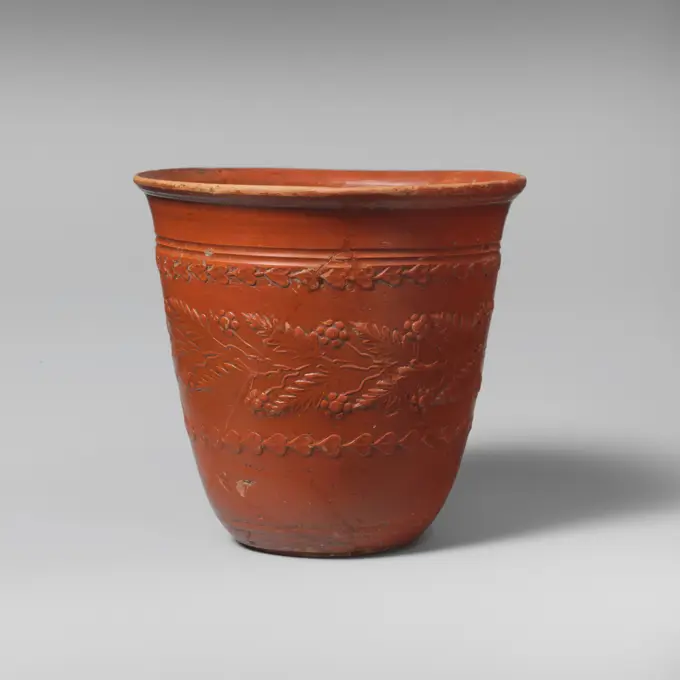
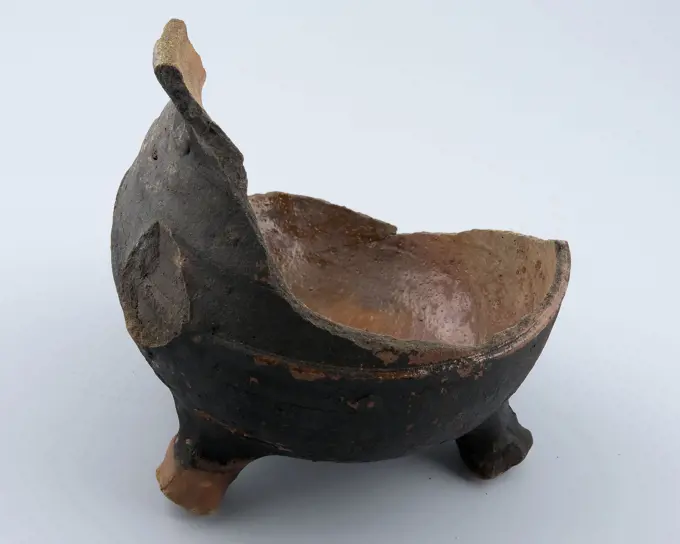
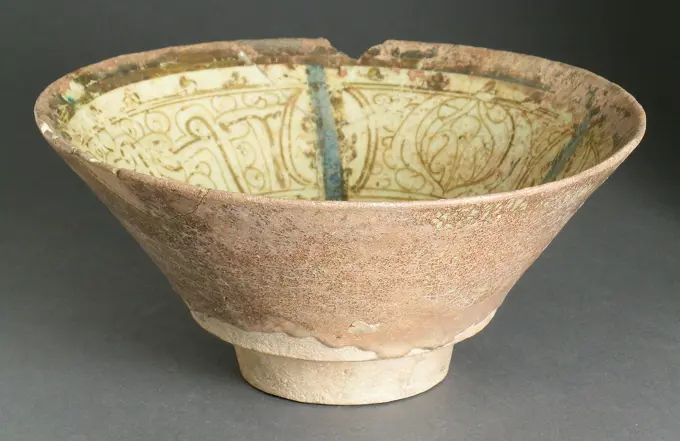
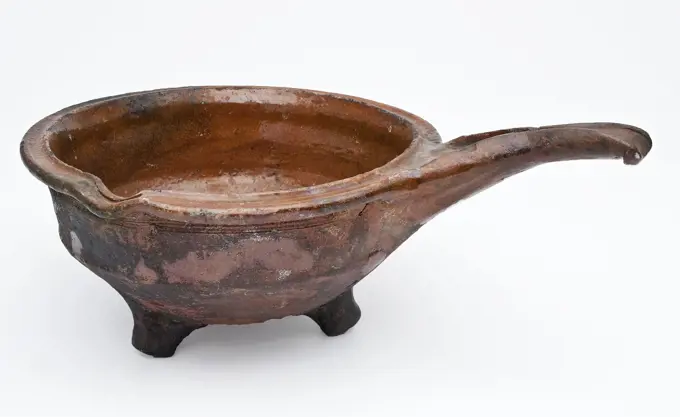
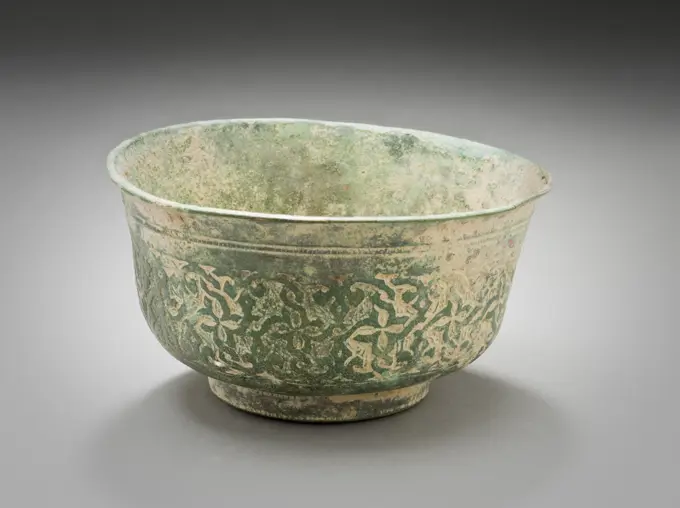
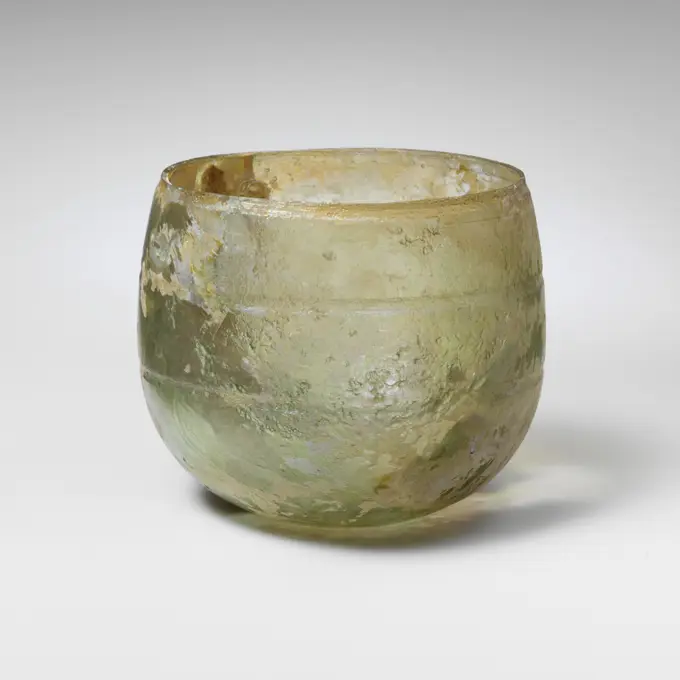
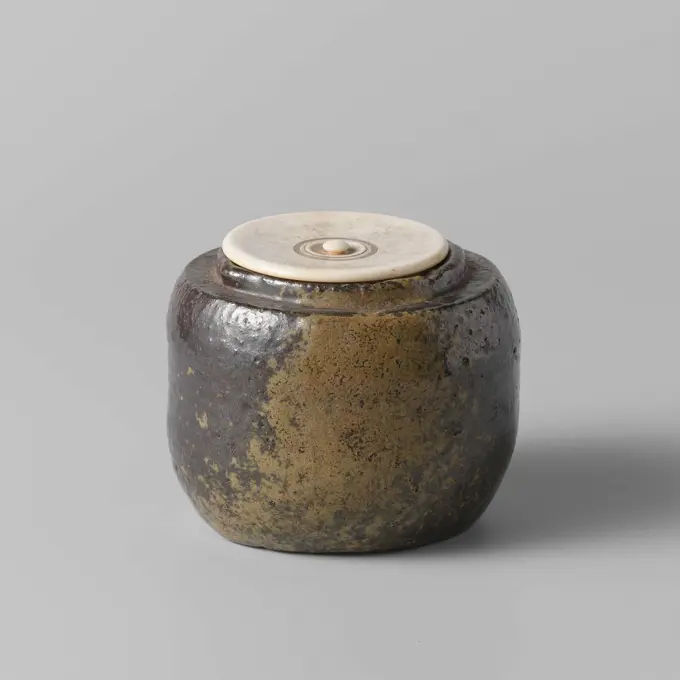
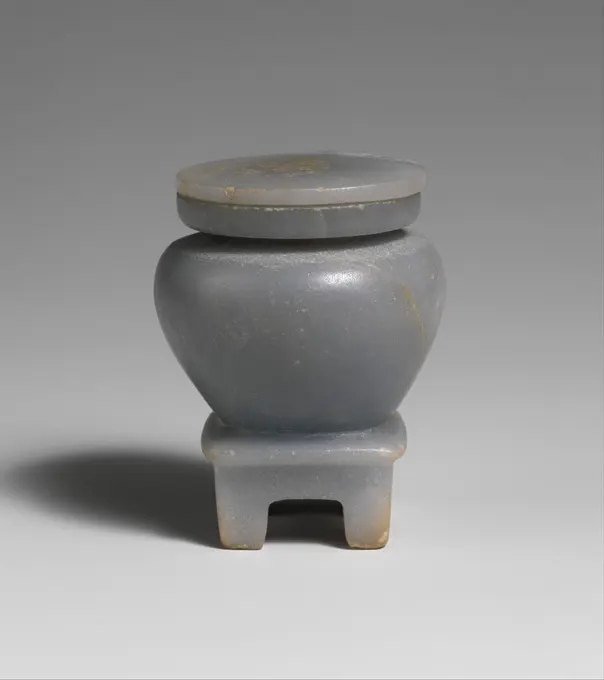
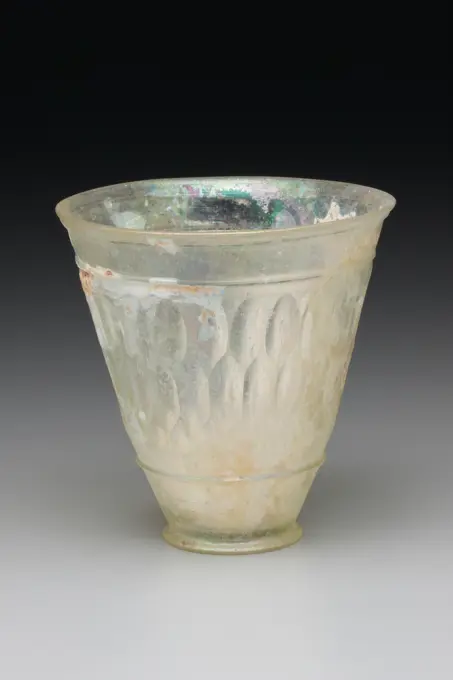
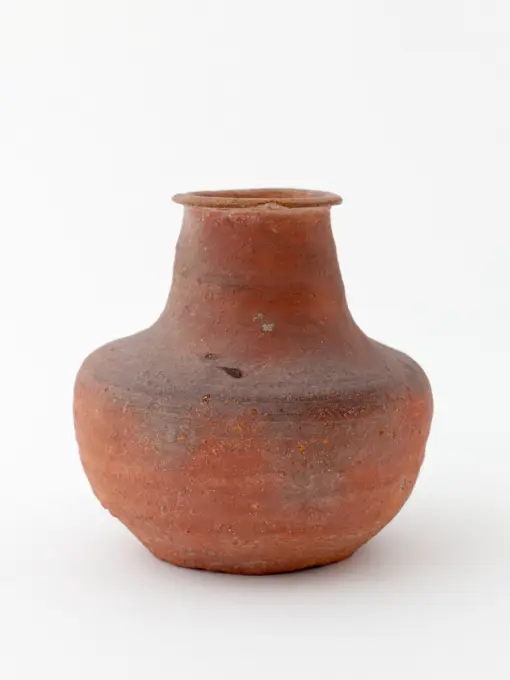
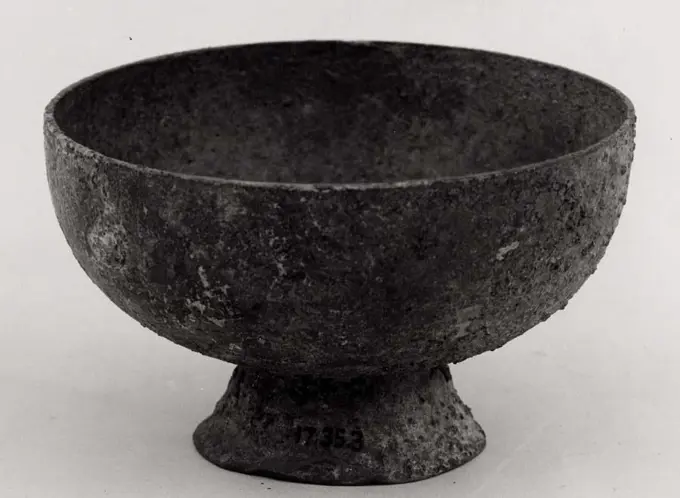
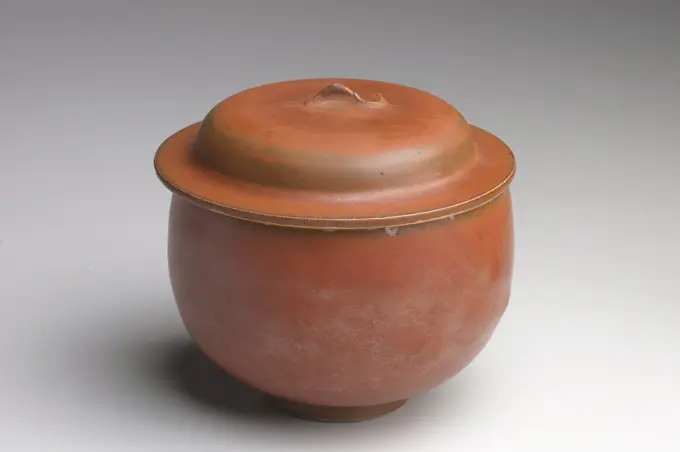
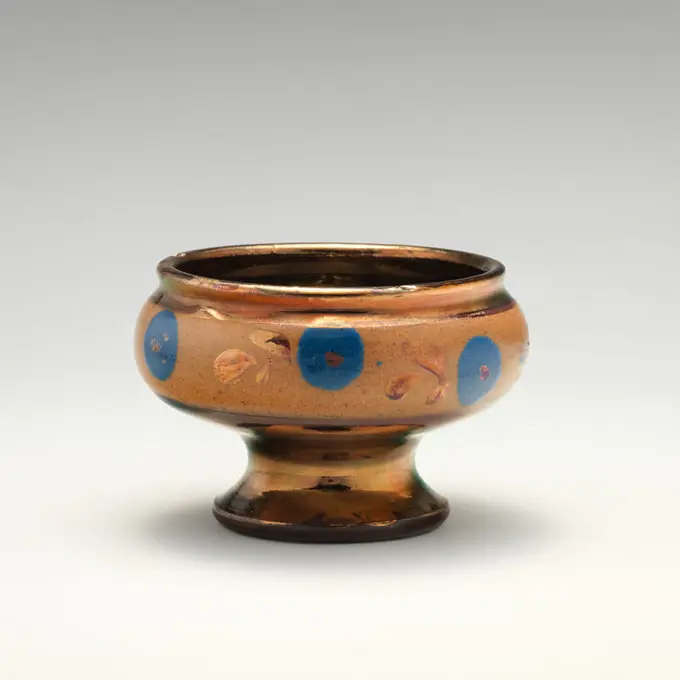
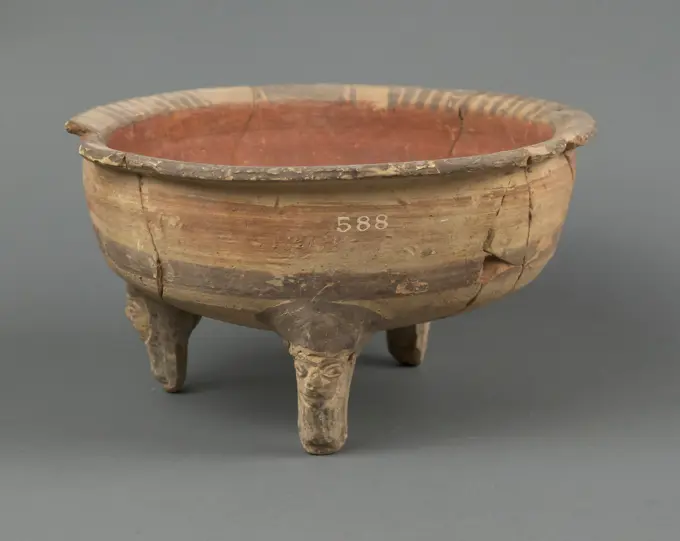
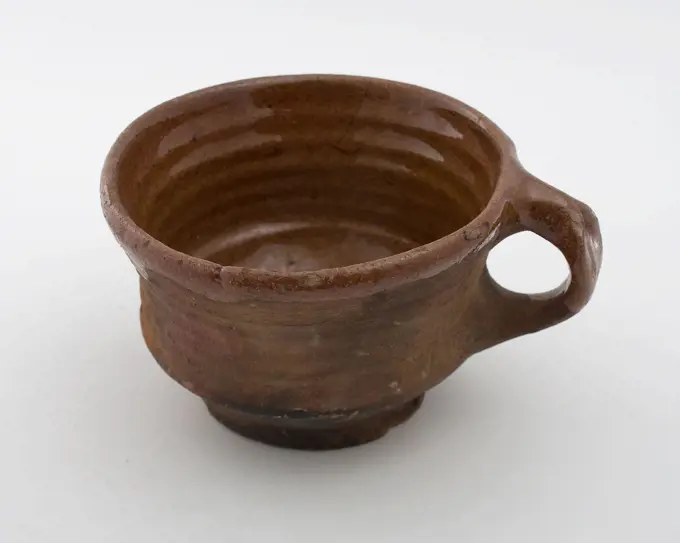
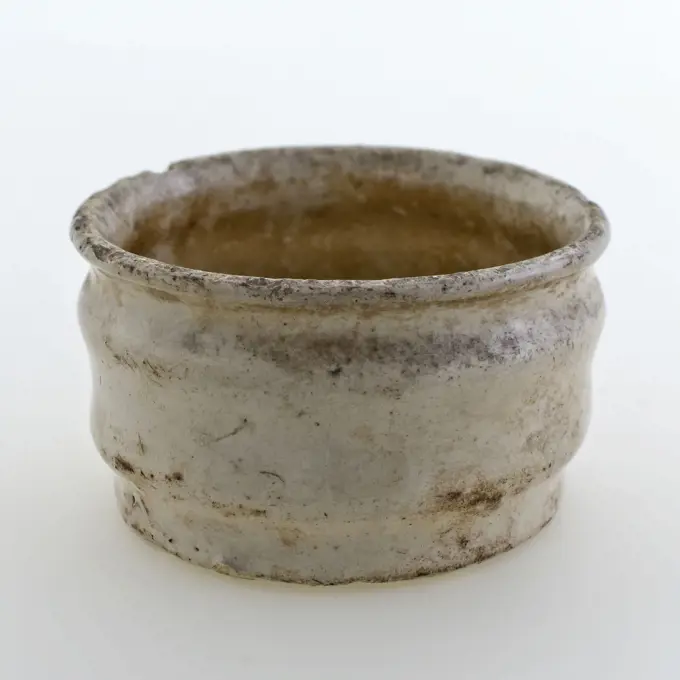
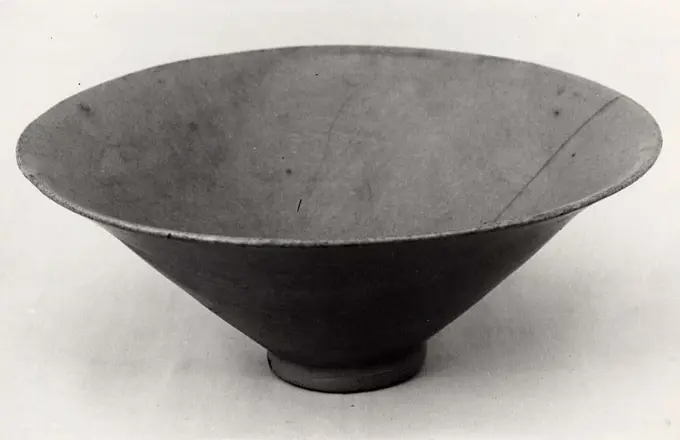
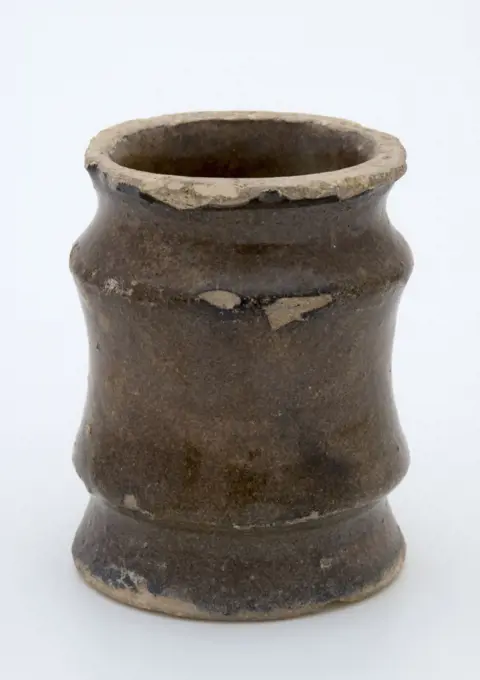
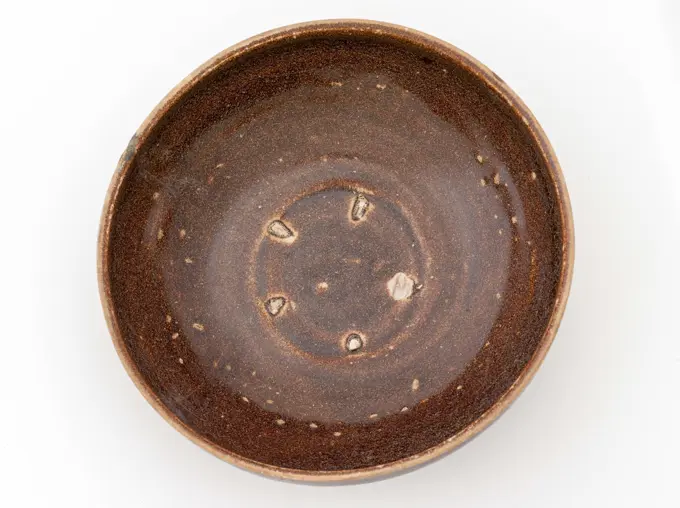
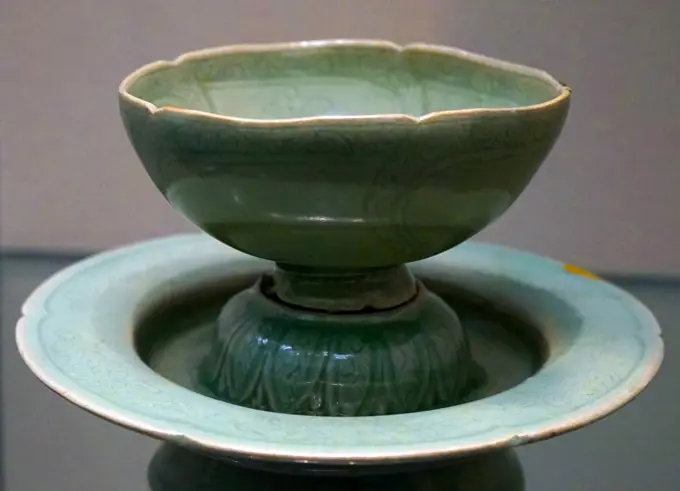
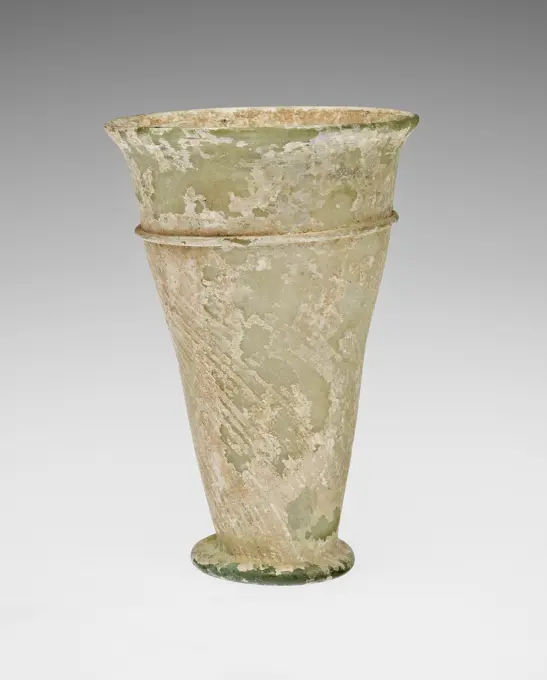
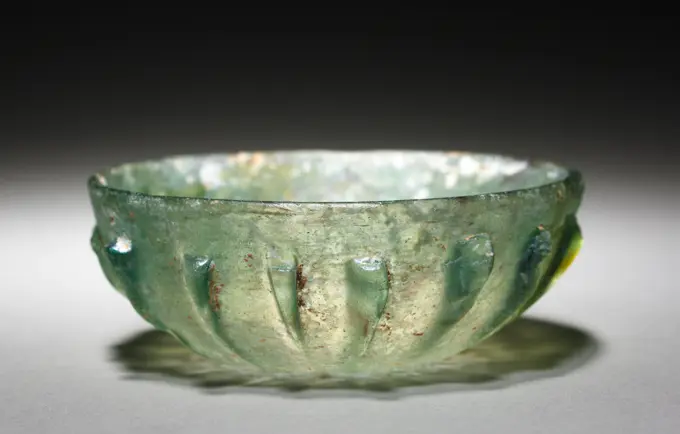
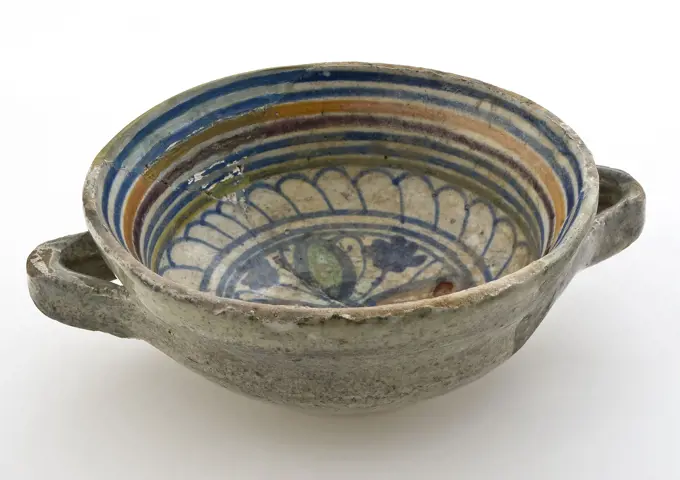
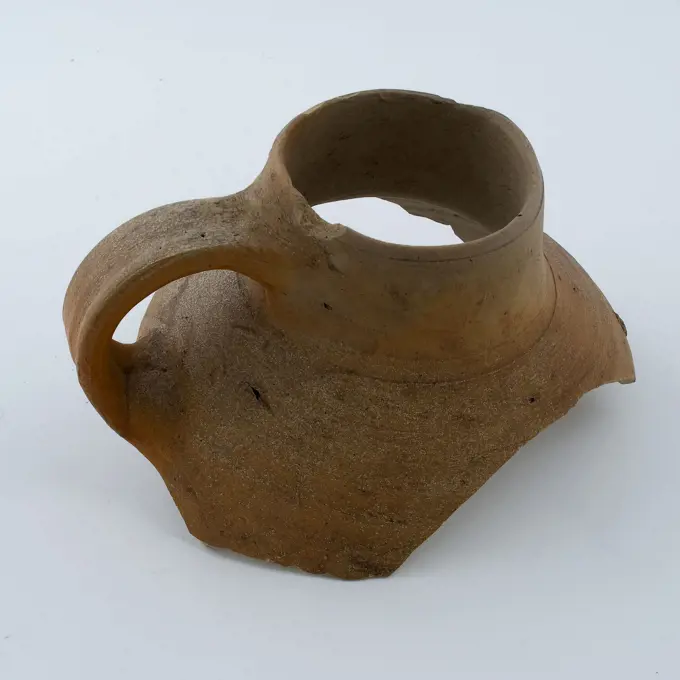
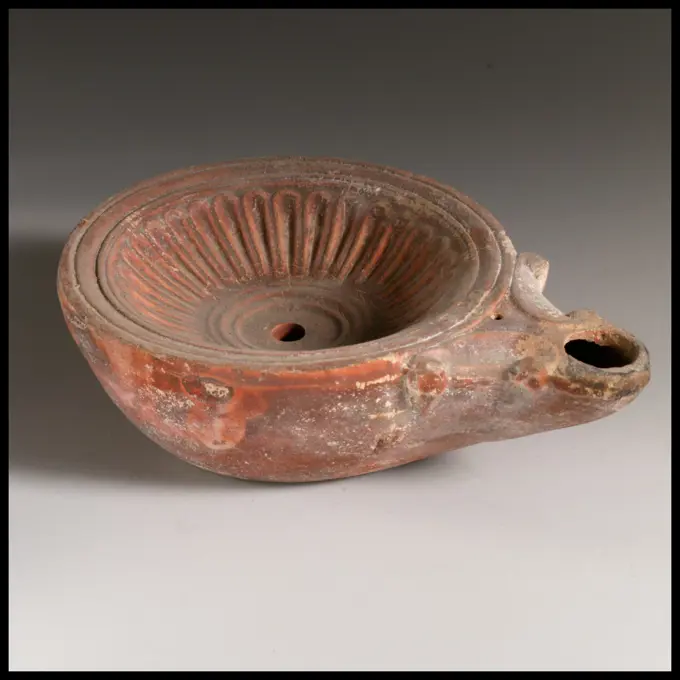
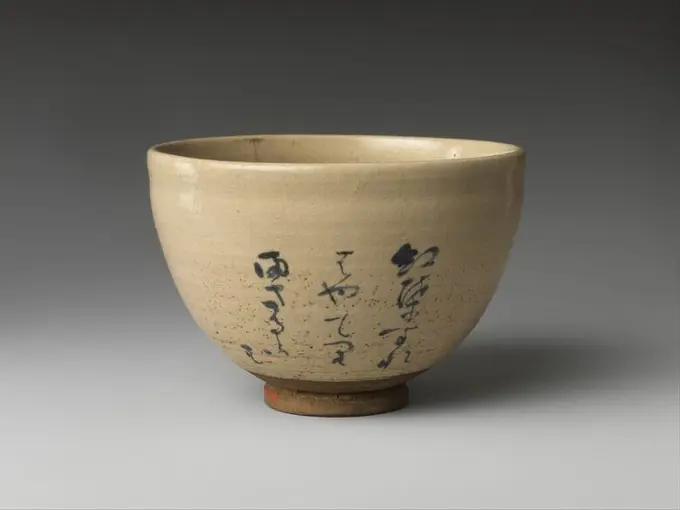
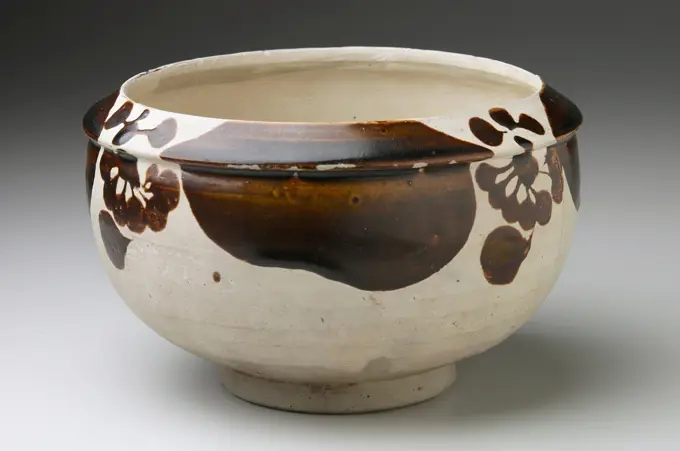
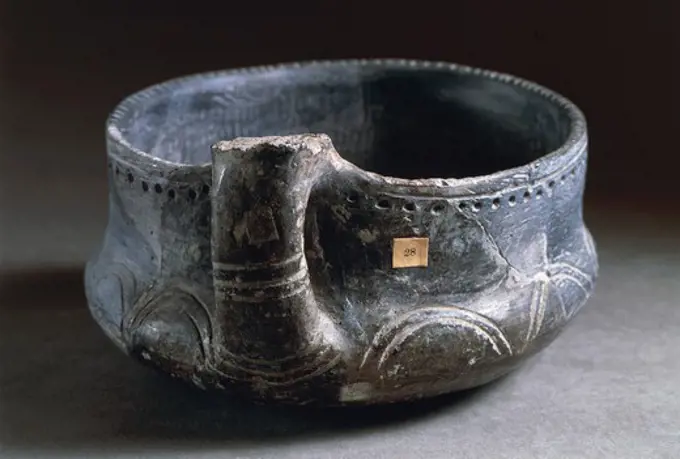
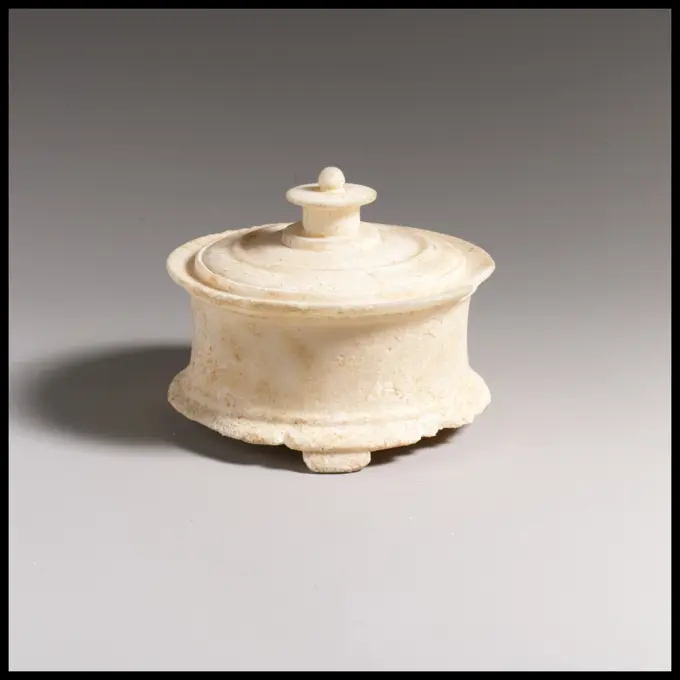
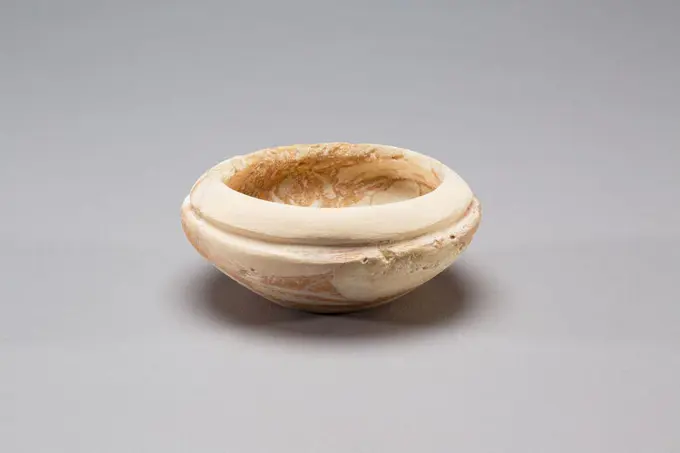
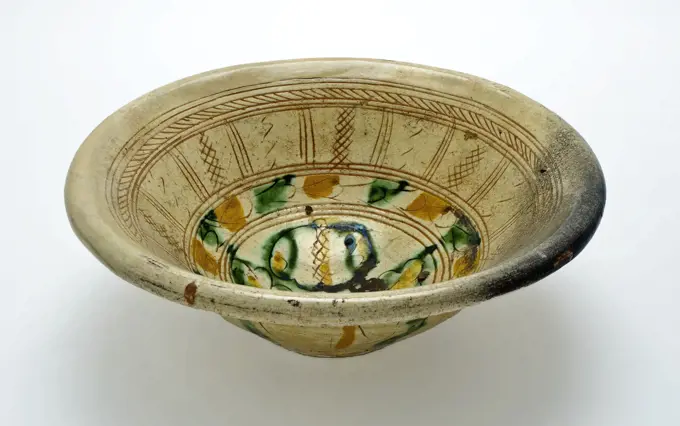
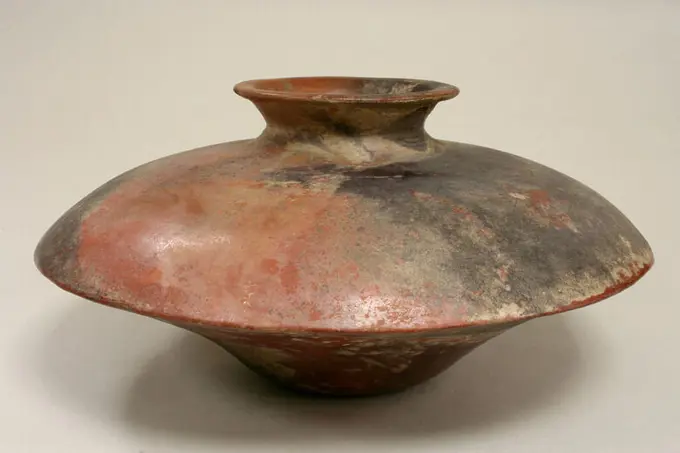
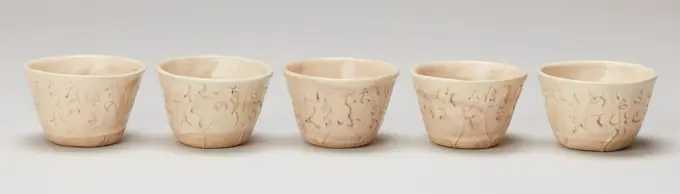
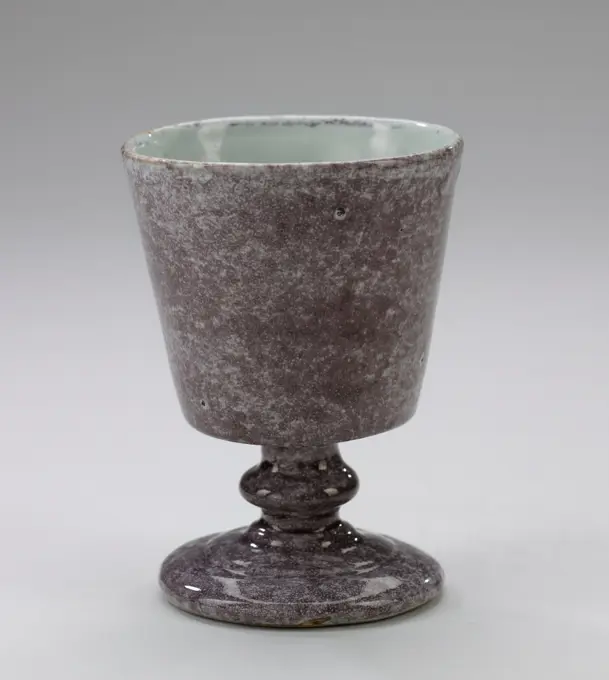
Glass beaker. Culture: Roman. Dimensions: Height: 3 9/16in. (9cm)Diameter: 3 1/16in. (7.8cm). Date: 2nd-3rd century A.D..Colorless with green blue tinge.Rounded, inverted rim; hour-glass shape to body with sides tapering in downward and then expanding outward to bottom with central, large flattish pad.Intact; some pinprick bubbles; pitting, dulling, and iridescent weathering on exterior, creamy enamel-like weathering on most of interior. Museum: Metropolitan Museum of Art, New York, USA.Terracotta skyphos (deep drinking cup) late 7th-early 6th century B.C. East Greek Alternating black bands and geometric patterns.. Terracotta skyphos (deep drinking cup) 255211 East Greek, Terracotta skyphos (deep drinking cup), late 7thearly 6th century B.C., Terracotta, Overall: 5 9/16 x 11 1/2in. (14.2 x 29.2cm); diameter 8 7/8in. (22.5cm). The Metropolitan Museum of Art, New York. Rogers Fund, 1966 (66.11.1)Pottery ointment jar, conical model, red shard, internally glazed, ointment jar pot holder soil find ceramic earthenware glaze lead glaze, hand turned glazed baked Pottery ointment conical model red shard internal glazed Oblique inwardly directed top edge on standing surface. Conical just above the foot narrowing of the kettle archeology health care indigenous pottery pharmacy store sell craftBoat-Shaped Bowl with Human Head and Animals late 11th-12th century This small whiteglazed bowl is in the shape of a bird with a human face. Its body is decorated with delicate reliefs: a frieze of animals running along the rim, and a medallion on each side containing a human figure. The face with its almond-shaped eyes is clearly of the Seljuk type. Its application to what appears to be the body of a bird recalls the mythological figure of the harpy, which can frequently be found in Islamic art and probably goes back to Central Asian sources.. Boat-Shaped Bowl with Human Head and Animals. late 11th-12th century. Stonepaste; molded, opaque white glaze. Made in Iran. CeramicsSerpentine blossom bowl ca. 1600-1450 B.C. Minoan High shouldered blossom bowl carved with ribs and grooves.. Serpentine blossom bowl 252355 Minoan, Serpentine blossom bowl, ca. 16001450 B.C., Serpentine, H. 4 1/4 in. (10.8 cm) diameter 7 in. (17.8 cm). The Metropolitan Museum of Art, New York. Bequest of Richard B. Seager, 1926 (26.31.433)Czara jońska czarnofigurowa. unknown, authorCyathosBowl 3rd century BC-1st century AD Parthian This conical bowl has a flat base and shallow horizontal ribs below the rim. The surface has been burnished. It is made of a dark gray clay, using a potters wheel. It was excavated at Shahr-i Qumis in northern Iran, which has been identified as the ancient city of Hecatompylos, established by the Parthians as their capital by about 200 B.C. In Greek Hecatompylos means ‘a hundred gates, suggesting that the city was quite large. Indeed, the modern archaeological site includes several mounds, only a few of which have been excavated, and a vast area covered with potsherds. This vessel comes from Site VII, a building which may have originally been an elite residence but which was subsequently reused as a funerary structure. Thus it is unclear whether this bowl was a banqueting vessel or a funerary object, or both.. Bowl. Parthian. 3rd century BC-1st century AD. Ceramic. Parthian. Iran, Shahr-i Qumis (ancient Hecatompylos)Glass cup 2nd-3rd century A.D. Roman Colorless with blue green tinge.Knocked-off, uneven rim; slightly bulging collar below rim; side expanding downward, then angled in to join convex bottom with deep, pointed kick at center.Band of faint wheel-abraded lines below bulge at top of body; two more horizontal lines on body above angle.Intact; bubbles and blowing striations; dulling, pitting, and brilliant iridescent weathering.. Glass cup 239831Misa z motywem głów i kwiatów lotosu. unknown, authorTerracotta chalice ca. 575-550 B.C. Etruscan On high foot, with stamped design of eight human figures, five-and-one-half times repeated.. Terracotta chalice. Etruscan. ca. 575-550 B.C.. Terracotta. Archaic. VasesTerracotta cup ca. 15-1 B.C. Roman Although this cup is unstamped, its decoration is similar to vessels belonging to potters who were active in the Augustan period.. Terracotta cup. Roman. ca. 15-1 B.C.. Terracotta; Arretine ware. Early Imperial, Augustan. VasesFragment of the cooking jug on three legs, grape cooking pot crockery holder kitchen utensils earthenware ceramics earthenware glaze lead glaze, hand-turned glazed baked Fragment of earthenware cooking jug Three coarsely sculpted legs with hollow standing surface Lead glaze only on the edge and on the bottom under the neck opening. Obliquely outward-facing top edge. Two profile rings on the shoulder on the outside. Total blackened on the outside archeology underground pit Rotterdam indigenous pottery cooking kitchen food food preparation Soil discovery metropolis cesspool 19750911.Bowl. Syria, late 12th-first half of 13th century. Ceramics. Fritware, underglaze- and overglaze luster-paintedRitual Grain Server (Gui) with Masks, Dragons, Whorls, and Florets. China, Late Shang dynasty, late Anyang phase, about 1100-1050 B.C.. Furnishings; Serviceware. Cast bronzePlate. Vietnam, 14th century. Furnishings; Serviceware. Stoneware with brown glazeOpaque blue Miniature pot. UnknownShallow Bowl. Culture: Japan. Dimensions: H. 1 5/8 in. (4.1 cm); Diam. of rim: 6 1/8 in. (15.6 cm); Diam. of foot: 1 7/8 in. (4.8 cm). Date: ca. 1780, or earlier. Museum: Metropolitan Museum of Art, New York, USA.Skyphos. Culture: Greek, Attic. Dimensions: Other (width w/ handles): 2 9/16 × 6 3/16 in. (6.5 × 15.7 cm)Diameter: 4 1/16 × 2 1/8 in. (10.4 × 5.4 cm)Height (height w/ handle): 2 7/8 in. (7.3 cm). Date: ca. 500 B.C..Debased palmette-lotus pattern. Museum: Metropolitan Museum of Art, New York, USA.Pottery saucepan from waste pit of Rotterdam pipe maker, saucepan cooking pot crockery holder kitchenware earth discovery ceramics earthenware clay glaze lead glaze, hand turned glazed baked Pottery saucepan from waste pit of Rotterdam pipe maker angled upwards handle shavings on three legs Internally glazed Three places restored; end handle upper edge next to pouring clip and part upper edge opposite handle. Restoration is repainted archeology Rotterdam Hillegersberg-Schiebroek Hillegersberg Noord Hillegersberg Zuid Right Rottekade indigenous pottery cooking kitchen craft workshop pipe maker Hendrick Jansz archaeological find in the soil: Judge Rottekade at number 71. In the waste pit of the Rotterdam pipe maker: Hendrick Jansz.Cup, Glazed terra-cotta, Globular body. Neck with flaring rim joined to strap handle attached to shoulder. Narrow band reserved in buff at the base., Attica, Greece, 5th century BC, ceramics, Decorative Arts, CupBowl. Iran, 16th century. Metal. BrassCup with Interior Rattle and Incised and Openwork Decoration 400 CE-499 CE Korea. Stoneware with natural ash glaze and incised decoration .Lazio Viterbo Viterbo Museo Civico27. Hutzel, Max 1960-1990 Views of paintings (Middle Ages through 18th c.), frescoes, a tabernacle, coffin, sculpture reliefs, portal fragments, busts, sculpture, tapestry found in the Pinacoteca, Second floor gallery and Second floor cloister sequences. Antiquities: Many views of Etruscan and Roman fragments, sculpture, sarcophagi, pottery, masks, jewelry and other objects found in the Storeroom sequence (inventory numbers on back of prints), and the Cloister, Second floor Cloister, Valle Giulia, Sala Romana and Sala Etrusca sequences. General Notes: There are eight separate numerical sequences for this location. The cloister as an architectural structure, rather than museum site, is documented in the record and file for S. Maria della Verita, Cloister, all views of which are stored in Medieval core collection. Five views from the Museo Civico Second floor cloister sequence are stored in Medieval. German-born photographer and scholar Max Hutzel (1911-Glass cup 1st century A.D. Roman Translucent pale blue green.Slightly uneven, knocked-off rim; convex side to body, curving in to small, concave bottom.Three evenly-spaced horizontal grooves on body, uppermost immediately below rim.Intact; many bubbles with some blowing striations; dulling, pitting, and faint iridescent weathering on exterior; patches of thick creamy weathering and brilliant iridescence on interior.. Glass cup. Roman. 1st century A.D.. Glass; blown and cut. Early Imperial. GlassKylix (Greece); Attributed to Heidelberg Painter (Greek, active 575 - 555 BC); black-figured earthenwareCircular Covered Box. Korea. Date: 400 AD-599 AD. Dimensions: H. 6.7 cm (2 5/8 in.); diam. 9.9 cm (3 7/8 in.). Stoneware. Origin: Korea. Museum: The Chicago Art Institute, Chicago, USA.. Come from Quartz Fritgoed covered with a blue alkalilation on which a bond with tendrils interspersed with medallions in Luster.Bowl. Egypt or Syria, 12th century. Ceramics. Fritware, incised and glazedJar. Korea, Korean, Goryeo dynasty, 918-1392, 12th century. Furnishings; Serviceware. Wheel-thrown stoneware with green glazeBowl. Culture: China. Dimensions: Diam. 7 1/2 in. (19.1 cm). Date: late 12th-13th century. Museum: Metropolitan Museum of Art, New York, USA.35mm originalTerracotta carinated cup Minoan ca. 1900-1750 BCE Only a single fragment preserving a complete profile is original; the rest is modern restoration. View more. Terracotta carinated cup. Minoan. ca. 1900-1750 BCE. Terracotta; Polychrome fine ware. Middle Minoan II. Vases. Fabric tea bus or chair of stoneware with an ivory lid, partially covered with a green-brown glaze. The lower part of the bus is unglazed. Old label on the inside with 'bizen'. On the underside an unidentified brand or signature in red. BIZEN.Glass beaker 2nd-3rd century A.D. Roman Colorless with pale green tinge.Rim outsplayed, cracked off and uneven; vertical side, cylindrical at top, then shaped into a rough square with hollow corners; square, pushed-in bottom with bulging, rounded edge and small pontil mark at center.Below rim, two horizontal bands of wheel-abraded lines; on body, four long indents, forming a star-like shape to interior.Intact, except for small weathered chip in rim and crack in lower body; pinprick and larger bubbles; soil encrustation and root marks covering most of surfaces, and faint iridescence.. Glass beaker 245357Mug c 1820-1860 Pennsylvania. Earthenware . Artist unknownBasin. China. Date: 800 BC-600 BC. Dimensions: H. 13.7 cm (5 1/2 in.); diam. 41.8 cm (16 1/2 in.). Bronze. Origin: China. Museum: The Chicago Art Institute, Chicago, USA.Jar for Eye Paint (kohl) with Attached Stand. Dimensions: H. 5.4 cm (2 1/8 in.); Diam. 4.2 cm (1 5/8 in.). Dynasty: late Dynasty 12-early Dynasty 13. Date: ca. 1878-1749 B.C..The piece is part of a group of objects found in tomb V21 at Abydos with two bodies (04.18.1-04.18.49). The ointment jars 04.18.47a, b and .48a, b in the group can be dated by comparison with similar jars found at Dahshur and with the box 26.7.1438 (26.7.1439a, b-.1441a, b, .1442) inscribed with the name of Amenemhat IV (ca. 1814-1805 B. C.). Museum: Metropolitan Museum of Art, New York, USA.BeakerBowl. Culture: Taino. Dimensions: H.4 1/2 x W. 7 1/4 in.. Date: 13th-15th century. Museum: Metropolitan Museum of Art, New York, USA.High collar vase. Terracotta. Vietnam-Xe-Xive s. Paris, Cernuschi museum. 72187-33 High pass, Vietnamese object, terracotta, vaseTea bowl unknownCup Korea. Cup 57443Covered Bowl, 11th-12th century, 4 1/2 x 4 11/16 in. (11.43 x 11.91 cm), Yao-chou ware Stoneware with persimmon brown glaze, China, 11th-12th century, This handsomely shaped lidded bowl with vertical slightly inturned walls was a popular ceramic form during the Song dynasty (960-1279). The type was produced at several kilns in a variety of glazes.Saltcellar early 19th century Possibly Locket and Son. Saltcellar. British, Staffordshire. early 19th century. Pottery. Possibly Locket and Son. Ceramics-PotterySaltcellar. Culture: British, Staffordshire. Dimensions: 2 1/8 × 2 7/8 in. (5.4 × 7.3 cm). Factory: Possibly Locket and Son. Date: early 19th century. Museum: Metropolitan Museum of Art, New York, USA.. Come from quartz frying with a polychrome decoration. On the bottom a medallion with a man sitting between flowering plants and two birds. The inner wall with six medallions with mythical animals, connected by tendrils. On the outside a bond with a caption.Unguent Vessel. Egyptian. Date: 1985 BC-1773 BC. Dimensions: a (jar): 8.73 × 7.25 × 7.26 cm (3.44 × 2.85 × 2.86 in)b (lid): .50 × 7.34 × 7.28 cm (.20 × 2.89 × 2.87 in). Calcite. Origin: Egypt. Museum: The Chicago Art Institute, Chicago, USA. Author: Ancient Egyptian.Bowl 600-480 B.C. Cypriot Deep bowl with three feet modeled in form of bearded heads.. Bowl. Cypriot. 600-480 B.C.. Terracotta. Cypro-Archaic II. VasesBowl, Glass, Thick glass. Bell-shaped, with inturned lip and circular foot. Traces of iridescence. Dark Green glass, 1st-4th century, glasswares, Decorative Arts, BowlEarthenware pap bowl, red shard, internally glazed, pinched band ear, on stand, papkom bowl crockery holder earth discovery ceramics earthenware glaze lead glaze, hand turned glazed baked earthenware pap bowl red shard inside covered with lead glaze topped pin band stand ring carbon footprint. Rotary bends archeology native pottery food cooking kitchen food prepare drinkPottery ointment jar, low model, white glazed, ointment jar pot holder soil find ceramic earthenware glaze tin glaze, delft white hand-turned glazed baked Pottery ointment jar wide low form with two smooth nips along the outside of the kettle. Obliquely outward-facing edge. White glazed. Stand area with deducting rails. Pot is slightly deformed archeology Rotterdam Bombazijnen cemetery health care indigenous pottery pharmacy packaging medicine drug sell craft store soil find: found Bombazijnen Kerkhof 1905.Joakim Skovgaard (1856-1933), Noah drives the animals into the ark. Jar of decoration, 1886CenserBowl early 12th century Korea. Bowl 57397Fragment basement bottle from the wreck of the East India FILER 't Vliegend Hart, Anonymous, 1700 - 1735  Soil fragment basement bottle. Netherlands .Ding crap;  19th century (1801-00-00-1900-00-00);Bowl Etruscan 7th-6th century BCE View more. Bowl. Etruscan. 7th-6th century BCE. Terracotta. Archaic. VasesShort Chalice. UnknownPottery ointment jar, cylindrical model, red shard, internally glazed, ointment jar pot holder soil find ceramic earthenware glaze lead glaze, hand turned glazed baked Pottery ointment jar cylindrical model red shard internal glazed Flat wide top edge. Narrowing of the boiler above the stand Level with light soul archeology health care indigenous pottery pharmacy store sell craft medicine drug packagingFragment of red earthenware oil lamp, oil lamp lamp lighting agent earth discovery ceramics earthenware glaze lead glaze, hand turned hand shaped glazed fired Fragment of red earthenware oil lamp Part of upper shell with column and suspension lying ear arched upward archeology Rotterdam City Triangle Schielandshuis waste evening night illuminate Soil discovery: Schielandshuis during restoration.Pottery ointment jar, cylindrical with three constrictions, white glazed, ointment jar pot holder soil find ceramic earthenware glaze tin glaze, hand-turned baked 2x glazed earthenware ointment jar cylindrical in shape with three necking Fully glazed white. Stand area with deducting rails. Dark discolored by staying in the soil. So called Delftware in the form of an albarello archeology health care indigenous pottery packing pharmacy store selling medicine drug craftMiniature Bottle 10th century. Miniature Bottle 449662Open-Mouthed Cosmetic Jar of Neferkhawet ca. 1504-1447 B.C. New Kingdom. Open-Mouthed Cosmetic Jar of Neferkhawet. ca. 1504-1447 B.C.. Faience. New Kingdom. From Egypt, Upper Egypt, Thebes, Asasif, Tomb of Neferkhawet (MMA 729), west chamber B, inside basket in northwest corner, MMA excavations, 1934-35. Dynasty 18, earlyLarge bowl ". GRS covered brown. Paris, Muse Cernuschi. Grand was Asian art, extreme-East art, Vietnamese art, bowl, ceramic, gres, dishesBucket second half 16th century. Bucket 452551Cup and Stand 1700-50 Koryo dynasty. The flower-like shape of both cup and stand reflects the Korean love of natural forms. The curved lines of the cup rim suggest the edges of a petal. On the stand, finely carved lotus petals enclose the cup base. The inner and outer surfaces are incised with subtle, refined floral designs. Stoneware, carved, incised and glazedBeaker 201 CE-400 CE Syria. Glass, mold-blown technique . Ancient RomanShallow Ribbed Bowl, 50 BC-AD 100. Roman, Eastern Mediterranean. Glass; diameter: 12 cm (4 3/4 in.); overall: 4.5 x 12.2 cm (1 3/4 x 4 13/16 in.).Majolica bowl with two lying ears, polychrome, floral decor and loose fragment, porcelain dish holder holder earthenware ceramics earthenware glaze tin glaze lead glaze, hand-turned baked glazed decorated baked Majolica papkom, Placed stand ring minimal soul. Two flat lying ears Shallow constriction along the outer wall at the height of the ears Polychrome decor of rings bulging and on the bottom floral decor in blue orange and green Externally entirely covered with lead glaze archeology Rotterdam IJsselmonde earthenware porridge porridge food feeding serve serving Soil discovery: IJsselmonde Castle put 1 Rotterdam 1972.Base under the vessel;  around 2686- 2181 BC ; Old state (-2686-00-00--2181-00-00);Dish ca. 1849-58 Lyman, Fenton & Co.. Dish 3302Lamp. UnknownRed -made earthenware cooking pot, on 3 legs, with ear, on the inside and outside with enamel, border damaged, anonymous, 1500 - 1799   earthenware. glaze   earthenware. glazeGlass lid 2nd-3rd century A.D. Roman Translucent yellow green.Solid, round, central knob; domed upper sides; broad, folded, tubular flange, turned slightly upwards; lower sides expand slightly downwards to rounded, thickened rim.Intact; pinprick and larger bubbles; patches of dulling, iridescence, and limy weathering.Top of knob is scarred, perhaps from the pontil. The lid does not fit or match 74.51.5742.Yellowish glass cover with knob and projecting rim.. Glass lid 244700. Come from quartz frying with a painting in black with a stylized plant and a band with pseudo-script under a transparent turquoise alkalilation.Fragment stoneware jug with short neck and broad band ear, salt glaze, water jug crockery holder soil find ceramic stoneware glaze salt glaze, hand-turned glazed fried Neck fragment of large stoneware jug. Short neckline tapered. Upright strap ear Light turning lips on the shoulder. Light brown glow over the surface on the outside archeology underground pit Rotterdam City Triangle Blaak Groenendaal indigenous pottery import drink store water food prepare cellar kitchen donate Soil discovery: underground pit Groenendaal direction Blaak from pit on ± 4 meter -N..P 1977.06.27.Terracotta oil lamp 1st century B.C.-1st century A.D. Roman Loeschcke Type 4. Mold-made. Deep body. Discus: rosette with thirty-three radiating petals, issuing from a band of three raised circle, within which a single small, central filling hole; band of lines and grooves around horizontal edge. Volutes flanking nozzle with large wick hole, and tiny air hole at back. Broad, raised base ring, and broad, flat bottom.Intact.. Terracotta oil lamp. Roman. 1st century B.C.-1st century A.D.. Terracotta. Early Imperial. TerracottasTeabowl with Autumn Poem. Artist: Eiraku Wazen (Japanese, 1823-1896). Culture: Japan. Dimensions: H. 3 3/8 in. (8.6 cm); Diam. 4 7/8 in. (12.4 cm). Date: second half of the 19th century. Museum: Metropolitan Museum of Art, New York, USA.Czarka decorated with nodules;  III-IV century (201-00-00-400-00-00);They weigh; Unknown Nubian workshop; XIII-XIV century; decaying period (1200-00-00-1350-00-00);Old Dongola (Sudan), Nubian ceramics, Nubian painted vessels, geometric ornaments, Polish excavations in Old DongoTobbe with profile edge, turned. A tub twisted maple wood with profile edge.Bowl, 9th century, 4 5/8 x 7 in. (11.75 x 17.78 cm), Huangbaozhen ware Stoneware with floral décor in brown glaze on light white slip, China, 9th century, This exceptionally rare bowl exemplifies the late Tang production of brown painted wares at the Huangbao Zhen kilns at Yaozhhou in Shanxi province. This region would gain lasting fame for the production of 'northern celadon' during the Song (960-1279) and Jin (1115-1234) dynasties. The intriguing interior cluster of quatrefoil motifs seen here, probably representing abstract plant forms, appear on pottery shards excavated at the Huangbao Zhen site. The painting technique developed during Tang at this important ceramic center provides a northern precedent for the popular brown and white slip decorated wares of the Cizhou kilns which flourished during Song and Yuan dynasties (1280-1368).Earthenware oil lamp with two bowls, hanging ears and spouts, gray shard, glazed, oil lamp lamp lighting agent earth discovery ceramic earthenware glaze lead glaze, above 10.5 dish under 13.5 hand turned molded glazed baked oil lamp two bowls with spout white shard yellow glazed with black spots one ear mounting eye rotations Column roughly formed archeology Valckensteyn Poortugaal Albrandswaard lighting Indigenous earthenware oil lamp illuminate evening night Soil discovery: castle Valckensteyn in Poortugaal now Albrandswaard 1961-1962.Food Serving Vessel(Gui)Jar ca. 2nd century B.C.-3rd century A.D. Parthian. Jar 322843Prehistory, Italy, Bronze Age. Terramare culture. Bowl with side handle and decorated with engravings. From Emilia Romagna Region.Lazio Roma Subiaco Monastery of S. Scolastica Archaeological Museum1. Hutzel, Max 1960-1990 Antiquities: Views of antiquities in museum, including sarcophagi, plates, vases, coins. General Notes: Hutzel guide says we have negatives, but we cannot find them. German-born photographer and scholar Max Hutzel (1911-1988) photographed in Italy from the early 1960s until his death. The result of this project, referred to by Hutzel as Foto Arte Minore, is thorough documentation of art historical development in Italy up to the 18th century, including objects of the Etruscans and the Romans, as well as early Medieval, Romanesque, Gothic, Renaissance and Baroque monuments. Images are organized by geographic region in Italy, then by province, city, site complex and monument.Cup and Cupstand 1000-1099 China. Northern black ware, Cizhou type; light-gray stoneware with dark-brown glaze .Marble pyxis (box) late 5th-early 4th century B.C. Greek, Attic Greek marble-working of the Classical period is generally associated with architecture and monumental sculpture. This vase is remarkable for its precision and delicacy. It is likely that it was orginally painted.. Marble pyxis (box) 256857Pot 18th century Stews and soups were staples of the colonial diet, so cooking pots such as this example would have seen daily use. With no tripod base to stand on, this pot had to be hung over the fire from a trammel. Similar pots were made early in the colonial era at the Saugus Iron Works outside Boston (in operation from 1644 to 1670).. Pot. 18th century. IronBowl. Culture: Coptic. Dimensions: Overall: 1 11/16 x 5 5/16 in. (4.3 x 13.5 cm). Date: 4th-7th century. Museum: Metropolitan Museum of Art, New York, USA.Incised bowl with geometric pattern 5th-3rd century B.C. Paracas. Incised bowl with geometric pattern 308326Lamp 501 CE-600 CE Eastern Mediterranean Region. This lamp was meant to be suspended from polykandela, or chandeliers, which hung from the ceiling. The early Byzantines, like the Romans before them, typically burned olive oil for light. Lamps made from glass such as this were more expensive than the numerous surviving terracotta examples, and they were likely used to light the most important part of a church, such as, the altar or the nave. Keeping the lamps lit was costly, and generous donors gave endowments to churches to literally keep the lights on. Emperor Constantine, for example, donated the revenue from seven large estates specifically for the maintenance of 174 lamps, polykandela, and candlesticks in the Basilica of Saint John Lateran in Rome.Small lamps like this example held oil and a string wick that was pulled through a floating piece of wood or cork. Lamps were suspended, individually or in groups, in elaborate metal chandeliers.. Glass, blown and tooled technique . ByzanBeaker 13th century. Beaker. 13th century. Stonepaste; incised decoration through black slip under turquoise glaze.. Made in Iran, Kashan. CeramicsSmall rimmed bowl. Dimensions: H. 3.4 cm (1 5/16 in.); Diam. 7.8 cm (3 1/16 in.). Dynasty: Dynasty 2, second half. Date: ca. 2750-2649 B.C.. Museum: Metropolitan Museum of Art, New York, USA.Sgraffito dish, bowl-shaped with yellow-green floral motifs, dish crockery holder soil find ceramic earthenware clay engobe glaze lead glaze, ring 7.1 hand turned baked decorated glazed fried sgraffito Sgraffito dish with yellow-green floral motifs red shard Deep dish with upright sidewall and curled dish edge. Stand ring Fully glazed except the bottom of the soil archeology indigenous pottery import food serving table serveJar. Culture: Colima. Dimensions: Height: 7 1/4in. (18.4cm)Diameter: 13 7/8in. (35.3cm). Date: 2nd century B.C.-A.D. 3rd century. Museum: Metropolitan Museum of Art, New York, USA.Sencha cup with poem, from a set of five, 19th century, Ōtagaki Rengetsu, Japanese, 1791 - 1875, 1 5/8 × 2 9/16 × 2 1/2 in. (4.13 × 6.51 × 6.35 cm), White stoneware, Japan, 19th centuryGoblet, c. 1740, 4 3/8 x 3 1/16 x 3 1/16 in. (11.11 x 7.78 x 7.78 cm), Glazed ceramic, England, 18th century