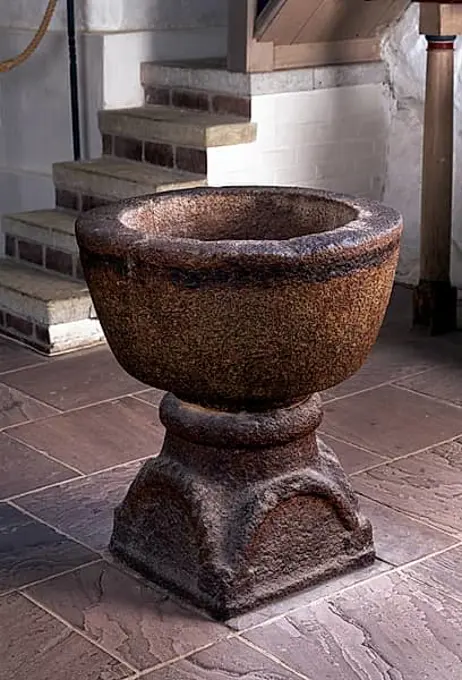
Ceramic Vessels and Bowls

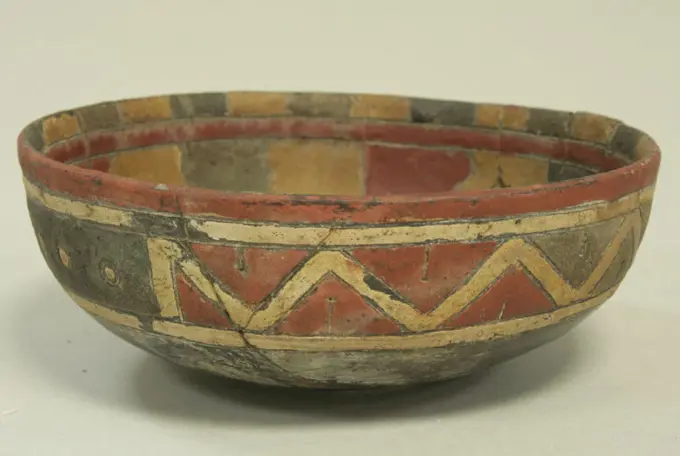
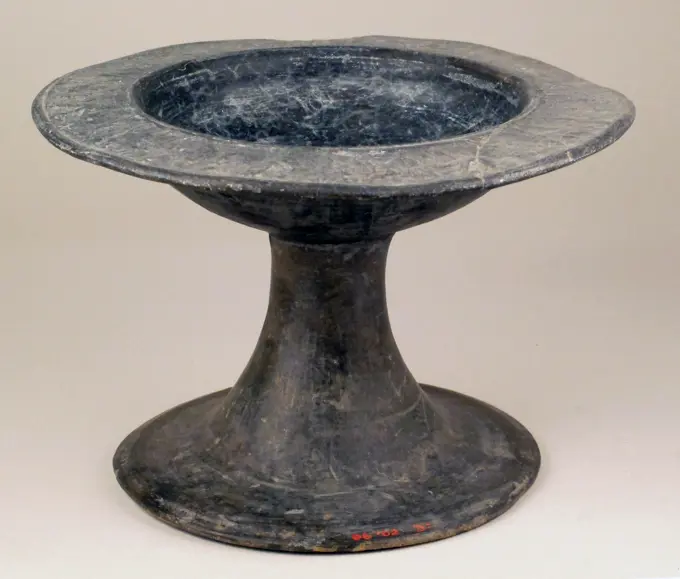
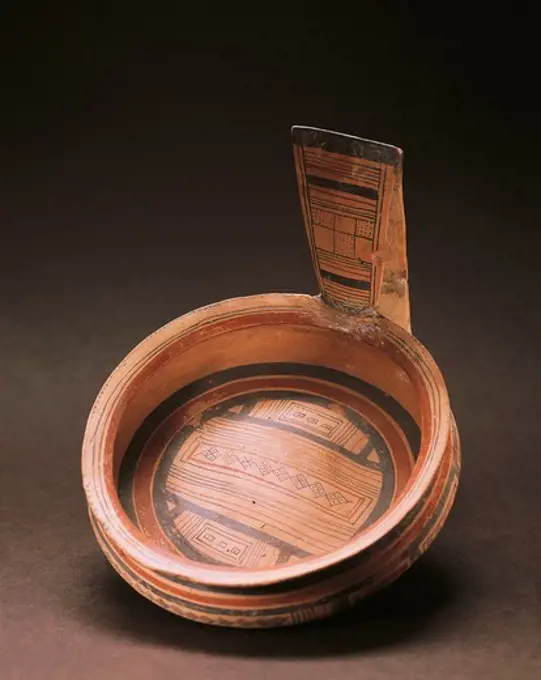
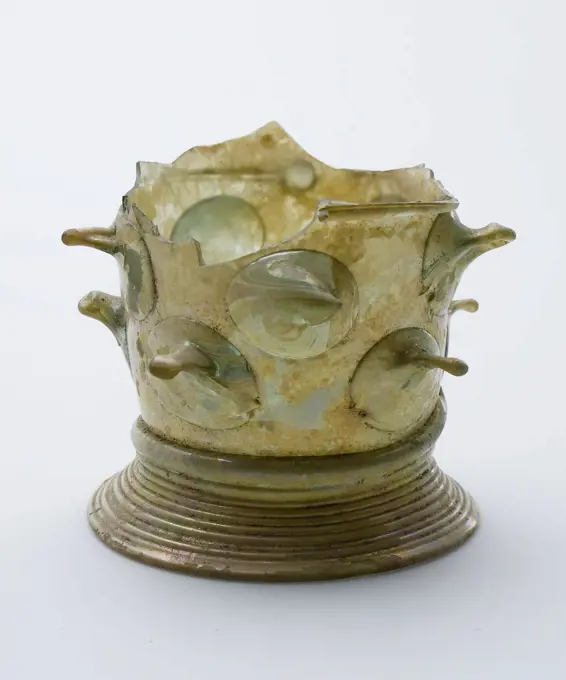
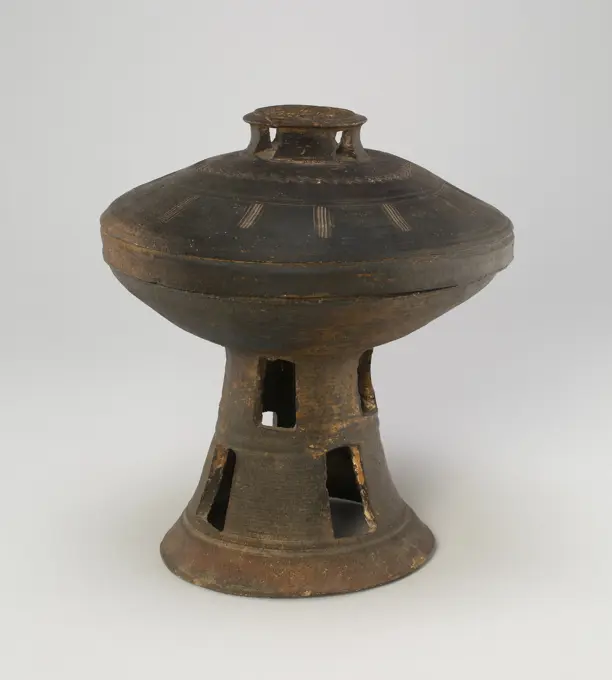
Diverse terracotta and ceramic bowls from various periods, featuring unique designs, colors, and cultural significance from Neolithic to Japanese art.

Basin (common name), -276. Hammered copper alloy. Carnavalet museum, history of Paris.
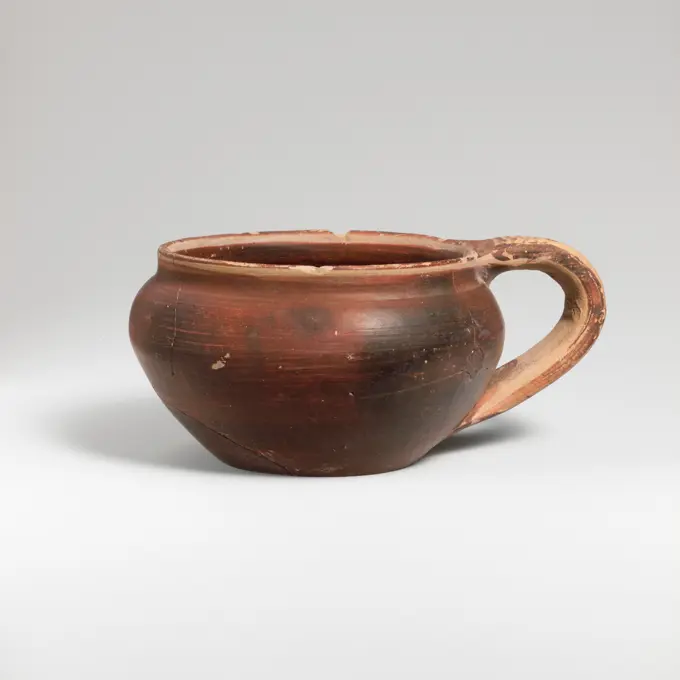
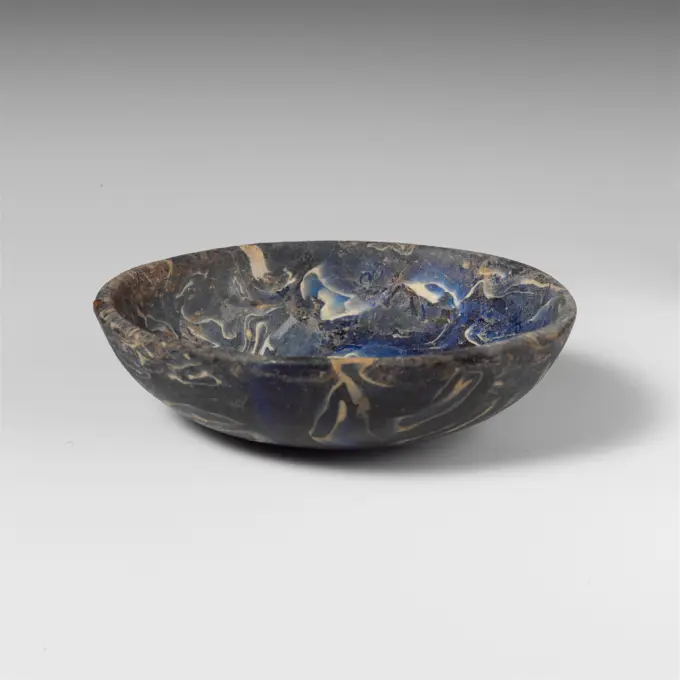
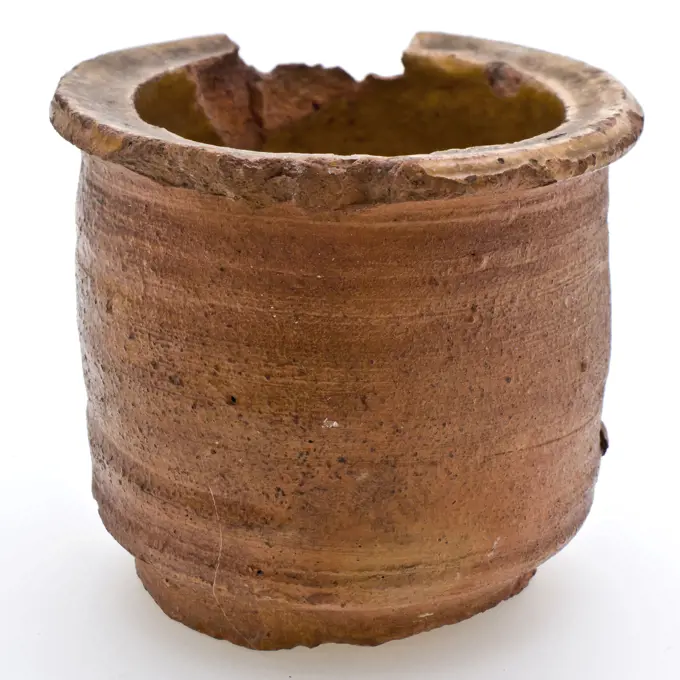
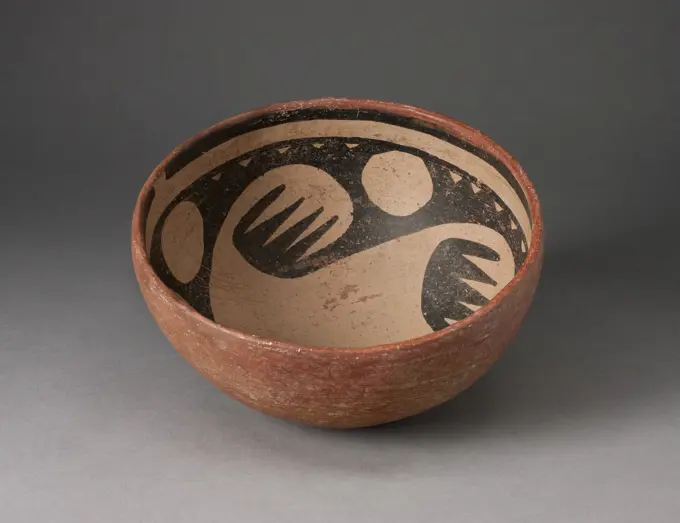
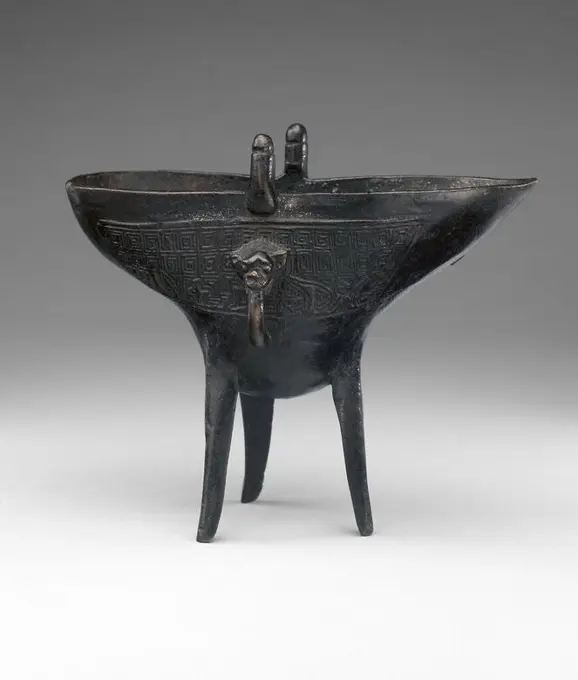
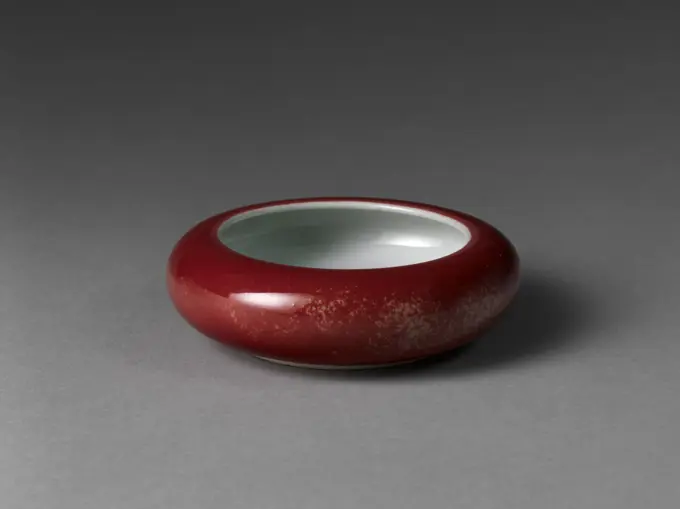
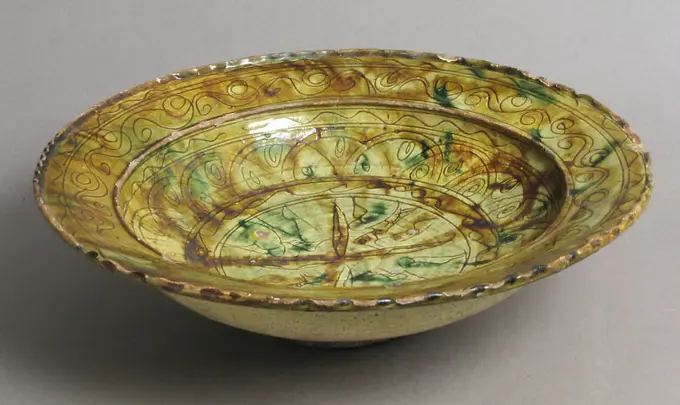
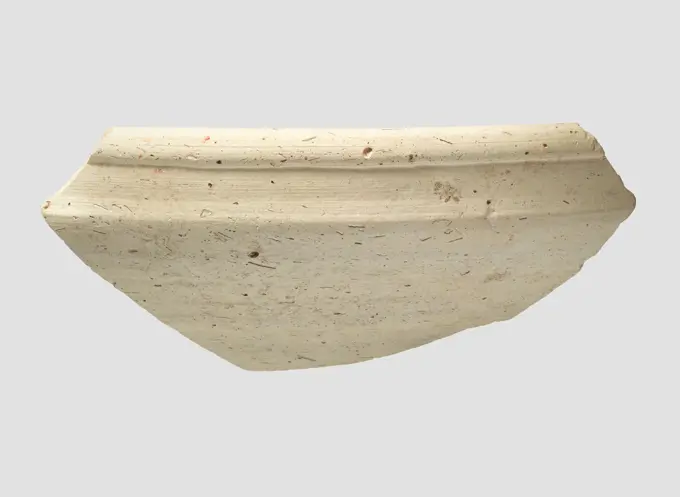
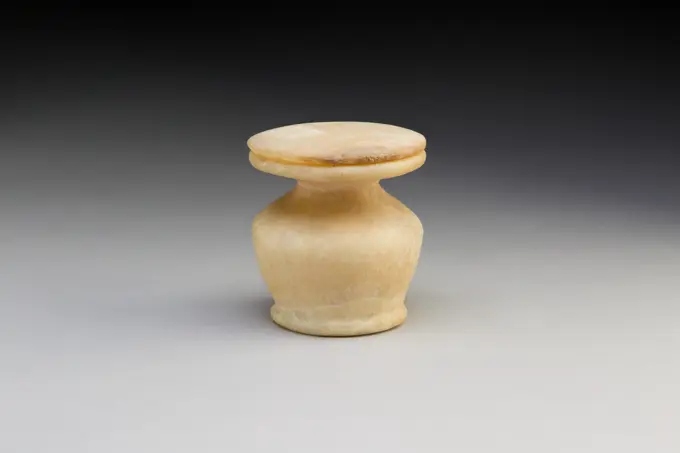
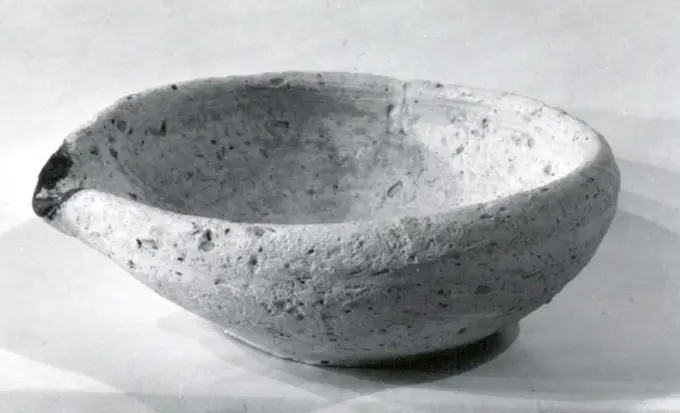
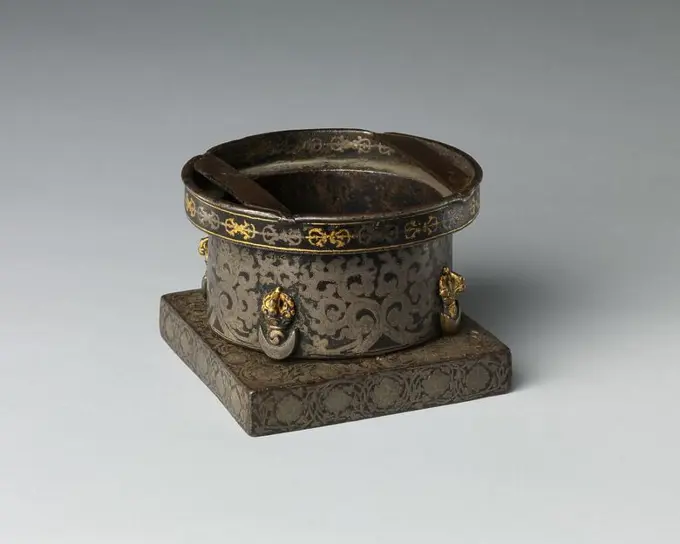
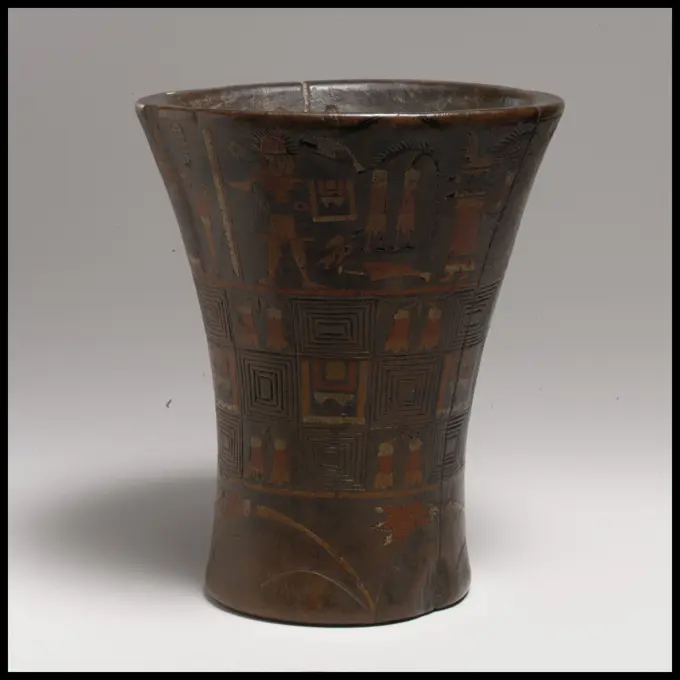
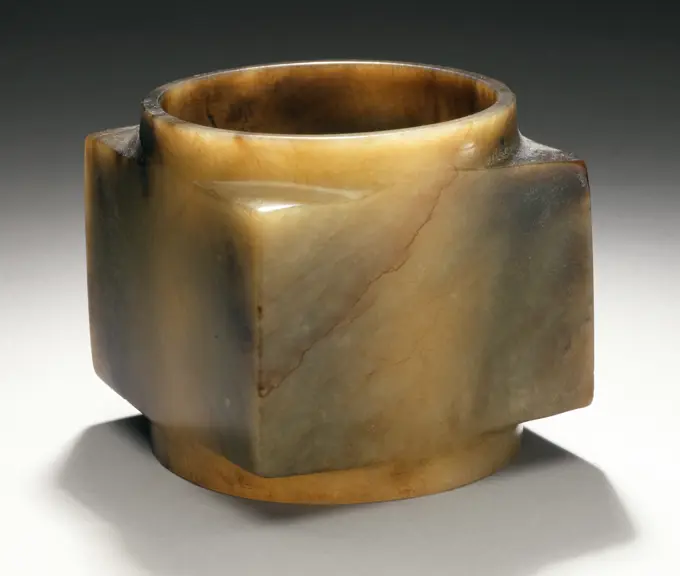
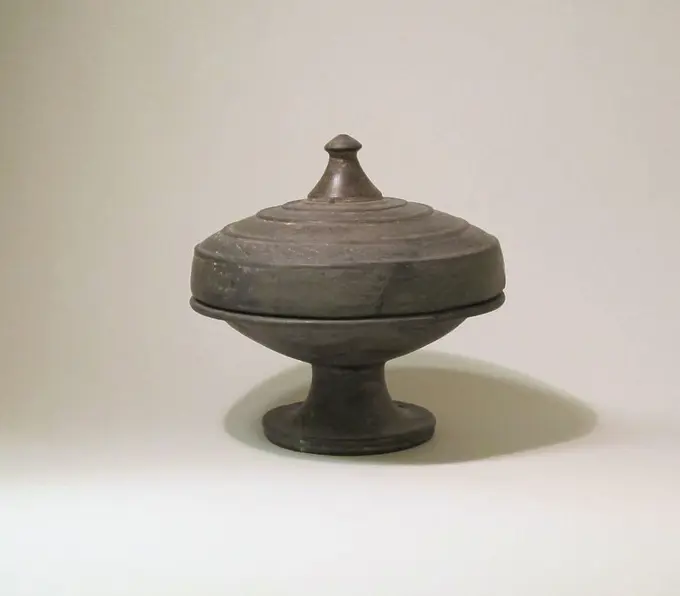
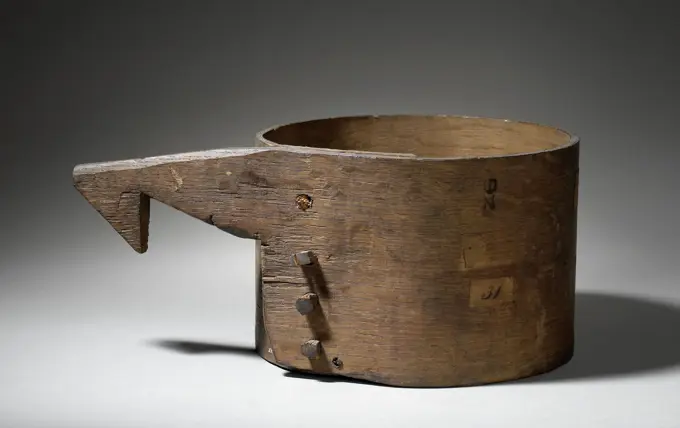
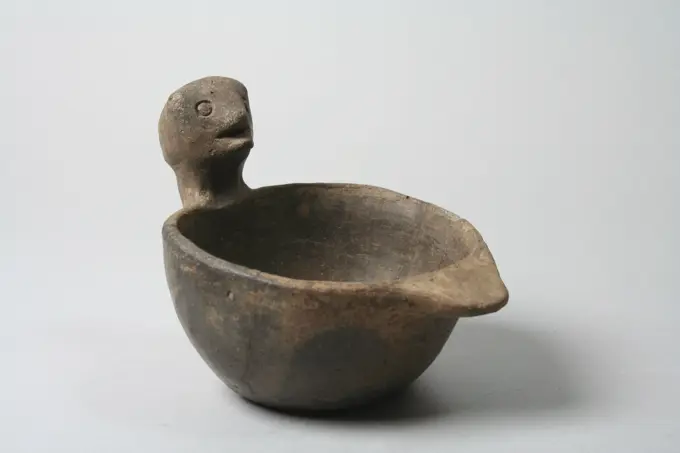
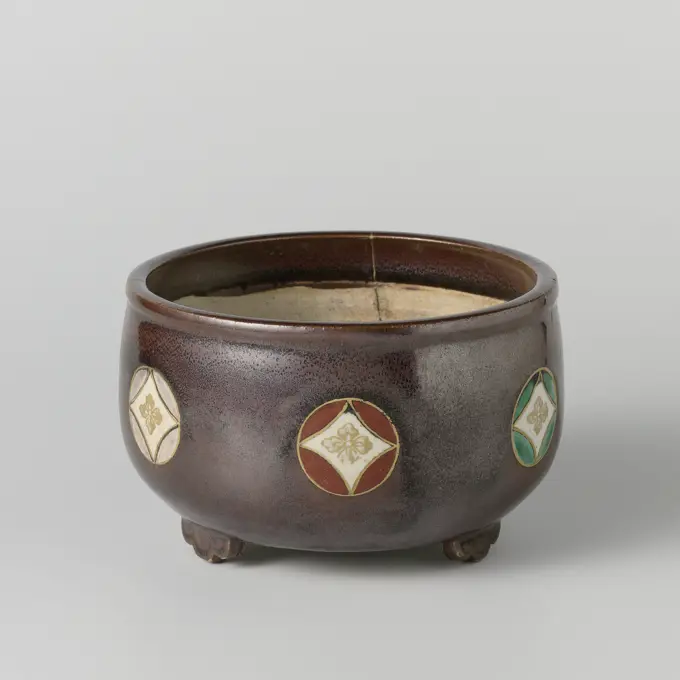
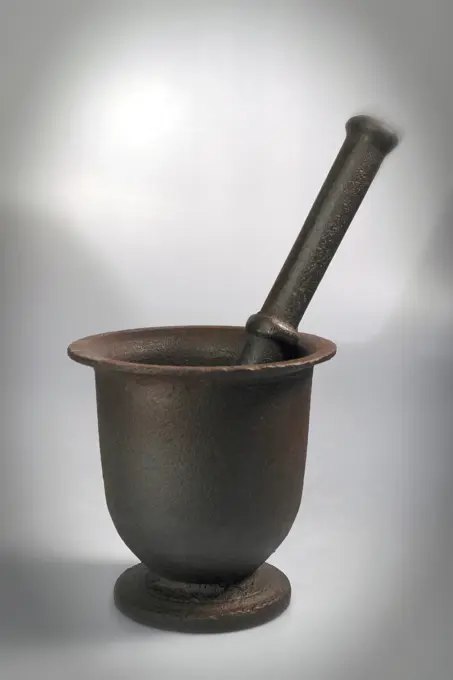
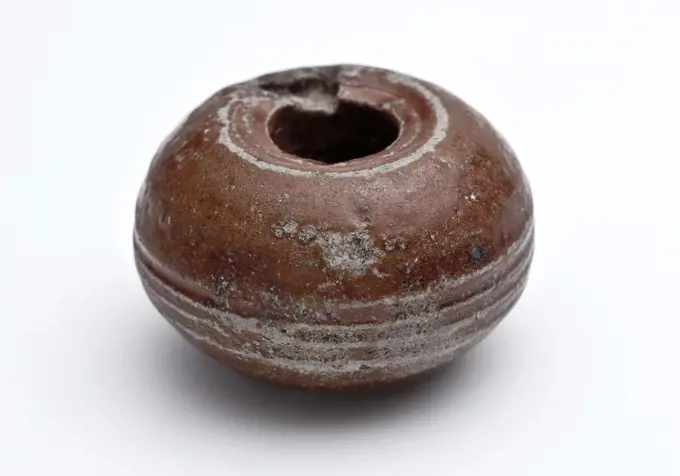
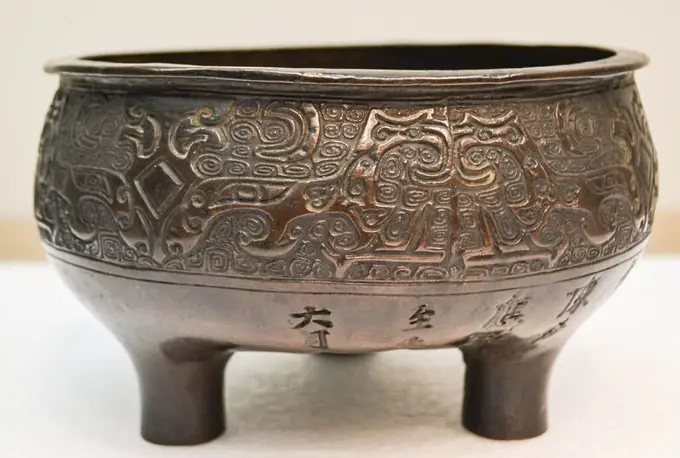
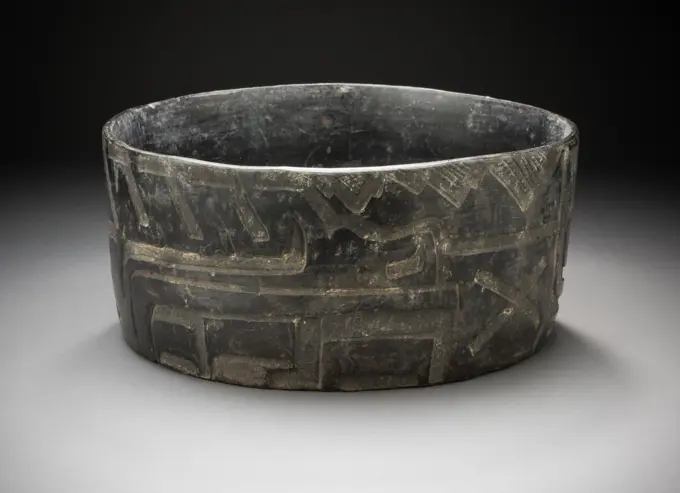
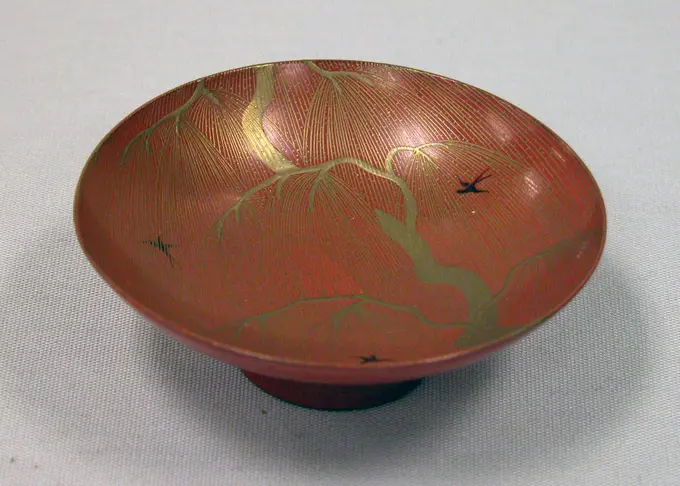
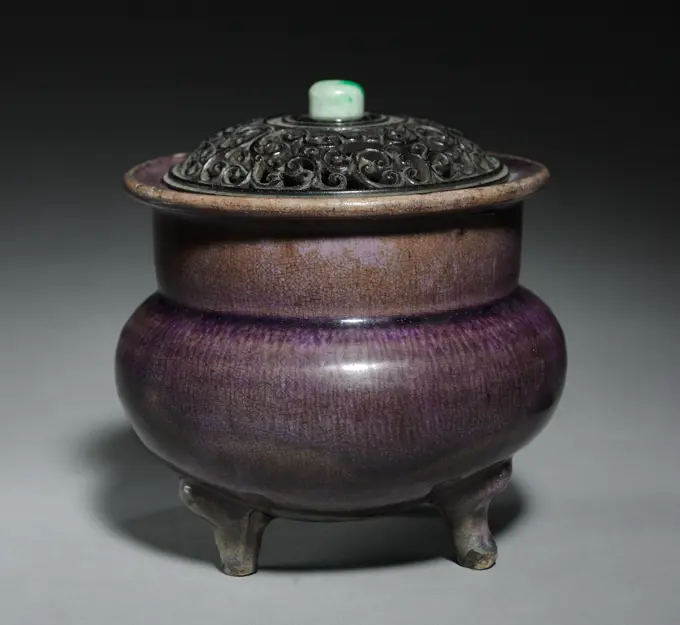
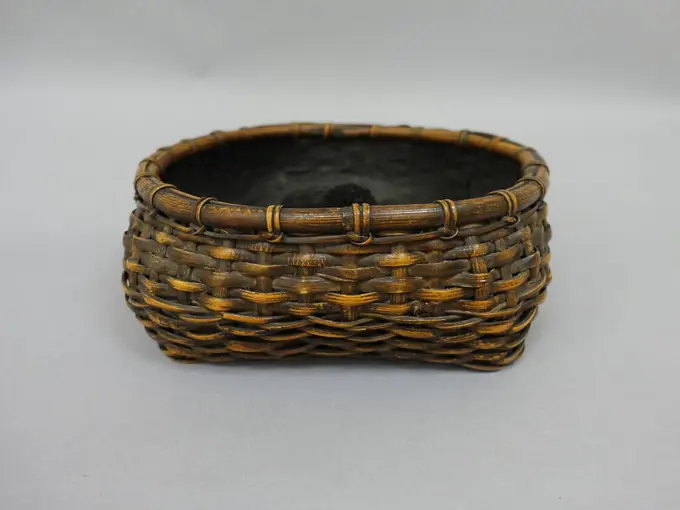
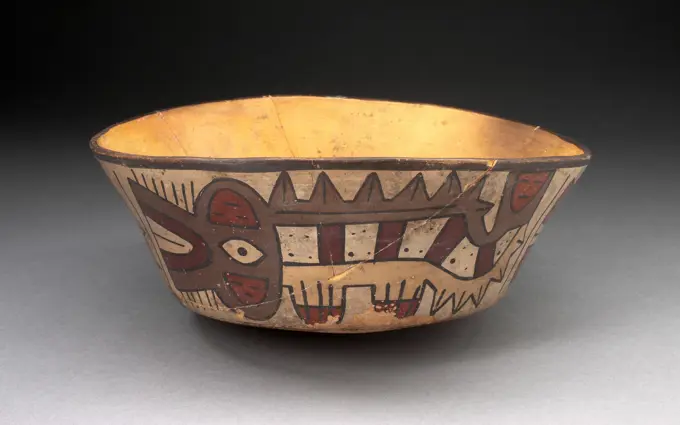
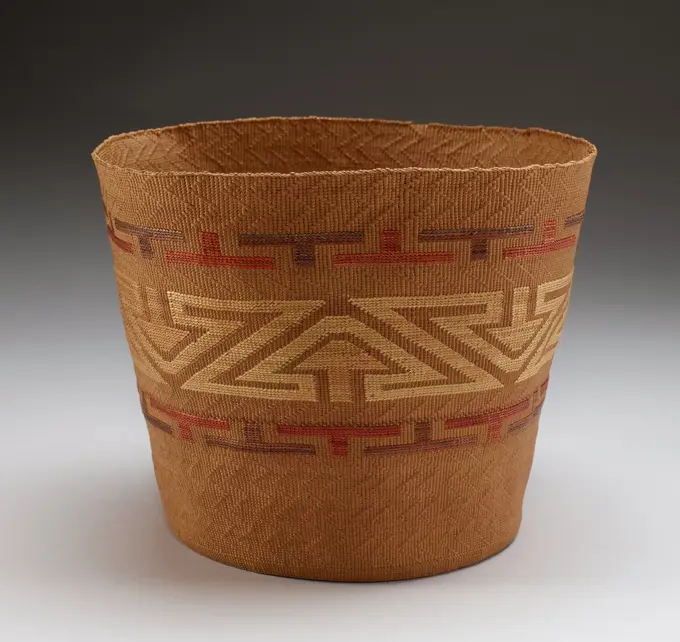
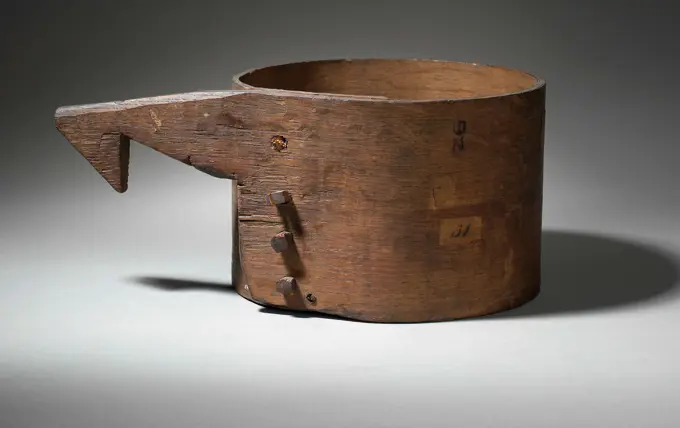
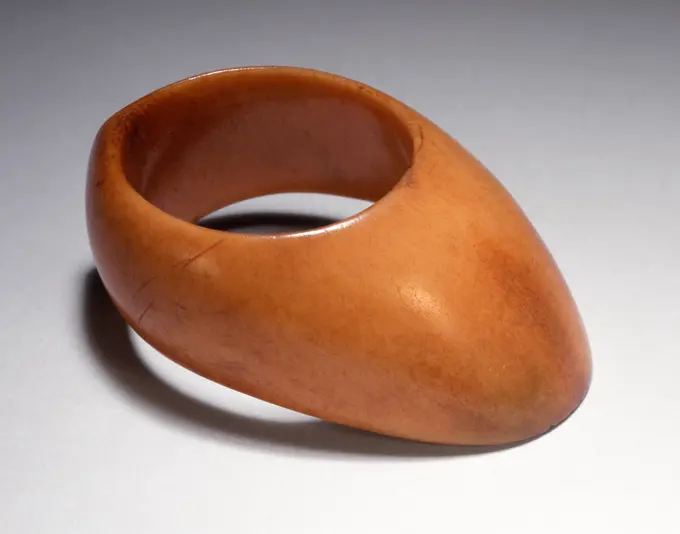
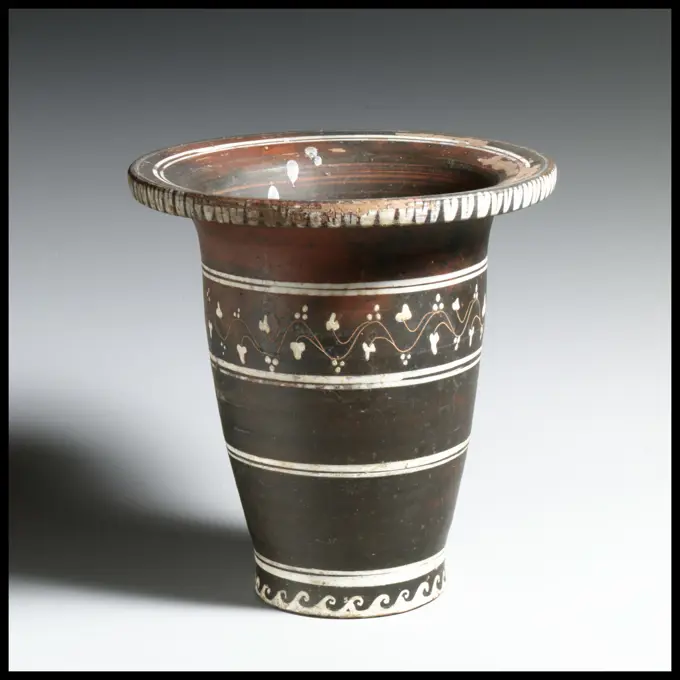
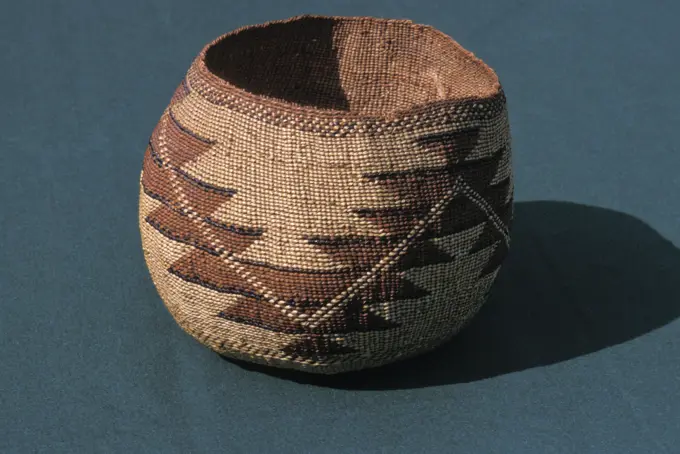
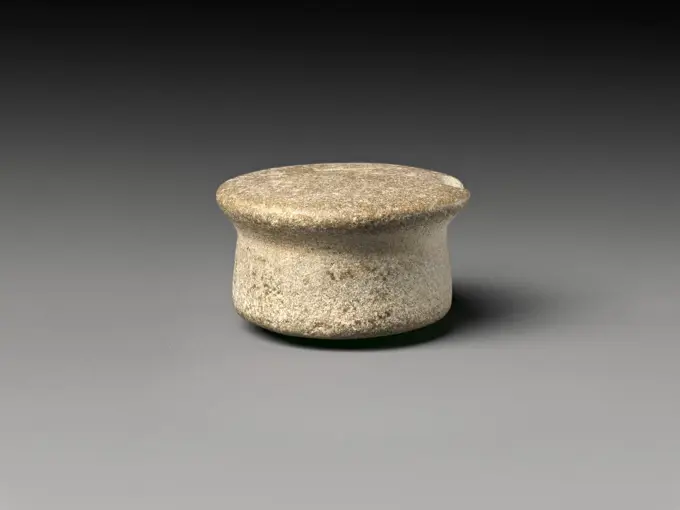
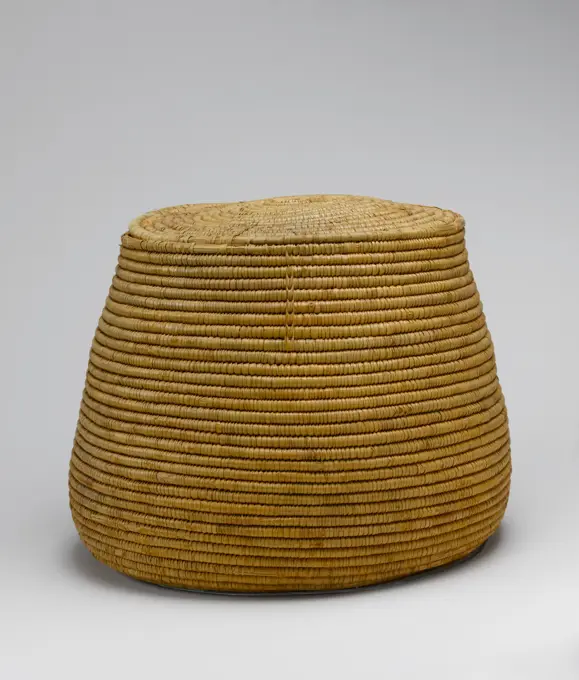
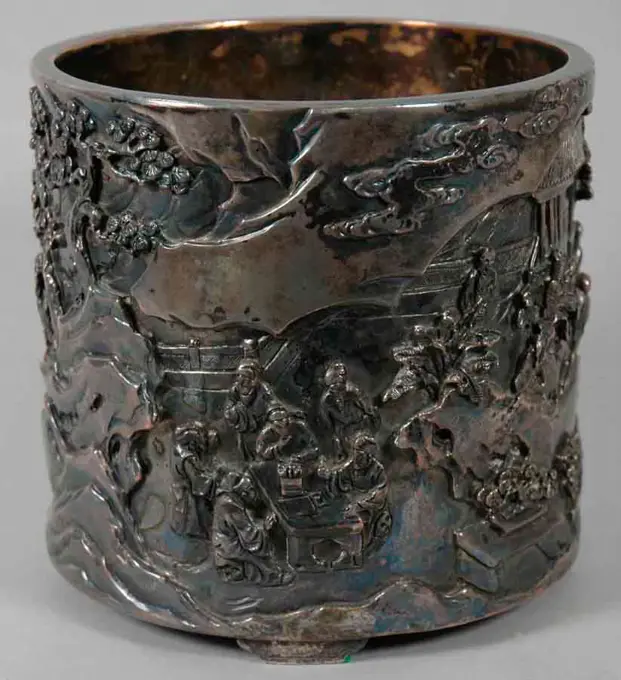
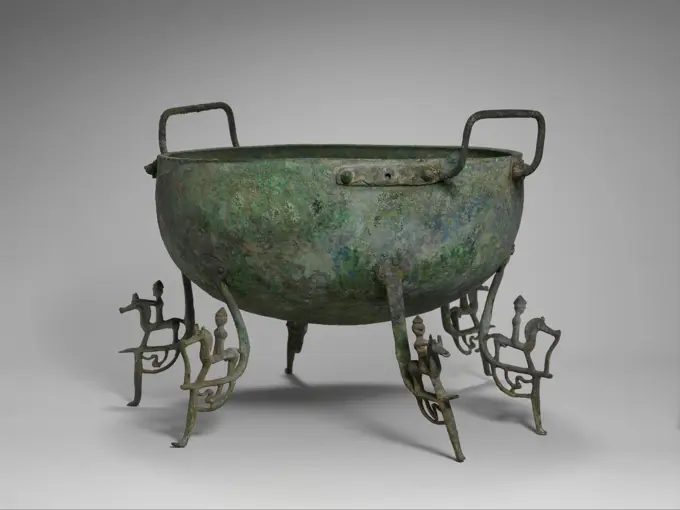
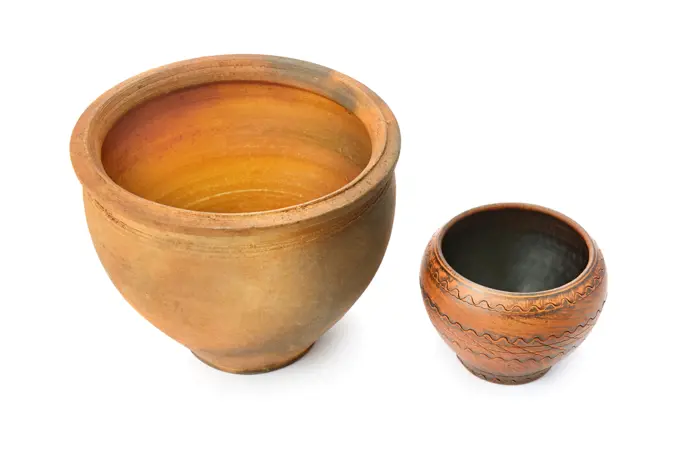
Set of old ceramic kitchen tools - retro equipment of cooking isolated on white background.Small saucer ca. 3100-2650 B.C. Early Dynastic Period. Small saucer. ca. 3100-2650 B.C.. Pottery. Early Dynastic Period. From EgyptTerracotta one-handled cup late 8th century B.C. Greek, Attic From the Hymettos deposit (see 30.118.1). Terracotta one-handled cup. Greek, Attic. late 8th century B.C.. Terracotta. Geometric. VasesGlass mosaic bowl late 1st century B.C.-early 1st century A.D. Roman, probably Italian Translucent cobalt blue and opaque white.Upright rim with rounded edge; convex curving side; shallow convex bottom.Composite mosaic pattern formed from large polygonal sections of a single cane in a blue ground with a white spiral.Intact; pitting, dulling, and iridescent weathering.. Glass mosaic bowl 24570135mm originalCzarka "megaryjska". warsztat MonogramistyGlazed ceramic bowl with checkered heraldic shield . Edge diameter 120 mm Base diameter 70 mm High 52 mm Width 159 mm Thickness 5 mm - Modern Era from the archaeological site of the "Calle Damas" in Alcala de Henares - " Burgo de Santiuste Museum" . (Madrid). SPAIN.Brush Pot, 1662-1722, 6 x 7 1/2 x 6 15/16 in. (15.24 x 19.05 x 17.62 cm), Bamboo, China, 17th-18th century, Cut from a large oval section of bamboo, this thick-walled brushpot is deeply carved with a scene depicting the 'Seven Sages of the Bamboo Grove.' The legendary seven sages were historical figures of immense literary refinement who were frequently depicted in scholars' items. The central group is shown standing amongst bamboo admiring a scroll. To their left another figure overlooks two seated sages playing wei-ch'i, a form of chess. A short poetic inscription is engraved in the top right-hand corner describing the sages within their pine and bamboo setting.Pottery ointment jar, cylindrical model, red shard, internally glazed, ointment jar pot holder soil find ceramic earthenware glaze lead glaze, hand turned glazed baked Pottery ointment jar cylindrical model red shard internal light brown glazed Flat oblique inward directed top edge. Narrowing of the boiler above the standing surface. Rotary rings on the inside on the boiler and soil archeology health care indigenous pottery pharmacy store sell craftSmall rimmed bowl ca. 2750-2649 B.C. Early Dynastic Period. Small rimmed bowl. ca. 2750-2649 B.C.. Fossiliferous limestone. Early Dynastic Period. From Egypt, Memphite Region, Saqqara, Tomb 2322, Egyptian Antiquities Service/Quibell excavations, 1910-11. Dynasty 2, second halfMiniature Bowl with Interior Bird-Wing Motif 1250-1400 Southwest. Ceramic and pigment . Ancestral Pueblo (Anasazi)Palace Ware beaker ca. 7th century B.C. Assyrian. Palace Ware beaker 324347Content measurement of 1/2 decaliter, anonymous, c. 1825  SPANS CONTENT MATTER OF 1/2 DECALIST. Netherlands wood (plant material)   NetherlandsWine Cup of Archaistic Design. Culture: China. Dimensions: H. 5 3/8 in. (13.7 cm); W. 2 3/8 in. (6 cm); D. 6 1/4 in. (15.9 cm). Museum: Metropolitan Museum of Art, New York, USA.Bowl (one of a pair) ca. 10th-11th century China. Bowl (one of a pair) 42478BowlBrush Washer 1678-88 China The brush washer is dated to the early years of the reign of the Kangxi emperor based on an analysis of the style of the handwriting used for the six-character mark on the base. The Kangxi period is the only Qing-dynasty reign for which such precise analysis currently exists.. Brush Washer. China. 1678-88. Porcelain with peach-bloom glaze (Jingdezhen ware). Qing dynasty (1644-1911), Kangxi mark and period (1662-1722). CeramicsTricolor Bowl. Culture: Byzantine. Dimensions: Overall: 3 7/8 x 13 5/8 in. (9.9 x 34.6 cm)diam. of foot: 4 1/8 in. (10.5 cm). Date: 14th century.The decorative patterns freely drawn on sgraffito-ware of the later Byzantine period appear to derive from more formal compositions found on metalwork. Museum: Metropolitan Museum of Art, New York, USA.SEP 26, 2013 Neuchatel, Switzerland - Old Bronze-Age ancient antique pot and containers of local people near lake Neuchatel exhibits in Latenium Archaeological MuseumBowl rim sherd ca. late 3rd millennium BCE View more. Bowl rim sherd. ca. late 3rd millennium BCE. Ceramic. Early Bronze Age. Mesopotamia, Tell Taya. Most Raku ware is glazed in a single colour. The pleasure of these bowls lies in unforeseen details and in the tactile quality of their thick, irregular glaze. Some bowls have contrasting decorations (where the dark glaze was scraped off). Here, for instance, the ornament takes the form of flaming pearls, a symbol of wisdom and insightIncised Bowl 5th-3rd century B.C. Paracas. Incised Bowl. Paracas. 5th-3rd century B.C.. Ceramic, pigment. Peru, Ica Valley. Ceramics-ContainersKohl Jar ca. 1504-1447 B.C. New Kingdom This Egyptian alabaster kohl jar was found with two other alabaster jars inside the coffin of a scribe named Amenemhat. The jars had been placed near the head of the mummy along with a bundle containing knives, razors, and a whetstone. All three were well made from fine-grained white stone. This one contained the remains of powdered antimony, or kohl, an eye makeup used by both men and women.Amenemhat was the son of a man named Neferkhawet, and his burial was found in the family tomb in Western Thebes.. Kohl Jar. ca. 1504-1447 B.C.. Travertine (Egyptian alabaster). New Kingdom. From Egypt, Upper Egypt, Thebes, Asasif, Tomb of Neferkhawet (MMA 729), east chamber, Burial of Amenemhat (V), inside coffin by head, MMA excavations, 1934-35. Dynasty 18, earlyContent measure of 1 decaliter. SPANS CONTENTS OF 1 DECALITER.Lamp ca. 6th-8th century A.D. Sasanian or Islamic This lamp is shaped like a small bowl. It has a flat base and a rounded rim with a pinched spout. It is made of a buff clay using a potters wheel. Scorch marks around the rim indicate that it was used in antiquity.This lamp was excavated at Qasr-i Abu Nasr, a Sasanian town near modern Shiraz, Iran. It was found in the western area of the site, where material dating to the Sasanian and Islamic periods was recovered. The simple form of this lamp makes it difficult to date precisely, as it has parallels in both Sasanian and early Islamic material.Lamps like this one were the primary lighting technology available to most people at Qasr-i Abu Nasr. Presumably some sort of plant oil, such as sesame or castor oil, was used as fuel. The simple form of the lamp made it easy to fill and clean. Since it has a flat base and no handle it was most likely intended to be placed on a table or shelf.. Lamp 322963Base from a Purification Brazier. Culture: Tibet, probably Derge. Dimensions: H. 3 5/16 in. (8.4 cm); W. 4 9/16 in. (11.6 cm); Diam. 4 3/4 in. (12.1 cm). Date: 15th-17th century.This brazier was used for burning sacrificial offerings during purification rites. The circle-on-a-square configuration is echoed in the fire-offering ladles displayed nearby. The base and the drum display a meandering lotus-flower decoration, the drum with four flaying knives in high relief. All the gold and silver decoration is damascened. Museum: Metropolitan Museum of Art, New York, USA.Bowl 12th-13th century. Bowl 447960Vase first half of the 6th century B.C. Etruscan Bowl on high flaring foot; around rim, human figures and chimaeras.. Vase. Etruscan. first half of the 6th century B.C.. Terracotta; bucchero. Archaic. VasesCeramic dipper cup with geometrical decorationFragment of foot, soil, trunk and calyx of berkemeier, berkemeier drinking glass drinking utensils tableware holder soil find glass forest glass, free blown and formed glass application Fragment of part of base of bottom of part of trunk and small part of chalice of berkemeier in clear light green glass (forest glass) One Twelve times round glass wire as base of which about quarter is missing Pontilmark underneath the bottom (1.8 cm). Hollow trunk set with two rows of five excellent thorn buds On open transition to calyx with continuous round smooth glass thread Slight part of smooth calyx archeology drinkCovered Stem Bowl with Openwork Decoration 400 CE-599 CE Korea. Stoneware with incised decoration .Jar with Basketweave Pattern. China. Date: 100 AD-199 AD. Dimensions: H. 24.1 cm (9 1/2 in.). Stoneware with thin ash glaze and underglaze impressed decoration. Origin: China. Museum: The Chicago Art Institute, Chicago, USA.Pottery cup with white painted decoration and four raised bosses Minoan, 1950-1850 BC . From the Isthmus of Ierapetra.Kero 16th-18th century Quechua This kero follows the predominant early colonial format, confining its complex main scene to the upper register.. Kero 316841Lamp. UnknownPottery bowl with two horizontal ears, wide model with small foot, ear bowl bowl container holder soil find ceramic glaze lead glaze, hand-turned baked glazed Tapered bowl with two upward curved horizontal ears flat slightly hollow bottom Yellow shard Wide model with narrow stand. Inside yellow outside green. Restoration is repainted archeology Rotterdam Stadscentrum Stadsdriehoek Schielandshuis indigenous pottery serving food serving table room Soil discovery: Gallery garden Schielandshuis 1985.Sake vessel (Heishi) late 16th century Japan Ritual sake bottles, made in pairs, were used in Shinto shrines for offerings to the kami. Most of these sake vessels are Negoro lacquers associated with the Negoro-dera Temple in Wakayama Prefecture. Turned on a lathe in pieces and then assembled, each is set on an upright, splayed base and features a tapered body, rounded shoulders, and neck rising to a rounded lip. A black-lacquer underlayer shows through the red outer layer in random patches due to use.. Sake vessel (Heishi) 53873Beaker. UnknownRitual Tube (Cong). China, probably Henan Province, Late Shang dynasty, Anyang phase, about 1300-1050 B.C.. Sculpture. Abraded jadeDish with lid. Culture: Etruscan. Dimensions: Other (height with cover): 5 7/8in. (14.9cm)Other (height without cover): 3 1/4in. (8.3cm). Date: second half of 6th century B.C..Decorated with punctured dots. Museum: Metropolitan Museum of Art, New York, USA.1/32 Boisseau from Delft, Anonymous, c. 1800  Span -potato size of 1/32 boisseau with handle. Marked and v.z.v. Labels. Delft wood (plant material)   DelftBowl, Head on Rim 11th-14th century Mississippian. Bowl, Head on Rim 318584Cylindrical Vessel. Maya; Mexico or Guatemala. Date: 250 AD-900 AD. Dimensions: 18.4 x 13.3 cm (7 1/4 x 5 1/4 in.). Ceramic and pigment. Origin: Mexico. Museum: The Chicago Art Institute, Chicago, USA.Incense burner with a 'tea dust' glaze and roundels with flowers, anonymous, c. 1850 - c. 1899 Incense burner (Hibachi) of stoneware on three three -lobe feet, covered with a shiny red -purple glaze (Tea Dust) and painted on the glaze in red, green, eggplant and gold. On the outer wall six medallions with a stylized flower in a window. Three cracks in the wall, repaired with gold lacquer. Old label on the bottom with 'Ninsei (style)'. Kyoyaki. Kyoto stoneware. glaze. gold (metal) painting / gilding / vitrification Incense burner (Hibachi) of stoneware on three three -lobe feet, covered with a shiny red -purple glaze (Tea Dust) and painted on the glaze in red, green, eggplant and gold. On the outer wall six medallions with a stylized flower in a window. Three cracks in the wall, repaired with gold lacquer. Old label on the bottom with 'Ninsei (style)'. Kyoyaki. Kyoto stoneware. glaze. gold (metal) painting / gilding / vitrificationCylindrical tea caddy with a green brown glaze, anonymous, c. 1600 - c. 1699 Cylindrical dust bar or Chare of stoneware with an ivory lid, covered with a green brown glaze. The underside of the bus is unglazed. Old label on the bottom with 'W595'; Old label on the inside with 'Shigaraki/ 17th'. Shigaraki. Entrance stoneware. glaze. deksel: ivory vitrification Cylindrical dust bar or Chare of stoneware with an ivory lid, covered with a green brown glaze. The underside of the bus is unglazed. Old label on the bottom with 'W595'; Old label on the inside with 'Shigaraki/ 17th'. Shigaraki. Entrance stoneware. glaze. deksel: ivory vitrificationTemple Basket, 20th century, 3 3/4 x 11 x 11 in. (9.5 x 27.94 x 27.94 cm), Fiber, beads, mirror, sequins, Indonesia, 20th centuryKitchen things, mortar and pestle on gray background Copyright: xAnilxDave/DinodiaxPhotoxStoneware spinning with three ridges on the side, conical hole, spinning and spinless tools equipment soil find ceramics stoneware glaze salt glaze d 1.6, twisted pierced glazed baked Spherical brown glazed gray stoneware spider with three ridges on the side. Conical hole in the middle archeology Capelle aan den IJssel House in Capelle castle indigenous pottery import spinning textile wool wool processing clothing craft Soil discovery: moat south side Huis te Capelle ± 1395 - 1500 Capelle aan den IJssel 1963.Incense burner. Culture: China. Dimensions: H. 4 1/2 in. (11.4 cm); Diam. 7 1/2 in. (19.1 cm); Diam. of rim 7 1/4 in. (18.4 cm). Date: dated 1346.The form and décor of this remarkable incense burner are inspired by tripods of the late Shang (ca. 1600-ca. 1046 B.C.) and early Zhou (ca. 1046-256 BC) dynasty, but unlike its precursors, which were used as food containers, this vessel functioned as an incense burner. The piece has a generous bulbous body that sits on three stout legs. Encircling the vessel mouth is a band of décor featuring three stylized animal masks that stand in shallow relief above a dense ground of spirals--motifs loosely inspired by archaic bronzes. A circular medallion decorates the bottom of the vessel bowl between the three legs. The medallion consists of six concentric circles filled with vegetal scrolls, geometric patterns, and the eight trigrams used in Daoist divination. In contrast to the archaistic style of the animal masks, the medallion reflects the influeCeramic Bowl "Terra Sigillata Hispanic" type Drag 37 with geometric decoration in concentric circles . Mouth diameter 14 cm Height 7, 2 cm. ( 3rd- 4 th CE )- Roman period, from the archaeological site of Complutum in Alcalá de Henares ( Madrid ). SPAIN.Bowl with Zoomorphic Creature. Mexico, Valley of Mexico, Olmec, 1200-800 BCE. Stone. Slip-painted ceramic with post-fire pigmentOne of a Pair of Wine Cups (Sakazuki) with Willow and Swallows 19th century Japan. One of a Pair of Wine Cups (Sakazuki) with Willow and Swallows. Japan. 19th century. Red lacquer ground with gold hiramaki-e on black lacquer. Edo period (1615-1868). LacquerTripod: Ding, 1368- 1644. China, Ming dynasty (1368-1644). Porcelain; diameter: 19.1 cm (7 1/2 in.); overall: 17.2 cm (6 3/4 in.).Mukozuke food bowl. Mogusatsuchi beige sandstones, Covered Feldspathetic thingi-yu, Iron brown decor. End 16th century. Paris, Cernuschi museum. On the sides, decor with cross motif and hedge -shaped, painted with iron brown. Japanese art, beige, food bowl, iron brown, Japanese ceramic, thingki-yu, covered feldspahtic, late 16th 16th 16th 16th 16th century, gres, mogusatsuchi, mukozuke, containerMortar 12th-13th century. Mortar 445006Old objects straw bowlLid 11th-12th century. Lid 449366clay pot isolated on white backgroundCharcoal Basket. Culture: Japan. Dimensions: H. 4 in. (10.2 cm); Diam. 11 in. (27.9 cm). Date: 19th century. Museum: Metropolitan Museum of Art, New York, USA.Flaring Bowl Depicting Abstract Killer Whales Made 180 BCE-500 CE Peru. Ceramic and pigment . NazcaCylindrical Pyxis of the Grotta-Pelos Group. UnknownBasket, c. 1900-1915, 7 1/8 × 9 3/8 × 9 in. (18.1 × 23.81 × 22.86 cm), Plant fibers, pigments, United States, 20th centuryBickers - Nest of Cups, 1750-1900. Pinto Collection - Purchased from Edward H Pinto, 1965.. Made in Scotland. This is a very rare nest of bickers made in Scotland in the 18th century. Bickers were traditional Scottish drinking vessels and as shown in this nest, they were made in a variety of sizes.It was said that a skilled craftsman was able to make a bicker using only a knife. It was made of alternate sycamore and alder staves which fitted together with a series of small feather like notches. The whole vessel was then held in place with willow bands which were carefully laced together. A dried pea was inserted into a false base in the largest bicker, so that the cup rattled when a top up was required.Bronze ritual vessel, yi. Early Eastern Zhou, 7th - 6th century BC.Bowl ca. 2649-2100 B.C. Old Kingdom. Bowl 550160Gift Bowl, c. 1890- 1905. California, Wappo, late 19th- early 20th century. Sedge with beads; coiled ( 3 rods); overall: 8 x 15 cm (3 1/8 x 5 7/8 in.).Wineglass' coiled jar, 7 × 4 1/2 × 4 1/2 in. (17.78 × 11.43 × 11.43 cm), Plant fibers, United StatesThon late 19th century Thai The thon is usually paired with the rammana, a small, higher-pitched frame drum. They are used in the wong khrueang sai string ensemble with the sō¸duang and sō¸u (fiddles), chakhe (zither), khlui (flute), and other instruments.. Thon 500924Old objects mortarEmpty wooden bowl . Empty wooden bowl on a white background.1/32 Boisseeau from Delft. Spain potato size of 1/32 boisseAw with handle. Marked and v.z.v. Labels.Archer's Thumb Ring (zihgir). India, Mughal empire, mid-17th century. Jewelry and Adornments; rings. Walrus ivoryTerracotta kalathos (vase in the shape of a wool basket) ca. 325-300 B.C. Greek, South Italian, Apulian, Gnathian Ivy tendril. Terracotta kalathos (vase in the shape of a wool basket) 247384Ohlone bowl shaped storage basket decorated with geometric designs.Finger Ring. Western Iran, circa 1350-800 B.C.. Jewelry and Adornments; rings. Bronze, hammeredTea head of twisted wood, anonymous, c. 1800 - c. 1899 Four heads turned from a dark hardwood species. England (possibly) . Four heads turned from a dark hardwood species. England (possibly) .Burnisher () n.d.a.. Burnisher (). n.d.a.. Stone. Mesopotamia, NippurSifting Basket, before 1915. Africa, Angola or Democratic Republic of Congo, Chokwe peoples, late 19th-early 20th Century. Plant fibers and dye; overall: 39.4 cm (15 1/2 in.); outside: 39.4 x 20.7 cm (15 1/2 x 8 1/8 in.).Spittoon -Basket ca. 1525-1504 B.C. New Kingdom. Basket. ca. 1525-1504 B.C.. Palm leaf. New Kingdom. From Egypt, Upper Egypt, Thebes, Deir el-Bahri, Tomb of Meritamun (TT 358, MMA 65), corridor, MMA excavations, 1928-29. Dynasty 18Brush Holder with Literary Gathering 1736-95 China Famous historical literary gatherings were a favorite subject in painting and the decorative arts. The party on this rare silver brush holder may allude to the Gathering in the Western Garden, a legendary assembly of literary luminaries held in the city of Kaifeng in 1087.. Brush Holder with Literary Gathering 39855Bronze basin with six legs legs: ca. 700-650 B.C.; handled basin: 6th century B.C. Late Villanovan and Etruscan Such basins, decorated with abstract horsemen and birds, are especially common at Vetulonia, a probable site of manufacture. Most examples have only three legs and a basin without handles. Because the six legs on this piece are of two distinct types, it is likely that the object is really a pastiche composed of disparate ancient elements: two sets of solid-cast legs from about 700-650 B.C. and a handled basin from the sixth century B.C.. Bronze basin with six legs 254797 Late Villanovan and Etruscan, Bronze basin with six legs, legs: ca. 700650 B.C.; handled basin: 6th century B.C., Bronze, H. 9 in. (22.8 cm) diameter 12 1/4 in. (31.2 cm). The Metropolitan Museum of Art, New York. Purchase, Joseph Pulitzer Bequest, 1954 (54.11.1)Romanesque baptismal font, Saint, Saint