Ceramic Vessels and Lamps

Ancient pottery pieces, including cups and lamps, highlighting unique shapes and historical context, perfect for archaeological interest.

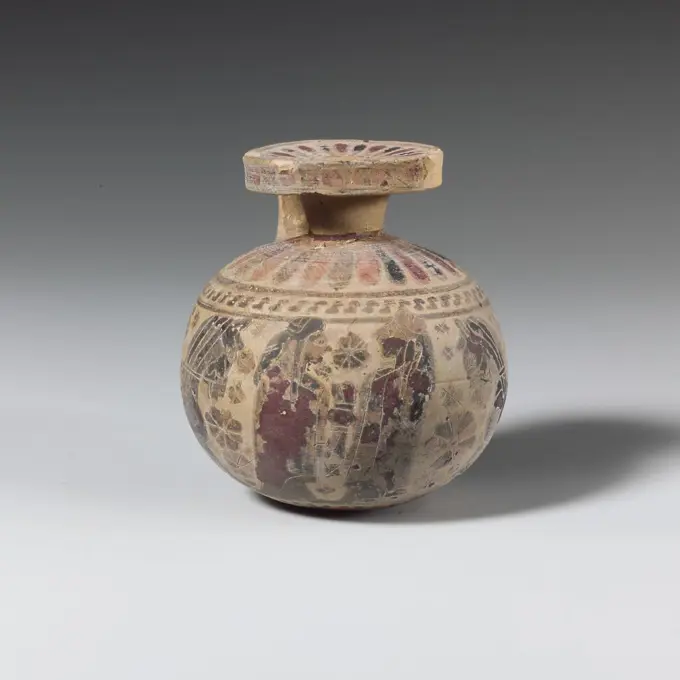
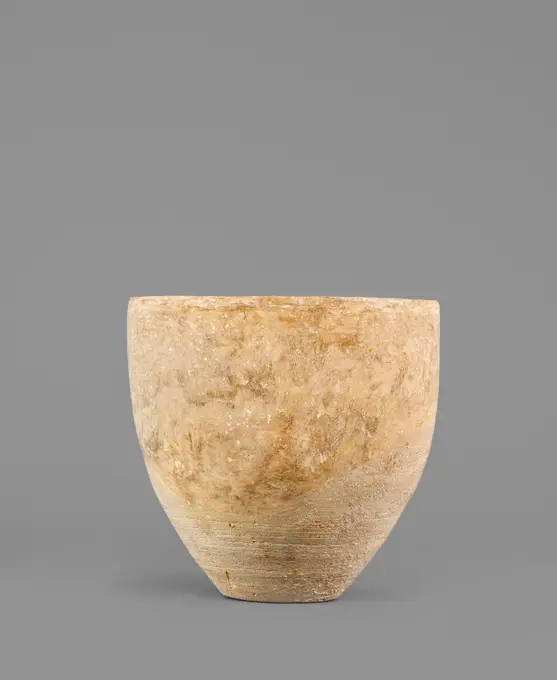
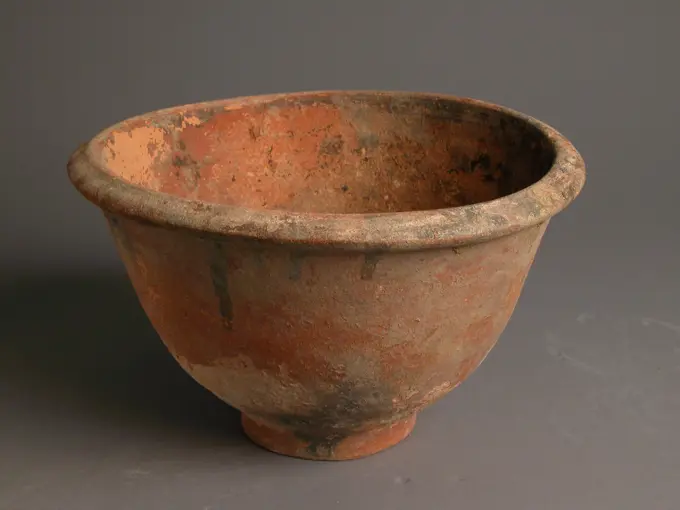
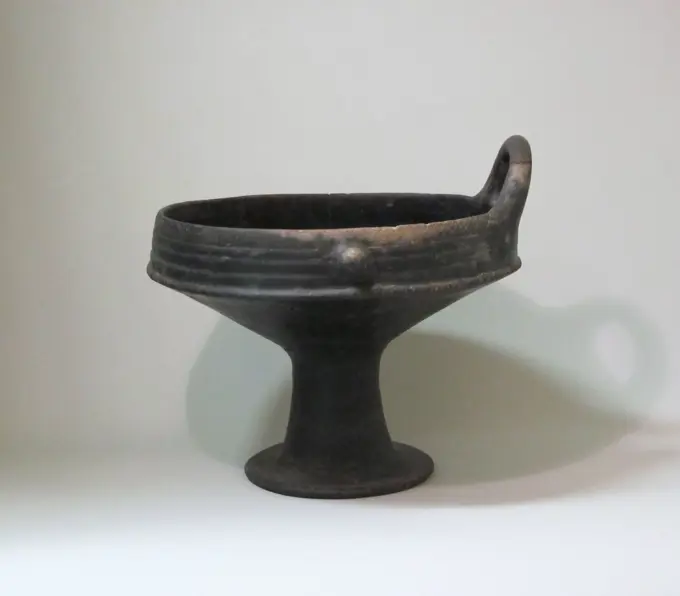
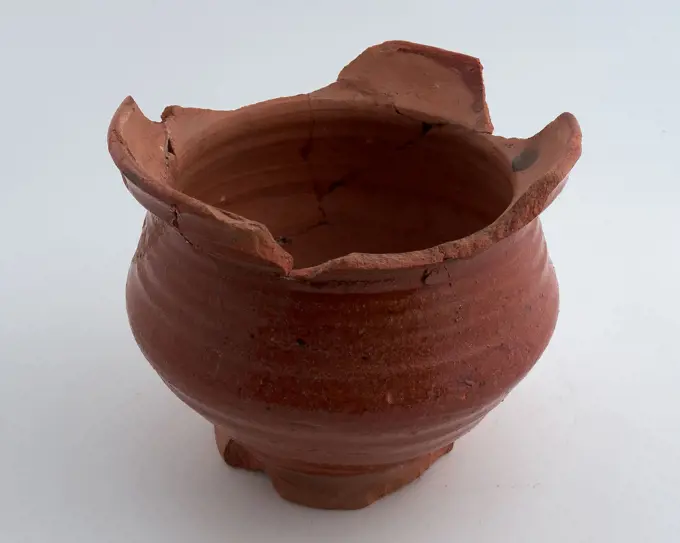
Brown Roman cup on foot, cup drinking utensils tableware holder soil find ceramic pottery paint, hand turned fried varnished Small Roman cup of red varnished earthenware. Conical model tapering upwards with strong constriction above the small foot. Stand surface. brown varnish layer archeology Poortugaal Albrandswaard indigenous pottery import drink serve serving Roman Soil discovery: Poortugaal palens slot north from freshly washed gray clay.
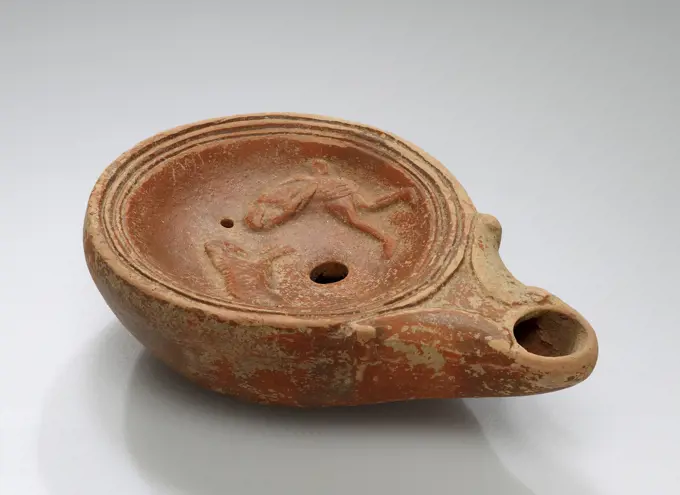
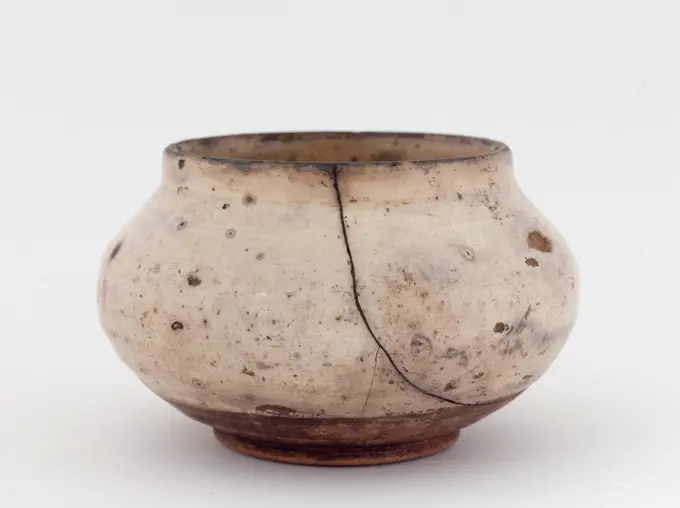
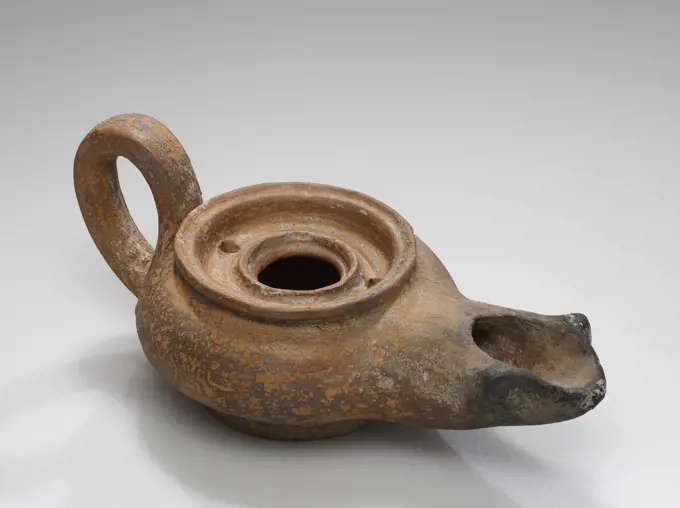
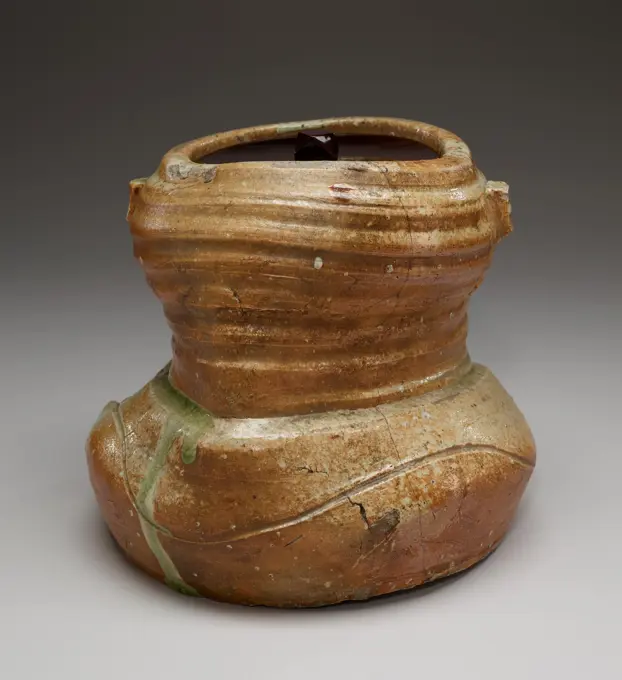
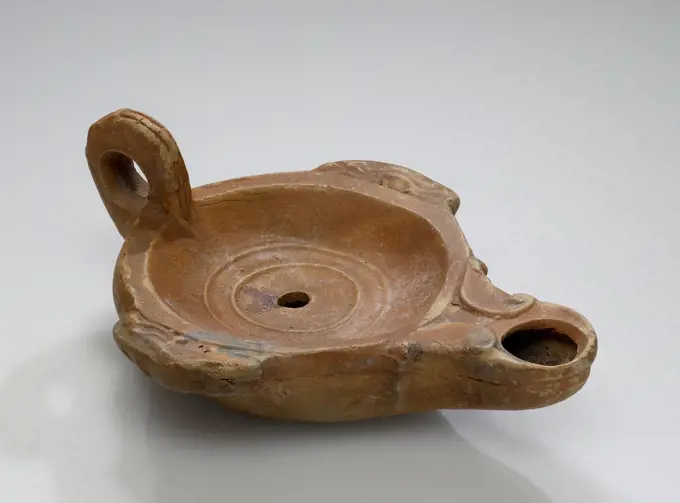
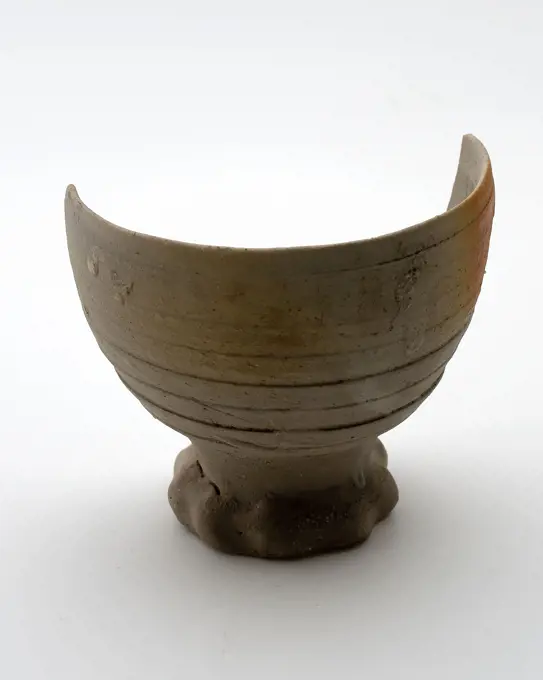
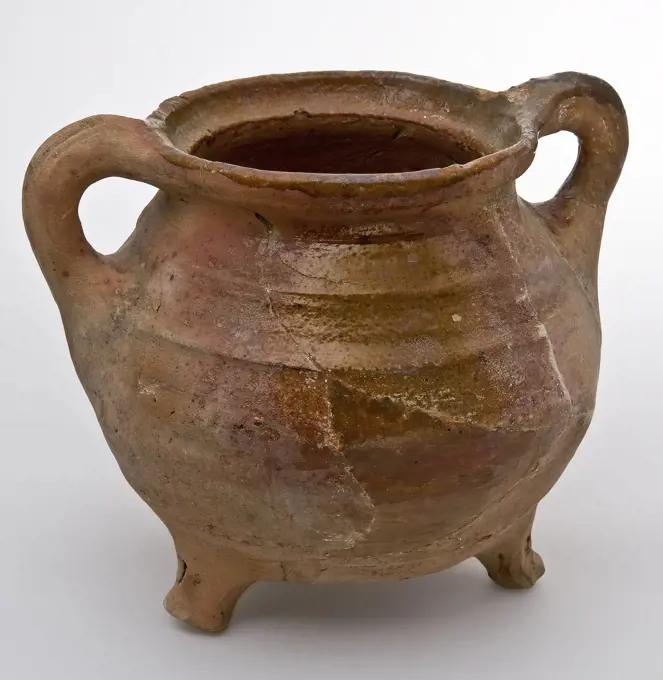
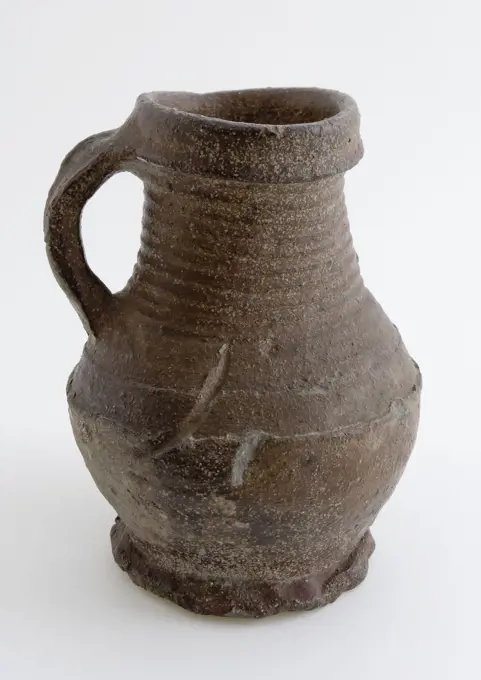
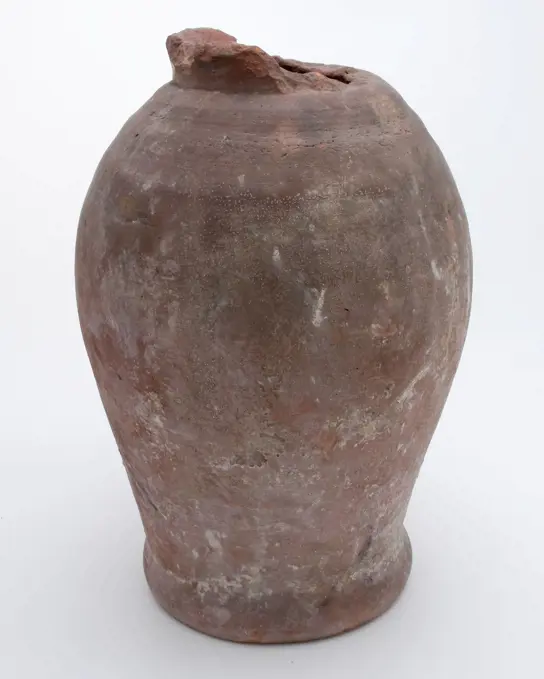
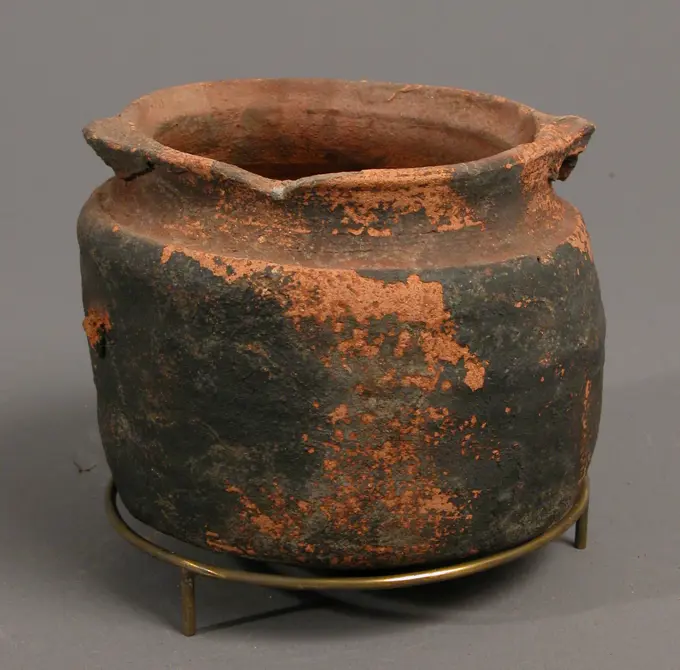
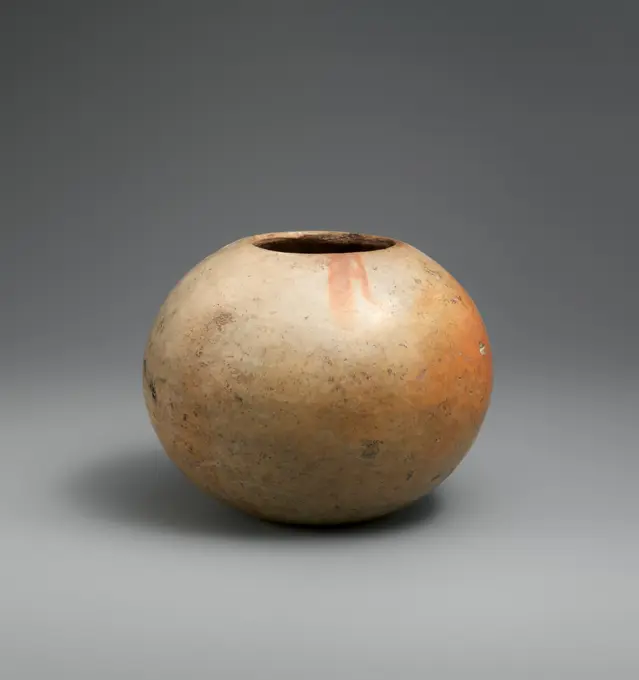
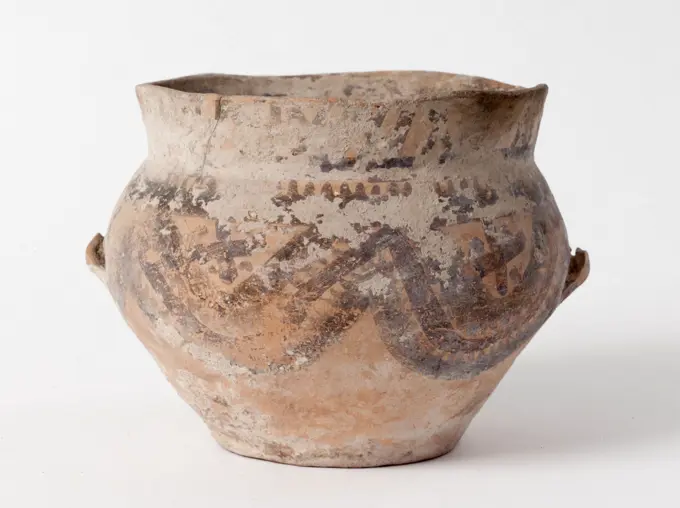
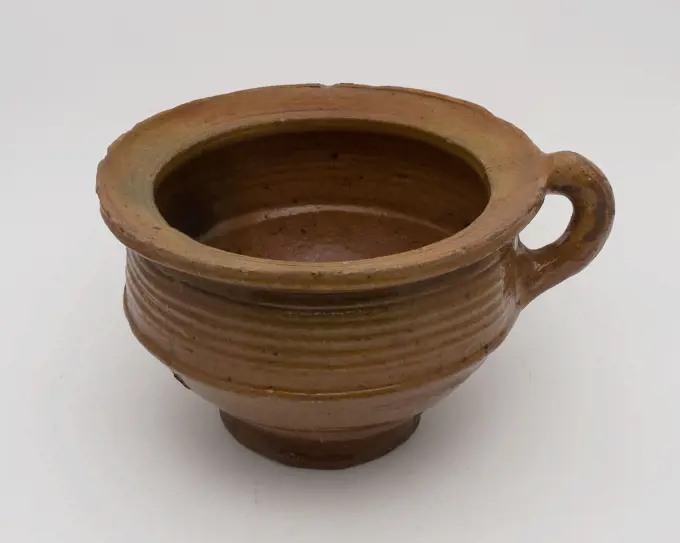
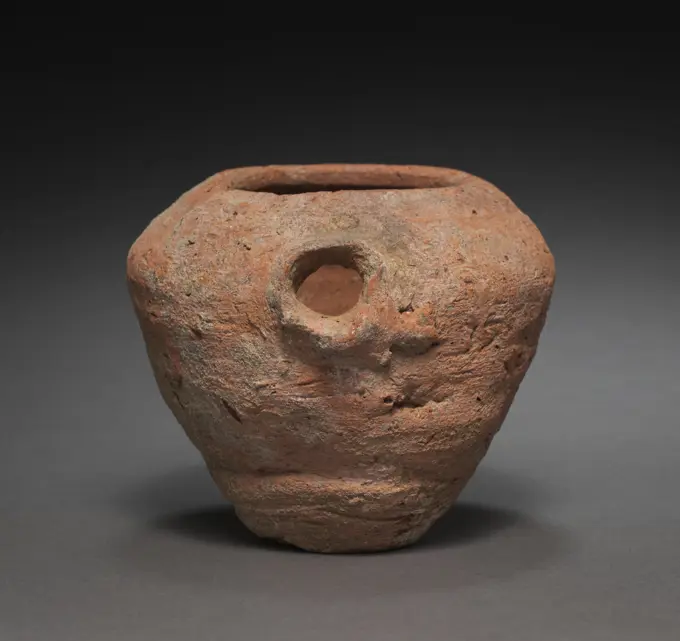
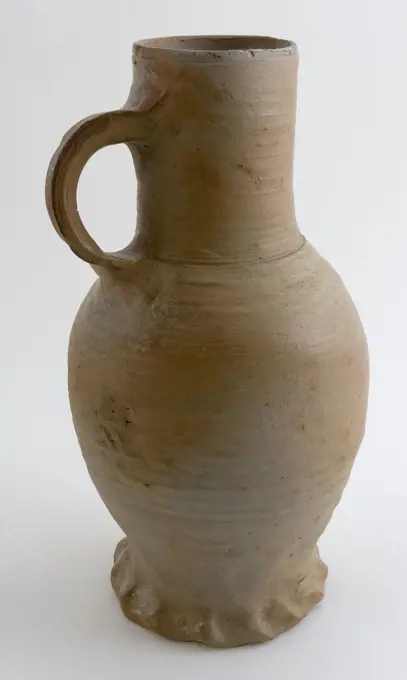
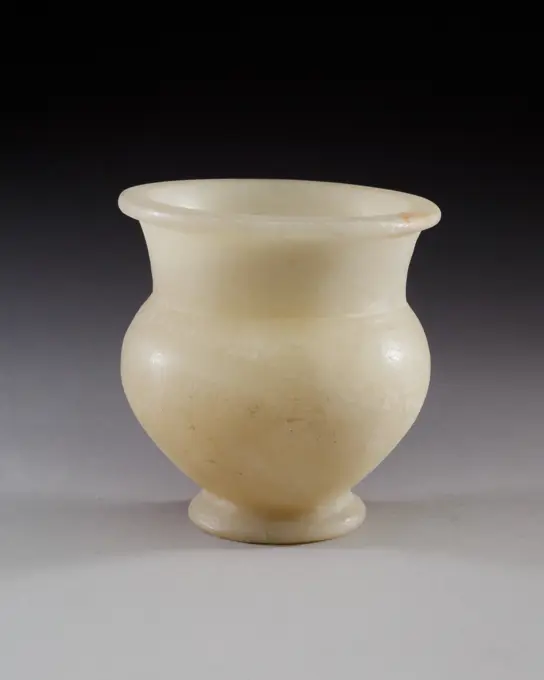
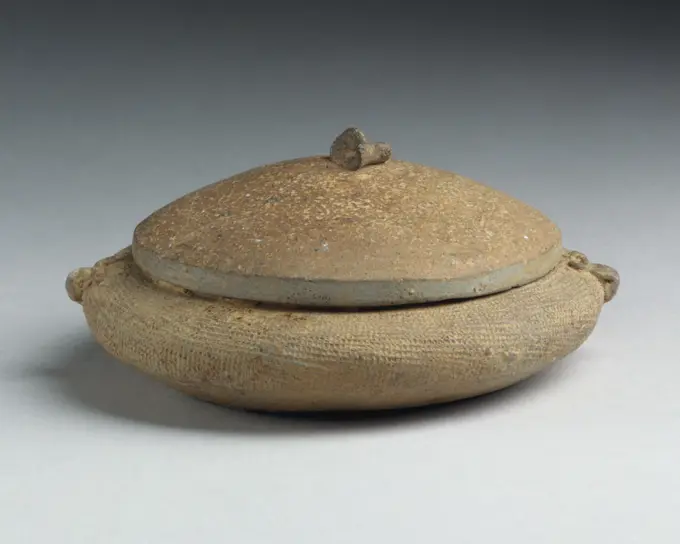
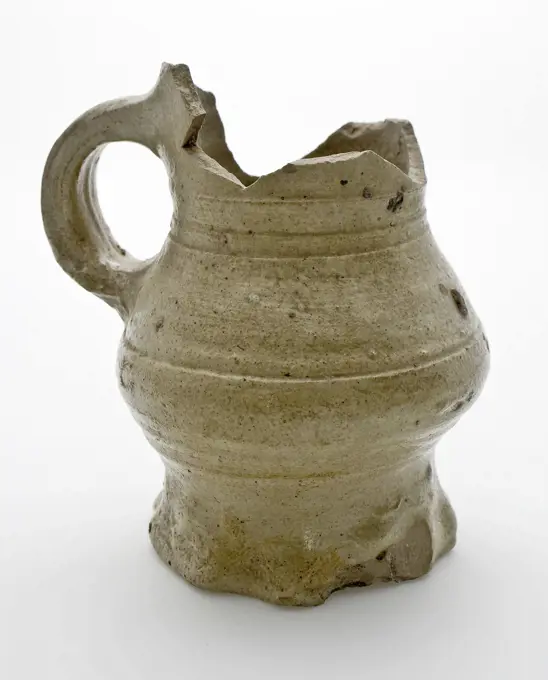
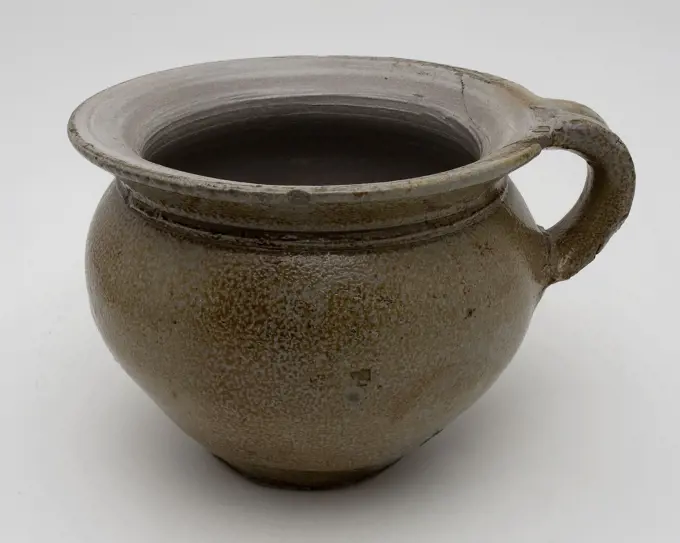
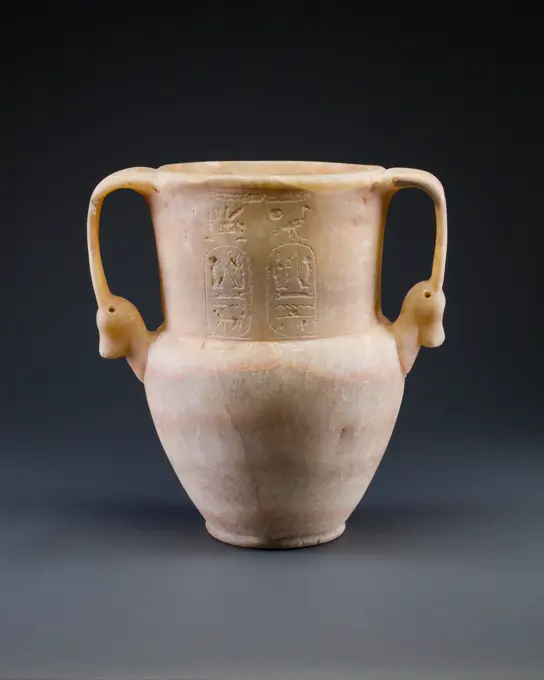
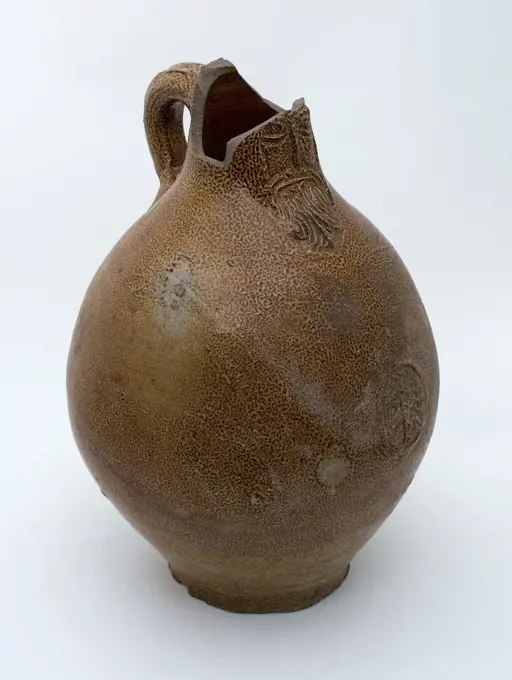
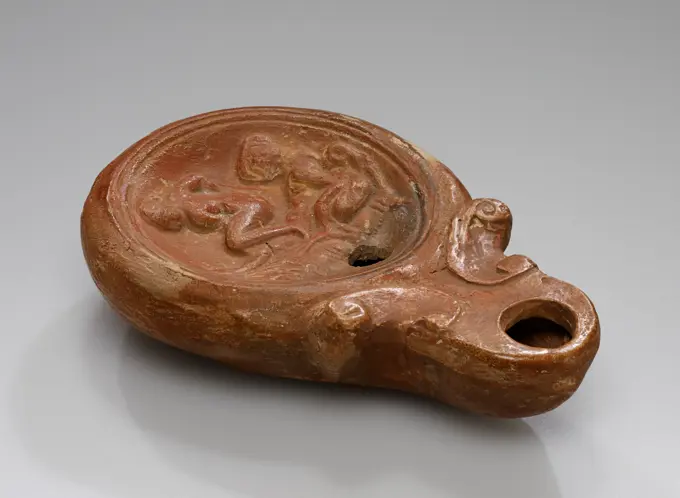
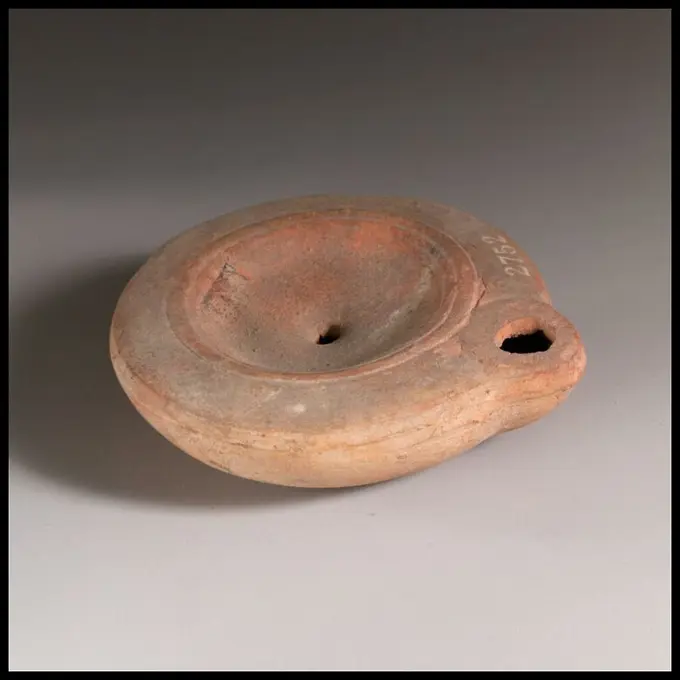
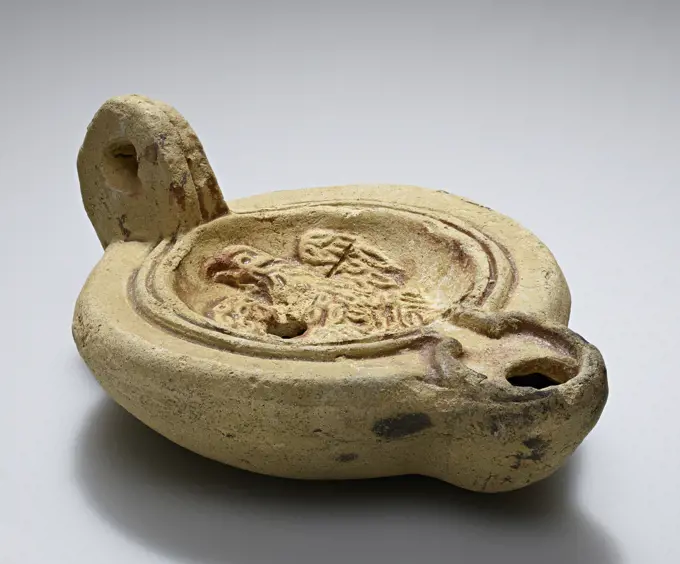
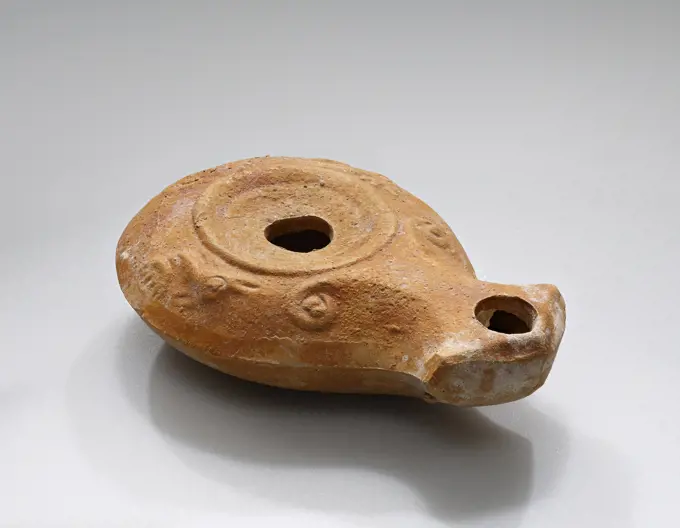
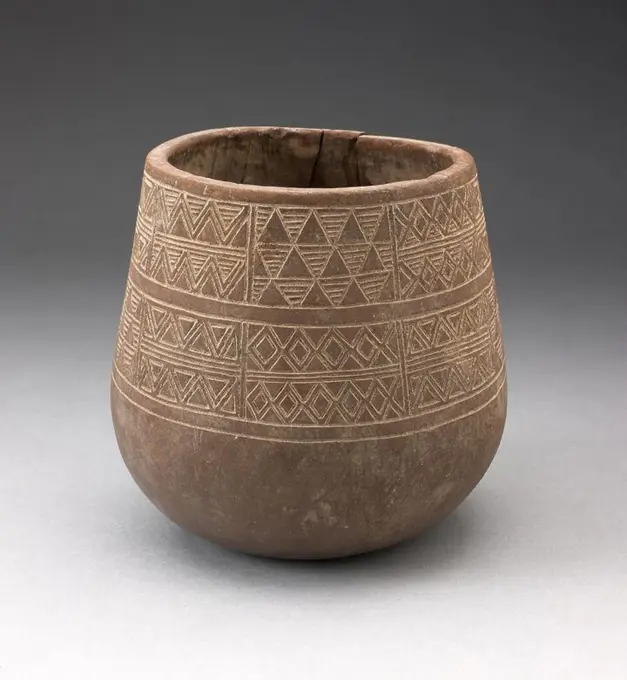
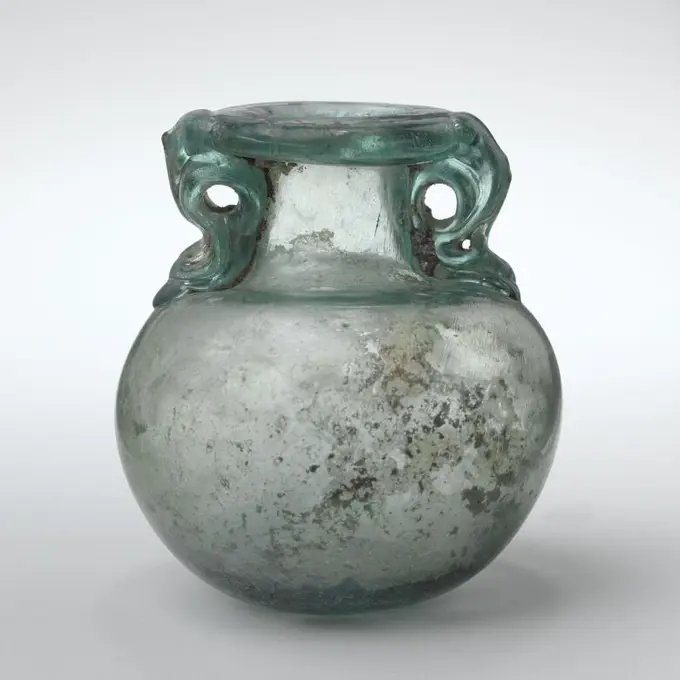
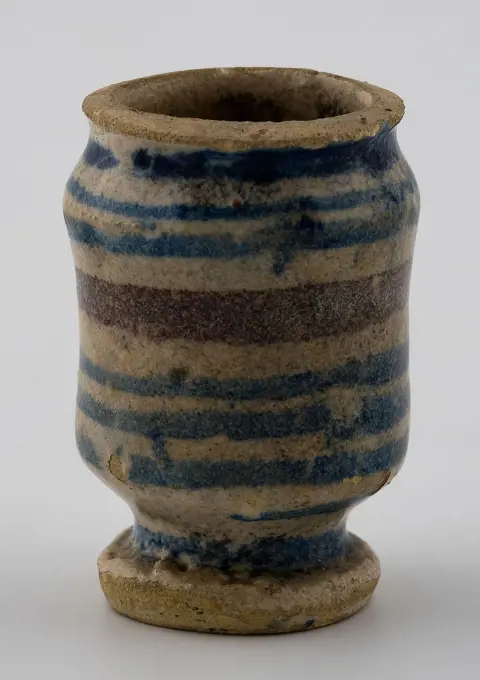
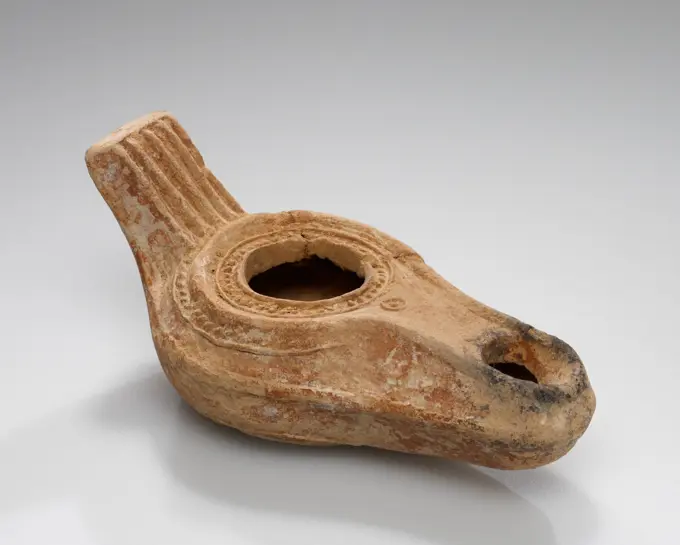
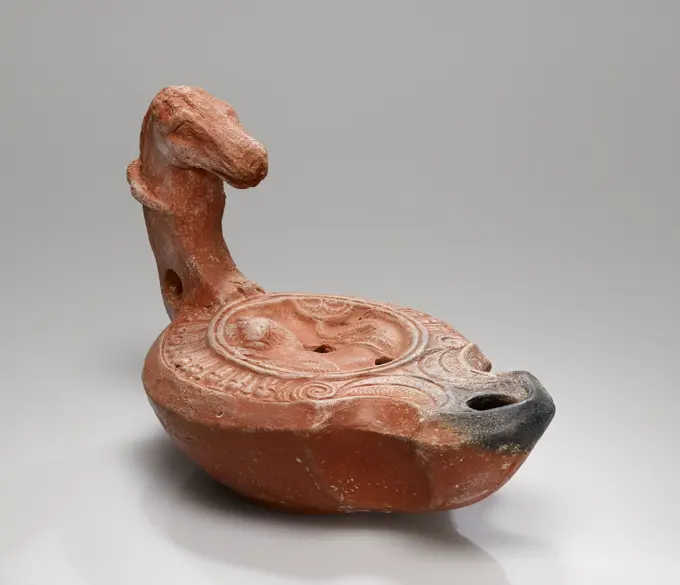
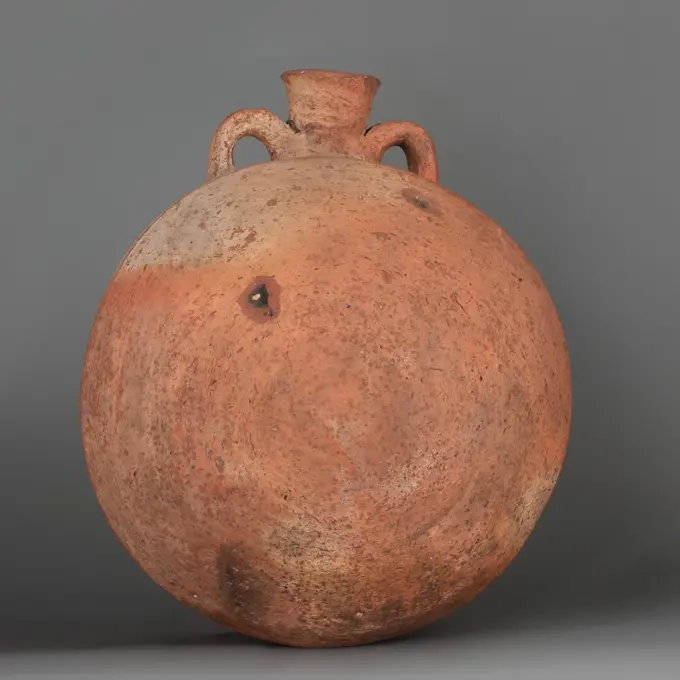
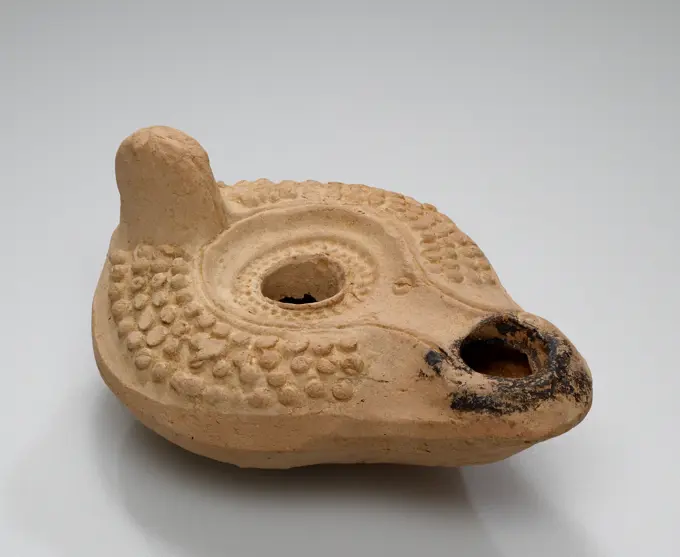
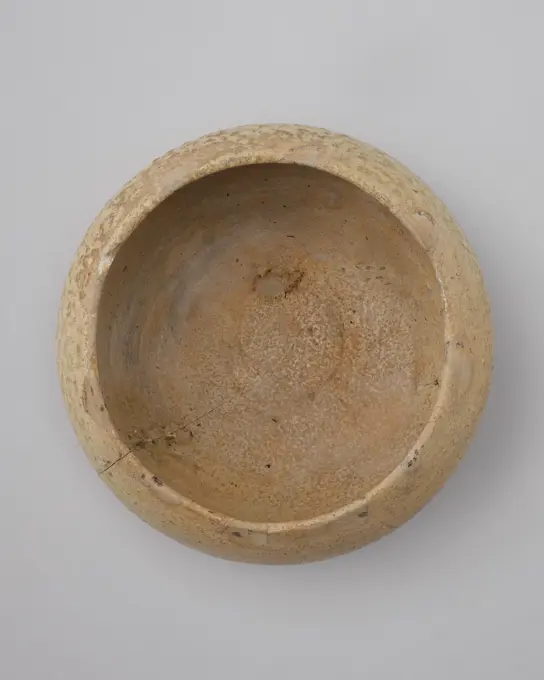
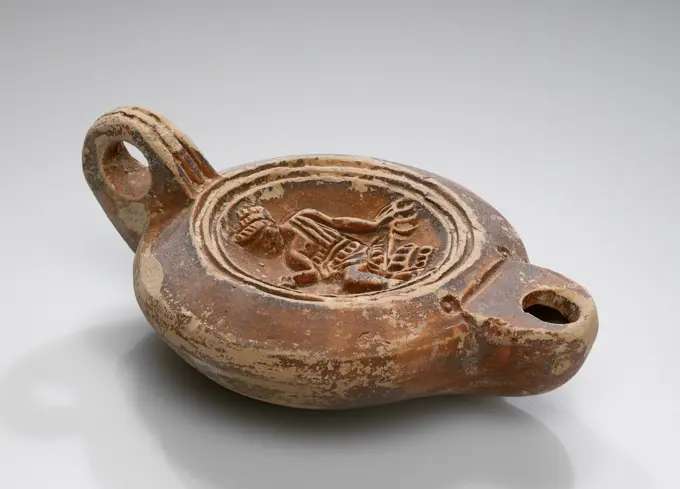
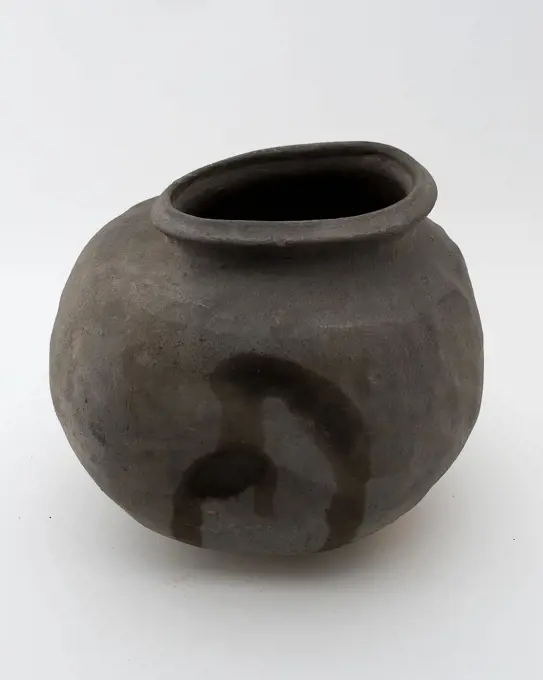
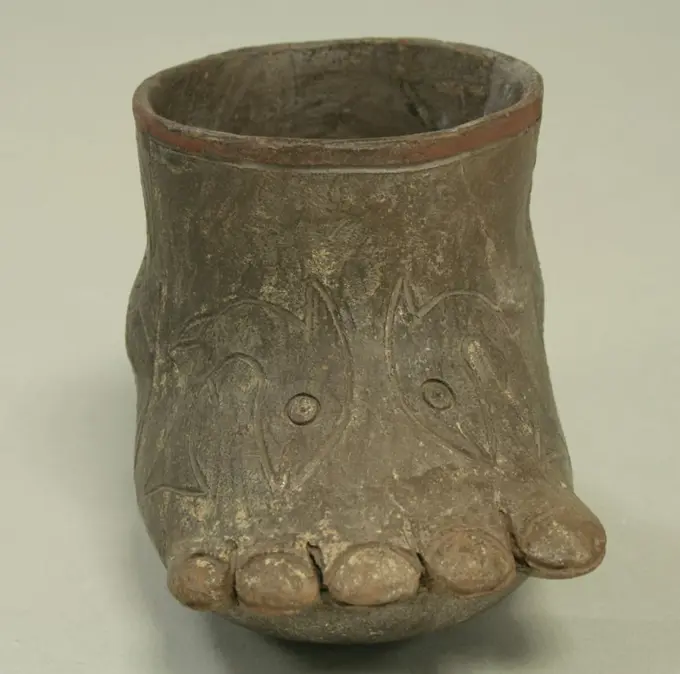
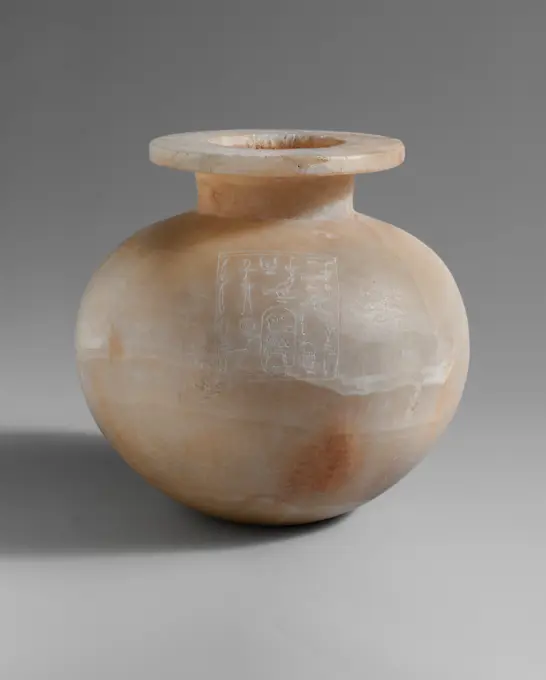
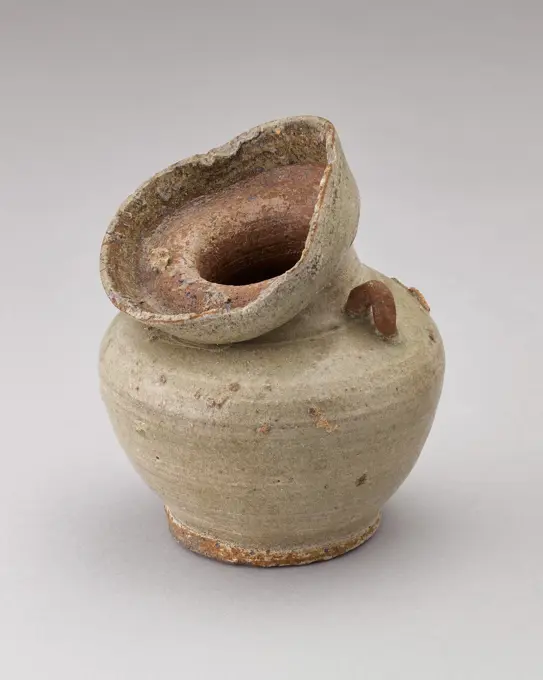
Brown Roman cup on foot, cup drinking utensils tableware holder soil find ceramic pottery paint, hand turned fried varnished Small Roman cup of red varnished earthenware. Conical model tapering upwards with strong constriction above the small foot. Stand surface. brown varnish layer archeology Poortugaal Albrandswaard indigenous pottery import drink serve serving Roman Soil discovery: Poortugaal palens slot north from freshly washed gray clay.Small jar (usual name), 1400. Gray-green covered sandstone. Cernuschi Museum, Asia Museum of Asia in the city of Paris.Lamp, North Africa; 1st - 4th century; Terracotta; 3 x 7 x 10.2 cm (1 3,16 x 2 3,4 x 4 in.)Lamp, Central Anatolia, Anatolia; 2nd century B.C; Terracotta; 3.6 × 5.6 × 11 cm (1 7,16 × 2 3,16 × 4 5,16 in.)Jug 'trichterhalskrug' with rilling, anonymous, c. 1550 - c. 1699 Fragment of a jug (funnel harass bush) of stoneware on wavy foot with an egg -shaped abdomen and funnel -shaped neck. Part of the neck is missing. The C-shaped ear is attached to the shoulder. The jug is decorated with turning rings. Germany stoneware. glaze vitrification Fragment of a jug (funnel harass bush) of stoneware on wavy foot with an egg -shaped abdomen and funnel -shaped neck. Part of the neck is missing. The C-shaped ear is attached to the shoulder. The jug is decorated with turning rings. Germany stoneware. glaze vitrificationLamp. UnknownJar ". Sandstone, transparent covered cream slip. Paris, Cernuschi museum. Asian art, Chinese art, Chinese Ceramic, Cizhou, container, ebrecher, oval form, gres, jar, container, terracottaLamp, Asia Minor; 4th century B.C; Terracotta; 3.2 × 6 × 9.5 cm (1 1,4 × 2 3,8 × 3 3,4 in.)Lamp. UnknownCooking pot, grape model with one sausage ear, on three legs, cooking pot crockery holder kitchenware earthenware ceramics earthenware glaze lead glaze, hand-turned glazed baked Pottery cooking pot or cooking jug on three legs. Sausage handle attached to the top edge. Thin top edge directed obliquely to the outside. Fine twisted lips on the shoulder. Grating marks on the underside. Sparely glazed. Restoration is repainted archeology Rotterdam Stadscentrum Stadsdriehoek Bulgersteyn indigenous pottery cooking food preparation kitchen food Soil discovery: slot Bulgersteyn in Rotterdam.Pot. Terre to which. Vietnam. Paris, Muse Cernuschi. Pot Asian art, art of extreme orient, art of Vietnam, Vietnamese art, terracotta, dishesBurst bag' Freshwater Jar, late 16th - early 17th century, Unknown Japanese, 8 1/4 × 8 11/16 × 8 11/16 in. (20.96 × 22.07 × 22.07 cm), Iga ware; stoneware with natural ash glaze; lacquer cover, Japan, 16th-17th century, Fittingly named 'Burst Bag' (Yaburebukuro) by a previous owner, this water jar (mizusashi) epitomizes the purposeful rusticity admired by masters of the Japanese tea ceremony during the 1500s. The potter left the marks of his hands and fingers as he created the form on the wheel and made deep irregular incisions to augment the vessels dramatic shape. The jar was fired for between seventeen and seventy days, further deforming the vessel and leaving scorch marks and cracks that interact visually with vitreous green ash glaze.Vase bottle (usual name), 1400. Gray cover sandstones. Cernuschi Museum, Asia Museum of Asia in the city of Paris.Bowl 4th-7th century Coptic. Bowl. Coptic. 4th-7th century. Earthenware, slip decoration. Made in Kharga Oasis, Byzantine Egypt. CeramicsLamp, Anatolia; 1st - 4th century; Terracotta; 1.4 x 7.4 x 10 cm (9,16 x 2 15,16 x 3 15,16 in.)Fragment stoneware cup on pinched foot, hemisphere model on narrow foot, beaker crockery holder soil find ceramic stoneware, hand-turned baked stoneware cup on pinched foot. Hemisphere model with vertical mouth rim and narrow foot. Smoothed twisted feathers Single blush brown orange Light gray shard archeology Geervliet Bernisse indigenous pottery import drinking serve wine beer Soil discovery: Geervliet pit 1 underlayer demolition Trouw.Pottery grape on three legs, two sausage ears, ribs and rings on the shoulder, grape cooking pot tableware holder utensils earthenware ceramics earthenware glaze lead glaze, hand turned glazed fried archeology Landpoortstraat Geervliet Bernisse indigenous pottery cooking kitchen nutrition food preparation Soil discovery: Geervliet waste pit barn Landpoortstraat 1 September 1983.Stoneware canister on pinched foot, triangular rim around neck, brown and scraped earthenware, drinking jug be tableware holder soil find ceramic stoneware clay engobe, hand-turned baked stoneware pot jug on pinched foot. Cylindrical neck and slightly curved belly. Standing ear. Roughly scraped earthenware adorned with brown engobe. Proto stoneware. Triangular edge around the neck. Lowered soil the jug stands shaky archeology Poortugaal Albrandswaard indigenous pottery import drinking serve wine beer soil found Poortugaal found in the moat of the moth terp 1 in 1970.Guan Storage Jar, 2nd-1st century BCE, 13 3/4 x 14 1/2 in. (34.9 x 36.83 cm), Yue ware High-fired stoneware with incised decor under a celadon glaze, China, 2nd-1st century BCE, Building up coiled strips of rather coarse clay created the body of this relatively popular western Han vessel type. Applied to the shoulder area is a thin, yellowish-green glaze associated with several Western Han burials excavated in present day Jiangsu and Zhejiang provinces. The jar has been fired at a relatively high temperature (about 1200 degrees C.) giving rise to its popular descriptive term, 'proto-porcelain.' Analysis of slightly later Eastern Han (1st century) green glazed ware from Shangyu in Zhejiang province shows that it was fired at about 1300 degrees C. making this type of Yue ware, the first mature porcelain in China. Though difficult to produce, the serviceable quality of the well-bonded glazes and hard durable bodies of these early high-fired stonewares was greatly appreciated.Bowl. Culture: Coptic. Dimensions: Overall: 3 7/16 x 6 9/16 in. (8.8 x 16.7 cm). Date: 4th-7th century. Museum: Metropolitan Museum of Art, New York, USA.CANTARO DE CUERPO REDONDO Y CON DOS ASAS-SEMIVIDRIADO - ARTE POPULAR. Location: ALFARERIA. SPAIN.Pottery pot on stand, baluster shape, was used in the sugar industry, sugar bowl pot holder earth discovery ceramic earthenware glaze lead glaze, ring 13.4 hand turned glazed earthenware pot on stand. Baluster shape with round shoulder and narrow neck opening. Thick and round straight on standing neck edge Fuzzy spindles over the shoulder Red shard internal glazed Here sugar cones were made archeology indigenous pottery sugar confectionery craft sugar industryLamp, Asia Minor; 5th - 4th century B.C; Terracotta; 1.5 × 3.4 × 5 cm (9,16 × 1 5,16 × 1 15,16 in.)Pottery saucepan, red shard with lead glaze with greenish spots, pouring lip, on three legs, saucepan pan crockery holder kitchen utensils earthenware ceramics earthenware glaze lead glaze, hand turned fried glazed Pottery saucepan red shard with lead glaze with greenish patties shaving cliff three legs archeology indigenous pottery food prepare cooking eat cuisinePot 4th-7th century Coptic. Pot. Coptic. 4th-7th century. Earthenware. Made in Kharga Oasis, Byzantine Egypt. CeramicsPottery belly model ointment jar, red shard, internally glazed, ointment jar pot holder soil find ceramic earthenware glaze lead glaze, hand-turned glazed baked Pottery ointment red shard internally glazed. Belly model with narrowing above the foot flat edge. Smooth finished archeology health care indigenous pottery import pharmacy store sell craftOintment Vessel with Lid 1570 BCE-1293 BCE Egypt. Egyptian alabaster and steatite . Ancient EgyptianBowl (Tecomate) 12th-9th century B.C. Olmec This bowl, reportedly from the site of Las Bocas, Puebla, Mexico, is in a full, round shape with a small opening at the top. Made of a kaolin-like clay, its walls are thin and burnished to a high gloss. It is undecorated, but the variegated color on its outer surface ranges from beige, to grey, to light brown and orange-red.. Bowl (Tecomate). Olmec. 12th-9th century B.C.. Ceramic. Mexico, Mesoamerica. Ceramics-ContainersJar ". Terracotta with painted decor in black. Neolithic period (around 8000 BC). Paris, Cernuschi museum. Anse, Chinese art, Chinese Ceramic, container, jar, decorative motif, Neolithic period, container, terracottaPottery belly model ointment jar, red shard, internally glazed, ointment jar pot holder soil find ceramic earthenware glaze lead glaze, hand-turned glazed baked Pottery ointment red shard internally glazed. Belly model Strong taper over the foot. Flat oblique inward facing top edge. Heavy. Small stand. Turning beads on the inside archeology health care indigenous pottery import pharmacy store sell craftTerracotta aryballos (oil flask). Culture: Greek, Corinthian. Dimensions: H. 2 9/16 in. (6.5 cm). Date: ca. 620-590 B.C..Man and woman between two horsemen, male figure and bird. Museum: Metropolitan Museum of Art, New York, USA.Dish;  around 2055 1650 BC ; Pahu () (-2055-00-00--1650-00-00);Vessel 4th-7th century Coptic. Vessel 478474Prehistory, Italy. Vase. From Pontecagnano, province of Salerno.Pottery chamber pot, ease of use on stand, double conical shape, standing ear, pot holder sanitary soil found ceramic earthenware glaze lead glaze, hand-turned glazed baked Pottery chamber pot on stand ring. Red shard entirely glazed except the bottom of the bottom Double conical shape with wide neck opening and narrow foot Almost flat outstanding pot edge. Rotations on the shoulder Upright and pinched band ear The crack in the pot edge is shrink or dry tear archeology indigenous pottery drains night sleeping room hygienethin-walled glass, Roman Hispania, Valladolid Museum, Community of Castile and Leon, Spain.Spouted Jar, 2040-1648 BC. Egypt, Middle Kingdom. Nile silt ware; diameter: 12.7 cm (5 in.); diameter of mouth: 6.8 cm (2 11/16 in.); overall: 10.3 cm (4 1/16 in.).Lamp. UnknownCan of red -baking earthenware, on the inner and partly the outside with glaze, with damaged edge, foot and ear, anonymous, 1500 - 1799   earthenware. glaze   earthenware. glazeJug. Jug. Bronze. Early Iron Age. BronzesGlass cup. Culture: Roman. Dimensions: Height: 2 1/4in. (5.7cm)Diam.: 2 13/16 x 2 3/8 in. (7.1 x 6 cm). Date: 2nd-3rd century A.D..Colorless with greenish tinge.Everted rim, with rounded and thickened lip; uneven, undulating side expanding downwards with slight projecting ridge at base, then angled in to bottom with pointed kick at center.Intact; pinprick bubbles; pitting and brilliant iridescent weathering; some soil encrustation and limy weathering on interior. Museum: Metropolitan Museum of Art, New York, USA.Jug (Bartmann jug), anonymous, c. 1625 - c. 1749 Jug (beard fancier) of stoneware on the standing surface with an egg -shaped body and narrow neck. The C-shaped ear is attached to the neck and shoulder. Profiles on the neck and the foot. Covered with a brown Engobe. On the neck, continuously on the shoulder, a bearded man. Frechten. Cheek stoneware. glaze. engobe vitrification Jug (beard fancier) of stoneware on the standing surface with an egg -shaped body and narrow neck. The C-shaped ear is attached to the neck and shoulder. Profiles on the neck and the foot. Covered with a brown Engobe. On the neck, continuously on the shoulder, a bearded man. Frechten. Cheek stoneware. glaze. engobe vitrificationWater jug, Terracotta, Tall neck with angel head applications around the body., Puerto Rico, 19th century, ceramics, Decorative Arts, Water jugStoneware jug be on pinched foot, curved body and cylindrical neck, jug crockery holder soil find ceramic stoneware glaze loam glaze, hand-turned baked Round and cylindrical neck with parallel turns to shoulder Egg-shaped body with vague broad turns pinched foot Gray shard. Misbaksel; under long crack in the belly sees small hole archeology import pottery serve serve drinking craft pottery Rotterdam education Academy of Fine Arts and Technical Sciences Cool Coolvest Dijkzigt G.J. de Jonghweg City Triangle Blaak Academy of Fine Arts and Technical Sciences Rotterdam.Wysoka czarka. nieznany warsztat północno mezopotamski, workshopJar ca. 1492-1473 B.C. New Kingdom When it was found (inside basket 36.3.59), this jar of Egyptian alabaster had a scrap of coarse linen stuffed into its mouth. This was probably intended to keep the contents, perhaps some sort of liquid or oil, from spilling out.. Jar. ca. 1492-1473 B.C.. Travertine (Egyptian alabaster). New Kingdom. From Egypt, Upper Egypt, Thebes, Sheikh Abd el-Qurna, Tomb of Hatnefer and Ramose (below TT 71), Inside 36..59a, b (Basket "O"), MMA excavations, 1935-36. Dynasty 18, earlyCovered jar (Guan) 5th-mid-4th century B.C. China. Covered jar (Guan). China. 5th-mid-4th century B.C.. Stoneware with impressed and relief decoration. Eastern Zhou dynasty, Warring States period (475-221 B.C.). CeramicsBowl 4th-7th century Coptic. Bowl 477339Glass miniature perfume bottle. Culture: Roman. Dimensions: Overall: 1 15/16 in. (4.9 cm)Diam.: 15/16 x 5/8 in. (2.4 x 1.6 cm). Date: 1st century A.D..Colorless with greenish tinge.Uneven rim folded out, over, and in, with beveled outer edge; cylindrical neck with tooled indent at base; double convex profile to body; small, flattened bottom.Intact; pinprick bubbles and blowing striations; dulling, pitting and patches of brilliant iridescence and creamy brown weathering on exterior; soil encrustion on interior. Museum: Metropolitan Museum of Art, New York, USA.Stoneware jug with ear, pinched foot, glazed, double conical belly, drinking jug be tableware holder soil find ceramic stoneware glaze salt glaze, hand turned glazed baked Stoneware jug gray shard gray salt glaze bandoor small number of profiled rotational wings and rings around neck and lower half of the belly pinched foot. Double conical abdomen archeology Rotterdam Delfshaven Lage Erf import pottery serving drinks wine beer Soil discovery Rotterdam: Lage Erf Delfshaven 1924.Terracotta oil lamp. Culture: Roman. Dimensions: Overall: 1 x 3 1/8 in. (2.5 x 7.9 cm). Date: 1st century B.C.-1st century A.D.. Museum: Metropolitan Museum of Art, New York, USA.Shawabty Jar with Lid, 1295-1069 BC. Egypt, New Kingdom, Dynasty 19 (1295-1186 BC) - Dynasty 20 (1186-1069 BC). Nile silt ware; lid of limestone; diameter: 22.7 cm (8 15/16 in.); overall: 23.2 cm (9 1/8 in.); diameter of lid: 12.1 cm (4 3/4 in.).Glass flask 2nd-3rd century A.D. Roman Colorless.Uneven, rounded rim with beveled outer lip; flaring mouth; short, cylindrical neck, slightly tooled in around base; elongated piriform body; small, concave bottom.Wheel-abraded decoration on body in horizontal bands; two broad bands of lines around upper part of body; two thinner bands just below point of greatest diameter. Decoration is now hard to trace because of surface weathering.Intact; some large and elongated bubbles; dulling, pitting, and iridescent weathering.. Glass flask 239659Stoneware chamber pot, ease of use on stand with standing ear, pot holder sanitary soil find ceramic stoneware glaze salt glaze, hand-turned glazed baked Stoneware pot on stand. Convex shape with curled upper edge Completely gray and brown speckled glazed. Profile ring between the pot edge and the shoulder on the outside Stand surface with subtraction traces Wide and standing bandoor archeology indigenous pottery import drains night sleeping room hygieneJugJar with Cartouches of Merneptah ca. 1213-1203 B.C. New Kingdom, Ramesside The handles of this jar are in the shape of ibex heads. It was one of thirteen similar vases found outside the tomb of Merneptah in the Valley of the Kings; some bore the name of Ramesses III and others that of his successor Merneptah. A hieratic notation on the neck of this vase gives its capacity as 22 hin.. Jar with Cartouches of Merneptah. ca. 1213-1203 B.C.. Aragonite. New Kingdom, Ramesside. From Egypt, Upper Egypt, Thebes, Valley of the Kings, Tomb of Merneptah (KV 8). Dynasty 19Covered Jar with Horn Handle, AD 400s-500s. Korea, Silla (57 BC-935) or Kaya (AD 42-562) period. Red earthenware with applied red slip; diameter of mouth: 9.2 cm (3 5/8 in.); overall: 15.3 x 13.5 cm (6 x 5 5/16 in.).Pot ". Terracotta. Vietnam-Xe-Xive s. Paris, Cernuschi museum. 72185-1 Vietnamese object, pot, terracottaVase. Terre Civa. Vietnam. Paris, Muse Cernuschi. Vase Asian art, art of extreme orient, art of Vietnam, Vietnamese art, terracotta, dishesBartmann jug, also called Bellarmine jug, with Amsterdam weapon in medallion on belly, Bartmann juggejug tableware holder bottomfound ceramics stoneware icing saltglaze, hand turned fried glazed Large stoneware Bartmann juggejug dark gray shard with brown brindled salt glaze profiled sausage ear with short tail with two finger impressions on the attachment traces of trailing on the underside archeology heraldry import pottery drink wine beer store serve kitchen cellarGlass perfume bottle. Culture: Roman. Dimensions: Overall: 3 3/8 in. (8.6 cm)Diam.: 2 1/2 x 13/16 in. (6.4 x 2.1 cm). Date: 1st century A.D..Translucent pale blue green.Uneven, slanting rim folded out, over, and in; flaring mouth; cylindrical neck, with tooled indent around base; conical body with rounded curve to small, flat bottom.Intact; pinprick bubbles; deep pitting, dulling, and iridescent weathering. Museum: Metropolitan Museum of Art, New York, USA.Lamp. UnknownStop from a bottle or spout from a Kendi from V.O.C. ship De 'Witte Leeuw', Before 1613  Stop from a bottle or spout from a Kendi from V.O.C. ship De 'Witte Leeuw', 100  present. The object is made up of a clay hose.  earthenware   Sint-HelenaTerracotta miniature dish with two handles. Culture: Greek, Laconian. Dimensions: H. 3 5/8 in. (9.2 cm). Date: 7th-6th century B.C..With two handles. Museum: Metropolitan Museum of Art, New York, USA.Lamp. Culture: Roman. Dimensions: Length: 3 in. (7.6 cm)Height: 7/8 in. (2.2 cm). Date: 2nd century A.D.. Museum: Metropolitan Museum of Art, New York, USA.Jar with incised and raised LotusdecorLamp, North Africa; 1st - 4th century; Terracotta; 2.7 × 8.2 × 12 cm (1 1,16 × 3 1,4 × 4 3,4 in.)Early Israelite pottery.Lamp, Roman Empire; 1st century B.C. - 4th century A.D; Terracotta; 8.6 x 2.4 x 6.2 cm (3 3,8 x 15,16 x 2 7,16 in.)Vessel Incised with Panels of Textile-like Motifs. Inca; South coast or southern highlands, Peru. Date: 1450-1532. Dimensions: 11.9 x 12.4 cm (4 11/16 x 4 7/8 in.). Wood. Origin: Peru, southern. Museum: The Chicago Art Institute, Chicago, USA.Glass beaker 2nd-3rd century A.D. Roman Colorless with pale greenish tinge.Uneven, knocked-off rim; short, concave neck; bulbous sides, tapering downward; concave bottom.Six deep vertical indents in sides.Intact; many pinprick bubbles and one large black inclusion, projecting both on exterior and interior in one indent; dulling and iridescent weathering.. Glass beaker 239814Glass aryballos (oil bottle). Culture: Roman. Dimensions: H.: 2 in. (5.1 cm). Date: 2nd-3rd century A.D..Translucent blue green; handles in same color.Thick, partially tubular rim, folded out, down, round, and in, flattened on upper surface; cylindrical neck; horizontal shoulder; globular body; thick bottom with central kick and pontil mark; two dolphin handles applied to shoulder, drawn up side of neck to underside of rim, turned out, round, and down, forming to ring holes, then a second trail applied to edge of rim, drawn down over handles, and trailed off upwards.Intact; a few small bubbles; slight soil encrustation and faint iridescence on exterior, patches of soil encrustation and creamy weathering on interior.Greenish, with handles in the form of dolphins. Museum: Metropolitan Museum of Art, New York, USA.Lamp. UnknownSmall majolica albarello on stand base polychrome rings decor, albarello holder soil find ceramic earthenware glaze lead glaze tin glaze, hand turned fried glazed painted fried Small albarello on stand Foot light constricted cylindrical side wall. Deep constriction above the standing surface and shallow constriction under the upper edge Polychrome decor on white background Rings or bands in purple and blue Internally covered with lead glaze archeology Rotterdam City Center Stadsdriehoek Lombardstraat Goudsesingel health care pottery ointment care pharmacy packing craft Soil discovery Lombardstraat at Goudse Singel Rotterdam.Lamp. UnknownLamp. UnknownTripod Bowl 10th-13th century Mixtec. Tripod Bowl 315731Lamp. UnknownPot with ear and spout, spherical, with green glaze with brown spots., Factory of Brouwer's earthenware, 1928 Pot with ear and spout of earthenware, spherical, with green enamel with brown spots. Leiddorp earthenware Pot with ear and spout of earthenware, spherical, with green enamel with brown spots. Leiddorp earthenwareCups and rattles. 15th-12th centuries BC. Ceramics. Late Bronze Age. Cyprus. Neues Museum. Berlin. Germany.Jug ca. 1500-1400 B.C. New Kingdom. Jug 560860Bowl Roman Traces of greenish glaze.. Bowl. Roman. Terracotta. VasesRitual Bowl, 20th century, 5-1/8 x 5-15/16 x 8-1/2 in. (13.0 x 15.1 x 21.6 cm), Terracotta, Nigeria, 20th centuryFocolare bowl second half of 6th century B.C. Etruscan. Focolare bowl. Etruscan. second half of 6th century B.C.. Terracotta; bucchero. Archaic. VasesBlack ball pot with raised edge, coarse twisted arms on the shoulder, ball pot pot holder soil find ceramics pottery, hand-turned baked Black pot without stand Foot ball pot with ovoid body Upstanding neck edge Coarse turnings on the shoulder Gray shard smothered baked archeology Poortugaal Albrandswaard pottery cook prepare food store store archaeological find in the soil Poortugaal moat around the moth.Pilgrim cylinder; Unknown Nubian workshop; 2. PO. IX-1. after. 10th century; Classic Christian period (851-00-00-950-00-00);cylinders, inscribed ceramics, nubian ceramics, monograms, nubian vesselsLamp. UnknownVase first half of the 7th century B.C. Etruscan Reddish-brown with tall foot, one handle, and incised rim on which are two knobs.. Vase. Etruscan. first half of the 7th century B.C.. Terracotta; buccheroid impasto. Orientalizing. VasesHydria, miniature. Culture: Greek. Dimensions: H. 3.81 cm.. Date: 6th century B.C..Without decoration. Museum: Metropolitan Museum of Art, New York, USA.CANTARO DE BARRO BLANCO CON DECORACION INCISA-ARTE POPULAR S XX. Location: ALFARERIA. Toledo. SPAIN.Jar. Terracotta gray paste. Cernuschi Museum, Asia Museum of Asia in the city of Paris.Terracotta oil lamp ca. A.D. 40-100 Roman, Cypriot Loeschcke Type 4. Mold-made. Discus: plain, deep concave bowl, with central filling hole and a band of concentric lines and grooves towards edge. Volutes flanking nozzle. Within impressed base ring, uneven concave base, with a central raised letter: T.Intact.. Terracotta oil lamp. Roman, Cypriot. ca. A.D. 40-100. Terracotta. Early Imperial. TerracottasLamp. UnknownCANTARO CON 2 ASAS Y BOCA ANCHA - CERAMICA DE LA RIOJA - ARTE POPULAR S XX. Location: MUSEO DEL PUEBLO ESPAÑOL. MADRID. SPAIN.Gray earthenware ball pot, distorted misfires, ball jar pot holder soil find ceramic pottery, hand-formed baked Pottery ball pot. Gray shard scraped pottery. Round body without any support or foot. Curled up top. Misbaksel; the pot is deformed The top edge has fallen out of the model in the belly is big dent in which hole. Dark stripes on the pot are probably caused by recent pollution with oil or similar archeology indigenous pottery cooking food prepare store saveFoot Jar 3rd century B.C. Paracas. Foot Jar 307615Spherical Jar Inscribed with Hatshepsut's Titles as Queen ca. 1492-1473 B.C. New Kingdom This small spherical ointment jar is inscribed: "King's Daughter, King's Sister, God's Wife, King's Great Wife (principal queen), Hatshepsut, may she live and endure like Re forever." The titles are those of a queen, but the last phrase is more commonly applied to kings, so the jar may date from Hatshepsut's time as regent for her nephew, Thutmose III.The jar may originally have been intended to furnish Hatshepsut's queen's cliff tomb in western Thebes. After she became king, Hatshepsut seems to have donated goods inscribed with her queen's titles as provisions for the burials of individuals she deemed important (see linen and vessels from the tomb of Hatnefer and Ramose, 36.6.1-36.6.70). Two stone jars, this one and 26.8.8, seem to have been donated to the burial of three foreign wives of Thutmose III.. Spherical Jar Inscribed with Hatshepsut's Titles as Queen 547566Small BowlEarthenware cup model ointment jar, red shard, internally glazed, ointment jar container soil find ceramic earthenware glaze lead glaze, hand-turned glazed baked earthenware cup model ointment jar red shard internal glazed flat oblique inwardly directed top edge standing base Strong narrowing of the kettle just above the foot Spindles in the inside - and outside archeology health care indigenous pottery pharmacy store sell craftPottery pot, red shard, externally glazed, on stand, pot holder soil find ceramic earthenware glaze lead glaze, hand-turned glazed baked earthenware pot red shard externally glazed on stand. Rotary arches on the shoulder archeology Rotterdam City triangle Oudehaven indigenous pottery food preparation cooking food kitchen heating room market Soil discovery: Oude Haven Rotterdam.