Ceramic Vessels and Lamps

Ancient pottery pieces, including cups and lamps, highlighting unique shapes and historical context, perfect for archaeological interest.

Brown Roman cup on foot, cup drinking utensils tableware holder soil find ceramic pottery paint, hand turned fried varnished Small Roman cup of red varnished earthenware. Conical model tapering upwards with strong constriction above the small foot. Stand surface. brown varnish layer archeology Poortugaal Albrandswaard indigenous pottery import drink serve serving Roman Soil discovery: Poortugaal palens slot north from freshly washed gray clay.
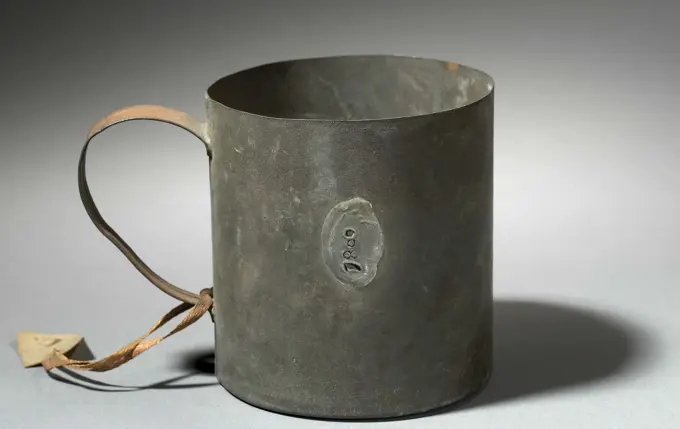
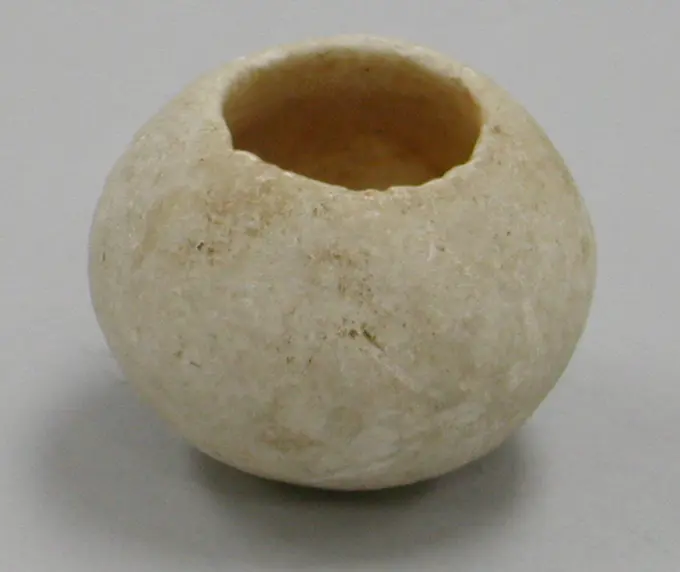
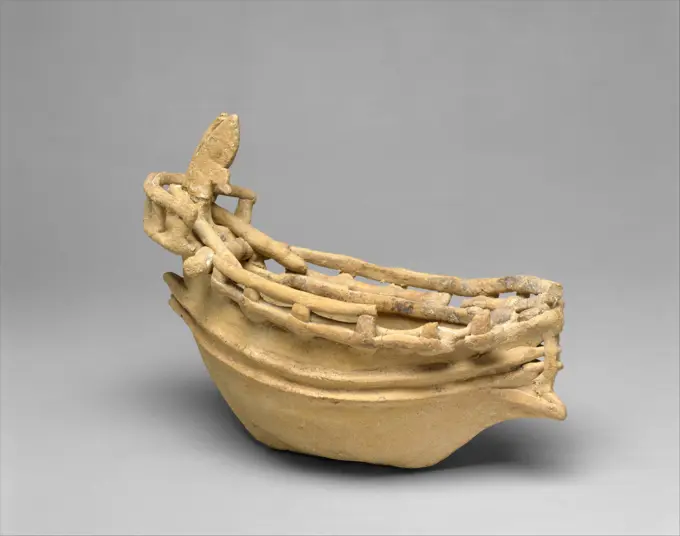
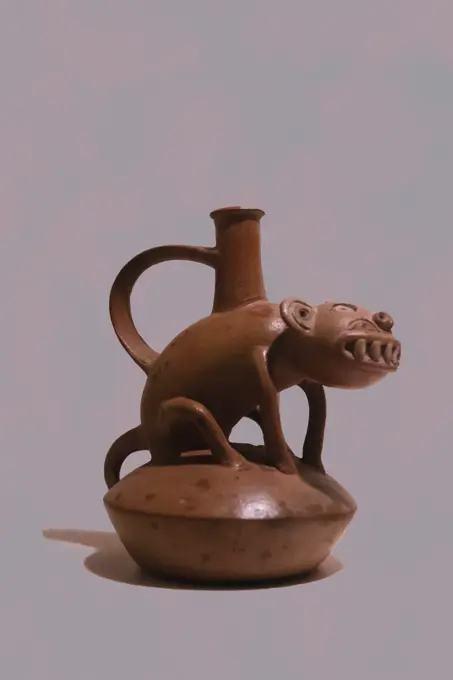
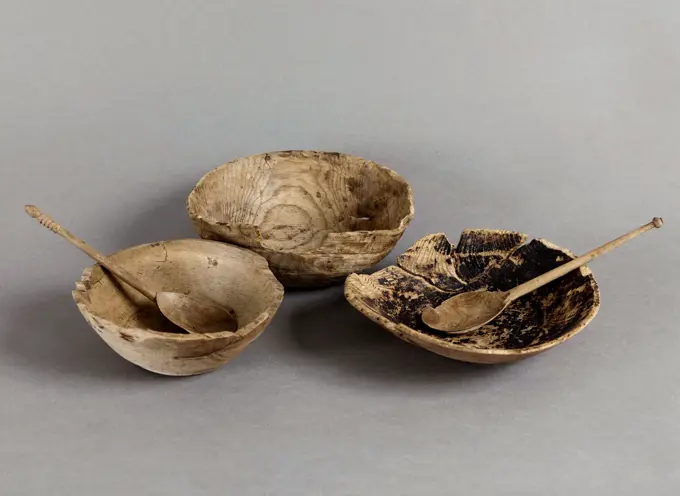
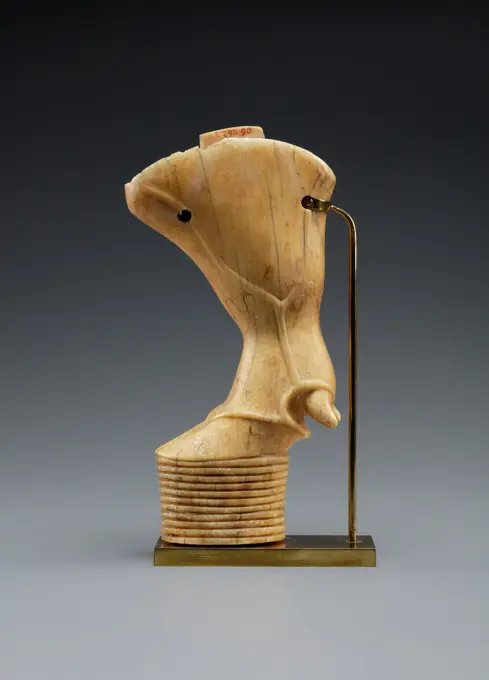
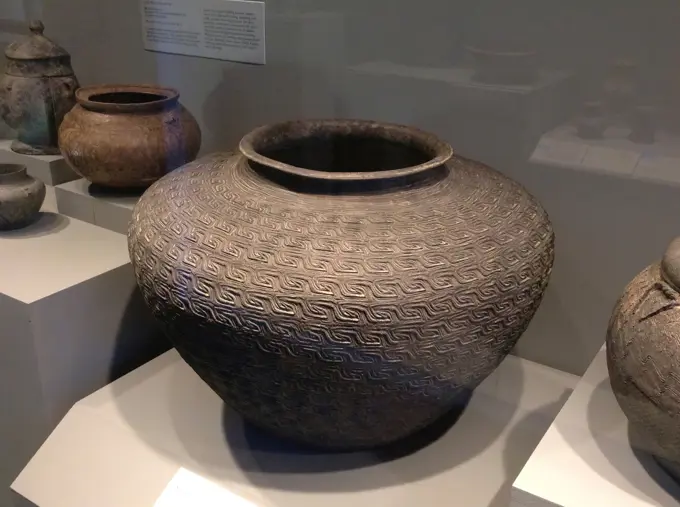
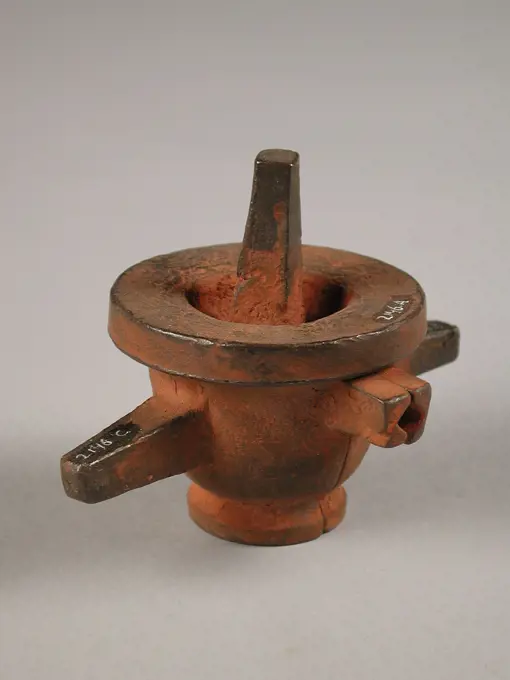
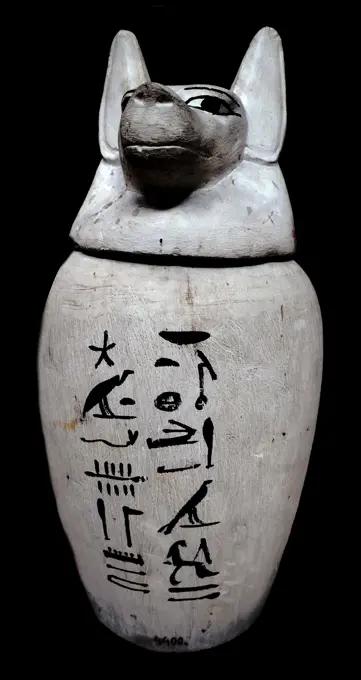
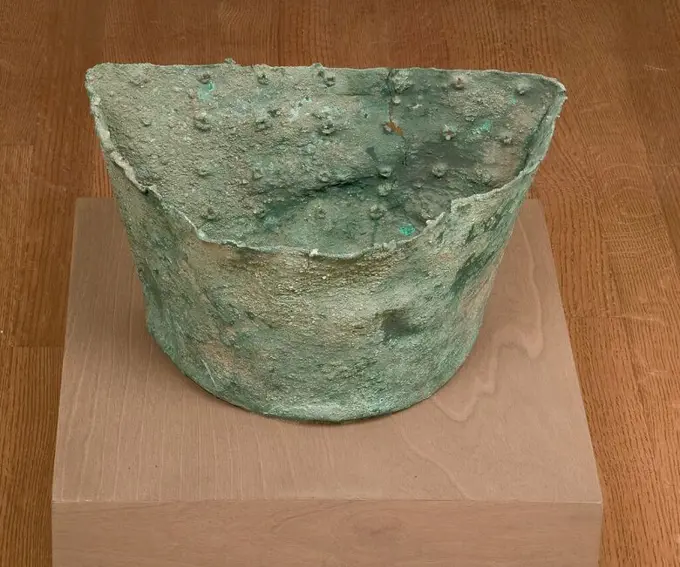
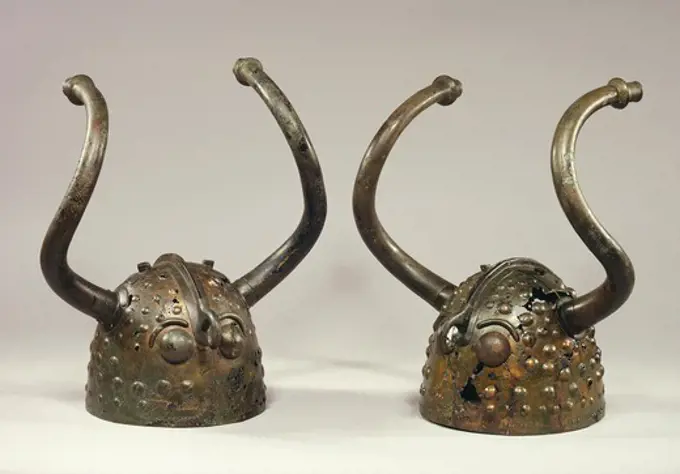
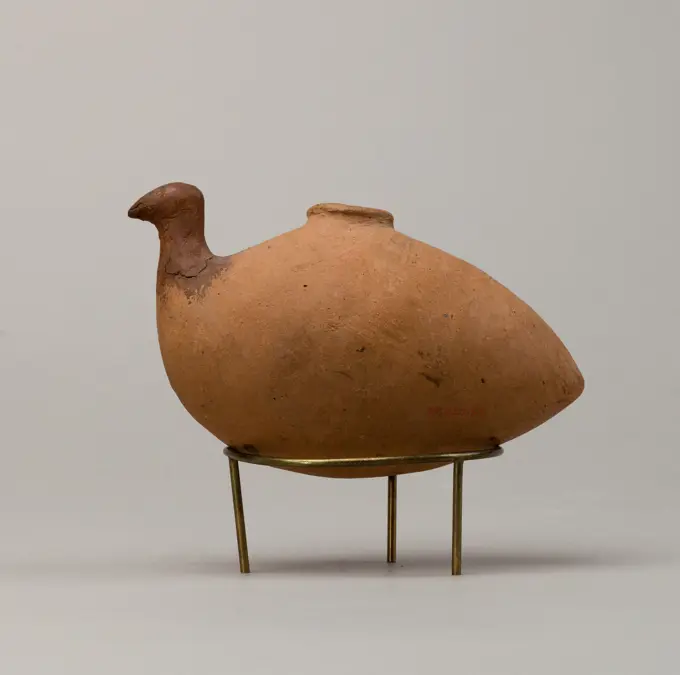
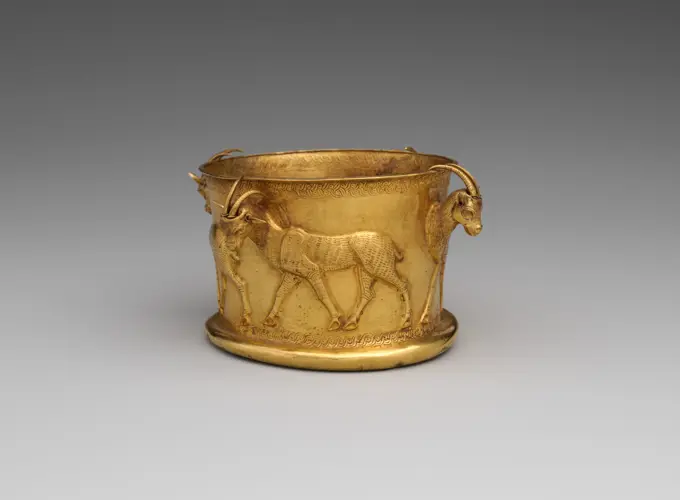
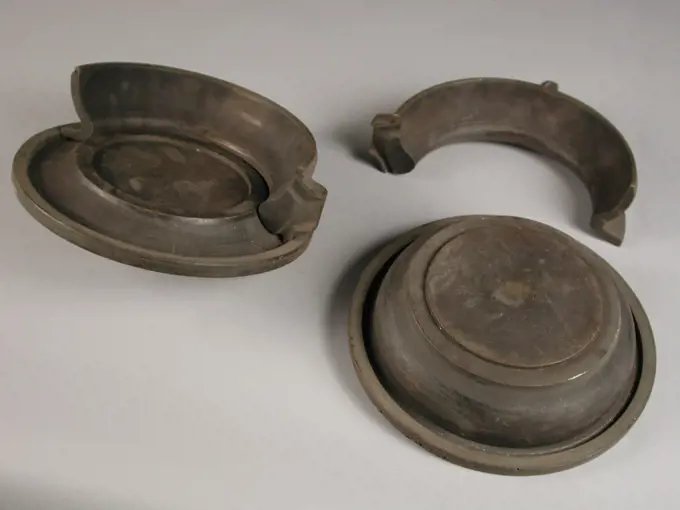
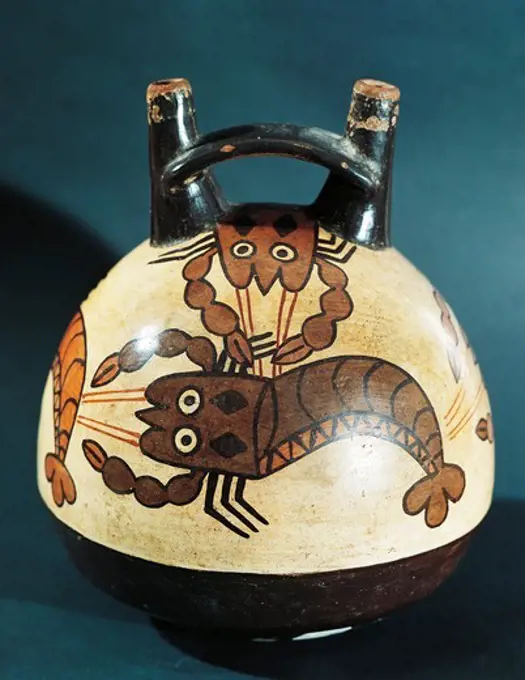
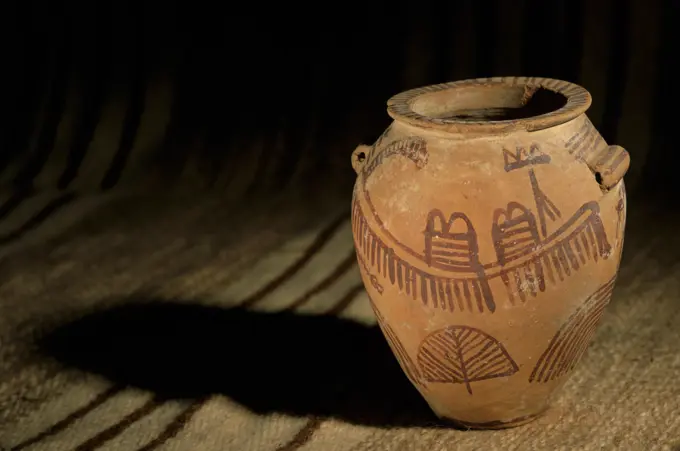
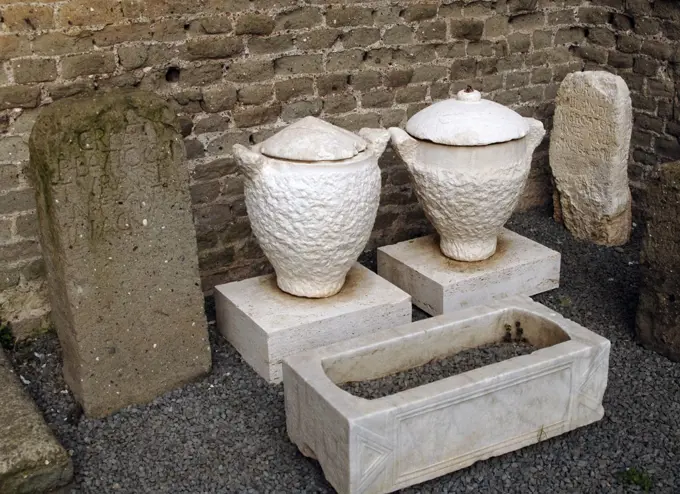
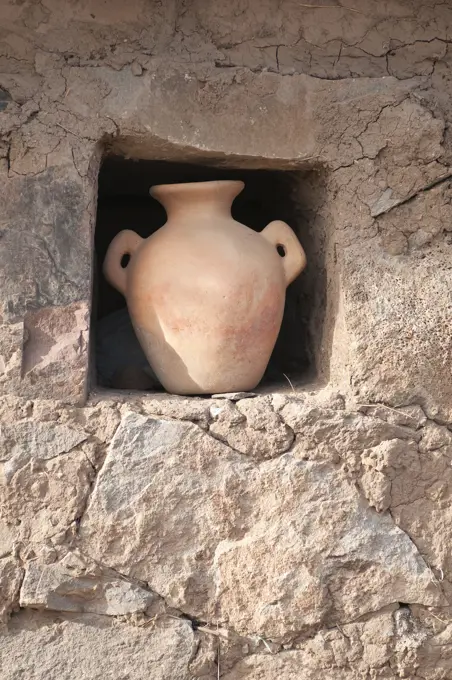
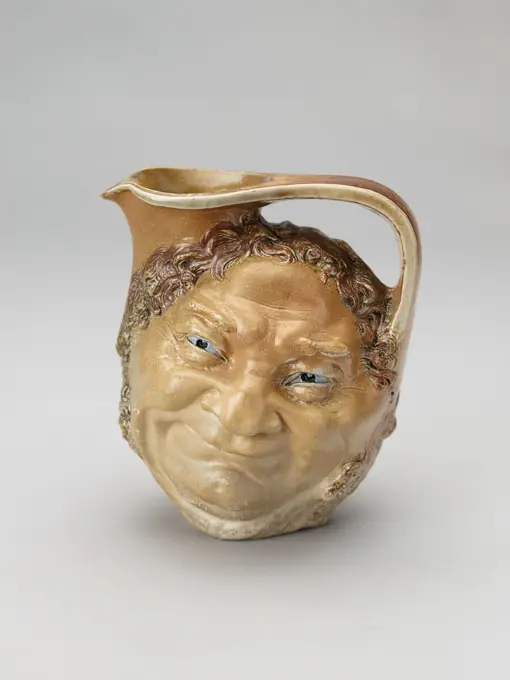
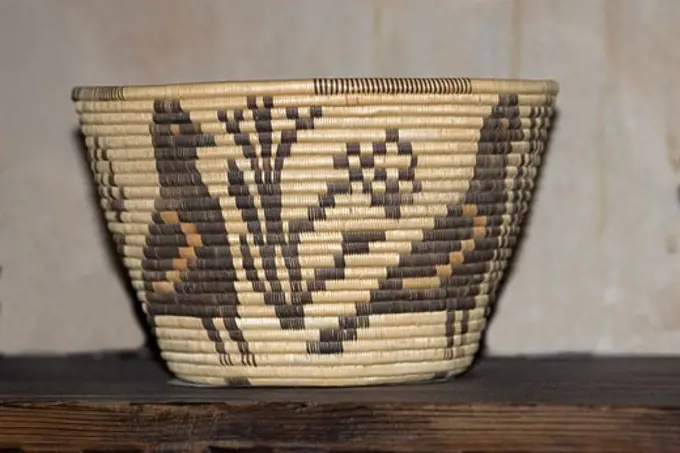
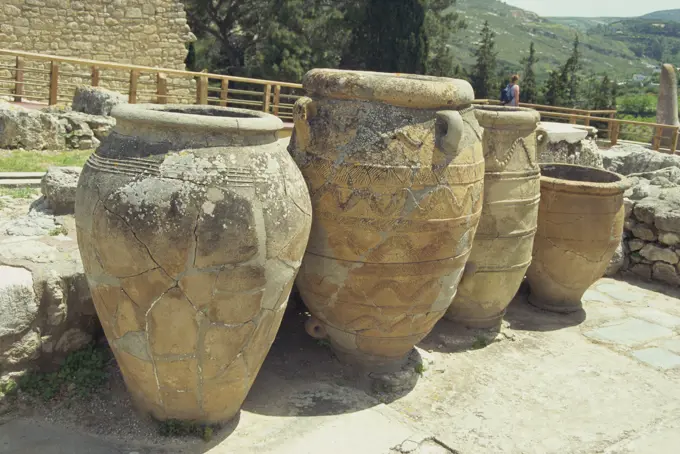
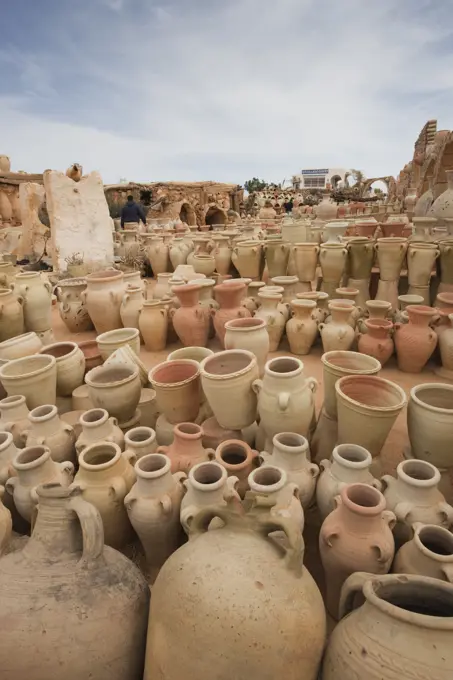
Lamp 9th-10th century. Lamp 455178WellHeadHelmet. Culture: Indian, possibly North Indian. Dimensions: H. 5 1/4 in. (13.3 cm); W. 7 1/8 in. (18.1 cm); D. 8 5/8 in. (21.9 cm); Wt. 2 lb. 9.3 oz. (1170.8 g). Date: probably 19th century. Museum: Metropolitan Museum of Art, New York, USA.Bronze oinochoe (jug) 450-400 B.C. Etruscan This type of beaked jug was probably produced in Vulci. It was exported to many sites in Italy and Central Europe, especially to the Celtic peoples living in the areas of present-day France and Germany.. Bronze oinochoe (jug). Etruscan. 450-400 B.C.. Bronze. Classical. BronzesMaat van ca. 0,65 liter met handvat.Size of approx. 0.65 liters with handle, marked and labeled presumably from Amersfoort.Reconstructed lotiform chalice. Dimensions: As reconstructed: H. 9.9 cm (3 7/8 in.); Diam. 9.3 cm (3 11/16 in.). Dynasty: Dynasty 21-25. Date: ca. 1070-664 B.C..Made of faience glazed a rich turquoise, this goblet takes the shape of the fragrant blue lotus. Reconstructed from eight fragments, it would originally have stood on a slender column imitating the flower's stalk. (For a complete example, see 13.182.53.) This type of chalice, which is seen first in the New Kingdom, appears to have been used primarily as a cult vessel.Both the shape and the imagery of this chalice are closely linked with the themes of creation and rejuvenation. As the lotus blossom closes at night and opens at dawn to greet the rising sun, it became associated with the daily cycle of death and rebirth. The relief decoration is set in the marshes where the lotus bloomed, echoing the watery landscape of creation. The principal scene, repeated three times around the cup's circumference, shows a youthful king in tOnyx Bowl (Tecomate) before 16th century Mexican. Onyx Bowl (Tecomate) 317577Terracotta model of a ship ca. 600-480 B.C. Cypriot The model depicts, in considerable detail, the features of a contemporary vessel. It includes the helmsman sitting in the bow. All of the preserved ship models come from Amathus, indicating the importance of the site as a maritime center.. Terracotta model of a ship 241307CONEJERA O CRIADADERO PARA CONEJOS SIN VIDRIAR - SIGLO XX. Location: ALFARERIA, LA GALERA, TARRAGONA, SPAIN.35mm originalJar. Western Iran, no date. Furnishings; Serviceware. Bronze, hammeredPre-Philistine anthropomorphic jar. 15th cent. BC. ISRAEL.Pre-Colombian ceramic art in Larco Museum, Lima, Peru.Anonymous. Wooden dishes on the rue de Lutèce. "Wooden dishes on the rue de Lutèce. Overview of the two bowls 2775 and 2883, from the plate 2769 and the two spoons 2933 and 2768". 1200-1300. Drink. Paris, Carnavalet museum. 71124-11 Bois lette, spoon, wooden spoon, ebre, medieval time, ark archeological, cited island, container, rue lutece, dishes, platePottery from ancient Iran. Dated 5th Century BCASADOR DE CASTAÑAS - S XX ARTE POPULAR. Location: ALFARERIA. Coruña. SPAIN.Bull's leg Early Dynastic Period ca. 2960-2770 B.C. Chairs and beds belonging to the elite sometimes stood on legs that emulated the lower limbs of lions or bulls. The example seen here is modeled after the hind leg of a bull. View more. Bull's leg. ca. 2960-2770 B.C.. Ivory. Early Dynastic Period. From Egypt; Said to be from Northern Upper Egypt, Abydos. Dynasty 1Storage Jar, 10th-9th century BCE, 15 3/8 x 21 3/4 x 21 3/4 in. (39.05 x 55.25 x 55.25 cm), Low-fired stoneware with impressed designs, China, 10th-9th century BCE, Although hand-built from coils of clay, this large vessel appears evenly potted with an elegant profile. The sides are impressed overall with continuous spiral designs created with a stamp. Similar jars of the Western Zhou period (1045-771 BCE) have been excavated from tombs near Shanghai and farther south in Zhejiang province.Bait Al Safah Museum, Al Hamra, Oman.Three parts of four-piece bronze mold for cup, cast molding tool tools base metal bronze, cast turned Four-piece bronze mold for casting cup or ear lamp with stand ring Rotterdam tin casting tin tin dolls toy dinnerware Meeuws Druy craft Molds are from the originally 18th century Rotterdam tinnegieter J Druy. The large molds that were not signed or dated were the property of the tinker guild and were rented to the small tin caster.Bronze ritual wine vessel from the Western Zhou Dynasty. Dated 11th Century BCCanopic jar, for internal organs in the afterlife. Ancient Egyptian tomb object. The Late Period 664 BC - 332 BCFragment of a Situla. UnknownFragment of a Situla. UnknownBracelet. Thailand, Ban Chiang culture, 300 B.C.-A.D. 150. Jewelry and Adornments; bracelets. Copper alloyVessel used as a septic filter. Dimensions: h. 21 cm (8 1/4 in); w. at top of stright side 34.3 cm (13 1/2 in). Dynasty: Dynasty 12. Date: ca. 1981-1802 B.C.. Museum: Metropolitan Museum of Art, New York, USA.Prehistory, Denmark, Bronze Age. Pair of horned helmets. From the marsh of Brons Mose at Vesko.CANTARO -VISTA DE LA BOCA ASA Y VIDRIADO TIPO BABERO - ARTE POPULAR S XX. Location: ALFARERIA. SPAIN.urnas de orejetas, 425-200 antes de Cristo, Museo arqueológico de Ibiza y Formentera, Patrimonio de la Humanidad «Ibiza, biodiversidad y cultura», Ibiza, balearic islands, Spain.Limestone grinding tool from the Natufian culture, from the Eastern Mediterranean region. Dated 9,800 B.CVessel in shape of bird ca. 4500-4000 B.C. () Predynastic Period. Vessel in shape of bird. ca. 4500-4000 B.C. (). Pottery. Predynastic Period. From EgyptCup with a frieze of gazelles ca. early 1st millennium B.C. Iran A number of vessels similar in form and technique to this one have been excavated in the rich burials at Marlik, a site southwest of the Caspian Sea in northern Iran; one is also known from Susa, in southwestern Iran.On the body of the cup, four gazelles, framed horizontally by guilloche bands, walk in procession to the left. Their bodies are rendered in the repoussé technique and are detailed with finely chased lines to indicate hair and musculature. The projecting heads were made separately, as were the ears and horns, and were fastened invisibly in place by a colloid hard-soldering, a process much practiced in Iran involving glue and copper salt. The hooves and eyes are indented, probably to receive inlays. Listen to experts illuminate this artwork's story Listen Play or pause #7008. Cup with a frieze of gazelles, Part 1 Play or pause #7008. Cup with a frieze of gazelles Supported by Bloomberg Philanthropies We're sorrclay jug and pot at shelves on white wooden plank backgroundLate Roman Period. North African cylindrical amphorae (used between 3rd to 6th century AD) and two from the Maltese Islands, with low handles on shoulders and rounded bases. Found in 1961 from the site of a 5th century AD shipwreck at the mouth of Xlendi Bay (island of Gozo, Malta). Gozo Museum of Archaeology. Cittadela of Victoria in Gozo. Malta.Four-piece mold for top chamber pot with initials JVDP, 1751, mold casting tool tools equipment base metal bronze, cast turned Four-piece bronze mold for top of chamber pot. signature: JVDP and 1751 (Jan van de Pol at the completion of the letters are slightly shortened) Rotterdam tin casting tin tin Meeuws Druy craft Shapes are from the originally 18th century Rotterdam tinnegieter J Druy. The large molds that were not signed or dated were the property of the tinker guild and were rented to the small tin caster.Vessel with Deity FigureBread baskets and baskets made of esparto and palm leaves, from the western cemetery of Qurnet MuraiPottery in MoroccoPeru, Pre-Inca civilization, Nazca culture, Double spout and bridge vessel with painted crayfish figuresTARRO PARA EL ORDEÑO SIN VIDRIAR-ARTE POPULAR S XX. Location: ALFARERIA. PERERUELA. Zamora. SPAIN.Egypt, Cairo Museum, Predynastic painted pot, from Naqada I cultureItaly. Rome. Tomb of Caecilia Metella, Via Appia. 1st century BC. Gravestones.QUEMADOR DE INCIENSO Y COLLAR-EDAD BRONCE-2100 AC-COLECCION DAYAN. Location: MUSEO ISRAEL. JERUSALEM. ISRAEL.Peru, Atuncolla. Quechua stone house and ceramic water jar.Ancient Amphorae of Kos, Museum of Underwater Archaeology, St. Peter's Fort, Castle of the Knights of St. John, Bodrum Fortress, Mugla, Turkey, Underwater Archaeology Museum, Underwater Museum, AsiaView 1 of 3. Martinware Jug, 1900-1905. Manufacturer: Martin Brothers. Modelled by: Robert Wallace MartinPanamint Indian basket from the Johnson collection in Scottys Castle Death Valley National Park CaliforniaLarge storage jars, Knossos, Crete, Greece, EuropeTunisia, Jerba Island, Guellala, locally produced pottery for sale