Ceramics and Vessels

Images showcasing various traditional bowls and jars from Japan and China, emphasizing artistic glazing and historical significance.
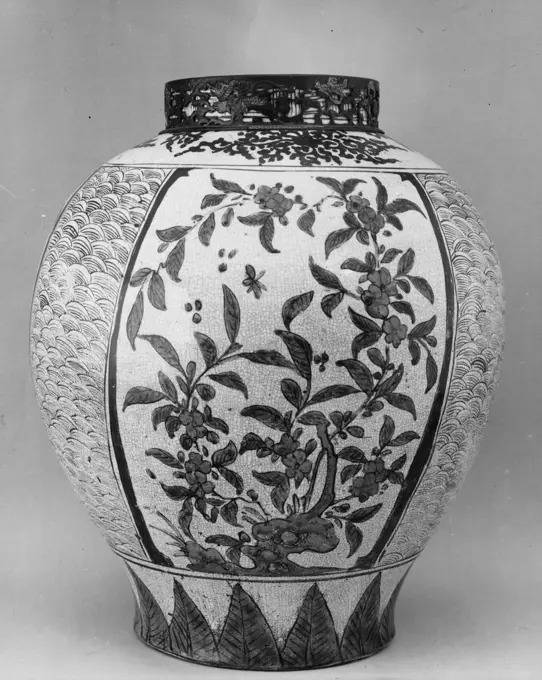
Large Jar 1670 Japan. Large Jar 48720
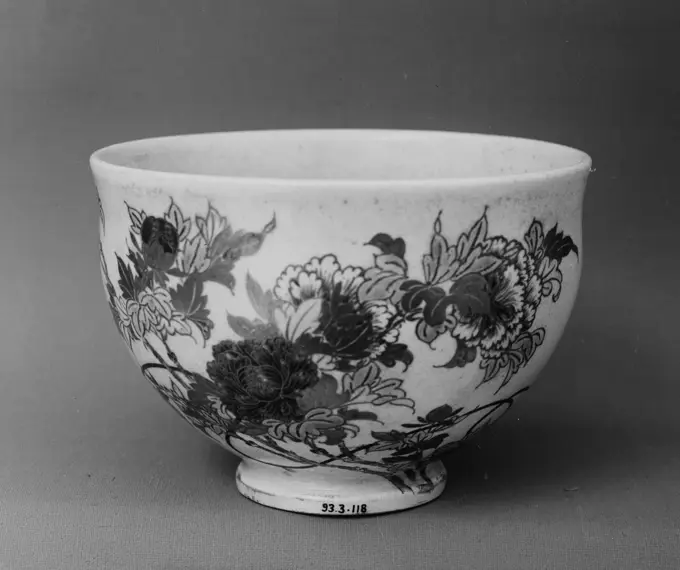
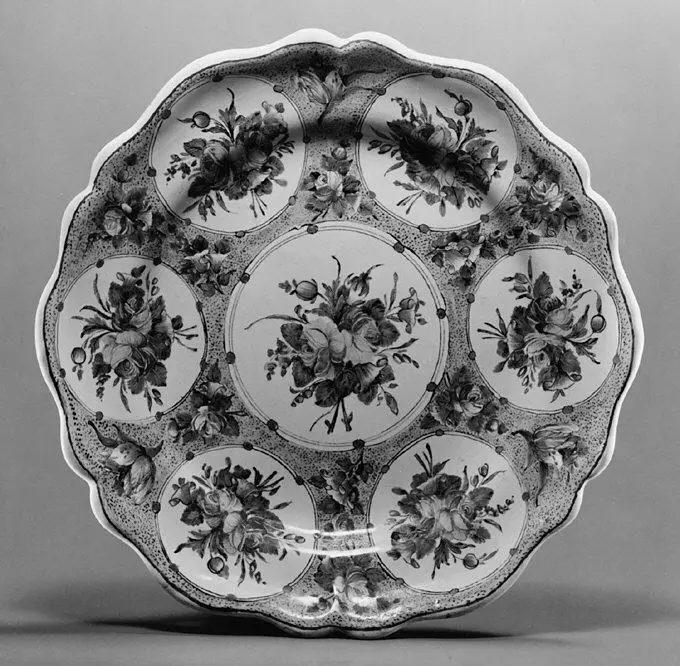
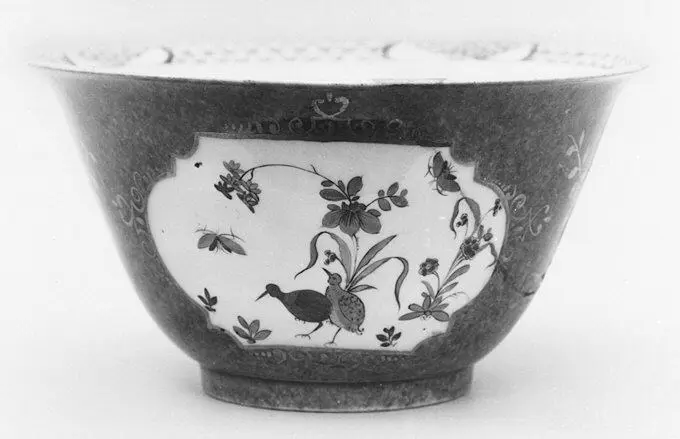
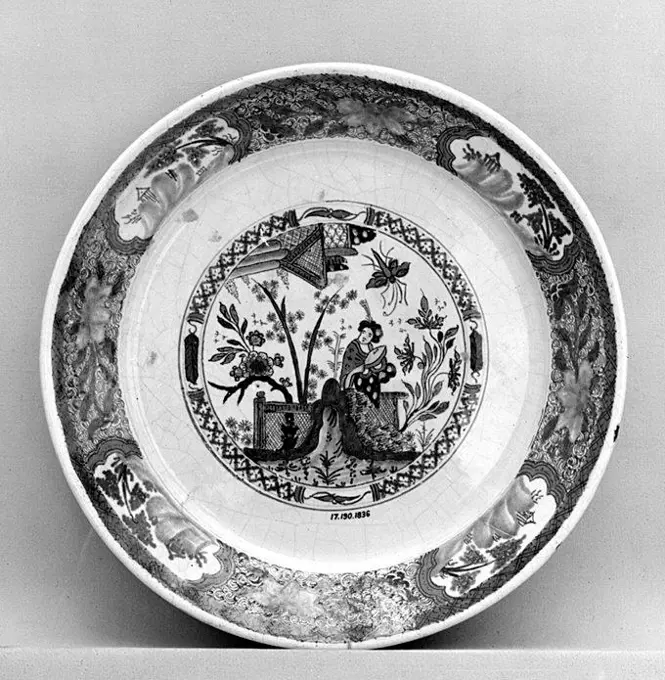
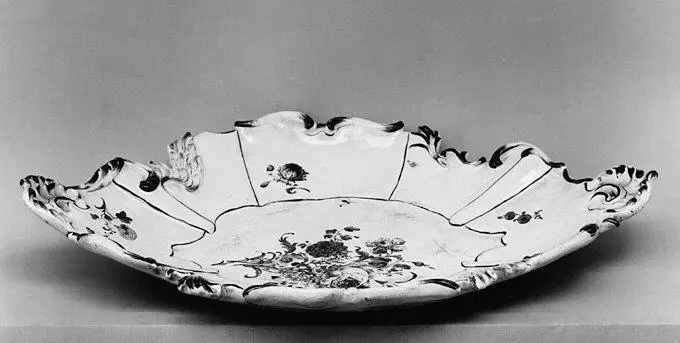
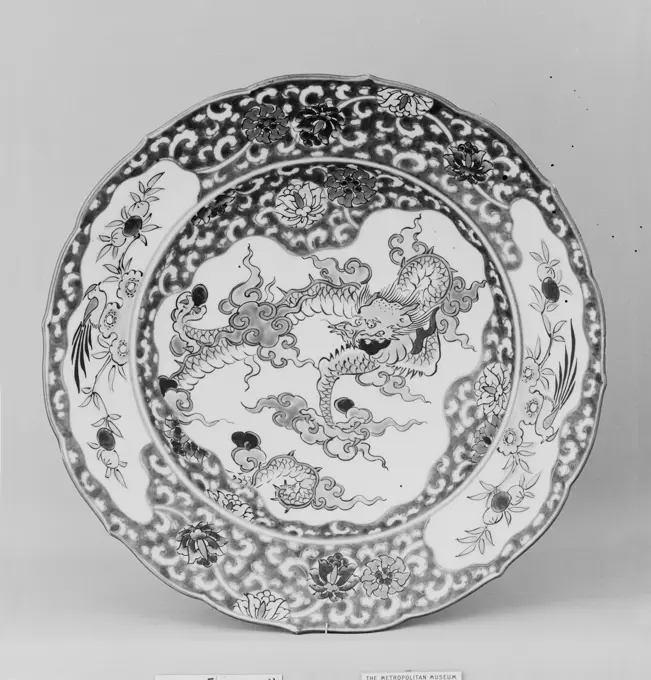
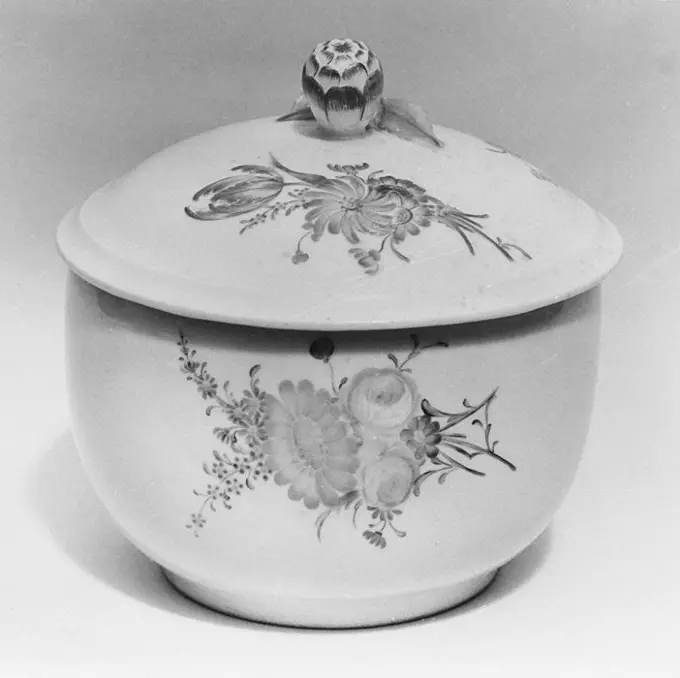
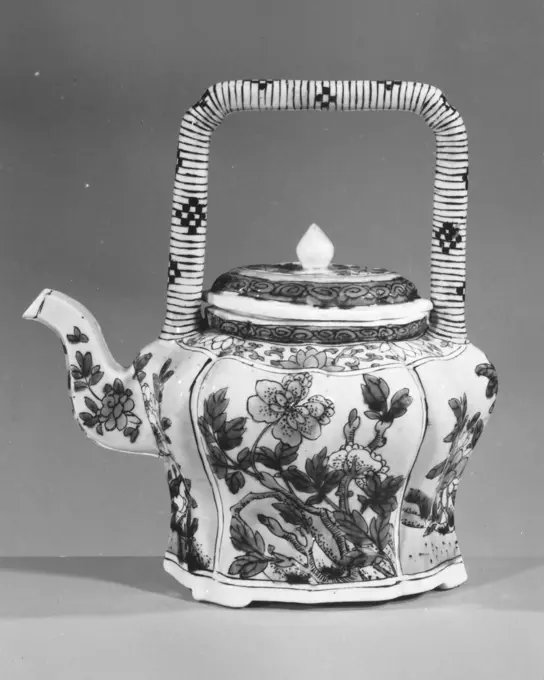
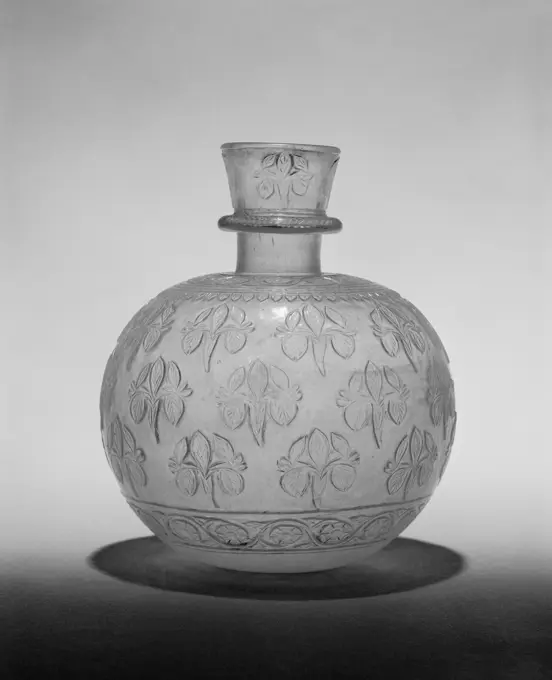
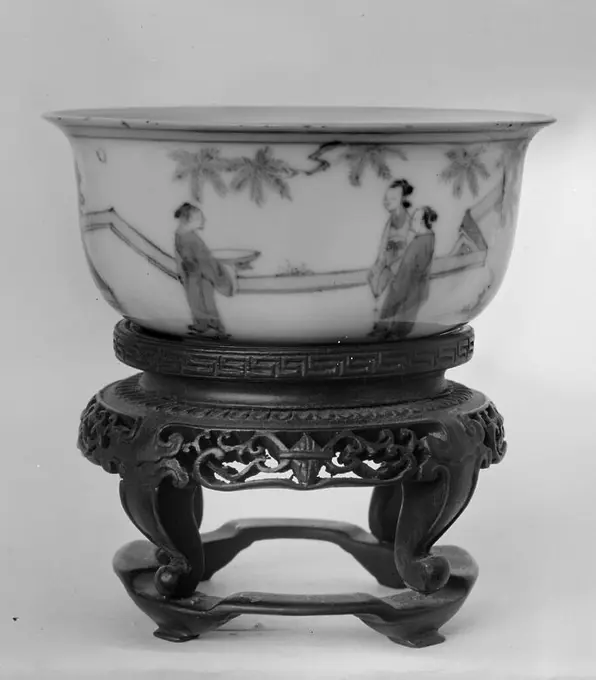
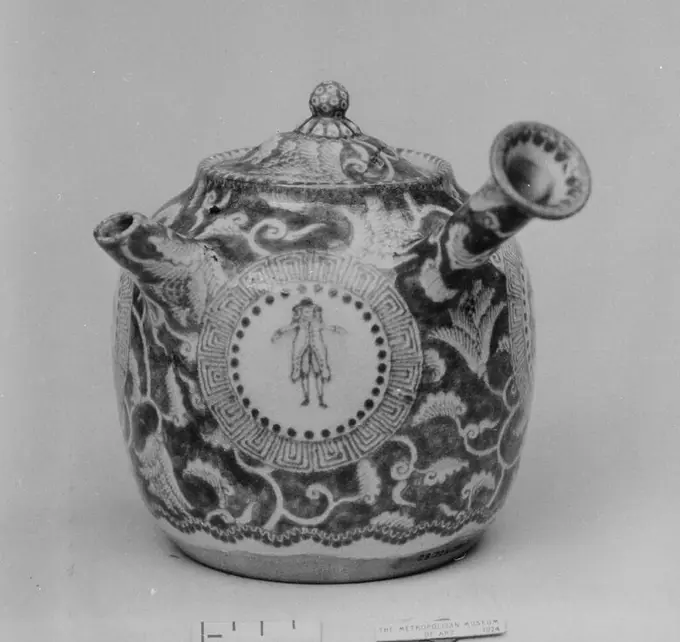
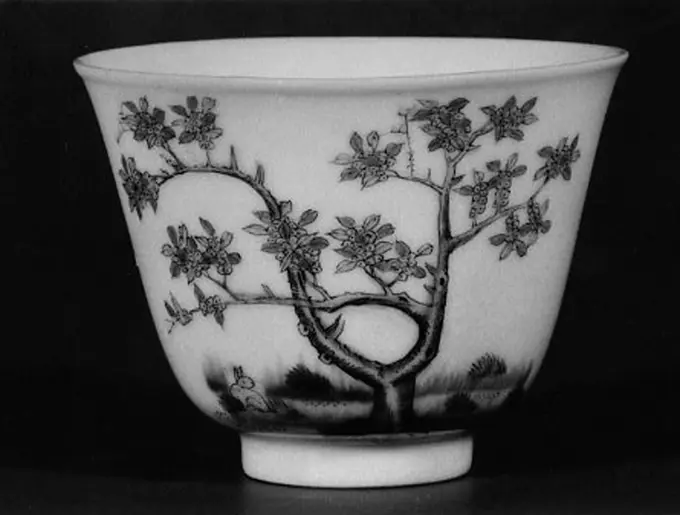
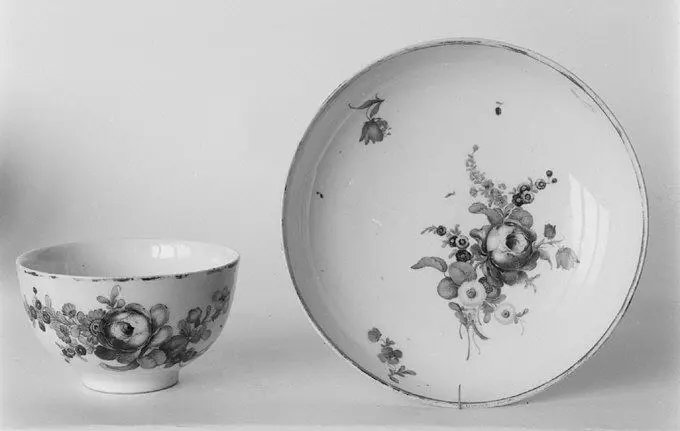
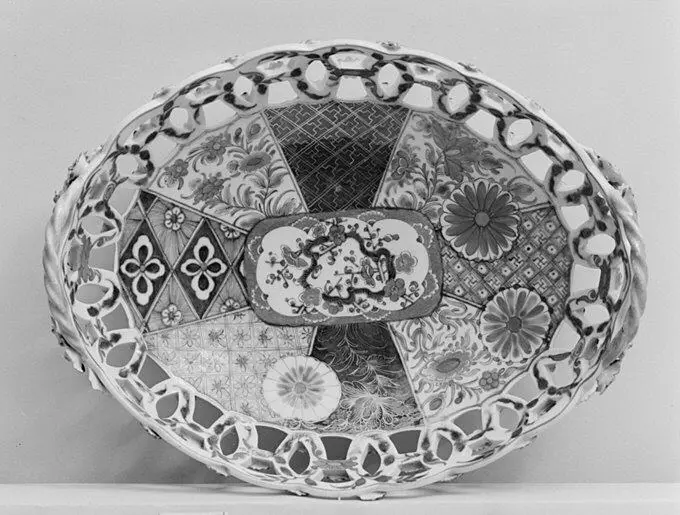
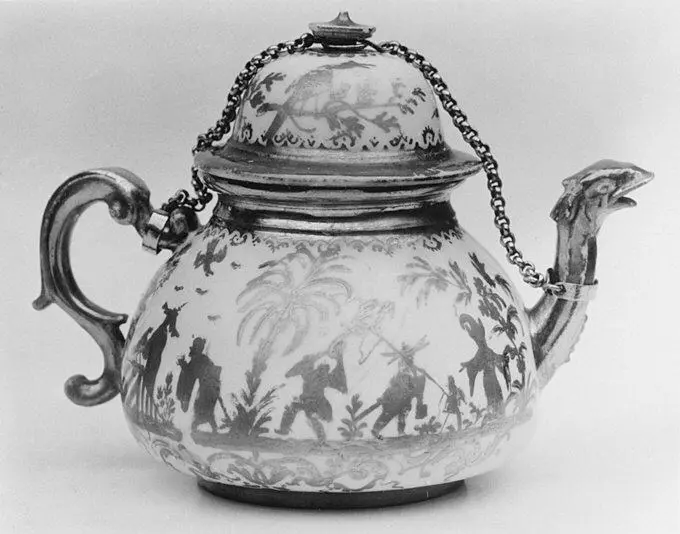
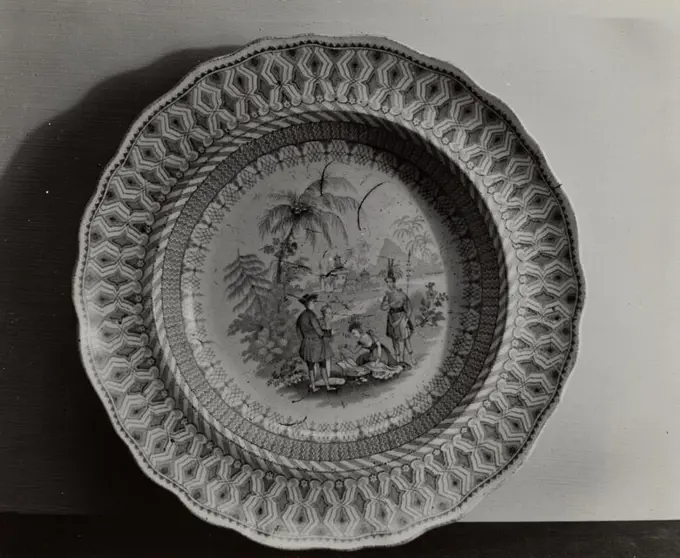
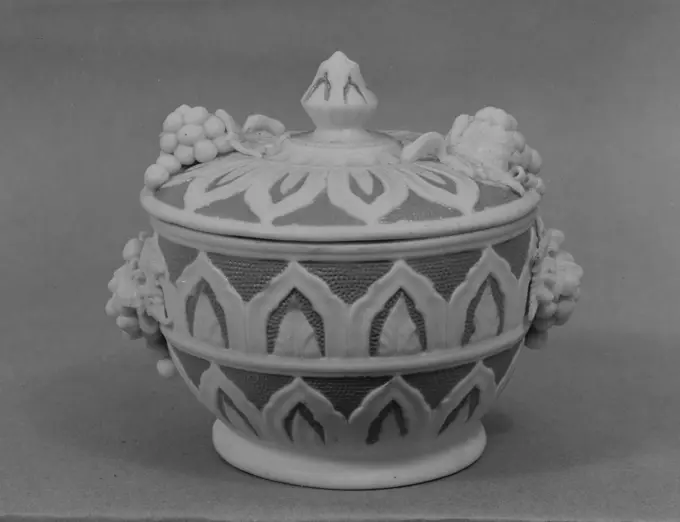
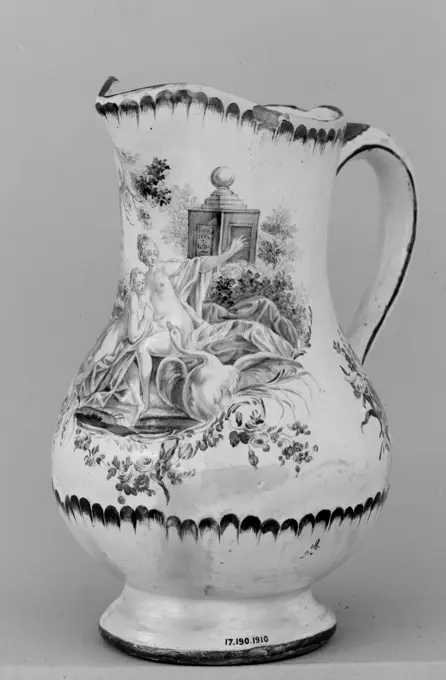
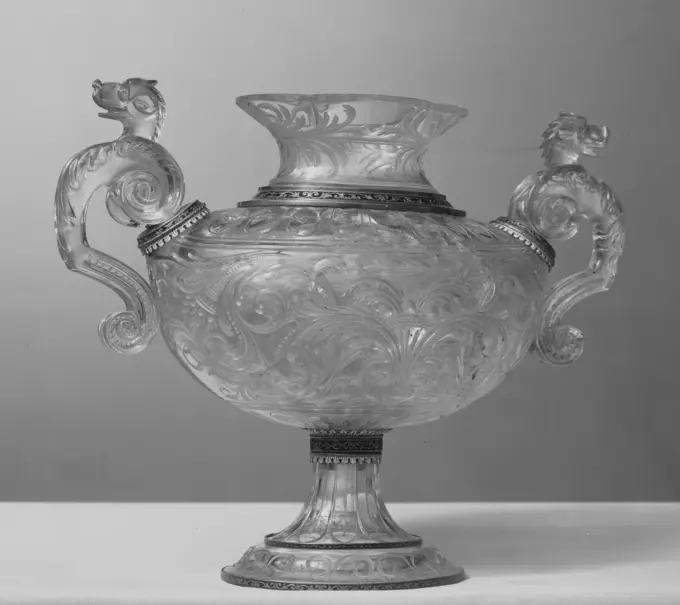
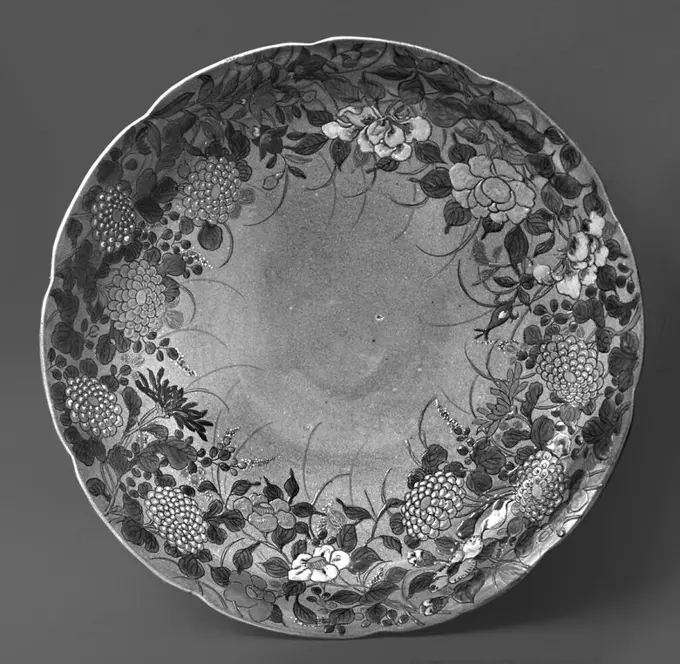
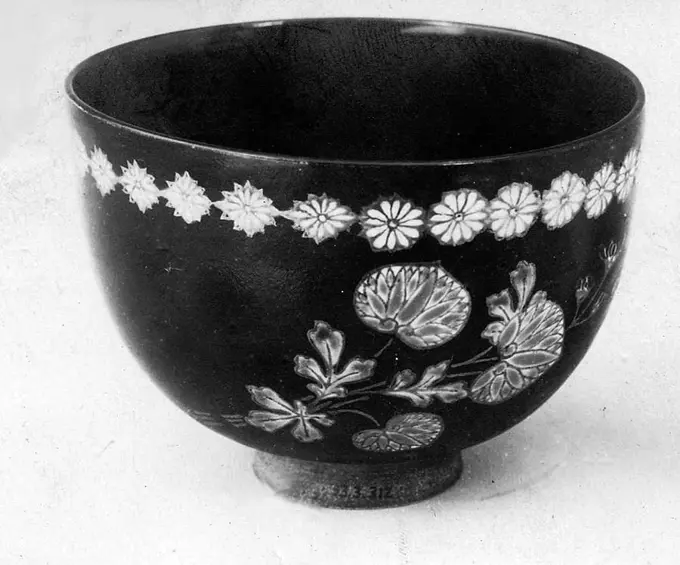
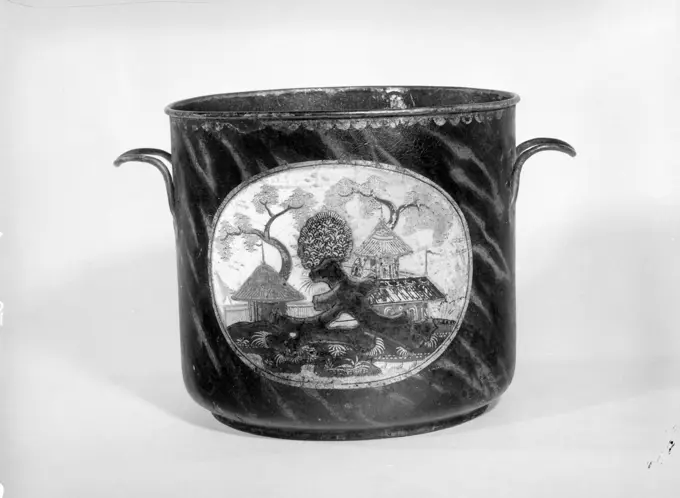
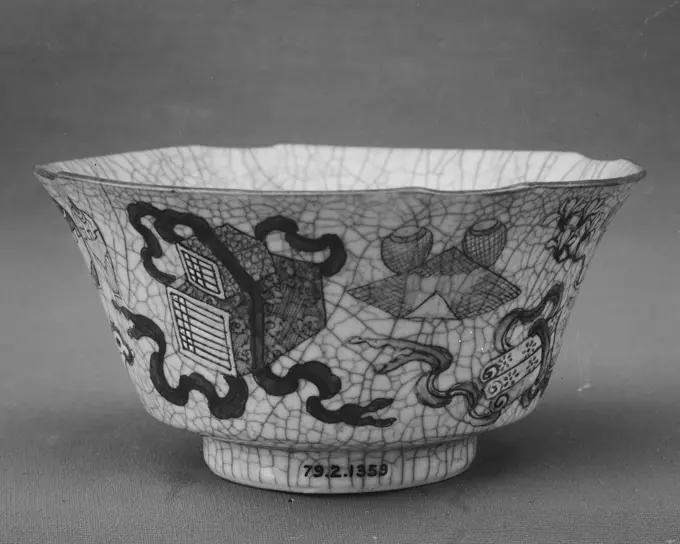
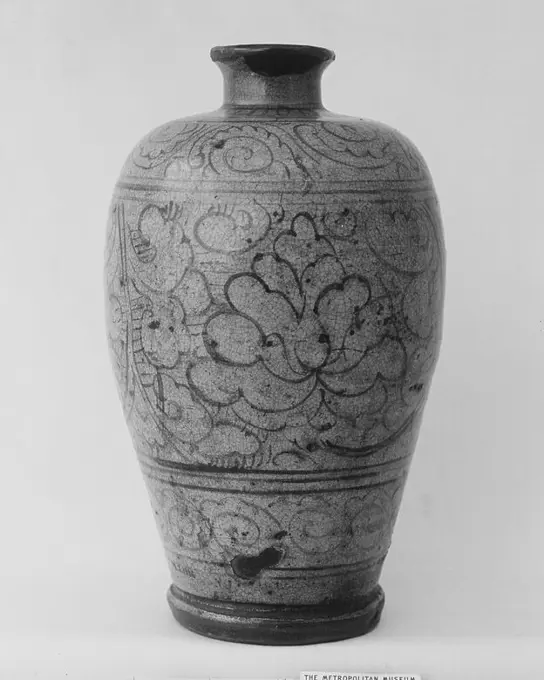
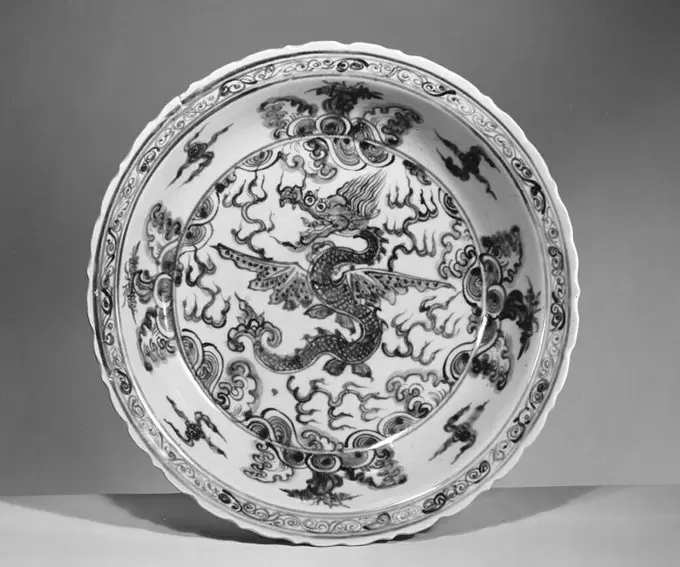
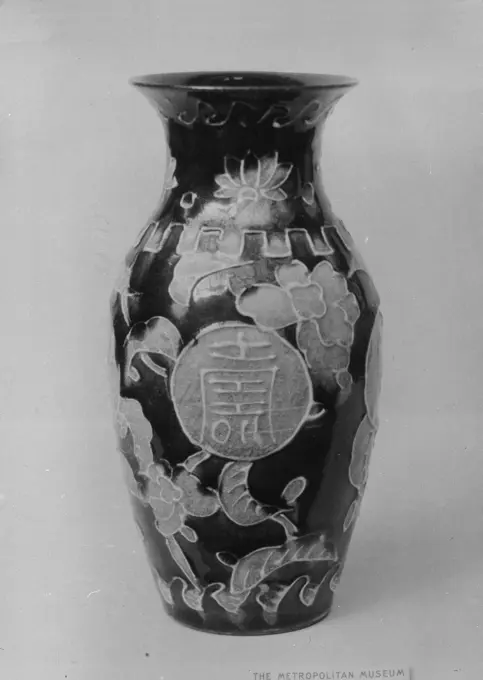
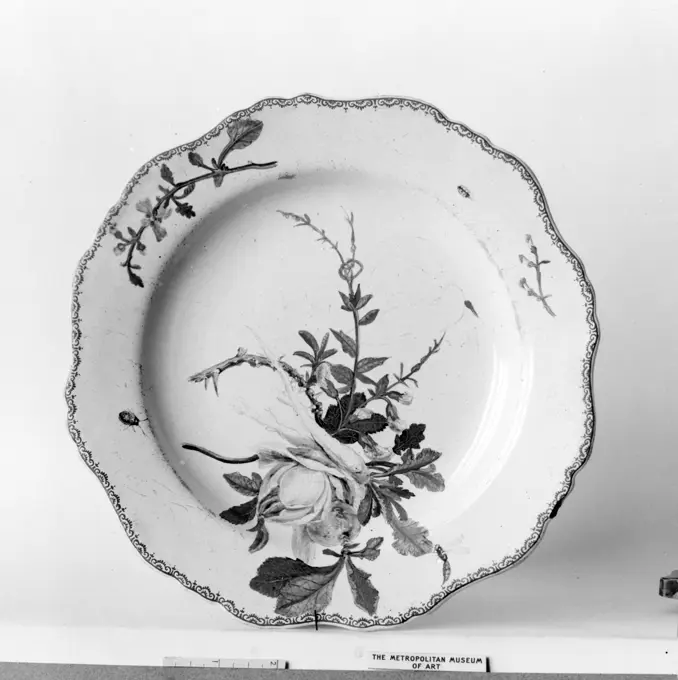
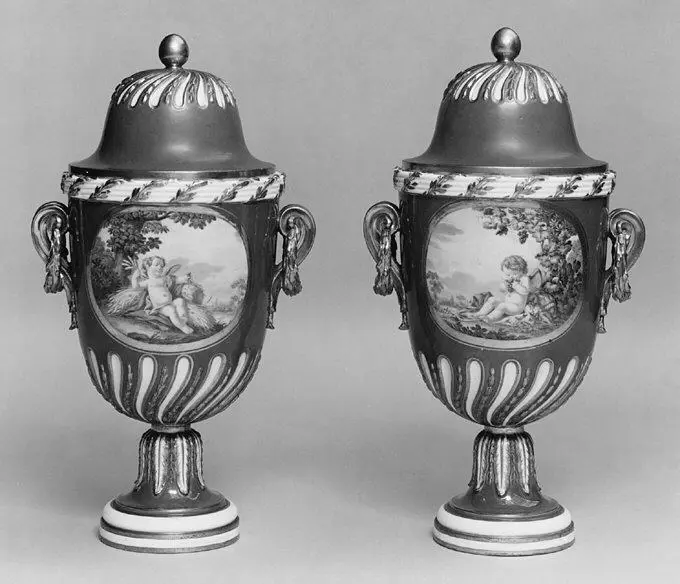
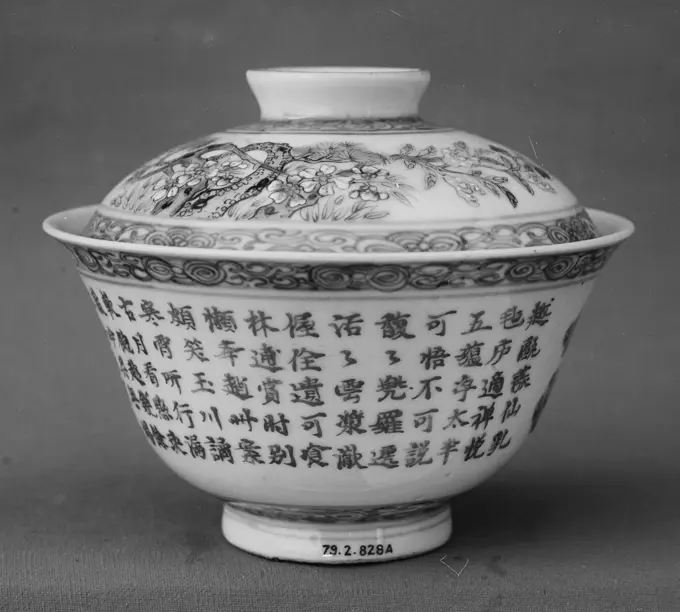
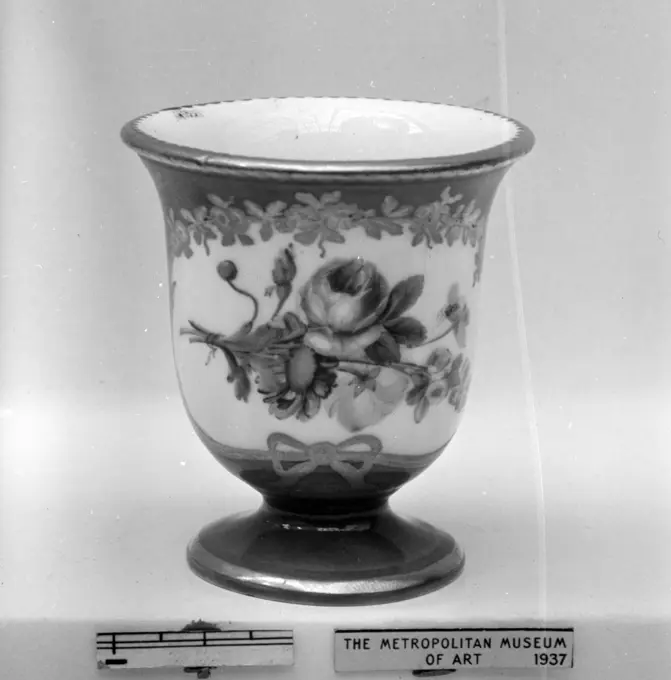
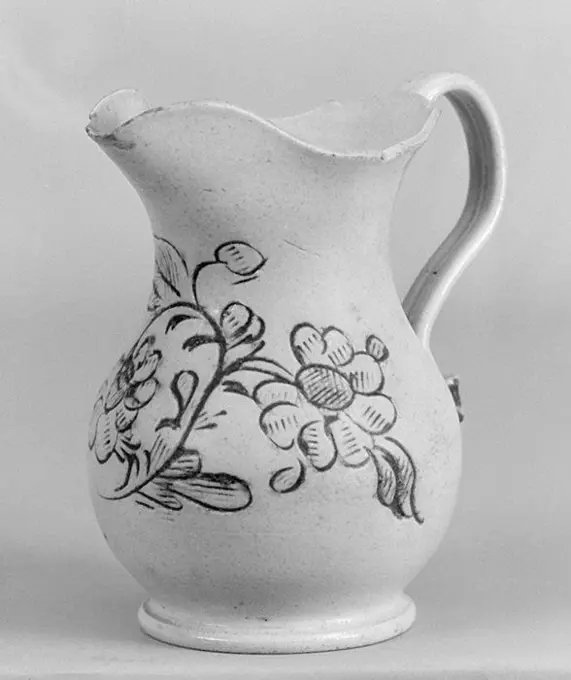
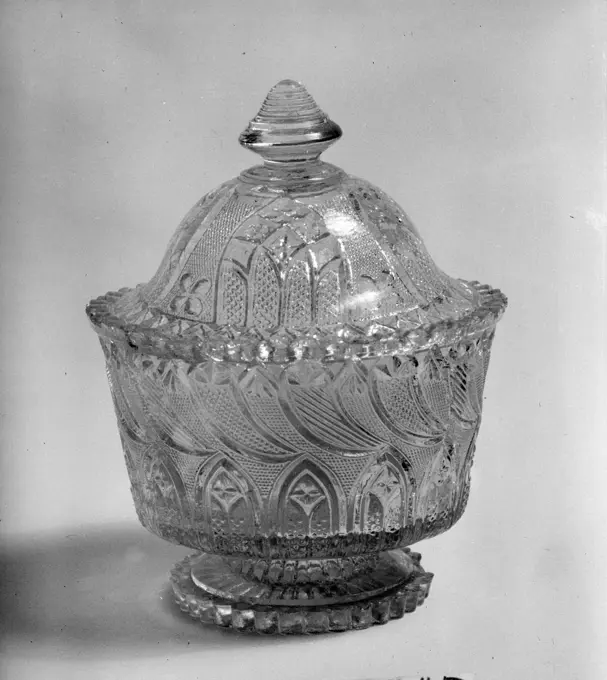
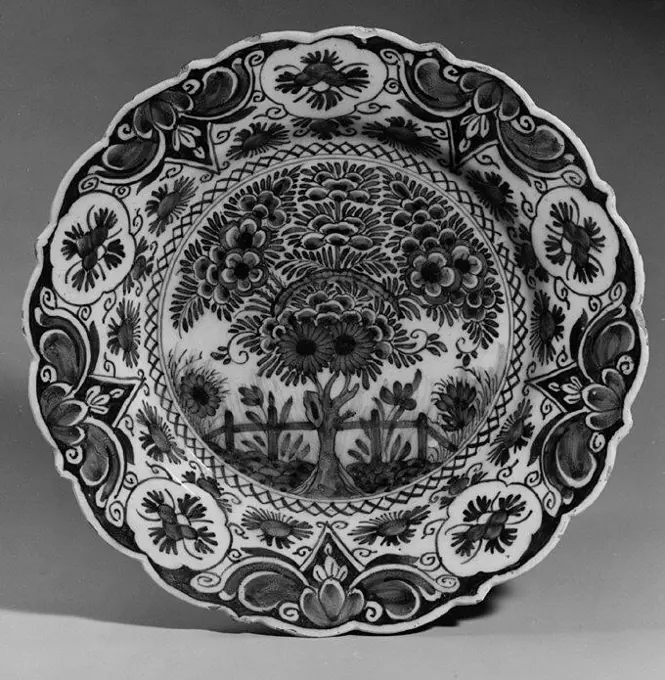
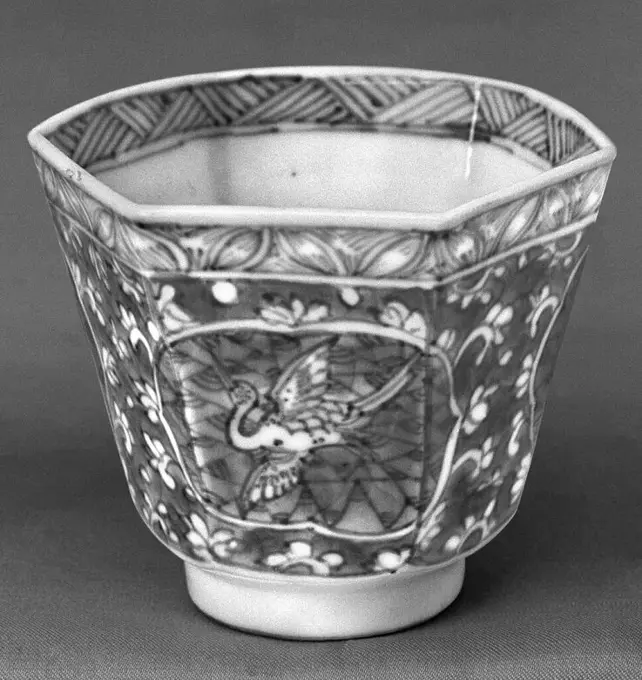
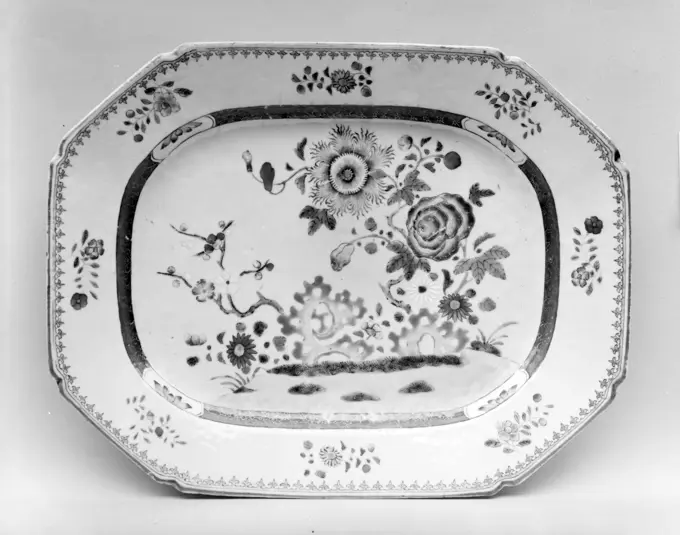
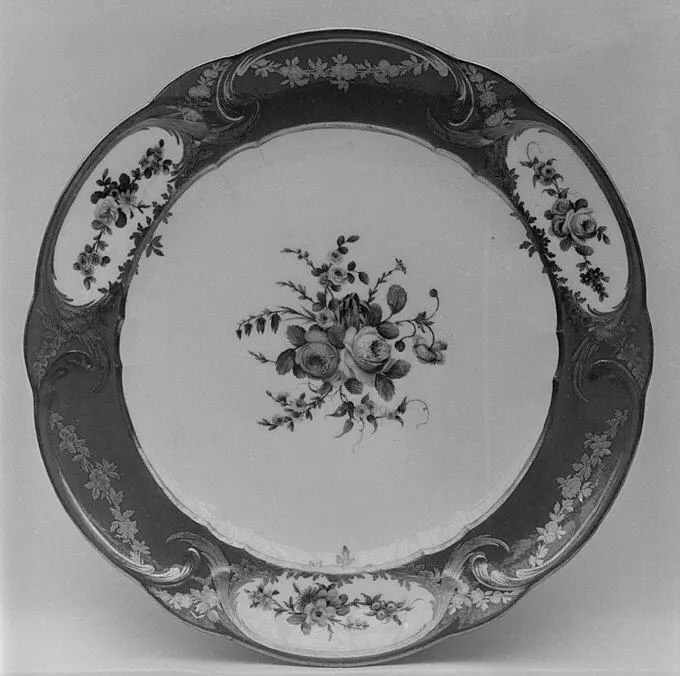
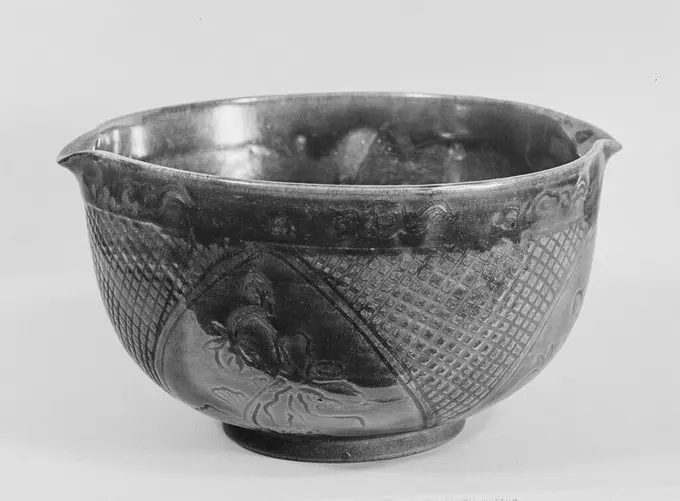
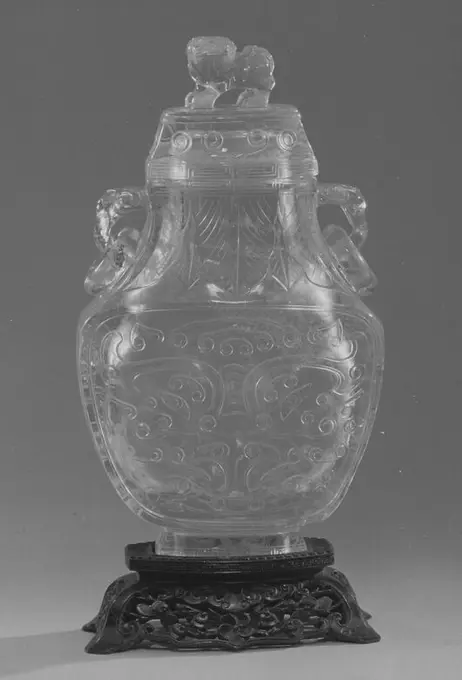
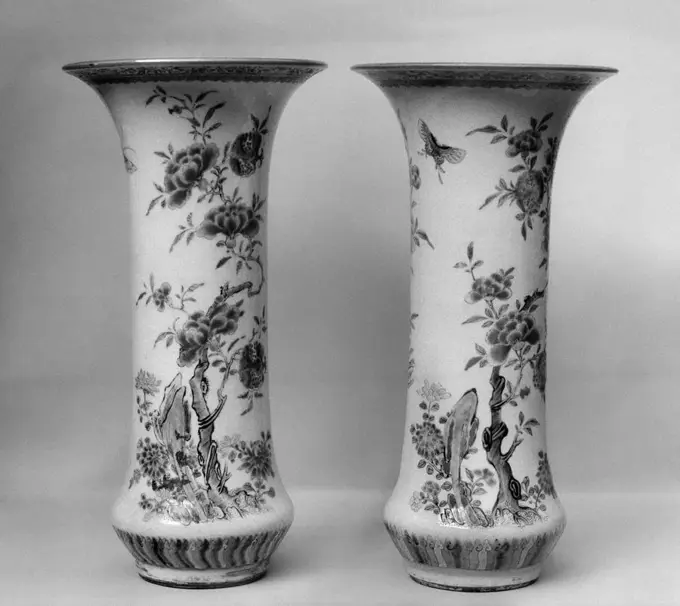
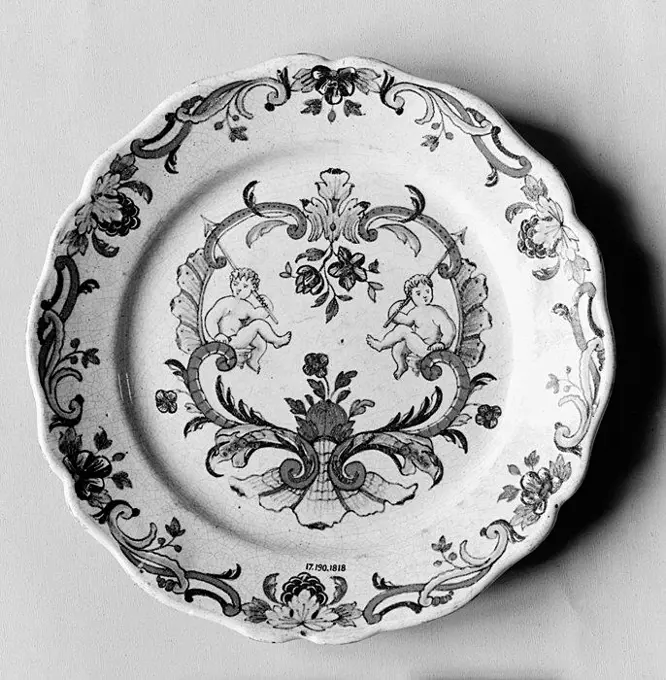
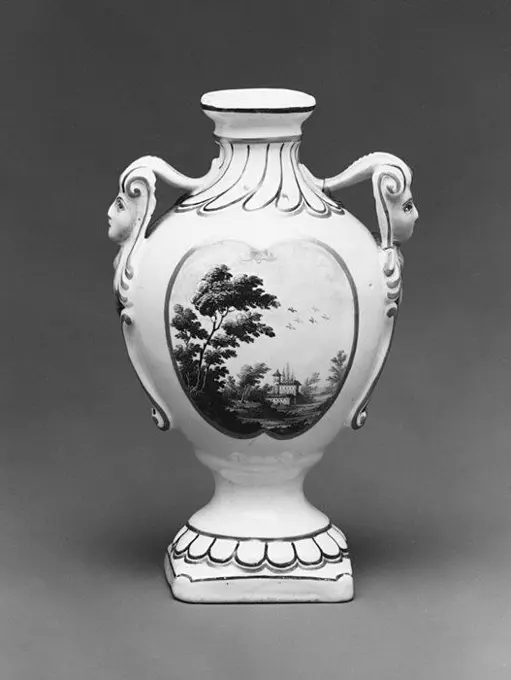
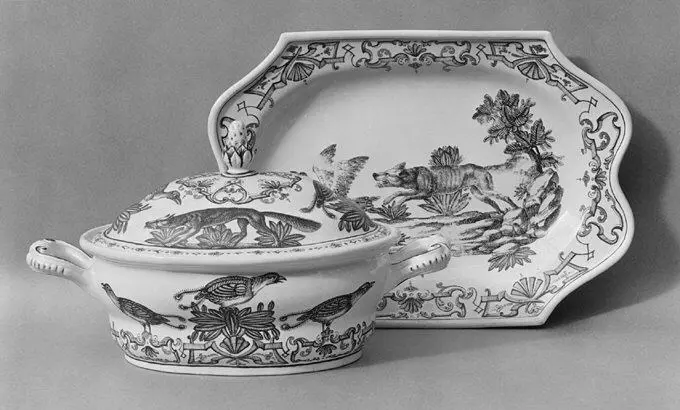
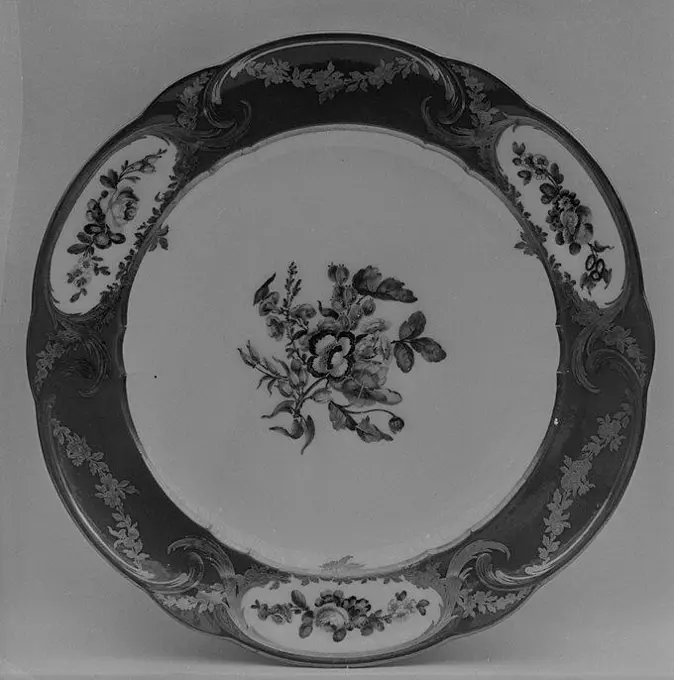
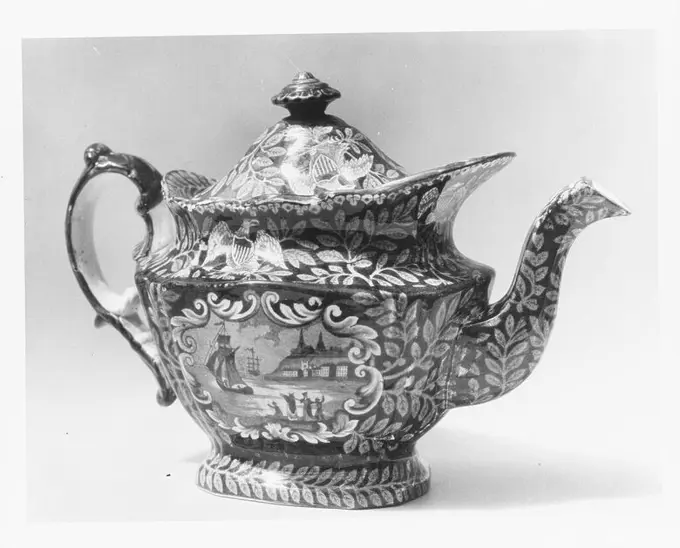
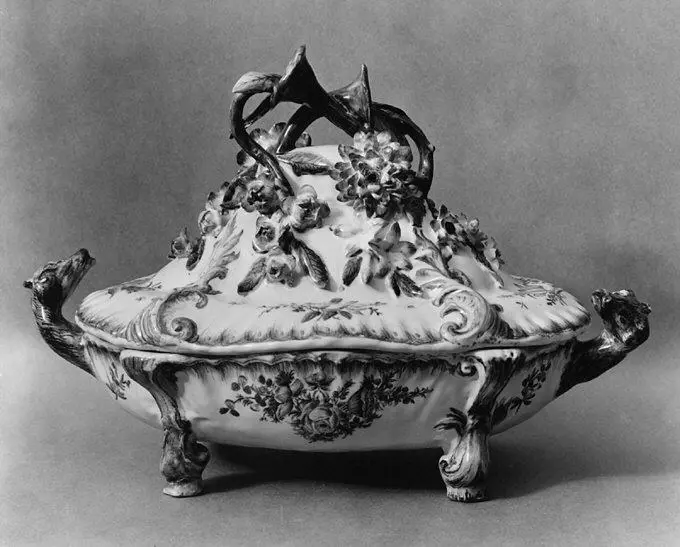
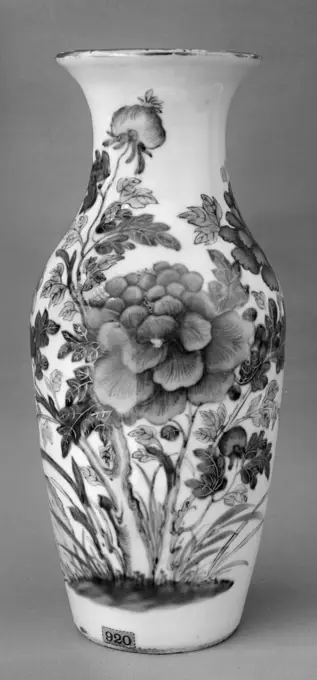
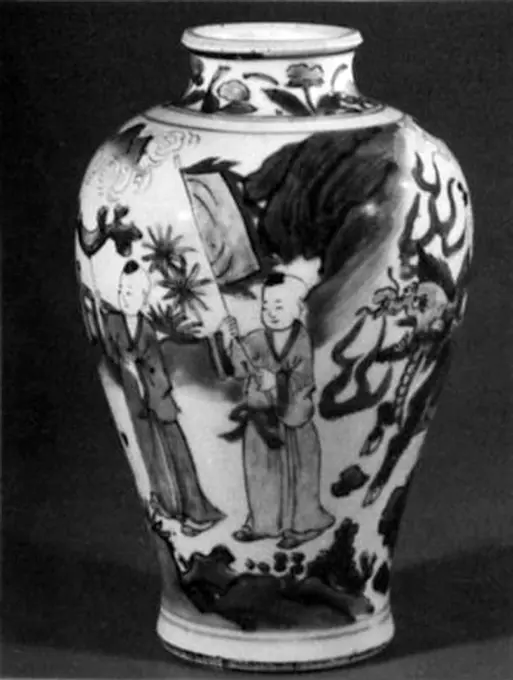
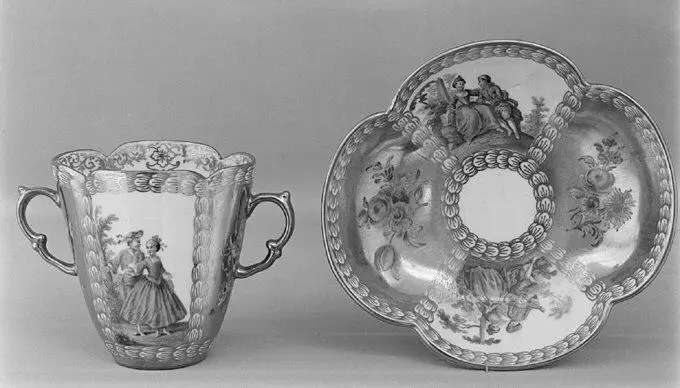
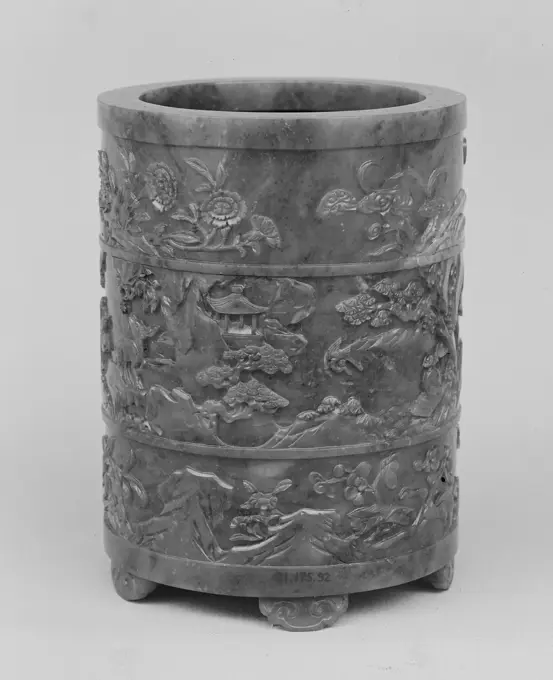
Large Jar 1670 Japan. Large Jar 48720Bowl 18th century Japan. Bowl 62734Teabowl 1800 Japan. Teabowl. Japan. 1800. Clay covered with finely crackled glaze and decorated in colored enamels and gold (Satsuma ware). Edo period (1615-1868). CeramicsBowl. Culture: China. Dimensions: H. 3 1/3 in. (8.5 cm); W. 4 7/8 in. (12.4 cm). Date: ca. 1600. Museum: Metropolitan Museum of Art, New York, USA.Plate ca. 1775 French, Sinceny Faience, or tin-glazed and enameled earthenware, first emerged in France during the sixteenth century, reaching widespread usage among elite patrons during the seventeenth and early eighteenth centuries, prior to the establishment of soft-paste porcelain factories. Although characterized as more provincial in style than porcelain, French faience was used at the court of Louis XIV as part of elaborate meals and displays, with large-scale vessels incorporated into the Baroque garden designs of Versailles. Earlier examples of French faience attest to the strong influence of maiolica artists from Italy. Later works demonstrate the ways in which cities such as Nevers, Rouen, Lyon, Moustiers, and Marseille developed innovative vessel shapes and decorative motifs prized among collectors throughout Europe. While faience can be created from a wide mixture of clays, it is foremost distinguished by the milky opaque white color achieved by the addition of tin oxide tCup and Cover. Culture: Japan. Dimensions: H. 6 in. (15.2 cm). Date: ca. 1780. Museum: Metropolitan Museum of Art, New York, USA.Small Scalloped-shape Bowl with Design of Vertical Floral Bands and Chinese Children on Bottom of Interior 19th century Japan. Small Scalloped-shape Bowl with Design of Vertical Floral Bands and Chinese Children on Bottom of Interior 63935Beaker ca. 1735 Chantilly. Beaker 195211Cup and saucer ca. 1785-90 The Hague Dutch. Cup and saucer 192304Chestnut Bowl. Culture: British. Dimensions: H. 6 1/2 in. (16.5 cm); Diam. 5 1/2 in. (14 cm). Date: 1730-1800. Museum: Metropolitan Museum of Art, New York, USA.Vase 1825 Japan. Vase. Japan. 1825. Porcelain with glaze over which is decoration in colored enamels. Edo period (1615-1868). CeramicsJar with Cover China. Jar with Cover. China. Porcelain. Qing dynasty (1644-1911), Qianlong period (1736-95). CeramicsBowl ca. 1728-30 Meissen Manufactory German. Bowl 199205Plate ca. 1730-40 Factory of Jean-Baptiste Guillibaud Faience, or tin-glazed and enameled earthenware, first emerged in France during the sixteenth century, reaching widespread usage among elite patrons during the seventeenth and early eighteenth centuries, prior to the establishment of soft-paste porcelain factories. Although characterized as more provincial in style than porcelain, French faience was used at the court of Louis XIV as part of elaborate meals and displays, with large-scale vessels incorporated into the Baroque garden designs of Versailles. Earlier examples of French faience attest to the strong influence of maiolica artists from Italy. Later works demonstrate the ways in which cities such as Nevers, Rouen, Lyon, Moustiers, and Marseille developed innovative vessel shapes and decorative motifs prized among collectors throughout Europe. While faience can be created from a wide mixture of clays, it is foremost distinguished by the milky opaque white color achieved by the Tureen tray (part of a set) ca. 1760 Factory of Pierre Chapelle II Faience, or tin-glazed and enameled earthenware, first emerged in France during the sixteenth century, reaching widespread usage among elite patrons during the seventeenth and early eighteenth centuries, prior to the establishment of soft-paste porcelain factories. Although characterized as more provincial in style than porcelain, French faience was used at the court of Louis XIV as part of elaborate meals and displays, with large-scale vessels incorporated into the Baroque garden designs of Versailles. Earlier examples of French faience attest to the strong influence of maiolica artists from Italy. Later works demonstrate the ways in which cities such as Nevers, Rouen, Lyon, Moustiers, and Marseille developed innovative vessel shapes and decorative motifs prized among collectors throughout Europe. While faience can be created from a wide mixture of clays, it is foremost distinguished by the milky opaque white color achPlate ca. 1800 Japan. Plate. Japan. ca. 1800. Porcelain with decorations. Edo period (1615-1868). CeramicsBowl (one of a pair) China. Bowl (one of a pair) 50797Covered bowl with floral patterns 19th century China. Covered bowl with floral patterns. China. 19th century. Porcelain painted in overglaze polychrome enamels (Bencharong ware for Thai market ). Qing dynasty (1644-1911). CeramicsBeaker with cover ca. 1725-30 Meissen Manufactory German. Beaker with cover 200919Bowl and Cover. Culture: Japan. Dimensions: H. 3 1/2 in. (8.9 cm); Diam. 6 in. (15.2 cm). Date: 1750. Museum: Metropolitan Museum of Art, New York, USA.Vase ca. 1700 German, Frankfurt This vase is a particularly handsome example of Frankfurt faience with oriental decoration in blue, yellow, and olive green, some additional unfired red pigment, and a bold coat of arms in blue.. Vase. German, Frankfurt. ca. 1700. Tin-glazed earthenware. Ceramics-PotteryBowl with Thai celestial beings 19th century China. Bowl with Thai celestial beings 46288Covered Box late 17th-early 18th century China. Covered Box. China. late 17th-early 18th century. Porcelain painted in underglaze blue with relief decoration, touched with polychrome enamels. Qing dynasty (1644-1911), Kangxi period (1662-1722). CeramicsSaucer with floral patterns late 18th century China. Saucer with floral patterns 46652Sugar bowl with cover Attributed to Baden-Baden Pottery and Porcelain Manufactory German ca. 1770Small Dish 1750 Japan. Small Dish 52329Bowl 1780 Japan. Bowl. Japan. 1780. White porcelain, the outside dipped blue under the glaze covered with design painted in gold; the inside decorated in blue under the glaze, enamel. Edo period (1615-1868). CeramicsWinepot with Cover late 17th-early 18th century China. Winepot with Cover 42292Vase. Culture: China. Dimensions: H. 6 3/4 in. (17.1 cm). Date: first half of the 19th century. Museum: Metropolitan Museum of Art, New York, USA.Jar. Culture: Japan. Dimensions: H. 23 in. (58.4 cm); Diam. (at mouth) 9 1/4 in. (23.5 cm). Date: 18th century. Museum: Metropolitan Museum of Art, New York, USA.Hookah Base. India, Mughal empire, circa 1700. Tools and Equipment; hookahs. Translucent glass with molded and wheel-cut decorationCup. Culture: China. Dimensions: H. 1 1/2 in. (3.8 cm); W. 3 7/8 in. (9.8 cm). Museum: Metropolitan Museum of Art, New York, USA.Covered Urn. Culture: China. Dimensions: H. 6 7/8 in. (17.5 cm); Diam. 4 5/8 in. (11.7 cm). Date: late 18th-19th century. Museum: Metropolitan Museum of Art, New York, USA.Cup with lions 19th century China. Cup with lions. China. 19th century. Porcelain painted in overglaze polychrome enamels (Bencharong ware for Thai market). Qing dynasty (1644-1911). CeramicsTeapot. Culture: Japan. Dimensions: H. 4 1/4 in. (10.8 cm). Date: 1870. Museum: Metropolitan Museum of Art, New York, USA.Cup China. Cup 52869Teabowl and saucer ca. 1775 Zurich Pottery and Porcelain Factory. Teabowl and saucer 187778 Factory: Zurich Pottery and Porcelain Factory, Swiss, founded 1763, Teabowl and saucer, ca. 1775, Hard-paste porcelain, Height (Teabowl): 1 7/8 in. (4.8 cm); Diameter (Saucer): 5 1/8 in. (13 cm). The Metropolitan Museum of Art, New York. Gift of Henry G. Marquand, 1894 (94.4.162, .163)Dessert basket ca. 1765-75 Worcester factory The term "chinoiserie" refers to an 18th-century European style inspired by the art of China, Japan, and other Asian countries. In Britain, porcelain imported from China and Japan was extremely fashioinable and highly coveted. This caused British factories to imitate Asian wares, both by copying Asian originals, but more often by creating their own imaginative "chinoiserie" designs. The chinoiserie style was at its height in Britain in the 1750s and 1760s. It is related to the rococo style, which was also characterized by asymmetry and an element of fantasy. In British porcelain, it is not uncommon to find objects that combine both aspects of chinoiserie and rococo.. Dessert basket 198494Bonbon dish ca. 1750-70 Chinese, for Continental European, probably French, market. Bonbon dish. Chinese, for Continental European, probably French, market. ca. 1750-70. Hard-paste porcelain. Ceramics-Porcelain-ExportTeapot ca. 1720-25 Meissen Manufactory German. Teapot 188655 Factory: Meissen Manufactory, German, 1710present, Teapot, ca. 172025, Hard-paste porcelain, Height: 4 1/2 in. (11.4 cm). The Metropolitan Museum of Art, New York. Gift of Alfred Duane Pell, 1902 (02.6.110a, b)Bowl China. Bowl 50776Plate - "Penn's Treaty with the Indians". Dated: c. 1936. Dimensions: overall: 20.3 x 25.4 cm (8 x 10 in.) Original IAD Object: 9 1/4" in diameter. Medium: black and white photograph. Museum: National Gallery of Art, Washington DC. Author: Helmut Hiatt.Covered Sugar Bowl 1830-70 American. Covered Sugar Bowl. American. 1830-70. Parian porcelain. Probably made in Bennington, Vermont, United StatesWater jug 1753-95 French, Sceaux Faience, or tin-glazed and enameled earthenware, first emerged in France during the sixteenth century, reaching widespread usage among elite patrons during the seventeenth and early eighteenth centuries, prior to the establishment of soft-paste porcelain factories. Although characterized as more provincial in style than porcelain, French faience was used at the court of Louis XIV as part of elaborate meals and displays, with large-scale vessels incorporated into the Baroque garden designs of Versailles. Earlier examples of French faience attest to the strong influence of maiolica artists from Italy. Later works demonstrate the ways in which cities such as Nevers, Rouen, Lyon, Moustiers, and Marseille developed innovative vessel shapes and decorative motifs prized among collectors throughout Europe. While faience can be created from a wide mixture of clays, it is foremost distinguished by the milky opaque white color achieved by the addition of tin oxideVase late 16th or early 17th century, with later additions Mounts by Morell of Paris. Vase 193522Plate. Culture: China. Dimensions: Diam. 10 1/8 in. (25.7 cm). Date: 18th century. Museum: Metropolitan Museum of Art, New York, USA.Teabowl Japan. Teabowl. Japan. Pottery covered with a black glaze and reserves of transparent crackled glaze. CeramicsCachepot 1700-1800. Cachepot. 1700-1800. Probably tin. Made in FranceBowl China. Bowl. China. Porcelain painted in polychrome enamels over a crackled glaze. Qing dynasty (1644-1911), Jiaqing mark and period (1796-1820). CeramicsVase. Culture: China. Dimensions: H. 8 in. (20.3 cm). Museum: Metropolitan Museum of Art, New York, USA.Plate 1745-60 Dutch. Plate. Dutch. 1745-60. Earthenware. Made in Delft, South Holland, NetherlandsPlate. Culture: China. Dimensions: H. 2 1/2 in. (6.4 cm); Diam. 12 1/2 in. (31.8 cm). Date: second quarter 16th century. Museum: Metropolitan Museum of Art, New York, USA.Pitcher (part of a service) 1770-85 Chinese, for British market. Pitcher (part of a service). Chinese, for British market. 1770-85. Hard-paste porcelain. Ceramics-Porcelain-ExportVase 1830 Japan. Vase. Japan. 1830. Stoneware covered with glaze, craquelé (Kairakuen ware). Edo period (1615-1868). CeramicsPlate 18th century French, Marseilles Faience, or tin-glazed and enameled earthenware, first emerged in France during the sixteenth century, reaching widespread usage among elite patrons during the seventeenth and early eighteenth centuries, prior to the establishment of soft-paste porcelain factories. Although characterized as more provincial in style than porcelain, French faience was used at the court of Louis XIV as part of elaborate meals and displays, with large-scale vessels incorporated into the Baroque garden designs of Versailles. Earlier examples of French faience attest to the strong influence of maiolica artists from Italy. Later works demonstrate the ways in which cities such as Nevers, Rouen, Lyon, Moustiers, and Marseille developed innovative vessel shapes and decorative motifs prized among collectors throughout Europe. While faience can be created from a wide mixture of clays, it is foremost distinguished by the milky opaque white color achieved by the addition of tin Vase with cover (vase feuille de laurier) (one of a pair) ca. 1770 Sèvres Manufactory French This piece of Sèvres porcelain comes from the Hillingdon Collection, which was founded by Sir Charles Mills (1792-1880), a partner in the great firm of Glyn, Mills, Currie and Company, bankers to the British royal family. Tradition says that Sir Charles acquired the collection during a series of visits to France in the first half of the nineteenth century. Sir Charles son was created first Baron Hillingdon in 1886. In 1937, his descendants sold the collection to the well-known art dealers Duveen Brothers. Although various collectors, such as Calouste Gulbenkian and J. Paul Getty, were interested in buying the Hillingdon Collection, ultimately the majority of the artworks, including seventeen pieces of porcelain-mounted furniture, were acquired in 1947 by the cultural foundation that had been established by the American businessman and philanthropist Samuel H. Kress (1863-1955). Under the leadeCovered Bowl China. Covered Bowl. China. Porcelain painted in underglaze blue and overglaze polychrome enamels and gilt. Qing dynasty (1644-1911), Jiaqing mark and period (1796-1820). CeramicsIce cream cup (Tasse à glace) (part of a service) ca. 1775 Sèvres Manufactory French. Ice cream cup (Tasse à glace) (part of a service). French, Sèvres. ca. 1775. Soft-paste porcelain. Ceramics-PorcelainStem Dish with Fish Design 15th-16th century Thailand (Si Satchanalai). Stem Dish with Fish Design 37460Cream jug ca. 1750-70 British, Staffordshire. Cream jug 197572Covered Sugar Bowl American 1835-45 View more. Covered Sugar Bowl. American. 1835-45. Lacy pressed glass. Probably made in Midwest, United StatesBowl ca. 1726-28 Meissen Manufactory German. Bowl 205972Pair of plates 1782-1800 De Porcelayne Schotel. Pair of plates 207674Cup. Culture: China. Dimensions: H. 1 7/8 in. (4.8 cm); W. 2 1/8 in. (5.4 cm). Date: late 17th-early 18th century. Museum: Metropolitan Museum of Art, New York, USA.Bowl ca. 1660 Japan. Bowl 63605Platter 1765-70 Chinese for export Chinese export porcelain was one of the luxuries deemed essential to a well-appointed eighteenth-century house. Until 1784, when direct trade began between China and America, Chinese porcelain came to the colonies by way of Europe. This platter was part of a large service that descended in the Verplanck family of New York.. Platter. Chinese for export. 1765-70. Porcelain. Made in ChinaPlate (assiette à palmes) (1 of 102) (part of a service) 1780 Sèvres Manufactory French. Plate (assiette à palmes) (1 of 102) (part of a service) 197927Creamer 1830-40 American. Creamer. American. 1830-40. Lacy pressed glass. Made in New England, United StatesBowl. Culture: Japan. Dimensions: H. 4 in. (10.2 cm); Diam. 7 3/8 in. (18.7 cm). Date: 19th century. Museum: Metropolitan Museum of Art, New York, USA.Covered vase. Culture: China. Dimensions: H. 6 15/16 in. (17.6 cm); H. (with stand) 8 in. (20.3 cm); W. 4 in. (10.2 cm); D. 2 in. (5.1 cm). Date: 18th century. Museum: Metropolitan Museum of Art, New York, USA.Punch bowl 1750-75 Chinese, for European market. Punch bowl 201013Vase with birds and flowers late 18th century China. Vase with birds and flowers 48542Plate ca. 1750-60 Factory of Pierre-Clement Caussey Faience, or tin-glazed and enameled earthenware, first emerged in France during the sixteenth century, reaching widespread usage among elite patrons during the seventeenth and early eighteenth centuries, prior to the establishment of soft-paste porcelain factories. Although characterized as more provincial in style than porcelain, French faience was used at the court of Louis XIV as part of elaborate meals and displays, with large-scale vessels incorporated into the Baroque garden designs of Versailles. Earlier examples of French faience attest to the strong influence of maiolica artists from Italy. Later works demonstrate the ways in which cities such as Nevers, Rouen, Lyon, Moustiers, and Marseille developed innovative vessel shapes and decorative motifs prized among collectors throughout Europe. While faience can be created from a wide mixture of clays, it is foremost distinguished by the milky opaque white color achieved by the adPair of orange stands (part of a service) Manufactory Meissen Manufactory German Modeler Johann Friedrich Eberlein German ca. 1738-41Snuff Bottle China. Snuff Bottle 41356Plate (Assiette à palmes) (1 of 102) (part of a service) Manufactory Sèvres Manufactory French Decoration probably by Jean-Pierre Boulanger ca. 1780Pilgrim bottle 19th century Factory of Christian Wilhelm Fleischman. Pilgrim bottle 208806Ceramic Jar with Ivory Lid 1820 Eiraku Hozen. Ceramic Jar with Ivory Lid. Eiraku Hozen (Japanese, 1795-1854). Japan. 1820. White porcelain decorated with gold and iron red (Kyoto ware). Edo period (1615-1868). CeramicsVase. Culture: Japan. Dimensions: H. 10 3/8 in. (26.4 cm). Date: 1800. Museum: Metropolitan Museum of Art, New York, USA.Jar. Culture: China. Dimensions: H. 13 3/4 in. (34.9 cm). Museum: Metropolitan Museum of Art, New York, USA.Vase ca. 1760-70 possibly Doccia Porcelain Manufactory Italian. Vase 208040Tureen and stand ca. 1735 Vienna Du Paquier produced a number of services decorated with animal or hunting scenes painted in black enamel in the style of a print or monochrome drawing. All these so-called hunting services were also embellished with black ornamental borders highlighted with gold. This type of decoration, known as Schwarzlot, was one of the manufactorys most distinctive styles. While certain services can be distinguished by the design of the border, it is not clear to which service this tureen and stand, with its somewhat stiff and naive painting, belonged.. Tureen and stand 200738Cup (part of a service) 1750-70 Chinese, possibly for Dutch market. Cup (part of a service) 201220Plate (assiette à palmes) (1 of 102) (part of a service) 1772 Sèvres Manufactory French. Plate (assiette à palmes) (1 of 102) (part of a service) 197920Teapot. Culture: British (American market). Dimensions: H. 7 1/2 in. (19.1 cm). Date: ca. 1825-ca. 1835. Museum: Metropolitan Museum of Art, New York, USA.Hobnail finger bowl ca. 1890 Probably Hobbs, Brockunier and Company. Hobnail finger bowl. American. ca. 1890. Pressed colorless and opalescent glass. Made in Wheeling, West Virginia, United StatesPair of tureens with covers ca. 1760 Fauchier Manufactory Faience, or tin-glazed and enameled earthenware, first emerged in France during the sixteenth century, reaching widespread usage among elite patrons during the seventeenth and early eighteenth centuries, prior to the establishment of soft-paste porcelain factories. Although characterized as more provincial in style than porcelain, French faience was used at the court of Louis XIV as part of elaborate meals and displays, with large-scale vessels incorporated into the Baroque garden designs of Versailles. Earlier examples of French faience attest to the strong influence of maiolica artists from Italy. Later works demonstrate the ways in which cities such as Nevers, Rouen, Lyon, Moustiers, and Marseille developed innovative vessel shapes and decorative motifs prized among collectors throughout Europe. While faience can be created from a wide mixture of clays, it is foremost distinguished by the milky opaque white color achieved by Dish second quarter 17th century China. Dish. China. second quarter 17th century. Porcelain painted in underglaze blue and overglaze polychrome enamels. Ming dynasty (1368-1644), Transitional period. CeramicsVase with flowers 19th century China. Vase with flowers. China. 19th century. Porcelain painted in underglaze cobalt blue and overglaze polychrome enamels (Jingdezhen ware). Qing dynasty (1644-1911). CeramicsVase China. Vase. China. Porcelain. Qing dynasty (1644-1911), Qianlong period (1736-95). CeramicsVase China. Vase 50777Small Dish mid-17th century Japan. Small Dish. Japan. mid-17th century. Porcelain painted with red and green enamels (Arita ware). Edo period (1615-1868). CeramicsSaucer German 19th century View more. Saucer. German. 19th century. Hard-paste porcelain. Ceramics-PorcelainLazio Roma Rome SS. Giovanni e Paolo, Museum24. Hutzel, Max 1960-1990 Medieval: Ceramic fragments, sculptural fragments, fresco fragments, inscribed tomb markers. Houses one of the best collections of Malagan medieval ceramics for casting wall monuments, copies of which are housed in campanile. Specific Location: Museum Antiquities: Ceramic fragments, sculptural fragments, architectural fragments Object Notes: Basilica has separate record and is filed separately. German-born photographer and scholar Max Hutzel (1911-1988) photographed in Italy from the early 1960s until his death. The result of this project, referred to by Hutzel as Foto Arte Minore, is thorough documentation of art historical development in Italy up to the 18th century, including objects of the Etruscans and the Romans, as well as early Medieval, Romanesque, Gothic, Renaissance and Baroque monuments. Images are organized by geographic region in Italy, then by province, city, site complex and monument.Celery Vase 1880-90. Celery Vase. 1880-90. Pressed purple marble glass. Made in EnglandCup (part of a service) 1750-70 Chinese, possibly for Dutch market. Cup (part of a service) 201222Chocolate pot () (part of a coffee service) early 19th century Nymphenburg Porcelain Manufactory. Chocolate pot () (part of a coffee service). German, Nymphenburg. early 19th century. Hard-paste porcelain. Ceramics-PorcelainBrush holder with immortal realms late 18th century China. Brush holder with immortal realms. China. late 18th century. Jade (nephrite). Qing dynasty (1644-1911). JadeCast -- Left: Cup: Bucchero ware, Etruscan, about 500 B.C. Height 10/4 in. Price $10.00, including watertight metal liner. Mailing charge $1.00.Right: Kantharos, Bucchero ware, Etruscan, about 500 B.C. Height 6 in. Price $7.50, including watertight metal liner, Mailing charge, 75 cent. May 24, 1955. (Photo by The Metropolitan Museum Of Art).Saucer. Dimensions: H. 1 1/2 in. (3.8 cm); Diam. 5 5/8 in. (14.3 cm). Date: 1800-1830. Museum: Metropolitan Museum of Art, New York, USA.