Ceramics and Vessels

Images showcasing various traditional bowls and jars from Japan and China, emphasizing artistic glazing and historical significance.
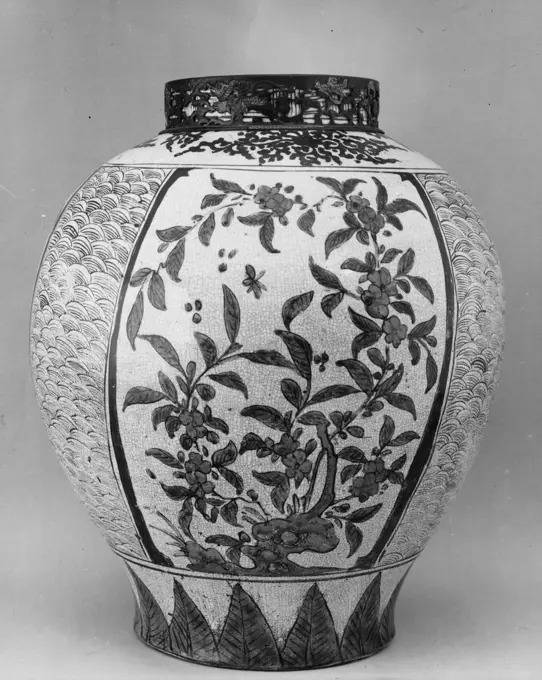
Large Jar 1670 Japan. Large Jar 48720
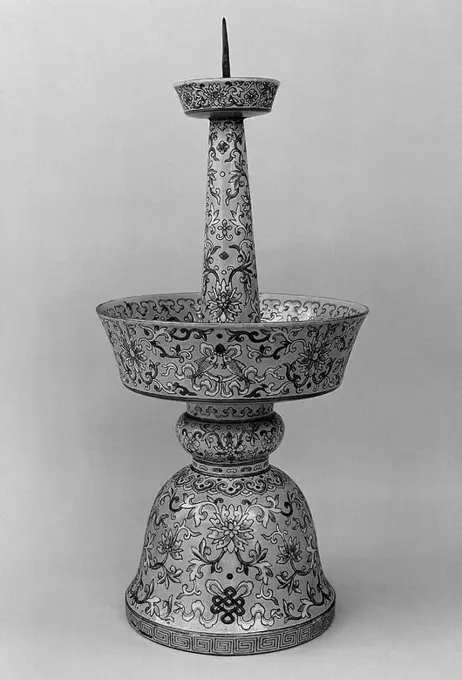
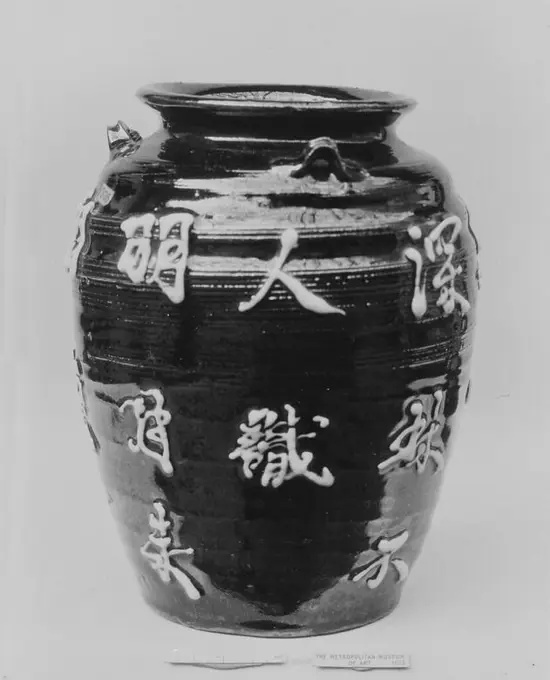
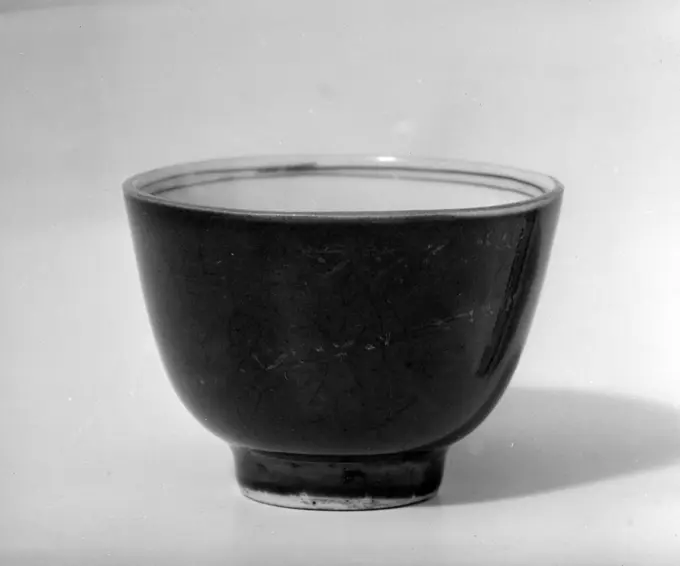
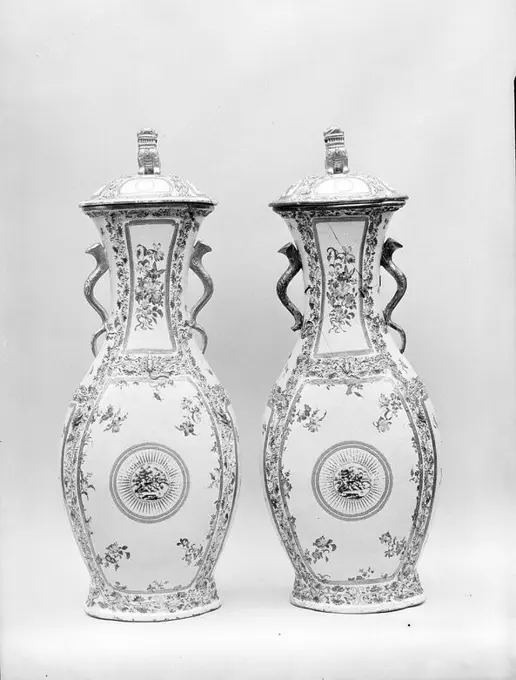
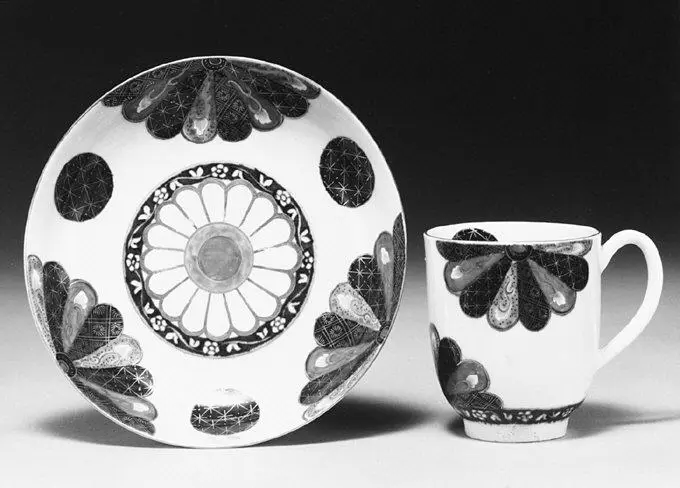
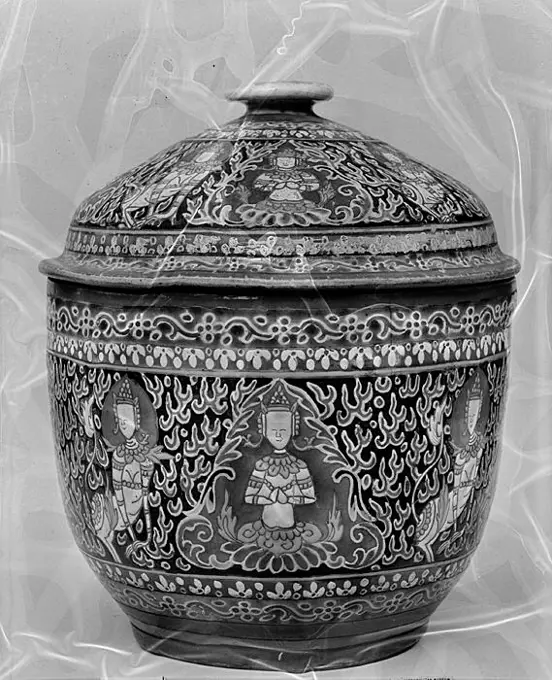
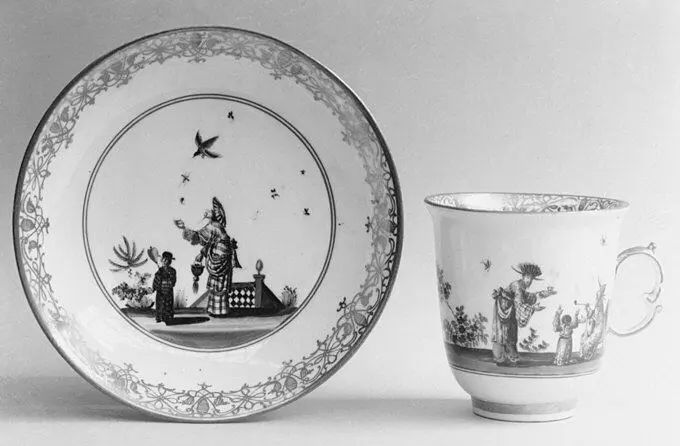
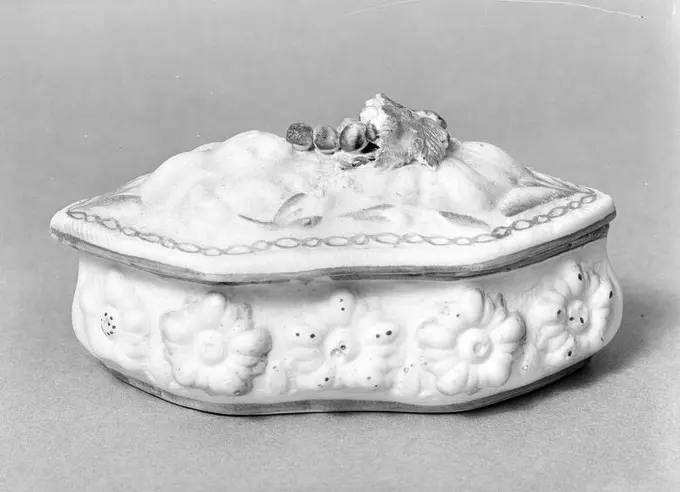
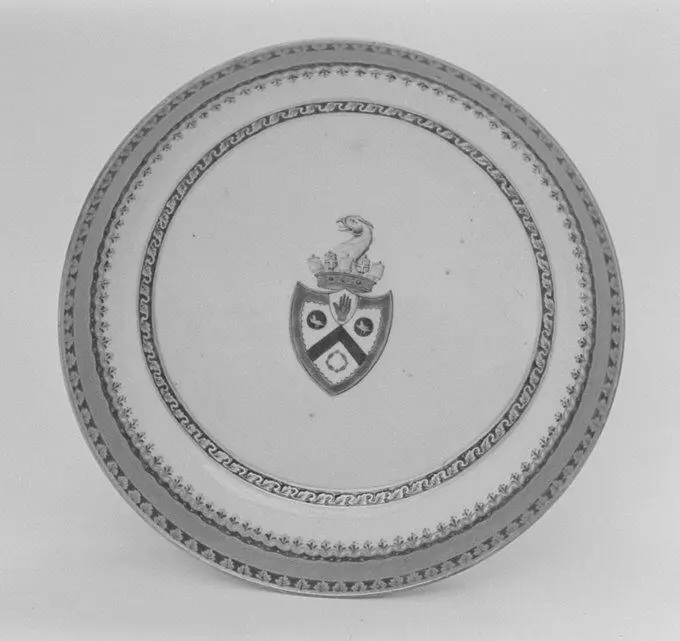
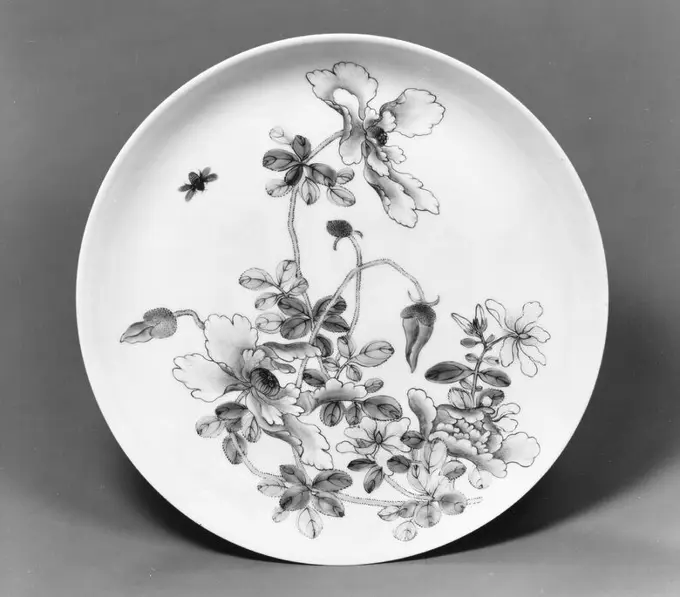
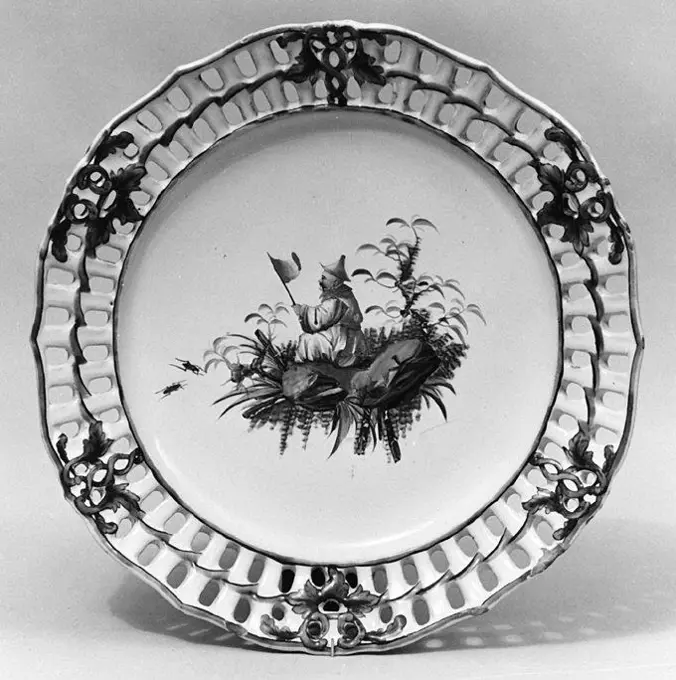
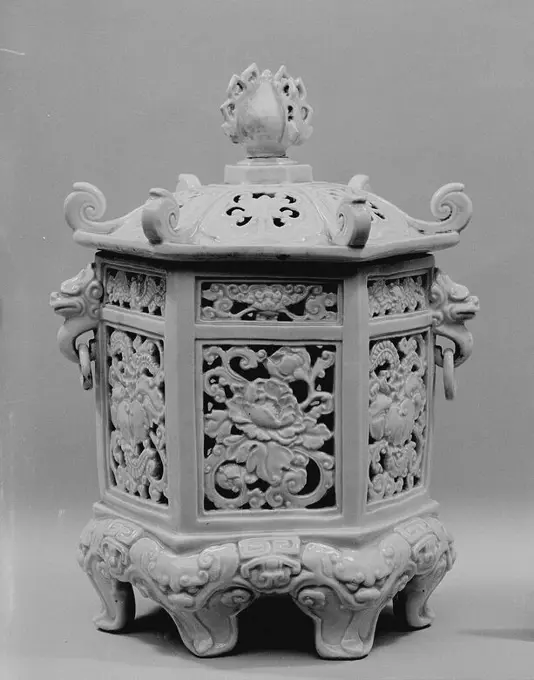
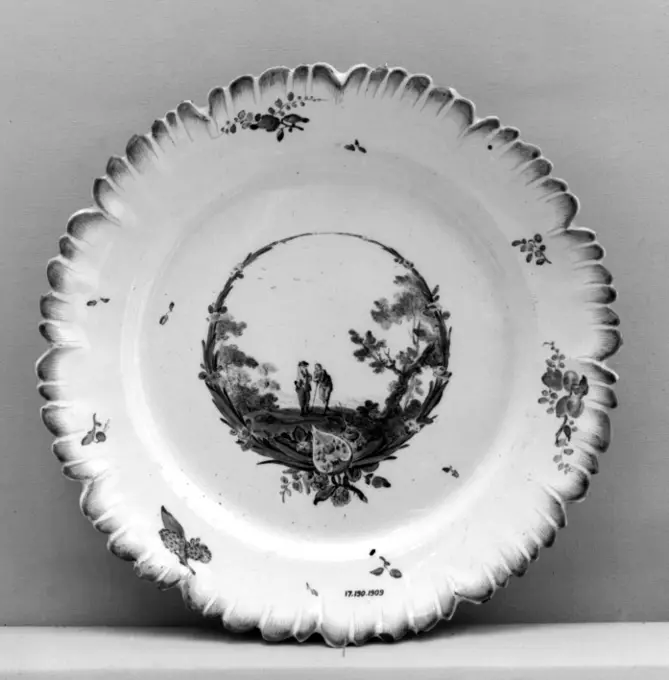
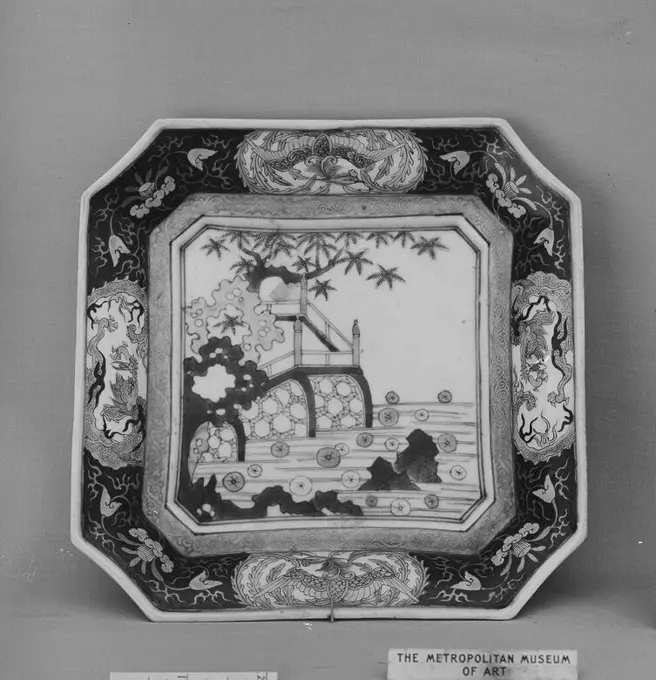
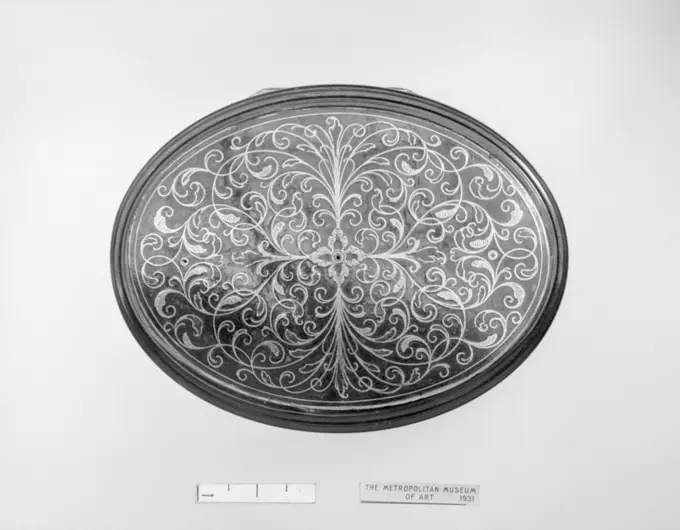
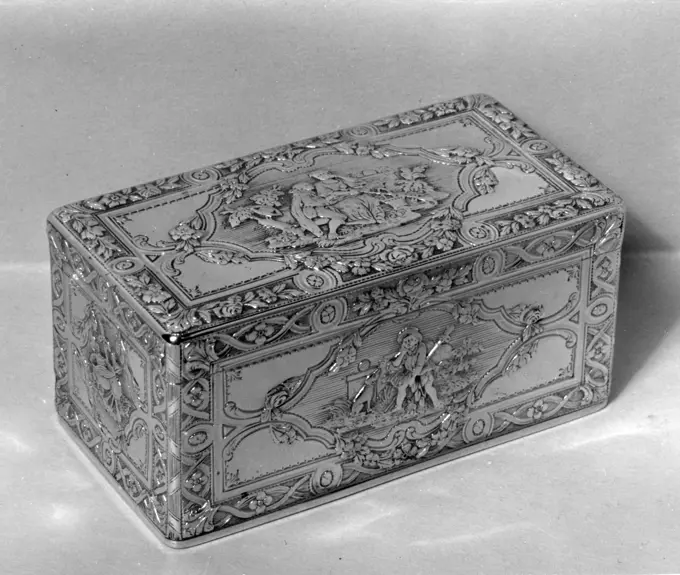
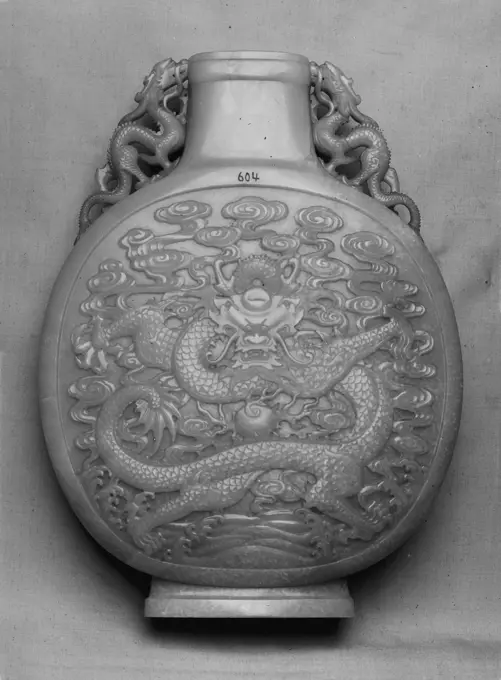
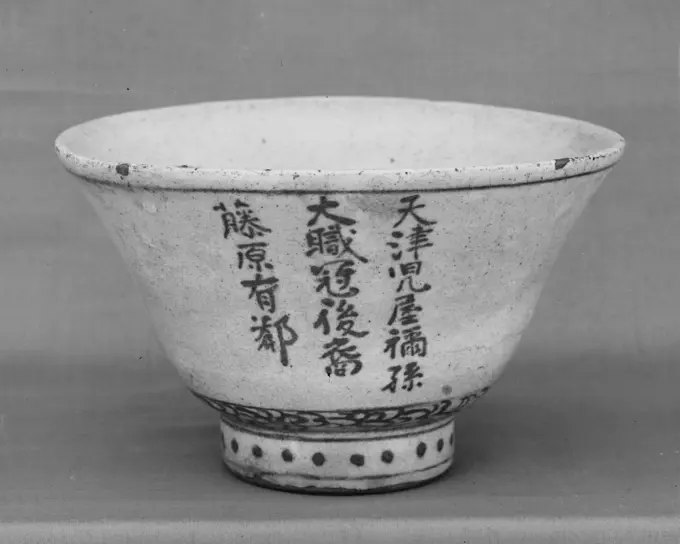
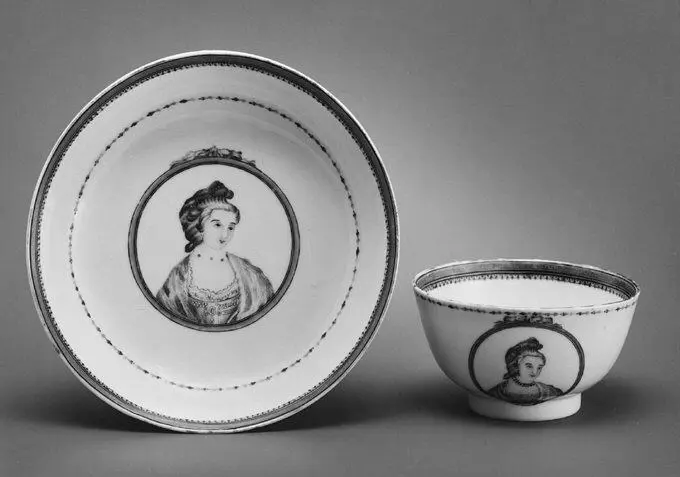
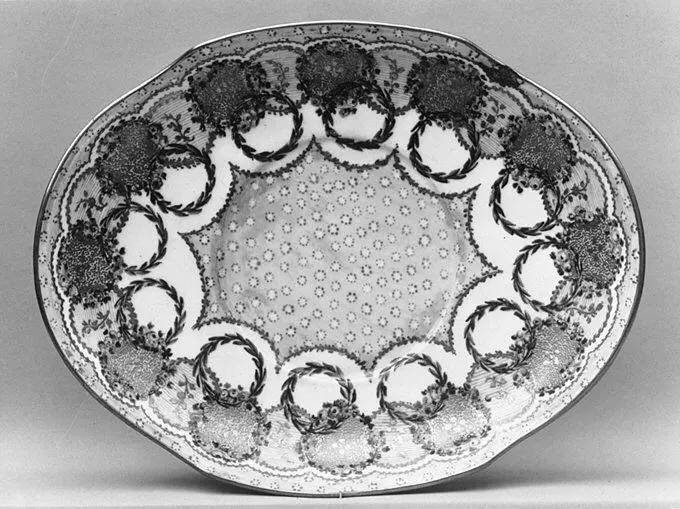
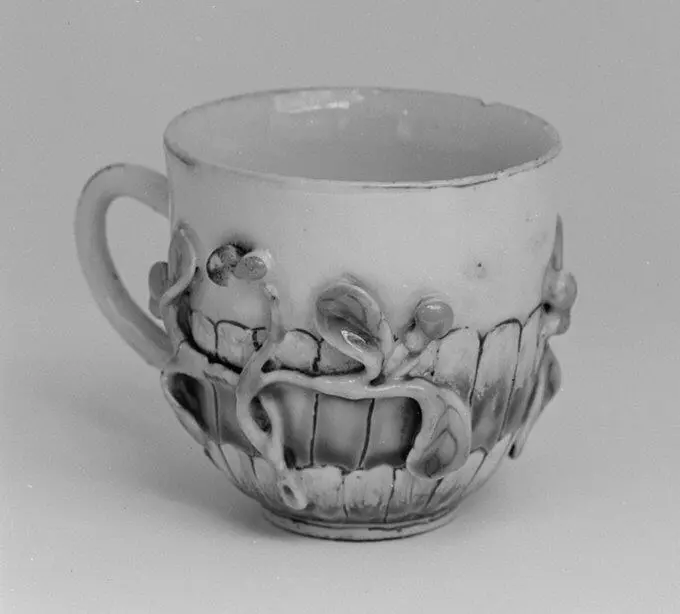
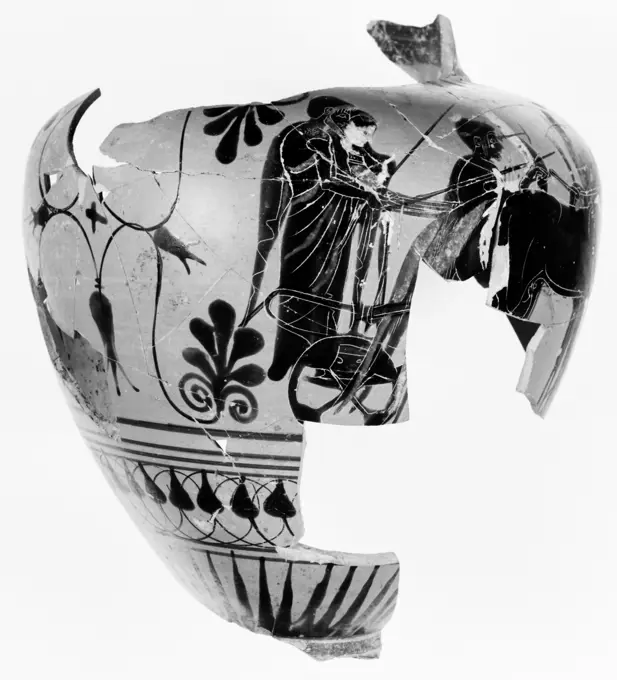
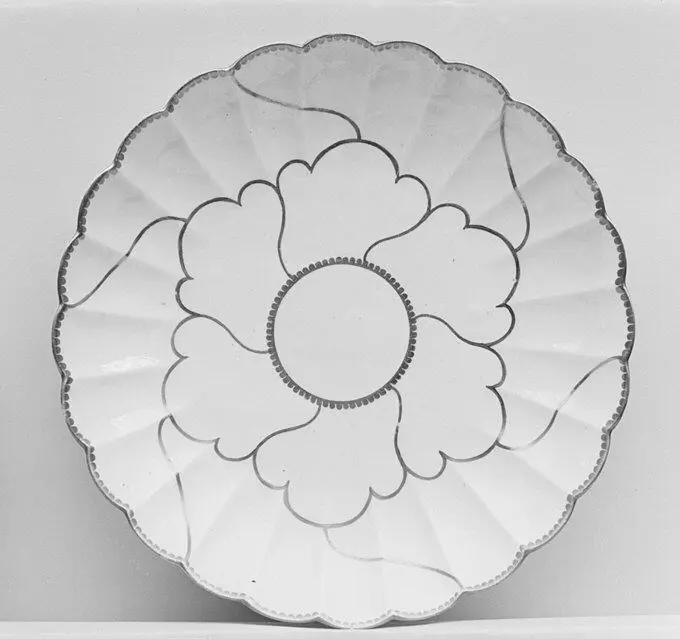
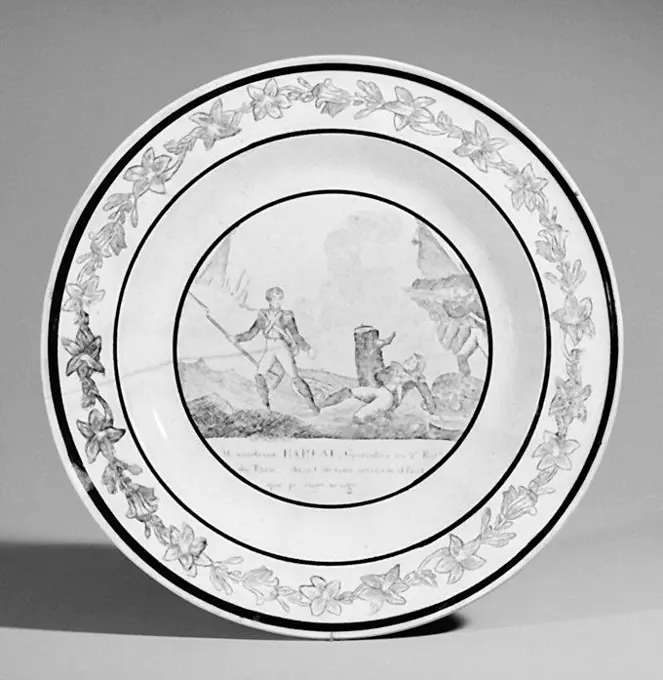
John Lias, Caddy Spoon, 1816/17, silver.Candlestick from a Set Five-Piece Altar Set (Wugong). Culture: China. Dimensions: H. 15 1/4 in. (38.7 cm); H. incl. base 17 1/4 in. (43.8 cm); Diam. (top) 3 in. (7.6 cm); Diam. (center) 7 1/2 in. (19.1 cm); Diam. of base 6 in. (15.2 cm). Museum: Metropolitan Museum of Art, New York, USA.Plate (assiette à palmes) (1 of 102) (part of a service) 1772 Sèvres Manufactory French. Plate (assiette à palmes) (1 of 102) (part of a service) 197925Pitcher ca. 1866 Boston & Sandwich Glass Company. Pitcher 5772Jar. Culture: Japan. Dimensions: H. 9 3/4 in. (24.8 cm); Diam. 7 1/2 in. (19.1 cm). Date: 1850. Museum: Metropolitan Museum of Art, New York, USA.Plate 1750-70 Chinese, for Dutch market. Plate 201246Cup 1736-95 Chinese. Cup. Chinese. 1736-95. Porcelain. Made in ChinaCovered Vase. Culture: Chinese. Dimensions: H. 28 7/8 in. (73.3 cm). Date: 1770-1800. Museum: Metropolitan Museum of Art, New York, USA.Jar and Cover 19th century Japan. Jar and Cover. Japan. 19th century. Porcelain (Arita ware, Imari type). Edo (1615-1868) or Meiji period (1868-1912). CeramicsBox in the form of a lemon ca. 1750-55 Meissen Manufactory German. Box in the form of a lemon. German, Meissen. ca. 1750-55. Hard-paste porcelain. Ceramics-PorcelainCup and saucer ca. 1770 Worcester factory The gift of the Hans Syz Collection in 1995 endowed the Museum with nearly three hundred examples of European and Asian ceramics meticulously acquired by Swiss-born collector Dr. Syz (1894-1991) to chart the migration of models and patterns from East to West. Documenting a continuous process of influence and adaptation, these pieces provide a discriminating review of the nuances of stylistic change resulting from three centuries of trade.. Cup and saucer 208268Covered bowl with Thai mythical figures 19th century China. Covered bowl with Thai mythical figures 46218Coffeepot (part of a service) 1760-70 Chinese, for Spanish market. Coffeepot (part of a service) 201301Two-handled cup ca. 1720-25, decorated ca. 1725-30 Meissen Manufactory German. Two-handled cup 199145Plate - "Millenium". Dated: c. 1936. Dimensions: overall: 20.3 x 25.4 cm (8 x 10 in.) Original IAD Object: 9 7/8" in diameter. Medium: black and white photograph. Museum: National Gallery of Art, Washington DC. Author: Helmut Hiatt.Covered bowl with Thai mythical figures 19th century China. Covered bowl with Thai mythical figures 46254Beaker 18th century Attributed to Timofei Siluanov. Beaker 187180Saucer (part of a set) ca. 1735-40 Meissen Manufactory German. Saucer (part of a set) 237443Plate ca. 1790-95 Chinese with British gilding, for British market. Plate. Chinese with British gilding, for British market. ca. 1790-95. Hard-paste porcelain. Ceramics-Porcelain-ExportBox. Culture: American. Dimensions: 2 5/8 x 5 1/8 x 2 3/4 in. (6.7 x 13 x 7 cm). Date: 1830-70. Museum: Metropolitan Museum of Art, New York, USA.Candlestick China. Candlestick. China. Cloisonné enamel. Qing dynasty (1644-1911), Qianlong period (1736-95). CloisonnéAdoration of the Shepherds late 16th century Italian. Adoration of the Shepherds. Italian. late 16th century. Rock crystal. Cut, polished, reverse painted, reverse gilt.. GlassSaucer (part of a set) 1785-1800 Chinese, for British market. Saucer (part of a set) 201167Vase 1784-1810 British. Vase. British. 1784-1810. Porcelain. Made in EnglandBliżej Kultury unknownDish. Culture: China. Dimensions: Diam. 8 1/16 in. (20.3 cm). Date: ca. 1730-50. Museum: Metropolitan Museum of Art, New York, USA.Plate ca. 1760-80 Joseph Hannong Faience, or tin-glazed and enameled earthenware, first emerged in France during the sixteenth century, reaching widespread usage among elite patrons during the seventeenth and early eighteenth centuries, prior to the establishment of soft-paste porcelain factories. Although characterized as more provincial in style than porcelain, French faience was used at the court of Louis XIV as part of elaborate meals and displays, with large-scale vessels incorporated into the Baroque garden designs of Versailles. Earlier examples of French faience attest to the strong influence of maiolica artists from Italy. Later works demonstrate the ways in which cities such as Nevers, Rouen, Lyon, Moustiers, and Marseille developed innovative vessel shapes and decorative motifs prized among collectors throughout Europe. While faience can be created from a wide mixture of clays, it is foremost distinguished by the milky opaque white color achieved by the addition of tin oxideTumbler withCoverCovered jar with lions 19th century China. Covered jar with lions. China. 19th century. Porcelain painted in overglaze polychrome enamels (Jingdezhen ware). Qing dynasty (1644-1911). CeramicsIncense Burner in the Shape of a Hanging Lantern (one of a pair). Culture: Japan. Dimensions: H. incl. finial 12 in. (30.5 cm); H. without lid 8 1/4 in. (21 cm); Diam. 9 in. (22.9 cm). Date: 18th century. Museum: Metropolitan Museum of Art, New York, USA.Plate ca. 1753-95 French, Sceaux Faience, or tin-glazed and enameled earthenware, first emerged in France during the sixteenth century, reaching widespread usage among elite patrons during the seventeenth and early eighteenth centuries, prior to the establishment of soft-paste porcelain factories. Although characterized as more provincial in style than porcelain, French faience was used at the court of Louis XIV as part of elaborate meals and displays, with large-scale vessels incorporated into the Baroque garden designs of Versailles. Earlier examples of French faience attest to the strong influence of maiolica artists from Italy. Later works demonstrate the ways in which cities such as Nevers, Rouen, Lyon, Moustiers, and Marseille developed innovative vessel shapes and decorative motifs prized among collectors throughout Europe. While faience can be created from a wide mixture of clays, it is foremost distinguished by the milky opaque white color achieved by the addition of tin oxideVase China. Vase. China. Porcelain. Qing dynasty (1644-1911), Kangxi period (1662-1722). CeramicsSquare Dish with Stone Wall and Phoenix and Dragon Cartouches. Culture: Japan. Dimensions: H. 1 1/2 in. (3.8 cm); Diam. 7 3/8 in. (18.7 cm). Date: early 18th century. Museum: Metropolitan Museum of Art, New York, USA.Box 17th century French. Box 196725Snuffbox 1770 Swiss. Snuffbox. Swiss. 1770. Gold. Metalwork-Gold and PlatinumVase in the shape of a pilgrim flask 18th century China. Vase in the shape of a pilgrim flask. China. 18th century. Jade (nephrite). Qing dynasty (1644-1911). JadeSnuff Bottle China. Snuff Bottle 41331Covered box with floral pattern 19th century China. Covered box with floral pattern. China. 19th century. Porcelain painted in overglaze polychrome enamels (Bencharong ware for Thai market). Qing dynasty (1644-1911). CeramicsDish ca. 1745 Royal Porcelain Manufactory, Naples. Dish 201796Krug dated 1642 German, Hamburg. Krug 207981Deep Cup 19th century Japan. Deep Cup. Japan. 19th century. Clay covered with slip, decorated in blue under a thin crackled glaze (Kiyomizu ware). Edo (1615-1868) or Meiji period (1868-1912). CeramicsCovered censer 1820 Japan. Covered censer 62924Ewer 18th century China. Ewer. China. 18th century. Porcelain painted in underglaze blue. Qing dynasty (1644-1911). CeramicsTeabowl and saucer 1780-90 Chinese, for European market. Teabowl and saucer 204096Plate (Assiette à palmes) (1 of 102) (part of a service) 1767 Sèvres Manufactory French. Plate (Assiette à palmes) (1 of 102) (part of a service) 197982Dish Japan. Dish 63601Snuff Bottle 19th century China. Snuff Bottle 41337Covered butter dish 1870-90 Challinor, Taylor and Company. Covered butter dish. American. 1870-90. Pressed purple marble glass. Made in Tarentum, Pennsylvania, United StatesIshizara Plate with Design of Maple Leaves on a Flowing Stream early 19th century Japan Ishizara were used to serve local specialties at roadside inns. As folk wares for simple domestic use ishizara were commonly decorated with informal designs executed with a single color, usually cobalt-blue and an iron glaze. This one, using iron red as well is a fine, early example.. Ishizara Plate with Design of Maple Leaves on a Flowing Stream 52310Tray 1768 Sèvres Manufactory French. Tray 188544 Factory: Svres Manufactory, French, 1740present, Decorator: Decoration possibly by Philippe Xhrouuet, French, active 175075, Decorator: Decoration possibly by Jacques-Franois Micaud, French, active 17571810, Tray, 1768, Soft-paste porcelain, Width: 7 1/4 in. (18.4 cm). The Metropolitan Museum of Art, New York. Gift of W. B. Osgood Field, 1902 (02.5.29)Broth bowl with cover Swiss or German 18th century View more. Broth bowl with cover. Swiss or German. 18th century. Pewter. Metalwork-PewterCup 1740-70 Chinese, for European market. Cup 201312Attic Black-Figure Neck Amphora Fragment (comprised of 36 Joined Fragments). UnknownDish (part of a service) ca. 1775 Worcester factory. Dish (part of a service) 198543Sugar Bowl 1810-20 Hugh Wishart. Sugar Bowl. American. 1810-20. Silver. Made in New York, New York, United StatesImage about the glass, its manufacture and history, with motifs of finished glass, manufacturing process and craft.exempel on art glass. Vases.Hexagonal Cup with Chinese Figures and Landscapes late 18th century-19th century Japan. Hexagonal Cup with Chinese Figures and Landscapes 47217Plate (one of a set of five) French 19th centuryBowl early 19th century Japan. Bowl 62008Dish 1750 Japan. Dish. Japan. 1750. White porcelain decorated with blue under glaze (Arita ware). Edo period (1615-1868). CeramicsPlate 1800-1830 Chinese. Plate. Chinese. 1800-1830. Porcelain. Made in ChinaFemale gardener (one of a pair) ca. 1760-65 Derby Porcelain Manufactory. Female gardener (one of a pair) 205345Cup and Saucer 1800-1815 Chinese. Cup and Saucer. Chinese. 1800-1815. Porcelain. Made in ChinaImitation Proto-Corinthian Skyphos. UnknownCampania Salerno Nocera Inferiore Museo dell'Agro Nocerino16. Hutzel, Max German-born photographer and scholar Max Hutzel (1911-1988) photographed in Italy from the early 1960s until his death. The result of this project, referred to by Hutzel as Foto Arte Minore, is thorough documentation of art historical development in Italy up to the 18th century, including objects of the Etruscans and the Romans, as well as early Medieval, Romanesque, Gothic, Renaissance and Baroque monuments. Images are organized by geographic region in Italy, then by province, city, site complex and monument.Showcase with objects of ceramics, including scales, various bird figures and mules; Vitters crafts. This is the device of the display case before emptying in October 1959. At the top right of the display case Two parrots of multi-colored painted faience, made by an anonymous Delft Plateelbakkerij. Top left two multi-colored painted vases of faience in the form of a rooster, made by the Delft Plateelbakkerij de Greek A. Bottom two-mildjes of multicolored faience, by an anonymous Delft manufacturer.Bowl 1840 Japan. Bowl 63033Pot with Flowering Plant China. Pot with Flowering Plant. China. Nephrite, white and various other colors. Qing dynasty (1644-1911), Jiaqing period (1796-1820). JadeWine Cup late 19th century Japan. Wine Cup 57749Cachepot 1775-1800 British (American market). Cachepot. British (American market). 1775-1800. Earthenware. Made in Staffordshire, EnglandStephen Phillips House, Salem, china , Tableware. Samuel Chamberlain Photograph Negatives CollectionMug ca. 1715-20, decorated ca. 1720-30 Meissen Manufactory German. Mug 200743Display case with ceramics, including dishes and two fishing pits; West. Courtyard. .Mug. Dimensions: H. 6 1/2 in. (16.5 cm). Date: 1770-1820. Museum: Metropolitan Museum of Art, New York, USA.Showcase with objects of ceramics including dishes, pots and images of animal and human figures; Trial setup ceramics. .