Ceremonial Swords and Knives

A variety of ceremonial blades and knives, showcasing craftsmanship and historical relevance. Elements include ornate handles and decorative sheaths.

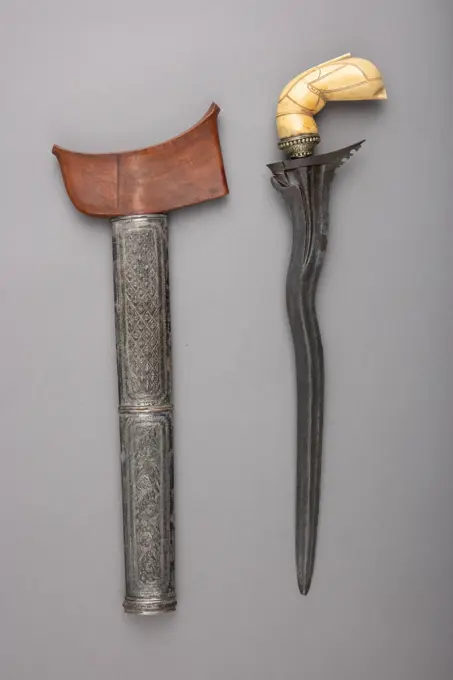
Kris van Bali with Schede, Anonymous, c. 1800 - c. 1899 kris Kris van Bali, the steel at the hilt elegant, forged, in more than half yellow -painted sheath. Taken on the Expedition of Lombok in 1894. Bali steel (alloy)   Lombok
Kris van Bali with Schede, Anonymous, c. 1800 - c. 1899 kris Kris van Bali, the steel at the hilt elegant, forged, in more than half yellow -painted sheath. Taken on the Expedition of Lombok in 1894. Bali steel (alloy) Lombok
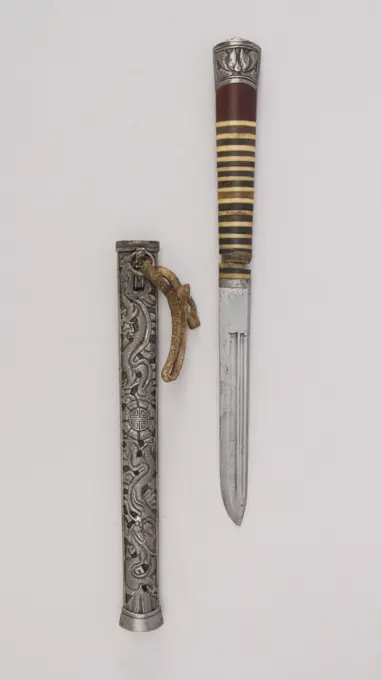
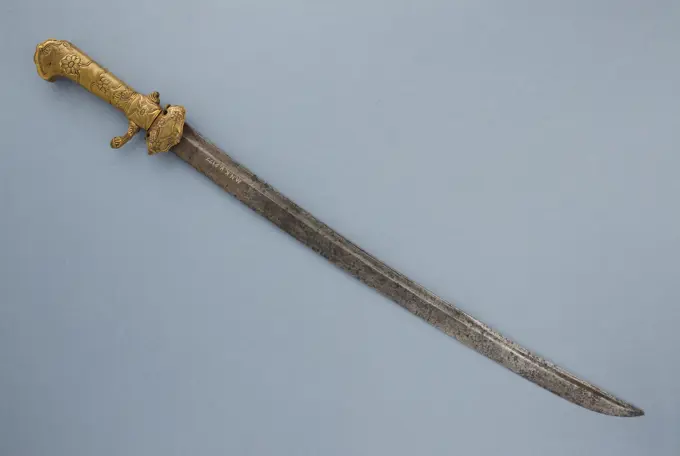
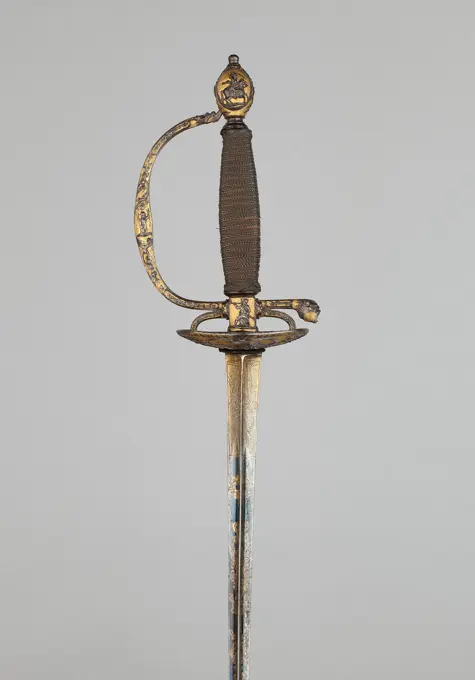
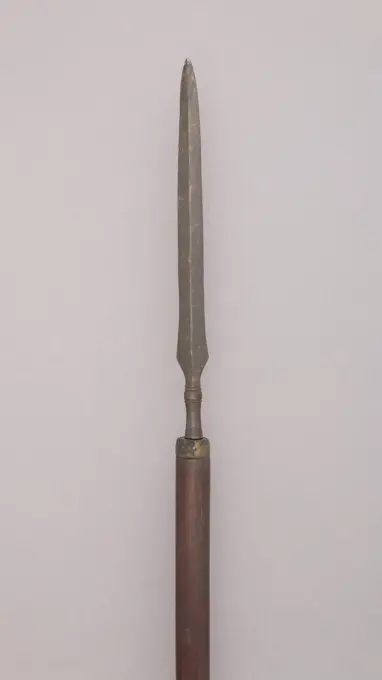
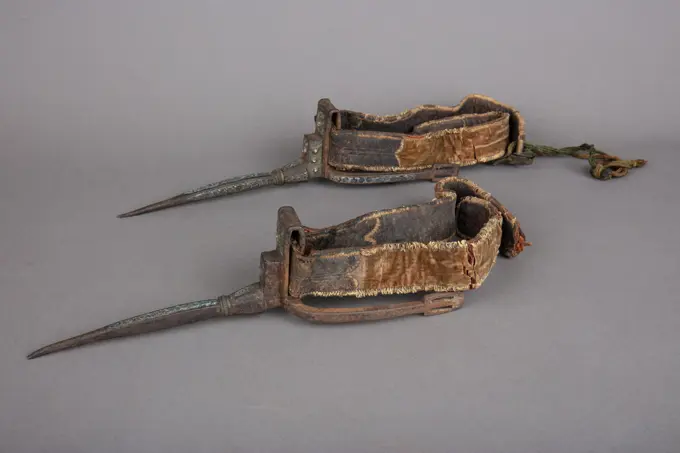
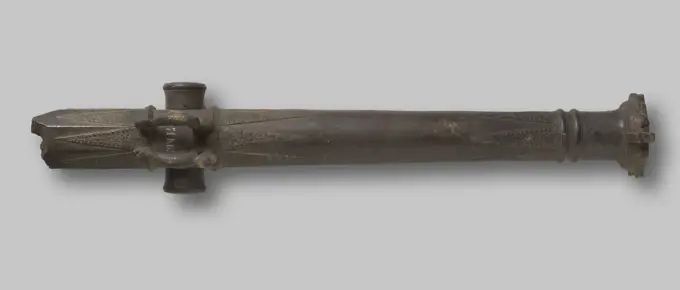
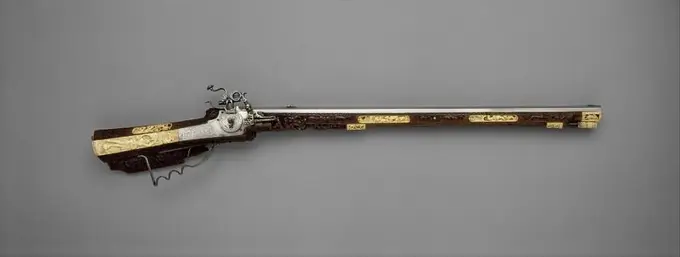
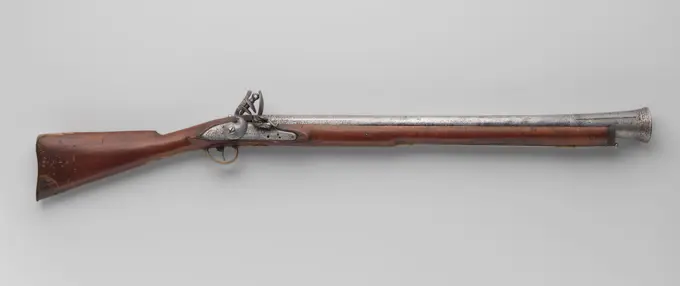
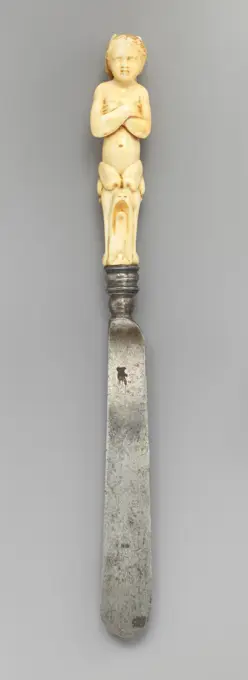
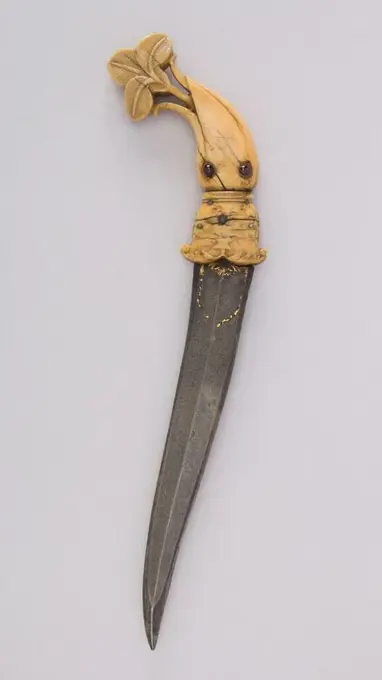
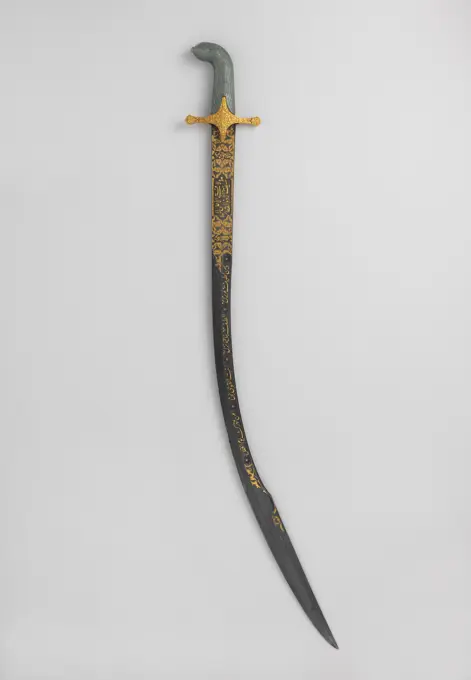
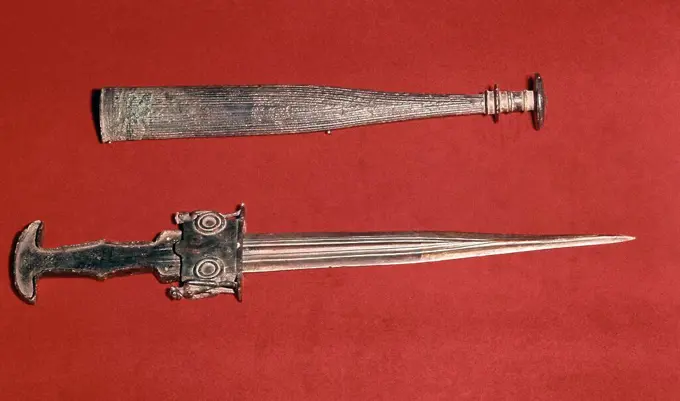
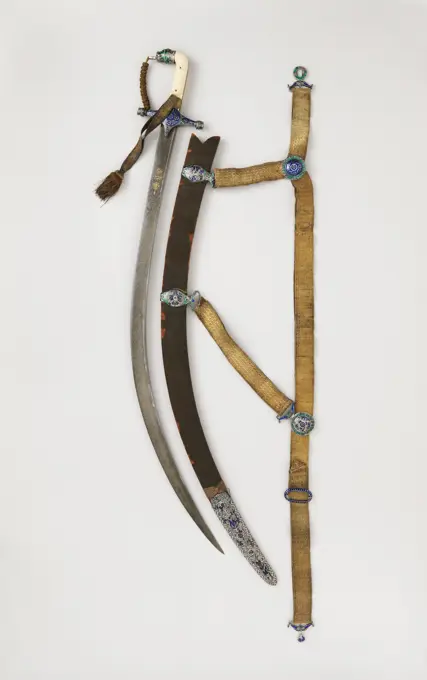
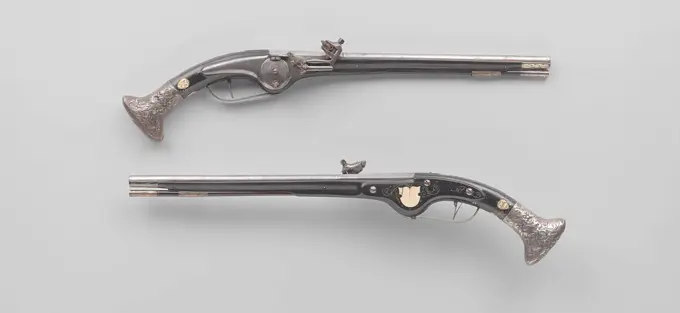
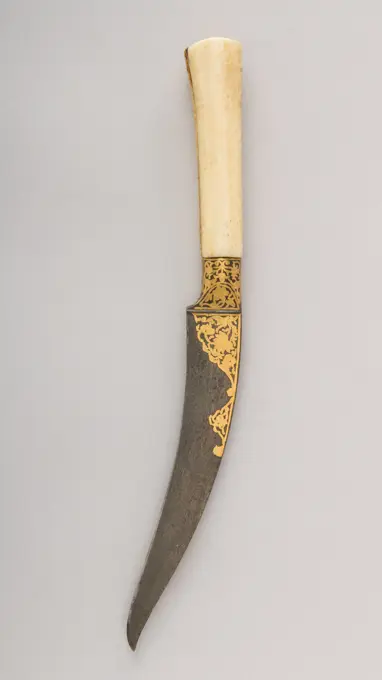
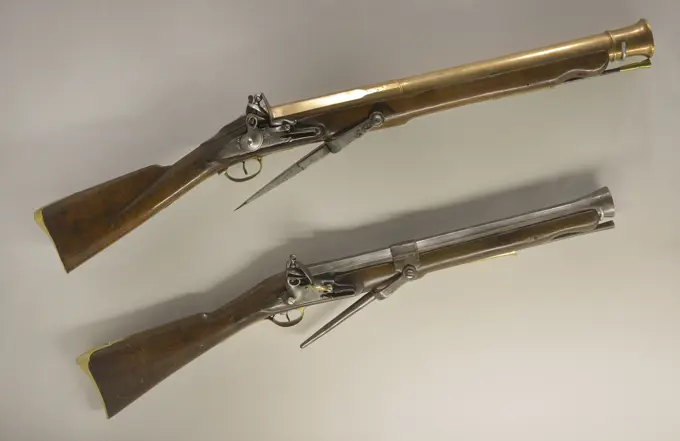
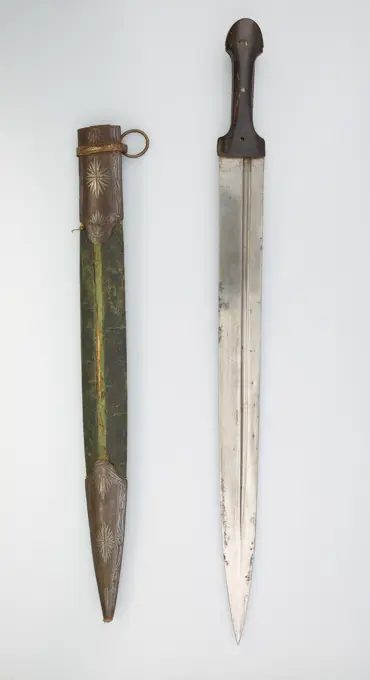
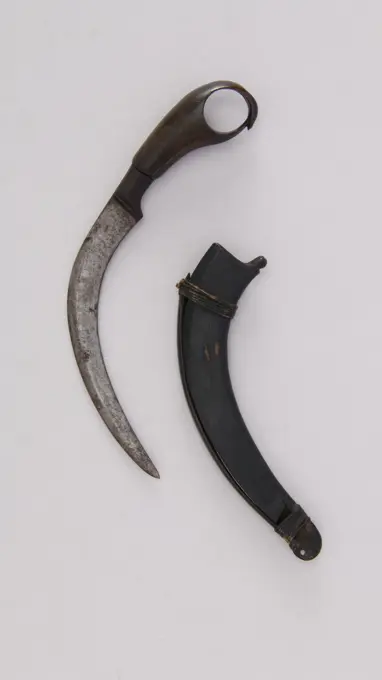
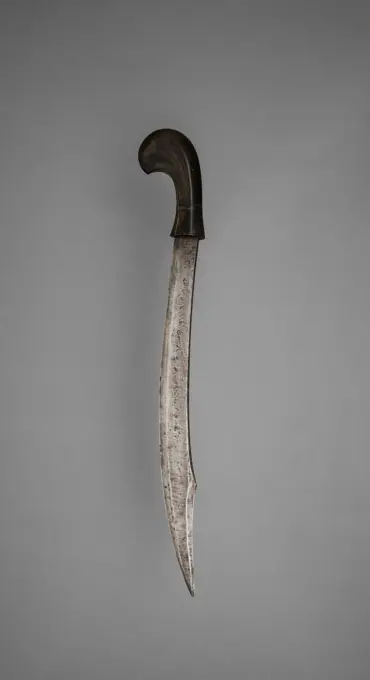
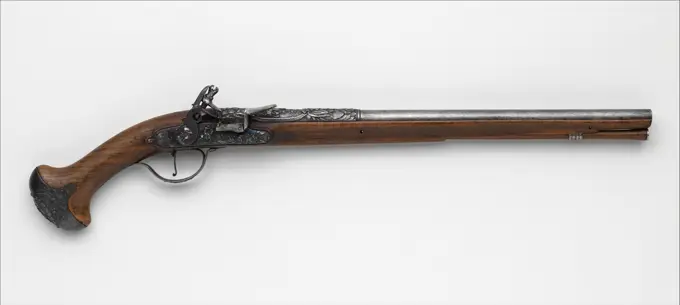
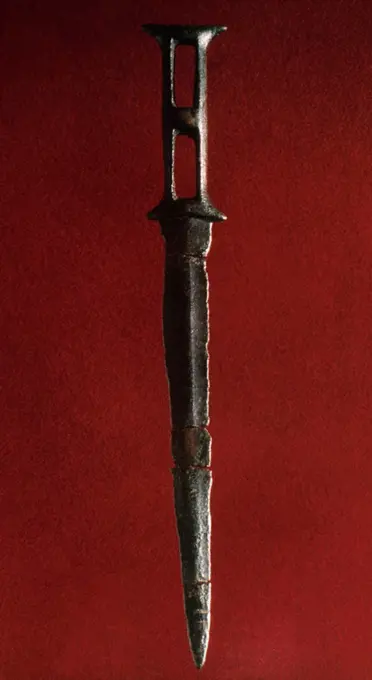
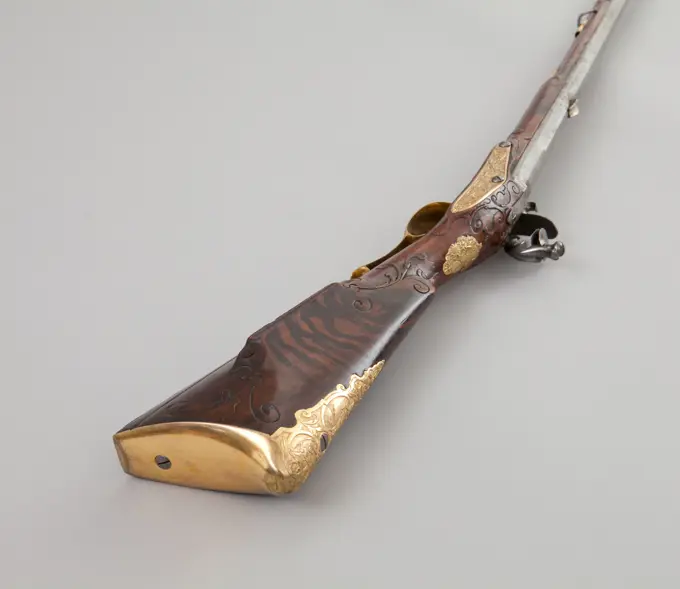
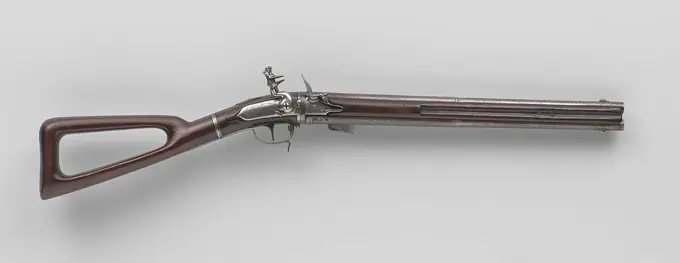
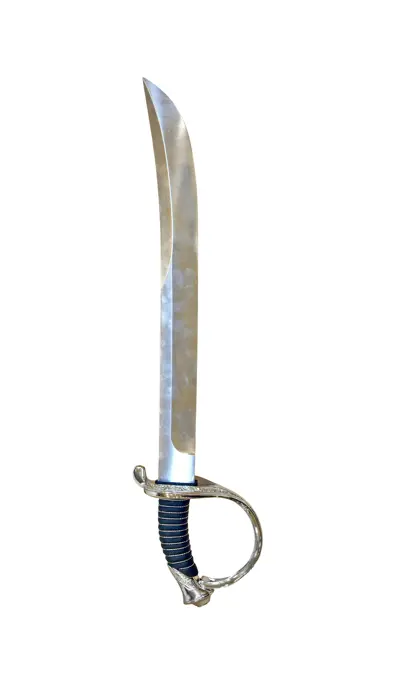
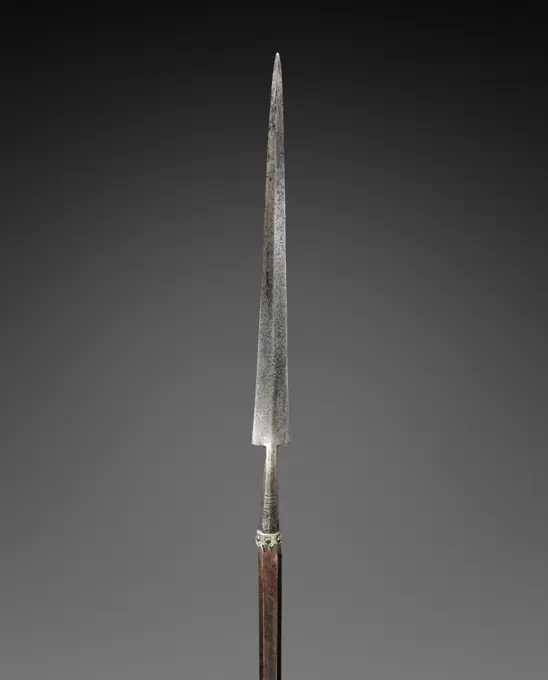
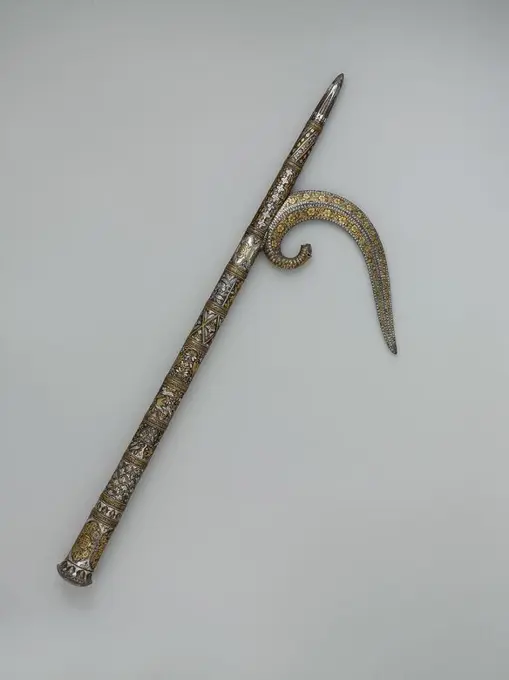
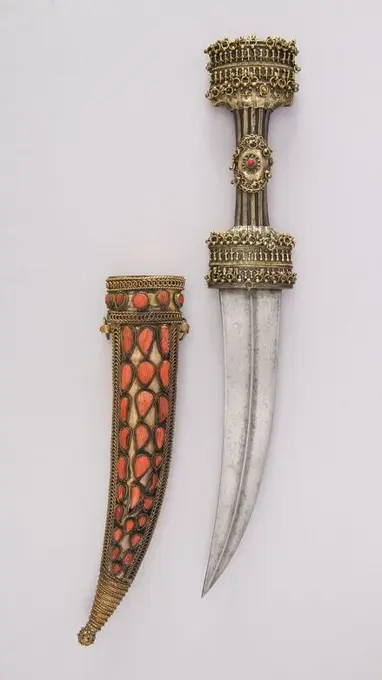
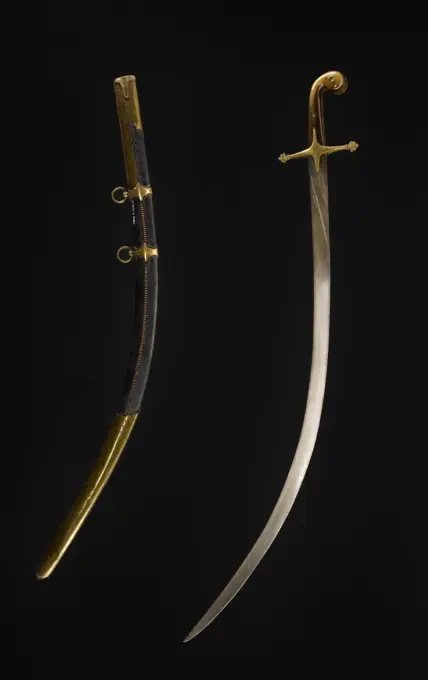
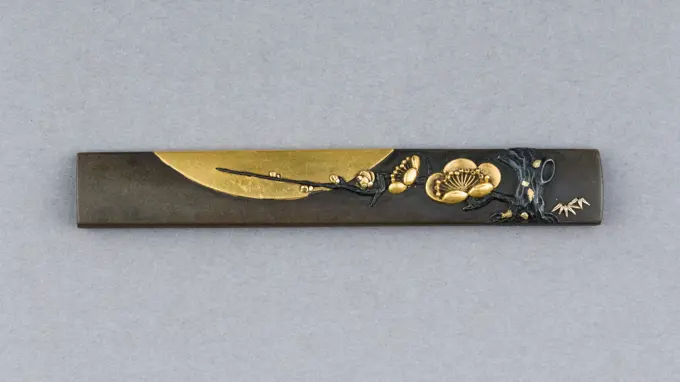
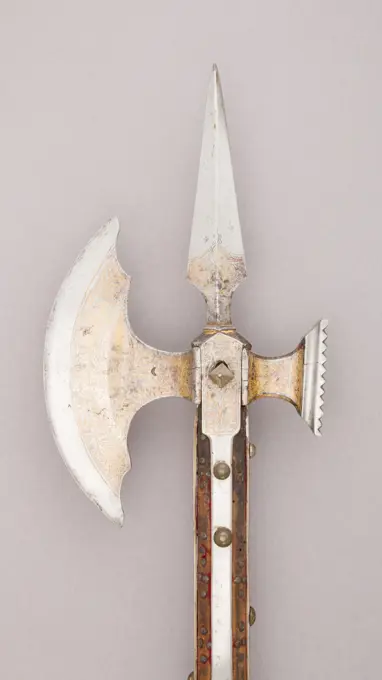
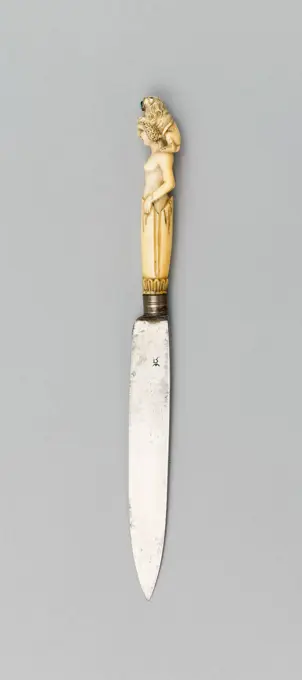
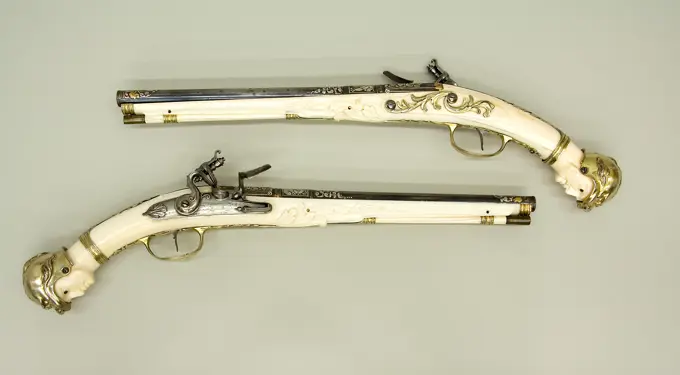
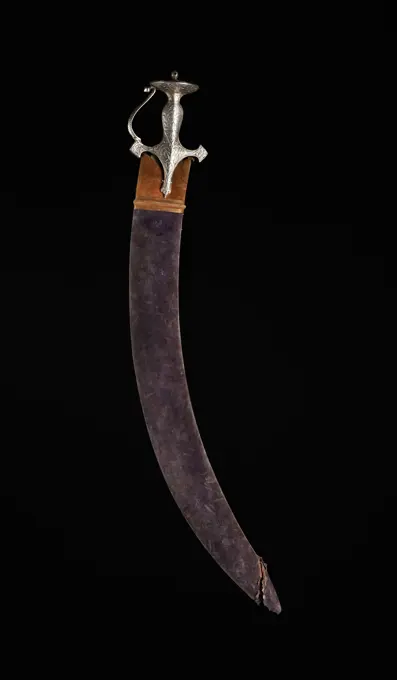
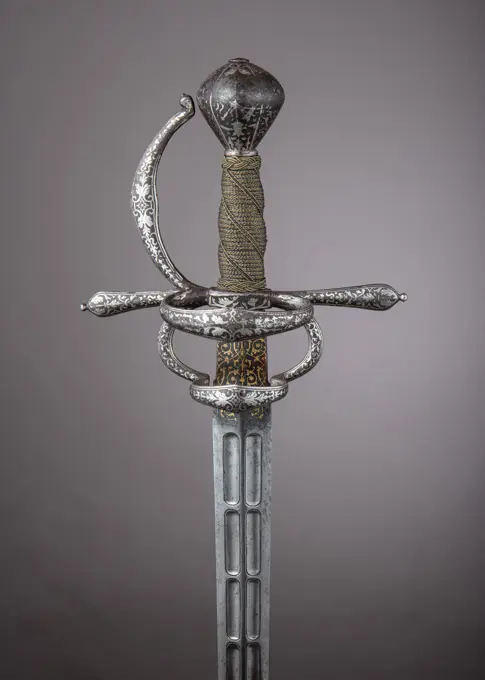
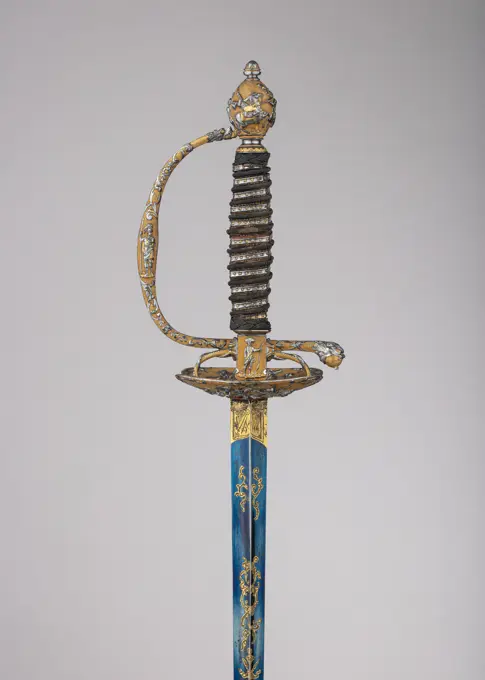
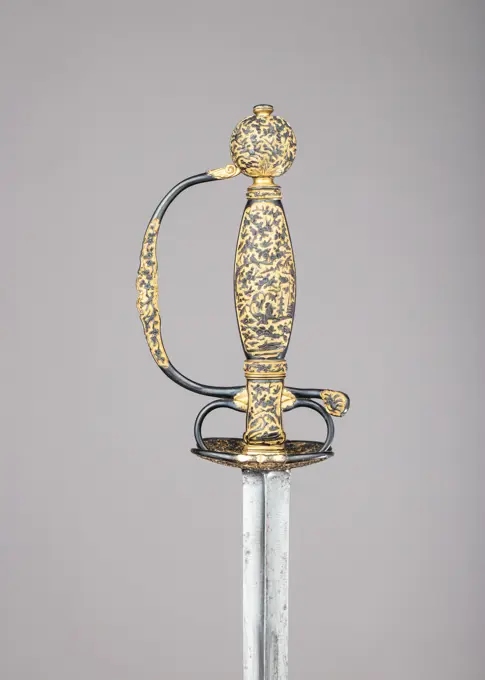
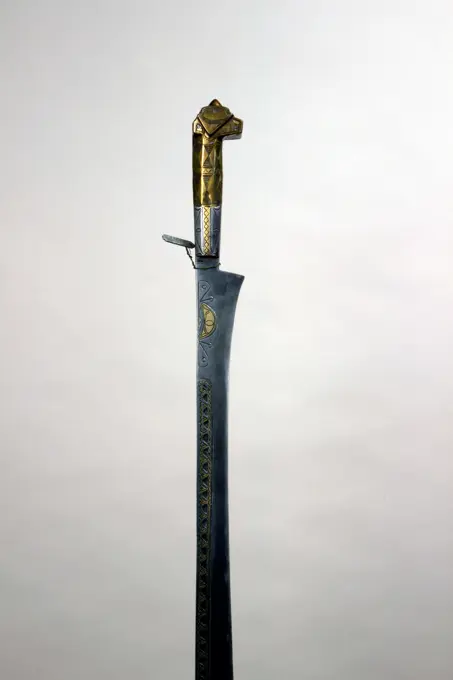
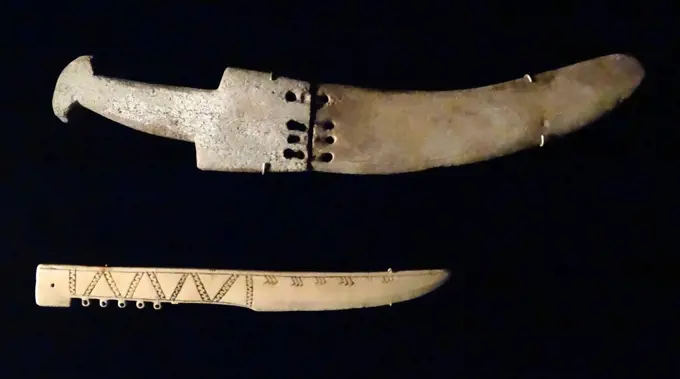
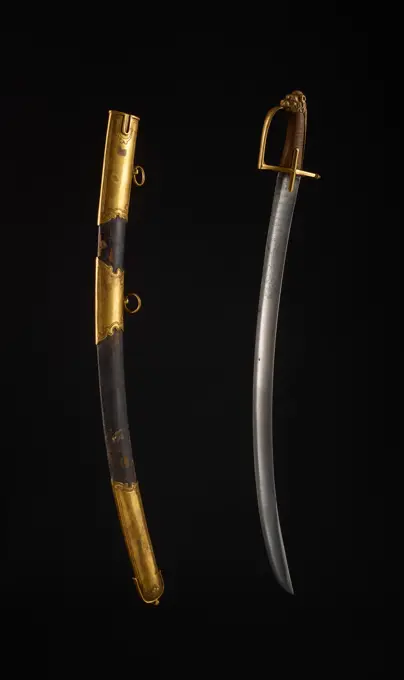
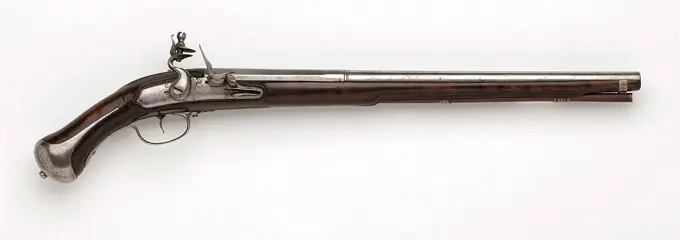
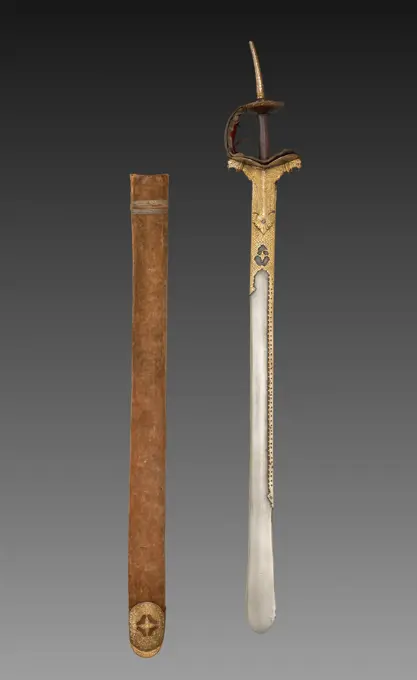
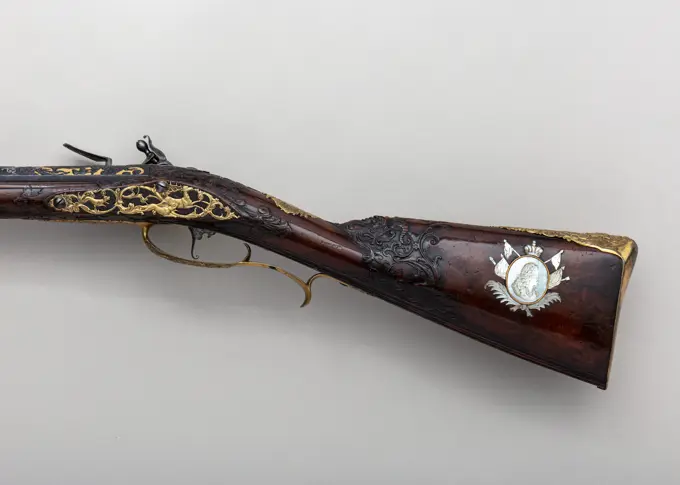
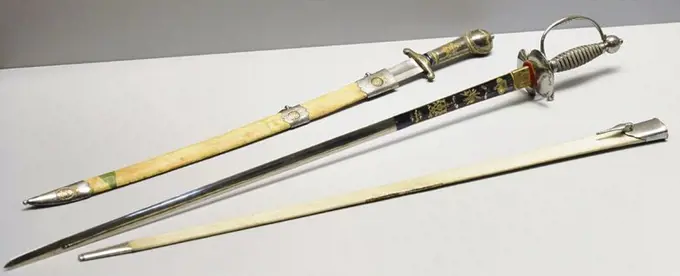
Hunting dirk. Steel, wood, leather. Ceremonial sword. Steel, wood. From Tula, Russia. Ca. 1775. The State Hermitage Museum. Saint Petersburg. Russia.Knife (probably Italy); steel, brass; L x W: 20.5 x 2.5 cm (8 1/16 x 1 in.); The Robert L. Metzenberg Collection, gift of Eleanor L. Metzenberg; 1985-103-13Kris van Bali with Schede, Anonymous, c. 1800 - c. 1899 kris Kris van Bali, the steel at the hilt elegant, forged, in more than half yellow -painted sheath. Taken on the Expedition of Lombok in 1894. Bali steel (alloy)   LombokKnife with Sheath 18th-19th century Chinese. Knife with Sheath 31607KordelasKris with Sheath Javanese 16th-19th centuryPlug Bayonet. English. Date: 1686. Dimensions: L. 42.5 cm (16 3/4 in.). Steel, wood, brass, and silver. Origin: England. Museum: The Chicago Art Institute, Chicago, USA.Smallsword Made 1765-1795 Paris. Steel with gilding, silver, wood, and leather . Aubry Le JeuneSpear 18th-19th century Bornean. Spear. Bornean. 18th-19th century. Wood. Shafted WeaponsYataganBrand VOC, Anonymous, 1700 - 1800  Brand with more or less round handle with a rum surface. At the front Steel is stuck at the base of the V (from the VOC brand). The handle runs through the handle and has a spherical end. The handle is baluster -shaped (slim) with bulb end and disk shape on the stem side. There is a brass band with brand. Netherlands iron (metal). brass (alloy). wood (plant material) casting / forging / cutting / engravingPair of Spurs 19th century Algerian The prick spurs traditionally used in most of the Islamic world evolved directly from late Antique examples. They consist of straight U-shaped branches bearing a very long prick with sometimes a disc at its base. This pair is adorned with silver-inlaid scrolls and stones or glass cabochons.Traditionally, north African riders take great pride in their horses and still frequently adorn them with shiny and colorful tack for parades and festivals. Wealthy riders would increase their prestige by covering their mount with luxurious material and equipping themselves with as luxurious matching accessories.. Pair of Spurs. Algerian. 19th century. Iron, silver, stone (diamond), leather, textile, silk. Equestrian Equipment-SpursBronze cannon on pivot or standard, anonymous, c. 1600 - c. 1800 cannon Elongated cannon, of which the rear part has been demolished. With dolphins in the form of dragons, resting on Mik, which runs out in a round point. Two taps around which the mik was beaten. Mouth runs wide in octagonal head, on which the visor. On the barrel, from the fractures/tires decoration in relief (Kepers) Triangles with Arabesken. The room or. Down run is octagonal. Conquered on Lombok. Indonesian Archipelago bronze (metal) casting  LombokWheellock Rifle. Culture: German, Schwäbisch Gmünd. Dimensions: L. 41 5/8 in. (105.7 cm); L. of barrel 30 13/16 in. (78.3 cm); L. of lock 7 1/8 in. (18.1 cm); Cal.56 in. (14.2 mm); Wt. 7 lb. 11 oz. (3500 g). Maker: Johann Michael Maucher (German, Schwäbisch Gmünd, 1645-1701). Date: ca. 1680-90.Johann Michael Maucher was the most famous member of a Schwabian family of ivory, wood, and amber carvers. He specialized in decorating gunstocks in intricately carved walnut inlaid with panels of ivory worked in relief depicting hunting subjects and allegorical figures. Firearms with such luxurious decoration presumably were valued more for their artistic virtuosity than for their practical use as sporting arms. Museum: Metropolitan Museum of Art, New York, USA.Donderbus, Heuskam (Possible), 1798  Donderbus with loop with ornaments and inlaid silver. On the castle ornament and inscription; 17 (image of a heart shape with a four above) 98 Heuskam.  iron (metal). wood (plant material). copper (metal)Kris with Sheath 18th-19th century Indonesian, Sumbawa. Kris with Sheath. Indonesian, Sumbawa. 18th-19th century. Steel, wood, ivory, silver. Sumbawa, Nusa Tenggara Barat. KrissesKnife with winged putto handle 17th century probably Italian The figural style of the carved handles is somewhat similar to that of a carved ivory handle on a dirk (26.145.152a, b) in the Department of Arms and Armor.. Knife with winged putto handle. probably Italian. 17th century. Steel, ivory. Metalwork-SteelDagger (Khanjar). Culture: Indian, Mughal. Dimensions: H. 13 13/16 in. (35.1 cm); H. of blade 8 7/8 in. (22.5 cm); W. 4 in. (10.2 cm); Wt. 8.5 oz. (241 g). Date: mid-17th century. Museum: Metropolitan Museum of Art, New York, USA.Knife. Culture: Sri Lankan. Dimensions: H. 13 1/4 in. (33.7 cm); W. 3 1/2 in. (8.9 cm); Wt. 2 lbs. 1.4 oz. (946.9 g). Date: 18th-19th century. Museum: Metropolitan Museum of Art, New York, USA.Saber Grip and guard, second half of the 17th century; blade, late 18th-19th century Turkish The green nephrite grip is carved with a rippling pattern that echoes the crucible, or "watered," steel of the blade. The Arabic inscriptions on the blade include one verse praising the infinite gentleness and power of God and another verse referring to the sword called dhu'l-faqar. The latter was one of the swords of the prophet Muhammad and was widely regarded as a symbol of spiritual and political authority.. Saber 24321ARMA ETRUSCA DE BRONCE CON FUNDA. Location: MUSEO DE ARTE ETRUSCO VILLA GIULIA. Rome. ITALIA.Page's Sword 1700-42 Johann Tetsche. Page's Sword. Johann Tetsche (German, active Solingen, 1700-1742). hilt, Italian; blade, German, Solingen. 1700-42. Steel. Solingen. SwordsSword, small 5th century B.C. Greek, Cypriot. Sword, small. Greek, Cypriot. 5th century B.C.. Bronze. BronzesSword (Shamshir) with Scabbard and Belt hilt, scabbard, and belt, early 19th century; blade, A.H. 1162/A.D. 1748-49 hilt, scabbard, and belt, Indian; blade, northern India The hilt of this saber is mounted in enameled silver in a style associated with the north Indian city of Lucknow, in the Mughal province of Oudh. The blade of crucible (watered”) steel is exceptionally rare, as it includes the name of the maker, Baqir Mashhadi, an Iranian swordsmith active in India, his patron, Safdar Jang Bahadur, an Iranian who ruled as nawab (governor) of Oudh from 1739 to 1754, and the date of its manufacture.. Sword (Shamshir) with Scabbard and Belt. hilt, scabbard, and belt, Indian; blade, northern India. hilt, scabbard, and belt, early 19th century; blade, A.H. 1162/A.D. 1748-49. Steel, gold, ivory, wood, enamel, velvet, silver, textile. Jaipur, Rajasthan; Lucknow, Uttar Pradesh. SwordsChimney hook. An iron cremaillére.Javanese Kris. Kris, blade in Pamor technique, the ganja with gold Insulated insofar as it concerns the side surfaces (floral ornament), on the top surface seven diamonds.Object ID #18803989; steel, silver, gold; L x W: 18.3 x 1.3 cm (7 3/16 x 1/2 in.); The Robert L. Metzenberg Collection, gift of Eleanor L. Metzenberg; 1985-103-239Swivel Gun, anonymous, 1800 - 1856 lilla Lilla or rotary bass with an octagonal mouth and a decorated run. Borneo bronze (metal)   Tanjung PulisanRadslotpistool.Radlot gun with silver fittings decorated in the lobe style, almost certainly Dutch; Part of a couple. The lock is engraved with flowers and equipped with a silver radio guide with relief decoration and a silver rooster steamer in the form of a cherub; The impact feather is chiseled with a cross flower. The loop is stamped left behind with a brand in the form of probably a dagger and at the bottom with the letters PW. The ebony flask is easily cut and inlaid with an ivory shield framed by curls of inlaid silver wire; Behind the loop the flask is inlaid with silver thread in the form of a lily; The handle is inlaid with shellful ivory plates framed by asterisks and curls of silver thread. In addition to the iron tractor bracket, the batter of silver and consists of a drawer cap and loading cooker, both engraved with a cross flower, and a widely flared silver flask, decorated on both sides with puzzled repossé leaves, curls and a face with leaves, and an unprocessed oval OKnife (Kard) early 19th century Persian, Qajar. Knife (Kard) 25009Dagger (Jamdhar Katari). Culture: Indian, Hindu Kush. Dimensions: L. 15 1/4 in. (38.7 cm); W. 5 1/4 in. (13.3.cm); Wt. 11.6 oz. (328.9 g). Date: 17th-19th century. Museum: Metropolitan Museum of Art, New York, USA.Javanese Kris. Kris, whose blade decorated in Pamor technique.The saber commemorating the message of Stanisław Chomentowski to Turkey with the vaginaDagger (Katar) with Sheath. Culture: Indian, Mughal. Dimensions: L. with sheath 18 3/16 in. (46.2 cm); L. without sheath 17 in. (43.2 cm); W. 3 1/4 in. (8.3 cm); Wt. 1 lb. 0.4 oz. (464.9 g); Wt. of sheath 3.5 oz. (99.2 g). Date: 18th-19th century. Museum: Metropolitan Museum of Art, New York, USA.Naval Blunderbusses. Muzzle-loading flintlock gunwale blunderbusses. Made in Portugal (above) and France (below), during the first half of the 19th century. Maritime Museum. Lisbon, Portugal.Dagger. Culture: Indian. Dimensions: H. 12 1/2 in. (31.8 cm); W. 1 7/16 in. (3.7 cm); Wt. 4.1 oz. (116.2 g). Date: 18th-19th century. Museum: Metropolitan Museum of Art, New York, USA.Knife with Sheath 19th century Turkish. Knife with Sheath 31739Composite Sword. Blade by Melchior Diefstetter; German, Munich, Au c. 1520-1555/1556. Date: 1538. Dimensions: Wt. 2 lb. 11 oz. Steel with gilding, wood, and leather. Origin: Munich. Museum: The Chicago Art Institute, Chicago, USA.Pair of flintlock pistols, Leonardus Graeff, c. 1680 flintlock pistol Part of a couple. The tail of the final plate is chiseled in relief with acanthus leaves; The lock plate is signed. The blazed barrel is decorated with gold -stimulated arabesks, classic warriors and a sitting man (emperor) In gown under a rammed head, flanked by putti and surrounded by leaf vines; The barrel is stamped on the bottom with a brand that looks like a globe with a cross or three -leaf. The flask button is separated from the solid ivory flask by means of a tire of gilded silver in the form of a knotted festoon; The flask is cut into relief, with a grotesque mask, a curly acanthus leaf and beaded edges; The flask button is cut all around as the head of a classic, mustache warrior with a gilded silver helmet with chin tires, decorated with separately applied silver leafs, a grotesque mask at the back and on top a three -dimensional, silver lizard. The batter is made of gilded silver and consists of a chest Does not SquadKnife (Korambi) with Sheath 18th-19th century Malayan (possibly Sulawesi). Knife (Korambi) with Sheath 31623Dagger, Before 1916. Indonesia, Sulawesi (Celebes). overall: 50.8 cm (20 in.); blade: 38.8 cm (15 1/4 in.).Flintlock Pistol ca. 1650 possibly Belgian, Liege This pistol is one of a small group of flintlock guns and holster pistols with high relief chiseling on the barrels, locks, and mounts. The decoration includes military scenes with figures in seventeenth-century costume, trophies of arms, and Classical figures. Not signed or marked, these firearms are thought to have been made in eastern France of The Netherlands, perhaps in Liege (in modern Belgium). This pistol, one of a pair, belonged to the famous Swedish general Carl Gustaf, Count Wrangel, who acquired several firearms of this type in Liege in 1651. Wrangel's armory, largely intact, is preserved in Skokloster Castle, Sweden.. Flintlock Pistol. possibly Belgian, Liege. ca. 1650. Steel, iron, wood (walnut). possibly Liege. Firearms-Pistols-FlintlockARTE PREHISTORICO. EDAD METALES. ESPAÑA. EDAD DEL BRONCE. PUÑAL procedente de Tineo. Museo Arqueológico de Asturias. OVIEDO. Asturias.Spanish dagger. A Spanish dagger, the triangular basket, as well as the cross consists of openwork tangles. The rest is decorated with braided iron wire. The two cutting blade has a floor at the top of the thumb. Probably from the Pedro de Belmonte studio, Toledo. (Steel, scilated)Club -Knife -HACHA DE CARLOS V - SIGLO XVI. Location: PALACIO REAL-REAL ARMERIA DE MADRID. MADRID. SPAIN.Kris with Sheath. Culture: Javanese. Dimensions: L. with sheath 16 1/4 in. (41.3 cm); L. without sheath 15 in. (38.1 cm); L. of blade 12 in. (30.5 cm); W. 3 in. (7.6 cm); D. 2 1/2 in. (6.4 cm); Wt. 9.2 oz. (260.8 g); Wt. of sheath 4.2 oz. (119.1 g). Date: 16th-19th century. Museum: Metropolitan Museum of Art, New York, USA.Hunting shotgun with a rock castleDubbelloops vuursteendraailoopkarabijn of -pistool.Double-shift fire trailee carbine or gun. The rear plane plate is engraved with leafs around the word Mastreck. The two runs are mounted above each other; The walking is around, except at the flattened surfaces at the back above, with vizarine, and right; On top of the trump is a silver vizor grain. One of the run has on top of three brands: an unclear stamp, and also successively the test and inspection marks of the Gunmakers Company of London. The walnut flask consists of three parts: a vain sauce, grooved on both sides, with the loading stick on one side, then a short piece, and then an open so-called skeleton flask after two separation plates; In between the last two pieces, the flask is removable, so that the small gun can also be used as a gun. The iron attachment consists of one loading cooker, a trigger bracket with the deBlocking-Pal for the turning mechanism, a screw plate made of iron can with ajour processed prainmesh, and Ancient sabre. A smart variant of the fighting weaponSugar sifter 1868-69 British, London. Sugar sifter 188048 British, London, Sugar sifter, 186869, Silver, parcel-gilt, Height: 6 5/8 in. (16.8 cm). The Metropolitan Museum of Art, New York. Gift of Mrs. Samuel P. Avery, 1897 (97.2.12)Flail. Dated: c. 1938. Dimensions: overall: 30.8 x 41.7 cm (12 1/8 x 16 7/16 in.). Medium: watercolor and colored pencil on paperboard. Museum: National Gallery of Art, Washington DC. Author: Max Fernekes.Machete Antique machete blade isolated with clipping path Copyright: xZoonar.com/MarkoxBericx 7036190Partisan, c. 1600-1620. Italy, early 17th Century. Steel; rectangular wood haft with planed corners; overall: 229.2 cm (90 1/4 in.); blade: 7.6 cm (3 in.).Elephant Goad. Dimensions: L. 22 3/4 in. (57.8 cm). Date: late 17th-early 18th century. Museum: Metropolitan Museum of Art, New York, USA.Sword with Scabbard 18th-19th century Indo-Chinese. Sword with Scabbard 31096Wheellock Pistol ca. 1590 German, Saxony. Wheellock Pistol. German, Saxony. ca. 1590. Steel, wood, ivory. Firearms-Pistols-WheellockDagger (Jambiya) with Sheath. Culture: Albanian. Dimensions: H. with sheath 18 3/8 in. (46.7 cm); H. without sheath 16 3/4 in. (42.5 cm); H. of blade 9 1/4 in. (23.5 cm); W. 2 3/4 in. (7 cm); Wt. 15 oz. (425.2 g); Wt. of sheath 9.8 oz. (277.8 g). Date: 18th century. Museum: Metropolitan Museum of Art, New York, USA.Vaginal knowledge Assad ULLAHVaginal rifle bayonetKnife Handle (Kozuka) ca. 1615-1868 Japanese A kozuka is a handle of a by-knife that is part of a sword mounting. It is kept in a slot on the reverse of a katana scabbard, often with a matching kōgai (hairdressing tool).. Knife Handle (Kozuka) 34672Pollaxe ca. 1475 Italian, Venice. Pollaxe. Italian, Venice. ca. 1475. Steel, wood, iron, brass, textile, gold. Venice. Shafted WeaponsRapier Spanish 17th century The rapier was the principal civilian sidearm throughout the sixteenth and seventeenth centuries. Designed for cut-and-thrust fencing of progressively complex techniques, the rapier is characterized by a double-edged blade with an acute point and an elaborate guard for the hand. The guards, usually of iron or steel, were subject to a variety of embellishment. They were engraved, chiseled, gilded, damascened, and encrusted in gold and silver in keeping with fashionable styles. Unless otherwise noted, the materials, attributions, and dating given here refer to the hilts. Rapier blades, invariably of steel, bear a variety of makers marks denoting their origin in the two principal centers of blademaking, Toledo in Spain and Solingen in Germany. View more. Rapier. Spanish. 17th century. Steel, velvet, copper, silver. SwordsDaggerKnife 1800-1900 Europe. Steel, ivory( ), and bead .Axe isolated on the white backgroundPair of Flintlock Pistols ca. 1675-85 Leonardus Graeff Aachen Although Dutch in overall style, these pistols are unusual because they were made in Aachen rather than Maastricht and because the helmets on the pistol butts are separately made in gilt silver rather than carved in ivory.. Pair of Flintlock Pistols. Southern Netherlandish, Aachen. ca. 1675-85. Steel, gold, silver, ivory. Aachen. Firearms-Pistols-FlintlockSword. Culture: Indonesian, Adonara, Pulau. Dimensions: L. 29 1/8 in. (74 cm); L. of blade 18 5/8 in. (47.3 cm); W. 4 in. (10.2 cm); Wt. 1 lb. 13.2 oz. (827.8 g). Date: 18th-19th century. Museum: Metropolitan Museum of Art, New York, USA.Knife with Sheath. Culture: Balkan, Turkish. Dimensions: L. with sheath 14 in. (35.6 cm); L. without sheath 11 1/2 in. (29.2 cm); L. of blade 7 1/2 in. (19.1 cm); W. 1 1/2 in. (3.8 cm); Wt. 10.5 oz. (297.7 g); Wt. of sheath 3.4 oz. (96.4 g). Date: 18th-19th century. Museum: Metropolitan Museum of Art, New York, USA.Flint gun, Barend Penterman, 1710 - 1715 flintlock pistol Part of a couple. The lock plate is engraved with a jumping lion and a signature. The barrel is engraved and chiseled in relief with, among other things, a goose; A rib runs upstairs; Hand marked on the back with the Wapen van Utrecht. The flask is cut with, among other things, praise. The iron batter consists of, among other things, an ajour processed thumb plate, a symmetrical screw plate of curls in the form of a hose on either side of a mask under the rear lock bolt, and a flask with a grotesk mask on the bottom with a small mask on the chin; The chest of drawers has an iron roof. Utrecht iron (metal). wood (plant material) engraving / cuttingPartisan German ca. 1630Talwar saber with vaginaSword blade, possibly Italian; hilt, German early 16th century View more. Sword. blade, possibly Italian; hilt, German. early 16th century. Steel, gold, brass wire, copper wire. SwordsRapier ca. 1550 Italian The rapier was the principal civilian sidearm throughout the sixteenth and seventeenth centuries. Designed for cut-and-thrust fencing of progressively complex techniques, the rapier is characterized by a double-edged blade with an acute point and an elaborate guard for the hand. The guards, usually of iron or steel, were subject to a variety of embellishment. They were engraved, chiseled, gilded, damascened, and encrusted in gold and silver in keeping with fashionable styles. Unless otherwise noted, the materials, attributions, and dating given here refer to the hilts. Rapier blades, invariably of steel, bear a variety of makers marks denoting their origin in the two principal centers of blademaking, Toledo in Spain and Solingen in Germany.. Rapier. Italian. ca. 1550. Steel, silver, brass. possibly Brescia. SwordsRapier with Scabbard Italian 17th century The rapier was the principal civilian sidearm throughout the sixteenth and seventeenth centuries. Designed for cut-and-thrust fencing of progressively complex techniques, the rapier is characterized by a double-edged blade with an acute point and an elaborate guard for the hand. The guards, usually of iron or steel, were subject to a variety of embellishment. They were engraved, chiseled, gilded, damascened, and encrusted in gold and silver in keeping with fashionable styles. Unless otherwise noted, the materials, attributions, and dating given here refer to the hilts. Rapier blades, invariably of steel, bear a variety of makers marks denoting their origin in the two principal centers of blademaking, Toledo in Spain and Solingen in Germany. View more. Rapier with Scabbard. Italian. 17th century. Steel, leather, velvet, brass, gold. SwordsHalabardaSmallsword ca. 1780-85 French By the early seventeenth century, the rapier, a long slender thrusting sword, began to dominate as the gentlemans weapon of choice. During the course of the century, however, as civilian fencing techniques became more specialized and refined, the rapier developed into a lighter, trimmed-down weapon known by about 1700 as the smallsword. Smallswords, often richly decorated, remained an integral part of a gentlemans wardrobe until the wearing of swords in civilian settings went out of fashion at the end of the eighteenth century, at which time pistols were replacing swords as arms most frequently used in personal duels. The majority of smallsword hilts are made of silver or steel, but many also employ a wide variety of luxurious materials, such as gold, porcelain, and enamel. At their best, smallswords combine the crafts of swordsmith, cutler, and jeweler to create an elegant weapon that was also a wearable work of art.. Smallsword. French. ca. 1780-85. StBreech-Loading Swivel Gun with Two Chambers, anonymous, 1750 - 1850 lilla Bronze rear loader on Mik. The round loop has a flower -shaped mouth with a flat front and a round loop. The taps are placed between two tires, and above the taps there is a target in the shape of a hose on a four -lobbish pillow. The eyes of the mik are completely forged around the taps, so that the piece cannot be lifted out of the mik. The piece has a room part of the lower room and a hollow tail in front of a wooden guideline. The piece includes two conical rooms with elegant handles (only one depicted); The rooms have a caliber of 4.5 cm. The wedge is missing. Indonesian Archipelago (possibly) bronze (metal)Court sword with vaginaSmallsword with Scabbard ca. 1730 Japanese, possibly Dejima, for the Western market By the early seventeenth century, the rapier, a long slender thrusting sword, began to dominate as the gentlemans weapon of choice. During the course of the century, however, as civilian fencing techniques became more specialized and refined, the rapier developed into a lighter, trimmed-down weapon known by about 1700 as the smallsword. Smallswords, often richly decorated, remained an integral part of a gentlemans wardrobe until the wearing of swords in civilian settings went out of fashion at the end of the eighteenth century, at which time pistols were replacing swords as arms most frequently used in personal duels. The majority of smallsword hilts are made of silver or steel, but many also employ a wide variety of luxurious materials, such as gold, porcelain, and enamel. At their best, smallswords combine the crafts of swordsmith, cutler, and jeweler to create an elegant weapon that was also a wearWheellock Sporting Rifle Made 1590-1635 Augsburg. Steel, iron, brass, wood, and horn . Johan BichlerWellington Blewett, Trammel, c 1938 TrammelRider pistool with two walking, a grim mask and coat of arms, Willem Nacken, c. 1675 - c. 1700 flintlock pistol Ruitpistool with iron batter and two running opposite each other, two roosters and two tractors. On the flask a quoted grimy mask and coat of arms. The ironwork engraved, ciseled open worked, in which an angel with the warfield. A wooden chest. The woodwork cut, made by W. Nacken. Amsterdam. One rooster is missing. Amsterdam loop, kolfkap, slot: iron (metal). vizierkorrel: brass (alloy). lade, kolf: wood (plant material) engraving / cuttingCircassian KanjarSword (Flyssa) with Scabbard 19th century Moroccan, Kabyle. Sword (Flyssa) with Scabbard 31188Flight gun. Part of a couple. The tail of the lock plate has been kicked; Unmarried on an engraved strand beads under the pan and the signature. The round loop is flattened on top and becomes wider at the trumpery; On the back of a ring with a deep keypad for the awareness that goes through to the tail of the loop; Iron visor grain; 142-A is stamped at the bottom with a brand in the form of a chair under a crown. The flask from blackened walnut is easily cut. The previously gold-plated, selector batter consists of two charging bokekers in embossed, the tractor bracket, a symmetrical screw plate of leaflets with placing embossed embossing on either side of a mask, a white, oval thumb plate framed by acanthus drinks and with an acanthus leaf on the bottom, and an unmedged kolf cap with stepped traces and an octagonal flask plate with a ball on it; The loading stick has a hood of Koehoorn.Dagger (Khanjarli) 17th-18th century Indian. Dagger (Khanjarli). Indian. 17th-18th century. Steel, ivory. DaggersGeneral Napoleon Bonaparte's SwordKnives with Ivory handles from either Alaska or Canada. Dated 19th CenturyHussar to know with vaginaVuursteenpistool.Very long gun for approx. 1660. The tumbler of the lock is stamped with an M. The loop is equipped with a ring and back stamped with the coat of arms of Amsterdam. The flask is easily cut. The iron batter consists of a drawer strap, two loading bokekers, a loop-shaped trigger bracket, explored at the front and ending in a leaf, and a kolf cap with a button; The loading stick is equipped with an iron hood.Sword with scabbard, 1700s-1800s. India, perhaps Deccan. Watered steel blade with iron hilt inlaid with gold; velvet lining with leather straps; wooden scabbard with velvet case and metallic threads; overall: 99 cm (39 in.). Straight swords were typical of those used among military and aristocratic circles in the southern regions of the Deccan, in contrast to the curved swords favored by Central Asian equestrians. Increased contact between the Mughal north and the Deccan south during the 1600s led to the appearance of the Deccan-style sword in courtly portraits made during the time of Jahangir and Shah Jahan, and later.Italy, Trentino-Alto Adige region, Ledro, Bronze daggerFlintlock Gun of Emperor Charles VI (1685-1740) ca. 1730 Johann Sebastian Hauschka. Flintlock Gun of Emperor Charles VI (1685-1740). German, Wolfenbüttel. ca. 1730. Steel, wood (walnut), brass, gold, mother-of-pearl, paint. Wolfenbüttel. Firearms-Pistols-FlintlockVaginal knowledgeSawSäbel; Panzerstecher und Scheide; Säbel.. Prints. 1912. The Miriam and Ira D. Wallach Division of Art, Prints and Photographs: Art & Architecture CollectionScale