Ceremonial Weapons and Tools

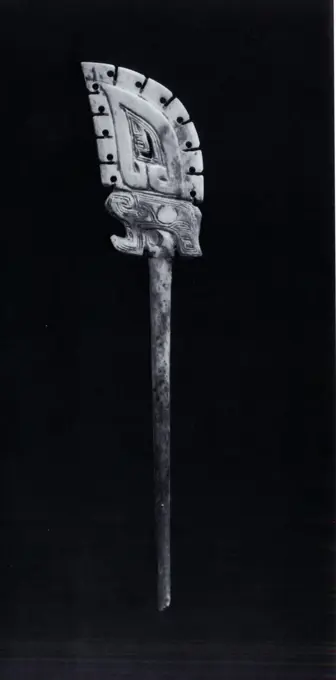
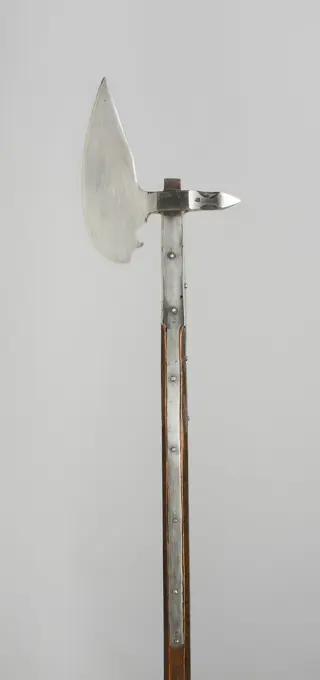
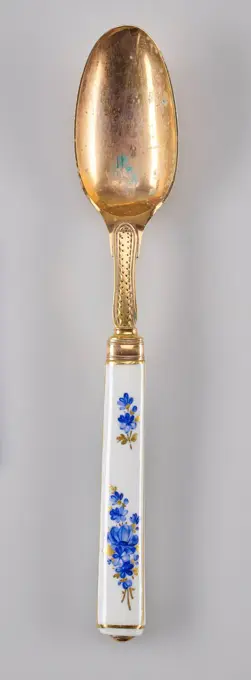
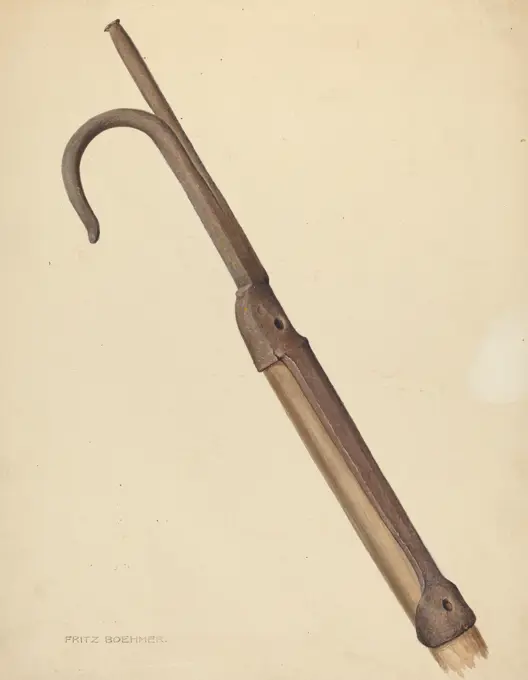
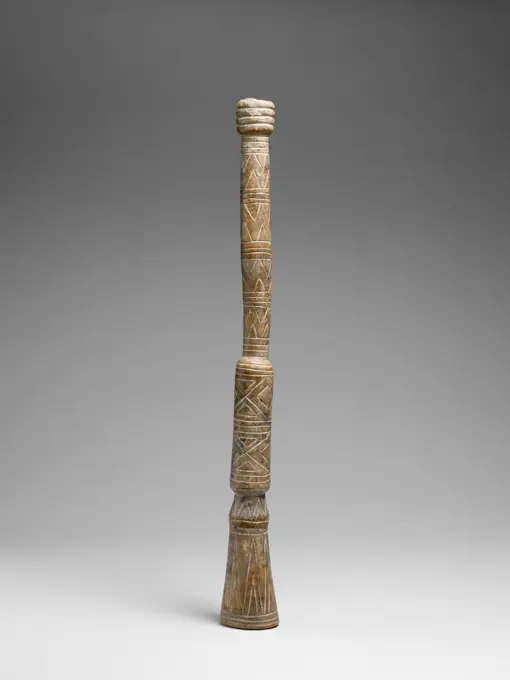
A selection of historical weapons including a ceremonial arrowhead, luxurious hanger, a decorative dagger, and a wooden forked staff, showcasing intricate craftsmanship.
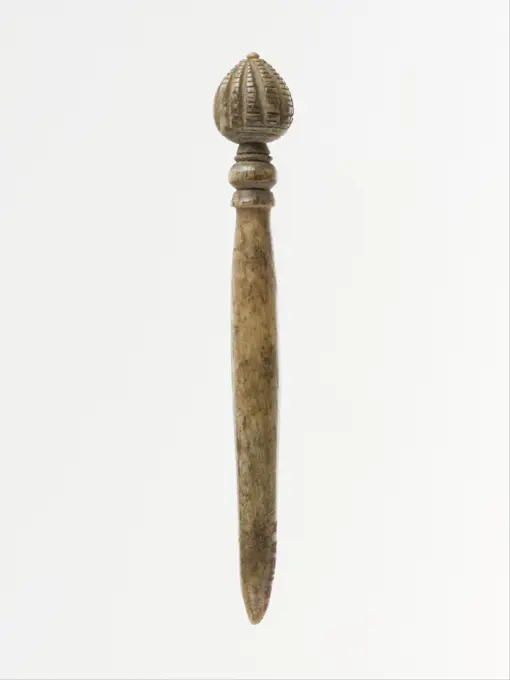
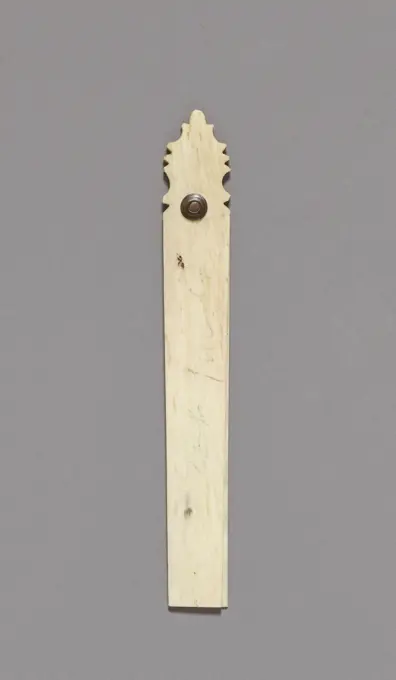
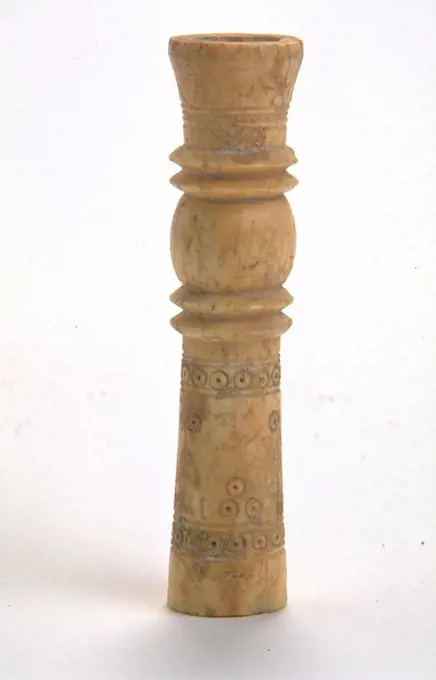
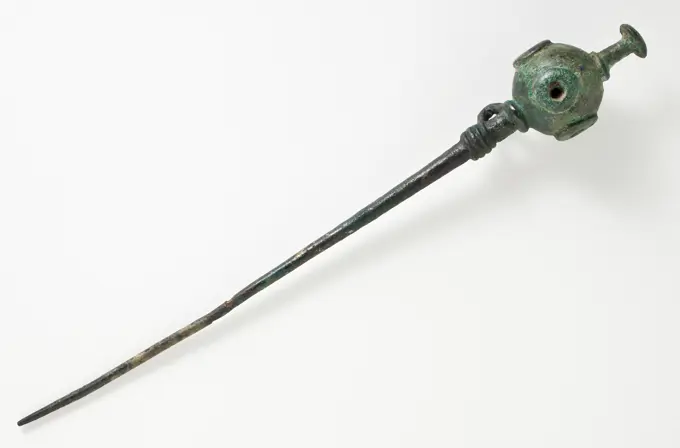
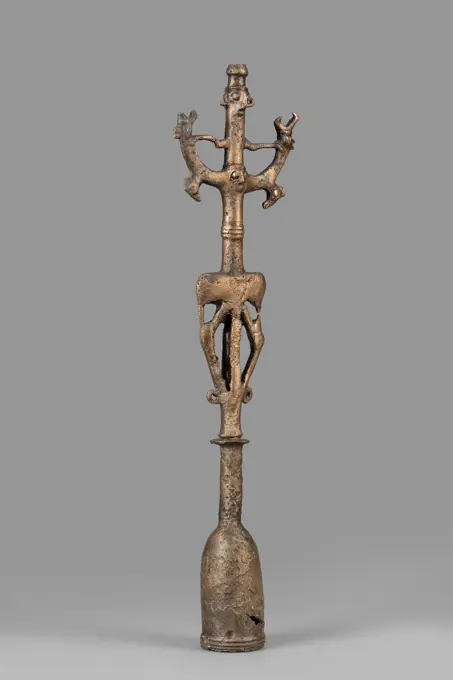
Bone pin ca. A.D. 300-450 Roman Similar pins found in excavations in Rome have been dated to the late Roman period (4th-5th century A.D.).. Bone pin 246463
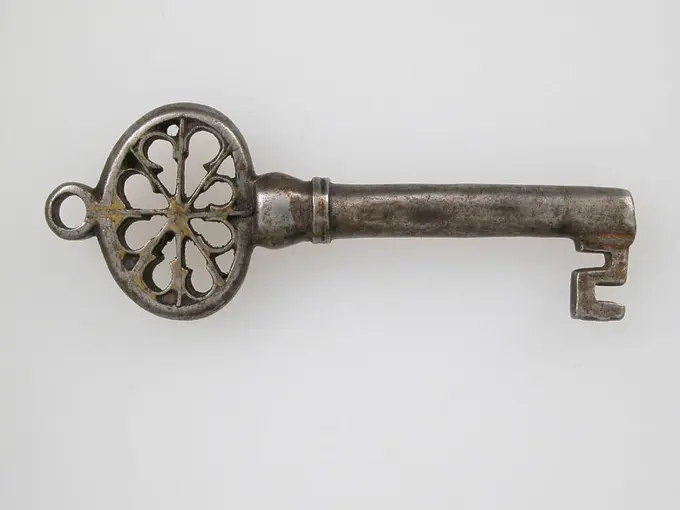
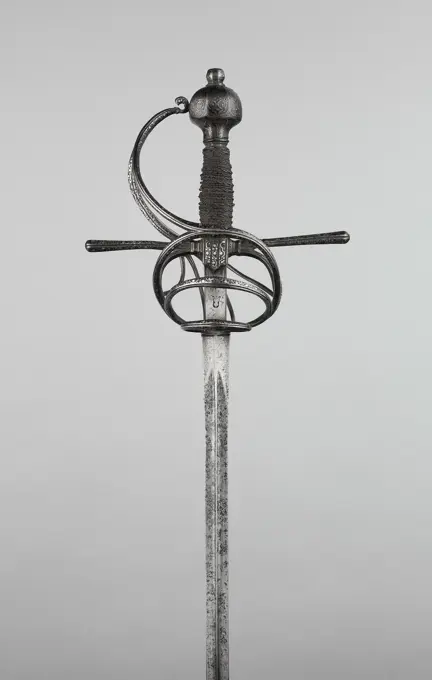
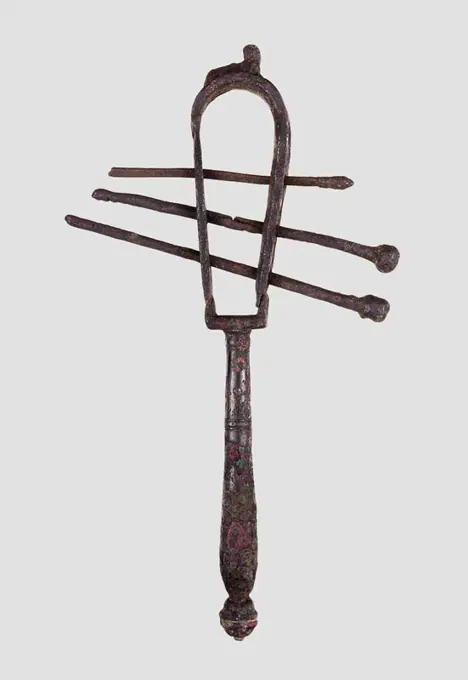
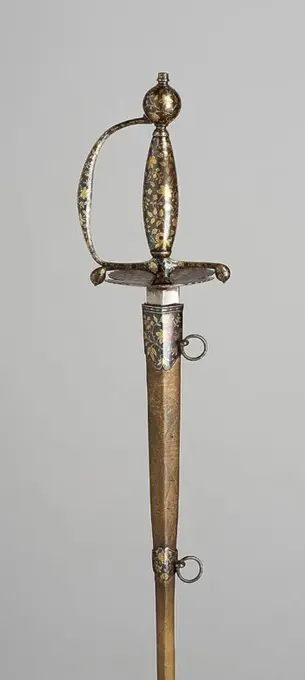
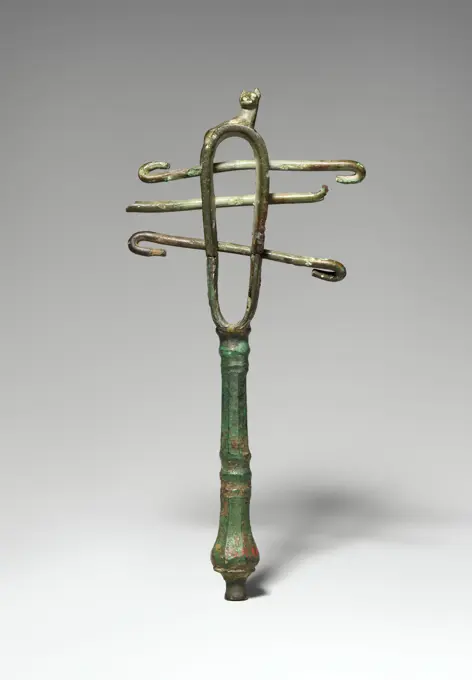
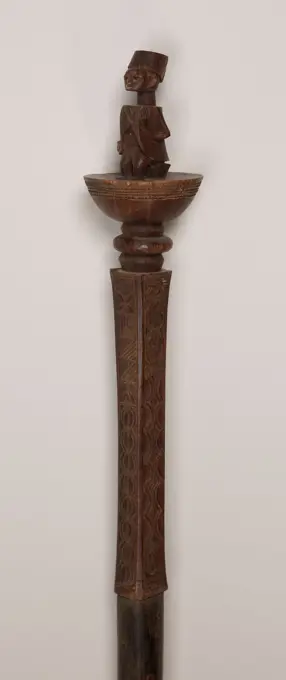
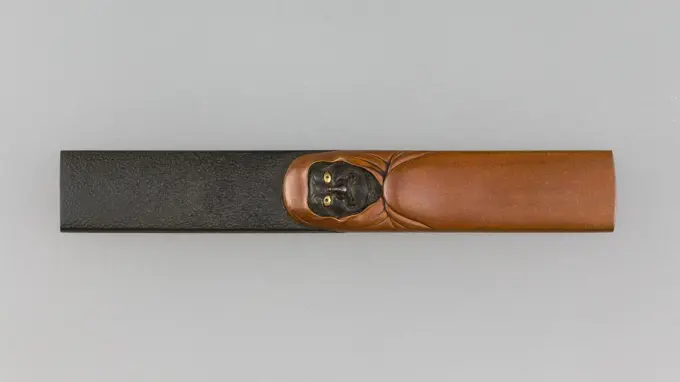
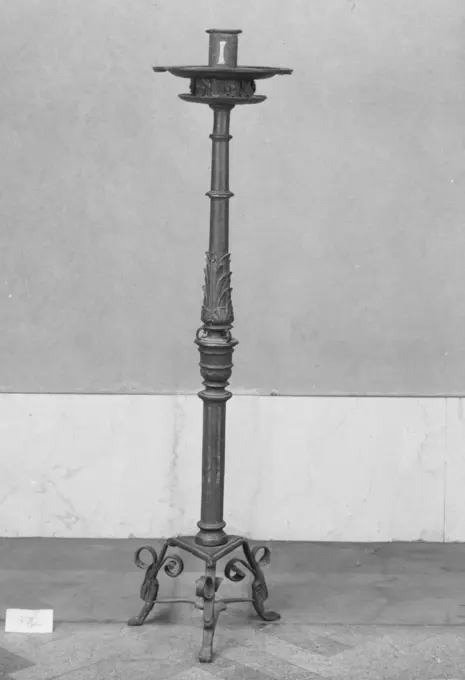
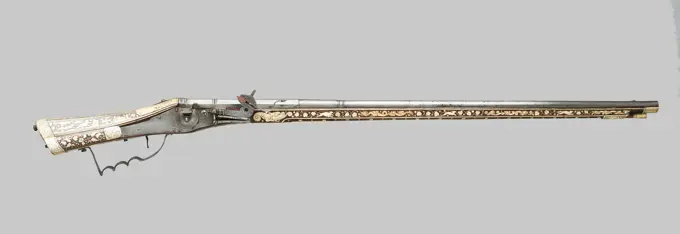
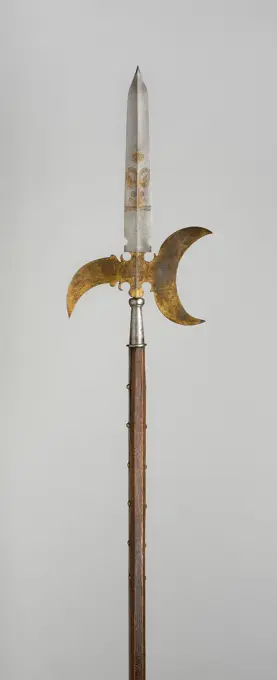
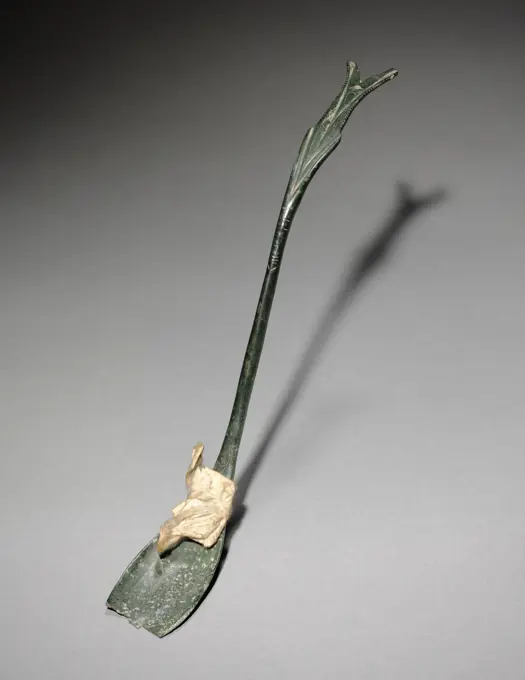
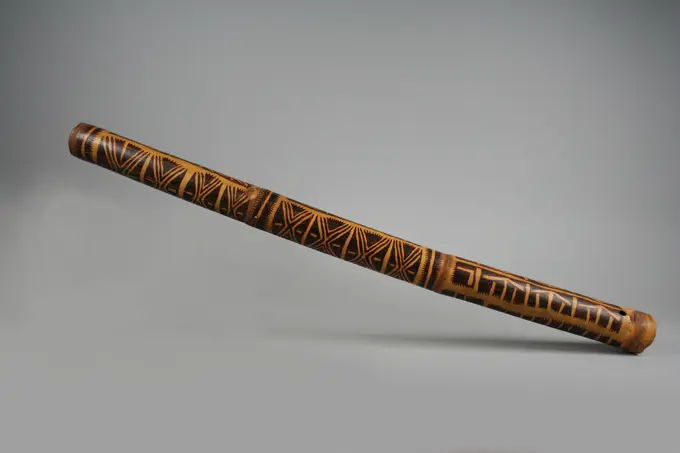
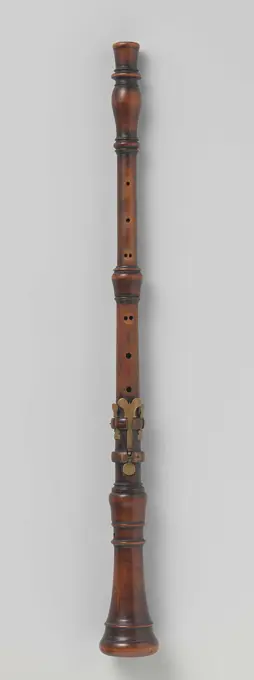
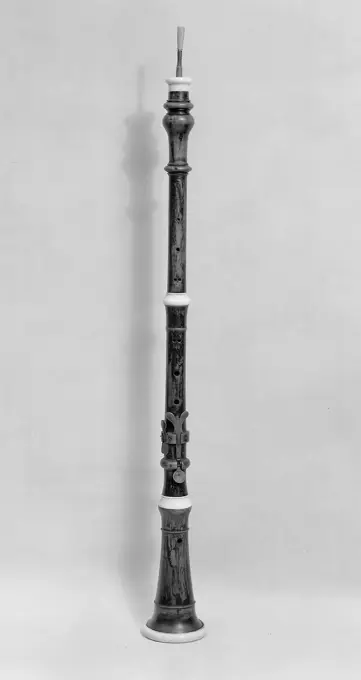
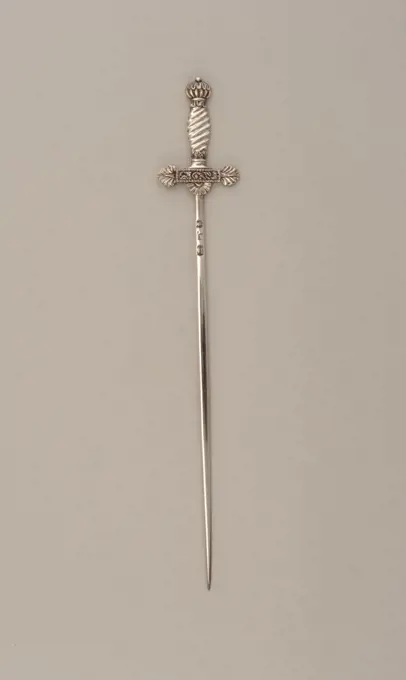
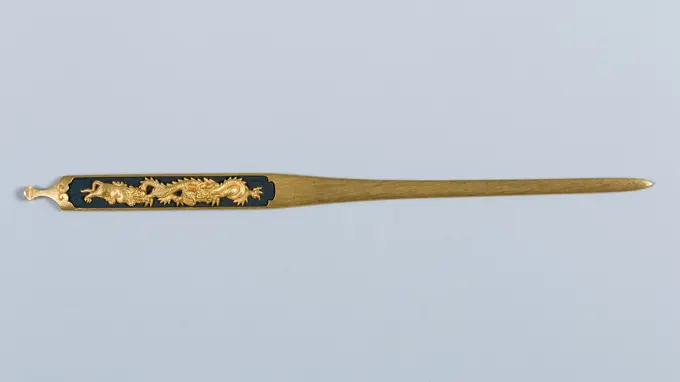
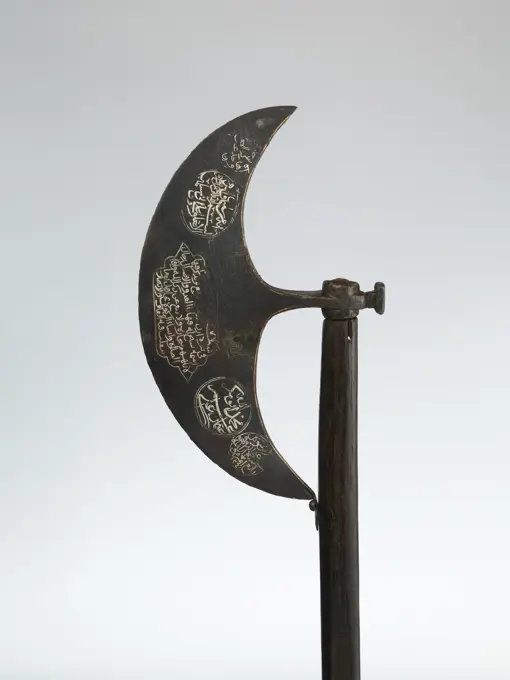
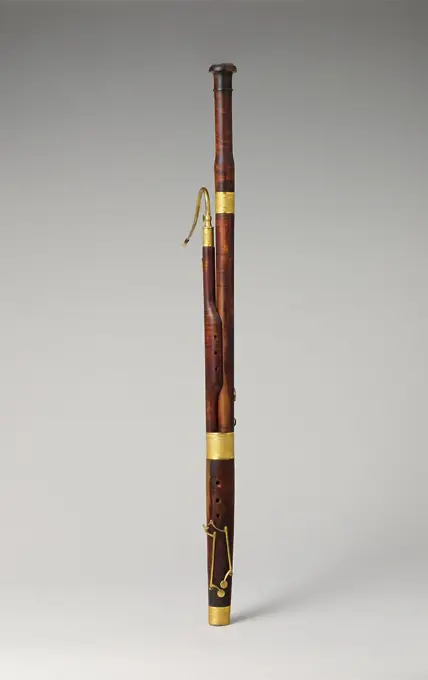
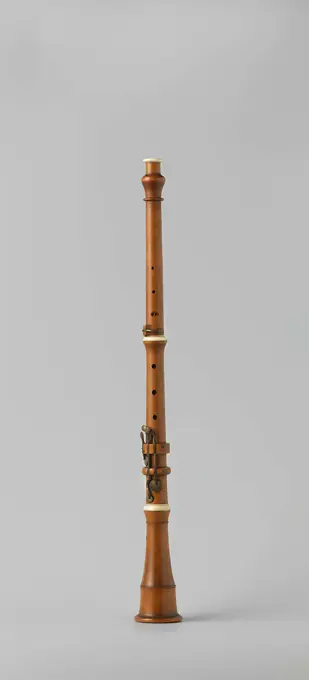
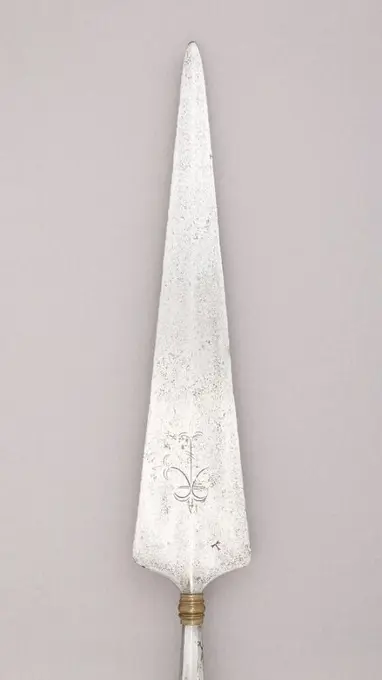
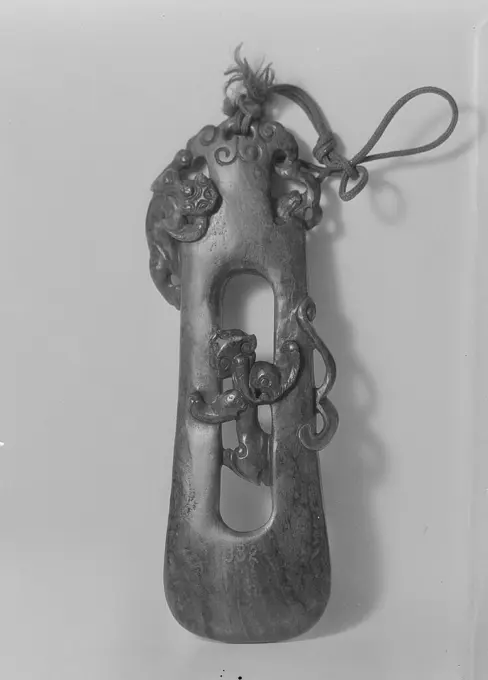
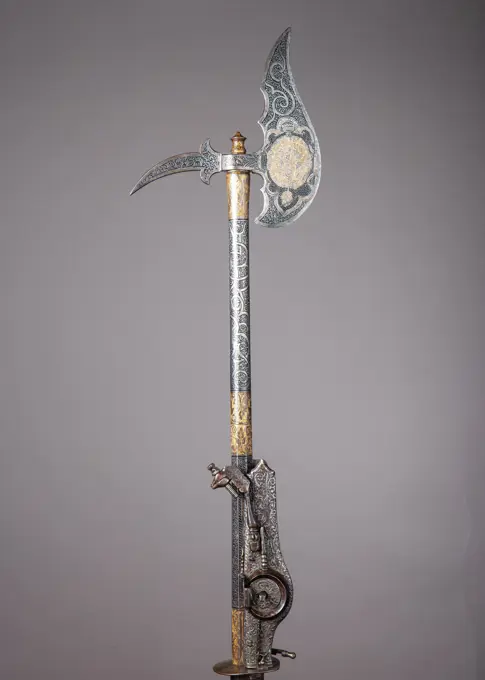
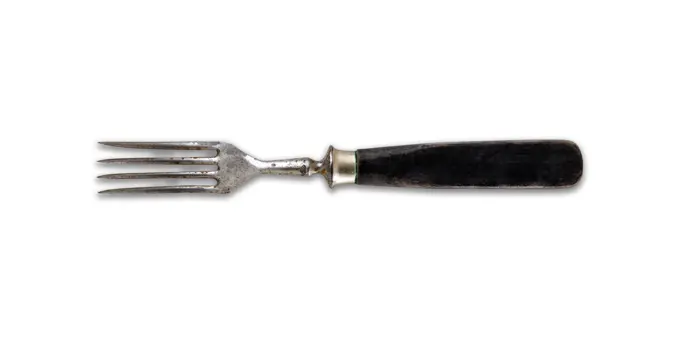
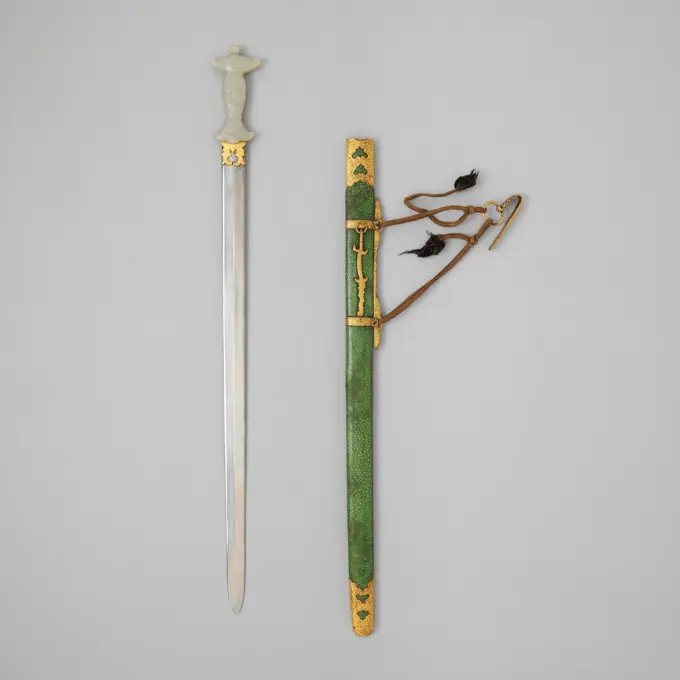
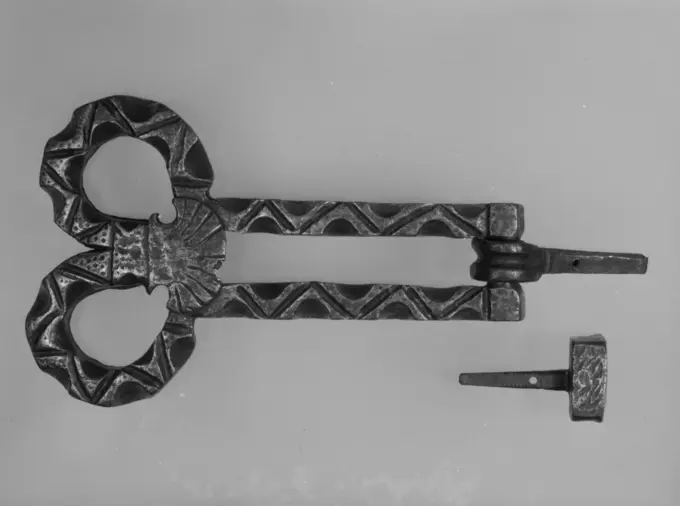
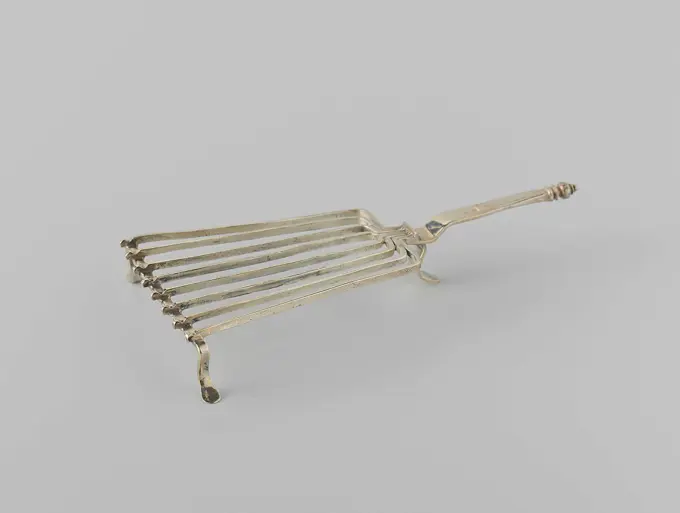
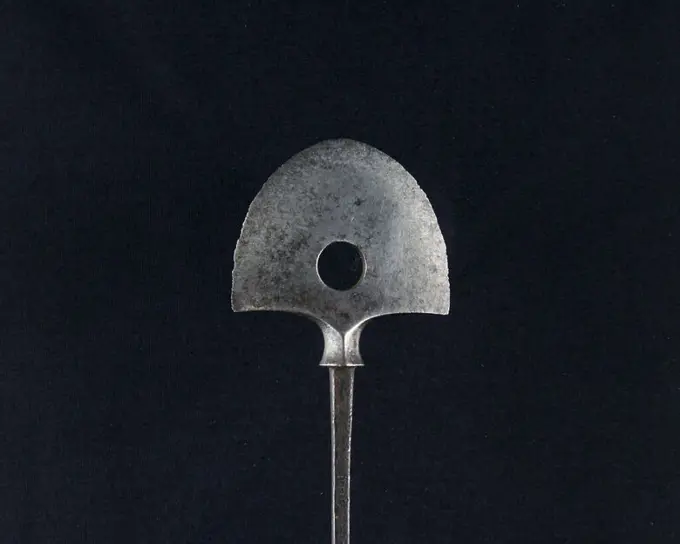
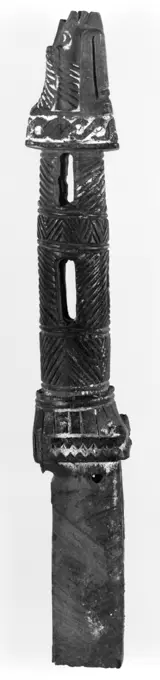
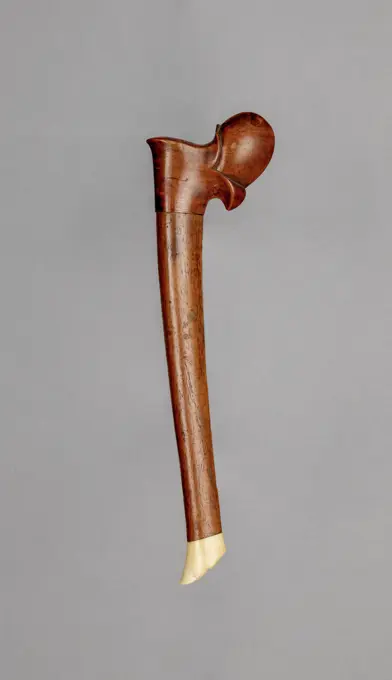
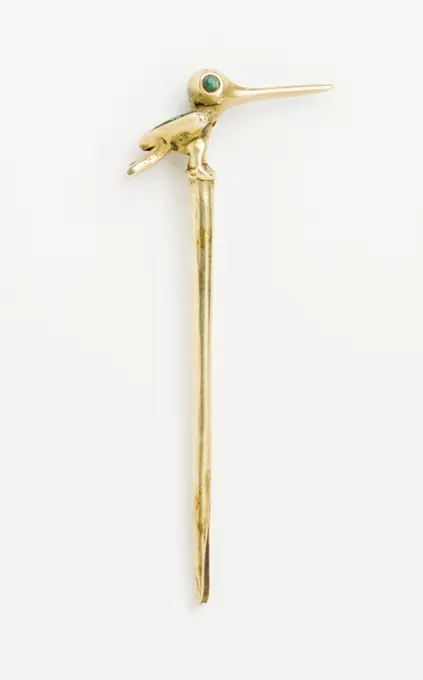
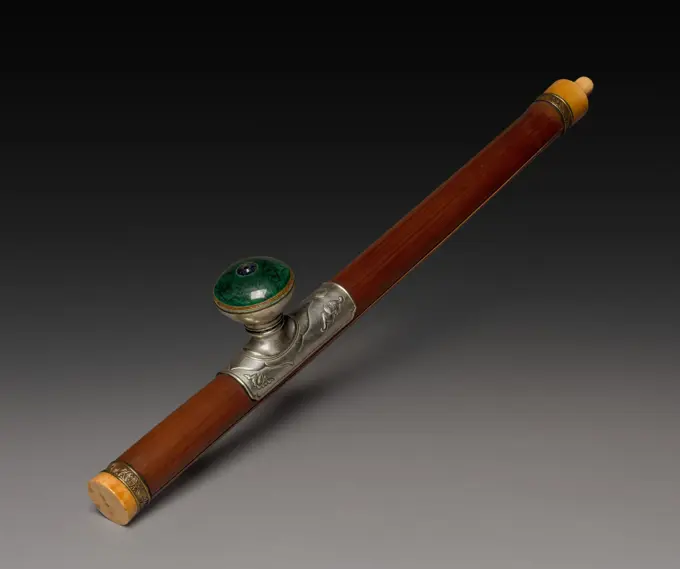
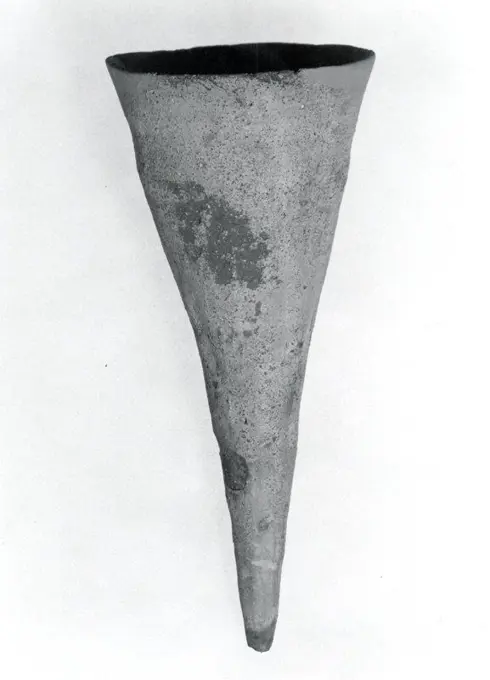
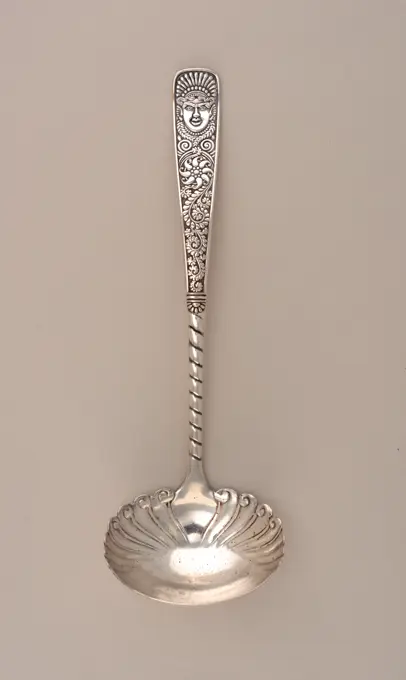
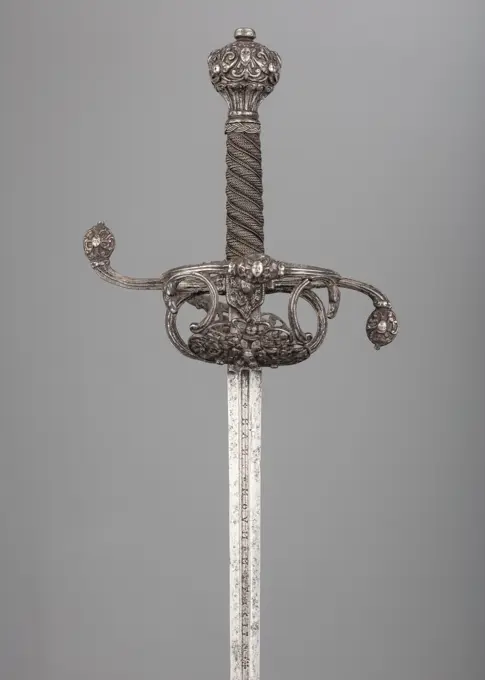
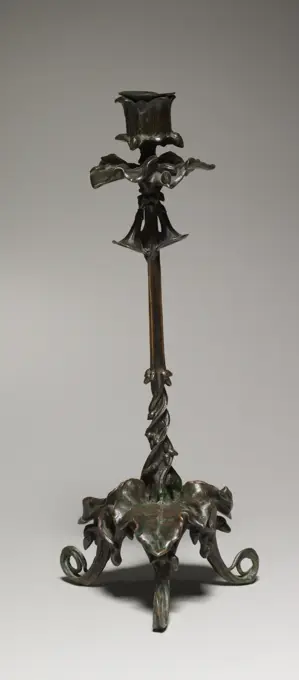
Candlestick, 1800s. Antoine-Louis Barye (French, 1796-1875). Bronze; overall: 32.3 cm (12 11/16 in.).Nail 15th-16th century European. Nail. European. 15th-16th century. Iron. Metalwork-IronKey. Culture: Catalan. Dimensions: Overall: 3 3/4 x 1 5/16 x 7/16 in. (9.5 x 3.4 x 1.1 cm). Date: 15th-16th century.The decoration of Gothic iron locks and keys was often elaborate and of the highest standard of workmanship. The motifs were frequently drawn from Gothic architecture, reproducing on a miniature scale complicated tracery patterns and even tiny statuettes. A number of these tiny locks were compound, with some of the mechanisms concealed from view, and required two or even three keys used in sequence to open them. It has been suggested that the greatly expanded use of locks on doors, or coffrets and other types of storage chests was a result of the increasing urbanization of life and the new emphasis on material wealth and private ownership which developed in the late Middle Ages. Museum: Metropolitan Museum of Art, New York, USA.Rapier Made 1610-1620 Italy. Steel and silver .Sistrum łukowe. unknown, authorSmallsword and Scabbard. Hilt and scabbard fittings; northern Indian; Blade: probaby English. Date: 1770-1780. Dimensions: 103.5 × 11.4 cm (40 3/4 × 4 1/2 in.). Steel, gold, leather, wood, and textile. Origin: England. Museum: The Chicago Art Institute, Chicago, USA.Note Board, c. 1770. England, 18th century. Luxurious personal objects were an essential part of a privileged wardrobe during the 1700s and early 1800s, emphasizing their owners refinement and wealth. Especially popular were étuis, small ornamented cases containing miniature sewing, writing, or grooming implements that hung at a womans waist from an ornate clasp, known as a chatelaine. Despite its glittering surface, this small expensive set disguised a system based on the labor and suffering of enslaved or indentured people, whether in gold and stone mines or the shop where it was made.Foghorn, L.J. Lefèbre, 1877 foghorn Simple trumpet -shaped fog horn, gray and red painted, with a mouthpiece and a carrying rope; Halfway through it is covered with sheet. The mouthpiece has a reed and a bracket on the inside. The Hague brass (alloy). cloth. rope. woolSouvenir spoon with finial in the form of Apollo Belvedere British late 19th centuryBronze sistrum (rattle) 1st-3rd century A.D. Roman The sistrum was used during religious ceremonies to ward off evil spirits with its jingling noise. It was particularly necessary in the observance of mystery cults such as the worship of Isis, and statues of the goddess often depict her holding a sistrum.. Bronze sistrum (rattle). Roman. 1st-3rd century A.D.. Bronze. BronzesStaff, 19th-20th century, 63 7/8 x 2 5/8 x 2 5/8 in. (162.2 x 6.7 x 6.7 cm), Wood, Tanzania, 19th-20th centuryScabbard, 1880-1910. Africa, Sudan. overall: 31.2 cm (12 5/16 in.); blade: 19.9 cm (7 13/16 in.).Mustard spoon first half 19th century Dutch. Mustard spoon. Dutch. first half 19th century. Silver. Metalwork-SilverKnife Handle (Kozuka) 19th century Japanese A kozuka is a handle of a by-knife that is part of a sword mounting. It is kept in a slot on the reverse of a katana scabbard, often with a matching kōgai (hairdressing tool).. Knife Handle (Kozuka) 29788Fork 1st-4th century Roman. Fork 468243Bone. Probably to the stove.Herds with round stem with ring decoration. Hairds of iron, with round stem with ring decoration and ending in a button. Hinged.Spoon, 20th century, 15 3/4 × 4 1/8 × 2 in. (40.01 × 10.48 × 5.08 cm), Wood, glass, Democratic Republic of Congo, 20th centuryWheellock Rifle Made 1577 Germany. Steel, gilded brass, iron, wood, and horn .Key. Finely driven key, the back a jour.Model of an Anchor, anonymous, 1819 demonstration model Wooden model of a composite anchor that can be taken out. The shaft and arms consist of six layers, which are held together by brass brackets. The model has no anchor. Scale 1:10 (estimate). model maker: Netherlandsafter design by: United Kingdom (possibly) wood (plant material). brass (alloy)Fork 1622-23 French, Paris. Fork 200239Knife (possibly Germany); steel, enamel; L x W: 12.7 x 1.3 cm (5 x 1/2 in.); The Robert L. Metzenberg Collection, gift of Eleanor L. Metzenberg; 1985-103-68Pair of standing candelabra 16th century Spanish. Pair of standing candelabra. Spanish. 16th century. Iron. Metalwork-IronWheellock Rifle 1560-1620 Austria. Steel, fruitwood, and staghorn .Halberd for the Civic Guard of Cologne Made 1690-1710 Germany. Steel, brass, gilding, and wood .AxeSpoon with Fish-Tail Design, 918-1392. Korea, Goryeo period (918-1392). Bronze; overall: 27.5 cm (10 13/16 in.).Pipe mid to late 19th century Central Province or Massim people. Pipe 307481Oboe.Hobo, dark brown with three valves and six holes of which two are double and two in the cup.Oboe in C ca. 1800 Camus French. Oboe in C 501505Skewer, silver, Tapering, pointed, flat blade with relief cast twisted dagger-hilt handle., Milan, Italy, 19th century, cutlery, Decorative Arts, SkewerSet of Sword Fittings (Mitokoromono) 17th century Inscribed by Got Renj (Mitsutomo) Japanese This mitokoromono features a design of a dragon, a leopard, and a tiger.. Set of Sword Fittings (Mitokoromono). Japanese. 17th century. Copper-gold alloy (shakud), goldHalberd Made 1490-1510 Germany. Steel and wood .Dervish Ax dated A.H. 1241/A.D. 1825-26 Turkish Large axes with crescent-shaped blades were originally designed for use in battle, but they gradually came to serve as symbols of authority and were carried before a dignitary. They are also associated with religious mystics, Sufis or dervishes, who often exercised considerable political influence, particularly among the Ottoman janissaries (the sultans elite guard). This late example is decorated in silver with pious Qur'anic inscriptions and verses in Ottoman Turkish by Hatayi, a poet of the Bektashi Order of Dervishes.. Dervish Ax 25577SpoonCurb Bit 1500-1533 Germany. Iron .Matchlock Petronel ca. 1570-80 French When aiming a gun of this type, the sharply curved end of the stock was pressed against the chest (poitrine in French), hence the name petronel. The inlaid decorations of bone, some tinted green, reflect German influence. Whereas plain, inexpensively made matchlock guns were the standard weapon of muskateers throughout the sixteenth and seventeenth centuries, richly decorated examples such as this one seem to have been made for noblemen, either for hunting or for target shooting.. Matchlock Petronel 23365Bassoon in C. Culture: French. Dimensions: Height: 50 3/8 in. (127.9 cm). Maker: Jean-Jacques Baumann (French, Paris 1772-1845 Paris); Keys by C.H. Felix (French, Paris flourished 1825-1830). Date: ca. 1813-25.The instrument has two alternative wing joints for high and low pitch, and a screw to adjust the bocal. The keys and metal parts were designed in 1813 and made by C. H. Felix in Paris, as an inscription states. Felix's design consists only in the decorative aspect of the keys, not in their number and placement. Museum: Metropolitan Museum of Art, New York, USA.Oboe.Hobo of palm wood with three ivory rings and four valves.Partisan. Culture: Dutch or Italian, Florence. Dimensions: L. 9 ft. 3 3/4 in. (283.9 cm); L. of head 26 5/8 in. (67.6 cm); W. 4 5/8 in. (11.8 cm); Wt. 4 lbs. 7 oz. (2012.8 g). Date: ca. 1530. Museum: Metropolitan Museum of Art, New York, USA.Guarded Dagger (Katar) 17th century Indian, Thanjavur; blade, European. Guarded Dagger (Katar) 31410Girdle ornament. Culture: China. Dimensions: H. 6 15/16 in. (17.7 cm); W. 2 3/8 in. (6.1 cm); L. 5/8 in. (1.6 cm). Museum: Metropolitan Museum of Art, New York, USA.Combination Ax-Pistol of Grand Duke Ferdinand I de' Medici (1549-1609) ca. 1580 German The invention of the wheel lock in the early sixteenth century established a fairly reliable, if complex and expensive, firearms ignition system that engendered the rapid development of pistols and long arms for both warfare and the hunt. By the middle of the century a new genre of weapon developed, combining a wheel-lock pistol and a conventional sword, dagger, ax, or mace. This would seem to imply a basic insecurity on the part of the owner, suggesting that if his shot missed he could rely on the weapon's second function as a backup. In reality, however, combination weapons of this sort appealed to the wealthy nobleman as elaborate mechanical curiosities, and they are found in abundance in the princely armories and Renaissance Kunst- und Wunderkammern.This ax-pistol, like most recorded examples, is of German manufacture and follows conventional all-steel construction in which the hollow shaft of thSword with Scabbard (PisoSanalenggem)Bow, anonymous, c. 1800 - c. 1850 String for double bass. France (possibly) wood (plant material) String for double bass. France (possibly) wood (plant material)Hairpin 13th-11th century B.C. China. Hairpin. China. 13th-11th century B.C.. Bone. Shang dynasty (ca. 1600-1046 B.C.). BoneRusty, old, fork, rust, rust, rusted, forks, homonym ** Rusty, Old, Fork, Rusted, Older, Forks 647-FG4Key ,, 1700 Key whose handle consists of incised half -moons that enclose a cross -shaped flour with leaf motif. The heavily profiled shaft ends in a profiled button. Upper half in bronze, under half iron. England iron (metal). bronze (metal) Key whose handle consists of incised half -moons that enclose a cross -shaped flour with leaf motif. The heavily profiled shaft ends in a profiled button. Upper half in bronze, under half iron. England iron (metal). bronze (metal)Sword with Scabbard 19th century Chinese. Sword with Scabbard 27932Processional noise. The object is composed of the following two parts: the cross and the lower part with the profiled nodus to be able to place it on a staff. The cross has two reinforcements at the front and back front and back, is provided with an engraved aureole at the intersection, while the ends marked by round resignations are probably alert in now missing French lilies. The Christ's figure is missing.Slit Gong (Kentongan) ca. 13th century Indonesia (Java). Slit Gong (Kentongan) 37699Spoon late 16th-early 17th century German, Frankfurt. Spoon 188085 German, Frankfurt, Spoon, late 16thearly 17th century, Silver, parcel-gilt, Overall: 7 15/16  2 3/16 in. (20.2  5.6 cm). The Metropolitan Museum of Art, New York. Gift of Mrs. Samuel P. Avery, 1897 (97.2.50)Pipe. Culture: Central Province or Massim people. Dimensions: Overall: 31 1/8 x 2 1/16 in. (79.06 x 5.24 cm)Other: 2 1/16 in. (5.24 cm). Date: mid to late 19th century. Museum: Metropolitan Museum of Art, New York, USA.Rapier Bladesmith Juan Martinez the Elder Spanish mid-16th century The rapier was the principal civilian sidearm throughout the sixteenth and seventeenth centuries. Designed for cut-and-thrust fencing of progressively complex techniques, the rapier is characterized by a double-edged blade with an acute point and an elaborate guard for the hand. The guards, usually of iron or steel, were subject to a variety of embellishment. They were engraved, chiseled, gilded, damascened, and encrusted in gold and silver in keeping with fashionable styles. Unless otherwise noted, the materials, attributions, and dating given here refer to the hilts. Rapier blades, invariably of steel, bear a variety of makers marks denoting their origin in the two principal centers of blademaking, Toledo in Spain and Solingen in Germany. View more. Rapier. Spanish, Toledo. mid-16th century. Steel. Toledo. SwordsTORRE DE RUECA DE MANO EN HUESO. (DEPOSITO: MUSEO ARQUEOLOGICO NACIONAL).Receptacle for Peanut Oil. Dated: c. 1939. Dimensions: overall: 35.5 x 28 cm (14 x 11 in.) Original IAD Object: 21 1/4" high; 2 5/8" wide. Medium: watercolor, graphite, and pen and ink on paperboard. Museum: National Gallery of Art, Washington DC. Author: Vera Van Voris.Bed leg (one of four) 16th century Italian. Bed leg (one of four). Italian. 16th century. Iron. Metalwork-IronPin. Iran, Luristan, circa 1350-800 B.C.. Jewelry and Adornments; pins. Bronze, castDrumPrijspen with the coat of arms of Amsterdam and the year 1755. Preparation of silver in the form of a goose feather with the appliqued gold-plated silver weapon from Amsterdam by 1758.Decorated "Shark" Skin (Kazari-zame). Culture: Japanese. Dimensions: 20 1/2 x 3 3/4 x 2 7/8 in. (52 x 9.5 x 7.5 cm). Date: ca. 1800-1850. Museum: Metropolitan Museum of Art, New York, USA.Cover (Japan); woodSpoon 17th century possibly Northern Italian. Spoon 188176 Northern Italian (), Spoon, 17th century, Silver gilt, shell, 7 1/4 in. (18.4 cm). The Metropolitan Museum of Art, New York. Gift of Mrs. Samuel P. Avery, 1897 (97.2.142)Bronze Tumi with Figures. Culture: Inca. Dimensions: H. 5 13/16 x W. 5 1/2 x D. 1/2 in. (14.8 x 14 x 1.3 cm). Date: 15th-16th century. Museum: Metropolitan Museum of Art, New York, USA.screws isolatedSpearhead with bent tang and slotted blade ca. 2300-2000 B.C. Hattian. Spearhead with bent tang and slotted blade. Hattian. ca. 2300-2000 B.C.. Copper, bronze. Early Bronze Age III. Central AnatoliaDoor knocker early 17th century Spanish. Door knocker. Spanish. early 17th century. Iron. Metalwork-IronMustard spoon 19th century possibly Dutch. Mustard spoon 188274Key 15th-16th century German The decoration of Gothic iron locks and keys was often elaborate and of the highest standard of workmanship. The motifs were frequently drawn from Gothic architecture, reproducing on a miniature scale complicated tracery patterns and even tiny statuettes. A number of these tiny locks were compound, with some of the mechanisms concealed from view, and required two or even three keys used in sequence to open them. It has been suggested that the greatly expanded use of locks on doors, or coffrets and other types of storage chests was a result of the increasing urbanization of life and the new emphasis on material wealth and private ownership which developed in the late Middle Ages.. Key 467590Schedule; Trivet. Roast on three legs and a flat handle with a button at the end. The grid has eight bars. The grid is marked: crowned v in shield.Gusle ca. 1850 Eastern European (Croatia). Gusle. Eastern European (Croatia). ca. 1850. Wood, skin. Balkan Peninsula, Potravlje, Sinj-Dalmatia, Croatia (former Yugoslavia). Chordophone-Lute-bowed-unfrettedRasp 19th century Native American (Seri, probably), Yuman family. Rasp 501288Pipe key, c. 1400 - c. 1950 Pipe key with handle in the shape of an open palmet resting on a quadrangular profiled capital. The beard on the long shaft stands across the handle. Beard and part of the shaft later turned on. Rome bronze (metal) Pipe key with handle in the shape of an open palmet resting on a quadrangular profiled capital. The beard on the long shaft stands across the handle. Beard and part of the shaft later turned on. Rome bronze (metal)Arrowhead (Yanone). Culture: Japanese. Dimensions: L. 10 1/8 in. (25.7 cm); L. of head 1 15/16 in. (4.9 cm); W. 1 7/8 in. (4.8 cm); Wt. 1.5 oz. (42.5 g). Date: 18th century. Museum: Metropolitan Museum of Art, New York, USA.Key, isolated on white background Key, isolated on white background Copyright: xZoonar.com/OleksandrxKostiuchenkox 9756294Terminal. UnknownHalberd of Ferdinand Maria, Prince-Elector of Bavaria (reigned 1651-79) dated 1670 German. Halberd of Ferdinand Maria, Prince-Elector of Bavaria (reigned 1651-79) 26704Spoon stalk with depicting apostle. Spoon stalk of silver with a gold-plated apostle at the end.Maker's Mark TP in shaped shield, Apostle Spoon: Saint Jude, 1640/41, silver.Wood Scabbard for a Knife (Kris), c 1900- 1925 . Indonesia or Malaysia, Early 20th century (). Wood; overall: 6.4 cm (2 1/2 in.).Keyboard key;  18th century (1701-00-00-1800-00-00);Podstawka idola. nieznany warsztat luristański, workshopHanden van Vertind iron with leaf motifs, anonymous, 1600 - 1800 Handen of Vertind iron. At the bottom a large round opening of a hinge with a round start. From there, two symmetrical leaf motifs spring, which split towards the end.  iron (metal). tin (metal) Handen of Vertind iron. At the bottom a large round opening of a hinge with a round start. From there, two symmetrical leaf motifs spring, which split towards the end.  iron (metal). tin (metal)Lime Spoon in the Form of a Hummingbird. Peru, Central Highlands, Inka, 1250-1470. Metal. Gold and malachiteKey, c. 1700 - c. 1800 Key with a travel and smoke garnish in the round; ao pipe stamper, scraper, corkscrew etc. The shaft is a sandlop -shaped profiled.  iron (metal) Key with a travel and smoke garnish in the round; ao pipe stamper, scraper, corkscrew etc. The shaft is a sandlop -shaped profiled.  iron (metal)Opium Pipe, 1800s. China, Qing dynasty (1644-1911). Wood with ivory and silver decoration; overall: 55 cm (21 5/8 in.).Cornet ca. 4600-3600 B.C. Ghassulian. Cornet 326512Antique typical Indonesian kris knife, isolated on whitePick (England); Made by Asprey & Son Co. (United Kingdom)Does not SquadBullet Case (Paru Paru Karo, Baba Ni Onggang Toba)Mordaxt Made 1600-1630 Switzerland. Steel and wood .Wheellock Pistol ca. 1580-90 German, Nuremberg. Wheellock Pistol. German, Nuremberg. ca. 1580-90. Steel, wood, ivory. Firearms-Pistols-WheellockSpoon, from a flatware dessert service, 18th century, Meissen Porcelain Factory, Meissen, Germany, est. 1710, Hard paste porcelain, gilt metal, Germany, 18th centuryFritz Boehmer, Zoar Apple Hook, c 1937 Zoar Apple HookBone Trumpet 2nd-5th century Calima, Malagana Prior to ceramic production, bone was used for small trumpets, flutes, and panpipes. This condor-bone trumpet was probably once covered with gold, allowing the incised surface to show through the gold sheet. Made in sections, this rare example was possibly modeled on larger gourd trumpets.. Bone Trumpet. Calima, Malagana. 2nd-5th century. Condor bone. Yotoco period (Pre-Columbian). Calima, Colombia. Aerophone-Lip Vibrated-trumpet / trombone"Assyrian Head" Ladle; Manufactured by Meriden Silver Plate Company (United States); USA; silver-plated metal; cm: L: 24.5Rapier hilt, ca. 1630-40; blade, 17th century Blade by Johannes Moum The rapier was the principal civilian sidearm throughout the sixteenth and seventeenth centuries. Designed for cut-and-thrust fencing of progressively complex techniques, the rapier is characterized by a double-edged blade with an acute point and an elaborate guard for the hand. The guards, usually of iron or steel, were subject to a variety of embellishment. They were engraved, chiseled, gilded, damascened, and encrusted in gold and silver in keeping with fashionable styles. Unless otherwise noted, the materials, attributions, and dating given here refer to the hilts. Rapier blades, invariably of steel, bear a variety of makers marks denoting their origin in the two principal centers of blademaking, Toledo in Spain and Solingen in Germany.. Rapier. hilt, probably British; blade, German, Solingen. hilt, ca. 1630-40; blade, 17th century. Steel, wood. Solingen. SwordsModel of a Rudder Head for a 44-gun Frigate. Model of a square stirring head with two brass stirring pens. The lower, tall stirring pin is attached with a long locker and two tension screws. The upper, short stirring pin is in a small brass roers head that is set on the wooden head. Both stirring pins have two eyes. Scale 1:10.