Ceremonial Weapons and Utensils

Historical weaponry and utensils adorned with intricate designs, showcasing cultural significance and craftsmanship in metalwork.
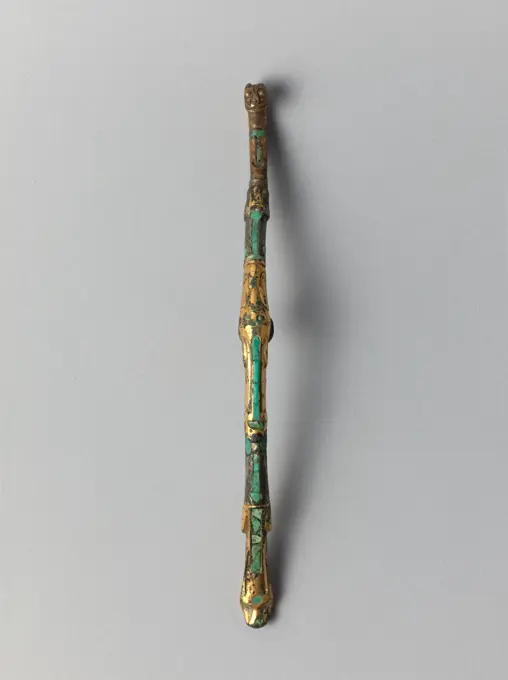
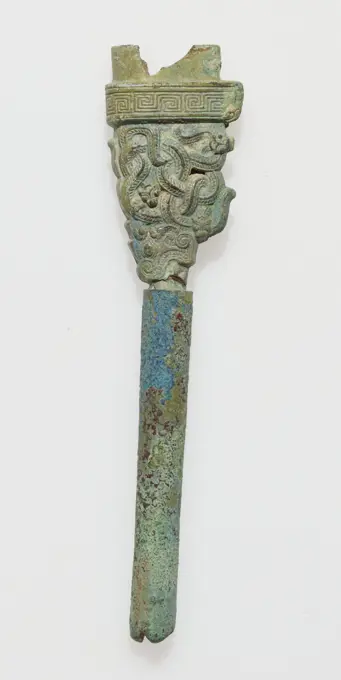
Clip. Bronze with inlays. China, western Han dynasty. Paris, Cernuschi museum. 75290-4 Staple, bronze, han dynasty, inlaid, west
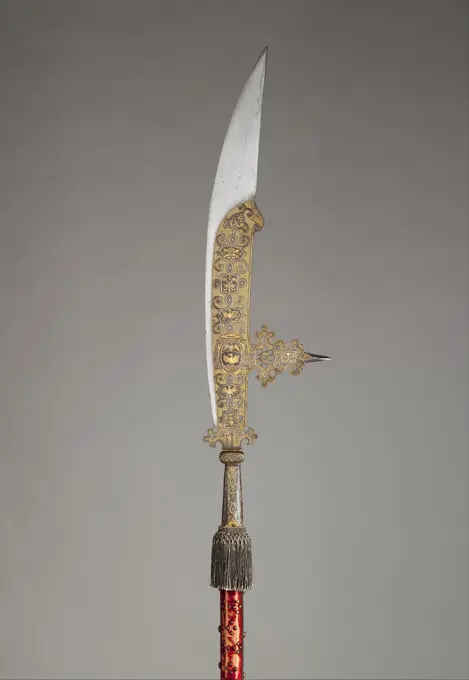
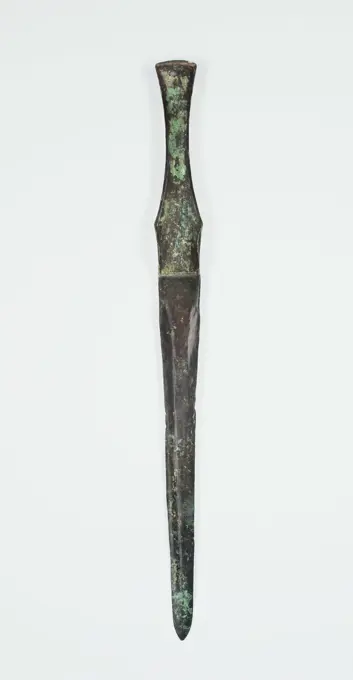
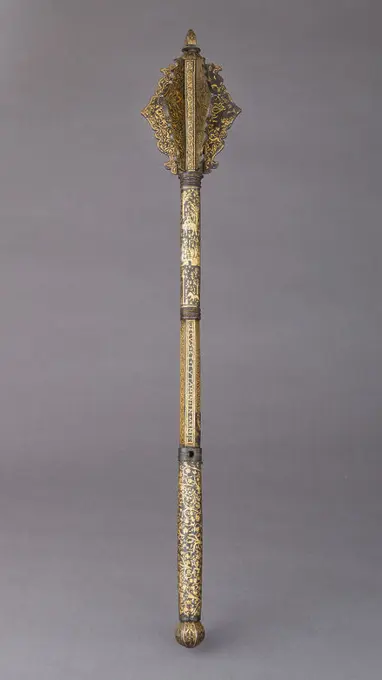
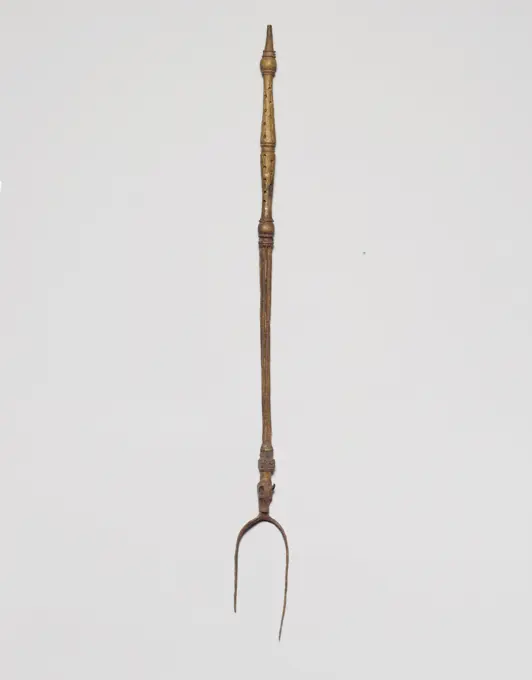
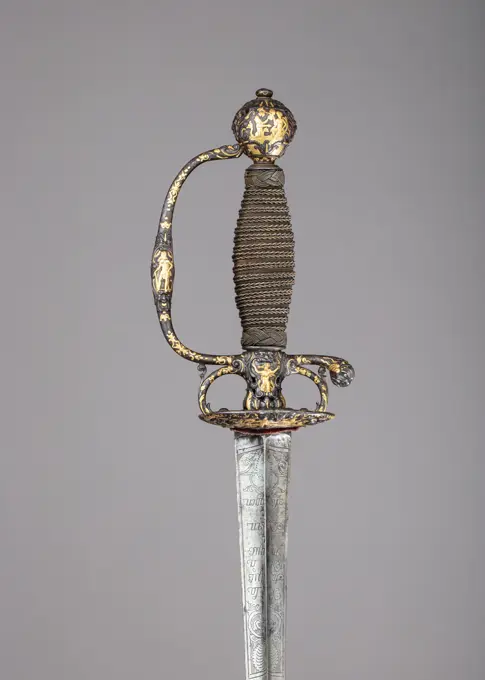
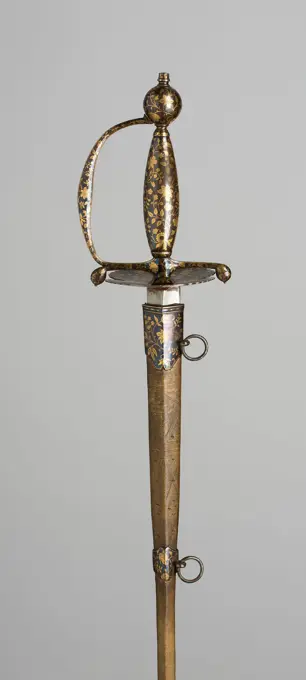
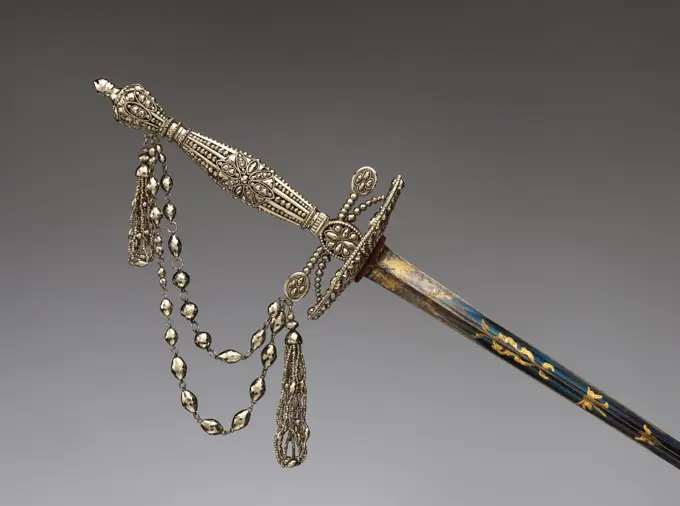
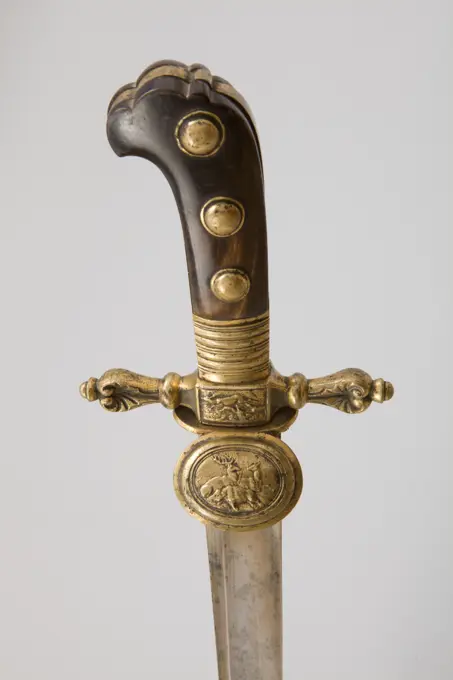
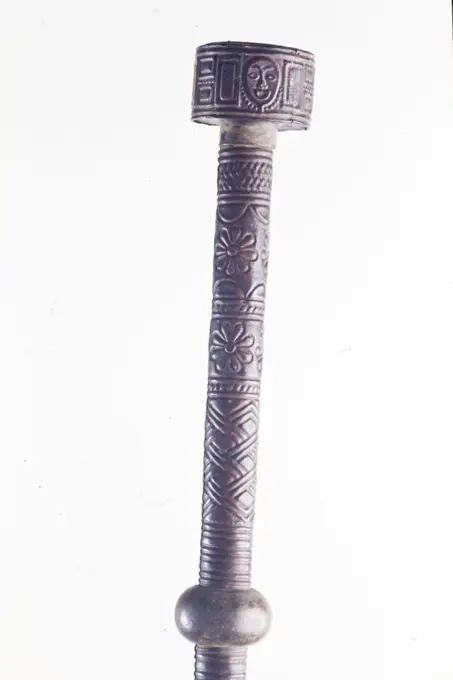
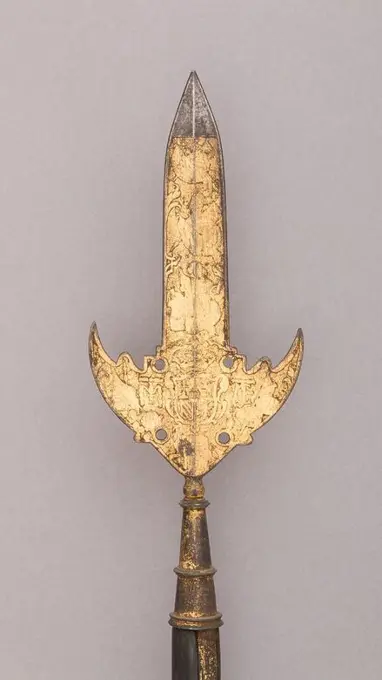
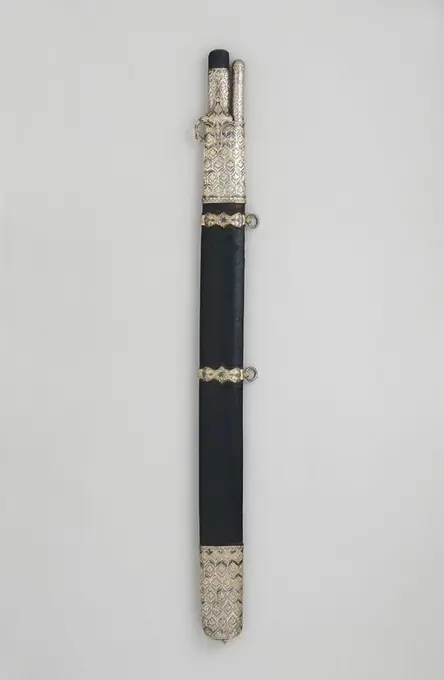
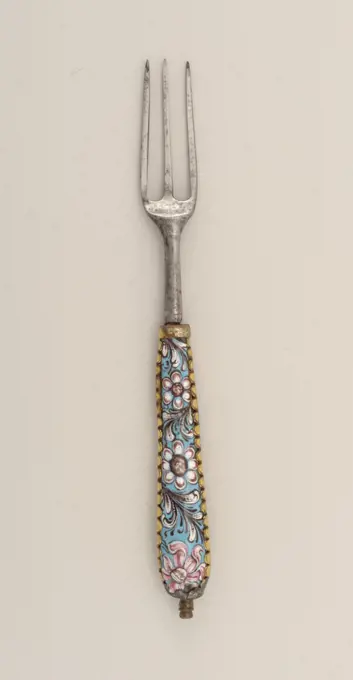
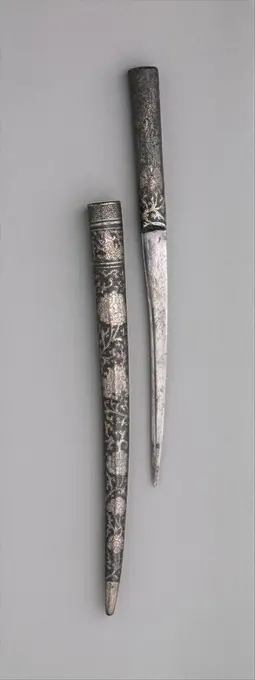
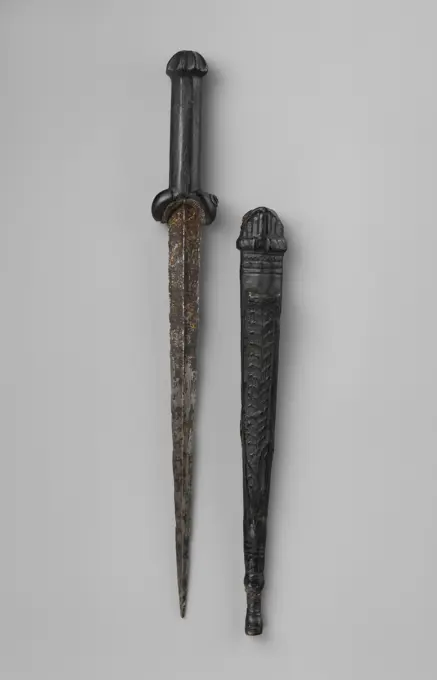
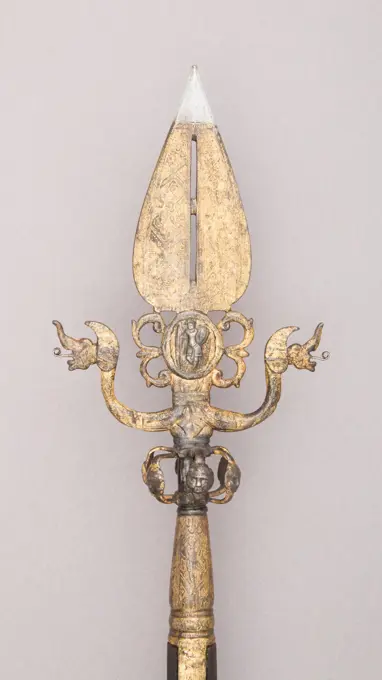
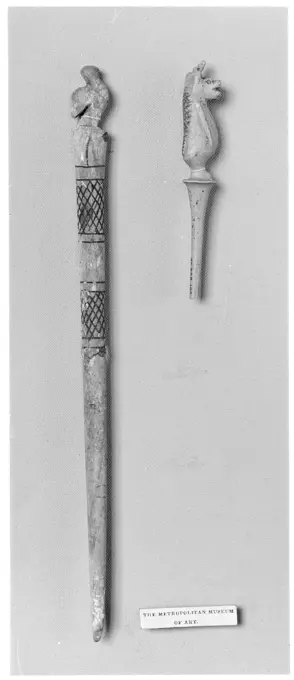
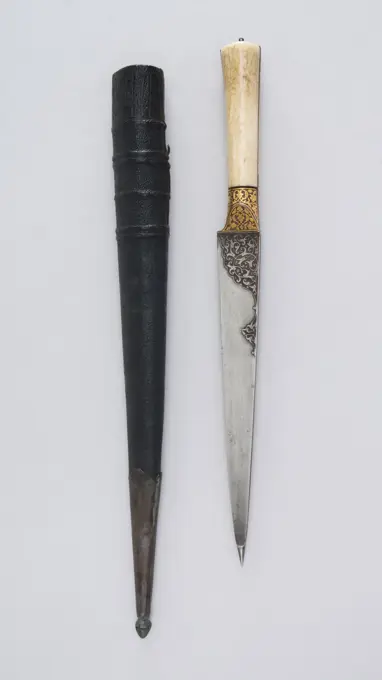
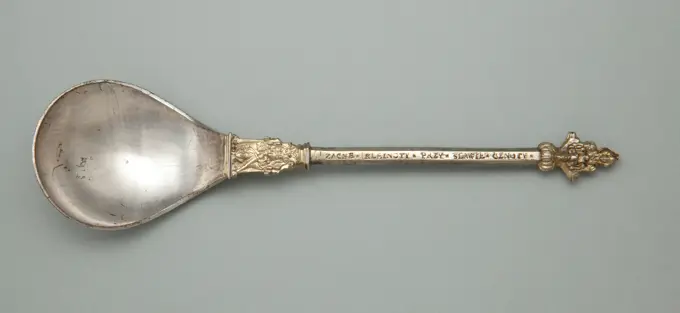
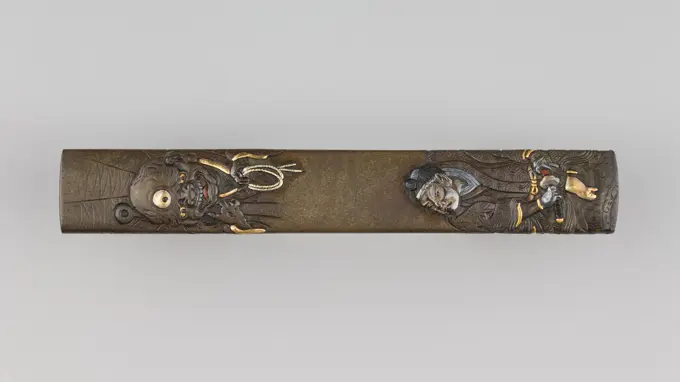
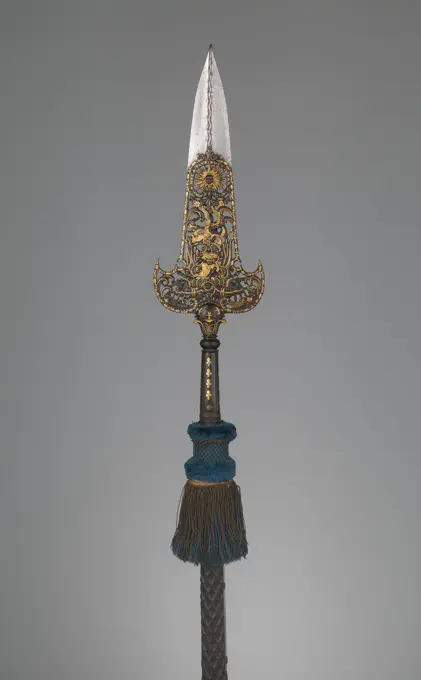
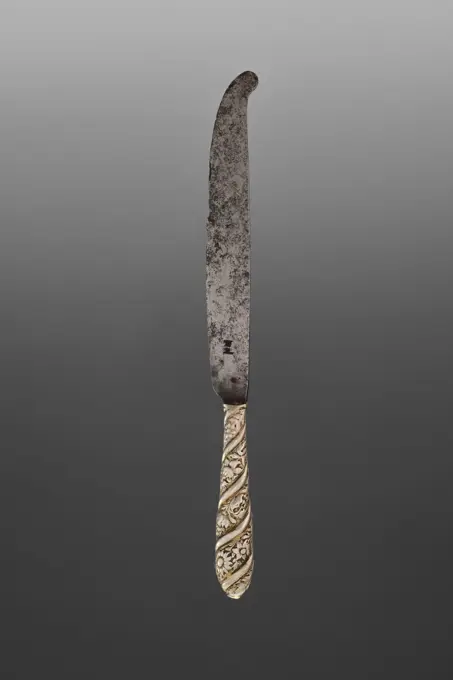
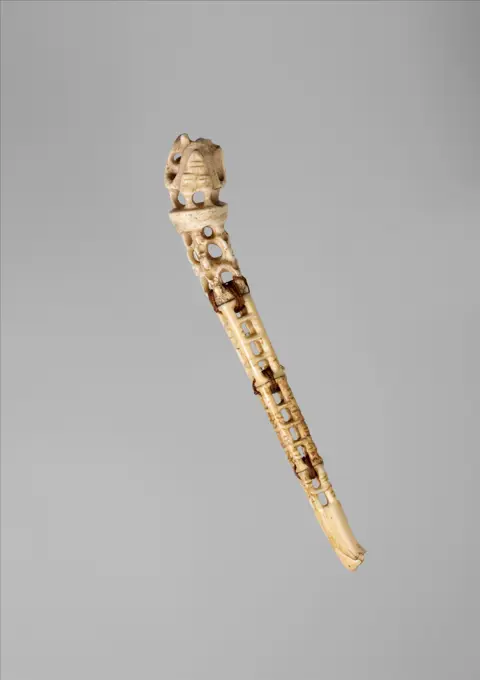
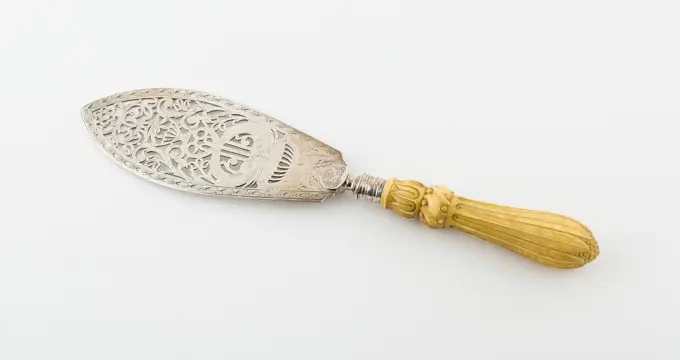
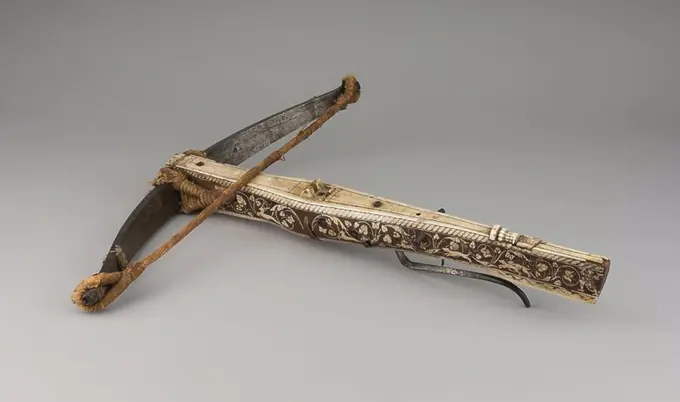
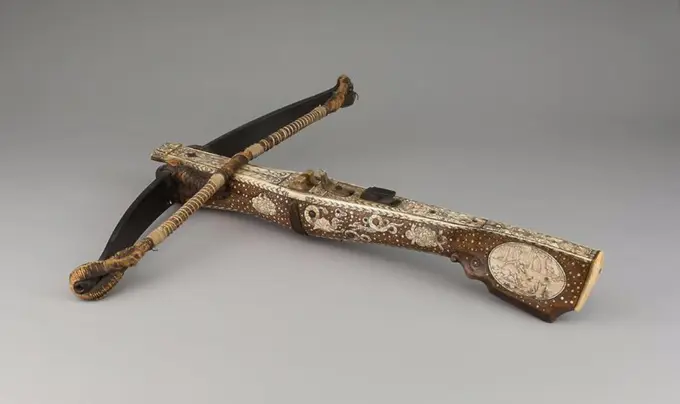
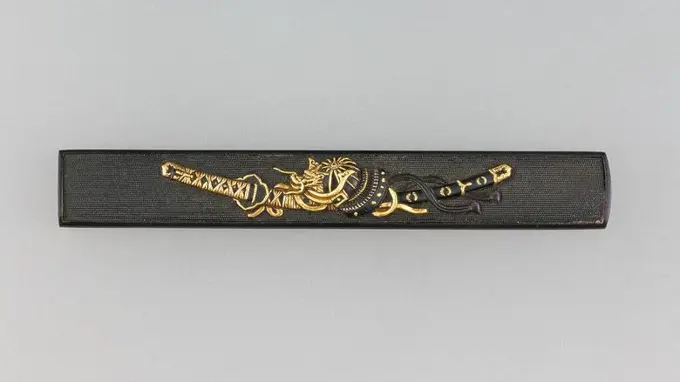
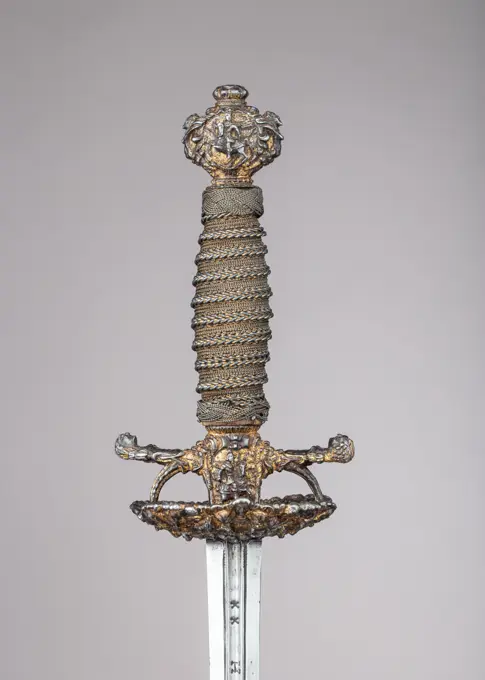
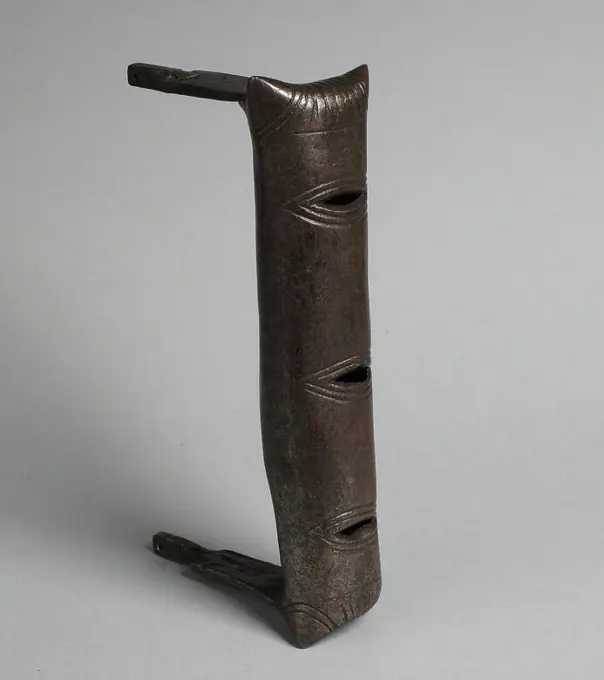
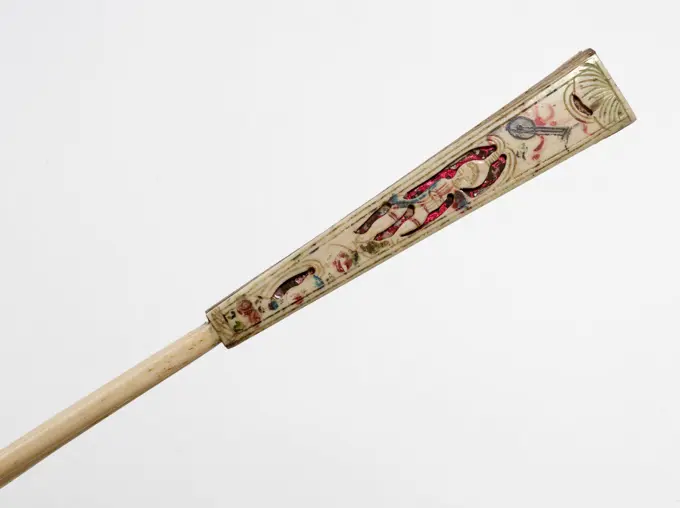
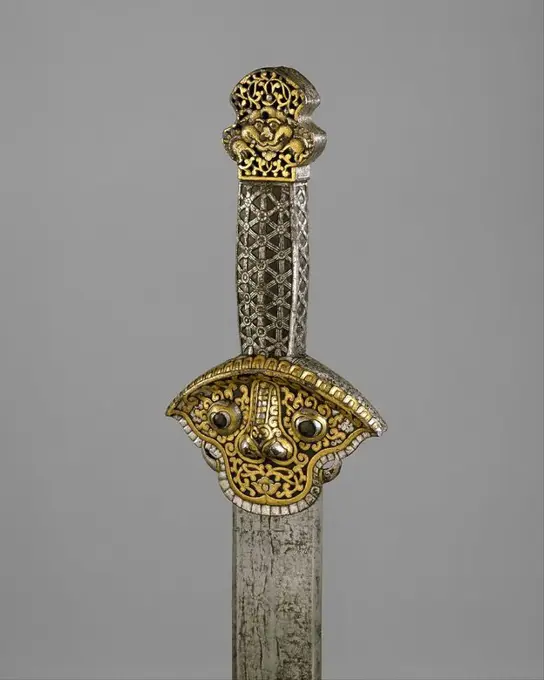
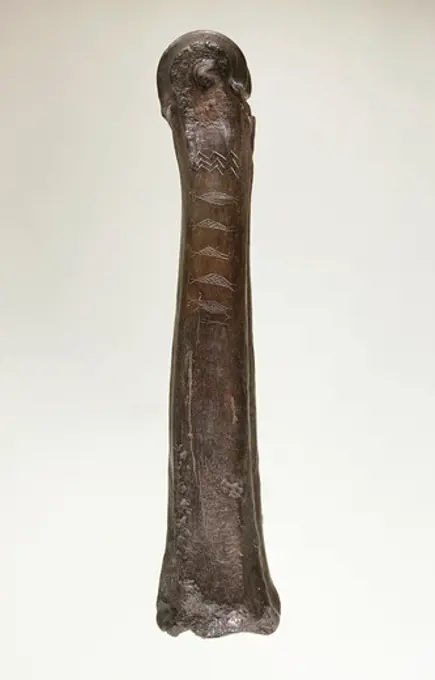
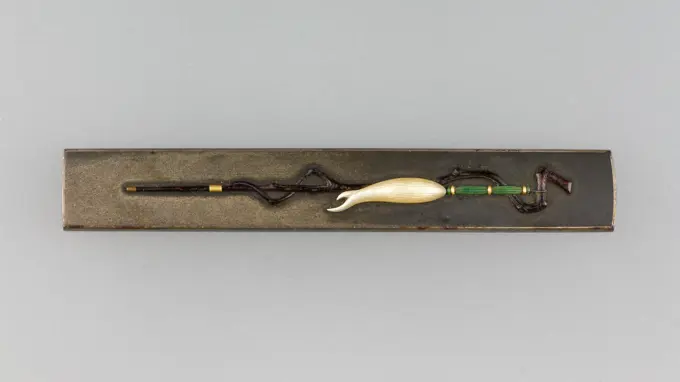
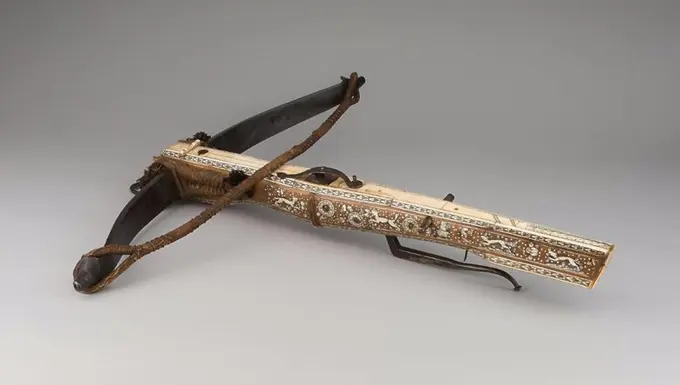
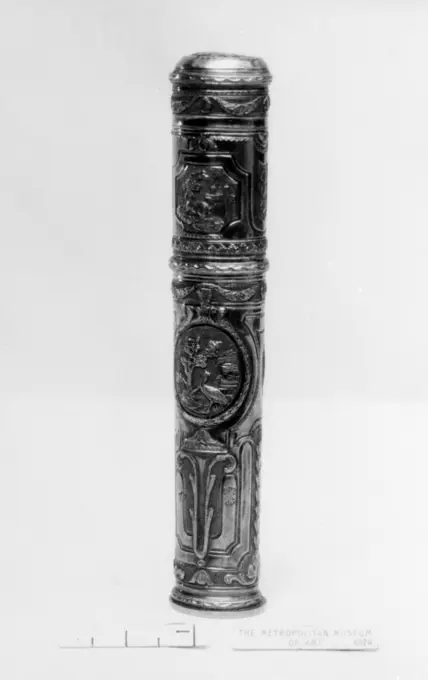
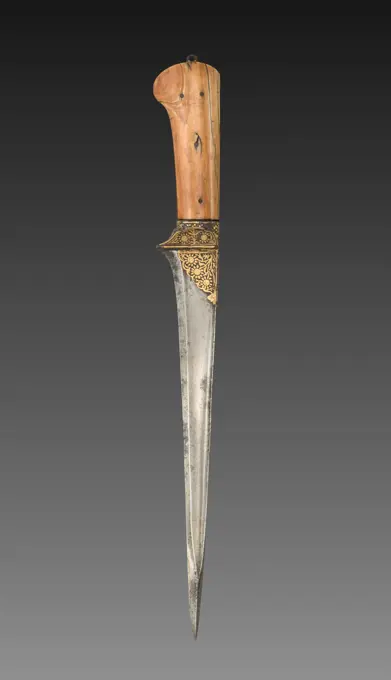
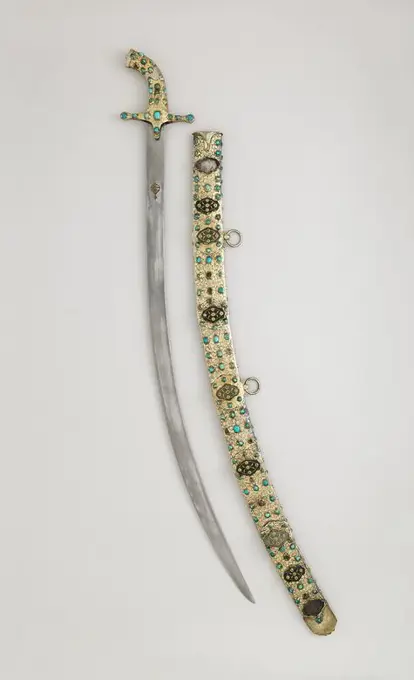
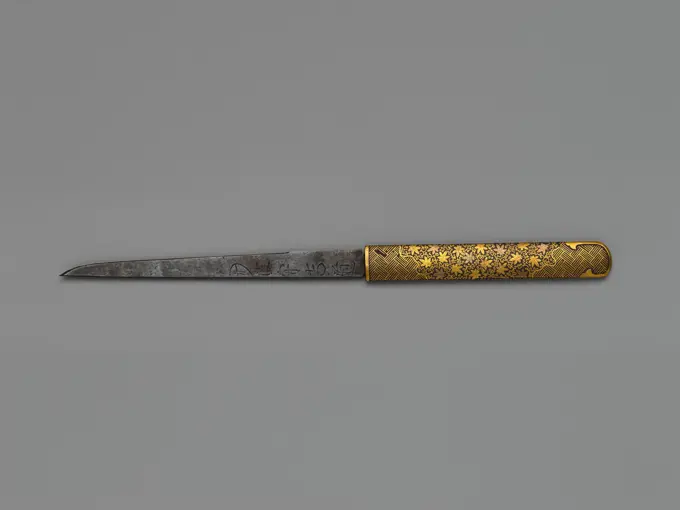
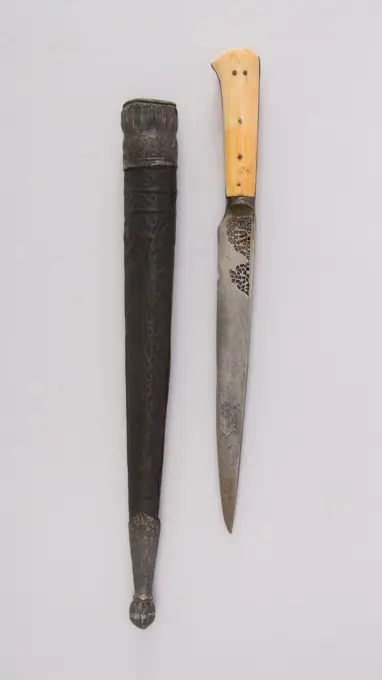
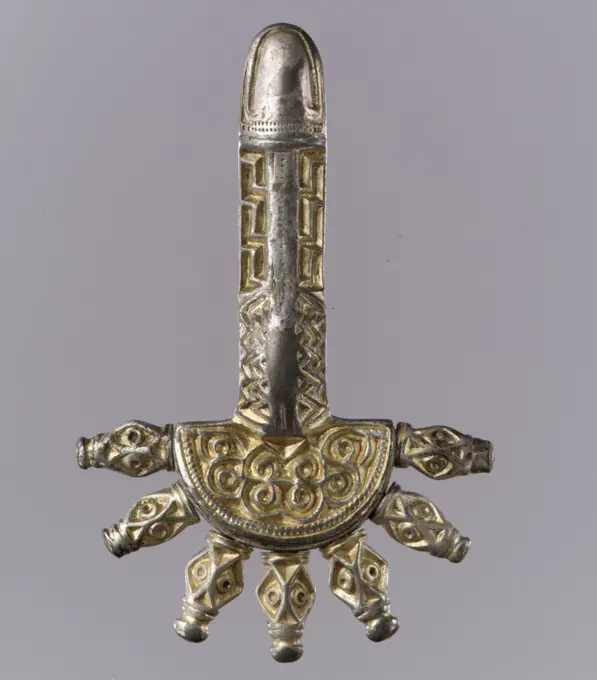
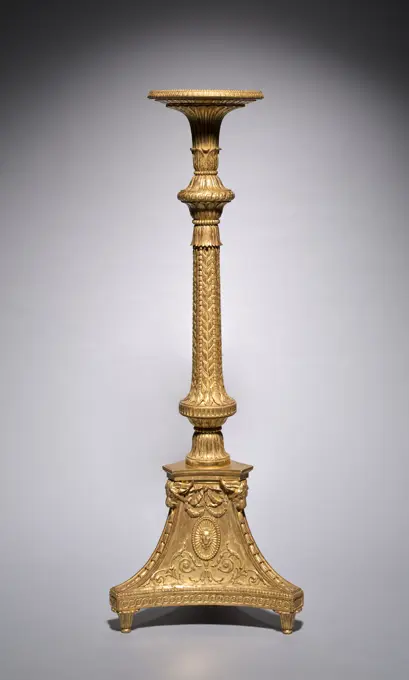
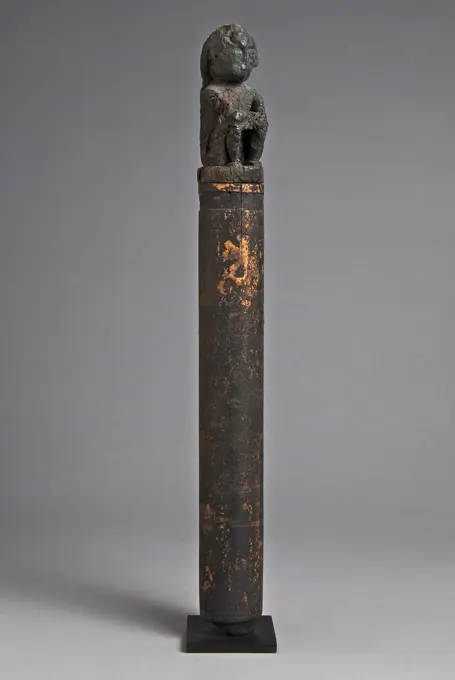
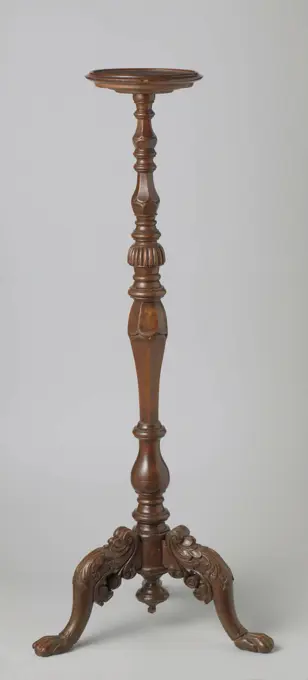
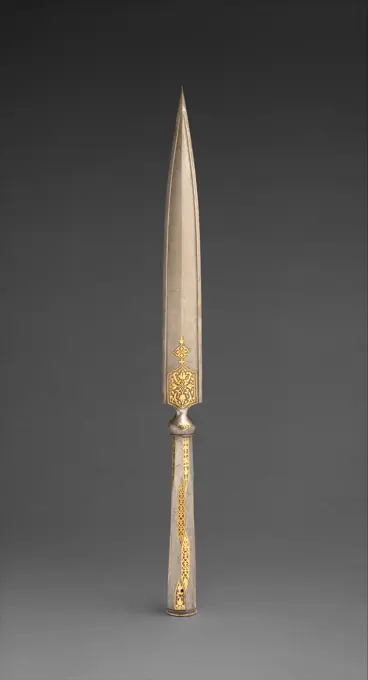
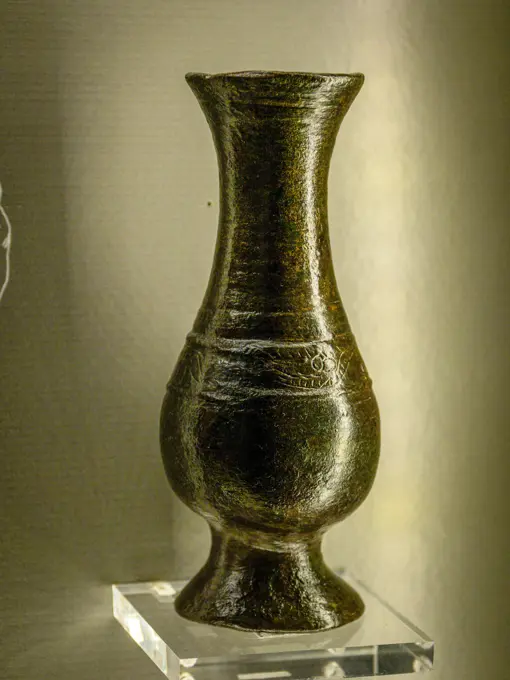
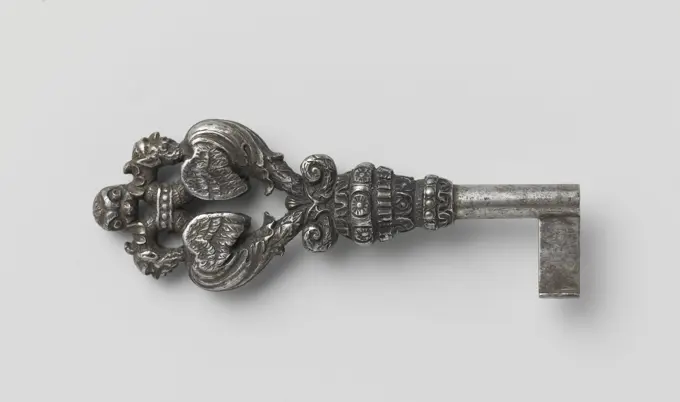
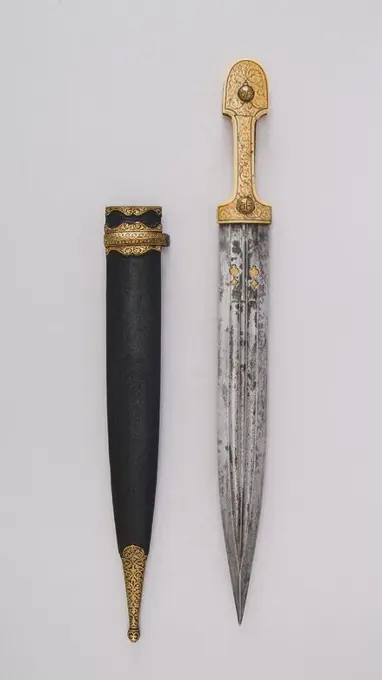
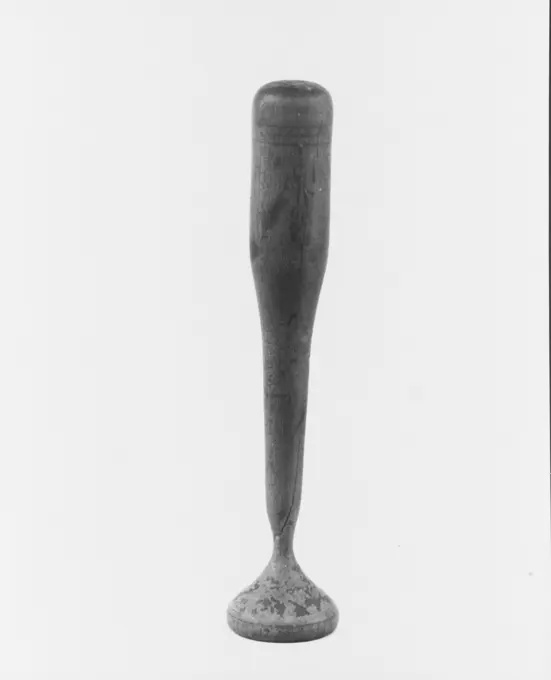
Spearhead (Mdung Rtse). Culture: Tibetan. Dimensions: L. 18 1/4 in. (46.4 cm). Date: 17th-18th century.This spearhead was probably made for use by an oracle, or in another ceremony or ritual involving the propitiation of a deity, as indicated by its form and decoration, and particularly by the prominently placed word kyai, written in a Tibetan script. This symbol, known as a seed syllable, was sometimes used to invoke a deity in ritual contexts. Museum: Metropolitan Museum of Art, New York, USA.Fauchard of the Bodyguard of Cardinal Scipione Borghese-Caffarelli (1576-1633) ca. 1600-1610 Italian. Fauchard of the Bodyguard of Cardinal Scipione Borghese-Caffarelli (1576-1633). Italian. ca. 1600-1610. Steel, copper, gold, silver, wood, textile. Shafted WeaponsClip. Bronze with inlays. China, western Han dynasty. Paris, Cernuschi museum. 75290-4 Staple, bronze, han dynasty, inlaid, westMiecz krótki. nieznany warsztat luristański, workshopFork of silver with fully engraved stem. Top with cut ornament. Completely ends in the form of a vase, Johann Theodor de Bry, 1575 - 1600 Silver fork, a pendant of the NR. 9199. The handle is completely engraved and the top is formed by a cut ornament. The whole ends in the form of a vase. South of the Netherlands silver (metal) Silver fork, a pendant of the NR. 9199. The handle is completely engraved and the top is formed by a cut ornament. The whole ends in the form of a vase. South of the Netherlands silver (metal)Dagger (Katar) with Sheath 18th century Indian. Dagger (Katar) with Sheath 31465Spontoon ca. 1630 Italian, Savoy. Spontoon 26759Mace Made for Henry II of France. Culture: French. Damascener: Diego de Çaias (Spanish, recorded 1535-49). Dimensions: L. 24 in. (60.9 cm); W. 4 1/2 in. (11.4 cm); Wt. 3 lb. 8 oz. (1588 g). Date: ca. 1540.This mace bears the emblems and mottoes of Henry II (reigned 1547-59) and the signature of the Spanish-born swordsmith and damascener Diego de Çaias, who worked for the French court from 1535 to 1542 and then in England at the court of Henry VIII. The mace appears to have been made for Henry between the time he became dauphin (heir apparent) in 1539 and de Çaias's departure for England in 1542. The tiny multifigured battle scenes in gold and silver are characteristic of de Çaias's work. Museum: Metropolitan Museum of Art, New York, USA.LimePestleBronze fork with the head of a wolf 1st century B.C.-3rd century A.D. Roman With the head of a wolf; Ionic column and spindle shaped member.. Bronze fork with the head of a wolf 251052 Roman, Bronze fork with the head of a wolf, 1st century B.C.3rd century A.D., Bronze, Other: 26 7/8 in. (68.2 cm). The Metropolitan Museum of Art, New York. Rogers Fund, 1921 (21.88.26)Sheath for fork and knife, fruitwood, silver, Fruitwood sheath with four curved sides, tapered, carved in relief with biblical scenes. Front: The Creation, Garden of Eden, Resurrection, Jonah (carved IONAS). Reverse: Mary holding infant Jesus, Crucifixion, Baptism () of John (), Jesse (carved IESSE). Sides with twisted border and 6 crowned figures. One side carved with initials W.G.W., reverse with 1555., Silver lip mount with two slots, lip on one side with small ring attached. Engraved with foliage and twisted wire border. Lacks point mount., Netherlands, 1555, cutlery, Decorative Arts, Sheath for fork and knifeKnife. Culture: Caucasian. Dimensions: L. 4 7/8 in. (12.4 cm); L. of blade 3 in. (7.6 cm); W. 9/16 in. (1.4 cm); Wt. 0.5 oz. (14.2 g). Date: 18th-19th century. Museum: Metropolitan Museum of Art, New York, USA.MountSmallsword ca. 1720 French By the early seventeenth century, the rapier, a long slender thrusting sword, began to dominate as the gentlemans weapon of choice. During the course of the century, however, as civilian fencing techniques became more specialized and refined, the rapier developed into a lighter, trimmed-down weapon known by about 1700 as the smallsword. Smallswords, often richly decorated, remained an integral part of a gentlemans wardrobe until the wearing of swords in civilian settings went out of fashion at the end of the eighteenth century, at which time pistols were replacing swords as arms most frequently used in personal duels. The majority of smallsword hilts are made of silver or steel, but many also employ a wide variety of luxurious materials, such as gold, porcelain, and enamel. At their best, smallswords combine the crafts of swordsmith, cutler, and jeweler to create an elegant weapon that was also a wearable work of art.. Smallsword. French. ca. 1720. Steel, gModel of a Windsail. Model of a cooling sail with weather vane. The upper part consists of a trio-rotating hoops with cloth coated and with a weather guide on top and an opening for the input of the air. A piece of lead serves a counterbalance to the wind van and to promote the rotation. The axis of the hoops stands on a fixed part with two hoops, which is extended to bottom with a canvases ventilation shaft with under a round wooden plate and outlet openings.Smallsword and Scabbard Made 1770-1780 England. Steel, gold, leather, wood, and textile .Smallsword ca. 1780-1810 British The smallsword was the typical civilian sidearm worn in Europe from about 1650 to 1800. It was both a deadly weapon and a stylish costume accessory for the fashionable gentleman. The materials of smallsword hilts vary considerably, according to the wealth and taste of their owner. In England, silver was the preferred medium, and the custom of hallmarking silver with date-letters provides the opportunity to document changing forms and ornament. English smallswords served as models for Colonial American silversmiths.. Smallsword. British. ca. 1780-1810. Steel, gold, textile. SwordsHunting cordlas with a vagina and a knifeTable fork 19th century Southern German. Table fork. Southern German. 19th century. Steel, ivory, amber or resin, silver. Metalwork-SteelCombination Dagger and Wheellock Pistol ca. 1575-1600 German, possibly Saxony Combination weapons usually were made as technical novelties and showpieces and therefore, often are highly decorated. The finely etched strapwork pattern on this example also is found on the best German firearms, edged weapons, and armor of the late sixteenth century. Before firing this dagger-pistol, the tip of the blade had to be removed, revealing the muzzle of the gun barrel.. Combination Dagger and Wheellock Pistol. German, possibly Saxony. ca. 1575-1600. Steel, wood. possibly Saxony. Combination WeaponsStaff, 19th-20th century, 46 5/8 x 2 5/8 x 2 5/8 in. (118.4 x 6.7 x 6.7 cm), Wood, metal, Democratic Republic of the Congo, 19th-20th centuryFragment; (possibly) belonging to the retable of Soest, c. 1475 - c. 1499   wood (plant material)   wood (plant material)Sword. Northern Italian. Date: 1490-1510. Dimensions: Overall L. 79.4 cm (31 1/4 in.)Crossguard L. 11.8 cm (4 5/8 in.)Wt. 2 lb. Steel, iron, gilding, wood, and textile (silk velvet). Origin: Northern Italy. Museum: The Chicago Art Institute, Chicago, USA.Parasol button of fake Turtle, Anonymous, 1910 - 1920 Large round umbrella or parasol button of fake turtle. Netherlands imitation tortoise shell Large round umbrella or parasol button of fake turtle. Netherlands imitation tortoise shellRice Ladle(Ihug)Partisan. Culture: Austrian. Dimensions: L. 74 1/2 in. (189.2 cm); L. of head 12 5/8 in. (32.1 cm); W. 4 13/16 in. (12.2 cm); Wt. 2 lbs. 5.9 oz. (1074.4 g). Date: ca. 1735. Museum: Metropolitan Museum of Art, New York, USA.Austria, Hallstatt, Gold dagger and scabbard, tomb 696Saber and Dart with Scabbard. Culture: Mounts and scabbard, Turkish; blade, European. Dimensions: L. with scabbard 33 1/8 in. (84 cm); L. of blade 28 1/4 in. (71.9 cm); Wt. 1 lb. 3 oz. (548 g); Wt. of scabbard 1 lb. (451 g); dart (c); L. 31 1/2 in. (79.9 cm); Wt. 6 oz. (182 g). Date: 17th century. Museum: Metropolitan Museum of Art, New York, USA.Fork, steel, enamel, brass, Fork has three pointed, slightly curving tines. Sloping shoulders and long plain neck. Enameled handle, floral pattern in white, pink and black on a light blue ground. Brass mounts along the sides of handle., possibly Germany, ca. 1600-1700, cutlery, Decorative Arts, ForkDagger with Sheath. Culture: probably Central or West Asian. Dimensions: L. with sheath 12 in. (30.5 cm); L. without sheath 9 3/8 in. (23.8 cm); W. 3/4 in. (1.9 cm); Wt. 5.2 oz. (147.4 g); Wt. of sheath 4.2 oz. (119.1 g). Date: ca. 14th-15th century. Museum: Metropolitan Museum of Art, New York, USA.Ballock Knife with Sheath late 16th century British The ballock knife, also sometimes called a kidney dagger, was a very popular form of dagger worn by men throughout northern Europe in the 15th and 16th centuries. It served as an eating utensil, tool, and weapon.. Ballock Knife with Sheath. British. late 16th century. Steel, wood, gold. DaggersLinstock ca. 1580 Italian The complex head of this weapon comprises the following elements (from top to bottom): a short triangular blade with convex sides, pierced along the center with two slits; a circular medallion, chiseled in low relief at the center with a figure of a warrior in Roman armor, and framed by pierced foliate scrolls; two S-shaped arms terminating in stylized dragonheads whose curled tongues serve as match holders; and a circular socket with two straps, fit at the top with six semicircular prongs, each chiseled with a face in the center. The iron surfaces, except for the tip of the blade, are chiseled on a punched background and gilt; the ornament on the blade and socket includes stylized foliage and warriors within medallions.Unlike the decorative halberds, glaives, and partisans with which palace bodyguards were armed, the linstock was strictly a military weapon. Its two arms, or prongs, held the smoldering matches used for igniting cannon, while the short blade alBullroarer (Imunu Viki) Papua New Guinean late 19th century This thin blade howls or roars when whirled through the air on a string. In Papua New Guinea, bullroarers hold a traditional place of honor in men’s ceremonial clubhouses. The Namau people of the Purari River Delta used them during funerals of important men and called them imunu viki ("weeping spirits"). View more Listen to experts illuminate this artwork's story # 0:00 RWSkip backwards ten seconds. FWSkip forwards ten seconds. 0:00 Your browser doesn't support HTML5 audio. Here is a link to download the audio instead. Playlist 9340. Bull Roarer 941. Kids: Bull Roarer View Transcript. Bullroarer (Imunu Viki). Papua New Guinean. late 19th century. wood, lime. Gulf of Papua, Papua New Guinea. Aerophone-Free AerophonePin topped with a bird ca. 3900-3500 B.C. Predynastic, Late Naqada l-Naqada II. Pin topped with a bird. ca. 3900-3500 B.C.. Bone, organic material. Predynastic, Late Naqada l-Naqada II. From EgyptDagger (Kard) with Sheath ca. 1800 Persian, Qajar A kard is defined as a straight, single-edged dagger that is worn on the left side of the belt. Unlike most daggers, in which the narrow tang attached to the blade fits into a handle, the blades of these daggers are made with a flat steel tang of the same width as the blade. Two ivory pieces were fitted into and riveted to either side of the tang to form the handle. This example resembles a number of early nineteenth-century Iranian kards that have ivory hilts and watered steel blades with floral arabesque ornamentation. The hilt of this particular dagger has also been decorated with metal bands bearing a gold vegetal design. This example is so similar to one signed by the maker, Muhammad Nami, and dated 1799/1800 (located in Bern), that both can be assumed to come from the same workshop.. Dagger (Kard) with Sheath. Persian, Qajar. ca. 1800. Steel, ivory, gold, wood, leather, iron. DaggersSpoonBorer. Germany. Date: 1746. Dimensions: L. 42.6 cm (16 3/4 in.). Wood, brass, and ivory. Origin: Germany. Museum: The Chicago Art Institute, Chicago, USA.Folding Spoon (Germany); Made by FGS; silver, gold; L x W: 18.2 x 4.2 cm (7 3/16 x 1 5/8 in.); The Robert L. Metzenberg Collection, gift of Eleanor L. Metzenberg; 1985-103-250Spatula ". Os. China, Shang Dynasty. Paris, Cernuschi Museum. 72679-57 Shang, bone, spatula, archeological vestige dynastyKnife Handle (Kozuka) late 18th-early 19th century Hamano Haruyuki Japanese A kozuka is a handle of a by-knife that is part of a sword mounting. It is kept in a slot on the reverse of a katana scabbard, often with a matching kgai (hairdressing tool).. Knife Handle (Kozuka). Japanese. late 18th-early 19th century. Copper-silver alloy (shibuichi), gold, silver, copper, copper-gold alloy (shakud). Sword Furniture-KozukaPartisan Carried by the Bodyguard of Louis XIV (1638-1715, reigned from 1643) ca. 1679 Jean Berain French This partisan, along with two like it also in the Metropolitan Museum's collection (acc. nos. 04.3.64, .65), are thought to have been carried by the Gardes de la Manche (literally, guards of the sleeve,” indicating their close proximity to the king), an elite unit of the bodyguard of Louis XIV. This example is from a small group designed by Jean Bérain the Elder (1637-1711) for the marriage of Louis’s niece Marie-Louise d’Orléans to Carlos II of Spain in 1679. The decoration features a sunburst surmounted by the king’s motto, NEC PLURIBUS IMPAR (not equaled by many). Beneath, the sun god Apollo is being crowned with laurel by the winged figure of Fame. The sunburst and Apollo were favorite symbols of Louis XIV, the self-styled Sun King.The two other partisans bear the king’s motto and sunburst above the crowned arms of France and Navarre, which are encircled by the collars of the Yeah; Hafner, Michael (Fl. 1665-1700); around 1670 (1665-00-00-1675-00-00);Handle for a Fly Whisk (Tahiri) 18th century Maohi (Tahitian) This elaborately carved ivory flywhisk handle was once owned by the Tahitian royal family. In the late eighteenth century, it likely belonged to the chief Tu-nui-e-a-i-te-atua who united Tahiti and neighbouring islands under his rule in 1791, taking the name of Pomare I. This handle was among a group of objects sent by his son and successor - Pomare II - a recent Christian convert, to the missionary Thomas Haweis in 1818. Constructed entirely of cut sections of whale ivory which are bound at three points with finely plaited sections of coconut fiber cord, it is missing several plaited sections of coconut husk fiber which would have attached to its lower end to extend below in a tail or 'whisk'. It is commonly assumed that flywhisks were used to chase away flies from the food presented to chiefs on ritual occasions, a misconception reinforced, and then perpetuated, by early missionary observers who were resident on Tahiti froBall holder - screw glue;  18th century (1701-00-00-1800-00-00);Fish Server 1777 England. Silver and horn . William PlummerCrossbow. South German, Possibly Nuremburg. Date: 1565-1575. Dimensions: 10.8 × 62.9 × 61 cm (4 1/4 × 24 3/4 × 24 in.). Steel, fruitwood, staghorn, ivory, silk fiber, and hemp. Origin: Nuremberg. Museum: The Chicago Art Institute, Chicago, USA.Bronze handle of a strainer. Culture: Etruscan. Dimensions: length 8 7/16in. (21.4cm). Date: 5th century B.C..The finial terminates in a twin-tailed merman; Gorgon head in open work. Museum: Metropolitan Museum of Art, New York, USA.Sporting Crossbow. German. Date: 1601-1700. Dimensions: 10.2 x 64.1 x 63.5 cm (4 x 25 1/4 x 25 in.). Wood, steel, horn, bone, and cord. Origin: Germany. Museum: The Chicago Art Institute, Chicago, USA.Knife Handle (Kozuka). Culture: Japanese. Dimensions: L. 3 13/16 in. (9.7 cm); W. 9/16 in. (1.4 cm); thickness 1/4 in. (0.6 cm); Wt. 1.1 oz. (31.2 g). Date: second half 17th century. Museum: Metropolitan Museum of Art, New York, USA.Dagger, 900-400 BCE, 18 1/4 in. (46.36 cm), Bronze, Persia (Iran), 9th-4th century BCESmallsword ca. 1650-60 Probably French, Paris By the early seventeenth century, the rapier, a long slender thrusting sword, began to dominate as the gentlemans weapon of choice. During the course of the century, however, as civilian fencing techniques became more specialized and refined, the rapier developed into a lighter, trimmed-down weapon known by about 1700 as the smallsword. Smallswords, often richly decorated, remained an integral part of a gentlemans wardrobe until the wearing of swords in civilian settings went out of fashion at the end of the eighteenth century, at which time pistols were replacing swords as arms most frequently used in personal duels. The majority of smallsword hilts are made of silver or steel, but many also employ a wide variety of luxurious materials, such as gold, porcelain, and enamel. At their best, smallswords combine the crafts of swordsmith, cutler, and jeweler to create an elegant weapon that was also a wearable work of art.. Smallsword. ProbablKnife, belonging to bridal breach, anonymous, 1597 Gold knife with blade of iron. De Steel broadens to the worked end. The steel is equipped with engraved and decorated with Niëlllo. On the side the year 1597 and the letters TMH. Northern Netherlands gold (metal). iron (metal) Niello (technique) Gold knife with blade of iron. De Steel broadens to the worked end. The steel is equipped with engraved and decorated with Niëlllo. On the side the year 1597 and the letters TMH. Northern Netherlands gold (metal). iron (metal) Niello (technique)Parade Sword, c. 1500-25. Italy, Ferrara, early 16th Century. Steel, etched and gilded; overall: 101.9 cm (40 1/8 in.); blade: 85.4 cm (33 5/8 in.); quillions: 17.5 cm (6 7/8 in.); grip: 11.1 cm (4 3/8 in.).Dagger blade with overlay of gold, silver and nielloPoleax. Western European. Date: 1450-1530. Dimensions: L. 121.8 cm (48 in.)object needs to be weighed. Steel, iron, oak, and leather. Origin: Western Europe. Museum: The Chicago Art Institute, Chicago, USA.Door Pull. Culture: European. Dimensions: L. 7in. ( 17.8cm), L. of pins 3 1/2 in. (8.9cm). Date: 15th-16th century. Museum: Metropolitan Museum of Art, New York, USA.EVENTAIL. Paper, colored engraving, ivory. Paris, Carnavalet museum. 100141-27 Fashion accessory, EventailJatagan in sheath with Bandelier. Something in the inside bent saber with bleing without blood. Golden hilt decorated with gear. The wooden sheath is covered with black velvet, at the tip and the opening with golden upholstery with the same gear. On the gold upholstery at the opening Two gold rings to which two gracefully braided strings of blue silk and silver thread with two balls, to which the Bandelier is sitting. Red velvet Bandelier, the downside woven from blue silk and gold thread, two brushes reinforced with silver wire.Dagger with Sheath 18th-19th century Indian, probably Deccan Like their martial counterparts, ceremonial daggers and swords were also often decorated with talismanic motifs and inscriptions. The blade of this dagger bears Arabic inscriptions praising Allah, Ali, and the Prophet Muhammad. One side features verses from the popular prayer Nad-i Ali. The inclusion of rubies and emeralds on the hilt may point to the Hindu belief in the efficacy of precious gems to ward off evil.. Dagger with Sheath 31842Folding spoon, Carved, heated and shaped horn, silver (hinge); leather, paper (case), Spoon of brown horn (a), silver hinge at center, folds to fit into two-part ovoid leather case (b,c)., Germany, ca. 1710, cutlery, Decorative Arts, Folding spoonWedding knife and fork. In the 16th century a groom would give his bride a set of wedding cutlery bearing their names or initials. This gold set is distinguished by its refined engraving, the designs of which were inspired by contemporary prints by Theodor de Bry. In the cutlery, the dark passages of the prints are executed in niello (a black mixture of silver, lead and sulphur).Sword (Ral gri). Culture: Tibetan or Chinese. Dimensions: L. 34 7/8 in. (88.6 cm); L. of blade 29 1/2 in. (74.9 cm); W. 3 7/8 in. (9.8 cm); Wt. 2 lb. 2.5 oz. (978.1 g). Date: 14th-16th century.This is one of the best examples from a small group of rare early swords from Tibet. The hilt of this sword, including its grip, is made entirely of iron that has been embossed, chiseled, and then damascened in gold and silver. The guard, just below the grip, is in the form of a stylized mask with teeth and fangs, representing a protective deity or guardian figure. Straight double-edged blades of this type are seen more often on Chinese swords, but they were also used in Tibet. Museum: Metropolitan Museum of Art, New York, USA.Belt Buckle late 6th century Frankish. Belt Buckle. Frankish. late 6th century. Copper alloy - tinned() surface, inlay lost. Metalwork-Copper alloyDagger (Pesh-kabz) with Sheath 18th-19th century Indian. Dagger (Pesh-kabz) with Sheath. Indian. 18th-19th century. Steel, ivory, wood, copper, velvet, gold. DaggersPrehistory, Denmark, Mesolithic. Ornamental club. From Soro.Knife Handle (Kozuka) 18th century Japanese A kozuka is a handle of a by-knife that is part of a sword mounting. It is kept in a slot on the reverse of a katana scabbard, often with a matching kōgai (hairdressing tool).. Knife Handle (Kozuka) 29707Handle, 5th-4th century BCE, 6 1/16 × 1 3/8 × 3/4 in., 0.2 lb. (15.4 × 3.49 × 1.91 cm, 0.1 kg), Bronze, China, 5th-4th century BCESporting Crossbow. German. Date: 1625-1650. Dimensions: 11.4 x 69.9 x 71.1 cm (4 1/2 x 27 1/2 x 28 in.)Wt. 10 lb. 4 oz. Steel, wood, iron, horn, cord, and fiber weave. Origin: Germany. Museum: The Chicago Art Institute, Chicago, USA.Étui 1768-74 Nicolas Durier In eighteenth-century Europe, Paris led the production of high-quality luxury goods. Parisian goldsmiths made a wide range of small, personal articles such as snuffboxes; étuis to hold sealing wax, tweezers, or utensils for sewing; souvenirs, which contained thin ivory tablets for note taking; and shuttles for knotting lace. Gold snuffboxes and boxes decorated with portrait miniatures were prized and frequently given as royal gifts, often to ambassadors or members of the court in lieu of cash payments for their services. Coveted and admired, these boxes were produced from a variety of materials. The best were skillfully made of gold and embellished with diamonds, enameled decoration, lacquer, and other luxurious materials. By the middle of the century, the taking of snuff had become an entrenched social ritual, and the snuffbox, too, had become an important social prop. Snuffboxes were considered highly fashionable accessories, with some merchants advertisinDagger, 1700s-1800s. India. Silver inlay and leather; overall: 42 cm (16 9/16 in.).Mbejn. Culture: Fang people. Dimensions: Height: 42 5/8 in. (108.3 cm)Diameter (Of head): 11 7/16 in. (29 cm). Maker: Fang people. Date: 19th century.Mbejns are characterized by a carved openwork "arcade" base, decorative sections separated by bosses or lozenge (cowrie-shell) pattern bands, triangular and hemispherical devices, and alternating use of white, black, rust, or natural wood colors. Typically the head's tuning and attachment system relies on wedges to tighten or relax the tension of the skin. This type of drum, made in several sizes and used in pairs, is played in an upright position and is usually employed with one or two large slit drums (m'kuls) to provide rhythmic accompaniment to large group dances. The Mbejn is one of the few drums used by the Fang people. Museum: Metropolitan Museum of Art, New York, USA.Kruithoorn, Anonymous, 1600 - 1625 powder horn Flat, curved Kruithoorn with engraved copper batter. In the front, in the middle of terres in which flowers of ivory, a female triton with a heart in the right hand. On the reverse side, a cartouche with fruits. Decorations in which fruit motifs are incorporated on the lower and top. Netherlands wood (plant material). oak (wood). copper (metal). ivory engraving / cutting / striking (metalworking) ornament ~ hybrid beings; human and animal forms mixedKnife (Piha Kaetta) with Stylus and Sheath. Culture: Sri Lankan. Dimensions: L. with sheath 13 1/8 in. (33.3 cm); L. without sheath 10 3/8 in. (26.4 cm); W. 15/16 in. (2.4 cm); Wt. 3.8 oz. (107.7 g); stylus (b); L. 9 3/16 in. (23.3 cm); W. 11/16 in. (1.7 cm); Wt. 2 oz. (56.7 g); sheath (c); Wt. 2 oz. (56.7 g). Date: 18th-19th century. Museum: Metropolitan Museum of Art, New York, USA.Scimitar with Scabbard. Culture: Hilt and scabbard, Turkish; Blade, Iranian. Dimensions: H. with scabbard 42 1/16 in. (106.8 cm); H. without scabbard 40 1/8 in. (101.9 cm); H. of blade 35 in. (88.9 cm); Wt. 4 lb. 4 oz. (1928 g); Wt. of scabbard 2 lb. (906 g). Date: late 16th-17th century.This is a typical Ottoman presentation saber of the seventeenth century. Many similar weapons, as well as shields and complete horse trappings similiarly mounted in silver-gilt and set with jade plaques and turquoise, were taken as booty after the unsuccessful Turkish seige of Vienna in 1683. Museum: Metropolitan Museum of Art, New York, USA.Knife Handle (Kozuka) with Blade Depicting Maples, Arabesques, and Patterns () probably 18th-19th century Japanese The entire obverse and the edges of the kozuka are decorated with a gold inlay (nunome-zgan) of maples (using gold of different qualities/hues) with arabesques which are embedded into a linear design, with the butt end of the handle being interpreted in the form of a kojiri (butt cap) of a sword scabbard.Kaga province was home to a group of sword fitting makers which focused on decorating iron with a flush inlay, mostly gold. This group, which consisted of several local lineages plus certain Got masters working in Kaga in that very style, and their works are referred to as Kaga-zgan (lit. "Kaga inlay"). The Tanba no Kami Yoshimichi lineage was founded at the very beginning of the 17th century in Kyto and flourished for nine generations until the end of the Edo period. By the middle of the 17th century, the lineage branched out into an saka-based branch which Yeah to fish; Korzec (Porcelain and faience manufacture; 1790-1832); 19th century (1801-00-00-1901-00-00);Robert WR Taylor, Powder Flask, c 1939 Powder FlaskTable knife 19th century French. Table knife. French. 19th century. Steel, iron. Metalwork-SteelKnife (Kard) with Sheath 18th-19th century Indian. Knife (Kard) with Sheath 31437Bow Brooch late 5th-early 6th century Alemannic The bow brooch was a component of many Germanic womens dress. In Frankish territory brooches were generally worn in pairs, as decorative elements on a strap hanging from the belt. The bow refers to the bend or curve that links two terminals. Bow Brooch 468260Candle Stand (torchère) (2 of 2), c. 1773. Thomas Chippendale (British, 1718-1779). Gilt-wood, gesso; 154 x 56 x 51 cm (60 5/8 x 22 1/16 x 20 1/16 in.). This gilded candle stand was made by Thomas Chippendale, the most renowned cabinetmaker in eighteenth-century London, for the grand drawing room of Brocket Hall, a large country house in Hertfordshire, England. With finely carved acanthus leaves, swags, fluting, and oval masks depicting the Roman goddess Diana, this candle stand exhibits Chippendales masterful understanding of neoclassical proportion, scale, and ornament. His landmark book of furniture designs, The Gentleman and Cabinet-Makers Director (first published in 1754), was highly admired as a source of inspiration by cabinetmakers and architects around England as well as in Europe and America.Balic Kris. Kris, with flamed wooden sheath and ivory cross piece. Steel ring with ruby red stones.Hand cross. From Ethiopia, made from wood.Cross thorough; Unknown Ethiopian workshop (1400-1970); 20th century (1900-00-00-1960-00-00);deposit of Wacław Korabiewicz, crosses, Ethiopian crosses, hand crossesCharm Container(Karuhei)Priming Flask second half 17th century Indian Zoomorphic priming flasks of carved ivory, such as these, were among the first Mughal decorative arts to reach Europe, with numerous examples listed in princely collections of art and natural history dating from 1650. These small containers held fine-grain gunpowder used to set off (or prime) the main charge in the barrel. The flasks are typically carved with fantastic animals that merge into one another. The observed naturalism is characteristic of Mughal art.. Priming Flask 30363Guéridon van teakhout.Teak wood gueridone, standing on three s-shaped bent, clutched finish legs decorated with leafwork. The multiple articulated and profiled strain is made up of baluster forms, some of which are faceted, and a ribbed button. The round leaf has a profiled edge and a stepped underside.Cross-bow Fibula, c. 1-200. Italy, Roman, c. 1st-2nd Century. Bronze; overall: 9.5 cm (3 3/4 in.).Model of a Bell (Zheng) 400 BCE-201 BCE China. Gray stoneware with incised decoration .Spear 18th century North Indian Spears were a versatile tool for royal hunting expeditions, as demonstrated by their depiction in the paintings nearby. They were used while either on foot or on horseback, and could be thrust or thrown. Some spears were made of a single piece of iron or steel; others comprised a wooden shaft and steel spear head. Inlaid with gold, this example was intended to be both lethal and beautiful.. Spear. North Indian. 18th century. Steel, gold. Shafted WeaponsBALAINS PAULY BUY. BALAINS PAULY BUY. Horse with three cyst sticks (BK-NM-11430-125-A T / M BK-NM-11430-125-D).Westgotischer Krug Visigothic jug, bronze, 7th century, Iturrieta cave, Manaria, Arkeologi Museoa, archaeological museum, Bilbao, Bizkaia, Basque Country, Spain Copyright: xZoonar.com/BartomeuxBalaguerxRotgerx 22845593Roman swords. Replicas.39 keys from the collection of Emmanuel Vita Israël, anonymous, c. 1575 - c. 1600 Captured pipe key whose handle consists of two backs-placed and interconnected, stylized birds with men's heads, ending in C-volutes ending and awarded by an owl head. The handle rests on a rosters and panlen () Decorated capital that is composed of different sections. France iron (metal) Captured pipe key whose handle consists of two backs-placed and interconnected, stylized birds with men's heads, ending in C-volutes ending and awarded by an owl head. The handle rests on a rosters and panlen () Decorated capital that is composed of different sections. France iron (metal)Dagger with Sheath. Culture: Caucasian. Dimensions: L. with sheath 18 13/16 in. (47.8 cm); L. without sheath 17 3/4 in. (45.1 cm); L. of blade 12 5/8 in. (32.1 cm); W. 1 3/4 in. (4.5 cm); Wt. 11.7 oz. (331.7 g); Wt. of sheath 3.5 oz. (99.2 g). Date: dated 1860-61. Museum: Metropolitan Museum of Art, New York, USA.Stick for a Spinning Wheel 1700-1800. Stick for a Spinning Wheel 7902Staff Weapon ca. 1590 Italian. Staff Weapon 25074Does not Squada trip to a leather case;  1 PO. 18th century (1700-00-00-1750-00-00);Sword hilt, Wood, metal, Scabbard with metal and wood decoration; foliage motifs, possibly Japan or Holland, 18th century, woodwork, Decorative Arts, Sword hilt