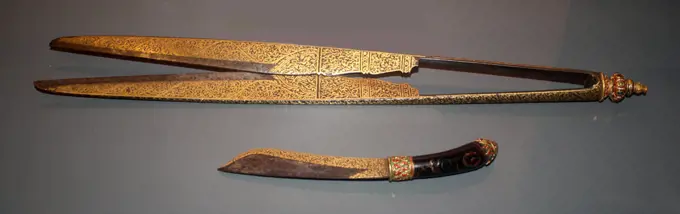
Ceremonial Weapons and Utensils

Historical weaponry and utensils adorned with intricate designs, showcasing cultural significance and craftsmanship in metalwork.
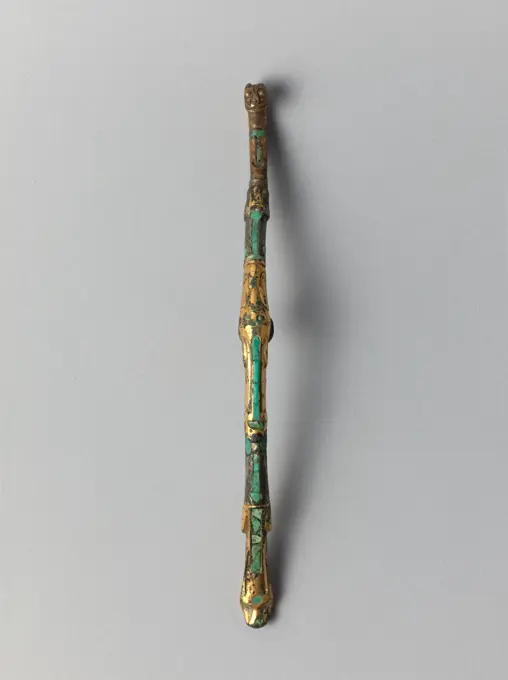
Clip. Bronze with inlays. China, western Han dynasty. Paris, Cernuschi museum. 75290-4 Staple, bronze, han dynasty, inlaid, west
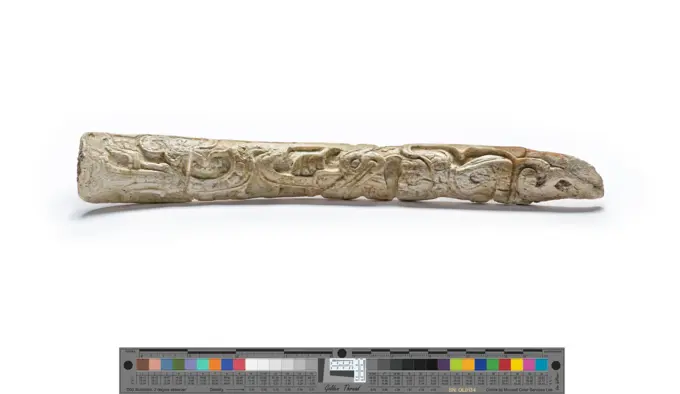
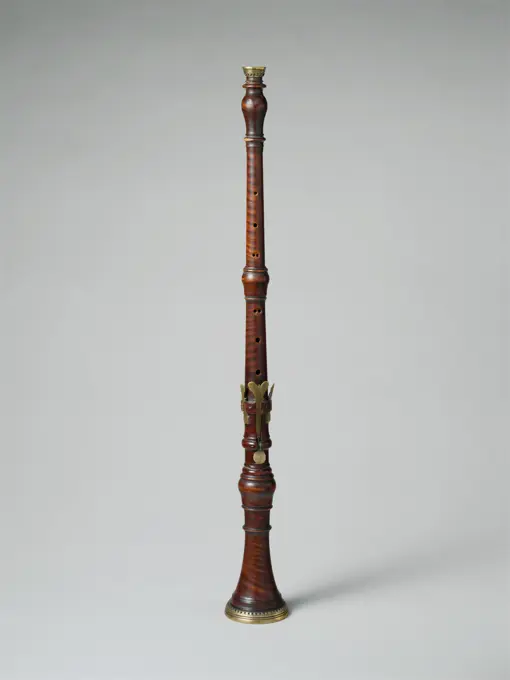
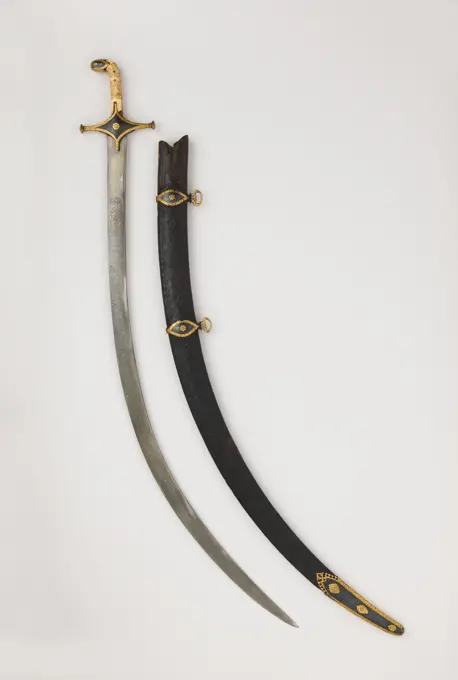
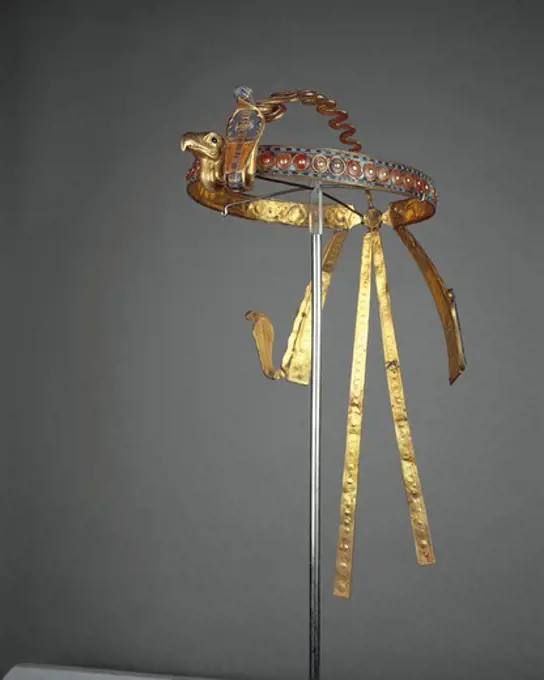
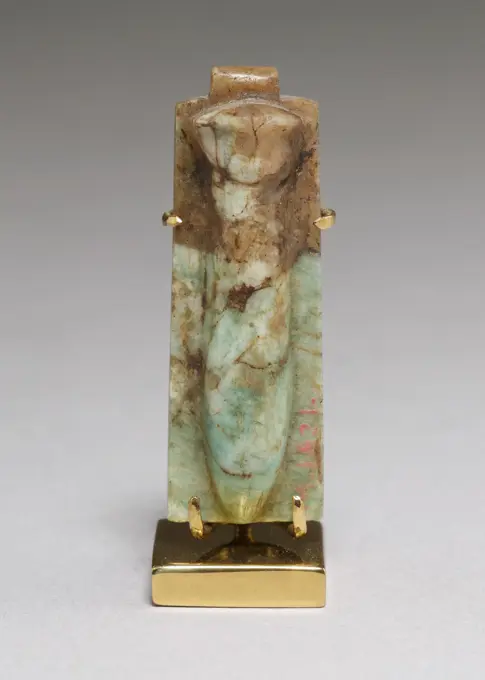
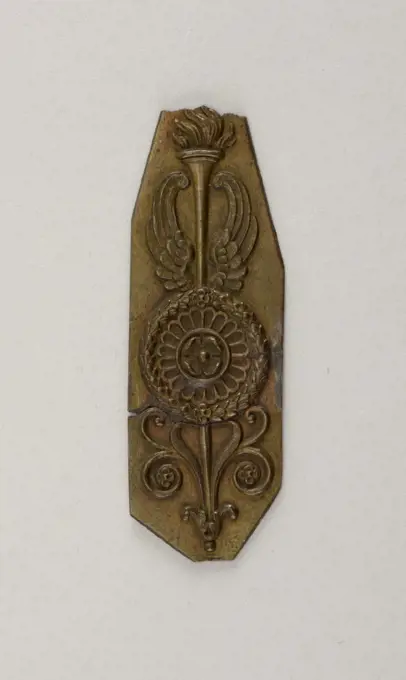
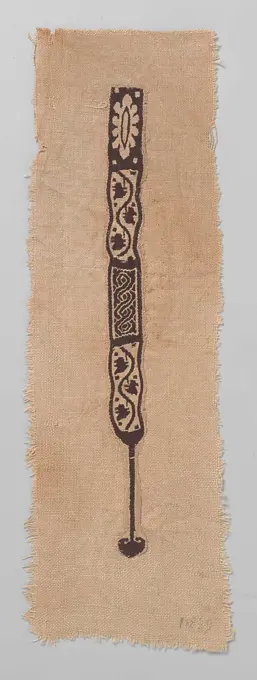
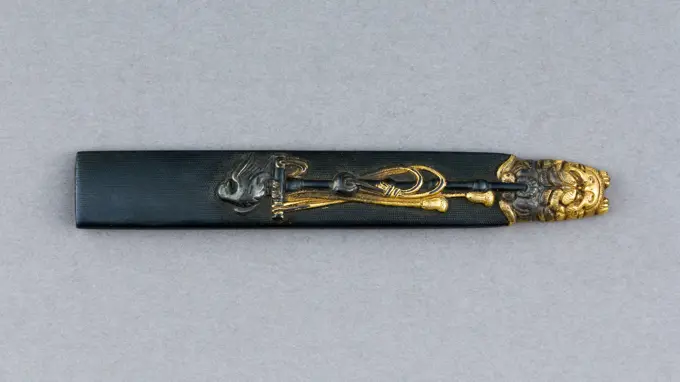
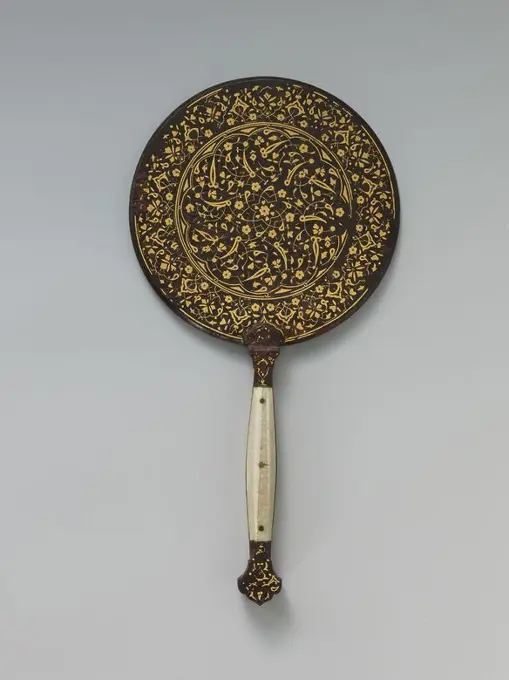
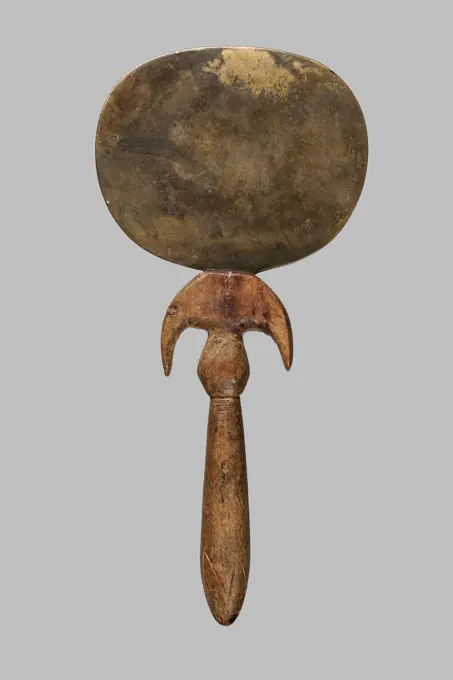
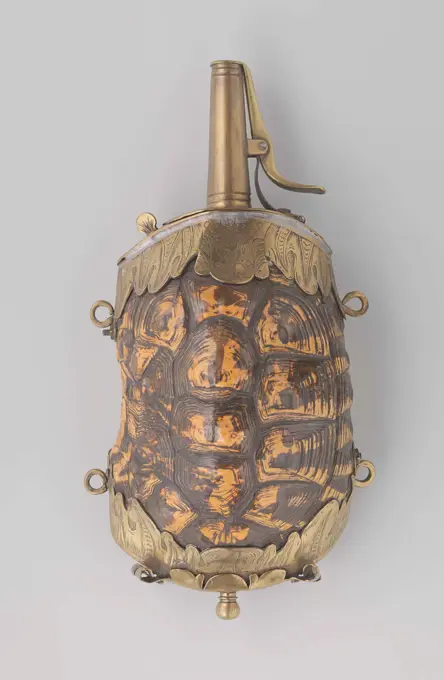
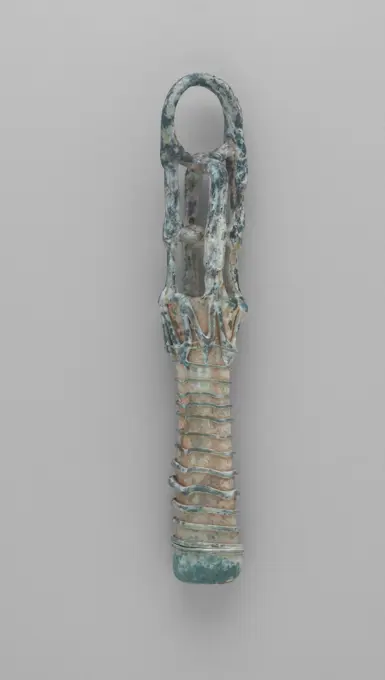
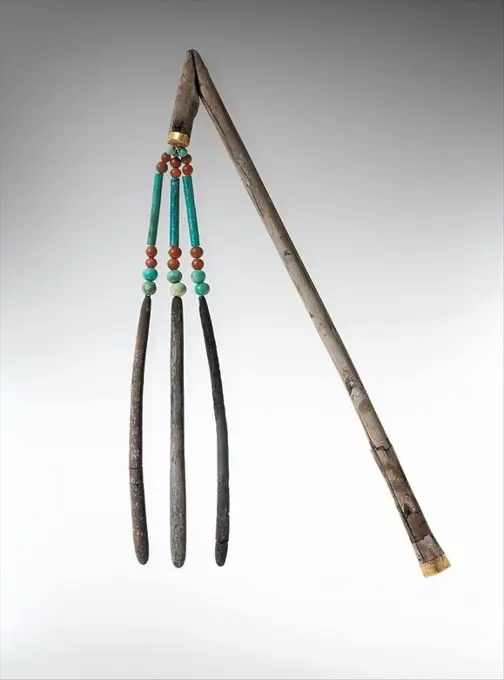
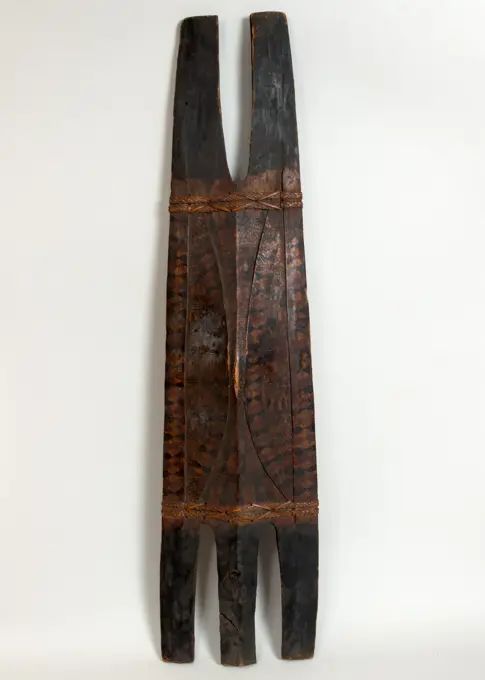
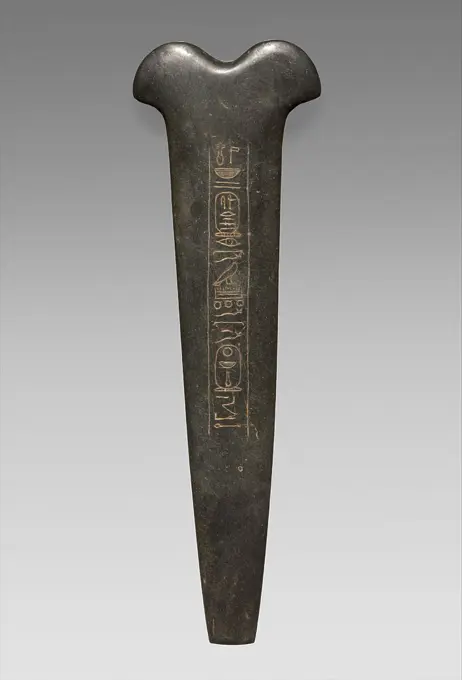
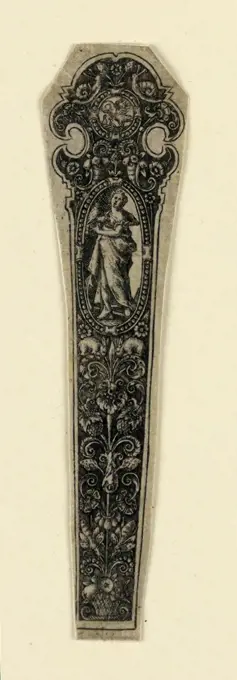
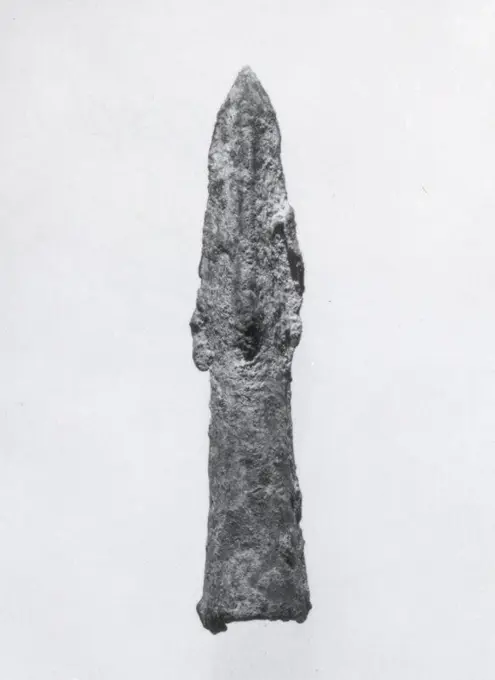
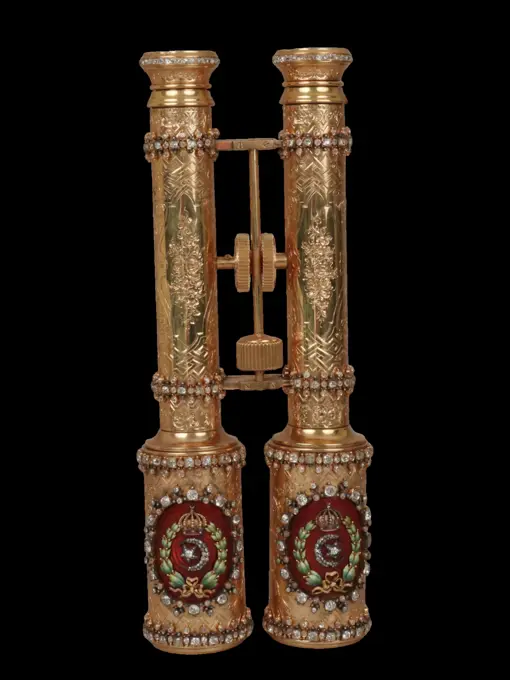
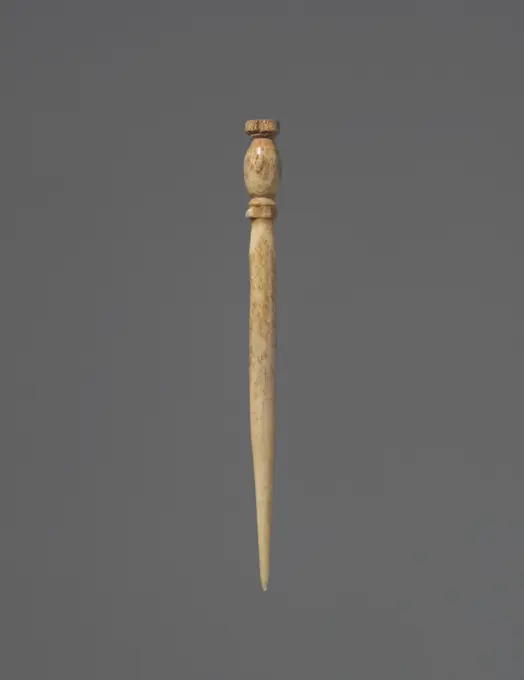
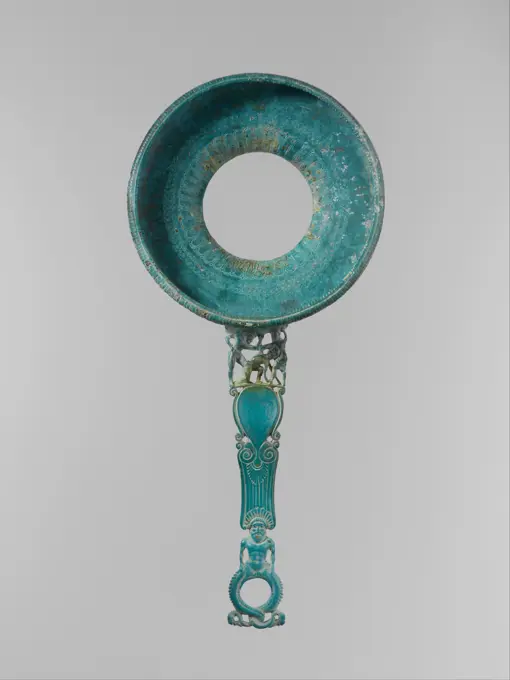
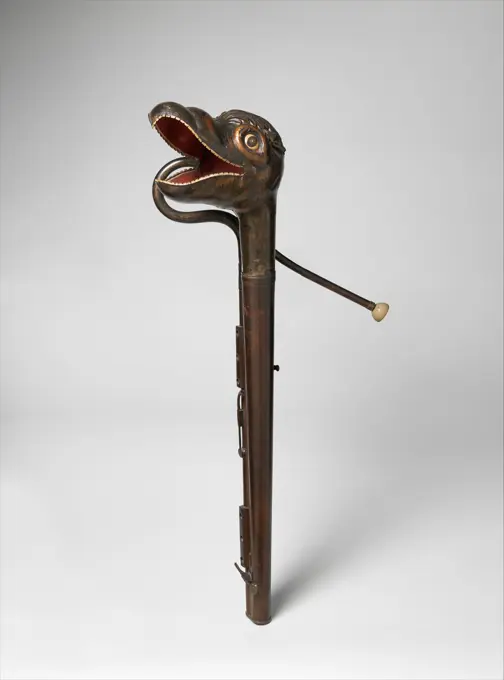
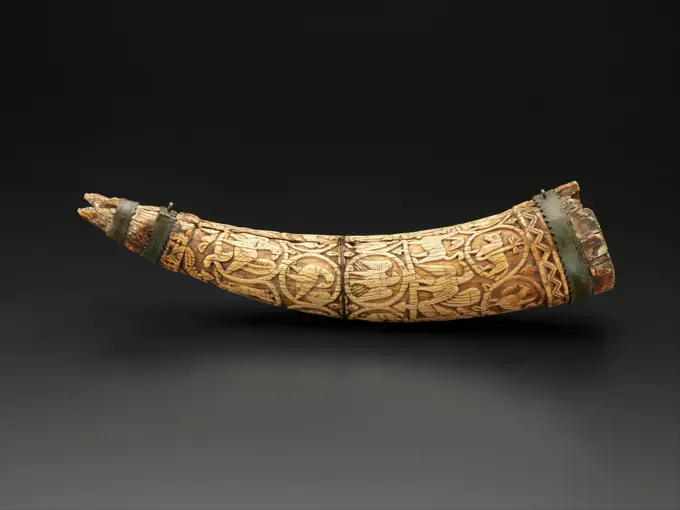
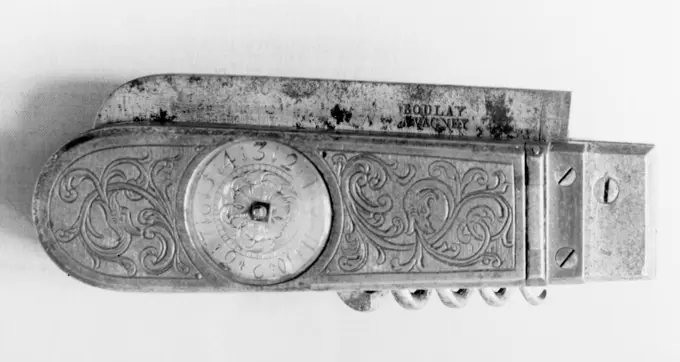
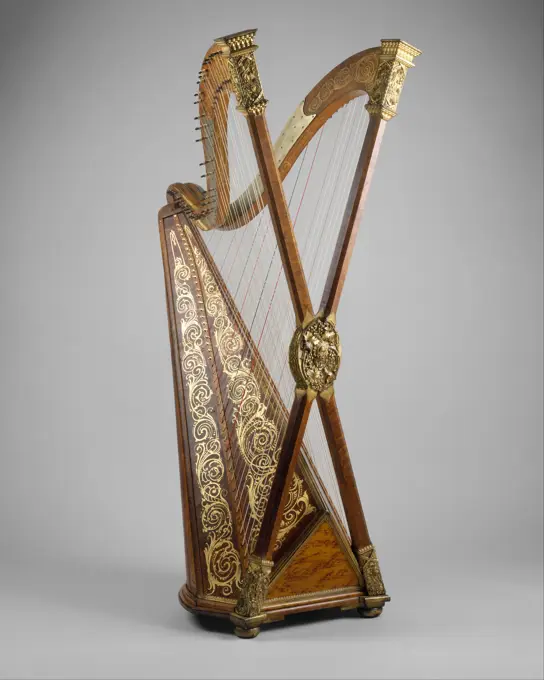
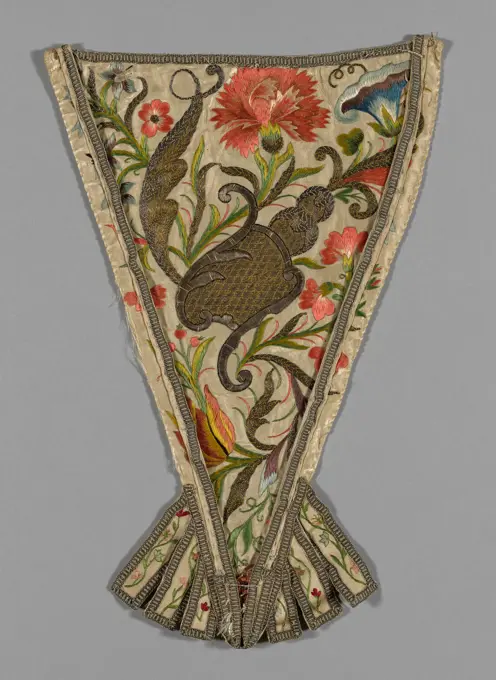
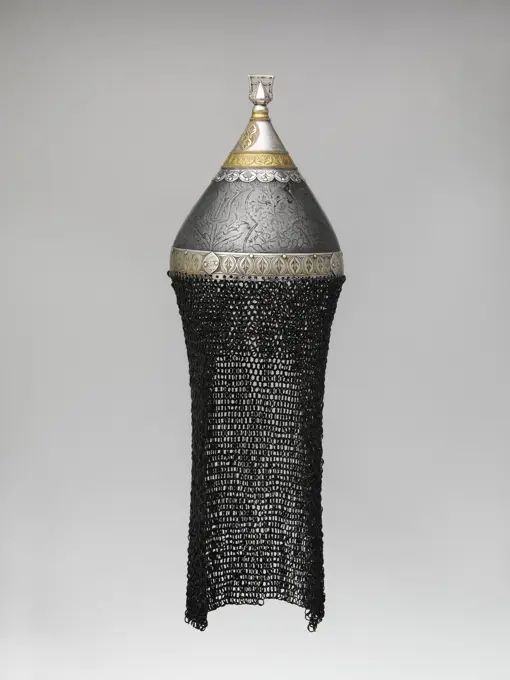
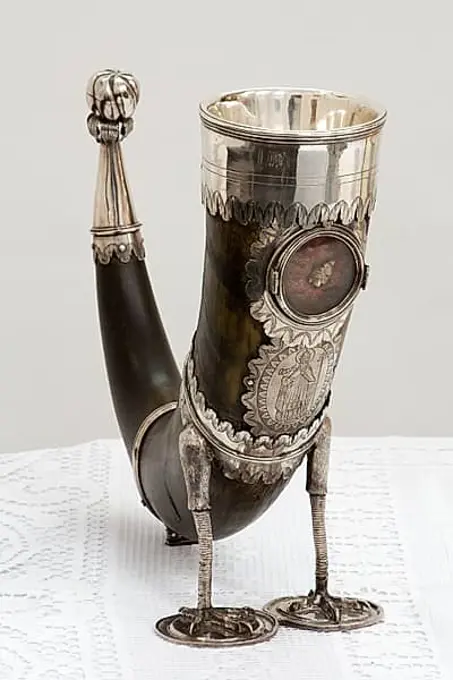
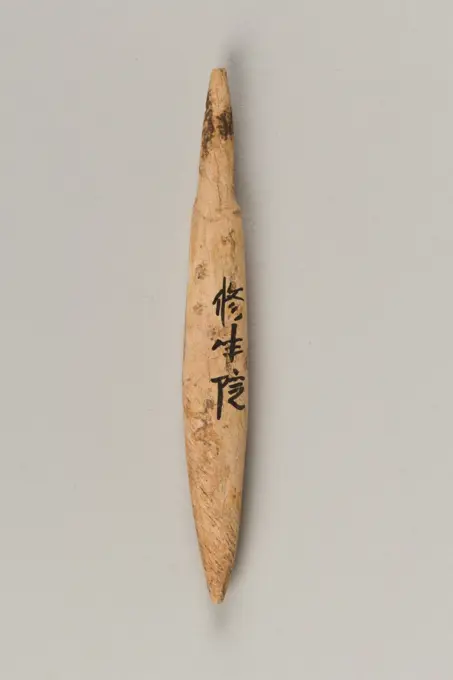
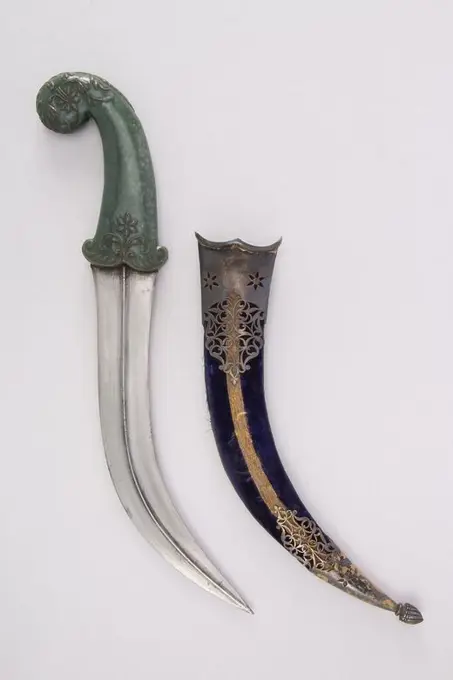
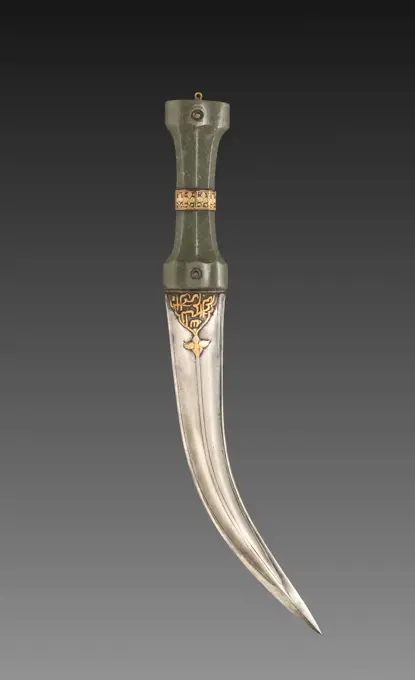
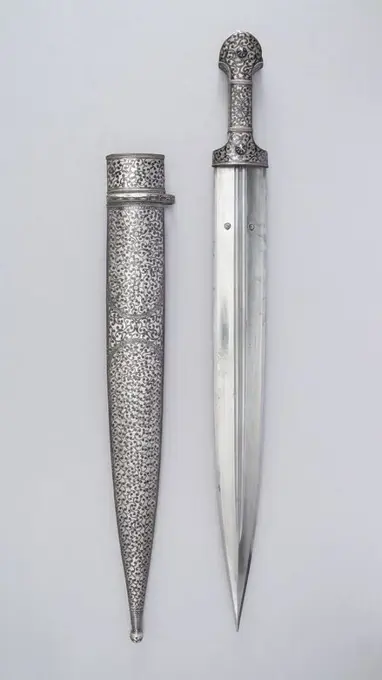
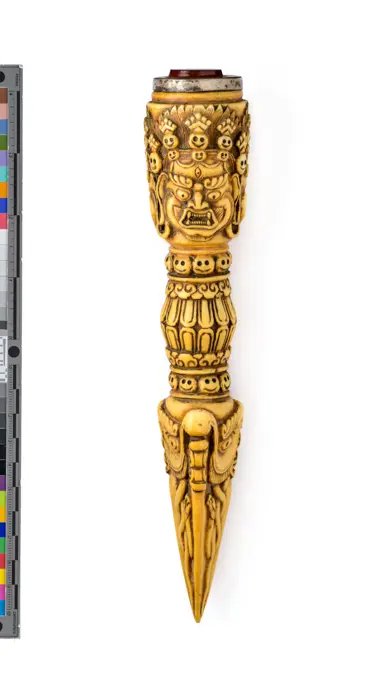
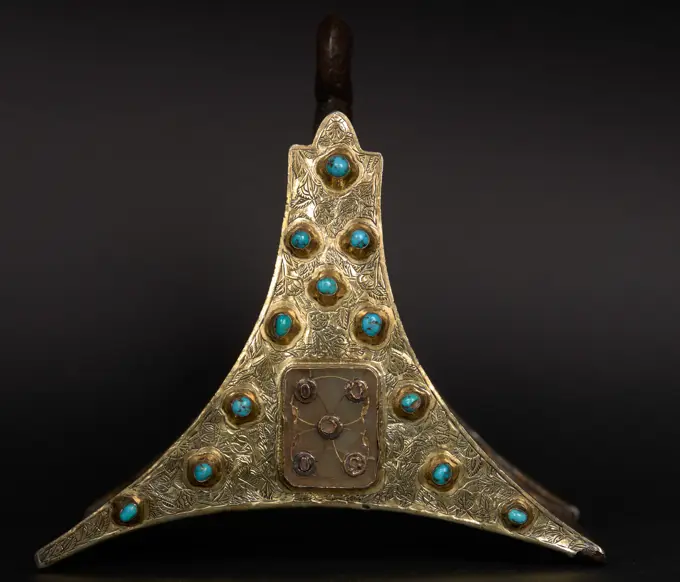
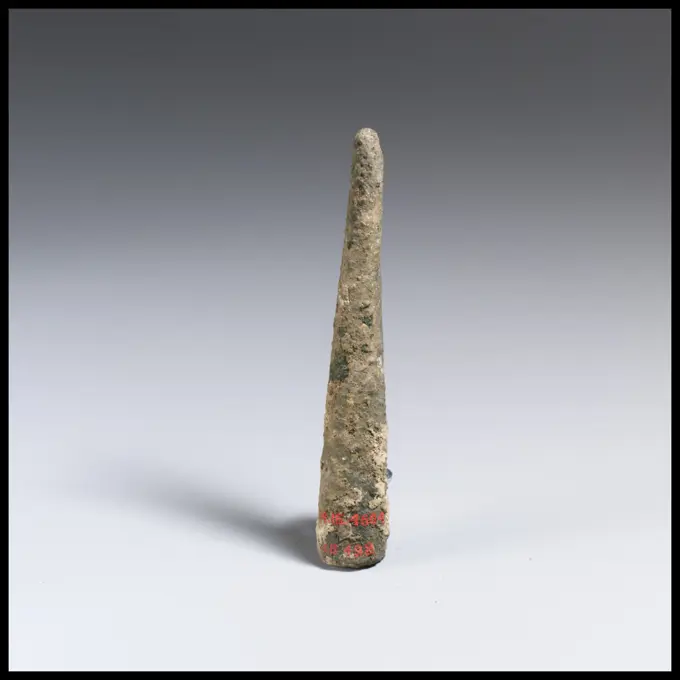
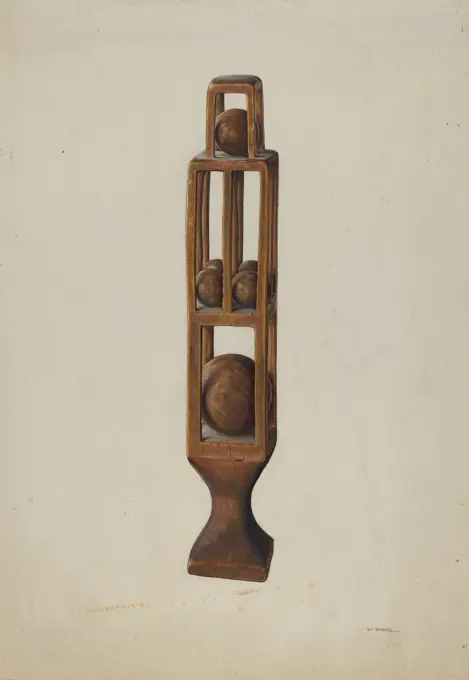
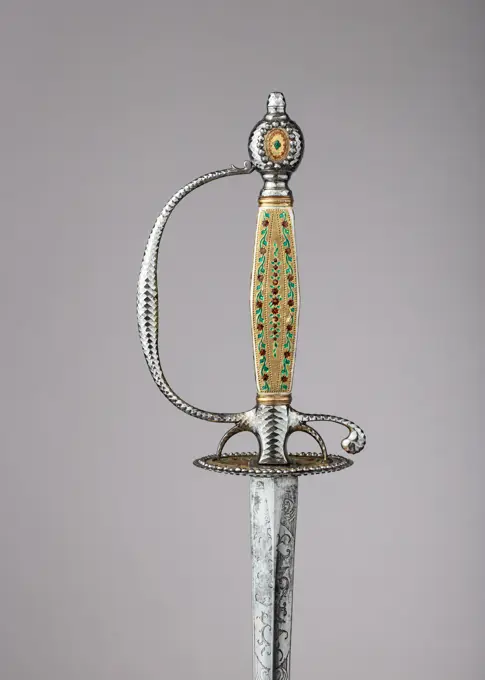
Smallsword ca. 1790 French or British By the early seventeenth century, the rapier, a long slender thrusting sword, began to dominate as the gentlemans weapon of choice. During the course of the century, however, as civilian fencing techniques became more specialized and refined, the rapier developed into a lighter, trimmed-down weapon known by about 1700 as the smallsword. Smallswords, often richly decorated, remained an integral part of a gentlemans wardrobe until the wearing of swords in civilian settings went out of fashion at the end of the eighteenth century, at which time pistols were replacing swords as arms most frequently used in personal duels. The majority of smallsword hilts are made of silver or steel, but many also employ a wide variety of luxurious materials, such as gold, porcelain, and enamel. At their best, smallswords combine the crafts of swordsmith, cutler, and jeweler to create an elegant weapon that was also a wearable work of art.. Smallsword. French or BritiHand Cannon, 1615-1868. Japan, Edo period (1615-1868). Bronze and brass; overall: 16 cm (6 5/16 in.).Dulzian 17th century possibly Spanish. Dulzian 506725Spoon, Wood, carved, painted, gilded, 19th century, cutlery, Decorative Arts, SpoonCarved Bone. Guatemala, Honduras, or Mexico, Maya, 300-450 CE. Bone with pigmentBrooch, Saxon.. Made from Anglo-Saxon Copper Alloy II, Amber & Other Metals.Oboe ca. 1700 Netherlands. Oboe 505570Dagger with Sheath dated 1860-61 Caucasian. Dagger with Sheath 31512Saber with Scabbard blade possibly dated to A.H. 1191/A.D. 1777-78 Persian This is a classic example of a high-quality Iranian saber (shamshir) from the eighteenth century. The blade of crucible (watered”) steel bears the names of the legendary Iranian swordsmith Asadullah of Isfahan and his patron Shah 'Abbas I of Persia (r. 1588-1629). As Asadullah’s name is found on blades inscribed with dates ranging from the fifteenth to the nineteenth century, it is likely that most of the signatures are false.. Saber with Scabbard 32739Étui 1765-75 British. Étui. British. 1765-75. Gold, agate, enamel. Metalwork-Gold and PlatinumTreasure of Tutankhamen, royal diadem made of gold, precious stones and vitreous pastes, with Nekhbet (vulture) and Uadjet (cobra) on the forehead, deities of Upper and Lower Egypt from New KingdomOboe, Willem Beukers (1666-1750), c. 1700 - c. 1750 Hobo of brown stained palm wood with three brass valves. The third and fourth gap are double. The cup is not original but later added. Marked on the upper and middle part: W: Beukers / grain granules Amsterdam boxwood. brass (alloy) Hobo of brown stained palm wood with three brass valves. The third and fourth gap are double. The cup is not original but later added. Marked on the upper and middle part: W: Beukers / grain granules Amsterdam boxwood. brass (alloy)Amulet in the shape of a plaque and with the depiction of a papyrus column 664-30 B.C. Late Period-Ptolemaic Period This amulet depicts a papyrus scepter or a papyrus column. The plant itself, its Egyptian name wadj (which means "green" or "fresh"), and the choice of green-blue faience or green stones all strongly evoke life, vitality, and regenerative power, qualities desirable for the living and the dead. Plaques with a papyrus scepter in relief are variants of papyrus amulets (see 10.130.1818) and typical of the Late and Ptolemaic Periods.. Amulet in the shape of a plaque and with the depiction of a papyrus column 545367Scraper, 1600s. France or Italy, 17th century. Wood; overall: 3.9 x 28.3 x 4.8 cm (1 9/16 x 11 1/8 x 1 7/8 in.).Knife Handle (Kozuka). Culture: Japanese. Dimensions: L. 3 3/4 in. (9.5 cm); W. 9/16 in. (1.4 cm); thickness 5/16 in. (0.8 cm); Wt. 1.2 oz. (34 g). Date: ca. 1615-1868. Museum: Metropolitan Museum of Art, New York, USA.Mount, Brass, Vertical irregular polygon with repoussé decoration of a patera with wings and a flaming torch and anthemion scrolls., Italy, early 19th century, metalwork, Decorative Arts, MountWeefselfragment met clavus.Natural linen tissue fragment with sewed clavus in burgundy and natural, alternated decorated with stretched rosette, rank with leafwork and braid, ending in a thin stripe with shield decoration.Knife Handle (Kozuka) ca. 1615-1868 Japanese A kozuka is a handle of a by-knife that is part of a sword mounting. It is kept in a slot on the reverse of a katana scabbard, often with a matching kōgai (hairdressing tool).. Knife Handle (Kozuka) 34706QuiverMirror with Split-leaf Palmette Design inlaid with Gold. Dimensions: H. 9 3/8 in. (23.8 cm)Diam. 4 3/4 in. (12.1 cm)D. 1/8 in. (0.2 cm). Date: early 16th century.The polished, reflecting side of this mirror has traces of gold inlay along the edges. On the back, dense spiral scrolls sprinkled with blossoms, leaves, and arabesques revolve from the six-pointed star placed in the center of the poly-lobbed medallion. The handle shaft has a gold chevron pattern and two ivory plaques. A gold-inlaid steel mirror in the Topkapi Palace Museum in Istanbul is somewhat more deluxe, with a jade handle and inset with ruby and turquoise, but the similarity of ornamentation suggests production in the same Ottoman court workshop. Museum: Metropolitan Museum of Art, New York, USA.Lustro z uchwytem w kształcie łodygi papirusu. unknown, authorSporting or Target Crossbow. German. Date: 1586-1588. Dimensions: 11.4 x 62.2 x 57.8 cm (4 1/2 x 24 1/2 x 22 3/4 in.)Wt. 8 lb. Fruitwood, steel, iron, staghorn, textile, and cord. Origin: Germany. Museum: The Chicago Art Institute, Chicago, USA.Shaffron (Horse's Head Defense) first half 16th century Turkish Armor made of gilt copper (tombak) was lighter and less protective than armor made of steel for use in battle but was ideally suited for parades, where visual impact was more important than defensive qualities. Tombak helmets, shields, shaffrons, and other military equipment may have been worn by the Ottoman imperial guard.. Shaffron (Horse's Head Defense) 24251Necessaire of gold with enamelled cornflowers. Necessaire of gold with enamelled cornflowers, bottom and green leaves on a engraved soil. Content: Thimble, tweezers, 2 pencil sleeves and a scissors.Viola da Gamba playing gentleman, c. 1700 - c. 1750 Tobacco grater with back and box of ivory. On the back a gentleman has been proposed in relief who plays a Viola da Gamba; Horns of abundance, from under a basket of flowers. On the lid of the box a bowl of fruits. The grater is decorated with a shell shape on the bottom. Netherlands (possibly) ivory. metal Tobacco grater with back and box of ivory. On the back a gentleman has been proposed in relief who plays a Viola da Gamba; Horns of abundance, from under a basket of flowers. On the lid of the box a bowl of fruits. The grater is decorated with a shell shape on the bottom. Netherlands (possibly) ivory. metalCylindrical wood and gold with round ends, in two parts, in scales and varnish Martin 18th century. Paris, Cognacq-Jay museum. 39178-15 Box, round end, squaille, cylindrical case, gold, gold, martin varnish, woodPostument. unknown, sculptorSarcophagus of the Oddźnej Temple Amon Panep;  around 825-715 BC ; 3rd transition period, late 22 dynasty (-830-00-00--710-00-00);Handmade Soldering Iron. Dated: 1939. Dimensions: overall: 28 x 23 cm (11 x 9 1/16 in.). Medium: watercolor, graphite, and colored pencil on paperboard. Museum: National Gallery of Art, Washington DC. Author: Harvey Thoss.Powder flask. Powder flasks not only served a practical purpose but also functioned as accessories that were produced with a great deal of care. This example has been crafted from the shell of a tortoise, a material that overseas trade made available in the Netherlands from the 17th century. On the copper mount is an illegible escutcheon topped by an earls coronet.Bark Peeler. Dated: c. 1937. Dimensions: overall: 30 x 21.9 cm (11 13/16 x 8 5/8 in.) Original IAD Object: overall: 22 1/2" long; handle: 9 1/2" long; blade: 13" long; 1 1/2" wide; 1 1/2" thick. Medium: watercolor, gouache, and graphite on paper. Museum: National Gallery of Art, Washington DC. Author: Chester Kluf.Buckle fastener, double lanyard with dense eye, with three-eye, belt attachment accessory ground finding copper leather metal, double fitting plate with curved eye attached to three-eye archeology Rotterdam rail tunnel attachment Soil discovery: trajectory rail tunnel Rotterdam.Balsamarium (Double CosmeticTube)Sheet-gold decoration for a sword scabbard. Culture: Greek or Scythian. Dimensions: length 21 7/16 in. (54.5 cm). Date: ca. 340-320 B.C..In the main frieze is a battle between Greeks and barbarians; at the left end stand two griffins. The irregular field above the frieze shows deer being killed, one by a lion, the other by a griffin. The scabbard from which this gold decoration came would have been of another material, possibly bronze or iron. Such an elaborately embellished scabbard would have formed part of a ceremonial set of Scythian weapons typically including a sword, a bow, and a bow sheath. The Scythians were a nomadic people who lived in the Eurasian steppes during the first millennium B.C. Although the scabbard is of Scythian type, the decoration is Greek in style and undoubtedly of Greek workmanship. Similar sheet-metal goldwork from the royal cemetery at Vergina in northern Greece and from kurgans (burial mounds) of Scythian rulers in the North Pontic region (around the BTonsure Scissors (Takrai) and Ceremonial Razor (Mit Khone) 1800-50. Scissors and a razor are used to cut the top knot of royal children during their coming of age ceremony (Sokanta).  Gilded steel with inset glass, black coral and coloured enamel. Thailand, Bangkok.Twisted Amphoriskos. UnknownPedestal. unknown, creatorClose-up of an ornate bottle and pendantBalsamarium (Double CosmeticTube), 4th century A.D., Green tinted glass, 15.5 × 2.8 cm (6 1/8 × 1 1/8 in.), Roman, Eastern Mediterranean,Syrian, Roman, Containers -GlassSpoon, ca. A.D.156-256, Ivory, 3 13/16 in. (9.7 cm) L incl.shaft, Yale-French Excavations atDura-Europos, Excavated in Dura-Europos, Syria, Syrian,Dura-Europos, Roman, 2nd-3rd century A.D., Tools andEquipmentBaton Handle or Penis Sheath () 1st-3rd century Vietnam. Baton Handle or Penis Sheath () 37758Fork And Spoon (Germany)Caucasian kanjar with a sheathFlail of Hapiankhtifi. Dimensions: L. 52.8 cm (20 13/16 in.). Dynasty: Dynasty 12. Date: ca. 1981-1802 B.C..One of the complete burial groups excavated at Meir belonged to the Steward Hapiankhtifi. When the mummy was unwrapped in the Museum numerous objects were discovered: a model dagger and sheath, two mirrors, a bat amulet and jewelry. A ceremonial flail, an emblem of Osiris with whom the deceased wanted to be identified, was found broken and scattered throughout the coffin. The flail has a wooden handle tipped with gold leaf at either end and three pendants. The long end pendants are connected to the handle by three long cylindrical blue faience beads with two carnelian and one green faience bead toward the handle and two carnelian and two green faience beads toward the pendants. Museum: Metropolitan Museum of Art, New York, USA.bird bone decorated with row of horses, late Magdalenian, El Valle, Rasines, Museum of prehistory and archeology (MUPAC), Santander, Cantabria, Spain.Image of cold weapon on black backgroundShield 18th-19th century Philippine, Igorot. Shield. Philippine, Igorot. 18th-19th century. Wood, polychromy. Cordillera Administrative Region. ShieldsRitual Implement Dedicated by a King Senwosret to Nebhepetre Mentuhotep II. Dimensions: H. 21 cm (8 1/4 in.); W. 6.5 cm (2 9/16 in.); Th. 1 cm (3/8 in.). Dynasty: Dynasty 12. Date: ca. 1961-1840 B.C..Known as a pesesh-kef, this magical instrument has its origins in early Egyptian culture. It may represent an implement used to cut the umbilical cord. The pesesh-kef was employed in the Opening of the Mouth ritual, during which a priest would hold the implement to the mouth of a cult statue or mummy, allowing it to receive offerings. The inscription indicates that this implement was dedicated to Nebhepetre Mentuhotep II by one of the Senwosret kings, likely Senwosret III. Museum: Metropolitan Museum of Art, New York, USA.Design for a Knife Handle Showing One of the Virtues, Willem du Tielt, Flemish, active 1610 - 1653, Engraving and etching on off-white laid paper, A woman representing one of the vrtues, holding a bird and a book(), is shown in an ovoid; medalliion as in 1946-33-3. Ornament as in 1946-33-3., Netherlands, 1600-1625, metalwork, Print, PrintArrowhead ca. 4th century B.C. Seleucid This is a bronze socketed trilobate (i.e., three-bladed’) javelin head. It is about twice the size of an arrowhead, but too small to be a spearhead. It was excavated at the Tall-i Takht at Pasargadae, about 55 miles northeast of Shiraz, Iran. Pasargadae was founded by Cyrus the Great (reigned ca. 550-530 B.C.) as the first capital of the Achaemenid Persian Empire. The Tall-i Takht is an elevated platform that was presumably intended as the site of Cyrus’ palace. In later years it served as a fortified citadel, and this spearhead probably dates to this period of later use.. Arrowhead 326391Carved Wooden Hitching Post. Dated: c. 1939. Dimensions: overall: 35.4 x 24.4 cm (13 15/16 x 9 5/8 in.). Medium: watercolor, colored pencil, and graphite on paperboard. Museum: National Gallery of Art, Washington DC. Author: Rose Campbell-Gerke.goldverzierter britischer antiker feldstecher, optisches instrument aus dem 19. this image features a pair of ornate, gold-toned british field glasses from the second half of the 19th century. the antique binoculars showcase intricate detailing, possibly with jewel accents in red, white, and green, reflecting a luxurious and historical design. ideal for projects related to vintage collectibles, historical instruments, and elegant optical devices. LicenseRF Copyright: xZoonar.com/GallóxGusztávx 23316128Melanesian gourd object for ceremonial use. Papua New Guinea 1900Hairpin, 400s BC. Greece, 5th Century BC. Ivory; overall: 7.5 cm (2 15/16 in.).Dagger (Jambiya) with Sheath. Culture: Arabian. Dimensions: H. with sheath 13 3/8 in. (34 cm); H. without sheath 12 3/4 in. (32.4 cm); W. 2 3/8 in. (6 cm); Wt. 12.4 oz. (351.5 g); Wt. of sheath 12.4 oz. (351.5 g). Date: 19th century. Museum: Metropolitan Museum of Art, New York, USA.Dagger and Sheath Made 1550-1575 Germany. Steel, silver, and wood .Bronze strainer with openwork handle 5th century B.C. Etruscan This is one of the most elaborate and best-preserved Etruscan strainer handles. The artist has skillfully presented a complex subject on a very small scale in the openwork square just below the handle's attachment point. Two nude boxers appear to have just finished a bout in which one man has been knocked to his knees. Their trainer or referee holds his arms up to indicate the end of the round. On the underside of the attachment point is a delicately modeled doe lying on a wave-crest border. The handle's base depicts a bearded male figure with fish-like legs that terminate in bearded snake heads. The strange legs form a perfect circular opening that allowed the patera to be hung when not in use. The sea monster, almost like a merman, may have been intended to ward off evil.. Bronze strainer with openwork handle 248652Upright Serpent in D ca. 1810-20 Italian Upright serpents and trombones with dragon heads enjoyed some popularity in Italy, France, and Spain between about 1790 and 1840. The fashion for the motif was triggered by excavations of ancient Celtic horns with dragon heads. This example had three keys, six finger holes. The serpent, a wide bass with finger holes that evolved at the end of the sixteenth century, gained importance in band music during the second half of the eighteenth century. Thenceforth, the serpent's unwieldy shape was either modified or converted to upright forms. When in 1829 valve basses began to be developed, they absorbed the characteristics of the serpent, which gradually became extinct. The most important types of early valve basses were the bombardon, the tuba (1835), and the valved ophicleide (1835).. Upright Serpent in D 500939Oliphant 12th century South Italian Decorated elephant tusks could be employed as drinking vessels, as horns to announce the hunt, or as symbols of feudal rights. In churches, some served as reliquary containers. As this example shows Christ as the Lamb of God, it probably was made for a Christian patron.. Oliphant. South Italian. 12th century. Ivory, metal mounts. Made in southern Italy. IvoriesWeefselfragment met nail Anonymous c. 300 - c. 499 Natural linen tissue fragment with sewn clavus in bordeaux red and natural, alternately decorated with stretched rosette, slender with leafwork and braid, ending in a thin stripe with shield decorations. Egypt Ketting an element: Linen (material). Entry: Wool tapestry Natural linen tissue fragment with sewn clavus in bordeaux red and natural, alternately decorated with stretched rosette, slender with leafwork and braid, ending in a thin stripe with shield decorations. Egypt Ketting an element: Linen (material). Entry: Wool tapestryYataganLluís Masriera / Cuchillo, pieza de cubertería Art Déco en plata, 1935. Colección privada. Author: LLUÍS MASRIERA I ROSÉS.Clarinet (Upper Joint). Middle part clarinet made of boxwood with brass valvesWatch possibly 19th century Watchmaker: Boulay. Watch 194219Case 18th century French. Case 196590Dividers, 1500s. France, 16th century. overall: 20.4 x 2.3 cm (8 1/16 x 7/8 in.).Cradle Board ca. 1860 Mohawk. Cradle Board 319101Maniple;  18th century (1701-00-00-1800-00-00);Double Chromatic Harp after 1895 Henry Greenway American, born England This harp has two sets of strings that cross near their midpoint. One row of strings has the naturals for a C major scale, like white notes on a modern piano, while the second set of strings has the accidentals, or black notes. The design built by Greenway is an exaggerated version of a cross-strung model built by the Pleyel & Wolff Company of Paris in the late nineteenth century, and a way to address increasingly chromatic music in the orchestral repertoire without adding pedals. The greenway harp, with its two columns standing quite far apart, is much more difficult to play and it was probably not made for orchestral repertoire (glissandi in any key but C would be impossible). Only two harps by Greenway, both with the cross stringing design, are known to survive. Very little is known about this builder, but it is believed that he is Henry Greenway who was located at 545 Atlantic Avenue in Brooklyn, a Civil War vetStomacher Made 1701-1800 France. Silk, plain weave with needlework in silk; gold and silver foil wound around silk fibre core .Opium Pipe, 1800s. China, Qing dynasty (1644-1911). Lacquer, copper ferrules and porcelain bowl; overall: 43.2 cm (17 in.).Helmet dated A.H. 1196/A.D. 1781-82 Turkish The tulip decoration on the bowl suggests that this is an older Ottoman piece, possibly from Turkestan and made in the seventeenth or eighteenth century, which was refurbished in 1781-82 with nielloed silver mounts of typical Caucasian workmanship. The inscriptions suggest a Tartar origin in the Crimea.. Helmet. Turkish. dated A.H. 1196/A.D. 1781-82. Steel, silver, niello. HelmetsCornelius Chapel, reliquary in the shape of a drinking horn, St., Saint, SaintHarpoon head Japan The Jōmon period is the earliest period in Japanese history, lasting from roughly 14,000 to 300 BCE. The Jōmon people were primarily hunter-gatherers, hunting land animals and gathering vegetables and nuts on the land as well as hunting and fishing at sea. Harpoon heads such as this one testify to the importance of seafood in the diets of some Jōmon communities, especially those close to the sea. Fish bones found at Jōmon archaeological sites indicate that the Jōmon hunted fish not only close to the shore but also farther out in the open sea, where larger fish could be caught. There is even evidence that the Jōmon ate pufferfish, a poisonous fish considered a delicacy in modern Japan.. Harpoon head 62288Fork, from a flatware dessert service, 18th century, Meissen Porcelain Factory, Meissen, Germany, est. 1710, Hard paste porcelain, gilt metal, Germany, 18th centuryKnife, Fork and Spoon with Cap of a Trousse-Sheath. European, possibly Italian. Date: 1650-1700. Dimensions: . Iron, horn, and leather. Origin: Europe. Museum: The Chicago Art Institute, Chicago, USA.Flute 180 BCE-500 CE Peru. Bone . NazcaCommemorative badges of the anniversary of the Supreme National CommitteeDagger (Jambiya) with Sheath and Carrier. Culture: Indian, Mughal. Dimensions: Dagger (a); H. with sheath 15 1/4 in. (38.7 cm); H. without sheath 14 1/2 in. (36.8 cm); H. of blade 10 in. (25.4 cm); W. 3 5/8 in. (9.2 cm); Wt. 14.4 oz. (408.2 g); sheath (b); Wt. 5.1 oz. (144.6 g); carrier (c); L. 7 1/2 in. (19.1 cm); Wt. 2.6 oz. (73.7 g). Date: 18th century. Museum: Metropolitan Museum of Art, New York, USA.Piece 1750-60 French. Piece 224430Fragment 5th-6th century The dot-in-circle motif recalls designs presumed to be of magical significance, most likely an abstract eye to ward off the evil-eye, which serve an apotropaic function. Easily reproduced with a tool and visible in many cultures and times, this symbol may have lost its meaning, and become simply a decorative pattern, or may have one that we have not yet discovered.. Fragment 447920Goose Headed Handle. Egypt, Late Period - Roman Period (664 BCE - 300 CE). Tools and Equipment; handles. BronzeDagger, 1700s-1800s. India. Jade hilt with iron and gold; steel blade with iron and gold; overall: 34.4 cm (13 9/16 in.). Daggers with curved blades, known as khanjar, were worn tucked into the belt as one of the basic accessories for Mughal men. An all-purpose knife that could be used in hunting or fighting, the khanjar was also a visible status symbol. The use of jade and gold indicates that this dagger was owned by a member of the court. The gold inscriptions on the blade, just under the hilt, are quotations from the Quran, the most sacred book for Muslims. On one side is the opening line: “In the Name of God the Merciful and the Compassionate,” and on the other is a popular verse from chapter (sura) 61: “Help comes from God, and Victory is imminent.”A Javanese Kris. Java, Indonesia.Hook for Hanging Food orBelongingsPortret młodego mężczyzny. unknown, painterDagger (Kindjal) with Sheath. Culture: Caucasian, possibly northern Dagestan. Dimensions: L. with sheath 23 1/8 in. (58.7 cm); L. of sheath 18 3/4 in. (47.6 cm); W. 2 1/8 in. (5.4 cm); Wt. 1 lb. 4.8 oz. (589.7 g); Wt. of sheath 12 oz. (340.2 g). Date: ca. 1840-50.This dagger has two central grooves in its steel blade. The handle and sheath have been decorated in niello, a black substance containing silver, copper, lead, and sulphur, that is a striking contrast to the silver ground. In the Caucasus, daggers such as this one were inseparable companions of Caucasian men and used for a variety of purposes, such as weapons, cork screws, and paper cutters, as well as dance accessories. Nineteenth-century photographs of Caucasian men in native dress frequently include such daggers, which are attached to their belts in a diagonal manner. Museum: Metropolitan Museum of Art, New York, USA.Ritual Dagger (Phurpa). Eastern Tibet (), 17th century. Arms and Armor; daggers. Ivory, silver, and carnelianPrzeszo Przyszoci unknownSpearhead or point. Spearhead or point 243864Pair of Wheellock Pistols. Jean Le Bourgeois; French, active 1603--1615. Date: 1615-1645. Dimensions: L. 63.5 cm (25 in.) Barrel L. 42.5 cm (16 3/4 in.) Wt. 2 lb. 13 oz.Caliber .57. Walnut, gilt brass, and silver. Origin: Rhineland. Museum: The Chicago Art Institute, Chicago, USA.Officer's saber from the time of the Constitution of May 3bird bone decorated with row of horses, late Magdalenian, El Valle, Rasines, Museum of prehistory and archeology (MUPAC), Santander, Cantabria, SpainEMPUÑADURA DE ACERO Y ORO DE UNA ESPADA DE OFICIAL DE LA MARINA BORBONICA - 1800. Location: CASTEL SANT'ANGELO. Rome. ITALIA.Ritual Implements for a Fire Ceremony. Tibet or Nepal, 18th century or earlier. Tools and Equipment. Steel, gilt copper, silver, coral, and turquoise; wood caseWooden shield, Sepik tribe; Papua New Guinea; 20th centuryWalking Sticks. Dated: 1935/1942. Dimensions: overall: 35.6 x 27.9 cm (14 x 11 in.) Original IAD Object: 35 7/8" high; 1 3/32" in diameter. Medium: watercolor, graphite, pen and ink on paper. Museum: National Gallery of Art, Washington DC. Author: Kurt Melzer.Pavise with the Arms of Winterthur and Saint George Made 1420-1480 Winterthur. Units of crossbowmen used shields or pavises like this example to form a wall of protection while loading and aiming their crossbows. This pavise is part of a group that survived in the arsenal of the Swiss city of Winterthur.Pavises were the product of specialized shield makers who made the wooden forms and covered them in layers of animal-skin glue, canvas, and leather. Painters then added the colorful front-facing layer with the coat-of-arms of the city of Winterthur (on the left) and Saint George (on the right).. Wood, leather, pigskin, iron, gesso, and pigment .Pedreñal de pistola de rueda, siglo XVII. Museu Etnogràfic de Ripoll.Alf Bruseth, Wood Carving of 6 Balls, 1935 1942 Wood Carving of 6 Balls