Ceremonial Weapons and Utensils

Historical weaponry and utensils adorned with intricate designs, showcasing cultural significance and craftsmanship in metalwork.
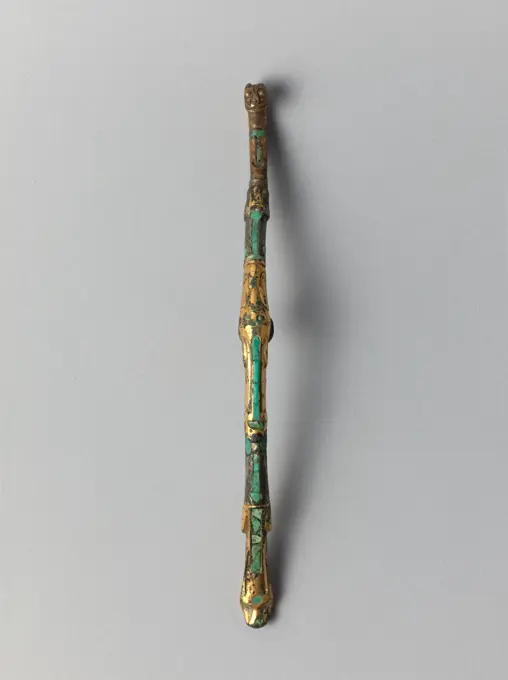
Clip. Bronze with inlays. China, western Han dynasty. Paris, Cernuschi museum. 75290-4 Staple, bronze, han dynasty, inlaid, west
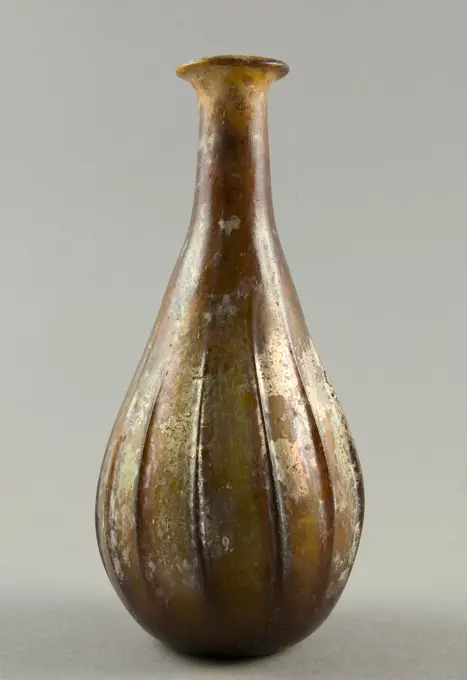
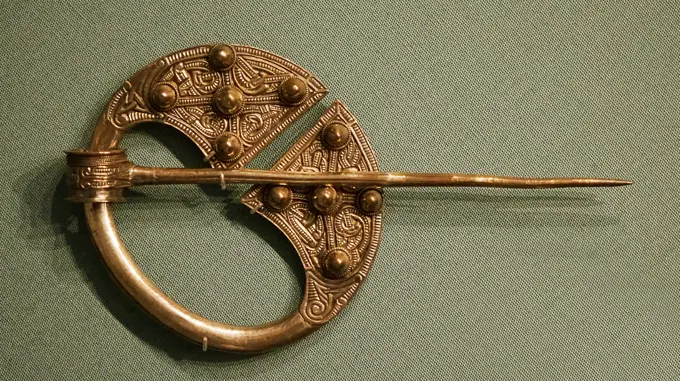
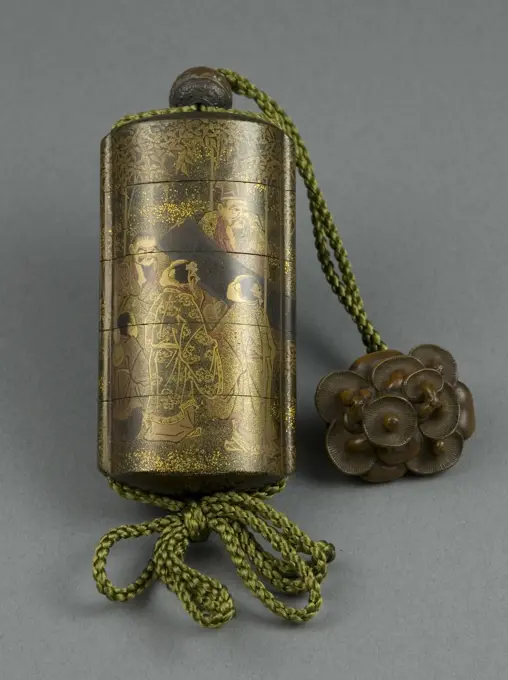
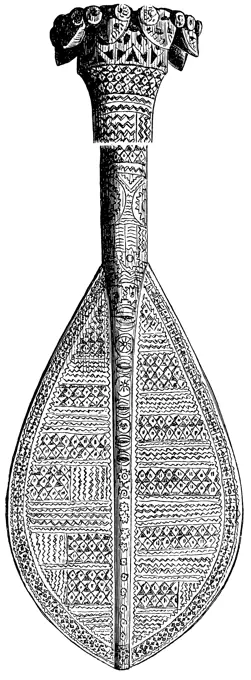
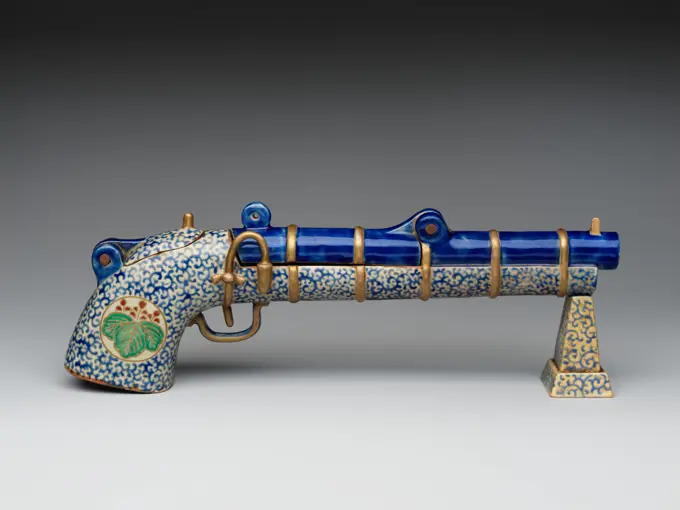
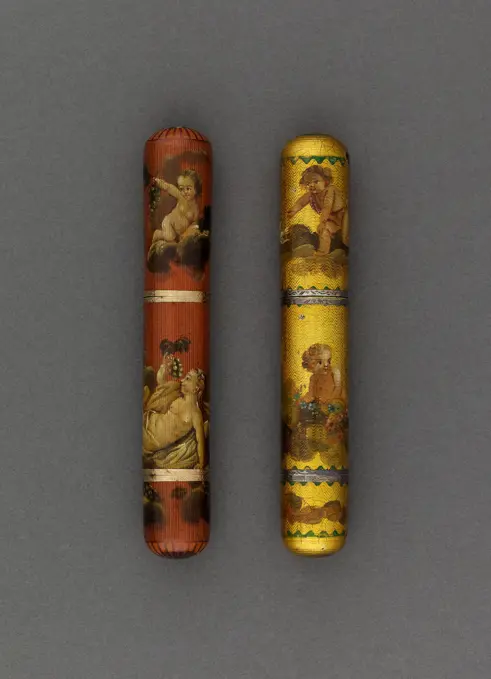
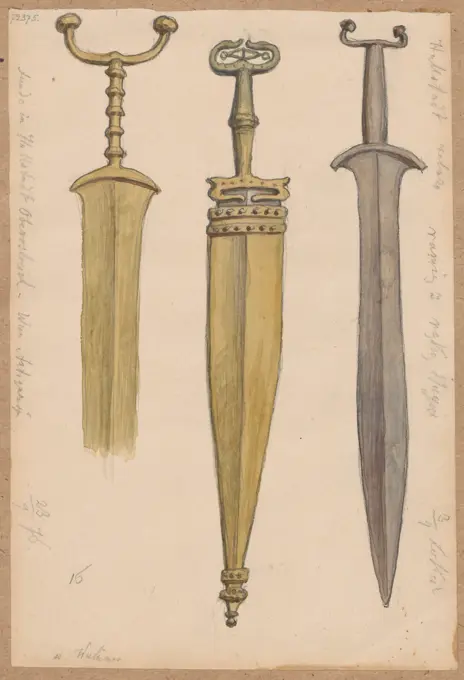
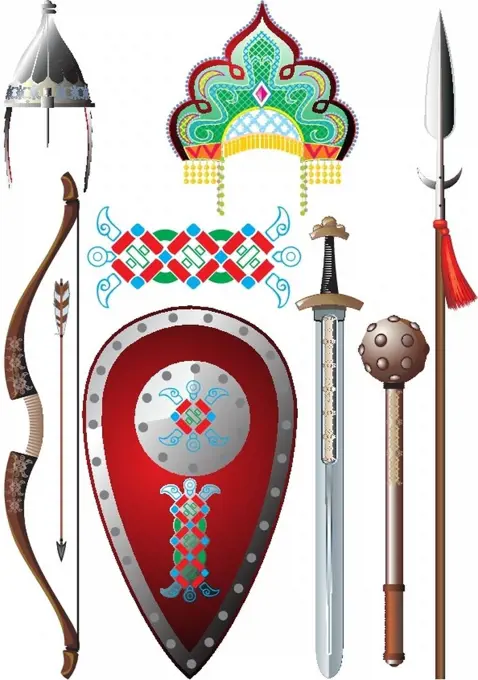
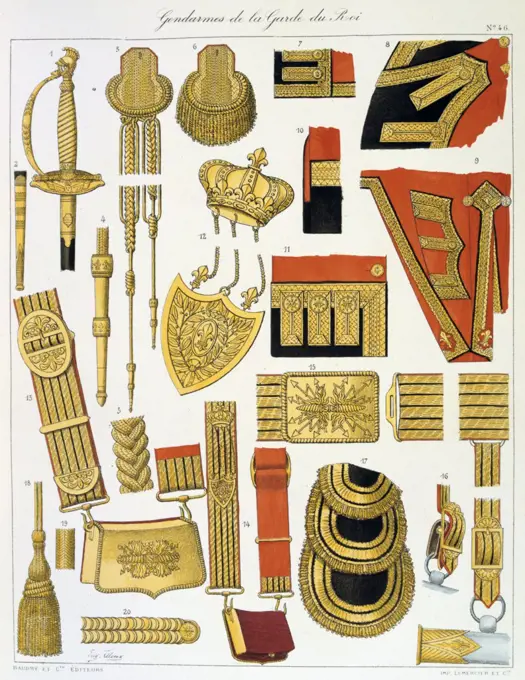
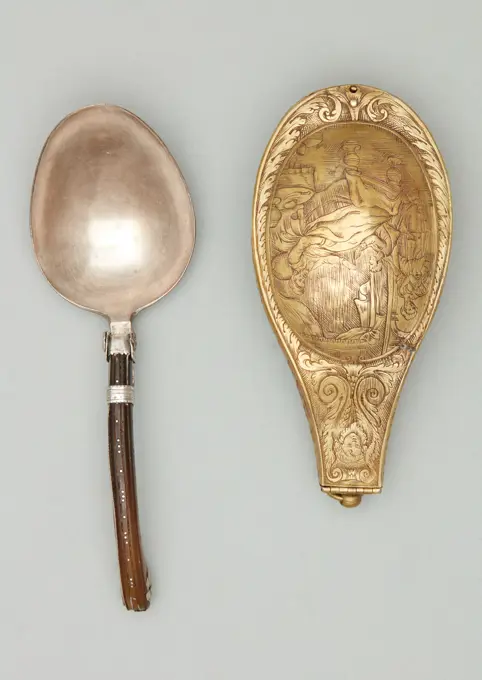
The past of the future unknownSpice box, for ritual use (mainly on Shabat nigh), 15th. cent.Sword hilt, 19th century; blade, 17th-18th century hilt, Sumatran, Achen; blade, British. Sword. hilt, Sumatran, Achen; blade, British. hilt, 19th century; blade, 17th-18th century. Steel, gold, jewels, textile. Sumatra; Aceh. SwordsWheellock Pistol Made for Maximilian I of Bavaria (1573-1651) ca. 1600-1610 Emanuel Sadeler German An all-steel stock is unusual and was probably used to give Sadeler more surface on which to display his talents. The pommel is decorated with the coat of arms of Bavaria under a ducal crown and encircled by the collar of the Order of the Golden Fleece. Duke Maximilian I (1573-1651) became a knight of this prestigious order in 1600.. Wheellock Pistol Made for Maximilian I of Bavaria (1573-1651). German, Munich. ca. 1600-1610. Steel, gold. Munich. Firearms-PistolsBottle 101 CE-300 CE Syria. Glass, blown technique . Ancient RomanMessiter Pipe ca. 1840 Yankton Sioux. Messiter Pipe 319027Ring brooch with linked hoop from Ireland. Dated 8th CenturyInro Case Depicting the Seven Sages of the Bamboo Grove 1701-1800 Japan. The Seven Sages, a group of poets in war-torn third-century China who were celebrated for their refusal to be bound by the mores of society, were also renowned in Japan as exemplars of artistic idiosyncrasy. The sages abandoned politics and worldly pursuits, devoting themselves to wine, music and poetry. Here, they are shown wearing conventional Chinese robes and coiffures, with lush facial hair that renders them unmistakably foreign. They are grouped around a long scroll, perhaps recording the poems they have written during their latest gathering in the grove.. Lacquer with inlay .Symbol der Macht des Anführers. Zeremonielle Keule von den Hervey-Inseln. Polynesische Artefakte. Veröffentlichung der Meyers Enzyklopädie. Symbol of the leader s power. Ceremonial club from the Hervey Islands. Polynesian artifacts. Publication of the Meyers encyclopedia, Vol. 7, Leipzig, Germany, 1910. LicenseRF Copyright: xZoonar.com/SergeyxKohlx 23196707Leeds' work at Sutton Courtenay, Oxfordshire where the first archaeological excavation of an Anglo-Saxon settlement. From his work on typologies he suggested than an equal-armed brooch from the site was dated to the early-mid 400s, and was an import from Northern Germany. The brooch allowed Leeds to date the foundation of the settlement to some time in the later 400s.Unknown photographer, green vault in Dresden (without dat.): Turkish daggers and divorce. Photo on cardboard, 16.9 x 11 cm (including scan edges) unbek. Fotograf : Grünes Gewölbe in Dresden (ohne Dat.)Incense burner in shape of a pistol Japan Edo period (1615-1868) View more. Incense burner in shape of a pistol. Japan. Earthenware with polychrome glaze (Ko-Kiyomizu ware). Edo period (1615-1868). CeramicsAnonymous French. Studies. Martin varnish. 18th century. Paris, Cognacq-Jay museum. 56641-13 Etui, Martin varnishAncient sabre Ancient sabre. A smart variant of the fighting weapon Copyright: xZoonar.com/ValeryxxSibrikovx 2424039This enamel inkstand takes the fanciful form of a pleasure boat, linking the composing of poetry and the writing of calligraphy to the amusement of the senses. The luxurious materials and elegant form also indicate that scribal activities require a certain level of refinement. Cleverly, the enamelist placed a lotus design on the bottom of the vessel; as a flower that floats on water, the bloom represents both the water imaginatively splashing against the underside of the boat and the actual ink swishing inside the bilge. This inkstand was purchased by Cleveland Museum of Art founder Jeptha Homer Wade II (1857-1926) and his wife Ellen Garretson Wade (1857-1917) as they made a tour of India on their own pleasure boat, the Wadena. Inkstand, 1800s. Northwestern India, Rajasthan, Jaipur. Gold, silver, and enamel; overall: 8.3 cm (3 1/4 in.).Three swords from Halsztadzkie excavations from the Museum's collections in Vienna; Lesser, Aleksander (1814-1884); 1876 (1876-00-00-1876-00-00);Lesser, Aleksander (1814-1884), Lesser, Aleksander (1814-1884) - collections, Lesser, Emiljan Stanisław (Baron - 1847-1912), Lesser, Emiljan Stanisław (Baron - 1847-1912) - collection, Lesser, Wiktor Stanisław Zygmunt (Baron - 1853-1935), Lesser, Wiktor Stanisław Zygmunt (Baron - 1853-1935) - collection, Vienna (Austria), weapons, white weapons, gift (provenance), swords, military, craftsmanship, archeological excavations, collections, museum collectionsWrist-Rest with Crayfish and Water Plants, 1700s. China, Qing dynasty (1644-1911). Ivory and polychrome pigment; overall: 6 cm (2 3/8 in.).Ancient Russia setFrench military accoutrements of the royal guard. From 'Histoire de la maison militaire du Roi de 1814 a 1830' by Eugene Titeux, Paris, 1890.