Chinese Blue and White Porcelain

A collection of exquisite blue and white porcelain dishes featuring intricate floral and animal motifs, showcasing a blend of artistry and craftsmanship.

Hexagonal saucer-dish with landscapes and figures, anonymous, c. 1750 - c. 1774 Hexagonal porcelain dish, painted in underly glaze blue. On the flat a river landscape with pavilions, trees and a person; The wall is divided into six subjects with alternating a person by a fence and a river landscape with a pavilion and trees. A crack and a chip in the edge. Blue White. China porcelain. glaze. cobalt (mineral) painting / vitrification Hexagonal porcelain dish, painted in underly glaze blue. On the flat a river landscape with pavilions, trees and a person; The wall is divided into six subjects with alternating a person by a fence and a river landscape with a pavilion and trees. A crack and a chip in the edge. Blue White. China porcelain. glaze. cobalt (mineral) painting / vitrification
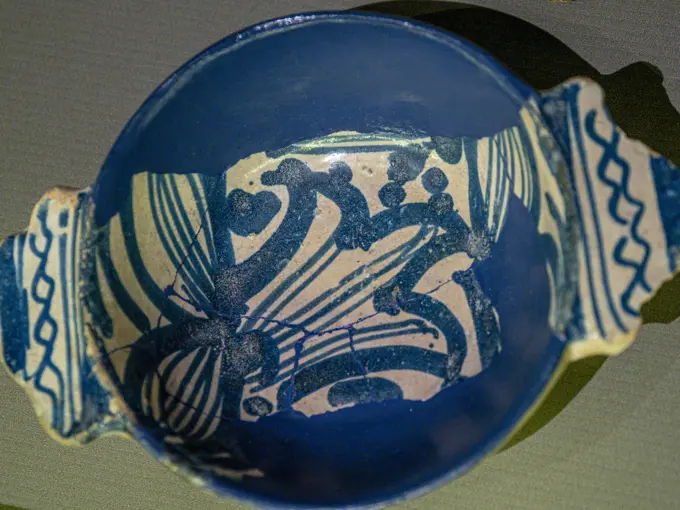
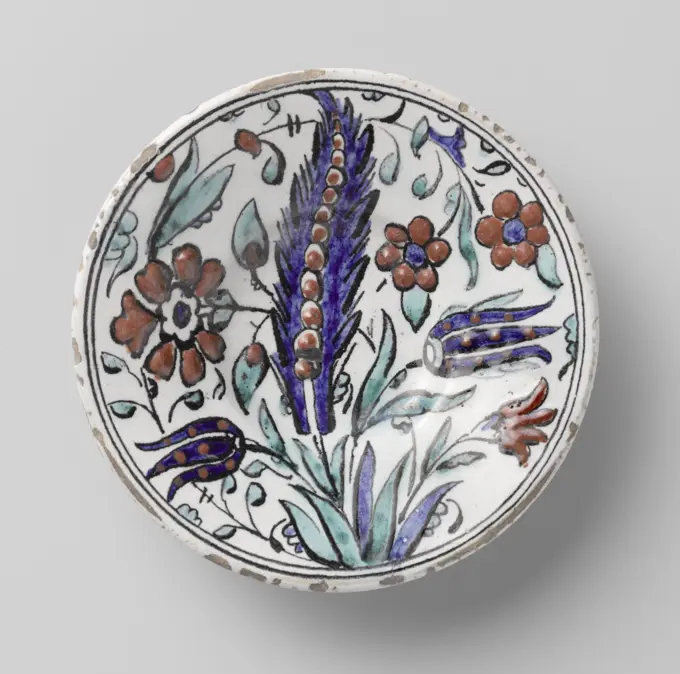
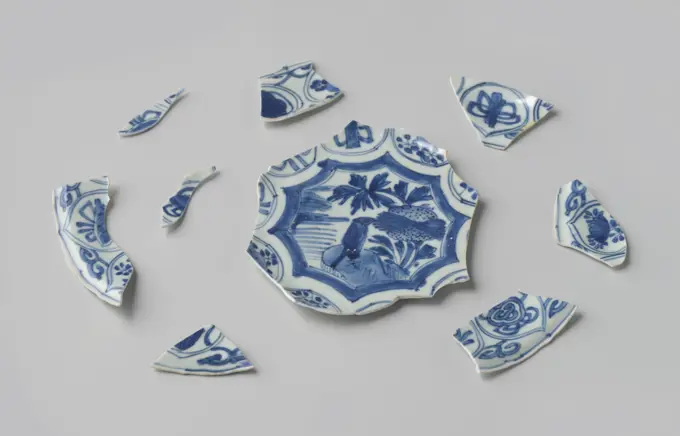
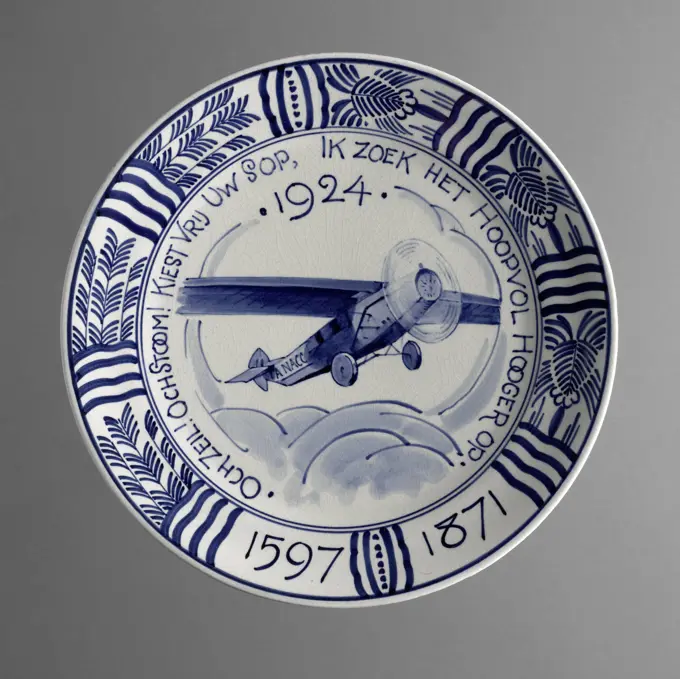
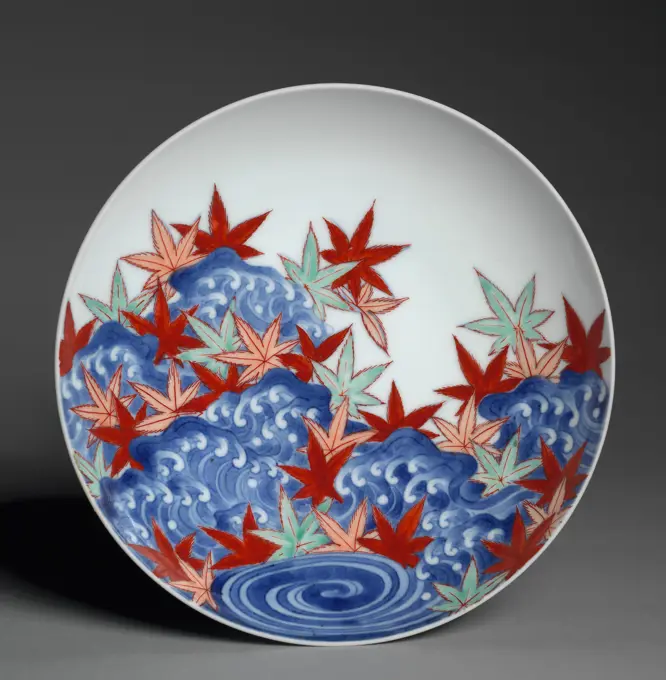
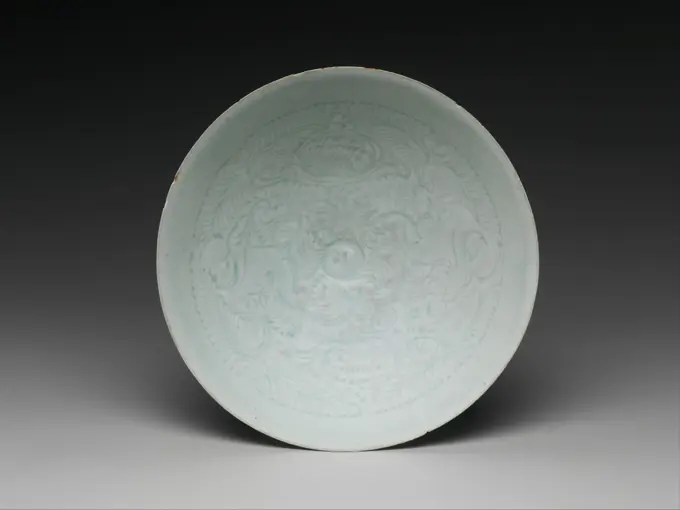
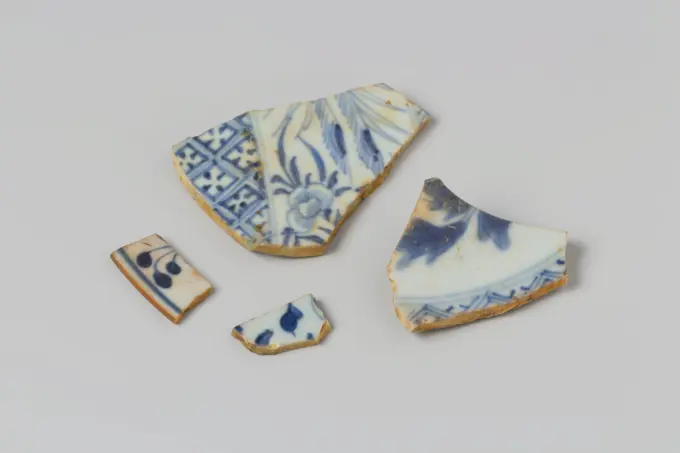
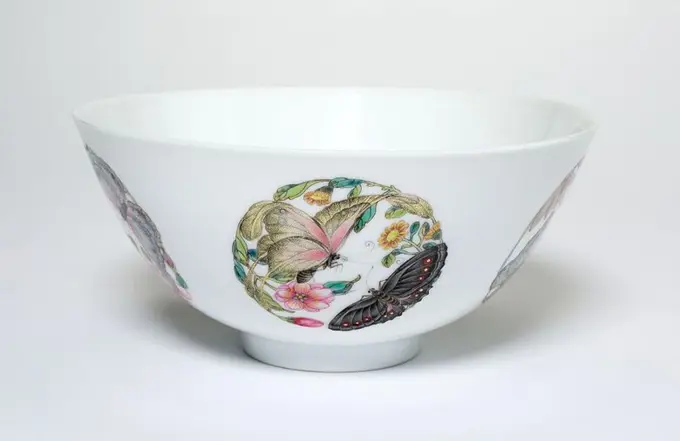
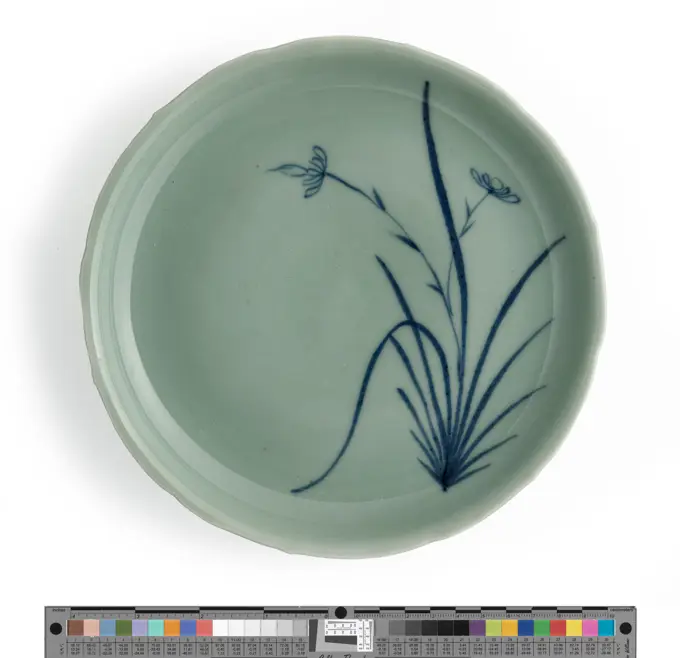
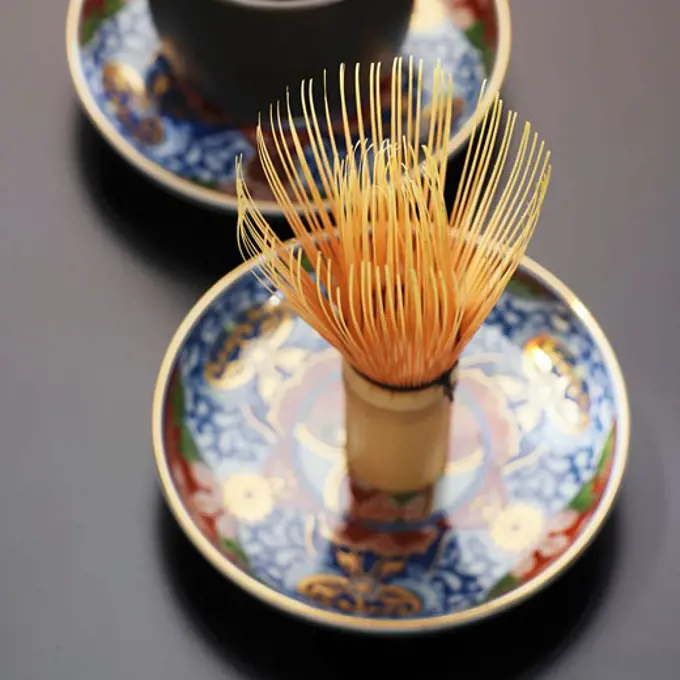
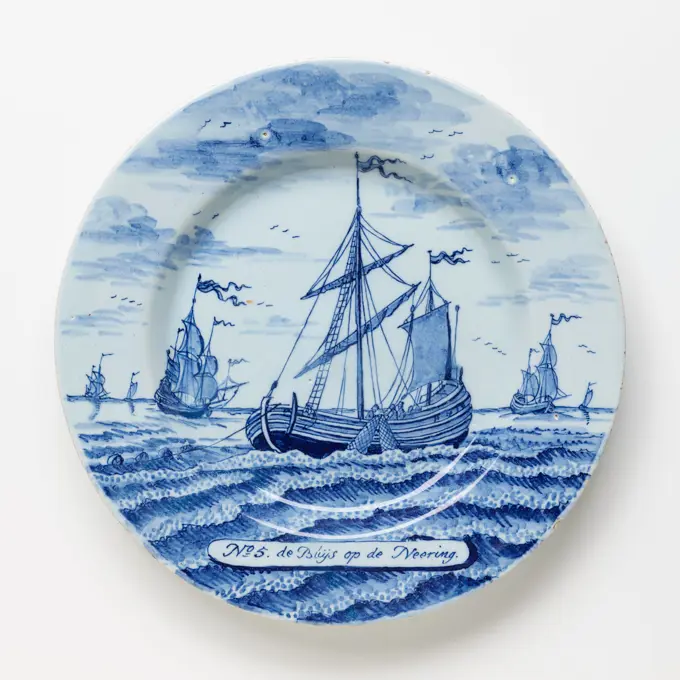
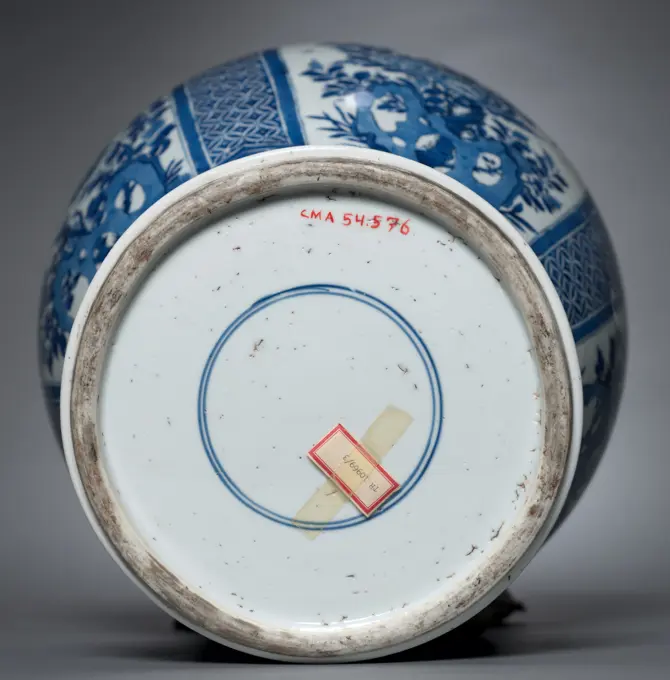
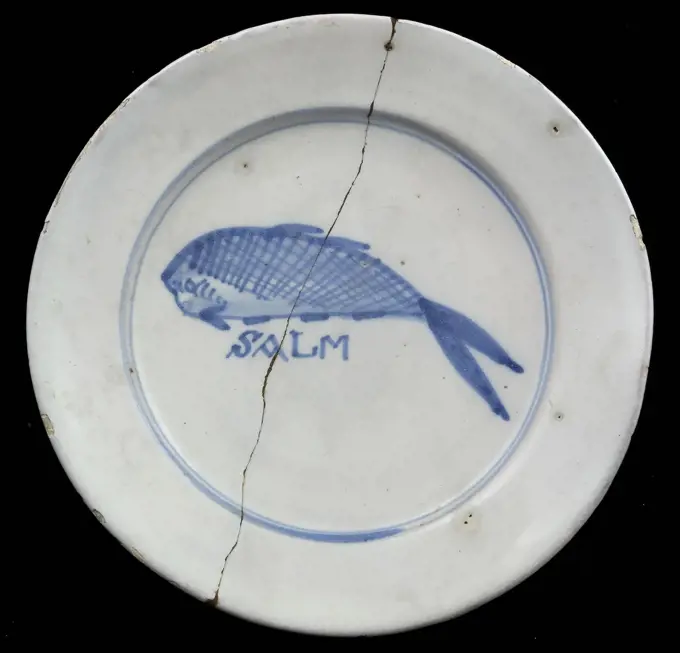
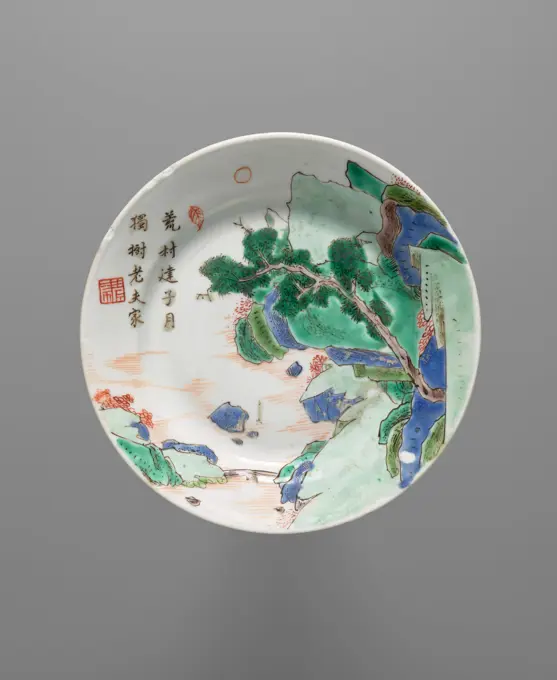
Plate. unknown, craftsmanPaperweight 1840-1865 Baccarat. Technological improvements to optical scientific instruments in the mid-nineteenth century spurred a veritable obsession across Europe with identifying and classifying the natural world. Amateur botanists were eager to collect and preserve floral specimens, which they intently researched and catalogued. In response to this broad appeal, French glassmakers made paperweights that portrayed the very botanical subjects that were so enthusiastically sought. Many weights represented specimens with horticultural correctness, but others were entirely fanciful creations. Paperweights like this example speak to the periodís fascination with taxonomic systems.From the late 1840s to early 1860s, French manufacturers of fine glass and crystalósuch as Baccarat (Alsace), Clichy (Paris), and Saint-Louis (Lorraine)ócatered to the vast public enthusiasm for beautiful yet functional desk accessories. Paperweights, which were designed to secure loose papers against drafts, Fragment sign from V.O.C. ship De 'Witte Leeuw', Anonymous, Before 1613 plate (dishes) Fragment sign from V.O.C. ship De 'Witte Leeuw', 50 present. Shatou porcelain   Sint-HelenaDish from the 'Saxonia' coffee and tea set. Dish of porcelain, painted in blue and gray. The dish is part of the Saxonia coffee and tea set. The dish has been marked.Keramiken aus Muel ceramics from Muel, Elorrio, Arkeologi Museoa, archaeological museum, Bilbao, Bizkaia, Basque Country, Spain Copyright: xZoonar.com/BartomeuxBalaguerxRotgerx 22845594Plate with a stylized flowering plant, anonymous, c. 1540 - c. 1560 Plate of earthenware, painted in underly glaze blue, red, green and black. On the front a stylized flowering plant. Iznik style. Italy earthenware. glaze. cobalt (mineral) painting / vitrification Plate of earthenware, painted in underly glaze blue, red, green and black. On the front a stylized flowering plant. Iznik style. Italy earthenware. glaze. cobalt (mineral) painting / vitrificationGeorge I, King of England, Anonymous, 1830 - 1880 Plaque van Faience. Blue painted with the portrait of George I, King of England (1714-1728). Possibly a falsification to a Dutch or English example. The object is (probably) a falsification. Netherlands (possibly) .   England Plaque van Faience. Blue painted with the portrait of George I, King of England (1714-1728). Possibly a falsification to a Dutch or English example. The object is (probably) a falsification. Netherlands (possibly) .   EnglandShards of a sign from V.O.C. ship De 'Witte Leeuw', Anonymous, Before 1613 plate (dishes) Shards of a sign from V.O.C. ship De 'Witte Leeuw', 90 present. Jingdezhen bone china (material)   Sint-HelenaFor reminder of the first flight through the KLM from Amsterdam to Batavia on November 24, 1924, the Porceleijne bottle, 1925  Plate, blue painted with an image of an airplane. In memory of the first flight through the KLM from Amsterdam to Batavia on November 24, 1924. The plane is a breeder F-VII. The crew consisted of Jan van der Hoop, Hendrik Weerden Poelman and Pieter van den Broeke. With inscription. Right with two holes and iron wire to hang the plate. Marked. Delft earthenware. glaze vitrification aircraft, aeroplaneDish with Maple Leaves in Waves, late 1600s-early 1700s. Japan, Edo period (1615-1868). Porcelain with underglaze blue and overglaze color enamel (Hizen ware, Nabeshima type); diameter: 19.7 cm (7 3/4 in.). The dish is an example of the finest type of Japanese porcelain, Nabeshima-type Hizen ware. It is decorated with maple leaves in iron-red and green and yellow enamels floating on the rough waters of a fast flowing stream in underglaze blue. It has been associated with the classical poetry motif of maple leaves on the Tatsuta River in Nara Prefecture.Bowl. Culture: China. Dimensions: H. 1 in. (2.5 cm); Diam. 3 3/4 in. (9.5 cm). Museum: Metropolitan Museum of Art, New York, USA.ceramic bowl with lidArts and crafts pottery. The village of Hollokoe, UNESCO world heritage. Europe, HungaryMeissen Manufacture. Plate. Hard porcelain, polychrome enamels. 3rd quarter of the 18th century. Museum of Fine Arts of the City of Paris, Petit Palais. Faience, table service, dishes, 18th 18th 18th 18th 18th 18th 18 century, plateDish 16th-17th century. Dish 448440Empty round ceramic plate on a plain background, flatley with copy space Empty round ceramic plate on a plain background, flatley with copy space. Kitchen utensils in home kitchen Copyright: xZoonar.com/TetianaxChernykovax 21762567Asiatisches Essgeschirr mit Besteck - Asian dinnerware with cutlery on shale Asiatisches Essgeschirr mit Besteck - Asian dinnerware with cutlery on shale Copyright: xZoonar.com/lantapixx 12499201Toy dinner plate - Georgeville D'après Francis Morley, 1845-1850Dish 1430-1460 Spanish. Dish 471787Paperweight 1801-1900 Lunéville. Technological improvements to optical scientific instruments in the mid-nineteenth century spurred a veritable obsession across Europe with identifying and classifying the natural world. Amateur botanists were eager to collect and preserve floral specimens, which they intently researched and catalogued. In response to this broad appeal, French glassmakers made paperweights that portrayed the very botanical subjects that were so enthusiastically sought. Many weights represented specimens with horticultural correctness, but others were entirely fanciful creations. Paperweights like this example speak to the periodís fascination with taxonomic systems.From the late 1840s to early 1860s, French manufacturers of fine glass and crystalósuch as Baccarat (Alsace), Clichy (Paris), and Saint-Louis (Lorraine)ócatered to the vast public enthusiasm for beautiful yet functional desk accessories. Paperweights, which were designed to secure loose papers against drafts,Soup board, painted with the Flügelmuster decor. Painted porcelain plate. The plate is painted in green and blue with the flügelmuster. The sign belongs to a tableware (BK-1976-65-1 to BK-1976-65-34) and has been marked.Bowl with two boys and foliage 12th-13th century China The deep conical bowl is finely and thinly potted, and is supported by a tapered foot. The incised and combed decoration, which fills the interior, shows two small, pudgy boys frolicking within a luxurious floral scroll. This scroll, which also contains peony blossoms, fills most of the interior of the dish with the exception of a small undecorated band at the rim. The base of the bowl is left partially unglazed. There are no marks or inscriptions on this bowl.. Bowl with two boys and foliage 76732Shards of signs from the wreck of the East Indians Hollandia, Anonymous, 1700 - in Or Before 1743 plate (dishes) Porcelain, plate, type 2; fragm of base and rim, sim. NG 1980-27H507/2624h. Netherlands porcelain   SecondBowl with Medallions of Butterflies, Peonies, Chrysanthemums, Peaches, Plums and Orchids. China. Date: 1723-1735. Dimensions: H. 6.7 cm (2 5/8 in.); diam. 14.4 cm (5 11/16 in.). Porcelain painted in overglaze famille rose enamels. Origin: China. Museum: The Chicago Art Institute, Chicago, USA.One from a Set of Dishes with Orchid Designs. Japan, Edo period (1615-1868), mid-18th century. Ceramics. Porcelain with celadon glaze and blue underglazeSaucer. Korzec (manufaktura porcelany ; 1790-1832), factoryBird feeder with flower scrolls, anonymous, c. 1800 - c. 1899 Heart -shaped bird feeder bin of porcelain with two ears to hang the container on, painted in underly glaze blue. The wall with flower vines; A decorative tire around the edge. Blue White. China porcelain. glaze. cobalt (mineral) painting / vitrification Heart -shaped bird feeder bin of porcelain with two ears to hang the container on, painted in underly glaze blue. The wall with flower vines; A decorative tire around the edge. Blue White. China porcelain. glaze. cobalt (mineral) painting / vitrificationShards of signs from V.O.C. ship De 'Witte Leeuw', Anonymous, Before 1613 plate (dishes) Shards of signs from V.O.C. ship De 'Witte Leeuw'. Jingdezhen porcelain   Sint-HelenaFeeding bottle. Japanese, made from porcelain, 1800.First one on the moon. Plate, blue painted with image of a male on a half moon. Below some of the world. With inscription. Rear two blue edges and two holes with iron wire to hang plate. Marked and provided with label.. Second box of square stack box (Jubako) with lid of porcelain consisting of four layers with openwork walls in various shapes, painted in underglaze blue. On the walls medallions formed from different flower drinks (prunus, chrysanthemum, peony, orchid, lily, etc.). On the edge of the lid a meander pattern. Blue White.ceramic plates decorated hand painted crafts Mediterranean IbizaTop view on japanese traditional blue bowls Top view on japanese traditional blue bowls on red background Copyright: xZoonar.com/MaximxSparishx 19849269Serving plate - St. Johns Stone Chinaware Company (founded 1873) St. Johns Stone Chinaware Company (founded 1873)Japanese tea whisk34 parts of a crockery with the Flügelmuster decor. 34 parts of a napkin with the Flügelmuster decor. All parts are marked.Plate with view of SheffieldHall.  Manufacturer: Wedgwood, British, 1759-1998Retailer: Jones, McDuffee and Stratton, American, 1810-ca. 1975Plato de La Segarra, siglo XVII. Colección privada.No. 5, de Buys op de Neering (The fishing boat over the fishing ground), from 'The Herring Catch', c. 1780, Porcelain Axe (Porceleyne Bijl) Factory, 1 × 9 × 9 in. (2.54 × 22.86 × 22.86 cm), Tin-glazed earthenware, Netherlands, 18th century, The 17th century has been called the Golden Age of the Dutch Republic, its prosperity built by a new and expanding merchant class which had become wealthy through industry and international trade, its tolerance of religious and intellectual diversity, and its patronage of home grown and international traders, craftsmen and artists. This radiance was in large part supported by the Dutch mastery of fishing for herring and by preserving this otherwise undistinguished silver fish. So much of the national wealth was accumulated through this industry that Amsterdam was said to have been built on herring bones. What could be a more appropriate subject to be celebrated by the potteries in Delft'Vase with Cover, 1661-1722. China, Jiangxi province, Jingdezhen kilns, Qing dynasty (1644-1911), Kangxi reign (1661-1722). Porcelain with underglaze blue decoration; overall: 46.6 cm (18 3/8 in.).Faience plate, blue on white ground, fish, with caption SALM, dish plate crockery holder earth discovery ceramic earthenware glaze tin glaze, hand turned fried glazed decorated baked Plate with blue decoration on white fond. Stand surface only shoulder on the upper side Yellow shard entirely glazed Decoration consists of fish with text underneath two blue circles in the shoulder. Seared in tube Deformed: dent in bordrand inscription on the mirror: SALM archeology indigenous pottery serve serve food decorate table