Chinese Ceramics

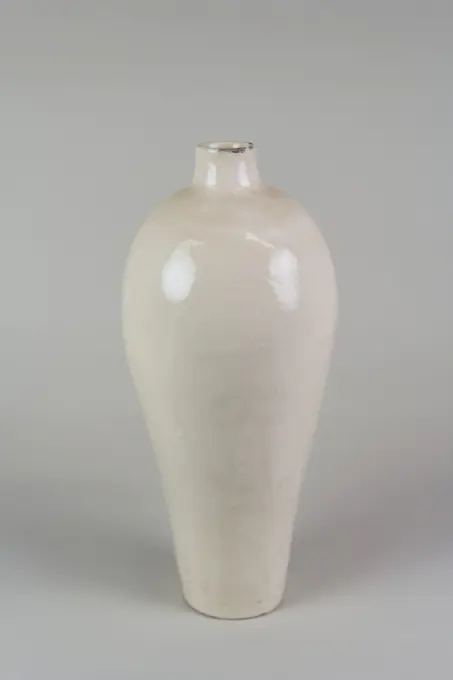
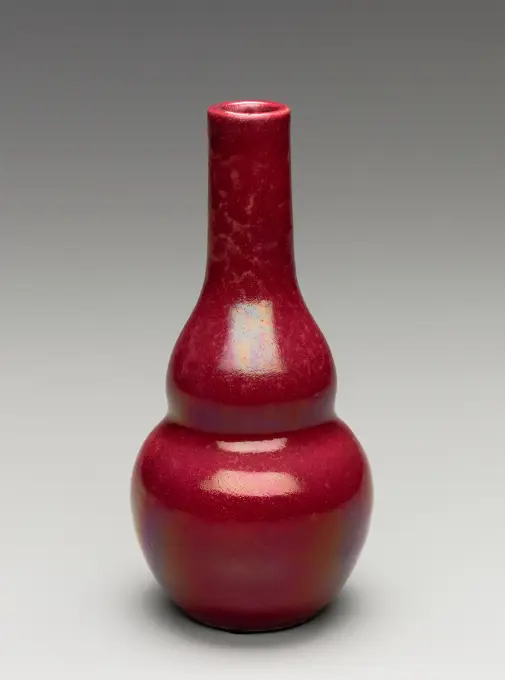
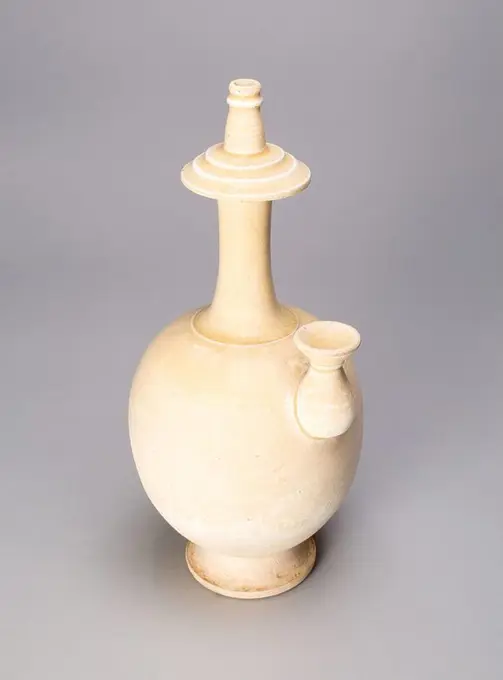
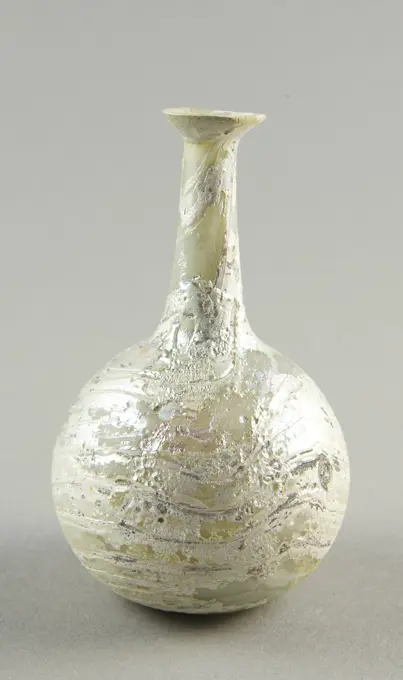
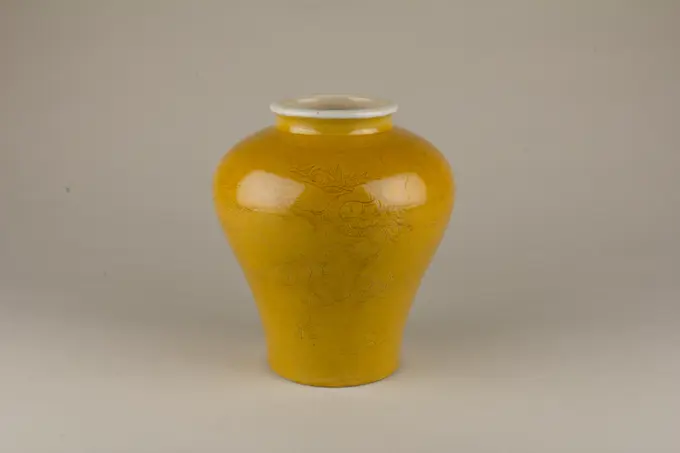
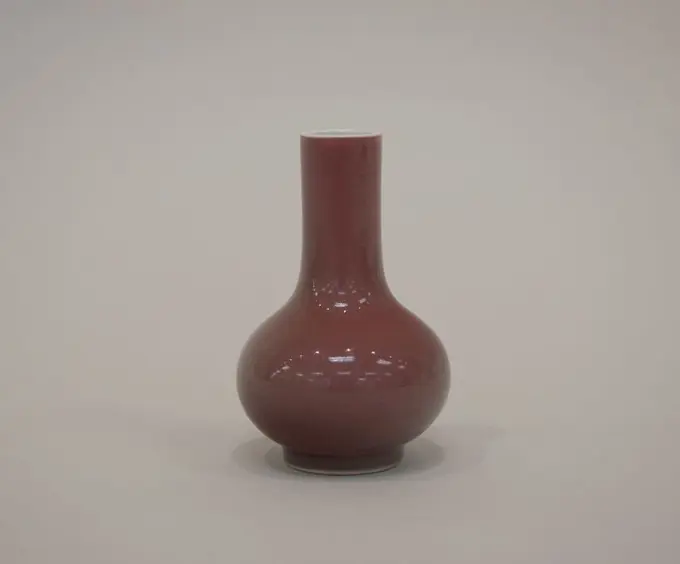
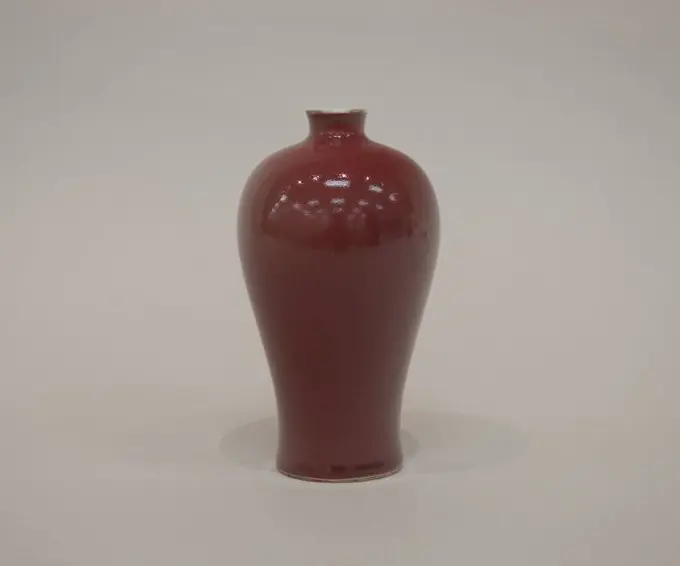
A range of traditional Chinese vases and containers from different dynasties, showcasing various glazes and styles.

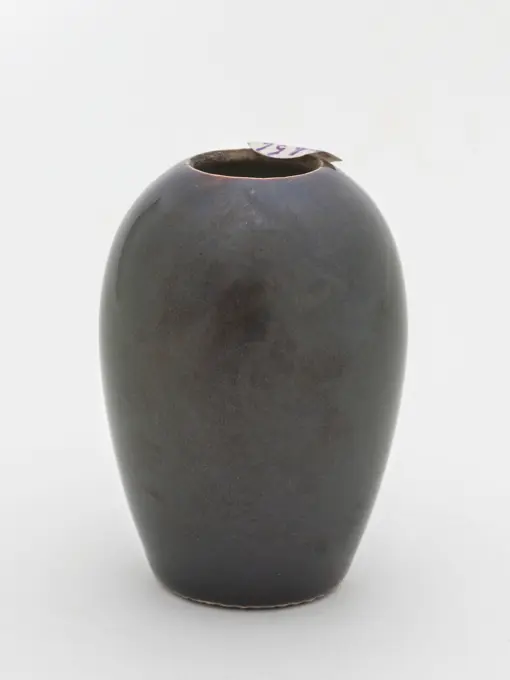
Bottle, 1723-1735, 7 5/8in. (19.4cm), Porcelain, China, 18th century
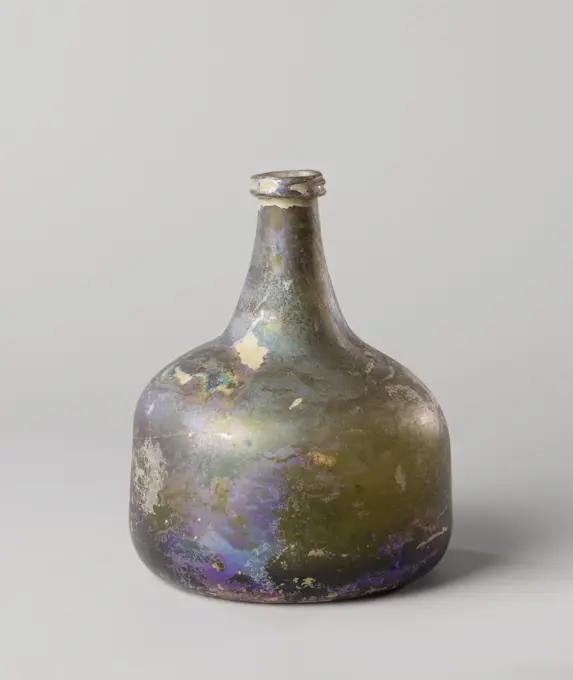
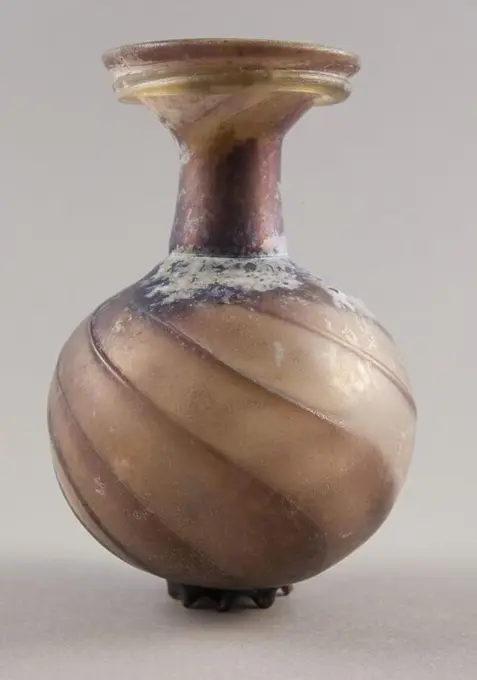
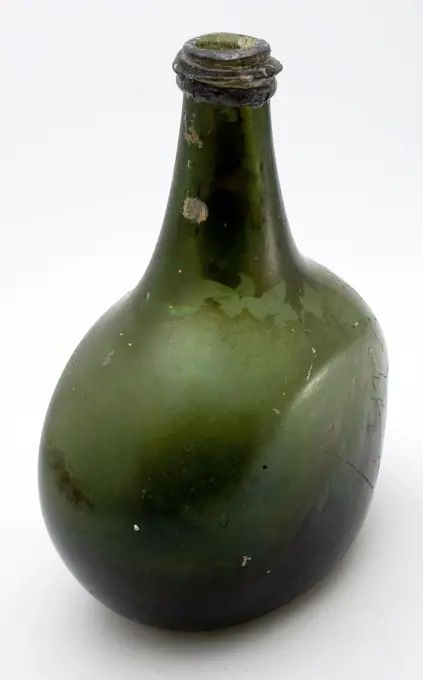
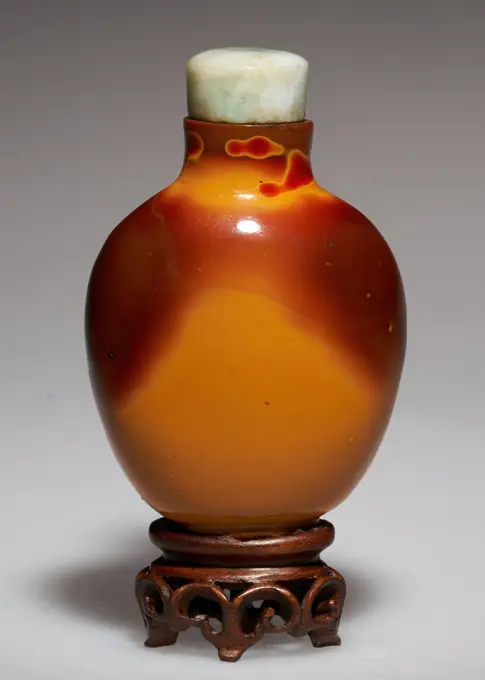
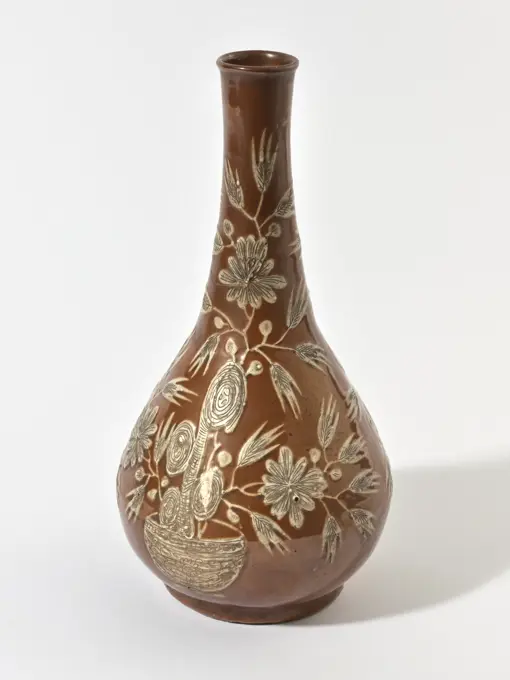
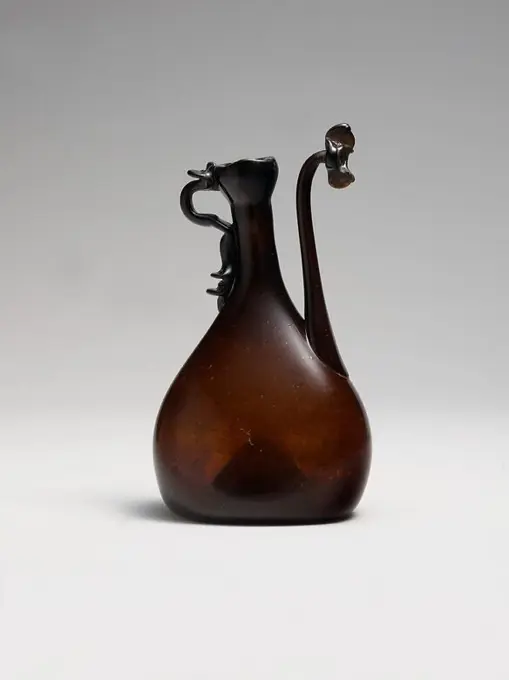
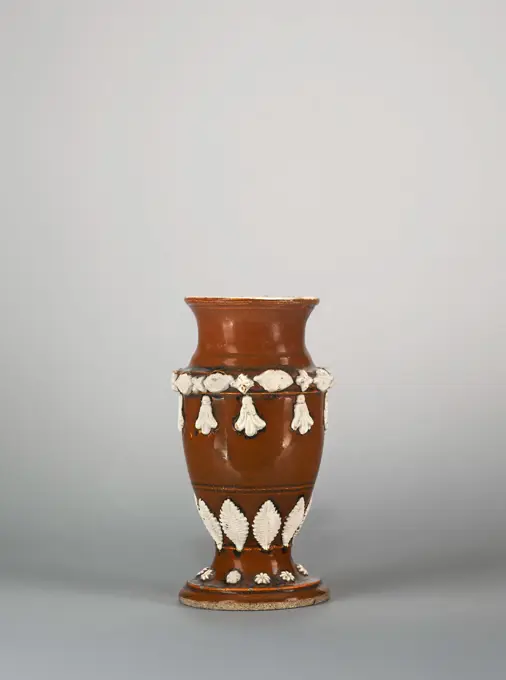
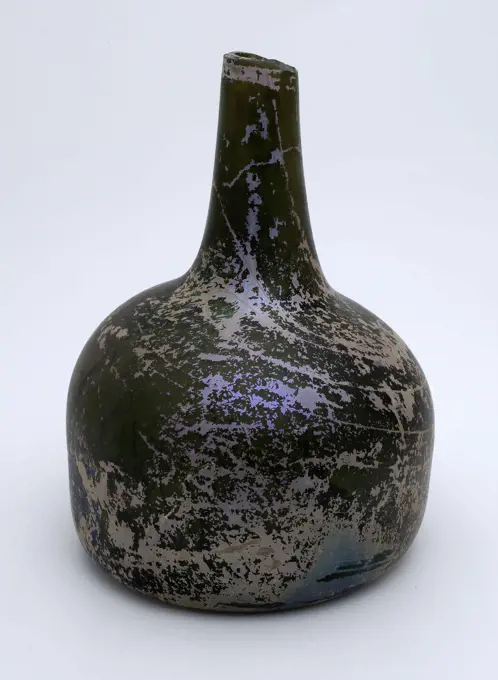
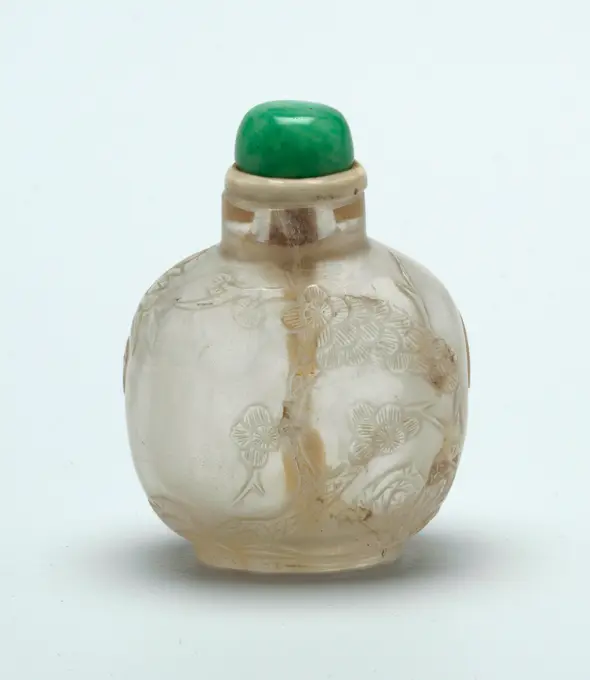
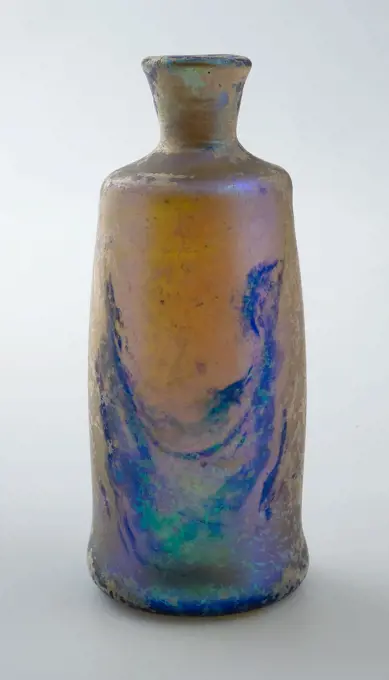
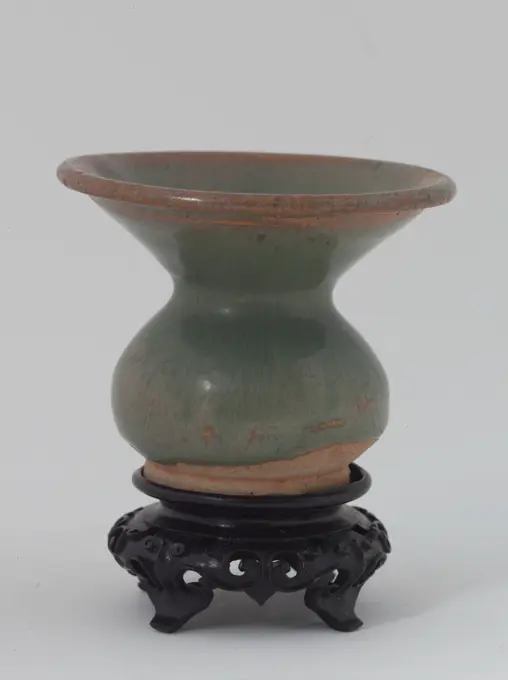
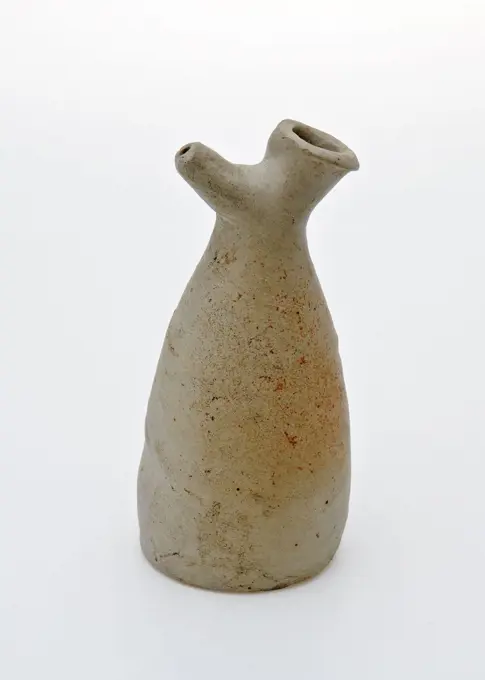
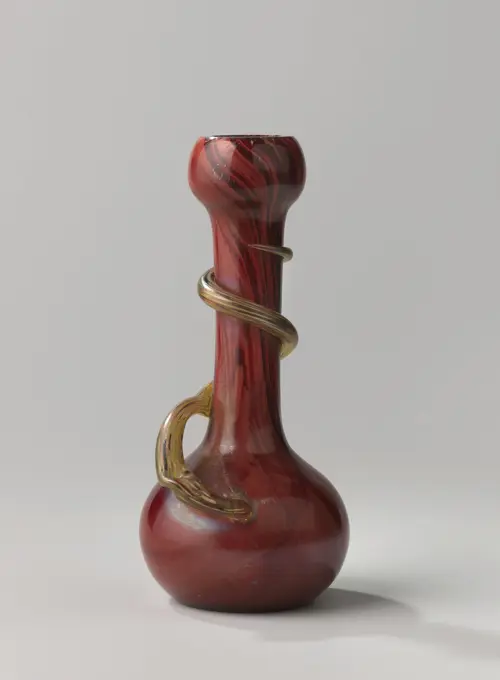
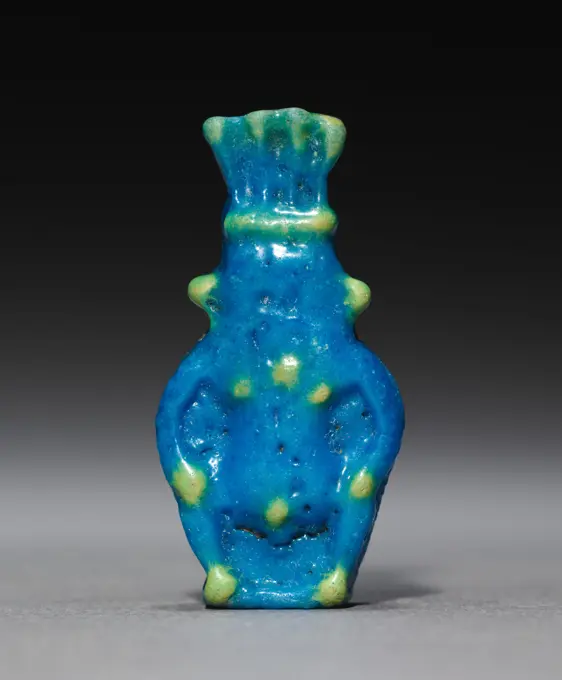
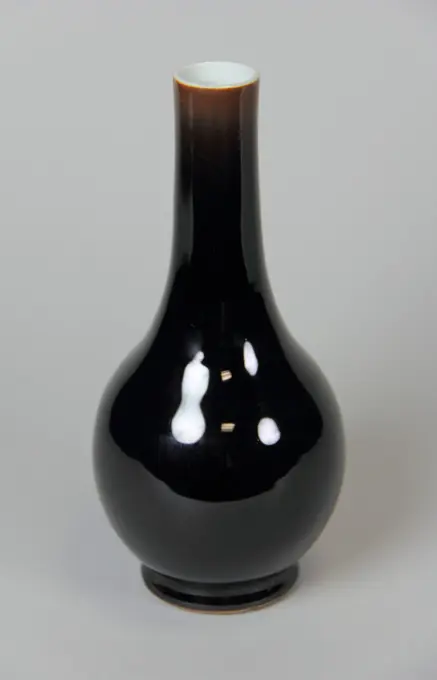
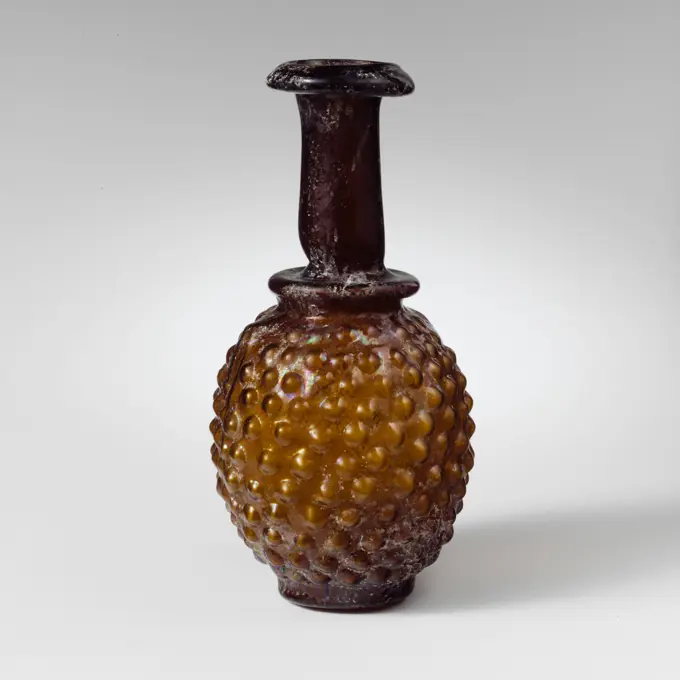
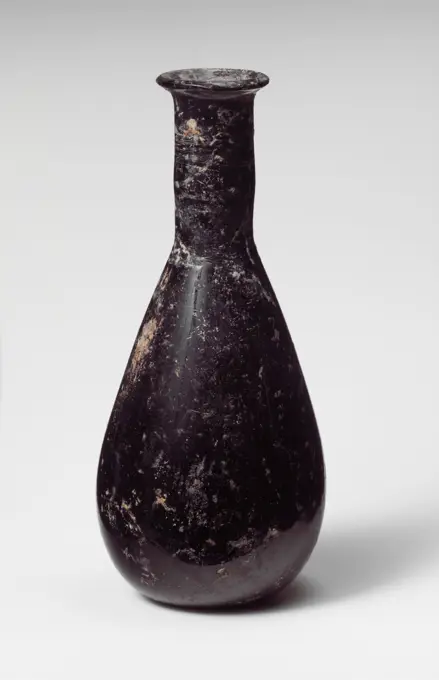
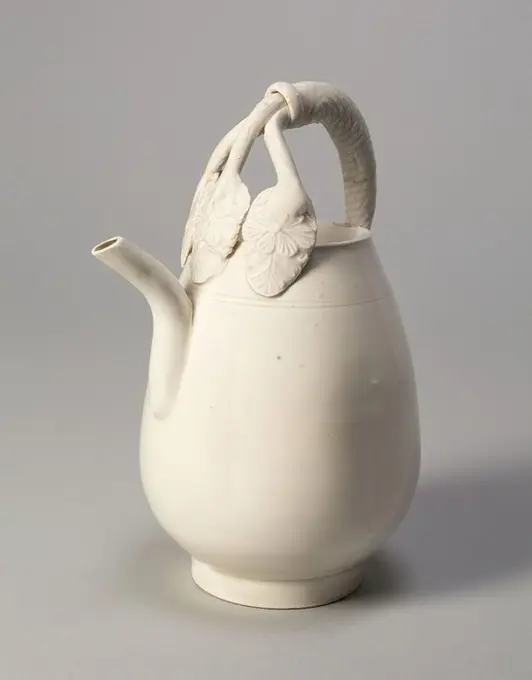
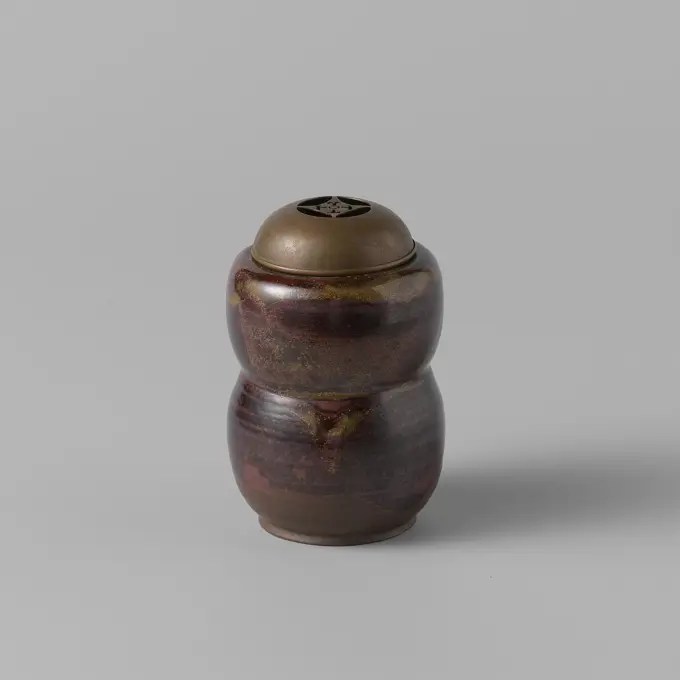
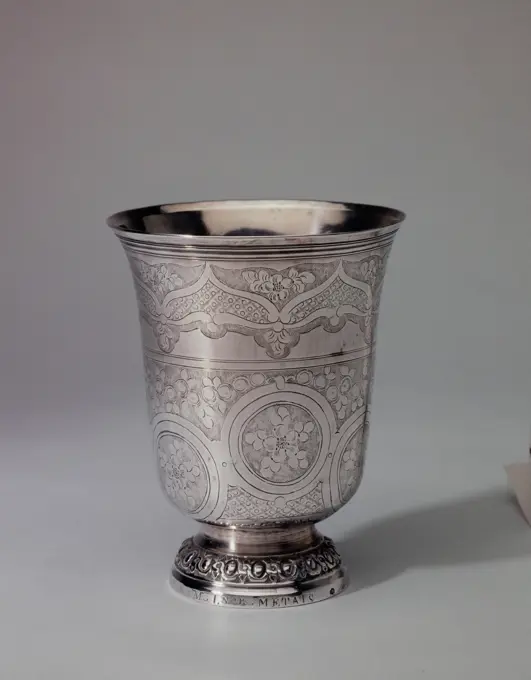
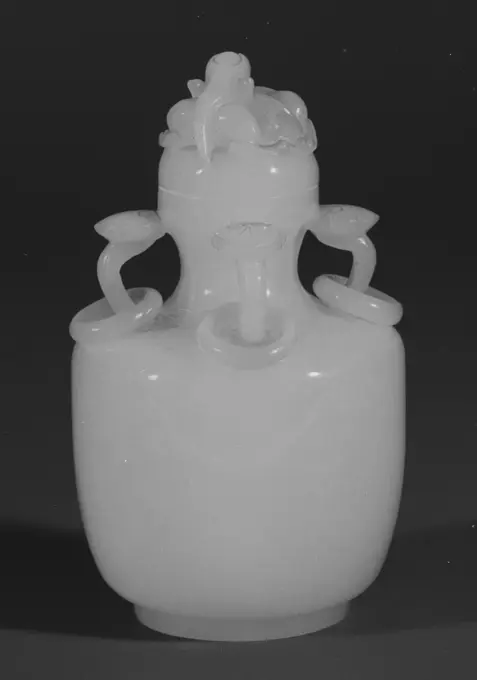
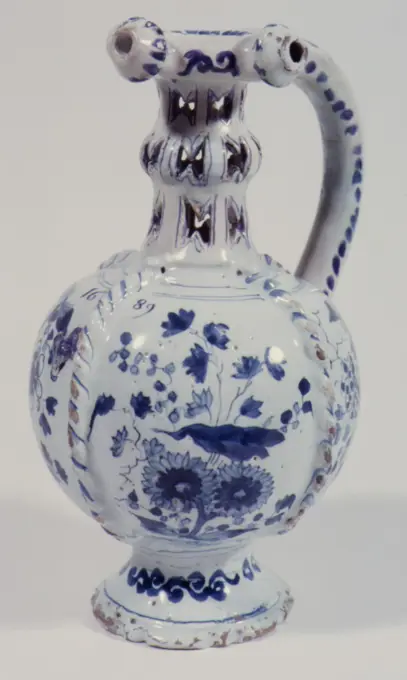
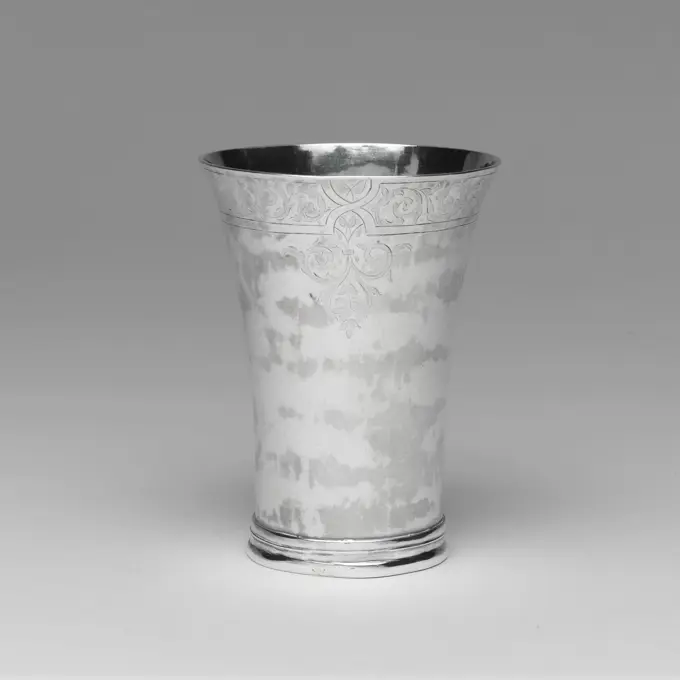
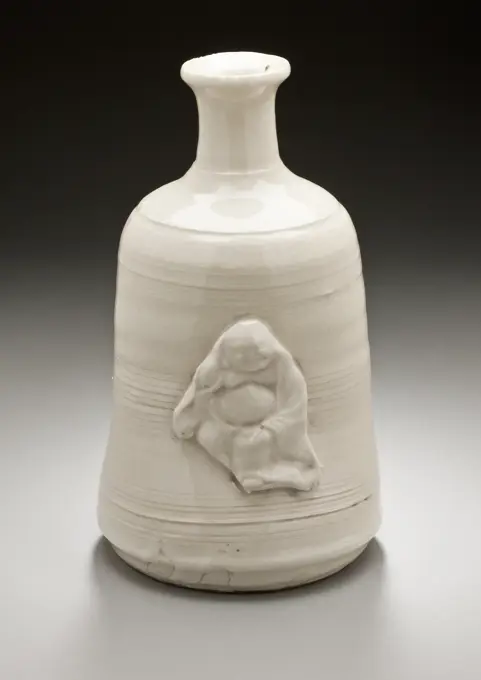
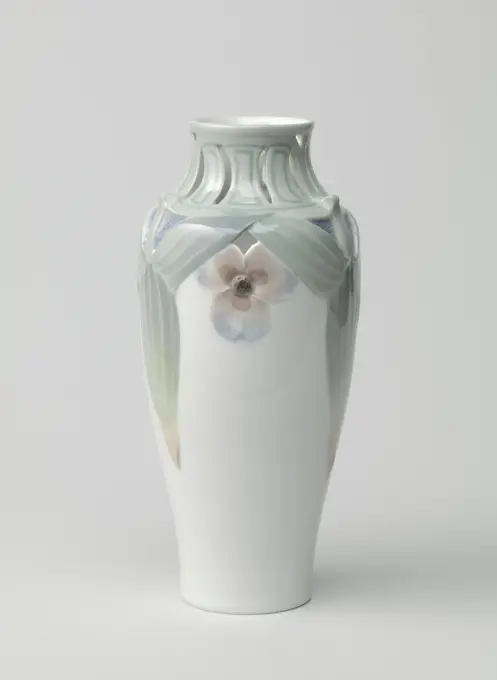
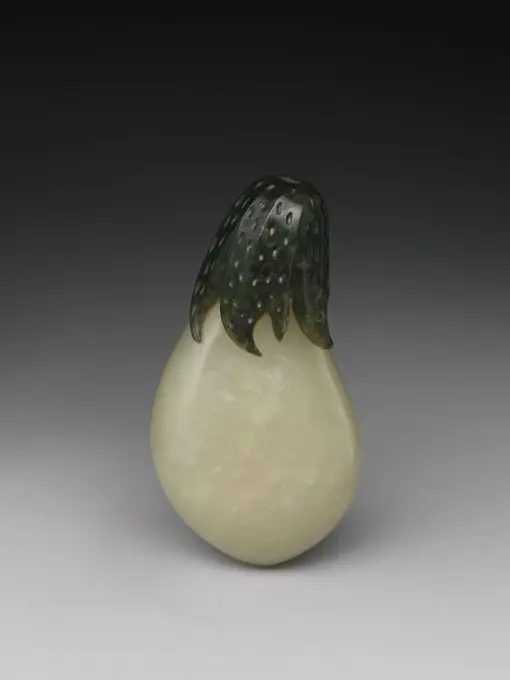
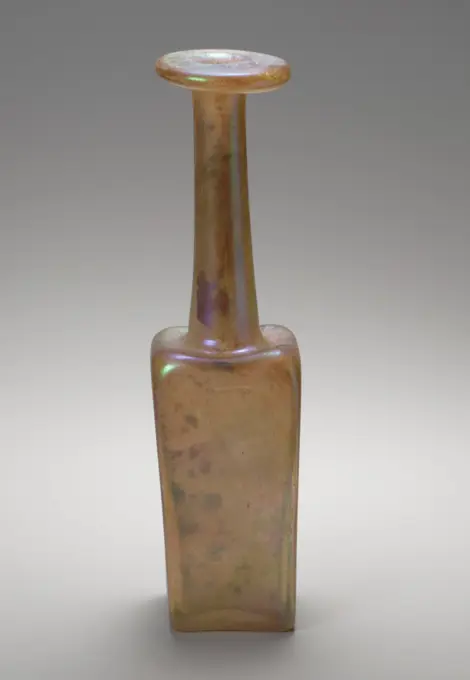
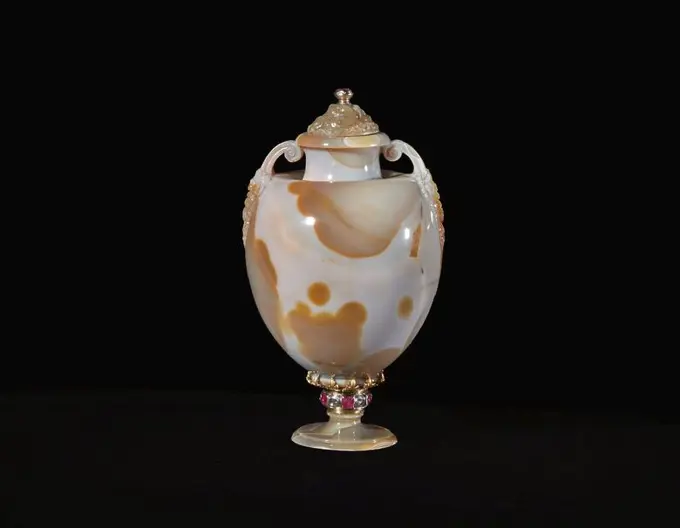
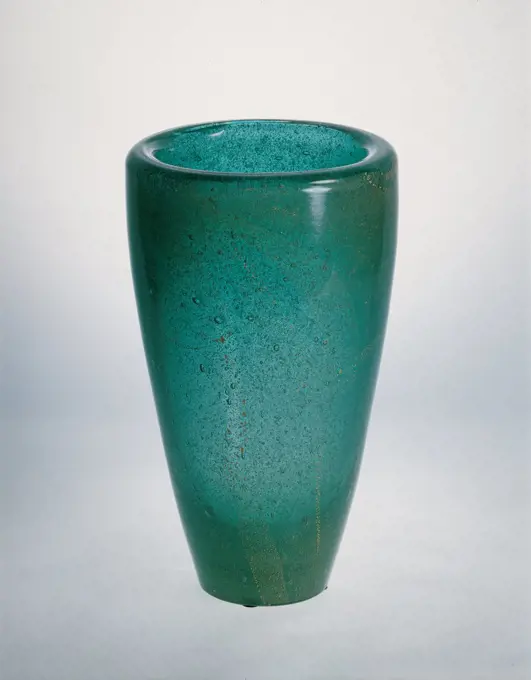
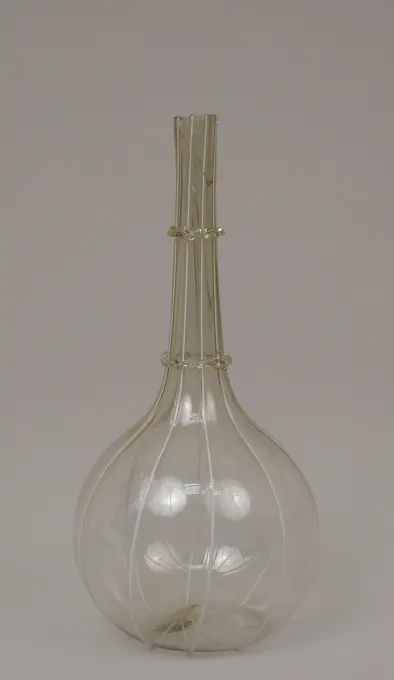
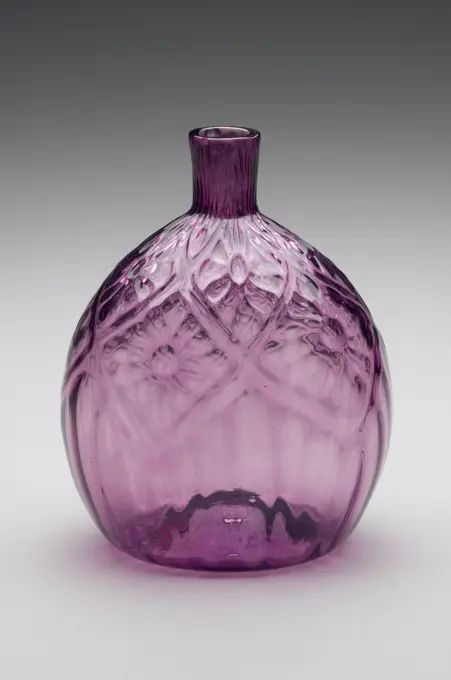
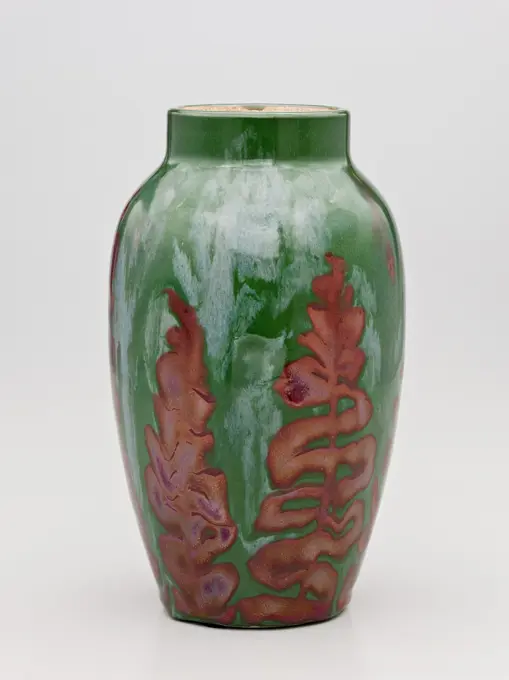
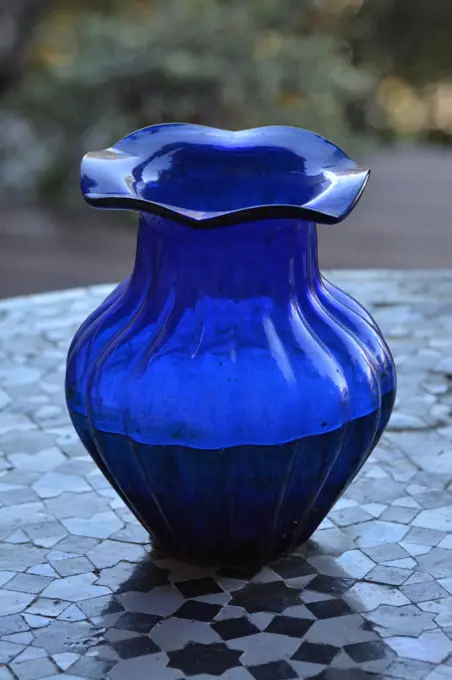
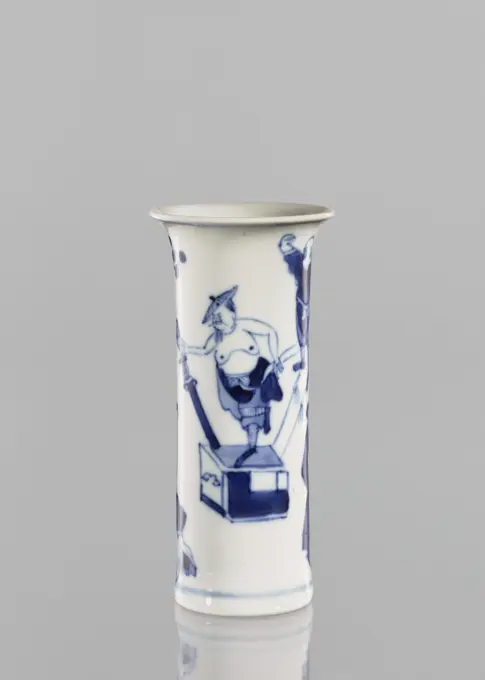
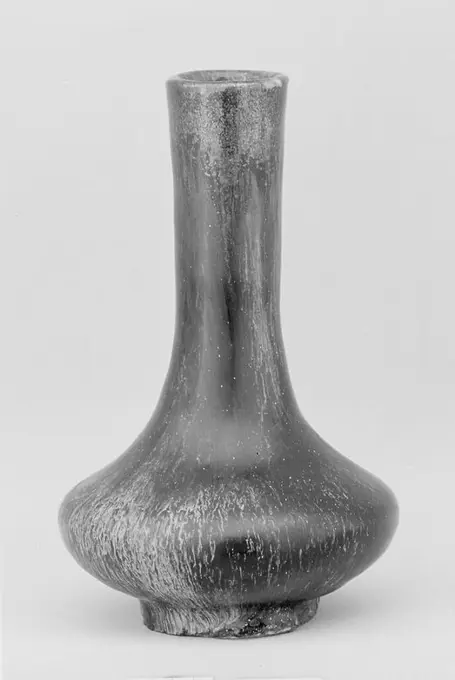
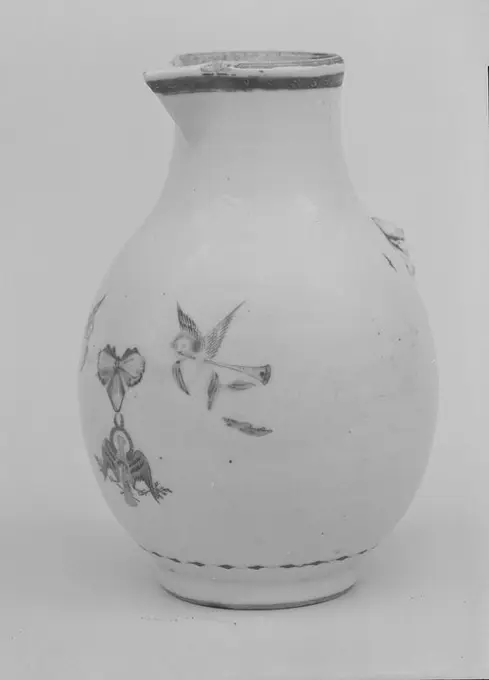
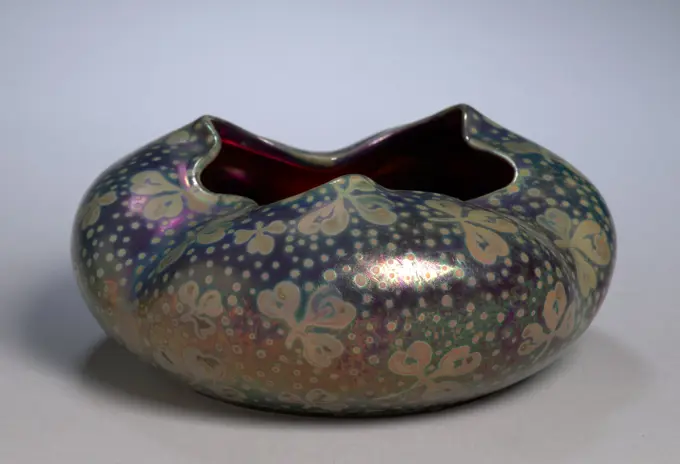
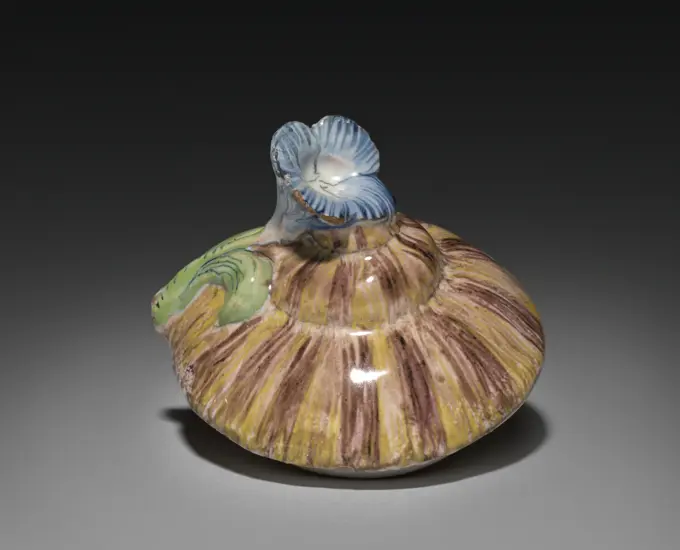
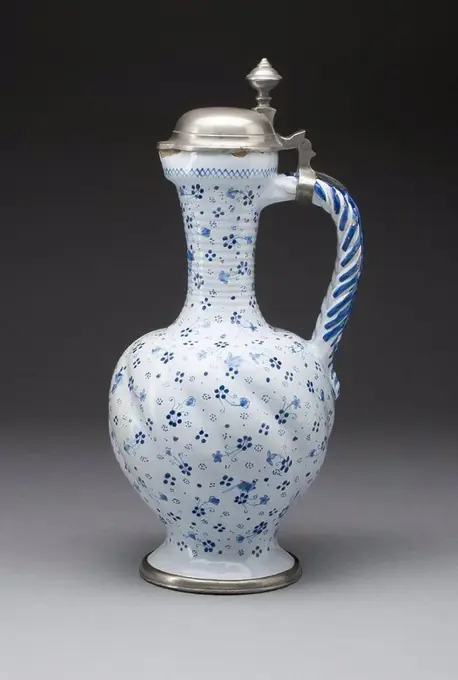
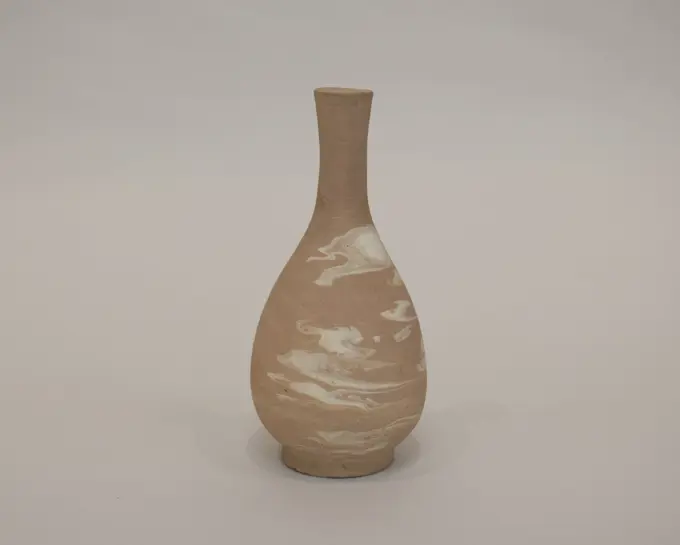
Meiping vase with floral scrolls 18th century China. Meiping vase with floral scrolls 48466Vase early 18th century China. Vase. China. early 18th century. Porcelain with black glaze (Jingdezhen ware). Qing dynasty, late Kangxi (1662-1722)-Yongzheng (1723-35) period. CeramicsBottle, 1723-1735, 7 5/8in. (19.4cm), Porcelain, China, 18th centuryVase ca. 1885-89 Chelsea Keramic Art Works Steeped in ceramics from birth, Hugh C. Robertson pursued his craft with fierce devotion and a passion for experimentation. From a family of trained English ceramists, he honed his skills in New Jersey before settling in Massachusetts as one of the founders of Chelsea Keramic Art Works and later, Dedham Pottery. Robertsons lifelong explorations in glazes, particularly their color and texture, make him one of the key figures of American art pottery at the turn of the twentieth century. During the 1880s Robertson increasingly turned his attention to developing new glaze formulas and clay bodies. In the middle of the decade he became obsessed with the highly coveted yet elusive sang-de-boeuf, or oxblood, glaze, a quest that became the hallmark of his later career. This richly colored blood-red glaze is traditionally created from a copper-based formula and fired in a kiln, which when wet straw and other materials are introduced, deprives the atmoBuddhist Water Sprinkler (Kundika). China. Date: 600 AD-699 AD. Dimensions: H. 29.3 cm (11 9/16 in.); diam. 13.6 cm (5 3/8 in.). Slip-coated stoneware with creme glaze. Origin: China. Museum: The Chicago Art Institute, Chicago, USA.Vase with gold -gloss blue glaze, St. Lukas, c. 1910 - c. 1920 Vase of earthenware with gold -glazing blue glaze. Utrecht earthenware Vase of earthenware with gold -glazing blue glaze. Utrecht earthenwareEwer probably 18th-19th century. Ewer 444772Bottle 100 BCE-1 BCE Syria. Glass, blown technique . Ancient LevantineBottle with spherical body, anonymous, c. 1725 - c. 1750 Bottle, cylindrical, of dark green glass with deep soul, becomes narrower to round shoulder upstairs in which neck with ring along the edge Northwest Europe glass glassblowing Bottle, cylindrical, of dark green glass with deep soul, becomes narrower to round shoulder upstairs in which neck with ring along the edge Northwest Europe glass glassblowingBottle, 19th century, Unknown Korean, 9 1/8 × 6 × 6 in. (23.18 × 15.24 × 15.24 cm), Porcelain, Korea, 19th centuryVase. Porcelain with a speckled brown cover. Paris, Cernuschi museum. 78838-1 Asian art, Chinese art, porcelain, container, vaseVase, 1723-1735, 6 1/8 in. (15.6 cm), Porcelain with clair de lune glaze, China, 18th centuryJar. Roman; Levant or Syria. Date: 101 AD-300 AD. Dimensions: H. 13.3 cm (5 1/8 in.); diam. 9.2 cm (3 5/8 in.). Glass, blown technique. Origin: Syria. Museum: The Chicago Art Institute, Chicago, USA. Author: ANCIENT ROMAN.Vase (USA); Manufactured by Doulton Pottery and Porcelain Company (United Kingdom); earthenware; 20 x 12 cm (7 7/8 x 4 3/4 in.)Snuff Bottle, 1644-1911. China, Qing dynasty (1644-1911). Glass; overall: 6.8 cm (2 11/16 in.).Snuff Bottle China. Snuff Bottle 41441ijker: Jan Haegmans, Bottle with pewter gauge band at the neck with Rotterdam city coat of arms, bottle holder soil found glass forest glass tin, cm). 1.7 cm under mouth around continuous pewter gauge band with Rotterdam city coat of arms and H as name letter of gauge master Jan Haegmans Above all round sharp glass wire which may indicate English manufacture or continental manufacture ' la façon d'Angleterre' Mouth flattened gauge band: Rotterdam city arms name letter gauge master (Jan Haegmans) archeology heraldry Rotterdam drink donate calibration gauge masterBottle probably 18th-19th century. Bottle 443120Vase, 11th-12th century, 9 x 4 1/2 in. (22.86 x 11.43 cm), Yaozhou ware Stoneware with carved decor under celadon glaze, China, 11th-12th centuryBottle, 8th century, 4 7/8 in. (12.38 cm), Xingyao ware Porcelaneous stoneware with clear glaze, China, 8th centuryBOTELLA CON CUELLO LARGO Y TAPA. Location: ALFARERIA. ALBOX. Almería. SPAIN.Snuff Bottle, 17th-19th century, 2 5/8 x 1 3/4in. (6.7 x 4.4cm), Glass, China, 17th-19th centuryVase. Red -cut brown covers, Ming. Provenance: China. Paris, Cernuschi museum. 78841-28 Asian art, Chinese art, art of living, fine ceramic, ming dynasty, porcelain, vaseBerkemeyer with two rows of prunts. The Netherlands or Germany, c. 1625-1675glassButelka z widokiem miasta Baiae. unknown, authorEwer. Dimensions: H. 5 1/2 in.. Date: probably 18th-19th century. Museum: Metropolitan Museum of Art, New York, USA.Snuff Bottle, 1644-1911. China, Qing dynasty (1644-1911). Glass; overall: 7.7 cm (3 1/16 in.).Small vase with an overlay ornament. Bolesławiec (ośrodek ceramiczny ; ca 1400- ), potter's workshopBottle Vase, 19th century, 9 1/2 x 4 1/2 in. (24.1 x 11.43 cm), Porcelain, China, 19th centuryBulbous bottle, wine bottle bottle holder soil find glass, free blown and shaped glass application Bottle shaped bottle bell model in clear green glass. Pontil mark under high, raised bottom Body with upright wall to convex shoulders and rejuvenated (h 8.0, - 2,7 cm) neck with remnant of imposed all-round glass thread archeology packagingSnuff Bottle And Stopper (China); rock crystal, jadeVase (USA); Manufactured by Rookwood Pottery (United States); Decorated by Edward Timothy Hurley (American, 1869-1950); glazed and hand-painted stonewareSmall cylindrical bottle with funnel-shaped neck, medicine bottle bottle holder soil find glass, free blown Small cylindrical bottle with short funnel-shaped neck in clear greenish glass Lightly lit bottom with pontilemark lightly sagged above the foot Oil-colored irrisation archeology health care indigenous glassware packing pharmacy craftCrachur ". Beige sandstone, bluish celadon covered. China, Tang dynasty (618-907). Paris, Cernuschi museum. Chinese art, Chinese ceramic, container, spittoon, tangal dynasty, container, base, terracottaStoneware feeding bottle with spout and squeegee, baby bottle eating utensils equipment soil finds ceramic stoneware, hand-turned baked Unglazed Cylindrical body with neck with filling hole and tapered suction mouth. Gray shard Stand surface with light soul archeology Rotterdam Kralingen-Crooswijk Struisenburg Buizengat indigenous pottery import infant cattle breeding drinking milk Soil discovery Rotterdam Buizengat Found 1983.Jar with dragon and phoenix late 17th-early 18th century China. Jar with dragon and phoenix 46933Carafe with neo -Renaissance and neo -gothic ornaments, anonymous, c. 1850 - c. 1900  Flat bottom and conical, faceted foot. Pear -shaped, faceted body with a protruding, wide, lobed edge, transfer in a cylindrical, faceted neck with three rings and a bent mouth. On the body six empty medallions, surrounded by neo -Renaissance and neo -gothic ties and rankwork. Europe glass glassblowing / grindingVase of glass, red marbled, anonymous, c. 1900 - c. 1920 Vase of glass, red -marbled. Art Nouveau. Bohemen (possibly) glass Vase of glass, red -marbled. Art Nouveau. Bohemen (possibly) glassBottle. Culture: China. Dimensions: H. 2 3/4 in. (7 cm); Diam. 1 3/8 in. (3.5 cm). Museum: Metropolitan Museum of Art, New York, USA.Pitcher 1884-86 Reading Artistic Glass Works. Pitcher 5842Bottle. Culture: China. Dimensions: H. 5 1/8 in. (13 cm); W. 3 1/8 in. (7.9 cm); Diam. of rim: 1 1/4 in. (3.2 cm); Diam. of foot: 1 3/4 in. (4.4 cm). Museum: Metropolitan Museum of Art, New York, USA.Amulet of Bes, 30 BC-AD 395. Egypt, Greco-Roman Period, Roman Empire. Polychrome faience; average: 3.7 x 1.8 x 0.7 cm (1 7/16 x 11/16 x 1/4 in.).Vase first half of the 19th century China. Vase. China. first half of the 19th century. Porcelain with black glaze. Qing dynasty (1644-1911). CeramicsGlass bottle shaped like a bunch of grapes ca. 3rd century A.D. Roman, Syrian Translucent honey brown.Rim folded out, down, over, and up, with beveled outer lip; cylindrical neck with horizontal tooled indent around base; slightly pushed-in horizontal shoulder with hollow projecting roll below; ovoid body; low cylindrical base, with flat bottom. Pontil scar at center of bottom. Body blown into a three-part mold of two vertical sections, extending from base to shoulder, and a disk-shaped base section.On body, a pattern of stylized grapes comprising eleven interlocking rows of twenty-two unevenly-spaced hemispherical knobs, and at top two indistinct leaves front and back between the mold seams, both on the same section of mold.Intact; many bubbles; patches of dulling, limy weathering, and iridescence.. Glass bottle shaped like a bunch of grapes 253127 Roman, Syrian, Glass bottle shaped like a bunch of grapes, ca. 3rd century A.D., Glass, H.: 5 1/4 in. (13.3 cm). The Metropolitan Museum Creamer. Culture: British, probably. Dimensions: H. 4 1/4 in. (10.8 cm). Date: 1780-1820. Museum: Metropolitan Museum of Art, New York, USA.Deposit of the University of Warsaw from 1937-1939, scenes.gal.eg., Egyptian ceramics, basics, Polish-French excavations in Edfu (Egypt)'Chalcedony' Bottle. Italy, Venice, 18th century. Furnishings; Accessories. Glass, gilt, metalChinese, Celadon Vase, porcelain.Bottle 10th century. Bottle 451791Jug - William Erastus Welding, 1872-1894 William Erastus Welding, 1872-1894Snuff Bottle, 17th-19th century, 2 5/8 x 1 5/8in. (6.7 x 4.1cm), Tortoise Shell, green jade, China, 17th-19th centuryHigh, cylindrical ointment jar or apothecary jar, white glazed, ointment jar pot holder ceramic earthenware enamel tinglage, hand turned baked glazed baked Cylindrical slightly conical ointment jar or apothecary jar white glazed. Stand with low soul Two constrictions just above the bottom and under the sloping top edge. Membrane pivot on the inside wrapping ointment medicine drug pharmacy store preserveCANTARO EN BARRO BLANCO SIN VIDRIAR - S XX ARTE POPULAR. Location: ALFARERIA. Churriana. Malaga. SPAIN.Glass perfume bottle 1st century A.D. Roman Translucent deep purple.Everted, fire-rounded rim, with beveled outer lip; cylindrical neck, slightly tooled in around base; piriform body' flattened but uneven bottom, slightly concave at center.Intact; a few bubbles and glassy inclusions; patchy iridescent weathering and limy encrustation.. Glass perfume bottle 244582Filigrane glass cup, anonymous, c. 1675 - c. 1700 Cup with inserted soil. Ribbed, colorless stand ring. Concave body with vertical melted opaak white threads. West-Europa glass glassblowing Cup with inserted soil. Ribbed, colorless stand ring. Concave body with vertical melted opaak white threads. West-Europa glass glassblowingCarafe with bubble pattern. Lightly inserted soul. Bulb body, blown in the form in a studded pattern. Slim neck with benten spout. Connected, curved ear.Tin Communion Cruet. Found at Weoley Castle, Birmingham, a Birmingham Museums Trust heritage siteSmall pot and lid. Bolesławiec (ośrodek ceramiczny ; ca 1400- ), potter's workshopMelon-Shaped Ewer with Triple-Strand Handle. China. Date: 1001-1100. Dimensions: H. 15.7 cm (6 3/16 in.); diam. 11.1 cm (4 3/8 in.). Glazed porcelain with underglaze mold-impressed decoration. Origin: China. Museum: The Chicago Art Institute, Chicago, USA.. Flat foot with beaten edge. The hollow strain that is made up of two large and three smaller bulbs is in open connection with the trumpet-shaped chalice. On the second sphere from above four blue bram buds.. Stoneware incense burner with a double balebase, partially covered with an eggplant and ocher-colored glaze (takatori or shigaraki).Anonymous. "Cup". Money. 1776-1777. Museum of Fine Arts of the City of Paris, Petit Palais. 74381-16 Money, silverware, gobletCovered vase 18th century China. Covered vase. China. 18th century. Jade. JadeCup.   Maker: William Forbes, American, 1799-1864Retailer: Ball, Tompkins and Black, active ca. 1839 - 1851Puzzle jug dated 1689 British, Lambeth. Puzzle jug. British, Lambeth. dated 1689. Tin-glazed earthenware (delftware). Ceramics-PotteryBeaker 1761-85 John Burt Lyng. Beaker 16313Sake Bottle with Applique of Hotei. Japan, Edo period, 1615-1868, mid-18th century. Ceramics. Bizen ware; stoneware with applique and white glazeMiniature Bottle. Culture: China. Dimensions: H. 4 in. (10.2 cm). Museum: Metropolitan Museum of Art, New York, USA.Maker Unknown, Decanter and Stopper, c. 1825-40, colorless lead glass.. Engraved on the bowl of this glass are the words Vincens tui’ (Conquer thyself). Anna Roemers Visscher derived the butterfly and fly motifs from a late 16th-century print by Nicolaes de Bruyn.Elongated baluster vase with two lion masks, anonymous, c. 1700 - c. 1799 High, baluster-shaped vase of porcelain, covered with a translucent cream-colored glaze. The vase has a short neck with spreading wall and a lion mask on either side of the body. Unglazed underside. Blanc the Chine. China porcelain. glaze vitrification High, baluster-shaped vase of porcelain, covered with a translucent cream-colored glaze. The vase has a short neck with spreading wall and a lion mask on either side of the body. Unglazed underside. Blanc the Chine. China porcelain. glaze vitrificationVase of porcelain, decorated in pâte-sur-pâte with leaves and flowers, Nils Erik Lundström, c. 1900 Vase of porcelain, decorated at the top in Pâte-sur-Pâte technology with the long leaves of pulp herb, between which flowers, in green and two shades of pink and blue and dark pink to purple hearts near the flowers. Openwork shoulder and neck. Rörstrand porcelain Vase of porcelain, decorated at the top in Pâte-sur-Pâte technology with the long leaves of pulp herb, between which flowers, in green and two shades of pink and blue and dark pink to purple hearts near the flowers. Openwork shoulder and neck. Rörstrand porcelainSnuff Bottle in the Shape of an Eggplant. Culture: China. Dimensions: H. 2 7/16 in. (6.2 cm); W. 1 5/16 in. (3.3 cm); D. 1 in. (2.5 cm). Date: late 18th century. Museum: Metropolitan Museum of Art, New York, USA.Glass 'Mercury' bottle 3rd century A.D. Roman Colorless with pale yellow green tinge.Broad rim, folded out, down, round and in, and flattened on top surface; thick-walled cylindrical neck, expanding downwards; pushed-in horizontal shoulder with raised rounded corners; square, thick-walled body, with flat sides; concave bottom.In relief on bottom, standing peacock, facing right, with crest above head and tail feathers displayed behind in a stylized fashion with two circular rows of dots.Intact; dulling, pitting, and brilliant iridescence covering almost all of surfaces.Bottles of this type are often called Mercury flasks because the figure of Mercury, the Roman god of commerce and trade, appears in molded relief on the bottom of some examples. On the bottom of this bottle is a peacock with outstretched tail feathers. These sturdy and very portable containers are found mainly in Italy and the western provinces; they are virtually unknown from the eastern half of the Empire.. Glass 'MercuGasparo Miseroni () / 'Agate urn with masks'. 1550 - 1600. Agate, Diamond, Enamel, Gold, Ruby. Museum: Museo del Prado, Madrid, España.Vase (USA); Manufactured by Dedham Pottery; Made by Hugh Cornwall Robertson (1845 - 1908); earthenware, oxbloodVase (submerged technique), by Scarpa Carlo, 1934, 20th Century, glass. Italy, Piemonte, Turin, private collection. Whole artwork. Vase green light blue: azure.Bottle 17th-18th century Italian, Venice (Murano) During the Renaissance, Venetian glassmakers, working on the island of Murano, were celebrated across Europe for their fine and sparkling work. Called cristallo” emulating the clarity of rock crystal, in the hands of the most skilled glassblowers the medium could be delightfully manipulated, variously stretched paper-thin flat, or playfully twisted, or blown into molds with spectacular patterns.. Bottle. Italian, Venice (Murano). 17th-18th century. Glass. GlassTabakierka z łyżeczką. unknown, craftsmanZinc pitcher cover, with a guild emblem; Boles 2 after. 18th century (1750-00-00-1800-00-00);features of maltakers and brewers, features, guild emblems, stoneware in Bolesławieckie, overlay decorationPerfume or toiletbottle. Maker, attributed to: Henry William Stiegel, American, 1729-1785Clutha Vase 1890-1900 Glasgow. In designing his Clutha line, Dresser looked to ancient Roman and Venetian glass that incorporated several colors to great effect. His embrace of naturally occurring bubbles and striations in the glass lends a handcrafted aesthetic, while the vaseís sinuous form references the burgeoning Art Nouveau style. Clutha is the ancient Celtic name for Clyde, the river that flows through Glasgow; the maker of this vase, James Couper and Sons, was located on the banks of the River Clyde. The Clutha line was sold at the fashionable department store Liberty and Co. in London.. Blown glass . Christopher Dresser (Designer)Warzenbecher. Niemcy, creatorVase ca. 1896-1908 Dedham Pottery Steeped in ceramics from birth, Hugh C. Robertson pursued his craft with fierce devotion and a passion for experimentation. From a family of trained English ceramists, he honed his skills in New Jersey before settling in Massachusetts as one of the founders of Chelsea Keramic Art Works and later, Dedham Pottery. Robertsons lifelong explorations in glazes, particularly their color and texture, make him one of the key figures of American art pottery at the turn of the twentieth century.From Chelsea to Dedham, Robertson continued to pursue his passion for innovation, employing the grayish-white stoneware used for Dedhams dinnerware to throw simple forms covered with bold combinations of colored and textured glazes. Despite his financial backers stipulation against further research into sang-de-boeuf, or oxblood, glazes, Robertson did not entirely abandon that costly pursuit. Many of his Dedham vessels have brilliant layerings of red and purple glazes. blue glass vase on a black and white mosaic tableSmall flute-type vase. unknown, craftsmanPrunus Vase. Culture: China. Dimensions: H. 7 1/8 in. (18.1 cm); W. 3 1/2 in. (8.9 cm); Diam. of rim: 1 1/4 in. (3.2 cm); Diam. of foot: 2 1/2 in. (6.4 cm). Museum: Metropolitan Museum of Art, New York, USA.Communion jug and two cups, anonymous, c. 1700 - c. 1750 Tin's Supper Cup. The slightly curved foot is profiled. In addition, the inverted conical cup, which is slightly profiled on the edge. Northern Netherlands tin (metal) casting  Westerkerk Tin's Supper Cup. The slightly curved foot is profiled. In addition, the inverted conical cup, which is slightly profiled on the edge. Northern Netherlands tin (metal) casting  WesterkerkCandlestick. Michaelis, Johann C. (fl. ca 1800-ca 1830), goldsmithDecanter. Dated: 1935/1942. Dimensions: overall: 35.5 x 24.5 cm (14 x 9 5/8 in.). Medium: watercolor, gouache, and graphite on paper. Museum: National Gallery of Art, Washington DC. Author: Frank M. Keane.Cup with panorama of the Rhine from Cologne to Rees. Cup of silver. Back to the top Dealing and bottled in an edge with geometric figures. The Rhine journey of Dirk Scheij is engraved with inscriptions on the cup.Vase. Culture: Japan. Dimensions: H. 7 in. (17.8 cm). Date: 19th century. Museum: Metropolitan Museum of Art, New York, USA.Jug (England); glazed stoneware, pewterCream Jug. United States, 1770-1820. Furnishings; Serviceware. Lead glassCream Pitcher. Culture: Chinese. Dimensions: H. 4 3/4 in. (12.1 cm). Date: ca. 1784. Museum: Metropolitan Museum of Art, New York, USA.Beaker, Bell 6th-7th century Frankish. Beaker, Bell 465681 Frankish, Beaker, Bell, 6th7th century, Glass, Overall: 4 x 2 11/16 in. (10.2 x 6.9 cm). The Metropolitan Museum of Art, New York. Gift of J. Pierpont Morgan, 1917 (17.193.343)Bowl, early 1900s. Weller Pottery (American), Jacques Sicard (French, 1865-1923). Earthenware decorated with lustre glazes; diameter: 17.2 cm (6 3/4 in.); overall: 7.5 cm (2 15/16 in.).Cover for a Box in the Form of a Snail, c. 1750. Strasbourg Factory (French). Faience; overall: 7.7 x 12.4 x 7 cm (3 1/16 x 4 7/8 x 2 3/4 in.).Wine Jug. Germany, Hanau. Date: 1715-1725. Dimensions: 32.4 × 16.5 cm (12 3/4 × 6 1/2 in.). Tin-glazed earthenware (faience) and pewter. Origin: Germany. Museum: The Chicago Art Institute, Chicago, USA.Vase 12th-13th century China. Vase. China. 12th-13th century. Stoneware with marbled slip decoration (Cizhou type ware). Jin dynasty (1115-1234). Ceramics