Chinese Ceramics

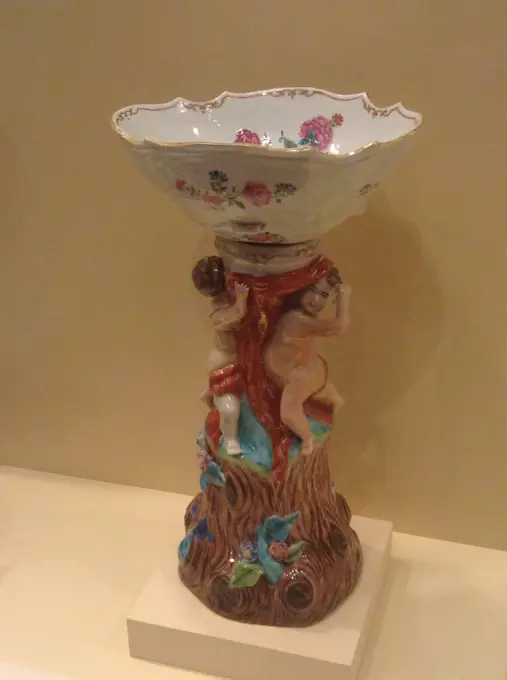
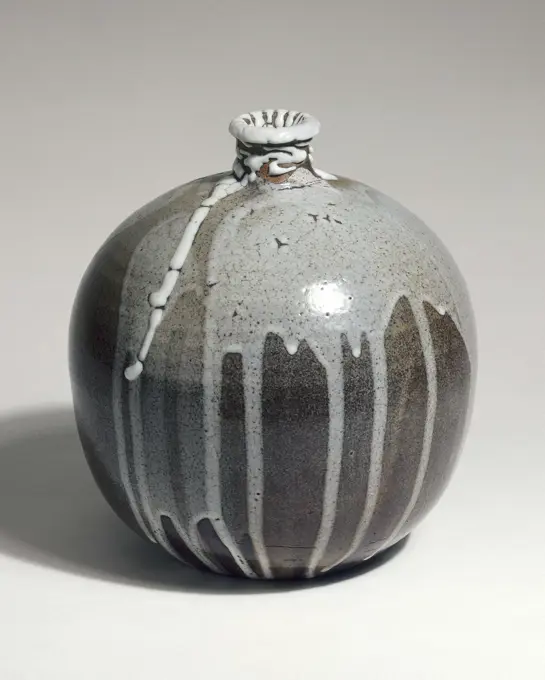
A range of traditional Chinese vases and containers from different dynasties, showcasing various glazes and styles.

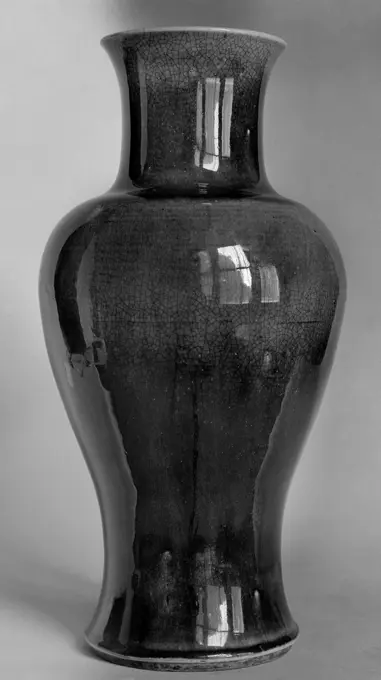
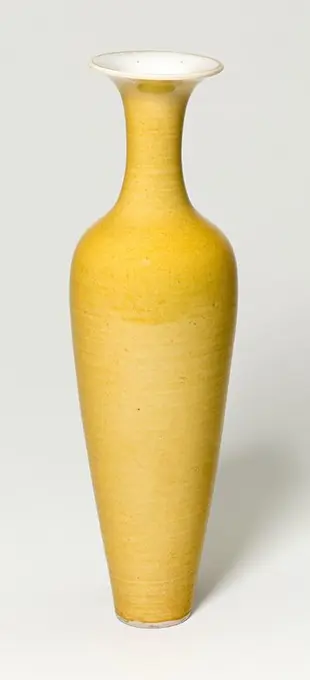
Bottle, 1723-1735, 7 5/8in. (19.4cm), Porcelain, China, 18th century
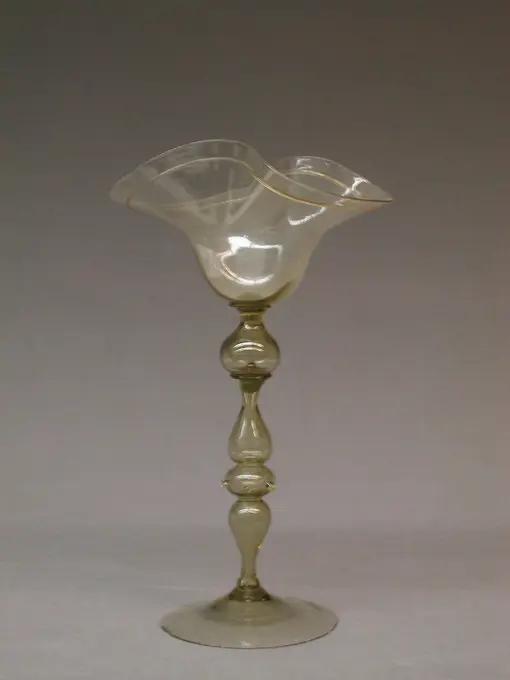
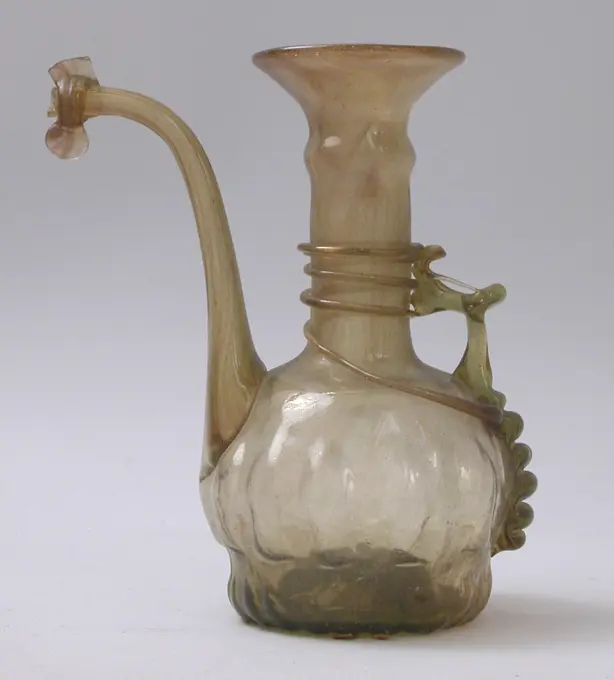
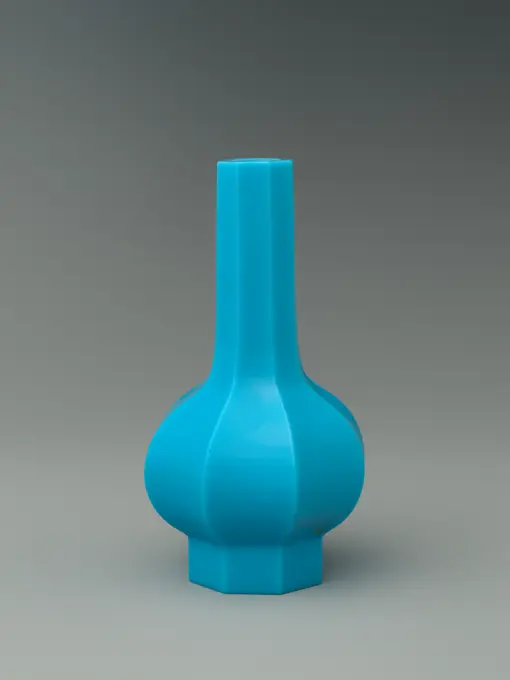
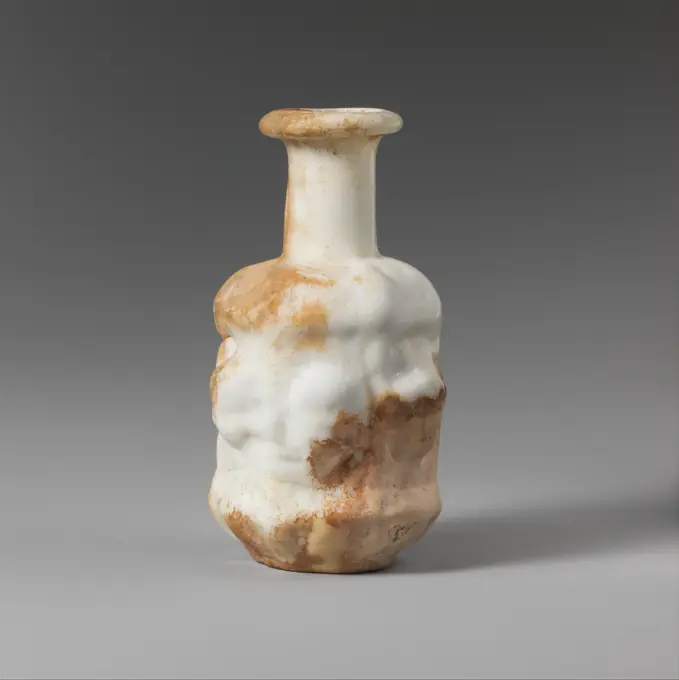
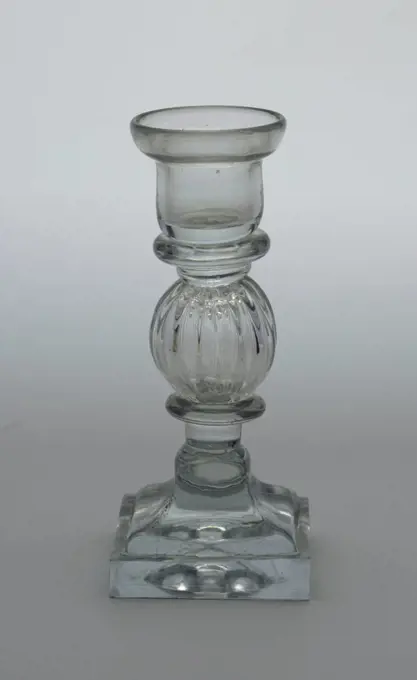
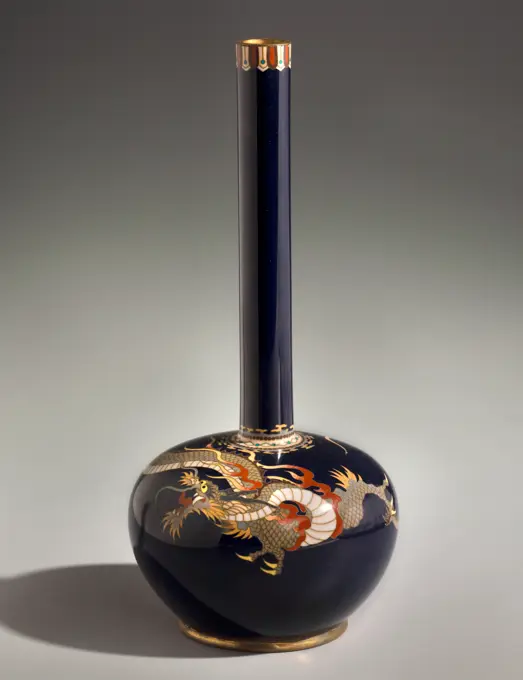
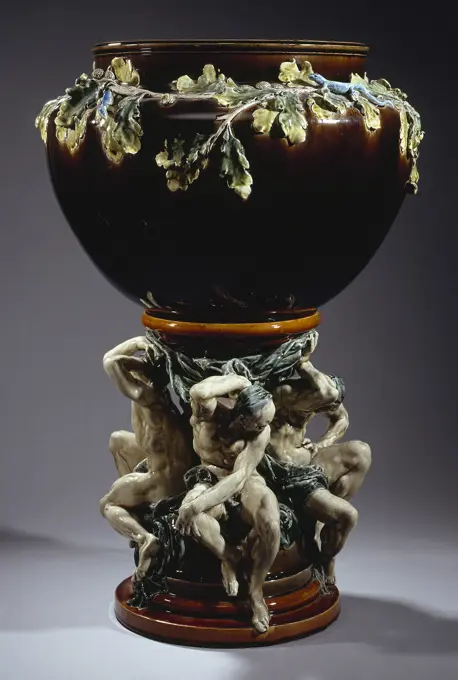
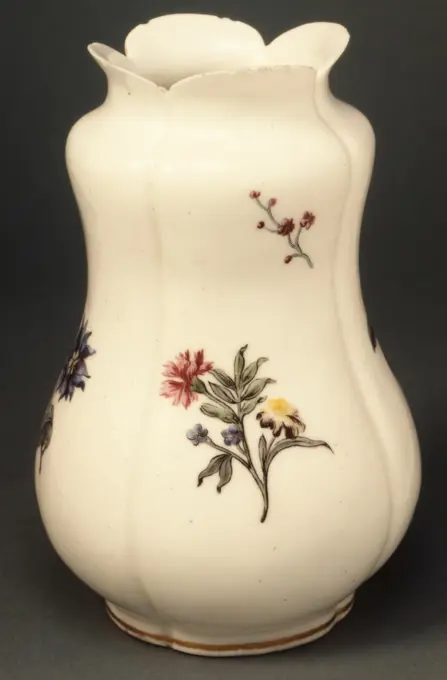
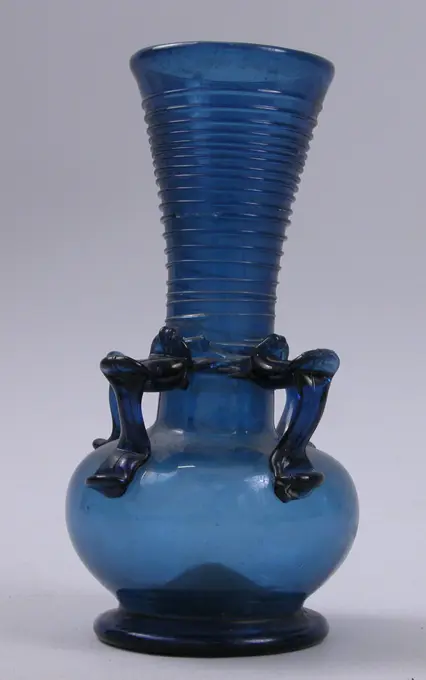
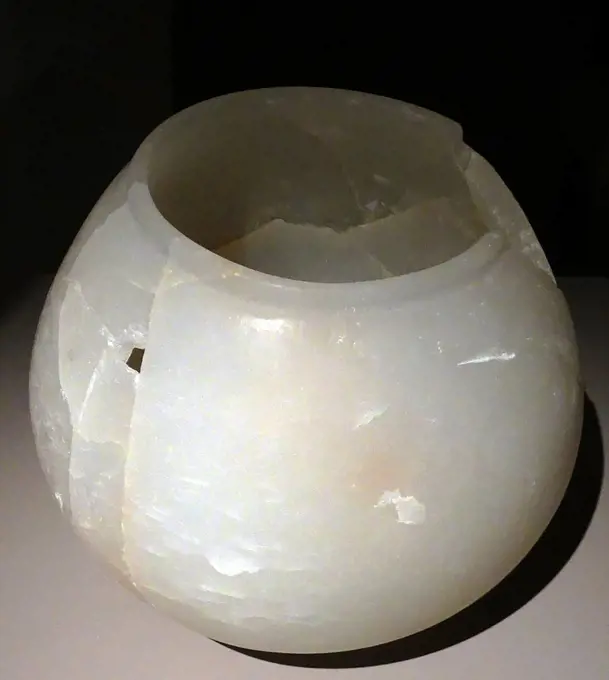
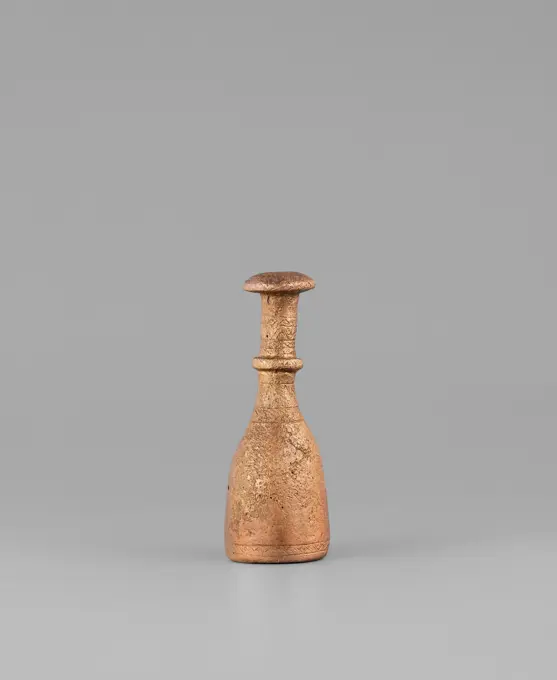
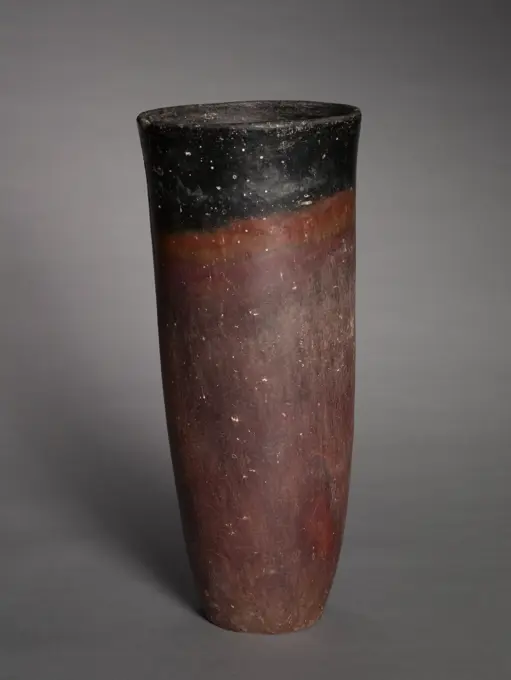
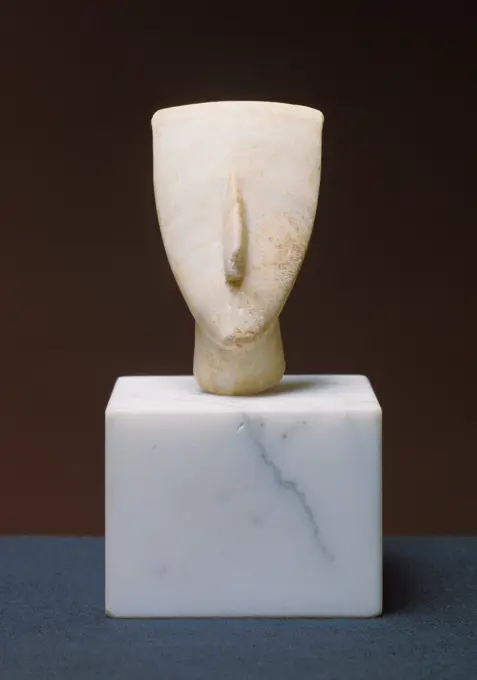
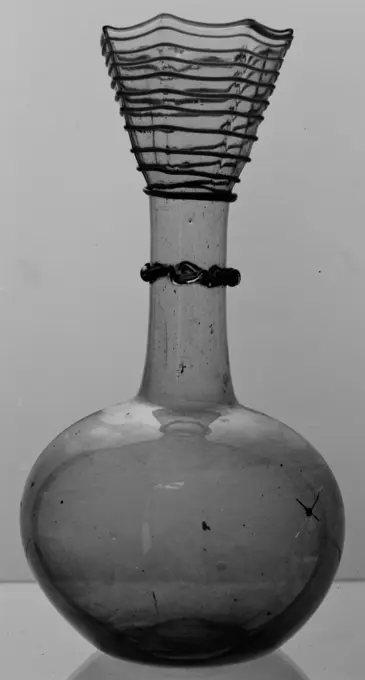
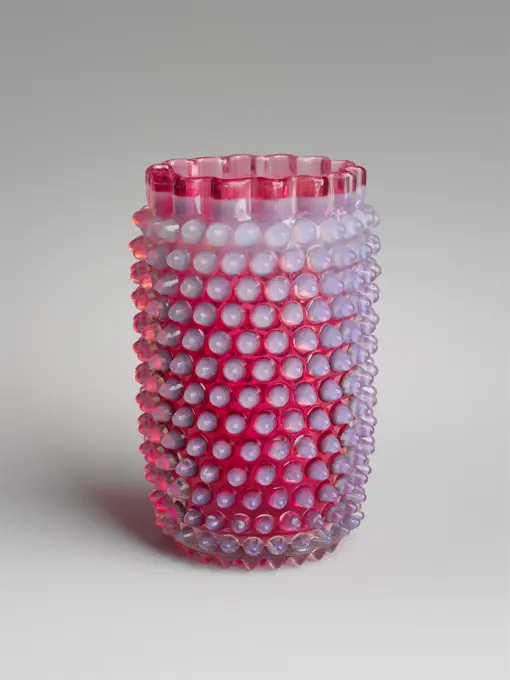
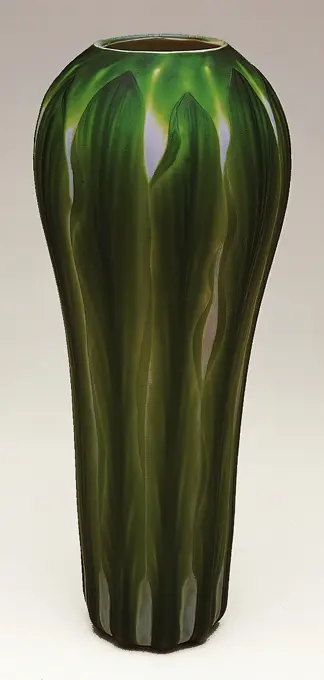
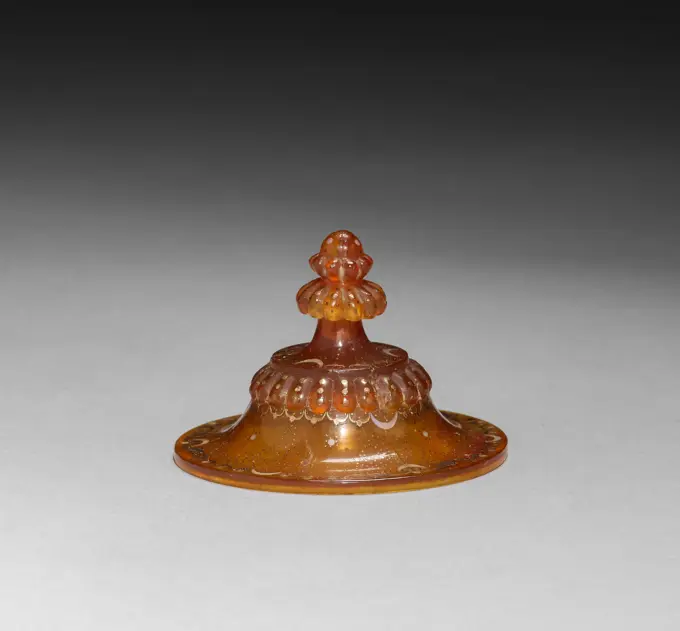
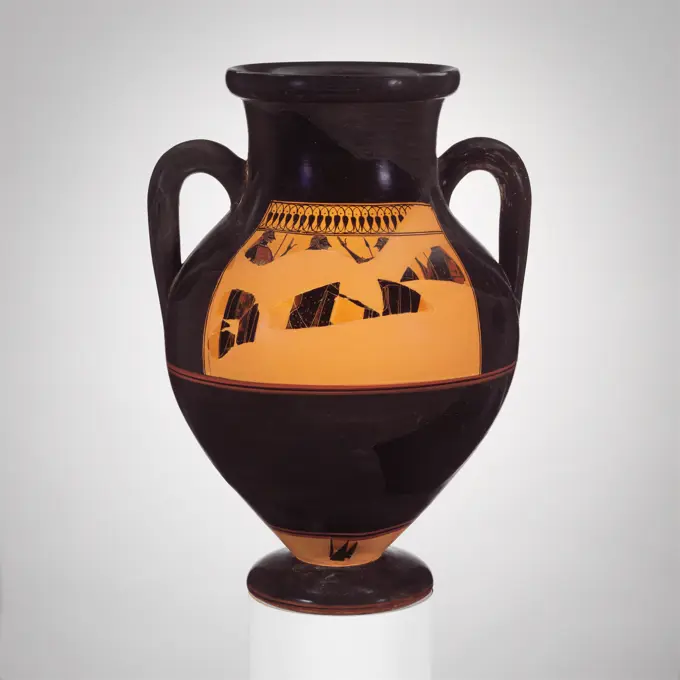
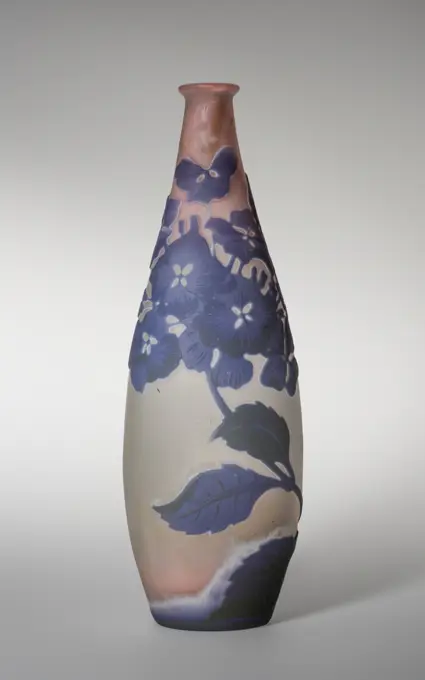
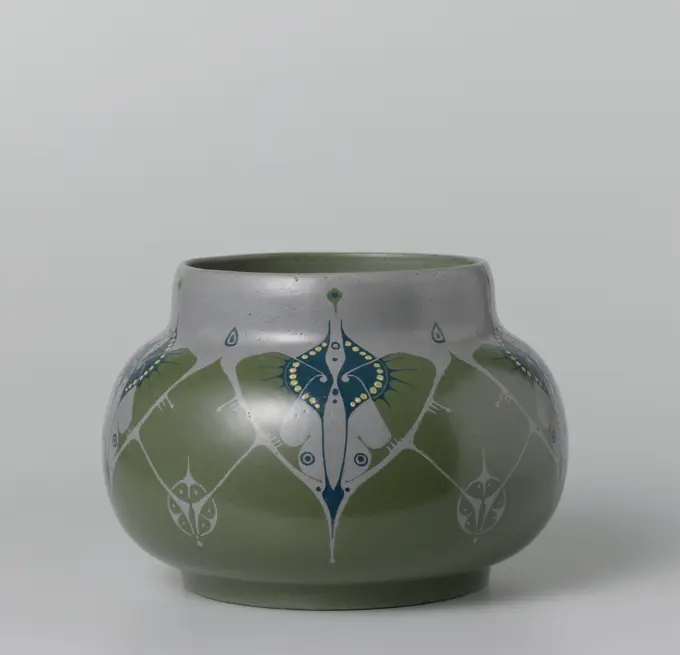
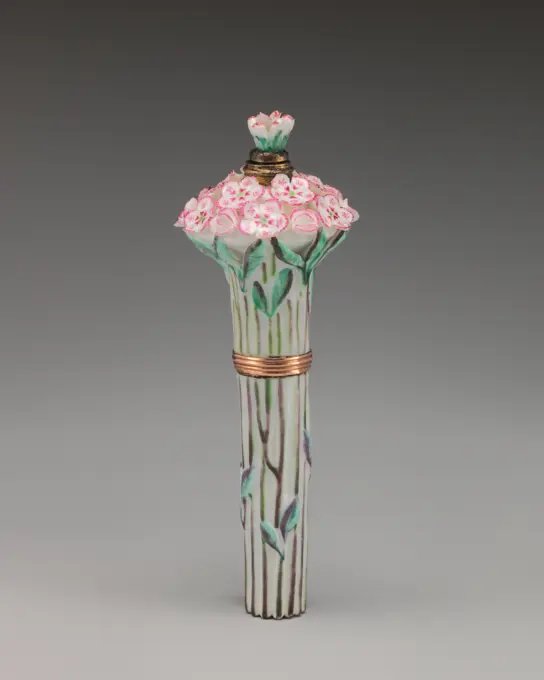
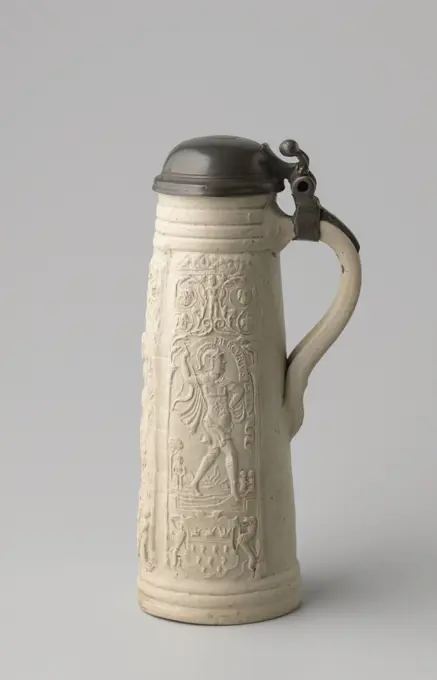
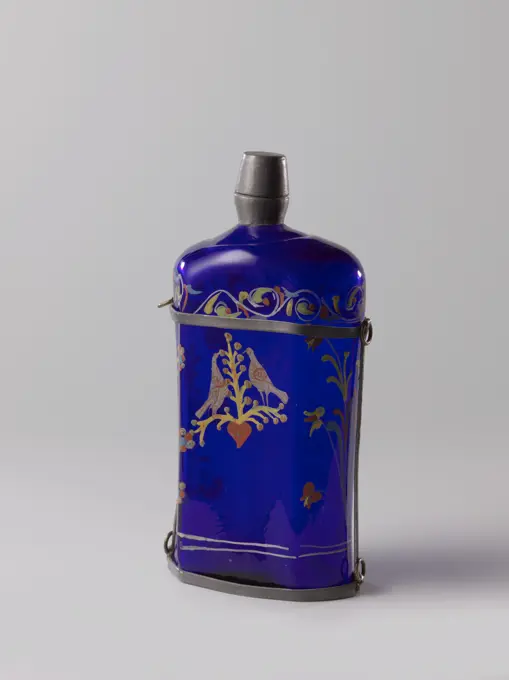
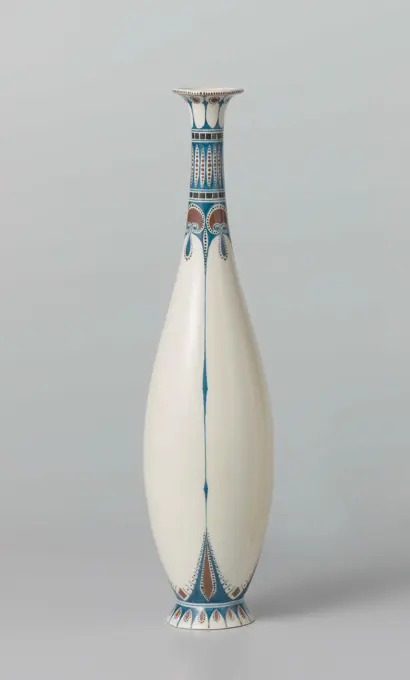
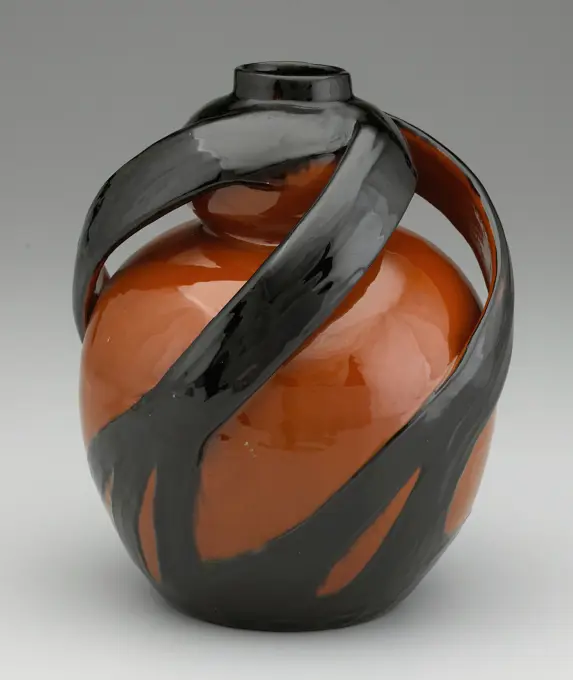
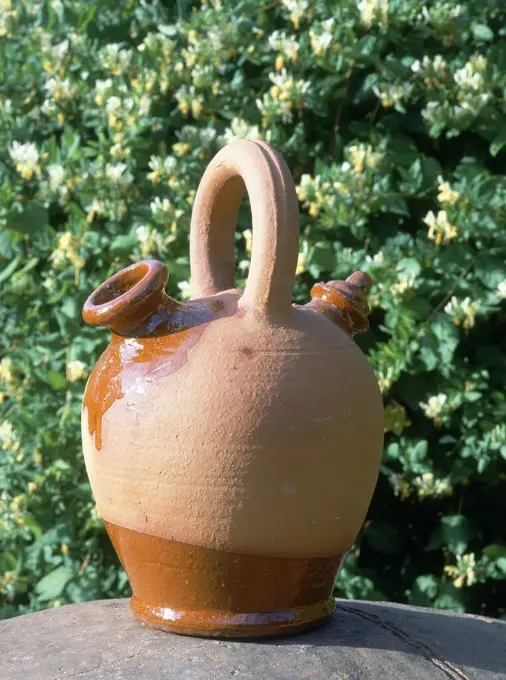
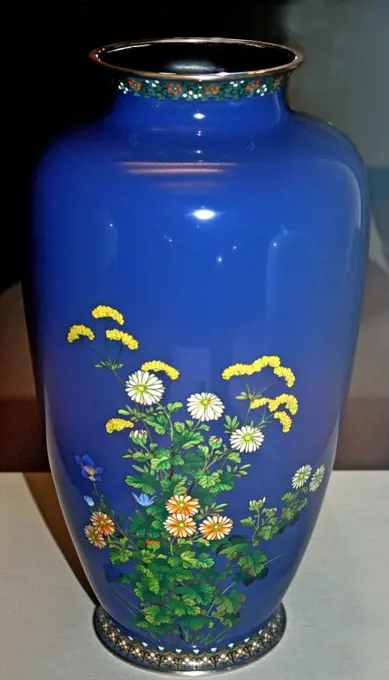
Wineglass 19th century Italian, Venice (Murano). Wineglass. Italian, Venice (Murano). 19th century. Glass. GlassSprinkler 17th-18th century This sprinkler is typical of the objects that were displayed in open niches in reception rooms of Ottoman-period upper-class Syrian homes. Sprinkler 444721Bag-shaped Jar ca. 1550-1450 B.C. New Kingdom. Bag-shaped Jar. ca. 1550-1450 B.C.. Travertine (Egyptian alabaster). New Kingdom. From Egypt. Dynasty 18Ewer probably 18th-19th century. Ewer 443113Chris Makrenos, Small Blue Milk Pitcher, c 1941 Small Blue Milk PitcherOctagonal Fluted Vase 18th century China. Octagonal Fluted Vase. China. 18th century. Glass. Qing dynasty (1644-1911), Qianlong period (1736-95). GlassPitcher ca. 1862 Southern Porcelain Company. Pitcher 5847Glass hexagonal bottle 1st half of 1st century A.D. Roman Opaque white.Rim folded out, round, and in, with slightly beveled upper lip; flaring mouth; cylindrical neck; convex curving shoulder; hexagonal body with vertical sides, then cup-shaped below; low base with rounded edge and uneven, slightly indented bottom. Mold seams run from base of neck, down sides, and meet at center of bottom.Decoration in three registers: on shoulder, in blurred relief, six floral motifs; on body, six rectangular panels, each framed at sides with posts or slender columns, and bordered below by a blurred egg-and-dart band; in each panel, a frontal theatrical mask; above the base, alternating rounded and pointed leaves in blurred relief. Signs of cracking and distortion of mold visible on two of the panels.Intact; patches of dulling, thick creamy weathering, and iridescence.The panels are decorated with a series of six masks, identified as a Medusa, a horned Pan, two bearded men, a youth, and a woman.. GlasCandlestick, glass, Ovoid molded ribbed shapft with flat knops above and below, foot spreads insquare molded section to thick square base; straight-sided nozzle with drippan top; ground pontil bottom., Ireland, ca. 1800-20, glasswares, Decorative Arts, CandlestickVase;  the beginning of the 20th century (1900-00-00-1910-00-00);Cloisonné, gift (provenance), Japanese (culture), Japanese art, vasesHobble; Non -like Lona Huta; 1. PO. 18th century (1701-00-00-1750-00-00);Silesia (Habsburgs - 1526-1740), Silesia (Prussia - 1740-1918)Pair of Blue Bottle Vases, 1736-95. China, Qing dynasty (1644-1911), Qianlong mark and reign (1736-95). Porcelain; overall: 55 cm (21 5/8 in.).Carrier-Belleuse (Albert-Ernest Carrier de Belleuse, 1824-1887) and Auguste Rodin (1840-1917). "Titans vase: Overview of the pot holder decorated with branches of oak leaves and lizard and its base decorated with four Atlanteans, in enameled ceramic, last quarter of the 19th century". Ceramics and enamel, Manufacture de Choisy-le-Roi. Museum of Fine Arts of the City of Paris, Petit Palais. 26363-14 Atlante, branch, pot, ceramic emaillee, decor, email, chene leaf, lezard, choisy-le-roi manufacture, black, decorative object, base, vase of titans, 19th XIX 19th 19th 19th 19th century, mythologyPot ca. 900 B.C. Iran. Pot 325128Vase (pot à fleurs) ca. 1749 Vincennes Manufactory French A large measure of the quickly established success of the Vincennes factory was due to the high quality of its porcelain paste, which was extremely white and relatively free of impurities. This bright white ceramic body, often simply decorated with sprays of flowers, was noticeably superior to the production of competing French soft-paste porcelain factories.The early years of the Vincennes factory were characterized by constant innovation and experimentation, both technical and artistic. New forms were introduced on a yearly basis, and new enamel colors were being developed constantly. The technique of applying gold decoration to the soft-paste body was perfected by the end of 1748, which allows a dating for this vase of about 1749. Louis XV's support was critical to the factory's success; he not only supplied funds but also granted it a monopoly on decorating porcelain with goldthus providing Vincennes a critical advantage ovBottle with Four Handles 19th century By the beginning of the 16th century, Venice became the leading producer and exporter of fine glass wares and many such products became fashionable in Persia. These styles and techniques influenced local production, and factories were created in Shiraz producing wares that rivaled the imports from abroad. These types of wares-with a flared mouth and bulbous body- were produced in vivid blues and greens, illustrating the range of colors employed by glassmakers in the 18th and 19th centuries. This bottle may have been used to decant or store wine, or perhaps as a base of a water pipe. Such vessels were admired for their graceful shapes and often were decoratively displayed within niches of private and public buildings in Tehran, Isfahan, and Shiraz.. Bottle with Four Handles 444741Vase of colorless glass, with convex belly and slightly flared neck. Vase originally from clear, colorless glass, now seriously affected by glass disease. Bolle belly with wide neck above slightly finished, slightly hollow bottom.vaas also Judaspenning, Émile Gallé (Workshop of), c. 1906 - c. 1914 Small vase with low, cylinder -shaped base, spherical body of colorless glass and light -tuning neck. Double überfang in light gray and purple. The decor of Judas spraying applied in two etching courses. On the body the signature gallé. Nancy glass etching / glassblowing Small vase with low, cylinder -shaped base, spherical body of colorless glass and light -tuning neck. Double überfang in light gray and purple. The decor of Judas spraying applied in two etching courses. On the body the signature gallé. Nancy glass etching / glassblowingVase Cypriot 6th century BCE View more. Vase. Cypriot. 6th century BCE. Bronze. BronzesVase China. Vase. China. Porcelain. Qing dynasty (1644-1911), Kangxi period (1662-1722). CeramicsJar with cover China. Jar with cover 44019Vase; Kawaguchi, Bunzemon (1860-Post 1910); End of the 19th century (1891-00-00-1900-00-00);Alabaster tripod pot from Aire Maya 600-900 AD Mayan; MexicoPodstawka idola typu "butelkowego". nieznany warsztat luristański, workshopBlack-Topped Beaker, c. 4000-3500 BC. Egypt, Predynastic Period, Naqada I-IIb Period. Nile silt pottery; diameter: 12.4 cm (4 7/8 in.); overall: 29.1 cm (11 7/16 in.).Snuff Bottle with Two Egrets Among Lotuses 1800-1900 China. Grey, brown, and black agate with carged decoration .A garlic bulbVase in the Shape of a Piece of Bamboo second half of the19th century Japan. Vase in the Shape of a Piece of Bamboo. Japan. second half of the19th century. Bronze. Meiji period (1868-1912). MetalworkEwer 9th century This ceramic ewer was excavated at the site of Tepe Madrasa in Nishapur.Nishapur was a vital city in the early and middle Islamic periods, located along one of the main trajectories that connected Iran and West Asia Islamic lands with Central Asia and China. These itineraries are often referred by the term Silk routes but were in fact crucial to the movement of constellations of materials and objects, as well as people and ideas. The diverse population of Nishapur and its surroundings, from the better-researched elite groups of merchants, land-owning aristocracy, and literates, to the less-known artisans, farmers, miners, and servants, were instrumental in adapting global cultural trends to create their own distinctive visual languages. This is seen in the material remains of everyday life in medieval Nishapur - from pots and pans to lighting devices, inkwells, textiles and trimmings, jewelry, games and toys, talismanic devices, weapons, coins, and architectural fragmeHead Fragment from a Cycladic Figure (Dokathismata Variety). UnknownA bottle with a spherical belly; unknown eastern workshop; III century (201-00-00-300-00-00);Bottle 17th century Spanish, Catalonia or Italian, Venice (Murano) During the Renaissance, Venetian glassmakers, working on the island of Murano, were celebrated across Europe for their fine and sparkling work. Called cristallo” emulating the clarity of rock crystal, in the hands of the most skilled glassblowers the medium could be delightfully manipulated, variously stretched paper-thin flat, or playfully twisted, or blown into molds with spectacular patterns.. Bottle. Spanish, Catalonia or Italian, Venice (Murano). 17th century. Glass. Glass3rd Century roman glass flask from Ravenna, Bristol Museum, EnglandSnuff Bottle China. Snuff Bottle 41398Hobnail Celery vase 1886-1900 Hobbs, Brockunier and Company In 1886, Hobbs, Brockunier and Company patented an improved method of pressing opalescent glass. With subsequent cooling and reheating, the projecting nodules of the Dewdrop” pattern would become slightly opaque, while the body remained translucent.. Hobnail Celery vase 1507Vase, c. 1900, Louis Comfort Tiffany; Manufacturer: Tiffany Furnaces, American, 1848-1933, 21 x 9 x 9 in. (53.34 x 22.86 x 22.86 cm)13 3/4 x 5 in. (34.93 x 12.7 cm) (), Glass, United States, Art Nouveau, This vase 'grows' from the bottom to the top as plants do in nature—even the tops of the leaves fold back naturalistically and veins are visible. Tiffany’s master glass blowers laid green glass over white translucent glass, and when the piece cooled they cut the design by skillfully removing parts of the green glass layer.Cover for a Cup, c. 1730. France, 18th century. Amber decorated with inlaid gold and mother-of-pearl; overall: 6.7 cm (2 5/8 in.).Tuitkan with egg-shaped body. Flat stand ring, egg-shaped body through in a straight neck. Curved spout and cave, C-shaped ear.Terracotta amphora (jar) ca. 540 B.C. Attributed to the Affecter Obverse and reverse, men and youthsThe Affecter is a particularly recognizable personality among artists of the second half of the sixth century B.C. The decoration of his vases accords so fully with the shapes that potter and painter were most likely the same individual. Noteworthy, however, is the volume of his shapes in contrast to the rigidity of his figures.. Terracotta amphora (jar) 254945 : Attributed to the Affecter, Terracotta amphora (jar), ca. 540 B.C., Terracotta, H. 14 3/4 in. (37.5 cm). The Metropolitan Museum of Art, New York. Gift of Ernest Brummer, 1957 (57.12.7)Jade potDragon Vase. Culture: China. Dimensions: H. 7 5/8 in. (19.4 cm). Museum: Metropolitan Museum of Art, New York, USA.Kohl Tube in the Shape of a Papyrus Column New Kingdom ca. 1390-1352 B.C. The middle of the second millennium B.C. was a true color revolution in faience and glass technologies. The ancient Egyptians had mastered faience, a ceramic-type material glazed in a distinctive turquoise blue, much earlier, but no glass seems to have been deliberately produced in Egypt before Dynasty 18.Following Thutmose IIIs military campaigns abroad (ca. 1458-1438 B.C.), Egyptian artisans emulated the sophisticated techniques for making polychrome glass known in Mesopotamia and Syria. They also began using glass colorants (including cobalt, antimony, and lead) in faience production. Luxury items in glass, like this small kohl tube in the shape of a papyrus column, became all the rage. View more. Kohl Tube in the Shape of a Papyrus Column. ca. 1390-1352 B.C.. Glass. New Kingdom. From Egypt, Upper Egypt, Thebes. Dynasty 18Maker Unknown, Decanter and Stopper, c. 1810-50, amethyst glass.Vase, c. 1900. Emile Gallé (French, 1846-1904). Glass with pink and green inclusions, cameo cut; overall: 13.5 x 8.6 x 4.7 cm (5 5/16 x 3 3/8 x 1 7/8 in.).Concept , pots vase on yellow background Copyright: xSunilxKapadia/DinodiaxPhotoxRing probably 19th century Chinese This collection of largely ethnographic jewelry includes examples from cultures in South America, North America, Europe, Asia, and Africa and dates from the Pre-Columbian period to the twentieth century. Owned by renowned art collector and fashion enthusiast Muriel Kallis Newman, the collection represents her knowledge and appreciation of a wide range of jewelry design and making traditions. Numerous items in her collection are composite artifacts made from various cultures and time periods reappropriated as modern jewelry creations by or for Muriel. It is important to note that Newman wore many of the pieces in the collection, interpreting them to suit and express her own singular, often avant-garde style.. Ring 141609Emile Gallé, Cameo Vase, c. 1900-15, gray, pink, and purple glass.Pot with stylized butterfly motifs, Bert Nienhuis (I), c. 1905 Potch pot, spherical with raised edge. Decorated in gray and dark blue with stylized butterfly motifs, on green stock. The raised edge is completely covered with gray, the blue butterflies are trimmed with yellow gold dots. Marked: crowned the name Distel above the Amsterdam weapon in Triangle; M.129 and Schildersmerk DW. Decor design by Bert Nienhuis. Amsterdam earthenware Potch pot, spherical with raised edge. Decorated in gray and dark blue with stylized butterfly motifs, on green stock. The raised edge is completely covered with gray, the blue butterflies are trimmed with yellow gold dots. Marked: crowned the name Distel above the Amsterdam weapon in Triangle; M.129 and Schildersmerk DW. Decor design by Bert Nienhuis. Amsterdam earthenwareBeaker. Huta szkła (Miłków ; ante 1849-post 1883), glass worksVase. Ruskin Pottery, 19th-20th Century. Porcellaneous Stoneware, Flambe glaze. Shape no. 263... Presented by William Howson Taylor, 1926.Vase ca. 1885 British, probably. Vase 9226Nosegay ca. 1750-55 Saint James's Factory Listen to experts illuminate this artwork's story Listen Play or pause #413. Retail Value. High and Low Supported by Bloomberg Philanthropies We're sorry, the transcript for this audio track is not available at this time. We are working to make it available as soon as possible.. Nosegay. British, London. ca. 1750-55. Soft-paste porcelain. Ceramics-PorcelainTankard (schnelle) with Venus, Sol and Mercury, anonymous, c. 1591 - c. 1610 Jug (schnelle) of stoneware with cylindrical, tapered body and C-shaped ear. Profiles under the edge and above the foot. On the body in relief three times a printed and imposed, elongated box containing personifications by Venus, 'Venvs', Sol, 'Sol' and Mercury, 'Mercvrivs 1591'. At the bottom of each box a weapon and the brand 'H.H.'. At the top of the subjects a human figure surrounded by leaf vines. A pewter frame with lid is attached to the ear; marked on the inside in a shield with 'i.s.' Above a crown. Siegburg. Siegburg Stoneware. Glaze. frame: tin (metal) vitrification Jug (schnelle) of stoneware with cylindrical, tapered body and C-shaped ear. Profiles under the edge and above the foot. On the body in relief three times a printed and imposed, elongated box containing personifications by Venus, 'Venvs', Sol, 'Sol' and Mercury, 'Mercvrivs 1591'. At the bottom of each box a weapon and the brand 'H.H.'. APewter frame of hexagonal bottle, anonymous, 1730 The neck caught in a pewter frame. Smooth, pewter screw cap. Middle Europe glass. tin (metal) glassblowing The neck caught in a pewter frame. Smooth, pewter screw cap. Middle Europe glass. tin (metal) glassblowingBeautiful colorful jasper a natural gemstone on white backgroundPORRON DE FAROLILLO DE ARCILLA LLAMADA GREDA-ARTE POPULAR S XX. Location: ALFARERIA. LA RAMBLA. CORDOBA. SPAIN.Amphora-Shaped Vase. China. Date: 1662-1722. Dimensions: H. 18.2 cm (7 3/16 in.); diam. 5.4 cm (2 1/8 in.). Porcelain painted in overglaze enamel. Origin: China. Museum: The Chicago Art Institute, Chicago, USA.Vase; from Nancy; France by Emile Galle (1846-1904); of Cameo Glass. This luxury form of art glass involves etching and carving through fused layers of different coloured glass.Snuff Bottle with Old Man Riding a Donkey. Culture: China. Dimensions: H. 2 3/4 in. (7 cm). Date: early 19th century. Museum: Metropolitan Museum of Art, New York, USA.Snuff bottle 19th century China. Snuff bottle 41521Blue glass bottle with applied ornament. Dated 18th CenturyTabakierka z łyżeczką. unknown, craftsmanSquare bottle, anonymous, c. 1650 - c. 1700 Insented soul, square body with rounded shoulder, short neck with pewter mounting with thread. Northwest Europe Glass. frame: tin (metal) glassblowing Insented soul, square body with rounded shoulder, short neck with pewter mounting with thread. Northwest Europe Glass. frame: tin (metal) glassblowingBottle Depicting JennyLind. Maker, possibly by: Ravenna Glass Works, American, 1857-ca. 1880  Subject: Johanna Maria Lind, Swedish, 1820-1887Diverse Effect and ArticleCandlestick ca. 1845-65 Boston & Sandwich Glass Company. Candlestick. American. ca. 1845-65. Pressed glass. Made in United States. Vase, part of a pair of pottery, slim pear-shaped, painted in blue, brown and black with stylized palmets and other ornaments. Signature: Amphora holland 210-1.c.j.vd.hoef; 210 Also reimburse.Collection of coloured glass lamps which were to be used in the garden. Dated 20th CenturySnuff Bottle with Stopper, 1736-95. China, Qing Dynasty (1644-1911), Qianlong reign (1736-95). Jade; overall: 6.9 x 2.5 cm (2 11/16 x 1 in.).Pill Gel Capsules for medical treatmentGerman glas claw-beaker found at Mucking, Essex. 400 AD.Ernest Chaplet (1835-1909). Vase. Flammed porcelain. 1894. Museum of Fine Arts of the City of Paris, Petit Palais. 60198-7 Flamee porcelain, vaseArchaic-style vessel with dragon late 18th-19th century China. Archaic-style vessel with dragon. China. late 18th-19th century. Jade (nephrite). Qing dynasty (1644-1911). JadeVase, 1899, Max Laeuger; Maker: Tonwerke, German, 1864-1952, 8 1/2 x 6 1/2in. (21.6 x 16.5cm), Earthenware, Germany, Art NouveauSnuff Bottle, 1898, 3 x 1 1/2in. (7.6 x 3.8cm), Crystal, glass, ivory, ChinaWhite plastic container with a pump for cosmetic liquid, liquid soap on the white tableMeissen-style lemon basket and stand, c. 1765, 15 x 8 1/2 x 6 5/8 in. (38.1 x 21.59 x 16.83 cm), Porcelain, China, Chinese exportClose-up of a glass pear, Murano, Venice, Veneto, ItalyFlower Vase; Designed by Hilda Jesser (Austrian, 1894-1985); Manufactured by Wiener Werkstätte (Austria); hand-painted and glazed thrown earthenware18th Century decorated glass bottle from Germany. Dated 18th CenturyJean Carriès (1855-1894). "Twisted handle pot, black background, yellowish flows". Enameled sandstone. Museum of Fine Arts of the City of Paris, Petit Palais. 24205-13 Twisted handle, ceramic, yellowish flow, black background, emaille gres, potOpium Pipe, 1800s. China, Qing dynasty (1644-1911). Imitation tortoise-shell, ivory and jade; overall: 43.2 cm (17 in.).BOTIJO CON VIDRIADO REFORZADO- ARTE POPULAR S XX -. Location: ALFARERIA. SALVATIERRA-MEDER. Pontevedra. SPAIN.Fles, anonymous, c. 1600 - c. 1700 Smooth blue stand ring. Plastic modeled, ribbed and constricted body, transferring to a ribbed, constricted, bent neck with a pouring. Full spout with bent slide. At the bottom of the body two thick blue corrugated threads, around the neck and under the spout a thin blue corrugated wire Spain glass glassblowing Smooth blue stand ring. Plastic modeled, ribbed and constricted body, transferring to a ribbed, constricted, bent neck with a pouring. Full spout with bent slide. At the bottom of the body two thick blue corrugated threads, around the neck and under the spout a thin blue corrugated wire Spain glass glassblowingCANTARO DE BARRO SIN VIDRIAR- SIGLO XX ARTE POPULAR. Location: ALFARERIA. CASTELLAR DE SANTIAGO. CIUDAD REAL. SPAIN.A memorial mug of 50 cantonal shooting competitions Vaduz and Lausanne Peka NeuchatelHobnail Finger Bowl after 1886 Probably Hobbs, Brockunier and Company. Hobnail Finger Bowl 3625The Lycurgus Cup, roman, 4th c. A.D.Content measure of 2 Ned Maatje, Anonymous, c. 1825  Turned wooden content of 2 deciliters. Netherlands wood (plant material)   NetherlandsMark of the Ando Company. Circa 1912-26 this vase is decorated with bush clover, chrysanthemum, gentian and other flowers in silver wire.crystal skulls are human skull hardstone carvings made of clear or milky white quartz (also called "rock crystal"), claimed to be pre-Columbian Mesoamerican artefacts by their alleged finders; however, these claims have been refuted for all of the specimens made available for scientific studies. The British Museum catalogues the skull's provenance as "probably European, 19th century AD" and describes it as "not an authentic pre-Columbian artefact". It has been established that this skull was made with modern tools, and that it is not authentic.Candlestick Made 1775-1800 Jingdezhen. Hard-paste porcelain with polychrome enamels and gilding .Pawnee Squaw” Vase.  Maker: Rookwood Pottery, American, 1880-1960Decorator: Artus Van Briggle, American, 1869-1904 Subject: Wife of Tu-Tuc-A-Picish-Te-Ruk (Gives to the Poor), American, born ca. 1843 After: William Henry Jackson, American, 1843-1942MiniaturePitcherGlass bevelled glass and precious stone with legionary standard and symbols, 1st century, National Archaeological Museum, Villa Cassis Faraone, UNESCO World Heritage Site, important city in the Roman Empire, Aquileia, Friuli, Italy, Aquileia, Friuli, Italy, Europe