Chinese Ceramics and Vases

A diverse collection of Chinese vases showcasing various shapes, colors, and designs, featuring monochrome glazes and intricate inlays, representing traditional craftsmanship.

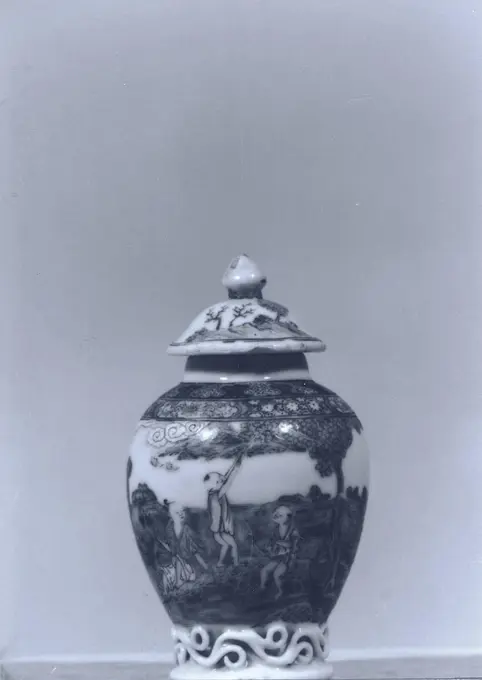
Vase with figures in a water landscape and ornamental borders, anonymous, c. 1700 - c. 1799 Vase of porcelain with a spherical body, long neck and raised edge, covered with black lacquer inlaid with mother -of -pearl. On the belly a river landscape with trees, rocks and a bridge. On the bank a scholar with a servant behind him. Decorative tires on the shoulder, neck and edge. Marked on the underside with an artemisia leaf. A paint chip in the edge. China porcelain. mother of pearl. lacquer (coating) vitrification / lacquering / inlay (process) Vase of porcelain with a spherical body, long neck and raised edge, covered with black lacquer inlaid with mother -of -pearl. On the belly a river landscape with trees, rocks and a bridge. On the bank a scholar with a servant behind him. Decorative tires on the shoulder, neck and edge. Marked on the underside with an artemisia leaf. A paint chip in the edge. China porcelain. mother of pearl. lacquer (coating) vitrification / lacquering / inlay (p
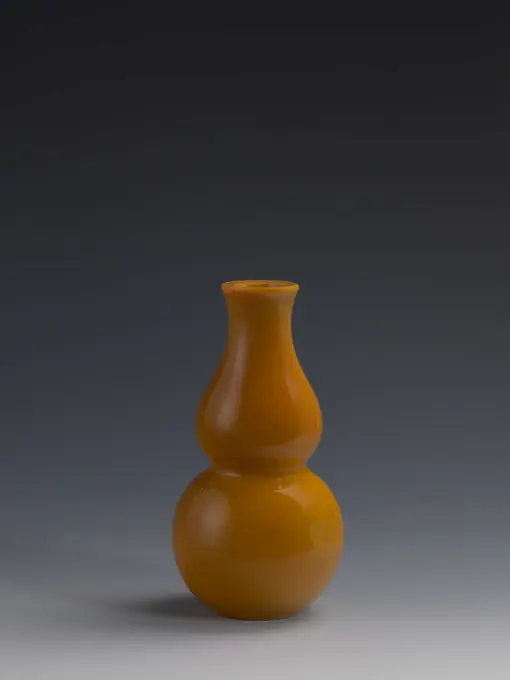
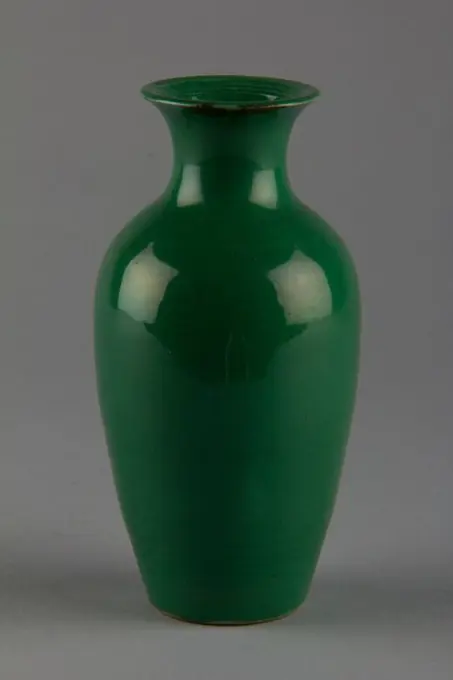
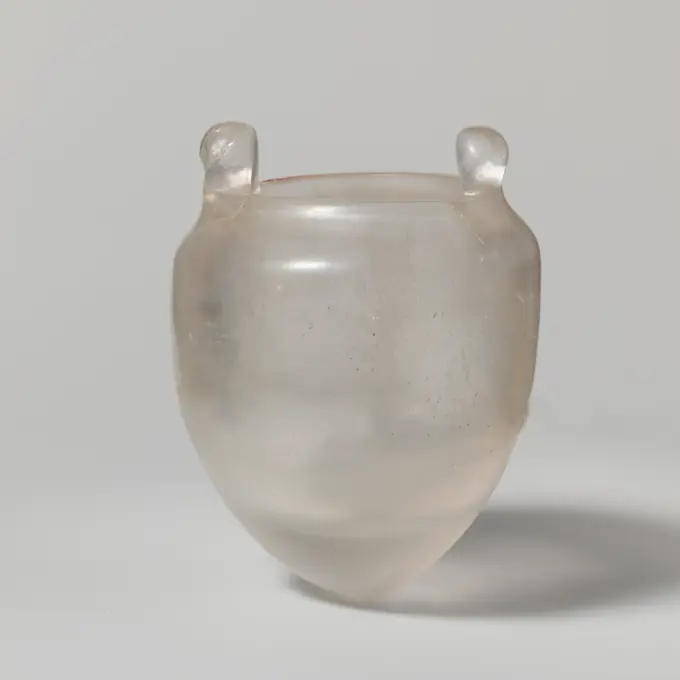
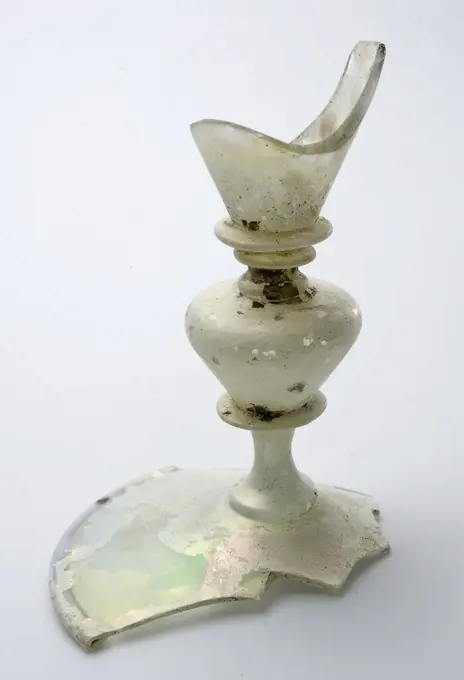
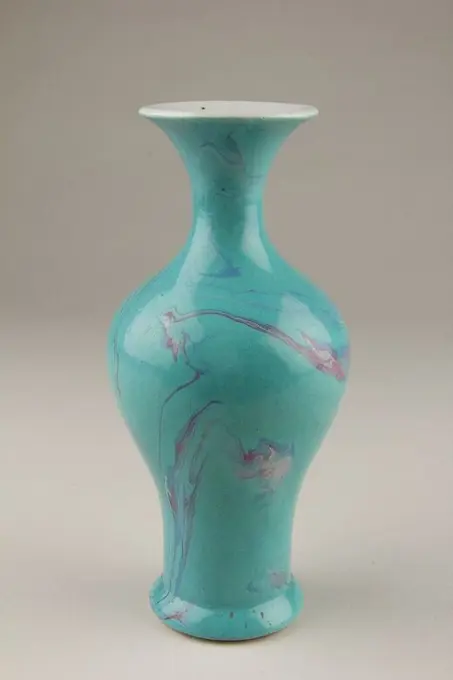
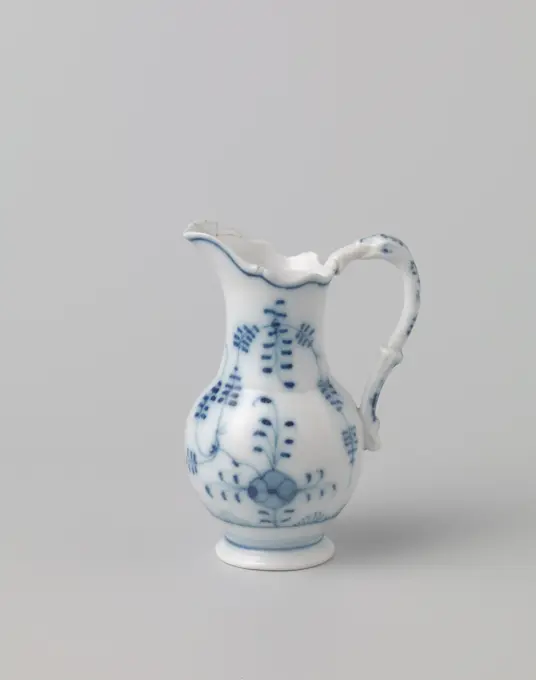
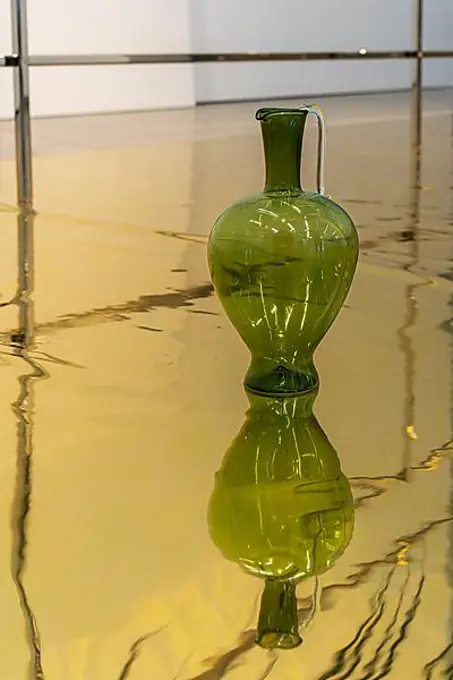
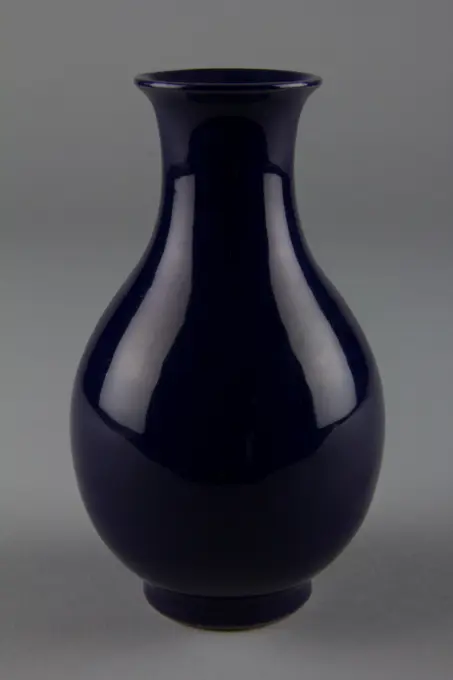
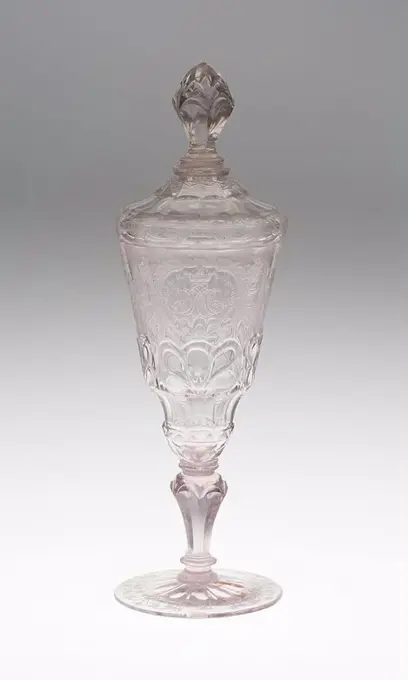
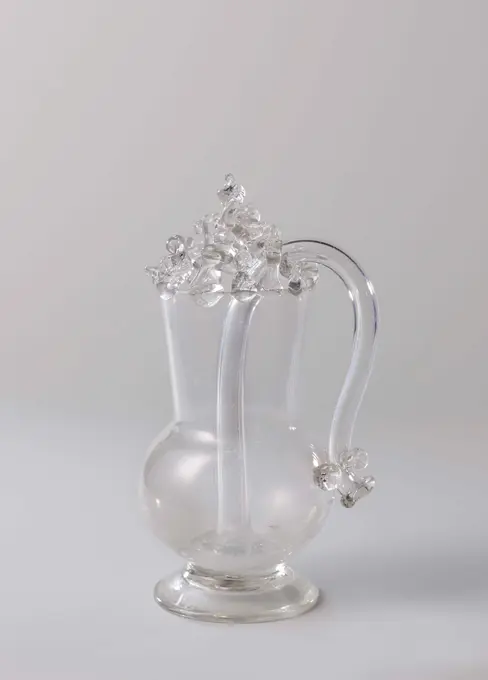
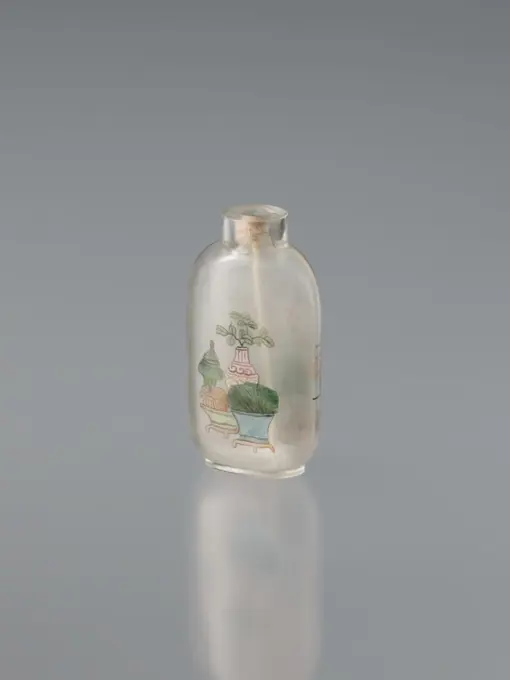
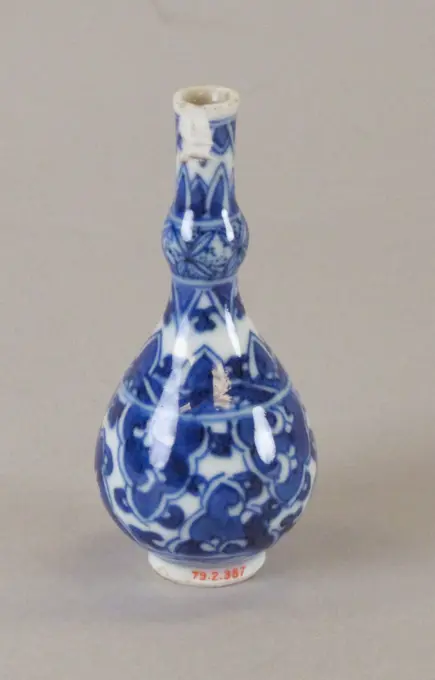
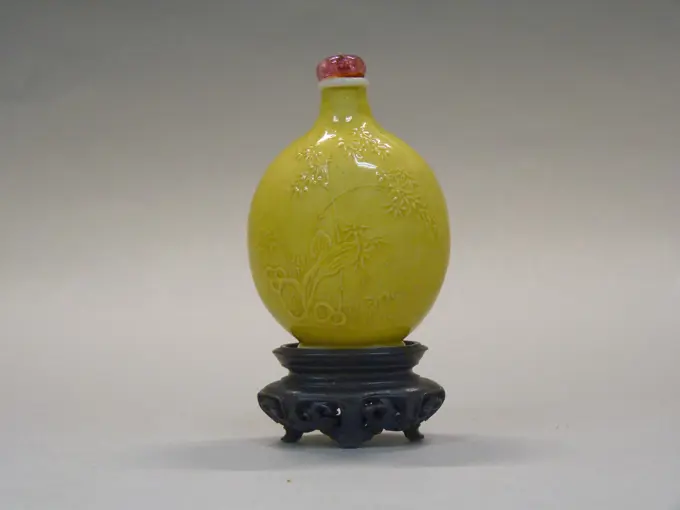
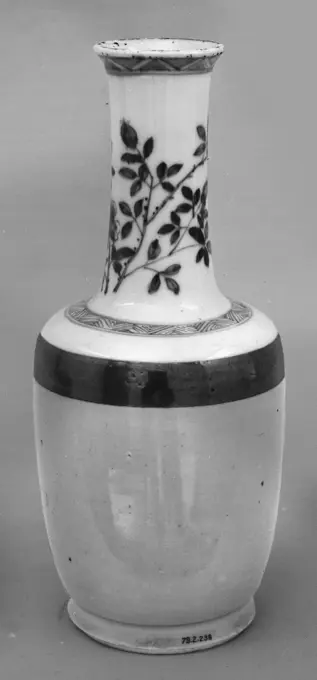
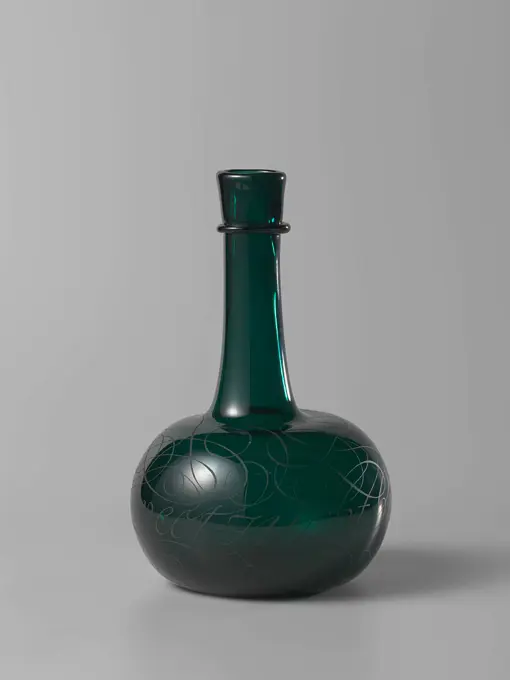
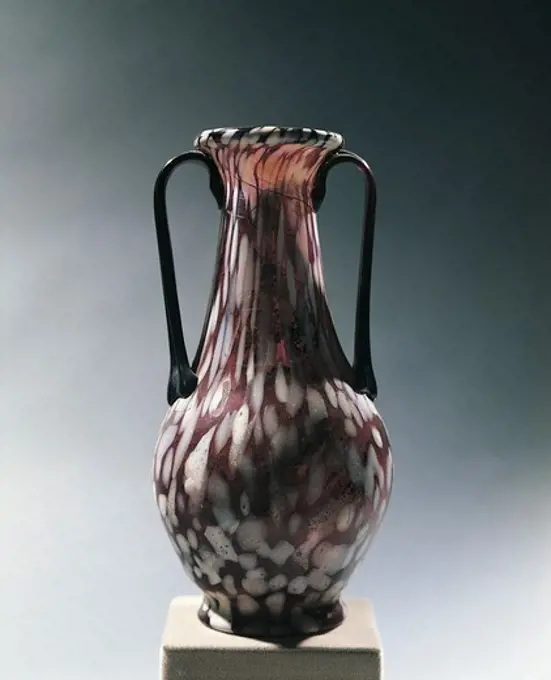
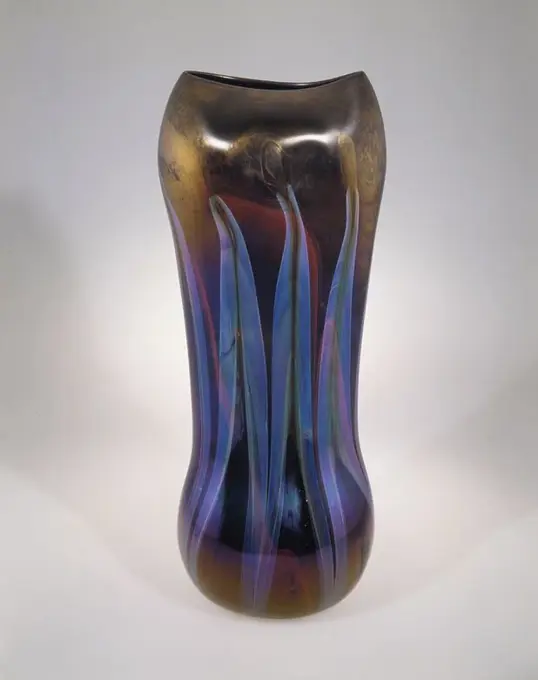
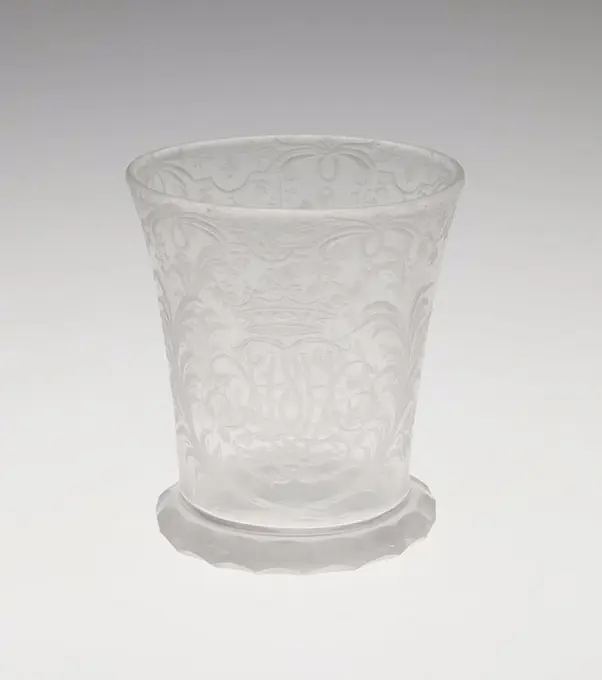
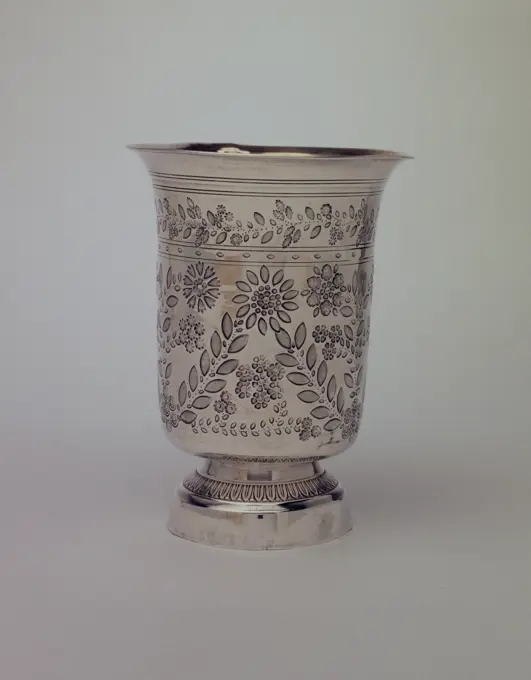
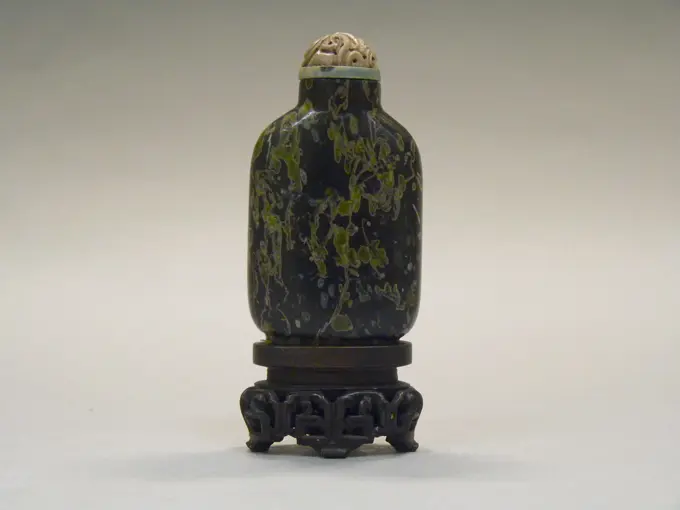
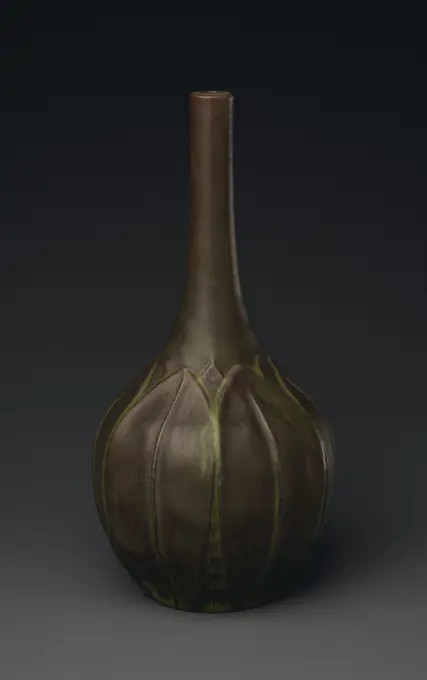
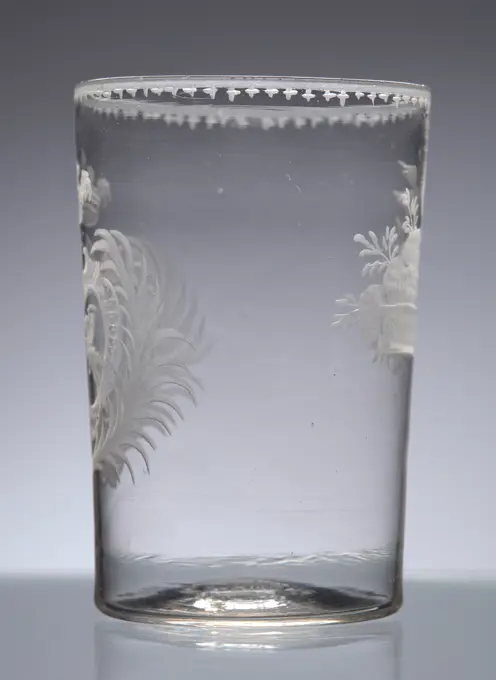
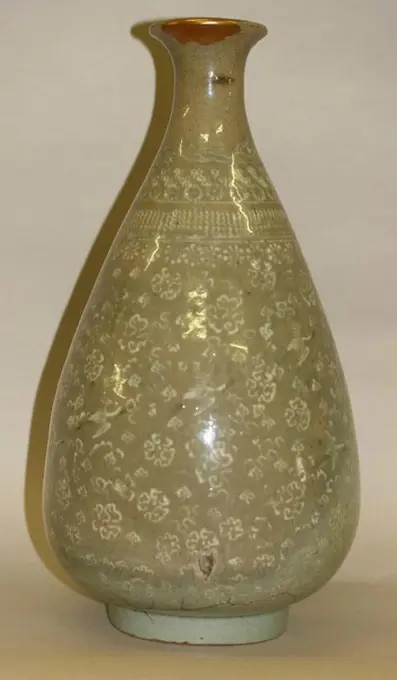
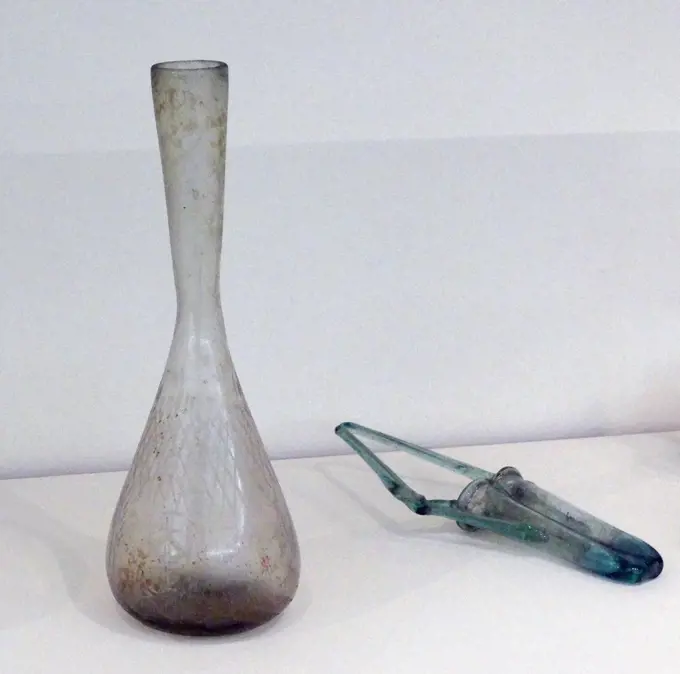
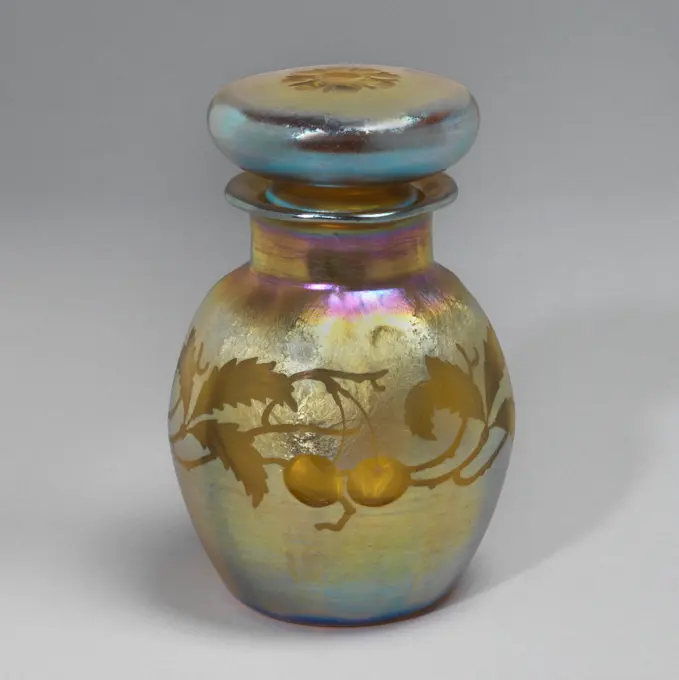
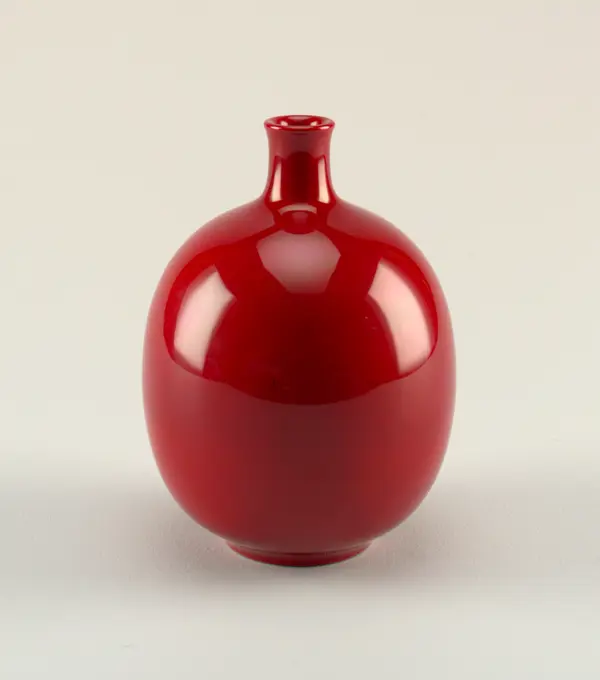
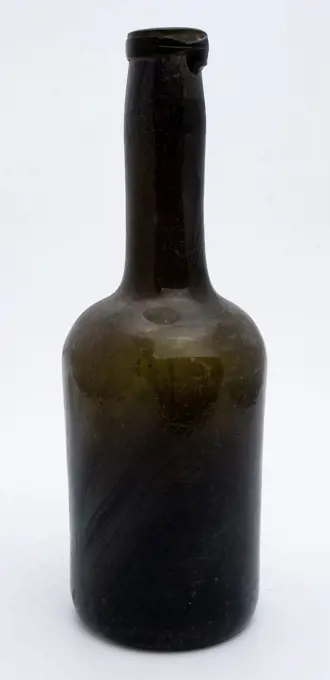
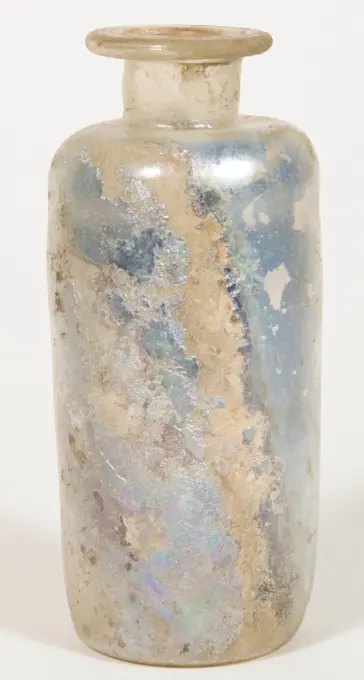
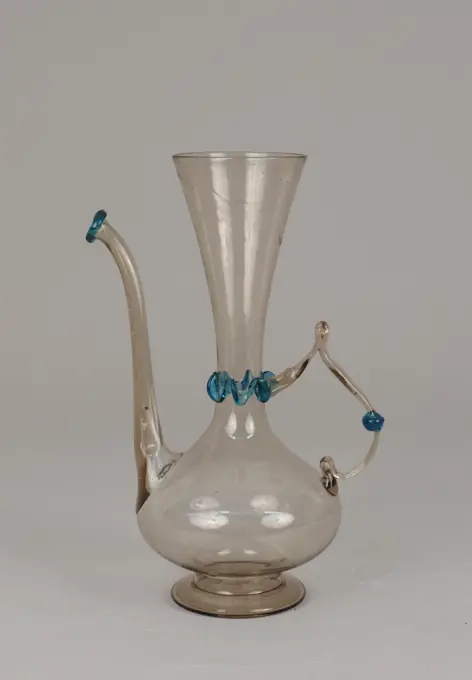
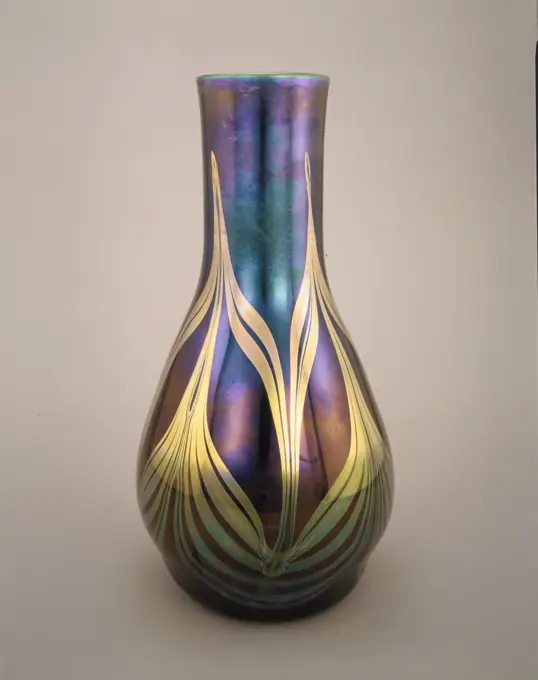
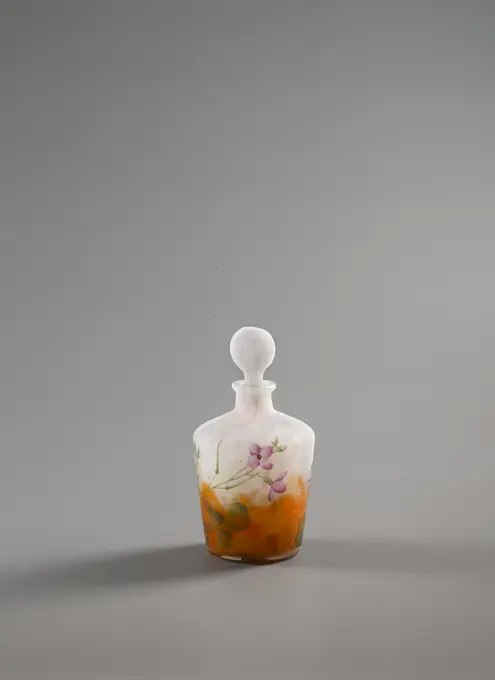
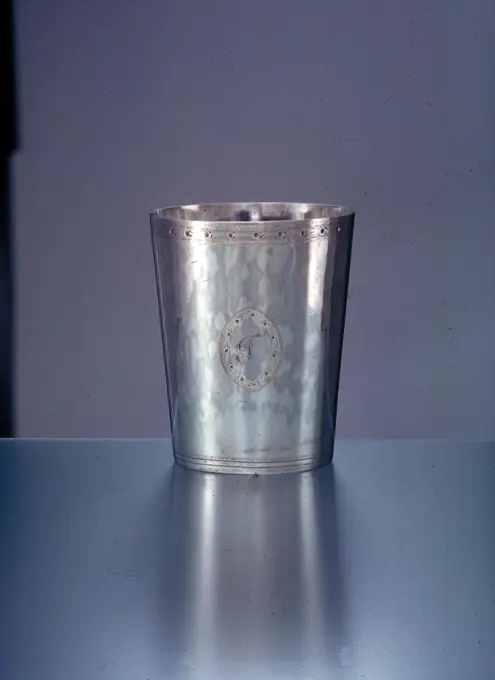
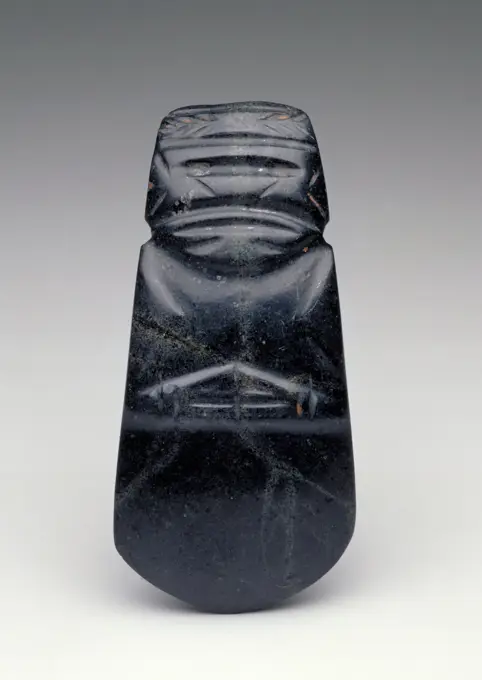
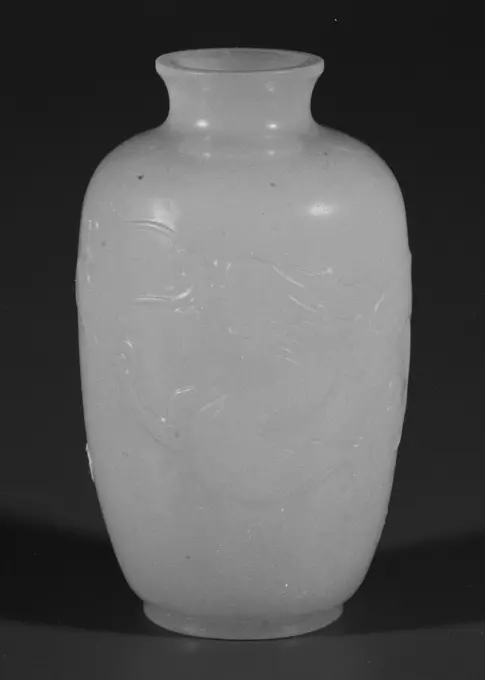
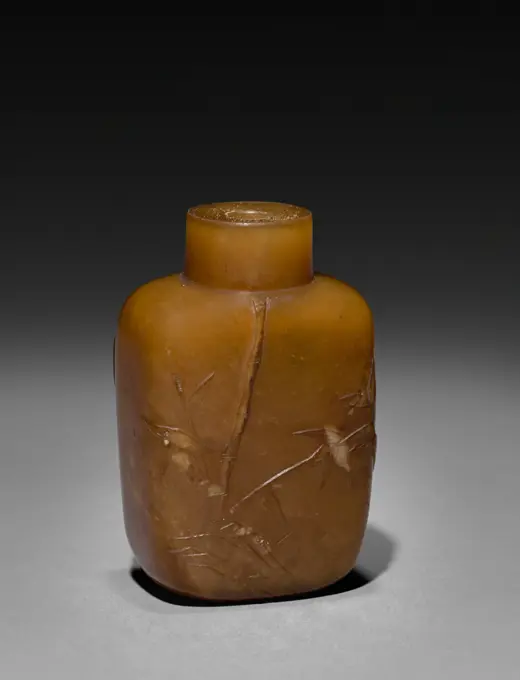
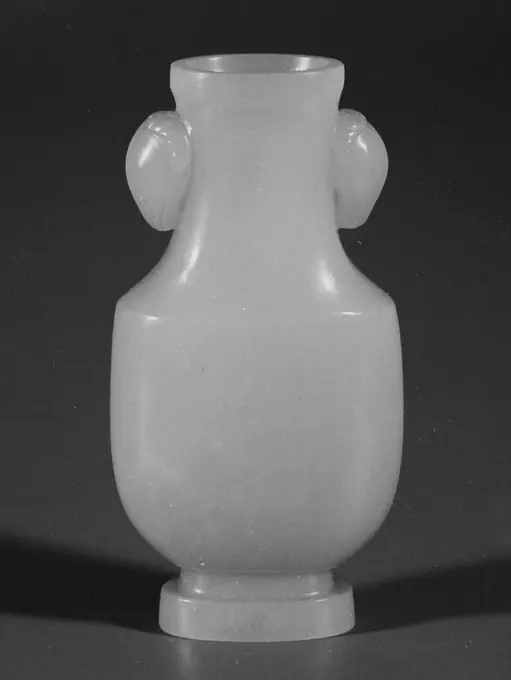
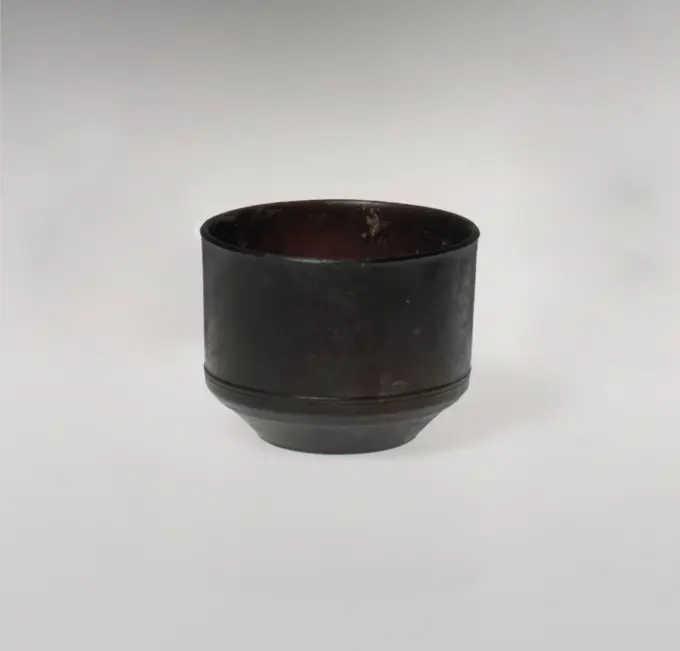
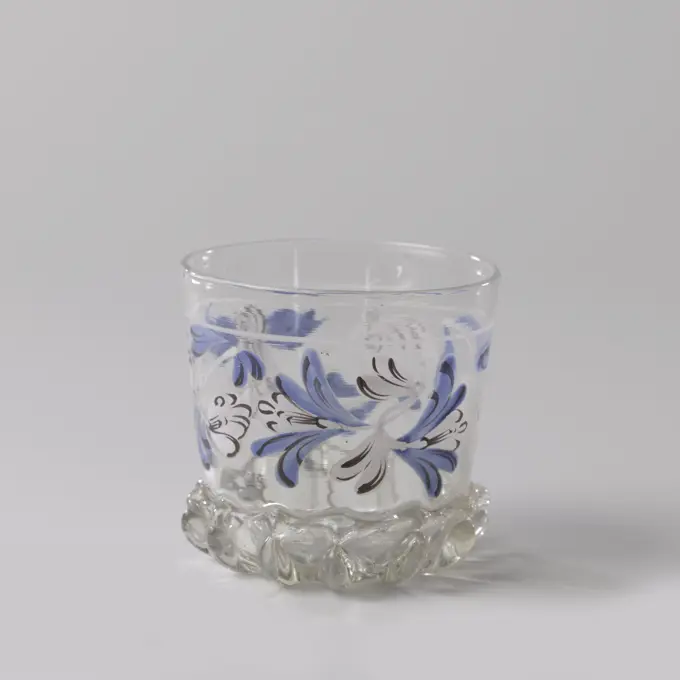
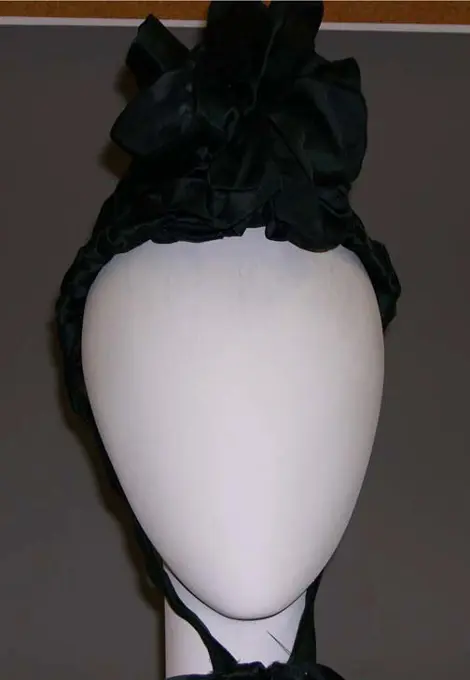
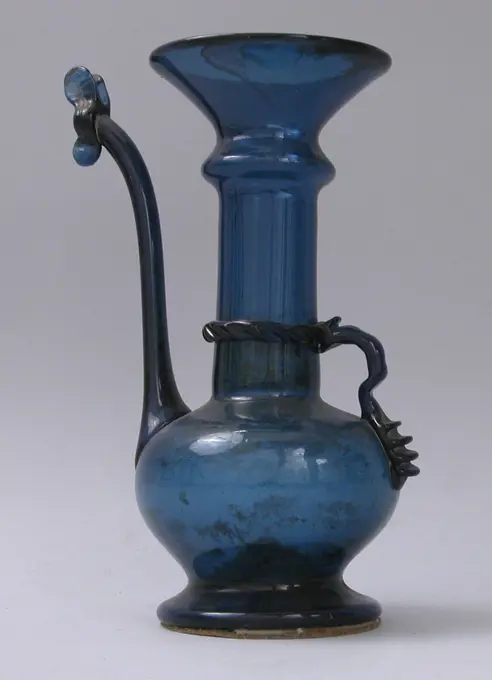
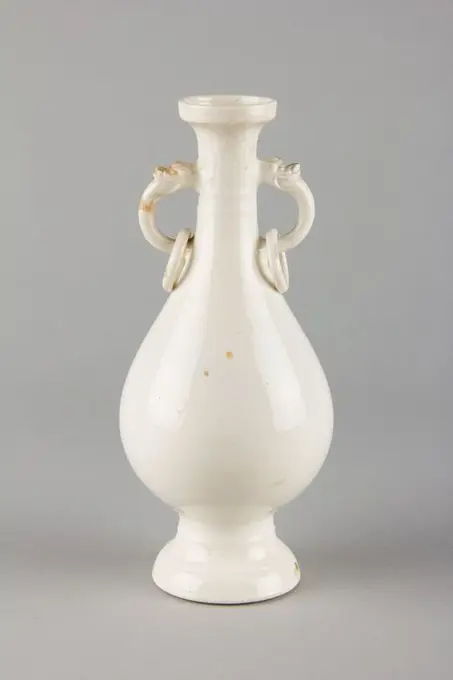
Vase. Culture: China. Dimensions: H. 7 in. (17.8 cm). Museum: Metropolitan Museum of Art, New York, USA.Wazonik. unknown, craftsmanVase 'GUI'. Low spot surface. Bol-shaped body, embossed in the form blown with mistletters on a matte etched surface. Marked on the bottom r.lalique.Pear-shaped bottle vase with a red glaze, anonymous, c. 1700 - c. 1799 Bottle -shaped vase of porcelain with a pear -shaped body, covered with a monochrome red glaze. White glazed inside the foot edge and the lip edge. Old label on the bottom with 'WW62'. Two chips in the edge. Monochrome. China porcelain. glaze vitrification Bottle -shaped vase of porcelain with a pear -shaped body, covered with a monochrome red glaze. White glazed inside the foot edge and the lip edge. Old label on the bottom with 'WW62'. Two chips in the edge. Monochrome. China porcelain. glaze vitrificationVase with figures in a water landscape and ornamental borders, anonymous, c. 1700 - c. 1799 Vase of porcelain with a spherical body, long neck and raised edge, covered with black lacquer inlaid with mother -of -pearl. On the belly a river landscape with trees, rocks and a bridge. On the bank a scholar with a servant behind him. Decorative tires on the shoulder, neck and edge. Marked on the underside with an artemisia leaf. A paint chip in the edge. China porcelain. mother of pearl. lacquer (coating) vitrification / lacquering / inlay (process) Vase of porcelain with a spherical body, long neck and raised edge, covered with black lacquer inlaid with mother -of -pearl. On the belly a river landscape with trees, rocks and a bridge. On the bank a scholar with a servant behind him. Decorative tires on the shoulder, neck and edge. Marked on the underside with an artemisia leaf. A paint chip in the edge. China porcelain. mother of pearl. lacquer (coating) vitrification / lacquering / inlay (pVase. Culture: China. Dimensions: H. 4 3/4 in. (12.1 cm). Museum: Metropolitan Museum of Art, New York, USA.Vase with melted glass powder in brown and orange, daum frères, c. 1910 - c. 1915 Light concave soil. Square body with beveled, profiled corners, upwards and ending in a square mouth. Decoration of melted glass powder in brown and orange, partly etched. On the body in radgravure the signature daum, nancy (nak) with the Lathingse cross. Nancy glass glassblowing / etching Light concave soil. Square body with beveled, profiled corners, upwards and ending in a square mouth. Decoration of melted glass powder in brown and orange, partly etched. On the body in radgravure the signature daum, nancy (nak) with the Lathingse cross. Nancy glass glassblowing / etchingMaker Unknown, Decanter and Stopper, c. 1820-40, colorless lead glass.Vase late 18th-first half of the 19th century China. Vase. China. late 18th-first half of the 19th century. Porcelain with crackled glaze and yellow enamel overglaze. Qing dynasty (1644-1911). Ceramics"Three-String" Bottle Vase. China. Date: 1662-1722. Dimensions: H. 19.9 × 8.0 cm (7 13/16 × 3 1/8 in.). Porcelain with copper-red (peachbloom) glaze and underglaze molded decoration. Origin: China. Museum: The Chicago Art Institute, Chicago, USA.Rock-crystal ovoid vessel with wide mouth 4th-3rd century B.C. Greek, Eastern Mediterranean The two vertical lugs are pierced to accommodate a string for suspension, or conceivably a missing lid. Rock crystal, a precious stone in antiquity, was thought to be a special form of real ice.. Rock-crystal ovoid vessel with wide mouth. Greek, Eastern Mediterranean. 4th-3rd century B.C.. Rock crystal. Late Classical or Early Hellenistic. Miscellaneous-Stone VasesSugarBowl.   Maker: Paul Revere, American, 1735-1818Blue ceramic vase, China. Chinese Civilisation, 18th century.Squat ovoid bottle vase with a red glaze, anonymous, c. 1800 - c. 1899 Bottle -shaped vase of porcelain with a printed, egg -shaped body, flattened shoulder and long, cylindrical neck, covered with a monochrome, slightly crawling red (sang the boeuf) enamel. The edge is white. On the bottom within the foot ring a translucent glaze. Monochrome. China porcelain. glaze vitrification Bottle -shaped vase of porcelain with a printed, egg -shaped body, flattened shoulder and long, cylindrical neck, covered with a monochrome, slightly crawling red (sang the boeuf) enamel. The edge is white. On the bottom within the foot ring a translucent glaze. Monochrome. China porcelain. glaze vitrificationFragment of part of the foot, trunk and part of the goblet of chalice in clear colorless glass, drinking glass drinking utensils tableware holder soil find glass, hand-blown in the form blown Fragment of part foot stem and part chalice of chalice in clear colorless glass The glass is made of three parts in the façon de Venise style: foot trunk and calyx. pontilmark underneath hollow ascending foot with rim folded downwards The balustere stem is solid with hollow knot in the form between two flat knots. The chalice stands on two flat knots and has thick massive soil archeology Rotterdam rail tunnel drink Soil discovery: rail tunnel Rotterdam.Vase. Culture: China. Dimensions: H. 7 3/8 in. (18.7 cm); Diam. of rim 2 3/8 in. (6 cm); Diam. 3 3/8 in. (8.6 cm); Diam. of foot 2 1/4 in. (5.7 cm). Date: late 18th-first half of the 19th century. Museum: Metropolitan Museum of Art, New York, USA.Vase (Switzerland); handblown and tooled glassLampetkan, anonymous, c. 1775 - c. 1800 Lampet can with blue Saxon pattern, unnoticed.  . Lampet can with blue Saxon pattern, unnoticed.  .Museum of Contemporary Art, Hamburger Bahnhof, infinite exhibits, Berlin, Germany, EuropeVase 18th century China. Vase 50813Vase 18th century China. Vase 45906Vase 1885-90 European, probably. Vase 9519Goblet with Cover. Germany, Schleswig. Date: 1733-1743. Dimensions: 25.2 x 7.6 cm (9 15/16 x 3 in.). Glass. Origin: Schleswig. Museum: The Chicago Art Institute, Chicago, USA.Creampot.   Maker: Jacob Hurd, American, 1702-1758Antique glass 1898, Middle EastSiphonglas. Siphonglas with low, slightly conical foot. Spherical body, passing in a high, wide neck. The top closed with five pinched, star-shaped tires placed. The ear consists of a curved tube, which is in open connection with the body.Tabakierka z łyżeczką. unknown, craftsmanOvoid Ewer. China. Date: 960 AD-1127. Dimensions: H. 10.8 cm (4 1/4 in.); diam. 10.9 cm (4 5/16 in.). Ding ware; glazed porcelain. Origin: China. Museum: The Chicago Art Institute, Chicago, USA.Snuff Bottle. Culture: China. Dimensions: H. 2 1/4 in. (5.7 cm). Museum: Metropolitan Museum of Art, New York, USA.Vase first half of the 19th century China. Vase. China. first half of the 19th century. Porcelain painted in underglaze blue. Qing dynasty (1644-1911). CeramicsDecanterCandlestick of silver with stem in the shape of a winding trunk with three swinging branches with oval leaf and candle holder in flower wreath. Candlestick of silver. A winding trunk rises from a leaf rosette, which divides into three winding branches with oval leaves. The candle holder is caught in a flower wreath.Snuff Bottle China. Snuff Bottle 41623Pitcher W Cewicz, Janina, Economic Huta ZawiercieVase with flowers late 17th-early 18th century China. Vase with flowers. China. late 17th-early 18th century. Porcelain with brown and light green glaze, and painted in underglaze cobalt blue (Jingdezhen ware). Qing dynasty (1644-1911), Kangxi period (1662-1722). CeramicsSprinkler of blue glass, anonymous, c. 1700 - c. 1900 Sprinkler with a flat base with hollow, turned around. Stam made up of three hollow nodi. Pear -shaped body, blown into the shape with grunts and ribs, transferring to a ribbed, twisted and curved neck, which runs into a wide mouth with a narrow bucket. Persia glass glassblowing Sprinkler with a flat base with hollow, turned around. Stam made up of three hollow nodi. Pear -shaped body, blown into the shape with grunts and ribs, transferring to a ribbed, twisted and curved neck, which runs into a wide mouth with a narrow bucket. Persia glass glassblowingVase. Culture: China. Dimensions: H. 10 in. (25.4 cm). Museum: Metropolitan Museum of Art, New York, USA.Vase. unknown, craftsmanBottleSnuff Bottle China. Snuff Bottle 41645Bottle. The inscription translates as: Vain curiosity is annoying’. In an inscription on the base, Van Heemskerk apologizes for the fact that his hand is no longer so steady; he is old.Two-handled glass vasePodstawka okrągła o wybrzuszonym boku. unknown, craftsmanBottle with Chrysanthemums. Korea, Korean, Joseon (1392-1910), 19th century. Furnishings; Accessories. Wheel-thrown porcelain with incised and blue painted decoration under clear glazeFlash; German germany, tyrol; 1. PO. 18th century (1700-00-00-1750-00-00);Bottle;  IX-XIII century (801-00-00-1300-00-00);Semerau-Siemianowski, Władysław (1849-1938), Semerau-Siemianowski, Władysław (1849-1938)-collection, gift (provenance), Islam (culture), art of IslamVase Egermann, FriedrichVase. Culture: American. Designer: Designed by Louis Comfort Tiffany (American, New York 1848-1933 New York). Dimensions: H. 16 1/2 in. (41.9 cm). Maker: Tiffany Glass and Decorating Company (American, 1892-1902). Date: 1893-96. Museum: Metropolitan Museum of Art, New York, USA.Beaker. Bohemia, Czech Republic. Date: 1700-1725. Dimensions: 7.5 × 7 cm (2 15/16 × 2 3/4 in.). Glass. Origin: Bohemia. Museum: The Chicago Art Institute, Chicago, USA.Small vase. unknown, craftsmanEwer late 19th century Italian, Venice (Murano). Ewer. Italian, Venice (Murano). late 19th century. Glass. GlassBowl, 12th-13th century, Unknown Korean, 2 7/8 x 7 5/8 in. (7.3 x 19.37 cm), Stoneware with celadon glaze, Korea, 12th-13th centuryAnonymous. "Cup". Money. 19th century. Museum of Fine Arts of the City of Paris, Petit Palais. 74382-16 Money, silverware, gobletSnuff Bottle China. Snuff Bottle 41445Vase ca. 1898-1918 William J. Walley William J. Walley was one of Gruebys many followers in the Northeast. Working in his small pottery in West Sterling, Massachusetts, and inspired by Gruebys leaf-based designs, Walley turned from historicizing shapes to vessels with richly modeled plant forms that are variations on Gruebys inventions. Whereas the Boston pottery relied on decorators to apply thin ropes of clay to delineate the leaves, in many instances Walley created designs where the leaves are modeled with greater relief. Here, the bulbous base is encircled by leaves that part to allow the long, thin neck—a sort of stem—to emerge.. Vase. American. ca. 1898-1918. Earthenware. Made in West Sterling, Massachusetts, United StatesBottle China. Bottle 50502Przeszo Przyszoci unknownHandbell, anonymous, c. 1700 - c. 1900 Table bell with clock -shaped body with turned edge, a pinched ring at the top. Handle and clapper of elm wood. Europe glass. elm (wood) glassblowing Table bell with clock -shaped body with turned edge, a pinched ring at the top. Handle and clapper of elm wood. Europe glass. elm (wood) glassblowingBottle vase. Korean. Date: 1199-1299. Dimensions: H: 34.0 x diam. 18.5 cm. Glazed stoneware with inlaid decoration. Origin: Korea. Museum: The Chicago Art Institute, Chicago, USA.Fragment of part of the foot and of the soil, trunk and calyx of the roemer, roemer wineglass drinking glass drinking utensils tableware holder soil find glass forest glass h 11.5, free blown and formed glass application Fragment of foot and bottom stem and cup of roemer in clear green glass (forest glass) From spinning glass thread of foot still parts of two turns over. Lightly raised soil with pontilemark Cylindrical trunk with two rows each with four bramble buds Between stem and calyx jagged all-round glass wire Spacious ovoid chalice archeology serving drink wine. Round, conical damper with a profiled bottom edge. Damper is crowned by a small compressed spherical button. At half height there is a straight hook that fits in the eye of the sconce (BK-15629-a). This includes a cutting shaver. Nr. (BK-15629-C).engraved flask with Greek inscription. Dated 1 ADJar; pale blue-green glass;iridizes whiteTeacaddyPocket flask 1800-1860 American. Pocket flask 6633Jar With Lid (USA), ca. 1900; Produced by Tiffany Glass and Decorating Company; Design Director: Louis Comfort Tiffany (American, 1848-1933); mold-blown favrile glassUnknown, portrait of a young woman (main title). Earthenware, polychrome enamels. Petit Palais, Museum of Fine Arts of the City of Paris.Vase (England); earthenwareUtensil for tea leaves with lid. unknown, craftsmanCylindrical bottle, bottle holder bottomfound glass, hand-blown glass application Cylindrical bottle in clear brown-green glass. Pontil mark under slightly raised bottom Almost cylindrical body to convex shoulders and slightly convex neck (lady's leg) with round irregular flat glass thread and flattened lip archeology packagingFlask 101 CE-200 CE Syria. Glass . Ancient RomanEwer 1860-80 Italian, Venice (Murano). Ewer. Italian, Venice (Murano). 1860-80. Glass. GlassVase 1893-96 Designed by Louis Comfort Tiffany American. Vase 9479Perfume bottle. Daum Freres, glassmaking companyPair ofbeakers.   Maker: Paul Revere, American, 1735-1818Candlestick, four -part, anonymous, c. 1590 - c. 1596 candlestick Candlestick, four -part consisting of a wide -ranging circular foot decorated with egg frame, a flat fat bowl decorated with egg list, a baluster -shaped shaft above which a disc -shaped knot and a cylindrical candle holder with two round leakage holes. House candlestick. Netherlands tin (metal) casting  Nova Zembla. Saving HuysBottle with pear -shaped body, anonymous, c. 1700 - c. 1900 Pear -shaped body, transfer to a low neck. Wide, scale -shaped mouth with a thick edge. Persia glass glassblowing Pear -shaped body, transfer to a low neck. Wide, scale -shaped mouth with a thick edge. Persia glass glassblowingCelt, c. 500-750, 4 9/16 x 2 1/8 x 3/4 in. (11.6 x 5.4 x 1.9 cm), Nephrite, Costa Rica, 5th-8th centuryAlto Recorder (Foot), Thomas Coenrat Boekhout, c. 1700 Foot of an altoblock flute. Marked. Amsterdam wood (plant material) Foot of an altoblock flute. Marked. Amsterdam wood (plant material)Vase 18th century China. Vase. China. 18th century. Jade. Jade. Cover bowl of porcelain, covered with a monochrome dark red glaze. The edges are white. Inside the foot ring white glazed; With the six character mark of Emperor Yongzheng. Lid knob in the shape of a rooster. Monochromes.Goblet. Culture: Façon de Venise, probably south Lowlands or Germany. Dimensions: H. 30.2 cm. Date: probably 17th century, possibly 19th century. Museum: Metropolitan Museum of Art, New York, USA.Snuff Bottle, 1644-1911. China, Qing dynasty (1644-1911). Glass; overall: 7 cm (2 3/4 in.).Covered Roemer. Germany, Brandenburg, Zechlin. Date: 1730-1745. Dimensions: 31 x 9.2 cm (12 3/16 x 3 5/8 in.). Glass with gilding. Origin: Germany. Museum: The Chicago Art Institute, Chicago, USA.Butcher's butcher;  20th century (1918-00-00-1950-00-00);Krystall, Bronisław (1887-1983) - collection, gift (provenance)Vase. Culture: China. Dimensions: H. 2 7/8 in. (7.3 cm); W. 1 1/2 in. (3.8 cm). Date: 18th century. Museum: Metropolitan Museum of Art, New York, USA.Glass cup early 1st century A.D. Roman Translucent deep purple.Vertical rim with slightly beveled outward lip; vertical side to cylindrical body, then slanting in diagonally to concave bottom.On exterior, at bottom of vertical side a band of two horizontal raised lines, the upper one being thicker and more pronounced, another band of two raised lines around outer edge of diagonal underside, and a third band of two raised lines around edge of bottom.Intact; a few bubbles; dulling, pitting, and patches of creamy white iridescence.Rotary grinding marks on interior and exterior.. Glass cup. Roman. early 1st century A.D.. Glass; cast and cut. Early Imperial. GlassGreen glazed ceramic bowl and manganese, decorated with stylized plants . Diameter mouth 148 mm Height 65 mm Diameter base 50 mm 5 mm thickness ( 14 th CE ) - Medieval period belonging of the " Burgo de Santiuste Museum" in Alcalá de Henares. (Madrid). SPAIN.Vase, composed of shards and filled with plaster, 't Fortuyn, c. 1675 - c. 1690 Vase of Faience. Blue painted. The vase is composed of shards and furthermore strongly filled with plaster. Delft . Vase of Faience. Blue painted. The vase is composed of shards and furthermore strongly filled with plaster. Delft .Kulttrolf; Non -like Lona Huta; XVII-XVIII century (19th century) (1601-00-00-1800-00-00);Cup with flower ranks, anonymous, c. 1700 Soil and stand ring optically blown in star -shaped ribs. Cylindrical body with flower vessels in white, black and blue. Middle glass glassblowing Soil and stand ring optically blown in star -shaped ribs. Cylindrical body with flower vessels in white, black and blue. Middle glass glassblowingSmall sugar bowl. Dębniki, factoryBonnet 1880-90 French. Bonnet. French. 1880-90. silk, cottonJug (England); glazed stonewareEwer 19th century These types of wares-with a flared mouth and bulbous body- were produced in vivid blues and greens, illustrating the range of colors employed by glassmakers in the 18th and 19th centuries. These vessels were admired for their graceful shapes and often decoratively displayed within niches of private and public buildings in Tehran, Isfahan, and Shiraz. The end of the spout is decorated with an applied 'butterfly' in the same color of deep blue, and the dainty handle suggests the object may have been more decorative than functional.. Ewer 444776Jug, Naomi and her Daughters-in-law” pattern. Maker, attributed to: Samuel Alcock & Co., British, 1828-1853Hellenistic workshop / 'Sardonyx ewer'. 323 a.C. - 321 a.C.. Ágata sardónice. Museum: Museo del Prado, Madrid, España. Author: TALLER HELENÍSTICO.Amulet of Mut, 1069-715 BC. Egypt, Third Intermediate Period. Turquoise faience; diameter: 4.9 x 1 x 1 cm (1 15/16 x 3/8 x 3/8 in.).Footed Dish; treen, ebonyCup - Goblet, 1700-1800. Made in England. Pinto Collection - Purchased from Edward H Pinto, 1965.. This laburnum wood goblet is one of a pair, probably dating from the eighteenth century. We can tell that it was made on a pole lathe because the point where the goblet was held in place on the lathe leaves a characteristic mark on the base. It is very difficult to date these plain wooden goblets accurately as styles and patterns changed very slowly over the years. Laburnum wood was an interesting choice for this goblet as its warm tones and contrasting dark heart and yellow sapwood help to add a certain beauty and finesse to an otherwise everyday object.