Chinese Ceramics and Vases

A diverse collection of Chinese vases showcasing various shapes, colors, and designs, featuring monochrome glazes and intricate inlays, representing traditional craftsmanship.

Vase with figures in a water landscape and ornamental borders, anonymous, c. 1700 - c. 1799 Vase of porcelain with a spherical body, long neck and raised edge, covered with black lacquer inlaid with mother -of -pearl. On the belly a river landscape with trees, rocks and a bridge. On the bank a scholar with a servant behind him. Decorative tires on the shoulder, neck and edge. Marked on the underside with an artemisia leaf. A paint chip in the edge. China porcelain. mother of pearl. lacquer (coating) vitrification / lacquering / inlay (process) Vase of porcelain with a spherical body, long neck and raised edge, covered with black lacquer inlaid with mother -of -pearl. On the belly a river landscape with trees, rocks and a bridge. On the bank a scholar with a servant behind him. Decorative tires on the shoulder, neck and edge. Marked on the underside with an artemisia leaf. A paint chip in the edge. China porcelain. mother of pearl. lacquer (coating) vitrification / lacquering / inlay (p
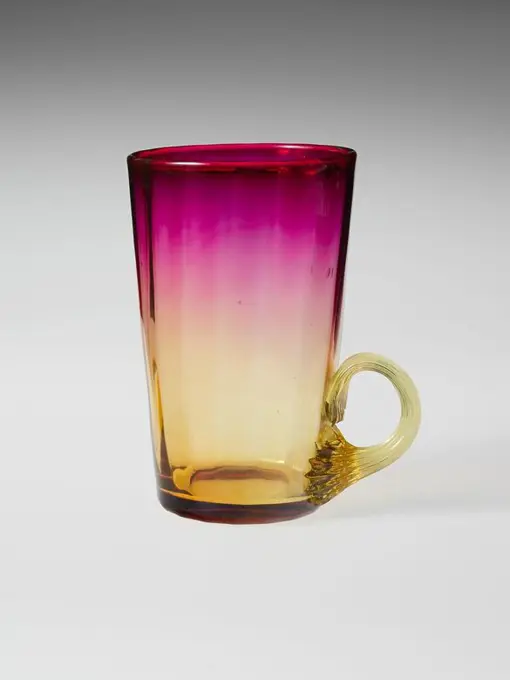
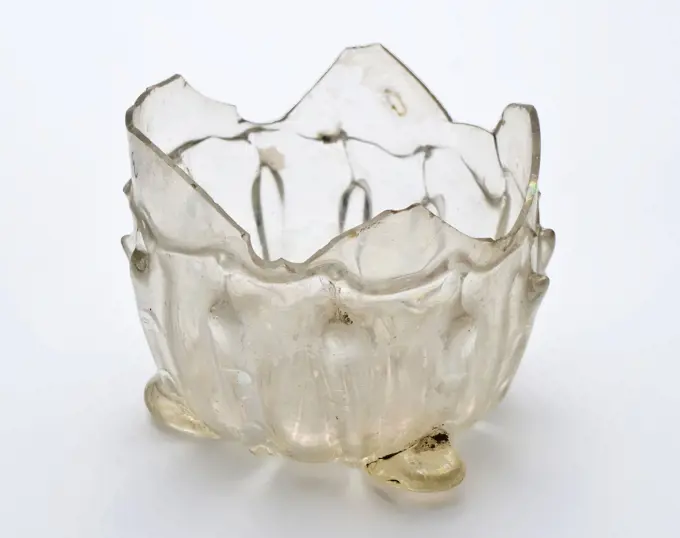
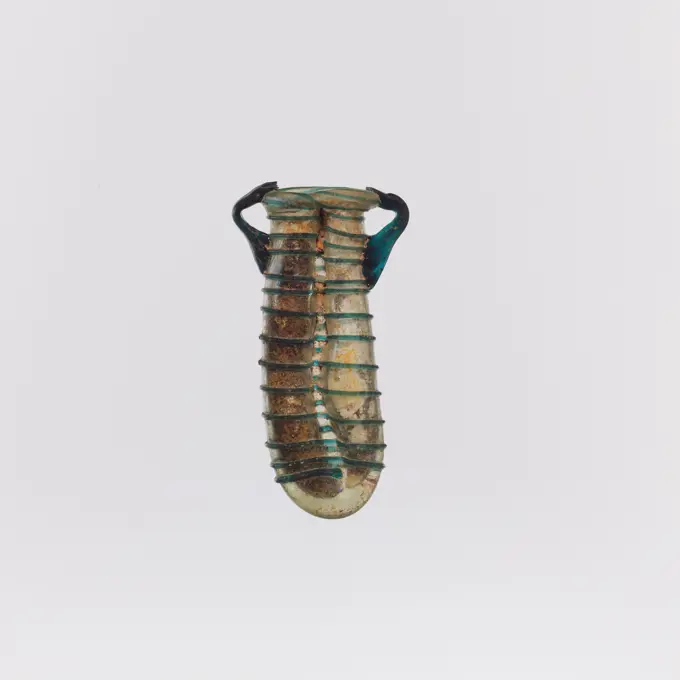
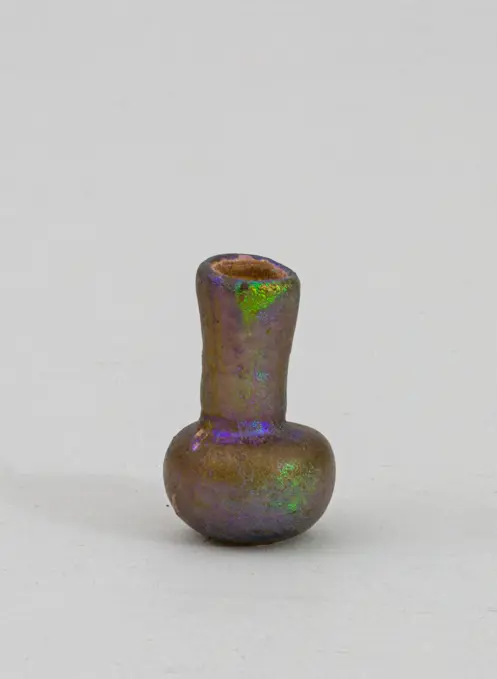
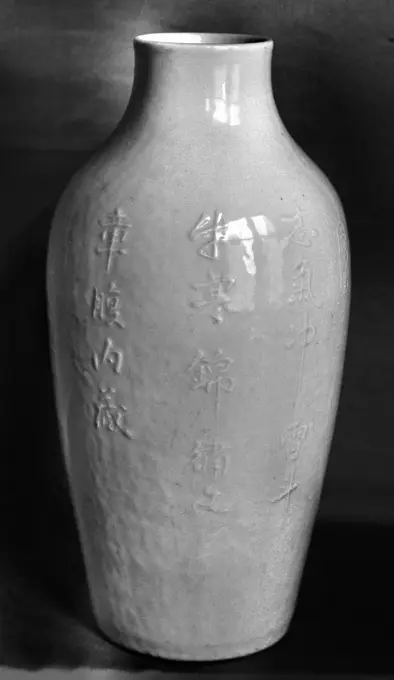
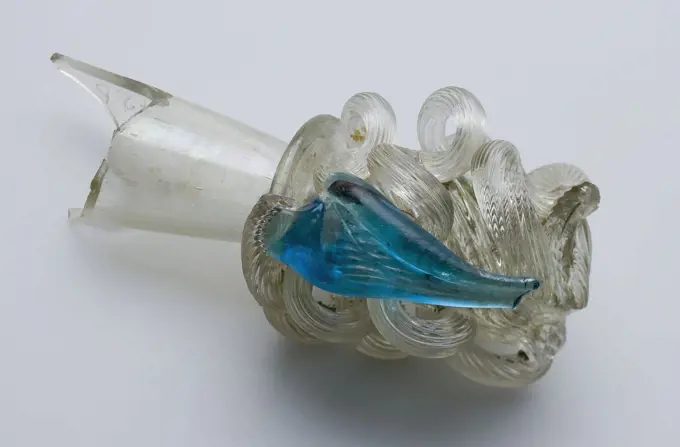
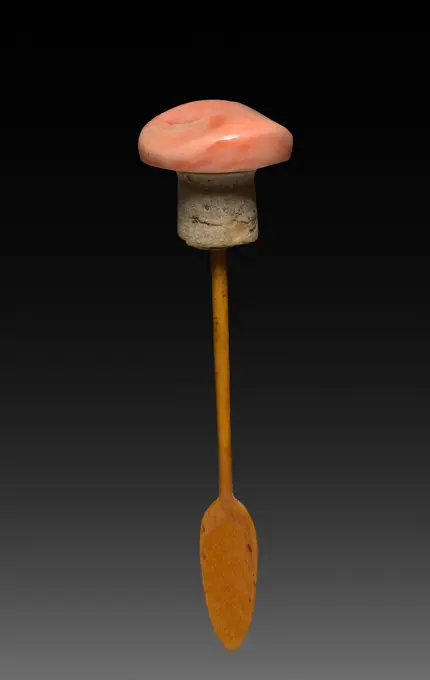
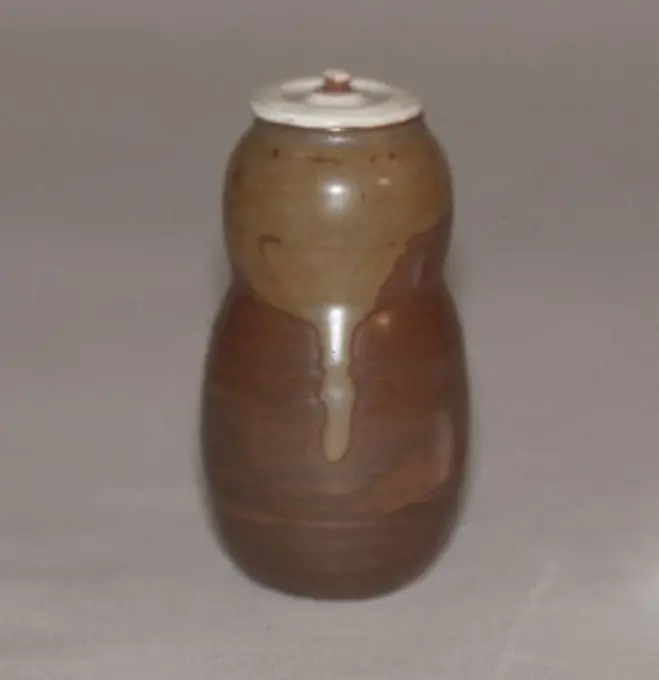
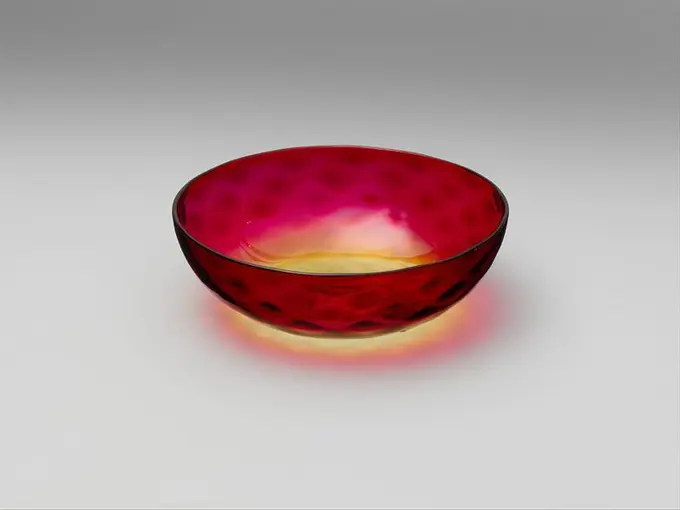
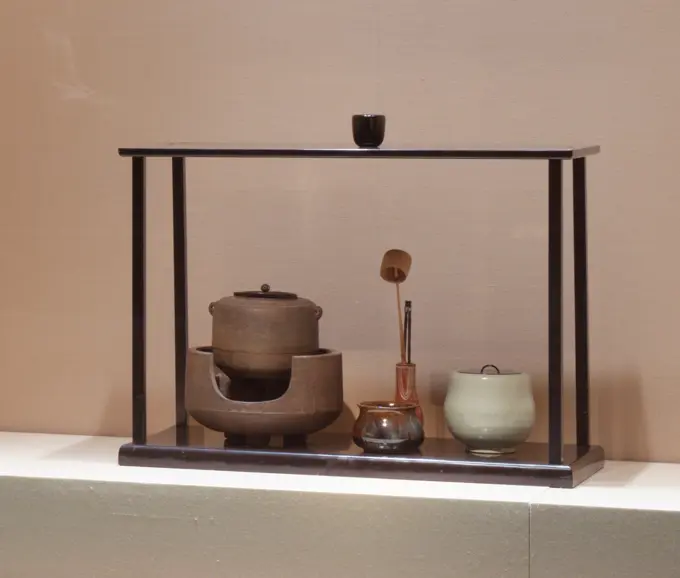
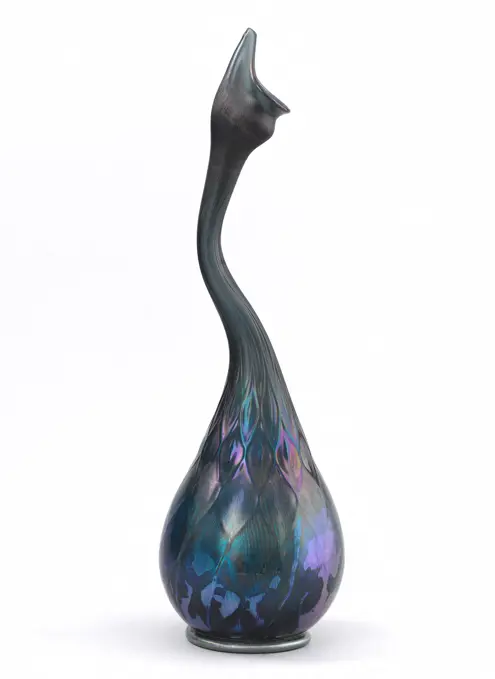
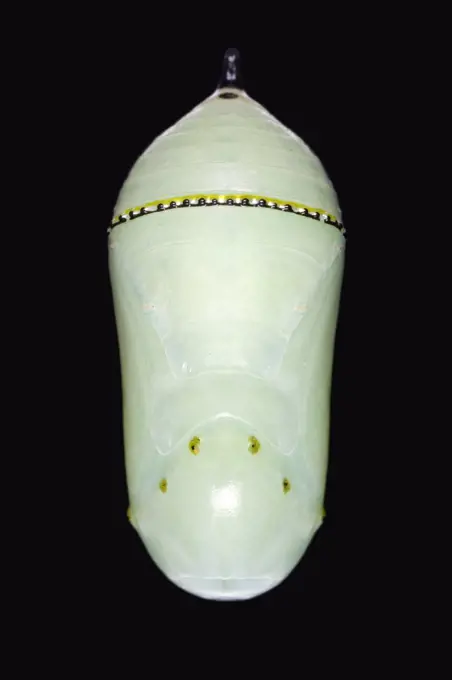
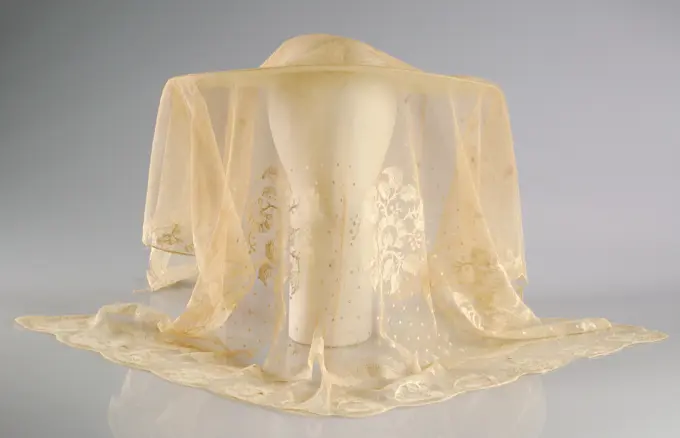
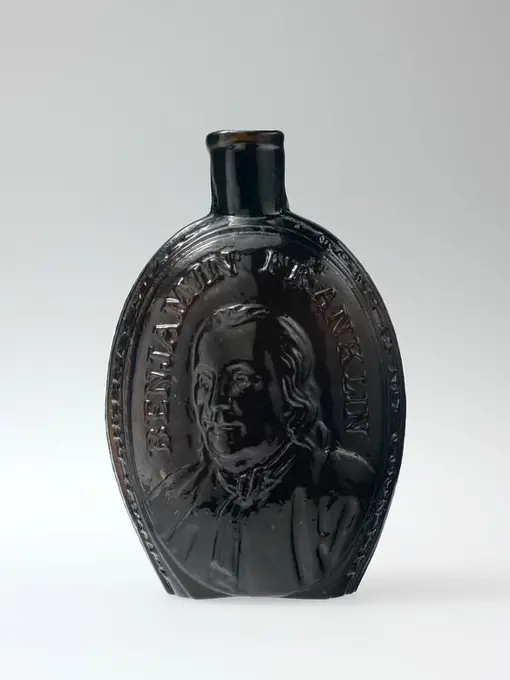
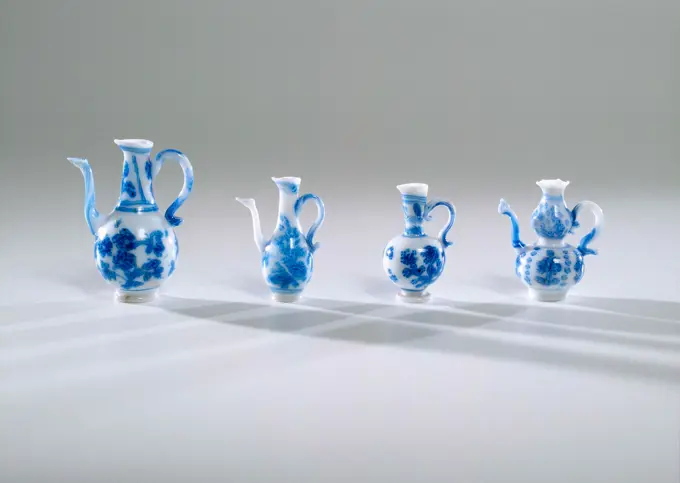
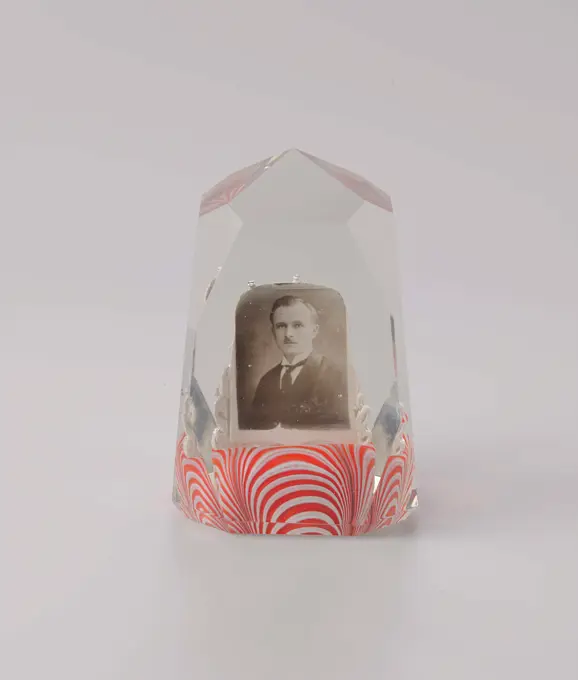
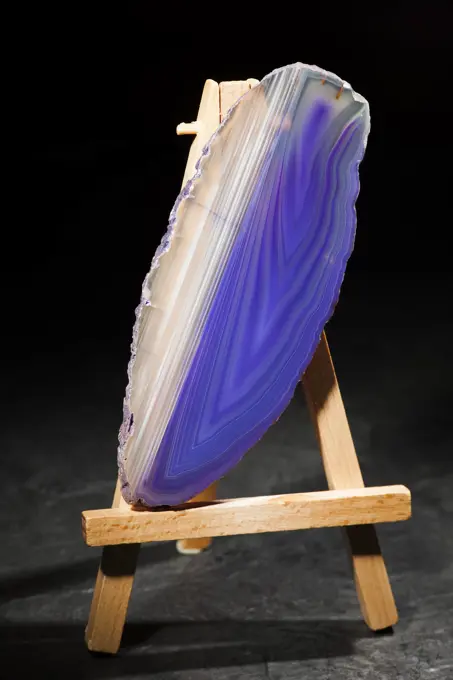
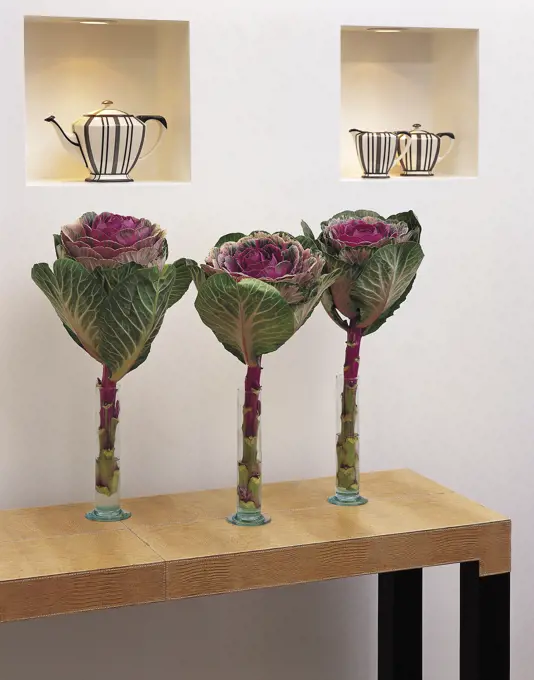
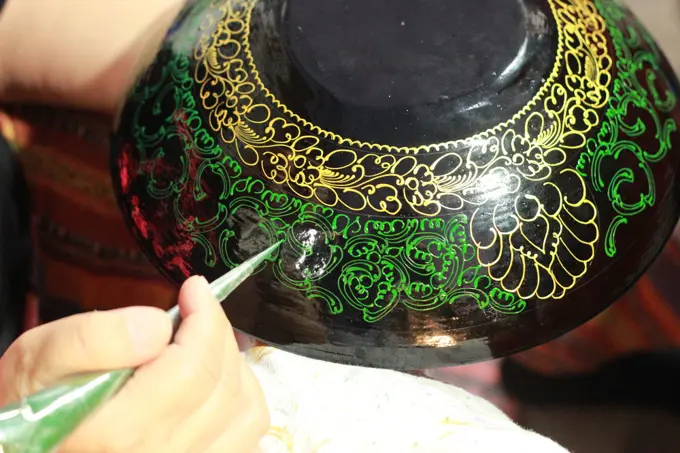
Pair ofbeakers.   Maker: Joseph Clark, American, 1716-1783Punch Glass. Culture: American. Dimensions: H. 3 3/4 in. (9.5 cm); Diam. 2 15/16 in. (7.5 cm). Maker: Probably New England Glass Company (American, East Cambridge, Massachusetts, 1818-1888). Date: ca. 1883-88. Museum: Metropolitan Museum of Art, New York, USA.SugarBowl.  Artist: Joseph Lownes, American, 1758-1820Foot fragment beaker on three feet, ribs, pontilemark, beaker goblet drinking glass drinking utensils tableware holder soil find glass, free blown beaker Light discolouration due to iridescence Thickening at the bottom of the sidewall on which thick ribs have been applied continuously to the soul Pontil mark Clear and colorless glass. Three feet made of squeezed glass droplets archeology Valckensteyn Poortugaal Albrandswaard drink liquor wine beer serve Soil discovery: castle Valckensteyn in Poortugaal now Albrandswaard 1961-1962.Whale Oil Lamp 1830-40. Whale Oil Lamp 5439Pitcher 1 CE-500 CE Syria. Glass, blown technique . Ancient RomanBowl. China, Swangtao, early 17th century. Furnishings; Serviceware. Porcelain with raised white slip decorations and translucent blue glazeGlass double cosmetic flask (kohl tube) 4th century A.D. Roman, Syrian Colorless with greenish tinge; handles and trail in translucent turquoise blue with streaks of opaque red.Thick rim folded out, over, and in; body comprising two tubes, side by side, made from a single inflated gather by pinching sides vertically to make diaphragm; thick, round bottom; two rod handles attached to side of body over trail in claw pads, drawn up and out, turned in, and pressed onto edge and top of rim.Single trail applied on body near bottom and wound up in a spiral sixteen times, ending in rim.Intact; pinprick bubbles; slight dulling and iridescence on exterior, one tube almost completely filled with soil encrustation, with weathering and iridescence on interior.Colorless double vase made of a single tube with blue handles and blue glass threads.. Glass double cosmetic flask (kohl tube) 249567Terracotta sculpture of the legendry artist  Himmat Shah  Indian Art  Master piece  Clay  for editorial use only  Jaipur  Rajasthan  India Copyright: xRavixShekhar/DinodiaxPhotoxGlass miniature jar Roman or later 3rd-5th century CE or later Colorless with greenish tinge.Thickened and rounded vertical rim, slightly inverted and bulging on one side; cylindrical neck tapering downwards; shoulder partially pushed in; squat globular body; small central kick and pontil scar on bottom.Intact, but internal crack from rim to bottom; pitting and iridescent weathering. View more. Glass miniature jar. Roman or later. 3rd-5th century CE or later. Glass; blown. Late Imperial. GlassMounts for carved coconut sugarbowl. Maker, attributed to (?): Thomas Hammersley, 1727-1781Miniature Covered Tureen andUndertrayFoot warmer - Inconnu / UnknownCylindrical wine bottle, wine bottle bottle holder soil find glass, hand-blown glass application Cylindrical (wine) bottle in clear green glass. Pontil mark under raised, bottom Bottom of body sagged with straight wall to convex shoulders and straight neck with round irregular irregular obliquely flattened glass wire tension and slightly dilated flattened lip archeology packaging pour drinkingCup with two rows studs. Cup with inserted bottom. Smooth stand ring. Ton-shaped body, set with two rows of flat studs under a smooth thread.Vase of earthenware with abstract decor in brown and black, Jaap Gidding, c. 1925 Vase of earthenware, painted in brown and black on yellow -white stock with an abstract decor. Gouda earthenware. uranium oxide Vase of earthenware, painted in brown and black on yellow -white stock with an abstract decor. Gouda earthenware. uranium oxideVase Tutrè de Varreux, Camille, Cristallerie de PantinAnonymous / 'Porphyry vase with lid'. Third quarter of the XVII century. Porphyry. Museum: Museo del Prado, Madrid, España.Wineglass 19th century Italian, Venice (Murano). Wineglass. Italian, Venice (Murano). 19th century. Glass. GlassVase with poem and mythical beast 18th century China. Vase with poem and mythical beast. China. 18th century. Porcelain with low relief decoration under white glaze (Jingdezhen ware). Qing dynasty (1644-1911). CeramicsMiniature mug early 19th century German. Miniature mug. German. early 19th century. Glass. GlassClear glass bottle with swan neckFragment of trunk and calyx of façon de Venise flute glass, flute glass drinking cup holder ground find glass, free blown and shaped glass application Fragment of the stem of façon de Venise flute glass consisting of hollow optically blown stem of clear colorless glass with right-hand ripples surrounded by three times wavy and twisted around going massive ribbed glass thread (0.4 cm) of clear colorless glass. On the trunk is still fragment of decoration of clear blue glass. Between the trunk and the calyx flat knot (2,4 cm). The calyx runs from 1.2 cm to 2 cm and is contaminated with archeology in the soilSnuff Bottle with Stopper (stopper), 1723-35. China, Jiangxi province, Jingdezhen kilns, Qing dynasty (1644-1911), Yongzheng mark and reign (1723-35). Porcelain; overall: 8.4 cm (3 5/16 in.).copa decorada con aves y peces, siglo I a.C. Procedente de Numancia, museo Numantino de Soria, Soria, Comunidad Autónoma de Castilla, Spain, Europe.Vase, Marteleline.  Designer William C. Codman, American, born England, 1839-1921 Manufacturer: Gorham Manufacturing Company, American, founded 1831  Maker: Frederick J. Buxton, Sr.Maker Chaser: Clemens Friedell, American, 1872-1963Tumbler 1870-90 Challinor, Taylor and Company. Tumbler 9114Fragment of goblet with hollow balustere stem, drinking glass drinking utensils tableware holder fragment soil find glass, free blown Stem fragment of goblet. Clear and colorless glass. Light iridescent oily discoloration Balusterstam with hollow bud under the base of the calyx Pontilmerk archeology Valckensteyn Poortugaal Albrandswaard drink wine serve serving Soil discovery: castle Valckensteyn in Poortugaal now Albrandswaard 1961-1962.Amphoriskos (Container for Oil) 1 CE-100 CE Syria. Glass, mold-blown technique . Ancient RomanCUENCO DE JADE. Location: PRIVATE COLLECTION. MADRID. SPANIEN.Tea Jar 18th century Japan. Tea Jar. Japan. 18th century. Clay covered by overglaze; right-handed itoguiri (Takatori kiln). Edo period (1615-1868). CeramicsSauce Dish. Culture: American. Dimensions: H. 1 1/2 in. (3.8 cm); Diam. 4 3/8 in. (11.1 cm). Maker: Probably New England Glass Company (American, East Cambridge, Massachusetts, 1818-1888). Date: after 1883. Museum: Metropolitan Museum of Art, New York, USA.Owl (head), 1540. Southern Germany, 16th century. Faience; overall: 25.9 cm (10 3/16 in.).Nobody in creative studio with artistic equipmentDish from Dishes with Shells, c. 1915. Seifū Yohei IV (Japanese, 1872-1951). One from a set of five dishes; porcelain with blue glaze, iron oxide, and molded design; height: 2.5 cm (1 in.); diameter: 12.1 cm (4 3/4 in.).Close-up of a wooden mortar and pestlePorringer.   Maker: Richard Lee, Sr., American, 1747-1823Maker or: Richard Lee, Jr., American, 1775-after 1816Vase, 1723-1735, H.5-3/4 in., Porcelain with camellia leaf-green glaze, China, 18th centuryFire-iron 18th century Japan. Fire-iron. Japan. 18th century. Iron. MetalworkMug withCoverLouis-Comfort Tiffany (1848-1933). Bottle. Glass. 1897. Museum of Fine Arts of the City of Paris, Petit Palais. 55058-13 Beak, blue, bottle, curve, extended shape, glass, art nouveau glasswareSnuff Bottle China. Snuff Bottle. China. Porcelain with metal and enamel stopper, wood stand. Qing dynasty (1644-1911), Daoguang period (1821-50). Snuff BottlesMonarch (Danaus plexippus) butterfly chrysalis, inside the metamorphosis takes place transforming the larva into an adult butterfly, North AmericaVeil second quarter 19th century British. Veil 168304Figured flask. Culture: American. Dimensions: H. 7 in. (17.8 cm). Manufacturer: Kensington Glass Works (1816-38). Date: 1824-38. Museum: Metropolitan Museum of Art, New York, USA.. Can of milk glass with blue email paint painting, imitation Chinese blue porcelain; Decoration of blossom branches on belly on stomach on neck; Model pear-shaped on stand ring with S-shaped handle and spout and shiny.Seal Paste Box (Yinnihe). China, Jiangxi Province, Jingdezhen, Qing dynasty, Kangxi mark and period, 1662-1722. Furnishings; Accessories. Wheel-thrown porcelain with peach-bloom glazerubles arrow origami. Arrow origami made of rubles bills on a white backgroundlittle japanese vaseBottle of Milk Exploding against Black BackgroundDaum brothers. "Vase decorated with tulips", early 20th century. Blown glass, engraved with acid and enamelled. Museum of Fine Arts of the City of Paris, Petit Palais. Art Nouveau, Emaille, Fleur, Grave Acid, Tulipe, Ornee vase, breath breathPaperweight with a portrait of a man. .Forstén, Berndt Lennart, work, Utsigt vid Mehtälampi sjö (i Hirvensalmi), Finland prättädt i techningning, booklets XI and XII, 1847, lithography, main class : graphics, leaf width 32 cm, leaf height 24 cm, picture width 20 cm, picture height 13 cmBlue and white agate slices standing slantly Studio shot of an elongated, thin and polished agate slice in the front light with blue and white stripes standing diagonally on a miniature easel. Studioaufnahme einer länglichen, dünnen und polierten Achat-Scheibe im Frontlicht mit blauer und weißer Bänderung schräg auf einer Miniatur-Staffelei stehend. Copyright: xZoonar.com/AndyxNowackx 14875291Cabbage in vasesLombardic drinking-horn, AD 500-700. Drinking-horns were popular in Germanic cultures during this period. This example from a high status grave in Sutri, Italy, is made of blue glasshands of a craftswoman painting decorative lacquer on traditional plates and bowls at a craft night market stall in Northern Thailand, Southeast AsiaOpalescentVessel.   Maker: Seguso Zanetti and Company, Italian, VeniceGlass figure of the Eiffel Tower in red