Classic Silverware Collection

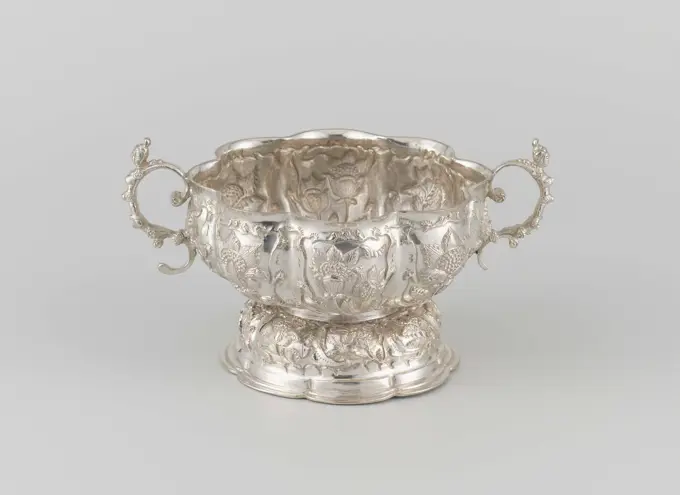
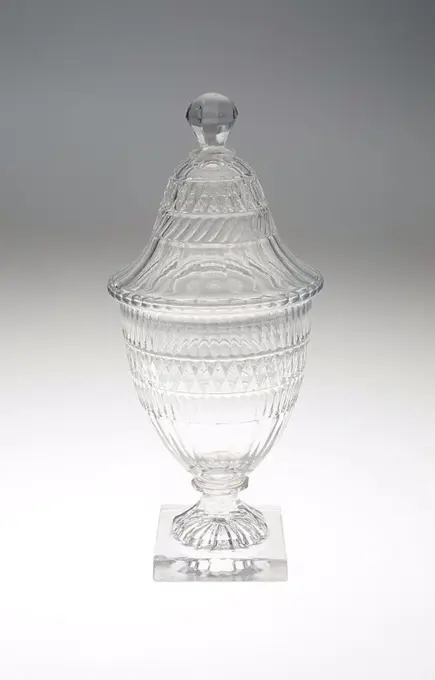
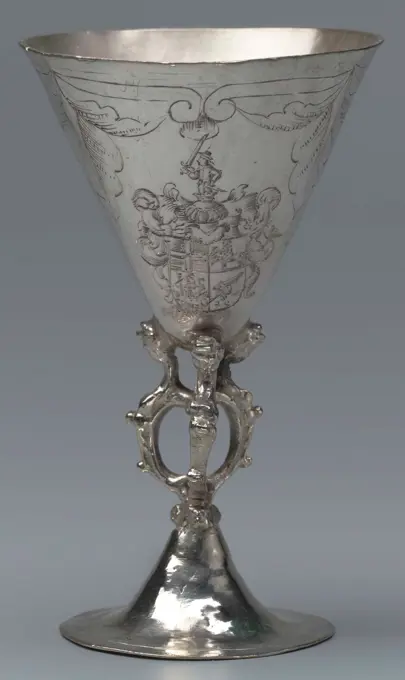
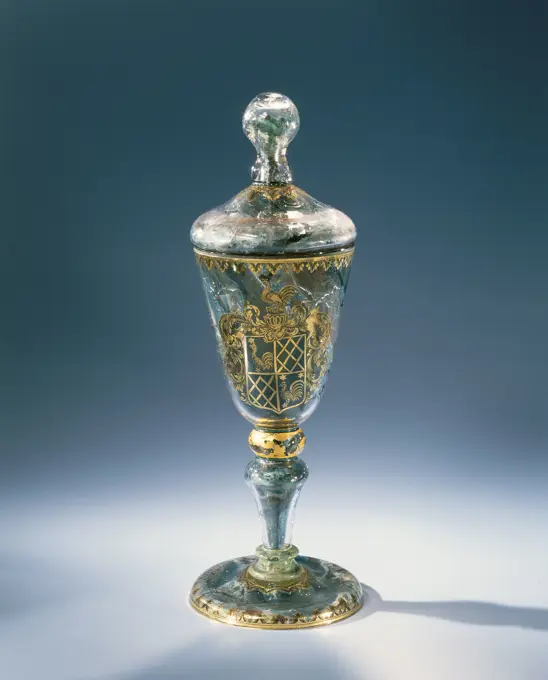
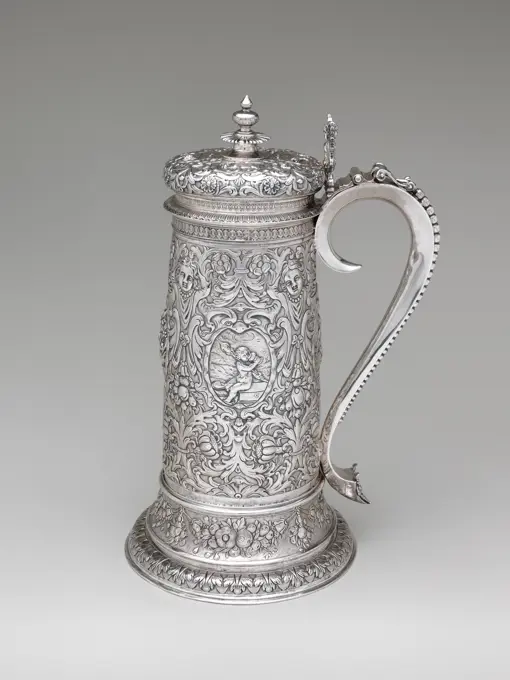
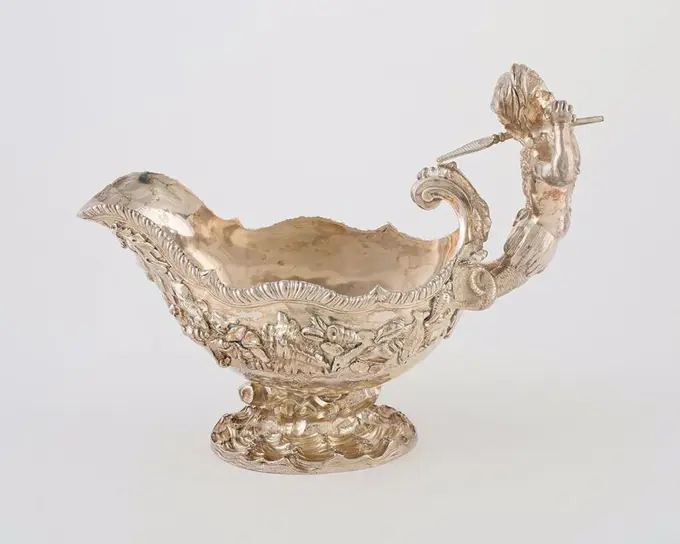
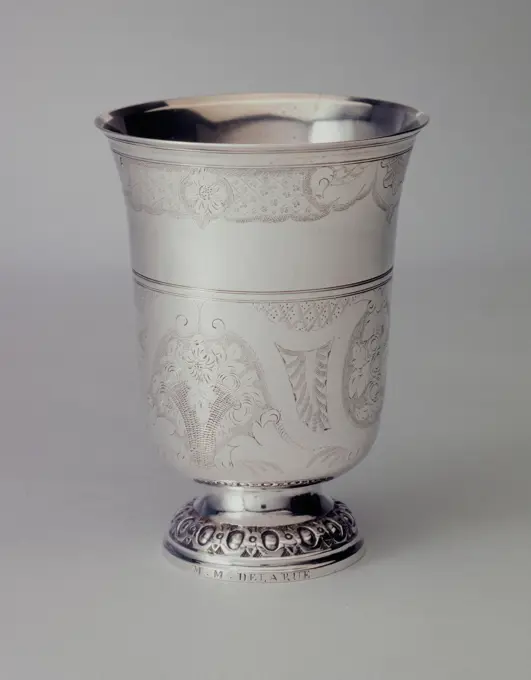
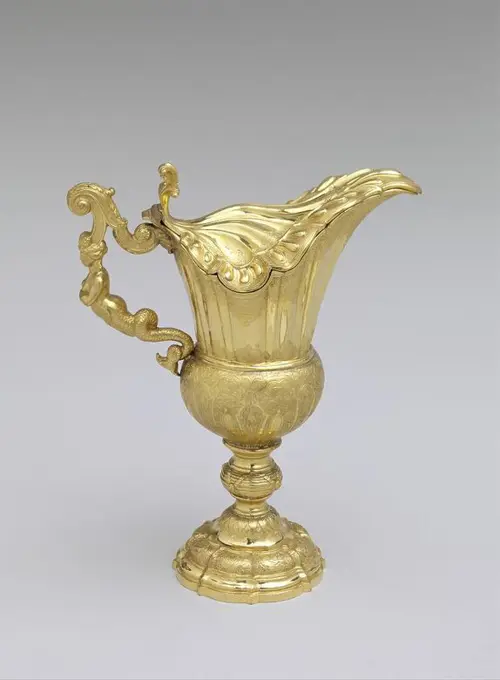
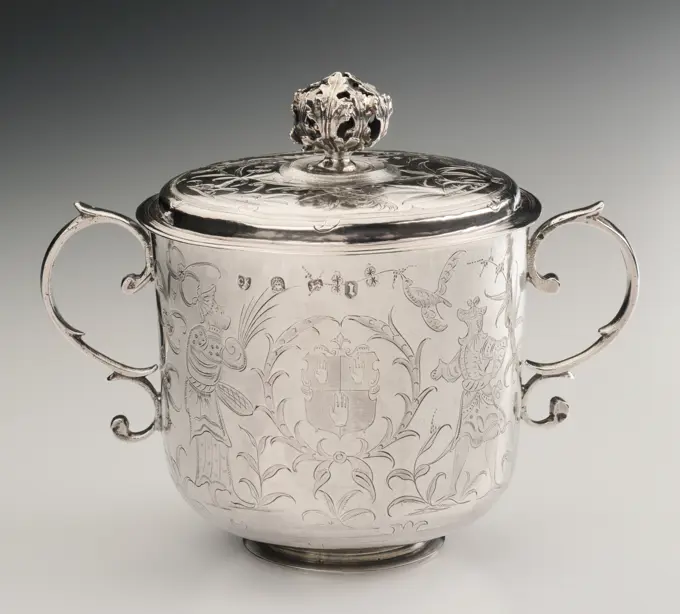
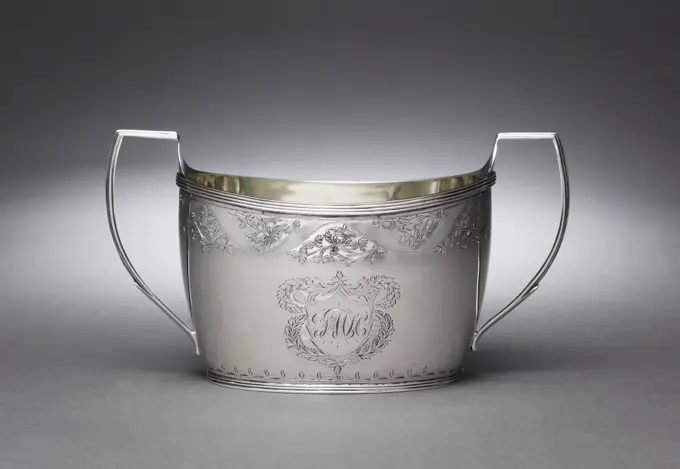
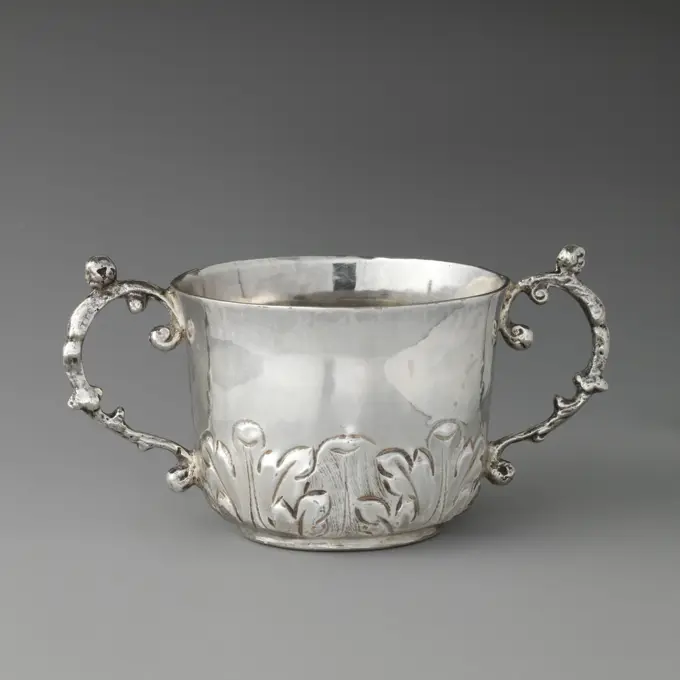
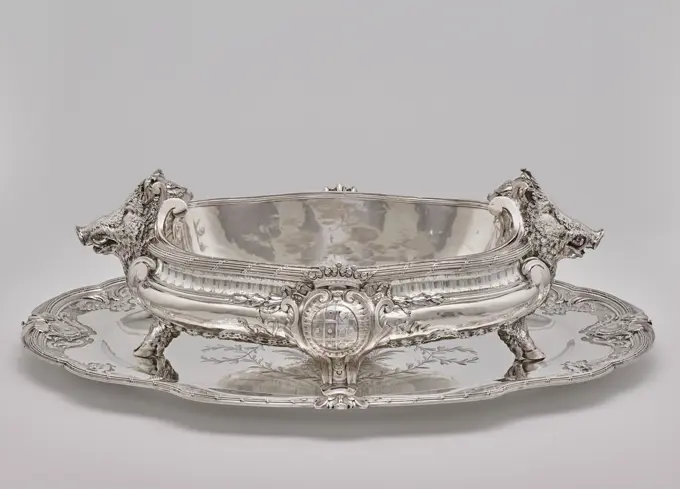
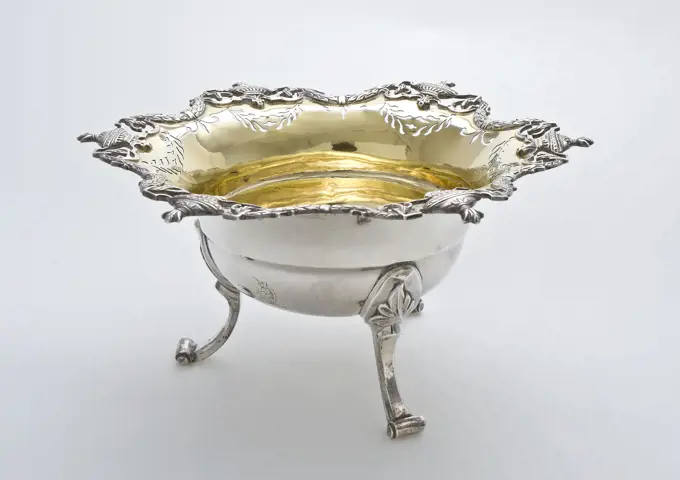
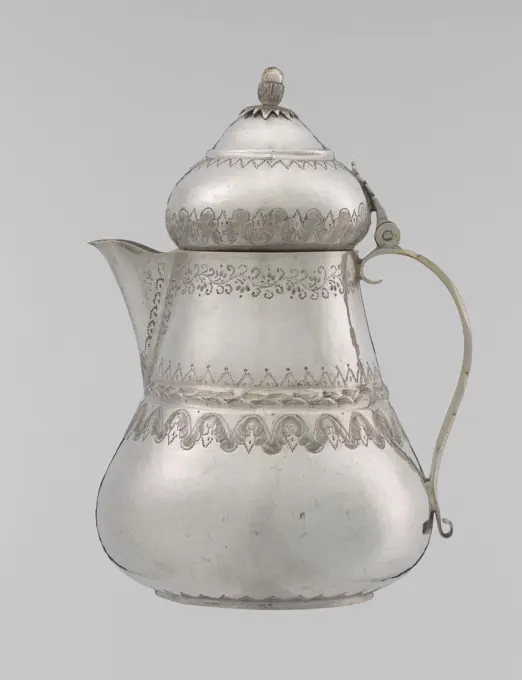
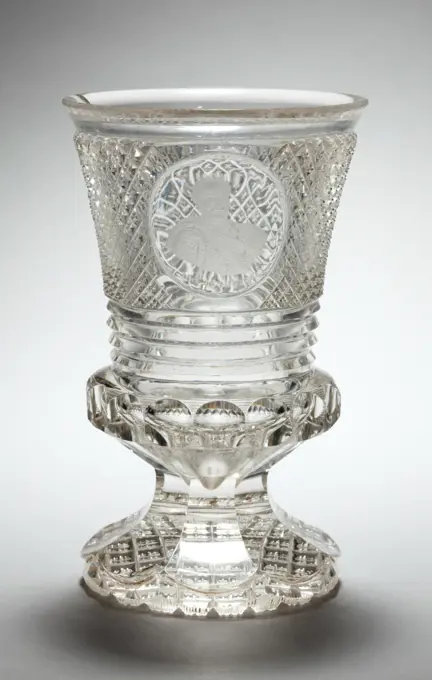
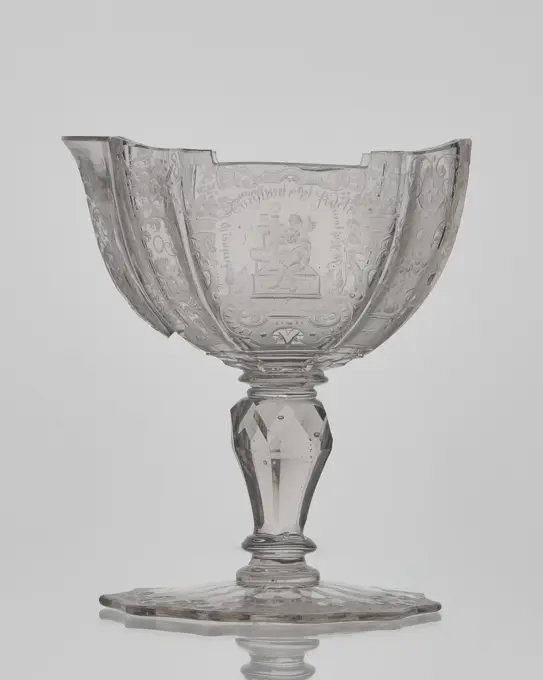
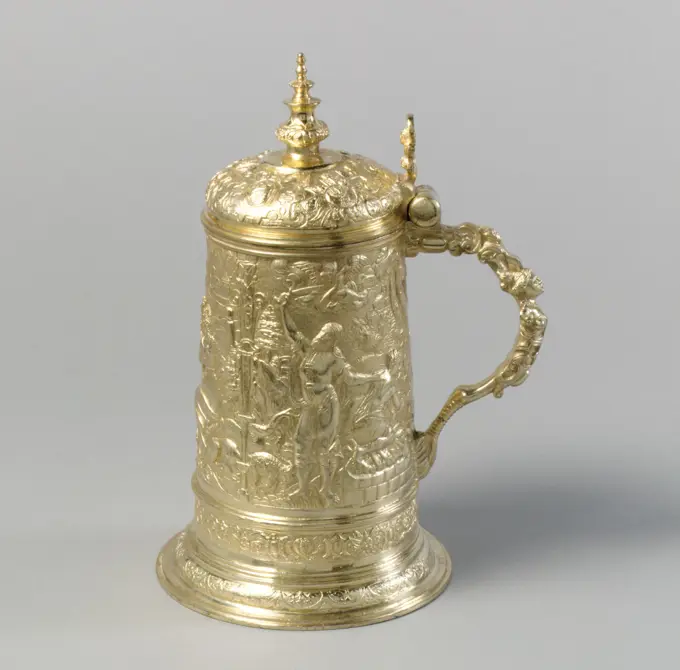
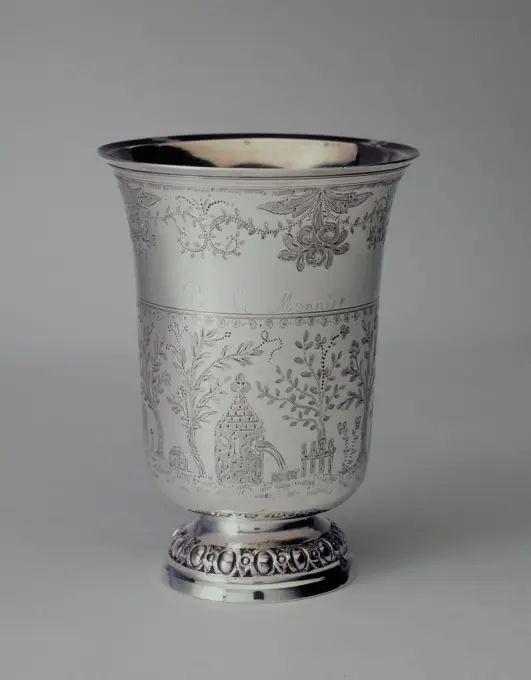
A variety of vintage silver items including jugs, cauldrons, and ewers, showcasing intricate engravings and decorative designs from different centuries.
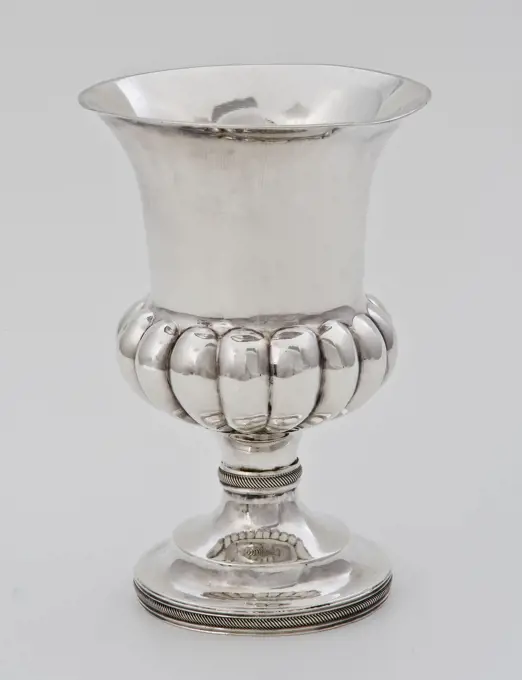
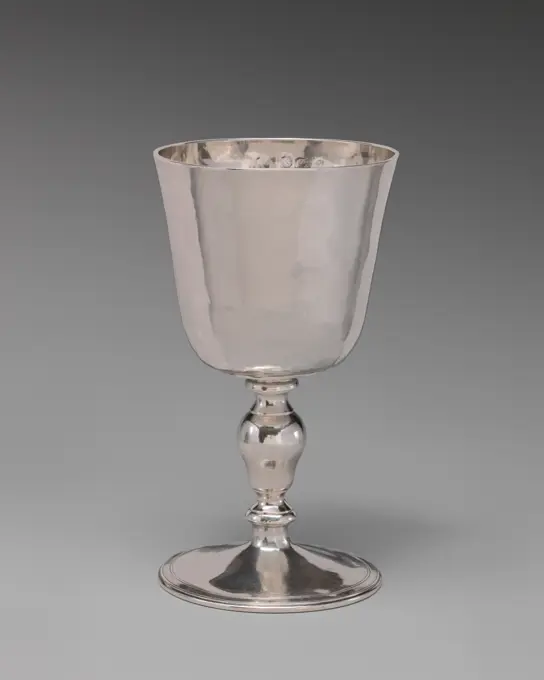
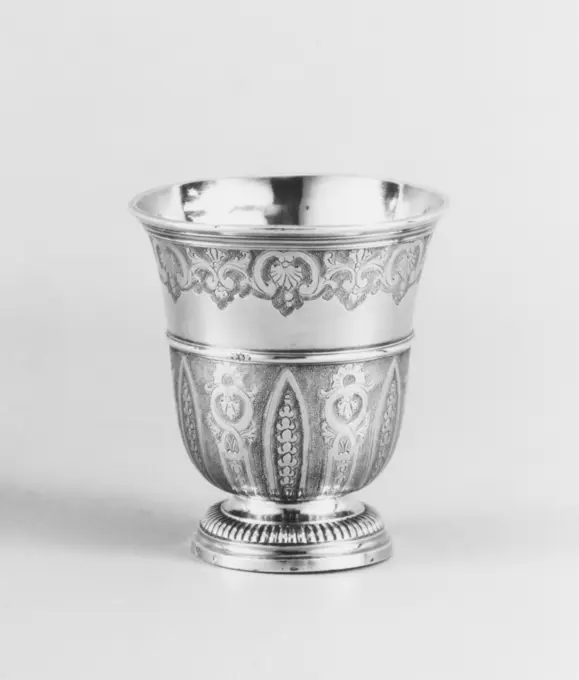
Coerts Hoorn (), Silver cup, chalice liturgical vessel silver, religion church Rotterdam Blijdorp Originating from the H Albertus the Great in Blijdorp (possession of the Dominicans).
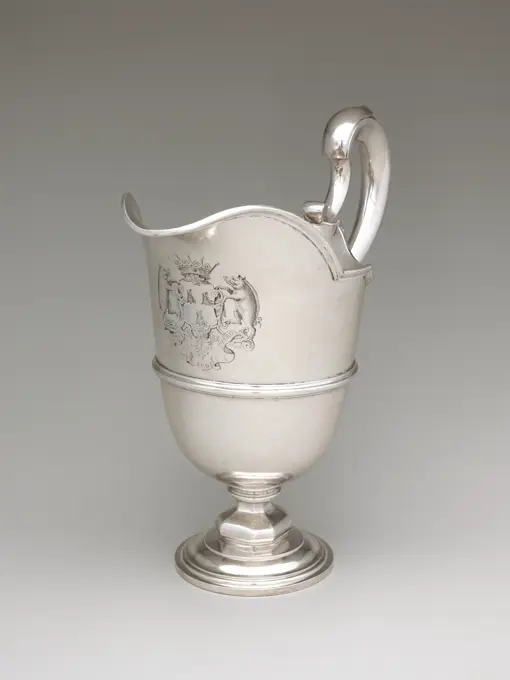
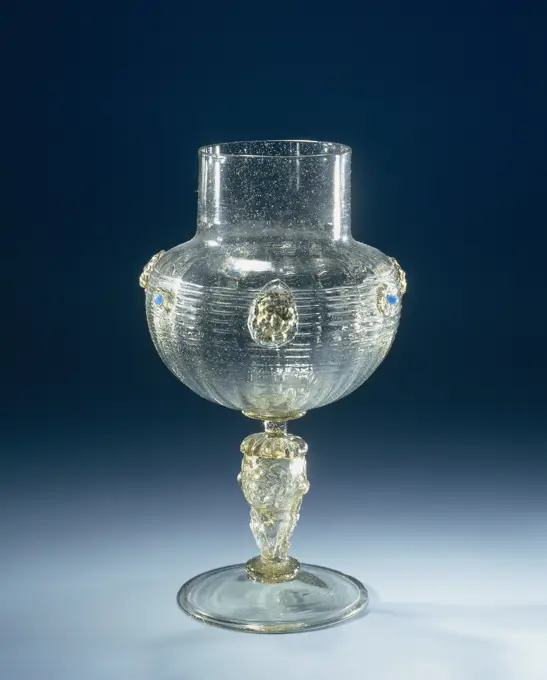
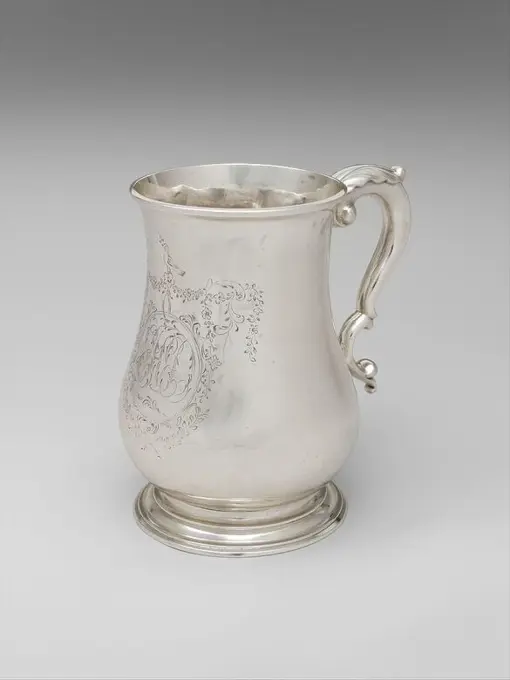
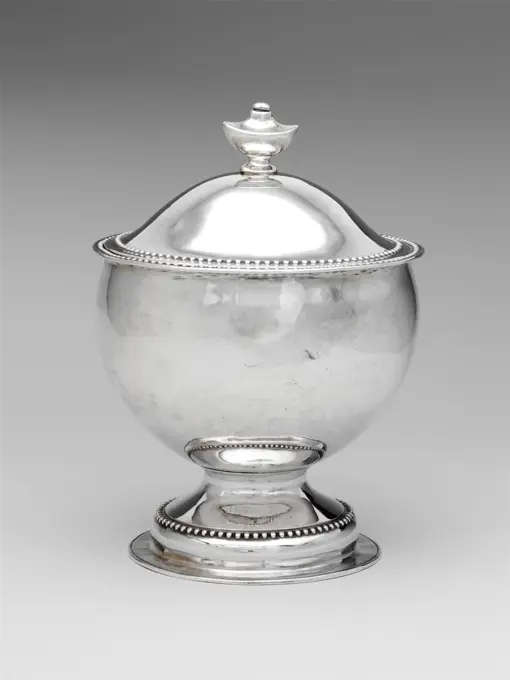
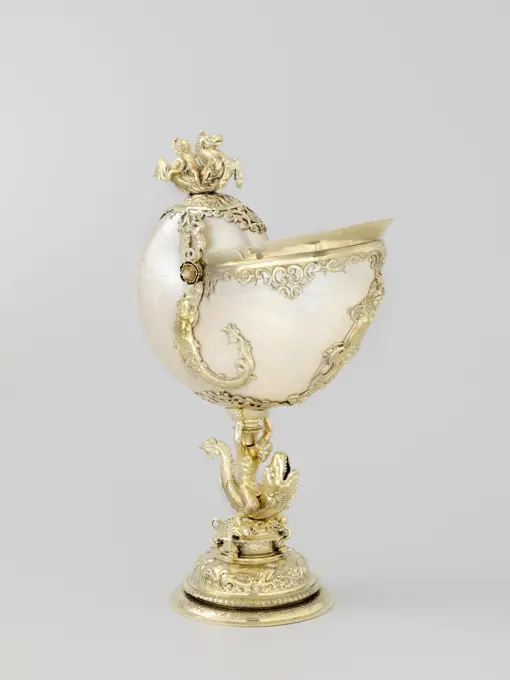
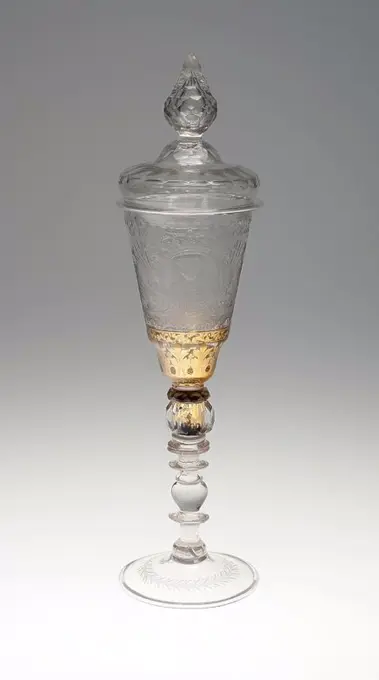
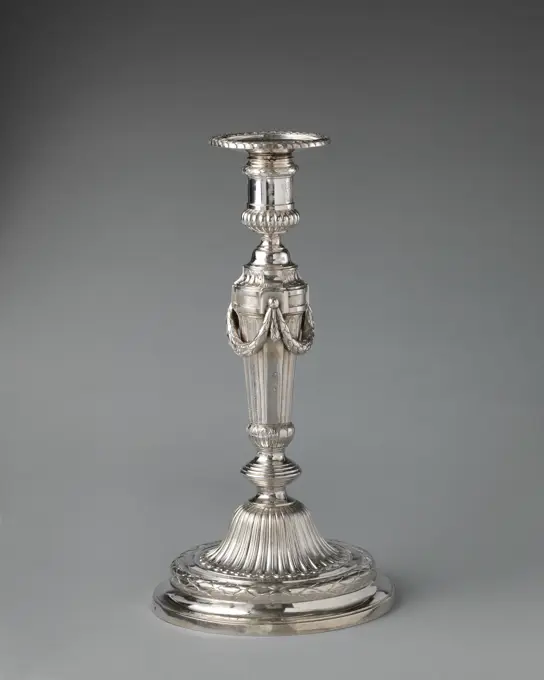
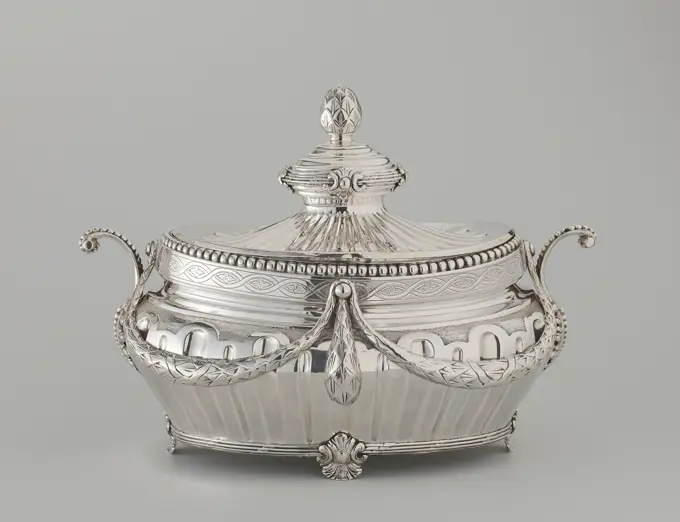
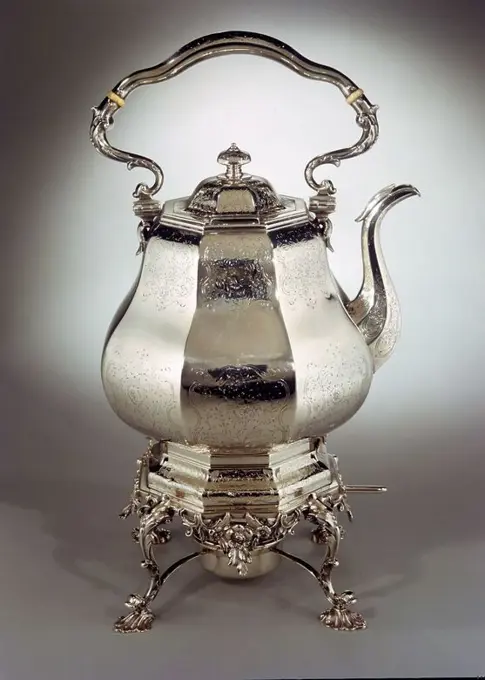
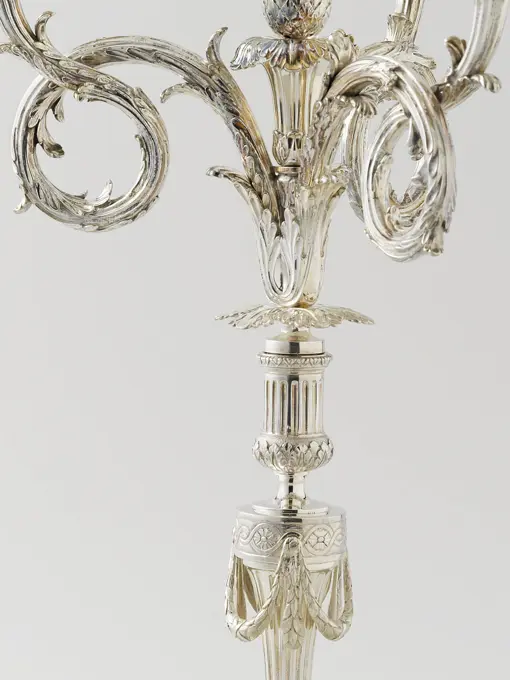
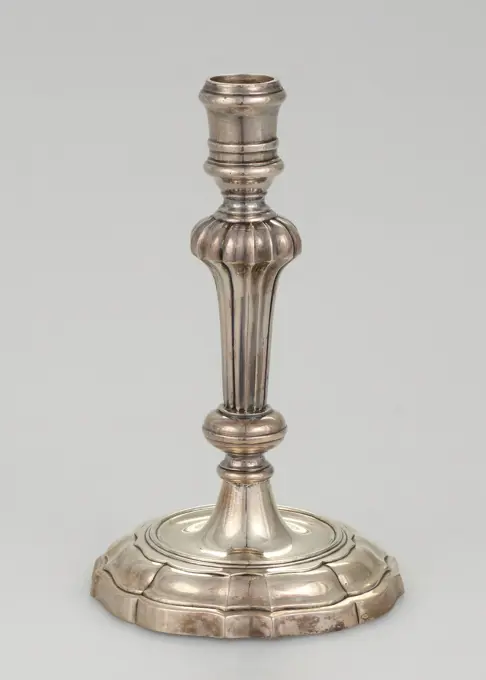
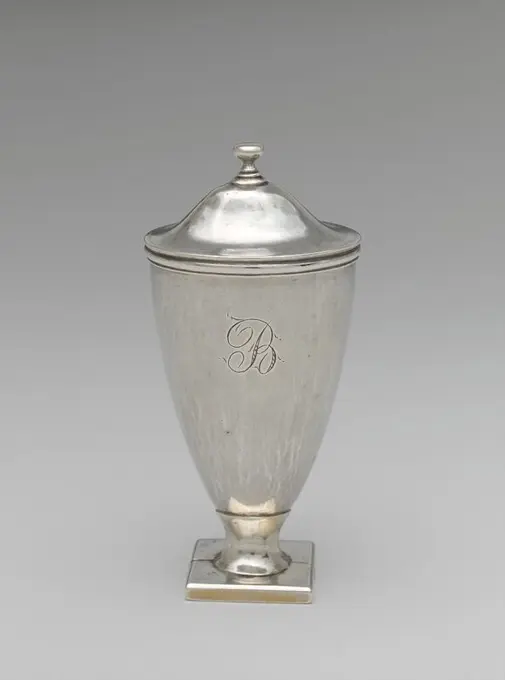
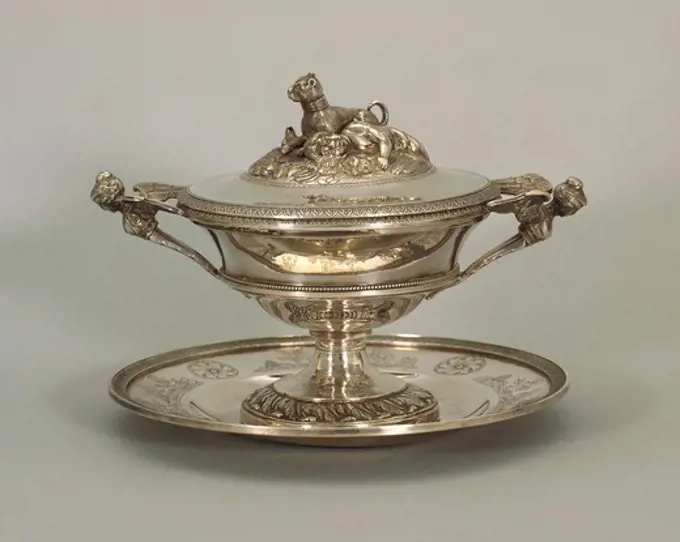
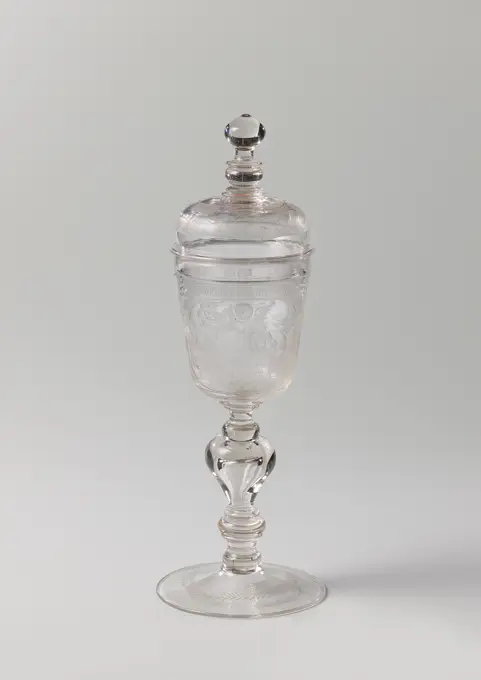
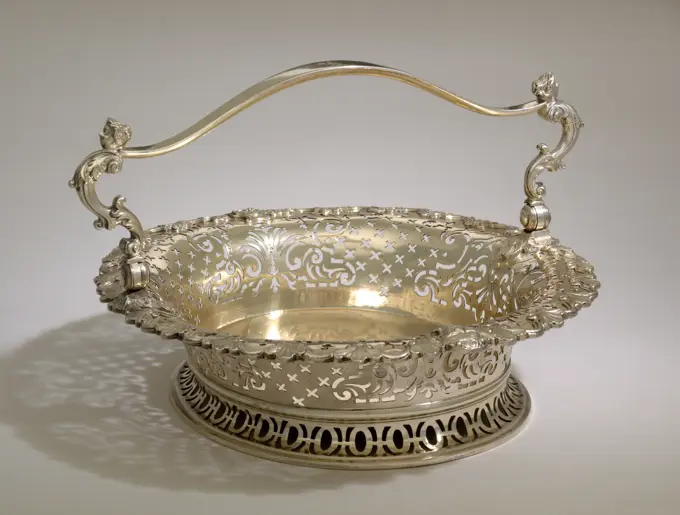
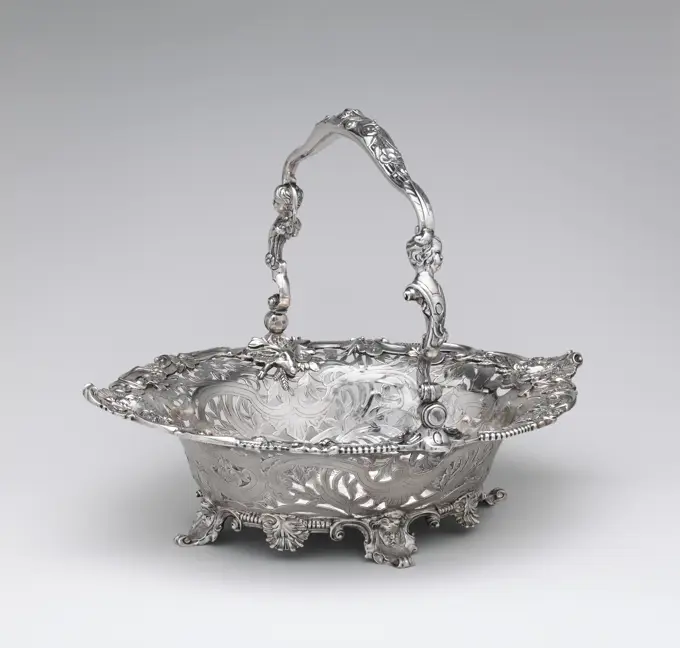
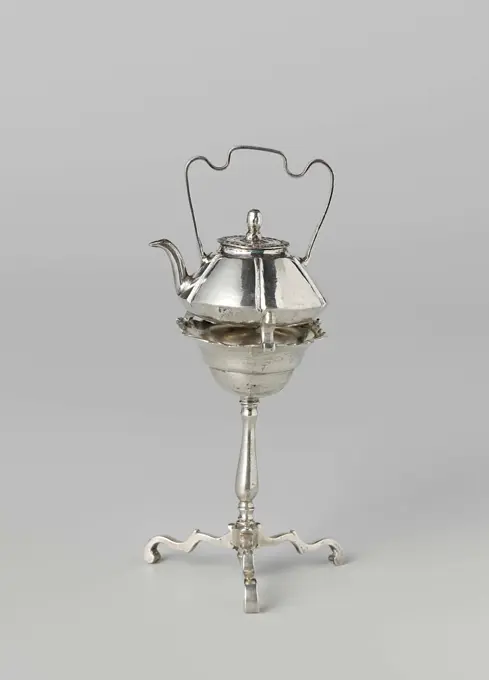
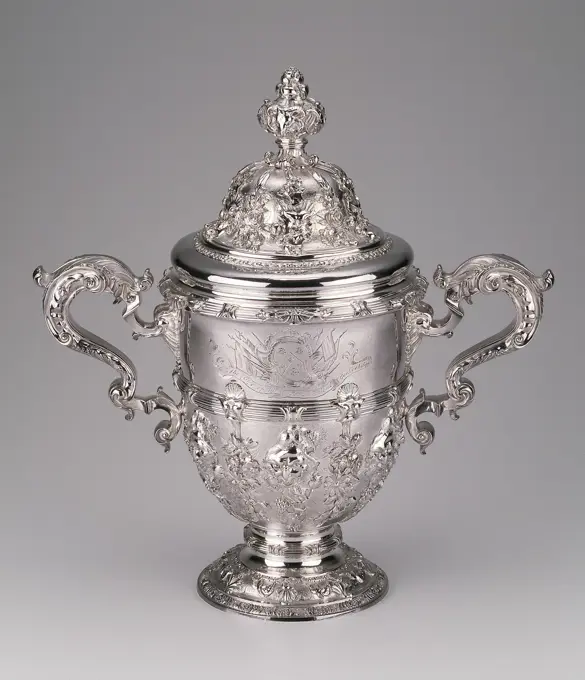
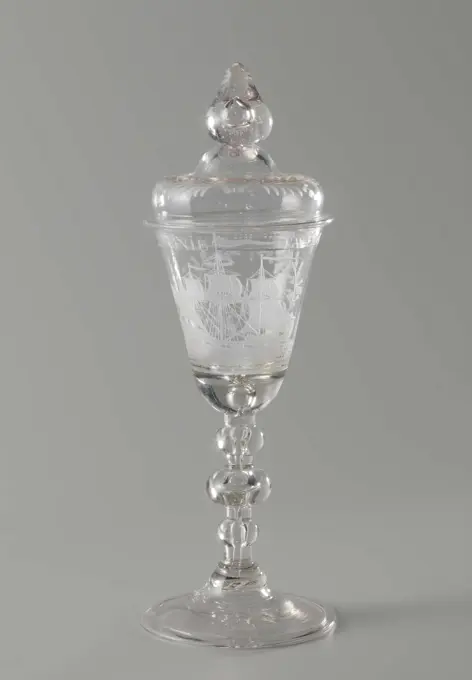
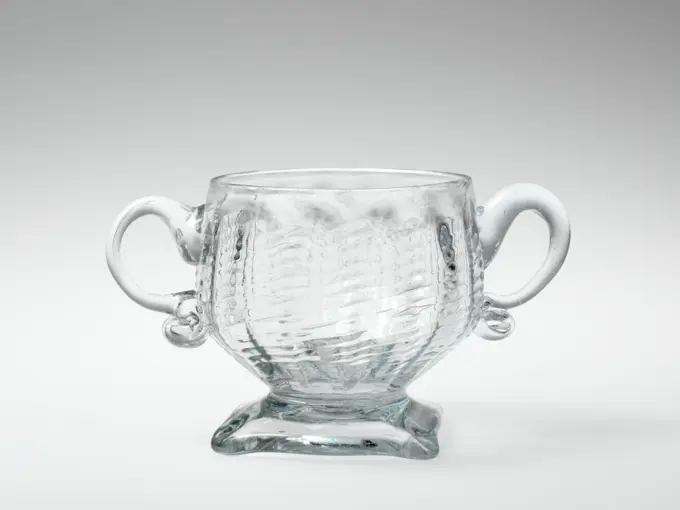
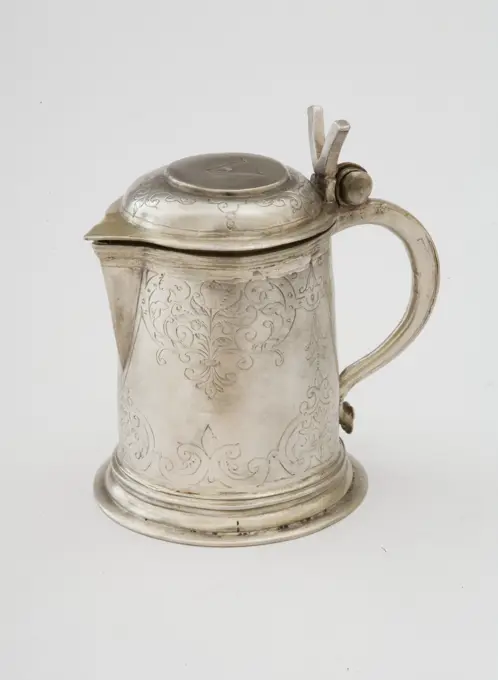
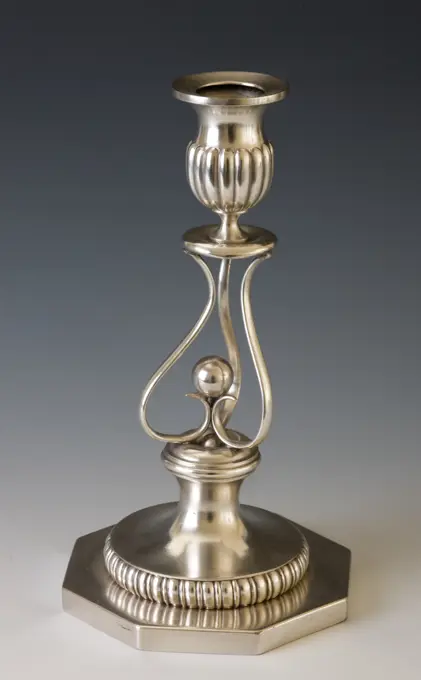
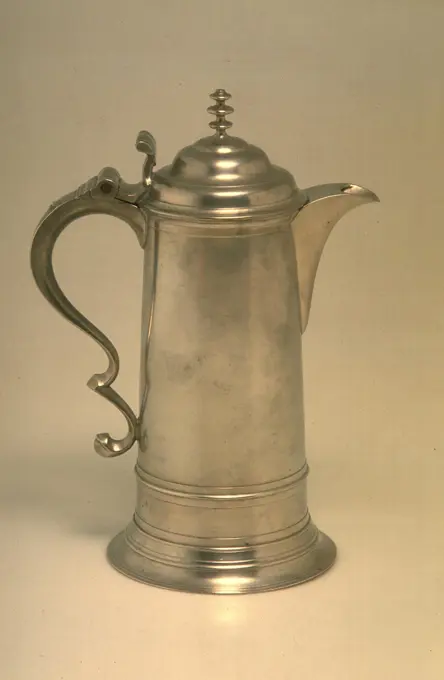
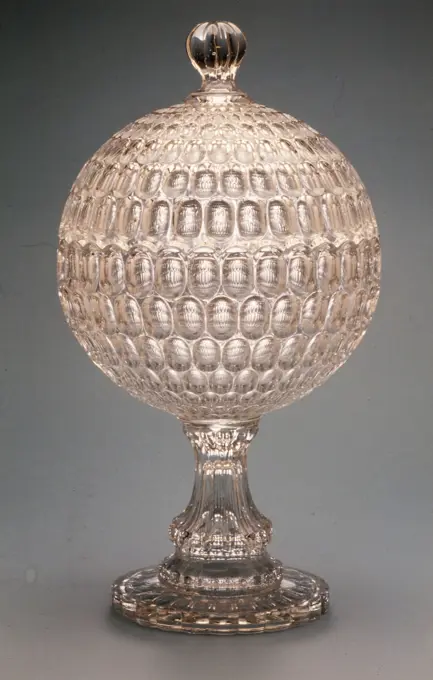
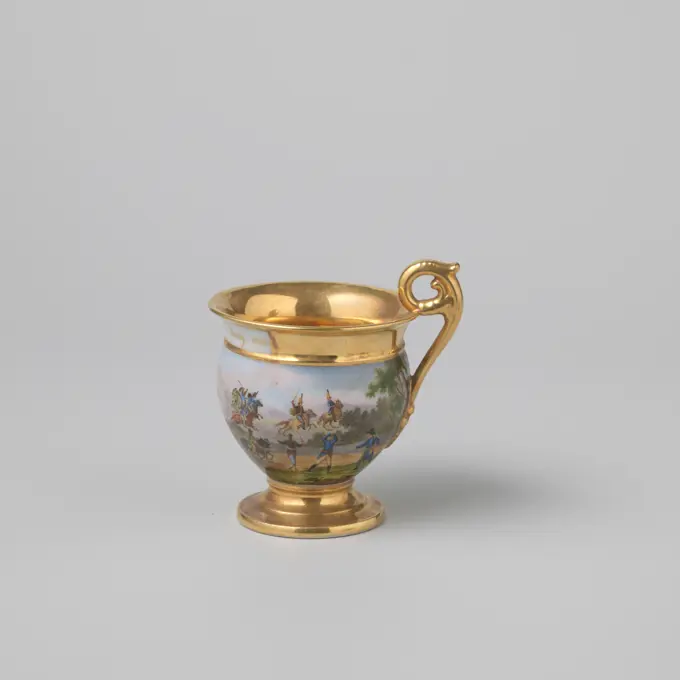
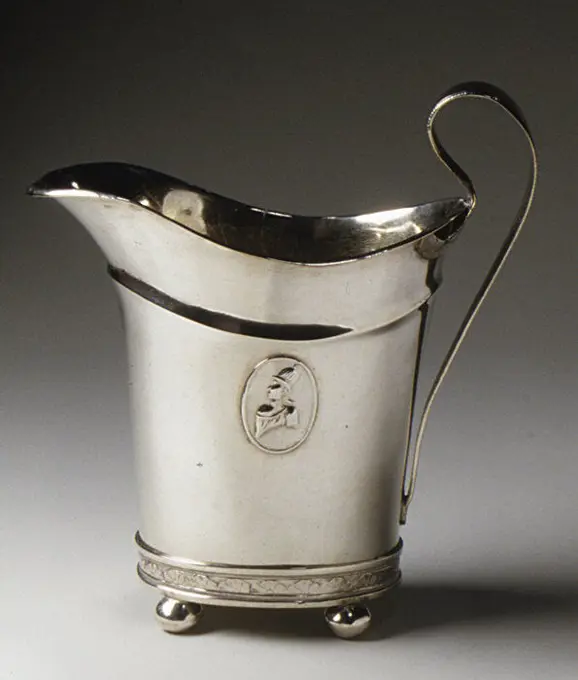
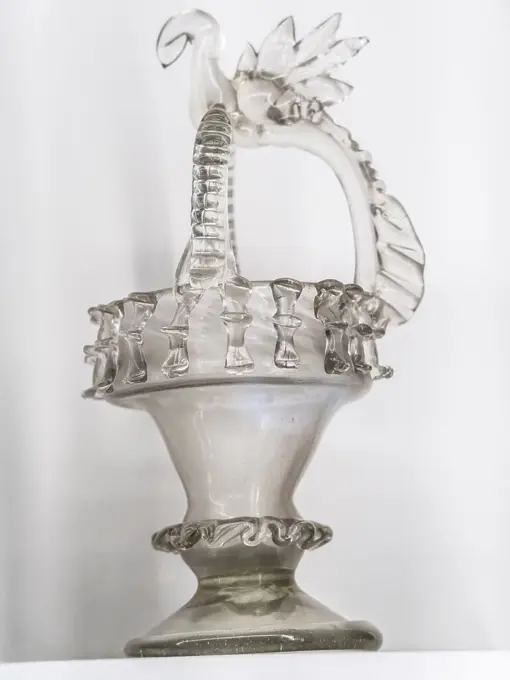
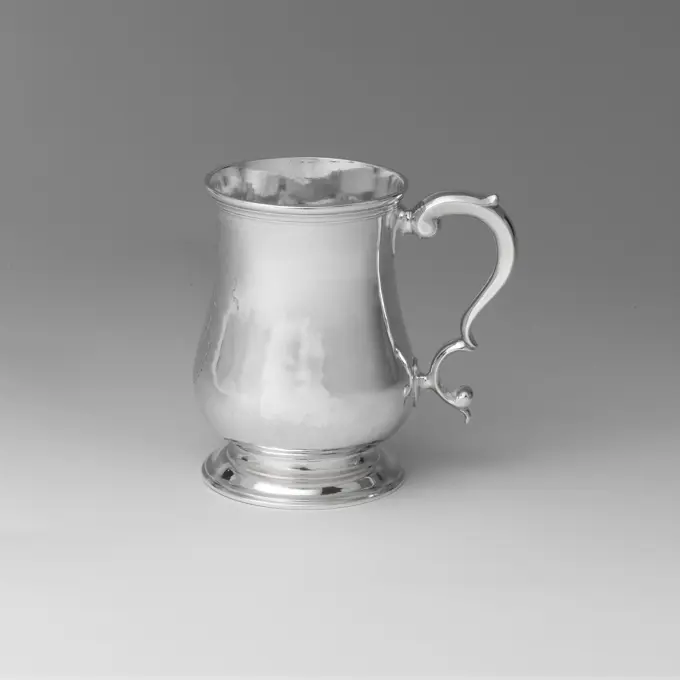
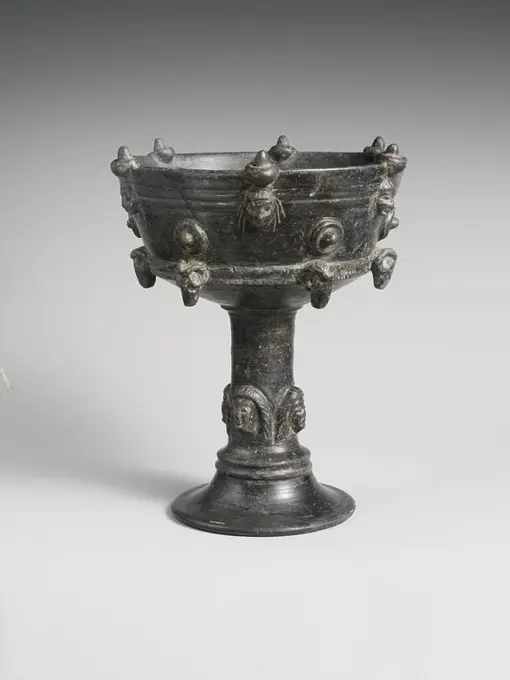
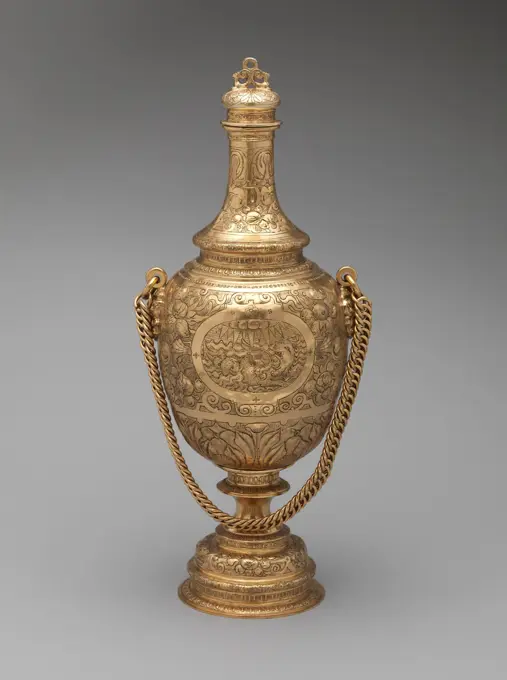
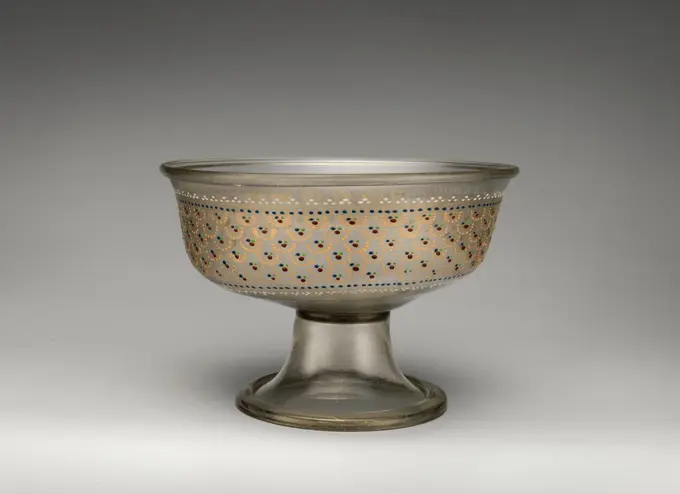
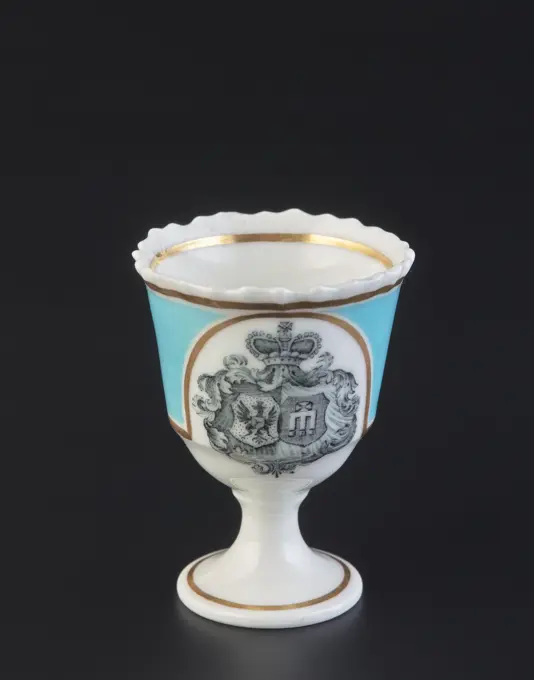
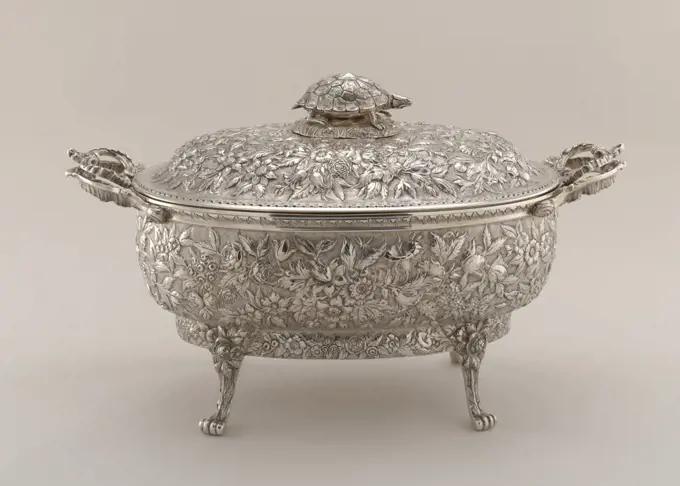
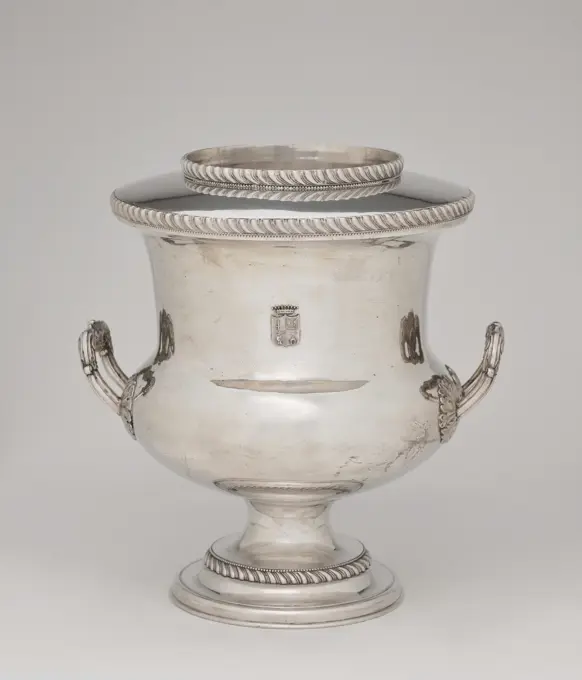
Wine cooling cauldron. Maevers, August (ca 1828- ca 1850)Pair of Jugs. United States, circa 1825. Furnishings; Serviceware. SilverJug and cover, Silver, wood, Urn shaped body on stem with stepped, circular foot; urn shaped finial on domed cover extending over lip; body decorated with beading and bright-cut engraving; family arms engraved on both sides; tan wood handle with leaf attachments., London, England, 1781, metalwork, Decorative Arts, Jug and coverEwer (one of a pair) 1740/41 Peter Archambo I British When George Booth became Earl of Warrington at the age of nineteen, he inherited the estate of Dunham Massey, which was heavily burdened by debt. Thirty years elapsed before he could afford to rebuild his family pride by buying silver on a large scale. This pair of monumental ewers (see also 68.141.141) was among the silver that furnished the ten principal bedrooms of the house, all of which were equipped with enough silver to perform the morning ablutions.. Ewer (one of a pair) 204943Gloves of a baptism. Schenkan of a baptism of silver. Decorated with Louis XIV ornament edges with palmets, blast, leaf, grid and band work. With asymmetrical Louis XV influences, and the appliqué coat of arms of Mattheus Coddaeus.Jar with mascarons, anonymous, c. 1550 - c. 1600 Bokaal without lid, on a flat base with turned around. Balus -shaped, hollow trunk, blown in the mold with mascarons and rosettes under a border. Flattened spherical, optically blown into ribs; Cylindrian neck. A wire is thrown around the body on which three studs with mascarons and three small rosette nodes with a heart of opaque turquoise glass are applied Low Countries glass glassblowing / gilding Bokaal without lid, on a flat base with turned around. Balus -shaped, hollow trunk, blown in the mold with mascarons and rosettes under a border. Flattened spherical, optically blown into ribs; Cylindrian neck. A wire is thrown around the body on which three studs with mascarons and three small rosette nodes with a heart of opaque turquoise glass are applied Low Countries glass glassblowing / gildingCream Pot, part of Tea and Coffee Service. Rogers, Smith, and Company; American, 1862-c. 1900; Meriden, Connecticut. Date: 1878. Dimensions: H. 15.2 cm (6 in.). Silver. Origin: Connecticut. Museum: The Chicago Art Institute, Chicago, USA.Coerts Hoorn (), Silver cup, chalice liturgical vessel silver, religion church Rotterdam Blijdorp Originating from the H Albertus the Great in Blijdorp (possession of the Dominicans).Cann. Culture: American. Dimensions: Overall: 6 1/2 x 6 3/8 in. (16.5 x 16.2 cm); 22 oz. 6 dwt. (693 g)Lip: Diam. 4 in. (10.2 cm)Base: Diam. 4 1/4 in. (10.8 cm). Maker: Paul Revere Jr. (American, Boston, Massachusetts 1734-1818 Boston, Massachusetts). Date: 1783.Cann, a term used interchangeably with mug during the eighteenth century, refers to a pear- or tulip-shaped drinking vessel with scroll handle and circular foot. This exceptionally large pair was made for Elias Hasket Derby (1739-1799) and his wife Elizabeth, whose interlaced script monogram, EHED, is engraved on the front of each. Derby was a wealthy shipping merchant in Salem, Massachusetts. In April of 1783, Revere recorded in his ledger that he was making a pair of "quart canns for E. H. Darby, Esq." A set of silver beakers by Revere (58.3.1-.4), as well as several pieces of furniture and Chinese export porcelain in the Museum's collection, also belonged to Derby. Museum: Metropolitan Museum of Art, New York, USA.. Candlestick of silver, in Louis XIV style. The channeled tribe runs upwardly broader and is closed by a rosette list to which three garlands hang.Sugar Basket 1796 Paul Revere Jr. American. Sugar Basket 7968Sugar Bowl ca. 1795 David Vinton. Sugar Bowl 2327. This silver water bowl with a cover is adorned with the same kind of large floral motifs found on the Indian ebony cabinet (elsewhere in this gallery). The set was made in Batavia, where Indian craftsmen further developed the floral style. The bowl was likely used to serve cold water.Covered Urn. England. Date: 1805-1835. Dimensions: 29.2 × 11.8 cm (11 1/2 × 4 5/8 in.). Glass. Origin: England. Museum: The Chicago Art Institute, Chicago, USA.They weigh;  19th century (1801-00-00-1900-00-00);Goblet 1852 New York City. Silver . William Gale, & Son. Round chestnut vase with loose lid. In the interior of the vase there is a gold-plated silver inner wall, which is visible by the opened parts. Signature and dated.Hot water jug 1807-8 Paul Storr British. Hot water jug 206808Brandewijnkom, Scholte Janssen (II) (Attributed to), 1667 Brandy bowl of silver with a high, octagonal, engraved cuppa and two horizontal, cast roller work. Master sign: Crowned glans. Sneek silver (metal) Brandy bowl of silver with a high, octagonal, engraved cuppa and two horizontal, cast roller work. Master sign: Crowned glans. Sneek silver (metal)Cup with weapon of m.a. De Ruyter. Cup of silver, high foot and open trunk. The funnel-shaped cuppa is decorated with leaf motifs along the top edge, underneath the coat of arms of Michiel Adriaansz. De Ruyter.Double -walled jar, anonymous, c. 1720 Light vaulted lid with a hollow curved button. The lid double-walled and between the walls painted in blue-gray in a marble motif. The bottom of the lid gilded from the inside. Married the lid from the inside. Kit edges on the underside of the lid. Dresden glass glassblowing Light vaulted lid with a hollow curved button. The lid double-walled and between the walls painted in blue-gray in a marble motif. The bottom of the lid gilded from the inside. Married the lid from the inside. Kit edges on the underside of the lid. Dresden glass glassblowingNautilus cup, anonymous, c. 1590 Nautilus cup with gold -plated silver frame, standing on a foot with two godron edges and a procession of tritons on the wild. Above it, on a small, platter surrounded by loose volutes, a dolphin with a satyr on the back, which supports the shell. The shell is caught in three clamps; At the front a caratide and on either side a hermtriton with poured, winding tail. Two smaller tritons near the rosette -shaped nut near the mouth edge. Along the mouth rim in points, opened band work. On the top of the shell a rande, oval hood with in accordance with dependent band work. As a crowning a prancing Hippocamp, on which Neptunus is seated. Low Countries silver (metal). nautilus shell gilding Nautilus cup with gold -plated silver frame, standing on a foot with two godron edges and a procession of tritons on the wild. Above it, on a small, platter surrounded by loose volutes, a dolphin with a satyr on the back, which supports the shell. The shell is caught in thrCup of a brotherhood in Emmerich, Anonymous, c. 1675 Silver guild cup, on a round ashes. Bandwerk hurled around the entire chalice, between which shields with private brands and names. Rhineland silver (metal) Silver guild cup, on a round ashes. Bandwerk hurled around the entire chalice, between which shields with private brands and names. Rhineland silver (metal)WIne Glass and Cover. Bohemia, Czech Republic. Date: 1700-1725. Dimensions: 39.4 × 9.2 cm (15 1/2 × 3 5/8 in.). Glass with engraved gold leaf decoration. Origin: Bohemia. Museum: The Chicago Art Institute, Chicago, USA.Oval vase with cover;  2 after. 18th century (1750-00-00-1799-00-00);Candlestick (one of a set of eight) 1768/69 John Romer British. Candlestick (one of a set of eight). British, London. 1768/69. Silver. Metalwork-SilverSugarbowl.   Maker: John Burger, American, 1746-1828Compote 1850-70 American With the development of new formulas and techniques, glass-pressing technology had improved markedly by the late 1840s. By this time, pressed tablewares were being produced in large matching sets and innumerable forms. During the mid-1850s, colorless glass and simple geometric patterns dominated. Catering to the demand for moderately-priced dining wares, the glass industry in the United States expanded widely, and numerous factories supplied less expensive pressed glassware to the growing market. At the Exhibition of the Industry of All Nations at New Yorks Crystal Palace in 1853, for example, the New England Glass Company exhibited 130 pieces of one design, "consisting of bowls, tumblers, champagnes, wines, and jelly glasses." This object belongs to one such service. Although the glass manufactory is not known, the glassware is very typical of the large services that were very popular with Americas middle class in the nineteenth century.. Compote. American. A large (A) and two small (B and C) Oval Terrines in Louis XVI style, Philippus Priee, 1773 A large (a) oval terrine, decorated in Louis XVI style with driven cannelures, garlands wrapped with ribbons, applied festons and pearl edges. Oelke Terrine has a lid with a button and stands on four legs. All terrines marked under soil: Middelburg; annual letter K = 1773; mt. P above prie = Philippus prié; crowned o = release stitches; ax = tax inspection. Note: All terrines are equipped with an inner box. Middelburg silver (metal) A large (a) oval terrine, decorated in Louis XVI style with driven cannelures, garlands wrapped with ribbons, applied festons and pearl edges. Oelke Terrine has a lid with a button and stands on four legs. All terrines marked under soil: Middelburg; annual letter K = 1773; mt. P above prie = Philippus prié; crowned o = release stitches; ax = tax inspection. Note: All terrines are equipped with an inner box. Middelburg silver (metal)Flagon (one of a pair) 1646-47 Attributed to Richard Blackwell II British These wine flagons bear the mark of a silversmith who supplied many prominent Royalist and high-church clients during the turbulent period of the Civil War. For the sensitively chased floral ornament here, he must have employed a Dutch or Netherlandish artist.. Flagon (one of a pair) 204985Goblet and cover. Glucksburg (huta szkła ; 1700-post 1756), creatorSauceboat. Peter Archambo I; English, 1680-1768; London, England. Date: 1745-1746. Dimensions: H. 19.4 cm (7 5/8 in.). Silver. Origin: London. Museum: The Chicago Art Institute, Chicago, USA.Maker's mark HW, probably Henry Watson, Tankard, 1574/75, silver.Pierre-Antoine Famechon. "Cup". Money. 1787-1788. Museum of Fine Arts of the City of Paris, Petit Palais. 74381-26 Money, silverware, gobletChalice from the Beth Misona Treasure, c. 500-700. Early Byzantium, Constantinople or Syria, Byzantine period, 6th-7th Century. Silver; overall: 17 x 14.7 cm (6 11/16 x 5 13/16 in.).Ewer. Culture: British, Birmingham, after German, Augsburg original. Dimensions: Overall: 10 5/8 × 8 3/8 × 4 in. (27 × 21.3 × 10.2 cm). Maker: After an original by Johann Ludwig Biller (1692-1746); After an original by Johann Jakob Wald (German (Augsburg)). Manufacturer: Elkington & Co. (British, Birmingham, 1829-1963). Date: 19th century, after 1730-40 original.This electrotype is after an eighteenth-century original (1730-40) at the Winter Palace, St. Petersburg, at the time of reproduction. It belongs to a toilet service made for and presented to the Empress Anna Ivanovna. Museum: Metropolitan Museum of Art, New York, USA.Teakettle. Culture: American. Dimensions: Overall: 15 3/4 x 9 5/16 in. (40 x 23.7 cm); 68 oz. 4 dwt. (2120.7 g)Body: H. 11 5/8 in. (29.5 cm); 42 oz. 4 dwt. (1312.6 g)Stand: H. 4 1/2 in. (11.4 cm); 21 oz. 10 dwt. (669.3 g)Lamp: H. 2 3/8 x 2 3/4 in. (6 x 7 cm); 4 oz. 9 dwt. (138.8 g). Maker: William Forbes (baptized 1799, active New York, 1826-63). Retailer: Ball, Tompkins and Black (active 1839-51). Date: ca. 1840. Museum: Metropolitan Museum of Art, New York, USA.Communion cup (one of two) 1631/32 I T British In the mid-sixteenth century, thousands of Protestants immigrated to England from the Spanish Netherlands, where they had been subject to persecution by the Inquisition. Some were French-speaking Walloons (a distinct community within present-day Belgium), while others were Dutch-speaking Flemings. This pair of communion cups was used in the Walloon chapel in Canterbury Cathedral. After 1685, when French Protestants (Huguenots) lost their protection from persecution, an even larger wave of immigrants arrived in England.. Communion cup (one of two). British, London. 1631/32. Silver. Metalwork-SilverJoseph Gee, Creampot, c. 1785, silver.Three tranquils. Three-fry jug of silver. The pear-shaped barrel rests on three legs. A winged putto crowned the lid.Robert Evans, Sugar Bowl and Cover, c. 1795, silver.WIne Glass and Cover. Germany, Schleswig. Date: 1735-1745. Dimensions: 19.5 x 8.1 cm (7 11/16 x 3 3/16 in.). Glass; engraved and gilt decoration. Origin: Schleswig. Museum: The Chicago Art Institute, Chicago, USA.Silver skyphos (drinking cup) mid-1st century B.C. Roman On the underside of the foot, an inscription giving cup's weight and the name of owner, Sattia.. Silver skyphos (drinking cup). Roman. mid-1st century B.C.. Silver. Late Republican. Gold and SilverKandelaber, Cornelis Knuysting (possibly), 1789 - 1791 Silver candelabar, on round base and decorated with pearl and palm triles. The three arms are hurled. The trunk is crowned by a pineal. Rotterdam silver (metal) Silver candelabar, on round base and decorated with pearl and palm triles. The three arms are hurled. The trunk is crowned by a pineal. Rotterdam silver (metal)Candlestick, c. 1745, 7in. (17.8cm), Silver, Italy, 18th centuryCaudleCup.   Maker: John Coney, American, 1655-1722Nutmeg Grater. Culture: American. Dimensions: 2 3/4 x 1 1/4 x 1 in. (7 x 3.2 x 2.5 cm); 1 oz. 2 dwt. (34.2 g). Date: 1775-ca. 1800. Museum: Metropolitan Museum of Art, New York, USA.Tankard, c. 1680. Germany, Augsburg, 17th century. Silver; diameter of mouth: 11.5 cm (4 1/2 in.); overall: 16.6 cm (6 9/16 in.).Silversmith's art, Italy, 18th century. Silver sugar bowl with lid and tray.Jar, with performances of putti with burning hearts, anonymous, c. 1700 - c. 1725 Jar, of clear, colorless glass, with engraved representations of Putti. At the front a representation of a putto above an altar with two burning hearts. Above the inscription: Ich hab ge nung an einen. On the back a putto in a landscape with five burning hearts in his right hand. Above the inscription: NIMT WELCHES DU WILST. Bohemia glass glassblowing Jar, of clear, colorless glass, with engraved representations of Putti. At the front a representation of a putto above an altar with two burning hearts. Above the inscription: Ich hab ge nung an einen. On the back a putto in a landscape with five burning hearts in his right hand. Above the inscription: NIMT WELCHES DU WILST. Bohemia glass glassblowingRobert Gordon, Basket, 1742/43, silver.Ciborium - Pierre Huguet dit Latour (1771-1829)Myer Myers, Sugar Bowl and Cover, c. 1750-60, silver.Caster.  Maker: Edward Winslow, American, 1669-1753Beaker 1734-35 Claude-Alexis Moulineau. Beaker 200293Sauceboat 1745-1746 London. Silver . Peter Archambo, IBread basket 1744/45 Paul de Lamerie British English merchants carried luxury goods of all kinds to the American colonies, where they set a fashionable standard that was emulated by local artisans. These three pieces - teakettle, basket and bowl - formed part of a larger service that was owned by a prosperous merchant in Philadelphia. David Franks, the son of a prominent Jewish family in New York, married Margaret Evans in 1744, and this service was likely purchased to mark their marriage. The silversmith, Paul de Lamerie, was the head of a flourishing workshop, and these rococo pieces were in the vanguard of London taste.. Bread basket 204686Komfoor. Komfoor on a baluster-shaped strain, ending in a tripod. The bowl of the komfoor is widely bell-shaped and has a knurled edge on which three supports are attached to the boiler. The Komfoor has been labeled: STK. = Amsterdam, JRL. = C (1737) and Mt. = Willem van Strant. A boiler is stored at the Komfoor (Invn. BK-NM-11177-128-A).Two-Handled Cup and Cover 1739-1740 London. Silver . Paul Jacques de LamerieMaker's mark CK, mullet below, probably for Christopher Kemble, Two-Handled Cup and Cover, 1686/87, silver.Isaac Liger, Two-Handled Cup and Cover, c. 1705, silver.Tea Service (Sugar Bowl), 1807. Anne Bateman (British, 1748-1813), Peter Bateman (British, 1740-1825), William (I) Bateman (British, 1774-1850). Silver; overall: 10 x 18.7 x 9.6 cm (3 15/16 x 7 3/8 x 3 3/4 in.).Unknown, Cream Pitcher, c. 1815-25, colorless lead glass.Probably Venetian 16th Century, Mortar with Shields of Badoer Arms, 16th century Mortar with Shields of Badoer ArmsMiniature child's caudle cup probably 1680-81 S H British. Miniature child's caudle cup. British, London. probably 1680-81. Silver. Metalwork-Silver-MiniatureTureen, Liner and Stand (one of a pair).. Oval basket on a foot with a hinged handle. Signature and dated.Silversmith: Douwe Eysma, Round pipe bowl with three legs with pivoting edge decorated with Louis XVI vases connected by garlands and gilt inside, smoking pipe stove smoking utensils silver gold, sawn molded gold plated engraved Round chafing ring slewing top edge on three volute-shaped legs bottom underside (smashed) smoking lighting Louis XVI Louis XVIBeaker 1759 Johan Grönwall. Beaker 197428Kettle;  19th century (1801-00-00-1900-00-00);Cup from the Dutch Fort by St. George d'Elmina, Anonymous, 1639 cup Cup (Supper Cup) Of silver, on baluster-shaped tribe and round, faint-fed foot. The chalice is decorated with the coat of arms of El Mina: a coat of arms with a helmet and helmet mark containing an elephant. Mastert sign: WS including a star, in shield. London silver (metal) engraving coat of arms (as symbol of the state, etc.) (+ city; municipal) Afrika. Ghana. ElminaMilk jug. Lilpop, Karol Jerzy (fl. 1820-1833), goldsmithCupSweatmeat. Kotlina Jeleniogórska (ośrodek rytownictwa ; ca 1600- ), glass engraver, Weiberberge (huta szkła ; post 1702-ante 1754), creator, Weissbach (huta szkła ; 1617-ante 1754), creator. Conical foot with beaten edge. Baluster-shaped strain with three buttons and an extended air bubble. Funnel-shaped chalice with rounded bottom. On the Kelk's Monogram of the United East India Company, VOC, between bay branches together between the underside. On the down side a three-master, moored to a quay full of merchandise. Along the mouth edge a continuous inscription: t.welvaars.van.Dooestindische.compagnie.Sugar bowl 1765-90 Possibly by American Flint Glass Manufactory. Sugar bowl. American. 1765-90. Blown pattern-molded glass. Possibly made in Manheim, Pennsylvania, United States; Possibly made in Gloucester County, New Jersey, United StatesEgg glass; Chamberlain & Co (England; Porcelain Factory; 1788-1852); 1811-40 (1840-00-00-1845-00-00);Wine ampouleCoffee Can, Balus -shaped, with three cranes, Christiaan Warenberg (Attributed to), 1717 The round, baluster -shaped can rest on three legs. He has three cranes, two ears and a loose lid. The cast, curved legs end up in the bottom with convex ribs decorated volutes and split from above, where they can strut the, in two volutes, one facing forward and the other backwards. The legs are each decorated all around with two fields of contiguous grooves, between which a smooth strap on a punched ground. The facing volute at the top is decorated with leaf motifs. A wide edge of alternating narrow godrons and ribs crowned on a punched ground runs around the convex belly. The edge is interrupted in three places by a cast, imposed, leaves surrounded by man's head, who holds a tap in the mouth. Each tap consists of a round part, a cube -shaped widening decorated with rosettes, and an octagonal, curved front piece, at the onset and at the opening surrounded by a profile. In the widening, the crane Candlestick Nitsch, Leonard (1835 1866)Lid. Vaulted lid with spherical knob on two discs.Flagon.   Maker: Boardman and Company, American, 1825-27Compote - Burlington Glass Works Burlington Glass WorksThumbprint Compote, c. 1865, Bakewell, Pears and Company, 18 x 10 x 10 in. (45.72 x 25.4 x 25.4 cm), Glass, United States, 19th centuryCup with saucer (B) with paints that relate to the Battle of Quatre-Bras. Cup of porcelain with boots that relate to the battle at Quatre-Bras. Inside head, foot, top edge and ear plated. Saved in gold on the top edge in a rectangle The text: quatre bras, the 16.juny.1815. Signature under the foot: Duhamel. With associated dish (B).Cup from the Dutch Fort of St. George d'Elmina. Cup (supper charm) From silver, baluster-shaped trunk and round, faint-vaulted foot. The chalice is decorated with the coat of arms of El Mina: a coat of arms with helmet and helmet sign with an elephant in it. Master sign: WS including a star, shield.Creamer early 19th century Jacob Frederic Granander. Creamer 194991Salt cellar, blown and molded glass, 18th century, anonymous author, Museum of Baroque of Catalonia, Manresa, Spain.Cann ca. 1770-95 Paul Revere Jr. American. Cann 5363Terracotta chalice. Culture: Etruscan. Dimensions: H. 8 1/4 in. (21 cm); diameter 6 5/8 in. (16.8 cm). Date: ca. 575-550 B.C..High foot with human and rams' heads and conventional ornaments in relief. Museum: Metropolitan Museum of Art, New York, USA.Flask or flacon 19th century, after 1619-20 original Elkington & Co. British This electrotype is after a seventeenth-century original (1619/20) in the Treasury of the Kremlin, Moscow. It was given by the ambassador Sir John Merrick to Tsar Mikhail Romanov from King James I in 1620.. Flask or flacon 186501Bowl ca. 1500-1520 Italian, Venice (Murano). Bowl 193529Footed dish. .Tankard 19th century, after 1635 original British, after German, Nuremberg original This electrotype is after a seventeenth-century original (1635) in the treasury of the Patriarch, Moscow, at the time of reproduction.. Tankard 186517Louis-Jacques Berger. "Cup". Money. 1807-1809. Museum of Fine Arts of the City of Paris, Petit Palais. 74382-3 Money, silverware, gobletSoup Terrine on OnderoStel, Bennewitz and Bonebakker company, 1817 Soup tighing on Subtotel. On four spherical legs, which tapered on the underside and whose downstairs part is ribbed, the oval dish is rested with raised centerpiece. The also oval base of the terrine with four pins is screwed on to this. The oval bowl -shaped body of the terrine broadens upwards. The lid is made up of two vaulted parts, the upper of which rises and is crowned by a handle in the shape of two leaf branches with acorns, which are turned around each other in the middle. On the short sides of the terrine there are removable lion masks with a ring in the mouth; These are attached to the corpus with clamps. Filthanden run along the lower and upper edge of the right-hand wall of dish and terrine, around the body of the terrine at the height of the lion masks and along the top edge, and on the separation of the two parts of the lid. The terrine is equipped with a separate indoor scale. Amsterdam silver (metal) Peter Van Dyck, Tankard, c. 1705-10, silver.Dish with cover and liner 1775-76 Jacques-Nicolas Roettiers Part of a service that descended in the family of its first American owner, Chancellor Robert R. Livingston of New York (1746-1813). The design repeats several motifs used earlier by Roettiers in his "Orloff" service. The shape of the dish is unique to this service.. Dish with cover and liner. French, Paris. 1775-76. Silver. Metalwork-SilverEgg glass; Chamberlain & Co (England; Porcelain Factory; 1788-1852); 1811-40 (1840-00-00-1845-00-00);Terrapin Soup, Samuel Kirk & Son, Baltimore, Maryland, USA, 1816 - 1979, Repoussé and chased silver, Repoussé and chased with flowers, foliage on a granulated ground, the matching lid with terrapin turtle finial, plain liner with Rococo handles matching tureen handles., Baltimore, Maryland, USA, 1880-90, metalwork, Decorative Arts, Tureen, lid and liner, Tureen, lid and liner