Classic Silverware Collection

A variety of vintage silver items including jugs, cauldrons, and ewers, showcasing intricate engravings and decorative designs from different centuries.
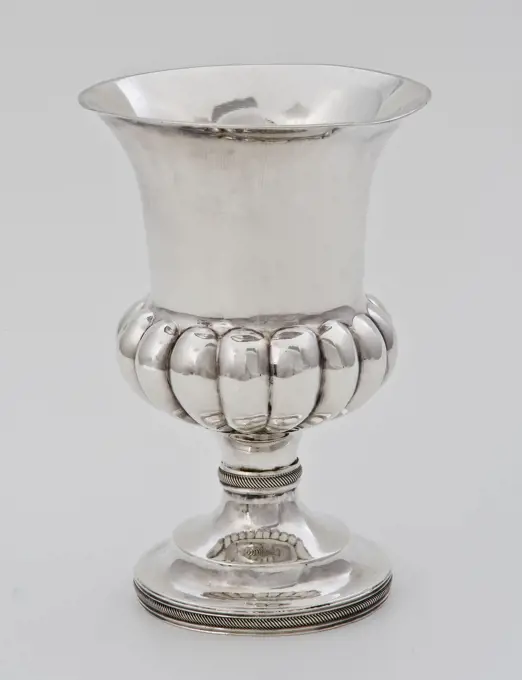
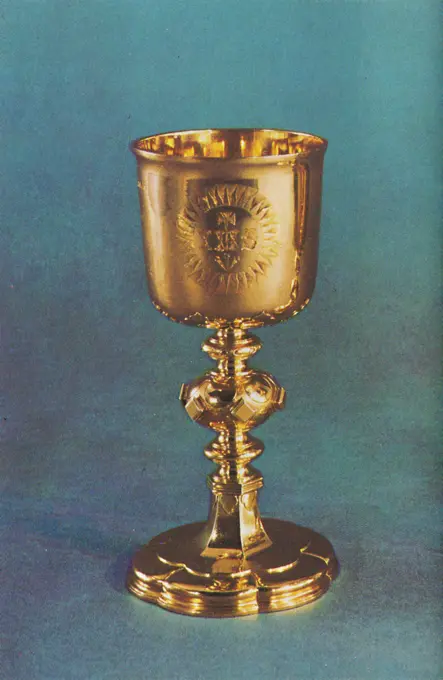
Coerts Hoorn (), Silver cup, chalice liturgical vessel silver, religion church Rotterdam Blijdorp Originating from the H Albertus the Great in Blijdorp (possession of the Dominicans).
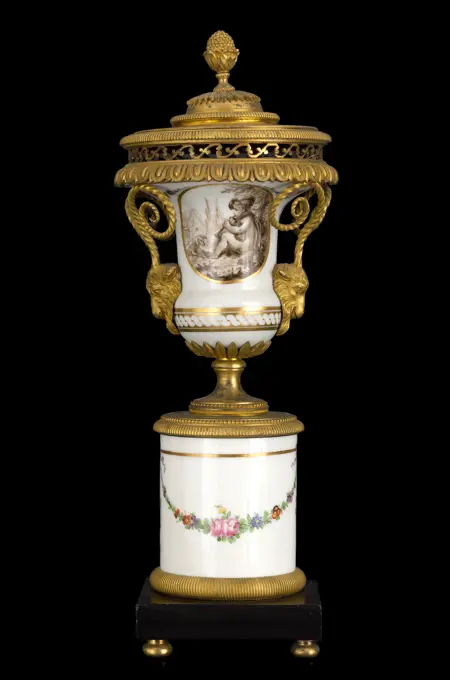
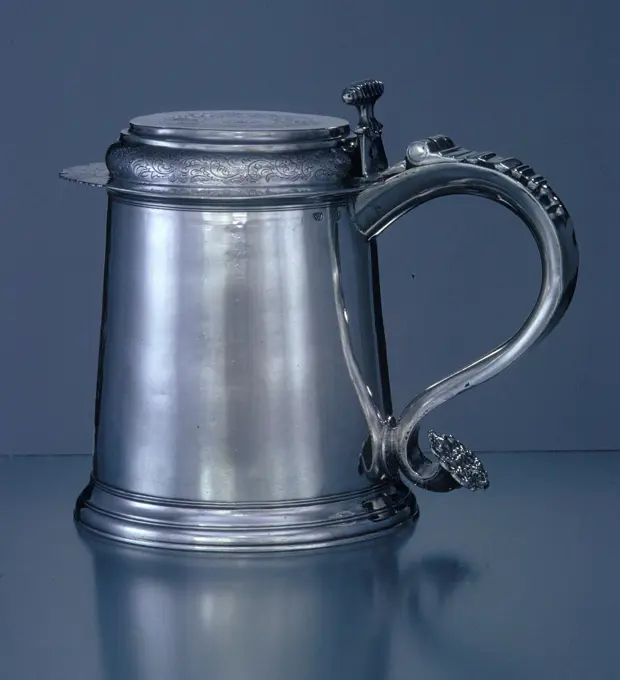
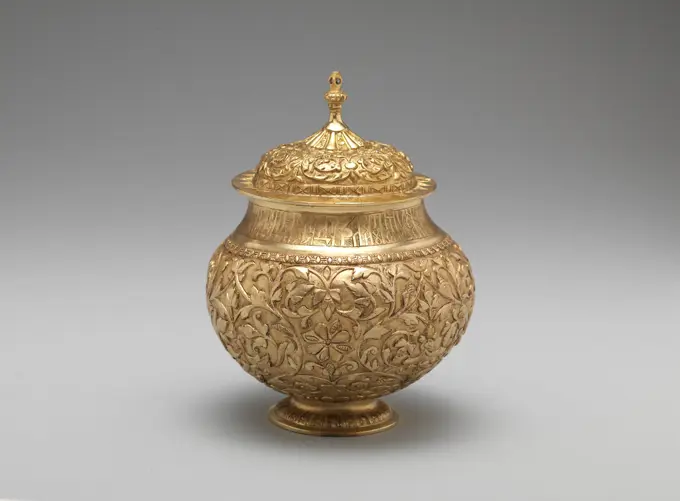
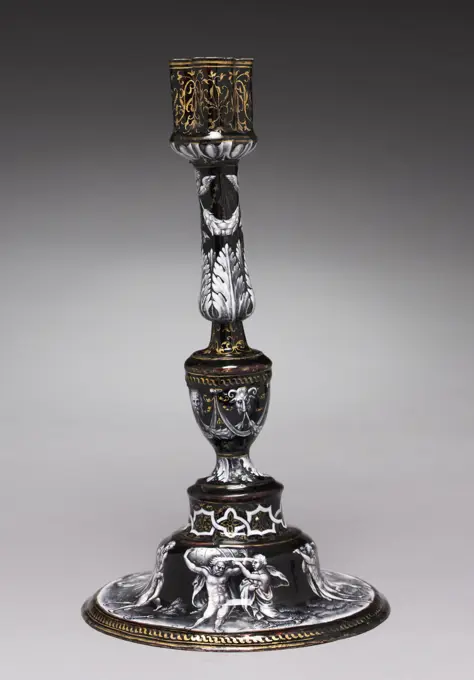
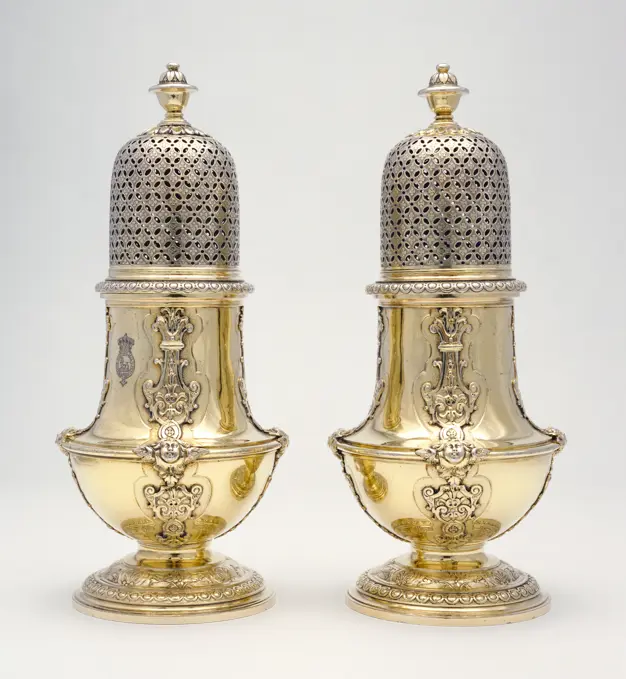
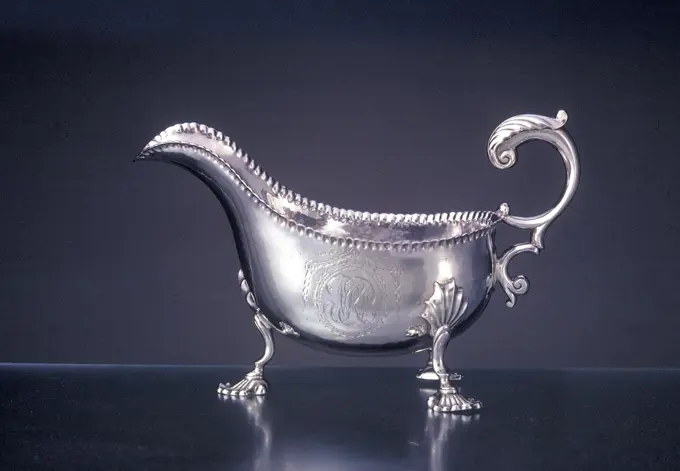
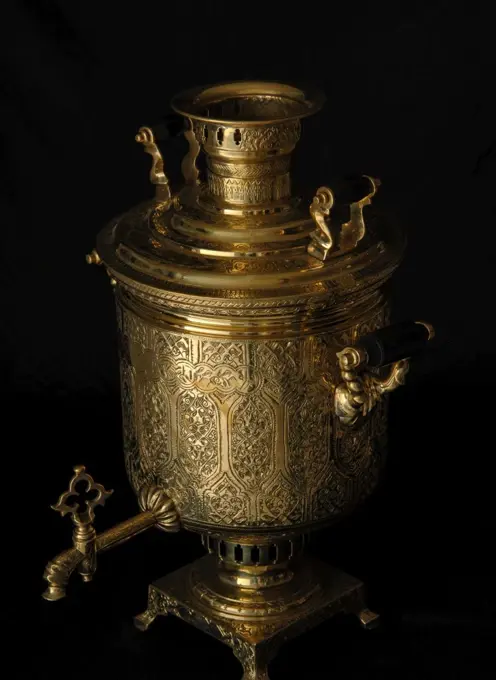
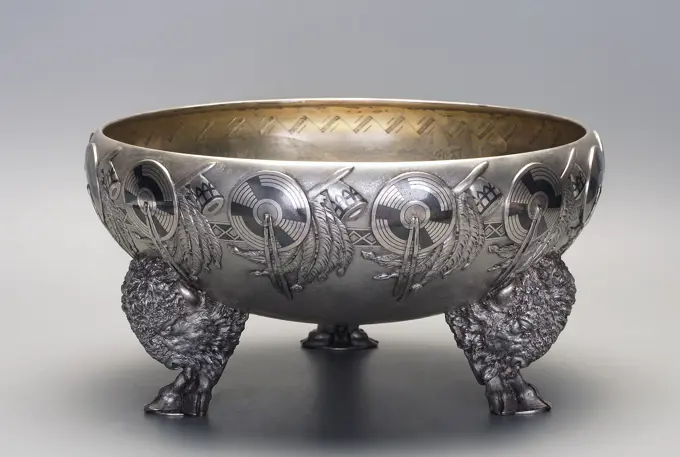
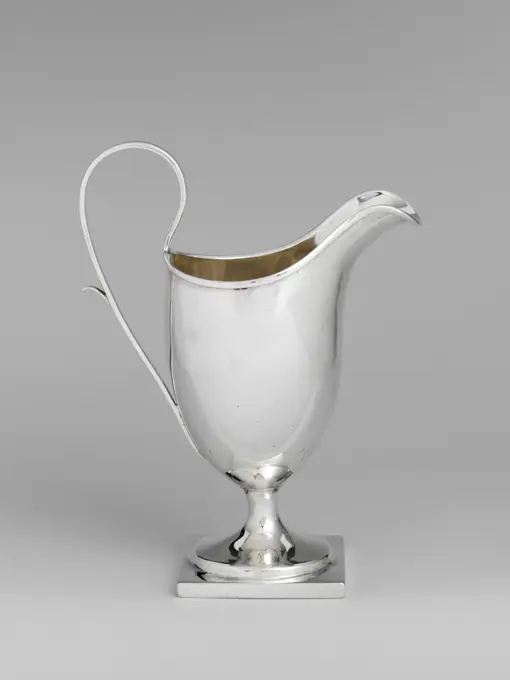
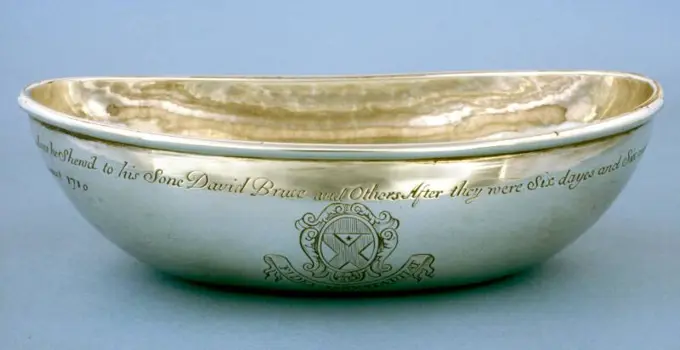
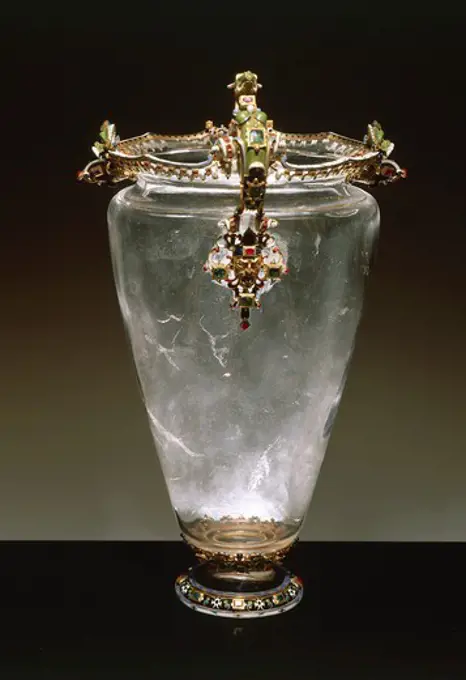
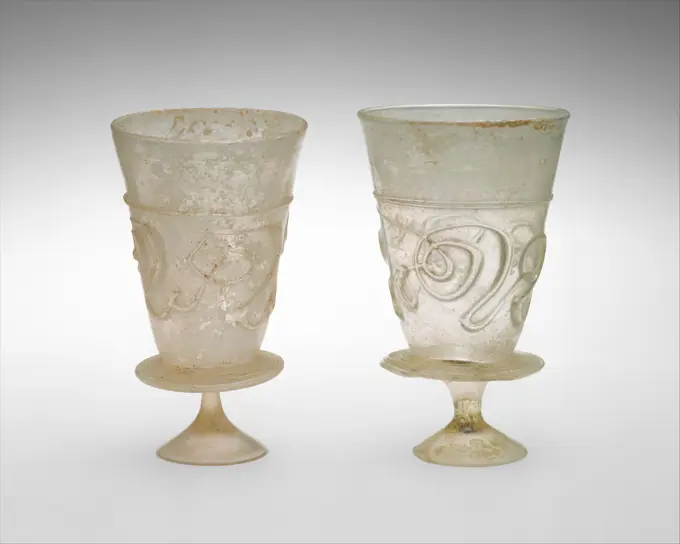
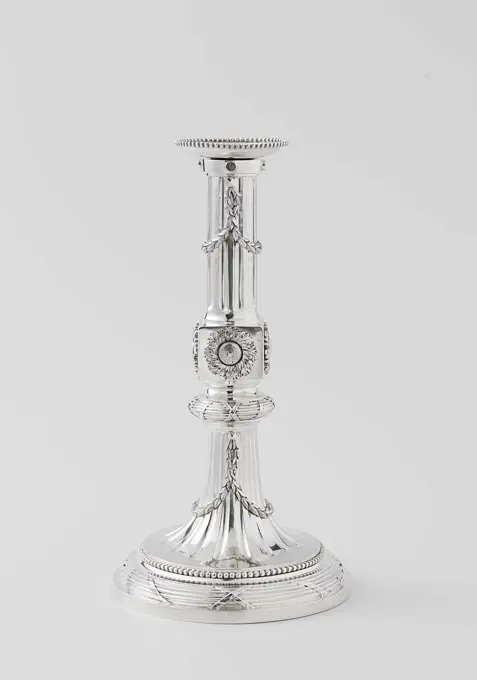
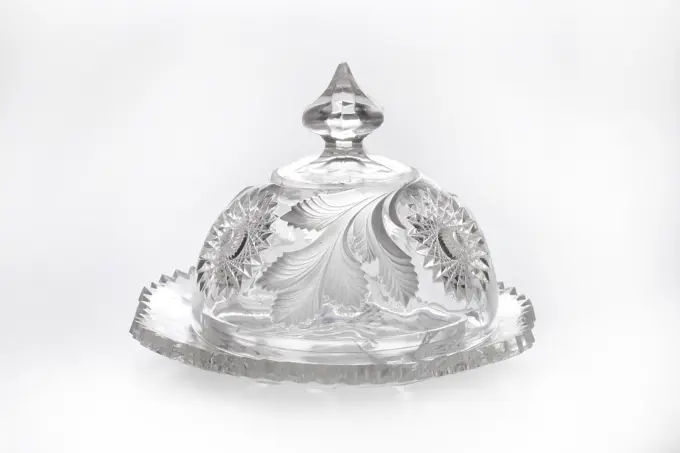
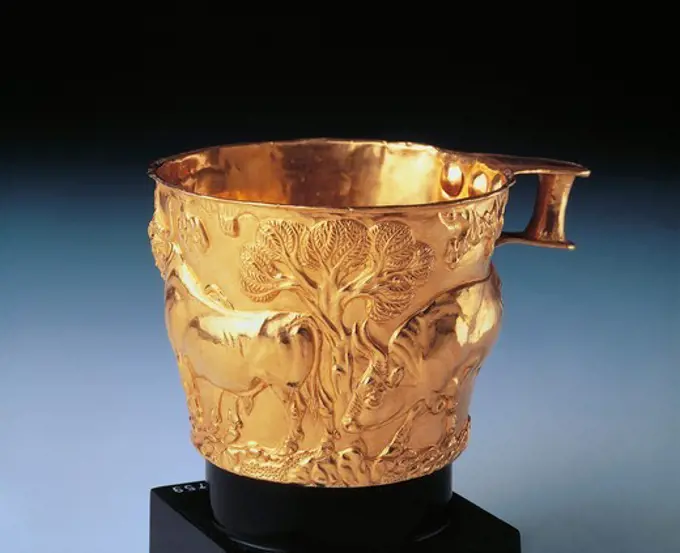
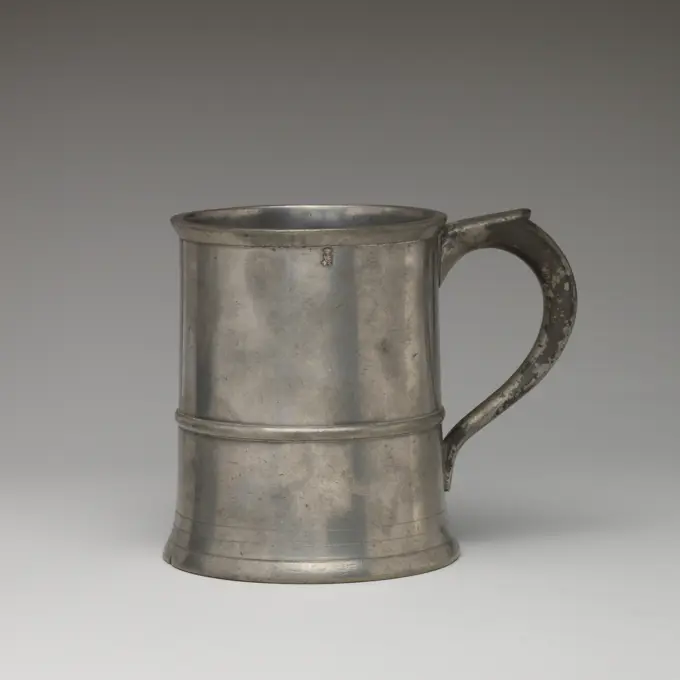
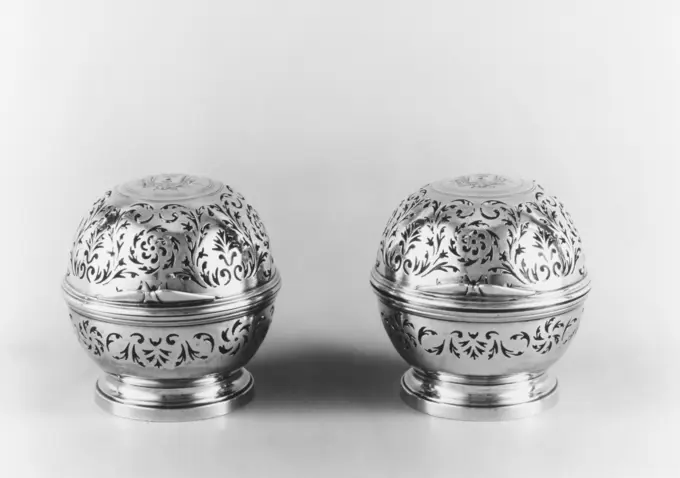
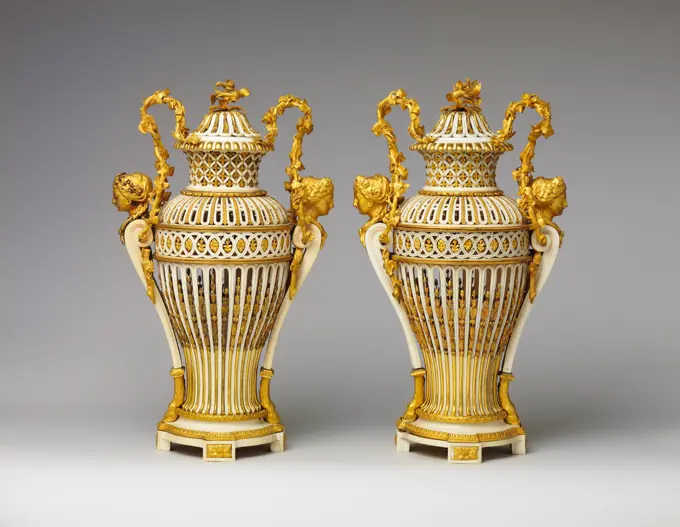
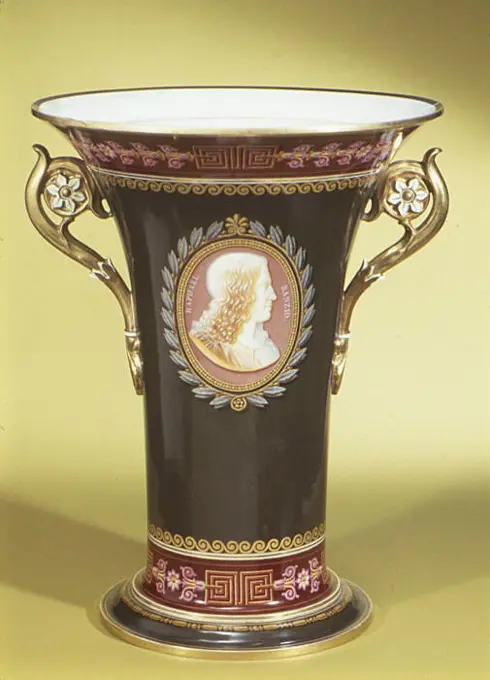
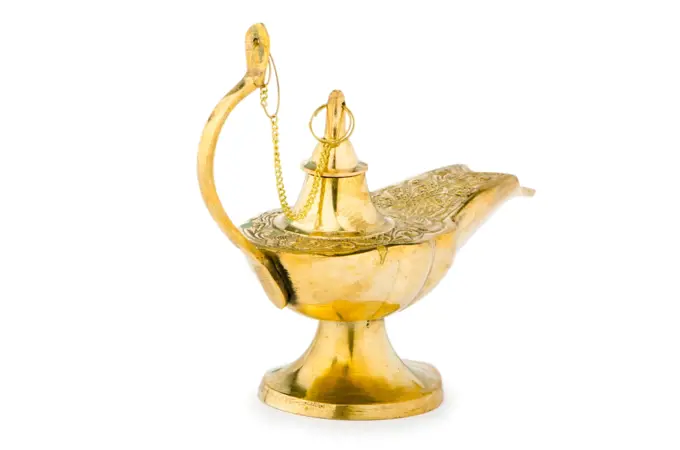
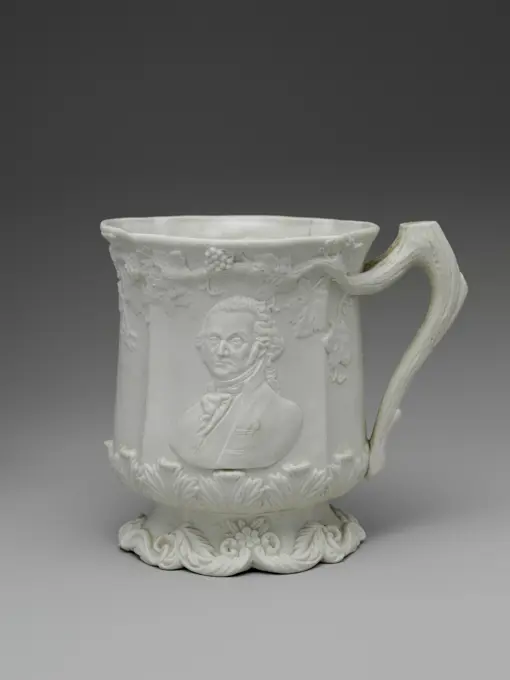
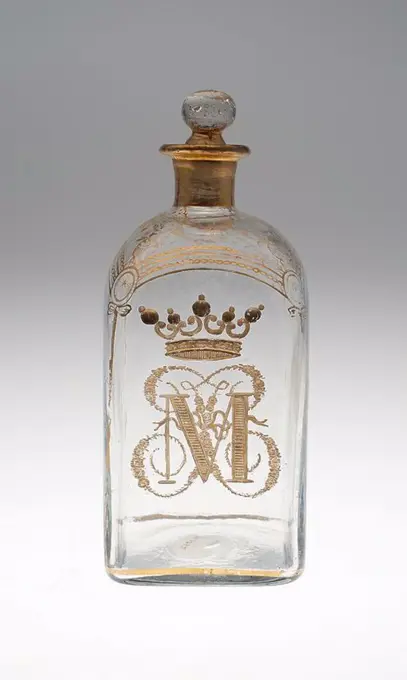
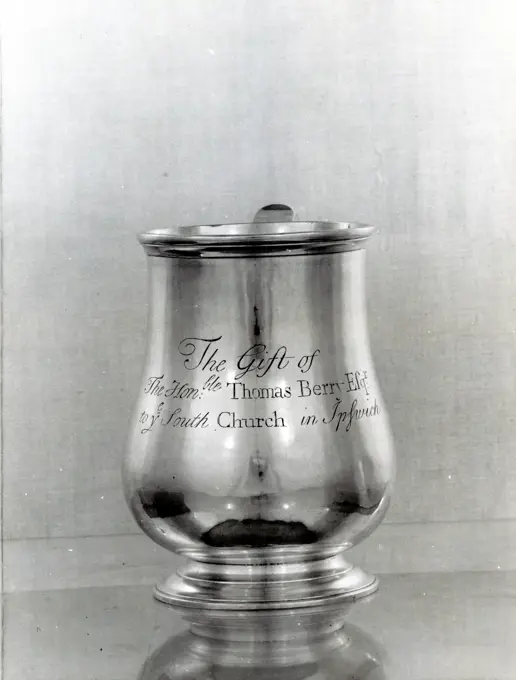
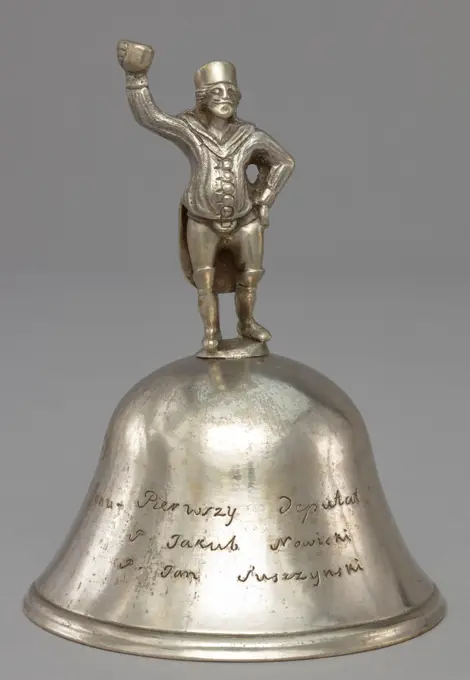
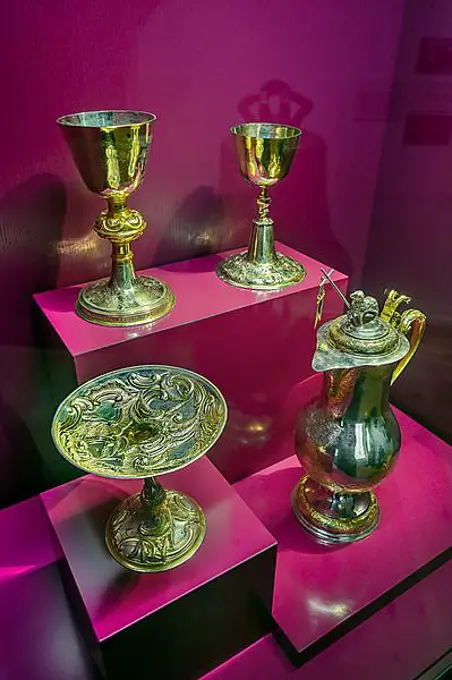
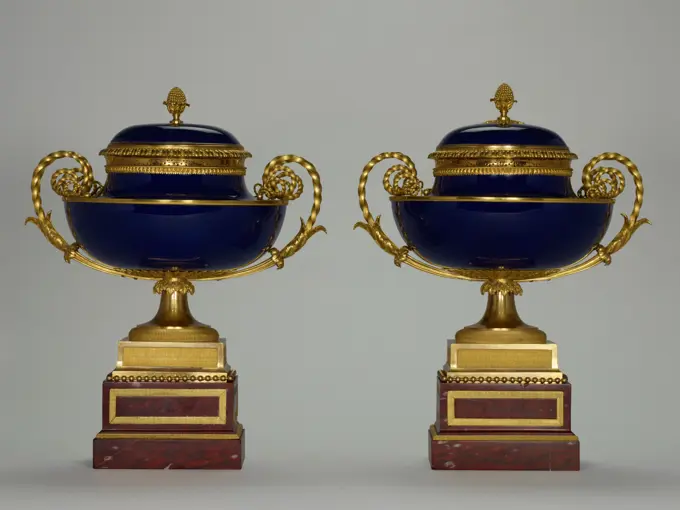
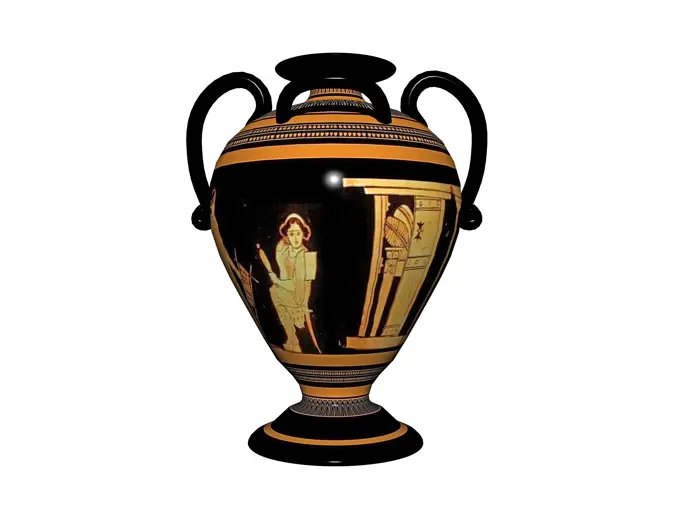
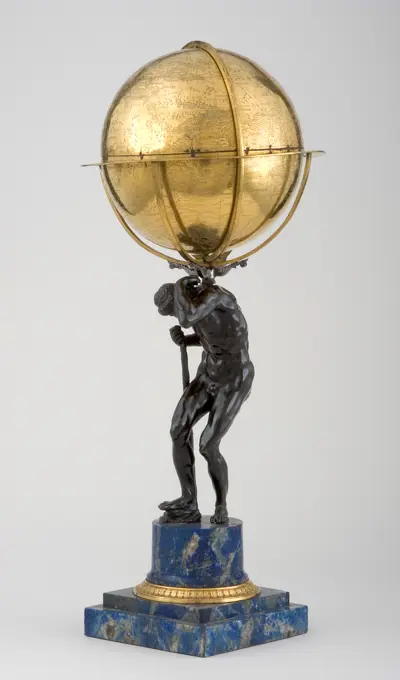
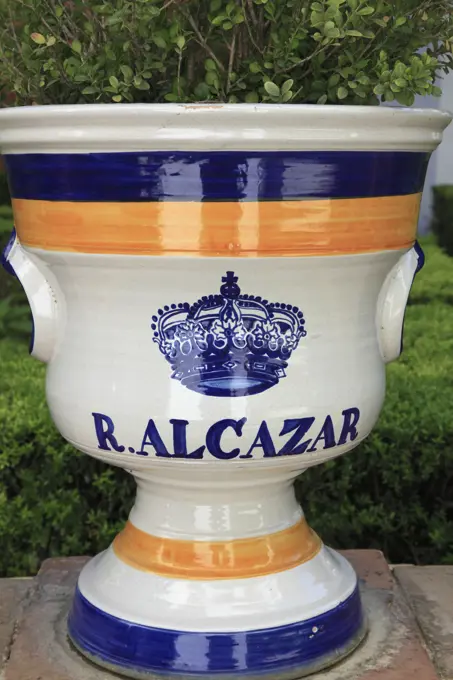
Screw-top canister ca. 1743-45 Friedrich Schwestermuller II German. Screw-top canister 231572Pair ofFlagons.   Maker: John Shorey, Jr., British, active ca. 1708 - 1732Maker, formerly attributed to: Smith and Morey, active 1841Paris production. Vase mounted. Porcelain, gilded bronze, 1785-1790. Paris, Cognacq-Jay museum. 78926-28 Angel, Angelo, bronze gilded, gilding, flower, porcelain, Parisian production, vase risesTankard.   Maker: Richard Van Dyck, American, 1717-1770Silver tea set, teacups & silver spoonsBratina with cover 19th century, after 1642 original Elkington & Co. British This electrotype is after a 1642 original in the treasure of the Kremlin, Moscow.. Bratina with cover 186616Candlestick Depicting Five of the Seven Labors of Hercules, c. 1565. Attributed to Jean II de Court (French, bef 1583). Painted enamel (grisaille) on copper; overall: 33.6 cm (13 1/4 in.).Potpourri Jar. England, Staffordshire. Date: 1810-1820. Dimensions: H. 21 cm (8 1/4 in.). Lead-glazed earthenware with lustre decoration. Origin: Staffordshire. Museum: The Chicago Art Institute, Chicago, USA.Tankard. Culture: British, Exeter. Dimensions: 8 3/4 × 8 5/8 in. (22.2 × 21.9 cm). Maker: John Elston. Date: 1720-21. Museum: Metropolitan Museum of Art, New York, USA.CreampitcherBowl with cover (Écuelle) 1749-50 Pierre-Henry Chéret. Bowl with cover (Écuelle) 200064Candlestick. Iran, 15th century. Metal. Copper, raised from sheet, incised and tinnedPair of Sugar Casters. Paul de Lamerie (British, 1688 - 1751)Sauceboat.   Maker: Benjamin Burt, 1729-1805shiny samovar engraved on a black background. samovar with engravedOne of four salt vessels, Francois Marcus Simons, 1803 Semi-spheres on four claw legs, standing on a square plate, which rests on four ball-shaped claw legs. The container is gilded on the inside. Marked and dated. The Hague silver (metal) casting Semi-spheres on four claw legs, standing on a square plate, which rests on four ball-shaped claw legs. The container is gilded on the inside. Marked and dated. The Hague silver (metal) castingChalice, by Umbrian-Senese Work, 15th Century - 16th Century, pressed silver, embossed and gilded and enamel. Italy: Umbria: Perugia: Assisi: Treasury Museum of San Francesco Basilica. Whole artwork. Chalice silver gold enamel decorationCrystal DecanterDecorative vase; Tiffany & Co (New York; Wytwórnia Z Otnicz and sellers; 1853-); 1892 (1892-00-00-1892-00-00);Indians, Paderewski, Ignacy Jan (1860-1941), Paderewski, Ignacy Jan (1860-1941)-dedication for, Paderewski, Ignacy Jan (1860-1941)-collection, Steinway & Sons (FL.1853-)-dedication from, bison, gift (provenance)Ciborium of silver with smooth base, trunk and lid. On the lid a ball with cross. Cuppa on the inside gilded, Rutger Raab, c. 1720 Ciborium of silver. The cuppa is gilded on the inside. On the lid a globe with cross. Foot, trunk and lid are completely smooth. Boxmeer silver (metal). gilding (material) gilding Ciborium of silver. The cuppa is gilded on the inside. On the lid a globe with cross. Foot, trunk and lid are completely smooth. Boxmeer silver (metal). gilding (material) gildingCup ca. 1700 John Coney. Cup 2785Creamer 1770-1810 Possibly by James Adam. Creamer 2704Jug And Stopper (Ireland); glass; 21.2 x 17 x 12 cm (8 3/8 x 6 11/16 x 4 3/4 in.); Bequest of Walter Phelps Warren; 1986-61-206-a,bVasePresentation Boat, Robert Bruce (Edinburgh, Scotland) 1710Cake basket. Schwartz, Jan Maciej ( fl. ca. 1800 ), creatorGoldsmith's art, Italy, 17th century. Odoardo Vallet (1542-1622), rock crystal vase with enamelled gold mount, set with rubies and emeralds, 1618-1619, height cm. 38.Dish ring. Culture: Irish. Dimensions: Overall (confirmed): 3 7/8 × 8 1/8 × 8 1/8 in. (9.8 × 20.6 × 20.6 cm). Maker: Unidentified Dublin maker W. H.. Date: 1777.This dish ring is a refined example of an emblematic Irish form. Such rings were used on the dining table as a base for a larger bowl or plate that was laden with beautifully arranged food; as a seventeenth-century writer explained "to make the feast look full and noble." A series of rings of different heights made for a prosperous but not necessarily an aristocratic table, it does not have engraved eighteenth century armorials; the initials AR were likely engraved in the 19th century. Nonetheless, the piece beautifully represents Ireland's embrace of the Neoclassical architectural vocabulary and the austerity and simplicity with which it was expressed in silver.Ellenor M. Alcorn, 2014. Museum: Metropolitan Museum of Art, New York, USA.Goblets with Applied Decoration 11th-early 12th century These matcing goblets are each formed by a conical cup attached to a small, solid, and splayed stemmed foot by a circular flange applied around the base of the cup. They are made of yellowish colorless glass that contains many small bubbles. Both cups are decorated with an unbroken applied trail in the same yellowish color, which forms a horizontal line about two-thirds of the height and continues below to create a fanciful, abstract pattern of curly designs around the cup. The decoration can be read more clearly when the cup is filled with wine. The flange around the base of the cup, also in the same color, is formed by a single trail wound in a spiral to create a protruding disk.This unique matching pair of goblets probably belonged to a single set, since they share the same construction, profile, and decoration. The elegant and well-proportioned profile, probably derived from conical beakers in cut glass with a protruding disk OSTENSORIO DE PLATA LABRADA S XVI. Location: MUSEE D'ARTS DECORATIFS. MADRID. SPAIN.. Porcelain earhead with C-shaped ear, painted on the glaze in blue, red, pink, green, black and gold. On the outside wall a crowned monogram 'c.j.h.l.' In a decorated cartouche. The crown is worn by two trumpet blowing angels. Under the monogram the inscription '1768'. A bouquet on either side of the monogram; On the outer edge a bond with flower branches. A crack in the wall. European performance in email colors.. The design of these candlesticks, with a cubic knob with rosettes in the middle of the stem, is derived from Parisian models. Similar candlesticks were made in various European centres, but the quality of these Amsterdam examples comes very close to that of the silver produced in Paris.Butter dish - Jefferson Sun Pattern. No. 358Gold bowl with bulls in relief, from tholos at Vaphio, GreeceMeasure late 18th-early 19th century Thomas Abbott. Measure. British, London. late 18th-early 19th century. Pewter. Metalwork-PewterMiddle piece, part of an ensemble, Hoeker & Zoon company, 1891 Middle piece of silver, part of an ensemble Amsterdam silver (metal) Middle piece of silver, part of an ensemble Amsterdam silver (metal)Sugar bowl and creamerset.   Maker: Anthony Rasch, American, 1778-1859. Kroes of silver, decorated with an engraved medallion, in which a woman's figure holds the weapon of Vlissingen and the Markiezaat Veere.Pair of sponge boxes 1775 Claude-Pierre Deville. Pair of sponge boxes 200131Two-handled Cup 1730-45 British. Two-handled Cup 1486Vase with cover (Vase en ivoire) (one of a pair) ca. 1786 French, Paris Ivory-turning had been a fashionable pastime at European courts during the sixteenth and early seventeenth centuries, and it was revived in France and elsewhere during the second half of the eighteenth century. Louis XV worked the lathe himself, and his daughters received instruction in this art form. His grandson the dauphin, the future Louis XVI, also took lessons, as did his brothers. A group of ivory vases was recorded at the Chteau de Versailles on the eve of the Revolution, possibly created by members of the royal family. It is more likely, however, that Michel Voisin (1729-1786), turning master to Louis XVI, or his son François was responsible for these precious, lacelike objects. A series of engraved designs by the younger Voisin, entitled Nouveau Cahier de vases, composés par Voisin Fils, includes a vase that is similar to but more elaborate than the Museums pair. The chief difference is that the body anVase (jasmin japonais) 1834 Sèvres Manufactory French Portraits of famous men were a popular decorative motif at Sèvres throughout much of the nineteenth century. This vase, originally one of a pair, is painted with a portrait of Raphael, the great artist of the Italian High Renaissance. Its mate, now lost, bore a portrait of his contemporary and fellow artist Michelangelo. Raphael's likeness is executed in a technique that imitates ancient cameos, a type of decoration that was perfected at the factory in the early nineteenth century. Portraits and various compositions executed in the imitation cameo technique were a common decorative scheme during the directorship of Alexandre Brongniart (1770-1847), whose great interest in mineralogy may have provided the impetus for this particular style of painting.The Sèvres factory archives indicate that this vase and its pair were purchased by the French king Louis-Philippe and were delivered to the chteau of Saint-Cloud "for the service of theUnknown, Mustard Pot, c. 1850, silver plated.Chocolate or Coffee Pot c 1837-1852 Philadelphia. Silver . Jehu and W. L. Ward (Maker). Half-spherical container on four claws, standing on a square plate, resting on four ball-shaws. The container is plated on the inside. Signature and dated.Ancient lamp isolated on the whiteSilversmith: Douwe Eysma, Silver scatter spoon with oval, openwork container, scoop spoon spoon kitchenware silver, sawn engraved Oblong oblong bake curved thin and smooth handle backside stem (smashed) serve spreadingVessel in the Shape of a Goose. Mounts could be made right in the workshop, but also elsewhere on commission from a middleman. For instance, there were various silver merchants and jewellers in Augsburg who had objects made of costly materials on their own initiative. The silversmith who fashioned the mount of this goose was related to Martin Seutter, the Austrian purveyor to the royal court.Childs Cup.   Maker: William B. Kerr and Company, American, 1855-1927Mug Attributed to William Bloor American ca. 1854-62 William Bloor was a significant figure in the development of porcelain in this country; he worked in numerous potteries in both East Liverpool, Ohio, and Trenton, New Jersey, two major centers of porcelain production during its burgeoning years in the third quarter of the nineteenth century. The mug depicts on one side the hero Lajos (Louis) Kossuth, who was widely admired by Americans for his efforts to liberate Hungary from Austrian rule during the 1848 revolution, appropriately paired with George Washington, Americas hero in liberating the colonies from British oppression. Kossuth made a much-publicized visit to the United States, arriving in the country in December 1851, and was received warmly by the American public. His visit garnered much press, and his portrait bust was featured on a wide range of decorative items, such as quilts, glass flasks, and ceramics, that were aimed at a middle-class clientele. View more. Mug. AmericBottle with Stopper. Spain. Date: 1766-1776. Dimensions: 18.1 x 7.8 x 7.9 cm (7 1/8 x 3 1/16 x 3 1/8 in.). Glass with gilt decoration. Origin: Spain. Museum: The Chicago Art Institute, Chicago, USA.Hot water urn. Culture: French, Paris. Dimensions: 20 1/2 × 8 in. (52.1 × 20.3 cm). Maker: Jean-Baptiste-Claude Odiot (French, 1763-1850). Date: 1798-1809. Museum: Metropolitan Museum of Art, New York, USA.Cann.   Maker: Samuel Minott, American, 1732-1803Vegetable Dish withCover.   Maker: Paul Storr, British, 1771-1844The Bell of the Wielicki Gwarków  unknownDishTray with traditional Moroccan mint tea  Bord, anonymous, 1782 Round eating plate with scalloped edge. Shiringes are engraved on the edge. A flower is engraved in the middle of the plate. The board is marked: stk. = Amsterdam, JRL. = X (1782) and Mt. = Foot 430. The board is a copy from a set consisting of 36 identical plates (BK-NM-111177-189 to BK- NM-11177-224). Amsterdam silver (metal) Round eating plate with scalloped edge. Shiringes are engraved on the edge. A flower is engraved in the middle of the plate. The board is marked: stk. = Amsterdam, JRL. = X (1782) and Mt. = Foot 430. The board is a copy from a set consisting of 36 identical plates (BK-NM-111177-189 to BK- NM-11177-224). Amsterdam silver (metal)Bord, anonymous, 1782 Round eating plate with scalloped edge. Shiringes are engraved on the edge. A flower is engraved in the middle of the plate. The board is marked: stk. = Amsterdam, JRL. = X (1782) and Mt. = Foot 430. The board is a copy from a set consisting of 36 identical plates (BK-NM-111177-189 to BK- NM-11177-224). Amsterdam silver (metal) Round eating plate with scalloped edge. Shiringes are engraved on the edge. A flower is engraved in the middle of the plate. The board is marked: stk. = Amsterdam, JRL. = X (1782) and Mt. = Foot 430. The board is a copy from a set consisting of 36 identical plates (BK-NM-111177-189 to BK- NM-11177-224). Amsterdam silver (metal)Candlestick, one of a pair, c. 1817-1822, S. C. Younge and Co., British, Sheffield, England, 11 1/4 x 5 5/8 x 5 5/8 in. (28.58 x 14.29 x 14.29 cm), Silver (die-stamped), England, 19th century, Manufacturers introduced a number of cost-saving methods to make silver more affordable for middle class consumers in the 18th and 19th centuries. One such technique was the use of die-stamped patterns. The technique worked particularly well with candlesticks such as these. Dies imprinted fluting, swags, and other decorative elements onto thin sheets of silver. The sheets were shaped into hollow columns, and then filled with pitch or other material to add the strength and balance associated with solid sterling silver.'Chalice, 1664', 1953. Artist: Unknown.Covered cup, c. 1790, 14 3/4 x 10 1/2 x 5 1/4in. (37.5 x 26.7 x 13.3cm), Silver, England, 18th centuryCommunion chalices and jug as well as a vessel for wafers around 1600-1700, Kempten Museum in the heritage-protected Zumsteinhaus, Kempten, Allgaeu. Bavaria, Germany, EuropePair of Lidded Bowls (vases cassolettes à monter).Close-up of ink wells, EnglandAncient Greek vase antique Greek vase copyright: xzoonar.com/DR.XNORBERBERTXLANGEX 14202217Terrestrial Globe. Italy, 1575-1625 and later. Tools and Equipment; globes. Bronze, gilt bronze, gilt copper, lapis lazuliSpain, Andalusia, Seville, Real Alcazar, moorish royal palace, garden