Cultural Artifacts

Historical decorative objects from different cultures, including sculptures and containers, showcasing intricate designs and craftsmanship.
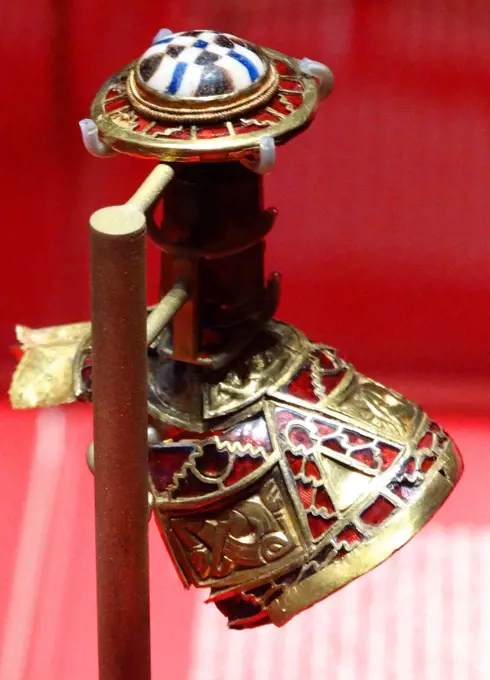
part of the boss from a shield, the lid to a Christian chalice, or the stopper to a drinking horn. from the Staffordshire Hoard. decorated with very fine cloisonnÈ garnet work, small gold panels with pairs of biting beasts and, at the top, a glass gemí. The Staffordshire Hoard is a collection of Anglo-Saxon. Discovered in a field near the village of Hammerwich, near Lichfield, in Staffordshire, England, in 2009. it consists of over 3, 500 items, dated to the 7th or 8th centuries, placing the ori
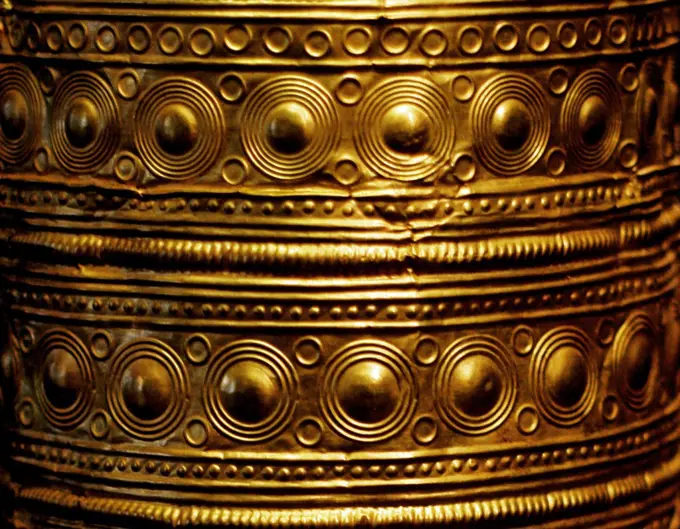
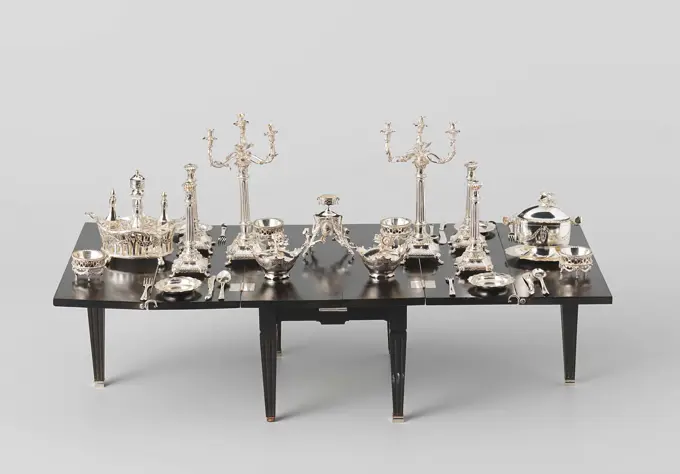
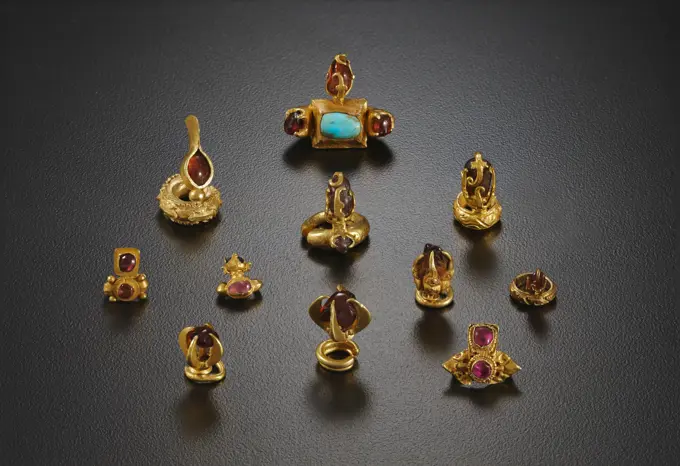
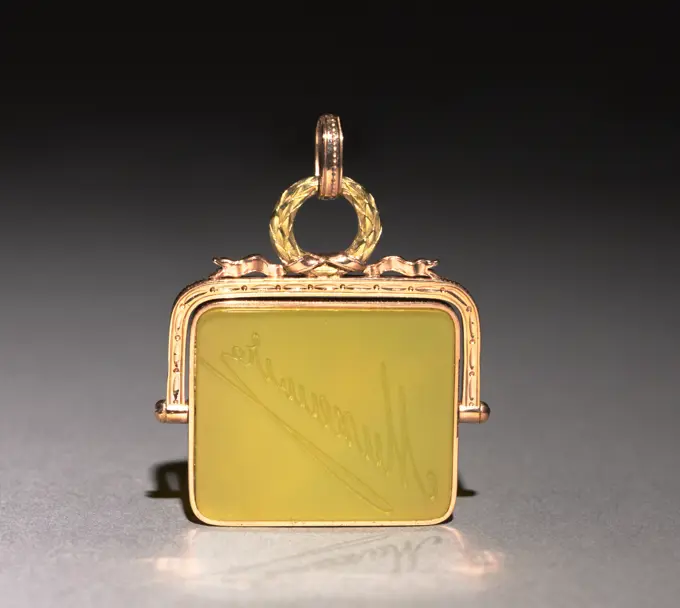
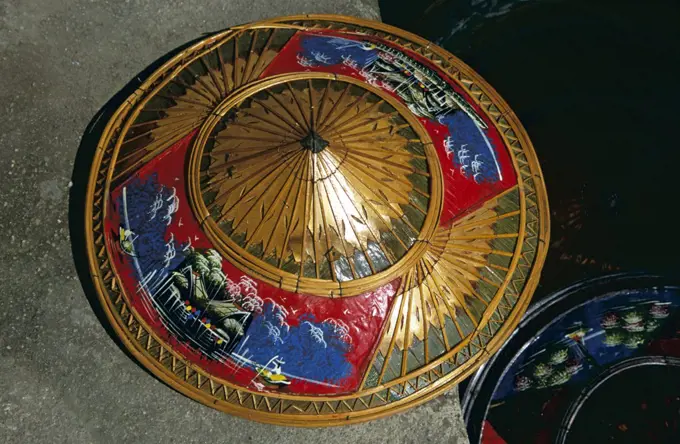
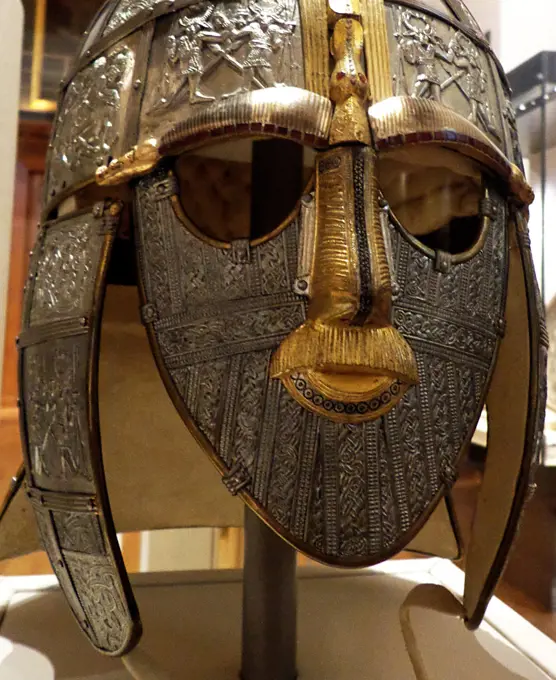
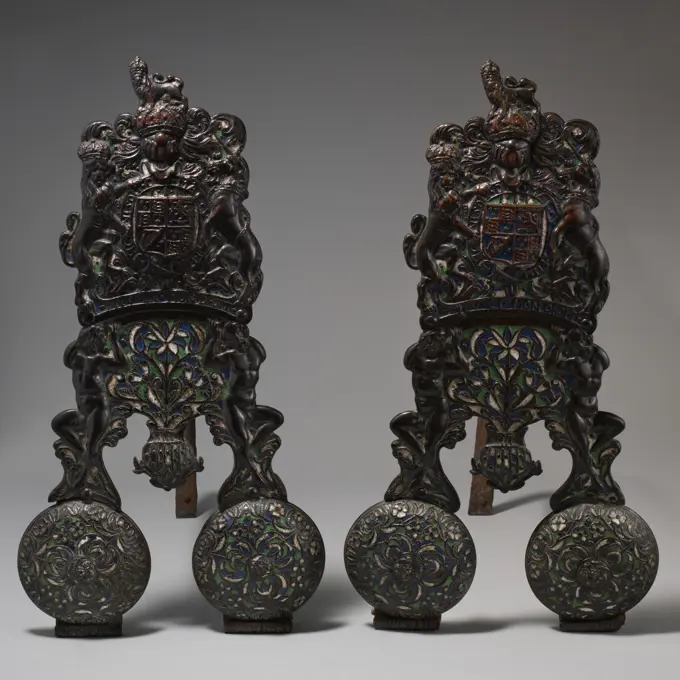
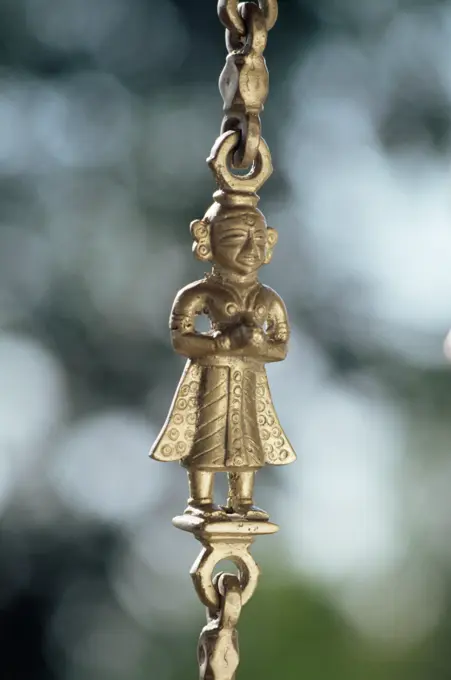
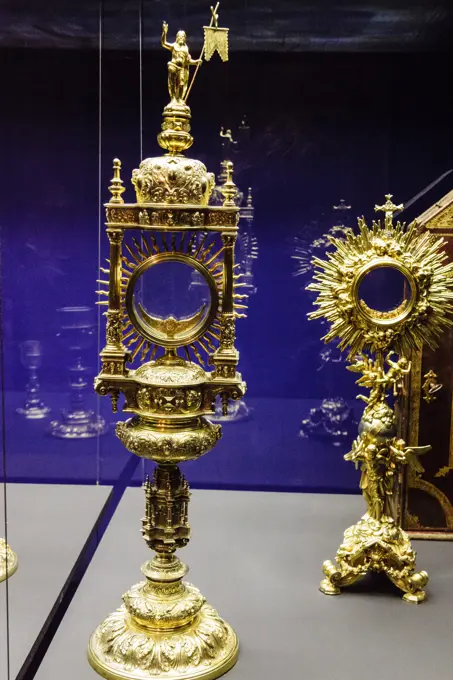
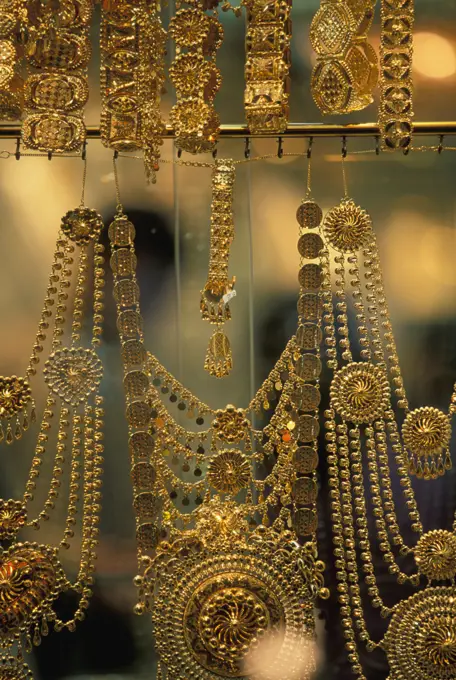
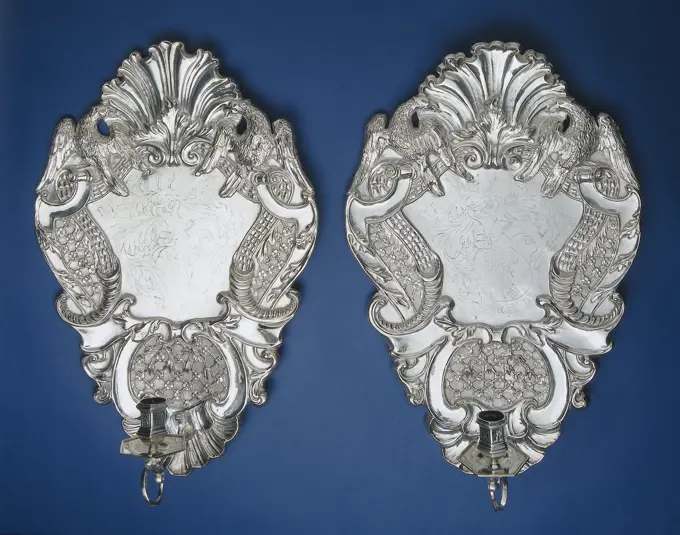
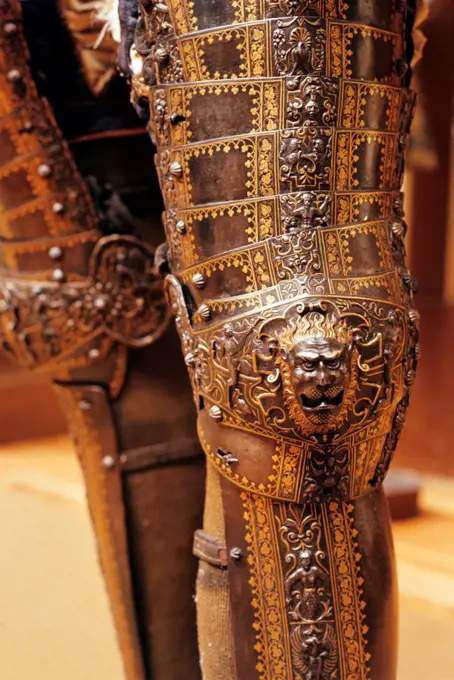
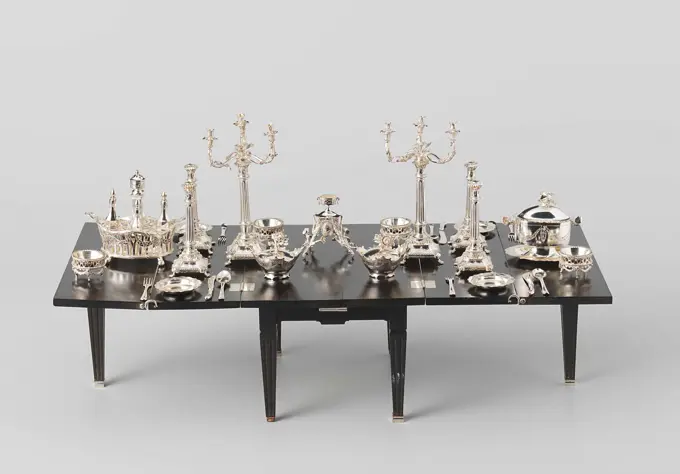
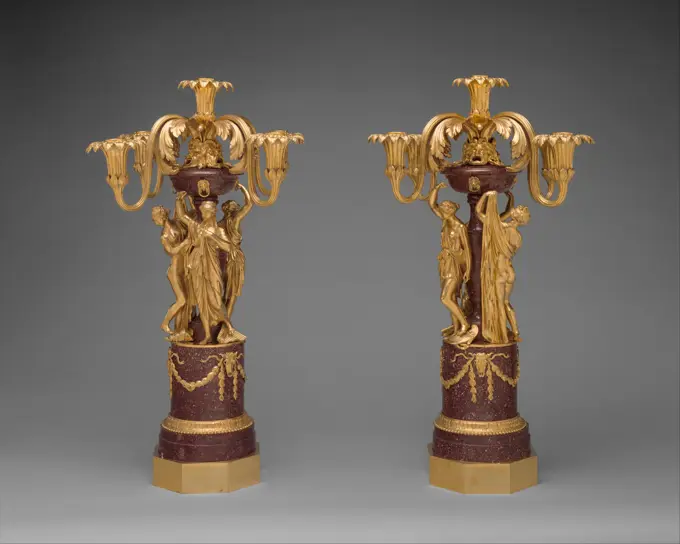
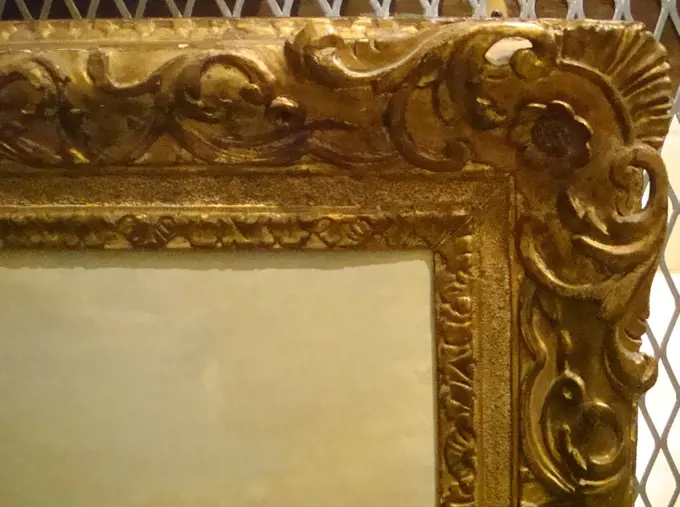
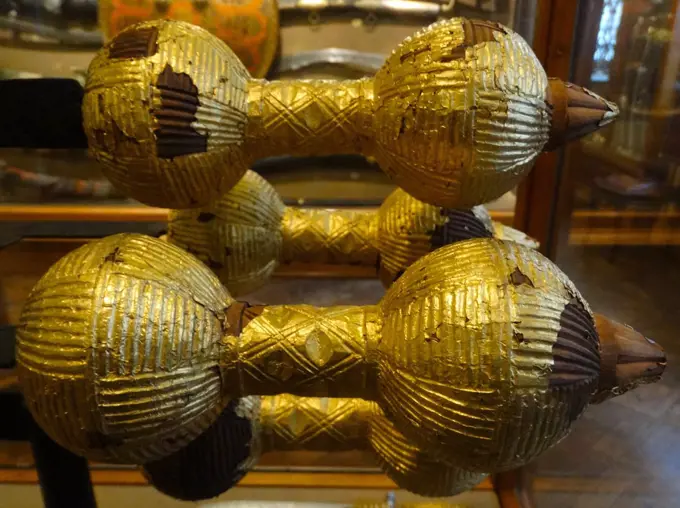
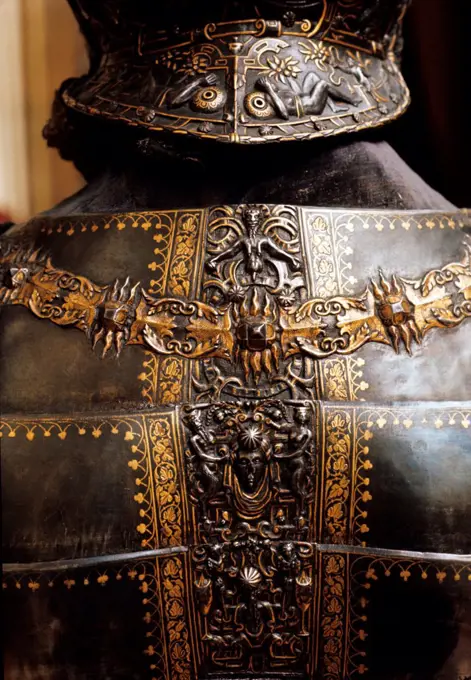
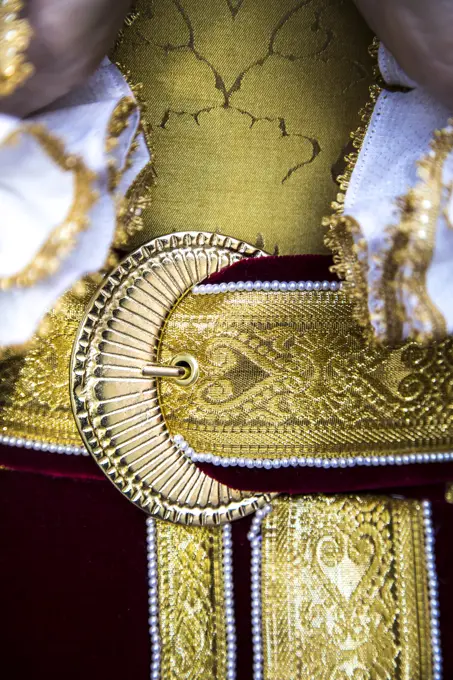
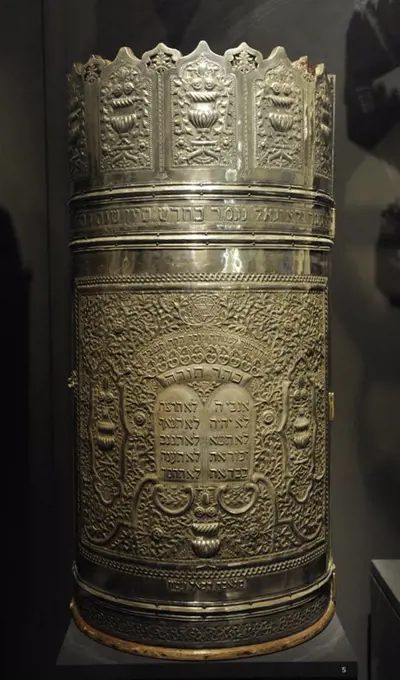
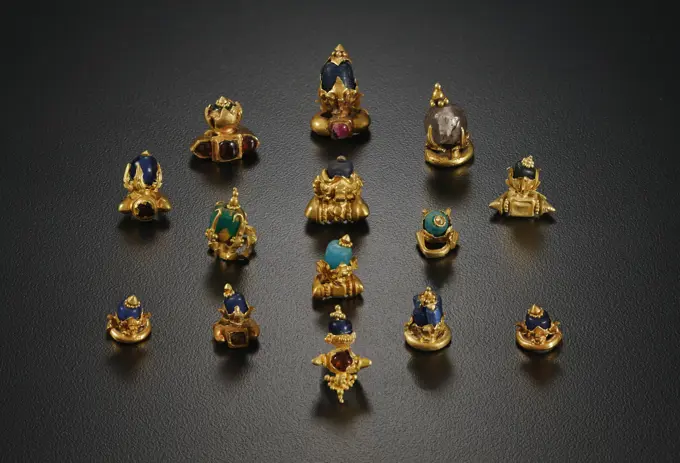
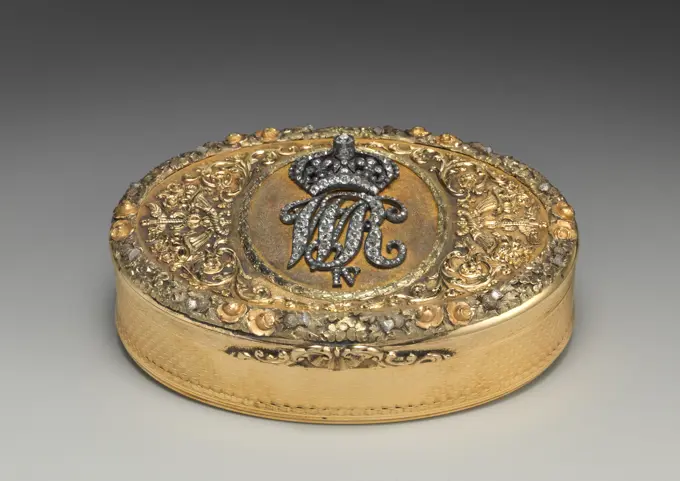
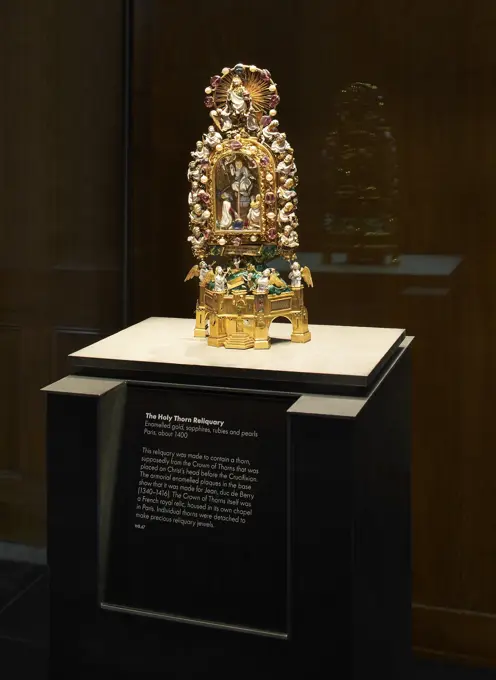
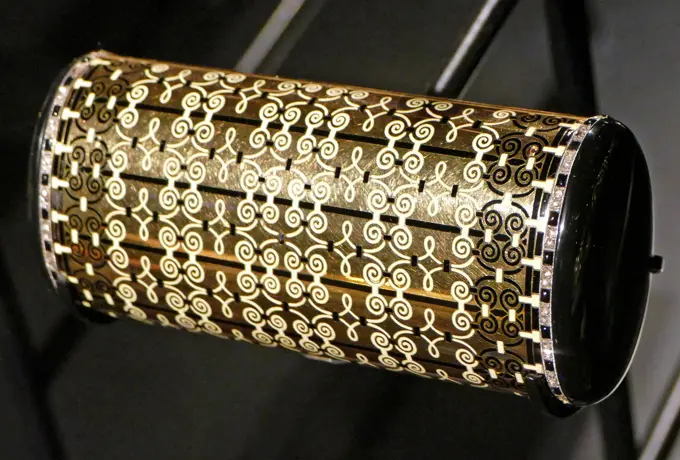
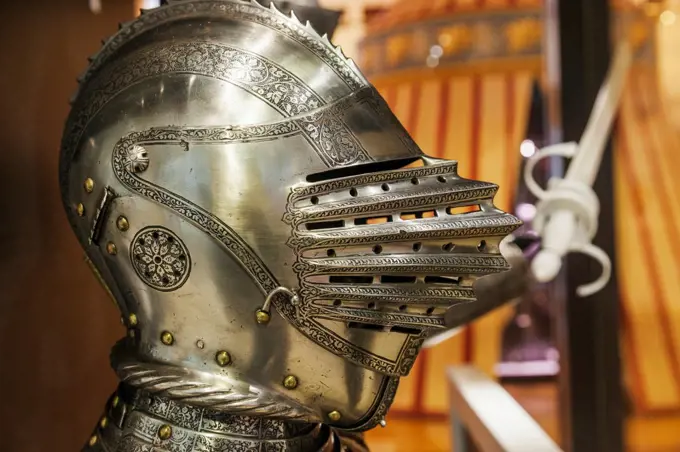
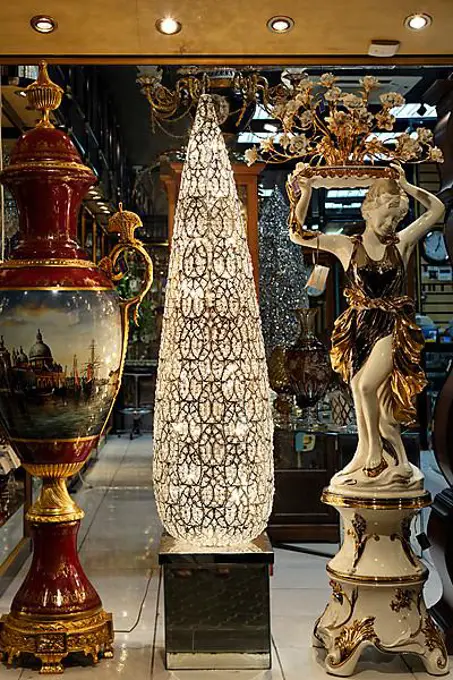
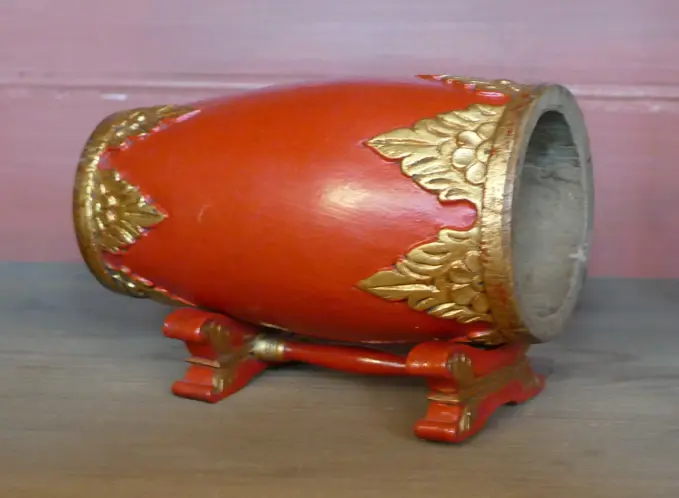
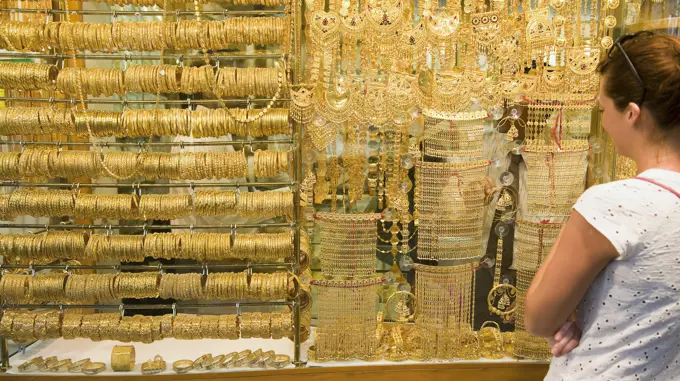
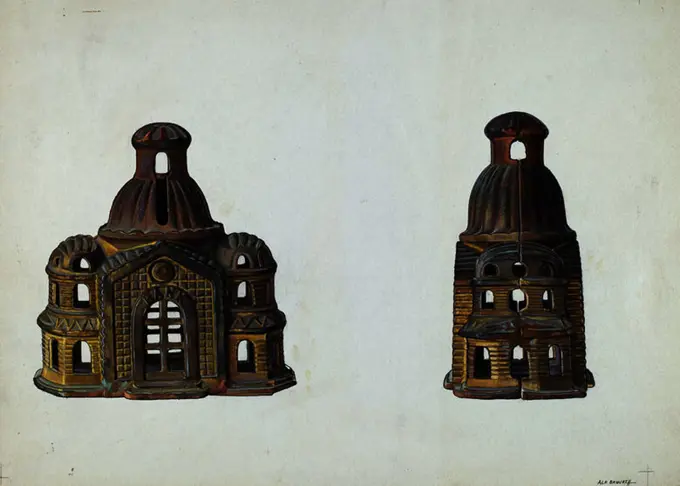
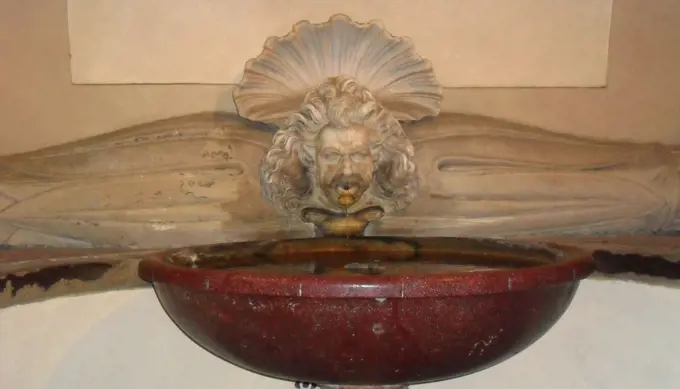
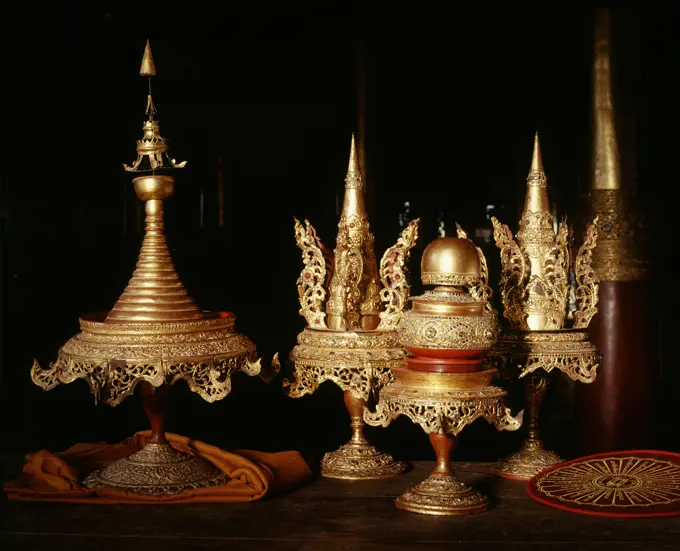
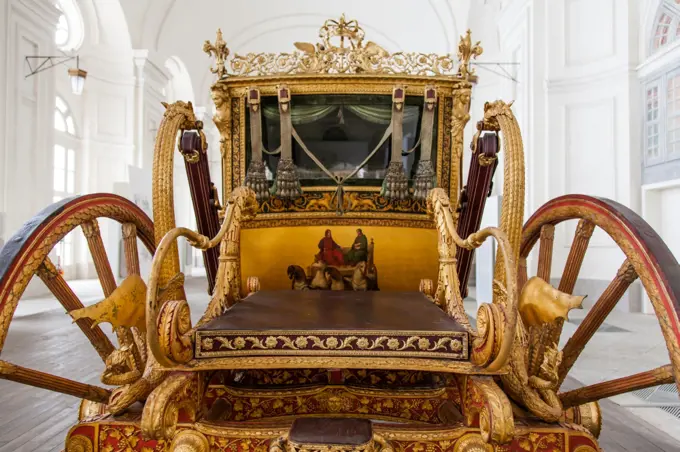
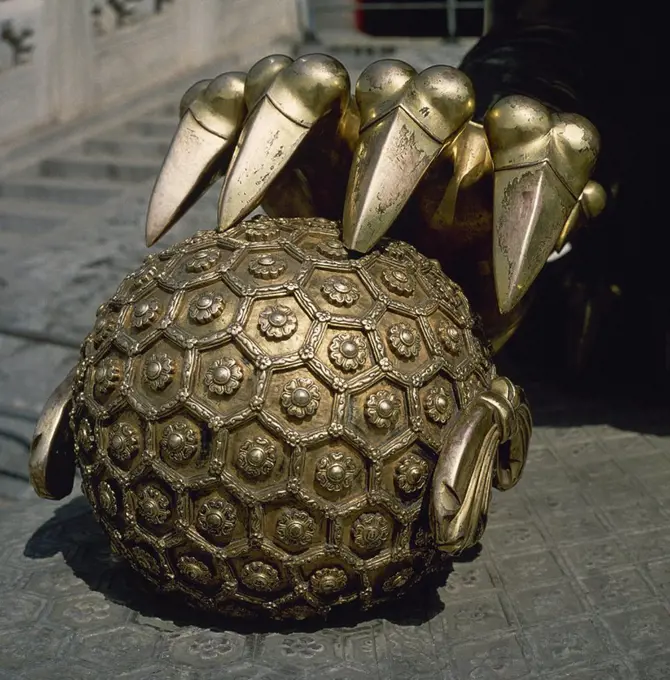
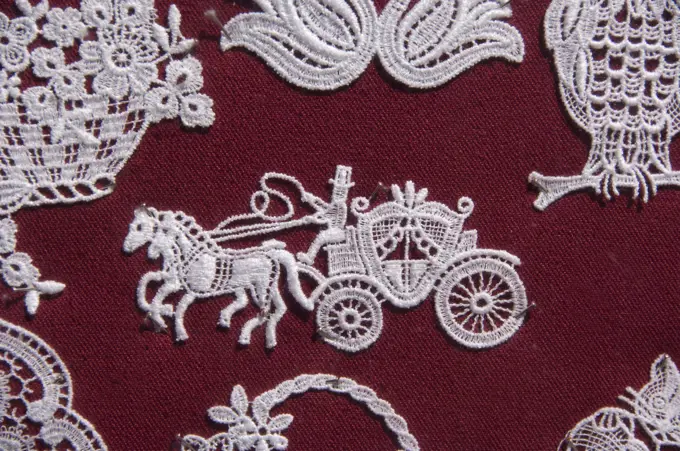
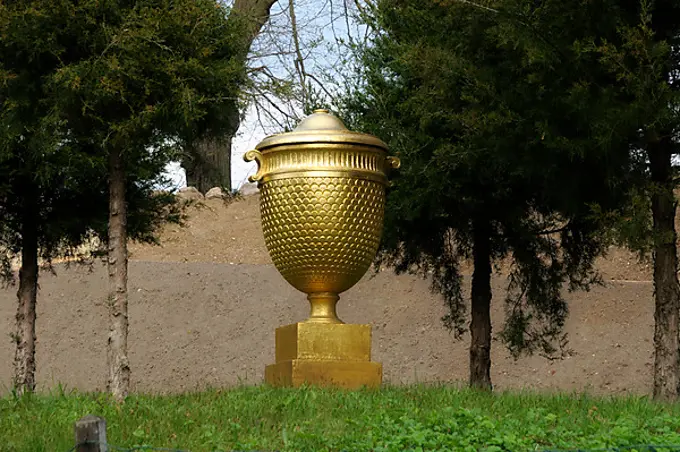
wooden sword made by the Kuba tribe, Democratic Republic of the Congo 1900Ceremonial gold hat. Part of a ruler or Priesterornats, the ornaments are to be interpreted as a calendar. Gold, Around 1000 BC. Origin unknown, probably southern GermanySalt barrel. Salt barrel on three legs. Garlandes hang between the legs. Above the Guirlandes is an openwork gallery with ovals. The loose inner bin has a pearl edge. The salt vessel has not been marked.Basket. Basket in which an oil and vinegar set is located. The style is Louis XVI. The basket has been opened and to the sawwork Walking Guirlandes. The basket is on four legs and has two handles. In the basket is a plateau on which four bottles are located.Metal Diadem at Sjako Corps Royal Marines, M. 1828, c. 1800 - c. 1850  Yellow metal diadem with no. 5. can be closed at the rear with yellow metal buckle. Netherlands Copper (Metal). Speed of buckle: Leather   NetherlandsClockbell crater bell crater, Iberian culture, Archeological Museum. Úbeda, Jaén province, Andalusia, Spain Copyright: xZoonar.com/BartomeuxBalaguerxRotgerx 21702803Vajra and Gem BirdRingSwivel Seal, before 1896. Firm of Peter Carl Fabergé (Russian, 1846-1920), Mikhail Evlampievich Perkhin (Russian, 1860-1903). Gold mounts, yellow stone (or glass); overall: 4.4 x 3.5 cm (1 3/4 x 1 3/8 in.).Colourful hat, Damnoen Saduak floating market, Ratchaburi Province, near Bangkok, ThailandCantenaro. Detalle..Siglo XVIII .M.A.D.B, Barcelona.Turkish Ottoman style water tap examplesReplica of the Sutton Hoo helmet. Produced in the 1970's by the Royal Armouries. Features decorated panels as the original would have, before it corroded.Ewer with scenes from the Story of Diana, Paulus Willemsz. Van Vianen, 1613 Lampet can of driven silver. The cans built from quaboremen, rest on an asymmetrical base. On the belly, Jupiter and Calisto and Calisto punish by Juno. Prague silver (metal) Lampet can of driven silver. The cans built from quaboremen, rest on an asymmetrical base. On the belly, Jupiter and Calisto and Calisto punish by Juno. Prague silver (metal)Gold vessel from Troy - Priam's Teasure. c. 2300 BC. TURKEY.Gold tableware from graves in MycenaePair of andirons probably 1660-80 Stephen Pilcherd British It has been traditionally thought that these andirons come from Nonsuch Palace, Cheam, Surrey, and were part of a group made for King James I (1566-1625). It is more likely that they were made for a later owner of the palace, Barbara Villiers, Duchess of Cleveland (1640-1709), mistress of King Charles II (1630-1685). The arms are those of the Stuart monarchs.. Pair of andirons. British, London. probably 1660-80. Brass, partly enameled, on a wrought-iron frame. Metalwork-BrassDetail of brass chain from which a swing chair, hitchkar, hangs, residential home, near Ahmedabad, Gujarat state, India, AsiaBrass Compass. Iranian, 1800-75. The magnetic compass, a Chinese invention, had arrived in the Middle East by the 13th century. Originally employed in navigation, it was soon adapted for religious use to establish the direction of the Ka'bah in Mecca.Pair ofCandlesticks.   Maker: I. BayleyMonstrances, 17th Century, silver and glass, Evora Museum, Evora, Alentejo, PortugalMiddle East, United Arab Emirates, Dubai, Gold necklaces in the Gold Souk (market) in DeiraDetail from the reconstructed Sutton Hoo Helmet, which was part of the Staffordshire Hoard is the largest hoard of Anglo-Saxon gold and silver metalwork. Dated 5th CenturyWall arm with back plate with the coat of arms of the Spiegel family, Hendrik Swierinck, 1745 The back plate is formed as a shield with a wide edge of collapsed and one after the other along curly volutes, some smooth, decorated with leaves, others with a structure of rows of bulbs. The latter stem from horns of pleats. Between the volutes are fields of grille work with rosettes on a rouguated soil. Stealing over the field in the middle of the tulips that depend on the volutes above it. The plate is closed on top and bottom by spouting, foam and leafy motifs. The crown is flanked by two eagles seated on the volutes with heads bothered by each other. On the foam motif on the underside, the flinged arm -decorated volutes, which is built with leaves, is attached, where it is turned from A to the left and that from B to the right. The arm wears a large, hexagonal fat catcher with a round floor in the middle and an imposed, profiled outdoor edge. With a round, incorporated base, the also heClose-up of a detail of the magnificent, lavishly decorated jamb of the armour of Philip II, first King of Spain from 1556 to 1598. Madrid (Spain), 1966.Fork. Fork with four teeth and a slightly curved handle. The handle has a middle clad and double praise. The fork is equal to three forks with Invnrs. BK-NM-11177-226, BK-NM-11177-227 and BK-NM-11177-228. The fork has not been marked.Pectoral. Iron and gold. Late 4th century BC. From Mezek Tumulus, Haskovo region, Bulgaria. National Archaeological Museum. Sofia. Bulgaria.JARRA ACCITANA-DECORACION MUY BARROCA-SIN VIDRIAR-ARTE POPULAR S XX. Location: ALFARERIA. GRANADA. SPAIN.Royal velvet pillow with crown Orange royal velvet pillow with crown isolated over white background Copyright: xZoonar.com/IvonnexWierinkx 14575726Pair of five-light candelabra 1774 Luigi Valadier Italian After the death of his father in 1763, Prince Marcantonio Borghese (1730-1800) inherited a great fortune that included the finest private art collection in the Eternal City.1 His subsequent role as one of the most important collector-patrons of the Neoclassical period -rivaling, in his own family, Cardinal Scipione Borghese (1576-1633) in the Early Baroque era - has not received the attention that it deserves.2 The creator of this pair of candelabra, Luigi Valadier (1726-1785), became the principal goldsmith for Prince Marcantonio, who was close to him in age, thus extending the ties that the artisan's father, the goldsmith Andrea Valadier (d. 1757), had established to the Borghese court decades earlier.3The superior design and precise, finely detailed craftsmanship of the present five-light candelabra place them among the most distinguished art objects created in the second half of the eighteenth century, an exciting periBritish, Louis XIV frame, Unknown framemaker, 2nd quarter of 18th century, Carved wood, later oil gilding over original oil and water gilding and sanded friezePart of the Treasure of Kofi-Karikari, King of Ashanti, present-day GhanaCinerarium with Lid; Roman Empire; about 20 - 40; Marble; 42 × 45 × 39.5 cm (16 9,16 × 17 11,16 × 15 9,16 in.)ESCRIBANIA DE PLATA DEL TALLER DE MARTINEZ - MADRID - 1834. Author: TALLER DE MARTINEZ. Location: SENADO-INTERIOR. MADRID. SPAIN.Goldsmith's art, 19th century. Cased tete-a-tete service, Empire style.Armillary sphere, spherical astrolabe, detail, 18th-19th century.Cosmetic jar 1874-75 Barnard Brothers The building of railroads during the first half of the nineteenth century led to a tremendous increase in travel, which stimulated the demand for the sumptuous dressing cases retailed by Frederick Jenner and Fabian James Knewstub and other London firms. This luxury case (61.78.1-.50), with its pivoting compartments, secret storage areas, and myriad fittings "which quite exhaust the requisites for the road or the boudoir," certainly made travel as comfortable as it was cumbersome.. Cosmetic jar. British, London. 1874-75. Silver, glass. Metalwork-SilverShowcase with glass. .Sedan chair with the weapons of the Oranje -Nassau house and the Huis Zu Wied, 1800 - 1825  Dark blue sedan with gold piping and golden brushes on either side. Curtains for the windows and a striped upholstery. At the top on the corners a crowned lion and a crown in the middle. On both sides a handle and a painted weapon.  leather. wood (plant material)Cigarette Case. Turkey, 19th century. Metal. Gold with precious stonesPomander or Pomme D Ambre Exhibition, Medieval Scented Ambergris Object Pomander or Pomme D Ambre Exhibition, Medieval Scented Ambergris Object. Historical Perfume and Beauty Accessories Copyright: xZoonar.com/MarcoxDixBenedettox 22390087Goldsmith's art, France, 18th-19th century. Enamelled gold, smoky quartz and pearls smelling salts jars; amethyst-quartz, precious stones and gold message holder in shape of a baby in swaddling bands.Close-up of a detail of the magnificent, lavishly decorated back-plate of Philip II, first King of Spain from 1556 to 1598. Madrid (Spain), 1966.Hanukkah lamps. Hermanus van Gulik, The Hague 1690 and Pieter van Hoven (1658-1735).Europe, Italy, Venice. Belt buckle of a Medieval woman's costume at Carnevale (MR)PENDIENTES DE PLATA Y AMBAR. Location: EGYPTIAN MUSEUM. KAIRO. EGYPT.India, Ladakh, Likir, close-up of dragon head door gripCylindrical Torah scroll case.Tripoli, Libya,1935. Silversmith: Raphael ÔAton. Wood overlaid with silver sheet, repousse_. Inscribed in Hebrew with biblical citations, the name of the donor, Bercusa, in memory of her husband, Solomon Raccah, and the year of donation. Israel Museum. Jerusalem.Terrine, Arnoldus van Geffen, 1761 Round terrine with scalloped bottom edge. The terrine has a lid with also a scalloped edge. The button of the lid is a flying bird. The terrine has two raised handles. The terrine is on a dish. The terrine is marked: stk. = Amsterdam, Jrl. = B (1761), Mt. = Arnoldus van Geffen. The terrine with dish is the same as two copies with invnrs. BK-NM-11177-153-A and BK-NM-11177-153-B, BK-NM-11177-253. Amsterdam silver (metal) Round terrine with scalloped bottom edge. The terrine has a lid with also a scalloped edge. The button of the lid is a flying bird. The terrine has two raised handles. The terrine is on a dish. The terrine is marked: stk. = Amsterdam, Jrl. = B (1761), Mt. = Arnoldus van Geffen. The terrine with dish is the same as two copies with invnrs. BK-NM-11177-153-A and BK-NM-11177-153-B, BK-NM-11177-253. Amsterdam silver (metal)HUNGARY, BUDAPEST, PARLIAMENT BUILDING, INTERIOR, HUNGARIAN CROWN JEWELSBlue Bead BirdRingSnuffbox with cipher of William IV of the United Kingdom of Great Britian and Ireland 1825-26 John Northam WR IV crowned is the monogram of King William IV (born 1765, reigned 1830-37). This otherwise plain box was embellished with an encrusted plaque bearing his monogram; the border combines roses, thistles, and shamrocks. The box was presented to Henry George Scholtz, British consul at Lisbon (1828-34) and the grandfather of the donor's husband.. Snuffbox with cipher of William IV of the United Kingdom of Great Britian and Ireland. British, London. 1825-26. Gold, diamonds, enamel. Metalwork-Gold and PlatinumDisplay of the Holy Thorn Reliquary. Waddesdon Bequest Gallery at the British Museum, London, United Kingdom. Architect: Stanton Williams, 2015.Bord, anonymous, 1782 Round eating plate with scalloped edge. Shiringes are engraved on the edge. A flower is engraved in the middle of the plate. The board is marked: stk. = Amsterdam, JRL. = X (1782) and Mt. = Foot 430. The board is a copy from a set consisting of 36 identical plates (BK-NM-111177-189 to BK- NM-11177-224). Amsterdam silver (metal) Round eating plate with scalloped edge. Shiringes are engraved on the edge. A flower is engraved in the middle of the plate. The board is marked: stk. = Amsterdam, JRL. = X (1782) and Mt. = Foot 430. The board is a copy from a set consisting of 36 identical plates (BK-NM-111177-189 to BK- NM-11177-224). Amsterdam silver (metal)MOMIA DE UN JOVEN ADULTO DE TEBAS - XXVI DINASTIA. Location: BRITISH MUSEUM. LONDON. ENGLAND.Chandelier crystal Luxurious golden chandelier with crystal glass prism Copyright: xZoonar.com/Baloncicix 7041880Electors Beaker (Kurfürstenhumpen). Germany, 1668. Furnishings; Serviceware. Glass, enamel, giltVanity Case (Compaq), French, made in Paris, 1928 by Cartier. Gold, platinum, enamel and diamondsClose-up of a medieval helmet in a museum, Royal Armouries Museum, Leeds, West Yorkshire, EnglandMonumental amphora, a floor lamp and a sculptural figure, kitsch decor in a European style for Arab home furnishings, Deira, Dubai, United Arab Emirates, Middle East, Asiamodel gamelan ochestral instrument, from Indonesia, collected by Sir Stamford Raffles (1781-1826), British statesman, Lieutenant Governor of Java and founder of Singapore in 1819Model for a Dolls House of the Imperial Austrian State Coach 1898Woman viewing jewelry on display in Gold Souk in Deira, Dubai, United Arab Emirates.Plate ca. 1820-50 American. Plate 6190Toy Bank: "Bank Building". Dated: c. 1938. Dimensions: overall: 20.2 x 27.8 cm (7 15/16 x 10 15/16 in.) Original IAD Object: 4 3/16" long at base; 2" wide; Base to top of dome: 4 1/8"; Entrance: 1 13/16" wide; 2 1/2" high; dome 1 3/8"; 1st story: 1" high; 7/16" wide; 2nd story 13/16" high; 12/16" wide. Medium: watercolor, gouache, and graphite on paper. Museum: National Gallery of Art, Washington DC. Author: Alf Bruseth.Portable copper gas water heater. Dated 1937Interior detail from the Palazzo Vecchio, Florence, Italy. A massive, Romanesque fortress-palace designed by the architect Arnolfo di Cambio. Internally, The first courtyard was designed in 1453 by Michelozzo. In the lunettes, high around the courtyard, are crests of the Church and City Guilds. In the centre, the porphyry fountain is by Battista del Tadda. This image shows detail from the fountain.Eleborate ceremonial lacquer containers, Mandalay, BurmaTowneley Lectionary details Front corner. 1550. three dimensional object. Religious books, Manuscripts. Manuscripts and Archives DivisionThe ship's bell with any coastal mine sweeper hr.ms. Dokkum. (1955-1983)Caskets Koran Shop Window, Karl-Marx-Strasse, Neukoelln, Berlin, Germany, EuropeShowcase with glass objects, including groins; Louis Xiiie Gang ..Showcase with silver objects; Exhibition English silver 1660-1820. .Natural occurring Conch covered with silver and gold ones used in Nagarathar wedding festival, Chettinad, Tamil Nadu, India, AsiaItaly. Old coach on luxury palace background.The Aga Khan Museum is a museum of Islamic art, Iranian art and Muslim culture in Toronto, Ontario.Caged birds for sale at a market in Beijing, China.Oriental perfume bottle exquisitely crafted with intricate patterns with translucent golden hue liquidArchbishops Palace, door knocker at entrance, Plaza de Armas, (Plaza Mayor), Lima, PeruChinese Art. Imperial guardian lion. Paw. Forbidden City. Old Beijing. China.Europe, Belgium, Brugge (aka Brug or Bruge). Historic Brugge, UNESCO World Heritige Site. World famous Belgium lace.Running Horse Weather Vane. Dated: c. 1940. Dimensions: overall: 29.3 x 40.7 cm (11 9/16 x 16 in.) Original IAD Object: 36" long. Medium: watercolor and graphite on paperboard. Museum: National Gallery of Art, Washington DC. Author: Gertrude Koch.Harp. Stringed musical instrument. Museum of the City of Malmo. Sweden.Crown by Joseph RaffaelNew exhibition Koenigsmacher in the Albrechtsburg Meissen, Meissen, Saxony, Germany, EuropeEngland, London, Tower of London, The White Tower, Display of the Armour of Henry, Prince of Wales dated about 1607Golden Urn, Woerlitzer Park, UNESCO World Heritage Site Dessau-Woerlitzer Gartenreich, Woerlitz, Saxony-Anhalt, Germany, Europe17th century Japanese samurai armour. Showing helmet and full tunicEngland, London, Hertford House, The Wallace Collection, The European Armoury Display of Medieval ArmourRELOJ. Location: MUSEO ROMANTICO-OBJETO. MADRID. SPAIN.